⚡ FLASH SALE: Get 60% OFF All Premium 3D & STL Models! ⚡

“`html
The world of 3D printing opens up incredible possibilities, from prototyping innovative designs to creating intricate models like the stunning car replicas available at 88cars3d.com. However, before you can bring your digital creation to life, you need to understand the critical step of converting polygon 3D models into the STL file format, the industry standard for additive manufacturing. This process involves more than just a simple file conversion; it requires careful consideration of mesh quality, resolution, and potential errors that could impact the final print. This comprehensive guide will walk you through the intricacies of polygon-to-STL conversion, covering essential techniques, software options, and troubleshooting tips to ensure your 3D prints are successful.
In this guide, you’ll learn about STL file structure, best practices for creating manifold meshes, essential slicing parameters, strategies for optimal print orientation, and post-processing techniques to enhance your 3D printed car models from 88cars3d.com. Whether you’re a seasoned 3D printing enthusiast or just starting your journey, this guide will equip you with the knowledge and skills needed to master the art of STL conversion and achieve exceptional 3D printing results.
Before diving into the conversion process, it’s crucial to understand the fundamental differences between polygon-based 3D models and the STL file format. Polygon models, used in most 3D modeling software, represent surfaces as a collection of interconnected polygons (typically triangles or quadrilaterals). These models can capture complex shapes and intricate details. The STL (Stereolithography) format, on the other hand, represents the surface geometry of a 3D object as a collection of triangles. It’s a simplified representation that focuses solely on the surface and lacks information about color, texture, or material properties. This simplicity makes it ideal for 3D printers, which primarily need geometric data to build the object layer by layer.
The integrity of your polygon mesh is paramount for a successful STL conversion. A “manifold” mesh is a crucial concept. A manifold mesh is one where every edge of every triangle is shared by exactly two triangles, and the mesh is closed (no holes). Non-manifold geometry, such as intersecting faces, open edges, or disconnected components, can cause errors during slicing and printing. Before converting to STL, thoroughly inspect your model for non-manifold errors using mesh analysis tools in your 3D modeling software (e.g., Blender’s “Mesh Analysis” tools, or Netfabb’s repair features). Repairing these errors ensures that the STL file accurately represents your intended design.
STL files come in two flavors: ASCII and binary. ASCII STL files are human-readable text files that list the coordinates of each triangle’s vertices and the normal vector (direction) of each triangle’s surface. Binary STL files, on the other hand, store the same information in a compressed binary format, resulting in smaller file sizes and faster processing. While ASCII files are easier to inspect manually, binary STL files are generally preferred for 3D printing due to their efficiency. Most slicing software can handle both formats, but binary is the standard for larger, more complex models to reduce file size and processing time. For example, a complex car model from 88cars3d.com might benefit from the smaller size offered by binary STL format, speeding up the slicing process.
Proper preparation is key to a smooth and successful STL conversion. This involves several steps, including cleaning up the mesh, optimizing polygon count, and ensuring the model is watertight. Skipping these steps can lead to printing issues such as gaps, holes, or unexpected artifacts in the final product.
Before converting, meticulously clean up your polygon mesh. This includes removing any duplicate vertices, merging nearby vertices, and filling any small gaps or holes. Many 3D modeling software packages offer automatic repair tools that can identify and fix common mesh errors. For example, in Meshmixer, you can use the “Make Solid” tool to automatically repair non-manifold geometry and create a watertight mesh. Alternatively, Netfabb offers advanced mesh repair capabilities, allowing you to manually fix complex errors and optimize the mesh for 3D printing.
While high-resolution models capture intricate details, they also result in larger STL files and increased processing time during slicing. Finding the right balance between detail and polygon count is crucial. Consider using decimation tools in your 3D modeling software to reduce the polygon count while preserving the overall shape and important features of the model. For example, you can use Blender’s “Decimate” modifier or ZBrush’s “Decimation Master” to reduce the polygon count by a specified percentage or target number of faces. Aim for a polygon count that captures the necessary details without making the file unnecessarily large. For models from platforms like 88cars3d.com, which are designed for 3D printing, the polygon count is generally optimized for good detail and printability, but adjustments might still be needed based on your specific printer and desired print size.
Numerous software options are available for converting polygon models to the STL format, ranging from free and open-source tools to professional-grade CAD/CAM software. The choice depends on your budget, skill level, and the complexity of your models. Each software has its own strengths and weaknesses, so it’s important to choose one that suits your specific needs.
Blender is a powerful, free, and open-source 3D creation suite that includes robust tools for mesh editing and STL conversion. To export an STL file from Blender, simply go to File > Export > Stl (.stl). Before exporting, ensure that your model is manifold and properly oriented. You can use Blender’s “Mesh Analysis” tools to identify and fix non-manifold geometry. Additionally, Blender allows you to adjust the export settings, such as the scale and axis orientation, to ensure compatibility with your 3D printer and slicing software. Blender is a great option for both beginners and experienced users due to its versatility and extensive online resources.
Meshmixer, another free software from Autodesk, is specifically designed for mesh editing and preparation for 3D printing. It offers powerful tools for repairing non-manifold geometry, smoothing surfaces, and optimizing meshes. To export an STL file from Meshmixer, go to File > Export and select the STL format. Before exporting, use Meshmixer’s “Make Solid” tool to ensure that your model is watertight and free of errors. Meshmixer is particularly useful for repairing problematic meshes and preparing them for successful 3D printing. Its intuitive interface and specialized tools make it a favorite among 3D printing enthusiasts. It is often used to add support structures as well.
Once you have your STL file, the next crucial step is slicing. Slicing software takes the STL file and converts it into a series of instructions (G-code) that the 3D printer can understand. The slicing process involves defining numerous parameters that significantly impact the print quality, strength, and printing time.
Layer height is arguably the most important slicing parameter. It determines the thickness of each layer of material deposited by the 3D printer. Lower layer heights result in smoother surfaces and finer details, but they also increase printing time significantly. Higher layer heights, on the other hand, reduce printing time but sacrifice surface quality. Finding the optimal layer height involves balancing these trade-offs based on the specific model and desired outcome. For highly detailed car models from 88cars3d.com, a layer height of 0.1mm or 0.15mm might be suitable for capturing intricate features, while a less detailed model could be printed at 0.2mm or 0.25mm to save time. Remember that different materials might need different layer heights to properly adhere.
Infill refers to the internal structure of the 3D printed object. It provides strength and support while minimizing material usage. Infill density, expressed as a percentage, determines how much of the object’s interior is filled with material. Higher infill densities result in stronger but heavier prints, while lower densities reduce material usage and printing time but may compromise structural integrity. The choice of infill pattern also affects the strength and print time. Common infill patterns include grid, honeycomb, gyroid, and lines. For most applications, a 20-25% infill density with a gyroid or honeycomb pattern provides a good balance of strength and material usage. However, for functional parts that require high strength, a higher infill density (e.g., 50% or more) may be necessary. For purely aesthetic models, such as display cars, lower infill percentages (10-15%) are sufficient.
Support structures are temporary structures that are printed to support overhanging parts of the model during the printing process. Without supports, these overhanging areas would collapse due to gravity. Generating and removing support structures is an essential aspect of 3D printing, particularly for complex geometries. The type of support structure, its density, and its placement significantly impact the print quality and the ease of removal.
Slicing software offers different types of support structures, each with its own advantages and disadvantages. Linear supports are the most common type, consisting of straight columns that connect the overhanging areas to the build plate. Tree supports, on the other hand, are branching structures that resemble trees. They use less material than linear supports and are often easier to remove, but they may not be suitable for all geometries. The best choice depends on the specific model and the complexity of its overhangs. For models with intricate details and delicate overhangs, tree supports might be a better option. Experiment with different support types to find the one that works best for your specific needs.
Proper support placement is crucial for ensuring that all overhanging areas are adequately supported while minimizing material usage and print time. Avoid placing supports in areas that are difficult to reach or that will leave visible marks on the final print. Adjust the support density to provide sufficient support without making the structures too difficult to remove. A higher support density results in stronger support structures but also increases material usage and print time. For delicate areas, consider using a higher support density, while for less critical areas, a lower density may suffice. Most slicing programs allow for manual placement of supports as well, giving the user full control.
The choice of material and printer settings significantly impacts the final outcome of your 3D print. Different materials have different properties, such as strength, flexibility, and temperature resistance. Understanding these properties and selecting the appropriate material for your application is essential. Similarly, optimizing the printer settings, such as temperature, print speed, and bed adhesion, is crucial for achieving successful prints.
Two primary 3D printing technologies dominate the market: Fused Deposition Modeling (FDM) and Resin printing (SLA/DLP). FDM printing uses a thermoplastic filament that is heated and extruded through a nozzle to build the object layer by layer. FDM printers are generally more affordable and versatile than resin printers, but they typically produce prints with lower resolution and less detail. Resin printing, on the other hand, uses a liquid resin that is cured by ultraviolet light. Resin printers are capable of producing highly detailed prints with smooth surfaces, but they are generally more expensive and require more post-processing. The choice between FDM and resin printing depends on your budget, the desired level of detail, and the specific application. For example, if you’re printing a car model from 88cars3d.com with intricate details, a resin printer might be the better choice. However, for a larger, less detailed model, an FDM printer might be more suitable.
Each 3D printing material requires specific printer settings to achieve optimal results. PLA (Polylactic Acid) is a popular, easy-to-print thermoplastic that is ideal for beginners. It requires a relatively low printing temperature (180-220°C) and does not require a heated bed in some cases. PETG (Polyethylene Terephthalate Glycol) is a stronger and more durable thermoplastic than PLA, but it requires a higher printing temperature (220-250°C) and a heated bed (70-80°C). ABS (Acrylonitrile Butadiene Styrene) is a high-strength thermoplastic that is commonly used for functional parts. However, it requires a high printing temperature (230-260°C), a heated bed (90-110°C), and an enclosed build chamber to prevent warping. Resin printing requires different settings depending on the specific resin used. Typically, the resin manufacturer provides recommended exposure times and layer heights for their resins. Always refer to the manufacturer’s recommendations for optimal results.
Even with careful preparation and optimal settings, 3D printing can sometimes encounter issues. Common problems include warping, bed adhesion issues, layer separation, and nozzle clogging. Understanding the causes of these issues and knowing how to troubleshoot them is essential for achieving successful prints.
Warping occurs when the corners of the 3D printed object lift off the build plate during printing. This is often caused by uneven cooling or poor bed adhesion. To prevent warping, ensure that your build plate is clean and level. Apply an adhesive, such as glue stick or hairspray, to the build plate to improve adhesion. For materials like ABS, using an enclosed build chamber can help to maintain a consistent temperature and prevent warping. Bed adhesion problems can also be caused by incorrect Z-offset settings. Adjusting the Z-offset to ensure that the nozzle is close enough to the build plate without being too close can improve bed adhesion.
Layer separation occurs when the layers of the 3D printed object do not adhere properly to each other. This can be caused by low printing temperature, insufficient cooling, or incorrect extrusion settings. Increase the printing temperature to improve layer adhesion. Ensure that the cooling fan is not cooling the print too much, as this can prevent the layers from bonding properly. Check your extrusion settings to ensure that the printer is extruding the correct amount of material. Nozzle clogging occurs when filament becomes stuck in the nozzle, preventing it from extruding properly. This can be caused by using low-quality filament, printing at too low of a temperature, or allowing the filament to sit idle in the hot end for too long. Try cleaning the nozzle using a needle or a cold pull technique. If the nozzle is severely clogged, it may need to be replaced. Regular maintenance of your 3D printer, including cleaning the nozzle and lubricating the moving parts, can help to prevent these issues.
Post-processing refers to the steps taken after the 3D print is complete to improve its appearance, functionality, or durability. Common post-processing techniques include support removal, sanding, painting, and assembly. These techniques can significantly enhance the final product and transform a raw 3D print into a polished and professional-looking object.
The first step in post-processing is typically removing the support structures. This can be done using a variety of tools, such as pliers, cutters, or specialized support removal tools. Be careful not to damage the model while removing the supports. After removing the supports, the surface may have some rough spots or blemishes. Sanding can be used to smooth the surface and remove any imperfections. Start with a coarse grit sandpaper (e.g., 220 grit) and gradually work your way up to finer grits (e.g., 400 grit, 600 grit, 800 grit) to achieve a smooth finish. For hard-to-reach areas, consider using small files or rotary tools with sanding attachments. Sometimes chemical smoothing is an option, depending on the material.
Painting is a great way to enhance the appearance of your 3D printed car models. Before painting, prime the surface with a primer that is compatible with the material you used. This will help the paint adhere properly and create a smooth, even finish. Use multiple thin coats of paint rather than one thick coat to prevent runs and drips. Allow each coat of paint to dry completely before applying the next coat. After painting, you can apply a clear coat to protect the paint and add a glossy finish. For car models with multiple parts, assembly may be required. Use glue or screws to attach the parts together. Ensure that the parts are properly aligned before securing them. Consider using clamps or jigs to hold the parts in place while the glue dries. For example, when printing a car model from 88cars3d.com, you can paint it with realistic colors and assemble it to create a stunning replica of your favorite vehicle.
Converting polygon 3D models to STL for 3D printing is a multifaceted process that demands a thorough understanding of mesh preparation, slicing parameters, material properties, and post-processing techniques. By mastering these essential steps, you can unlock the full potential of 3D printing and create stunning, high-quality objects, from intricate car models sourced from platforms like 88cars3d.com to functional prototypes and artistic creations. The journey from a digital design to a physical object is filled with possibilities, and by following the guidelines outlined in this comprehensive guide, you’ll be well-equipped to navigate the challenges and achieve exceptional results.
Remember to prioritize mesh integrity, optimize slicing parameters for your chosen material and printer, and explore various post-processing techniques to refine your prints. Experiment with different settings and materials to discover what works best for your specific projects. With practice and dedication, you can become a skilled 3D printing enthusiast and bring your digital creations to life with confidence. Now, armed with this knowledge, you’re ready to take your 3D printing endeavors to the next level. Consider exploring online resources, joining 3D printing communities, and continuing to learn and experiment to expand your skills and unlock new possibilities in the exciting world of additive manufacturing.
“`
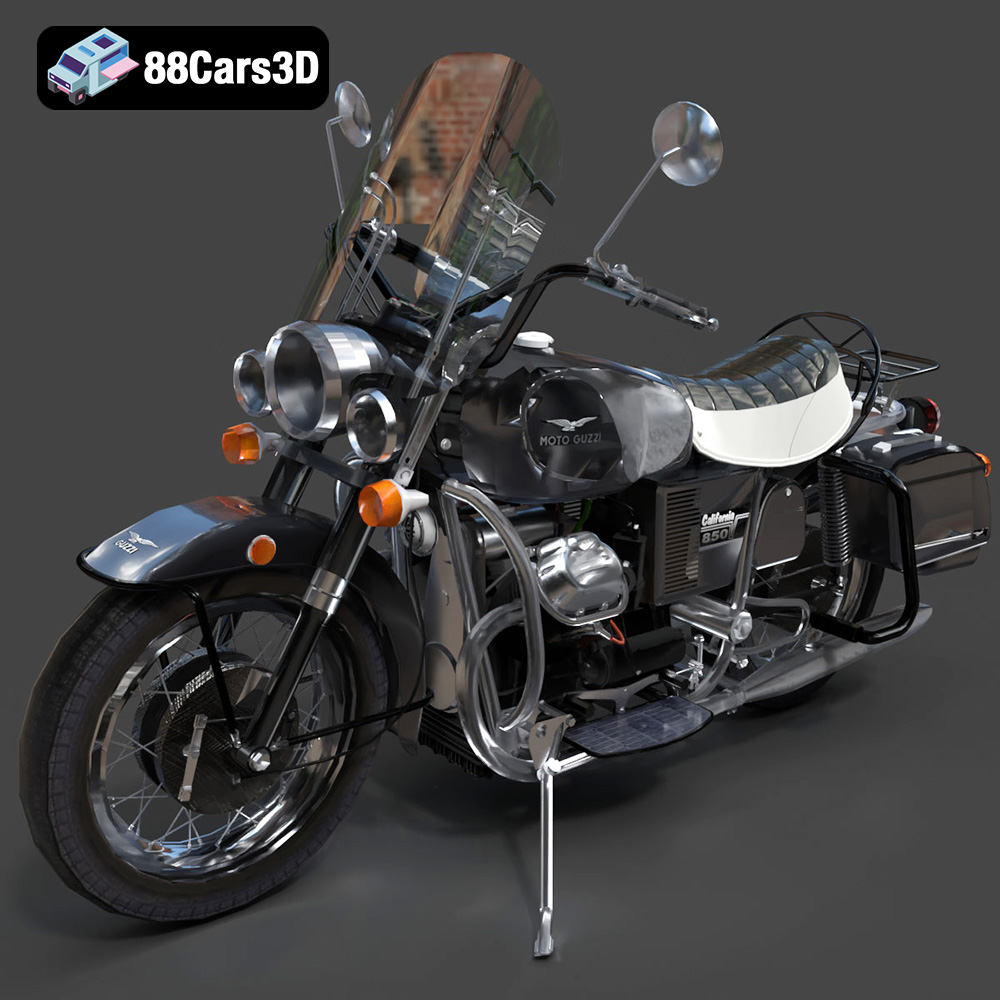
Texture: Yes
Material: Yes
Download the Moto Guzzi Classic Motorcycle 2024 3D Model featuring clean geometry, realistic detailing, and a fully modeled interior. Includes .blend, .fbx, .obj, .glb, .stl, .ply, .unreal, and .max formats for rendering, simulation, and game development.
Price: $10

Texture: Yes
Material: Yes
Download the Horch 853 Sport Cabriolet 1937 3D Model featuring clean geometry, realistic detailing, and a fully modeled interior. Includes .blend, .fbx, .obj, .glb, .stl, .ply, .unreal, and .max formats for rendering, simulation, and game development.
Price: $10
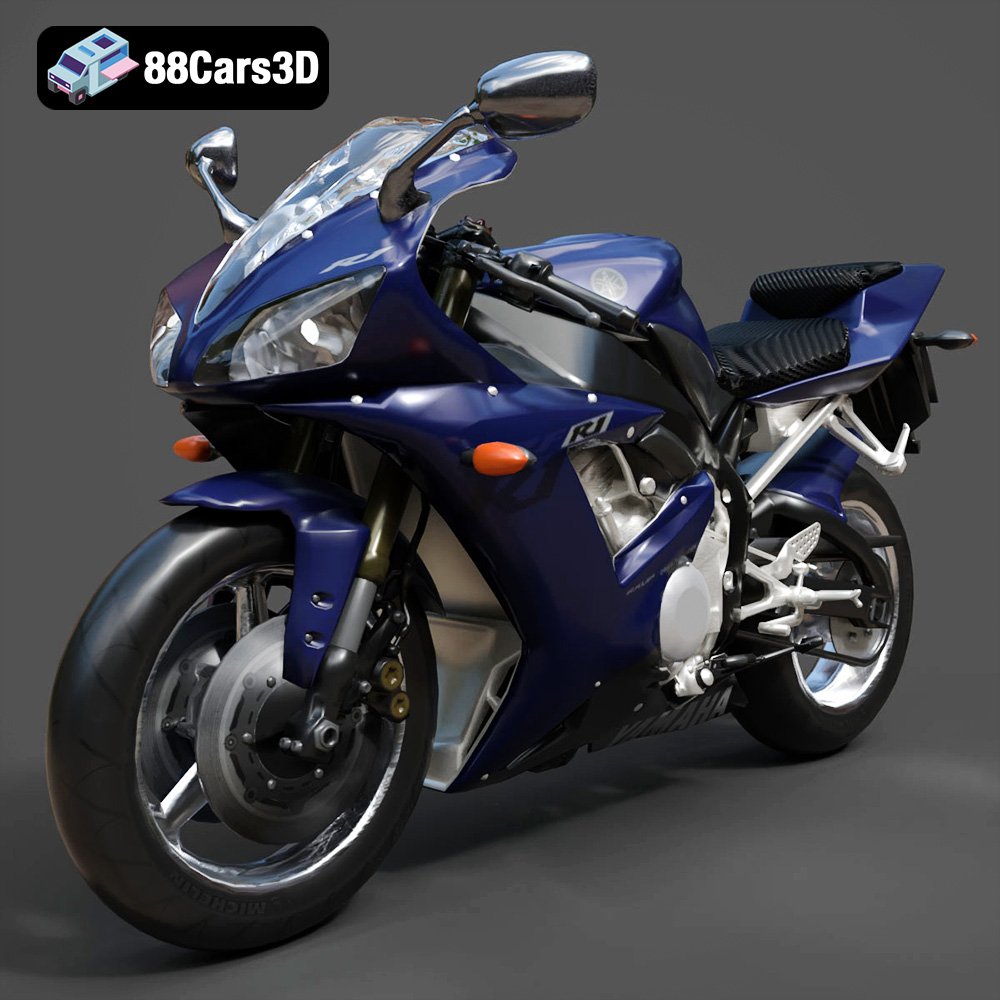
Texture: Yes
Material: Yes
Download the Yamaha YZF-R1 Motorcycle 3D Model featuring clean geometry, realistic detailing, and a fully modeled interior. Includes .blend, .fbx, .obj, .glb, .stl, .ply, .unreal, and .max formats for rendering, simulation, and game development.
Price: $10
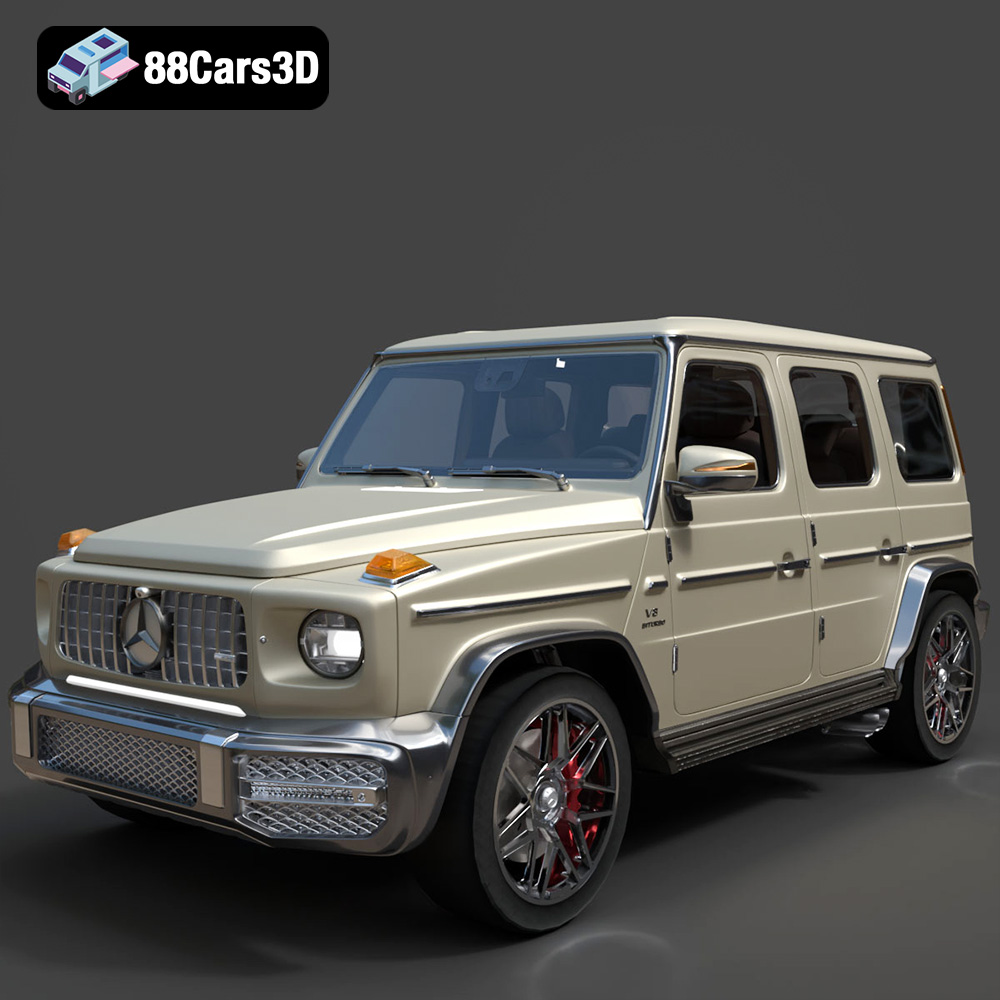
Texture: Yes
Material: Yes
Download the Mercedes Benz G63 AMG 2019 3D Model featuring clean geometry, realistic detailing, and a fully modeled interior. Includes .blend, .fbx, .obj, .glb, .stl, .ply, .unreal, and .max formats for rendering, simulation, and game development.
Price: $90
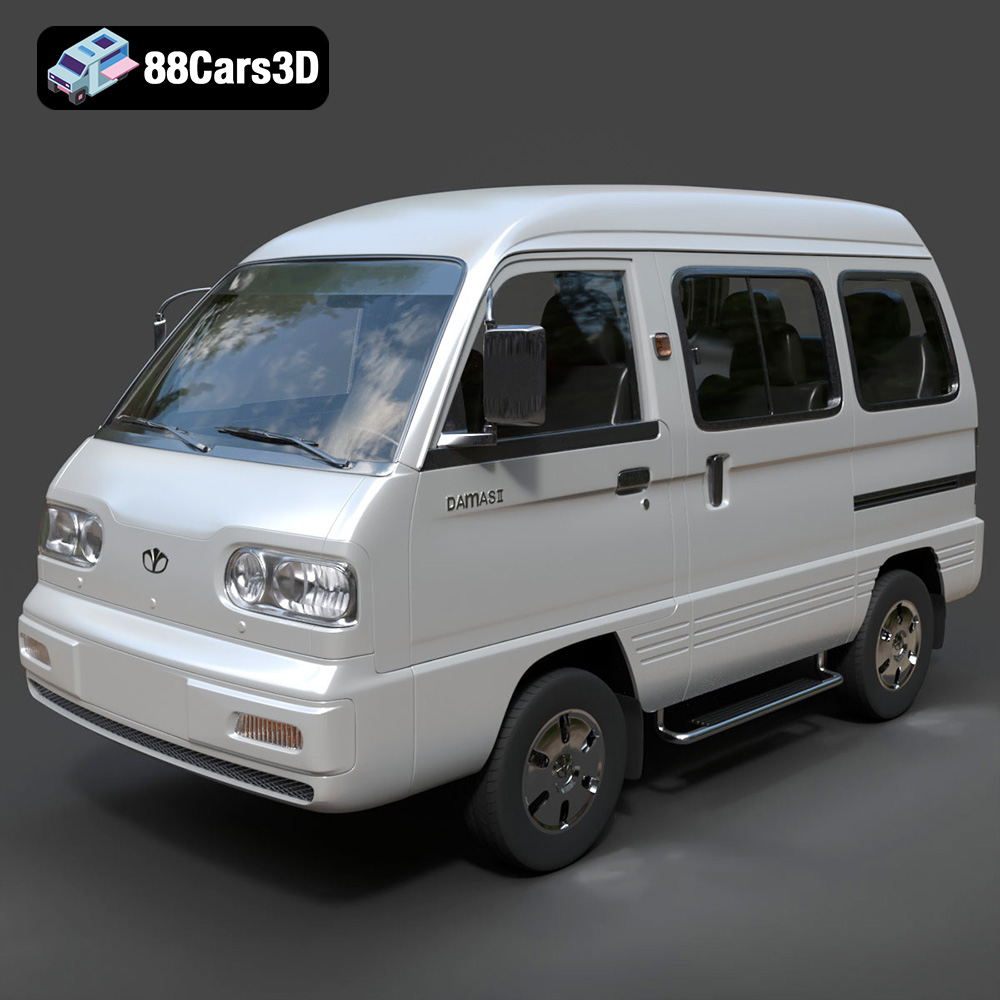
Texture: Yes
Material: Yes
Download the Daewoo Damas Mk2 2012 3D Model featuring clean geometry, realistic detailing, and a fully modeled interior. Includes .blend, .fbx, .obj, .glb, .stl, .ply, .unreal, and .max formats for rendering, simulation, and game development.
Price: $10
Texture: Yes
Material: Yes
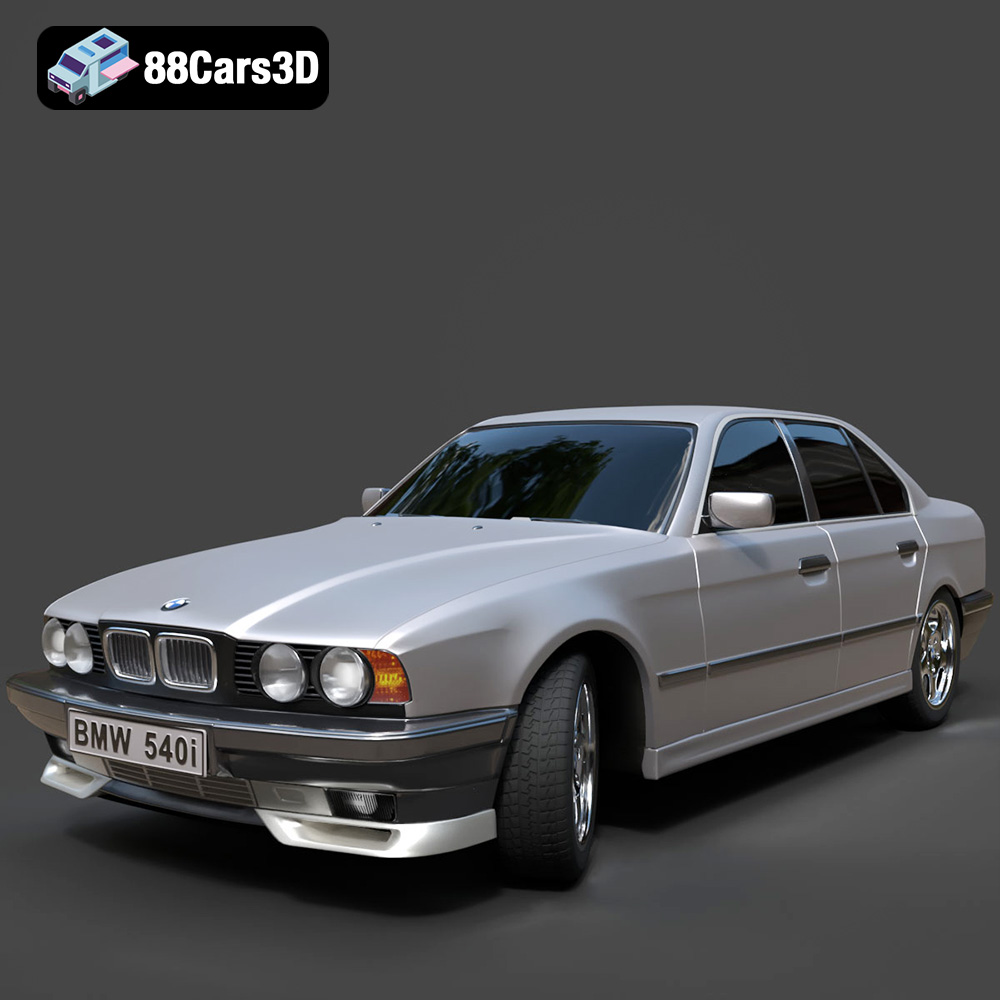
Download the BMW 540 E34 3D Model featuring clean geometry, realistic detailing, and a fully modeled interior. Includes .blend, .fbx, .obj, .glb, .stl, .ply, .unreal, and .max formats for rendering, simulation, and game development.
Price: $10

Texture: Yes
Material: Yes
Download the BMW 8 Series Coupe 2020 3D Model featuring clean geometry, realistic detailing, and a fully modeled interior. Includes .blend, .fbx, .obj, .glb, .stl, .ply, .unreal, and .max formats for rendering, simulation, and game development.
Price: $10

Texture: Yes
Material: Yes
Download the Mercedes-Benz CLA45 AMG 2017 3D Model featuring clean geometry, realistic detailing, and a fully modeled interior. Includes .blend, .fbx, .obj, .glb, .stl, .ply, .unreal, and .max formats for rendering, simulation, and game development.
Price: $21.99
Texture: Yes
Material: Yes
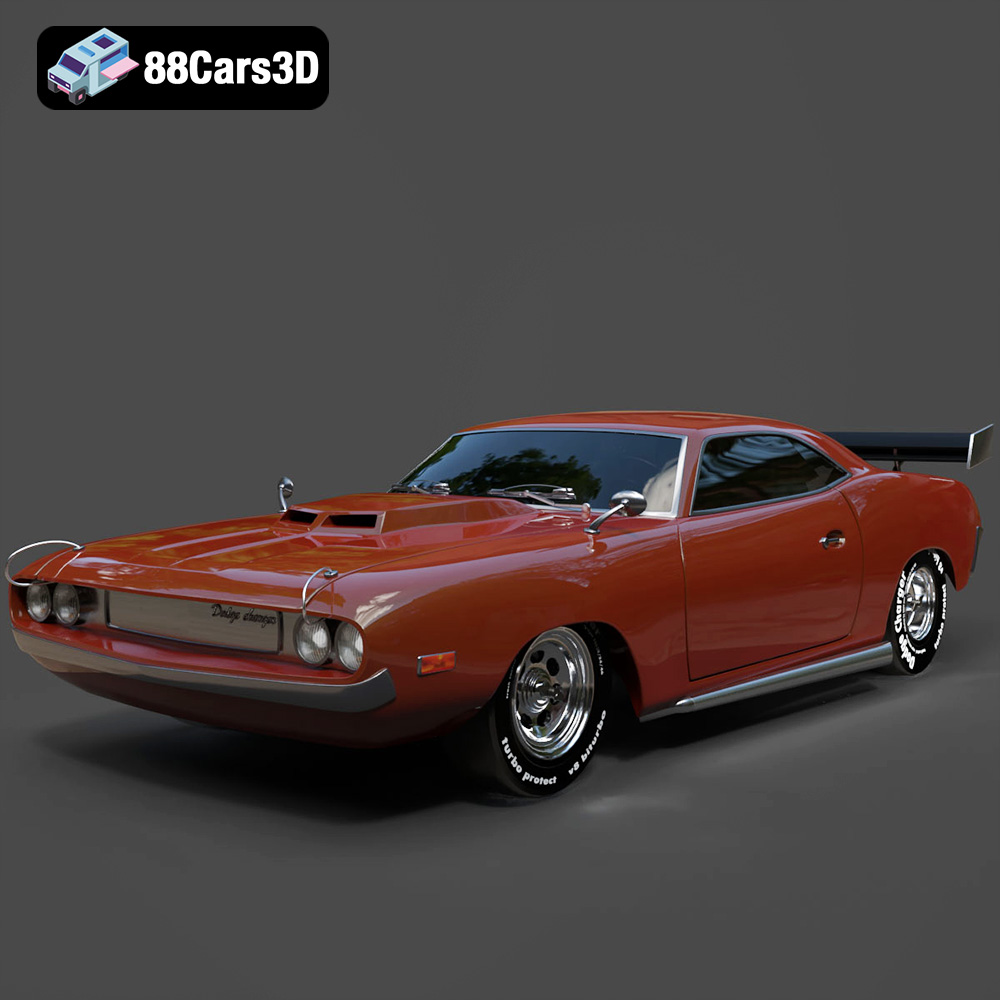
Download the Dodge Charger Car-004 3D Model featuring clean geometry, realistic detailing, and a fully modeled interior. Includes .blend, .fbx, .obj, .glb, .stl, .ply, .unreal, and .max formats for rendering, simulation, and game development.
Price: $10
Texture: Yes
Material: Yes
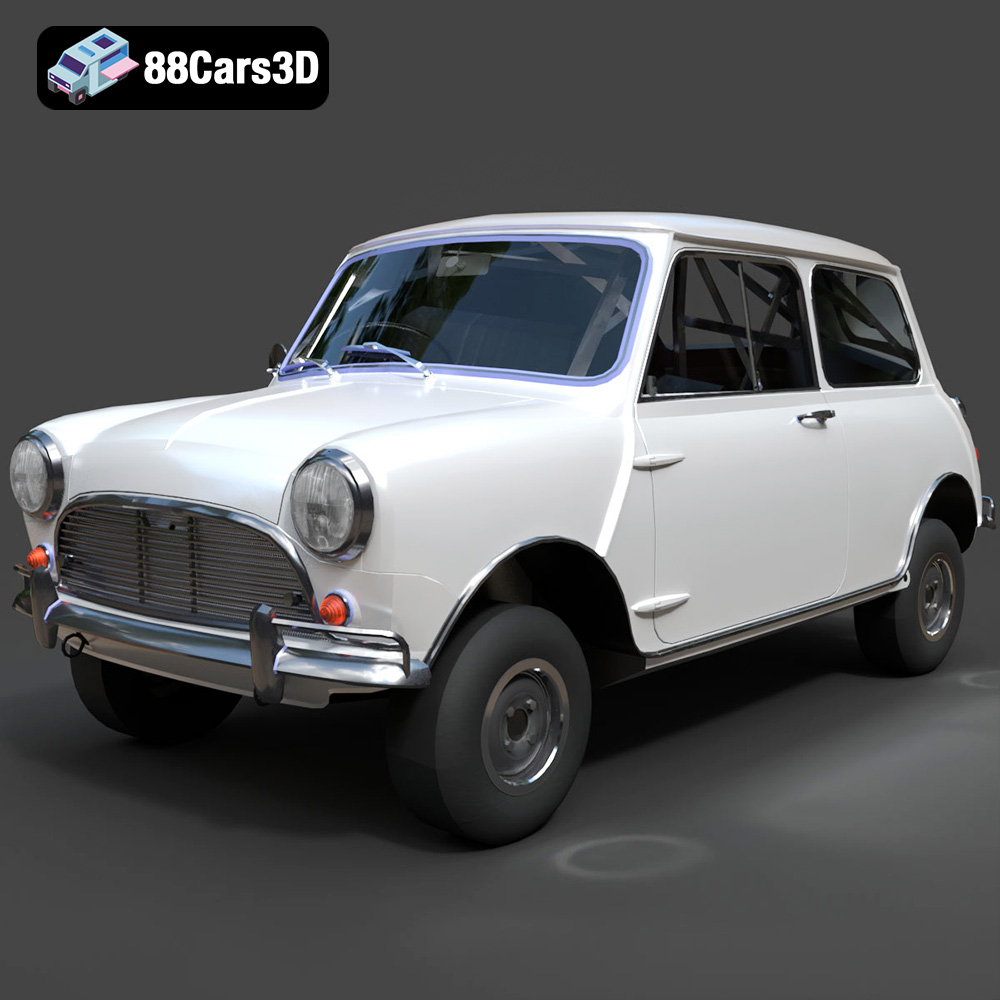
Download the Austin Mini Cooper S 1965 3D Model featuring clean geometry, realistic detailing, and a fully modeled interior. Includes .blend, .fbx, .obj, .glb, .stl, .ply, .unreal, and .max formats for rendering, simulation, and game development.
Price: $10

