⚡ FLASH SALE: Get 60% OFF All Premium 3D & STL Models! ⚡

“`html
Augmented Reality (AR) is revolutionizing how consumers interact with high-value products, and nowhere is this more apparent than in the automotive industry. The ability to place a photorealistic, life-sized virtual car in your own driveway, walk around it, and even peek inside is a powerful marketing and sales tool. For developers and 3D artists, this presents an incredible opportunity. Unreal Engine, with its advanced rendering capabilities and robust mobile development tools, stands as the premier platform for creating these immersive automotive AR experiences. However, transitioning a high-fidelity 3D car model from a cinematic render to a smooth, interactive AR application on a mobile device requires a specific set of skills and optimization techniques.
This comprehensive guide will walk you through the entire workflow of building an automotive AR application using Unreal Engine. We will cover everything from initial project configuration and model optimization to implementing core AR functionality, achieving realistic lighting, and adding user interactivity. Whether you’re an Unreal Engine developer looking to expand into AR or an automotive visualization specialist aiming to create a virtual showroom, you’ll gain the technical knowledge needed to bring your projects to life. With high-quality, game-ready assets from platforms like 88cars3d.com, bringing a photorealistic vehicle into a user’s real-world environment has never been more accessible.
Before you can place a stunning 3D car model into the real world, you must first configure your Unreal Engine project to support AR. This foundational step involves enabling the correct plugins, adjusting project settings for mobile performance, and understanding the core components of Unreal’s AR framework. A properly configured project ensures that your application will have access to the device’s camera and motion tracking sensors, which are essential for a stable AR experience.
Unreal Engine uses a plugin-based system to support different AR platforms. The two most important plugins are for Apple’s ARKit (for iOS) and Google’s ARCore (for Android). You must enable these based on your target devices.
For more detailed information on platform-specific setup, the official Unreal Engine documentation at https://dev.epicgames.com/community/unreal-engine/learning is an invaluable resource for developers.
Once the plugins are active, you need to tailor your project settings for mobile deployment and AR functionality. These settings control rendering features, input handling, and platform-specific requirements.
Your application needs a basic framework to start the AR session. This is typically done by creating a custom Game Mode and a Pawn. The Game Mode will be set as the default for your level, and it will spawn the Pawn. The Pawn itself can be simple, often just containing a camera component. In your level’s World Settings, you must set your custom Game Mode as the default and ensure the “Start in AR” checkbox is ticked. This tells Unreal Engine to immediately activate the device camera and start the AR session when the application launches.
The biggest technical hurdle in mobile AR development is performance. A cinematic-quality 3D car model with millions of polygons and dozens of 4K textures will bring even the most powerful smartphone to a halt. Optimization is not just a final step; it’s a critical part of the entire development process. The goal is to maintain the highest possible visual fidelity while ensuring a smooth, stable frame rate (ideally 30-60 FPS).
Mobile GPUs are significantly less powerful than their desktop counterparts. A high polygon count is one of the primary causes of performance issues. For a hero asset like a car in an AR app, a target of 100,000 to 300,000 polygons is a reasonable goal.
Textures consume a large amount of memory (VRAM) on mobile devices. Unoptimized textures can lead to crashes or severe performance drops.
Creating realistic automotive materials—like metallic car paint, chrome, glass, and leather—is key to a convincing AR experience. However, the material pipeline for mobile is more restrictive than for desktop or console development. Complex shaders with multiple layers, refractions, and translucent effects are computationally expensive and must be simplified for mobile hardware.
Unreal Engine’s Material Editor is incredibly powerful, but many of its advanced features are not performant on mobile. The focus should be on creating materials that are “cheap” to render.
You can achieve the look of complex materials without the performance overhead by using clever tricks and baked textures.
With an optimized model and performant materials, you can now focus on the core AR mechanics. This involves using Unreal Engine’s AR framework to detect surfaces in the real world, allow the user to place the car on those surfaces, and provide basic interaction controls like scaling and rotating the model. This is typically handled using Blueprint visual scripting.
The first step is to detect flat surfaces like floors or tables where the car can be placed. This is done by querying the AR system for tracked geometry.
A static model isn’t very engaging. Providing simple controls for scaling and rotating the car makes the experience much more interactive.
Properly lighting a virtual object so that it looks like it belongs in the real world is one of the most challenging aspects of AR. If the lighting and shadows are wrong, the illusion is immediately broken. Unreal Engine’s AR systems provide tools to estimate the real-world lighting conditions and apply them to your virtual scene.
Both ARKit and ARCore can analyze the camera feed to estimate the ambient light intensity and color temperature of the user’s environment. You can use this data to dynamically light your car model.
A shadow is what ultimately grounds a virtual object. Without it, the object will look like it’s floating. In Unreal Engine AR, you can cast shadows from your virtual car onto the real-world floor.
The final stage is to add simple interactive features that enhance the user experience and then package your project for deployment to mobile devices. Interactivity can range from simple UI buttons to complex animations, turning your AR viewer into a true virtual configurator.
Using Blueprints, you can easily add features that let users customize the car.
The final step is to build and deploy your application.
Creating a high-quality automotive AR application in Unreal Engine is a multi-faceted process that blends artistic optimization with technical implementation. The journey from a high-poly 3D model to a fluid, interactive experience on a smartphone requires careful planning at every stage. By focusing on performance from the outset, optimizing your 3D car models, creating efficient materials, and leveraging Unreal Engine’s powerful AR framework for tracking and lighting, you can build stunning virtual showrooms that captivate users. The key takeaways are to prioritize optimization, master the mobile material pipeline, and use Blueprint scripting to create an intuitive and engaging user experience.
The field of real-time rendering and AR is constantly evolving, but the principles outlined here provide a solid foundation for any developer or artist looking to enter the exciting world of automotive visualization. Now is the time to start experimenting, push the boundaries of mobile AR, and create the next generation of interactive car experiences that bring digital assets from the screen into the user’s world.
“`
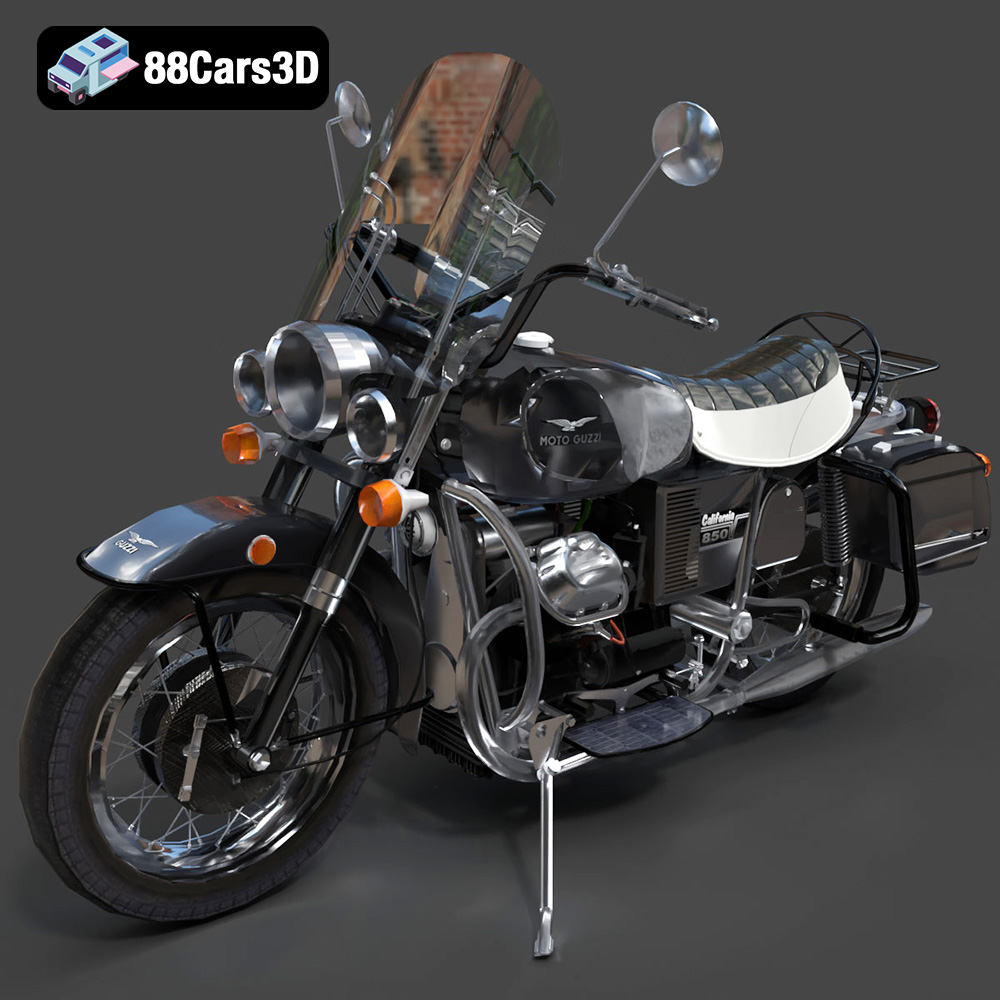
Texture: Yes
Material: Yes
Download the Moto Guzzi Classic Motorcycle 2024 3D Model featuring clean geometry, realistic detailing, and a fully modeled interior. Includes .blend, .fbx, .obj, .glb, .stl, .ply, .unreal, and .max formats for rendering, simulation, and game development.
Price: $10
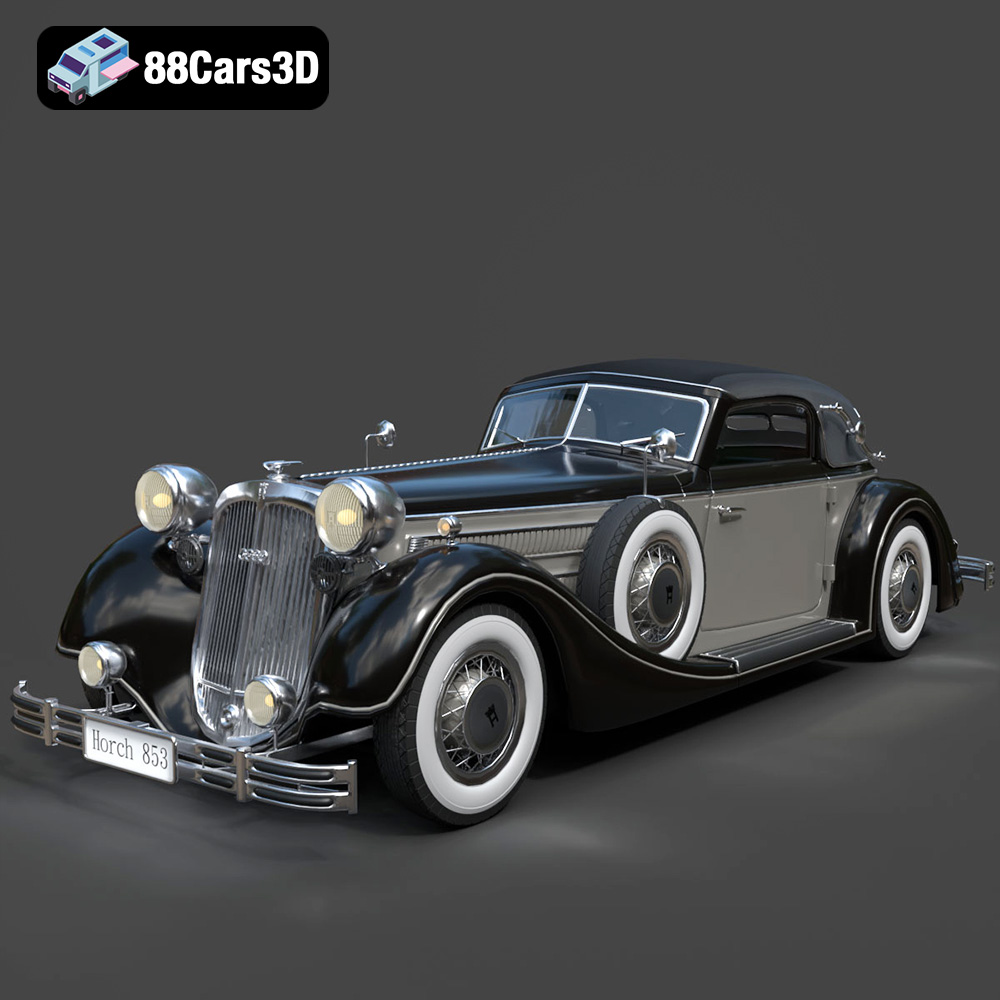
Texture: Yes
Material: Yes
Download the Horch 853 Sport Cabriolet 1937 3D Model featuring clean geometry, realistic detailing, and a fully modeled interior. Includes .blend, .fbx, .obj, .glb, .stl, .ply, .unreal, and .max formats for rendering, simulation, and game development.
Price: $10
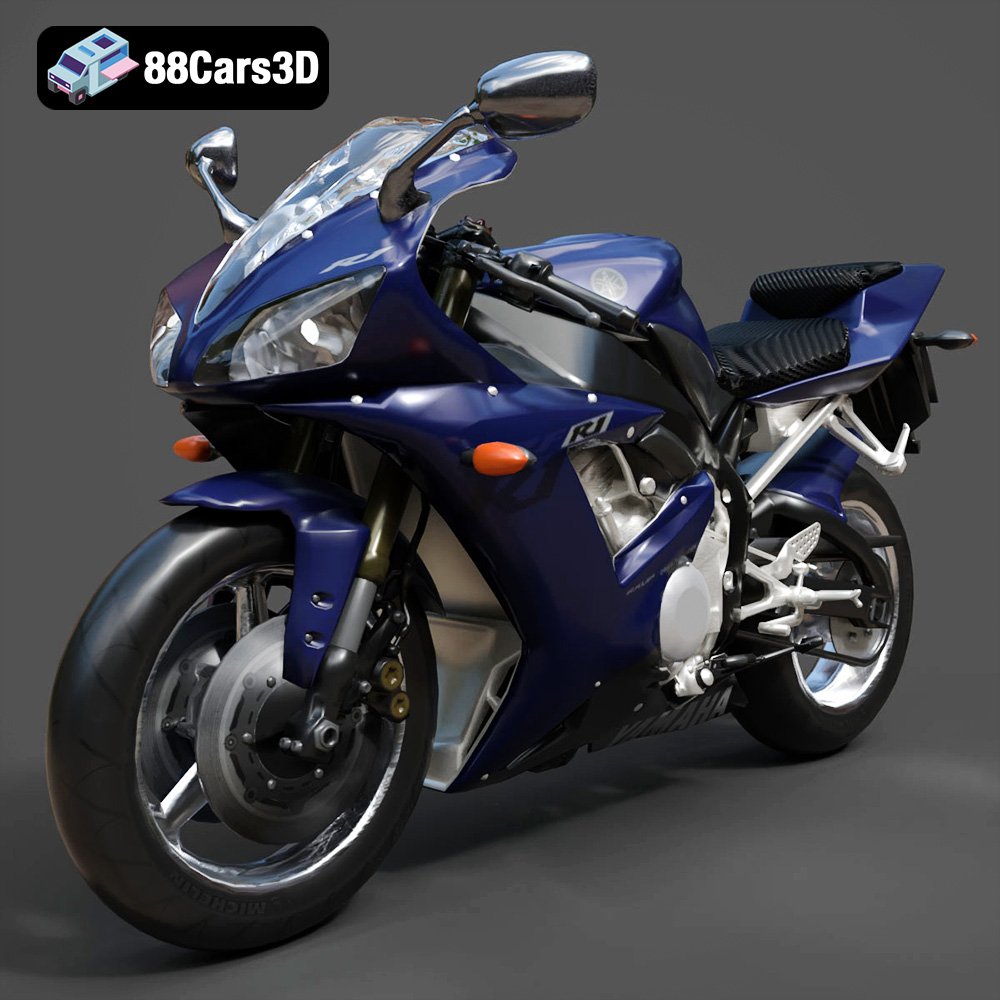
Texture: Yes
Material: Yes
Download the Yamaha YZF-R1 Motorcycle 3D Model featuring clean geometry, realistic detailing, and a fully modeled interior. Includes .blend, .fbx, .obj, .glb, .stl, .ply, .unreal, and .max formats for rendering, simulation, and game development.
Price: $10
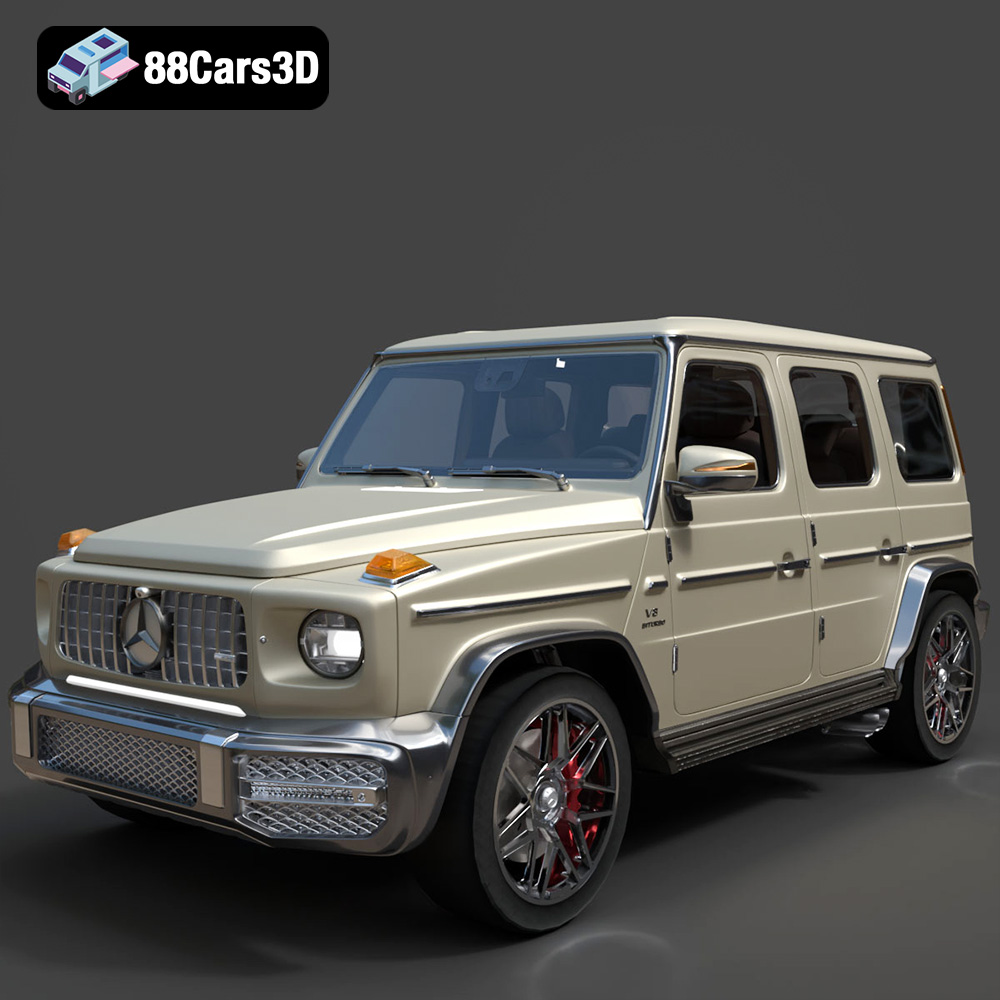
Texture: Yes
Material: Yes
Download the Mercedes Benz G63 AMG 2019 3D Model featuring clean geometry, realistic detailing, and a fully modeled interior. Includes .blend, .fbx, .obj, .glb, .stl, .ply, .unreal, and .max formats for rendering, simulation, and game development.
Price: $90
Texture: Yes
Material: Yes
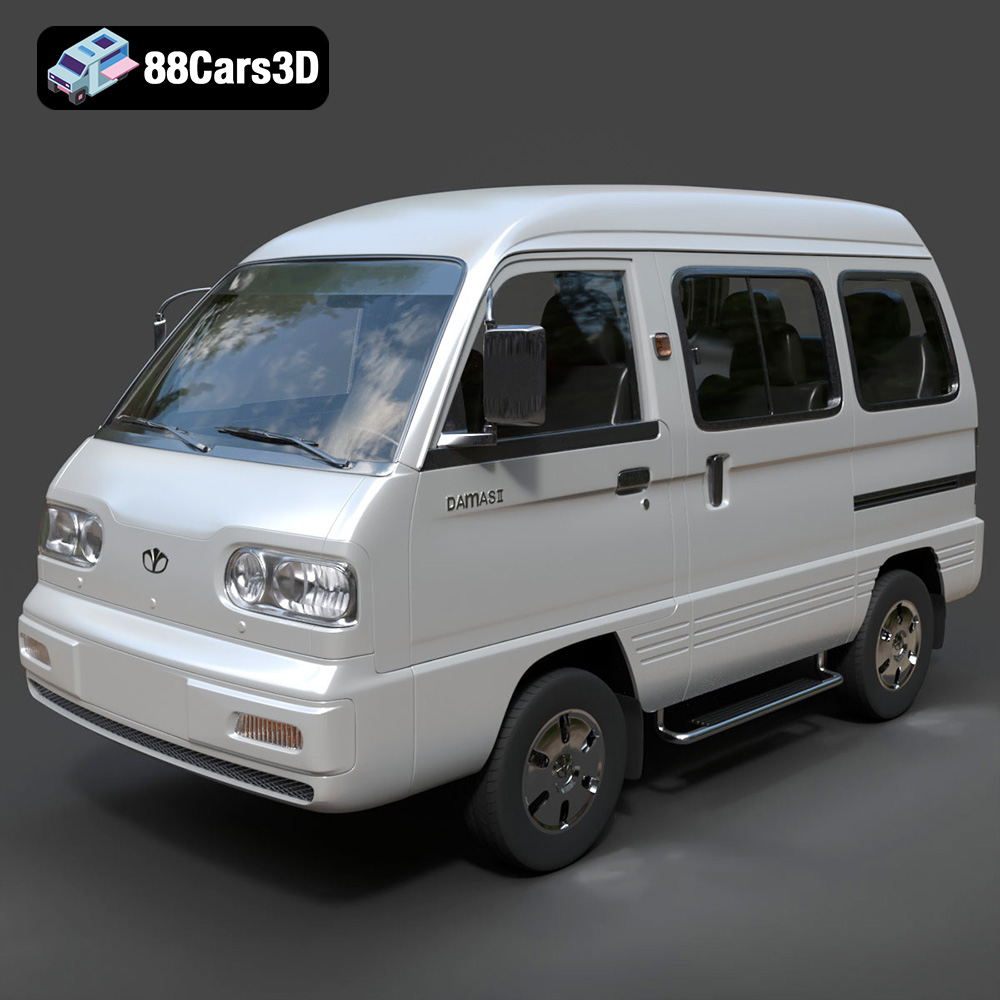
Download the Daewoo Damas Mk2 2012 3D Model featuring clean geometry, realistic detailing, and a fully modeled interior. Includes .blend, .fbx, .obj, .glb, .stl, .ply, .unreal, and .max formats for rendering, simulation, and game development.
Price: $10
Texture: Yes
Material: Yes
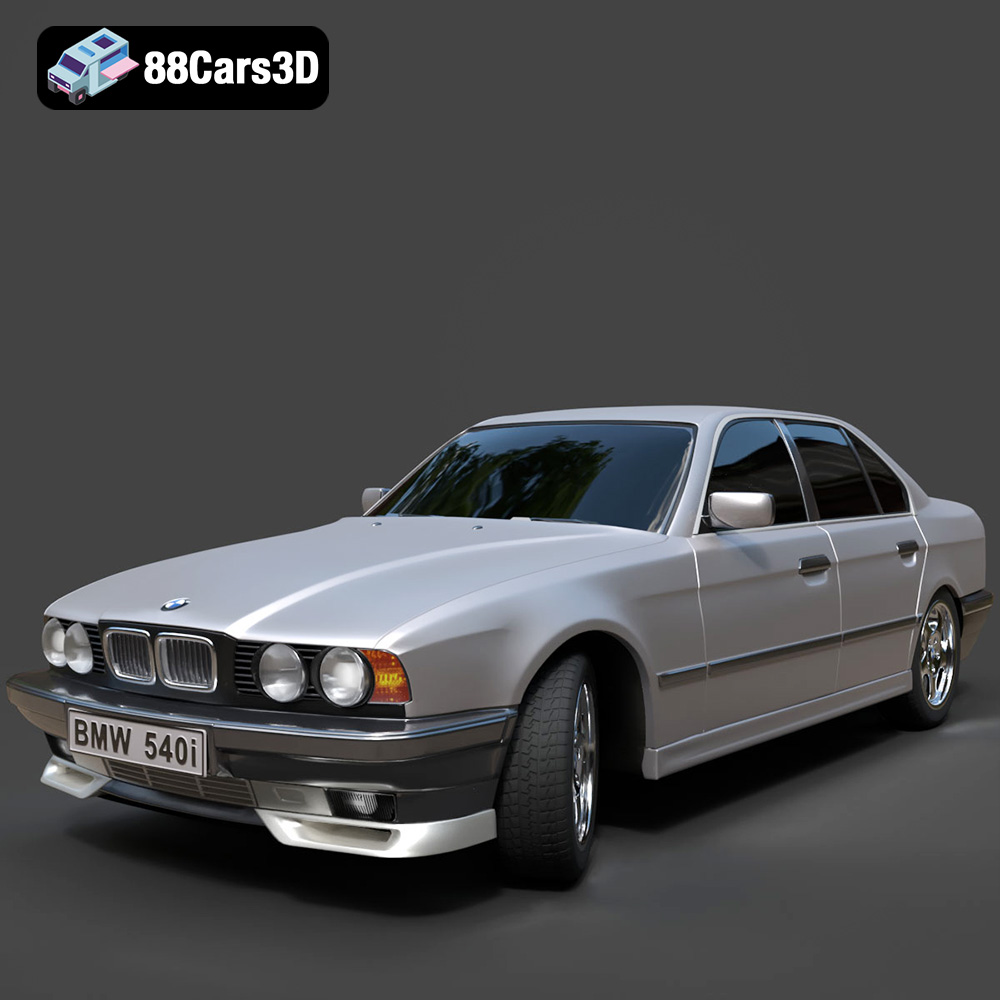
Download the BMW 540 E34 3D Model featuring clean geometry, realistic detailing, and a fully modeled interior. Includes .blend, .fbx, .obj, .glb, .stl, .ply, .unreal, and .max formats for rendering, simulation, and game development.
Price: $10
Texture: Yes
Material: Yes
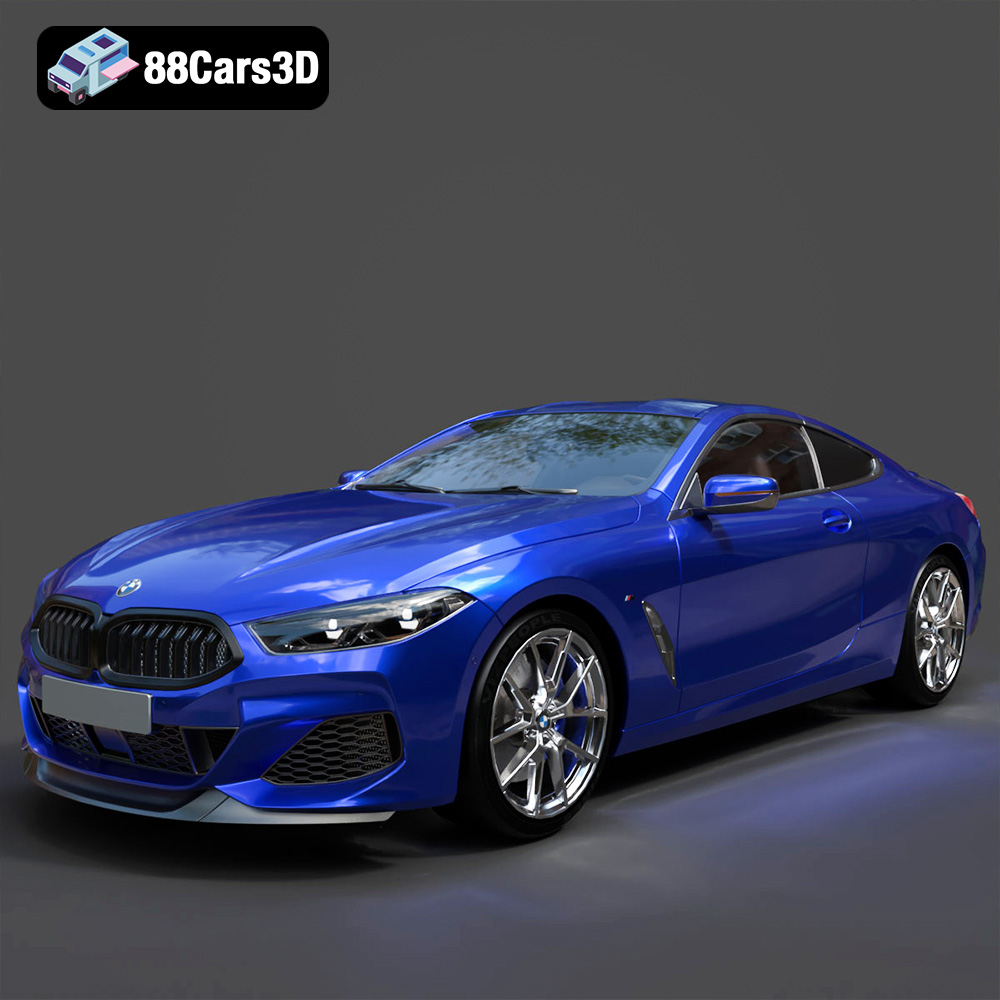
Download the BMW 8 Series Coupe 2020 3D Model featuring clean geometry, realistic detailing, and a fully modeled interior. Includes .blend, .fbx, .obj, .glb, .stl, .ply, .unreal, and .max formats for rendering, simulation, and game development.
Price: $10
Texture: Yes
Material: Yes
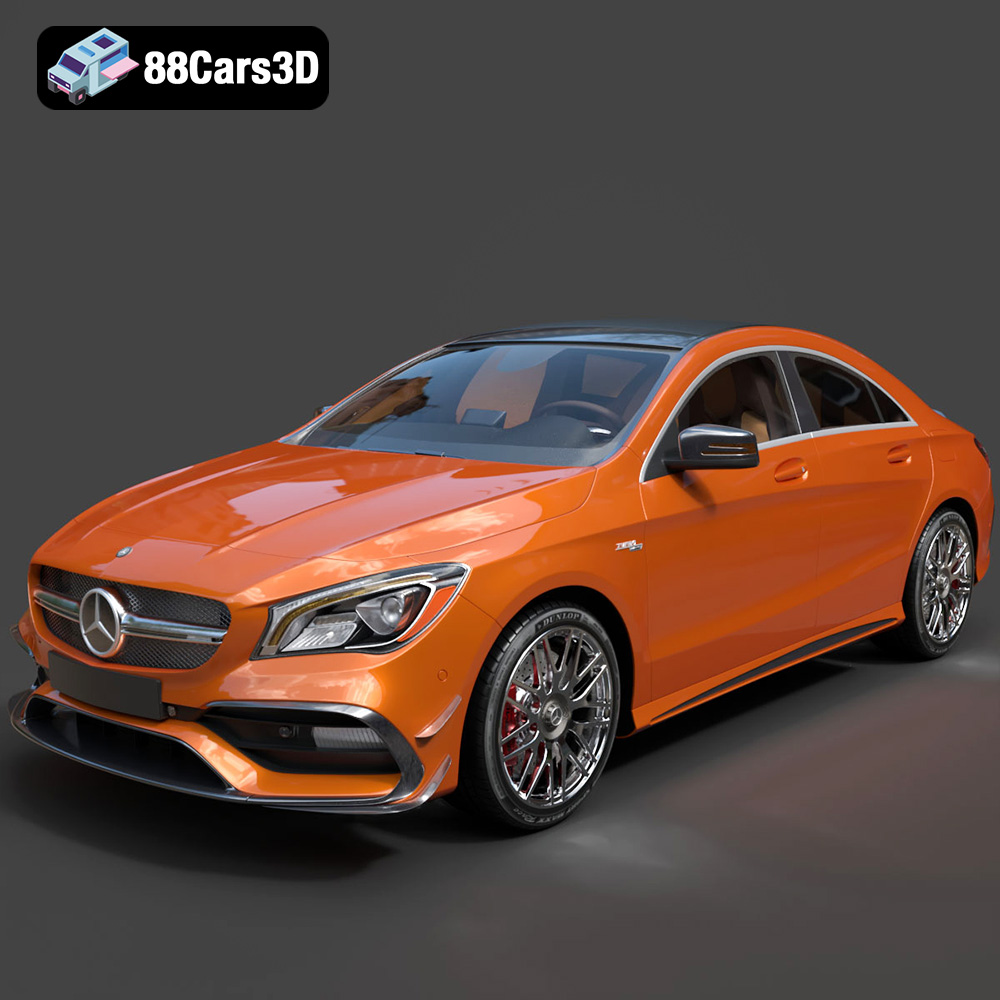
Download the Mercedes-Benz CLA45 AMG 2017 3D Model featuring clean geometry, realistic detailing, and a fully modeled interior. Includes .blend, .fbx, .obj, .glb, .stl, .ply, .unreal, and .max formats for rendering, simulation, and game development.
Price: $21.99
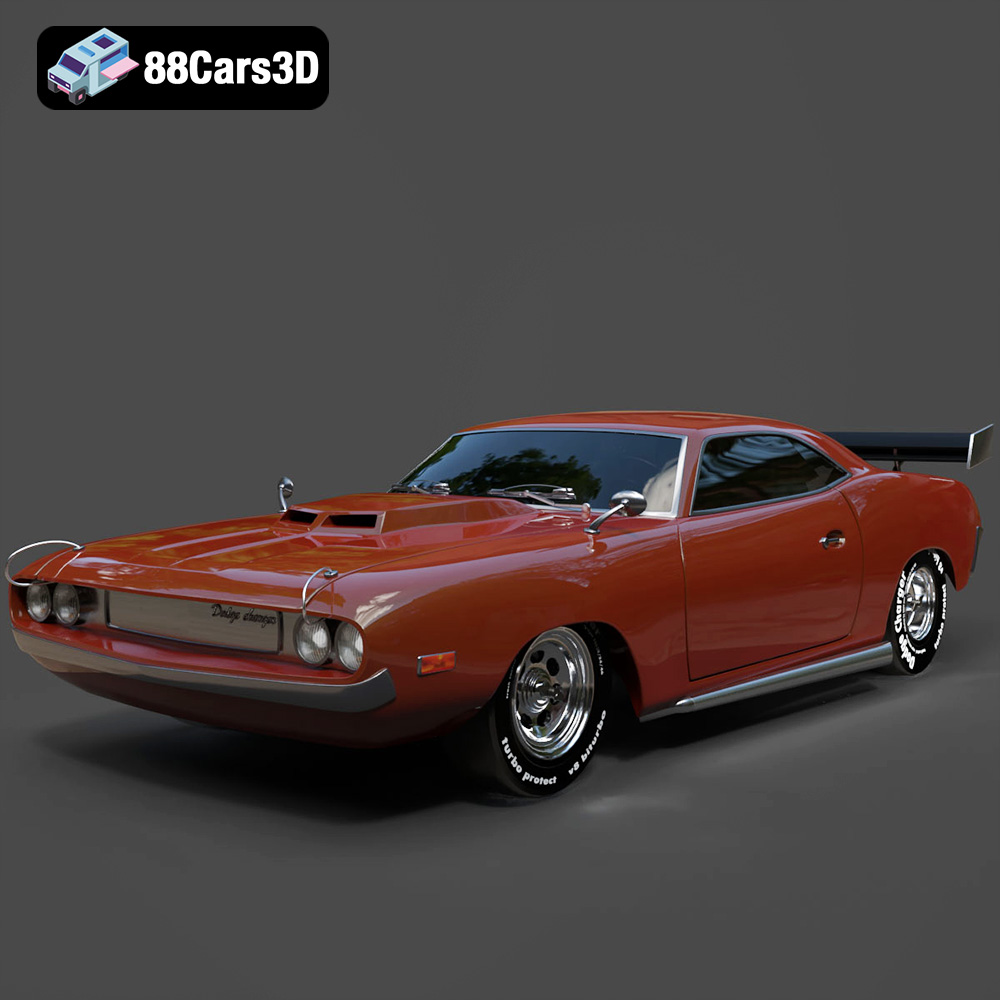
Texture: Yes
Material: Yes
Download the Dodge Charger Car-004 3D Model featuring clean geometry, realistic detailing, and a fully modeled interior. Includes .blend, .fbx, .obj, .glb, .stl, .ply, .unreal, and .max formats for rendering, simulation, and game development.
Price: $10
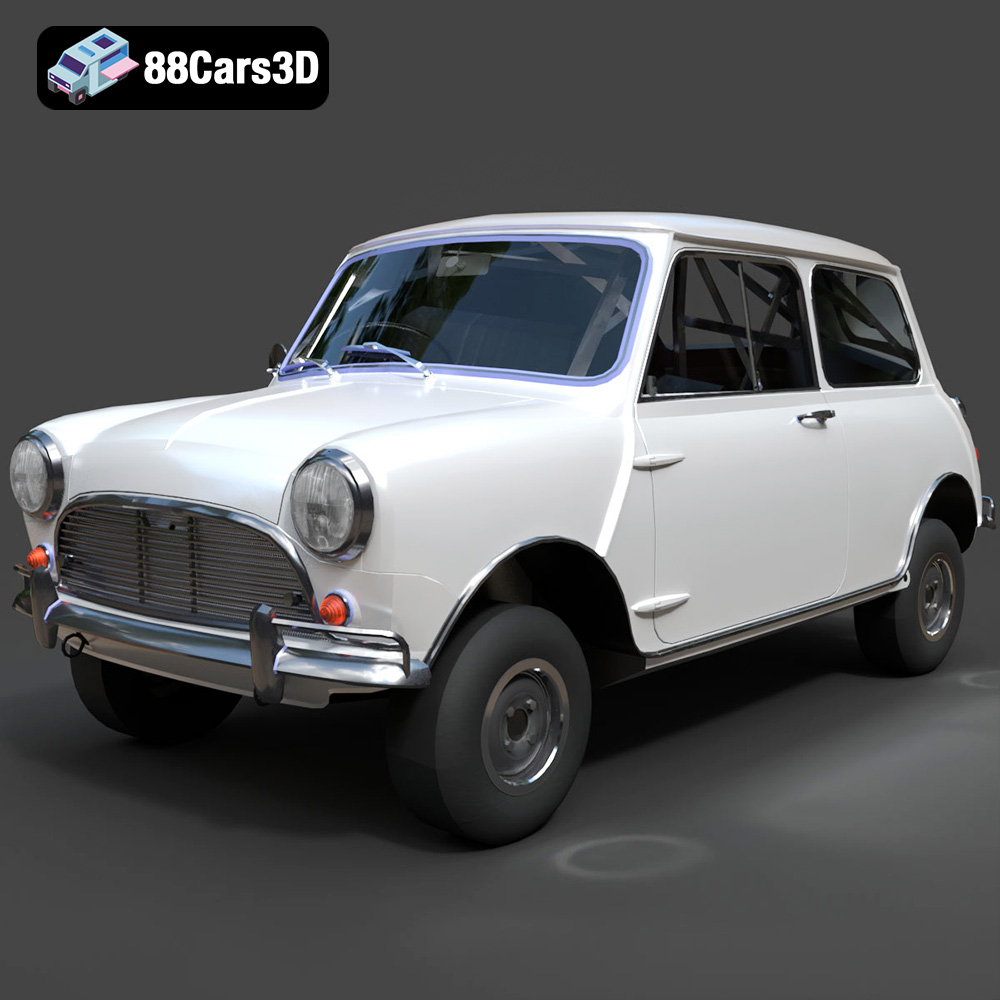
Texture: Yes
Material: Yes
Download the Austin Mini Cooper S 1965 3D Model featuring clean geometry, realistic detailing, and a fully modeled interior. Includes .blend, .fbx, .obj, .glb, .stl, .ply, .unreal, and .max formats for rendering, simulation, and game development.
Price: $10

