⚡ FLASH SALE: Get 60% OFF All Premium 3D & STL Models! ⚡

Imagine a pristine digital showroom. A hyper-realistic sports car, its paint gleaming under perfect studio lights, sits on a polished floor. Now, imagine that same vehicle on a winding coastal road as the sky darkens. A light drizzle begins, beading on the windshield and tracing paths down its aerodynamic body. The headlights cut through a thickening fog, and a flash of lightning momentarily illuminates the wet asphalt, revealing intricate puddle reflections. This level of immersion is no longer the exclusive domain of blockbuster films; it’s the new standard in real-time automotive visualization, and it’s entirely achievable within Unreal Engine. Creating a believable, dynamic weather system elevates a static scene into a living, breathing narrative experience, allowing clients and customers to connect with a product on a visceral, emotional level.
This comprehensive guide will take you beyond simple skyboxes and static rain effects. We will deconstruct the process of building a robust, interactive, and performance-optimized weather system from the ground up. You will learn how to orchestrate Unreal Engine’s powerful atmospheric tools, script dynamic time-of-day cycles, generate realistic precipitation with Niagara, and create advanced PBR materials that realistically react to moisture. Whether you are building an interactive car configurator, a cinematic commercial, or a next-generation driving simulator, mastering these techniques will fundamentally transform the quality and impact of your work. Let’s dive in and learn how to control the virtual elements.
Before we can make it rain, we must first build a world capable of supporting a dynamic sky. Unreal Engine provides a suite of interconnected actors that work together to simulate a physically accurate atmosphere. Properly configuring this foundation is the most critical step, as all subsequent weather effects will build upon it. The goal is to create a flexible base that can transition seamlessly from a clear sunny day to an overcast, stormy night. The key components are the Sky Atmosphere, Volumetric Clouds, and Exponential Height Fog.
The Sky Atmosphere component is the heart of our realistic sky. It replaces the traditional, static skybox with a physically-based simulation of light scattering through a planetary atmosphere. When you add this component to your scene (often attached to a Directional Light representing the sun), it automatically calculates the color of the sky and aerial perspective based on the sun’s angle. Key properties to understand are:
By controlling these parameters via Blueprint, we can begin to simulate changes in atmospheric density and composition, laying the groundwork for shifting weather patterns.
Static cloud textures are a thing of the past. The Volumetric Cloud actor creates a dynamic, three-dimensional cloudscape that realistically interacts with light. These clouds can be traversed, cast dynamic shadows, and react to changes in the sun’s position. When setting up your clouds, pay close attention to:
For a dynamic system, you will create multiple Material Instances of your cloud material, each with different noise patterns and density settings, and then smoothly interpolate between them in your master weather Blueprint.
Exponential Height Fog is the glue that binds the scene together. It adds depth and realism by simulating fog and mist, whose density increases with distance and decreases with altitude. To make it truly dynamic, enable Volumetric Fog in its properties. This allows the fog to be physically lit by your lights, meaning it will catch god rays (crepuscular rays) from the sun and be illuminated by car headlights, creating incredibly immersive nighttime or stormy scenes. We will later control its density and color to match our weather states, from a light morning mist to a thick, oppressive storm fog.
A static sun is the enemy of a dynamic world. The first step in bringing our weather system to life is creating a day/night cycle. This is not just about visual appeal; it demonstrates control over the scene’s primary light source, a mechanism we will heavily leverage for more complex weather. The core of this system is a Blueprint that procedurally updates the rotation of the Directional Light (our sun) and ensures all atmospheric components react accordingly.
Create a new Blueprint Actor, let’s call it `BP_WeatherController`. Inside, add a variable for `SunSpeed` (float) to control the cycle’s pace. In the Event Tick, get the world’s Delta Seconds, multiply it by `SunSpeed`, and use this value to `AddActorLocalRotation` to your Directional Light. This simple setup will make the sun move. To ensure the sky’s appearance updates correctly, you must tell the Sky Atmosphere component to update based on the light source. This is often done by setting a variable reference to your Directional Light in the Sky Atmosphere actor’s properties or by calling a “Refresh Material” function on it within the Blueprint.
A believable night needs a moon. A common technique is to have a second Directional Light, named `MoonLight`, set to a much lower intensity (e.g., 0.05 – 0.1 lux) with a cool, blueish tint. In your `BP_WeatherController`, you can link the moon’s rotation to the sun’s. A simple approach is to set the moon’s rotation to be the sun’s rotation plus 180 degrees on the pitch axis. Then, use a Blueprint `Curve` asset to control the intensity of the sun and moon. As the sun sets (its angle approaches the horizon), its intensity on the curve ramps down to zero. Simultaneously, the moon’s intensity ramps up, creating a smooth transition from day to night.
With Unreal Engine’s Lumen Global Illumination and Reflections system, this dynamic cycle becomes truly breathtaking. As the sun moves, Lumen calculates the bounced lighting in real-time. You’ll see the warm sunlight realistically fill an interior through a car’s window, and as dusk falls, the ambient light will naturally cool and dim. Ensure your project has “Generate Mesh Distance Fields” enabled and that Lumen is set as the Global Illumination method in your Project Settings. The dynamic sky will provide the primary light, and Lumen will handle the rest, creating soft shadows and realistic color bleeding that grounds your automotive assets in the scene.
With our atmosphere in place, it’s time to introduce precipitation. Unreal Engine’s Niagara visual effects system is the perfect tool for creating highly customizable and performance-friendly rain and snow. We will create a GPU-based particle system that can handle hundreds of thousands of particles efficiently, which is essential for covering a large scene.
Create a new Niagara System. Start with an empty emitter and add a `Box Location` module to the Emitter Spawn group. This defines the area above the player where rain will spawn. In Particle Spawn, use a `Spawn Rate` module to control the intensity. This rate will be a user-exposed parameter that our `BP_WeatherController` can modify. In Particle Update, the most important modules are:
For the particle’s appearance, use a simple `Sprite Renderer` with a material that is a soft, stretched, translucent white line. To learn more about the intricacies of the Niagara system, the official Unreal Engine documentation at https://dev.epicgames.com/community/unreal-engine/learning is an invaluable resource for both beginners and experts.
Rain doesn’t just disappear; it splashes. We can simulate this by using Niagara’s event system. In the main raindrop emitter, add a `Generate Collision Event` module in the Particle Update group. Then, create a second emitter in the same Niagara System for the splash effect. This emitter will be a small, short-lived burst of smaller particles. In its Emitter Spawn group, add a `Receive Collision Event` module. Now, every time a raindrop from the first emitter collides with a surface, it will trigger the spawning of a splash effect at that exact location. This two-part system adds a significant layer of realism.
The beauty of this modular system is its adaptability. To create snow, you can duplicate your rain system and make a few key changes. First, change the sprite material to a small, soft, snowflake-like texture. Next, significantly reduce the `Gravity Force` and add a `Curl Noise Force` module. This module will create a gentle, swirling motion, making the particles drift down lazily instead of falling in straight lines. Adjusting the Curl Noise frequency and strength allows you to simulate anything from a light flurry to a blizzard.
Dynamic weather is only half the story if the world itself doesn’t react. A car’s appearance should change dramatically when it gets wet. The paint darkens, reflections become sharper, and water droplets form on the surface. This is achieved in the Material Editor by creating a flexible “wetness” function that can be applied to any PBR material. The high-quality models available from marketplaces like 88cars3d.com are perfect for this, as their clean UV layouts and well-structured materials provide an ideal canvas for these advanced effects.
A Material Function is a reusable snippet of material graph logic. Create one called `MF_Wetness`. Inside, it will take several inputs: Base Color, Roughness, and a Normal map. It will also have one crucial scalar input: `WetnessAmount` (a value from 0 to 1). The logic will be as follows:
This function will then output the modified Base Color, Roughness, and Normal values.
Now, open your car paint master material. Drag in your `MF_Wetness` function and plug the material’s existing textures into it. To control the `WetnessAmount` for the entire scene at once, use a `Material Parameter Collection` (MPC). An MPC is a global collection of variables that any material can read from. In your `BP_WeatherController`, you can set the `WetnessAmount` value in the MPC, and every material using that parameter will update instantly. This same technique can be used for the ground material. You can even use vertex painting or decals with a separate `PuddleAmount` parameter to create localized puddles that only appear when it rains.
For the ultimate interactive experience, you can create a dynamic material mask for the windshield. This mask, driven by a Blueprint controlling the wiper animation, can be used to “erase” the wetness effect in an arc where the wipers pass. This is an advanced technique involving render targets or procedural material logic, but it adds a final touch of realism that truly sells the effect in first-person or cinematic views. Getting this right requires a well-unwrapped model, which is why sourcing professional game assets is so crucial for complex projects.
With all the individual components built—dynamic sky, precipitation, and reactive materials—we need a central “brain” to orchestrate them. Our `BP_WeatherController` will become this hub, managing states, smoothly transitioning between them, and controlling every related parameter in the scene from a single, organized location.
The best way to manage complexity is with a state machine. Create an Enumeration asset called `E_WeatherState` with entries like `Sunny`, `Cloudy`, `Rainy`, and `Stormy`. In your `BP_WeatherController`, create a variable of this type called `CurrentWeather`. The core of the Blueprint will be a function called `UpdateWeather`. When you change the `CurrentWeather` variable, this function is called. It uses a `Switch on E_WeatherState` node to determine the target values for all our parameters.
For example:
Abruptly changing these values would look terrible. The key to seamless transitions is interpolation. Instead of setting values directly, we will use `Timelines`. When the `UpdateWeather` function is called, it stores the target values for the new state but doesn’t apply them immediately. It then plays a Timeline (e.g., 30 seconds long) with a float track that goes from 0 to 1. On the `Update` pin of the Timeline, you will use `Lerp` nodes to interpolate *all* your weather parameters from their current values to their target values, using the Timeline’s float track as the Alpha. This ensures that the clouds slowly roll in, the rain gradually starts, and the ground smoothly becomes wet over a believable period.
Visuals are only one part of the experience. Your `BP_WeatherController` should also manage audio. Create variables for Sound Cues for ambient wind, light rain, heavy rain, and thunder. In your `UpdateWeather` function, based on the target state, you can fade in and out the appropriate ambient sounds. For effects like lightning, you can use a `Timer` to randomly call a custom event. This event would fire off a thunder sound cue and, for a split second, dramatically increase the intensity of a hidden spotlight or the sky atmosphere emission to simulate the flash.
A complex, dynamic weather system can be computationally expensive. For high-end automotive visualization, maintaining a high and stable frame rate is non-negotiable, especially for VR applications or interactive configurators. Continuous profiling and optimization are essential parts of the development process.
While GPU particles are efficient, they aren’t free. The biggest performance cost is often overdraw, where many transparent particles are rendered on top of each other. Key optimization strategies include:
Dynamic lighting with Lumen is powerful but has a performance cost. For lower-end hardware or mobile platforms, you may need to bake lighting for static elements and use cheaper dynamic lighting for the car. The complexity of your “wetness” material function also matters. Adding too many texture lookups or complex instructions can impact performance. Use the Material Shader Complexity view (`Alt+8`) to visualize the cost of your materials and optimize the most expensive ones. Remember that high-quality assets, such as those from a reputable source like 88cars3d.com, are often pre-optimized for real-time performance, providing a solid foundation to build upon.
You cannot optimize what you cannot measure. Unreal Engine provides powerful built-in profiling tools. Use the `stat gpu` command in the console to see a high-level breakdown of your scene’s rendering cost. For a much deeper analysis, use Unreal Insights. This standalone tool can record a trace of your application’s performance, allowing you to drill down frame-by-frame and see exactly which actor, particle system, or post-process effect is consuming the most resources. Regular profiling is a professional habit that ensures your stunning visuals don’t come at the cost of a poor user experience.
We have journeyed from a simple, empty level to a fully dynamic world capable of producing a wide range of weather conditions. By building a solid foundation with Unreal Engine’s atmospheric actors, leveraging Niagara for stunning particle effects, creating responsive PBR materials, and orchestrating it all with a central Blueprint controller, you now possess the complete workflow for creating truly immersive environmental systems. This isn’t just an aesthetic upgrade; it’s a powerful tool for storytelling and engagement in real-time rendering. A car battling a storm feels more rugged and capable, while one catching the first rays of sunlight after a downpour evokes a sense of renewal and luxury.
The key takeaways are modularity and control. Build each component—sky, clouds, rain, materials—as a flexible system that can be driven by parameters. Then, use a master Blueprint to control those parameters, allowing you to transition between states smoothly and art-direct the exact mood you wish to create. Start by implementing a simple day/night cycle. Then, layer in volumetric clouds. Add rain. Create the wetness material. By tackling one piece at a time, you can build a system of incredible complexity without becoming overwhelmed. The result will be automotive visualizations that are not just seen, but felt.
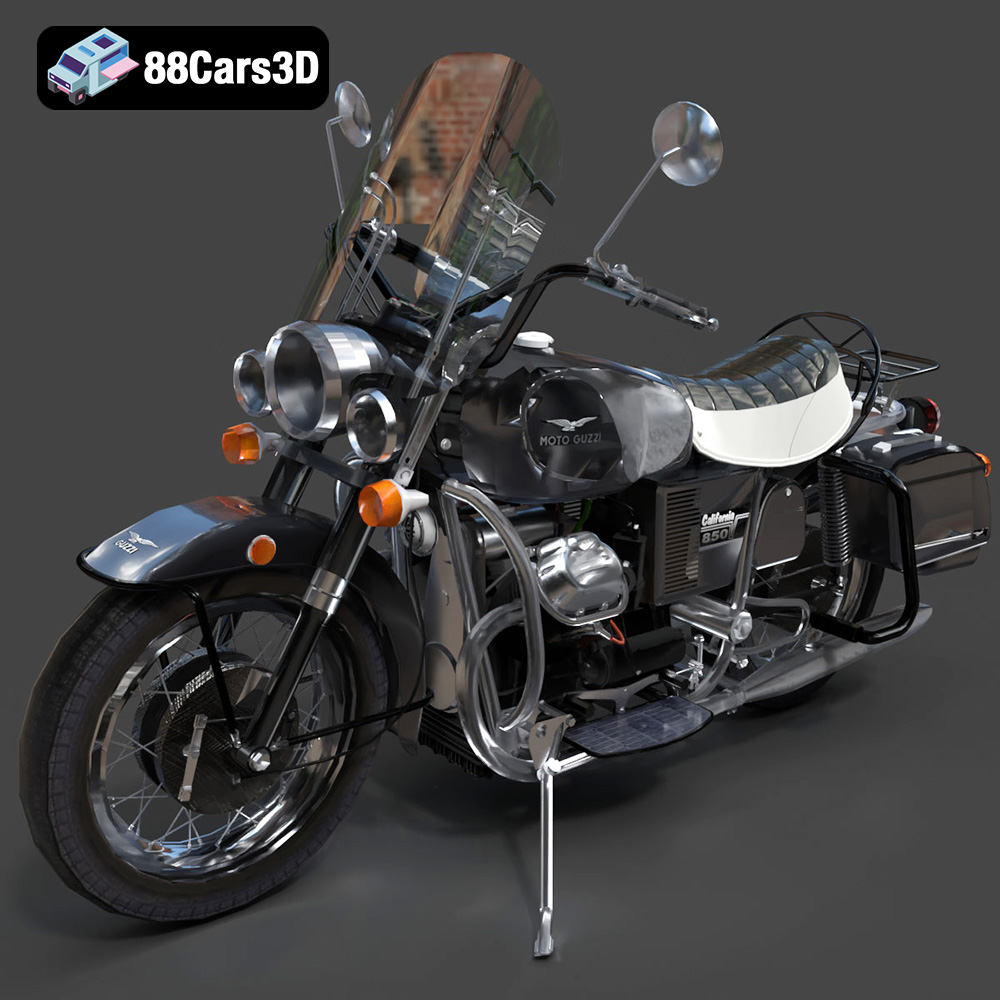
Texture: Yes
Material: Yes
Download the Moto Guzzi Classic Motorcycle 2024 3D Model featuring clean geometry, realistic detailing, and a fully modeled interior. Includes .blend, .fbx, .obj, .glb, .stl, .ply, .unreal, and .max formats for rendering, simulation, and game development.
Price: $10
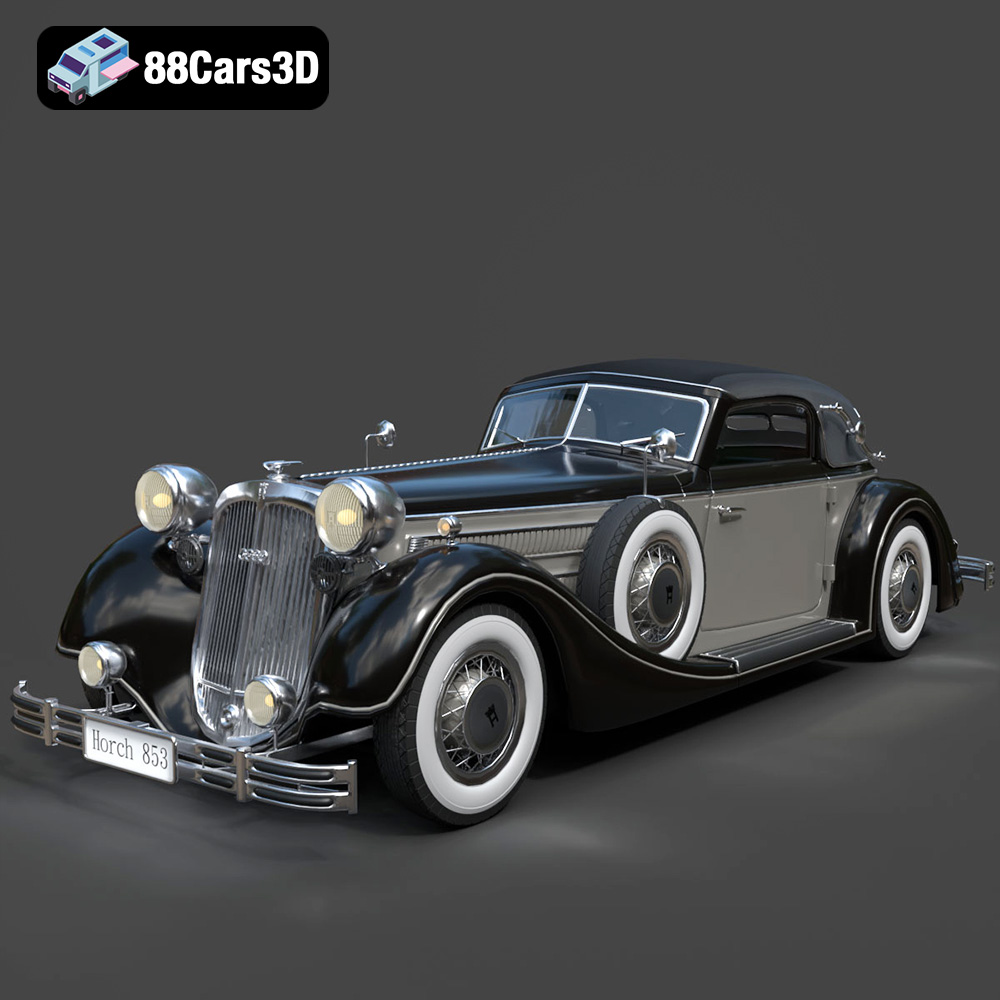
Texture: Yes
Material: Yes
Download the Horch 853 Sport Cabriolet 1937 3D Model featuring clean geometry, realistic detailing, and a fully modeled interior. Includes .blend, .fbx, .obj, .glb, .stl, .ply, .unreal, and .max formats for rendering, simulation, and game development.
Price: $10
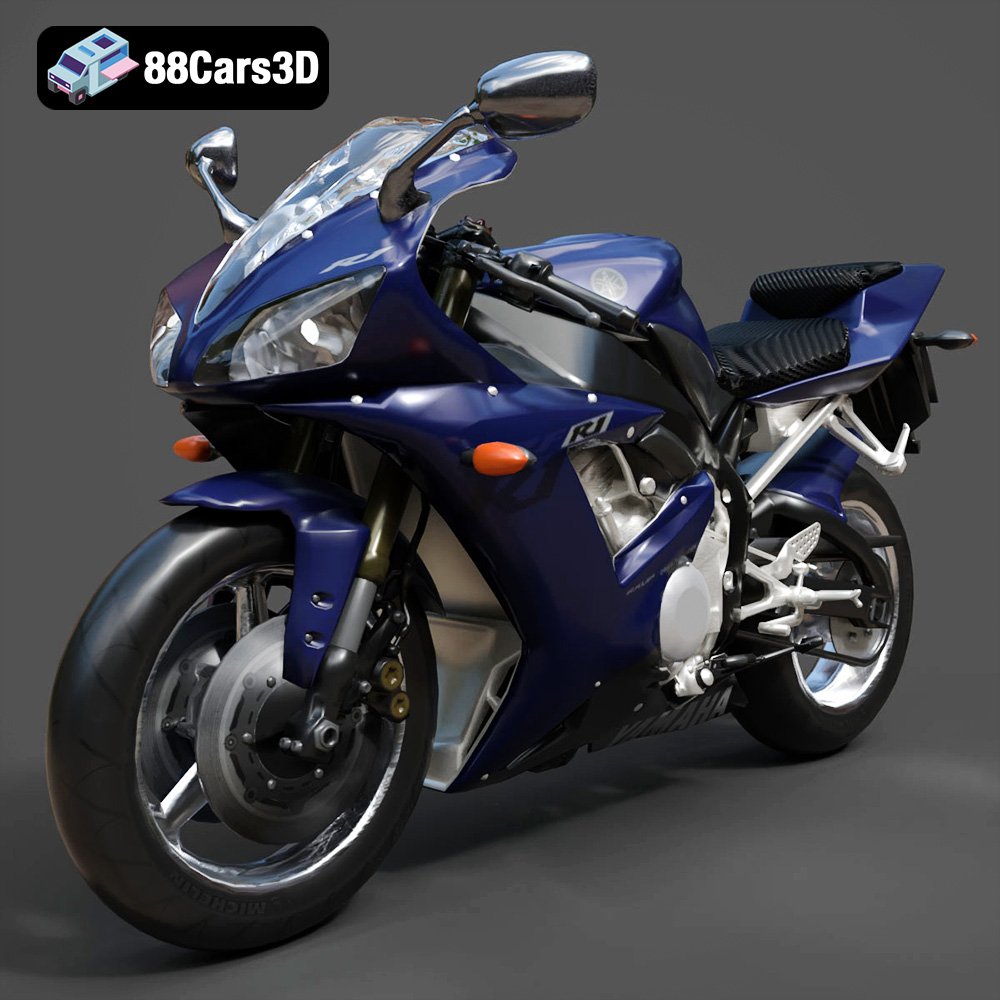
Texture: Yes
Material: Yes
Download the Yamaha YZF-R1 Motorcycle 3D Model featuring clean geometry, realistic detailing, and a fully modeled interior. Includes .blend, .fbx, .obj, .glb, .stl, .ply, .unreal, and .max formats for rendering, simulation, and game development.
Price: $10
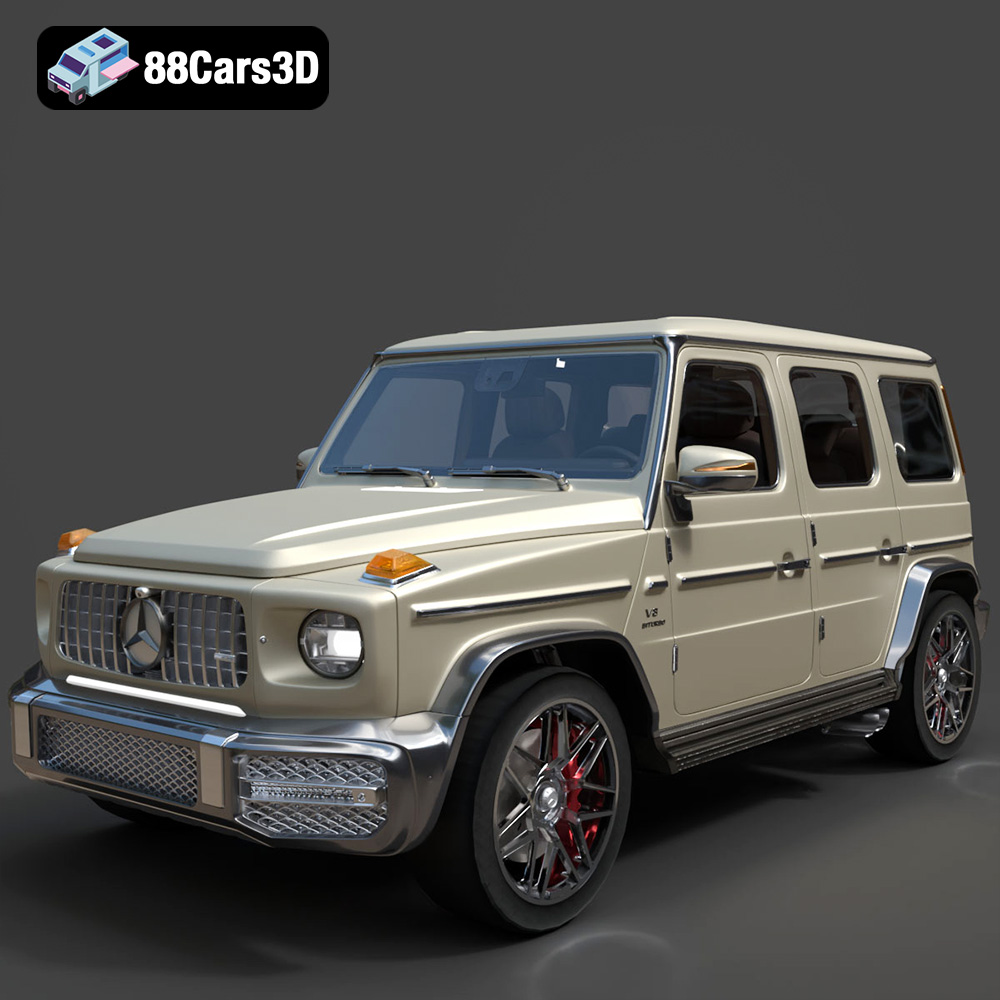
Texture: Yes
Material: Yes
Download the Mercedes Benz G63 AMG 2019 3D Model featuring clean geometry, realistic detailing, and a fully modeled interior. Includes .blend, .fbx, .obj, .glb, .stl, .ply, .unreal, and .max formats for rendering, simulation, and game development.
Price: $90
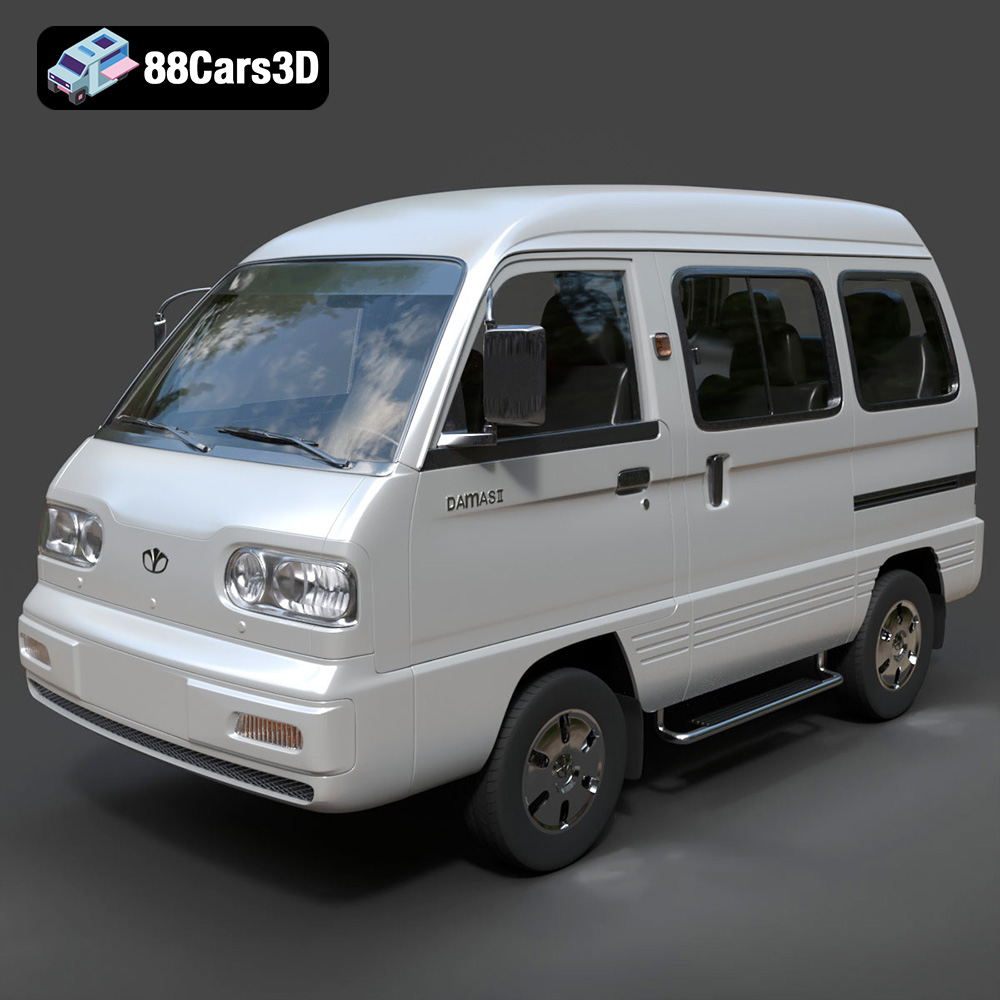
Texture: Yes
Material: Yes
Download the Daewoo Damas Mk2 2012 3D Model featuring clean geometry, realistic detailing, and a fully modeled interior. Includes .blend, .fbx, .obj, .glb, .stl, .ply, .unreal, and .max formats for rendering, simulation, and game development.
Price: $10
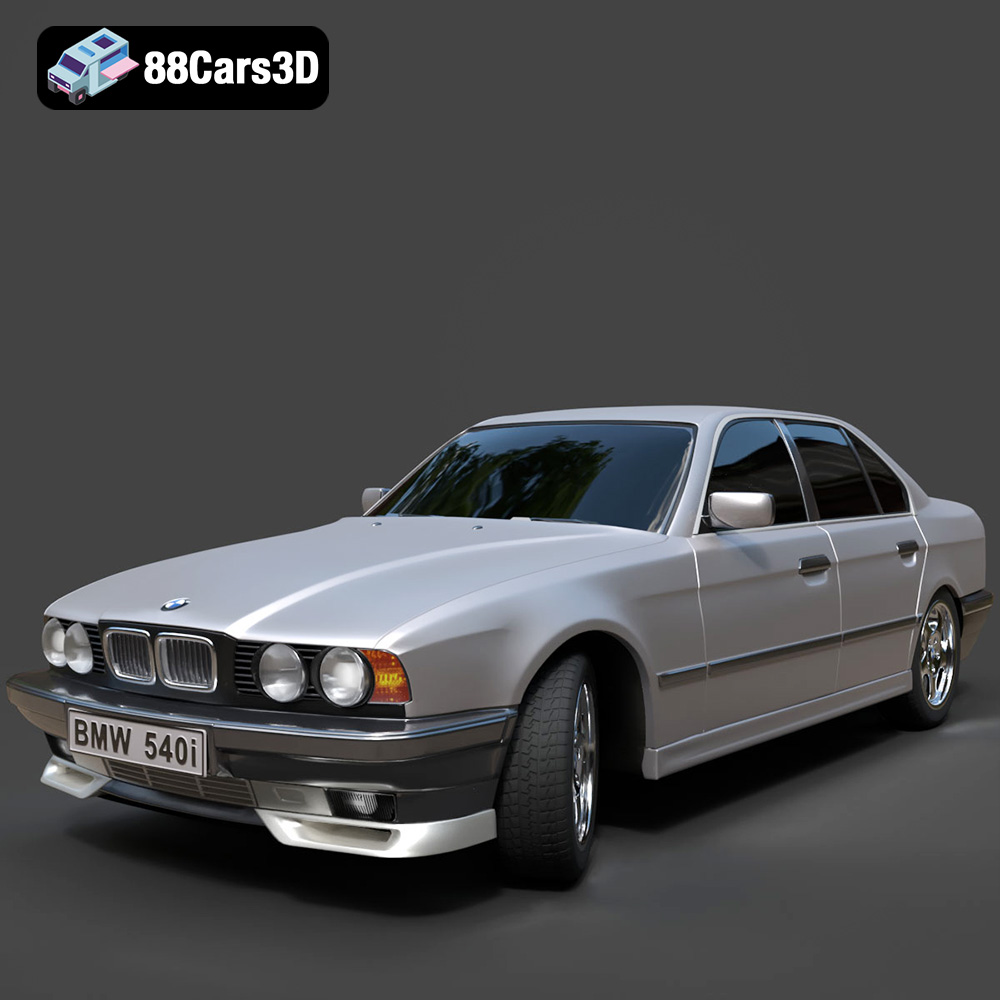
Texture: Yes
Material: Yes
Download the BMW 540 E34 3D Model featuring clean geometry, realistic detailing, and a fully modeled interior. Includes .blend, .fbx, .obj, .glb, .stl, .ply, .unreal, and .max formats for rendering, simulation, and game development.
Price: $10
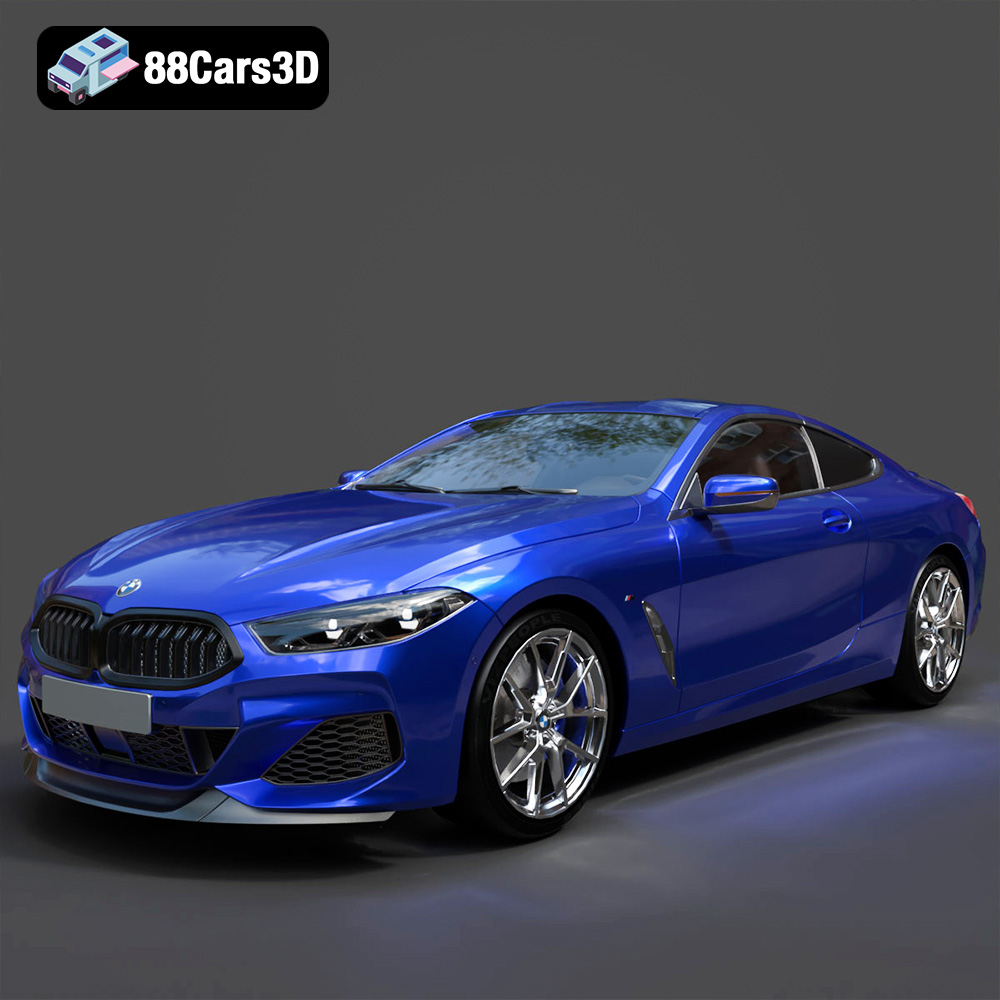
Texture: Yes
Material: Yes
Download the BMW 8 Series Coupe 2020 3D Model featuring clean geometry, realistic detailing, and a fully modeled interior. Includes .blend, .fbx, .obj, .glb, .stl, .ply, .unreal, and .max formats for rendering, simulation, and game development.
Price: $10
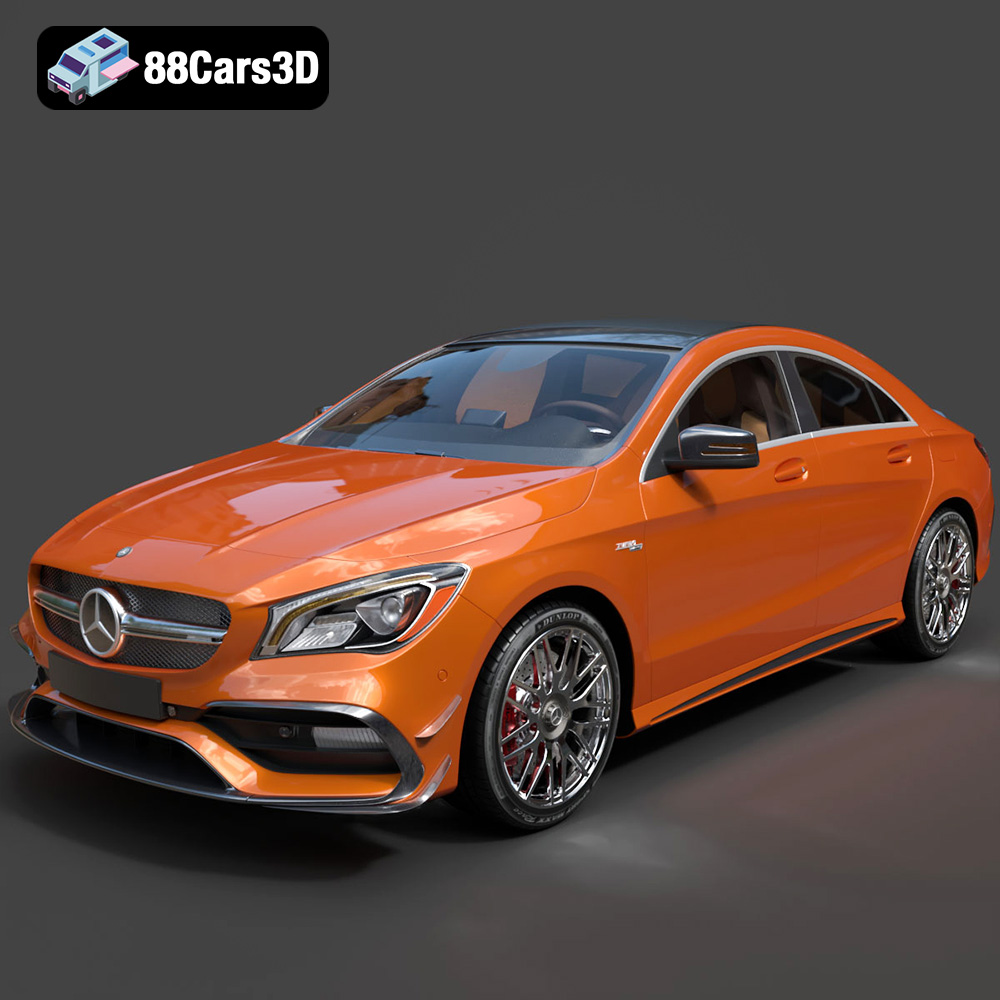
Texture: Yes
Material: Yes
Download the Mercedes-Benz CLA45 AMG 2017 3D Model featuring clean geometry, realistic detailing, and a fully modeled interior. Includes .blend, .fbx, .obj, .glb, .stl, .ply, .unreal, and .max formats for rendering, simulation, and game development.
Price: $21.99
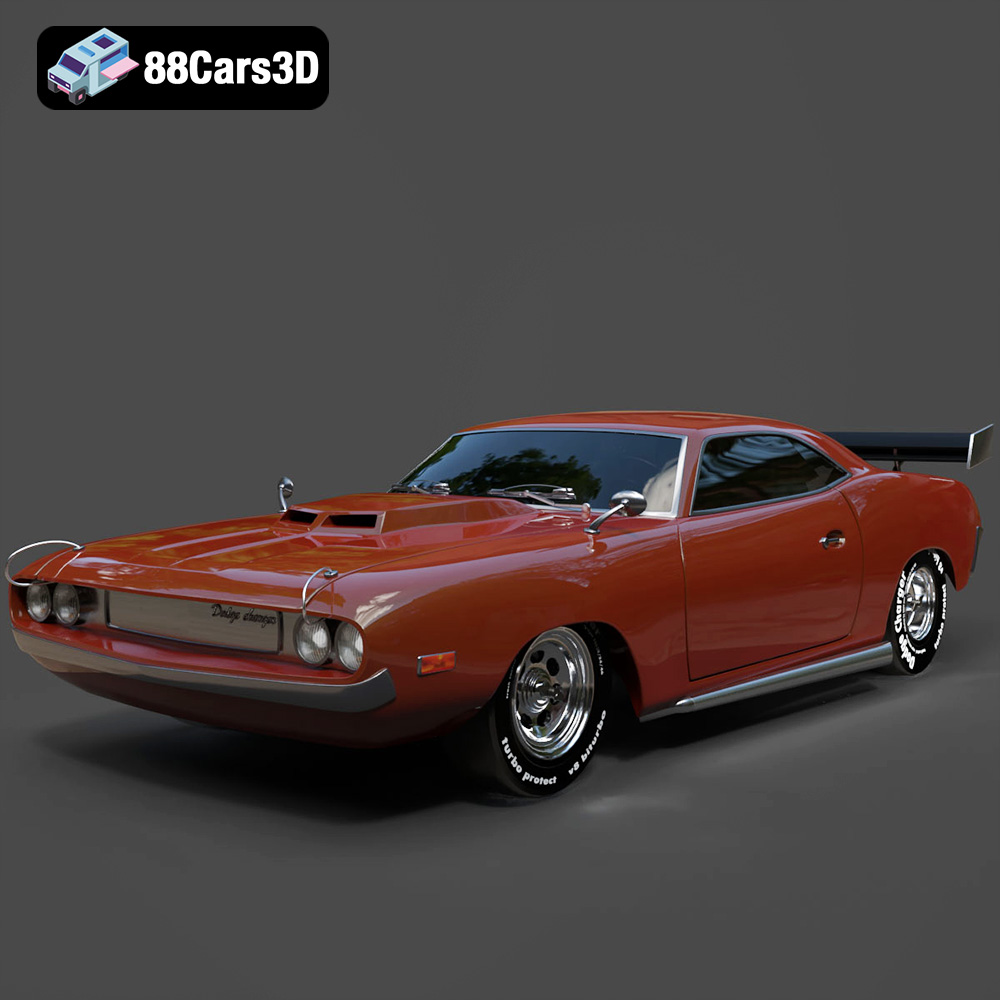
Texture: Yes
Material: Yes
Download the Dodge Charger Car-004 3D Model featuring clean geometry, realistic detailing, and a fully modeled interior. Includes .blend, .fbx, .obj, .glb, .stl, .ply, .unreal, and .max formats for rendering, simulation, and game development.
Price: $10
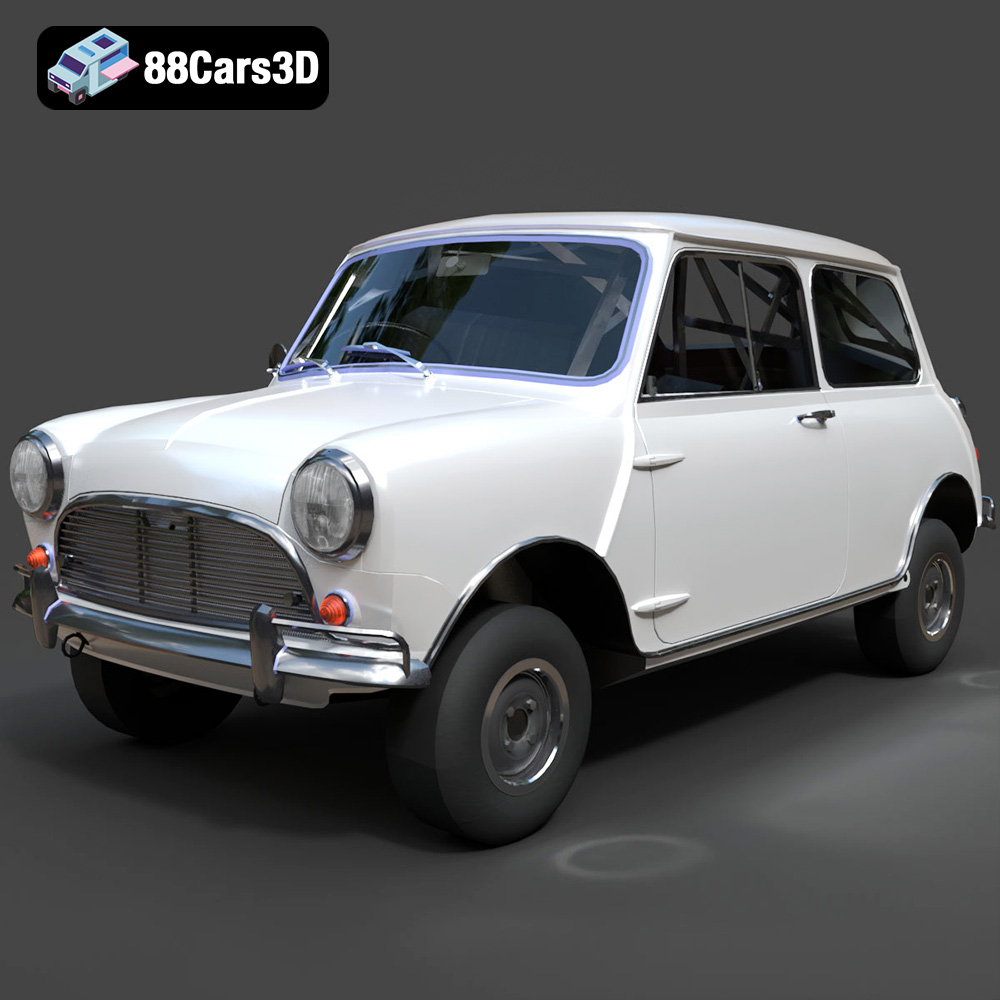
Texture: Yes
Material: Yes
Download the Austin Mini Cooper S 1965 3D Model featuring clean geometry, realistic detailing, and a fully modeled interior. Includes .blend, .fbx, .obj, .glb, .stl, .ply, .unreal, and .max formats for rendering, simulation, and game development.
Price: $10

