⚡ FLASH SALE: Get 60% OFF All Premium 3D & STL Models! ⚡

“`html
For automotive enthusiasts and 3D printing aficionados, the convergence of these two passions results in the creation of incredibly detailed and accurate vehicle models. However, achieving truly stunning results requires careful consideration of the 3D printer you choose. Not all printers are created equal, and selecting the right one can be the difference between a passable print and a museum-quality replica. This guide will delve into the best 3D printer technologies and specific models ideal for printing intricate vehicle models, optimizing your workflow from initial STL file preparation to final post-processing. We will cover both FDM and resin printers, detailing their respective strengths and weaknesses, and providing practical advice on choosing the right one for your needs and budget. Platforms like 88cars3d.com offer print-ready STL files perfectly suited for these types of projects.
We’ll explore crucial printer specifications, slicing parameters, material selection, and post-processing techniques to help you achieve the highest possible level of detail. Whether you’re a seasoned 3D printing expert or just starting your journey, this comprehensive guide will equip you with the knowledge and skills necessary to bring your dream car collection to life, one meticulously printed model at a time.
The two primary 3D printing technologies suitable for detailed vehicle models are Fused Deposition Modeling (FDM) and Stereolithography (SLA), often referred to as resin printing. Understanding the core differences between these technologies is paramount to selecting the best printer for your specific needs. FDM printers use thermoplastic filaments, melting and extruding them layer by layer to build the object. Resin printers, on the other hand, utilize liquid resin cured by UV light, allowing for significantly higher resolution and finer detail.
FDM printing offers a good balance of affordability and accessibility. FDM printers are typically more budget-friendly than resin printers, and a wider range of materials is available. However, FDM prints generally exhibit visible layer lines, which can detract from the overall realism of highly detailed vehicle models. To mitigate this, consider using printers with smaller nozzle sizes (0.25mm or 0.4mm), lower layer heights (0.1mm or less), and high-quality filaments like PLA or PETG.
For example, printing a classic car model with a 0.4mm nozzle and 0.1mm layer height on a well-calibrated FDM printer like a Prusa i3 MK3S+ using high-quality PLA can produce a respectable result. However, intricate details such as thin panel lines or small trim pieces may require post-processing, such as sanding and filling, to achieve a smooth and realistic finish. Infill settings are also important; for models where structural integrity is crucial, a higher infill percentage (20-30%) is recommended. For purely aesthetic models, a lower infill (10-15%) can save time and material.
Resin printing shines when it comes to capturing intricate details. The layer resolution of resin printers is significantly higher than that of FDM printers, often reaching levels as low as 25 microns (0.025mm). This allows for incredibly smooth surfaces and the accurate reproduction of even the smallest features. Resin printers are the preferred choice for those seeking the highest possible level of detail in their vehicle models. Popular resin printer brands include Anycubic, Elegoo, and Phrozen. When downloading models from marketplaces such as 88cars3d.com, the level of detail in the STL files will truly shine when printed using a resin printer.
Consider printing a scale model engine bay with a resin printer. The ability to reproduce tiny bolts, wires, and intricate engine components is unmatched. Using a resin like Anycubic Craftsman Resin or Elegoo ABS-Like Resin, combined with a layer height of 0.03mm, can result in a stunningly realistic model. However, resin printing also has its drawbacks. Resin printers typically have smaller build volumes, requiring models to be printed in multiple parts and then assembled. Resin can also be messy and requires careful handling due to its toxicity. Post-processing, including washing and curing, is essential to achieve the final desired result.
While resin printers generally offer superior detail, advancements in FDM technology and techniques allow for excellent results with the right equipment and settings. Here are some of the top FDM printers for producing high-quality vehicle models:
The Prusa i3 MK3S+ is a workhorse FDM printer known for its reliability, accuracy, and ease of use. Its automatic bed leveling and consistently high print quality make it an excellent choice for both beginners and experienced users. The Prusa i3 MK3S+ supports a wide range of materials, including PLA, PETG, ABS, and even flexible filaments. To optimize it for vehicle models, consider upgrading to a smaller nozzle size (0.25mm or 0.4mm) and experimenting with different layer heights (0.05mm – 0.15mm) to find the sweet spot for your specific model. Using PrusaSlicer, take advantage of its advanced settings like variable layer height to prioritize detail in specific areas of the model. For example, reduce layer height around complex features like the grill or headlights, while increasing it in less detailed areas like the roof.
Print settings example for the Prusa i3 MK3S+ printing with PLA: Nozzle Temp: 215°C, Bed Temp: 60°C, Print Speed: 40-60 mm/s, Layer Height: 0.1mm, Infill: 15% gyroid. Consider enabling “detect thin walls” in PrusaSlicer to improve the printing of fine details.
The Creality Ender 3 S1 Pro is a popular and affordable option that offers excellent value for money. It features a direct drive extruder, which improves its ability to print flexible filaments and reduces stringing. Its auto-leveling function simplifies setup and ensures consistent print quality. To maximize the Ender 3 S1 Pro’s potential for vehicle models, pay close attention to belt tension and frame rigidity. Ensuring everything is properly tightened and aligned will minimize vibrations and improve accuracy. Experiment with different retraction settings to minimize stringing, especially when printing complex geometries. Consider using a profile designed for fine detail printing and adjust as needed for your specific filament.
Print settings example for the Creality Ender 3 S1 Pro printing with PETG: Nozzle Temp: 240°C, Bed Temp: 80°C, Print Speed: 40 mm/s, Layer Height: 0.12mm, Infill: 20% cubic. Be sure to dry your PETG filament before printing to minimize moisture-related issues.
For unparalleled detail and surface finish, resin printers are the go-to choice. Here are some of the best resin printers for printing detailed vehicle models:
The Elegoo Mars 3 Pro is a popular entry-level resin printer that delivers exceptional print quality at an affordable price. Its 4K resolution LCD screen allows for incredibly detailed prints with minimal layer lines. The Mars 3 Pro is easy to set up and use, making it a great choice for beginners. When printing vehicle models with the Mars 3 Pro, pay close attention to support placement. Use a combination of light and medium supports to ensure proper adhesion and minimize the risk of print failures. Orient your model at an angle to reduce the cross-sectional area and minimize stress on the supports. Consider using a resin designed for high detail, such as Elegoo ABS-Like Resin, and experiment with different exposure settings to find the optimal balance between detail and strength.
Print settings example for the Elegoo Mars 3 Pro printing with Elegoo ABS-Like Resin: Layer Height: 0.03mm, Bottom Layer Exposure Time: 35s, Normal Layer Exposure Time: 2.5s, Lift Speed: 60mm/min. Use a raft to improve bed adhesion, especially for larger models.
The Anycubic Photon Mono X 6K offers a larger build volume and even higher resolution than the Elegoo Mars 3 Pro. Its 6K monochrome LCD screen allows for incredibly fast printing speeds without sacrificing detail. The Photon Mono X 6K is a great choice for those who need to print larger vehicle models or multiple parts simultaneously. When printing with the Photon Mono X 6K, take advantage of its larger build volume to print multiple parts at once. Use a well-ventilated space and wear appropriate personal protective equipment (PPE) when working with resin. Experiment with different support densities to minimize resin consumption and reduce post-processing time. Consider using a flexible build plate to make removing prints easier.
Print settings example for the Anycubic Photon Mono X 6K printing with Anycubic Craftsman Resin: Layer Height: 0.025mm, Bottom Layer Exposure Time: 30s, Normal Layer Exposure Time: 2s, Lift Speed: 70mm/min. Using a heated build plate can improve bed adhesion and reduce warping.
Regardless of the printer you choose, proper slicing and support structure generation are crucial for achieving successful prints. Slicing software converts your 3D model into a series of layers that the printer can understand. Support structures provide temporary support for overhanging features during the printing process. Choosing the right slicing parameters and support structures can significantly impact the quality and success of your vehicle model prints.
Key slicing parameters include layer height, print speed, infill density, and temperature. Layer height directly affects the resolution and smoothness of the print. Lower layer heights result in finer details but also increase print time. Experiment with different layer heights to find the best balance between detail and speed. Print speed affects the overall print time and can also impact the quality of the print. Slower print speeds generally result in better detail but also increase print time. Infill density affects the strength and weight of the print. Higher infill densities result in stronger and heavier prints, while lower infill densities result in weaker and lighter prints. Temperature settings depend on the material being used. Consult the filament or resin manufacturer’s recommendations for optimal temperature settings.
Using Cura for FDM printing, consider these settings: Layer Height: 0.1mm-0.2mm, Print Speed: 40-60mm/s, Infill Density: 15-25%, Nozzle Temperature: 200-220°C for PLA, Bed Temperature: 60°C for PLA. Using Chitubox for resin printing, consider these settings: Layer Height: 0.025mm-0.05mm, Bottom Layer Exposure Time: 25-40s, Normal Layer Exposure Time: 2-3s, Lift Speed: 60-80mm/min.
Support structures are essential for printing overhanging features and complex geometries. There are several types of support structures available, including tree supports, linear supports, and grid supports. The best type of support structure depends on the specific model and the printer being used. Tree supports are generally preferred for their efficiency and ease of removal. Linear supports are stronger but can be more difficult to remove. Grid supports provide the most support but also consume the most material. Proper support placement is crucial for ensuring that all overhanging features are adequately supported. Use slicing software to analyze the model and identify areas that require support. Manually adjust support placement as needed to ensure optimal support and minimize the risk of print failures.
In Cura, experiment with support overhang angle and support density. For complex models, a higher support density and lower overhang angle may be necessary. In Chitubox, use the “auto-support” feature as a starting point and then manually adjust the support placement to optimize for your specific model.
Post-processing is an essential step in achieving a professional finish on your 3D printed vehicle models. Post-processing techniques include removing support structures, sanding, filling, priming, and painting. Proper post-processing can significantly improve the appearance and realism of your models.
Carefully remove support structures using appropriate tools, such as flush cutters or hobby knives. Take care not to damage the model during support removal. After removing support structures, sand the model to remove any remaining support marks and smooth out the surface. Start with coarse sandpaper and gradually move to finer grits. Fill any gaps or imperfections with putty or filler. Apply a thin coat of primer to the model to create a smooth and uniform surface for painting. Sand the primer lightly to remove any imperfections before proceeding to painting.
For FDM prints, consider using a filler primer to help smooth out layer lines. For resin prints, a soft toothbrush and isopropyl alcohol can be helpful for removing uncured resin from hard-to-reach areas.
Choose high-quality paints that are appropriate for the material being used. Apply thin coats of paint to avoid runs and drips. Use masking tape to create clean lines and separate different colors. Add details such as panel lines, trim, and decals to enhance the realism of the model. Consider using weathering techniques to create a more realistic and aged appearance. Apply a clear coat to protect the paint and add a glossy or matte finish.
Airbrushing is highly recommended for achieving a smooth and even paint finish. Consider using stencils for intricate details such as logos and lettering. Refer to reference photos of the real vehicle to ensure accuracy in your painting and detailing.
Even with the best equipment and techniques, 3D printing can sometimes be challenging. Here are some common printing issues and how to troubleshoot them:
Adhesion problems occur when the first layer of the print does not stick properly to the build plate. This can be caused by a variety of factors, including an uneven build plate, incorrect bed temperature, or insufficient bed adhesion. To troubleshoot adhesion problems, first ensure that the build plate is properly leveled. Clean the build plate with isopropyl alcohol to remove any grease or debris. Increase the bed temperature to improve adhesion. Apply a bed adhesion aid, such as glue stick or hairspray. Calibrate your Z offset to ensure the nozzle is properly spaced from the bed. Platforms like 88cars3d.com ensure the models have a suitable base to promote adhesion.
Warping and curling occur when the corners of the print lift up from the build plate. This is often caused by uneven cooling or temperature fluctuations. To prevent warping and curling, maintain a consistent ambient temperature around the printer. Use a heated bed to keep the print warm and prevent it from cooling too quickly. Increase the bed adhesion by using a raft or brim. Reduce the print speed to allow the material to cool more slowly. Consider using an enclosure to insulate the printer and maintain a more consistent temperature.
Stringing and blobs occur when excess material is extruded during travel moves. This can be caused by incorrect retraction settings, high nozzle temperature, or excessive filament moisture. To reduce stringing and blobs, adjust the retraction distance and speed in your slicing software. Decrease the nozzle temperature to reduce material flow. Dry your filament before printing to remove any moisture. Ensure the filament is tightly wound on the spool and is feeding smoothly into the extruder.
Printing detailed vehicle models is a rewarding but challenging endeavor. Selecting the right 3D printer, understanding the nuances of slicing parameters, mastering support structure generation, and perfecting post-processing techniques are all crucial for achieving stunning results. By carefully considering the information presented in this guide, you’ll be well-equipped to choose the best 3D printer for your needs and bring your dream car collection to life. Whether you opt for the affordability and versatility of an FDM printer or the unmatched detail of a resin printer, remember that experimentation and continuous learning are key to mastering the art of 3D printing. Explore platforms like 88cars3d.com for high-quality STL files, and don’t be afraid to push the boundaries of what’s possible with your 3D printer.
Your next step is to research specific printer models within the recommended categories, read reviews, and compare specifications. Consider your budget, the size and complexity of the models you want to print, and your level of experience. With the right tools and knowledge, you can create incredibly detailed and realistic vehicle models that will impress even the most discerning automotive enthusiasts.
“`
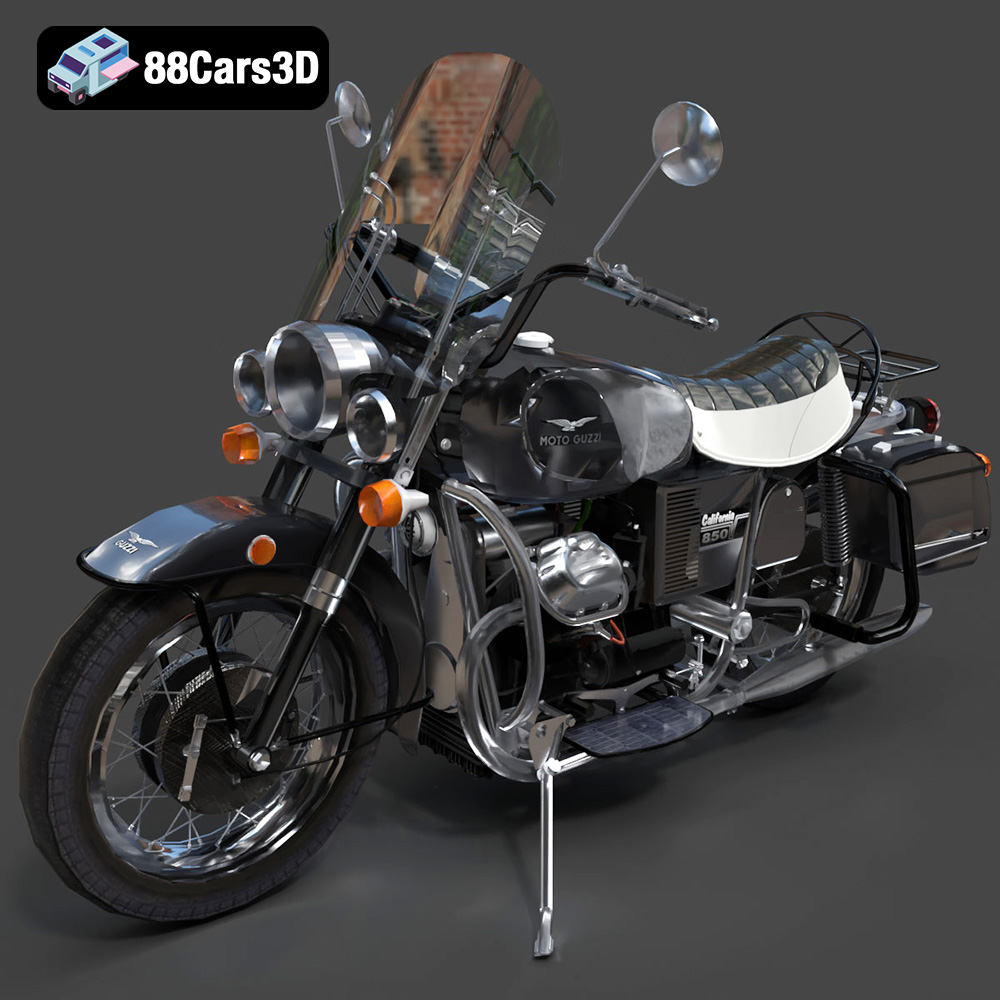
Texture: Yes
Material: Yes
Download the Moto Guzzi Classic Motorcycle 2024 3D Model featuring clean geometry, realistic detailing, and a fully modeled interior. Includes .blend, .fbx, .obj, .glb, .stl, .ply, .unreal, and .max formats for rendering, simulation, and game development.
Price: $10

Texture: Yes
Material: Yes
Download the Mercedes S-Class 2024 3D Model featuring clean geometry, realistic detailing, and a fully modeled interior. Includes .blend, .fbx, .obj, .glb, .stl, .ply, .unreal, and .max formats for rendering, simulation, and game development.
Price: $10
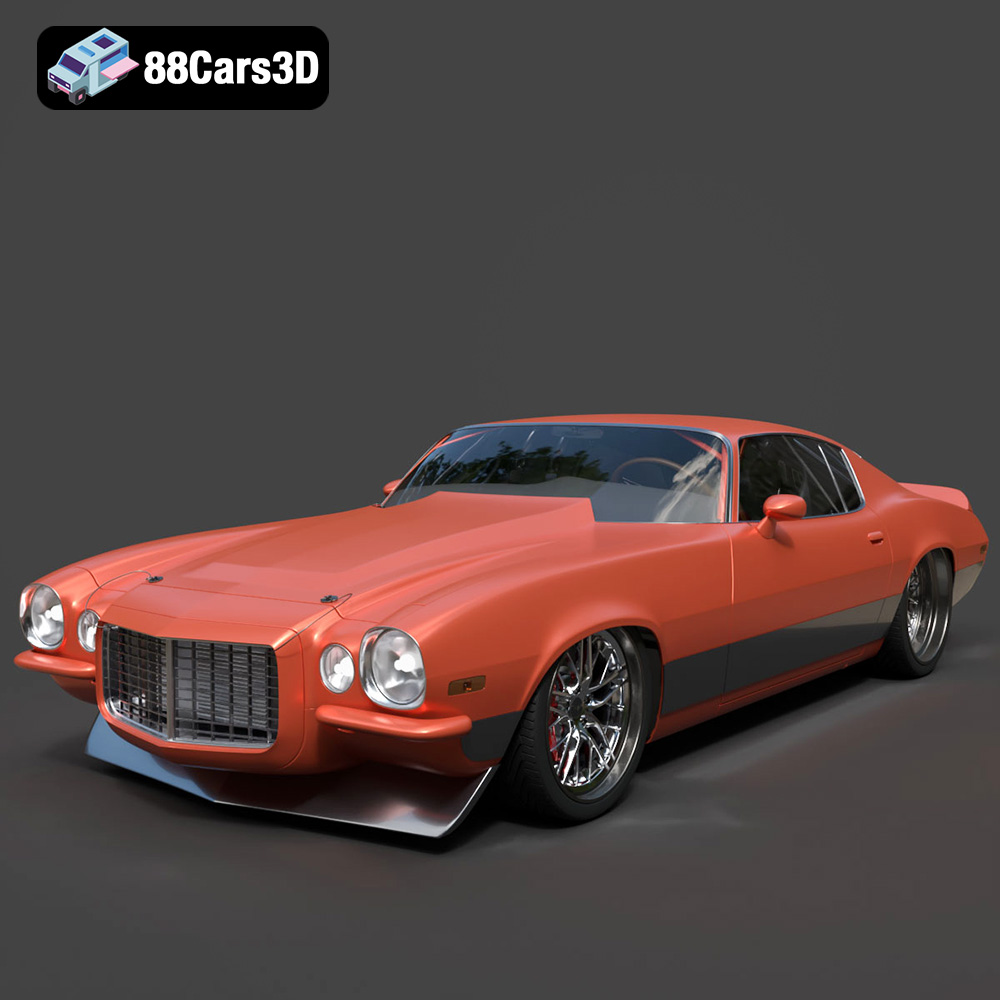
Texture: Yes
Material: Yes
Download the Chevrolet Camaro 1970 3D Model featuring clean geometry, realistic detailing, and a fully modeled interior. Includes .blend, .fbx, .obj, .glb, .stl, .ply, .unreal, and .max formats for rendering, simulation, and game development.
Price: $10
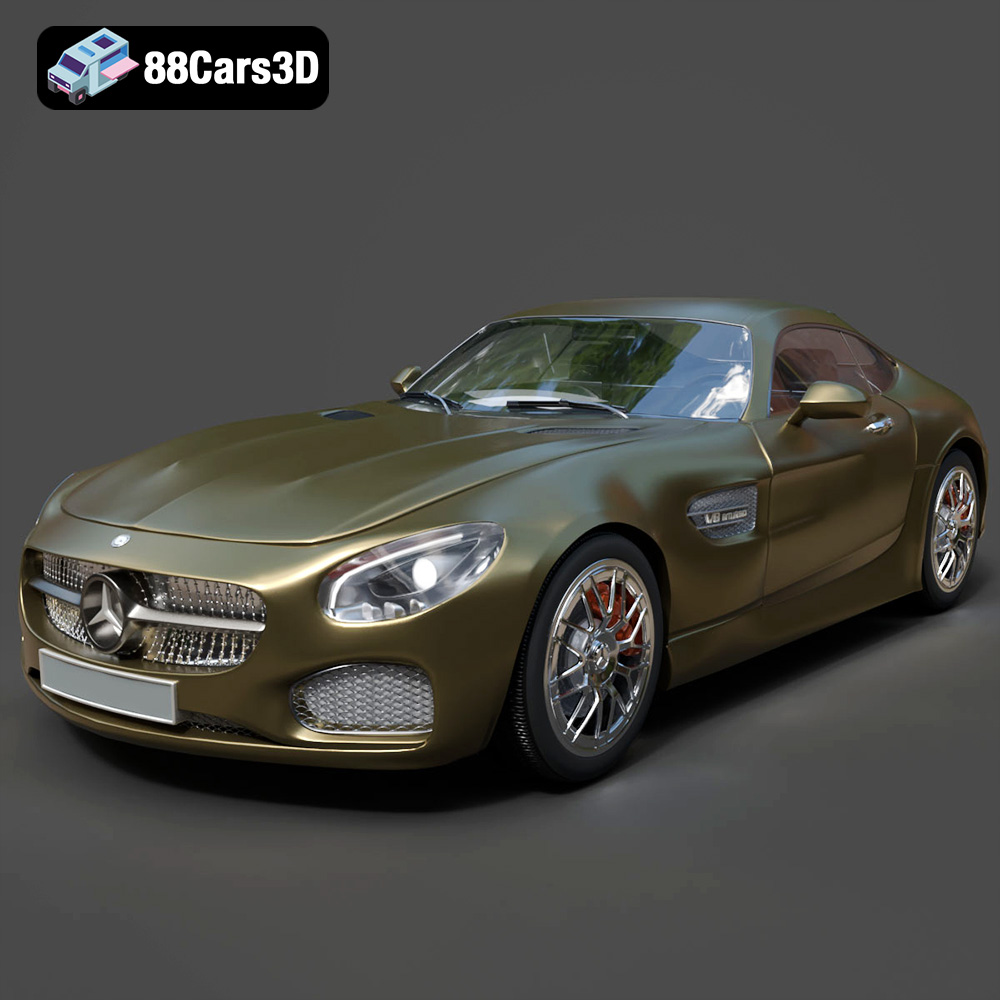
Texture: Yes
Material: Yes
Download the Mercedes-AMG GT 2015 3D Model featuring clean geometry, realistic detailing, and a fully modeled interior. Includes .blend, .fbx, .obj, .glb, .stl, .ply, .unreal, and .max formats for rendering, simulation, and game development.
Price: $88.99
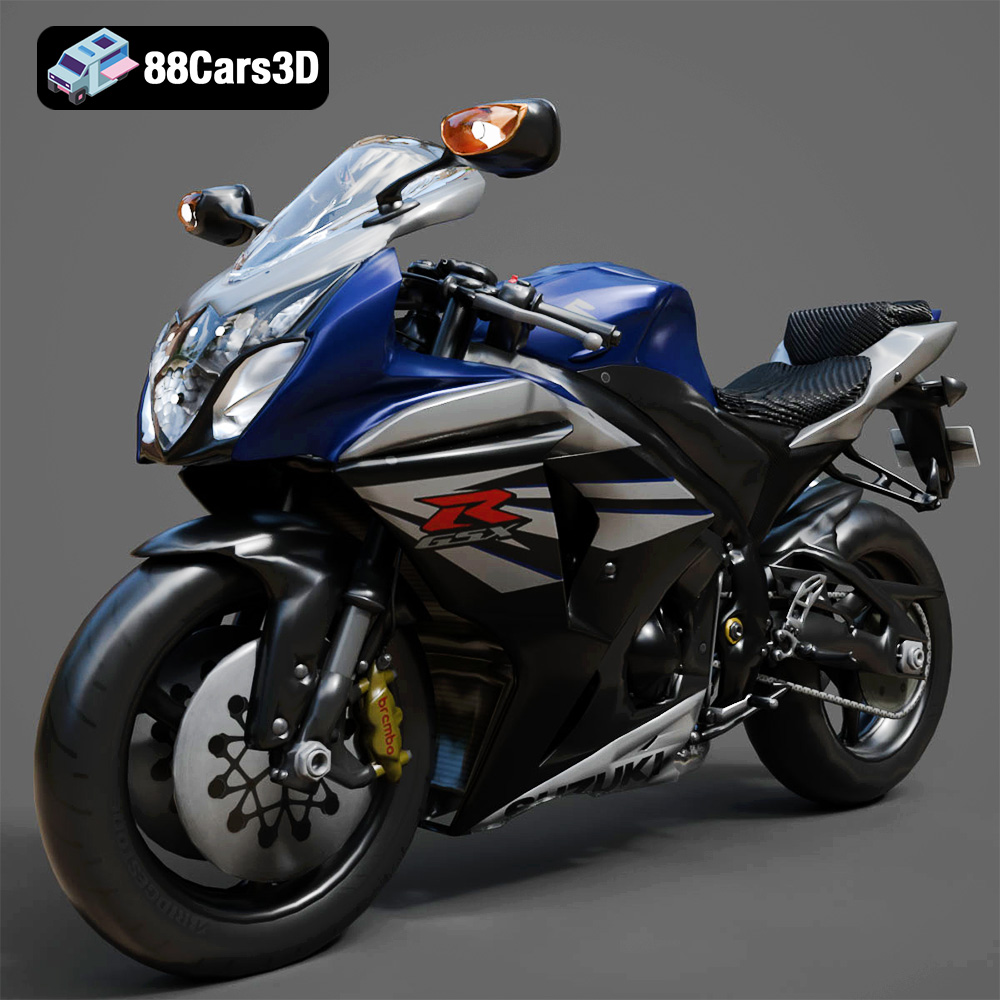
Texture: Yes
Material: Yes
Download the Suzuki GSX-R 1000 3D Model featuring clean geometry, realistic detailing, and a fully modeled interior. Includes .blend, .fbx, .obj, .glb, .stl, .ply, .unreal, and .max formats for rendering, simulation, and game development.
Price: $10
Texture: Yes
Material: Yes
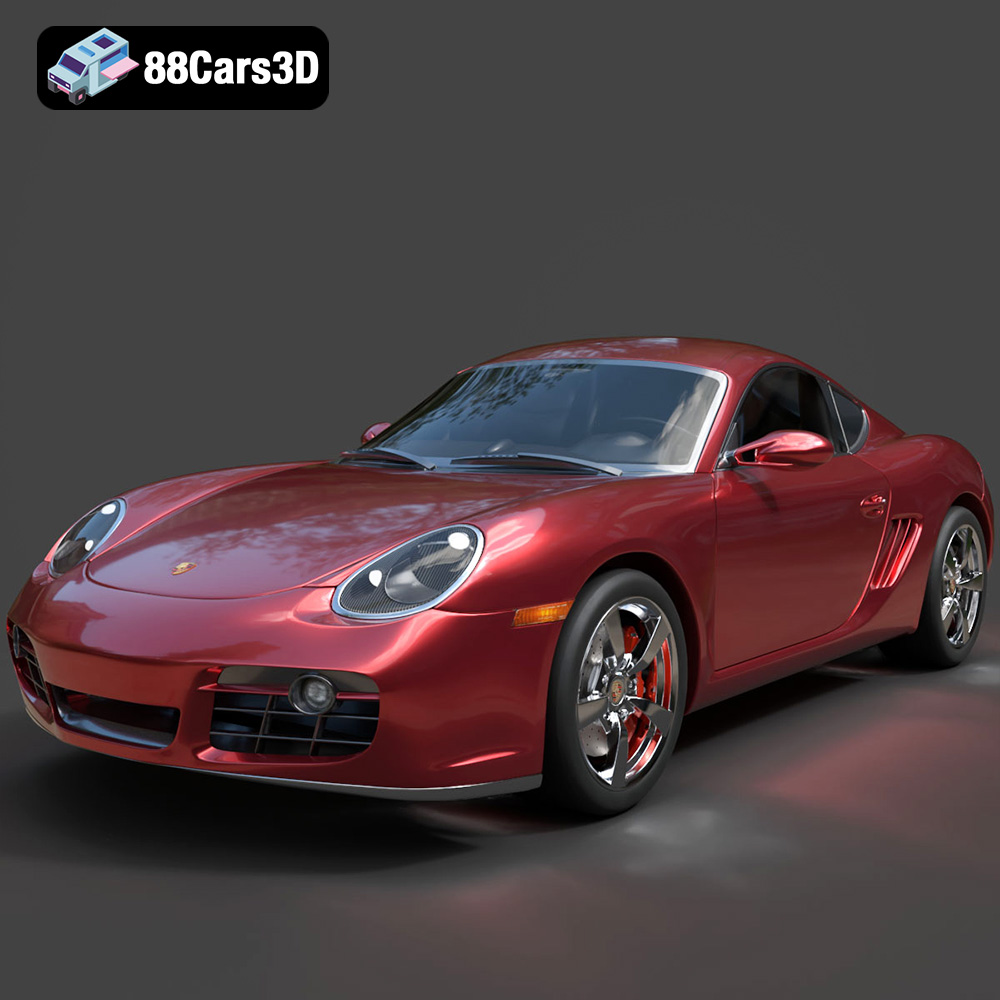
Download the Porsche Cayman S 2024 3D Model featuring clean geometry, realistic detailing, and a fully modeled interior. Includes .blend, .fbx, .obj, .glb, .stl, .ply, .unreal, and .max formats for rendering, simulation, and game development.
Price: $10
Texture: Yes
Material: Yes
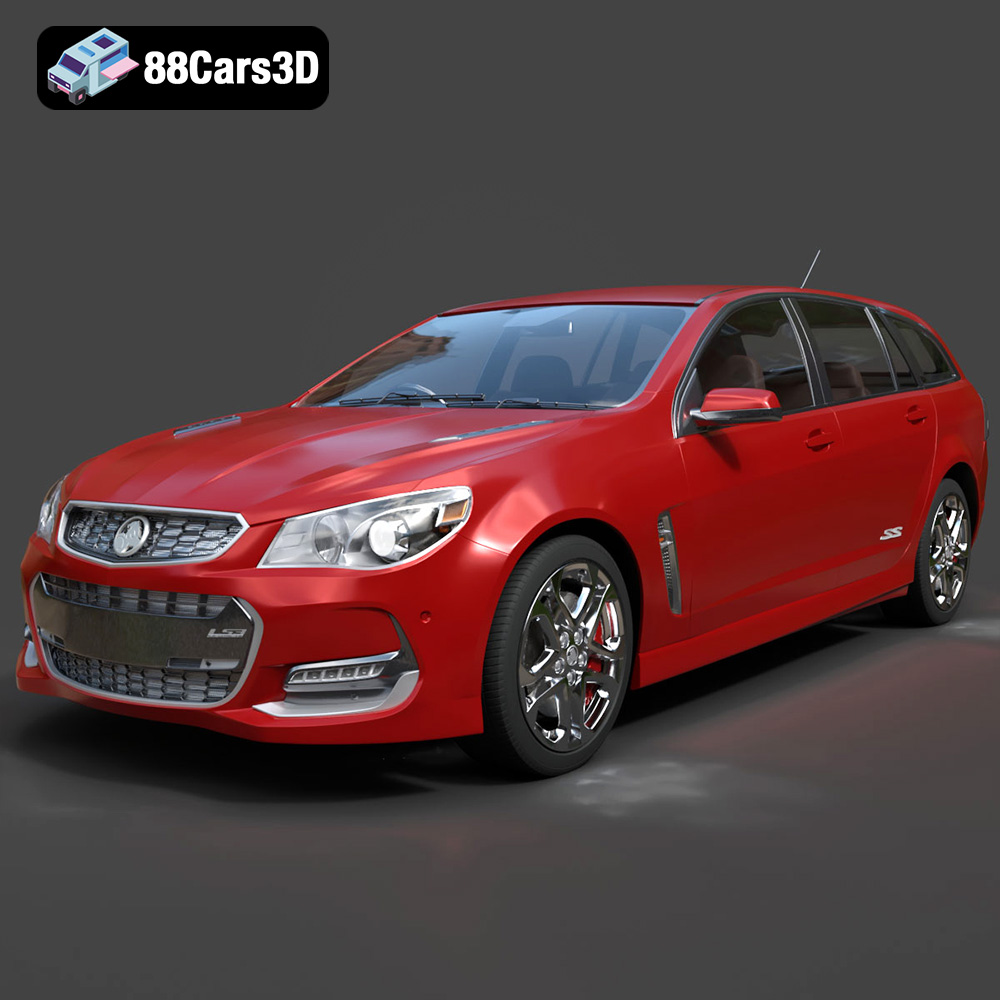
Download the Holden Commodore Sportwagon 2017 3D Model featuring clean geometry, realistic detailing, and a fully modeled interior. Includes .blend, .fbx, .obj, .glb, .stl, .ply, .unreal, and .max formats for rendering, simulation, and game development.
Price: $10
Texture: Yes
Material: Yes
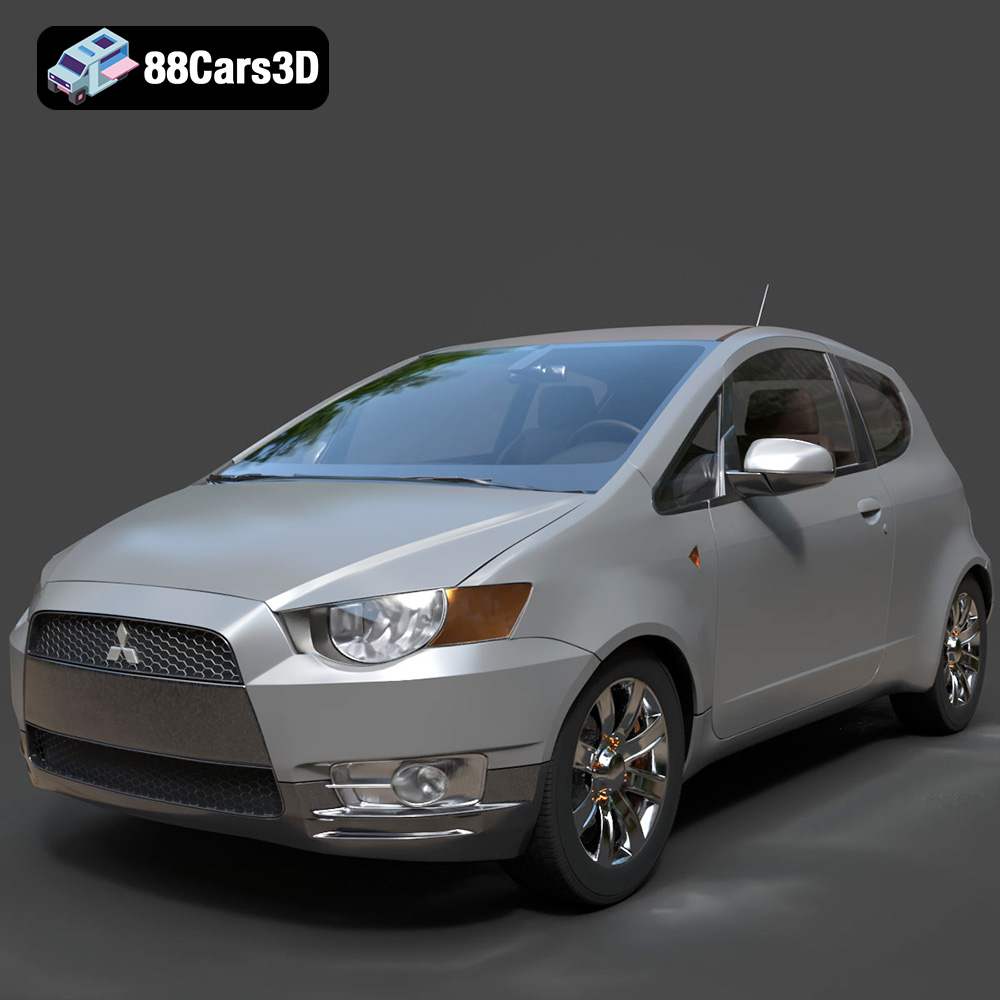
Download the Mitsubishi Colt 3 Door 2008 3D Model featuring clean geometry, realistic detailing, and a fully modeled interior. Includes .blend, .fbx, .obj, .glb, .stl, .ply, .unreal, and .max formats for rendering, simulation, and game development.
Price: $10
Texture: Yes
Material: Yes
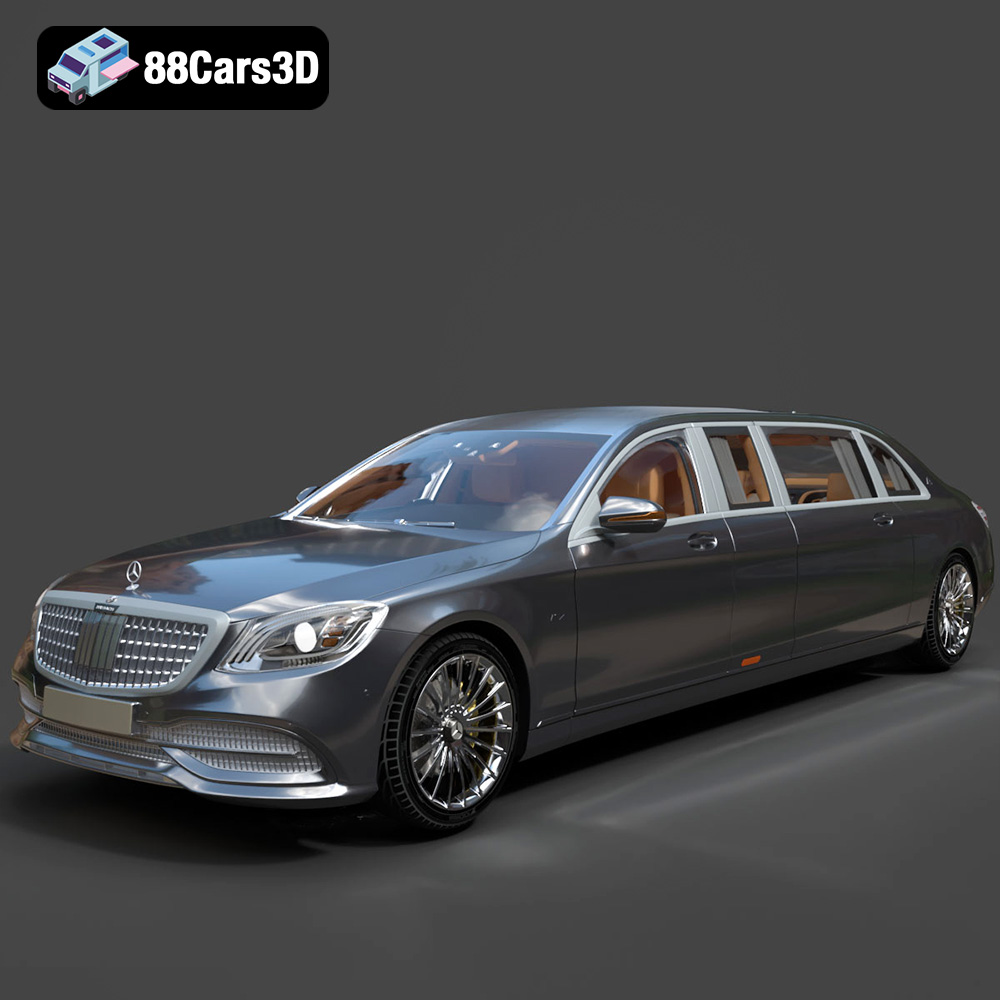
Download the Mercedes-Benz S650 Pullman 3D Model featuring clean geometry, realistic detailing, and a fully modeled interior. Includes .blend, .fbx, .obj, .glb, .stl, .ply, .unreal, and .max formats for rendering, simulation, and game development.
Price: $95.99
Texture: Yes
Material: Yes
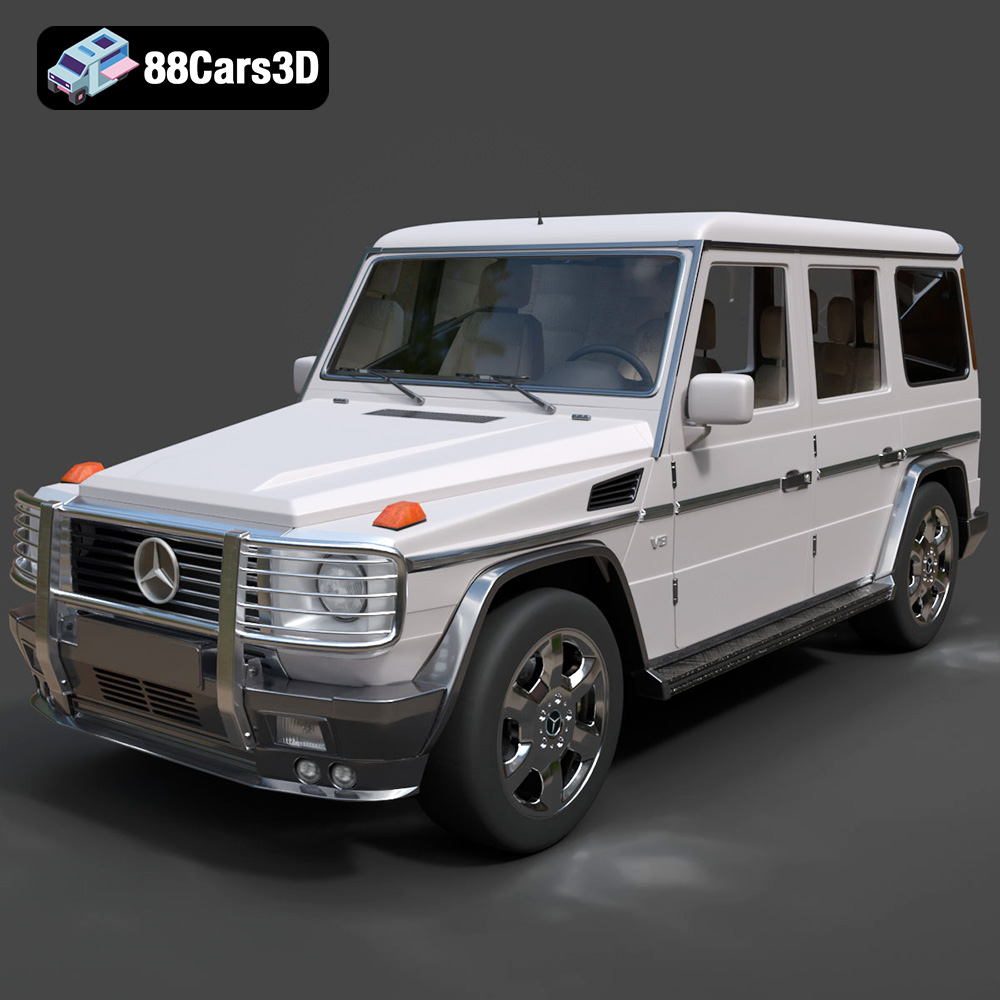
Download the Mercedes G-Class SUV 2024 3D Model featuring clean geometry, realistic detailing, and a fully modeled interior. Includes .blend, .fbx, .obj, .glb, .stl, .ply, .unreal, and .max formats for rendering, simulation, and game development.
Price: $10

