⚡ FLASH SALE: Get 60% OFF All Premium 3D & STL Models! ⚡

“`html
For automotive enthusiasts and model-making hobbyists, 3D printing offers an unprecedented opportunity to bring your dream cars to life. However, achieving stunningly detailed vehicle models requires the right 3D printer and a deep understanding of its capabilities. This guide explores the best 3D printer technologies and specific models for creating high-quality, intricate car models, focusing on factors like resolution, material compatibility, and ease of use. We’ll delve into the nuances of FDM and resin printing, highlighting the strengths and weaknesses of each for this specific application. Whether you’re a seasoned 3D printing veteran or just starting your journey, this comprehensive overview will equip you with the knowledge to choose the perfect printer and produce breathtaking 3D printed car models. Platforms like 88cars3d.com offer print-ready STL files, but a good printer is key to realizing their potential.
Two primary 3D printing technologies dominate the market: Fused Deposition Modeling (FDM) and Stereolithography (SLA), often referred to as resin printing. FDM printers work by melting and extruding thermoplastic filaments layer by layer. Resin printers, on the other hand, use a light source (laser or projector) to cure liquid resin, solidifying it into the desired shape. The choice between these technologies depends heavily on the level of detail required and the desired material properties.
FDM printers are generally more affordable and easier to use, making them a great entry point into 3D printing. They offer a wide range of material options, including PLA, ABS, PETG, and even carbon fiber-infused filaments. For larger car models where extreme detail isn’t paramount, FDM can be a cost-effective solution. However, the layer-by-layer deposition process results in visible layer lines, which can detract from the overall appearance of highly detailed models. Typical layer heights range from 0.1mm to 0.3mm, with 0.1mm offering the best detail but significantly increasing print time.
Example: Using a 0.4mm nozzle and printing a car body at 0.12mm layer height with a 20% infill density. Print speed should be optimized. A speed of 50 mm/s is a good starting point. This is important as higher print speeds can lead to imperfections and a loss of detail. Be sure to enable retraction settings in your slicing software to minimize stringing.
Resin printers excel in producing highly detailed models with smooth surfaces. The curing process allows for much finer layer resolutions, typically ranging from 0.025mm to 0.05mm. This makes them ideal for creating intricate details like panel lines, grilles, and emblems on car models. Resin printers also offer excellent dimensional accuracy, ensuring that parts fit together seamlessly. However, resin printing typically has a smaller build volume than FDM, and the resin materials can be more expensive and require careful handling due to their toxicity. Post-processing also involves washing the prints in isopropyl alcohol and curing them under UV light. When downloading models from marketplaces such as 88cars3d.com, consider the level of detail that your chosen printer is capable of reproducing.
Example: Using an LCD resin printer with a 2K or 4K screen for enhanced resolution. Exposure times will vary depending on the resin used, but a starting point of 6-8 seconds per layer is common. Layer heights should be set to 0.05mm for a good balance of detail and print speed. Support structures are crucial for resin printing, so ensure that your slicing software generates adequate and well-placed supports. A raft can also help with bed adhesion.
While resin printers generally provide superior detail, certain FDM printers can deliver impressive results, especially when paired with fine-tuned settings and advanced materials. Here are some recommended FDM printers for printing car models, balancing print quality, build volume, and user-friendliness.
The Prusa i3 MK3S+ is a widely respected FDM printer known for its reliability and print quality. Its direct drive extruder handles a wide variety of filaments, including PLA, PETG, ABS, and flexibles. With proper calibration and fine-tuning, it can produce car models with decent detail and a smooth surface finish. The PrusaSlicer software offers advanced features for optimizing print settings, making it a powerful tool for achieving the best possible results. A crucial upgrade for detailed car models is a smaller nozzle (0.25mm or 0.3mm) as this can provide better resolution than the standard 0.4mm nozzle.
The Creality Ender 3 V2 is a popular budget-friendly option that offers good value for the price. It features a stable frame, a heated bed, and a user-friendly interface. While it may require some initial tweaking and upgrades, it can be tuned to produce surprisingly detailed car models. Upgrading the extruder and hotend can significantly improve the printer’s performance with more exotic filaments. Additionally, consider upgrading the bed springs or switching to a solid bed mount for improved bed leveling.
For truly exceptional detail and surface finish, resin 3D printers are the go-to choice. These printers offer the resolution and accuracy needed to capture the most intricate features of car models. Here are some of the best resin printers for this application.
The Elegoo Mars 3 Pro is a popular and affordable resin printer that delivers excellent print quality. Its 4K monochrome LCD screen provides high resolution, allowing for crisp details and smooth surfaces. It also features an improved cooling system and a carbon filter to reduce resin odors. This is a great entry point into resin printing while still providing good detail. Make sure to properly calibrate the printer and dial in the resin settings to achieve optimal results. A good starting point is to print calibration cubes or other test prints to determine the ideal exposure time for your chosen resin.
The Anycubic Photon Mono X 6K offers an even higher resolution than the Mars 3 Pro, resulting in even finer details and smoother surfaces. Its large build volume allows for printing larger car models or multiple parts simultaneously. The printer also features a fast printing speed, making it a great choice for those who want to produce high-quality models quickly. However, the larger build volume can also lead to increased resin consumption. Ensure that your support structures are robust enough to handle the weight of the model, especially when printing larger objects.
Regardless of the chosen printer, optimizing the settings is crucial for achieving the best possible results. Key parameters include layer height, infill density, print speed, and support structures. Understanding how these settings affect the final print is essential for producing high-quality car models. Poorly configured settings can lead to warping, layer separation, and loss of detail.
Layer height directly affects the resolution and surface finish of the print. Lower layer heights result in smoother surfaces and finer details but increase print time. For FDM printing, a layer height of 0.1mm – 0.15mm is a good balance between detail and print speed. For resin printing, a layer height of 0.025mm – 0.05mm is recommended for optimal results. Experiment with different layer heights to find the sweet spot for your specific printer and model. Remember that halving the layer height roughly doubles the print time. When working with STL files from 88cars3d.com, consider the intended scale and level of detail when selecting your layer height.
Infill density determines the internal strength and weight of the model. For car models, a low to medium infill density (15-25%) is usually sufficient, as the primary focus is on aesthetics rather than structural integrity. Gyroid or Cubic infill patterns provide a good balance of strength and material usage. Support structures are essential for printing overhangs and complex geometries. They need to be carefully placed to minimize their impact on the surface finish of the model. Tree supports are often a good option for FDM printing, as they use less material and are easier to remove. For resin printing, manually adding supports in your slicing software allows for precise control over their placement and density.
Post-processing is an essential step in achieving a professional-looking finish on 3D printed car models. This includes removing support structures, sanding, priming, painting, and applying clear coats. The specific techniques used will depend on the printing technology and the desired level of detail.
Carefully remove support structures using pliers, clippers, or a sharp knife. Take your time to avoid damaging the model. Sanding is crucial for smoothing out layer lines and imperfections. Start with a coarse grit sandpaper (e.g., 220 grit) and gradually move to finer grits (e.g., 400, 600, 800 grit) to achieve a smooth surface. Wet sanding can help to reduce dust and improve the surface finish. For resin prints, ensure all resin is removed from the model before sanding. Washing with isopropyl alcohol and curing is an essential first step.
Priming creates a smooth and uniform surface for painting. Apply several thin coats of primer, allowing each coat to dry completely before applying the next. Sand the primed surface with fine-grit sandpaper (e.g., 800 grit) to remove any imperfections. Use high-quality acrylic or enamel paints designed for model making. Apply thin, even coats of paint using an airbrush or spray can. Allow each coat to dry completely before applying the next. Consider using masking tape to create intricate paint schemes.
3D printing can be challenging, and it’s common to encounter issues such as warping, layer separation, stringing, and elephant’s foot. Understanding the causes of these problems and how to fix them is essential for successful printing.
Warping occurs when the corners of the print lift off the build plate. This is often caused by poor bed adhesion or temperature fluctuations. To prevent warping, ensure that the bed is properly leveled and that the first layer is properly adhered to the build plate. Use a brim or raft to increase the surface area in contact with the bed. Enclosing the printer can help to maintain a consistent temperature and prevent warping, especially when printing with ABS.
Layer separation occurs when the layers of the print do not properly adhere to each other. This can be caused by low printing temperature, insufficient extrusion, or poor layer adhesion. Increase the printing temperature and extrusion multiplier to improve layer adhesion. Stringing occurs when the filament oozes from the nozzle during travel moves. This can be caused by high printing temperature, slow retraction speed, or excessive travel distance. Decrease the printing temperature and increase the retraction speed to reduce stringing. Ensure that the filament is dry and properly stored.
Choosing the right 3D printer for printing detailed vehicle models is a critical decision that depends on your budget, desired level of detail, and material preferences. FDM printers offer a more affordable and versatile option for larger models, while resin printers excel in producing highly detailed and accurate miniatures. By understanding the strengths and weaknesses of each technology and optimizing the printer settings, you can achieve stunning results and bring your dream cars to life. Remember to invest time in post-processing techniques to enhance the final appearance of your models. With the right printer, settings, and techniques, you can transform STL files from platforms like 88cars3d.com into breathtaking 3D printed car models. The next step is to choose your printer and experiment with different settings to achieve your desired level of detail. Happy printing!
“`
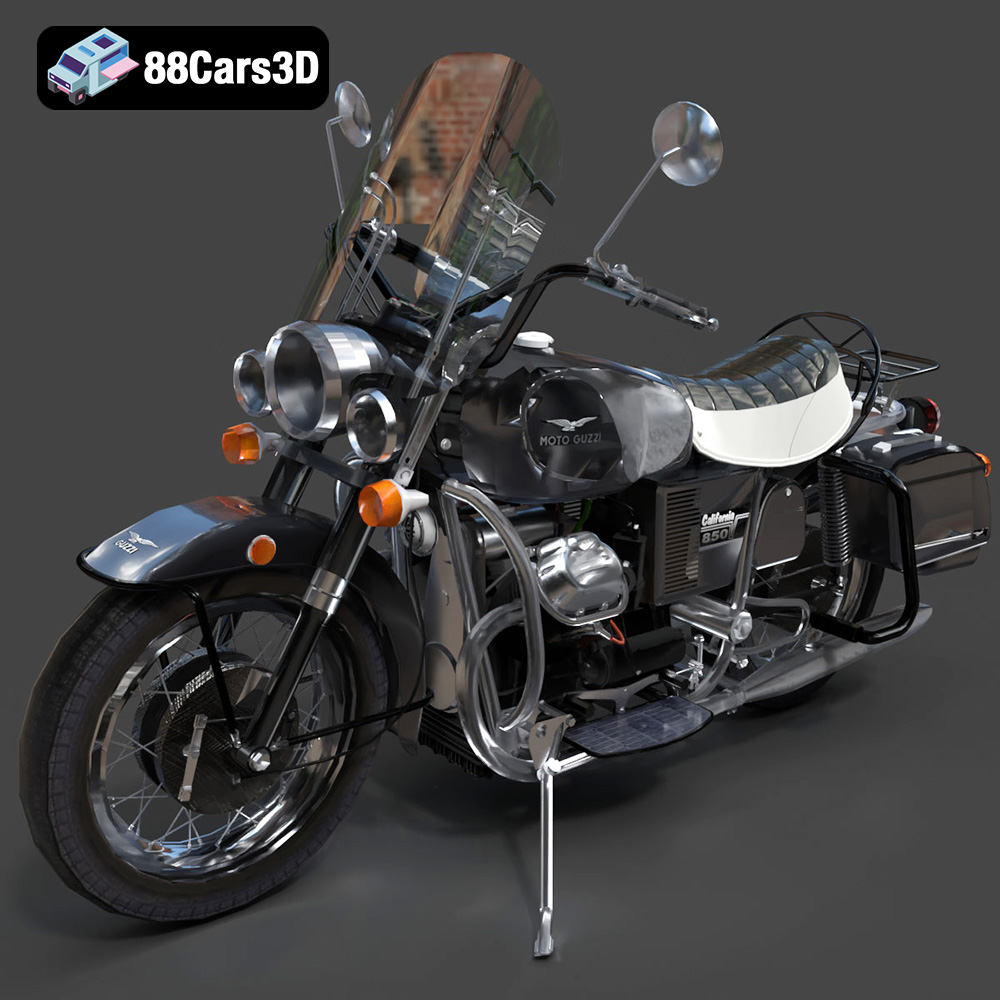
Texture: Yes
Material: Yes
Download the Moto Guzzi Classic Motorcycle 2024 3D Model featuring clean geometry, realistic detailing, and a fully modeled interior. Includes .blend, .fbx, .obj, .glb, .stl, .ply, .unreal, and .max formats for rendering, simulation, and game development.
Price: $10
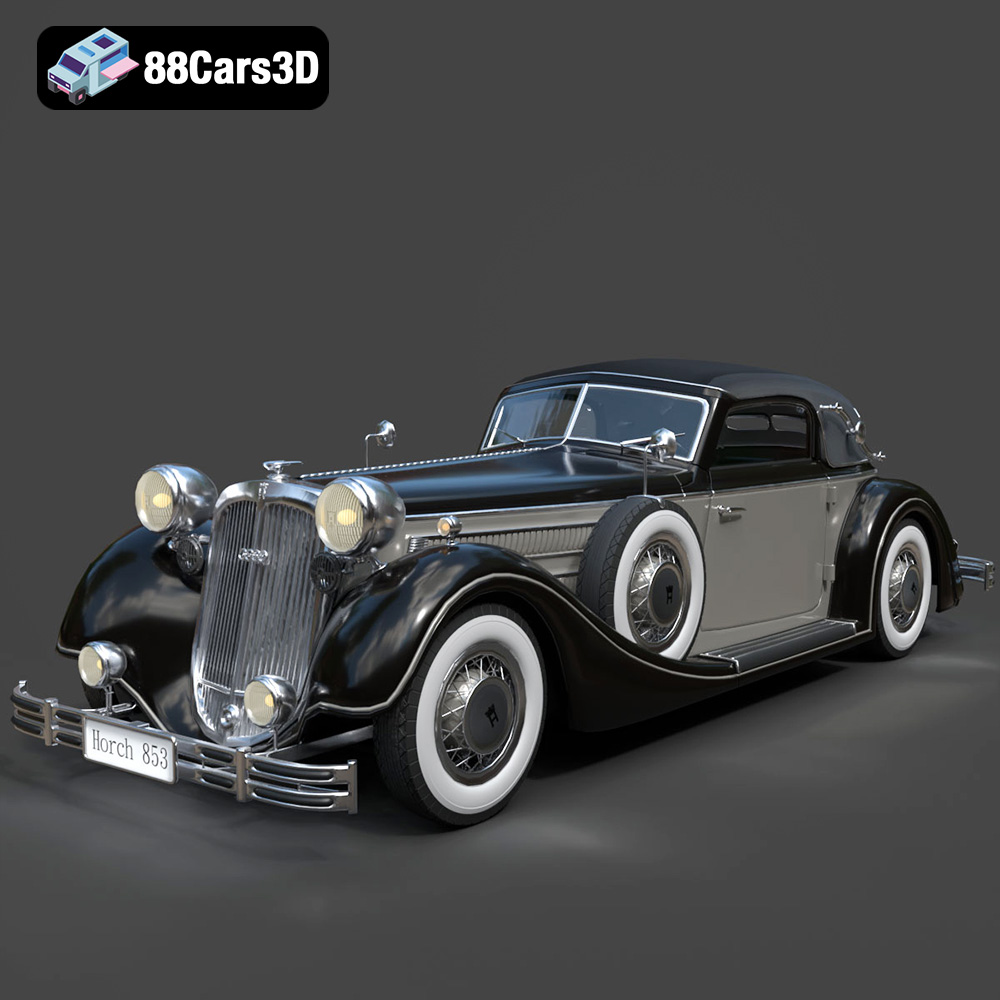
Texture: Yes
Material: Yes
Download the Horch 853 Sport Cabriolet 1937 3D Model featuring clean geometry, realistic detailing, and a fully modeled interior. Includes .blend, .fbx, .obj, .glb, .stl, .ply, .unreal, and .max formats for rendering, simulation, and game development.
Price: $10
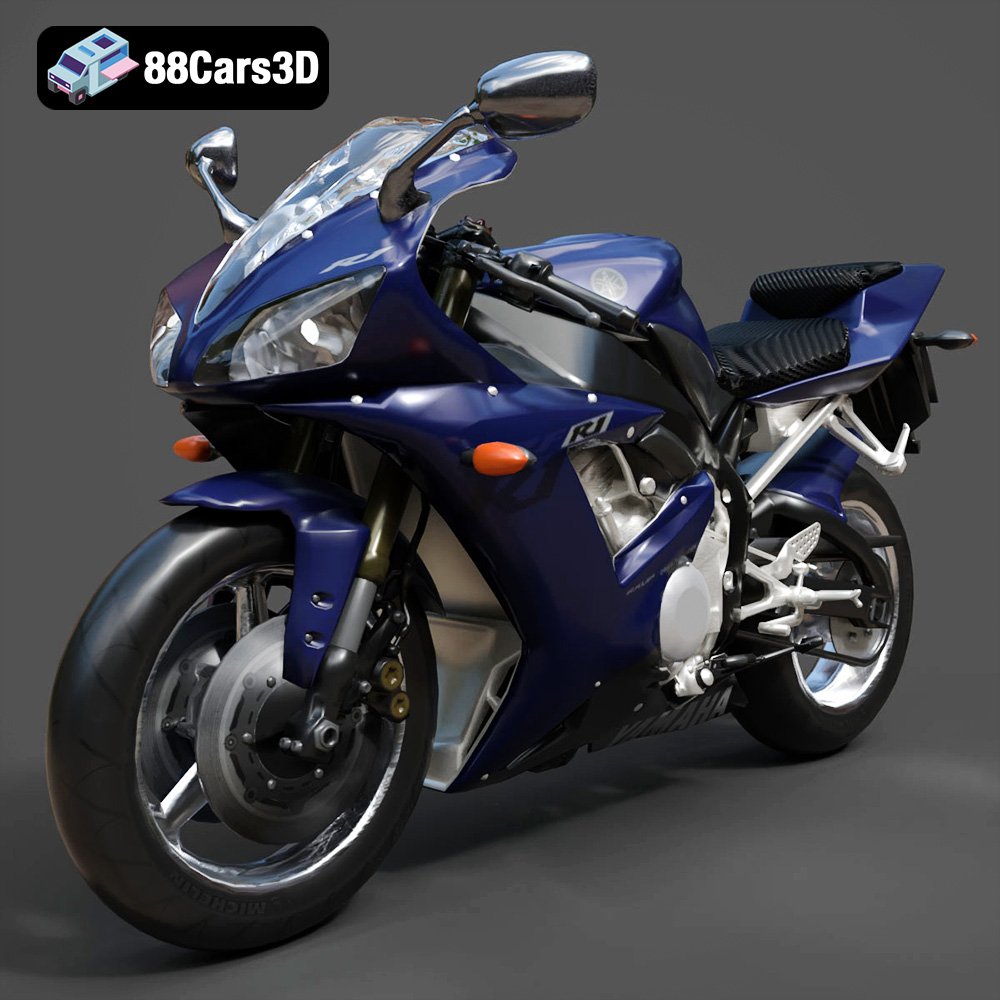
Texture: Yes
Material: Yes
Download the Yamaha YZF-R1 Motorcycle 3D Model featuring clean geometry, realistic detailing, and a fully modeled interior. Includes .blend, .fbx, .obj, .glb, .stl, .ply, .unreal, and .max formats for rendering, simulation, and game development.
Price: $10
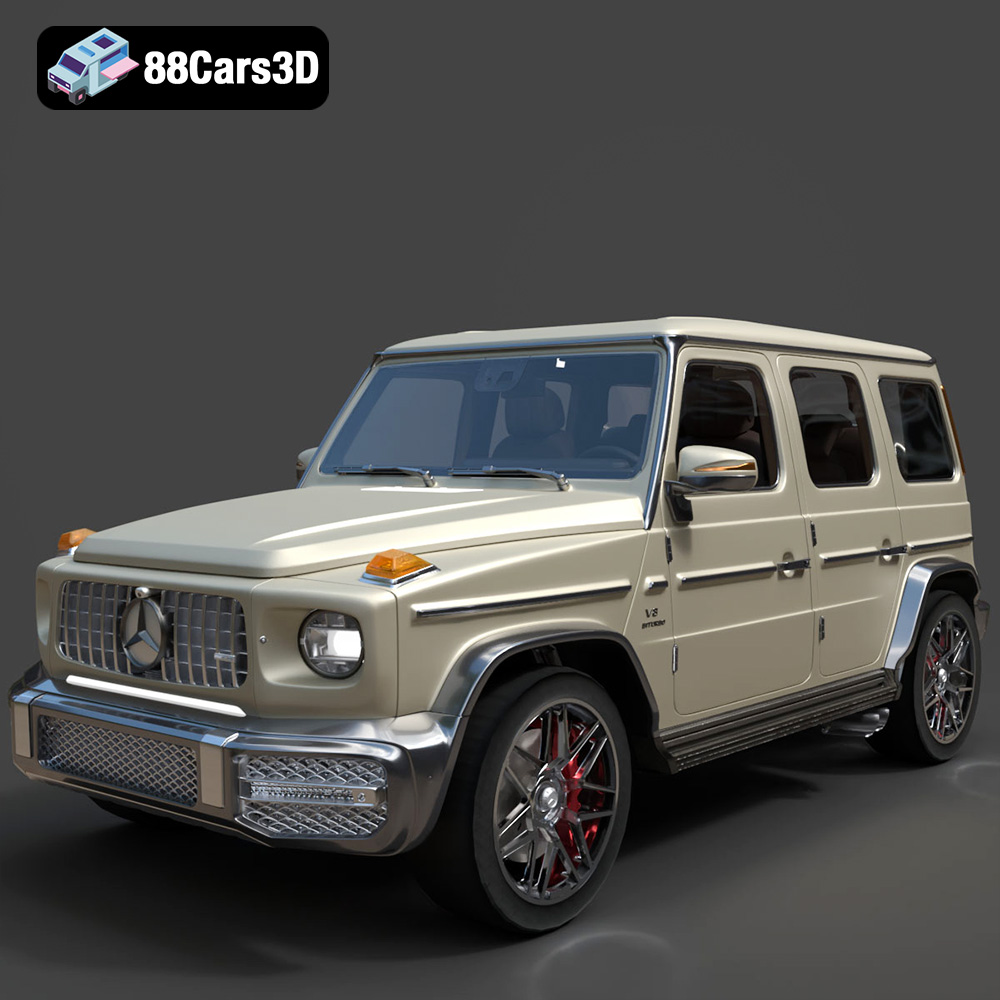
Texture: Yes
Material: Yes
Download the Mercedes Benz G63 AMG 2019 3D Model featuring clean geometry, realistic detailing, and a fully modeled interior. Includes .blend, .fbx, .obj, .glb, .stl, .ply, .unreal, and .max formats for rendering, simulation, and game development.
Price: $90
Texture: Yes
Material: Yes
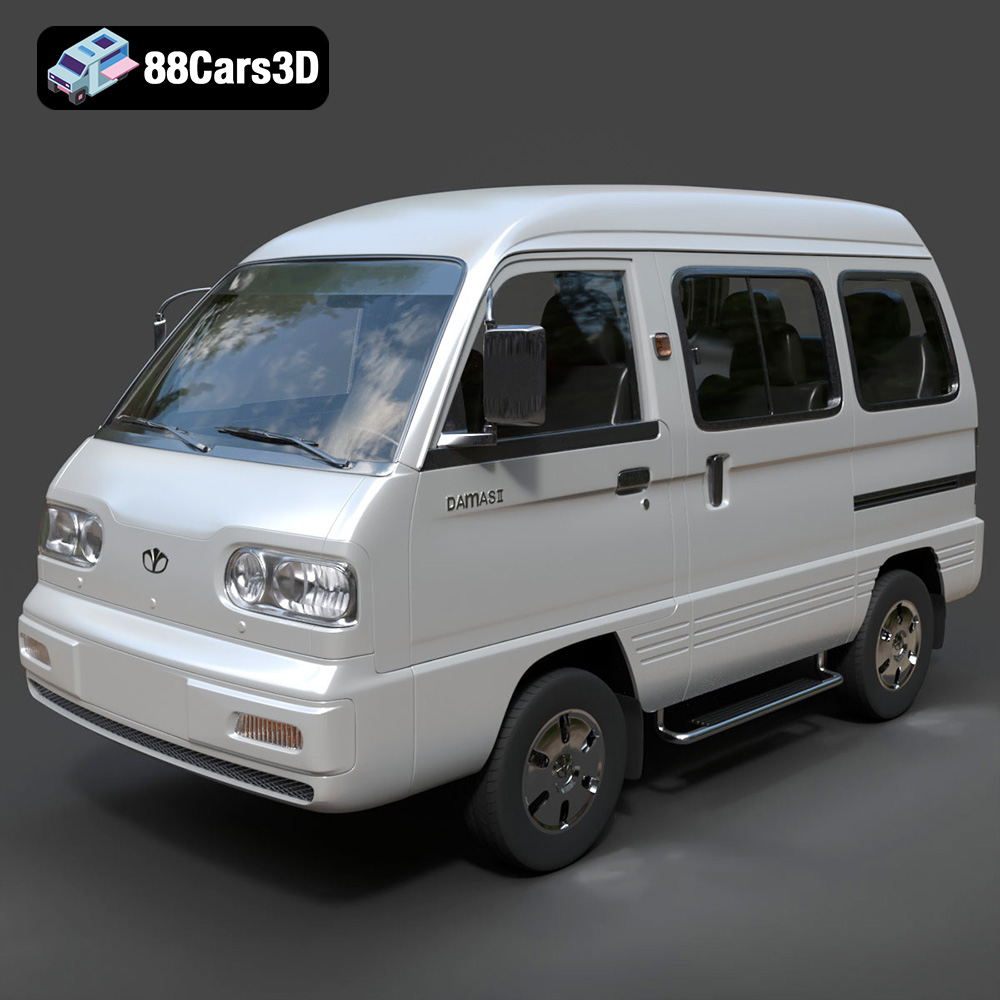
Download the Daewoo Damas Mk2 2012 3D Model featuring clean geometry, realistic detailing, and a fully modeled interior. Includes .blend, .fbx, .obj, .glb, .stl, .ply, .unreal, and .max formats for rendering, simulation, and game development.
Price: $10
Texture: Yes
Material: Yes
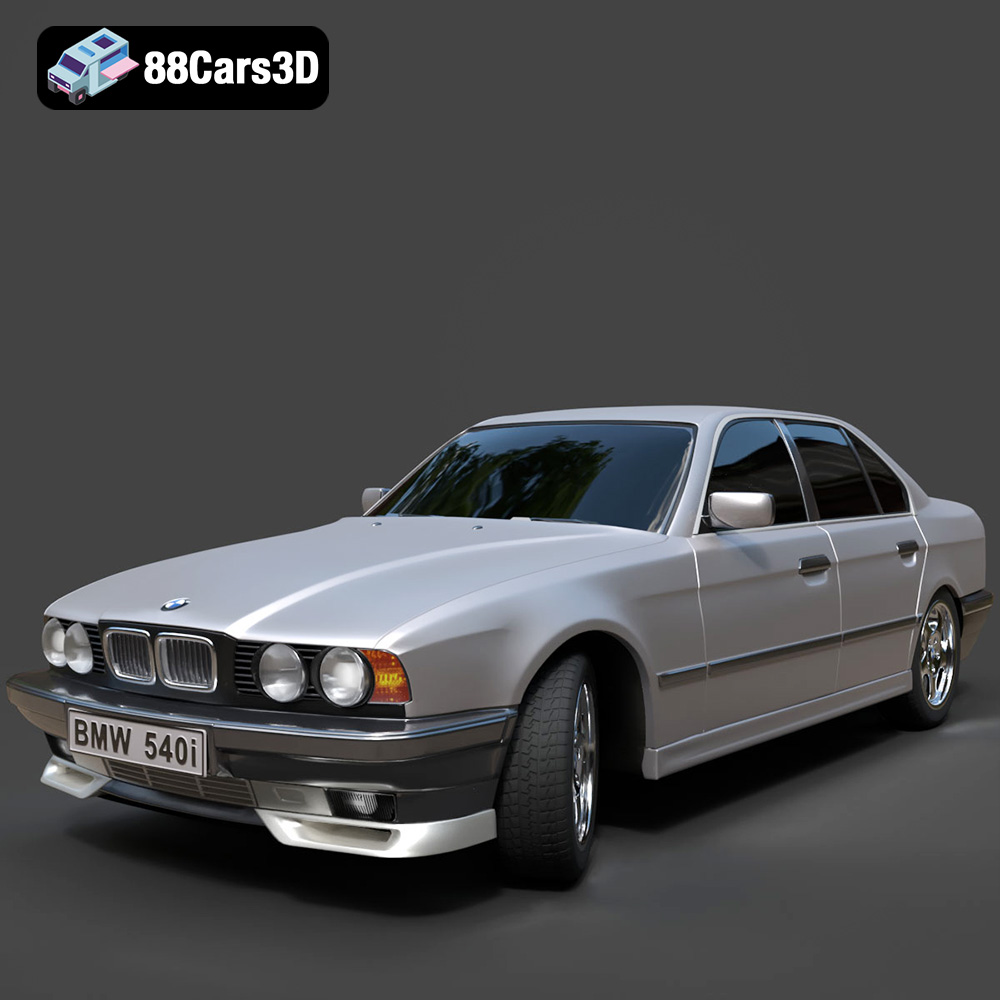
Download the BMW 540 E34 3D Model featuring clean geometry, realistic detailing, and a fully modeled interior. Includes .blend, .fbx, .obj, .glb, .stl, .ply, .unreal, and .max formats for rendering, simulation, and game development.
Price: $10
Texture: Yes
Material: Yes
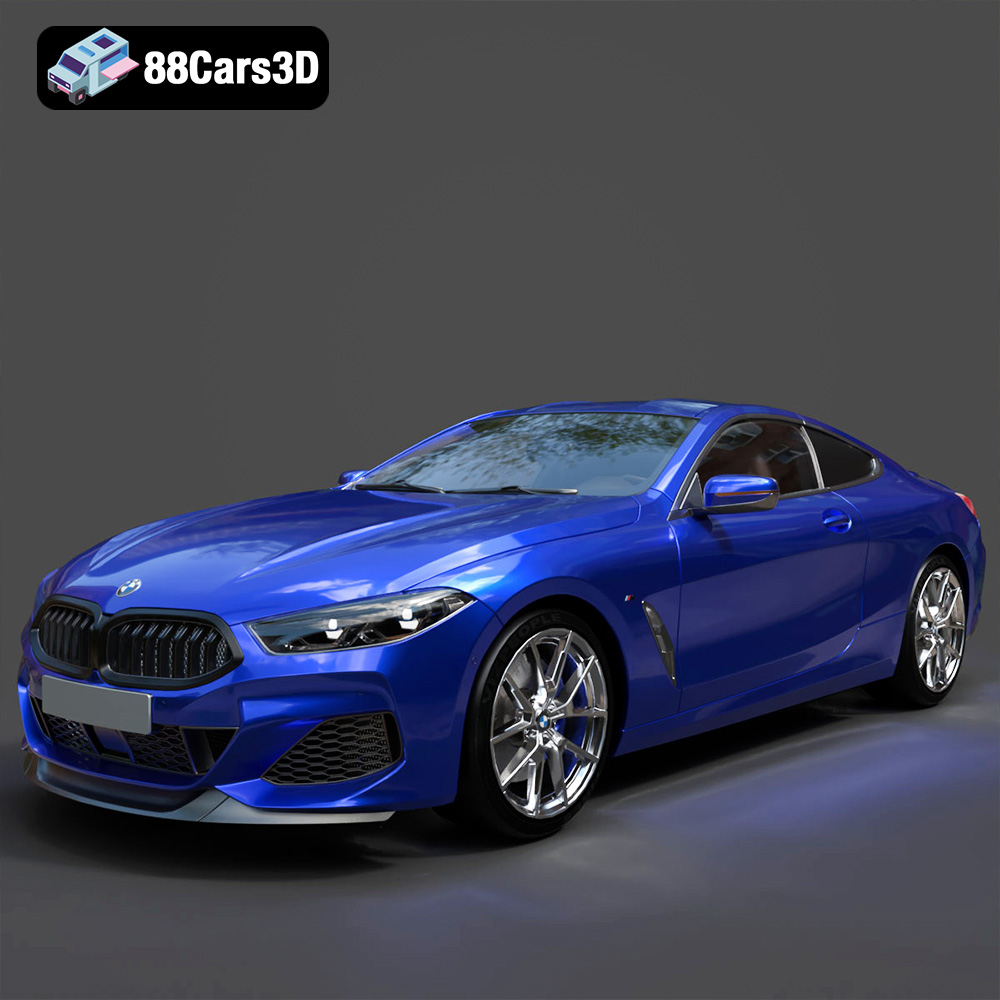
Download the BMW 8 Series Coupe 2020 3D Model featuring clean geometry, realistic detailing, and a fully modeled interior. Includes .blend, .fbx, .obj, .glb, .stl, .ply, .unreal, and .max formats for rendering, simulation, and game development.
Price: $10
Texture: Yes
Material: Yes
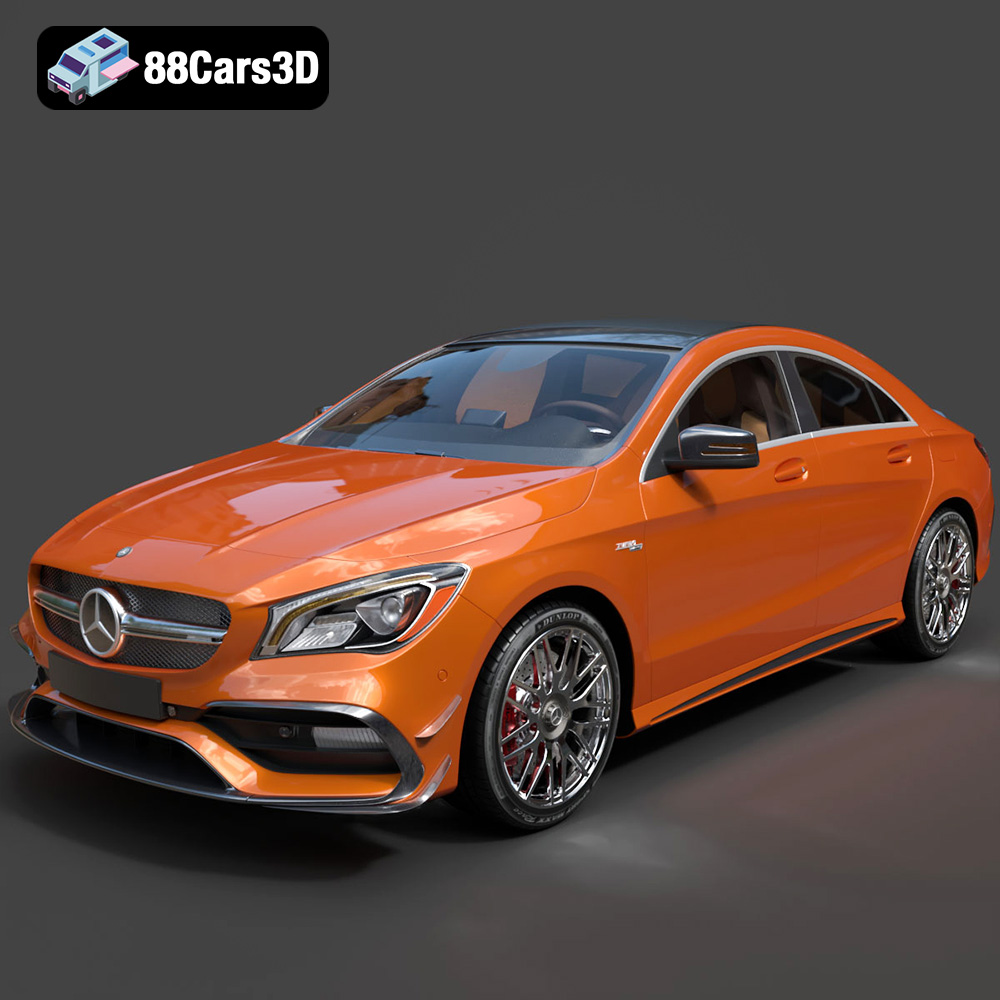
Download the Mercedes-Benz CLA45 AMG 2017 3D Model featuring clean geometry, realistic detailing, and a fully modeled interior. Includes .blend, .fbx, .obj, .glb, .stl, .ply, .unreal, and .max formats for rendering, simulation, and game development.
Price: $21.99
Texture: Yes
Material: Yes
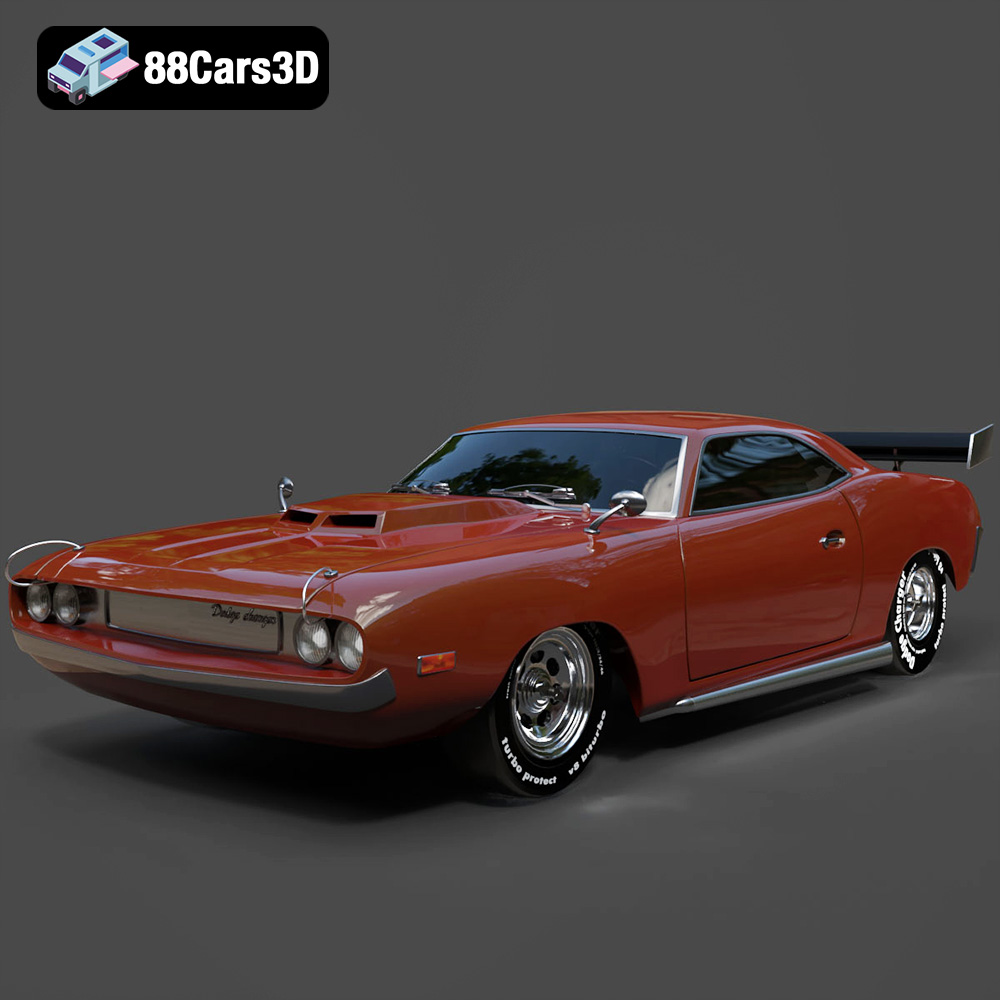
Download the Dodge Charger Car-004 3D Model featuring clean geometry, realistic detailing, and a fully modeled interior. Includes .blend, .fbx, .obj, .glb, .stl, .ply, .unreal, and .max formats for rendering, simulation, and game development.
Price: $10

Texture: Yes
Material: Yes
Download the Mercedes S-Class 2024 3D Model featuring clean geometry, realistic detailing, and a fully modeled interior. Includes .blend, .fbx, .obj, .glb, .stl, .ply, .unreal, and .max formats for rendering, simulation, and game development.
Price: $10

