⚡ FLASH SALE: Get 60% OFF All Premium 3D & STL Models! ⚡

“`html
In the world of 3D, achieving photorealism is the ultimate goal, especially in automotive visualization. From stunning marketing renders to hyper-realistic game assets, the demand for dimensionally accurate and visually perfect 3D car models has never been higher. While traditional poly-modeling has been the industry’s cornerstone for decades, photogrammetry offers a powerful, data-driven approach to capture reality with unparalleled precision. This technique, which involves creating 3D models from 2D photographs, can serve as an incredible foundation for building complex assets, ensuring every curve, crease, and emblem is perfectly replicated. However, the path from a collection of photos to a production-ready model is paved with technical challenges.
This comprehensive guide will demystify the entire process. We will explore the critical planning and photo acquisition stage, where success or failure is often determined. We’ll then dive into the digital reconstruction process, turning your images into a dense, high-poly mesh. From there, the real artistry begins: we will cover the essential workflow of retopology to create clean, efficient geometry, the strategic art of UV unwrapping for complex automotive surfaces, and the final steps of projecting textures and building realistic PBR materials. Whether you’re a game developer creating next-gen racing experiences, a VFX artist integrating vehicles into live-action plates, or a visualization professional crafting compelling marketing imagery, this guide will provide the technical knowledge to integrate photogrammetry into your automotive 3D modeling pipeline.
The success of any photogrammetry project is overwhelmingly dependent on the quality of the source photographs. For a subject as complex and reflective as a car, this stage requires meticulous planning and a controlled environment. Garbage in, garbage out is the rule here; no amount of software magic can fix a poorly executed photoshoot. The goal is to capture a series of sharp, consistently lit, and overlapping images that provide the software with enough parallax information to accurately reconstruct the vehicle’s geometry and surface detail. While this process is intricate, it’s also why many studios and artists opt for pre-made, professionally crafted assets from marketplaces like 88cars3d.com to meet tight production deadlines.
Your choice of equipment and the shooting environment are the first critical decisions.
Consistency is key. Set your camera to full manual mode to lock in your settings for the entire shoot.
The shooting strategy involves capturing multiple “rings” of photos around the car at different heights, ensuring at least 60-80% overlap between consecutive images. Start with a low ring around the bumpers and wheels, a mid-level ring around the main body, and a high ring for the roof and windows. Additionally, capture detailed shots of complex areas like grilles, headlights, wheels, and the interior. For the interior, you’ll need a wider lens (e.g., 24mm) and will have to move the camera methodically seat-by-seat, capturing every surface from multiple angles. Expect to take anywhere from 300 to 1000+ photos for a complete, high-quality capture.
Once you have a pristine set of photographs, the next stage is to process them using specialized photogrammetry software. This software analyzes the images, identifies matching features across multiple shots, and triangulates their positions in 3D space to reconstruct the scene. This phase is computationally intensive and results in a raw, high-polygon “scan” of the vehicle, which serves as the blueprint for our final model.
Several powerful software options are available, each with its strengths.
Regardless of the software, the fundamental workflow remains similar. It begins with aligning the cameras and culminates in the generation of a textured 3D mesh.
The process can be broken down into a few key stages within the software.
The raw, triangulated mesh from the photogrammetry software is a fantastic reference but is technically unusable for most professional applications. Its polygon count is excessively high, and its topology—the flow of its polygons—is chaotic. Retopology is the critical process of building a new, clean, and efficient mesh over the top of the high-poly scan. For automotive models, this is arguably the most important step for achieving a professional finish, as the quality of reflections on a car’s body is dictated entirely by the underlying surface topology.
Unlike organic models, cars are manufactured objects with perfectly smooth surfaces and sharp, designed crease lines. The goal of retopology is to replicate this with optimized geometry.
The process involves using the high-poly scan as a “snap” target while you build the new geometry. This can be done in any major 3D package like 3ds Max, Maya, or Blender.
The final retopologized mesh should look like a carefully crafted piece of engineering, with a polygon density that is just high enough to define the shape. The quality of this topology is a key differentiator in professional models, such as those available on platforms like 88cars3d.com, which are built for flawless rendering results.
With a clean, low-poly, production-ready mesh, the next step is to prepare it for texturing. This involves two key processes: UV unwrapping, which is like creating a flat pattern of our 3D model, and texture baking, where we transfer the surface detail and color from our original high-poly scan onto the new model.
UV mapping is the process of flattening a 3D model’s surfaces into a 2D space, known as a UV map. This map tells the rendering engine how to apply a 2D texture image onto the 3D object. For a car, a strategic approach is essential.
Baking is the process where we project details from one model to another. In our case, we transfer the high-resolution color and geometric detail from the photogrammetry scan onto our clean, UV-unwrapped low-poly model.
This baking process is typically done in software like Marmoset Toolbag, Substance Painter, or directly within Blender.
The baked Base Color map is a fantastic starting point, but it contains baked-in lighting and reflections from the original photoshoot. The final stage is to convert this into a full set of Physically Based Rendering (PBR) materials, which respond dynamically and realistically to any lighting environment. This is where the model transitions from a static capture of reality to a versatile digital asset.
Before creating PBR maps, you must remove the lighting information from your Base Color texture. This process is often called “de-lighting.”
With a clean albedo map, you can now create the other essential PBR textures that define the surface properties.
These maps are combined in a shader network within your rendering engine of choice, whether it’s Corona, V-Ray, Blender’s Cycles, or a game engine like Unreal Engine or Unity, to produce a stunningly realistic automotive rendering.
The journey from a physical car to a production-ready 3D asset using photogrammetry is a powerful blend of technical precision and artistic refinement. We’ve seen that the process begins long before any 3D software is opened, with a meticulously planned photoshoot being the absolute bedrock of success. Capturing sharp, well-lit, and highly overlapping photos is non-negotiable. From there, the digital workflow takes over: reconstructing the raw data into a dense mesh, painstakingly retopologizing that mesh to create clean and efficient geometry, and then unwrapping and baking textures to transfer the captured reality onto our optimized model. The final, crucial steps of de-lighting textures and authoring a full set of PBR maps are what elevate the asset from a simple 3D scan to a versatile, photorealistic model ready for any application.
Mastering this entire pipeline requires patience, practice, and a deep understanding of both 3D principles and the nuances of light and photography. For artists looking to push the boundaries of realism in automotive visualization, this workflow offers an incredible method for capturing the true essence of a vehicle. For those on tight deadlines or in need of guaranteed, flawless results, this guide also highlights the immense skill and effort that goes into creating the high-quality, game-ready 3D car models available in professional marketplaces. The next time you see a perfectly rendered vehicle, you’ll have a much deeper appreciation for the complex process required to achieve that level of digital perfection.
“`
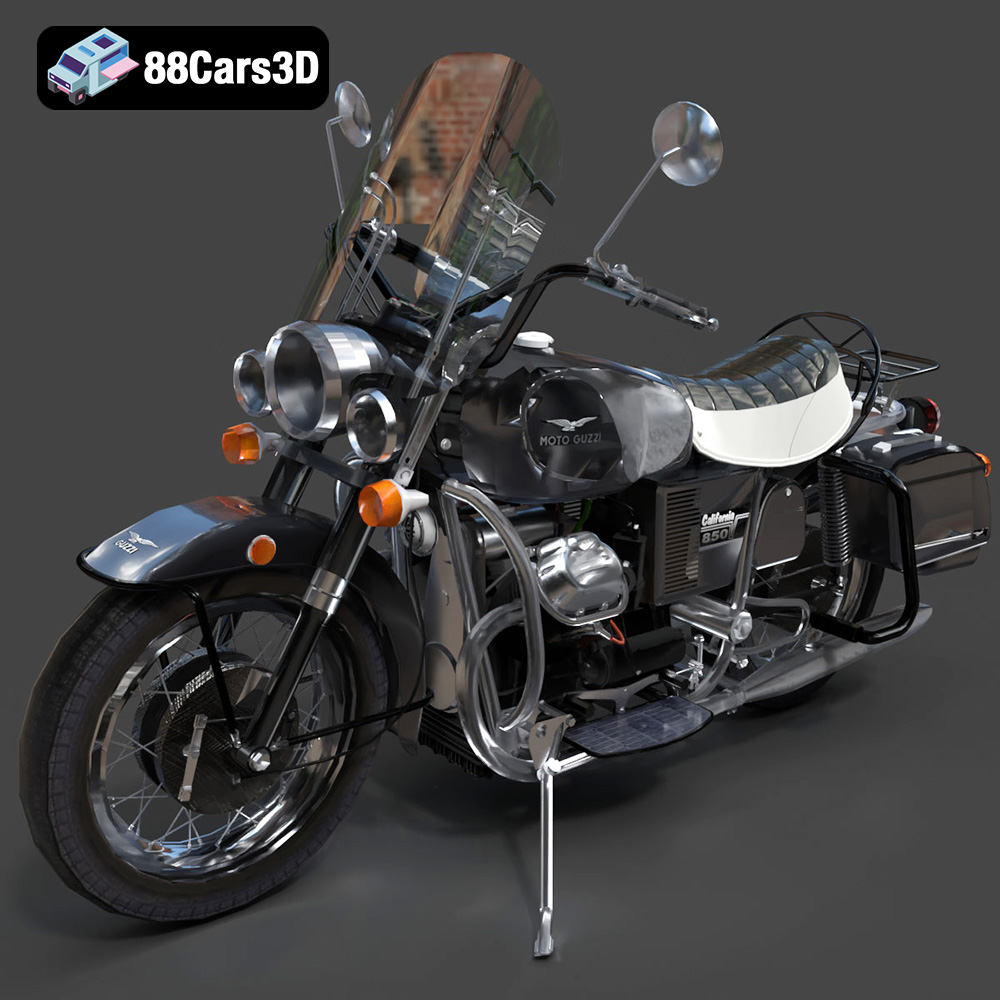
Texture: Yes
Material: Yes
Download the Moto Guzzi Classic Motorcycle 2024 3D Model featuring clean geometry, realistic detailing, and a fully modeled interior. Includes .blend, .fbx, .obj, .glb, .stl, .ply, .unreal, and .max formats for rendering, simulation, and game development.
Price: $10
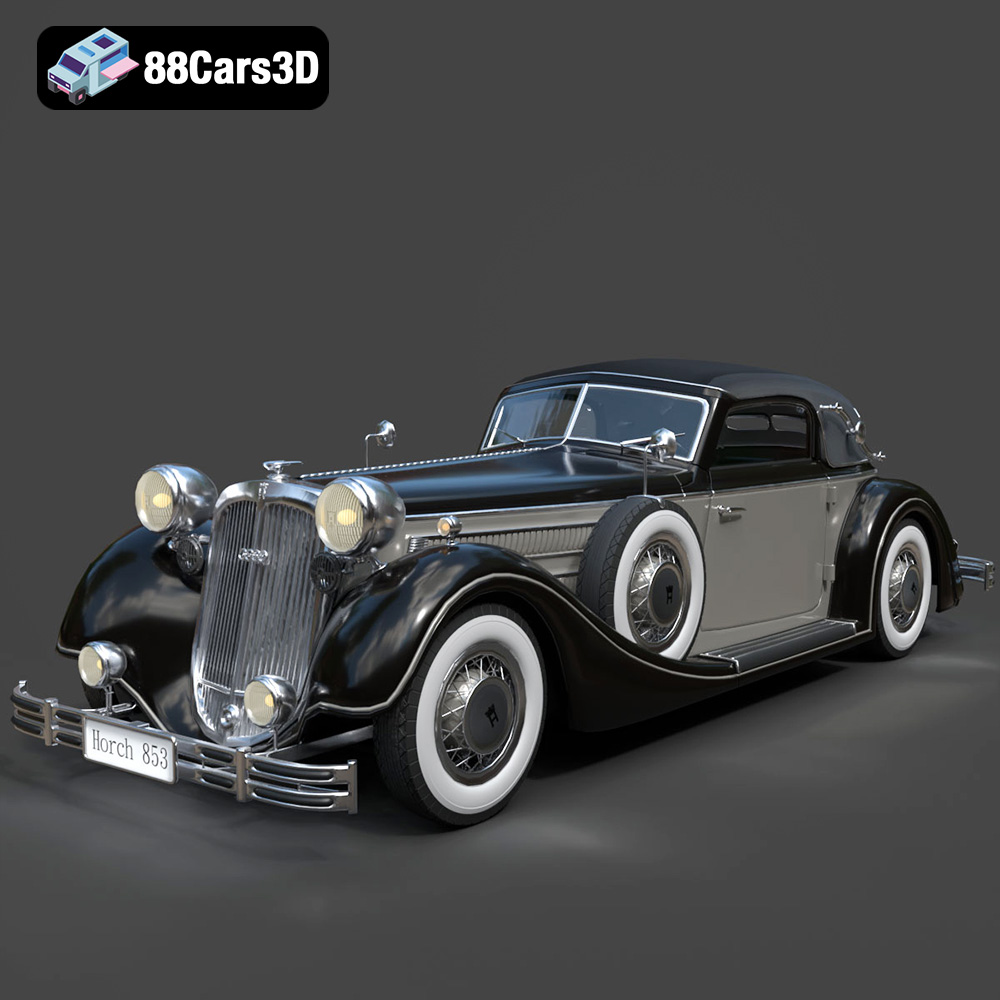
Texture: Yes
Material: Yes
Download the Horch 853 Sport Cabriolet 1937 3D Model featuring clean geometry, realistic detailing, and a fully modeled interior. Includes .blend, .fbx, .obj, .glb, .stl, .ply, .unreal, and .max formats for rendering, simulation, and game development.
Price: $10
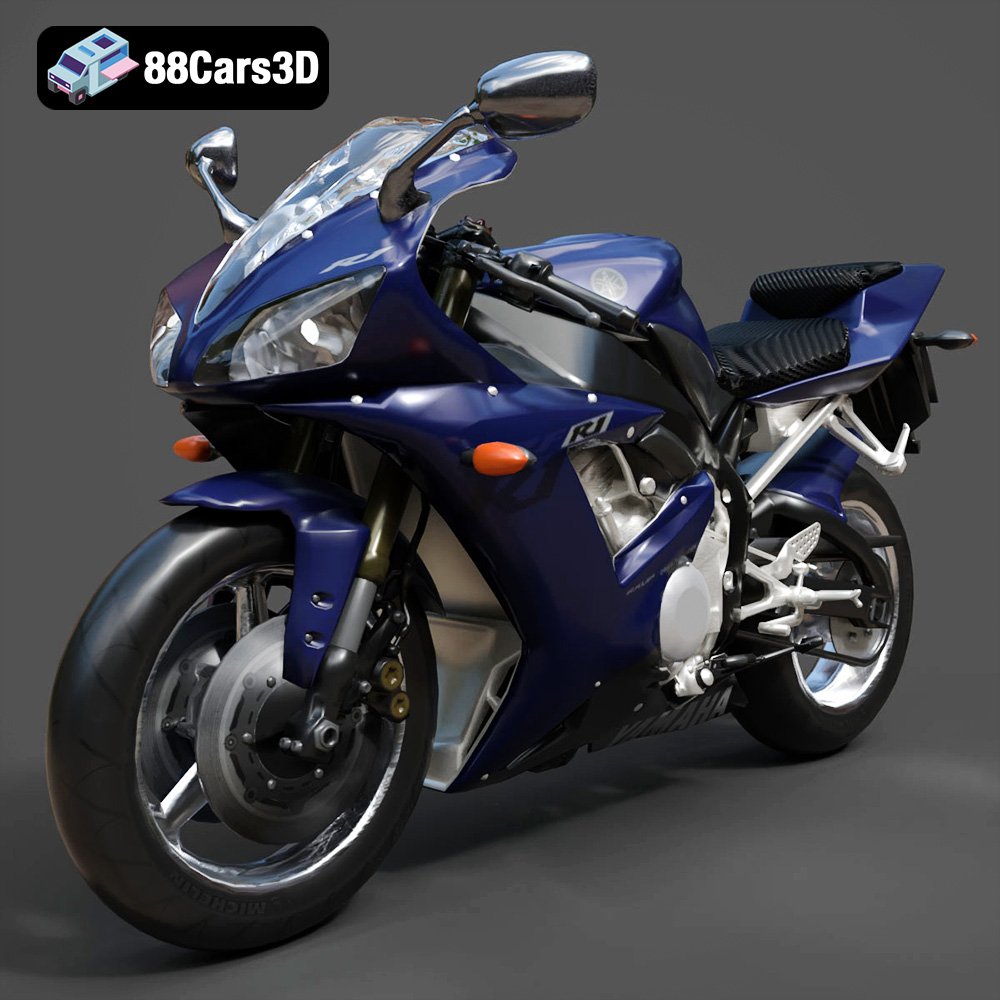
Texture: Yes
Material: Yes
Download the Yamaha YZF-R1 Motorcycle 3D Model featuring clean geometry, realistic detailing, and a fully modeled interior. Includes .blend, .fbx, .obj, .glb, .stl, .ply, .unreal, and .max formats for rendering, simulation, and game development.
Price: $10
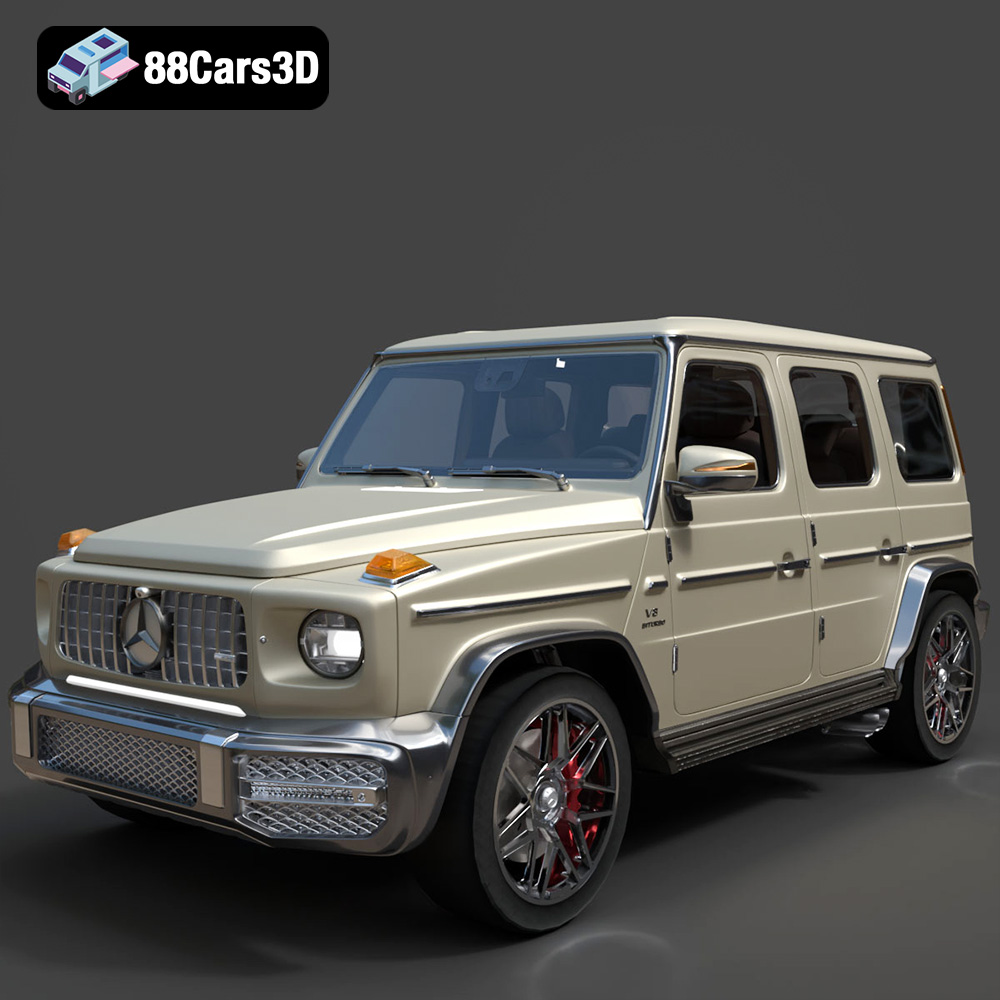
Texture: Yes
Material: Yes
Download the Mercedes Benz G63 AMG 2019 3D Model featuring clean geometry, realistic detailing, and a fully modeled interior. Includes .blend, .fbx, .obj, .glb, .stl, .ply, .unreal, and .max formats for rendering, simulation, and game development.
Price: $90
Texture: Yes
Material: Yes
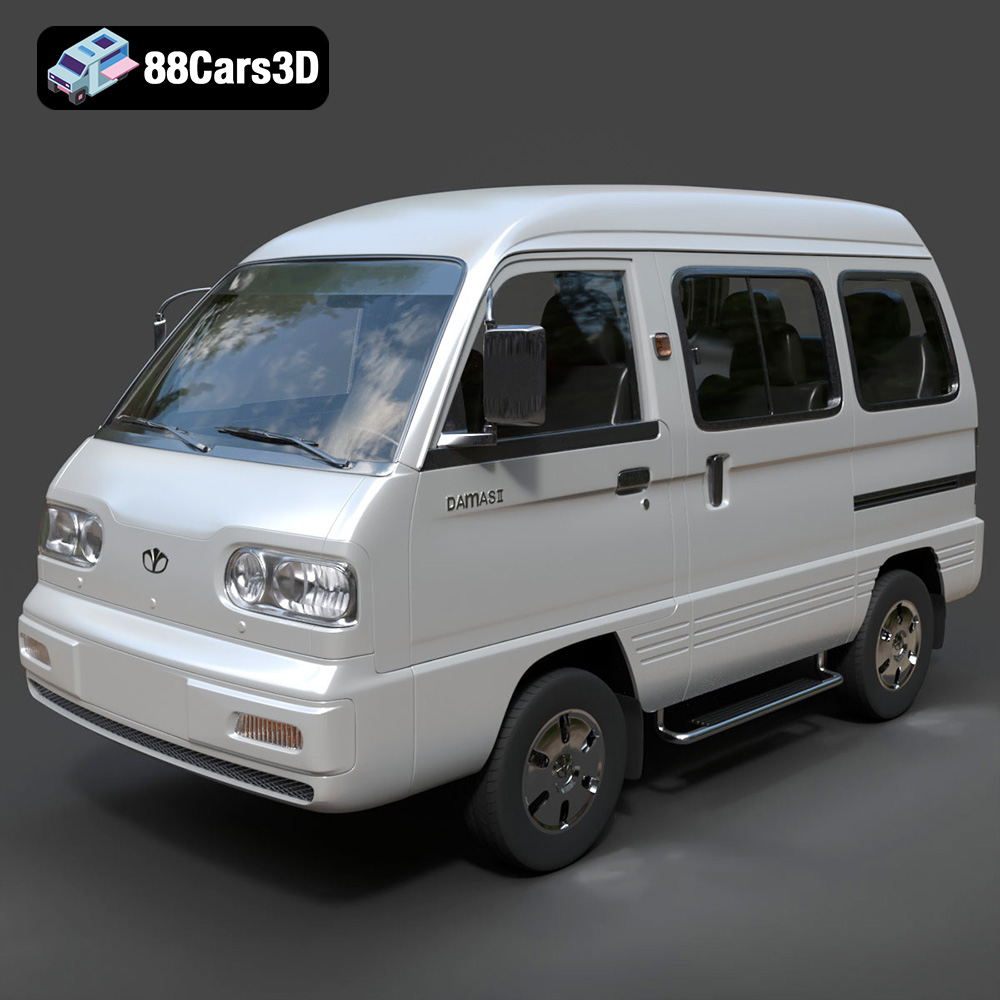
Download the Daewoo Damas Mk2 2012 3D Model featuring clean geometry, realistic detailing, and a fully modeled interior. Includes .blend, .fbx, .obj, .glb, .stl, .ply, .unreal, and .max formats for rendering, simulation, and game development.
Price: $10
Texture: Yes
Material: Yes
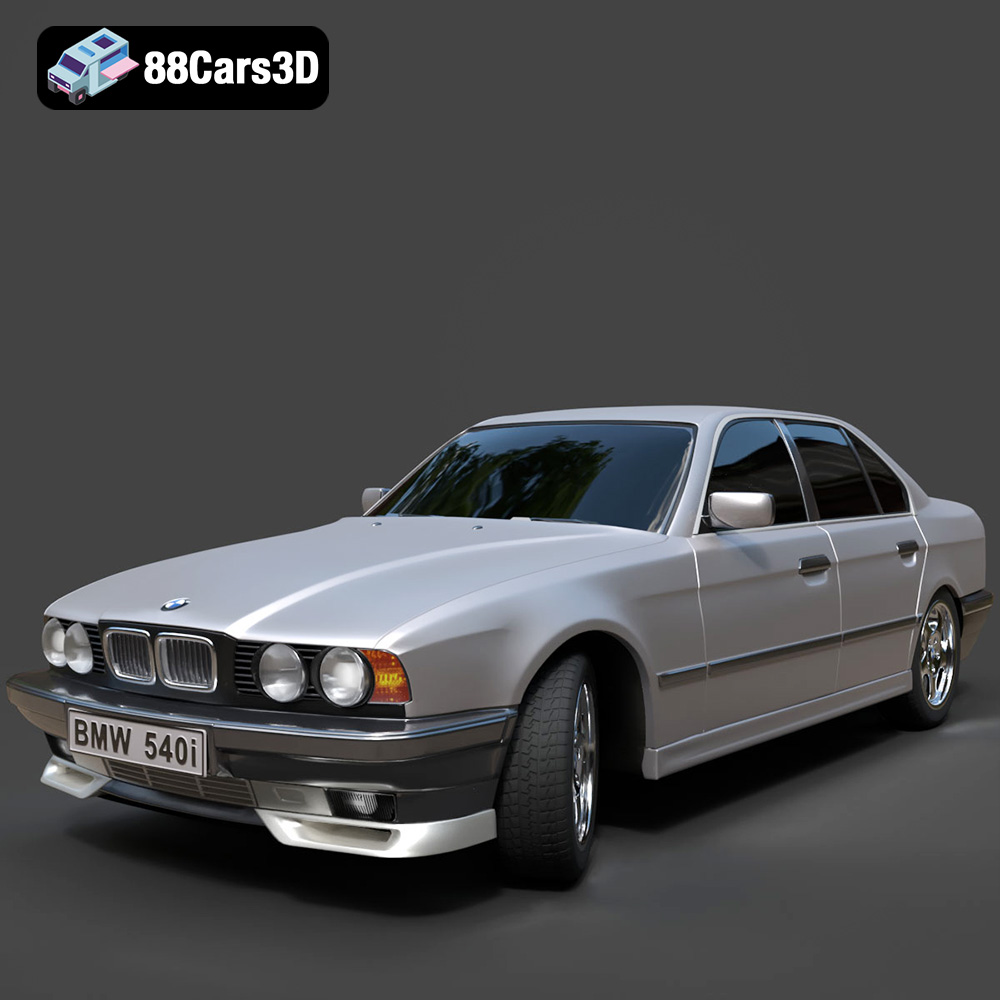
Download the BMW 540 E34 3D Model featuring clean geometry, realistic detailing, and a fully modeled interior. Includes .blend, .fbx, .obj, .glb, .stl, .ply, .unreal, and .max formats for rendering, simulation, and game development.
Price: $10
Texture: Yes
Material: Yes
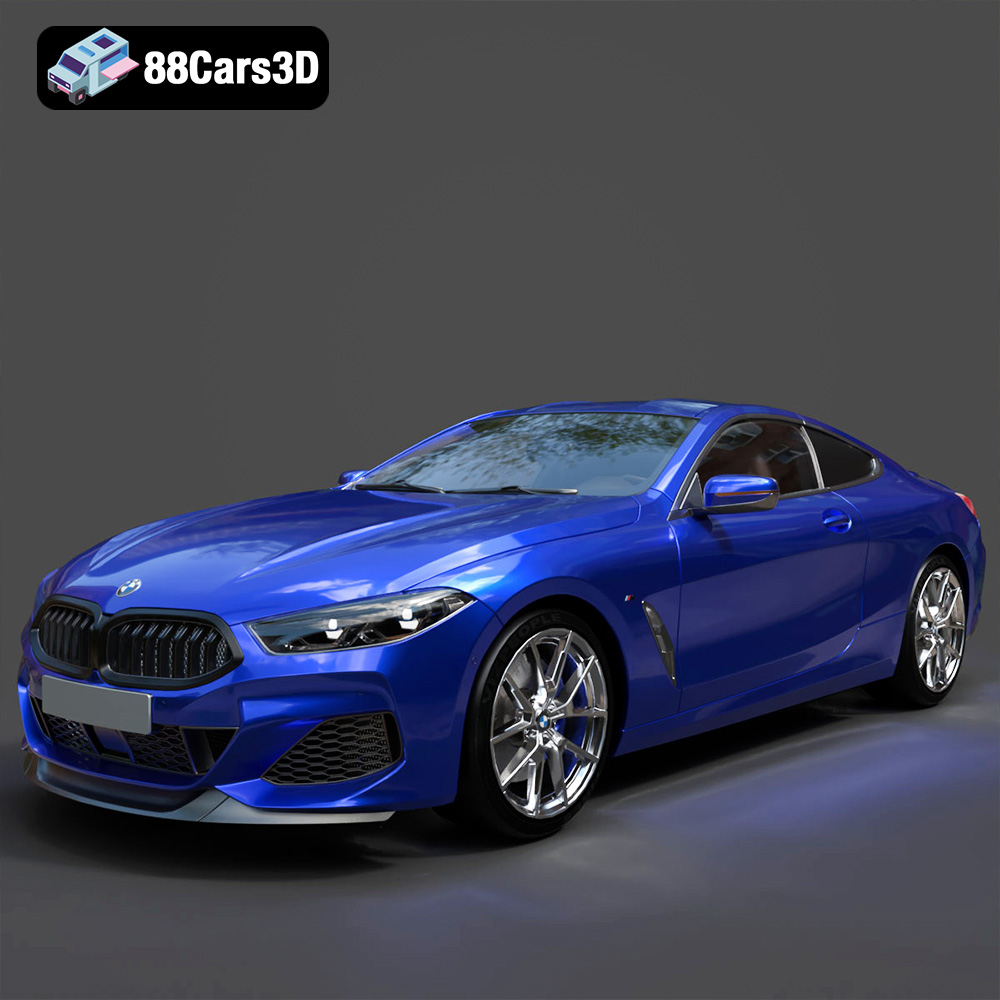
Download the BMW 8 Series Coupe 2020 3D Model featuring clean geometry, realistic detailing, and a fully modeled interior. Includes .blend, .fbx, .obj, .glb, .stl, .ply, .unreal, and .max formats for rendering, simulation, and game development.
Price: $10

Texture: Yes
Material: Yes
Download the Mercedes S-Class 2024 3D Model featuring clean geometry, realistic detailing, and a fully modeled interior. Includes .blend, .fbx, .obj, .glb, .stl, .ply, .unreal, and .max formats for rendering, simulation, and game development.
Price: $10

Texture: Yes
Material: Yes
Download the Chevrolet Camaro 1970 3D Model featuring clean geometry, realistic detailing, and a fully modeled interior. Includes .blend, .fbx, .obj, .glb, .stl, .ply, .unreal, and .max formats for rendering, simulation, and game development.
Price: $10

Texture: Yes
Material: Yes
Download the Mercedes-AMG GT 2015 3D Model featuring clean geometry, realistic detailing, and a fully modeled interior. Includes .blend, .fbx, .obj, .glb, .stl, .ply, .unreal, and .max formats for rendering, simulation, and game development.
Price: $88.99

