⚡ FLASH SALE: Get 60% OFF All Premium 3D & STL Models! ⚡

“`html
In the world of automotive rendering and visualization, the exterior of a 3D car model often gets the spotlight. The gleaming paint, the intricate headlights, and the aggressive stance capture immediate attention. However, it is the interior that truly sells the illusion of reality. The tactile quality of a leather-wrapped steering wheel, the soft, light-absorbing nature of Alcantara on a seat bolster, or the durable texture of woven fabric on a door card are what ground a digital model in the physical world. Creating these materials convincingly is a masterclass in observation, technical skill, and artistic subtlety. An otherwise perfect automotive rendering can be instantly undermined by flat, lifeless interior surfaces.
This comprehensive guide will take you on a deep dive into the art and science of crafting photorealistic fabric and leather materials for 3D car interiors. We will move beyond basic texture application and explore the professional workflows that bring these complex surfaces to life. You will learn the foundational PBR principles that govern how light interacts with these materials, discover advanced texturing techniques for capturing every grain and fiber, and master the software-specific tools needed to simulate everything from supple Nappa leather to a rugged floor carpet. We’ll cover workflows for both high-end offline rendering in engines like Corona and V-Ray, and real-time optimization for game engines such as Unreal Engine and Unity, ensuring your 3D car models are stunningly realistic across any application.
Before jumping into specific materials, we must build a solid foundation on the principles of Physically Based Rendering (PBR). A PBR workflow is a methodology for creating shaders and materials that represent real-world surfaces in a physically plausible way. This approach is non-negotiable for achieving photorealism in automotive visualization, as it ensures materials react consistently and accurately under any lighting condition.
Modern PBR workflows revolve around a set of texture maps that describe the physical properties of a surface. Understanding their roles is paramount:
You cannot create what you have not observed. Before you create a single texture, your most important task is to gather high-quality photographic reference. Don’t just look at a picture of a car seat; study it. Observe how highlights roll across the surface. Notice the difference in roughness between a high-wear area on a seat bolster and a protected crevice. See how Alcantara looks almost black from one angle but bright gray from another as its microfibers catch the light. Look for imperfections—subtle scratches, dust, and color variations—as these are the details that breathe life into a CG asset. Manufacturer configuration tools, high-resolution automotive photography blogs, and even your own car are invaluable resources.
To ensure your PBR materials render correctly, you must work in a linear color space. Render engines perform lighting calculations in a linear space, where brightness values are directly proportional to their numerical representation. Most image textures (JPEGs, PNGs) are saved in a non-linear space like sRGB. It’s crucial to tell your 3D application which maps are which. Base Color maps should be interpreted as sRGB, while data-driven maps like Roughness, Metallic, and Normal must be interpreted as Linear (or Raw). Using a proper color management system like ACES or Filmic in Blender ensures that the final rendered image has a beautiful, filmic tone curve and handles high-intensity lighting in a natural way.
Leather is one of the most common and challenging materials to replicate in a car interior. Its appearance is defined by a complex interplay between its color, a microscopic grain, larger wrinkles, and a characteristic sheen. A generic, uniform leather shader will instantly look fake; the secret is in layering detail and variation.
The foundation of any leather material is the relationship between its Base Color and Roughness maps. Real leather is never a single, flat color. It has subtle variations in hue and value due to the tanning process, wear, and oils. To replicate this, start with a base color and layer a very subtle procedural noise (like Perlin or Musgrave) over it. This noise should not be sharp but rather large and soft to create gentle, cloud-like variations.
The Roughness map is where the magic happens. It dictates the soft, satin sheen of high-quality leather. A common mistake is to use a uniform roughness value. Instead, the roughness map should be intricately detailed. A good workflow is to use a grayscale texture that mimics the leather grain. The lighter parts of this texture will correspond to rougher areas (the valleys of the grain) and the darker parts to smoother areas (the peaks). This simple step ensures that specular highlights break up realistically across the surface instead of creating a uniform, plastic-like shine. Use a Color Ramp or Levels node in your shader editor to precisely control the overall range, clamping the values to avoid areas that are perfectly smooth or completely rough.
The Normal map is responsible for the tactile feel of the leather. It should contain at least two levels of detail:
The professional workflow involves blending these two levels of detail. In software like 3ds Max or Blender, you can use a normal blending node (often called `NormalBlend` or by setting an `Overlay` blend mode on a MixRGB node) to combine your tiling grain normal map with another normal map containing the larger wrinkles. This creates a multi-layered surface that looks incredibly realistic from any distance.
For premium and sports car interiors, details like perforations and stitching are essential. There are two primary approaches depending on the required level of detail and application:
Fabrics present a unique set of challenges due to the complex way their fibers interact with light. From the deep, light-absorbing quality of Alcantara to the structured pattern of woven seat inserts, each fabric requires a specific approach.
Alcantara and suede are notoriously difficult to get right. Their characteristic look comes from a “retro-reflective” effect where the tiny surface fibers cause the material to look brighter when viewed at a glancing angle. A standard PBR shader cannot replicate this effect on its own. The solution is to use a specialized shader component often called Sheen or Velvet.
In modern render engines like Corona and V-Ray, and in Blender’s powerful Principled BSDF shader, you will find a “Sheen” parameter. As detailed in the official Blender 4.4 documentation, the Sheen BSDF is designed specifically for microfiber materials. The workflow is as follows:
This approach accurately simulates the soft, velvety appearance and is crucial for creating convincing Alcantara-wrapped steering wheels, dashboards, and seat inserts.
For standard woven fabrics, like those found on seat inserts or door panels, the most important element is a high-quality, tiling Normal map that accurately represents the weave pattern (e.g., plain weave, twill, houndstooth). You can source these from texture libraries or create them in dedicated software like Substance Designer. The Base Color map should also incorporate the fabric pattern, often with two or more tones representing the different threads.
To elevate a woven fabric material, add subtle imperfections. No fabric surface is perfectly clean or uniform. Use a large-scale, low-contrast grunge map and multiply it over your Base Color to create very slight color variations. Use a different grunge map to subtly modulate the Roughness, simulating areas that are slightly more worn or matted down. This breaks up the tell-tale tiling of the base textures and adds a significant layer of realism.
Automotive carpet has a coarse, fibrous texture that can be approached in several ways. For ultimate realism in offline renders, displacement mapping is the best choice. A height map is used to physically displace the mesh geometry at render time, creating real shadows and silhouettes from the carpet fibers. This is computationally expensive but provides unmatched quality for close-up shots.
For real-time applications or wider shots, displacement is often too performance-heavy. A more efficient method is to use a very strong, noisy Normal map combined with a high Roughness value. Some artists use an additional “fuzz map” or a clear-coat layer with a noisy normal to simulate the fine layer of fibers that sit on top of the main carpet structure. For game assets, baking a high-poly fiber simulation down to a normal map on a simple plane is the most common and effective workflow.
Creating great materials isn’t just about the final shader network; it’s also about the preparatory work. Proper technical practices ensure your textures are efficient, easy to edit, and hold up under scrutiny.
Clean UVs are the canvas for your materials. When unwrapping complex interior components like seats or dashboards, the goal is to balance three things: minimizing distortion, hiding seams, and maintaining consistent texel density.
There are two main philosophies for texture creation: using scanned, image-based textures or generating them procedurally. Professionals typically use a hybrid approach. Image-based textures from sources like Poliigon or Quixel Megascans offer unparalleled, real-world detail. Procedural generation using tools like Substance Designer or Blender’s shader nodes offers infinite resolution, non-destructive editing, and incredible flexibility. A powerful workflow is to use procedural tools to generate the base material with tiling patterns and large-scale variations, then use a tool like Substance Painter to layer on image-based details like dust, stains, or specific wear patterns in a non-destructive way.
For any application that requires performance—from game development to real-time architectural visualization—the high-to-low poly baking workflow is essential. An artist first creates a “high-poly” model with every detail sculpted or modeled directly: every stitch, seam, wrinkle, and perforation. Then, a simplified, “low-poly” version with clean, efficient topology is created. The details from the high-poly model are then “baked” into a set of texture maps (primarily Normal, AO, and Curvature) that can be applied to the low-poly model. This process, often done in tools like Marmoset Toolbag, Substance Painter, or directly within Blender/3ds Max, allows you to render the visual complexity of millions of polygons on a model that might only have a few thousand, which is the cornerstone of modern game asset creation.
When creating 3D car models for interactive applications like games or AR/VR, performance is just as important as visual quality. High-quality models, like those available from marketplaces such as 88cars3d.com, are often built with clean topology that makes this optimization process much smoother.
Every material and texture applied to a model can result in a “draw call” for the graphics card. To optimize performance, the goal is to minimize these draw calls. Texture Atlasing is the process of combining the UVs for multiple, separate objects onto a single, shared UV layout and texture set. For example, the entire dashboard, center console, and door panels could be combined to use a single material and set of textures.
Channel Packing is another critical optimization. Since PBR maps like Roughness, Metallic, and Ambient Occlusion are grayscale, they only need one data channel. We can store each of these maps in the Red, Green, and Blue channels of a single RGB image file. This “ORM” texture (Occlusion in Red, Roughness in Green, Metallic in Blue) allows the game engine to sample three different data maps with a single texture lookup, significantly reducing memory usage and improving shader performance.
LODs are different versions of a model at varying polygon counts. For a car interior, `LOD0` would be the full-detail model used for first-person camera views. `LOD1` might remove small details like stitching geometry and simplify mesh curvature for when the car is viewed from a short distance. `LOD2` would be even simpler, intended for when the car is far away. Game engines like Unreal Engine and Unity can automatically switch between these LODs based on the object’s distance from the camera, ensuring high performance without sacrificing close-up detail.
Mipmapping is a technique where the game engine generates pre-scaled, lower-resolution versions of your textures. When a textured surface is far from the camera, the engine can use a smaller mipmap level instead of the full-resolution texture. This is crucial for two reasons: it dramatically improves performance by reducing memory bandwidth, and it prevents aliasing and shimmering artifacts on distant textured surfaces. While this process is largely automatic in modern engines, it’s important for artists to provide textures at resolutions that are powers of two (e.g., 1024×1024, 2048×2048) to ensure mipmapping works efficiently.
Creating truly convincing interior materials is a journey that combines technical knowledge with artistic vision. As we’ve explored, success lies in moving beyond simple texture maps and embracing a holistic workflow. It begins with diligent observation and reference gathering, is built upon a solid understanding of PBR principles, and is executed through the layered application of detail in color, roughness, and surface normality. Whether you are creating a bespoke leather interior for a high-end automotive configurator or an optimized, game-ready cockpit, the techniques for simulating leather grains, fabric sheens, and woven patterns are universal.
Your next step is to apply these concepts. Start with a high-quality asset, such as a detailed car seat model from a platform like 88cars3d.com, as it provides the perfect canvas to practice these skills without worrying about modeling errors. Challenge yourself to replicate a specific material from a photograph. Experiment with procedural noise to break up uniformity. Learn how to blend multiple normal maps to add layers of detail. By focusing on the subtleties—the slight imperfections and the nuanced interplay of light and surface—you will transform your 3D car interiors from simple digital models into immersive, believable spaces.
“`
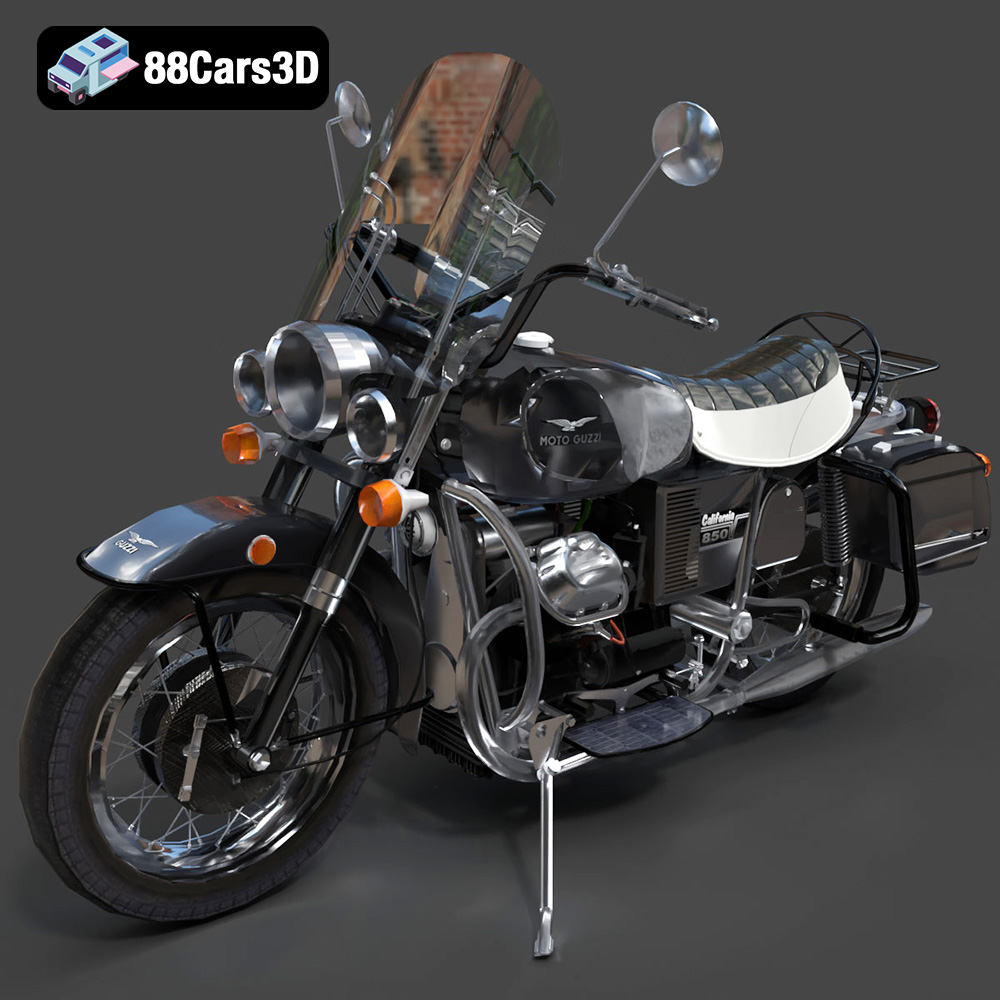
Texture: Yes
Material: Yes
Download the Moto Guzzi Classic Motorcycle 2024 3D Model featuring clean geometry, realistic detailing, and a fully modeled interior. Includes .blend, .fbx, .obj, .glb, .stl, .ply, .unreal, and .max formats for rendering, simulation, and game development.
Price: $10
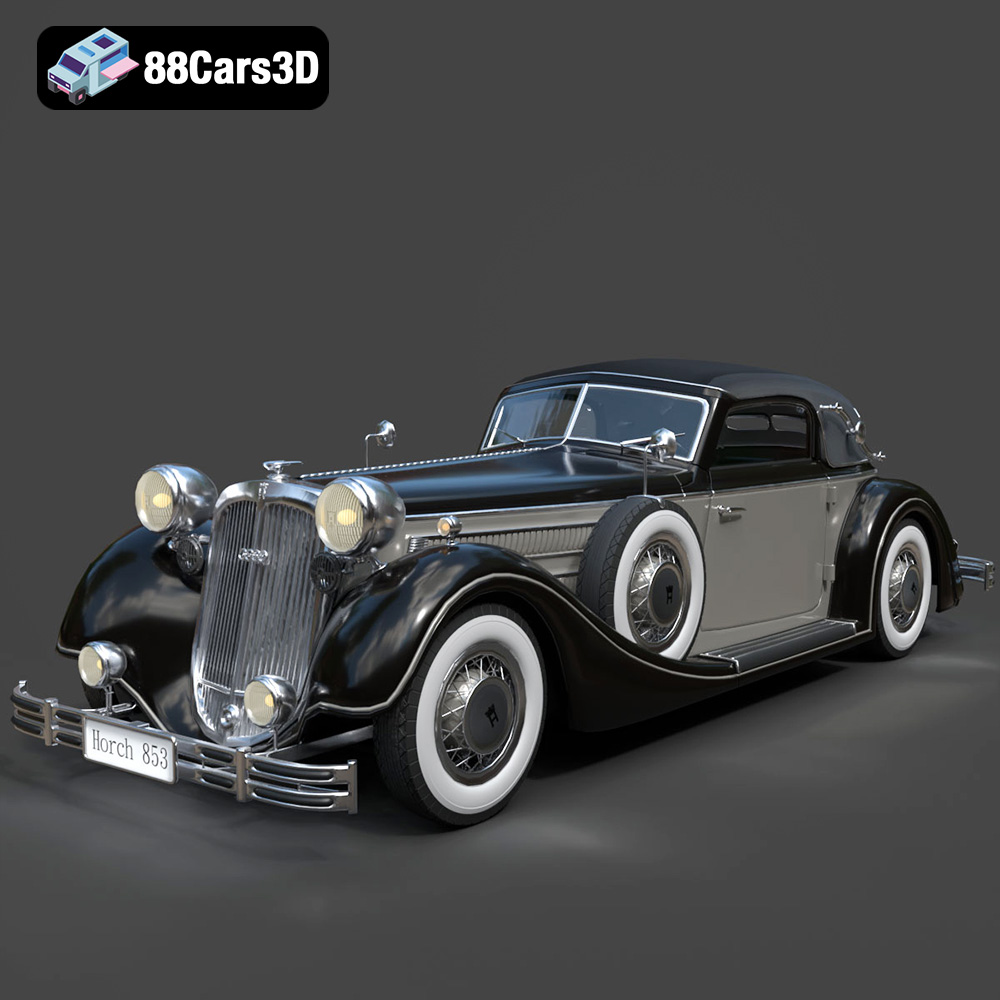
Texture: Yes
Material: Yes
Download the Horch 853 Sport Cabriolet 1937 3D Model featuring clean geometry, realistic detailing, and a fully modeled interior. Includes .blend, .fbx, .obj, .glb, .stl, .ply, .unreal, and .max formats for rendering, simulation, and game development.
Price: $10
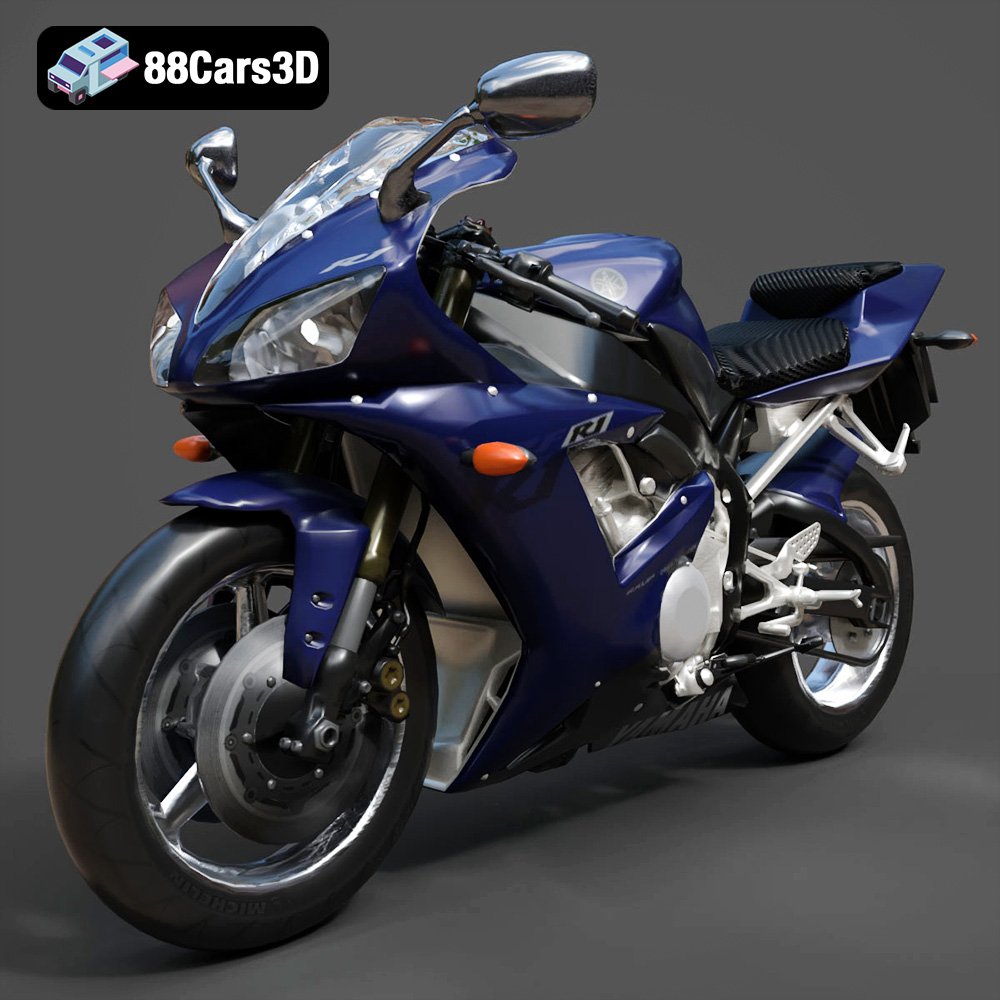
Texture: Yes
Material: Yes
Download the Yamaha YZF-R1 Motorcycle 3D Model featuring clean geometry, realistic detailing, and a fully modeled interior. Includes .blend, .fbx, .obj, .glb, .stl, .ply, .unreal, and .max formats for rendering, simulation, and game development.
Price: $10
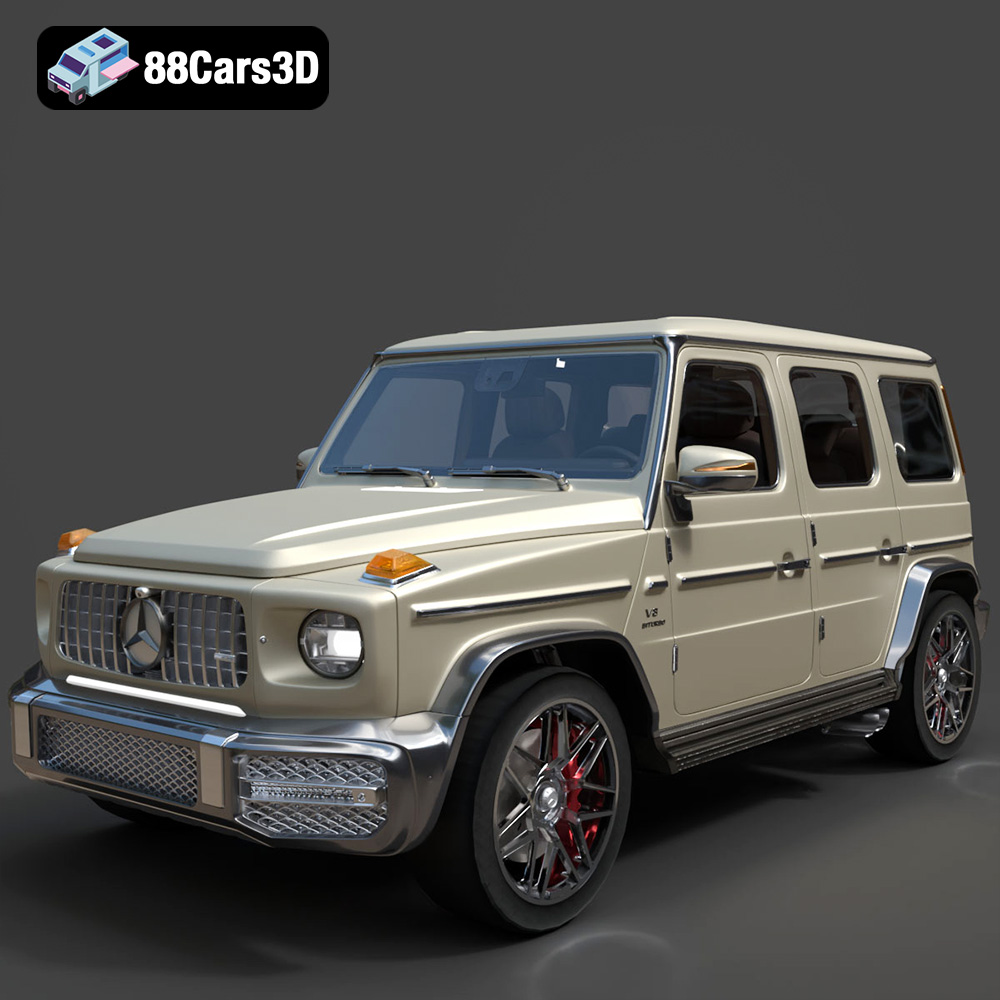
Texture: Yes
Material: Yes
Download the Mercedes Benz G63 AMG 2019 3D Model featuring clean geometry, realistic detailing, and a fully modeled interior. Includes .blend, .fbx, .obj, .glb, .stl, .ply, .unreal, and .max formats for rendering, simulation, and game development.
Price: $90
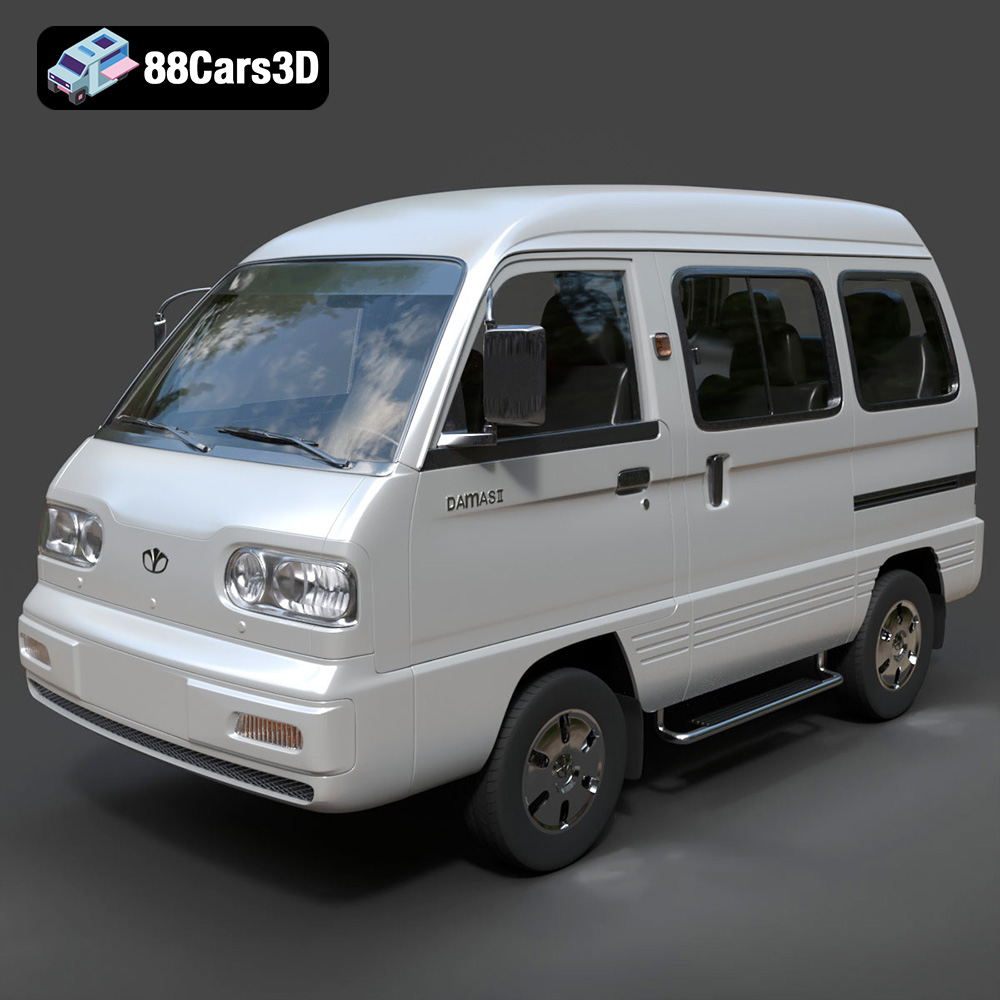
Texture: Yes
Material: Yes
Download the Daewoo Damas Mk2 2012 3D Model featuring clean geometry, realistic detailing, and a fully modeled interior. Includes .blend, .fbx, .obj, .glb, .stl, .ply, .unreal, and .max formats for rendering, simulation, and game development.
Price: $10
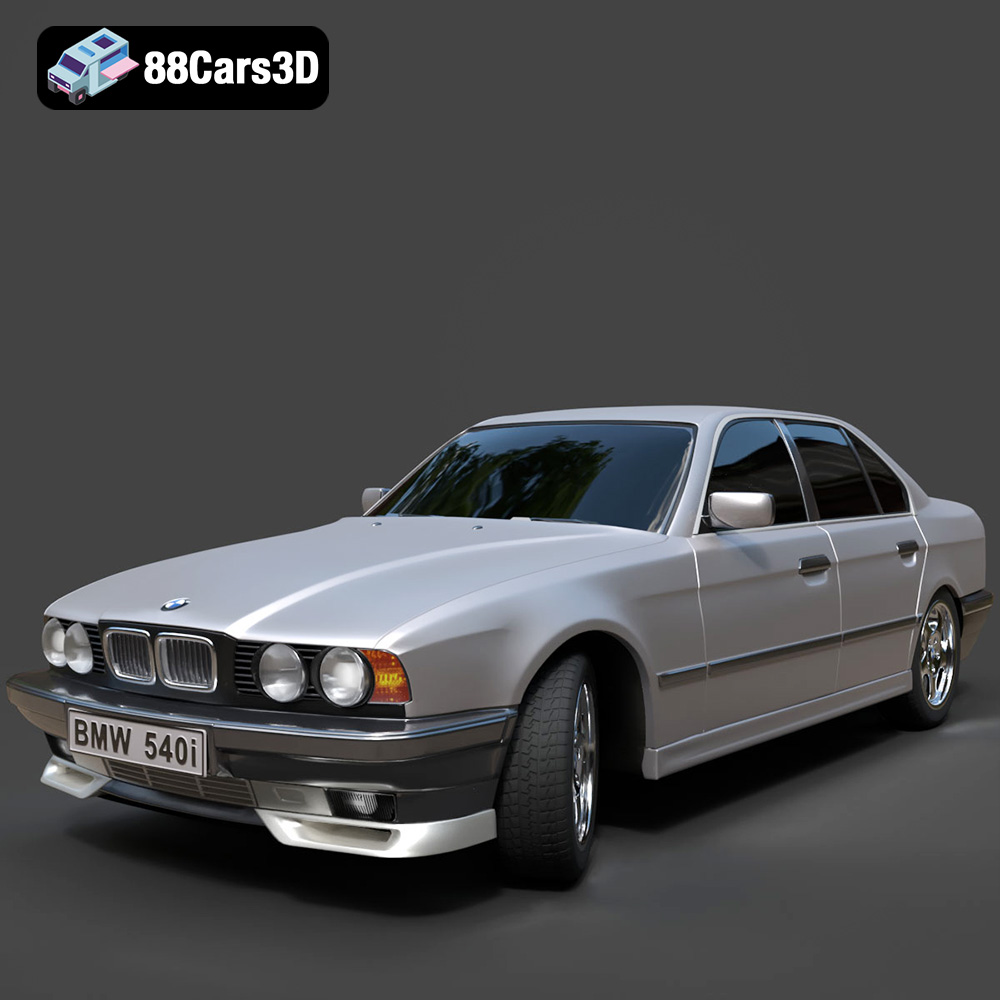
Texture: Yes
Material: Yes
Download the BMW 540 E34 3D Model featuring clean geometry, realistic detailing, and a fully modeled interior. Includes .blend, .fbx, .obj, .glb, .stl, .ply, .unreal, and .max formats for rendering, simulation, and game development.
Price: $10
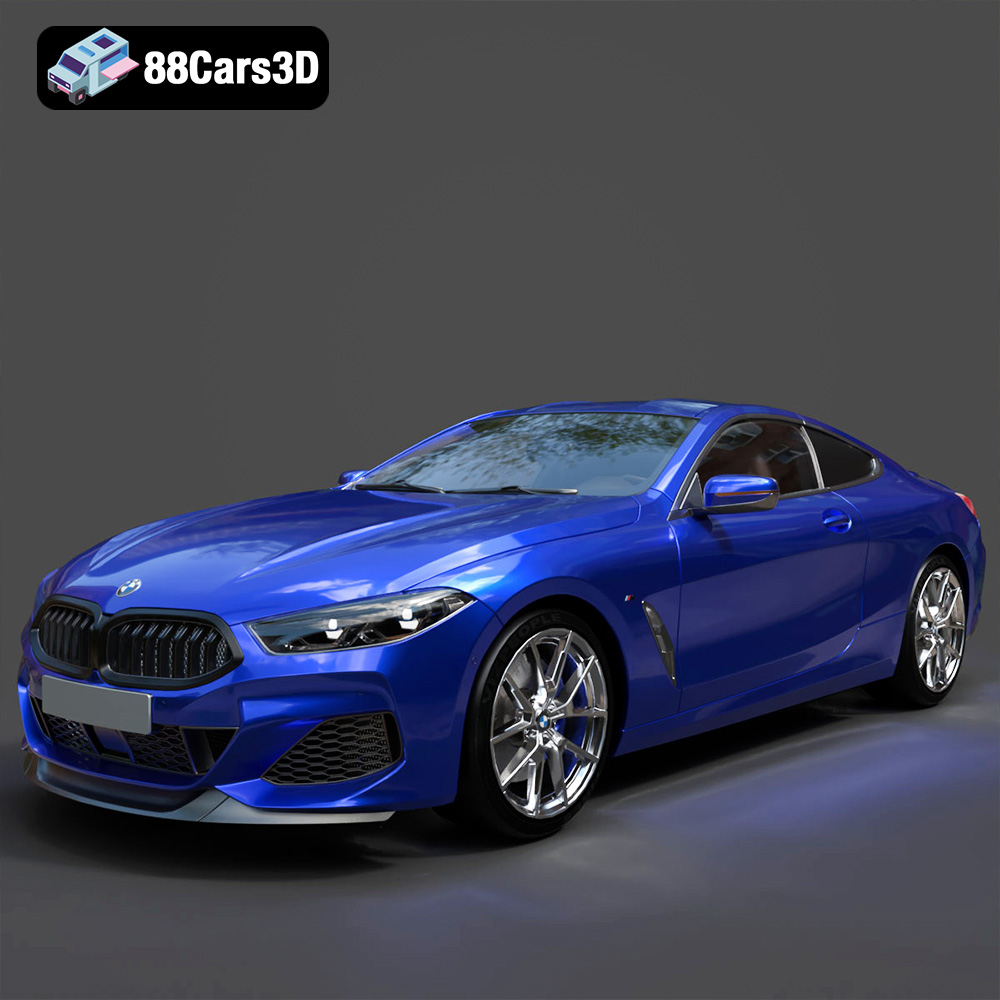
Texture: Yes
Material: Yes
Download the BMW 8 Series Coupe 2020 3D Model featuring clean geometry, realistic detailing, and a fully modeled interior. Includes .blend, .fbx, .obj, .glb, .stl, .ply, .unreal, and .max formats for rendering, simulation, and game development.
Price: $10
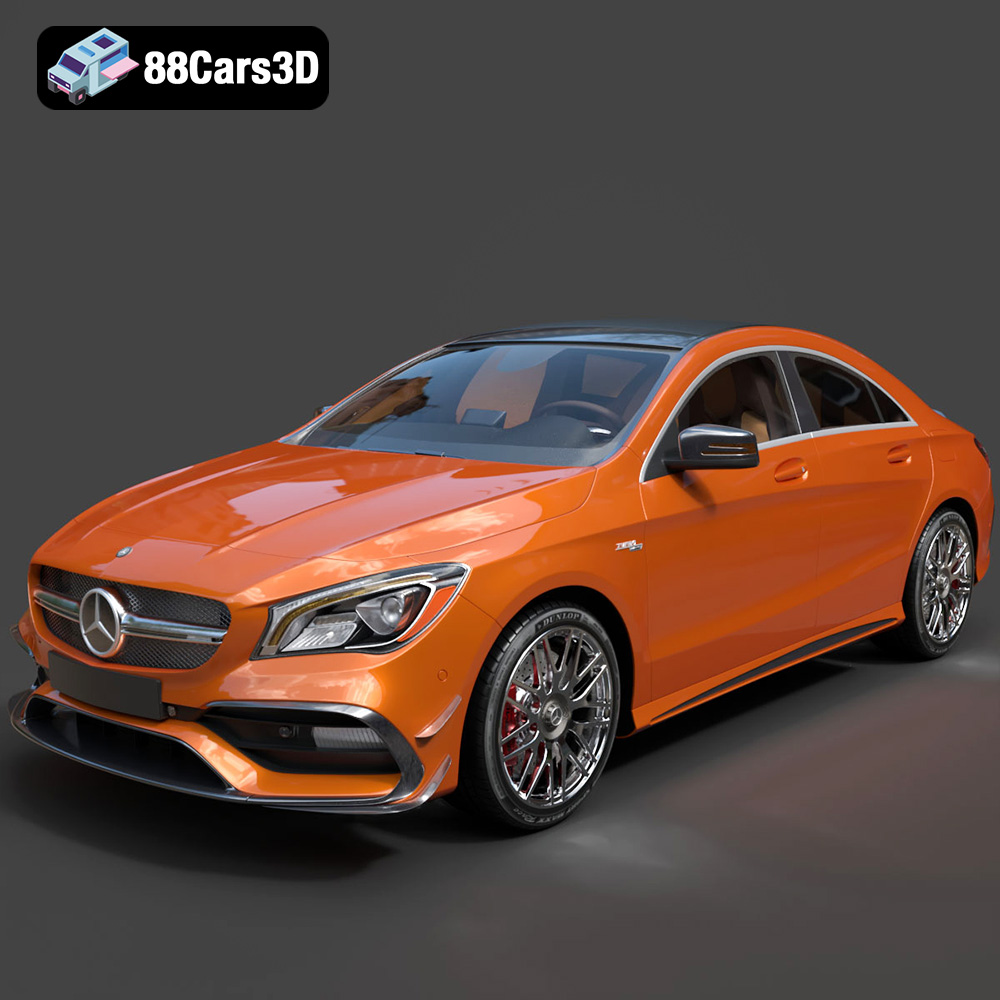
Texture: Yes
Material: Yes
Download the Mercedes-Benz CLA45 AMG 2017 3D Model featuring clean geometry, realistic detailing, and a fully modeled interior. Includes .blend, .fbx, .obj, .glb, .stl, .ply, .unreal, and .max formats for rendering, simulation, and game development.
Price: $21.99
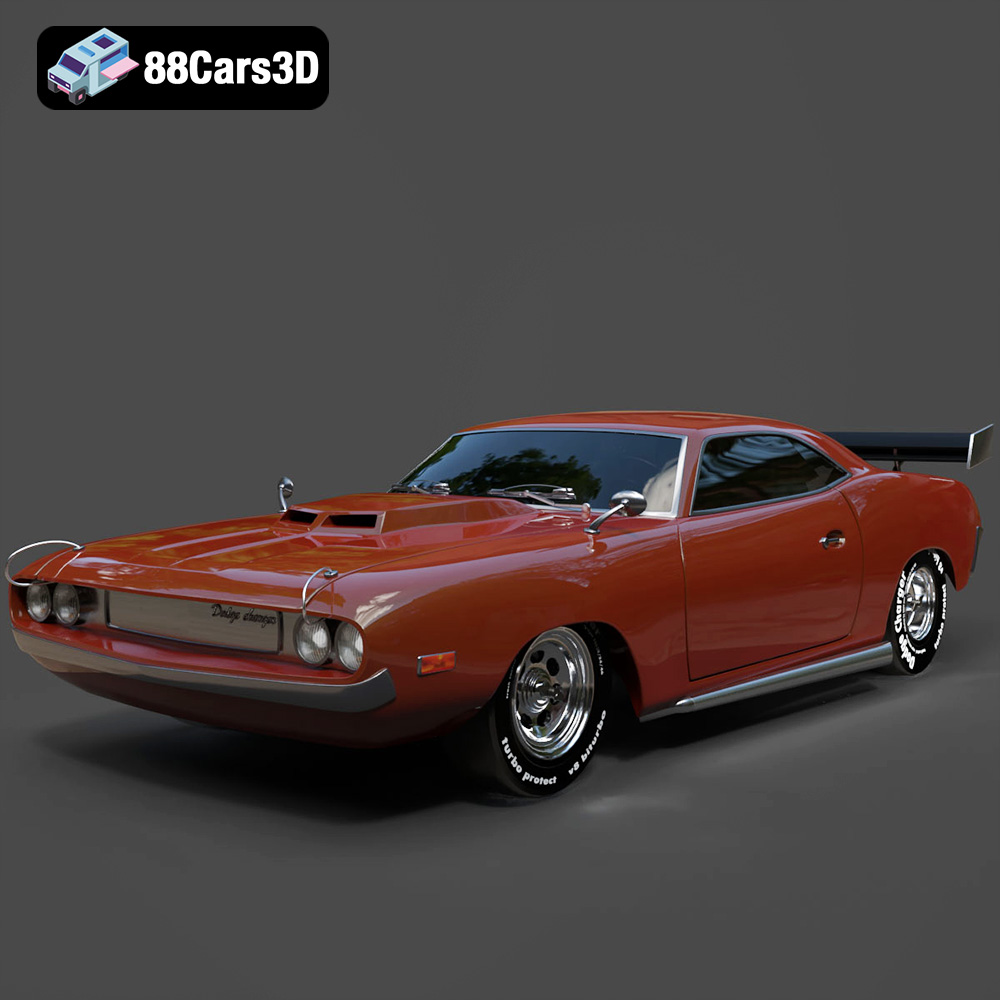
Texture: Yes
Material: Yes
Download the Dodge Charger Car-004 3D Model featuring clean geometry, realistic detailing, and a fully modeled interior. Includes .blend, .fbx, .obj, .glb, .stl, .ply, .unreal, and .max formats for rendering, simulation, and game development.
Price: $10
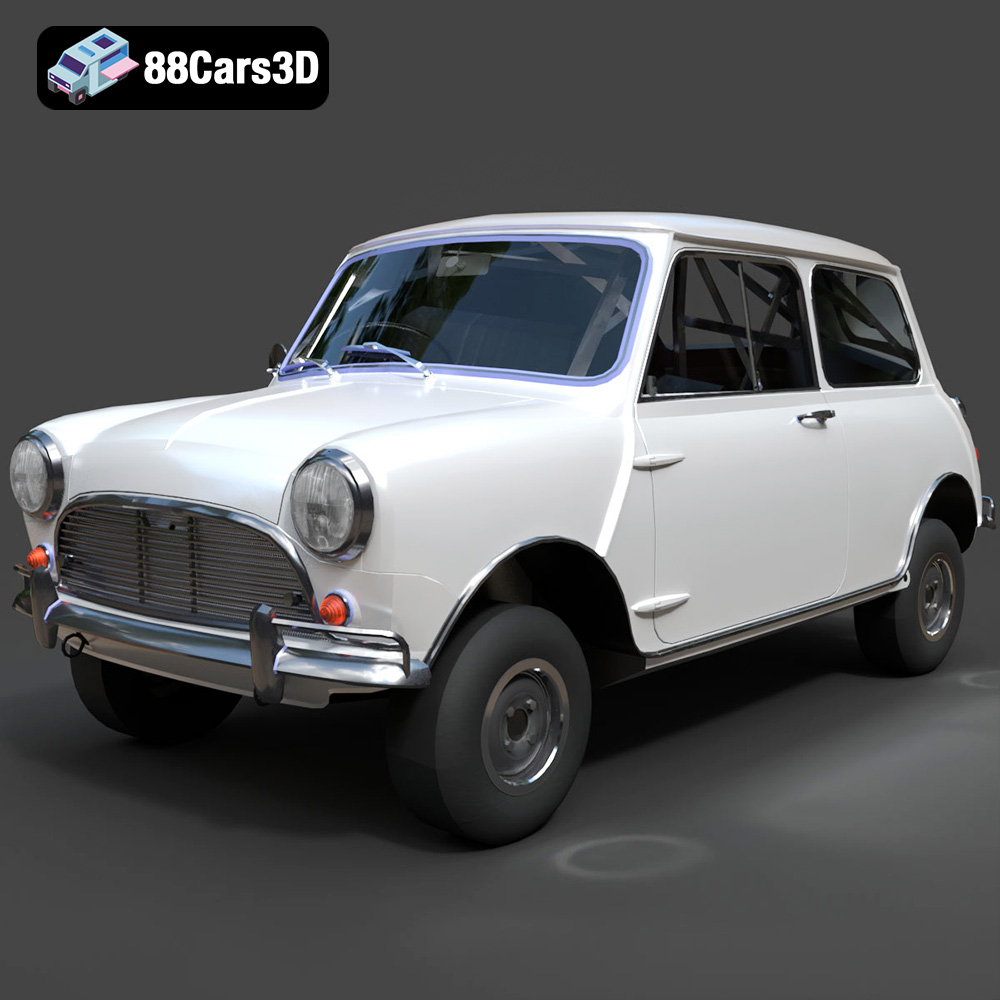
Texture: Yes
Material: Yes
Download the Austin Mini Cooper S 1965 3D Model featuring clean geometry, realistic detailing, and a fully modeled interior. Includes .blend, .fbx, .obj, .glb, .stl, .ply, .unreal, and .max formats for rendering, simulation, and game development.
Price: $10

