⚡ FLASH SALE: Get 60% OFF All Premium 3D & STL Models! ⚡

“`html
The world of 3D printing has opened up incredible possibilities, from prototyping complex designs to creating intricate models like the stunning printable car models you can find on platforms like 88cars3d.com. However, raw STL files often require tweaking before they’re ready for prime-time printing. This is where STL editing software comes in. Choosing the right software can be the difference between a successful print and a frustrating failure. This comprehensive guide will walk you through the best free and paid software options for editing STL files, covering everything from basic mesh repair to advanced sculpting and design modifications. We’ll delve into the technical details, explore real-world examples, and provide actionable tips to help you master the art of STL file editing.
In this article, you will learn:
STL, or Standard Tessellation Language, is the most common file format used in 3D printing. It represents a 3D object’s surface geometry using a mesh of triangles. While STL files are widely supported, they can often contain imperfections that lead to printing issues. These imperfections might include non-manifold geometry, holes, self-intersections, and other errors that can confuse your 3D printer and result in failed prints.
An STL file consists of a list of triangles, each defined by three vertices and a normal vector. The normal vector indicates the direction the triangle is facing. A “watertight” or “manifold” mesh is crucial for successful 3D printing. This means the mesh must be closed (no holes), have a clearly defined inside and outside, and have consistent normal directions. Understanding these concepts is fundamental to effective STL editing. For example, if the normals are inverted on part of your model, your slicer might interpret that section as being inside out, leading to strange printing artifacts or even complete print failure. Checking and correcting normals is often the first step in troubleshooting problematic STL files.
Several types of errors can plague STL files. Non-manifold edges occur when an edge is shared by more than two triangles. Holes are gaps in the mesh, creating openings in the surface. Self-intersections happen when triangles intersect each other. These errors can confuse the slicer software, preventing it from generating accurate toolpaths. The result can range from minor cosmetic flaws to complete printing failures. Imagine printing a car model where the roof has a hole in it, or where parts of the body intersect causing the slicer to generate incorrect internal structures. Therefore, repairing these errors is a critical step in the 3D printing workflow. Software solutions can often automatically detect and fix many of these common problems, saving you time and material.
Don’t be fooled into thinking you need to spend a fortune to edit STL files. Several excellent free software options offer a wide range of capabilities, suitable for both beginners and experienced users. These tools often provide the essential features needed to repair, modify, and optimize STL files for successful 3D printing. For those looking to print models from marketplaces such as 88cars3d.com, using even basic free software can ensure print success and a high-quality final product.
MeshLab is a powerful open-source mesh processing system. While its interface may seem daunting at first, it’s packed with features for cleaning, repairing, and simplifying meshes. Key functionalities include: identifying and filling holes, remeshing to optimize triangle distribution, smoothing surfaces, and simplifying meshes to reduce file size. For example, you can use MeshLab’s “Remove Duplicate Vertices” filter to eliminate overlapping points that can cause slicing issues. The “Close Holes” filter is invaluable for fixing small gaps in the mesh. Experiment with different filters and parameters to achieve the desired results. A common workflow involves importing the STL, running the “Clean” filters (Remove Duplicate Vertices, Remove Isolated Faces, Remove Zero Area Faces), then using the “Close Holes” filter before exporting a repaired STL file.
Meshmixer, though no longer actively developed by Autodesk, remains a popular and versatile tool for STL editing. It excels at sculpting, combining multiple meshes, creating custom support structures, and hollowing out models to save material. Meshmixer’s sculpting tools allow you to refine the shape of your model, add details, or smooth out imperfections. The “Make Solid” function is particularly useful for ensuring your mesh is watertight and printable. Furthermore, the ability to generate custom support structures directly within Meshmixer provides precise control over support placement and density, leading to cleaner prints and easier support removal. The software also allows Boolean operations, enabling you to easily combine, subtract, or intersect different meshes. When printing large models, hollowing them out with Meshmixer can significantly reduce material consumption and print time.
For users who require advanced features, precise control, and efficient workflows, paid professional STL editing software offers a significant step up. These programs provide a comprehensive suite of tools for complex mesh manipulation, CAD integration, and advanced simulation capabilities. Investing in professional software can streamline your workflow, improve the quality of your prints, and unlock new possibilities for 3D design and fabrication.
Autodesk Netfabb is a leading software solution for preparing models for 3D printing. It offers a wide range of tools for mesh repair, optimization, support generation, and build platform preparation. Netfabb’s advanced repair tools can automatically fix even the most complex mesh errors, ensuring a watertight and printable model. The software also provides powerful tools for optimizing part orientation and generating efficient support structures, minimizing material waste and print time. Furthermore, Netfabb includes simulation capabilities that allow you to predict and compensate for warping and shrinkage during the printing process. A typical workflow in Netfabb involves importing the STL, running an automatic repair script to fix any errors, optimizing the part orientation for printability, generating support structures based on your printer and material, and then exporting the prepared file for slicing.
Geomagic Design X is a powerful reverse engineering software that allows you to create CAD models from scanned data or existing STL files. It combines mesh editing tools with parametric CAD modeling capabilities, enabling you to convert complex shapes into editable CAD models. Design X is particularly useful for modifying existing designs, creating custom parts based on physical objects, or integrating 3D printed parts into larger assemblies. The software’s automated feature extraction tools can quickly identify and create parametric features from scanned data, saving you significant time and effort. For example, if you have a broken car part, you can scan it, import the STL into Geomagic Design X, and then use the software to create a precise CAD model that you can modify and 3D print a replacement.
The optimal settings and preparation techniques for STL files vary depending on the 3D printing method you’re using. FDM (Fused Deposition Modeling) printing involves extruding molten plastic layer by layer, while resin printing uses UV light to cure liquid resin. Understanding the nuances of each method is essential for achieving high-quality prints.
For FDM printing, slicing parameters such as layer height, infill density, and print speed play a crucial role in print quality and strength. Lower layer heights result in smoother surfaces but increase print time. Higher infill densities provide greater strength but consume more material. Support structures are often necessary to support overhanging features. When slicing files for FDM, start with a layer height of 0.2mm for a good balance between quality and speed. Adjust the infill density based on the part’s intended use, typically ranging from 15% to 25% for general-purpose prints. Experiment with different support patterns (e.g., linear, grid, concentric) to find the best balance between support strength and ease of removal. For larger parts, consider using a brim or raft to improve bed adhesion and prevent warping.
Resin printing requires careful consideration of part orientation, support placement, and hollowing. Orienting the part at an angle can minimize the build-up of stress and reduce the need for support structures. Support structures are crucial for supporting overhanging features and preventing deformation during the printing process. Hollowing out the model can significantly reduce resin consumption and print time, but requires careful planning to ensure structural integrity. When printing with resin, orient the part at a 45-degree angle to minimize layer lines and stress concentrations. Place support structures strategically to support critical features and prevent warping. Hollow out the model to reduce resin consumption, leaving a wall thickness of at least 2mm for structural integrity. Add drainage holes to allow resin to escape from the hollow interior. Use a high-quality resin designed for your printer to achieve optimal results.
Once you’ve mastered the basics of STL file editing, you can explore more advanced techniques to unlock new levels of customization and control. These techniques include sculpting, remeshing, Boolean operations, and CAD integration.
Sculpting tools allow you to refine the shape of your model, add details, and smooth out imperfections. Software like Meshmixer and Blender offer a variety of sculpting brushes and tools for creating organic shapes and intricate details. Use the smoothing brush to eliminate jagged edges and create smooth transitions. Add details using sculpting brushes like the standard brush, clay brush, and inflate brush. Experiment with different brush sizes and pressures to achieve the desired results. Remember to maintain a consistent level of detail throughout the model to avoid visual inconsistencies.
Remeshing involves regenerating the mesh with a new set of triangles. This can be used to optimize the mesh for 3D printing, reduce file size, or improve the surface quality. Mesh optimization techniques include reducing the number of triangles, improving triangle aspect ratios, and smoothing the surface. Use remeshing tools to reduce the number of triangles in areas with low detail. Improve triangle aspect ratios to create a more uniform mesh. Smooth the surface to eliminate jagged edges and improve the overall appearance of the model. Be careful not to over-optimize the mesh, as this can result in loss of detail.
Even with careful preparation, 3D printing can sometimes present challenges. Understanding how to troubleshoot common issues related to STL files is essential for achieving successful prints.
Warping, cracking, and layer delamination are common 3D printing issues that can be caused by poor bed adhesion, inadequate temperature control, or internal stresses in the part. To prevent warping, ensure that the print bed is properly leveled and heated. Use a brim or raft to improve bed adhesion. Control the ambient temperature to prevent rapid cooling and shrinkage. Reduce internal stresses by orienting the part to minimize the build-up of stress. To prevent cracking and layer delamination, use a high-quality filament or resin. Ensure that the nozzle temperature is appropriate for the material. Increase the layer adhesion by adjusting the extrusion multiplier or laser power.
Support structure failures can occur due to inadequate support density, incorrect support placement, or weak support connections. Challenges with support removal can arise from overly dense support structures or difficult-to-reach areas. To prevent support structure failures, increase the support density in critical areas. Place support structures strategically to support overhanging features and prevent deformation. Strengthen support connections by increasing the support interface thickness. To ease support removal, use a dissolvable support material. Reduce the support density in non-critical areas. Break away support structures carefully to avoid damaging the part.
Mastering STL file editing is a crucial skill for anyone involved in 3D printing. By understanding the structure of STL files, learning how to repair common errors, and mastering advanced editing techniques, you can significantly improve the quality and success rate of your prints. Whether you’re a beginner using free software like MeshLab and Meshmixer or a professional utilizing advanced tools like Netfabb and Geomagic Design X, the principles remain the same. Always ensure your mesh is watertight, optimize your file for your chosen printing method (FDM or resin), and don’t be afraid to experiment with different settings and techniques. Platforms like 88cars3d.com offer fantastic resources and high-quality printable car models to hone your skills and bring your creations to life. Take the time to learn these techniques, and you’ll be well on your way to becoming a 3D printing expert.
Your next steps should be:
“`
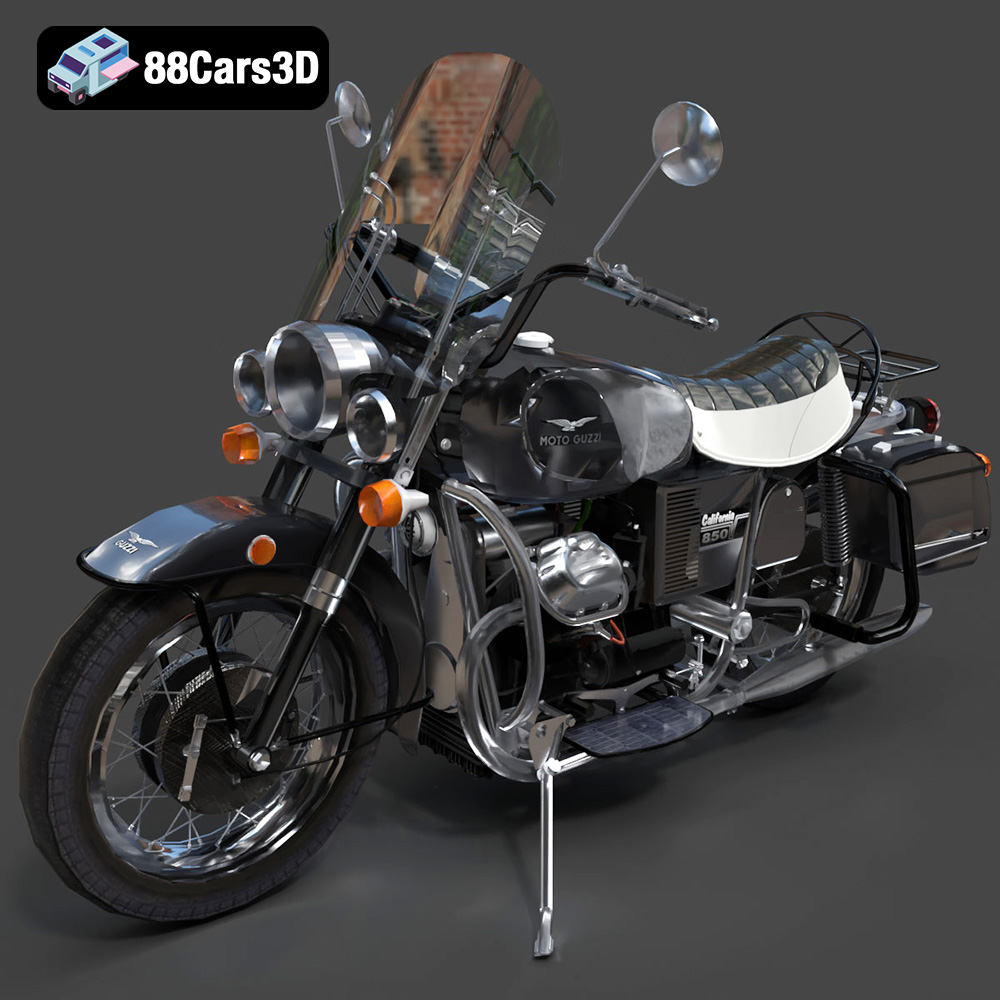
Texture: Yes
Material: Yes
Download the Moto Guzzi Classic Motorcycle 2024 3D Model featuring clean geometry, realistic detailing, and a fully modeled interior. Includes .blend, .fbx, .obj, .glb, .stl, .ply, .unreal, and .max formats for rendering, simulation, and game development.
Price: $10

Texture: Yes
Material: Yes
Download the Horch 853 Sport Cabriolet 1937 3D Model featuring clean geometry, realistic detailing, and a fully modeled interior. Includes .blend, .fbx, .obj, .glb, .stl, .ply, .unreal, and .max formats for rendering, simulation, and game development.
Price: $10
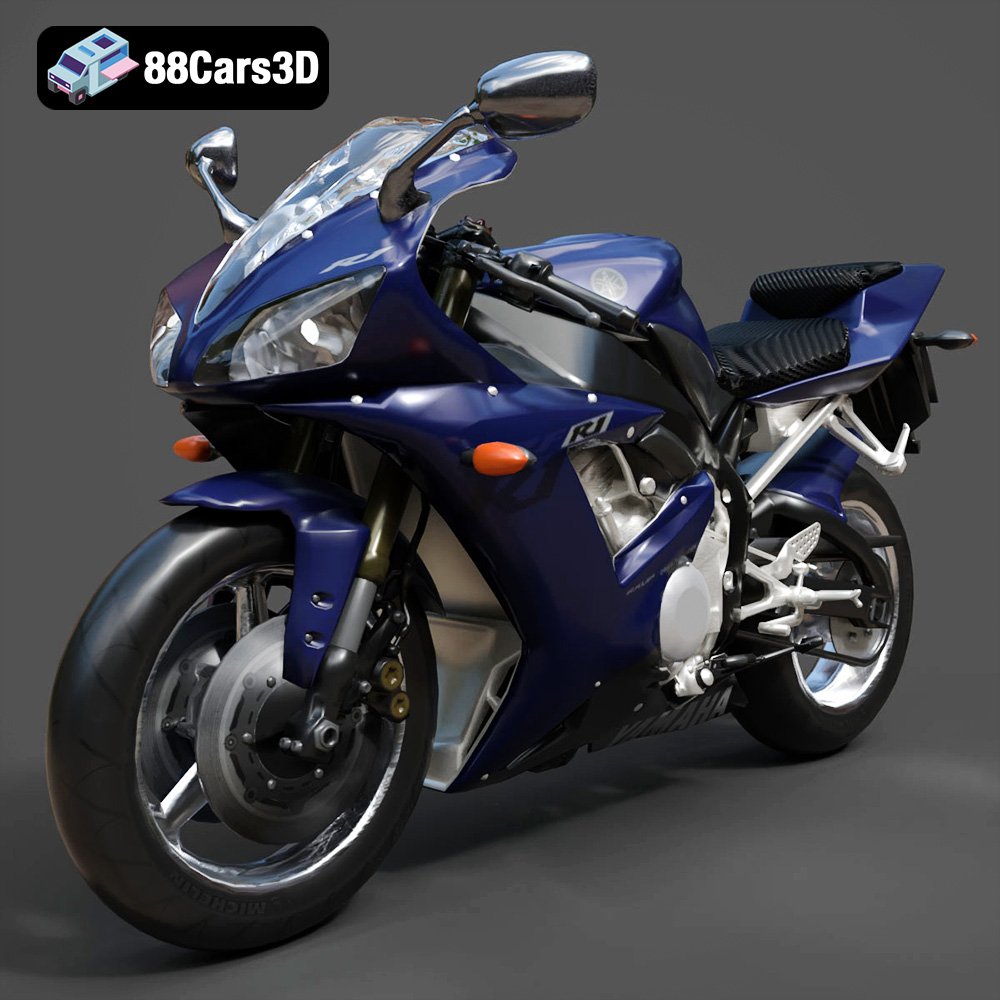
Texture: Yes
Material: Yes
Download the Yamaha YZF-R1 Motorcycle 3D Model featuring clean geometry, realistic detailing, and a fully modeled interior. Includes .blend, .fbx, .obj, .glb, .stl, .ply, .unreal, and .max formats for rendering, simulation, and game development.
Price: $10
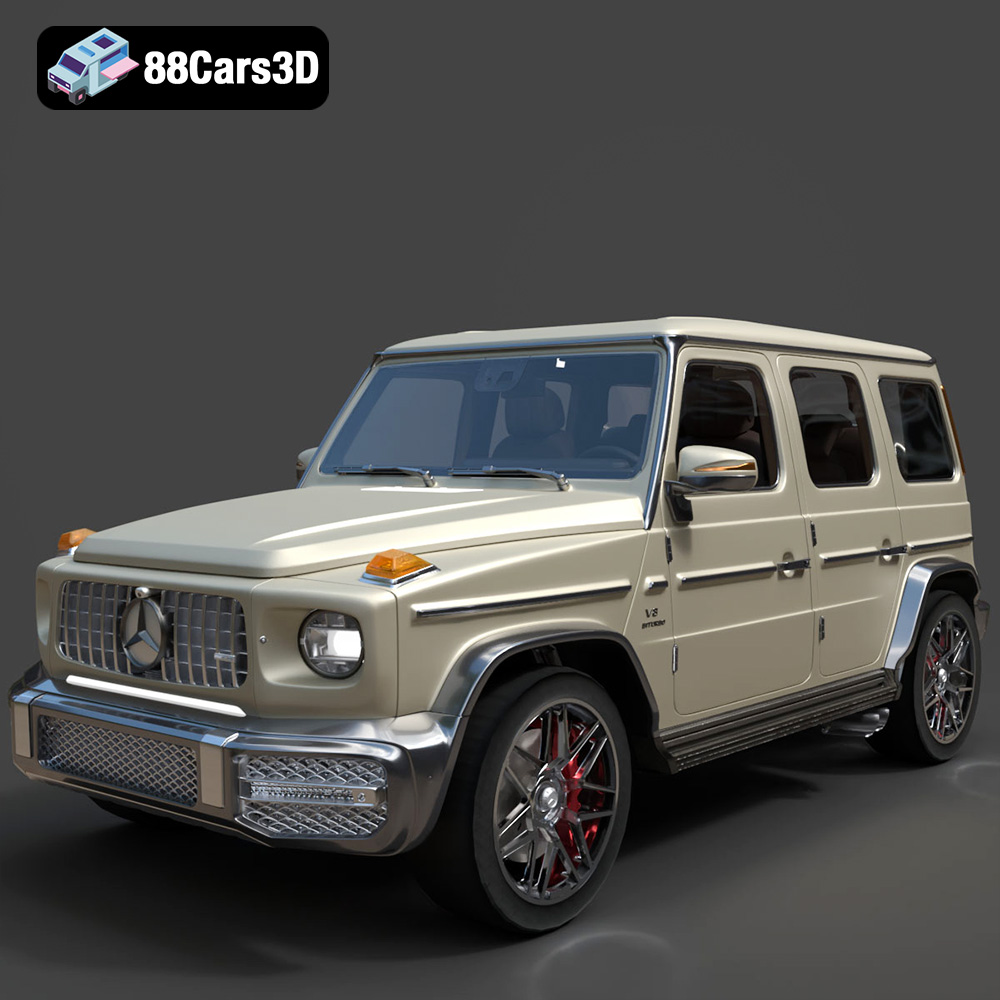
Texture: Yes
Material: Yes
Download the Mercedes Benz G63 AMG 2019 3D Model featuring clean geometry, realistic detailing, and a fully modeled interior. Includes .blend, .fbx, .obj, .glb, .stl, .ply, .unreal, and .max formats for rendering, simulation, and game development.
Price: $90
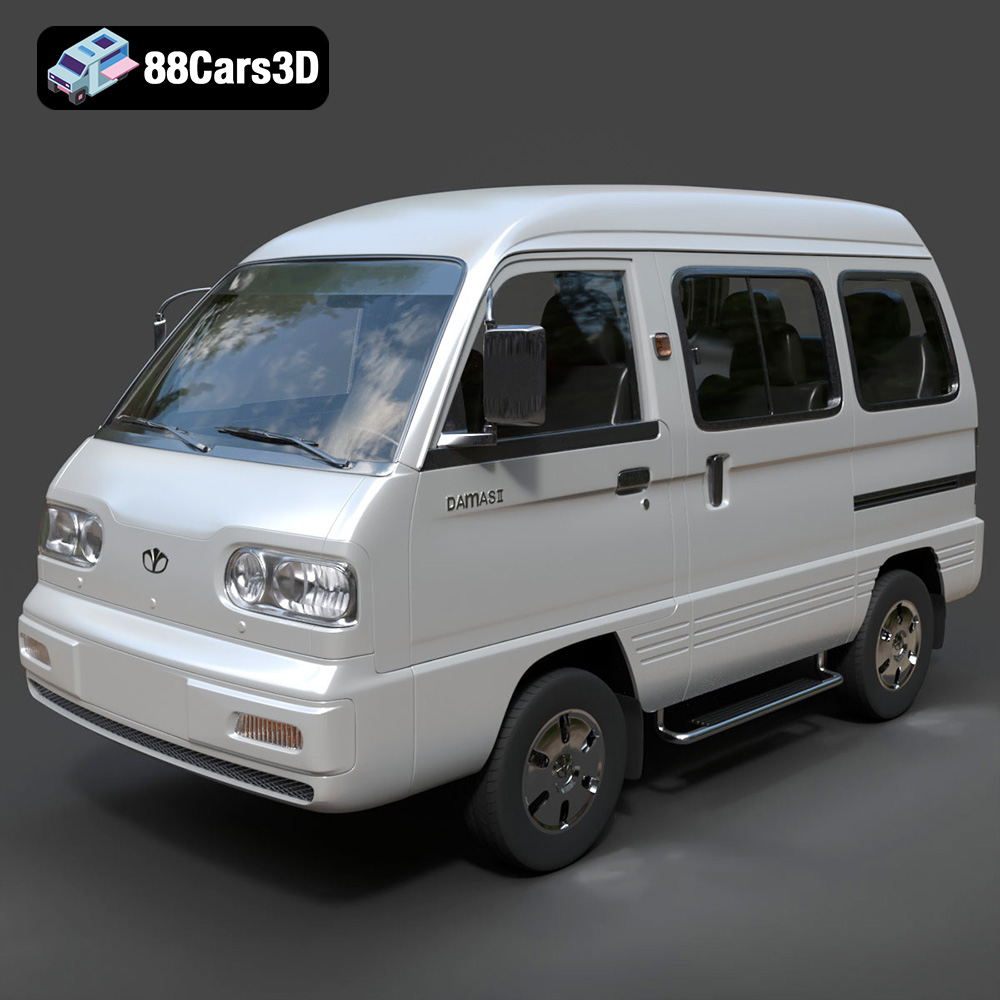
Texture: Yes
Material: Yes
Download the Daewoo Damas Mk2 2012 3D Model featuring clean geometry, realistic detailing, and a fully modeled interior. Includes .blend, .fbx, .obj, .glb, .stl, .ply, .unreal, and .max formats for rendering, simulation, and game development.
Price: $10
Texture: Yes
Material: Yes
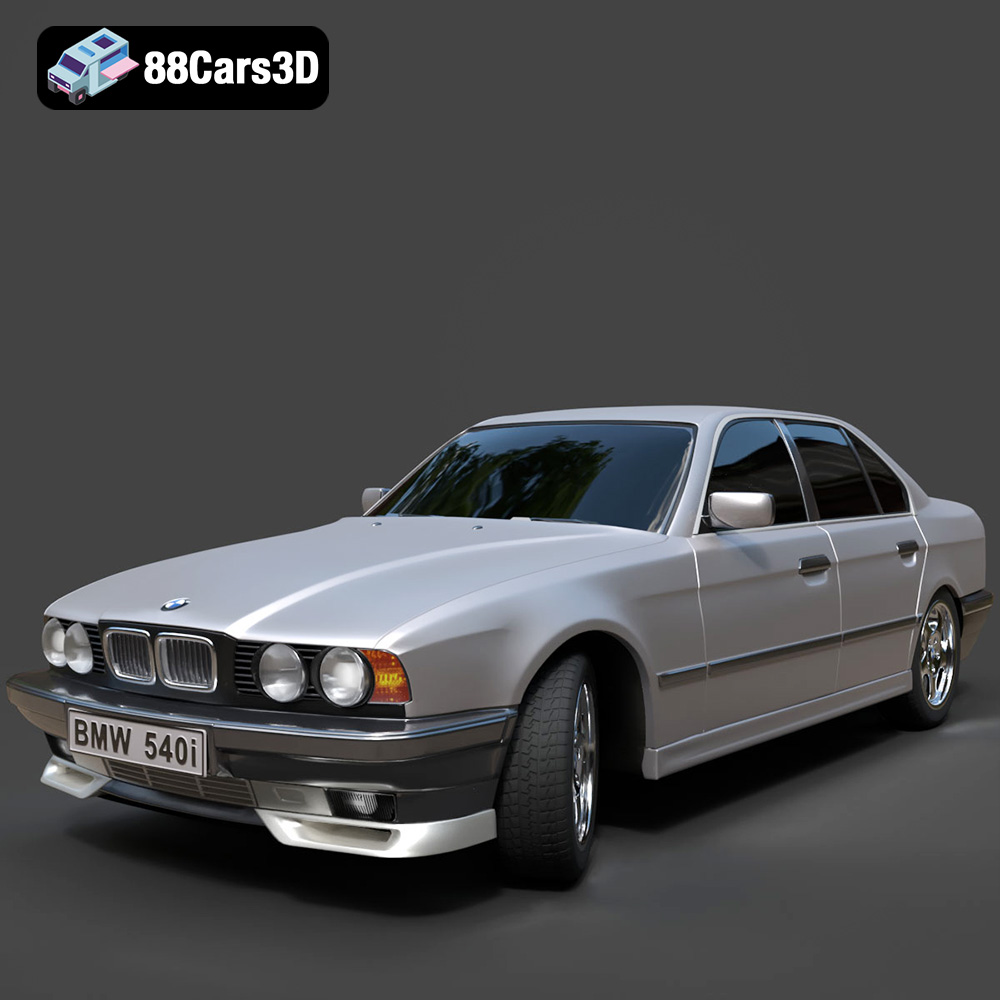
Download the BMW 540 E34 3D Model featuring clean geometry, realistic detailing, and a fully modeled interior. Includes .blend, .fbx, .obj, .glb, .stl, .ply, .unreal, and .max formats for rendering, simulation, and game development.
Price: $10

Texture: Yes
Material: Yes
Download the BMW 8 Series Coupe 2020 3D Model featuring clean geometry, realistic detailing, and a fully modeled interior. Includes .blend, .fbx, .obj, .glb, .stl, .ply, .unreal, and .max formats for rendering, simulation, and game development.
Price: $10

Texture: Yes
Material: Yes
Download the Mercedes S-Class 2024 3D Model featuring clean geometry, realistic detailing, and a fully modeled interior. Includes .blend, .fbx, .obj, .glb, .stl, .ply, .unreal, and .max formats for rendering, simulation, and game development.
Price: $10

Texture: Yes
Material: Yes
Download the Chevrolet Camaro 1970 3D Model featuring clean geometry, realistic detailing, and a fully modeled interior. Includes .blend, .fbx, .obj, .glb, .stl, .ply, .unreal, and .max formats for rendering, simulation, and game development.
Price: $10

Texture: Yes
Material: Yes
Download the Mercedes-AMG GT 2015 3D Model featuring clean geometry, realistic detailing, and a fully modeled interior. Includes .blend, .fbx, .obj, .glb, .stl, .ply, .unreal, and .max formats for rendering, simulation, and game development.
Price: $88.99

