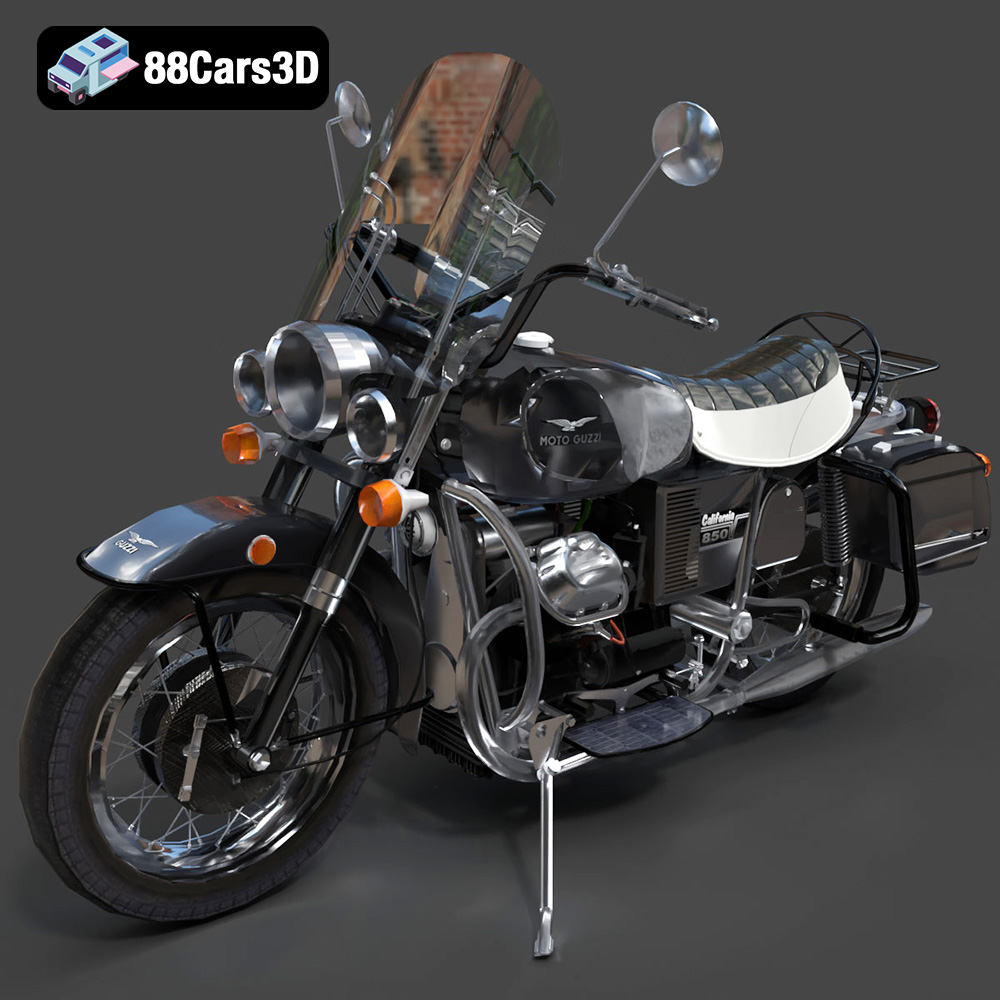
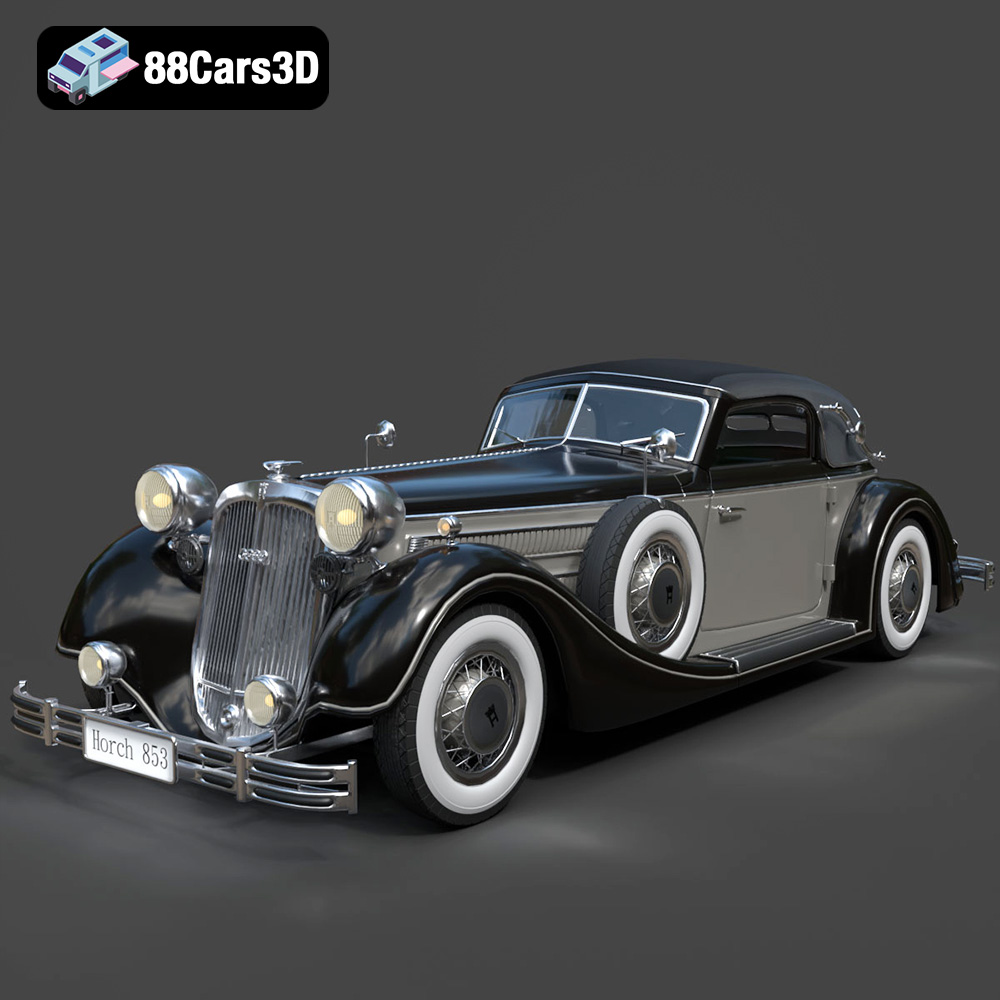
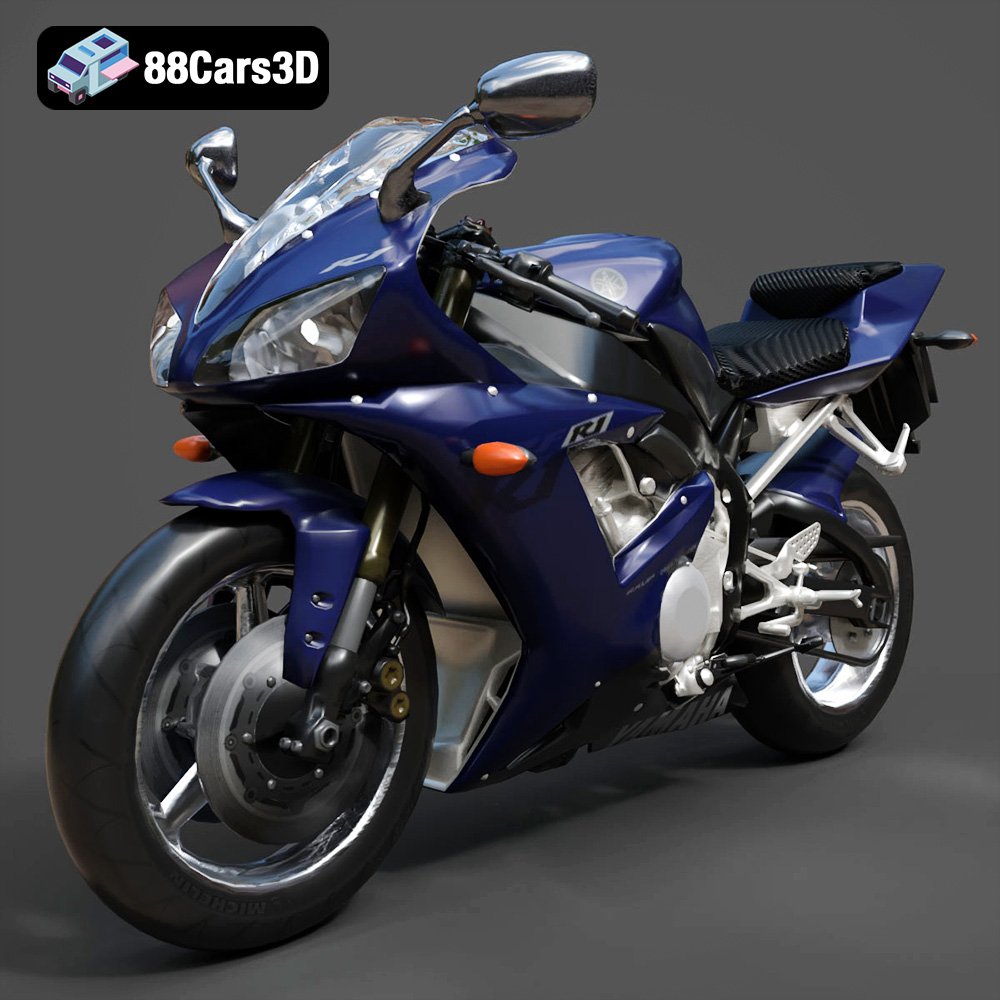
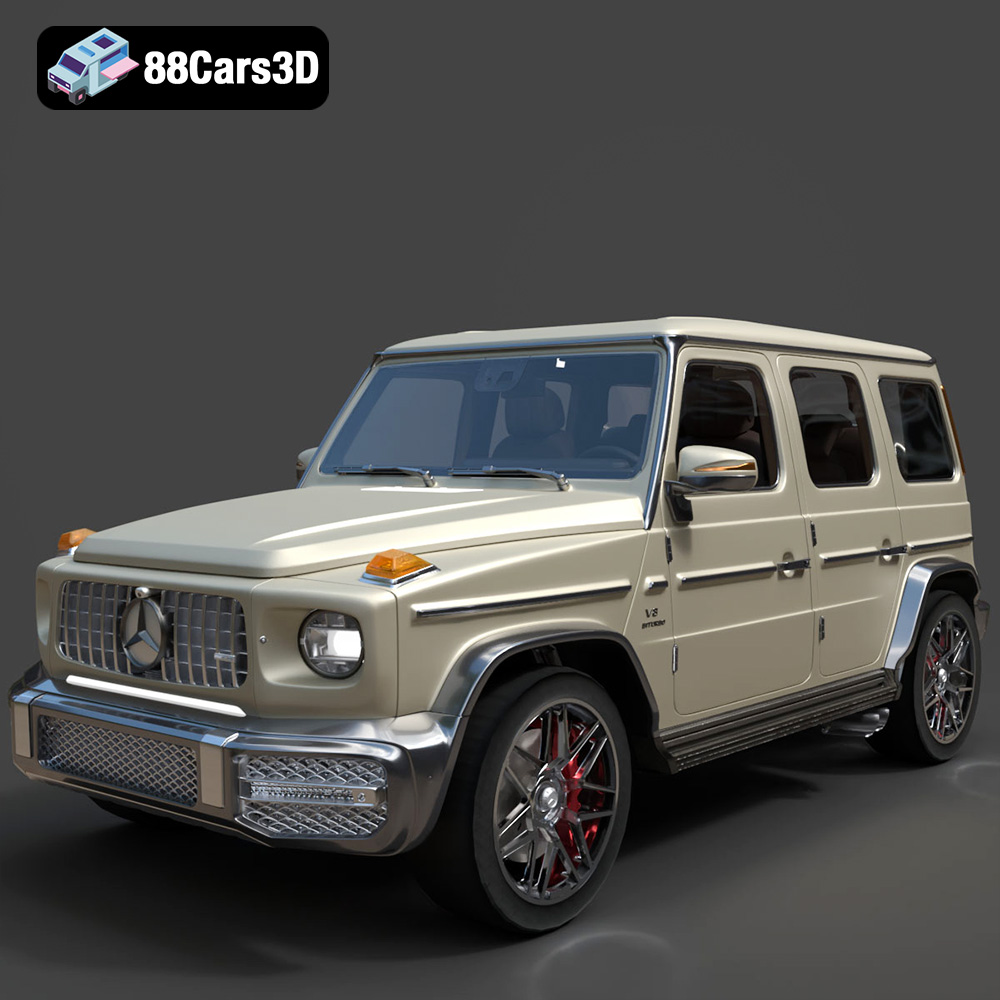
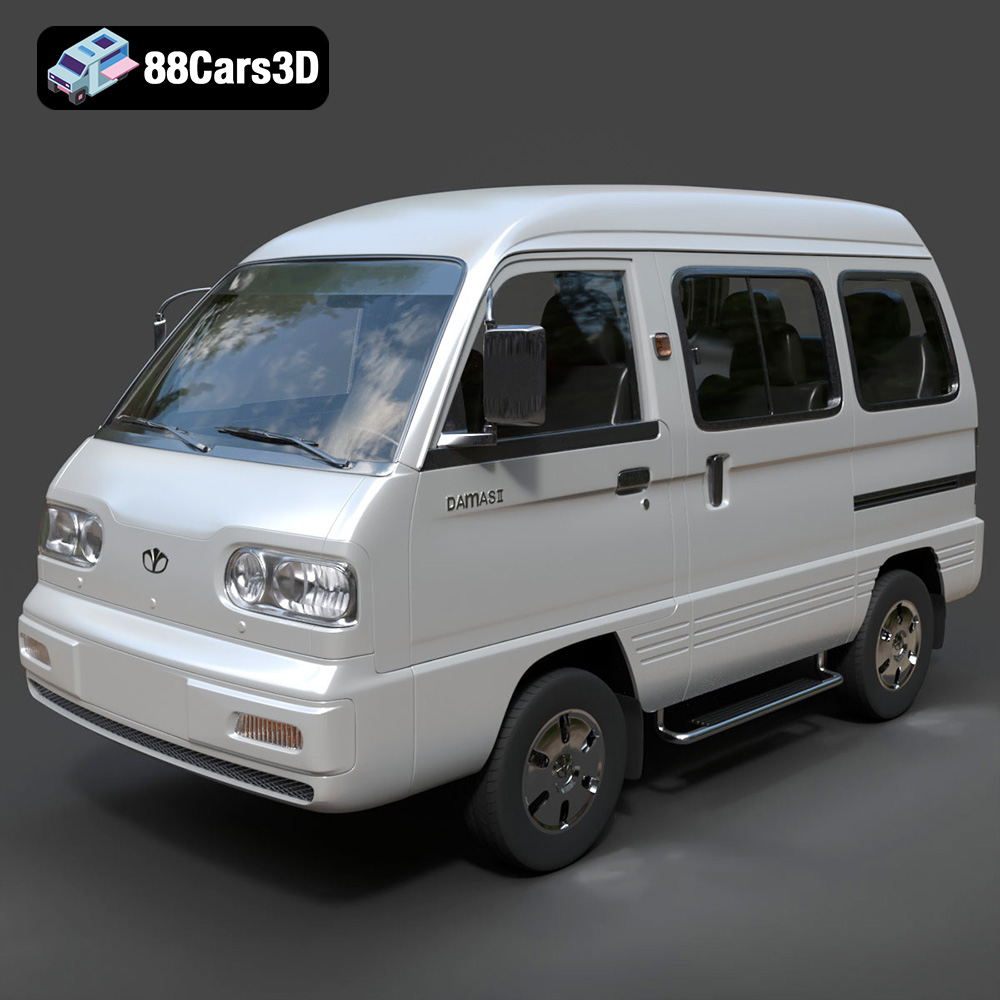
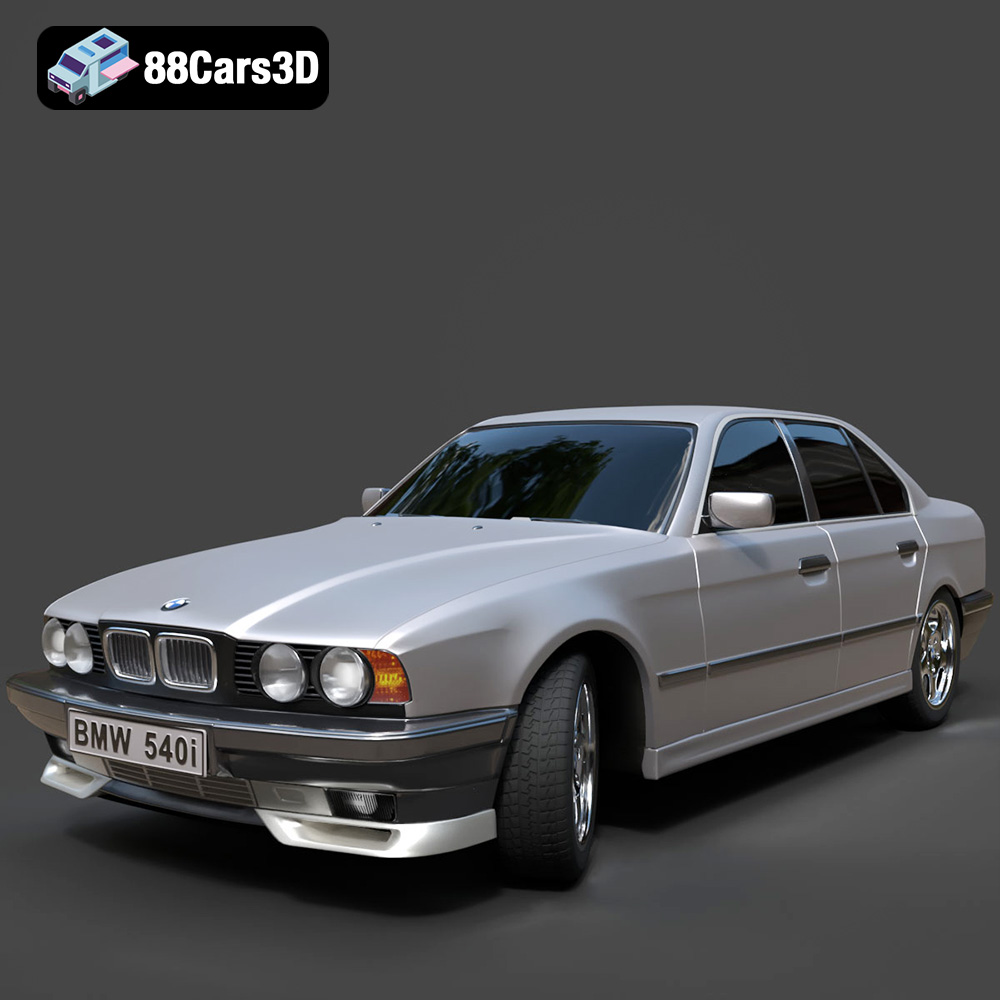
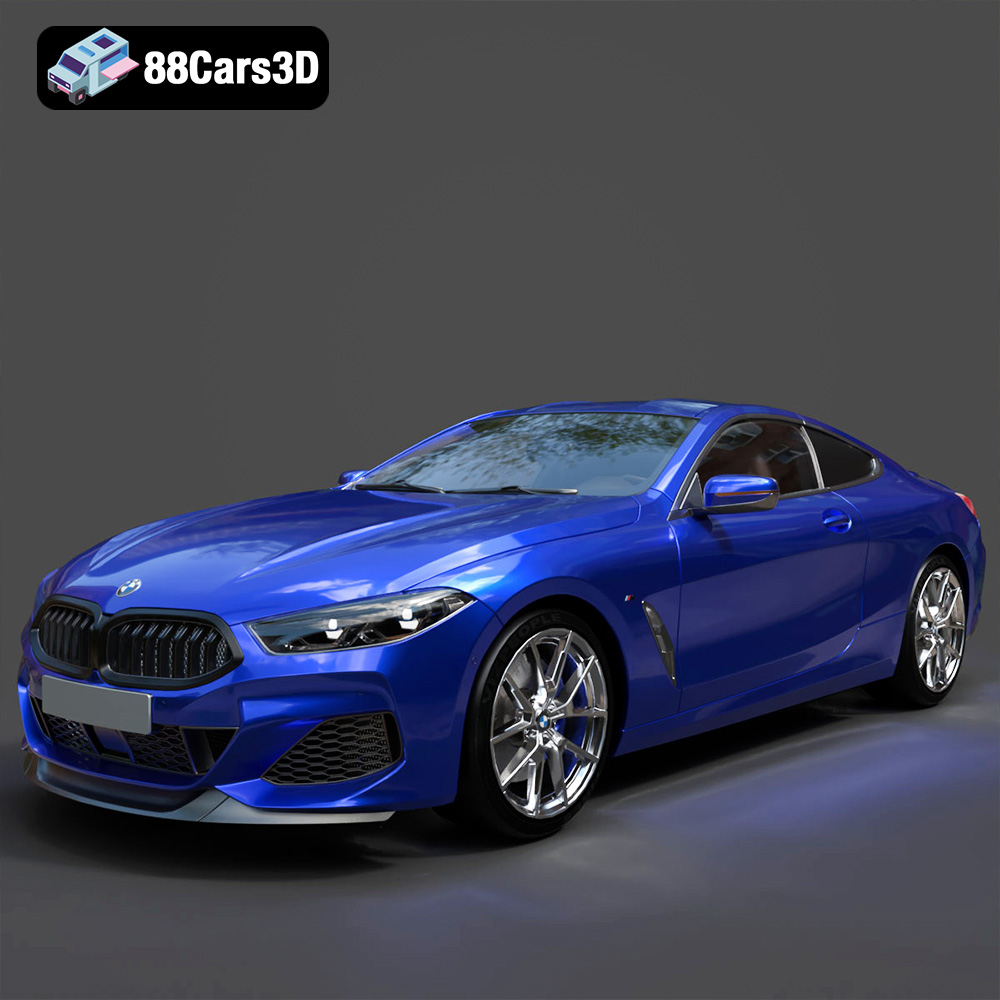
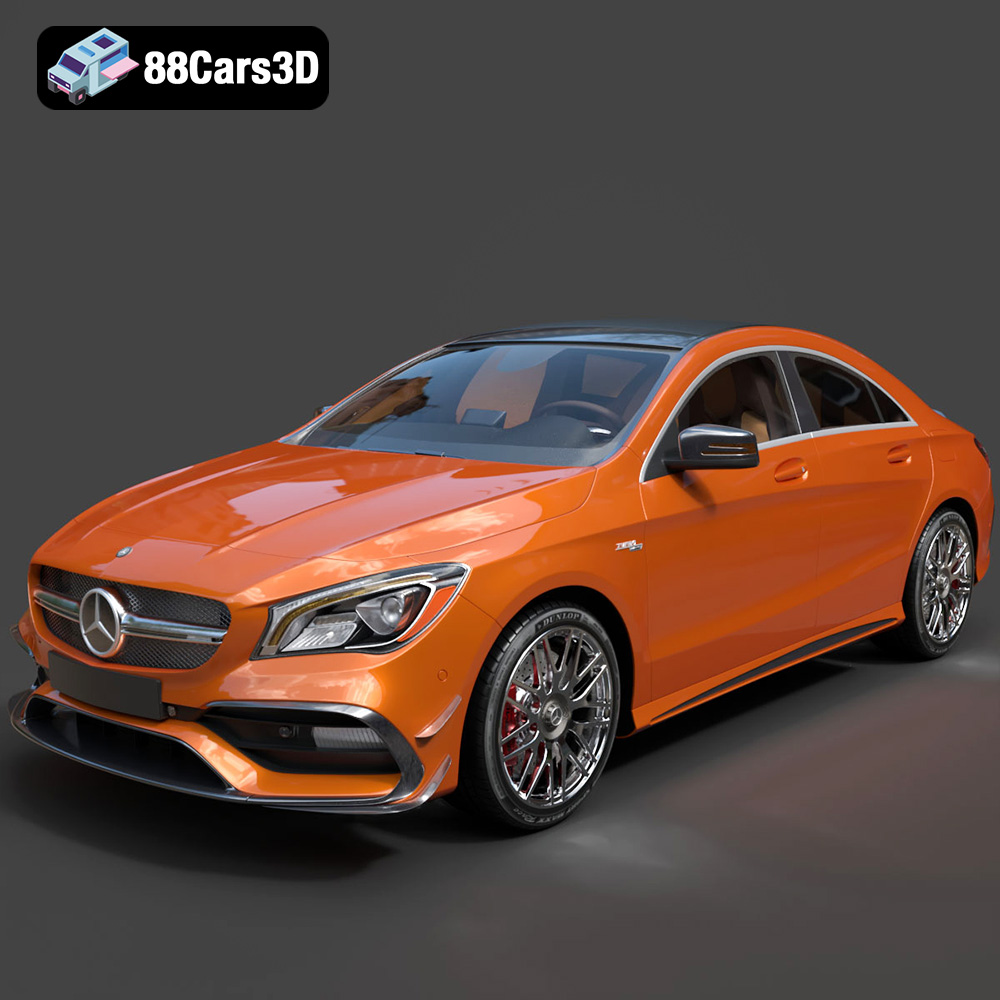
⚡ FLASH SALE: Get 60% OFF All Premium 3D & STL Models! ⚡

In the world of digital creation, few objects are as complex and captivating as the modern automobile. From the sweeping curves of a supercar’s bodywork to the intricate details of an engine bay, recreating a vehicle in 3D is a monumental task. For studios and individual artists, modeling a car from scratch can consume hundreds of hours, demand immense technical skill, and require an exhaustive library of reference material. This is where high-quality, production-ready 3D car models become an invaluable asset, serving as the perfect foundation for stunning visualizations, immersive games, and next-generation interactive experiences.
But simply acquiring a model is only the first step. To truly unlock its potential, you need a deep understanding of its technical anatomy, the various file formats it comes in, and the specific workflows required for different applications. This comprehensive guide will walk you through the essential technical knowledge needed to take a professional 3D car model from a file on your hard drive to a show-stopping final product, whether it’s a photorealistic render or a high-performance game asset.
Not all 3D models are created equal. A professional-grade asset, like those found on 88cars3d.com, is built with precision, versatility, and performance in mind. Understanding its core components is crucial for leveraging it effectively.
The underlying mesh structure, or topology, is the skeleton of the model. A professional model features clean, quad-based topology. This means the surface is primarily constructed from four-sided polygons. This is critical for several reasons: it allows for smooth, predictable deformation if animated, and it behaves perfectly with subdivision algorithms (like TurboSmooth in 3ds Max or Subdivision Surface in Blender) to create ultra-high-resolution surfaces for close-up shots. Poor topology, filled with triangles and chaotic edge flow, will produce pinching, artifacts, and shading errors when subdivided, making it unsuitable for high-quality automotive rendering.
Polygon count is another key factor. A model intended for cinematic rendering might have millions of polygons after subdivision, capturing every minute detail. Conversely, a real-time game asset needs to be more conservative. High-quality models are often provided in a “mid-poly” state—detailed enough to look great, but optimized enough to be used in various pipelines without needing extensive remodeling.
A 3D model is just a shape until it’s textured. The UV map is a 2D representation of the 3D model’s surface, acting as a blueprint for where textures are applied. Professional models have clean, non-overlapping UVs. This ensures textures apply without stretching or distortion. For hyper-realistic assets, you may even encounter UDIM (U-Dimension) workflows, where the UVs are spread across multiple texture sets to allow for incredibly high-resolution textures on different parts of the car. The model should come with a full set of PBR (Physically Based Rendering) textures, typically including Albedo (base color), Roughness, Metallic, and Normal maps, which work together to realistically simulate how light interacts with different surfaces like car paint, glass, rubber, and chrome.
A static, single-mesh car is of limited use. A professionally prepared model will have its components logically separated into distinct objects. This means wheels, doors, the steering wheel, brake calipers, and trunk are all individual meshes. This organized hierarchy is essential for:
This thoughtful construction saves countless hours of manually breaking apart a messy model.
One of the most critical technical decisions you’ll make is choosing the right file format for your project. A high-quality asset provider will offer a range of formats, each tailored for a specific workflow or software ecosystem. Using the wrong one can lead to lost data, compatibility issues, and wasted time. Here’s a detailed breakdown of the most common formats you’ll encounter with 3D car models and when to use them.
.blend – Fully editable Blender scene with materials
This is the native project file for Blender. It is the best choice if you are working within the Blender ecosystem. The .blend file contains not just the 3D mesh, but the entire scene setup: materials with their complete node graphs, lighting setups, modifiers (like subdivision surfaces) still in their non-destructive state, and scene hierarchy. It’s the most flexible format for Blender users, allowing for immediate rendering and deep customization without any data translation issues.
.max – Editable 3ds Max project for animation and rendering
Similar to .blend, the .max file is the native format for Autodesk 3ds Max. This is the ideal choice for professionals in architecture visualization and high-end automotive rendering who use V-Ray or Corona Renderer. It preserves the full scene, including modifier stacks, complex material setups (like V-Ray’s Car Paint material), and object hierarchies, making it the most direct and powerful option for 3ds Max artists.
.fbx – Ideal for Unreal, Unity, and real-time pipelines
The Filmbox (.fbx) format is the industry standard for transferring 3D data between different software applications, especially for game development. Its greatest strength is its ability to package mesh data, UVs, textures, material information, rigging, and animation into a single file. When importing a car model into Unreal Engine or Unity, .fbx is almost always the preferred format. It correctly preserves object hierarchies and material assignments, making it the perfect bridge from a modeling program to a real-time engine.
.obj – Universal format for cross-software compatibility
The Wavefront .obj format is one of the oldest and most widely supported 3D formats. It’s a simple, text-based format that reliably stores mesh geometry (vertices, normals, faces) and UV coordinates. While it is excellent for maximum compatibility across almost any 3D software, its simplicity is also its weakness. It has limited support for complex material properties, rigging, or animations, which are often stored in a separate .mtl file that can be inconsistently interpreted by different programs. Use .obj when you need a simple, reliable mesh transfer and plan to rebuild materials natively in your target application.
.glb – Optimized for AR, VR, and browser-based display
The .glb format is the binary version of glTF (GL Transmission Format), often called the “JPEG of 3D.” It is specifically designed for efficient transmission and loading of 3D scenes and models by applications. A .glb file is a self-contained package that includes mesh data, textures, and PBR material definitions. This makes it the perfect format for web-based 3D viewers, augmented reality (AR) applications on mobile devices, and VR experiences, where fast loading and optimized performance are paramount.
.stl – Suitable for 3D printing output
The .stl (Stereolithography) format represents a 3D surface as a collection of interconnected triangles. It contains no information about color, textures, or materials—only the surface geometry. This makes it the universal standard for 3D printing. If your goal is to create a physical scale model of a car, you will need to convert the detailed 3D model into a watertight .stl file for the 3D printer to understand.
.ply – Precision mesh format for CAD or analysis
The Polygon File Format (.ply) is designed to store data from 3D scanners. It can store not only vertex positions but also additional data like color and normals on a per-vertex basis. While less common for artistic work, it can be useful in engineering or forensic pipelines where a model might be used for technical analysis or to compare against scan data.
.unreal – Engine-ready asset for real-time environments
Some premium asset providers offer a .unreal format. This isn’t a standard 3D file but rather a pre-packaged Unreal Engine asset, often in a .uasset file. This is a massive time-saver for game developers. It means the model has already been imported into Unreal Engine, materials have been created and assigned, and it’s essentially a drag-and-drop-ready asset. This bypasses the entire import and setup process, letting developers focus on gameplay and level design.
Creating a photorealistic image for a marketing campaign or a personal portfolio requires a meticulous approach to lighting, materials, and composition. This is where high-poly 3D car models truly shine.
Let’s assume our goal is a classic, brochure-style studio render. We start by importing the .max file of our chosen vehicle. This gives us immediate access to the pre-configured V-Ray materials and correctly named object hierarchy. The first step is setting up the environment. We’ll use a V-Ray Dome Light with a high-quality HDRI map of a professional photo studio. This single light source provides realistic, soft-box style reflections across the car’s body. Next, we create a simple ground plane with a seamless cyclorama wall curve in the background to catch shadows and ground the vehicle in the scene.
Even with great base materials, fine-tuning is key. The most important material is the car paint. In V-Ray’s Car Paint Material, we can adjust the flake color, density, and orientation to match a specific manufacturer’s paint. We might slightly increase the clear coat’s IOR (Index of Refraction) for a deeper, “wet” look. We’ll also check the roughness maps on the tires and plastic trim, ensuring they aren’t too glossy. For composition, we’ll set up a V-Ray Physical Camera with a focal length around 85mm to mimic a real-world automotive photographer’s lens, which provides a pleasing perspective with minimal distortion. We’ll enable a shallow depth of field, setting the focus point on the headlight or front badge to draw the viewer’s eye. Finally, we render the image at high resolution (e.g., 6K) and use the V-Ray Frame Buffer’s post-processing tools to adjust exposure, add a subtle lens glare, and fine-tune the color balance for that perfect, polished look.
The requirements for a game asset are fundamentally different from a rendering asset. Performance is king. Every polygon, texture, and draw call counts. The process involves importing the model and preparing it to run smoothly at 60 frames per second or higher.
For a player-controllable “hero” car, detail is still important. We’ll start with the .fbx file, which preserves the vehicle’s separated components. During import into Unreal Engine, we choose to “Import as Skeletal Mesh” if we plan to create a complex vehicle rig for suspension and physics, or import as separate static meshes parented to a root object for simpler setups. If a .unreal asset is available from a marketplace like 88cars3d.com, this step is even simpler, as we can just migrate the pre-configured asset into our project.
Once imported, Unreal Engine will create basic materials. We then create Master Materials for car paint, glass, and rubber, and then generate Material Instances for each part of the car. This is highly efficient, as we can tweak parameters like color or roughness in the instance without recompiling the main shader. For performance, we’ll set up LODs (Levels of Detail). LOD0 is the full-detail model seen up close. For LOD1 (seen from a medium distance), we might use a script or the built-in tools to merge the wheel components into a single mesh and remove small interior details. For LOD2 (seen far away), the model might be heavily simplified, and the interior completely removed. This drastically reduces the polygon count for distant cars, saving precious rendering power.
Modern engines like Unreal Engine 5 offer groundbreaking technologies. Nanite allows for rendering movie-quality, high-polygon meshes in real-time without the traditional constraints of polycounts and LODs. A high-quality 3D car model with millions of polygons can now be used directly as a game asset in certain scenarios, blurring the lines between cinematic and real-time visuals. Paired with Lumen for dynamic global illumination and reflections, these technologies allow developers to achieve unprecedented levels of realism in their automotive game projects.
The utility of a high-quality 3D car model extends far beyond traditional media. These versatile assets are powering innovation in a variety of industries.
Automotive brands are increasingly using augmented reality (AR) and virtual reality (VR) to create immersive customer experiences. By converting a 3D car model to the .glb format, developers can create web-based AR applications where customers can place a virtual car in their own driveway using their smartphone. In VR, customers can step into a virtual showroom, walk around the car, open the doors, and even sit inside to inspect the interior and configure options in real time.
Engineers and designers use 3D models to create physical prototypes. By exporting the model as an .stl file, they can 3D print scale models to evaluate design elements, test aerodynamics in a wind tunnel, or present a concept to stakeholders. For enthusiasts, this same process allows them to create highly detailed collectible models of their favorite cars.
In the fields of engineering and safety, 3D car models serve as the basis for complex simulations. Accident reconstruction specialists use dimensionally accurate models to recreate crash scenarios. Automotive engineers integrate models into driving simulators to test new driver-assist technologies or vehicle dynamics in a controlled, virtual environment.
A high-quality 3D car model is more than just a digital object; it’s a versatile and powerful foundation upon which incredible creative and technical projects are built. From the clean topology and PBR textures required for stunning automotive rendering to the optimized hierarchy and LODs needed for high-performance game assets, the quality of the source model dictates the quality of the final result.
By understanding the technical anatomy of these assets and, most importantly, choosing the correct file format for your specific workflow—be it a .max file for V-Ray, an .fbx for Unreal Engine, or a .glb for an AR experience—you can save invaluable time and avoid technical bottlenecks. Starting with a professionally crafted model empowers you to bypass the arduous modeling phase and focus directly on what matters most: bringing your creative vision to life with breathtaking realism and seamless performance.