⚡ FLASH SALE: Get 60% OFF All Premium 3D & STL Models! ⚡

“`html
For automotive enthusiasts and 3D printing aficionados, the intersection of these passions lies in the creation of stunning, highly detailed printable car models. The world of STL files has opened up a realm of possibilities, allowing hobbyists and collectors to bring their dream cars to life in miniature form. Whether you’re aiming to build a fleet of classic vehicles, replicate a modern supercar, or simply explore the intricacies of automotive design, understanding the nuances of STL files and 3D printing techniques is paramount. This guide will navigate you through the essential aspects of selecting, preparing, and printing car STL files, ensuring a rewarding and successful 3D printing experience. We’ll cover everything from file selection and preparation to printer settings and post-processing, providing you with the knowledge to create truly exceptional models. Platforms like 88cars3d.com offer a wide variety of print-ready STL files designed specifically for this purpose.
In this comprehensive guide, we’ll explore the following:
The STL (Stereolithography) file format is the bedrock of 3D printing. It represents the surface geometry of a 3D object using a collection of triangles. The finer the triangulation, the smoother and more detailed the final print. However, a higher triangle count also translates to larger file sizes and increased processing demands on your computer and slicer software. Understanding the structure of an STL file is crucial for troubleshooting potential printing issues and optimizing print quality, particularly when working with intricate car models.
Mesh density directly impacts the smoothness and detail of your 3D printed car. A low-resolution mesh will result in a blocky, faceted surface, while a high-resolution mesh will capture finer details but require more processing power. For car models, especially those with curved surfaces, a higher mesh density is generally preferred. However, there’s a point of diminishing returns. Experiment with different mesh densities in your 3D modeling software (like Blender or Meshmixer) to find the optimal balance between detail and file size. A good starting point for car models is a mesh density that results in triangle edges of approximately 0.5mm to 1mm in length.
A “manifold” mesh is a closed, watertight surface, essential for successful 3D printing. Non-manifold geometry (e.g., holes, intersecting faces, or unconnected edges) can cause slicing errors and print failures. Before printing any STL file, it’s crucial to check for and repair any non-manifold issues. Software like Meshmixer and Netfabb offer powerful tools for automatically detecting and fixing these errors. Specifically, use “Make Solid” or “Inspector” functions within these programs to identify and automatically repair issues like flipped normals, holes, and self-intersections. The goal is to achieve a completely closed and watertight mesh, ensuring proper slicing and printing.
Slicing is the process of converting a 3D model into a series of layers that the 3D printer can understand. The slicing software takes the STL file and generates a G-code file, which contains the instructions for the printer’s movements, temperature settings, and other parameters. The settings you choose in your slicer software have a profound impact on the final quality of your 3D printed car model. Attention to detail in this step is crucial to maximize print quality.
Layer height is one of the most critical slicing parameters. A smaller layer height results in smoother surfaces and finer details, but it also increases print time significantly. For car models, a layer height of 0.1mm to 0.15mm is generally recommended for FDM printing to capture the intricate details of the bodywork. For resin printing, even smaller layer heights (e.g., 0.025mm to 0.05mm) are common, allowing for exceptional levels of detail. Print speed also plays a crucial role. Slower print speeds generally result in better print quality, especially for complex geometries. Start with a print speed of 40-50mm/s for FDM printing and adjust as needed based on your printer and filament.
Infill refers to the internal structure of the 3D printed object. While car models are often printed with a relatively low infill density (e.g., 10-20%) to save on material and print time, the infill pattern can still impact the overall strength and appearance of the model. A rectilinear or grid infill pattern is suitable for most car models. However, for areas that require more support (e.g., the roof or hood), a denser or more complex infill pattern (e.g., gyroid) might be beneficial. Consider that higher infill densities add weight to the model. For hollowed models, a density gradient can also be used where the infill density increases closer to the surface.
Support structures are temporary scaffolding that is printed alongside the model to support overhanging features. Without supports, these features would collapse during printing. Generating effective support structures is a critical step in preparing car STL files for 3D printing. Poorly designed supports can be difficult to remove and can damage the surface of the model, while insufficient supports can lead to print failures. Many platforms, like 88cars3d.com, offer models with pre-optimized support structures.
Most slicing software offers automatic support generation, which can be a good starting point. However, for complex car models, manual support placement is often necessary to ensure optimal support and minimize material waste. Examine the model carefully and identify areas that require support, such as overhangs, bridges, and unsupported islands. Manually adding supports allows you to strategically place them in less visible areas and to optimize their density and thickness. Consider using tree supports, which use less material and are easier to remove than traditional linear supports, especially in software like Cura.
The choice of support material can significantly impact the ease of support removal and the surface finish of the model. Some filaments (e.g., HIPS for ABS) are specifically designed to be used as support material and can be dissolved in a solvent, leaving a clean surface. Interface layers, which are printed between the support structure and the model, can also improve support removal. Experiment with different interface layer settings (e.g., density, thickness, and pattern) to find the optimal balance between support adhesion and ease of removal. A small air gap between the support and the model can also facilitate easier removal, but this may come at the cost of slightly reduced support strength.
The material you choose for your 3D printed car model will affect its appearance, strength, and durability. For FDM printing, the most common materials are PLA, PETG, and ABS. For resin printing, there are a wide variety of resins available, each with its own unique properties. Each material has strengths and weaknesses that make it more or less suitable for printing detailed car models. Understanding these differences is key to achieving the desired results.
PLA is a biodegradable thermoplastic that is easy to print and offers good detail. It’s a good choice for beginners and for models that don’t require high strength or heat resistance. PETG is more durable and heat-resistant than PLA, making it a good option for models that will be exposed to sunlight or higher temperatures. ABS is a strong and heat-resistant plastic that is commonly used in automotive applications. However, it’s more difficult to print than PLA and PETG and requires a heated bed and enclosure to prevent warping. For car models, PETG often strikes a good balance between ease of printing, durability, and aesthetics. Recommended print settings for PETG include a nozzle temperature of 230-250°C, a bed temperature of 70-80°C, and a print speed of 40-60mm/s.
Resin printing offers significantly higher detail than FDM printing. Resin printers use liquid photopolymers that are cured by UV light. This allows for the creation of incredibly detailed models with smooth surfaces. There are many different types of resins available, including standard resins, tough resins, and flexible resins. For car models, a standard resin is often sufficient, but a tough resin may be preferred for models that will be handled frequently. When downloading models from marketplaces such as 88cars3d.com, be sure to check the suggested material based on the model complexity. For resin printing, layer heights are typically much smaller (e.g., 0.025-0.05mm) and exposure times must be carefully calibrated for optimal curing. A good starting point is an exposure time of 6-8 seconds per layer, but this will vary depending on the resin and printer.
Post-processing is the final step in the 3D printing process. It involves cleaning up the model, removing support structures, and applying any desired finishes. Post-processing is essential for achieving a professional-looking car model.
Careful support removal is crucial to avoid damaging the model. Use sharp tools (e.g., flush cutters, hobby knives) to carefully snip away the support structures. For areas where the supports are difficult to reach, consider using a heat gun to soften the supports before removing them. After removing the supports, sand the model to smooth out any imperfections and remove any remaining support marks. Start with a coarse grit sandpaper (e.g., 220 grit) and gradually move to finer grits (e.g., 400 grit, 600 grit) to achieve a smooth surface. Wet sanding can also help to reduce dust and improve the surface finish.
Painting is an essential step for bringing your 3D printed car model to life. Use acrylic paints or model paints that are specifically designed for plastic. Apply multiple thin coats of paint rather than one thick coat to avoid runs and drips. Use masking tape to protect areas that you don’t want to paint. After painting, consider adding details such as decals, panel lines, and weathering effects to enhance the realism of the model. Clear coating can also be applied for a protective glossy or matte finish. Consider using an airbrush for finer detail work, which helps in producing even, smooth coats of paint.
Even with careful preparation, 3D printing can sometimes be challenging. Here are some common issues that you might encounter when printing car STL files, and how to troubleshoot them.
Warping occurs when the corners of the print lift off the build plate. This is more common with ABS than with PLA or PETG. To prevent warping, ensure that your build plate is clean and level. Use a bed adhesive such as glue stick or hairspray to improve bed adhesion. A heated bed is also essential for printing ABS. Increase the bed temperature slightly and try printing a brim or raft to provide a larger surface area for adhesion.
Stringing occurs when the printer extrudes filament while moving between different parts of the model. Blobs are small clumps of filament that accumulate on the surface of the print. To reduce stringing, decrease the printing temperature and increase the retraction distance. Make sure the filament is dry. Adjust the coasting settings in your slicer to reduce blobs at the end of each extrusion.
Layer shifting occurs when the print shifts horizontally during printing. This can be caused by loose belts, a wobbly print bed, or a problem with the Z-axis motor. Check that all belts are properly tensioned and that the print bed is stable. Lubricate the Z-axis lead screw and ensure that the Z-axis motor is functioning correctly. Slowing down the print speed can also help.
3D printing car models is a rewarding and challenging hobby that combines a passion for automotive design with the technical skills of additive manufacturing. By understanding the intricacies of STL files, optimizing slicing parameters, selecting the right materials, and mastering post-processing techniques, you can create stunning, highly detailed models that will impress even the most discerning collector. Remember to explore platforms like 88cars3d.com for a vast library of high-quality, printable car models to fuel your passion. Don’t be afraid to experiment, learn from your mistakes, and continuously refine your techniques. With patience and persistence, you can unlock the full potential of 3D printing and bring your dream cars to life in miniature form. Start with simpler models and gradually progress to more complex designs as you gain experience. Happy printing!
“`
Texture: Yes
Material: Yes
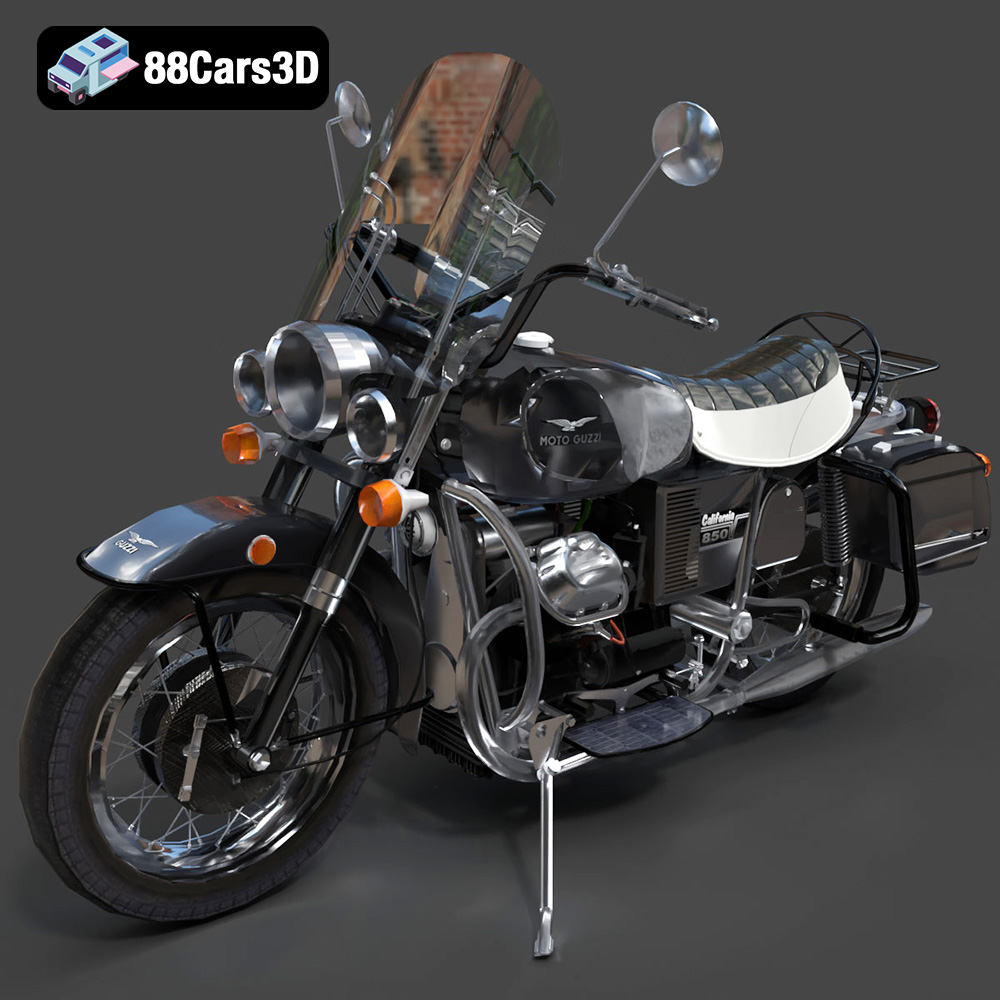
Download the Moto Guzzi Classic Motorcycle 2024 3D Model featuring clean geometry, realistic detailing, and a fully modeled interior. Includes .blend, .fbx, .obj, .glb, .stl, .ply, .unreal, and .max formats for rendering, simulation, and game development.
Price: $10

Texture: Yes
Material: Yes
Download the Mercedes S-Class 2024 3D Model featuring clean geometry, realistic detailing, and a fully modeled interior. Includes .blend, .fbx, .obj, .glb, .stl, .ply, .unreal, and .max formats for rendering, simulation, and game development.
Price: $10

Texture: Yes
Material: Yes
Download the Chevrolet Camaro 1970 3D Model featuring clean geometry, realistic detailing, and a fully modeled interior. Includes .blend, .fbx, .obj, .glb, .stl, .ply, .unreal, and .max formats for rendering, simulation, and game development.
Price: $10

Texture: Yes
Material: Yes
Download the Mercedes-AMG GT 2015 3D Model featuring clean geometry, realistic detailing, and a fully modeled interior. Includes .blend, .fbx, .obj, .glb, .stl, .ply, .unreal, and .max formats for rendering, simulation, and game development.
Price: $88.99

Texture: Yes
Material: Yes
Download the Suzuki GSX-R 1000 3D Model featuring clean geometry, realistic detailing, and a fully modeled interior. Includes .blend, .fbx, .obj, .glb, .stl, .ply, .unreal, and .max formats for rendering, simulation, and game development.
Price: $10

Texture: Yes
Material: Yes
Download the Porsche Cayman S 2024 3D Model featuring clean geometry, realistic detailing, and a fully modeled interior. Includes .blend, .fbx, .obj, .glb, .stl, .ply, .unreal, and .max formats for rendering, simulation, and game development.
Price: $10

Texture: Yes
Material: Yes
Download the Holden Commodore Sportwagon 2017 3D Model featuring clean geometry, realistic detailing, and a fully modeled interior. Includes .blend, .fbx, .obj, .glb, .stl, .ply, .unreal, and .max formats for rendering, simulation, and game development.
Price: $10
Texture: Yes
Material: Yes
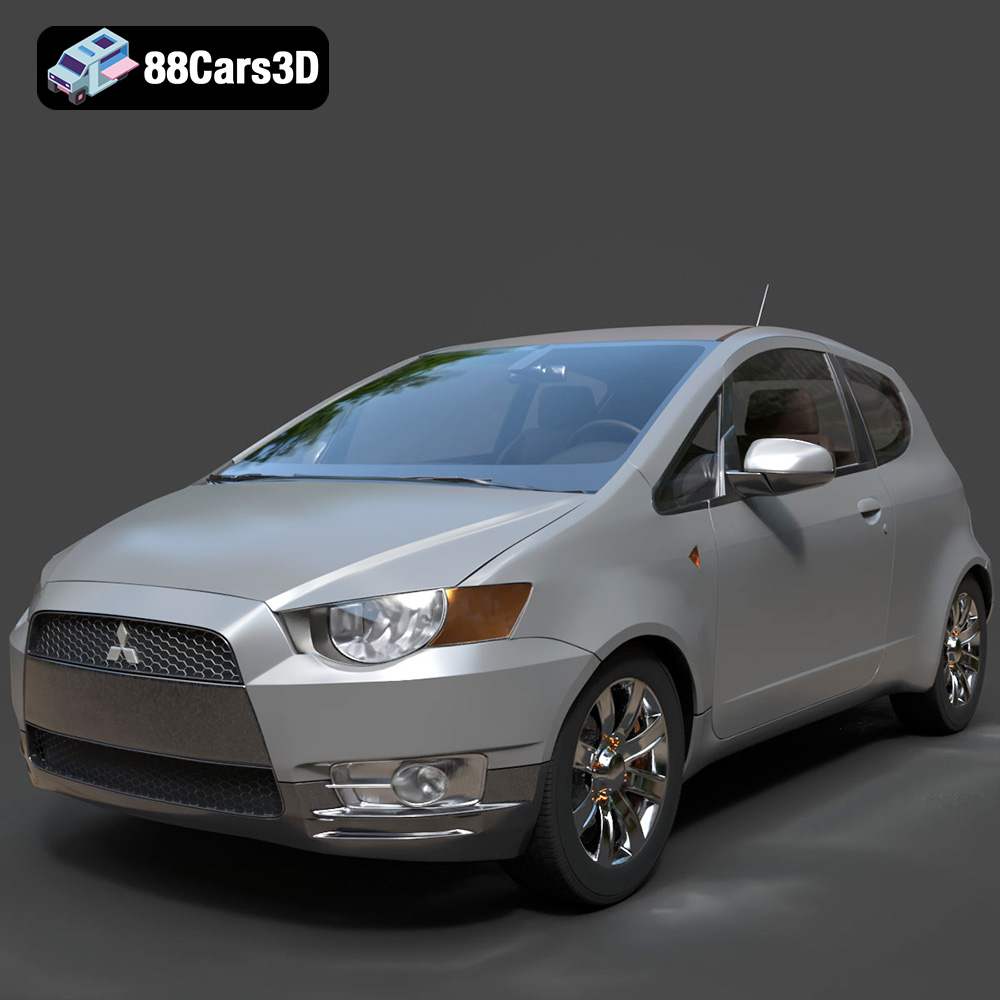
Download the Mitsubishi Colt 3 Door 2008 3D Model featuring clean geometry, realistic detailing, and a fully modeled interior. Includes .blend, .fbx, .obj, .glb, .stl, .ply, .unreal, and .max formats for rendering, simulation, and game development.
Price: $10
Texture: Yes
Material: Yes
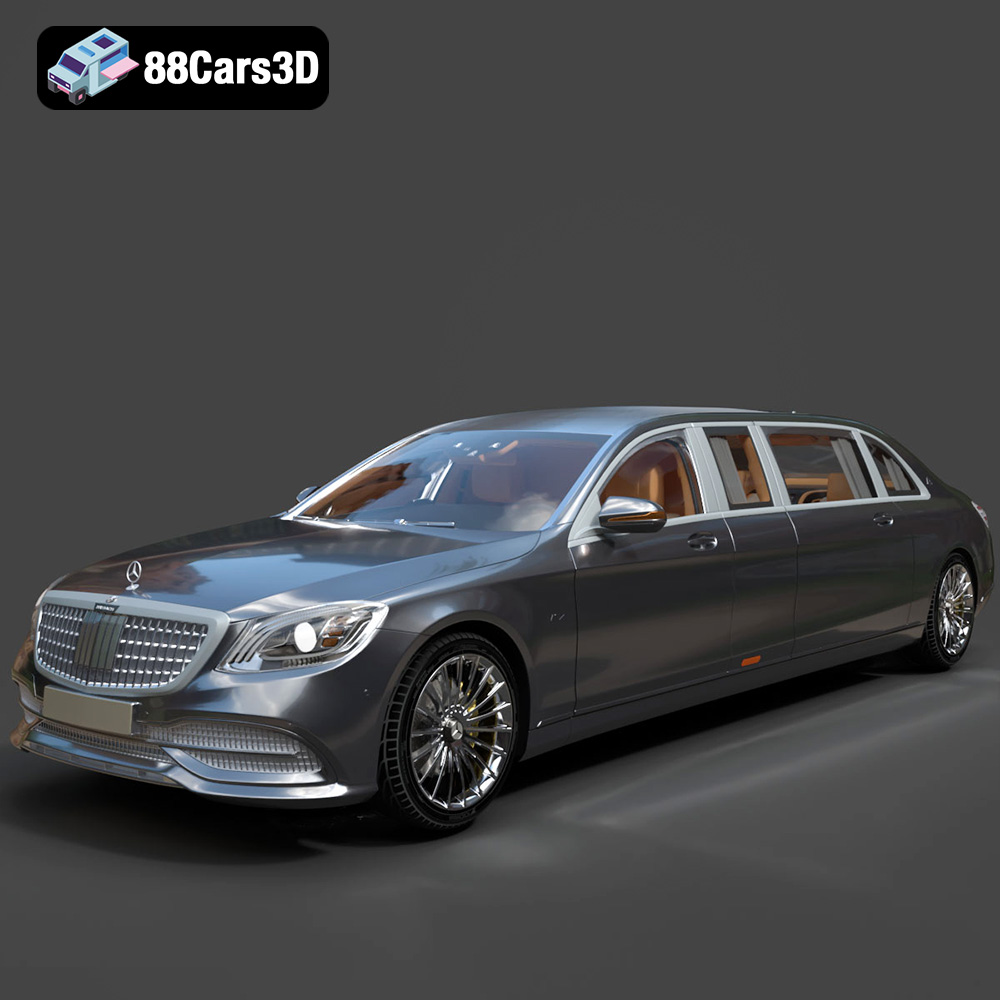
Download the Mercedes-Benz S650 Pullman 3D Model featuring clean geometry, realistic detailing, and a fully modeled interior. Includes .blend, .fbx, .obj, .glb, .stl, .ply, .unreal, and .max formats for rendering, simulation, and game development.
Price: $95.99
Texture: Yes
Material: Yes
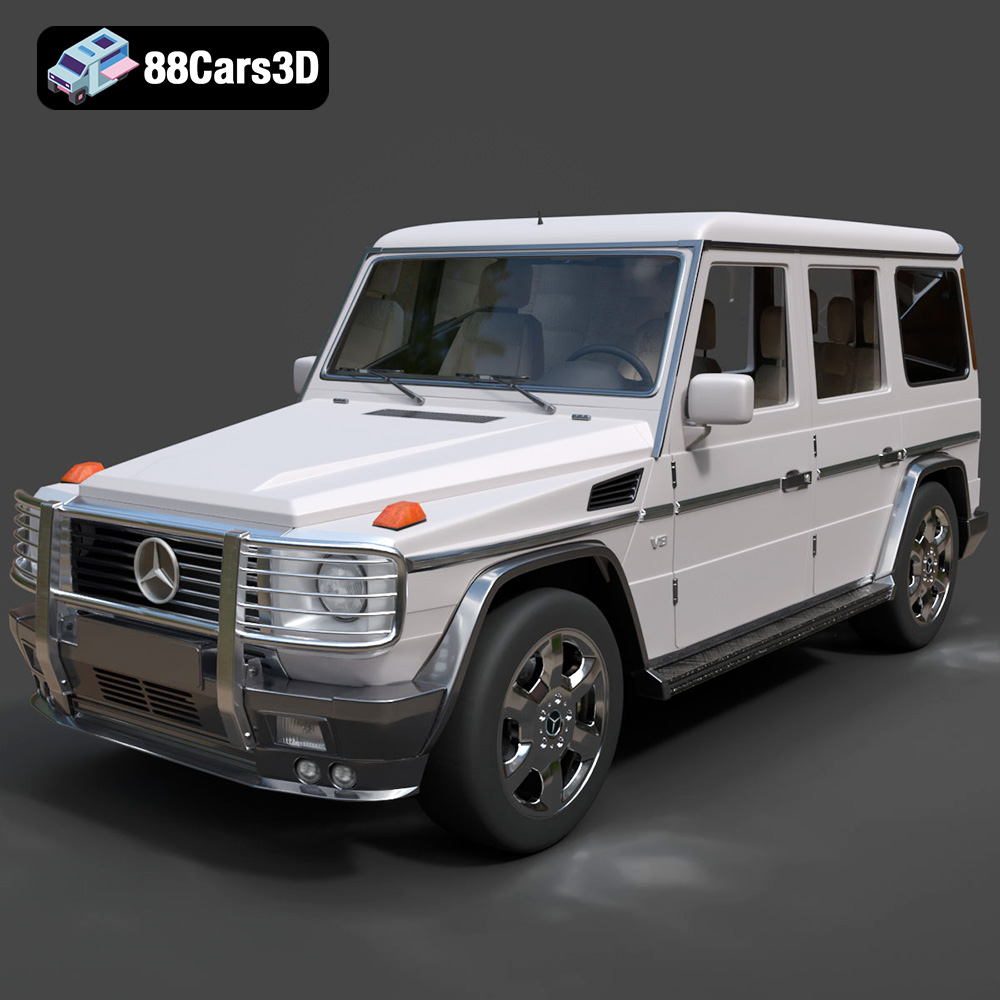
Download the Mercedes G-Class SUV 2024 3D Model featuring clean geometry, realistic detailing, and a fully modeled interior. Includes .blend, .fbx, .obj, .glb, .stl, .ply, .unreal, and .max formats for rendering, simulation, and game development.
Price: $10

