⚡ FLASH SALE: Get 60% OFF All Premium 3D & STL Models! ⚡

“`html
In the ever-evolving landscape of 3D printing, where new file formats emerge regularly, one format has consistently stood the test of time: the STL (Stereolithography) file. From hobbyists crafting intricate figurines to engineers prototyping complex automotive components, STL has become synonymous with 3D printing. But what makes this relatively simple format so enduring? This comprehensive guide explores the core reasons behind STL’s popularity, its technical underpinnings, its strengths and limitations, and how to optimize your workflow when using STL files for 3D printing, especially when working with detailed printable car models from platforms like 88cars3d.com.
We’ll delve into the technical details of the STL format, examining its mesh structure and how it’s interpreted by slicing software. We’ll also cover essential techniques for preparing STL files for printing, including mesh repair, orientation optimization, and support structure generation. Whether you’re a seasoned 3D printing professional or just starting your journey, understanding STL is crucial for achieving high-quality, reliable prints. Let’s explore why this format continues to reign supreme in the world of additive manufacturing.
STL’s enduring popularity stems from a combination of historical factors, simplicity, and broad compatibility. Originally developed for stereolithography, one of the earliest 3D printing technologies, STL quickly became a de facto standard. Its simple representation of 3D geometry as a collection of triangles has made it easy to implement across different software and hardware platforms.
The STL format’s simplicity is a key strength. It represents a 3D object’s surface as a mesh of triangles, each defined by its vertices and a normal vector. This straightforward structure makes it easy for software to parse and interpret, ensuring broad compatibility across different CAD programs, slicing software, and 3D printers. Most 3D printing software packages natively support STL files, making it a hassle-free choice for users. This universal support is vital, particularly for those downloading models from marketplaces such as 88cars3d.com, where diverse users with varying software preferences access the files.
The widespread adoption of STL has created a robust ecosystem of software tools for viewing, editing, and manipulating these files. From free and open-source options like MeshLab and Blender to commercial packages like Netfabb and Materialise Magics, there are tools available for every need and budget. Similarly, nearly all 3D printers, regardless of technology (FDM, SLA, SLS, etc.), support STL files, making it a truly universal format. This extensive compatibility minimizes the risk of file format incompatibility issues, saving time and frustration.
Compared to more complex file formats that store information about color, texture, or material properties, STL files are relatively lightweight. This lower computational overhead makes them ideal for processing on lower-powered computers and for transferring over networks. The simpler the file, the faster it can be sliced and the quicker the printing process can begin. This is particularly relevant when dealing with complex printable car models where file sizes can become substantial.
To truly appreciate the STL format, it’s essential to understand its technical structure. STL files store 3D geometry as a tessellated surface, approximating the object’s shape using a collection of connected triangles. Each triangle is defined by three vertices, each with three coordinates (X, Y, Z), and a normal vector indicating the triangle’s orientation.
STL files come in two flavors: ASCII and binary. ASCII STL files are human-readable, storing the triangle data as text. While easier to inspect manually, ASCII files are significantly larger than their binary counterparts. Binary STL files store the data in a more compact, binary format, resulting in smaller file sizes and faster processing. For most 3D printing applications, binary STL is the preferred choice due to its efficiency. A typical ASCII STL file might be several megabytes in size, while the equivalent binary file could be just a few hundred kilobytes.
The accuracy of the STL representation depends on the density of the triangle mesh. A finer mesh, with more triangles, will more accurately represent the object’s curved surfaces. However, increasing the triangle count also increases the file size and computational load. Finding the right balance between accuracy and efficiency is crucial. When preparing STL files for highly detailed models, like those of classic cars, a higher triangle count is generally necessary to capture the intricate details accurately.
Each triangle in an STL file has a normal vector, which indicates the direction the triangle is facing. The normal vector is crucial for determining the inside and outside of the object. Incorrectly oriented normal vectors can lead to issues during slicing, such as inverted surfaces or missing sections. Mesh repair tools often focus on correcting normal vector orientations to ensure a valid and printable model.
Before sending an STL file to your 3D printer, it’s crucial to prepare it properly. This involves several steps, including mesh repair, orientation optimization, and support structure generation. A well-prepared STL file can significantly improve print quality and reduce the risk of printing failures.
STL files, especially those converted from other formats or downloaded from online sources, can often contain errors such as gaps, holes, self-intersections, and flipped normals. These errors can cause problems during slicing or even lead to printing failures. Mesh repair tools like Netfabb, MeshLab, and the online service MakePrintable can automatically detect and fix many of these issues. Common repair actions include closing holes, stitching edges, and reorienting normals. For example, using Netfabb’s “Automatic Repair” function with default settings is often a good starting point. When downloading models from marketplaces like 88cars3d.com, the files are typically pre-validated, but it’s still a good practice to perform a quick check.
The orientation of the model on the print bed significantly impacts print quality, support structure requirements, and print time. Optimizing the orientation can minimize the need for support structures, improve surface finish, and increase bed adhesion. Consider factors like minimizing overhangs, orienting critical features for optimal resolution, and aligning the model to reduce the build height. For example, printing a car body at an angle can reduce the amount of support material needed on the roof and hood.
Support structures are often necessary to support overhanging features during printing. Slicing software like Cura, PrusaSlicer, and Simplify3D can automatically generate support structures. However, it’s important to choose the right support structure settings, including density, overhang angle, and support interface thickness. Too little support can lead to print failures, while too much support can be difficult to remove and leave unsightly marks on the finished print. Experiment with different support patterns and densities to find the optimal balance for your specific model and printer.
Slicing is the process of converting an STL file into a set of instructions that the 3D printer can understand. Slicing software divides the 3D model into thin layers and generates a toolpath for the printer to follow. The slicing parameters you choose can significantly impact the print quality, strength, and speed.
Layer height is the thickness of each layer of printed material. Lower layer heights result in smoother surfaces and finer details but also increase print time. Higher layer heights print faster but can lead to a “stair-stepping” effect on curved surfaces. A common starting point for FDM printing is a layer height of 0.2mm, but you can experiment with values ranging from 0.1mm to 0.3mm depending on the desired level of detail. For resin printing, layer heights can be even finer, typically ranging from 0.025mm to 0.05mm.
Infill refers to the internal structure of the 3D printed object. Infill density determines the amount of material used to fill the interior, while the infill pattern affects the strength and weight of the print. Higher infill densities result in stronger prints but also increase material usage and print time. Common infill patterns include rectilinear, grid, and honeycomb. A typical infill density for general-purpose printing is 20%, but you may need to increase it for parts that require high strength. For example, printing a car chassis might require a higher infill density (e.g., 50%) compared to printing a decorative element.
Print speed and temperature are critical parameters that affect print quality and adhesion. Printing too fast can lead to poor layer adhesion and warping, while printing too slow can result in excessive stringing and oozing. The optimal print speed and temperature depend on the material being used and the printer’s capabilities. Consult the material manufacturer’s recommendations for starting points and adjust as needed based on your observations. A good starting point for PLA is a nozzle temperature of 200°C and a bed temperature of 60°C, with a print speed of 50mm/s.
Even with careful preparation and slicing, 3D printing can still be prone to failures. Understanding common failure modes and their causes can help you troubleshoot problems and improve your printing success rate.
Warping occurs when the printed object lifts off the print bed due to uneven cooling and thermal contraction. This is a common problem with materials like ABS that have a high coefficient of thermal expansion. To prevent warping, ensure that the print bed is clean and level, use a heated bed, and apply an adhesive such as glue stick or hairspray. Enclosing the printer can also help to maintain a more consistent temperature and reduce warping. Increasing the bed temperature by 5-10°C can sometimes resolve minor warping issues.
Layer delamination occurs when the layers of the printed object fail to adhere properly to each other. This can be caused by insufficient nozzle temperature, poor layer adhesion, or inadequate cooling. Increase the nozzle temperature, reduce the print speed, and ensure that the cooling fan is not blowing directly on the print during the initial layers. Also, make sure that the STL file is properly oriented to minimize stress on the layers.
Support structure failures can lead to the collapse of overhanging features. This can be caused by inadequate support density, incorrect support placement, or weak support connections. Increase the support density, adjust the support placement to provide better coverage, and use a support interface layer to improve adhesion between the support and the printed object. After printing, carefully remove the support structures using pliers or a sharp knife. Consider using dissolvable support materials like PVA for complex geometries, where support removal can be challenging.
While STL remains the most popular format for 3D printing, it has limitations. Newer file formats like 3MF and AMF offer improved features such as support for color, materials, and metadata. However, STL’s simplicity and widespread support ensure its continued relevance in the industry. Exploring advanced techniques and staying informed about future trends can help you push the boundaries of what’s possible with 3D printing and STL files. Platforms like 88cars3d.com will likely continue to adapt and support a range of file formats as the technology evolves.
While STL defines the geometry, other file formats can be used to add information about color, texture, and material properties. For example, you can use a combination of STL for the shape and a separate image file for the texture. This approach allows you to create more visually appealing and realistic 3D printed objects. Some software can also combine STL files with metadata from other formats, such as information about the printing parameters or the intended application.
3MF (3D Manufacturing Format) and AMF (Additive Manufacturing File Format) are newer file formats designed to address some of the limitations of STL. They support color, materials, metadata, and more complex geometric representations. While these formats are gaining traction, they have not yet achieved the same level of widespread support as STL. As the 3D printing industry matures, it’s likely that these formats will become more prevalent.
Despite the emergence of newer file formats, STL is likely to remain a cornerstone of 3D printing for the foreseeable future. Its simplicity, broad compatibility, and large installed base make it a reliable and versatile choice for a wide range of applications. By understanding the strengths and limitations of STL and mastering the techniques for preparing and slicing STL files, you can unlock the full potential of 3D printing and create stunning, functional objects.
STL’s reign as the most popular file format in 3D printing is no accident. Its simplicity, universal compatibility, and low computational overhead have made it the go-to choice for hobbyists, engineers, and manufacturers alike. While newer formats like 3MF and AMF offer advanced features, STL’s enduring legacy ensures its continued relevance in the ever-evolving landscape of additive manufacturing. By understanding the nuances of the STL format, including its technical structure, preparation techniques, and slicing parameters, you can significantly improve your 3D printing outcomes. Remember to prioritize mesh repair, optimize print orientation, and carefully select your slicing settings to achieve the best possible results.
Whether you’re printing intricate car models from 88cars3d.com or prototyping functional components, mastering STL is a crucial step in your 3D printing journey. So, dive in, experiment with different settings, and don’t be afraid to troubleshoot along the way. With a solid understanding of STL, you’ll be well-equipped to tackle any 3D printing challenge and bring your creative visions to life. Start by downloading a simple STL file and practicing mesh repair. Next, experiment with different slicing parameters to see how they affect print quality. Finally, share your experiences with the 3D printing community and continue to learn and grow.
“`
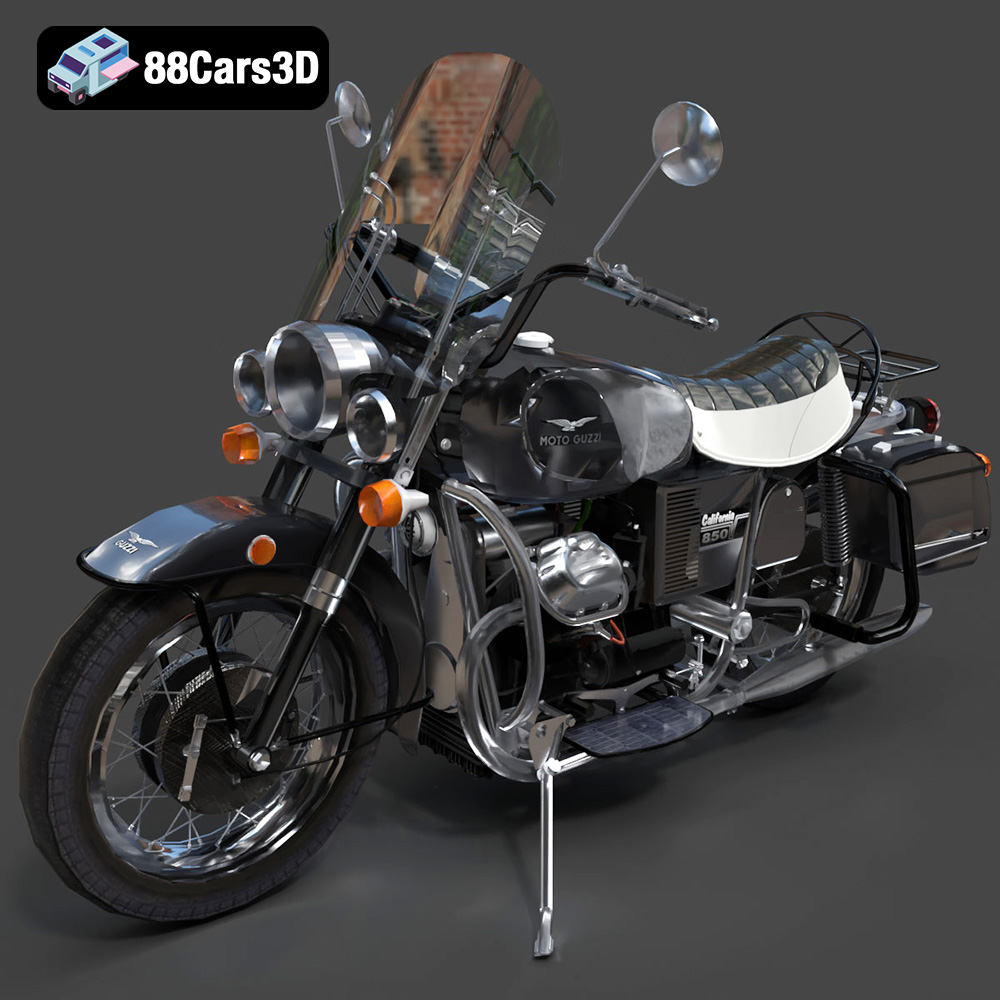
Texture: Yes
Material: Yes
Download the Moto Guzzi Classic Motorcycle 2024 3D Model featuring clean geometry, realistic detailing, and a fully modeled interior. Includes .blend, .fbx, .obj, .glb, .stl, .ply, .unreal, and .max formats for rendering, simulation, and game development.
Price: $10

Texture: Yes
Material: Yes
Download the Horch 853 Sport Cabriolet 1937 3D Model featuring clean geometry, realistic detailing, and a fully modeled interior. Includes .blend, .fbx, .obj, .glb, .stl, .ply, .unreal, and .max formats for rendering, simulation, and game development.
Price: $10
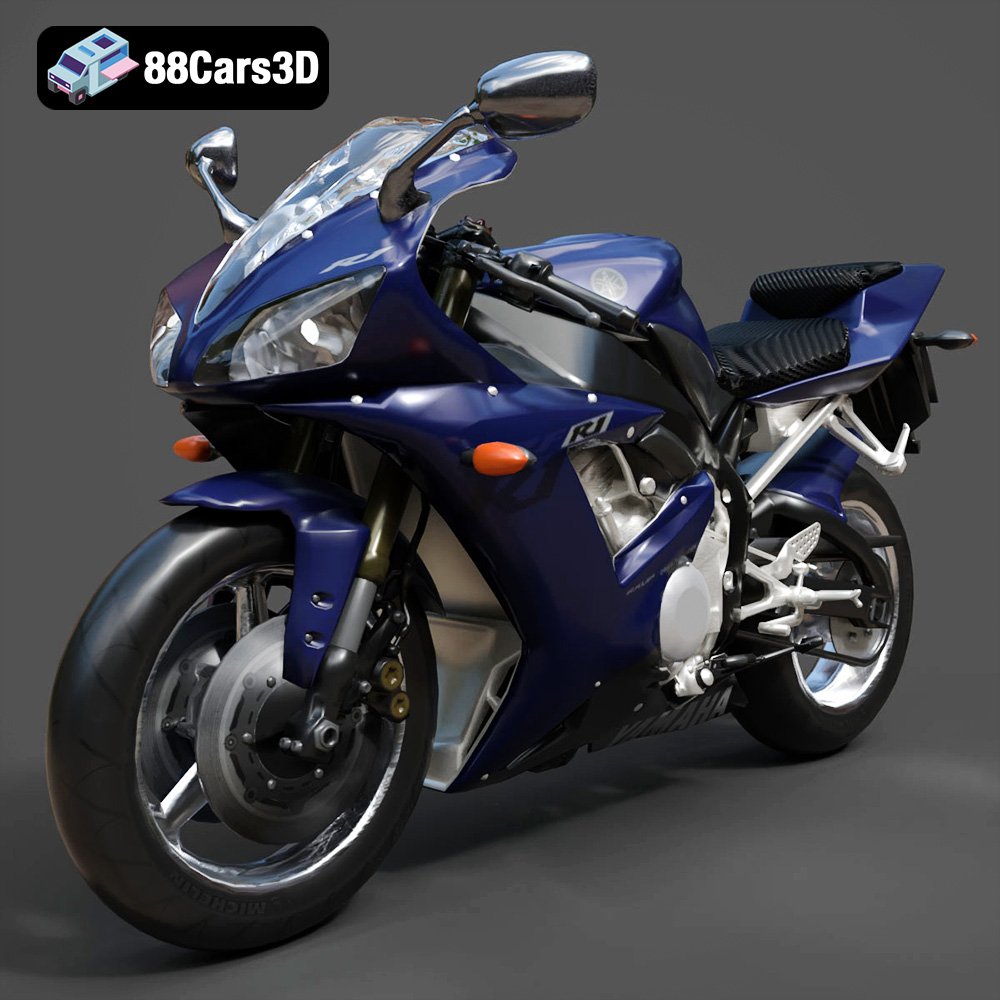
Texture: Yes
Material: Yes
Download the Yamaha YZF-R1 Motorcycle 3D Model featuring clean geometry, realistic detailing, and a fully modeled interior. Includes .blend, .fbx, .obj, .glb, .stl, .ply, .unreal, and .max formats for rendering, simulation, and game development.
Price: $10
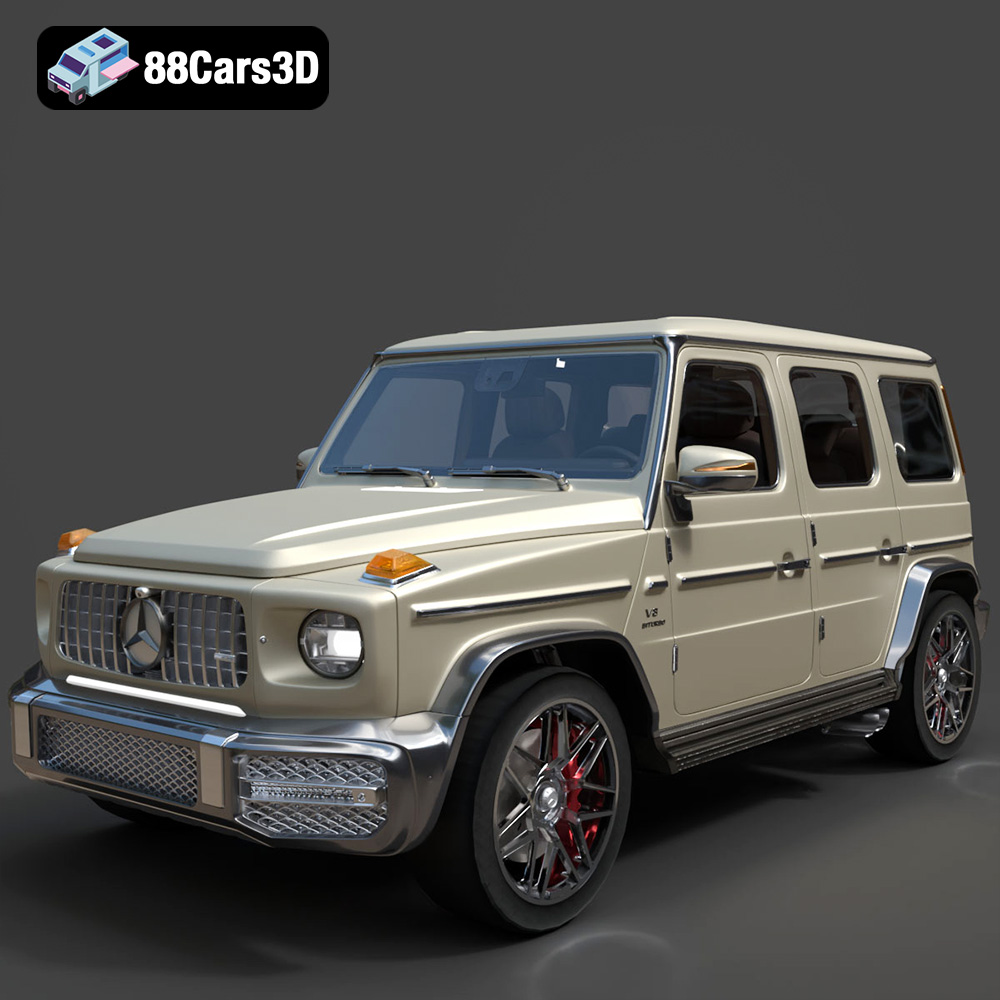
Texture: Yes
Material: Yes
Download the Mercedes Benz G63 AMG 2019 3D Model featuring clean geometry, realistic detailing, and a fully modeled interior. Includes .blend, .fbx, .obj, .glb, .stl, .ply, .unreal, and .max formats for rendering, simulation, and game development.
Price: $90
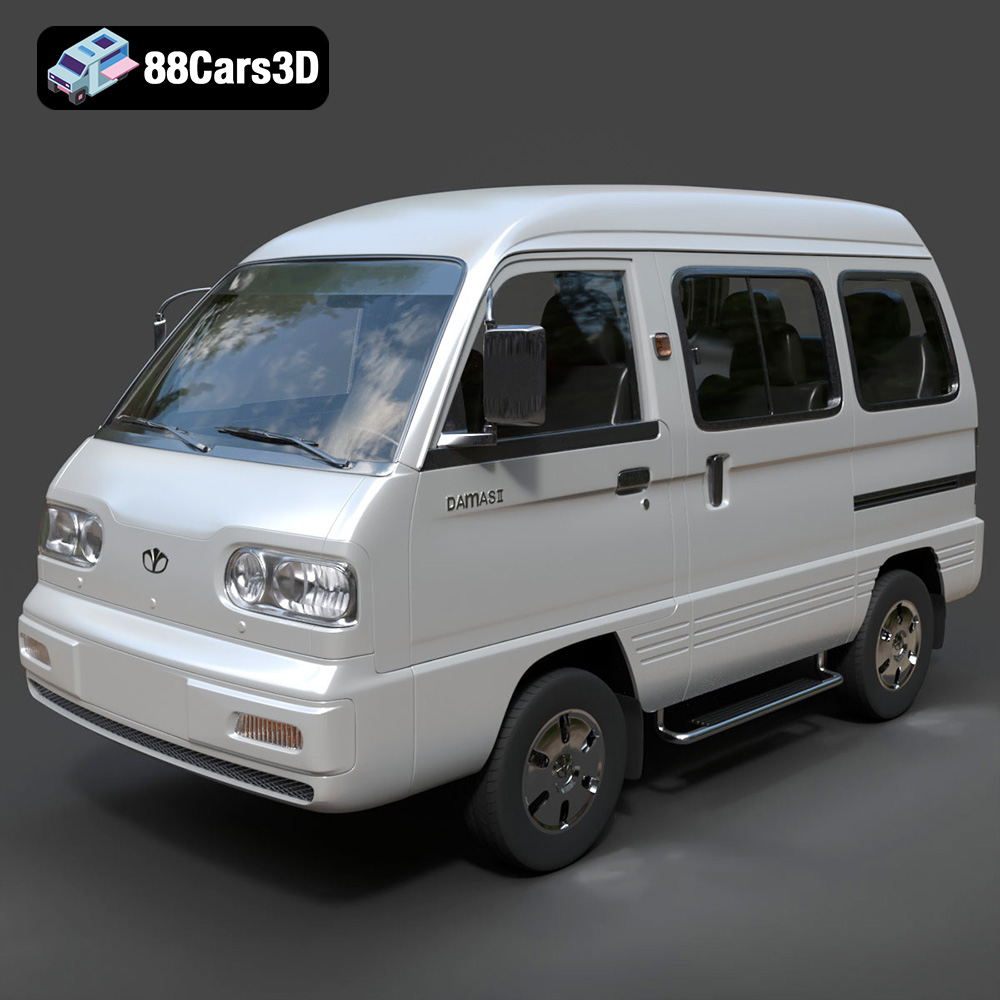
Texture: Yes
Material: Yes
Download the Daewoo Damas Mk2 2012 3D Model featuring clean geometry, realistic detailing, and a fully modeled interior. Includes .blend, .fbx, .obj, .glb, .stl, .ply, .unreal, and .max formats for rendering, simulation, and game development.
Price: $10
Texture: Yes
Material: Yes
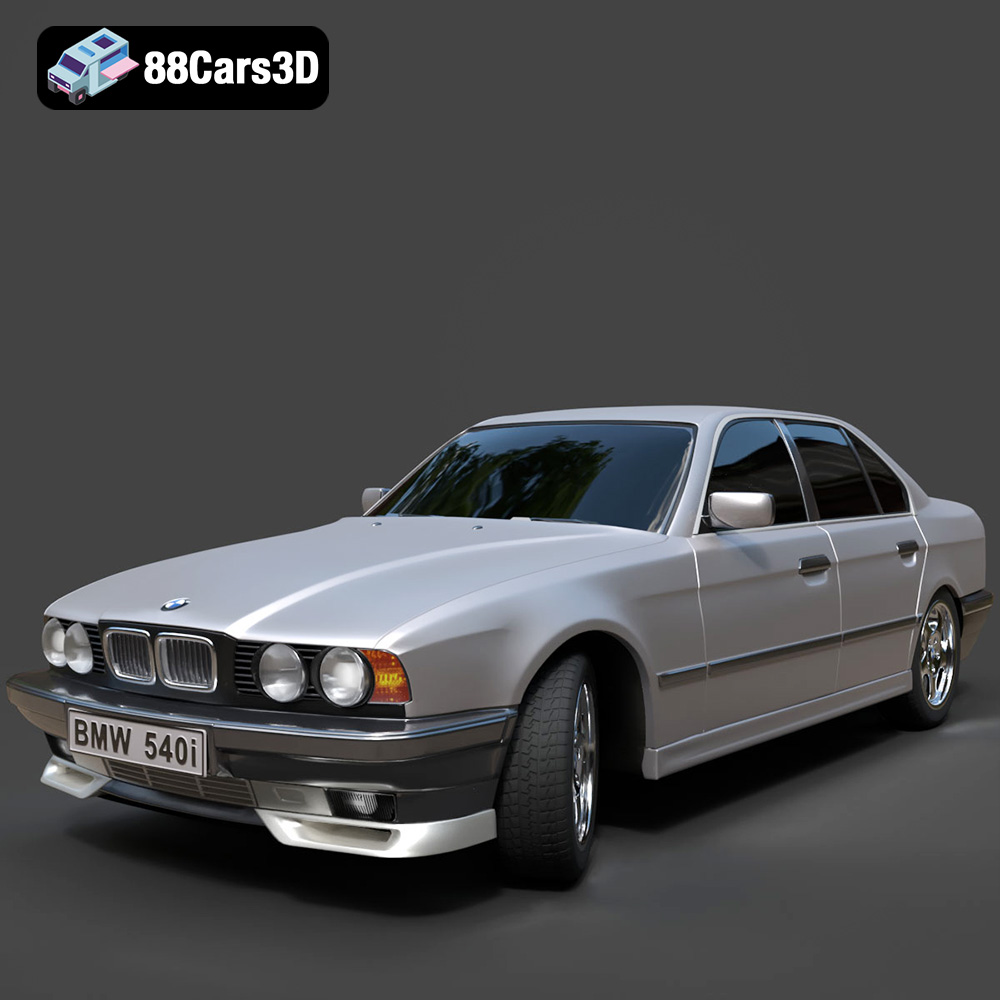
Download the BMW 540 E34 3D Model featuring clean geometry, realistic detailing, and a fully modeled interior. Includes .blend, .fbx, .obj, .glb, .stl, .ply, .unreal, and .max formats for rendering, simulation, and game development.
Price: $10

Texture: Yes
Material: Yes
Download the BMW 8 Series Coupe 2020 3D Model featuring clean geometry, realistic detailing, and a fully modeled interior. Includes .blend, .fbx, .obj, .glb, .stl, .ply, .unreal, and .max formats for rendering, simulation, and game development.
Price: $10

Texture: Yes
Material: Yes
Download the Mercedes-Benz CLA45 AMG 2017 3D Model featuring clean geometry, realistic detailing, and a fully modeled interior. Includes .blend, .fbx, .obj, .glb, .stl, .ply, .unreal, and .max formats for rendering, simulation, and game development.
Price: $21.99
Texture: Yes
Material: Yes
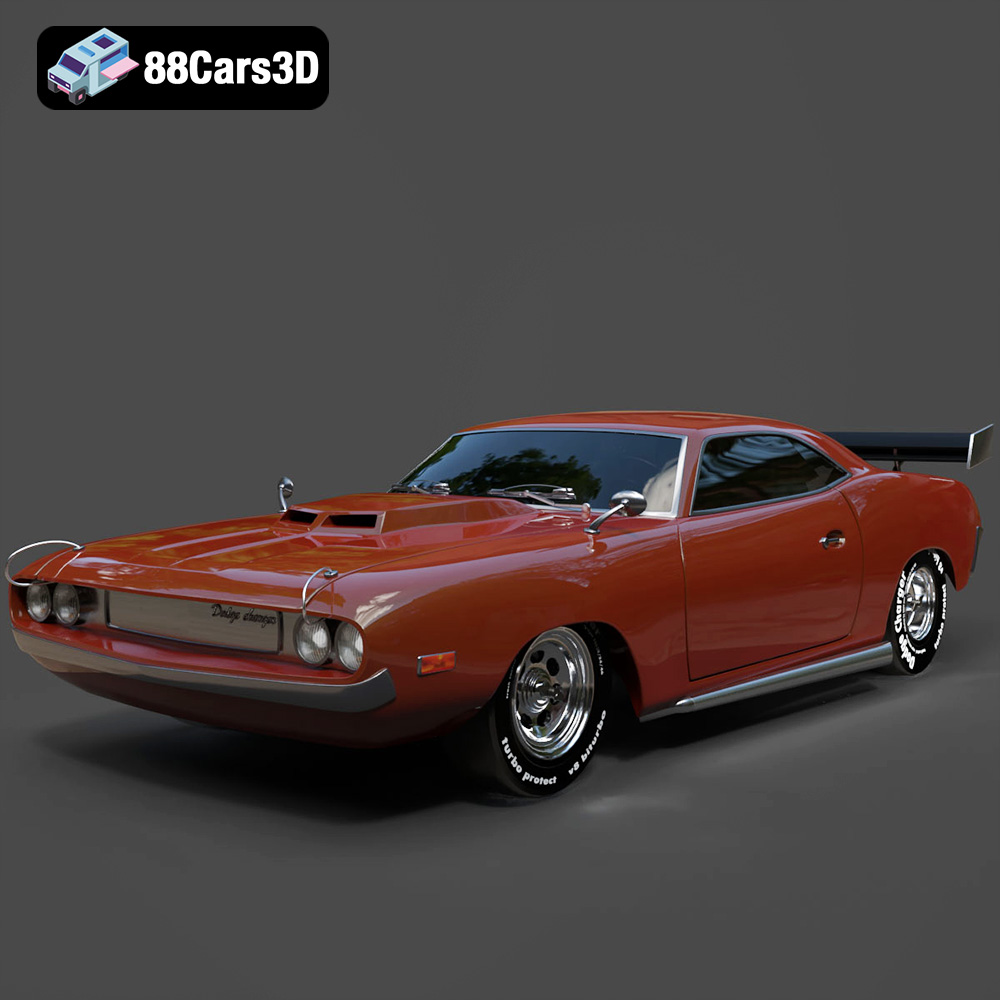
Download the Dodge Charger Car-004 3D Model featuring clean geometry, realistic detailing, and a fully modeled interior. Includes .blend, .fbx, .obj, .glb, .stl, .ply, .unreal, and .max formats for rendering, simulation, and game development.
Price: $10

Texture: Yes
Material: Yes
Download the Austin Mini Cooper S 1965 3D Model featuring clean geometry, realistic detailing, and a fully modeled interior. Includes .blend, .fbx, .obj, .glb, .stl, .ply, .unreal, and .max formats for rendering, simulation, and game development.
Price: $10

