⚡ FLASH SALE: Get 60% OFF All Premium 3D & STL Models! ⚡

“`html
The world of 3D printing, especially when it comes to intricate models like those found on 88cars3d.com, hinges on a seemingly simple yet incredibly powerful file format: STL. You’ve likely downloaded and printed many of these files, perhaps marveling at how a digital design translates into a physical object. But have you ever stopped to wonder what’s really going on under the hood of an STL file? It’s more than just a collection of data; it’s the fundamental blueprint that dictates the success or failure of your print. Understanding the inner workings of STL files – specifically their reliance on a mesh of triangles – is crucial for achieving the high-quality, detailed results you desire, whether you’re creating a collectible die-cast replica, a functional prototype, or an educational display piece. This comprehensive guide will demystify the STL format, exploring its structure, the role of triangulation, common mesh issues, and how to prepare these files for optimal 3D printing. By the end, you’ll gain a deeper appreciation for the data driving your printer and be better equipped to troubleshoot common printing problems, ensuring your printable car models come to life with exceptional accuracy.
At its core, 3D printing is about depositing material layer by layer to build a physical object. The digital instructions that guide this process need to describe the shape of that object in a way that a 3D printer can understand. This is where the concept of a 3D mesh comes into play. A mesh is a collection of points (vertices), lines connecting those points (edges), and surfaces formed by those lines (faces). For 3D printing, these faces are almost universally defined as triangles. Think of it like building a complex sphere out of many small, flat triangles; the more triangles you use, and the smaller they are, the smoother and more accurate the final shape will appear.
Every STL file contains a list of these triangular faces. Each triangle is defined by three vertices, which are essentially coordinates in 3D space (X, Y, Z). Crucially, each triangle also has a normal vector – a vector perpendicular to the face, pointing outwards. This normal vector tells the slicing software which side of the triangle is the “outside” of the model and which is the “inside.” This orientation information is vital. If the normal vectors are inconsistent (some pointing in, some out, or all pointing the wrong way), the slicing software can’t correctly interpret the shape, leading to errors like hollow shells where solid parts should be, or vice versa. This consistency is a key aspect of “manifold” or “watertight” meshes – a prerequisite for successful 3D printing.
The decision to use triangles as the fundamental unit in STL files is a deliberate one, driven by mathematical simplicity and computational efficiency. Triangles are the simplest polygon that can define a plane. Any complex surface, no matter how curved or intricate, can be approximated by a sufficient number of small, flat triangles. This triangulation process is called tessellation. While it introduces some degree of approximation (especially for curved surfaces), for 3D printing, it provides a universal language that virtually all 3D modeling software and slicers can process. Unlike formats that might use NURBS or other mathematical curves, STL’s reliance on simple geometric primitives makes it computationally less intensive to parse and prepare for printing, a significant advantage when dealing with detailed models like high-resolution printable car models.
When you encounter an STL file, you might not realize there are actually two different ways the triangular data can be stored: ASCII and Binary. Both formats describe the same geometrical information, but they do so with vastly different file sizes and human readability. The choice between them can impact file management, transfer times, and even the speed at which slicing software can process the model. Understanding these differences can help you make informed decisions when downloading or exporting STL files, especially when working with very large or complex models.
ASCII STL files are text-based. They are structured in a way that a human can open them in a simple text editor and read the vertex coordinates and normal vectors. The structure typically starts with a `solid` keyword, followed by the model name, then a series of `facet normal` definitions, each containing three `vertex` coordinates. It ends with `endfacet` and `endsolid` keywords. While this readability is a boon for debugging or understanding the raw data, it comes at a significant cost: file size. Each number and keyword is represented by multiple characters, making ASCII STL files considerably larger than their binary counterparts, often by a factor of 5 or more. For intricate 3D printable car models with thousands of triangles, ASCII STLs can become unwieldy.
Binary STL files store the same data but in a much more compact, non-human-readable format. Instead of characters representing numbers, the actual binary representation of the floating-point numbers for coordinates and vectors is used. This drastically reduces the file size. A typical Binary STL structure includes an 80-byte header, followed by a 4-byte integer indicating the number of triangular facets. Then, for each facet, there’s the normal vector (3 floats) and the three vertex coordinates (each 3 floats), all stored as binary data. This efficiency is why most 3D modeling and slicing software prefer or default to Binary STL. When downloading detailed models from marketplaces such as 88cars3d.com, you’ll almost always be dealing with Binary STL files due to their smaller footprint, making downloads faster and managing your model library easier.
The most critical aspect of an STL file for 3D printing is its integrity. A “watertight” or “manifold” mesh is one that accurately represents a solid, enclosed volume with no holes, non-manifold edges (edges shared by more than two faces), or inverted faces. If a mesh isn’t watertight, the slicing software will struggle to determine the inside and outside of the model, leading to printing artifacts or outright failure. Ensuring mesh integrity is a fundamental step in preparing any STL file for printing.
Several common errors can plague STL files. Holes are gaps in the surface where triangles are missing. Non-manifold edges occur when an edge connects more than two faces, which isn’t possible in a physical object (imagine a book where the spine connects more than just the two pages). Inverted faces are triangles whose normal vectors point inwards, confusing the slicer. Coplanar faces (multiple triangles lying on the same plane and overlapping) can also cause issues. These errors can arise from flawed modeling practices, imperfections in exporting from 3D software, or issues during file conversion. Detecting these problems often requires specialized mesh repair software.
Fortunately, powerful software tools exist to identify and fix mesh errors. Meshmixer (though no longer actively developed, it’s still a valuable free tool), Netfabb (Autodesk’s professional solution), and even some advanced features within slicers like Cura or PrusaSlicer can analyze an STL file and highlight or automatically repair common issues. These tools often perform operations like “Make Solid” or “Close Holes.” For intricate models, especially those with fine details like those found on 88cars3d.com, manual inspection and repair in software like Blender might be necessary to ensure every surface is perfectly defined. The process often involves identifying problem areas, manually adding or correcting triangles, ensuring consistent normal vector orientation, and verifying that the resulting mesh is indeed watertight before proceeding to slicing.
Once you have a clean, watertight STL file, the next crucial step is slicing. Slicing software takes the 3D mesh and digitally “slices” it into hundreds or thousands of thin, horizontal layers. It then generates the precise toolpath commands (G-code) that your 3D printer follows to build the object layer by layer. The settings you choose during this process have a profound impact on print quality, speed, and material usage. Optimizing these settings for your specific printer and material is key to achieving the stunning results you expect from detailed printable car models.
Layer height is perhaps the most significant slicing parameter. It defines the thickness of each individual layer deposited by the printer. A smaller layer height (e.g., 0.05mm – 0.1mm) results in finer detail, smoother curves, and less visible layer lines. This is ideal for high-detail models where surface finish is paramount. However, it also means the printer has to lay down many more layers to complete the print, significantly increasing print time. Conversely, a larger layer height (e.g., 0.2mm – 0.3mm) prints much faster but results in more pronounced layer lines and reduced fine detail. For automotive models, achieving a balance is often necessary – perhaps using a smaller layer height for exterior body panels and a slightly larger one for internal structural components if applicable.
Infill refers to the internal structure that fills the volume inside the outer walls of your print. It’s not solid plastic throughout. You can control the infill percentage (how much of the internal volume is filled) and the infill pattern (the geometric arrangement of the infill). For display models, a low infill percentage (5-15%) is often sufficient, saving material and print time while providing enough support for the outer walls. Patterns like “grid,” “lines,” or “gyroid” offer different strengths and support characteristics. For functional parts or models requiring more durability, a higher infill percentage and a stronger pattern like “cubic” or “gyroid” might be chosen. Careful selection of infill can optimize the balance between structural integrity, weight, and material consumption for your 3D printed car.
Print speed dictates how quickly the print head moves. Faster speeds reduce print time but can compromise accuracy and surface quality, especially on intricate details. Slower speeds allow for more precise extrusion and better layer adhesion but extend print duration. Typical speeds for FDM printing range from 40-60 mm/s for quality prints, though some printers and materials can handle higher speeds. Print temperature (nozzle and bed) is crucial for proper material adhesion and flow. Each filament type (PLA, PETG, ABS, etc.) has an optimal temperature range specified by the manufacturer. Deviating too far from these recommended temperatures can lead to under-extrusion, over-extrusion, poor layer adhesion, or warping. Always consult the filament manufacturer’s guidelines and perform calibration prints to fine-tune these critical 3D printer settings.
Many automotive models, with their aerodynamic curves, spoilers, and undercarriage details, feature overhangs and bridges that cannot be printed in mid-air. This is where support structures come in. Supports are temporary, easily removable material printed beneath these unsupported sections, providing a foundation until the print solidifies. Proper generation, placement, and removal of supports are critical for achieving clean, undamaged prints. Neglecting supports can lead to print failures, stringing, and surface scarring.
Slicing software offers various support options. Standard supports are tree-like structures, while tree supports branch out from contact points, often using less material and being easier to remove. You can define the angle of overhangs that require support (e.g., anything over 45 degrees). Important settings include support density (how solid the supports are), support pattern (similar to infill patterns), and support interface layers. Interface layers are denser, smoother layers printed directly below and above the model’s overhang, creating a cleaner surface finish on the model itself after support removal. Experimentation with these settings is key; too dense and they’re hard to remove, too sparse and they won’t provide adequate support.
Strategic placement of supports can minimize visual impact. Sometimes, rotating the model on the build plate (print orientation) can reduce the need for supports on critical surfaces. When generating supports, consider enabling “Support on build plate only” if possible, which keeps supports away from the model’s body. For intricate parts, supports can sometimes fuse to fine details, making removal challenging. Using a slightly lower support interface density or a support Z distance (the gap between the support and the model) can make them easier to detach. After printing, careful removal is essential. Tools like pliers, hobby knives, flush cutters, and even specialized deburring tools can be used. For resin prints, supports are often delicate and require careful cutting with a sharp blade.
The choice of material and the type of 3D printer you use significantly influence the outcome of your printable car models. Different materials offer varying levels of detail, strength, post-processing capabilities, and cost. Similarly, FDM and resin printers excel in different areas, making one potentially more suitable than the other for certain types of automotive models.
FDM (Fused Deposition Modeling) printers build objects by extruding melted filament layer by layer. They are generally more affordable, have a larger build volume, and can print with a wide range of robust materials like PLA, PETG, and ABS. FDM is excellent for larger models, structural components, or when cost-effectiveness is a priority. However, FDM prints typically exhibit visible layer lines and may struggle with extremely fine details. Resin printers (SLA/DLP/MSLA) use UV light to cure liquid resin layer by layer. They offer incredibly high resolution, producing exceptionally smooth surfaces and capturing the finest details. This makes resin printing ideal for highly detailed scale models, intricate engine components, or display pieces where surface finish is paramount. The downsides include smaller build volumes, more involved post-processing (washing and curing), and often more brittle prints compared to FDM materials.
For FDM printing, PLA is the go-to material for beginners and many hobbyists due to its ease of printing, low warping, and wide color availability. It’s great for static display models. PETG offers improved strength, temperature resistance, and durability, making it a good choice if your model needs to withstand some handling. ABS is strong and can be smoothed with acetone vapor, but it requires higher print temperatures and good ventilation due to fumes. For resin printing, standard “standard” resins offer good detail, while tough resins mimic the properties of ABS, and flexible resins can be used for tires or other pliable parts. When selecting materials, consider the intended use of your 3D printed car – will it be a display piece, a functional RC car chassis, or a detailed architectural model?
A 3D print is rarely finished straight off the build plate. Post-processing is the essential stage where you clean up, refine, and enhance your printed object to achieve a professional look. This can involve anything from simple cleanup to complex finishing techniques, transforming a raw print into a highly detailed replica.
After removing supports, the first step is cleaning. For FDM prints, this might involve trimming away any stray filament or support remnants. For resin prints, it means washing away uncured resin in isopropyl alcohol (IPA) and then curing the part under UV light. Sanding is crucial for smoothing layer lines on FDM prints or support marks on both FDM and resin prints. Start with a coarse grit sandpaper (e.g., 120-220) and gradually move to finer grits (400, 800, 1000, and even higher) for a smooth finish. For FDM prints with significant layer lines, filling is often necessary. Wood filler, automotive putty, or specialized 3D printing fillers can be applied, sanded smooth, and then primed. Repeated cycles of filling, sanding, and priming can achieve a near-perfectly smooth surface.
Once sanded and filled, priming is the next logical step. A good primer coat will reveal any remaining imperfections that need further attention and provide a uniform surface for paint adhesion. Apply thin, even coats, allowing each to dry thoroughly. Then comes the painting. For automotive models, airbrushing offers the smoothest and most professional finish, allowing for subtle gradients and clean panel lines. Spray cans are a more accessible option, but require careful application to avoid runs and uneven coverage. Hand-brushing is suitable for smaller details or weathering effects. Using hobby paints (acrylics are common) and applying multiple thin coats is generally better than one thick, gloppy coat. Clear coats (gloss, satin, or matte) can then be applied to protect the paintwork and achieve the desired final sheen.
By mastering the intricacies of STL files, from their triangular mesh structure to the nuances of slicing, support generation, and post-processing, you unlock the full potential of your 3D printer. Whether you’re downloading a meticulously crafted classic car from 88cars3d.com or designing your own, a solid understanding of these technical aspects ensures your creations are not just printed objects, but high-quality, detailed models that truly impress. Don’t let file preparation be a barrier to your creativity; embrace the technical journey and enjoy the rewarding process of bringing intricate automotive designs to life, one layer at a time.
“`
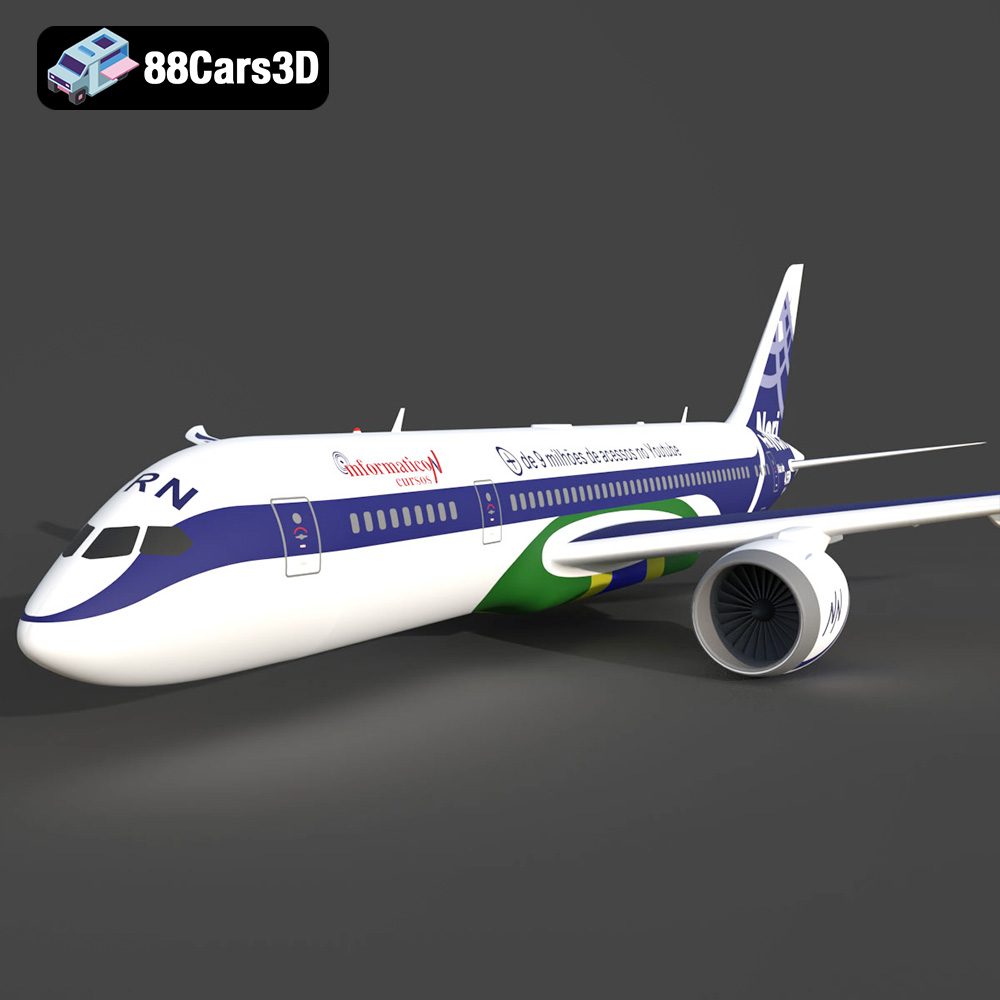
Texture: Yes
Material: Yes
Download the Airplane TRN-007 3D Model featuring clean geometry, realistic detailing, and a fully modeled interior. Includes .blend, .fbx, .obj, .glb, .stl, .ply, .unreal, and .max formats for rendering, simulation, and game development.
Price: $10
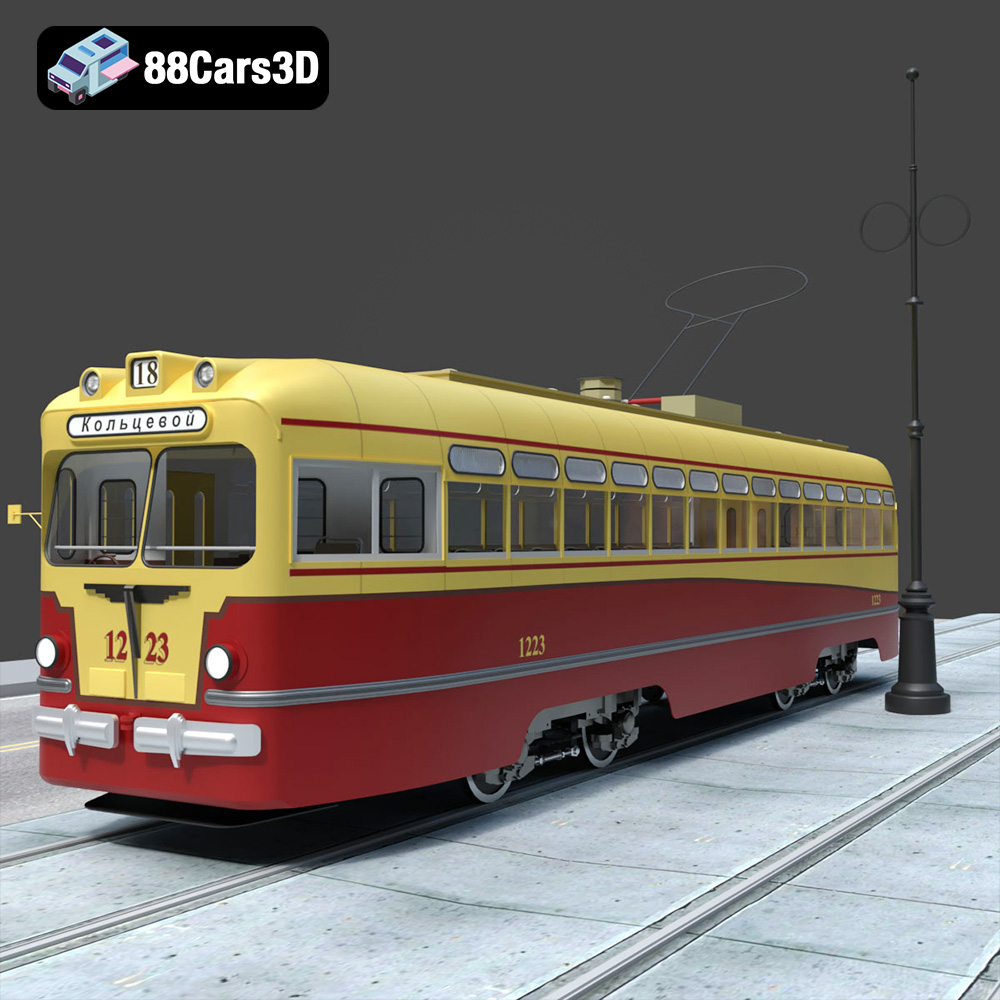
Texture: Yes
Material: Yes
Download the MTB-82 Tram 3D Model featuring clean geometry, realistic detailing, and a fully modeled interior. Includes .blend, .fbx, .obj, .glb, .stl, .ply, .unreal, and .max formats for rendering, simulation, and game development.
Price: $10
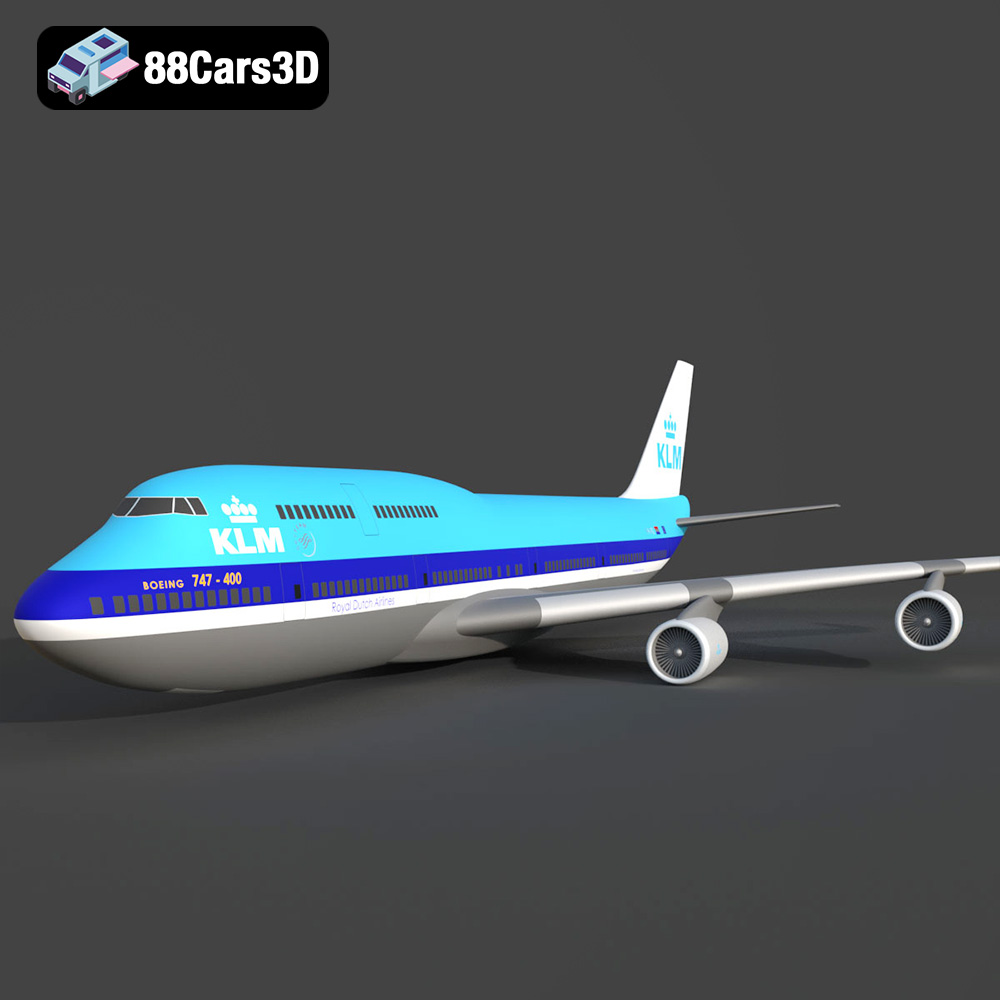
Texture: Yes
Material: Yes
Download the Boeing 747-400 KLM 3D Model featuring a detailed exterior, authentic livery, and realistic components. Includes .blend, .fbx, .obj, .glb, .stl, .ply, .unreal, and .max formats for rendering, simulation, and game development.
Price: $10.79
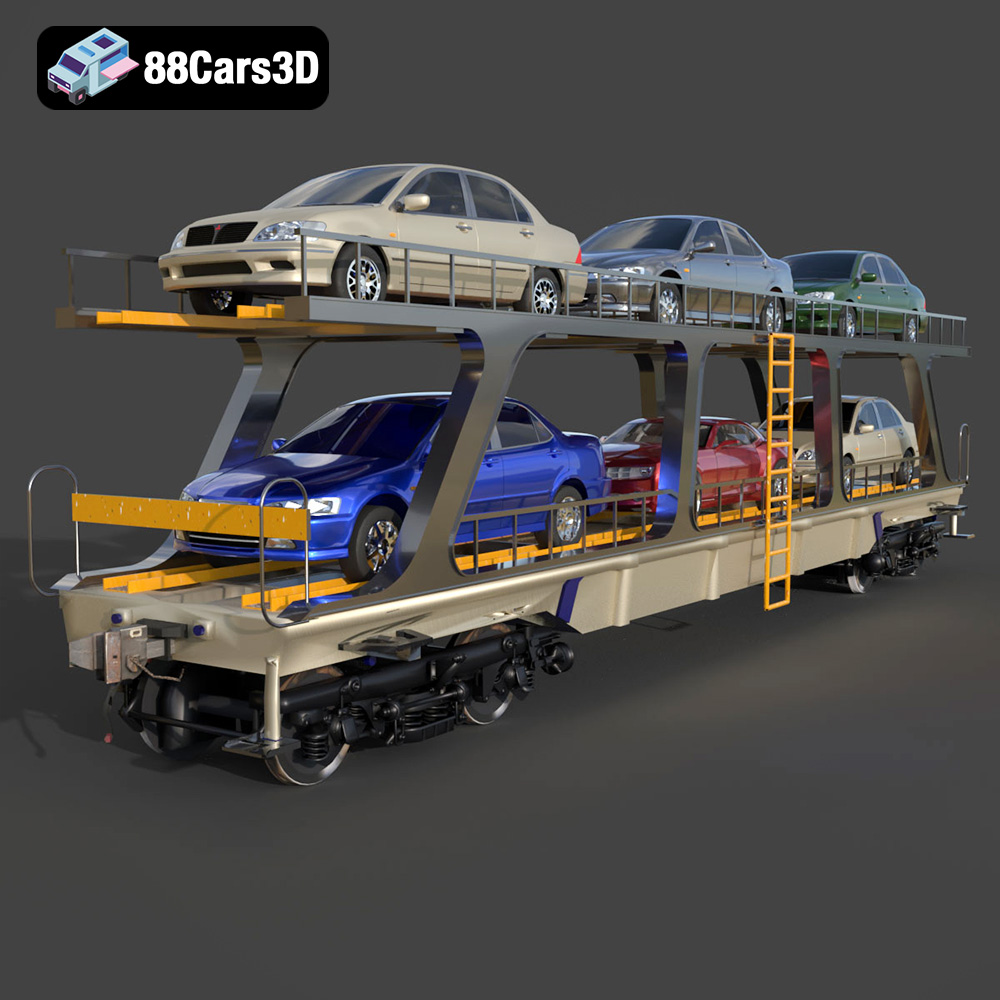
Texture: Yes
Material: Yes
Download the Avtovoz A Wagon 3D Model featuring a robust design for car transport. Includes .blend, .fbx, .obj, .glb, .stl, .ply, .unreal, and .max formats for rendering, simulation, and game development.
Price: $10.79
Texture: Yes
Material: Yes
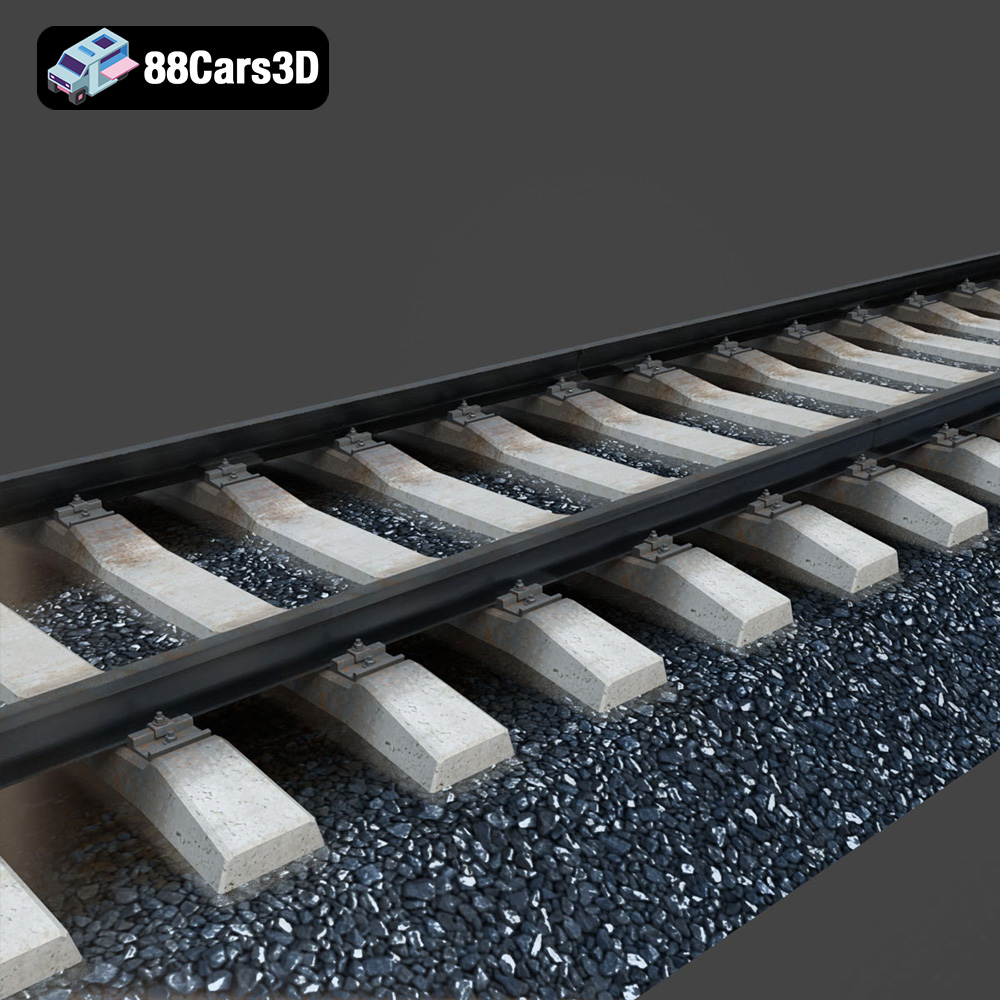
Download the Rail Road 006 3D Model featuring a detailed exterior, accurate proportions, and realistic textures. Includes .blend, .fbx, .obj, .glb, .stl, .ply, .unreal, and .max formats for rendering, simulation, and game development.
Price: $10.79
Texture: Yes
Material: Yes
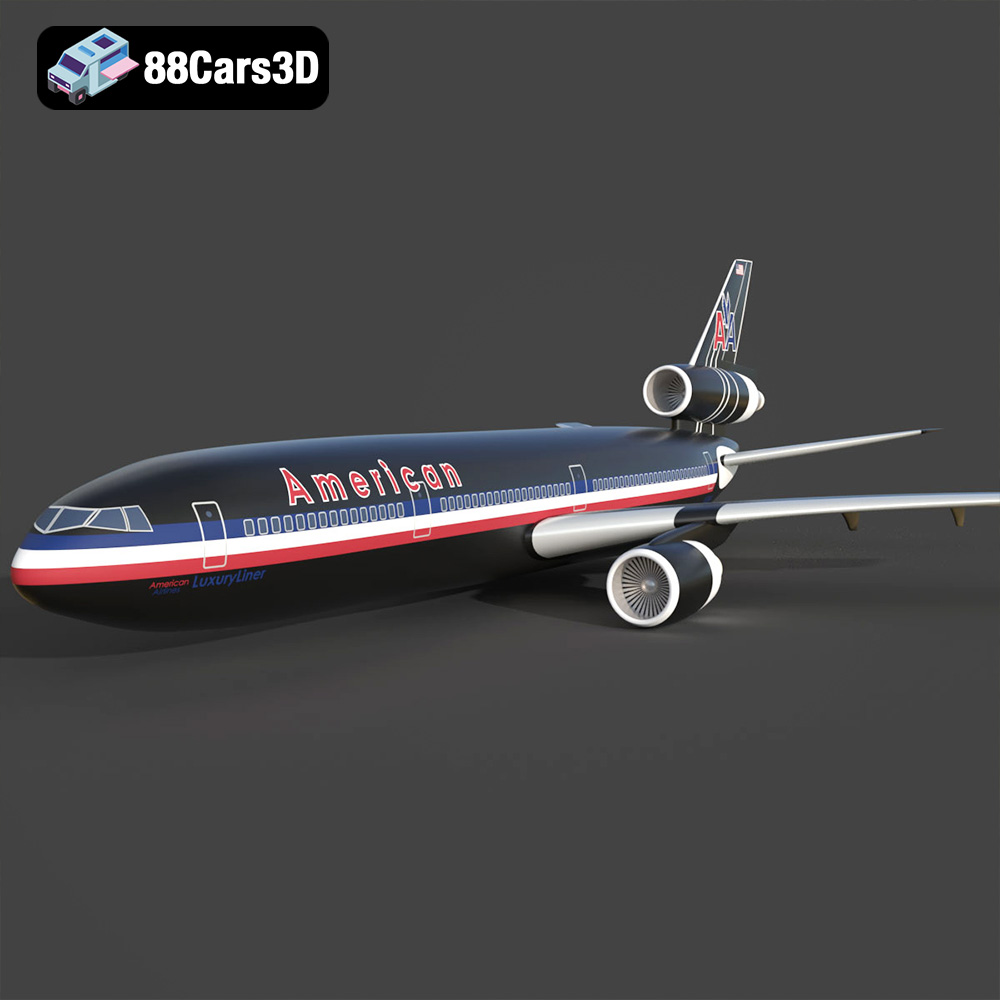
Download the American AA-006 Airplane 3D Model featuring a detailed exterior, cockpit, and landing gear. Includes .blend, .fbx, .obj, .glb, .stl, .ply, .unreal, and .max formats for rendering, simulation, and game development.
Price: $10.79
Texture: Yes
Material: Yes
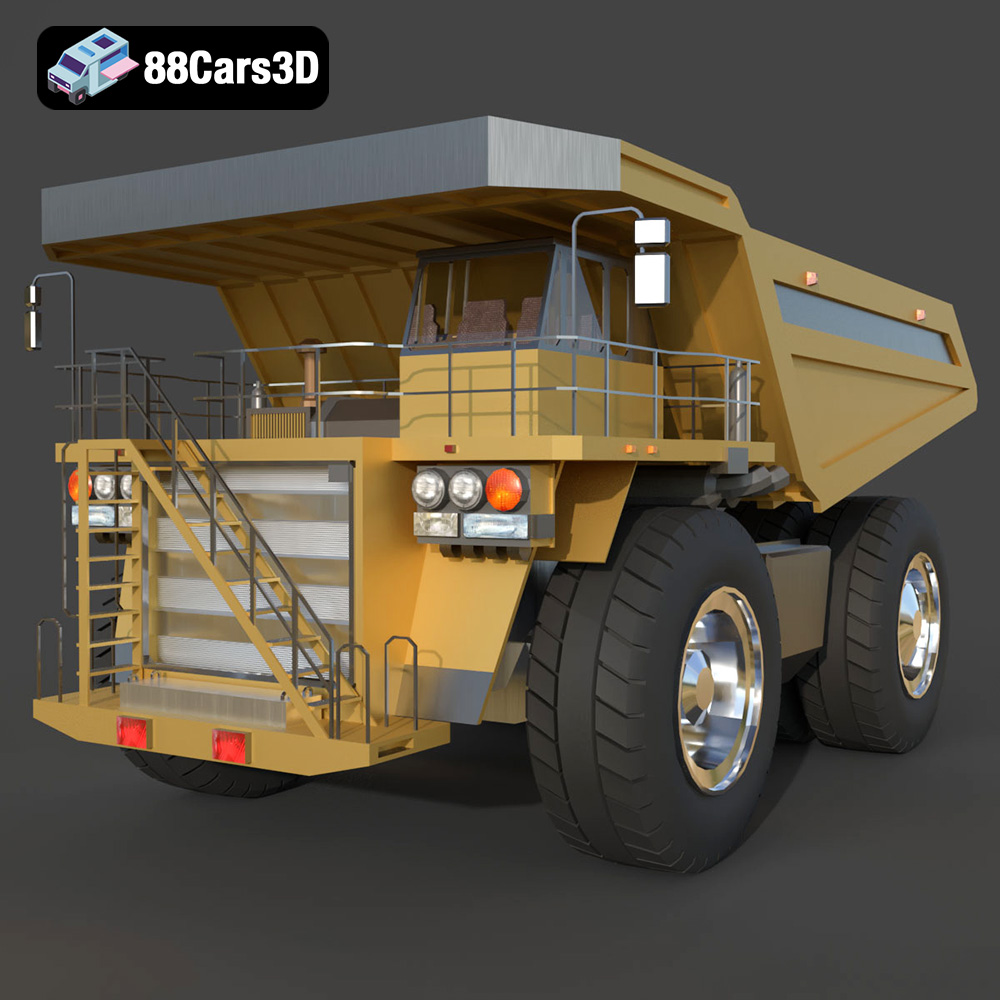
Download the Samosval-003 3D Model featuring a robust dump truck design, detailed exterior and interior, and animatable components. Includes .blend, .fbx, .obj, .glb, .stl, .ply, .unreal, and .max formats for rendering, simulation, and game development.
Price: $10.79
Texture: Yes
Material: Yes
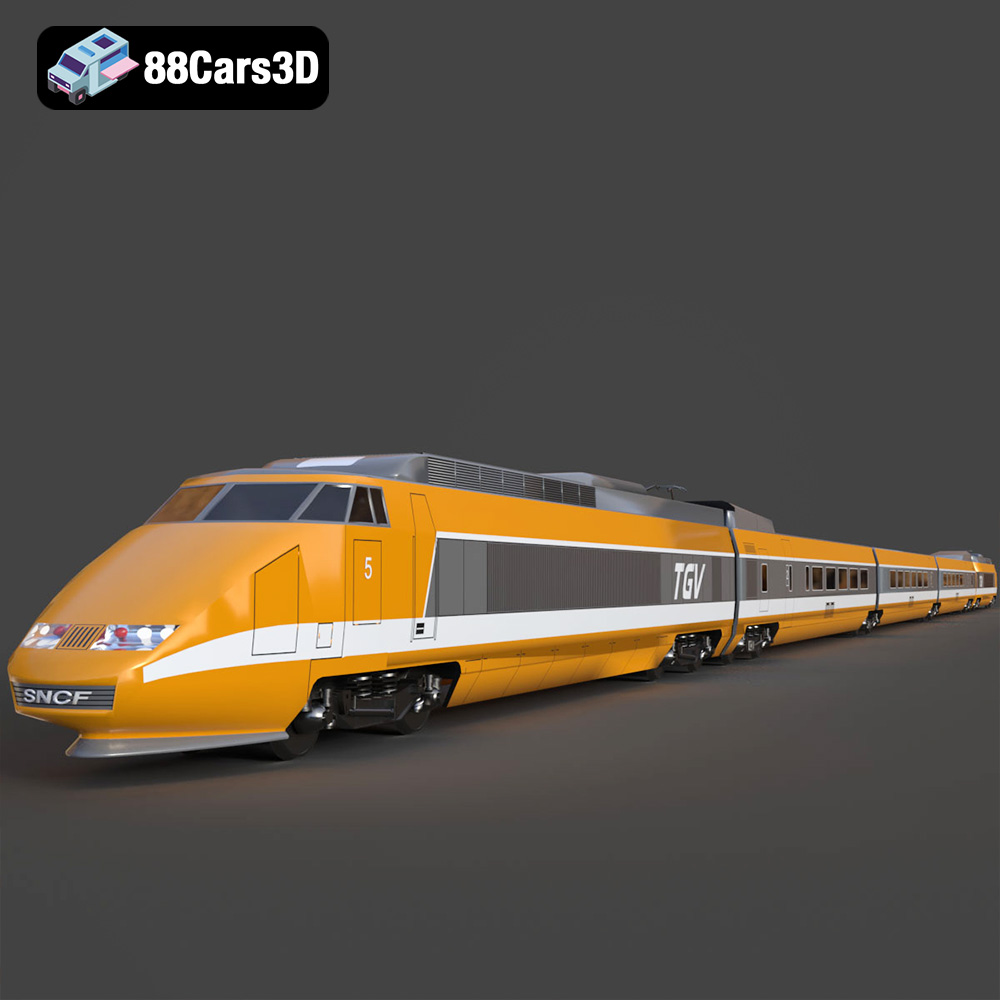
Download the TGV High-Speed Train 3D Model featuring a meticulously detailed exterior, realistic materials, and authentic design. Includes .blend, .fbx, .obj, .glb, .stl, .ply, .unreal, and .max formats for rendering, simulation, and game development.
Price: $10.79
Texture: Yes
Material: Yes
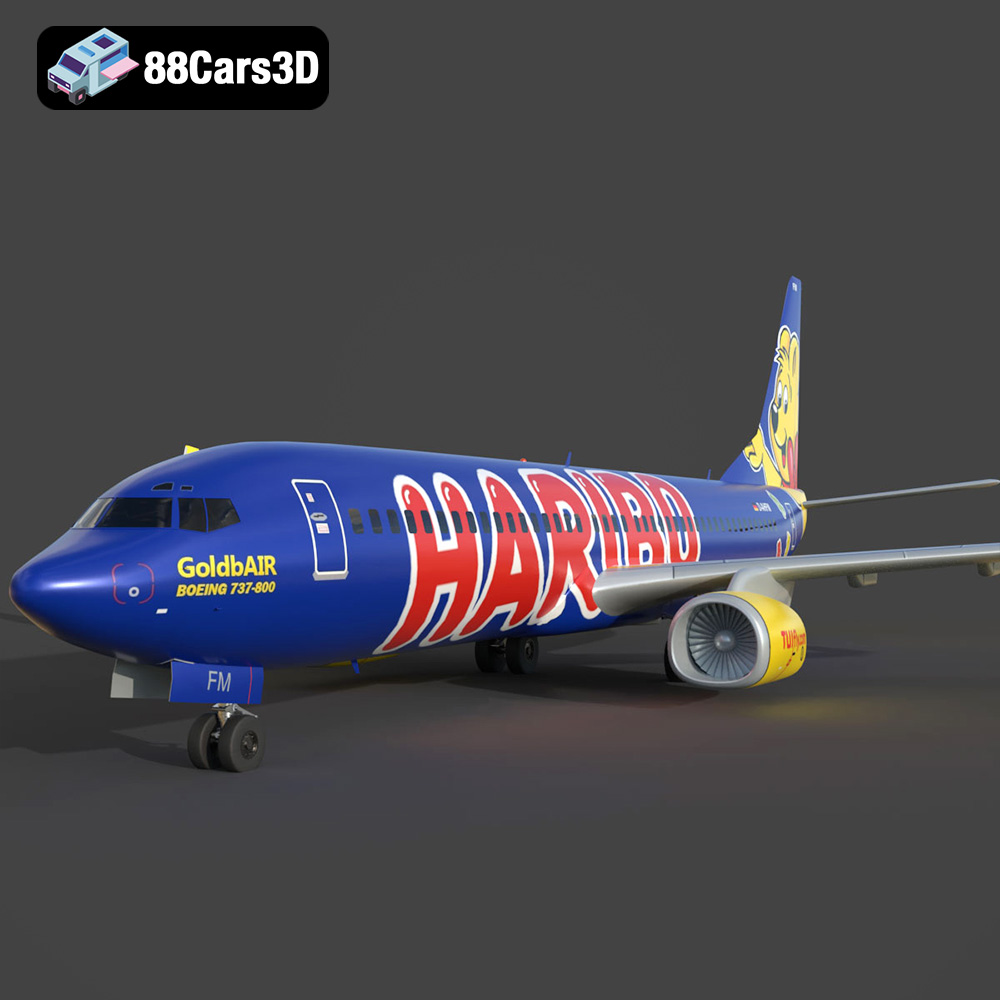
Download the Boeing 737 GoldbAir Haribo 3D Model featuring a meticulously detailed exterior, accurate custom livery, and complex mechanical components. Includes .blend, .fbx, .obj, .glb, .stl, .ply, .unreal, and .max formats for rendering, simulation, and game development.
Price: $10.79
Texture: Yes
Material: Yes
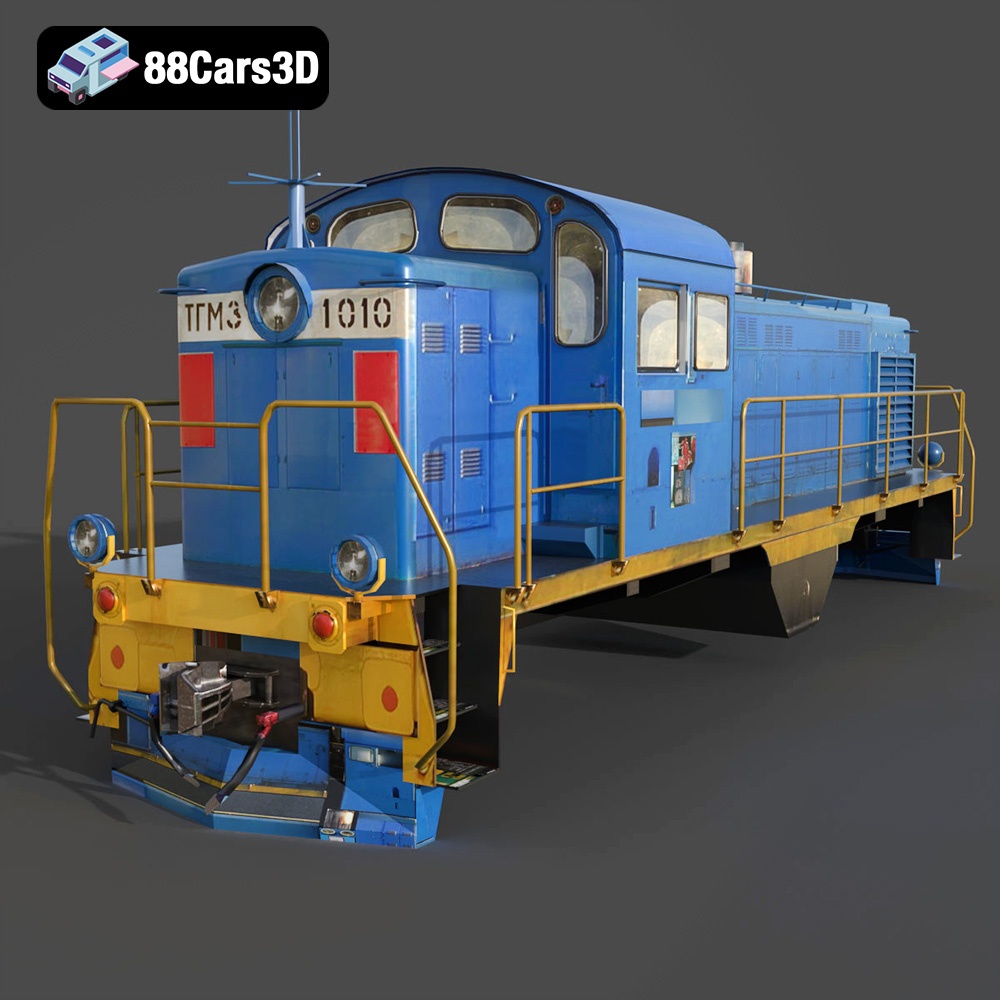
Download the Locomotive TGM3-006 3D Model featuring a detailed exterior, robust undercarriage, and realistic weathering. Includes .blend, .fbx, .obj, .glb, .stl, .ply, .unreal, and .max formats for rendering, simulation, and game development.
Price: $10.79

