⚡ FLASH SALE: Get 60% OFF All Premium 3D & STL Models! ⚡

The engine bay: often considered the heart of any vehicle, it’s a symphony of intricate mechanical components, wires, hoses, and metallic textures that define a car’s character and performance. For 3D artists, game developers, and automotive visualization professionals, recreating this complex space with absolute fidelity is a hallmark of truly exceptional 3D car models. It’s a challenging endeavor, demanding meticulous attention to detail, robust modeling practices, and advanced rendering techniques. A realistic engine bay not only elevates the visual appeal of a digital vehicle but also significantly enhances immersion for interactive applications like AR/VR experiences and high-fidelity game assets.
In this comprehensive guide, we’ll delve deep into the technical workflows and artistic considerations involved in crafting hyper-realistic 3D engine bay models. We’ll explore best practices for topology, delve into advanced UV mapping strategies, master the art of Physically Based Rendering (PBR) materials, and refine your approach to lighting and rendering. Whether you’re aiming for breathtaking automotive renders for marketing, optimizing assets for demanding game engines, or preparing models for interactive AR/VR applications, understanding these core principles will set your work apart. By the end, you’ll have a clear roadmap to create engine bay models that not only look authentic but also perform efficiently across various platforms.
Before a single polygon is laid, the most crucial phase in creating a realistic engine bay is exhaustive reference gathering and meticulous planning. This isn’t just about collecting images; it’s about understanding the function, assembly, and subtle imperfections of each component. Without solid references, even the most skilled artist will struggle to achieve authenticity. This stage is paramount for building credible 3D car models that stand up to close scrutiny.
Begin by compiling a vast library of high-resolution photographs of the specific engine and car model you intend to replicate. Seek out images from various angles, focusing on details like bolt heads, hose clamps, wiring harnesses, fluid reservoirs, and engine block textures. Online car forums, automotive photography sites, and manufacturer service manuals are invaluable resources. Look for both clean, factory-fresh images and those depicting moderate wear and tear, as these imperfections will be vital for material work later on. If available, technical drawings or blueprints can provide accurate dimensions and proportions, which are essential for maintaining scale and visual integrity. Organize your references systematically, perhaps in a PureRef board or similar tool, grouping images by component type for easy access during the modeling process.
Beyond individual parts, take time to understand the overall architecture of the engine bay. How are the components interconnected? What is the logical flow of wires and hoses? Which parts are visible from different angles, and which are partially obscured? This holistic understanding informs your modeling priority and level of detail. For instance, parts deep within the engine bay that are barely visible might require less polygon density than a prominently displayed intake manifold. Create a simple block-out model of the main engine block and surrounding chassis elements to establish the correct scale and placement of major components. This initial layout acts as your guide, ensuring all parts fit together harmoniously. Consider the modularity of your design; grouping components like the engine block, transmission, cooling system, and electrical harnesses into separate logical units can streamline the modeling process and make future modifications or optimizations much easier, especially when developing comprehensive 3D car models for diverse applications.
Achieving a truly realistic engine bay demands precision in modeling. Every bolt, every seam, and every curve contributes to the overall believability of your 3D car models. This section explores fundamental and advanced modeling techniques to capture the intricate details found under the hood, ensuring clean topology and efficient polygon distribution.
For organic shapes, curved panels, and components that require a smooth, flowing surface, subdivision surface modeling is indispensable. In Blender, the Subdivision Surface Modifier allows you to create low-polygon base meshes and then smoothly subdivide them at render time or upon application. This workflow keeps your viewport manageable while delivering high-fidelity results. When applying subdivision, pay close attention to edge flow. Good edge flow ensures that the subdivisions propagate evenly, preventing unsightly pinching or artifacts. For instance, when modeling a complex air intake manifold, start with a basic pipe shape and gradually add loops and extrusions, always keeping the quads as evenly distributed as possible. Use support loops (control loops) around sharp edges to hold the form when subdivision is applied, ensuring crisp transitions while maintaining overall smoothness. This technique is crucial for achieving the refined aesthetics expected in premium automotive rendering.
Many engine bay components, such as brackets, engine mounts, and certain housing units, are characterized by sharp angles, precise cutouts, and mechanical precision. For these, hard surface modeling techniques are more appropriate. This involves a combination of traditional polygon modeling tools, boolean operations, and strategic use of chamfers or bevels. Software like 3ds Max, Maya, and Blender offer robust toolsets for this. When using boolean operations (e.g., to cut out holes for bolts), ensure you clean up the resulting topology to avoid N-gons and triangles, which can cause shading issues. After a boolean operation, carefully trace new edge loops to redefine the mesh and maintain quad-based geometry, especially in areas that will be further subdivided. Adding a subtle bevel to sharp edges, even a tiny one, is critical. In the real world, no edge is perfectly razor-sharp; a slight bevel catches the light, adding incredible realism and breaking up perfect reflections. This small detail can significantly enhance the visual quality of your engine bay model for high-end rendering.
Not every detail needs to be represented with explicit geometry. For smaller, repetitive elements or surface imperfections, a combination of floating geometry and texture decals can be highly effective and optimize polygon counts. Floating geometry involves modeling small details like bolt heads or rivets as separate, low-poly objects and placing them directly on the surface of larger components. This provides real depth and parallax without overly complicating the main mesh. For fine text, warning labels, or intricate patterns, alpha-channeled decals applied as textures are ideal. These can represent printed information on components, wear marks, or even tiny manufacturer logos. This approach significantly reduces the geometric complexity, making your 3D models more efficient for various applications, from high-fidelity visualization to real-time game assets, without sacrificing perceived detail. Platforms like 88cars3d.com prioritize models with smart optimization strategies like these.
UV mapping an engine bay is perhaps one of the most challenging aspects of creating realistic 3D car models. The sheer number of diverse components, each with unique material properties, requires a strategic and methodical approach to ensure optimal texture resolution and prevent distortion. Effective UV mapping is crucial for seamless PBR material application and detailed texturing.
For engine bays demanding extreme detail, UDIM workflows are a game-changer. Instead of cramming all UV islands onto a single 0-1 UV space, UDIMs allow you to spread your UVs across multiple texture tiles (e.g., 1001, 1002, 1003, etc.). This means you can allocate more texture space to critical, high-visibility components like the engine block, valve covers, or turbocharger housing, ensuring maximum detail without compromising resolution. For example, a single engine bay might have 5-10 UDIM tiles, with each tile representing a specific material group or section (e.g., engine block metals, rubber hoses, plastic covers, electrical components). This approach is especially beneficial for high-end automotive rendering, where close-up shots of the engine are expected. It allows for 4K or even 8K textures on individual parts, capturing every minute scratch, grime, and manufacturing imperfection.
Regardless of whether you use UDIMs or a single UV space, efficient packing and intelligent seam placement are vital. When unwrapping in Blender or other 3D software, strive to minimize distortion and maximize the utilization of your UV space. Overlapping UVs should generally be avoided unless you intentionally mirror textures. For complex curved surfaces, consider where seams will be least noticeable – often along natural breaks in the geometry or where components meet. For instance, a hose might have a seam running along its underside, or an engine block’s seams could be hidden along mounting points. Tools like Blender’s “Live Unwrap” or “Minimize Stretch” functions can aid in this process. After unwrapping, pack your UV islands tightly using automated packing tools, then manually adjust them to gain every precious pixel of space. Aim for a consistent texel density across all visible parts to maintain visual consistency.
Once your high-poly model is finalized and UV mapped, the next step is to bake essential texture maps for efficient rendering and game engine use. Normal maps are crucial for transferring the intricate surface detail from your high-poly model (e.g., bolt threads, fine engravings, panel lines) to a lower-poly game or animation mesh without increasing actual polygon count. This technique is a cornerstone of performance optimization. Ambient Occlusion (AO) maps capture subtle self-shadowing in crevices and recessed areas, adding significant depth and realism to your PBR materials. Other useful maps to bake include curvature maps (for edge wear), thickness maps (for subsurface scattering on translucent materials like rubber), and ID maps (for easier material selection in texturing software). Most 3D packages like Blender, 3ds Max, and Maya, or dedicated baking tools like Substance Painter and Marmoset Toolbag, provide robust baking functionalities. Always ensure your low-poly mesh has sufficient support edges to properly capture the high-poly details during the baking process, preventing artifacts and maintaining crisp detail.
PBR materials are the cornerstone of modern 3D realism, especially when crafting detailed 3D car models. They accurately simulate how light interacts with surfaces, creating incredibly convincing representations of metals, plastics, rubber, and painted finishes. For an engine bay, where a multitude of materials converge, mastering PBR is non-negotiable.
An engine bay is rarely pristine. It accumulates layers of grime, oil, rust, and wear over time. Replicating this requires a layered material approach. Start with a clean base material, such as painted metal for the engine block or various plastic types for covers and reservoirs. Then, gradually build up layers of imperfections using roughness, metallic, and normal maps. For instance, a metal component might have a base of clean, brushed steel, followed by layers of scratched paint, subtle rust speckles, and dried oil residue in crevices. This can be achieved through complex shader networks in Blender’s Cycles or Eevee, or equivalent systems in V-Ray or Corona Renderer. Use procedural textures mixed with baked maps (like curvature for edge wear) to drive these layers, ensuring that wear and dirt appear logically distributed based on real-world physics and usage patterns.
The subtle details of dirt, grease, and scratches are what transform a generic engine into a believable, used machine. These imperfections should be applied with an artistic eye, guided by reference. For dirt, use texture maps that vary in color and roughness, often driven by ambient occlusion or curvature maps to naturally collect in recessed areas. Grease and oil smears can be simulated with specific masks that affect the metallic and roughness values, making surfaces appear slick and reflective in specific patches. Scratches, whether fine hairline marks or deeper gouges, require attention to their impact on both the normal and roughness maps. A scratch isn’t just a change in color; it’s a disruption in the surface’s micro-geometry and how it reflects light. Employ a variety of brush strokes and procedural noise in texturing software like Substance Painter or Mari to achieve diverse scratch patterns that tell a story of the engine’s life. Remember, less is often more with these details – subtle imperfections contribute more to realism than exaggerated ones.
To orchestrate these layered materials and imperfections, you’ll construct intricate shader networks. In Blender, for example, the Principled BSDF shader is an excellent starting point, offering a wide range of PBR parameters like Base Color, Metallic, Roughness, Normal, and more. Connect your various texture maps (Diffuse/Albedo, Metallic, Roughness, Normal, Height/Displacement) to the corresponding inputs. Use mix nodes, color ramps, and math nodes to blend different layers of materials and drive the intensity of wear effects. For complex materials like braided hoses or carbon fiber, consider layering multiple normal maps or using anisotropic shaders to capture intricate reflections. For components like fluid reservoirs or clear hoses, integrate transparency and subsurface scattering for a convincing look. The goal is to build a robust, modular shader setup that allows for easy adjustments and maximizes visual fidelity, a key attribute for high-quality automotive rendering and game assets found on platforms like 88cars3d.com.
Even the most perfectly modeled and textured engine bay won’t look realistic without a thoughtful approach to lighting, rendering, and post-processing. These steps are where your 3D car models truly come to life, capturing the intricate interplay of light and shadow that defines physical reality.
For automotive rendering, High Dynamic Range Image (HDRI) lighting is often the most effective and efficient way to achieve realistic global illumination and reflections. An HDRI environment map provides both illumination and a reflection source, immediately giving your scene a natural, coherent look. For an engine bay, choose HDRIs that mimic relevant environments—a garage, an outdoor setting with overcast skies, or a studio setup. In 3ds Max with Corona Renderer or V-Ray, or Blender’s Cycles, load your HDRI into the environment or world settings. Supplement the HDRI with strategically placed area lights to highlight specific details, add rim lighting, or mimic practical lights within the scene (e.g., a workshop lamp). Use softboxes or large planar lights to create appealing reflections on metallic and shiny surfaces, ensuring that the light falloff feels natural and physically accurate. Experiment with different light temperatures and intensities to bring out the subtle nuances of your PBR materials.
The choice of rendering engine significantly impacts the final look and workflow. Each renderer offers unique strengths for automotive visualization:
Regardless of your chosen renderer, focus on optimizing your render settings for both quality and efficiency. Adjust sample counts, ray depths, and noise thresholds to find the sweet spot between render time and visual fidelity. Utilizing render passes (e.g., Diffuse, Reflection, Specular, AO, Z-Depth) is also a best practice, giving you greater control in post-processing.
The rendering process is often only 80% of the journey; the remaining 20% of realism comes from skilled post-processing and compositing. Tools like Adobe Photoshop, Affinity Photo, or Blender’s Compositor are essential.
Key post-processing steps include:
By carefully refining your renders in post-processing, you can achieve the polished, high-impact visuals required for professional automotive design and marketing.
Creating a beautiful, high-fidelity engine bay model is only part of the challenge. Preparing it for various use cases—from real-time game engines to AR/VR experiences and 3D printing—requires a strategic approach to optimization and file format management. The goal is to maintain visual quality while ensuring performance and compatibility, a key consideration for 88cars3d.com and its diverse user base.
For game development, performance is paramount. An intricate, high-polygon engine bay can quickly bog down a real-time application. This is where Levels of Detail (LODs) become essential. LODs are simplified versions of your model that automatically swap in at greater distances from the camera. A typical setup might include:
Tools in Blender, 3ds Max, or Maya allow you to generate these efficiently, often using modifiers like “Decimate.” Beyond LODs, focus on judiciously removing hidden geometry (e.g., faces obscured by other components) and consolidating meshes where possible to reduce draw calls. Using texture atlases to combine multiple smaller textures into one larger texture map is another effective strategy for optimizing draw calls, improving rendering performance in game engines like Unity or Unreal Engine.
The digital asset pipeline often involves multiple software packages and platforms, necessitating careful file format management.
When exporting, ensure that scale, units, and pivot points are correctly set to avoid discrepancies in the target application. Always double-check your exported models in the destination software to catch any issues early. On marketplaces like 88cars3d.com, you’ll often find models offered in multiple formats to cater to diverse user needs, reflecting the importance of format versatility.
For AR/VR experiences, optimization takes on an even greater importance. Frame rates must remain consistently high (e.g., 90 FPS or more) to prevent motion sickness. This means aggressive polygon reduction, heavy use of normal maps, and efficient texture atlasing. Consider the scale at which the engine bay will be viewed in AR/VR; details that look fine on a monitor might appear pixelated or low-res when viewed up close in an immersive environment. Utilize instancing for repetitive components like bolts or brackets to further reduce memory footprint and draw calls. Shaders should be kept as simple as possible, leveraging PBR metallic-roughness workflows native to most AR/VR platforms.
For 3D printing, the requirements shift dramatically. Here, it’s less about visual fidelity and more about physical integrity.
These tailored optimization strategies ensure your realistic engine bay models are not only visually impressive but also functionally viable across a spectrum of digital and physical applications.
Crafting a realistic 3D engine bay is a testament to an artist’s dedication to detail, technical proficiency, and understanding of automotive design. From the initial meticulous gathering of high-resolution references to the final touches of post-processing, each stage is critical in building truly convincing 3D car models. We’ve explored the necessity of clean topology through subdivision and hard surface modeling, the strategic application of advanced UV mapping techniques like UDIMs, and the art of PBR material creation, layering imperfections that tell a story.
Furthermore, we’ve covered how powerful rendering engines such as Corona, V-Ray, Cycles, and Arnold, when combined with intelligent lighting setups, can transform your digital assets into breathtaking visualizations. Finally, understanding optimization for diverse platforms—whether it’s LODs for game development, efficient file formats for AR/VR, or mesh integrity for 3D printing—ensures your creations are not only beautiful but also practical and versatile.
The journey to mastering hyper-realistic engine bay modeling is continuous, but by applying these detailed workflows and embracing the technical challenges, you’ll elevate your 3D automotive projects to new heights. For those seeking a head start or looking to expand their collection of top-tier automotive assets, platforms like 88cars3d.com offer a wide selection of high-quality 3D car models, providing excellent bases or inspiration for your next masterpiece. Keep experimenting, keep refining, and watch your engine bays roar to life in stunning 3D.
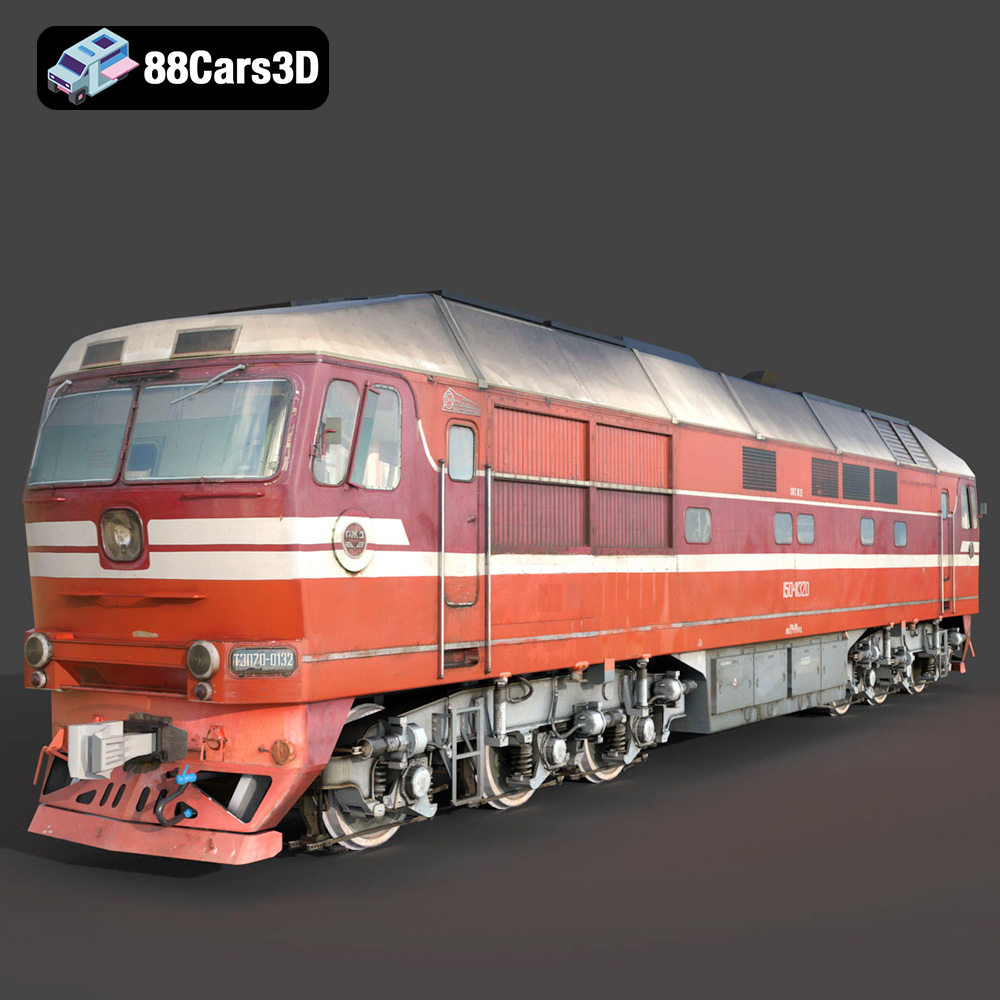
Meta Description:
Texture: Yes
Material: Yes
Download the TEP70 Diesel Locomotive 3D Model featuring detailed exterior structure, cabin interior, and realistic mechanical components. Includes .blend, .fbx, .obj, .glb, .stl, .ply, .unreal, and .max formats for rendering, simulation, AR VR, and game development.
Price: $13.9
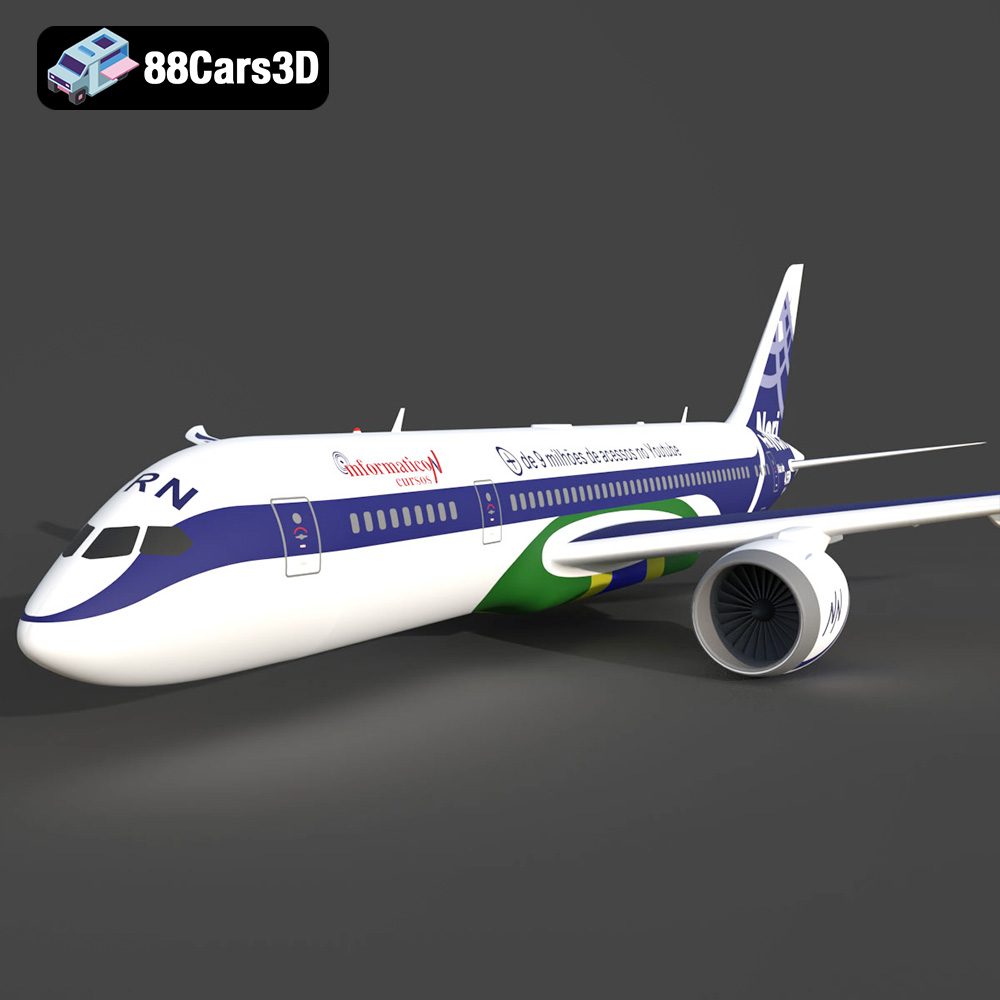
Texture: Yes
Material: Yes
Download the Airplane TRN-007 3D Model featuring clean geometry, realistic detailing, and a fully modeled interior. Includes .blend, .fbx, .obj, .glb, .stl, .ply, .unreal, and .max formats for rendering, simulation, and game development.
Price: $10
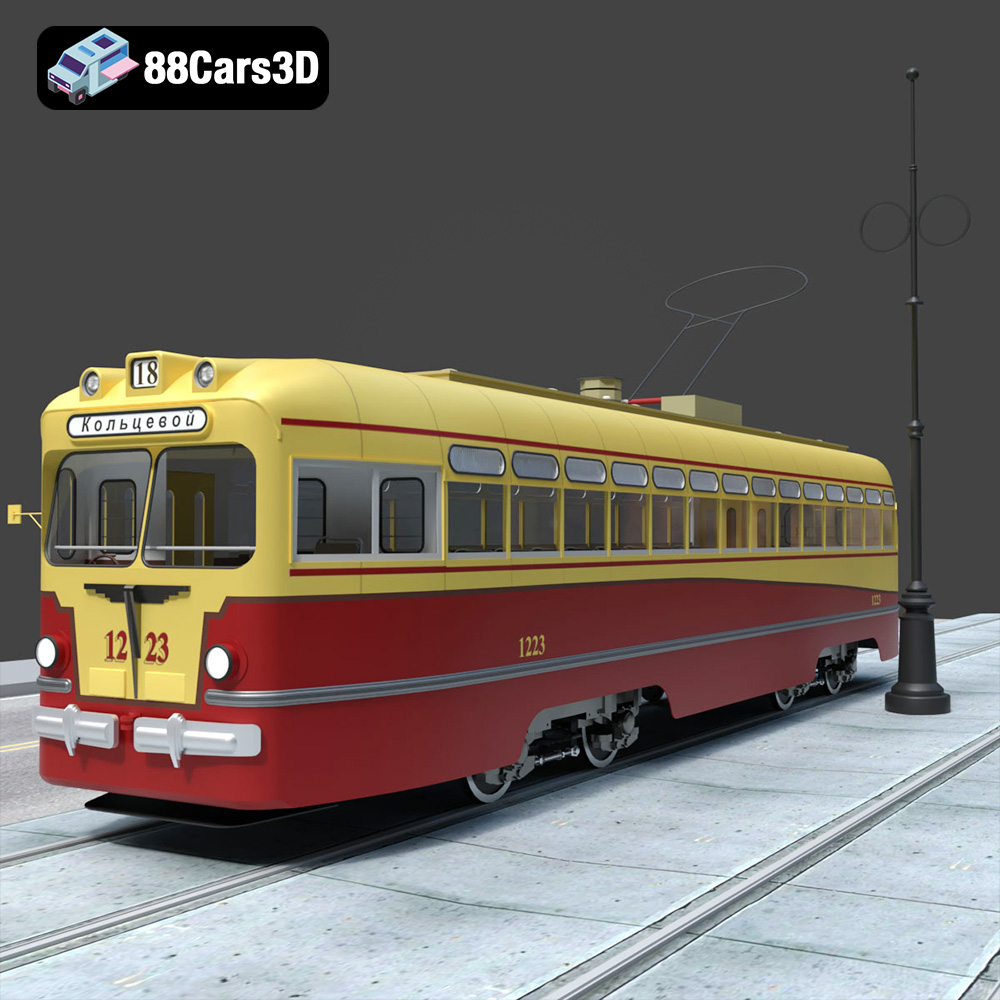
Texture: Yes
Material: Yes
Download the MTB-82 Tram 3D Model featuring clean geometry, realistic detailing, and a fully modeled interior. Includes .blend, .fbx, .obj, .glb, .stl, .ply, .unreal, and .max formats for rendering, simulation, and game development.
Price: $10
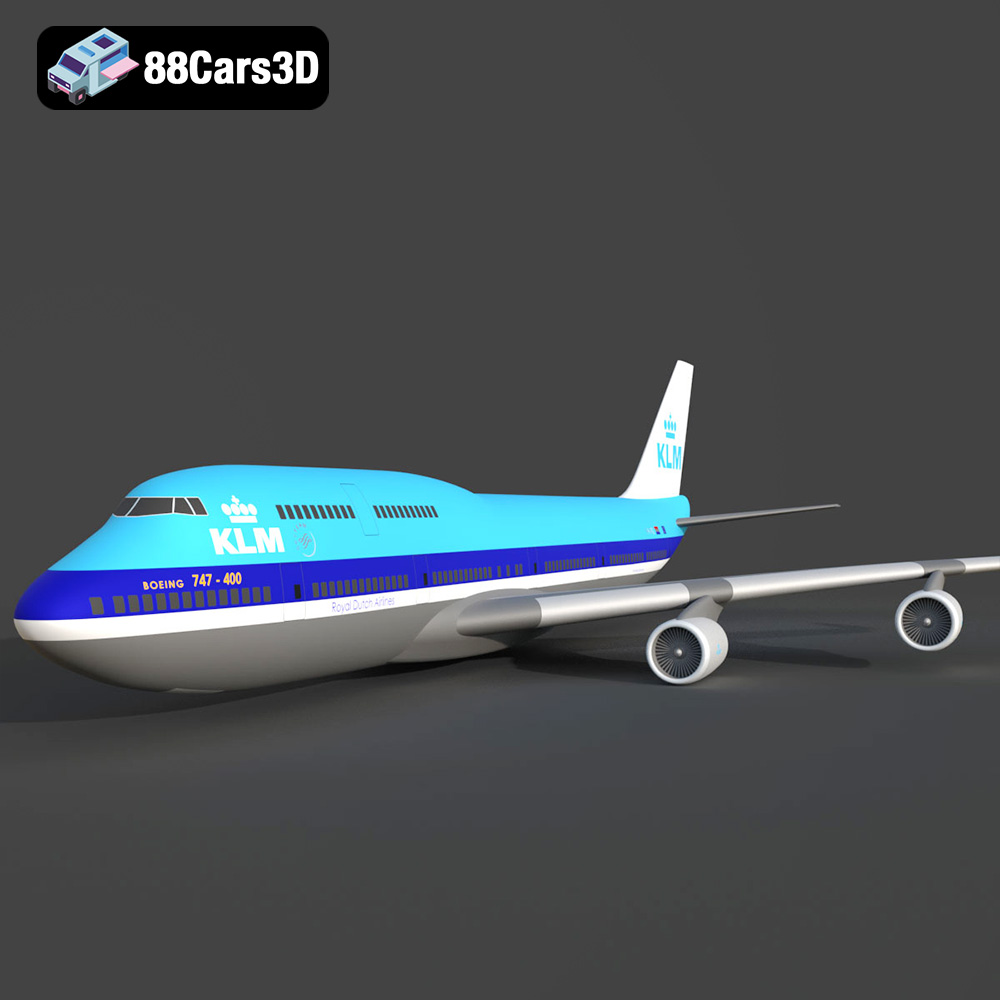
Texture: Yes
Material: Yes
Download the Boeing 747-400 KLM 3D Model featuring a detailed exterior, authentic livery, and realistic components. Includes .blend, .fbx, .obj, .glb, .stl, .ply, .unreal, and .max formats for rendering, simulation, and game development.
Price: $10.79
Texture: Yes
Material: Yes
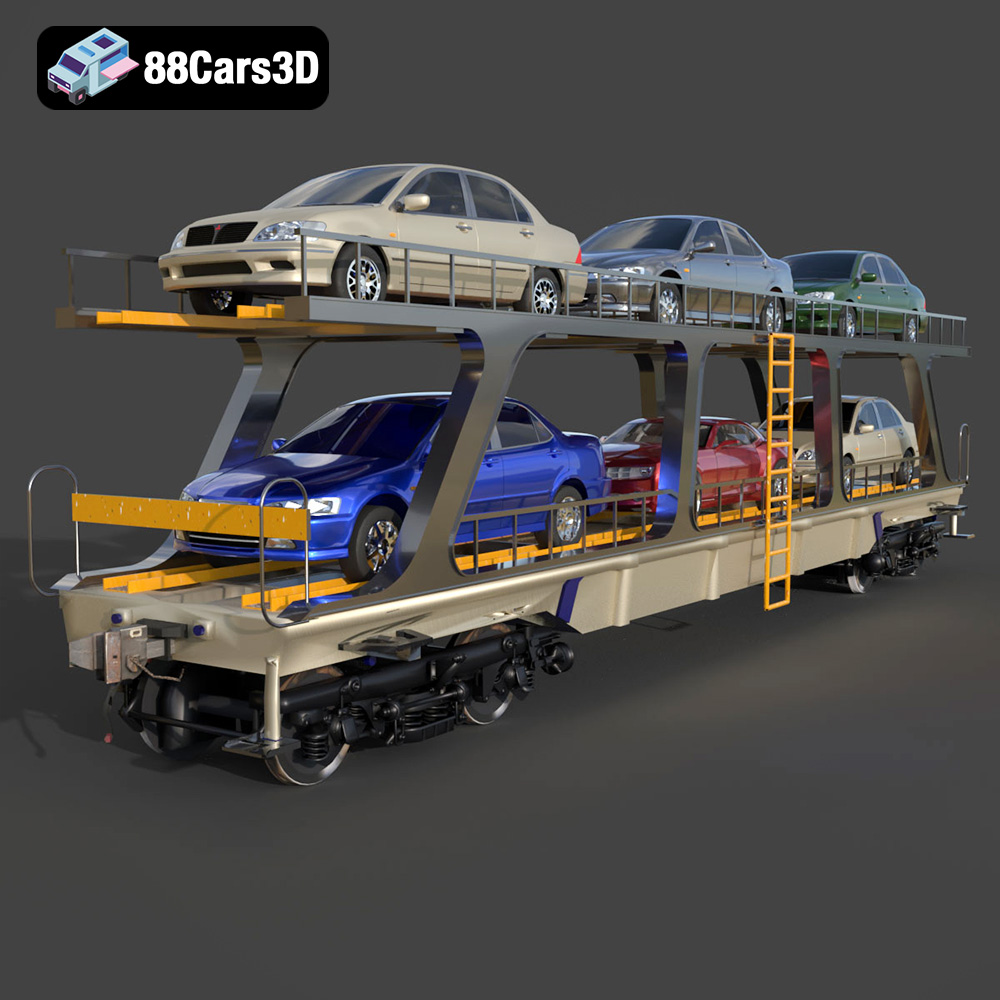
Download the Avtovoz A Wagon 3D Model featuring a robust design for car transport. Includes .blend, .fbx, .obj, .glb, .stl, .ply, .unreal, and .max formats for rendering, simulation, and game development.
Price: $10.79
Texture: Yes
Material: Yes
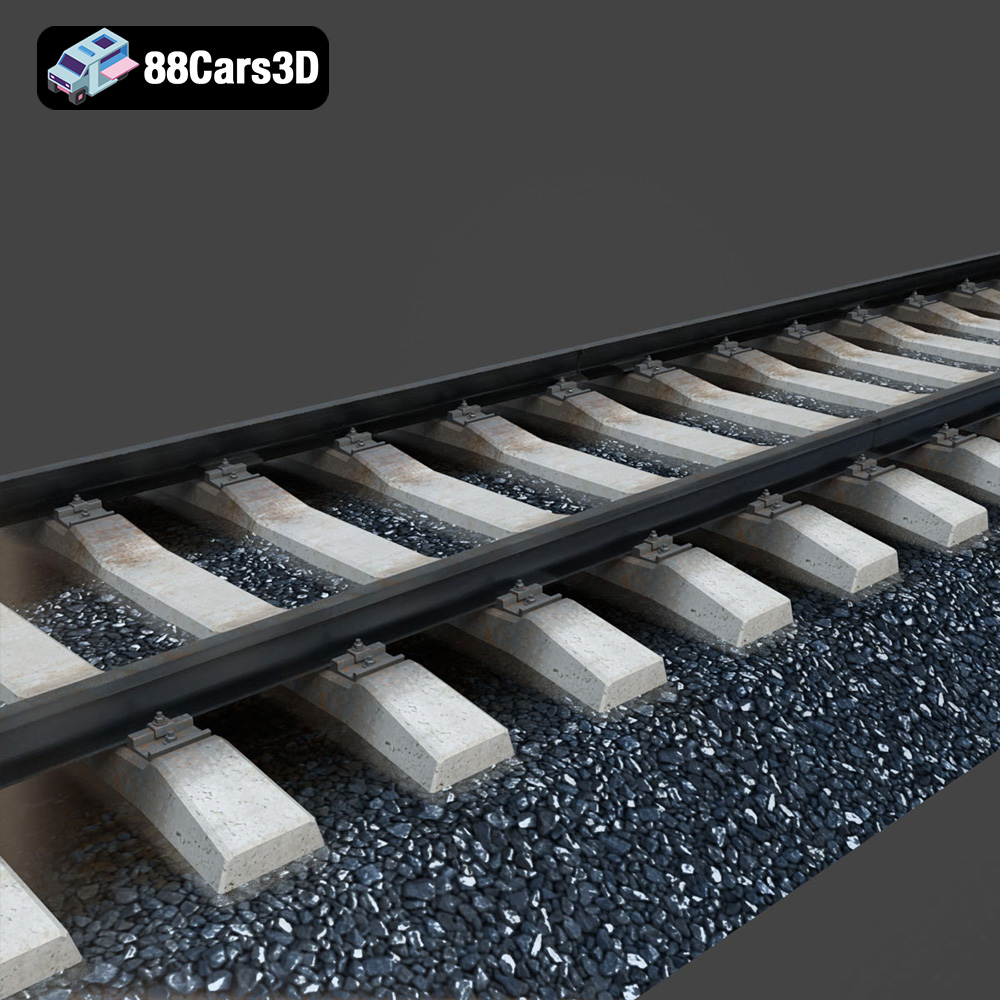
Download the Rail Road 006 3D Model featuring a detailed exterior, accurate proportions, and realistic textures. Includes .blend, .fbx, .obj, .glb, .stl, .ply, .unreal, and .max formats for rendering, simulation, and game development.
Price: $10.79
Texture: Yes
Material: Yes
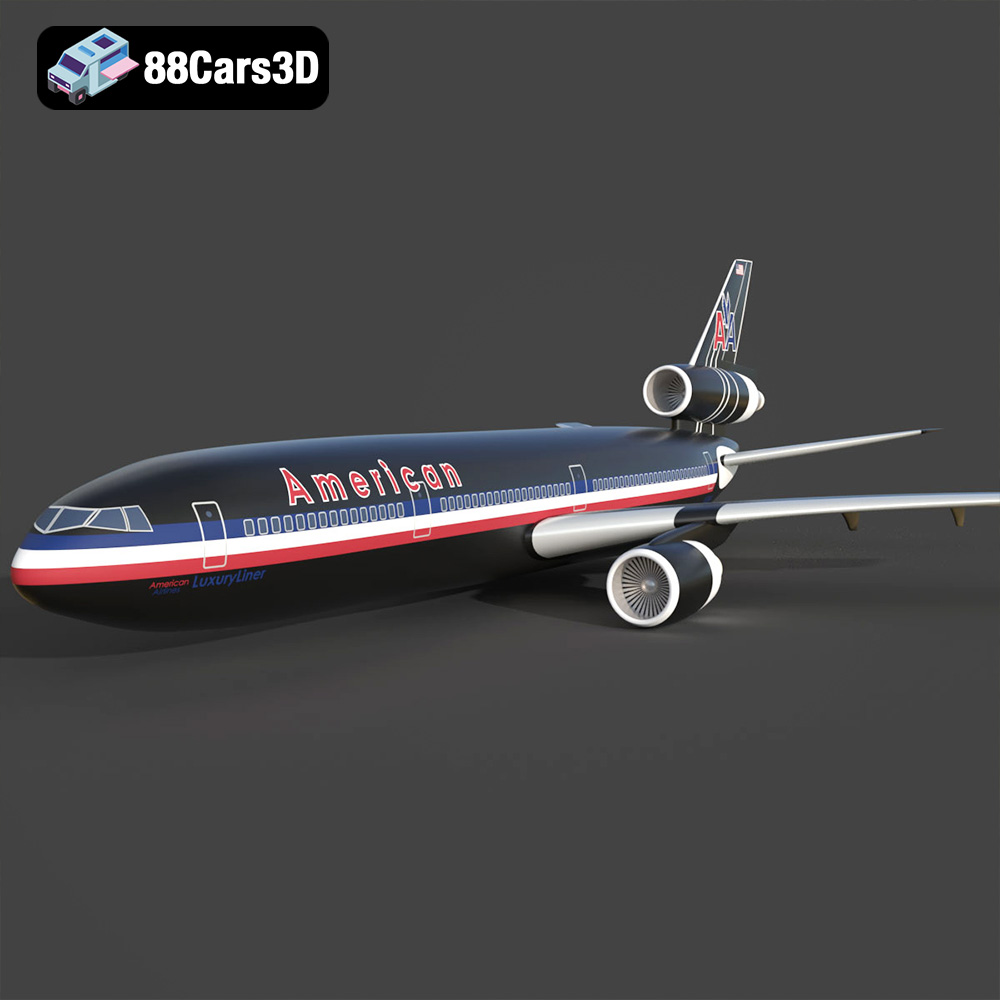
Download the American AA-006 Airplane 3D Model featuring a detailed exterior, cockpit, and landing gear. Includes .blend, .fbx, .obj, .glb, .stl, .ply, .unreal, and .max formats for rendering, simulation, and game development.
Price: $10.79
Texture: Yes
Material: Yes
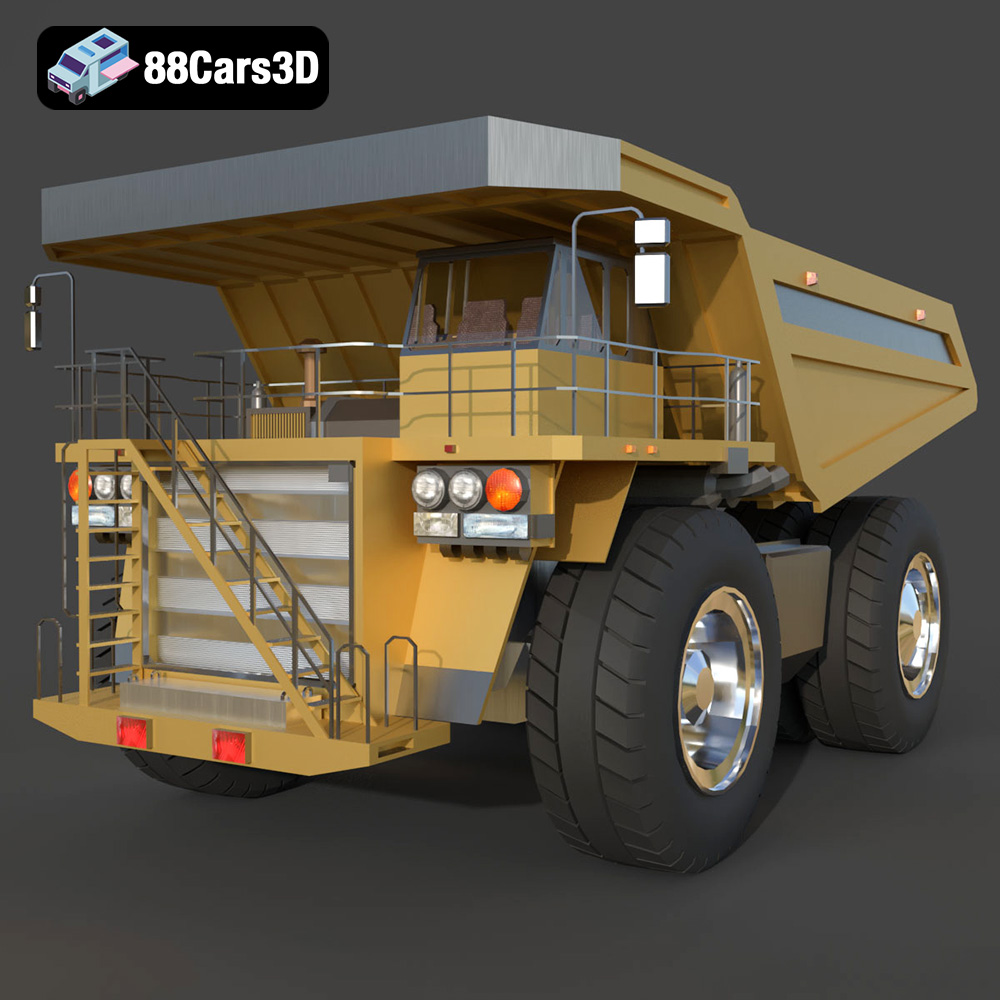
Download the Samosval-003 3D Model featuring a robust dump truck design, detailed exterior and interior, and animatable components. Includes .blend, .fbx, .obj, .glb, .stl, .ply, .unreal, and .max formats for rendering, simulation, and game development.
Price: $10.79
Texture: Yes
Material: Yes
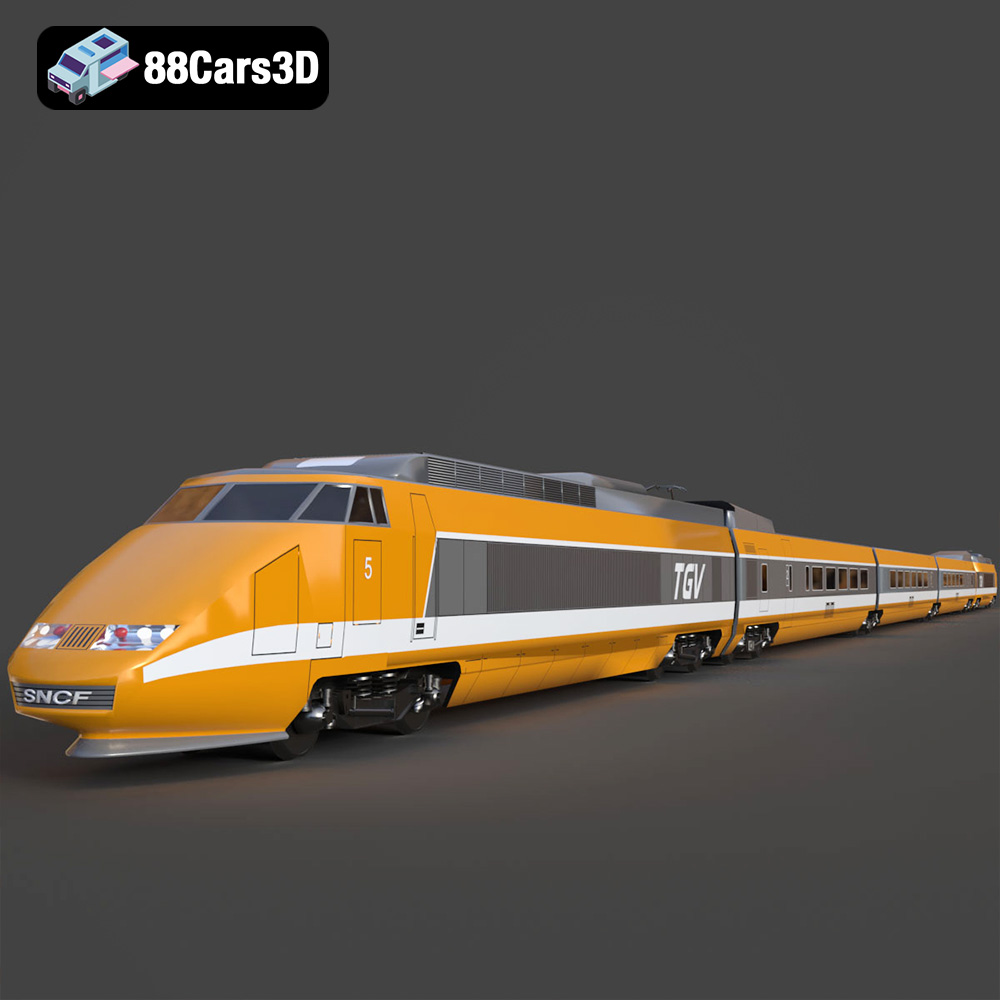
Download the TGV High-Speed Train 3D Model featuring a meticulously detailed exterior, realistic materials, and authentic design. Includes .blend, .fbx, .obj, .glb, .stl, .ply, .unreal, and .max formats for rendering, simulation, and game development.
Price: $10.79
Texture: Yes
Material: Yes
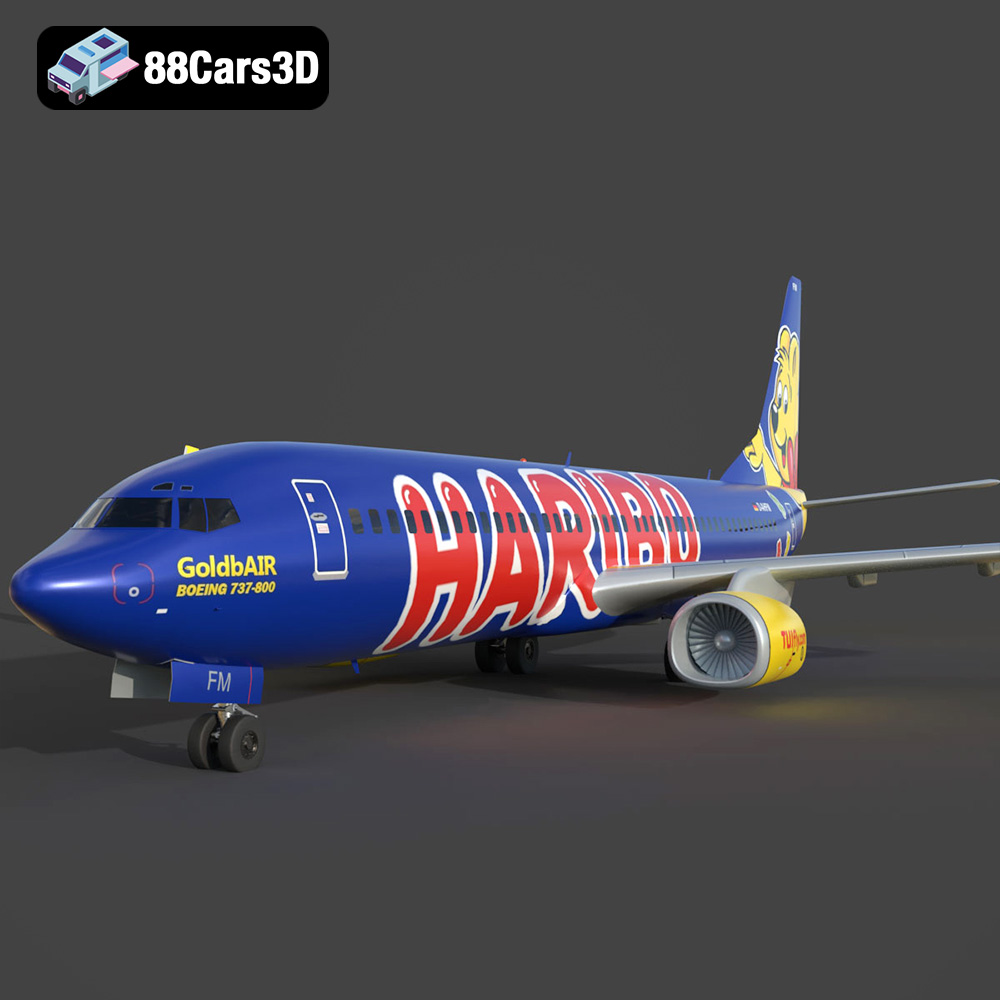
Download the Boeing 737 GoldbAir Haribo 3D Model featuring a meticulously detailed exterior, accurate custom livery, and complex mechanical components. Includes .blend, .fbx, .obj, .glb, .stl, .ply, .unreal, and .max formats for rendering, simulation, and game development.
Price: $10.79

