⚡ FLASH SALE: Get 60% OFF All Premium 3D & STL Models! ⚡

The world of 3D car models is as diverse and captivating as the automotive industry itself. From the flowing lines of a vintage classic to the sharp, aerodynamic contours of a modern supercar, each era presents unique challenges and opportunities for 3D artists and game developers. At 88cars3d.com, we understand the nuances that define these vehicles, providing high-quality 3D assets for a myriad of applications, including rendering, game development, AR/VR, and visualization. This comprehensive guide will dissect the fundamental differences in modeling classic and modern cars, exploring the technical intricacies of topology, UV mapping, PBR materials, rendering, and optimization to elevate your automotive 3D projects.
Whether you’re a seasoned 3D artist aiming for photorealism or a game developer optimizing for performance, understanding the distinct characteristics of classic and modern car design is paramount. We’ll delve into specific workflows, software techniques (3ds Max, Blender, Maya, Unity, Unreal Engine), and industry best practices to help you capture the essence of these magnificent machines in your digital creations. Prepare to refine your skills and gain a deeper appreciation for the artistry and engineering behind every curve and panel.
The most striking differences between classic and modern cars lie in their fundamental design philosophies, which directly impact the 3D modeling process. Classic cars, particularly those from the pre-1970s era, often boast organic, handcrafted shapes with graceful, sweeping curves and pronounced body panels. These designs prioritize aesthetics and often reflect the manufacturing capabilities of their time, featuring fewer complex panel gaps and more rounded, sculptural forms. Think of the iconic fenders of a 1950s grand tourer or the bulbous headlights of a vintage muscle car. When modeling these, artists must pay meticulous attention to maintaining smooth, uninterrupted surfaces and accurately translating the subtle undulations and reflections that define their timeless appeal.
Modeling classic cars demands a keen eye for subtle curves and a mastery of surface continuity. Techniques like sub-division surface modeling (SubD) in software like 3ds Max, Blender, or Maya are ideal for achieving the smooth, flowing body lines. The focus is on creating a clean, quad-based topology that supports these organic shapes without introducing pinching or unsightly artifacts. Edge loops must flow logically around design elements such as wheel arches, grilles, and chrome accents, ensuring that reflections behave realistically across the curved surfaces. Artists often start with basic primitives and gradually refine the shape, using tools like extrude, bevel, and loop cut to define the intricate panel work. Achieving the characteristic plumpness and gentle transitions of classic car bodies requires careful manipulation of control points and a strong understanding of how mesh density impacts surface quality.
Modern cars, on the other hand, are a testament to computational design and advanced manufacturing. Their forms are often dictated by aerodynamic efficiency, safety regulations, and integrated technology, resulting in sharper angles, tighter panel gaps, and complex geometric patterns. LED lighting strips, aggressive diffusers, and intricate air intakes are common features. When modeling modern vehicles, precision is paramount. Hard surface modeling techniques, often involving Boolean operations and intricate chamfers, become more prominent. Artists must accurately reproduce the crisp edges and precise angles that define contemporary automotive design. Achieving perfectly sharp edges while maintaining good topology can be a challenge, often requiring careful use of support loops or the application of crease sets in SubD workflows. The emphasis shifts from smooth, organic transitions to sharp, controlled breaks in the surface, reflecting the engineered aesthetic of the modern era.
Topology, the arrangement of polygons (faces, edges, and vertices) that make up a 3D model, is crucial for both classic and modern car models. However, the optimal edge flow patterns differ significantly due to their distinct design philosophies. Proper topology ensures clean deformation, smooth shading, and efficient UV mapping, which are all vital for high-quality automotive rendering and real-time game assets.
For classic cars, the goal is to emphasize the organic, often handcrafted curves. This means prioritizing a topology that facilitates smooth, continuous surfaces. Wide, evenly distributed quad polygons are preferred to prevent faceting and allow for smooth sub-division. Edge loops should follow the natural flow of the body panels, the curvature of the fenders, and the contours around headlights and grilles. Avoid sharp, abrupt changes in edge direction where continuous curves are intended. For instance, the transition from a fender to a door panel on a classic car would ideally have a smooth, sweeping edge flow, minimizing the need for hard edges. Maintaining a relatively low polygon count initially is a good practice, allowing for easier manipulation of the overall form before adding finer details with increased sub-division levels. In Blender, for example, the Subdivide tool and careful use of the Loop Cut and Slide can help achieve this organic flow.
Modern car topology often involves a more angular and precise approach. While still aiming for clean quads, the edge flow needs to accurately capture the crisp lines, tight panel gaps, and intricate geometric details. This often means more localized detail and a higher density of edge loops around areas of sharp curvature, vents, or complex headlight designs. Boolean operations, while often resulting in messy topology, can be used sparingly and then carefully retopologized to maintain clean quads around the cutouts. Alternatively, utilizing the Bevel modifier (in 3ds Max or Blender, see Blender’s Bevel Modifier documentation) with specific settings to create smooth, controlled chamfers along sharp edges is a common technique. These chamfers act as crucial support loops, ensuring that the hard edges render cleanly. The challenge here is to achieve the desired sharpness without creating overly dense meshes that hinder performance in game engines or increase render times unnecessarily.
Effective UV mapping is critical for applying realistic textures to any 3D model, but it’s particularly challenging for the complex, often mirrored surfaces of cars. The goal is to create UV islands that minimize distortion, maximize texture space utilization, and are easy to paint or apply tileable textures to. This is essential for achieving high-quality PBR materials.
Classic cars, with their large, flowing body panels and less complex geometry, often benefit from UV mapping strategies that prioritize large, seamless UV islands. This minimizes visible seams in textures and makes it easier to paint broad strokes of paint, subtle imperfections, or custom liveries. Projecting from multiple angles (planar, cylindrical, or spherical) and then carefully stitching seams is a common approach. Strategic placement of seams in less visible areas, such as along the bottom edges of panels or under chrome strips, helps maintain visual integrity. For example, the large hood or roof of a classic car might be a single, large UV island, allowing for a high-resolution, unblemished paint texture. Good planning in the modeling stage, ensuring clean edge loops, greatly simplifies the UV unwrapping process. In Blender, the marking seams feature is invaluable for guiding the unwrap.
Modern cars, with their intricate details, sharp angles, and numerous smaller components, require a more segmented and efficient UV mapping approach. Breaking down the model into logical UV islands for each distinct part (e.g., individual headlight components, brake calipers, interior elements) is often necessary. This allows for higher texture density on crucial details and better optimization for game engines. Texture atlasing, where multiple smaller textures are combined into a single larger one, is frequently used to reduce draw calls and improve performance. Care must be taken to ensure consistent texel density across all UV islands to avoid blurry or pixelated textures on some parts while others are crisp. For highly detailed areas, a 4K or even 8K texture resolution might be necessary to capture the fine details of PBR materials. When sourcing models from marketplaces such as 88cars3d.com, always check the UV layout and texture resolutions to ensure they meet your project’s specific requirements for detail and performance.
PBR materials (Physically Based Rendering) are the cornerstone of realistic automotive rendering. The way these materials are created and the complexity of their shader networks differ between classic and modern cars, reflecting the distinct material properties and finishes of each era.
Classic cars often feature materials with a distinct character, including worn paint, polished chrome, leather, and aged wood. The PBR workflow for these materials focuses on capturing subtle imperfections, patina, and the interaction of light with these unique surfaces. For paint, a slightly less glossy, perhaps orange-peeled finish is often desired, along with subtle scratches and dust. Chrome needs to be meticulously polished, but with a hint of pitting or surface irregularities to convey age. Leather interiors might show natural creases, scuffs, and a soft, diffused sheen. Wood trim benefits from intricate grain textures and a warm, slightly dulled reflection. Shader networks in 3ds Max (using Corona or V-Ray) or Blender (with Cycles or Eevee) would involve intricate layering of textures for roughness, metallic, normal, and ambient occlusion maps. A key aspect is the subtle variation in these maps to break up perfect uniformity and add a sense of history to the materials. For example, a slightly faded paint job can be achieved by blending a less saturated color with the primary paint color using a masked texture.
Modern cars typically demand pristine, high-tech materials. This includes flawless metallic paints, high-gloss clear coats, carbon fiber, brushed metals, advanced plastics, and intricate LED light elements. The PBR approach here emphasizes razor-sharp reflections, precise metallic sheens, and the subtle interplay of light across complex surfaces. For paint, multi-layered car paint shaders are common, simulating flake metallic effects, smooth clear coats, and deep, rich colors. Carbon fiber requires highly detailed normal and anisotropic roughness maps to accurately represent its woven pattern and light interaction. LED lights would involve emissive materials and carefully crafted light distribution. Shader networks for modern cars can be incredibly complex, often utilizing advanced nodes to control parameters like clear coat thickness, metallic flake size, and anisotropic reflections. For realistic lighting, physically accurate light sources are essential, and techniques like IES profiles are often used for headlights and taillights. Achieving the high fidelity required for modern automotive visualization often involves texture resolutions of 4096×4096 pixels or higher for key components.
The choice of rendering engine and lighting setup significantly impacts the final presentation of a 3D car model. The mood and atmosphere often differ between showcasing a classic vs. a modern car, requiring tailored approaches.
When rendering classic cars, the aim is often to evoke a sense of nostalgia, warmth, and timeless elegance. Softer, diffused lighting with warmer color temperatures can highlight the car’s sculptural forms and the patina of its materials. Studio lighting setups with large softboxes or natural daylight environments with overcast skies are popular choices. Reflections are crucial for showcasing the curves, so careful placement of subtle environment reflections is key. Post-processing often involves subtle film grain, chromatic aberration, and a slightly desaturated color palette to enhance the vintage feel. In rendering engines like Corona Renderer or V-Ray, meticulous attention to global illumination and indirect lighting will bring out the rich details of classic car materials. For Blender users, Cycles is an excellent choice for physically accurate ray tracing, allowing for highly realistic light bounces and material interactions. Refer to the official Blender 4.4 manual’s Cycles documentation for detailed settings on light paths and sampling for optimal results.
Modern car renders often demand crisp, dramatic lighting that emphasizes their sharp lines, advanced technology, and powerful presence. Sharper, more directional lighting with cooler color temperatures can create a sense of sophistication and dynamism. High-dynamic-range imaging (HDRI) environments that simulate modern cityscapes or professional studios with controlled lighting are frequently used. Reflections are even more critical here, as they define the complex surfaces and panel gaps. Clean, precise reflections without excessive noise are paramount. Post-processing typically involves sharp contrasts, vibrant colors, and lens flares to enhance the high-tech aesthetic. Unreal Engine’s real-time rendering capabilities, combined with advanced lighting features, are ideal for showcasing modern cars in interactive environments, while offline renderers like Arnold (in Maya) excel at photorealistic results for high-end visualizations. Achieving these renders often requires powerful hardware and optimized scenes to minimize render times while maintaining visual fidelity.
When preparing game assets, optimization is key. While both classic and modern car models need optimization, the strategies might differ based on their geometric complexity and the target platform.
Choosing the right file formats is crucial for seamless integration across different software and platforms. Common formats for 3D car models include:
When exporting, always verify that your material settings (e.g., PBR metallic-roughness workflow) translate correctly to the target engine. Baked normal maps are often used to transfer high-resolution details onto lower-polygon game meshes, maintaining visual quality while optimizing performance.
Beyond traditional rendering and game development, 3D car models find significant application in AR/VR experiences and 3D printing. These use cases introduce their own specific technical considerations.
AR/VR optimization techniques are paramount for smooth, immersive experiences. This means going beyond standard game optimization:
The GLB/glTF format is particularly well-suited for AR/VR due to its compact size and native support for PBR materials, making it a go-to choice for web-based and mobile AR applications.
3D printing preparation involves a different set of considerations:
Beyond the model itself, the presentation through lighting and environment setup, followed by post-processing and compositing, elevates a good 3D car model to an exceptional one. This is where the narrative of classic versus modern cars truly comes alive.
The lighting and environment are crucial for conveying the character of a car. For classic cars, consider:
For modern cars, aim for:
In Blender, leveraging the World Environment settings with HDRIs is a powerful way to achieve realistic global illumination and reflections. Consider also adding specific area lights to highlight key features or create rim lighting.
Post-processing and compositing in software like Photoshop, GIMP, or Blender’s compositor are the final steps to refine your render. This stage can dramatically enhance the perceived realism and artistic impact.
When creating assets for virtual production or interactive experiences, consider that some post-processing effects might need to be implemented directly within the game engine for real-time performance, while high-resolution marketing renders allow for more extensive offline compositing.
The journey of creating 3D car models, whether classic or modern, is a rich blend of technical skill and artistic vision. While the underlying principles of good 3D modeling remain constant—clean topology, efficient UV mapping, and realistic PBR materials—the specific approaches and considerations shift significantly based on the era of the vehicle. Classic cars demand an emphasis on organic flow, nuanced patinas, and nostalgic lighting, while modern cars require a meticulous approach to sharp edges, high-tech finishes, and dynamic, precise rendering. Understanding these differences is key to producing compelling 3D automotive rendering and versatile game assets.
By mastering techniques for both classic and modern aesthetics, artists and developers can unlock a vast range of creative possibilities. Always prioritize clean geometry for optimal performance and flexibility across various applications, from high-end visualization to interactive AR/VR experiences. And remember, platforms like 88cars3d.com serve as invaluable resources, offering expertly crafted 3D car models that embody these very principles, saving you time and providing a solid foundation for your projects. Continuously refine your understanding of design principles, software capabilities, and industry best practices to bring your automotive visions to life with unparalleled realism and impact.
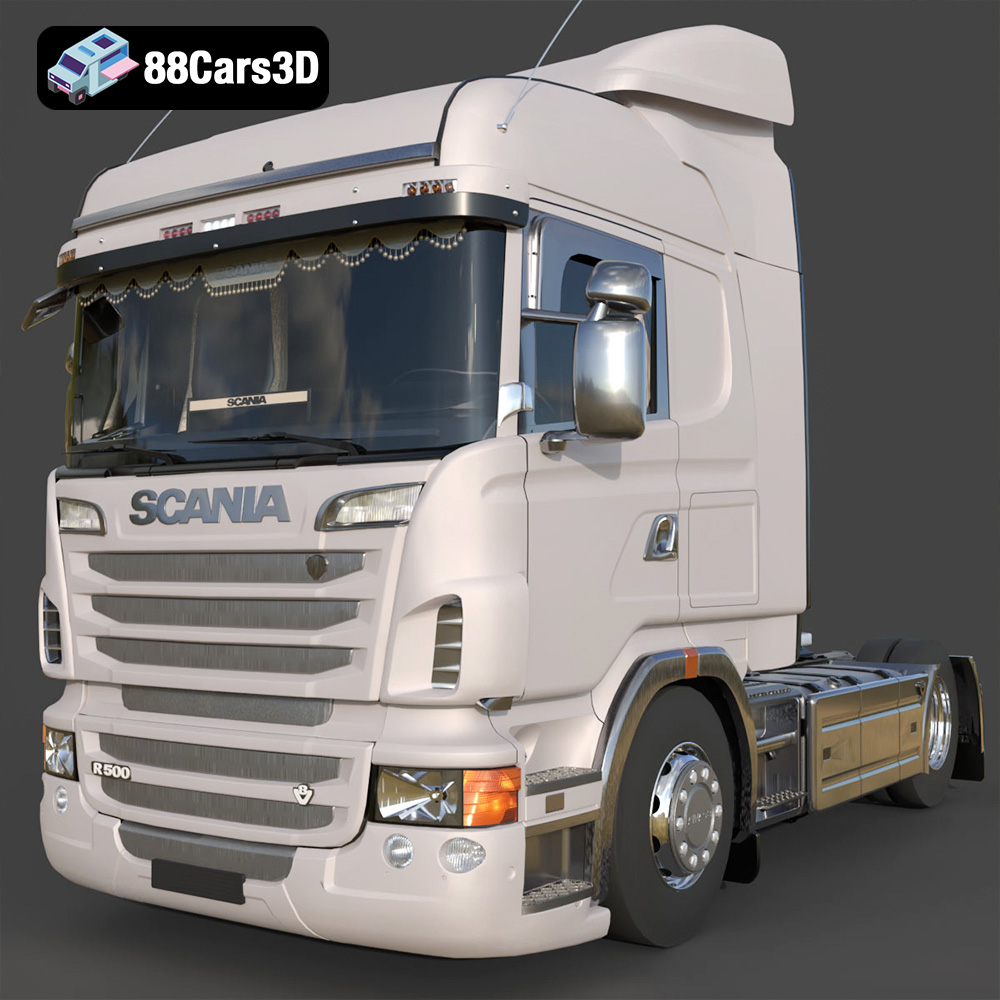
Texture: Yes
Material: Yes
Download the Scania R500 004 3D Model featuring its powerful design, detailed exterior, and functional interior. Includes .blend, .fbx, .obj, .glb, .stl, .ply, .unreal, and .max formats for rendering, simulation, and game development.
Price: $10.79
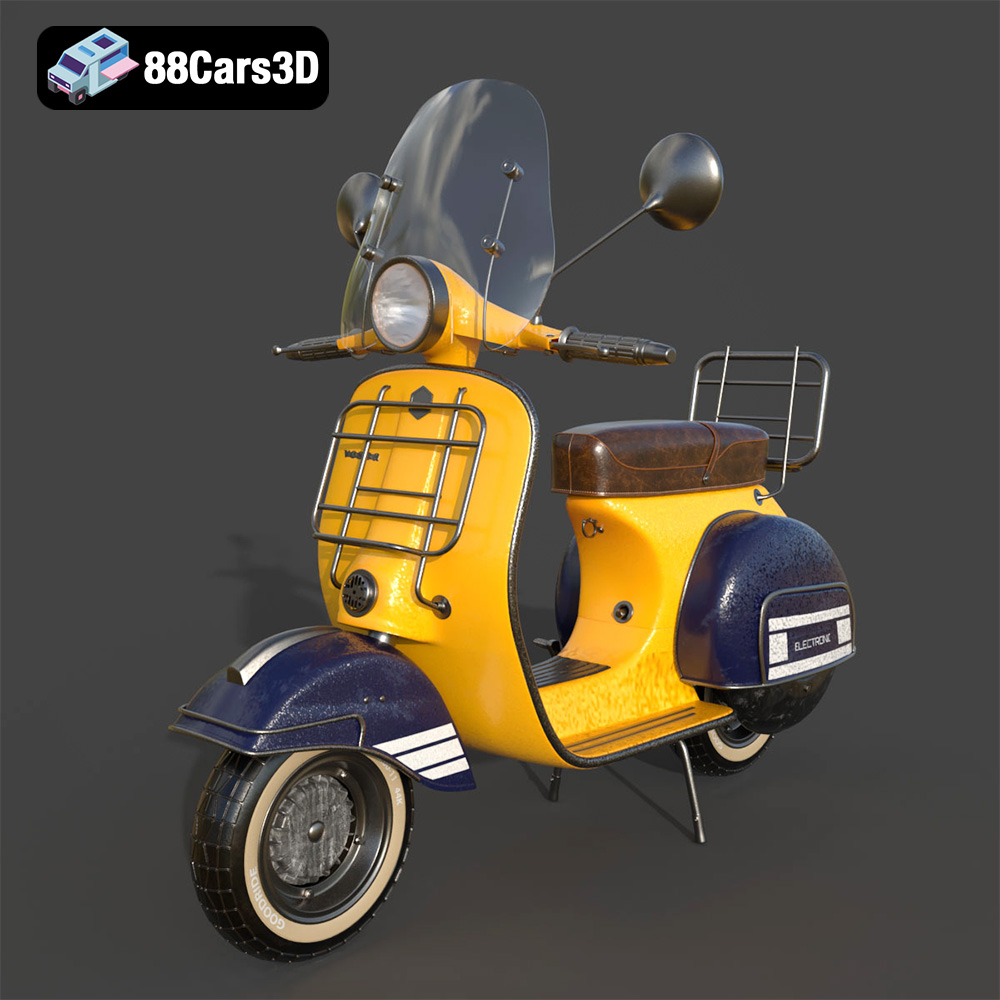
Texture: Yes
Material: Yes
Download the Vespa 5-007 3D Model featuring iconic Italian design and vintage aesthetics. Includes .blend, .fbx, .obj, .glb, .stl, .ply, .unreal, and .max formats for rendering, simulation, and game development.
Price: $20.79
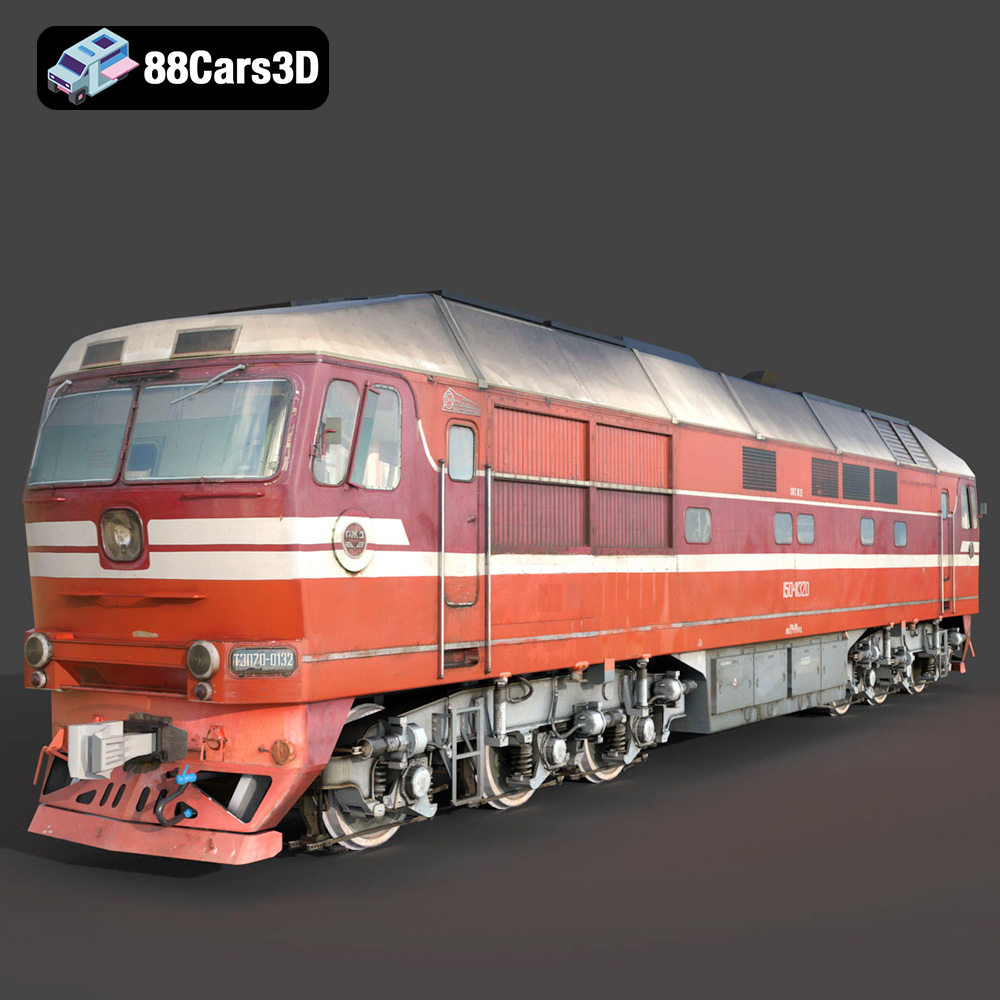
Meta Description:
Texture: Yes
Material: Yes
Download the TEP70 Diesel Locomotive 3D Model featuring detailed exterior structure, cabin interior, and realistic mechanical components. Includes .blend, .fbx, .obj, .glb, .stl, .ply, .unreal, and .max formats for rendering, simulation, AR VR, and game development.
Price: $13.9
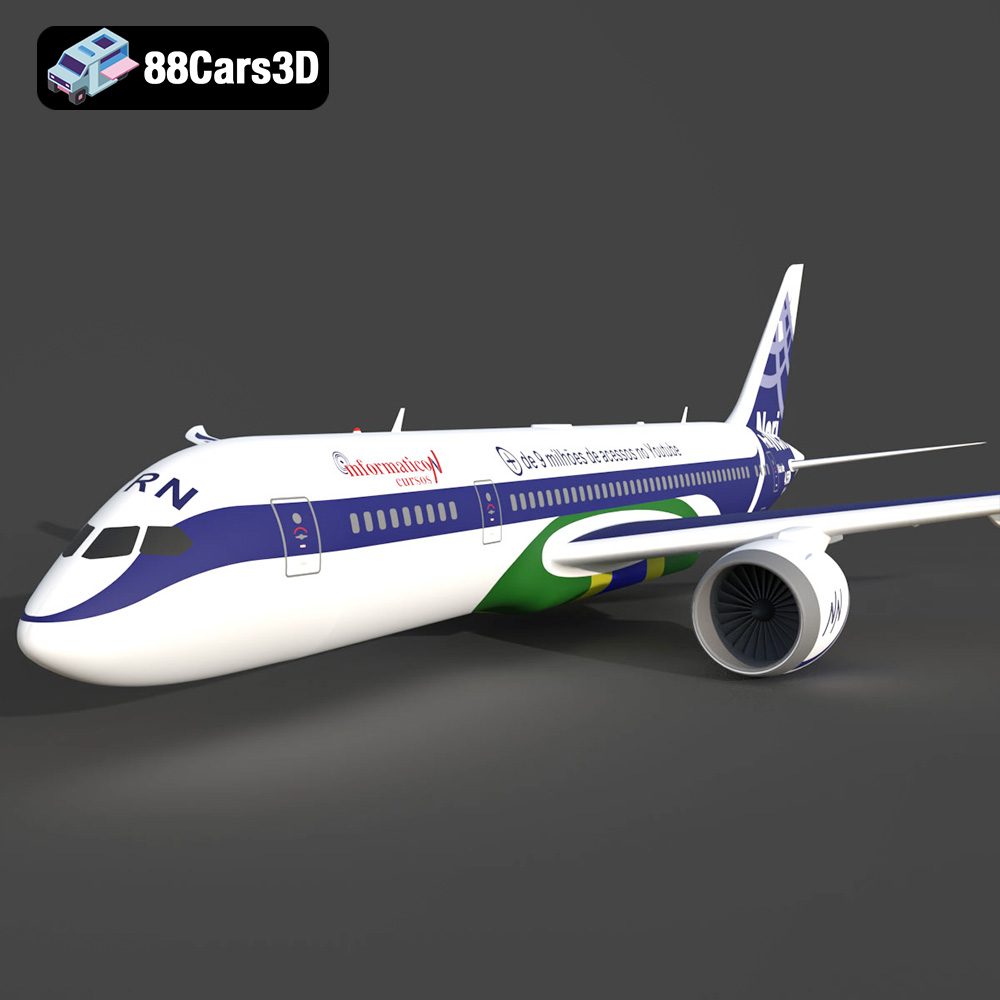
Texture: Yes
Material: Yes
Download the Airplane TRN-007 3D Model featuring clean geometry, realistic detailing, and a fully modeled interior. Includes .blend, .fbx, .obj, .glb, .stl, .ply, .unreal, and .max formats for rendering, simulation, and game development.
Price: $10
Texture: Yes
Material: Yes
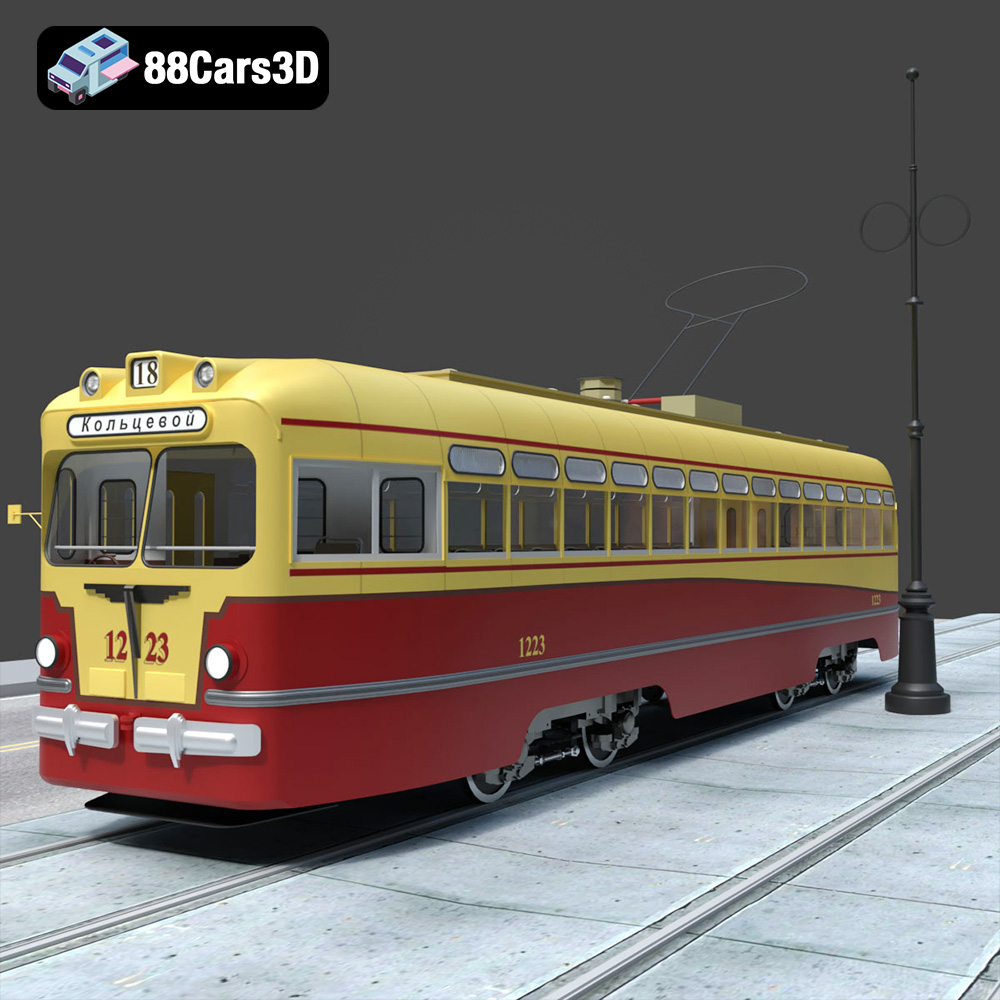
Download the MTB-82 Tram 3D Model featuring clean geometry, realistic detailing, and a fully modeled interior. Includes .blend, .fbx, .obj, .glb, .stl, .ply, .unreal, and .max formats for rendering, simulation, and game development.
Price: $10
Texture: Yes
Material: Yes
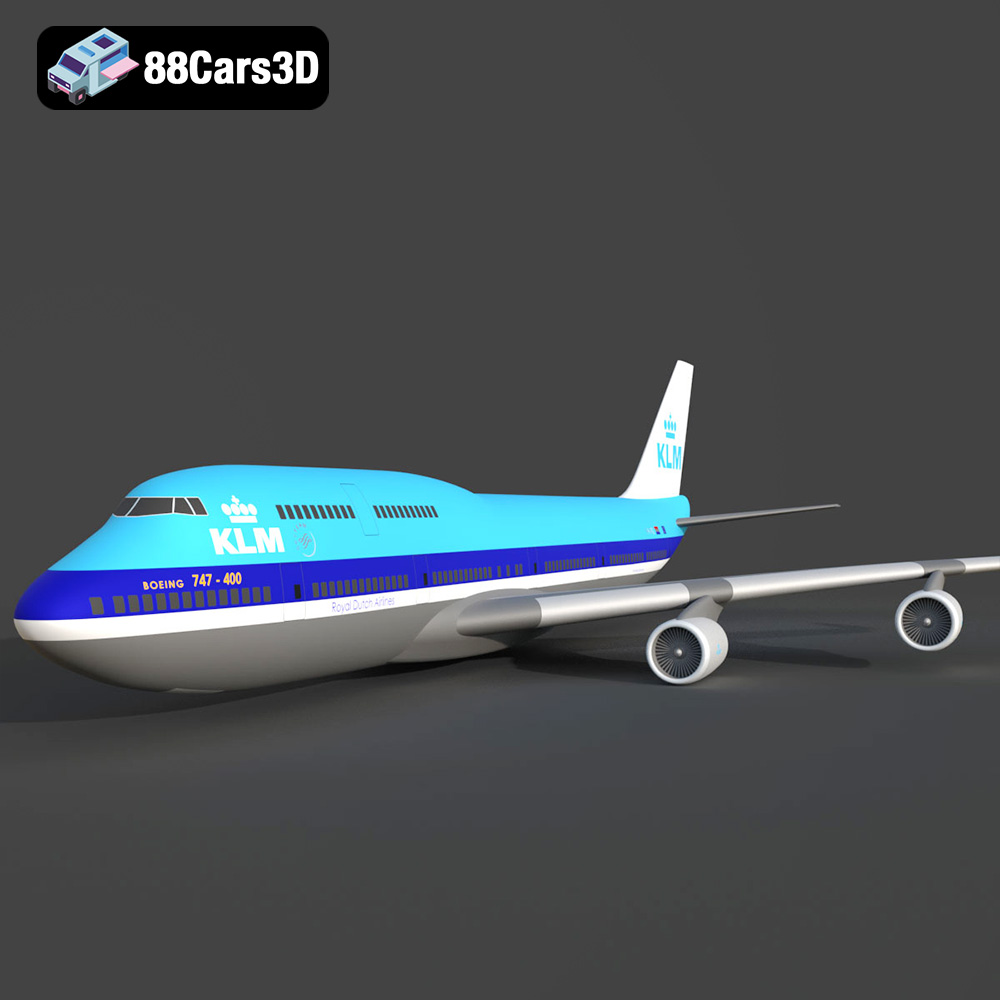
Download the Boeing 747-400 KLM 3D Model featuring a detailed exterior, authentic livery, and realistic components. Includes .blend, .fbx, .obj, .glb, .stl, .ply, .unreal, and .max formats for rendering, simulation, and game development.
Price: $10.79
Texture: Yes
Material: Yes
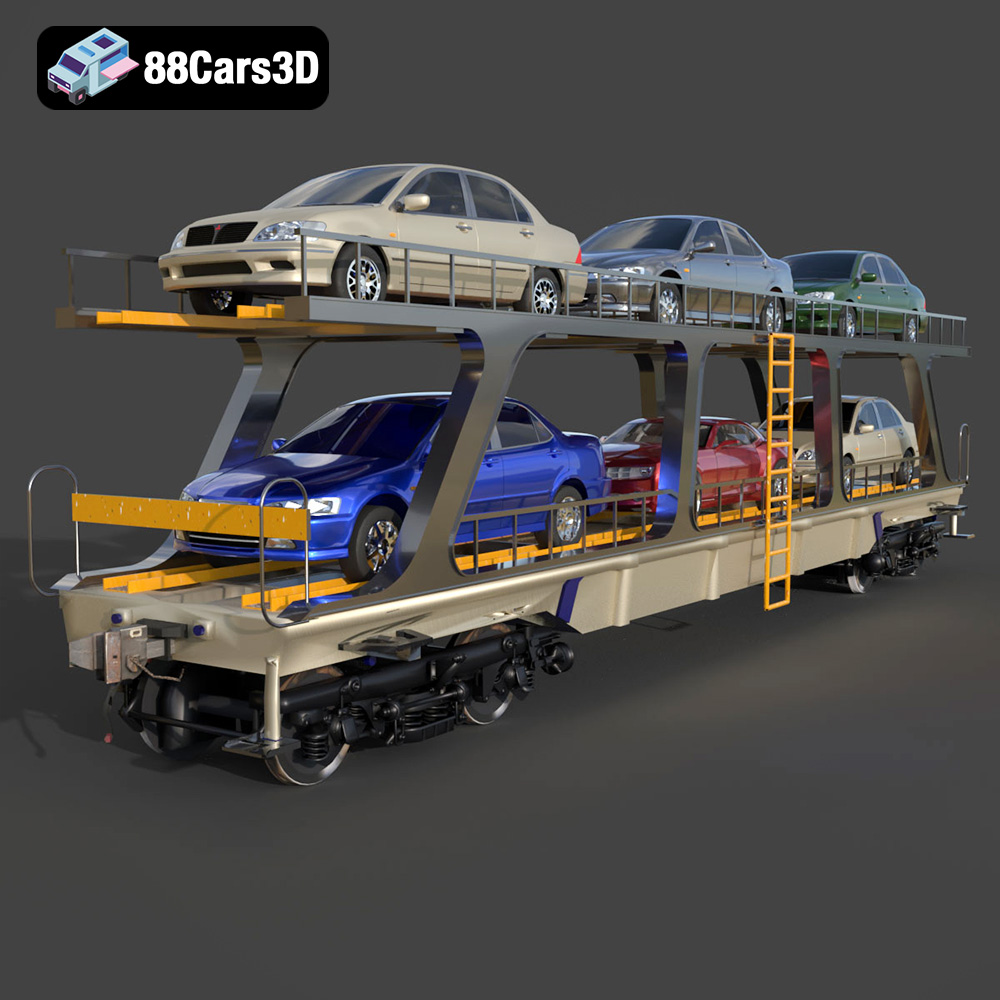
Download the Avtovoz A Wagon 3D Model featuring a robust design for car transport. Includes .blend, .fbx, .obj, .glb, .stl, .ply, .unreal, and .max formats for rendering, simulation, and game development.
Price: $10.79
Texture: Yes
Material: Yes
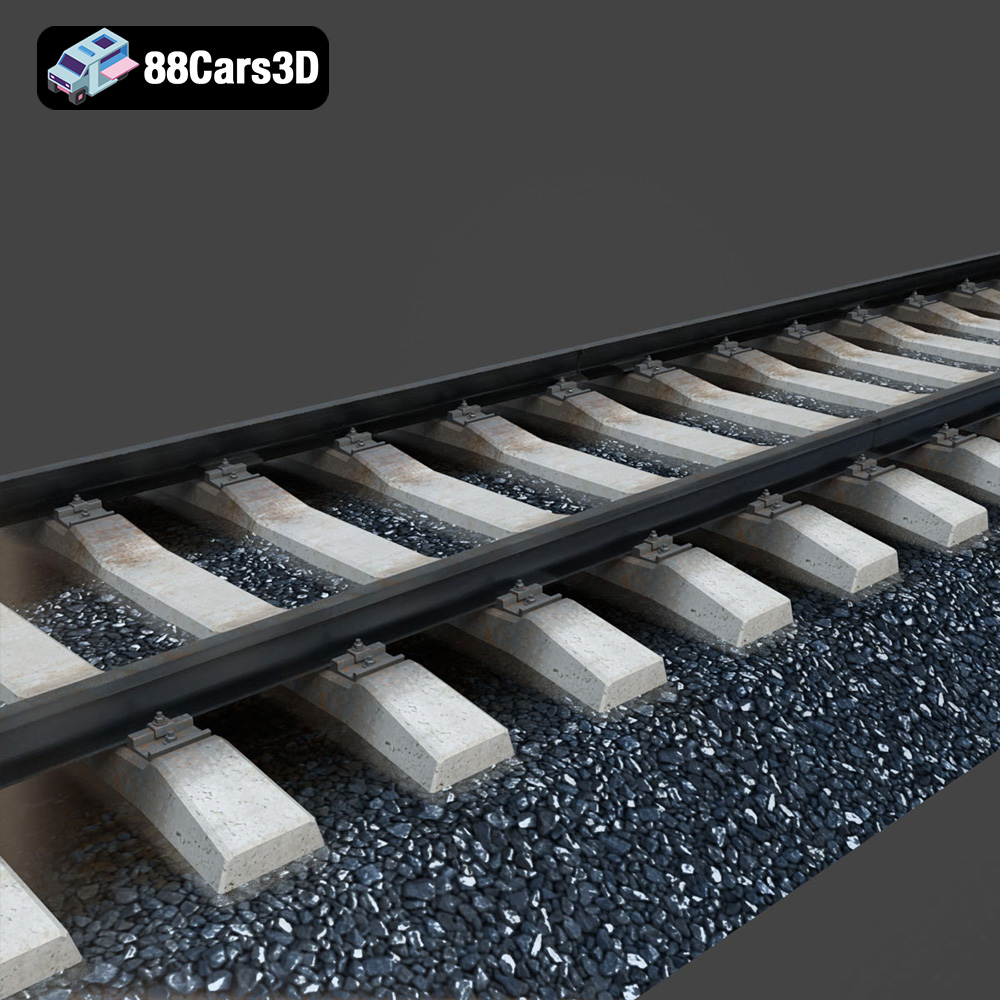
Download the Rail Road 006 3D Model featuring a detailed exterior, accurate proportions, and realistic textures. Includes .blend, .fbx, .obj, .glb, .stl, .ply, .unreal, and .max formats for rendering, simulation, and game development.
Price: $10.79
Texture: Yes
Material: Yes
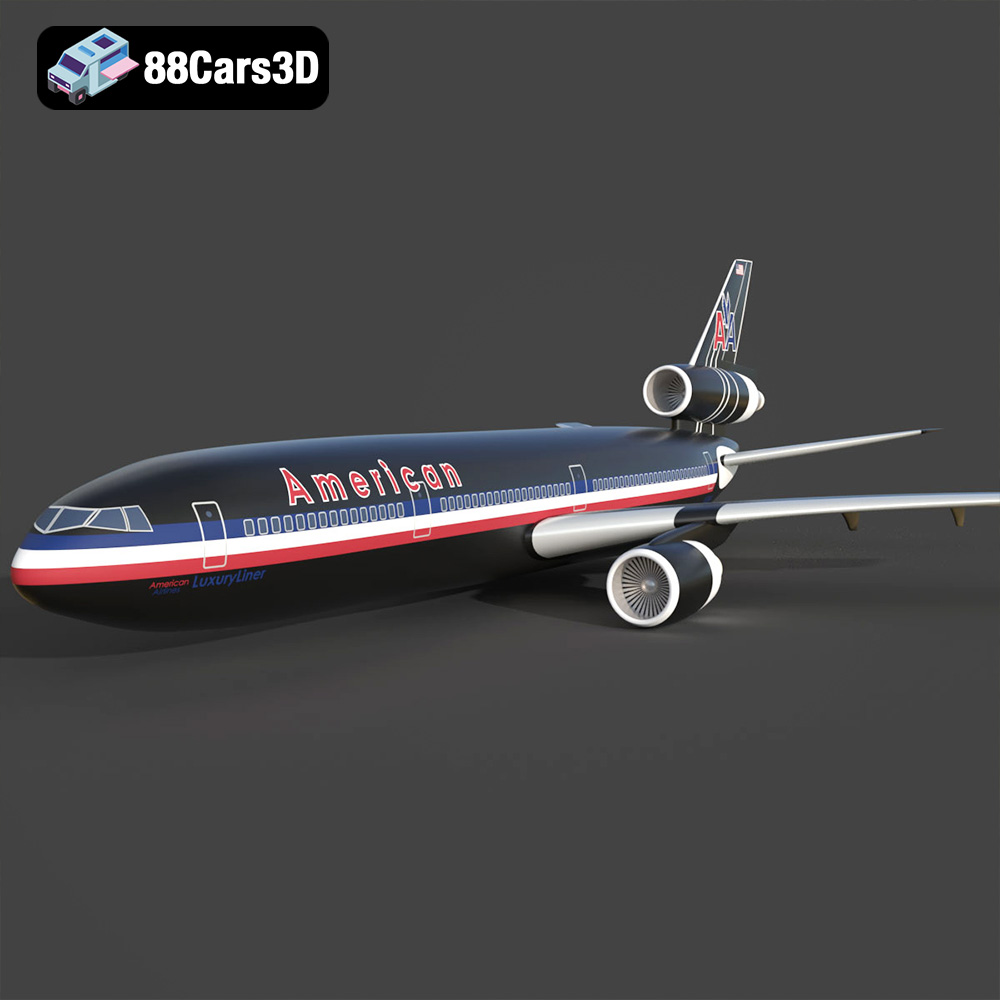
Download the American AA-006 Airplane 3D Model featuring a detailed exterior, cockpit, and landing gear. Includes .blend, .fbx, .obj, .glb, .stl, .ply, .unreal, and .max formats for rendering, simulation, and game development.
Price: $10.79
Texture: Yes
Material: Yes
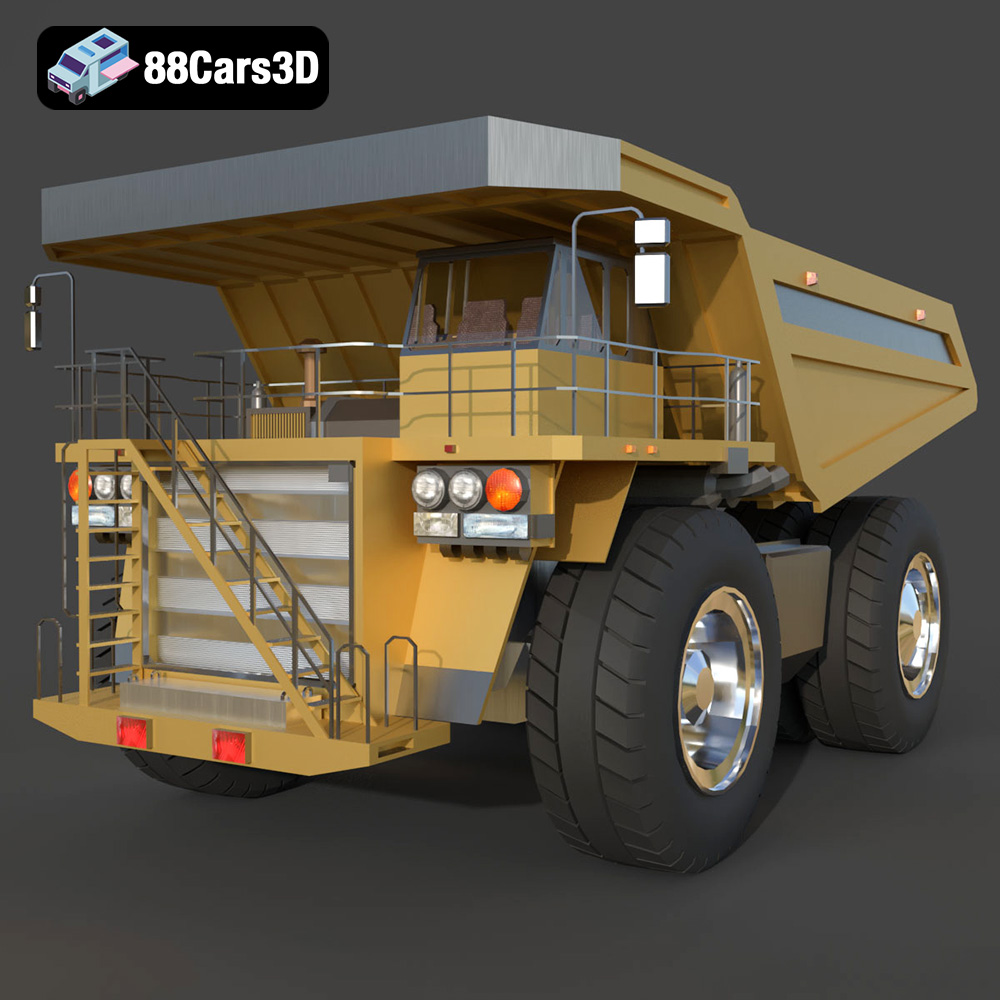
Download the Samosval-003 3D Model featuring a robust dump truck design, detailed exterior and interior, and animatable components. Includes .blend, .fbx, .obj, .glb, .stl, .ply, .unreal, and .max formats for rendering, simulation, and game development.
Price: $10.79

