The glint of sunlight on polished chrome, the intricate distortion of a wet road seen through a windshield, the deep, lustrous sheen of automotive paint – these are the hallmarks of truly captivating 3D car renders. At 88cars3d.com, we understand that achieving this level of visual fidelity isn’t just about meticulous 3D modeling; it’s profoundly about mastering the art and science of reflections and refractions. These two phenomena are the silent heroes that imbue your 3D car models with life, connecting them seamlessly to their environment and conveying the material properties that make a virtual vehicle indistinguishable from its real-world counterpart. Without accurate reflections and refractions, even the most detailed model can appear flat, artificial, and detached from its surroundings. This comprehensive guide will take you on a deep dive into the technical intricacies of creating breathtakingly realistic reflections and refractions, equipping you with the knowledge and workflows to elevate your automotive rendering to a professional standard. We’ll explore everything from the fundamental physics of light interaction to advanced software-specific techniques, ensuring your renders don’t just show a car, but truly *present* a vehicle.
Understanding the Physics of Light: Reflections and Refractions
Before diving into software settings and shader graphs, a foundational understanding of how light behaves is crucial. Reflections and refractions are not merely visual tricks; they are direct consequences of light interacting with surfaces, and mimicking these interactions accurately is paramount for realism in automotive rendering. The way light bounces off or passes through a material dictates its visual characteristics, from the subtle sheen of a matte finish to the dazzling sparkle of chrome.
The Fresnel Effect Explained
One of the most critical concepts in creating believable reflective and refractive surfaces is the Fresnel effect. Named after the French physicist Augustin-Jean Fresnel, this phenomenon describes how the reflectivity of a surface changes with the angle at which it is viewed. You’ve observed it countless times: a calm lake appears transparent when you look straight down into it, but highly reflective when viewed at a grazing angle, reflecting the sky and surrounding trees. The same principle applies to car paint, glass, and even plastic components.
In 3D rendering, the Fresnel effect is implemented in shaders to control the strength of reflections based on the viewing angle. Surfaces viewed head-on (at a 0-degree angle of incidence, or normal incidence) will have a minimal reflection, while those viewed at a steep, grazing angle (approaching 90 degrees) will exhibit much stronger, almost mirror-like reflections. This subtle but powerful effect is what gives materials depth and realism, making them feel physically plausible. Ignoring Fresnel will often result in materials that look artificial, either too reflective from all angles or not reflective enough where it matters most.
Index of Refraction (IOR) for Automotive Materials
While reflections deal with light bouncing off a surface, refraction concerns light passing *through* a transparent or translucent material, bending as it does so. The degree to which light bends is determined by the material’s Index of Refraction (IOR). Each material has a unique IOR value, which is a ratio describing how fast light travels through that material compared to a vacuum. For instance, air has an IOR of approximately 1.0, water is around 1.33, and common glass is typically between 1.5 and 1.7.
- Car Glass (Windshields, Windows): The IOR for standard automotive glass is usually around 1.5-1.52. Using an accurate IOR is vital for realistic distortions and the way background elements appear warped through the glass.
- Headlight Lenses/Taillights: These often use acrylic or polycarbonate, which have IORs ranging from 1.49 to 1.59. The internal structure of these components also requires careful modeling to correctly refract light from internal bulbs.
- Clear Coat on Car Paint: While car paint itself is opaque, the clear coat layer is essentially a very thin layer of transparent material, contributing to the paint’s reflectivity and shine. It typically has an IOR similar to glass, around 1.4-1.5, playing a significant role in how reflections appear on the car body.
An incorrect IOR can immediately break the illusion of realism, making glass look like plastic or distorting the scene incorrectly. Therefore, referencing real-world IOR values for your materials is a critical step in achieving photorealistic results.
Crafting Realistic PBR Materials for Automotive Renders
The foundation of stunning reflections and refractions lies in meticulously crafted Physically Based Rendering (PBR) materials. PBR materials simulate how light interacts with surfaces in a physically accurate manner, resulting in highly realistic visuals under various lighting conditions. For automotive 3D car models, this means paying close attention to every layer and property of the materials that make up the vehicle, from the metallic flakes in the paint to the nuanced imperfections on the glass.
Car Paint Shaders
Car paint is arguably the most complex and visually striking material on an automobile, demanding a sophisticated shader setup. A realistic car paint shader typically consists of several layers to simulate its real-world counterpart:
- Base Color (Diffuse): This is the underlying color of the paint. It should be subtle and not overly saturated.
- Metallic Layer: This layer dictates how metallic the paint appears. For non-metallic paints, this value will be very low or zero. For metallic finishes, it will be higher, allowing light to reflect off tiny metallic flakes.
- Roughness Map: This map is crucial for defining the microsurface details, controlling how sharp or blurry reflections are. A clean, polished car will have very low roughness, resulting in sharp, clear reflections. Even a perfectly clean car will have some microscopic imperfections, so avoid absolute zero roughness.
- Clear Coat Layer: This is the glossy, transparent top layer that gives car paint its deep shine. It should have its own set of roughness and IOR (typically around 1.4-1.5) values, and often a separate normal map to simulate orange peel texture, a subtle waviness found on real car finishes.
- Metallic Flakes/Pearlescent Effects: For advanced realism, you can add procedural or texture-based metallic flakes within the clear coat layer. These tiny specular reflections catch the light at different angles, creating the characteristic sparkle of metallic paint. Pearlescent paints require more complex setups, often involving multiple layers with varying colors and Fresnel responses to simulate the color shift.
In software like Blender, the Principled BSDF shader (available in Cycles and Eevee) is an excellent starting point. You can layer materials using a Mix Shader, or leverage the built-in ‘Clearcoat’ and ‘Clearcoat Roughness’ parameters for the top coat. For metallic flakes, a noise texture or a dedicated flake normal map plugged into the clear coat’s normal input, combined with subtle anisotropy, can yield impressive results.
Glass and Transparent Materials
Glass in a car render isn’t just about transparency; it’s about accurate reflection and subtle refraction. Different types of glass within a car require distinct material properties:
- Windshields and Side Windows: These typically require high transparency (low absorption) and an IOR of approximately 1.5. A slight tint, especially for privacy glass, can be applied through the ‘Transmission Color’ or ‘Absorption’ parameter. Crucially, consider using a very subtle roughness value (e.g., 0.01-0.05) to break up perfectly sharp reflections, simulating dust or microscopic imperfections.
- Headlight and Taillight Lenses: These often have more complex shapes and internal structures designed to scatter and focus light. Their material may be a slightly different type of plastic with an IOR closer to 1.5-1.59. Transparency needs to be carefully balanced with absorption, and some lenses might have a subtle frosted or textured effect (achieved with a roughness or normal map) to diffuse light.
- Absorption and Tint: Real glass absorbs some light, especially thicker sections or tinted glass. Implement this with a subtle ‘Absorption Color’ or by reducing the ‘Transmission Weight’ slightly. For more accurate colored glass, ensure that the absorption color is applied correctly. In Blender, for example, the Principled BSDF’s ‘Transmission’ and ‘Transmission Roughness’ parameters are key. For realistic light absorption, consider using a Volume Absorption node in conjunction with your glass shader. Refer to the official Blender 4.4 documentation on Glass BSDF and Volume Absorption for detailed setups.
Remember the Fresnel effect here too; glass surfaces will reflect more strongly at grazing angles, even if they are largely transparent head-on.
Chrome and Metallic Surfaces
Chrome, brushed aluminum, and other metallic components contribute significantly to a car’s realistic appearance. These materials are characterized by their high reflectivity and often anisotropic reflections:
- Pure Chrome: This is a classic example of a highly reflective metallic surface. In a PBR workflow, set the ‘Metallic’ value to 1 (or very close to 1) and the ‘Roughness’ value to an extremely low number (e.g., 0.005-0.01) to achieve a mirror-like finish. The base color for pure chrome is usually a mid-grey, as the color of reflections defines its appearance.
- Brushed Metals: For components like exhaust tips or interior trim, a brushed metal effect adds a touch of sophistication. This is achieved by introducing anisotropy. Anisotropy causes reflections to stretch in a particular direction, mimicking the fine parallel scratches on brushed metal. You’ll need an ‘Anisotropic’ shader or parameter (found in advanced PBR shaders) and often an ‘Anisotropic Rotation’ map or texture to control the direction of the brushing. A subtle normal map can further enhance the effect of the brushed grain.
- Other Metals: From painted calipers to engine components, various metals require different roughness levels and potentially different base colors to reflect their true nature. Always consider the wear and tear on these surfaces – older cars might have more oxidized or scuffed metal, requiring higher roughness values or even rust textures.
The key to all these materials is precision. Even slight adjustments to roughness, metallic, or IOR values can dramatically alter the visual outcome, moving a material from realistic to artificial. Take the time to fine-tune each component.
The Power of Lighting and HDRI Environments
No matter how perfectly you craft your PBR materials, they will only look realistic if they are illuminated by a convincing lighting setup. Reflections and refractions are fundamentally about light interaction, meaning the quality and nature of your light sources directly dictate the fidelity of these visual elements. For automotive rendering, the environment is almost as important as the car itself, as it provides the context for all reflections.
Studio Lighting Setups
For showcase renders, especially for advertising or design presentations, controlled studio lighting is often preferred. This allows for precise manipulation of reflections to highlight specific design features. Common setups include:
- Three-Point Lighting: A fundamental technique involving a key light (main illuminator), a fill light (softens shadows), and a back/rim light (separates the subject from the background). For car renders, these lights are often large area lights or softboxes to create broad, soft reflections on the body panels.
- Softboxes and Area Lights: These are essential for creating professional automotive renders. Large, rectangular or square area lights positioned strategically around the car will produce smooth, elongated reflections that emphasize the vehicle’s curves and contours. The size and position of these lights directly influence the shape and sharpness of reflections. Experiment with various sizes and orientations to achieve desired effects, such as a ‘light tunnel’ setup to create continuous highlights along the car’s length.
- Gradient Lighting: Using large, often subtle, gradient lights or emissive planes in the background can create elegant reflections that transition smoothly from light to dark, enhancing the perceived depth and form of the car. This is particularly effective for showroom-style renders where the environment should be minimalist but effective in shaping reflections.
- Controlling Reflection Strength: Within your rendering software, each light source will have an intensity. For studio setups, you often want to control which lights contribute to diffuse illumination and which primarily contribute to reflections. Some renderers offer ‘visibility’ settings per light, allowing you to exclude them from diffuse or glossy calculations if needed, giving you granular control over the final reflective appearance.
The goal of studio lighting is to sculpt the car’s form using reflections, revealing its design language through the interplay of light and shadow on its polished surfaces.
Outdoor HDRI Environments
For renders aiming for natural realism, High Dynamic Range Images (HDRIs) are indispensable. An HDRI captures the full range of light information from a real-world location, including direct sunlight, ambient light, and reflections from surrounding objects. When used as an environment map in your 3D software, it simultaneously illuminates your scene and provides realistic reflections for your car model.
- High Resolution is Key: For pristine reflections, especially on glossy car paint and chrome, use HDRIs with very high resolutions (e.g., 16K or 32K). Lower resolution HDRIs will result in pixelated or blurry reflections, immediately detracting from realism. Platforms like 88cars3d.com often ensure their models are compatible with high-quality HDRIs, making it easier for artists to achieve top-tier results.
- Variety of Environments: To truly showcase a 3D car model, experiment with HDRIs from different settings:
- Sunny Outdoor Scenes: Provide sharp, defined reflections and strong specular highlights.
- Overcast/Cloudy Skies: Offer softer, more diffused reflections, ideal for showcasing subtle surface details without harsh glare.
- Urban Environments: Introduce complex reflections from buildings, streetlights, and diverse textures, adding visual interest.
- Studio HDRIs: Combine the control of studio lighting with the ease of HDRI usage, often used to create pristine, controlled reflections without physically placing light sources.
- Rotation and Positioning: Don’t just load an HDRI and leave it. Rotate your HDRI environment to find the most flattering angle that highlights the car’s contours and materials. Adjusting its strength can also influence the overall brightness and impact of reflections. In Blender, for example, you can adjust the HDRI rotation in the World Shader Node setup using a Mapping node plugged into the Environment Texture node’s Vector input.
Interplay of Lights and Materials
The magic happens when your carefully crafted materials interact with thoughtfully placed lights. Understanding this interplay is key:
- Direct vs. Indirect Light: Direct light sources (sun, spot lights) create sharp, intense reflections, while indirect light (bounced light, global illumination) contributes to the overall ambient reflections and subtle light wrapping around objects. Good rendering engines like Cycles (Blender) or V-Ray (3ds Max) excel at simulating this complex interaction.
- Specular Highlights: These are the brightest points of light reflected on a surface. Their size and intensity are directly controlled by the material’s roughness and the light’s intensity. On a car, crisp, well-defined specular highlights on the paint and chrome convey a sense of sharpness and cleanliness.
- Environmental Reflections: Even when a light source isn’t directly hitting a surface, the environment itself is reflected. This is where HDRIs shine, as they provide a rich and varied source of environmental data for reflections. The reflections on car surfaces should accurately mirror the surrounding environment, anchoring the car within the scene.
Always render test shots to see how your materials and lights are interacting. What might look good in isolation could fall apart when combined.
Advanced Rendering Techniques Across Software
Modern 3D software and rendering engines offer powerful tools to achieve astonishing realism in reflections and refractions. While the underlying physical principles remain constant, the implementation and specific parameters can vary significantly. Understanding these software-specific techniques is crucial for optimizing your workflow and achieving the desired results.
Blender (Cycles & Eevee)
Blender, a free and open-source 3D creation suite, offers two primary rendering engines, each with its strengths for reflections and refractions. For comprehensive details, artists should consult the official Blender 4.4 documentation.
- Cycles (Path Tracing): Cycles is Blender’s physically based ray-tracing engine, excelling in photorealistic renders.
- Principled BSDF: This is your go-to shader for most materials. For car paint, utilize the ‘Metallic’ input for metallic flakes, ‘Roughness’ for surface smoothness, and crucially, the ‘Clearcoat’ and ‘Clearcoat Roughness’ parameters to simulate the lacquer layer. The ‘IOR’ setting within the Principled BSDF or a dedicated Glass BSDF node is vital for accurate glass refraction.
- Light Paths: In Cycles render settings, under ‘Light Paths’, you can control the number of diffuse, glossy, transmission, and volume bounces. For highly reflective and refractive materials like car paint and glass, increasing ‘Glossy’ and ‘Transmission’ bounces (e.g., to 4-8 or even higher for very complex glass) is essential for accurate light interaction and depth. Be mindful that higher bounce counts increase render times.
- Caustics: Cycles can calculate caustics (the focusing of light through refractive objects like glass), but they are computationally expensive. Enable ‘Caustics’ in the Light Paths settings if you require this advanced realism for elements like headlights.
- Volume Absorption/Scattering: For detailed glass that absorbs light or features internal imperfections, combine a Glass BSDF with a Volume Absorption or Volume Scatter node. This is particularly effective for subtly tinted or thicker glass.
- Eevee (Real-time Renderer): Eevee is Blender’s real-time physically based renderer, ideal for quick previews and animations.
- Screen Space Reflections/Refractions: Eevee primarily relies on screen-space effects for reflections and refractions. In the Render Properties tab, enable ‘Screen Space Reflections’ and ‘Screen Space Refractions’. Adjust the ‘Roughness’ and ‘Thickness’ parameters under these settings for better accuracy. Bear in mind that screen-space effects can only reflect/refract what is visible on screen, leading to limitations for off-screen objects or complex occlusions.
- Reflection Probes: To enhance Eevee’s reflections, especially for off-screen elements, use ‘Reflection Cubemaps’ and ‘Irradiance Volumes’ (found under Add -> Light Probe). These probes bake environmental information, providing more consistent reflections. Place cubemaps strategically in areas with prominent reflections, like the center of the car.
- Material Settings: Ensure your Principled BSDF materials have appropriate ‘Specular Tint’ and ‘Transmission’ values. Eevee will interpret these as best it can within its real-time limitations.
3ds Max and Corona/V-Ray
3ds Max, paired with rendering engines like Corona Renderer or V-Ray, is a powerhouse for high-end architectural and automotive visualization. These engines offer sophisticated tools for photorealistic reflections and refractions.
- Physical Camera Settings: Both Corona and V-Ray utilize physical cameras, meaning aperture, shutter speed, and ISO directly affect the exposure and depth of field, impacting how reflections appear. Correct camera setup is fundamental for natural-looking images.
- Corona Physical Material / V-Ray Material:
- Reflectivity: Control the overall strength of reflections. For metals, this will be high; for diffuse plastics, very low.
- Glossiness/Roughness: Crucial for defining the sharpness of reflections. A low glossiness (high roughness) value will blur reflections, while high glossiness (low roughness) creates sharp, mirror-like surfaces.
- IOR: Set the correct Index of Refraction for transparent and translucent materials. Corona and V-Ray offer extensive presets for common materials.
- Faux Caustics/Refraction Depth: While true caustics are render-intensive, both engines offer controls to approximate them or manage the depth of refraction bounces, saving render time while maintaining visual quality.
- Clear Coat: Both engines provide dedicated clear coat layers within their advanced materials, allowing for accurate car paint simulation with separate controls for reflection, glossiness, and IOR.
- HDRI Lighting: Leverage the full power of HDRI environment maps for realistic lighting and reflections. Both Corona and V-Ray integrate HDRIs seamlessly, allowing for easy rotation, scaling, and intensity adjustments to achieve the perfect lighting scenario. Use high-resolution HDRIs for detailed reflections.
- Material IDs and Render Elements: Utilize material IDs and render elements (e.g., Reflection Pass, Refraction Pass, Z-Depth) for greater control in post-processing. This allows you to selectively adjust the intensity or color of reflections and refractions without re-rendering the entire scene.
Maya (Arnold)
Arnold, a sophisticated Monte Carlo ray tracing renderer integrated into Maya, is known for its robust and physically accurate rendering capabilities, making it a top choice for film and VFX, and increasingly for high-end automotive renders.
- Arnold Standard Surface Shader: This versatile shader is the core of your material creation in Arnold.
- Base and Specular: Control the base color and primary reflections. Adjust ‘Specular Roughness’ for blurred reflections and ‘Specular IOR’ for Fresnel behavior.
- Transmission: For transparent materials like glass, enable ‘Transmission’ and adjust ‘Transmission Roughness’ for frosted effects. Set the correct ‘IOR’ for accurate light bending.
- Transmission Depth: This parameter defines how many internal bounces light can take within a refractive object. Increasing this value (e.g., to 6-10) is essential for realistic, complex glass and liquid simulations, preventing light from abruptly stopping inside the material.
- Subsurface Scattering (SSS): While not strictly reflection/refraction, SSS can be used for very subtle light scattering in thick glass or plastic, adding a touch of realism to components like thick headlight lenses.
- Thin-Walled: For very thin glass geometries (like car windows), enabling ‘Thin-Walled’ in the Transmission section can speed up rendering by simplifying refraction calculations.
- Skydome Light and HDRI: Arnold’s Skydome light is the primary tool for HDRI-based lighting. Load your HDRI into the color slot of a Skydome light, and adjust its ‘Exposure’, ‘Rotation’, and ‘Samples’ for cleaner illumination and reflections.
- Ray Depth: Similar to Cycles’ Light Paths, Arnold has ‘Ray Depth’ settings (under Render Settings -> Arnold Renderer -> Ray Depth). Increase ‘Specular’ and ‘Transmission’ ray depth for more accurate reflections and refractions, especially for scenes with multiple reflective/refractive surfaces. Be cautious, as very high values increase render times.
Across all these software solutions, the common thread is the adherence to PBR principles and a deep understanding of how light behaves. While specific buttons and sliders may differ, the core concepts of IOR, roughness, metallic, and environmental lighting remain universal.
Optimization for Performance: Games, AR/VR, and Real-time
While achieving ultimate photorealism is the goal for cinematic renders, real-time applications like video games, AR/VR experiences, and interactive configurators demand a delicate balance between visual quality and performance. Realistic reflections and refractions are computationally intensive, so optimization strategies are critical to maintain smooth frame rates and efficient resource usage, especially when working with 3D car models.
LODs and Reflection Probes
For game engines like Unity and Unreal Engine, a high-polygon, fully ray-traced car model is often impractical. This is where optimization techniques come into play:
- Levels of Detail (LODs): Implement multiple versions of your car model, each with decreasing polygon counts. For example, a car might have an LOD0 (high poly, >100k polygons) for close-ups, an LOD1 (medium poly, ~30-50k polygons) for mid-distance, and an LOD2 (low poly, ~5-10k polygons) for distant views. This reduces the number of polygons rendered when the car is far from the camera, significantly improving performance without a noticeable drop in quality. Reflection and refraction calculations also scale with polygon count, so simpler meshes at a distance are faster to process.
- Reflection Probes (Unity/Unreal Engine): Instead of relying on real-time ray tracing (which is expensive), game engines use reflection probes. These are essentially cameras that render a 360-degree cubemap of the environment from their position. This baked reflection information is then applied to nearby reflective surfaces.
- Placement Strategy: Place reflection probes strategically: one central probe for the entire car, and smaller, localized probes inside the car (e.g., for the dashboard, interior chrome).
- Blend Distance: Adjust the blend distance of each probe so they smoothly transition between one another, preventing abrupt changes in reflections.
- Update Frequency: For static scenes, reflection probes can be baked once. For dynamic environments or moving cars, you might need to update them less frequently or use planar reflections (for ground reflections) or screen-space reflections (SSR) as a fallback for dynamic elements.
- Planar Reflections (Unity/Unreal Engine): These are highly optimized for flat surfaces like car windows or the ground. They render the scene again from a mirrored perspective, creating perfect reflections on a single plane. Use them sparingly as they can be performance-heavy if too many are active or cover large areas.
Baking Reflections and Lightmaps
For static elements or specific effects, baking can save immense computational resources:
- Baking Reflection Textures: For complex reflective surfaces where dynamic reflections aren’t strictly necessary or for lower-end platforms, you can bake specific reflection maps (cubemaps or sphere maps) directly onto your texture sets. This creates the illusion of reflection without any real-time calculation. This is particularly useful for chrome trim or headlights that don’t need to show dynamic changes in their surroundings.
- Baking Lightmaps: While not directly reflections, lightmaps bake global illumination and ambient occlusion onto textures. For environments surrounding the car, baking lightmaps can create a more believable context, indirectly improving the appearance of reflections as the environment itself looks more grounded and realistically lit.
- Ambient Occlusion Maps: Baking an Ambient Occlusion (AO) map helps to ground the car in the environment by simulating subtle contact shadows, making materials appear more solid and less like they’re floating. This subtly enhances the perception of depth, which in turn makes reflections feel more natural.
Mobile and AR/VR Considerations
Developing for mobile or AR/VR platforms presents unique challenges due to limited processing power and memory:
- Reduced Resolution Textures: Use optimized texture resolutions (e.g., 2K or 1K for diffuse, normal, and roughness maps, rather than 4K or 8K). This reduces memory footprint and speeds up rendering.
- Simplified Shaders: Avoid overly complex shader graphs with many layers or expensive calculations. Streamline your PBR materials to the essential components. Often, a single metallic-roughness workflow is sufficient.
- Lower Poly Counts: Aggressive LODs are essential. Aim for significantly lower polygon counts for your 3D car models, perhaps even below 50k triangles for the highest LOD.
- Pre-baked Reflections: Rely heavily on baked reflection probes and cubemaps. Real-time reflections (SSR) may be too expensive for most mobile devices. Static reflections are a performant alternative.
- Shader Optimization: Use mobile-optimized shaders or render pipelines (e.g., Unity’s Universal Render Pipeline or Unreal’s Mobile Renderer). These are designed to be efficient on less powerful hardware.
- No Refraction (often): Full, physically accurate refractions are often sacrificed on mobile/AR/VR due to their computational cost. Simple transparency with a subtle tint is usually preferred, sometimes combined with a pre-rendered ‘distortion’ texture to fake the effect if absolutely necessary.
The key to optimization is identifying where visual compromises can be made without significantly degrading the overall user experience. It’s about smart resource management to deliver a smooth and engaging real-time experience.
Post-Processing and Fine-Tuning Your Renders
Even after a technically perfect render, the journey to photorealism isn’t complete. Post-processing is a vital stage where you can enhance, correct, and fine-tune your reflections and refractions, adding that final layer of polish that elevates a good render to an outstanding one. Tools like Photoshop, Affinity Photo, or even Blender’s built-in compositor offer immense control over the final image.
Compositing Reflections and Refractions
To maximize control in post-production, it’s highly recommended to render your scene with multiple render passes (also known as AOV’s – Arbitrary Output Variables). These passes isolate different components of your render, allowing for individual adjustments:
- Reflection Pass (Glossy Direct/Indirect): This pass contains only the reflective components of your materials. It allows you to adjust the intensity, color, and even sharpness of reflections without affecting the diffuse color or other elements. For example, if your car paint reflections are too strong, you can subtly reduce the opacity of this layer in your compositing software.
- Refraction Pass (Transmission Direct/Indirect): This pass captures how light passes through transparent objects. It’s invaluable for fine-tuning the clarity, tint, or distortion of your car’s glass. If the refractions through the windshield are too subtle, you can enhance this pass.
- Diffuse Pass: The base color and diffuse lighting.
- Specular Pass: Often contains direct specular highlights.
- Alpha/Mask Passes: Essential for isolating different parts of the car (e.g., paint, glass, chrome) to apply specific adjustments.
- Z-Depth Pass: Useful for creating depth of field effects in post.
In Blender’s Compositor, you would use a ‘Render Layers’ node to access these passes. Connect the desired passes (e.g., Glossy Direct, Glossy Indirect for reflections, Transmission for refractions) to ‘Mix Color’ nodes or ‘Color Balance’ nodes to make precise adjustments. For example, you might brighten the glossy indirect pass slightly to make reflections pop more, or add a subtle color shift to the transmission pass for a warmer glass tint. This non-destructive workflow offers unparalleled flexibility.
Adding Effects: Lens Flares, Chromatic Aberration, Depth of Field
Beyond basic adjustments, adding subtle atmospheric and camera effects in post-processing can significantly enhance the realism of your reflections and refractions:
- Lens Flares and Glare: These effects simulate the way light interacts with a real camera lens. A subtle lens flare emanating from a bright light source reflecting off the car’s surface or a delicate glare around strong highlights can make the render feel more like a photograph. Be judicious; overdoing these effects can quickly ruin realism. Blender’s compositor has ‘Glare’ nodes with options like ‘Fog Glow’ or ‘Streaks’ that can be used effectively.
- Chromatic Aberration: This optical phenomenon, often seen in real-world photography, appears as color fringing around high-contrast edges. Applying a very subtle chromatic aberration effect, particularly to the edges of reflections or refractions on glass, can add an organic, photographic quality. Again, subtlety is key to avoid an amateurish look.
- Depth of Field (DoF): While often rendered in-camera, a shallow depth of field can be applied or enhanced in post using the Z-Depth pass. By blurring parts of the image that are out of focus, DoF helps to direct the viewer’s eye to the sharp, reflective areas of the car, making the reflections appear even more impactful.
Color Grading and Tone Mapping
The final step in post-processing involves unifying the image’s aesthetic through color grading and tone mapping. This affects the overall mood and visual style of your automotive renders:
- Color Grading: Adjusting the color balance, saturation, and contrast across the entire image or specific regions. You might cool down the shadows, warm up the highlights, or boost the saturation of the car paint to make it stand out. Proper color grading can dramatically influence how reflections read, making them feel more integrated into the scene.
- Tone Mapping: This process converts high dynamic range values (from your render) into a displayable low dynamic range image. Most modern renderers have built-in tone mappers, but you can further refine it in post. Experiment with different tone mapping operators to achieve a desired look, such as a cinematic or photographic feel, which can enhance the punchiness of reflections and the clarity of refractions.
Post-processing is where you add the ‘magic’ that transforms a technically accurate render into an emotionally resonant image. It’s the final stage of artistic expression, allowing you to imbue your 3D car models with personality and impact, ensuring that the reflections and refractions contribute perfectly to the overall visual narrative.
Conclusion
Creating realistic reflections and refractions in 3D car renders is a meticulous process that combines technical understanding with artistic sensibility. From the initial modeling phase to the final touches in post-processing, every step contributes to the overall believability of your automotive visualizations. We’ve journeyed through the critical aspects, starting with the fundamental physics of light interaction, where the Fresnel effect and accurate Index of Refraction (IOR) values lay the groundwork for convincing materials. We then delved into crafting complex PBR materials, detailing how to build nuanced car paint shaders with clear coats and metallic flakes, and how to represent various types of glass and metals with precision. The crucial role of lighting, particularly the power of HDRI environments and strategic studio setups, was highlighted as the key to illuminating your models and generating captivating reflections.
Furthermore, we explored advanced rendering techniques across popular software like Blender (Cycles and Eevee), 3ds Max (Corona/V-Ray), and Maya (Arnold), emphasizing the specific settings and workflows unique to each. For those aiming for real-time applications such as game development or AR/VR, optimization strategies like LODs, reflection probes, and texture baking were discussed to ensure stunning visuals without sacrificing performance. Finally, we covered the transformative power of post-processing and compositing, explaining how render passes, atmospheric effects, and color grading can elevate your final images to a professional standard, making your 3D car models truly shine.
The journey to mastering reflections and refractions is continuous, evolving with new software features and rendering techniques. The most valuable takeaway is to observe the real world closely—study how light falls on car surfaces, how reflections distort through glass, and how different environments interact with polished finishes. Practice these techniques in your chosen software, experimenting with parameters and pushing the boundaries of realism. Remember that high-quality base models, like those available on 88cars3d.com, provide an excellent foundation for these advanced rendering endeavors. By applying these detailed insights and embracing a methodical approach, you’ll be well on your way to creating automotive renders that not only capture attention but also tell a compelling story through the mesmerizing dance of light.
Featured 3D Car Models
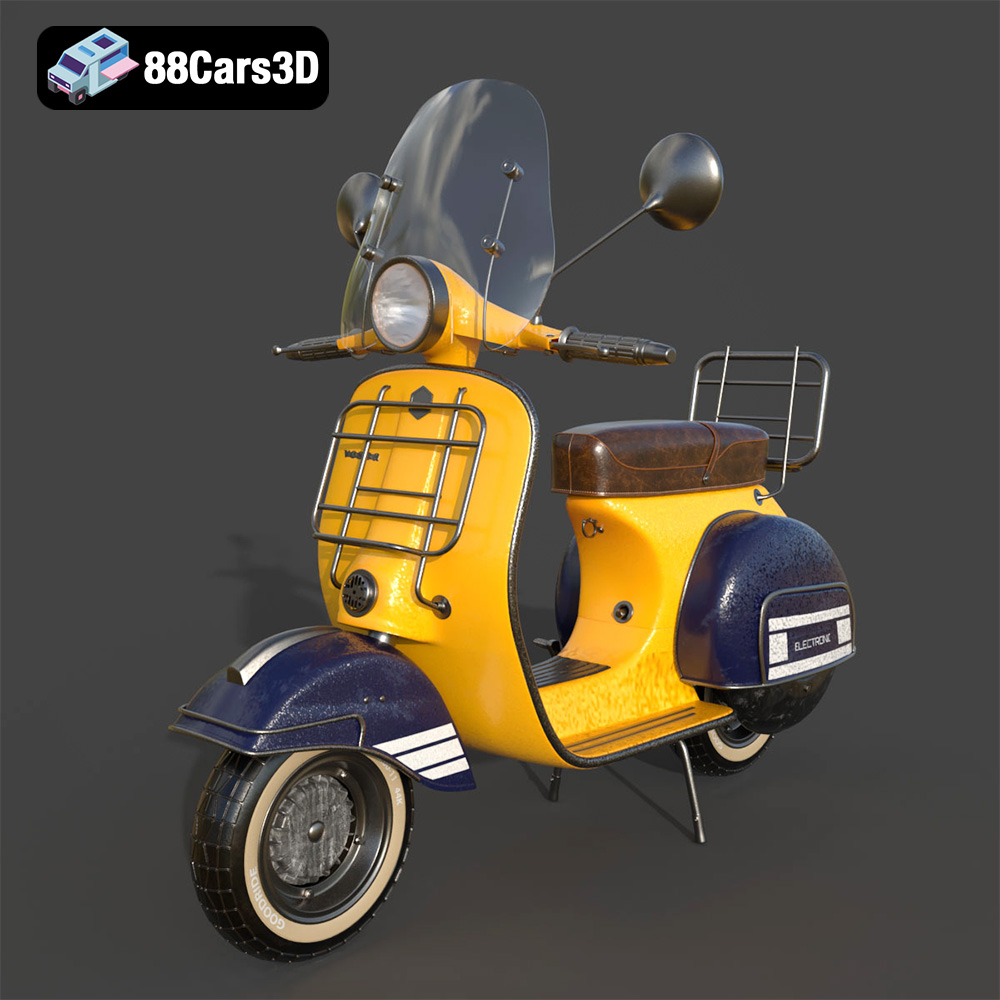
Texture: Yes
Material: Yes
Download the Vespa 5-007 3D Model featuring iconic Italian design and vintage aesthetics. Includes .blend, .fbx, .obj, .glb, .stl, .ply, .unreal, and .max formats for rendering, simulation, and game development.
Price: $20.79
View Product
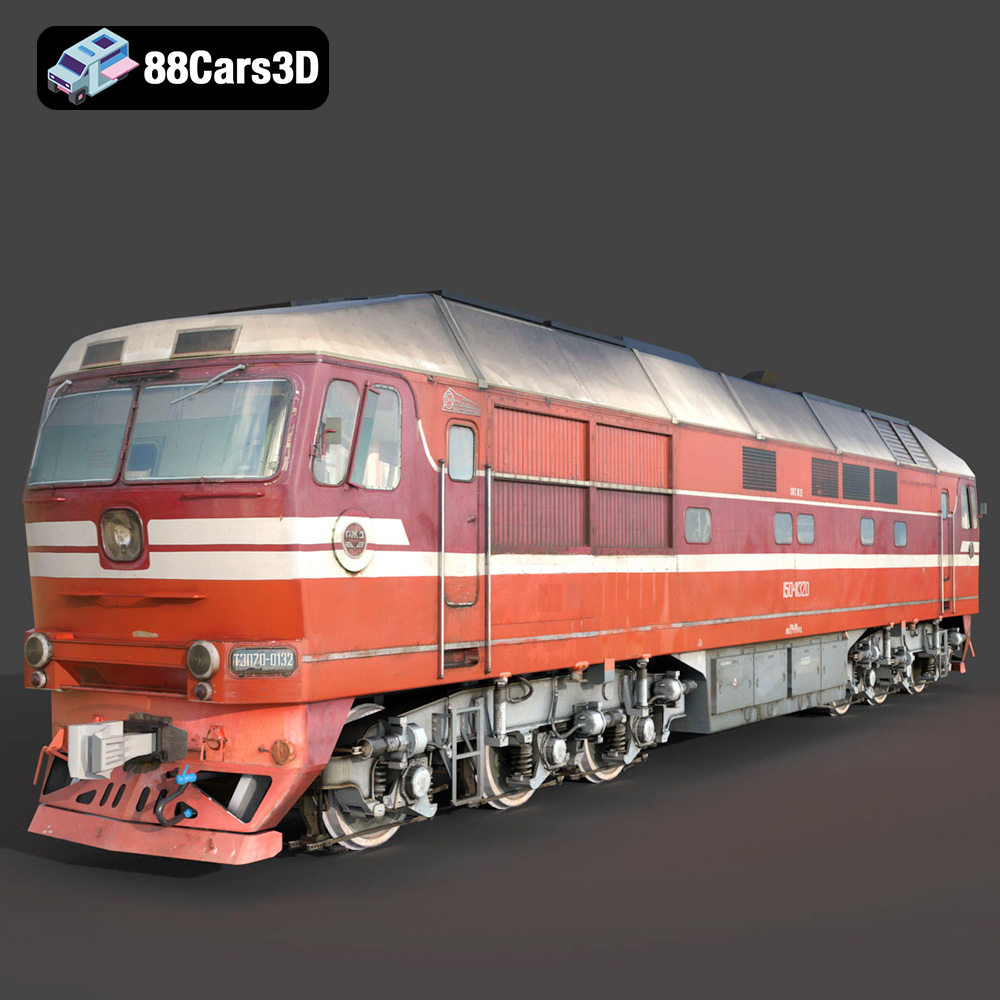
Meta Description:
Texture: Yes
Material: Yes
Download the TEP70 Diesel Locomotive 3D Model featuring detailed exterior structure, cabin interior, and realistic mechanical components. Includes .blend, .fbx, .obj, .glb, .stl, .ply, .unreal, and .max formats for rendering, simulation, AR VR, and game development.
Price: $13.9
View Product
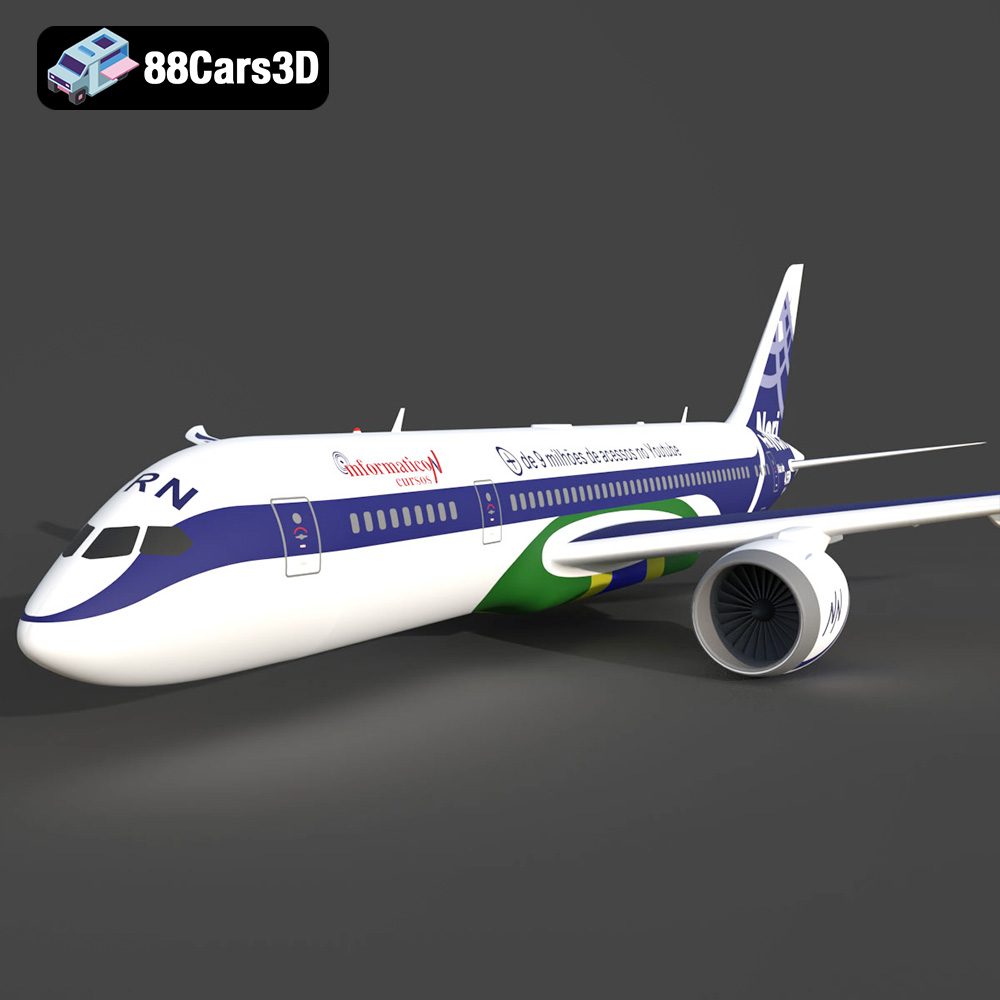
Texture: Yes
Material: Yes
Download the Airplane TRN-007 3D Model featuring clean geometry, realistic detailing, and a fully modeled interior. Includes .blend, .fbx, .obj, .glb, .stl, .ply, .unreal, and .max formats for rendering, simulation, and game development.
Price: $10
View Product
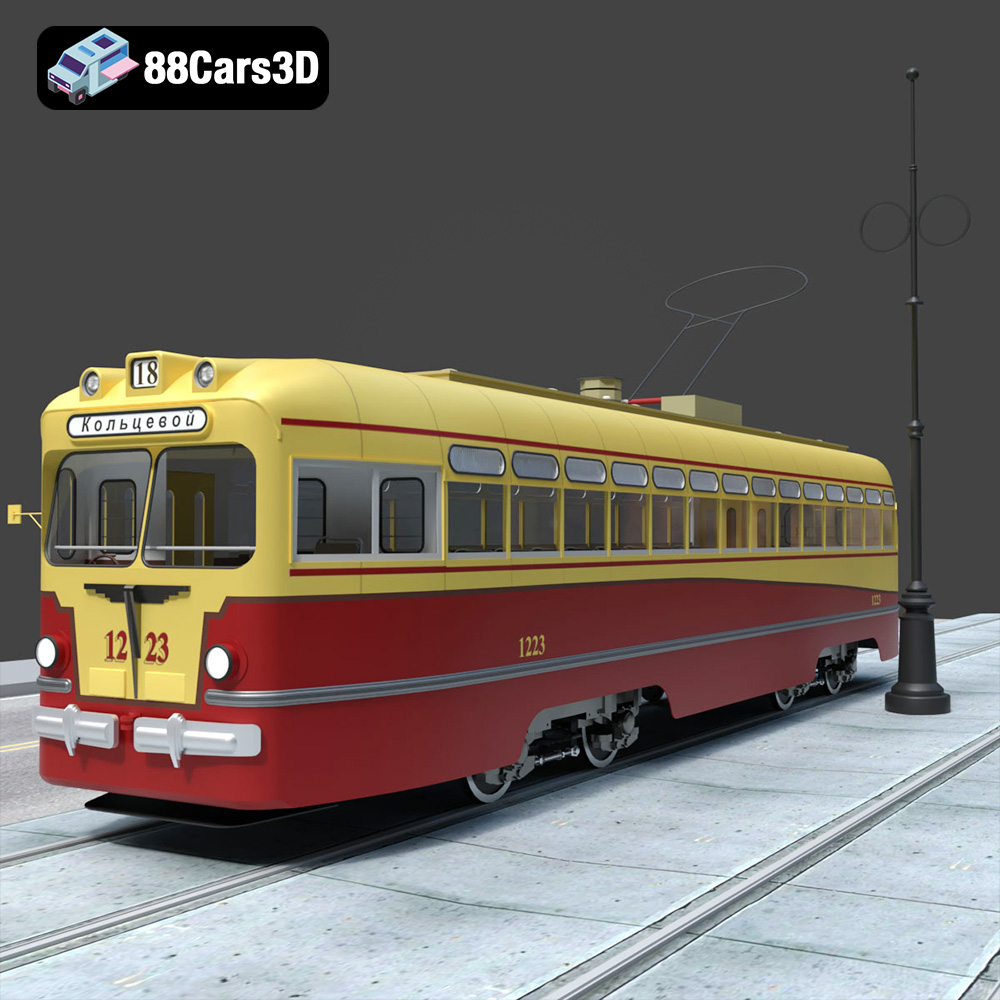
Texture: Yes
Material: Yes
Download the MTB-82 Tram 3D Model featuring clean geometry, realistic detailing, and a fully modeled interior. Includes .blend, .fbx, .obj, .glb, .stl, .ply, .unreal, and .max formats for rendering, simulation, and game development.
Price: $10
View Product
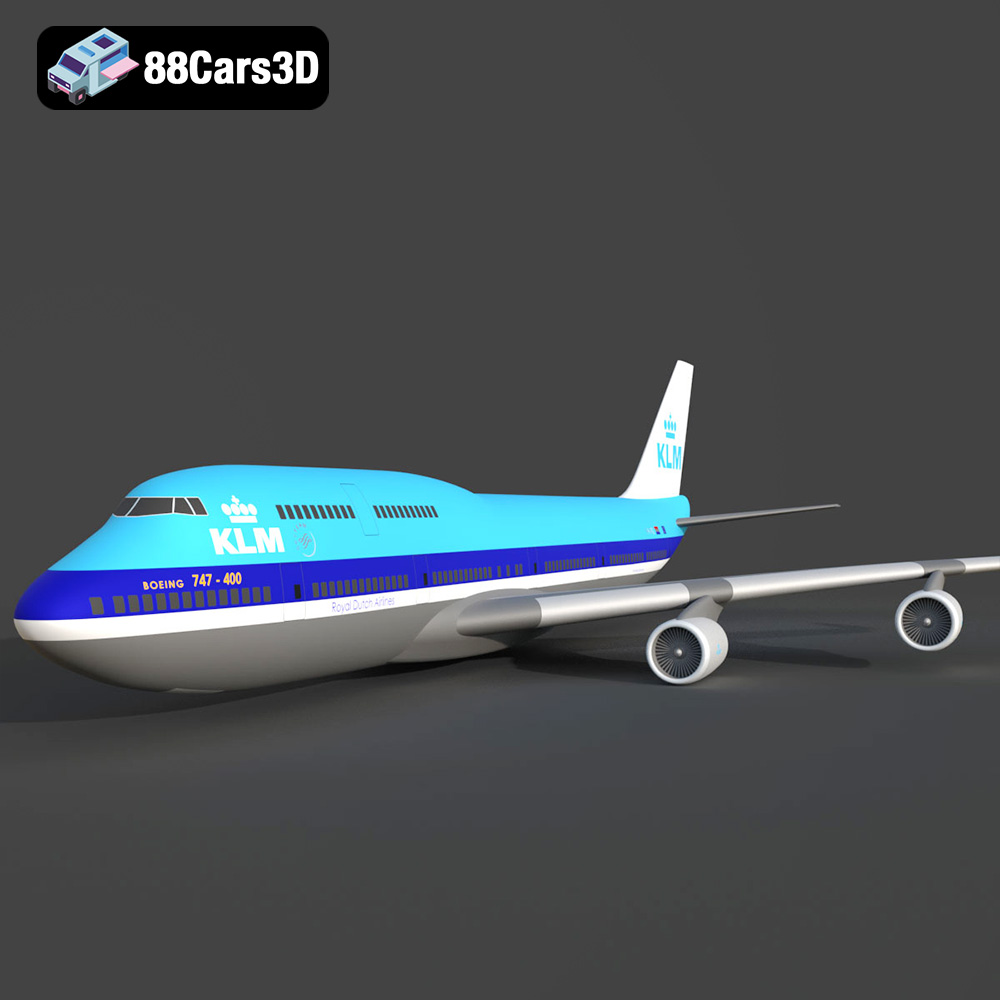
Texture: Yes
Material: Yes
Download the Boeing 747-400 KLM 3D Model featuring a detailed exterior, authentic livery, and realistic components. Includes .blend, .fbx, .obj, .glb, .stl, .ply, .unreal, and .max formats for rendering, simulation, and game development.
Price: $10.79
View Product
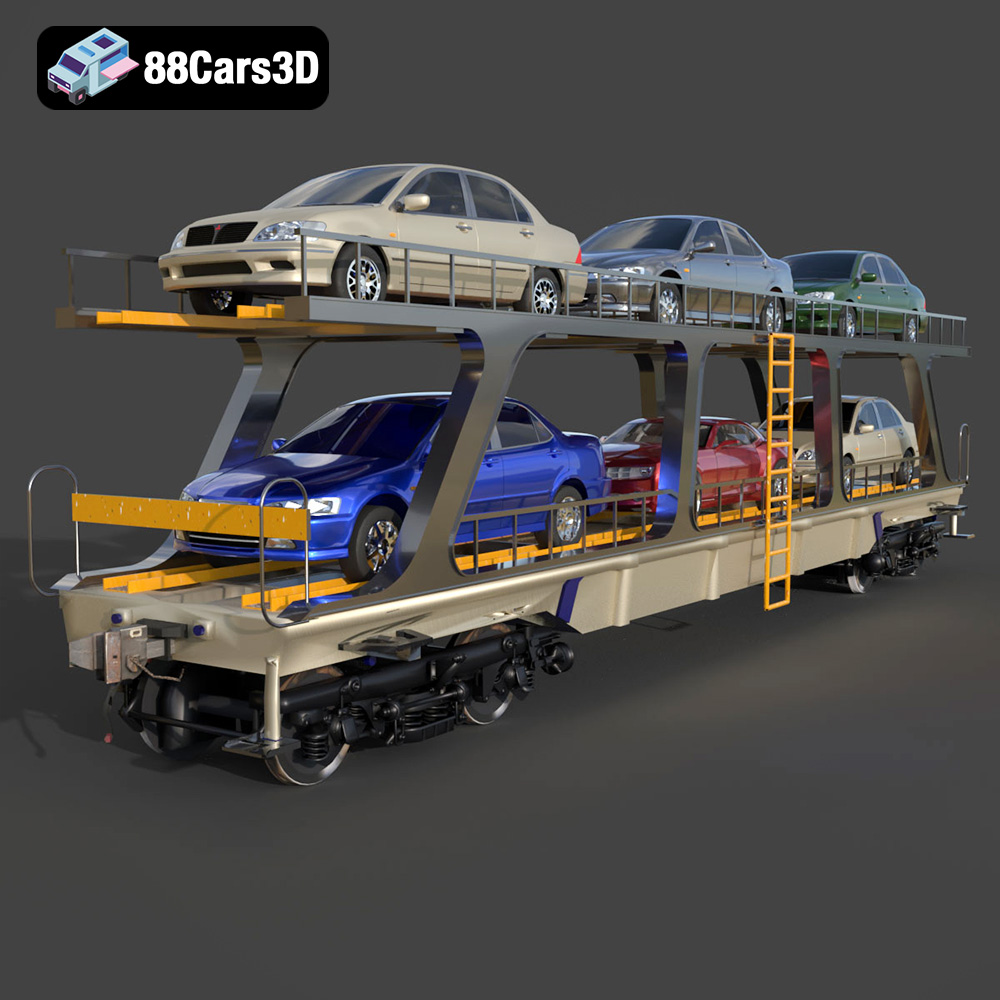
Texture: Yes
Material: Yes
Download the Avtovoz A Wagon 3D Model featuring a robust design for car transport. Includes .blend, .fbx, .obj, .glb, .stl, .ply, .unreal, and .max formats for rendering, simulation, and game development.
Price: $10.79
View Product
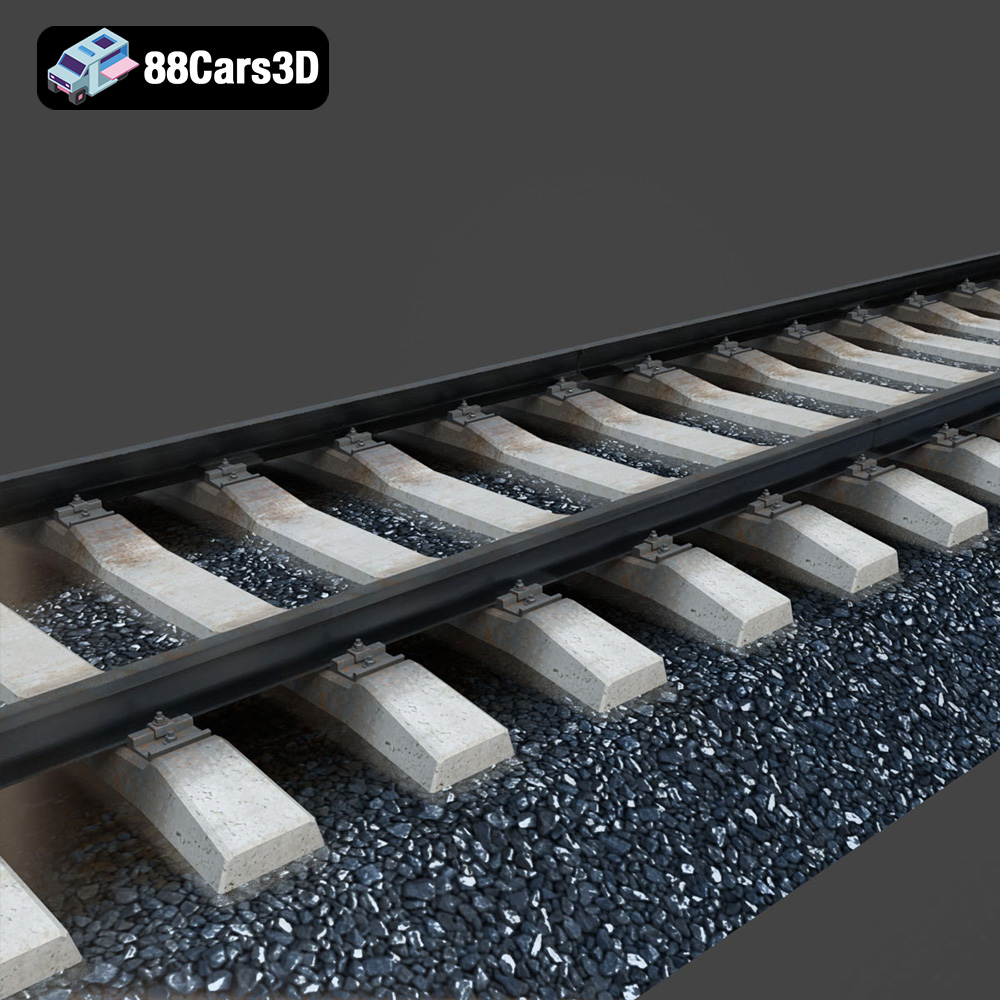
Texture: Yes
Material: Yes
Download the Rail Road 006 3D Model featuring a detailed exterior, accurate proportions, and realistic textures. Includes .blend, .fbx, .obj, .glb, .stl, .ply, .unreal, and .max formats for rendering, simulation, and game development.
Price: $10.79
View Product
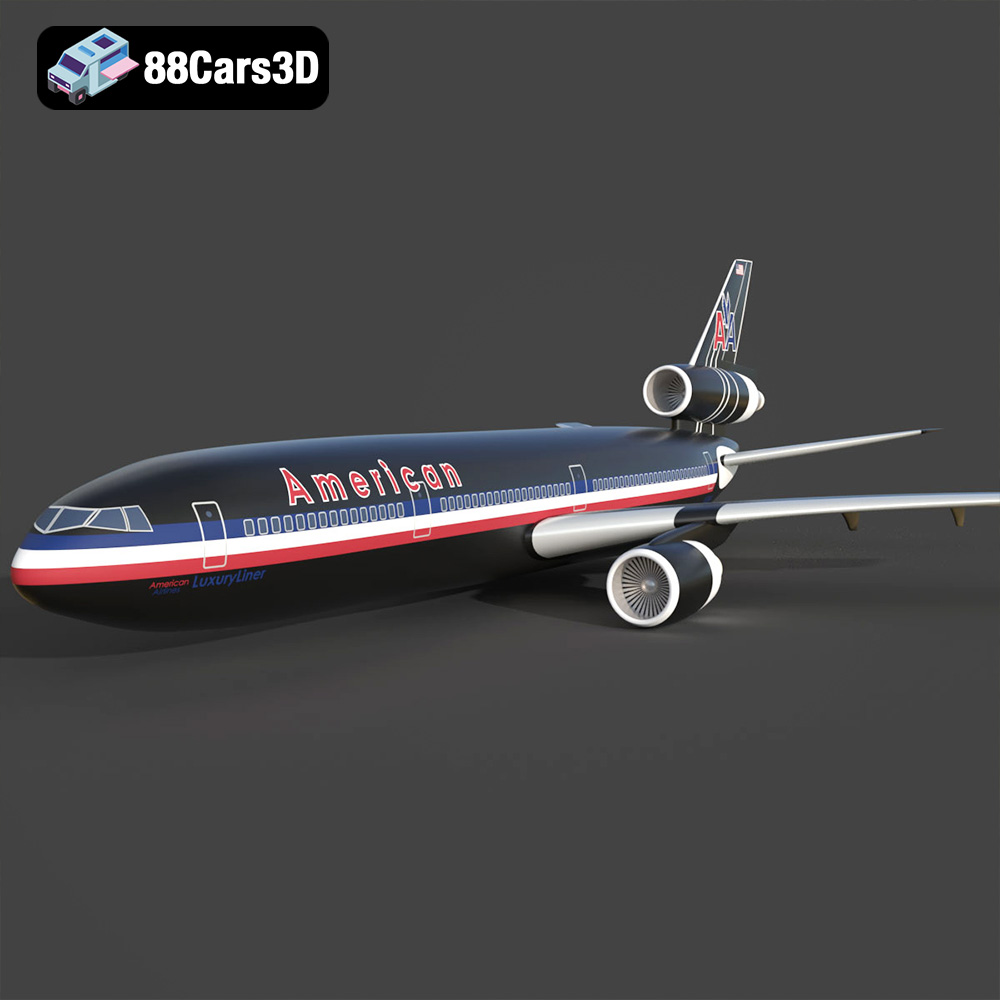
Texture: Yes
Material: Yes
Download the American AA-006 Airplane 3D Model featuring a detailed exterior, cockpit, and landing gear. Includes .blend, .fbx, .obj, .glb, .stl, .ply, .unreal, and .max formats for rendering, simulation, and game development.
Price: $10.79
View Product
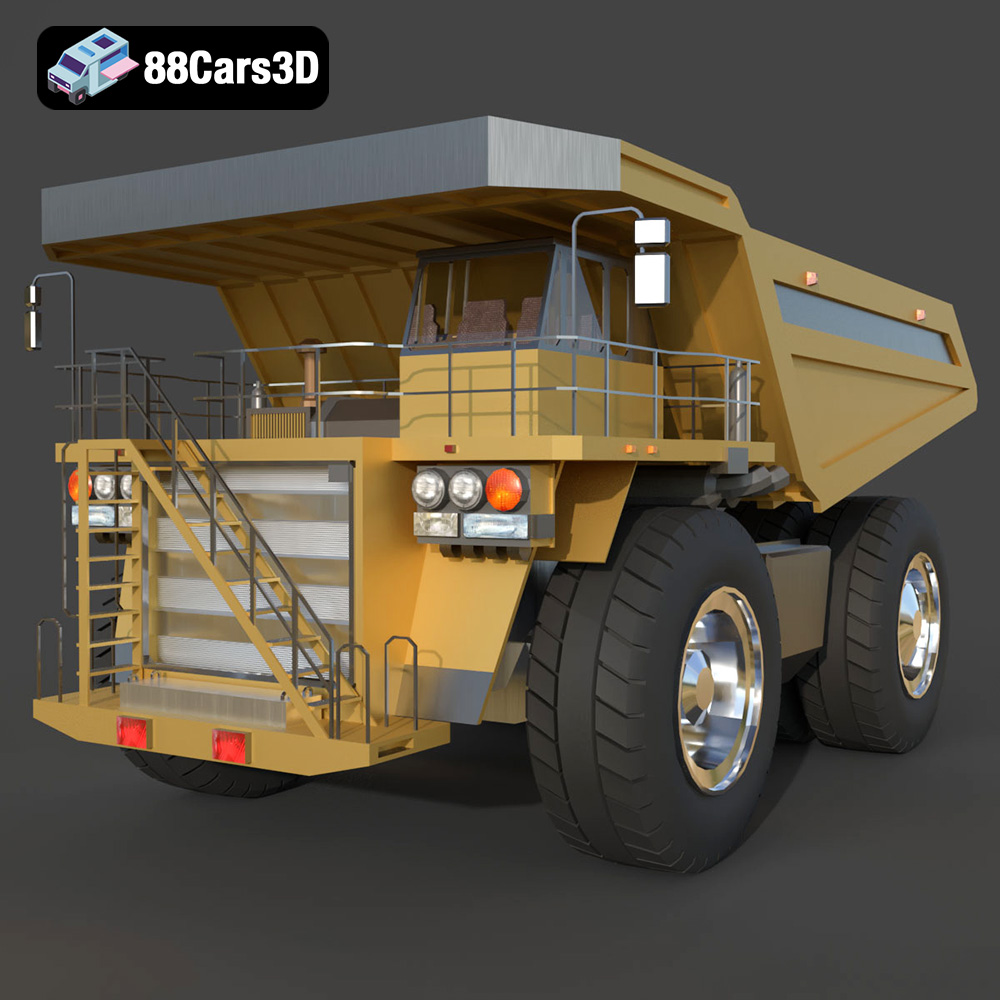
Texture: Yes
Material: Yes
Download the Samosval-003 3D Model featuring a robust dump truck design, detailed exterior and interior, and animatable components. Includes .blend, .fbx, .obj, .glb, .stl, .ply, .unreal, and .max formats for rendering, simulation, and game development.
Price: $10.79
View Product
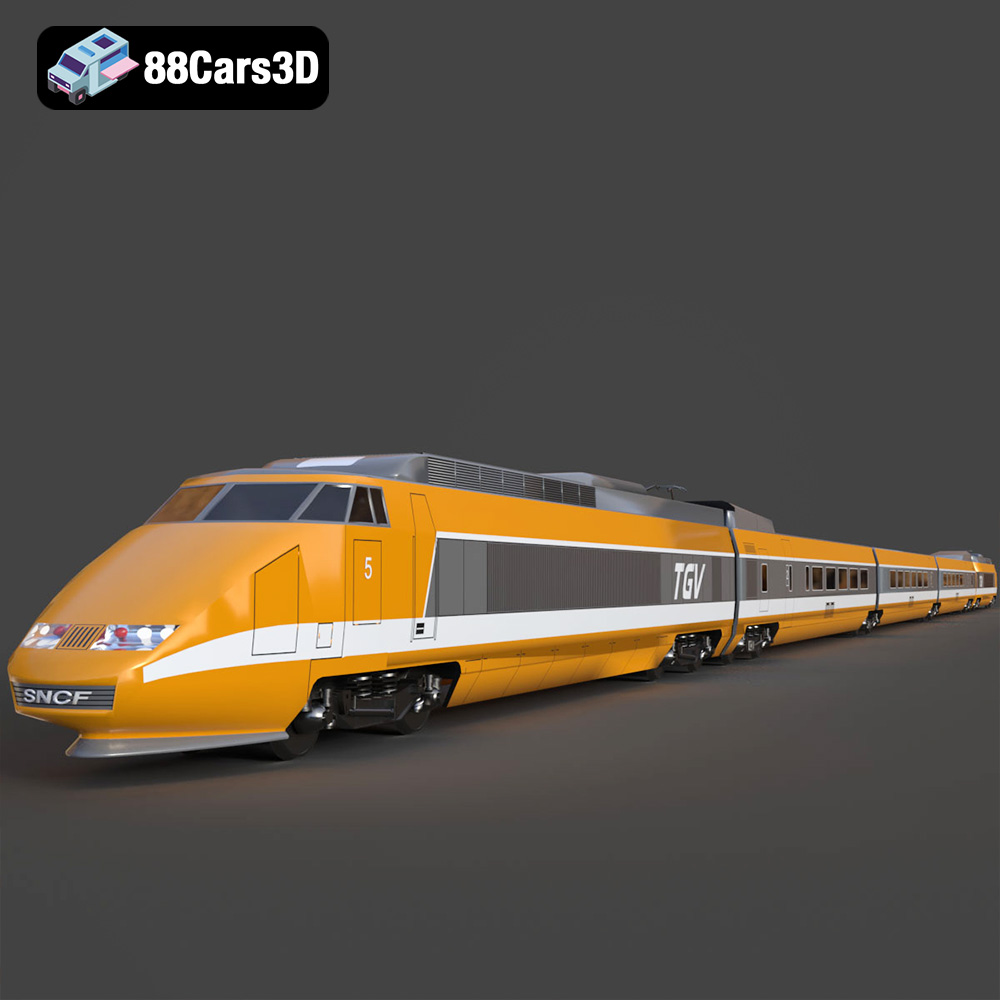
Texture: Yes
Material: Yes
Download the TGV High-Speed Train 3D Model featuring a meticulously detailed exterior, realistic materials, and authentic design. Includes .blend, .fbx, .obj, .glb, .stl, .ply, .unreal, and .max formats for rendering, simulation, and game development.
Price: $10.79
View Product


