⚡ FLASH SALE: Get 60% OFF All Premium 3D & STL Models! ⚡

“`html
The roar of a finely tuned engine, the sleek lines of a classic chassis, the intricate details of a custom interior – these are the elements that captivate automotive enthusiasts. For years, replicating these marvels has been confined to traditional model kits or expensive die-cast replicas. However, the advent of 3D printing has democratized the creation of highly detailed, personalized automotive displays. If you’ve ever marveled at a stunning 3D printed car model and wondered how it’s achieved, you’re in the right place. This guide will take you on a comprehensive journey, from understanding the fundamental STL file structure to fine-tuning your 3D printer settings for breathtaking realism. We’ll explore the intricacies of slicing, the art of support generation, material selection nuances, and essential post-processing techniques. Whether you’re a seasoned maker or just beginning your 3D printing adventure, prepare to unlock the full potential of printable car models and bring your automotive dreams to life, layer by layer.
At the heart of every 3D printable object lies the STL (STereoLithography) file. It’s the lingua franca of the 3D printing world, a universal language that translates digital designs into physical reality. An STL file describes the surface geometry of a 3D object using a collection of triangular facets. Each triangle is defined by three vertices (points in 3D space) and a normal vector, which indicates the outward direction of the surface. The orientation and arrangement of these triangles form the “mesh topology” of the model.
When you download a printable car model in STL format, you’re essentially acquiring a digital sculpture made of interconnected triangles. A “manifold” mesh is crucial; it means the model is watertight, with no holes or internal faces, ensuring it can be sliced into printable layers without errors. Most models from reputable sources like 88cars3d.com are meticulously designed to be manifold and print-ready, saving you considerable troubleshooting time. However, sometimes, especially with models from less curated sources or after significant manipulation, meshes can become non-manifold. This is where mesh repair software becomes invaluable.
Dealing with non-manifold meshes is a common hurdle. Software like Meshmixer (free) or Netfabb (paid) are indispensable tools for identifying and repairing these issues. The typical workflow involves importing the STL, using the software’s automated repair tools, and then manually inspecting critical areas. Common problems include:
For car models, pay close attention to areas like wheel arches, intricate body panels, and chassis details. A clean, manifold mesh is the foundational step towards a successful print. Understanding the basic structure of an STL file empowers you to diagnose and fix potential printing problems before they even reach your printer.
Once you have a clean STL file, the next critical step is “slicing.” Slicing software takes your 3D model and divides it into hundreds or thousands of thin, horizontal layers. It then generates the specific G-code instructions that your 3D printer follows to extrude material layer by layer. The settings you choose in your slicer have a profound impact on the quality, detail, strength, and print time of your finished model. For realistic car models, precision and detail are paramount.
Popular slicers include Ultimaker Cura, PrusaSlicer, and Simplify3D. While they differ in interface and advanced features, their core functionality is similar. For printing car models, especially those with fine details like grilles, emblems, or interior components, consider these fundamental settings:
Beyond the basics, several advanced slicing techniques can elevate your car models:
Experimentation is key. Start with recommended settings for your material and printer, then incrementally adjust parameters to see how they affect the outcome. Slicing is an iterative process, and mastering it is essential for achieving photorealistic results.
Car models, with their sweeping curves, overhangs, and intricate details, often present significant challenges for 3D printing due to gravity. Support structures are temporary scaffolding printed alongside the model to hold up these overhanging sections during the printing process. Generating effective supports requires a balance between providing adequate stability and minimizing damage during removal and post-processing.
Slicers offer various support types:
For car models, consider using tree supports for areas like undercarriages, spoilers, or complex bodywork. You might use standard supports for simpler overhangs. The key is to ensure that every part of the model that would otherwise print in mid-air has a support beneath it.
The effectiveness of supports isn’t just about their presence; it’s about how they interact with the model. Fine-tuning support settings in your slicer is crucial:
When downloading print-ready models from marketplaces like 88cars3d.com, the designer may have already incorporated optimal orientations and identified areas requiring supports. Always review the suggested orientation and support strategies before slicing.
Where you position your car model on the print bed (orientation) and how well it sticks to it (bed adhesion) are fundamental to achieving a successful print, especially for complex geometries like automotive models. Incorrect orientation can lead to excessive supports, weak layers, and a degraded surface finish, while poor bed adhesion is a primary cause of print failures.
The orientation of your model directly influences several factors:
For detailed car models, a common strategy is to orient the car such that the underside is facing upwards, minimizing supports on the main body. This requires careful consideration of how supports will attach to the roof and other upper surfaces.
Reliable bed adhesion is non-negotiable. The first layer is the foundation for the entire print. Strategies include:
For intricate car models, a brim is often preferred over a raft to minimize surface scarring while providing sufficient adhesion. Always ensure your Z-offset is correctly calibrated for that perfect “squish” on the first layer.
The choice of printing material significantly influences the final appearance, durability, and post-processing capabilities of your 3D printed car model. Different materials offer unique properties, and understanding these differences is key to selecting the best option for your project goals.
For FDM printing, several common filaments are suitable:
For achieving high detail on car models with FDM, PLA is often the go-to due to its printing stability. Experiment with nozzle sizes: a smaller nozzle (e.g., 0.2mm or 0.3mm) can allow for finer details at the expense of longer print times compared to the standard 0.4mm.
Resin 3D printers (SLA, DLP, MSLA) use photopolymer resins that are cured by UV light, layer by layer. They offer significantly higher resolution and smoother surface finishes compared to FDM, making them ideal for highly detailed miniature car models.
Resin printing requires more safety precautions due to the chemical nature of the resins. Post-processing typically involves washing the print in isopropyl alcohol (IPA) and then curing it under UV light. Layer heights of 0.025mm to 0.05mm are common, enabling incredible levels of detail.
The print is just the beginning of the journey toward a truly realistic car model. Post-processing is where you refine the printed object, hiding layer lines, adding details, and preparing it for a professional finish. This stage is crucial for transforming a raw print into a showpiece.
Carefully removing support structures is the first step. Use flush cutters, pliers, and hobby knives to gently break away supports. For resin prints, ensure they are fully washed before removal. After support removal, inspect the model for any blemishes, stringing, or imperfections.
For FDM prints, sanding is essential to smooth out layer lines. Start with coarser grit sandpaper (e.g., 120-220 grit) to remove major imperfections and then progressively move to finer grits (e.g., 400, 800, 1000, and even higher) for a smooth finish. Wet sanding (using water with sandpaper) can help prevent clogging and produce a smoother surface. For extremely smooth finishes, consider filler primers.
Gaps and small imperfections can be filled using various materials:
After filling and extensive sanding, a primer coat is essential. A good quality spray primer (automotive or model-specific) will reveal any remaining imperfections that need further attention and provide a uniform base color for your paint job. Multiple light coats are better than one heavy coat.
This is where the model truly comes alive. Use high-quality model paints (acrylics or enamels) and airbrushing for the best results on car bodies. Masking tape is crucial for achieving clean paint lines between different color sections.
Assembly of multi-part models (e.g., body, chassis, wheels) will require adhesives like super glue or epoxy. Patience and attention to detail in this final stage will make all the difference between a good print and a stunning, realistic model.
Bringing realistic car models to life through 3D printing is a rewarding endeavor that combines digital design, precise fabrication, and artistic finishing. By understanding the nuances of STL file preparation, mastering your slicer settings, strategically employing support structures, ensuring robust bed adhesion, selecting appropriate materials, and dedicating time to meticulous post-processing, you can achieve results that rival professionally manufactured models. Platforms like 88cars3d.com provide a fantastic starting point with their library of high-quality, print-ready STL files, allowing you to focus on the printing and finishing process. Remember that practice and experimentation are your greatest allies. Don’t be discouraged by initial challenges; each print is a learning opportunity. Embrace the process, refine your techniques, and soon you’ll be building a collection of breathtakingly realistic 3D printed automotive masterpieces that you can be truly proud of.
“`
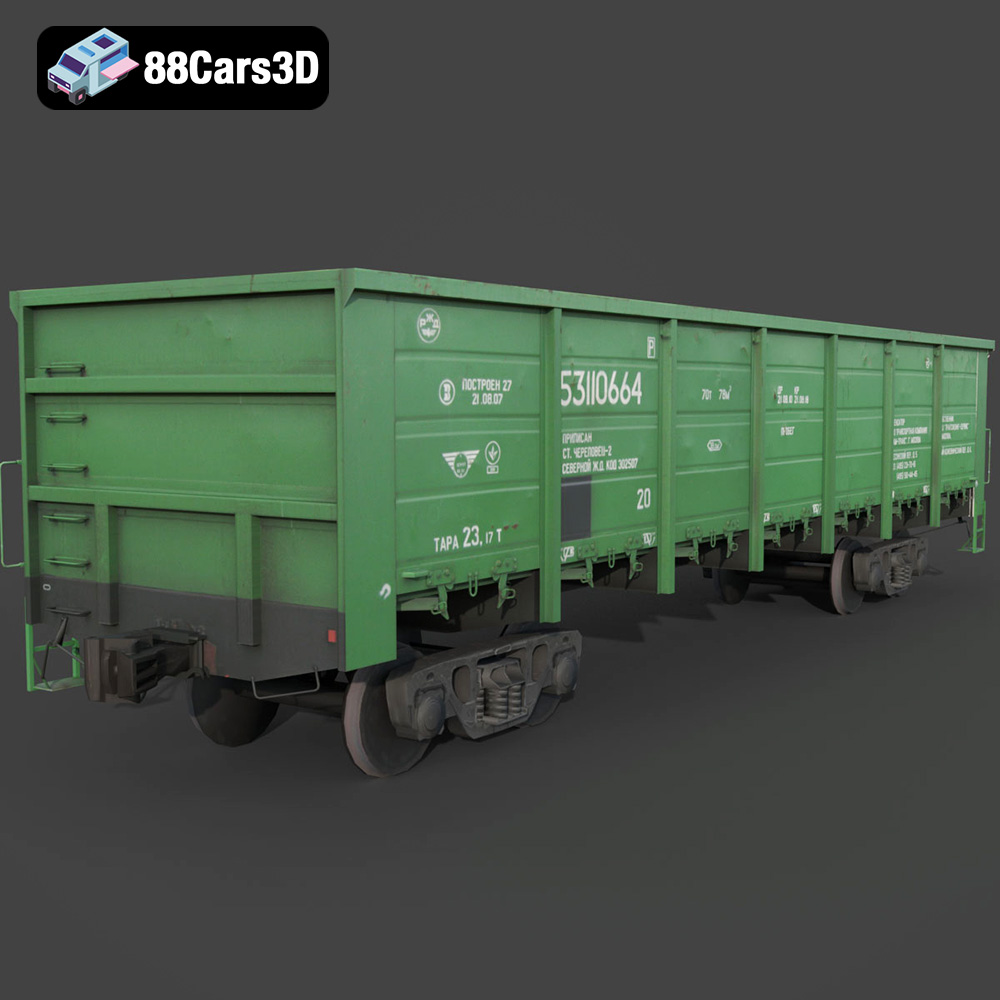
Texture: Yes
Material: Yes
Download the Polu Vagon-17940-006 3D Model featuring a detailed exterior, realistic bogies, and modular components. Includes .blend, .fbx, .obj, .glb, .stl, .ply, .unreal, and .max formats for rendering, simulation, and game development.
Price: $10.79
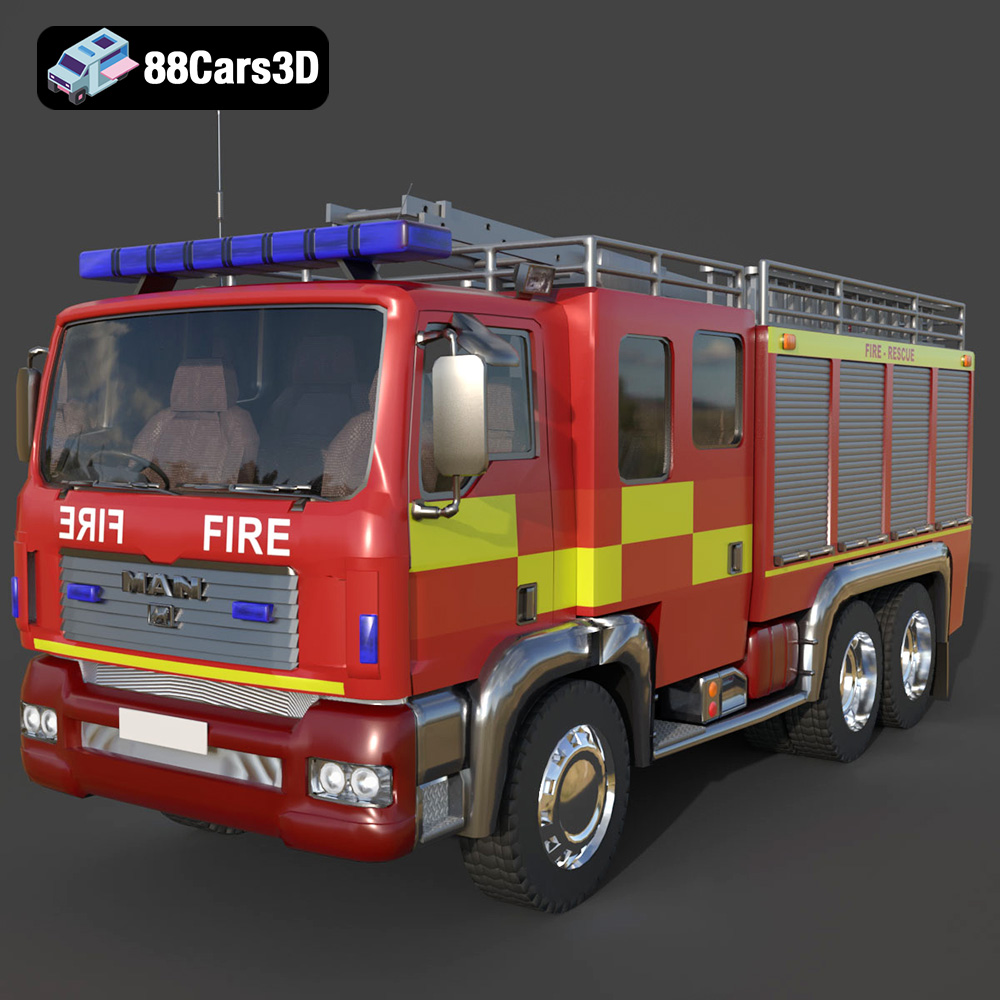
Texture: Yes
Material: Yes
Download the POJARNIY 004 3D Model featuring a robust exterior with detailed emergency equipment and a functional interior. Includes .blend, .fbx, .obj, .glb, .stl, .ply, .unreal, and .max formats for rendering, simulation, and game development.
Price: $10.79
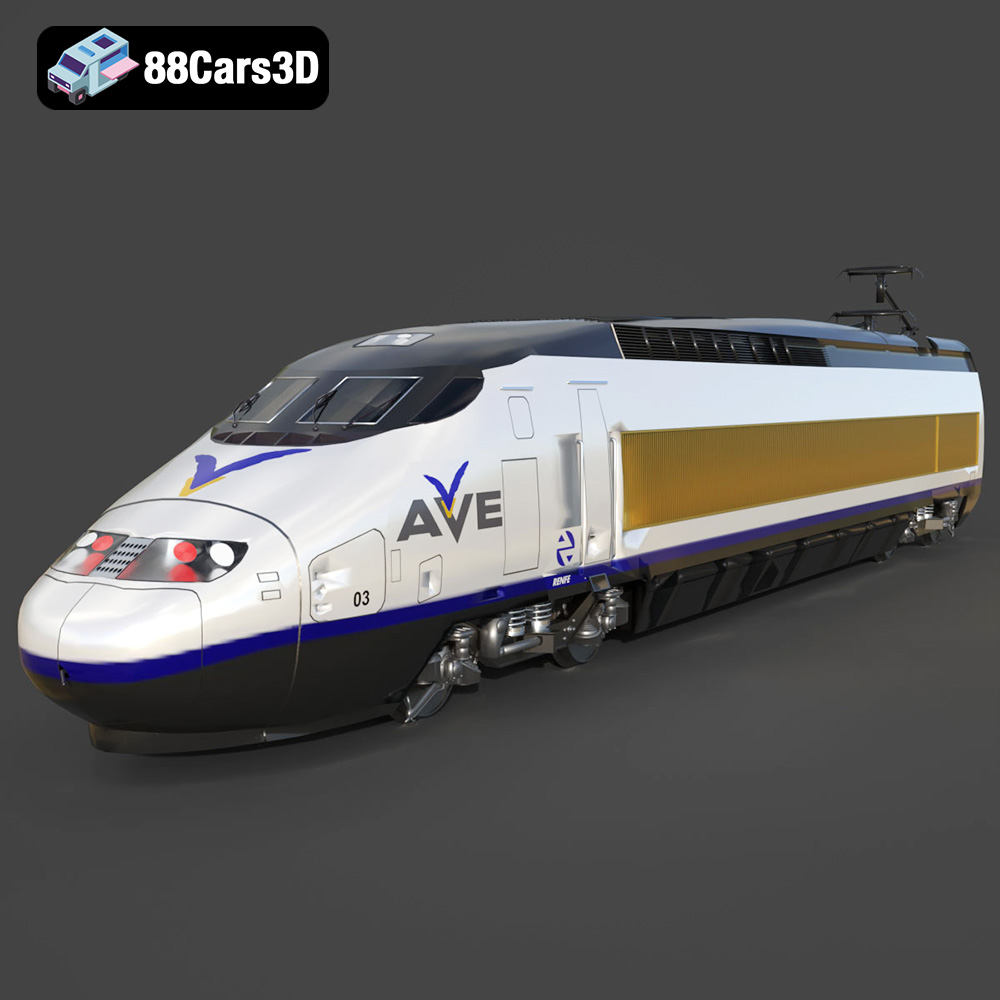
Texture: Yes
Material: Yes
Download the Poezd AVE 147-102-002 3D Model featuring a detailed high-speed train design. Includes .blend, .fbx, .obj, .glb, .stl, .ply, .unreal, and .max formats for rendering, simulation, and game development.
Price: $10.79
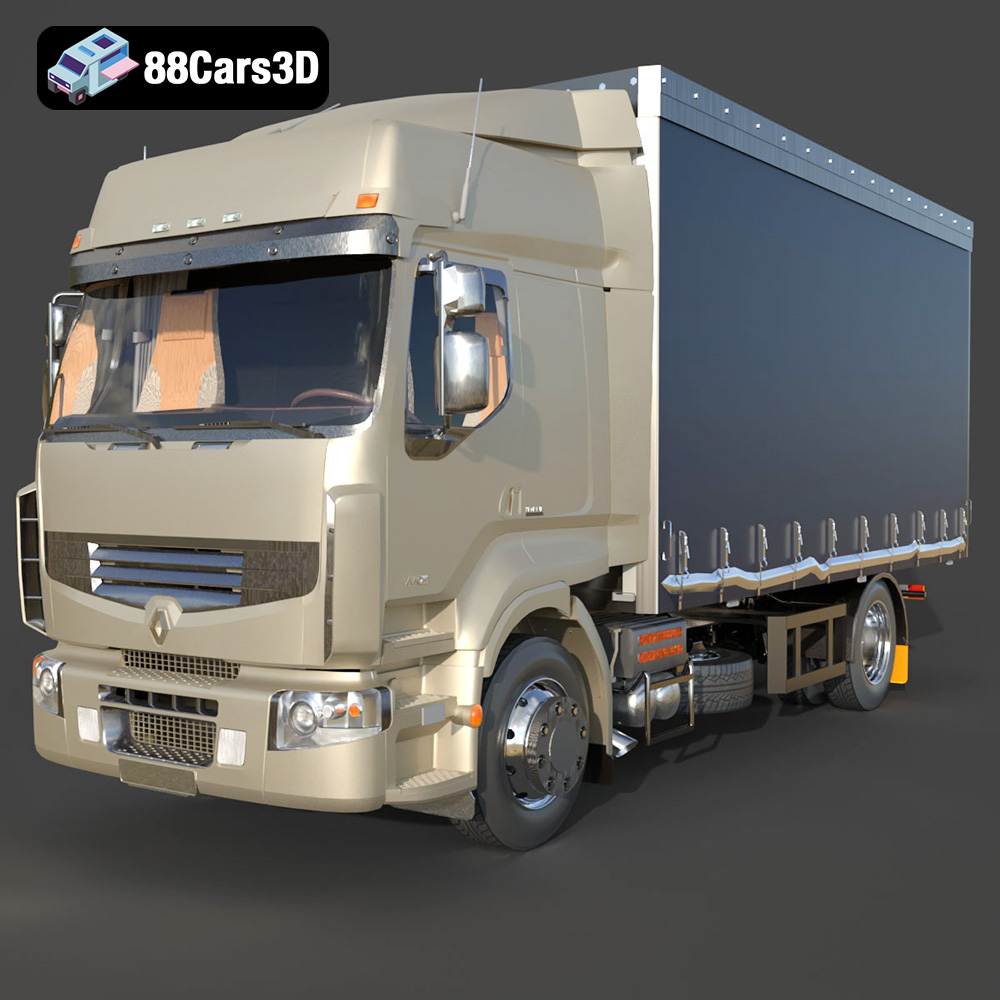
Texture: Yes
Material: Yes
Download the Renault Premium 440-002 3D Model featuring a detailed exterior, an optimized interior, and accurate real-world scale. Includes .blend, .fbx, .obj, .glb, .stl, .ply, .unreal, and .max formats for rendering, simulation, and game development.
Price: $10.79
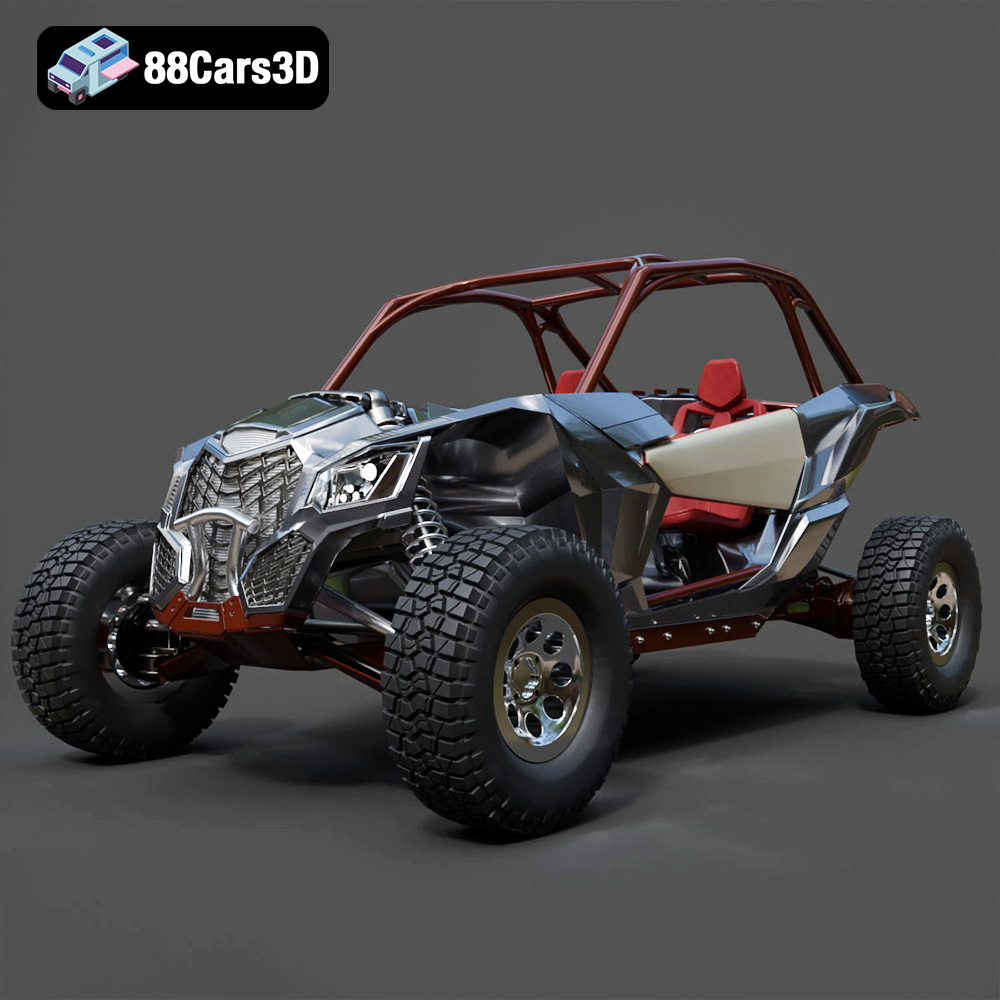
Texture: Yes
Material: Yes
Download the Can-Am Maverick 2019 3D Model featuring an aggressive off-road design, detailed chassis, and rugged tires. Includes .blend, .fbx, .obj, .glb, .stl, .ply, .unreal, and .max formats for rendering, simulation, and game development.
Price: $90.79
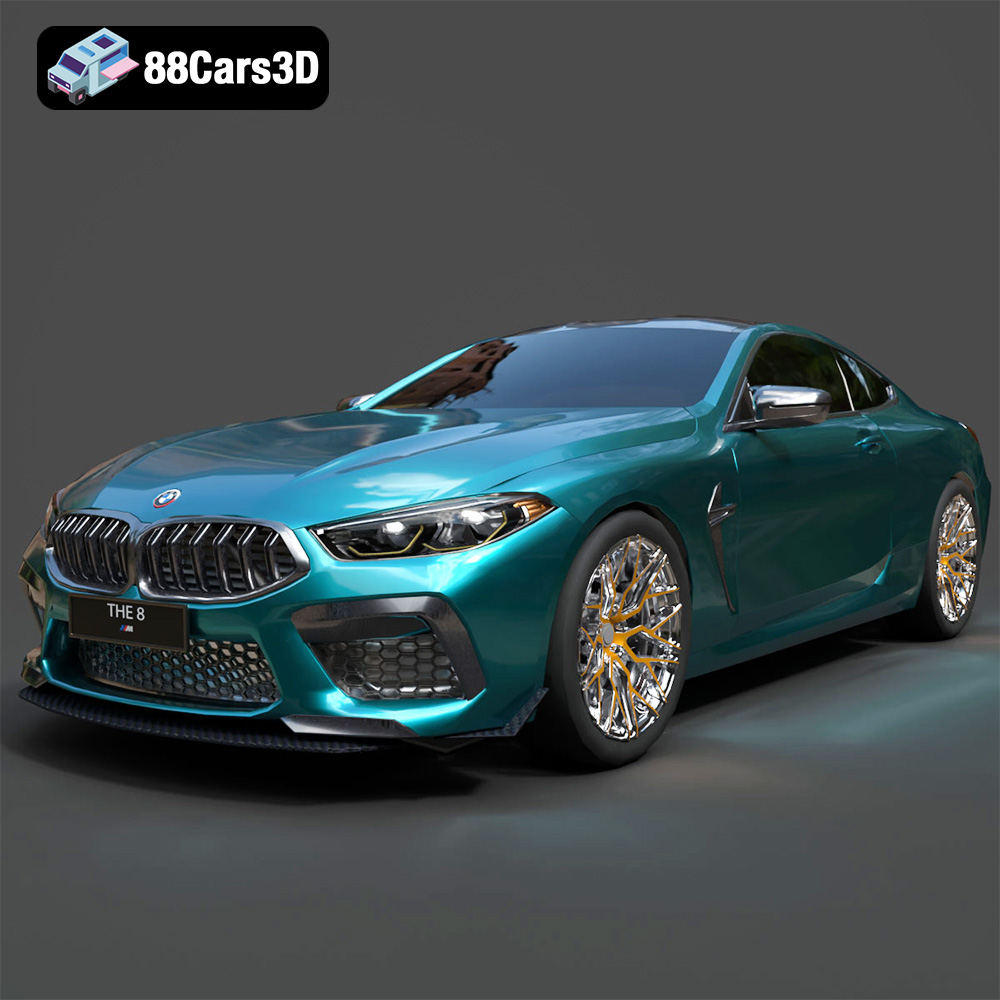
Texture: Yes
Material: Yes
Download the BMW M8 Competition 3D Model featuring aggressive styling, a luxurious interior, and high-performance detailing. Includes .blend, .fbx, .obj, .glb, .stl, .ply, .unreal, and .max formats for rendering, simulation, and game development.
Price: $110.79
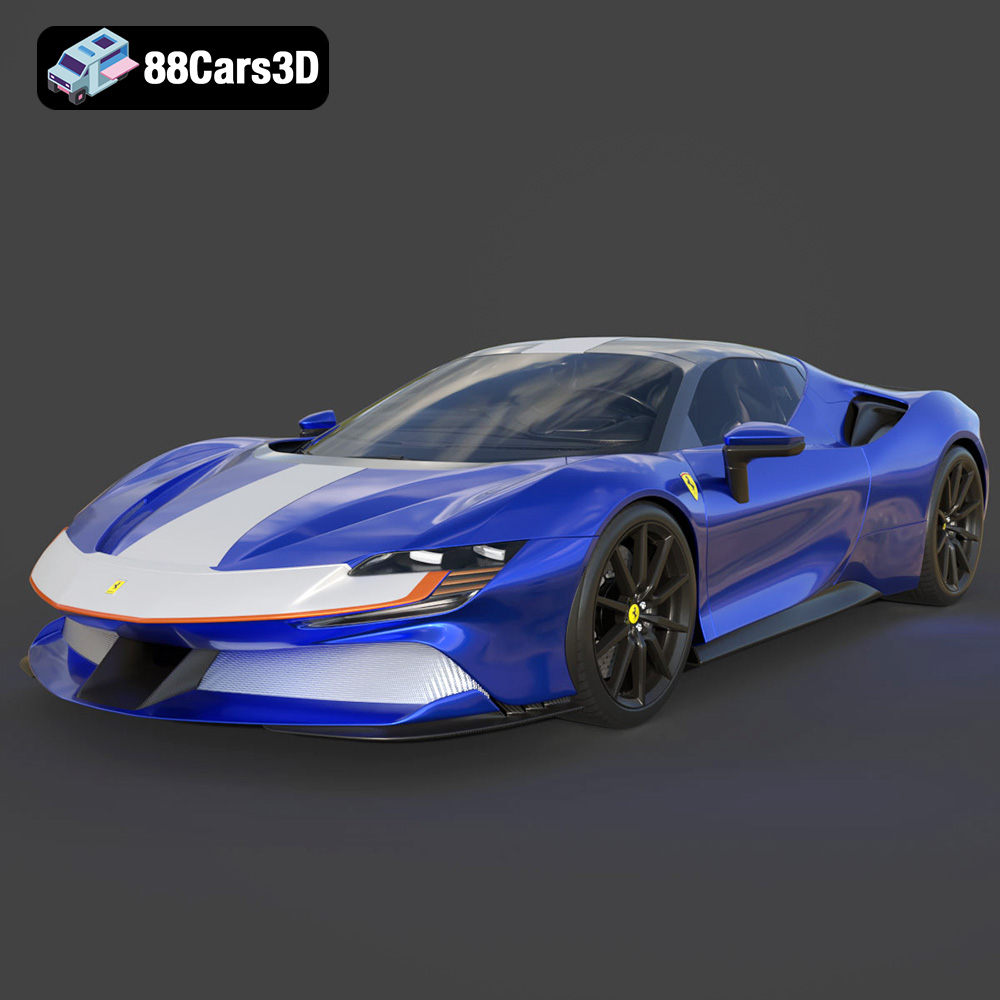
Texture: Yes
Material: Yes
Download the Ferrari SF90 Spider 3D Model featuring a meticulously detailed exterior, intricate interior, and realistic PBR materials. Includes .blend, .fbx, .obj, .glb, .stl, .ply, .unreal, and .max formats for rendering, simulation, and game development.
Price: $110.79
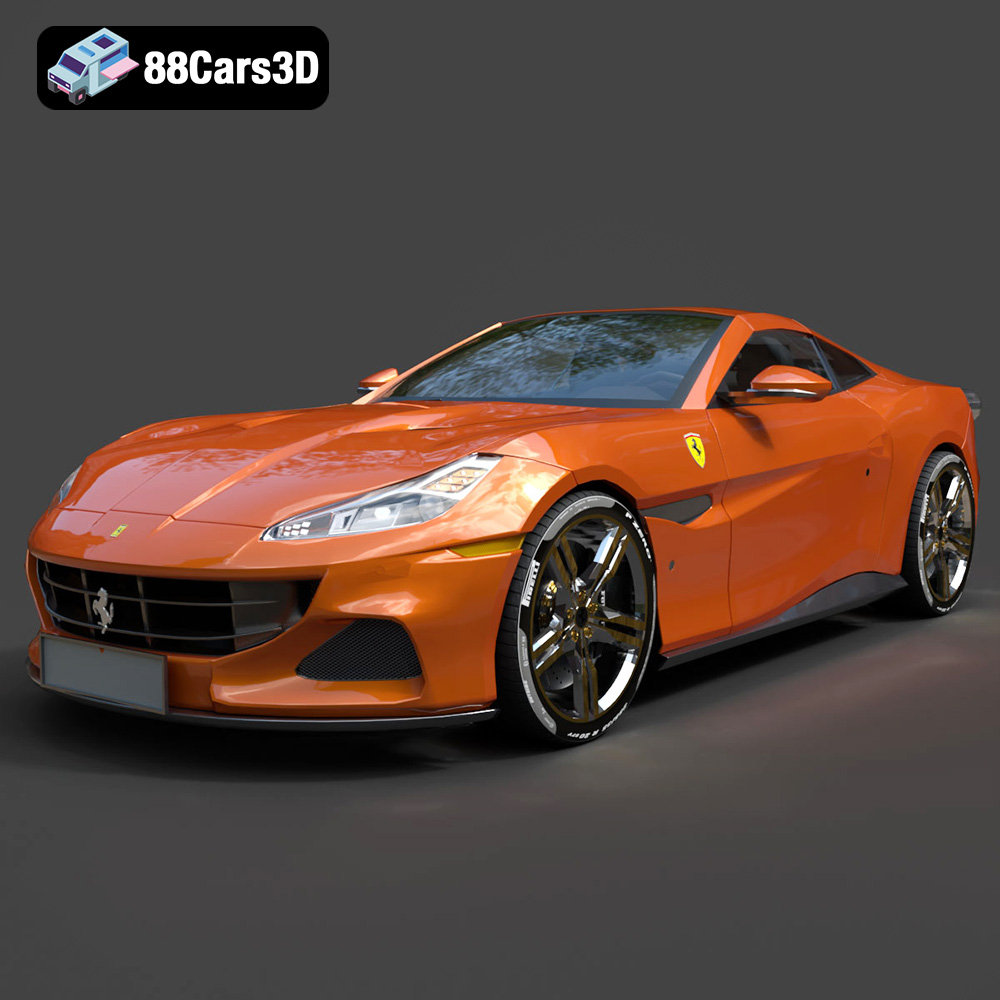
Texture: Yes
Material: Yes
Download the Ferrari Portofino 3D Model featuring accurate body contours, detailed interior, and high-resolution textures. Includes .blend, .fbx, .obj, .glb, .stl, .ply, .unreal, and .max formats for rendering, simulation, and game development.
Price: $110.79
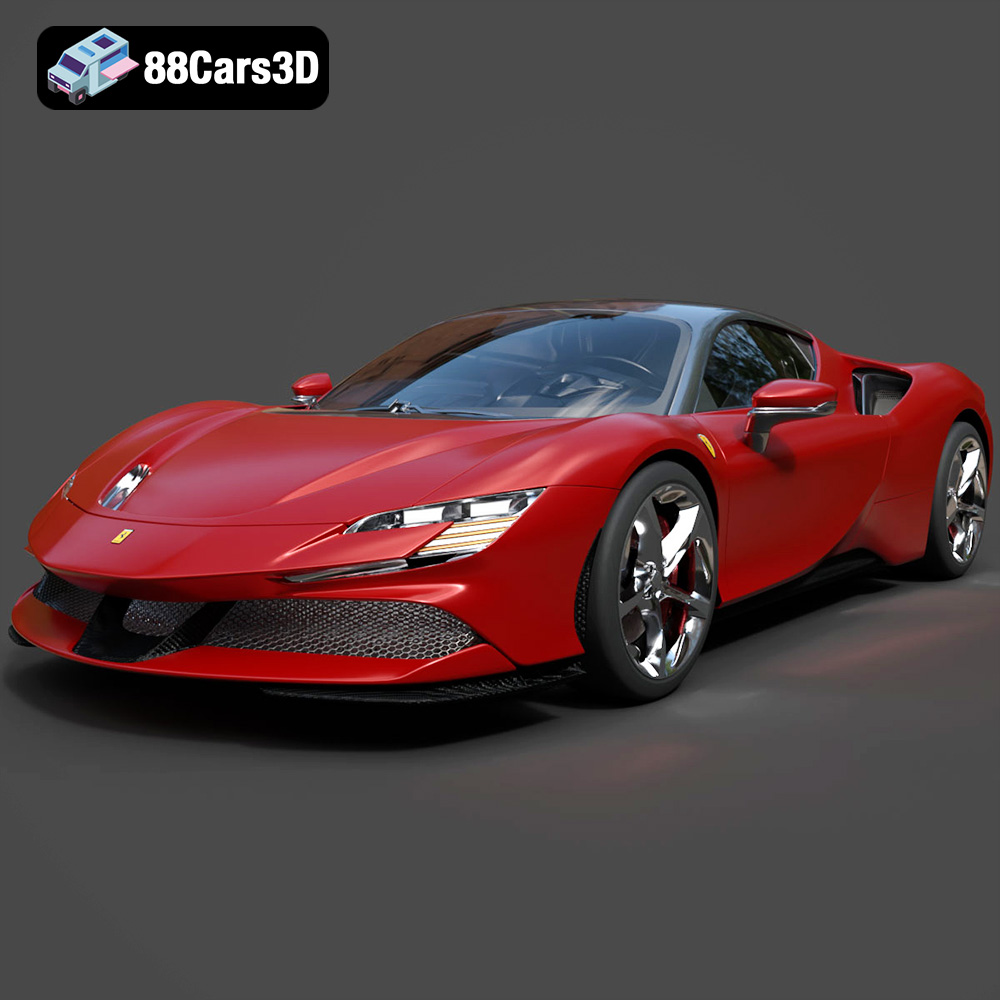
Texture: Yes
Material: Yes
Download the Ferrari SF90 Stradale 3D Model featuring aggressive lines and sophisticated aesthetics. Includes .blend, .fbx, .obj, .glb, .stl, .ply, .unreal, and .max formats for rendering, simulation, and game development.
Price: $110.79
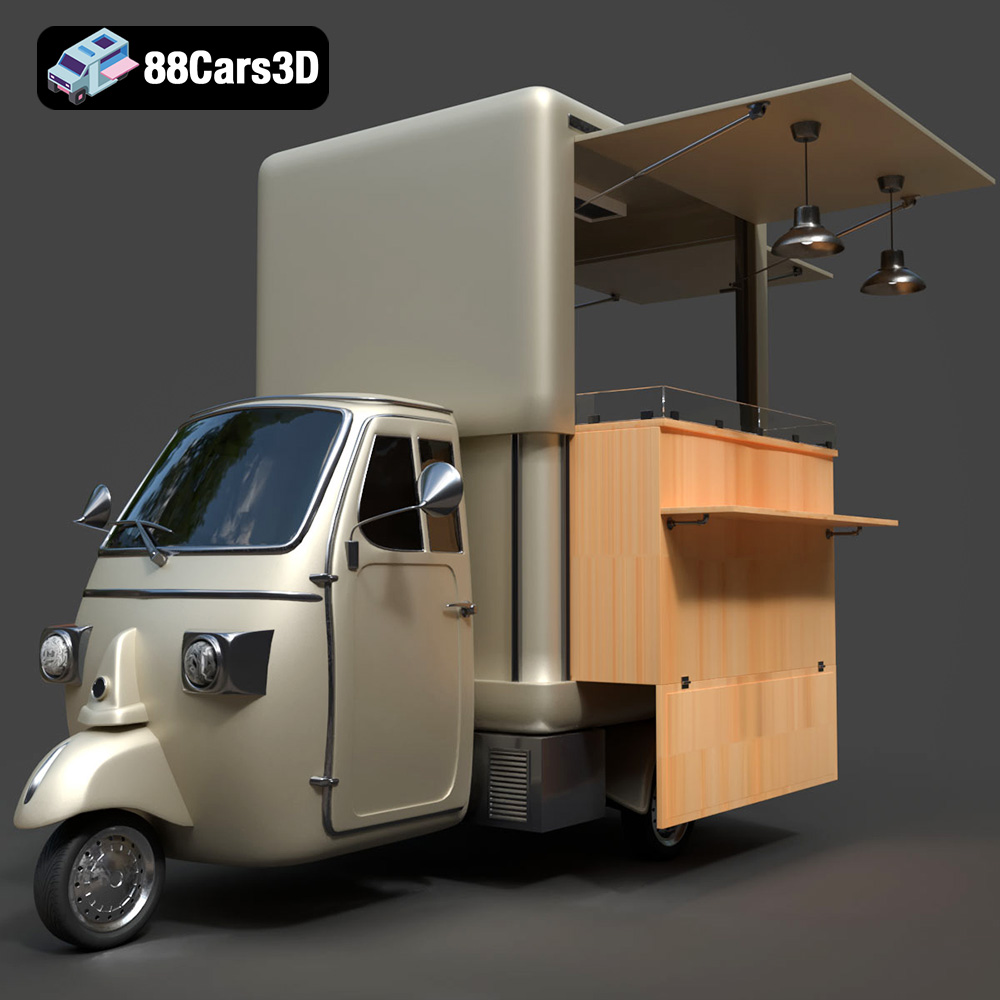
Texture: Yes
Material: Yes
Download the Foodtruck Set 3-006 3D Model featuring a detailed exterior and interior, optimized for various uses. Includes .blend, .fbx, .obj, .glb, .stl, .ply, .unreal, and .max formats for rendering, simulation, and game development.
Price: $23.79

