⚡ FLASH SALE: Get 60% OFF All Premium 3D & STL Models! ⚡

Welcome, fellow makers and automotive enthusiasts! At 88cars3d.com, we’re passionate about bringing your favorite vehicles to life through high-quality, 3D printable STL car models. Whether you’re building a detailed scale replica, prototyping a custom part, or simply expanding your collection, the journey from digital file to tangible object involves a series of crucial decisions. Among the most fundamental are selecting the right nozzle size and understanding the limitations and capabilities of your 3D printer’s build volume (bed size). These two parameters significantly influence print quality, speed, material compatibility, and the overall success of your project. This article will delve deep into the technical aspects of choosing the optimal nozzle and bed size, equipping you with the knowledge to tackle everything from intricate engine components to full-scale car bodies. We’ll explore the trade-offs, provide practical advice, and guide you through the settings that will elevate your 3D printing game.
The nozzle is where the magic happens – it’s the exit point for your molten filament. The diameter of this opening directly impacts the width of the extruded plastic, often referred to as the “extrusion width” or “line width.” This seemingly simple physical dimension has profound implications for every aspect of your print. For 3D printable car models, especially those with fine details, selecting the correct nozzle is paramount. A standard nozzle size for most FDM printers is 0.4mm, offering a good balance between detail and print speed. However, moving away from this standard can unlock new levels of performance and capability.
When printing intricate parts like vintage car grilles, delicate spoilers, or the tiny details on a dashboard, a smaller nozzle diameter becomes invaluable. Nozzles as small as 0.2mm or 0.25mm can significantly increase the resolution of your prints. The extrusion width will be smaller, allowing for finer lines and sharper edges. This means that features that might appear blobby or indistinct with a 0.4mm nozzle can be rendered with stunning clarity. For instance, when printing a 1:24 scale model car, a 0.2mm nozzle can capture panel gaps, trim lines, and emblems with a level of detail that would be impossible with a larger nozzle.
On the flip side, larger nozzles, such as 0.6mm or even 0.8mm, are your allies when speed and strength are priorities. A 0.6mm nozzle, for example, can lay down significantly more material per pass than a 0.4mm nozzle. This translates to drastically reduced print times, especially for larger, less detailed components like chassis or basic body shells where extreme detail isn’t the primary concern. Furthermore, larger extrusion widths create thicker walls and stronger infill structures. For functional prototypes or parts that need to withstand some stress, a larger nozzle can be a game-changer.
Nozzles are consumables and will eventually wear out, especially when printing abrasive materials. Regular maintenance is key. You can clean a nozzle by heating it up and carefully extruding filament through it, or by using fine brass wire brushes. When switching nozzle sizes, it’s crucial to ensure the new nozzle is properly seated against the heat break and the heater block to prevent leaks. Over-tightening can damage the nozzle or heater block, while under-tightening can lead to filament escaping where it shouldn’t. Always heat the hotend to printing temperature before tightening or loosening the nozzle to account for thermal expansion.
The build volume, or bed size, of your 3D printer dictates the maximum dimensions of a single-piece object you can print. For printing 3D car models, this is a critical factor, especially if you’re aiming for larger scales or more complex assemblies. A typical consumer-grade FDM printer might have a build volume of 220x220x250mm, while larger machines can offer 300x300mm or even more. Understanding your printer’s limitations is the first step to planning your prints effectively.
When downloading highly detailed car models from platforms like 88cars3d.com, you might find they are designed for larger scales or come as multi-part assemblies. If your printer’s build volume is smaller, you’ll need to approach these projects strategically. The most common solution is to split the model into smaller, manageable pieces that fit within your print bed. This requires skillful use of slicing software or dedicated 3D modeling tools.
The orientation of your 3D printable car model on the print bed is a critical decision that impacts print quality, structural integrity, and the amount of support material required. For car models, this often involves balancing the need for a smooth exterior finish against minimizing overhangs and maximizing adhesion.
For those fortunate enough to own a larger format 3D printer, the ability to print bigger, more ambitious projects in a single piece can be incredibly rewarding. Printing a complete 1:10 scale model car body, for instance, becomes feasible. This not only simplifies assembly but can also lead to a more cohesive and aesthetically pleasing final product, as there are no visible seams from joining multiple parts.
The choice of nozzle size and the available build volume are not independent decisions; they interact in significant ways. A large build volume coupled with a small nozzle might mean very long print times for large objects, even if the detail is exceptional. Conversely, a small build volume with a large nozzle might limit the size of objects you can print with fine detail.
The art of 3D printing lies in finding the right balance. For detailed car models, you might opt for a 0.25mm nozzle for the smaller, more intricate parts and a 0.4mm nozzle for the larger body panels. If your printer has a limited build volume, this often means printing components separately and then assembling them, which can be an excellent way to manage print time and achieve high-quality results for each part.
Many of the highly detailed car models available on marketplaces like 88cars3d.com are designed to be printed in multiple parts. This approach leverages the strengths of different printing parameters and makes large-scale projects accessible even with smaller printers. You might print the main body shell in several sections using a 0.4mm nozzle and standard layer height for speed, then print the wheels, interior components, and engine details with a 0.2mm nozzle for maximum fidelity.
For many users, the standard 0.4mm nozzle is sufficient. However, if you consistently find yourself wanting finer details than your current nozzle can provide, or if you’re struggling with print times on larger models, considering a nozzle upgrade is a logical next step. Swapping nozzles is a relatively inexpensive way to expand your printer’s capabilities. Just remember to choose nozzles made from appropriate materials for your intended filaments (e.g., hardened steel for abrasive filaments) and to follow proper installation procedures.
Regardless of your nozzle size or bed dimensions, a properly calibrated printer is the bedrock of successful 3D printing. Calibration ensures that your printer is accurately interpreting the commands from your slicer software, leading to consistent results and high-quality prints. This is especially true when working with detailed automotive models where accuracy is key.
The E-step calibration ensures that your extruder is pushing the correct amount of filament. An incorrect E-step value will lead to under-extrusion (gaps in your print, weak layers) or over-extrusion (blobs, stringing, poor detail). You can calibrate E-steps by manually commanding the extruder to push a certain length of filament and measuring how much was actually pushed.
A perfect first layer is the most critical part of any 3D print. If your first layer doesn’t adhere well to the build plate or is inconsistently squished, the entire print is likely to fail. Manual or automatic bed leveling routines are essential.
PID tuning helps your printer’s hotend and heated bed maintain a stable temperature. Fluctuations in temperature can lead to inconsistent extrusion, affecting surface quality and dimensional accuracy. Most modern printers have a PID tuning function that can be run through the printer’s firmware or control interface.
By meticulously selecting your nozzle size, understanding your build volume, and ensuring your printer is meticulously calibrated, you’re setting yourself up for printing success. Whether you’re downloading a classic muscle car or a futuristic concept vehicle from 88cars3d.com, these technical considerations are your roadmap to achieving stunning results. Don’t be afraid to experiment with different settings and nozzle sizes. The world of 3D printing is one of continuous learning and improvement, and mastering these fundamental aspects will undoubtedly elevate your automotive model creations.
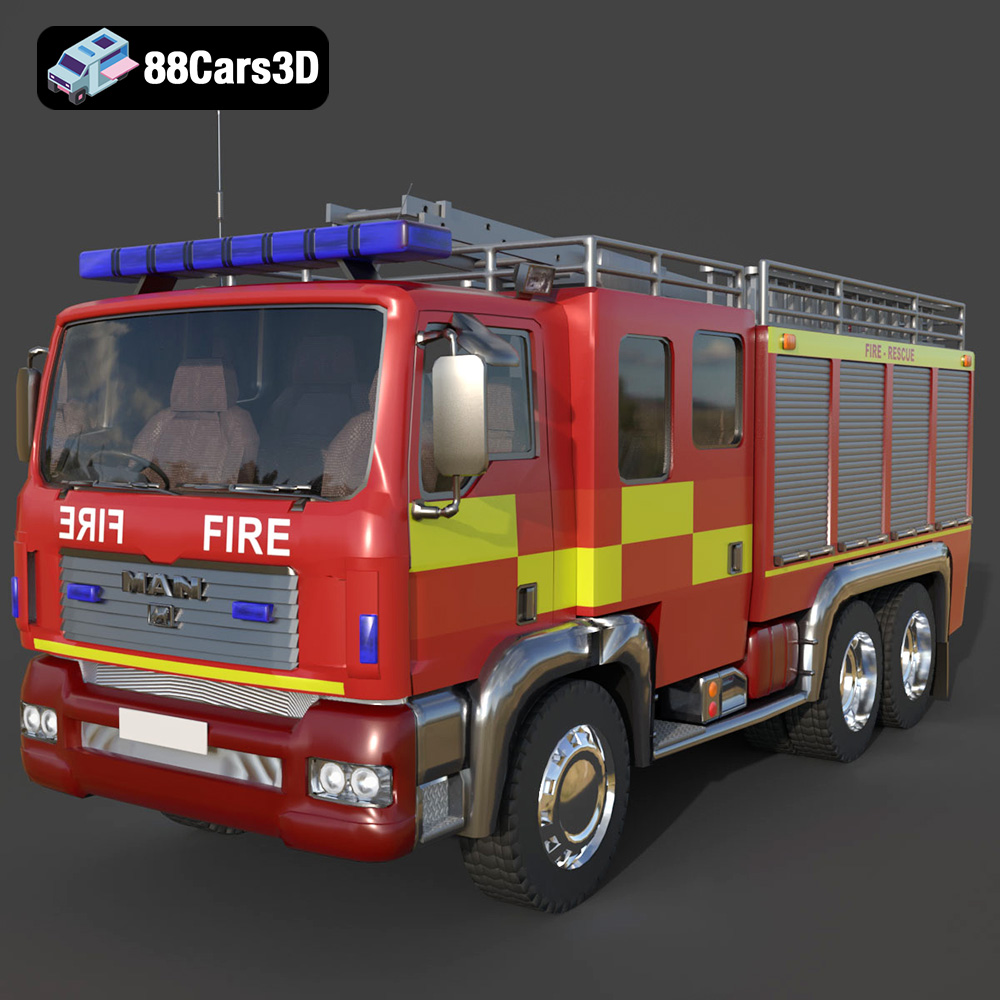
Texture: Yes
Material: Yes
Download the POJARNIY 004 3D Model featuring a robust exterior with detailed emergency equipment and a functional interior. Includes .blend, .fbx, .obj, .glb, .stl, .ply, .unreal, and .max formats for rendering, simulation, and game development.
Price: $10.79
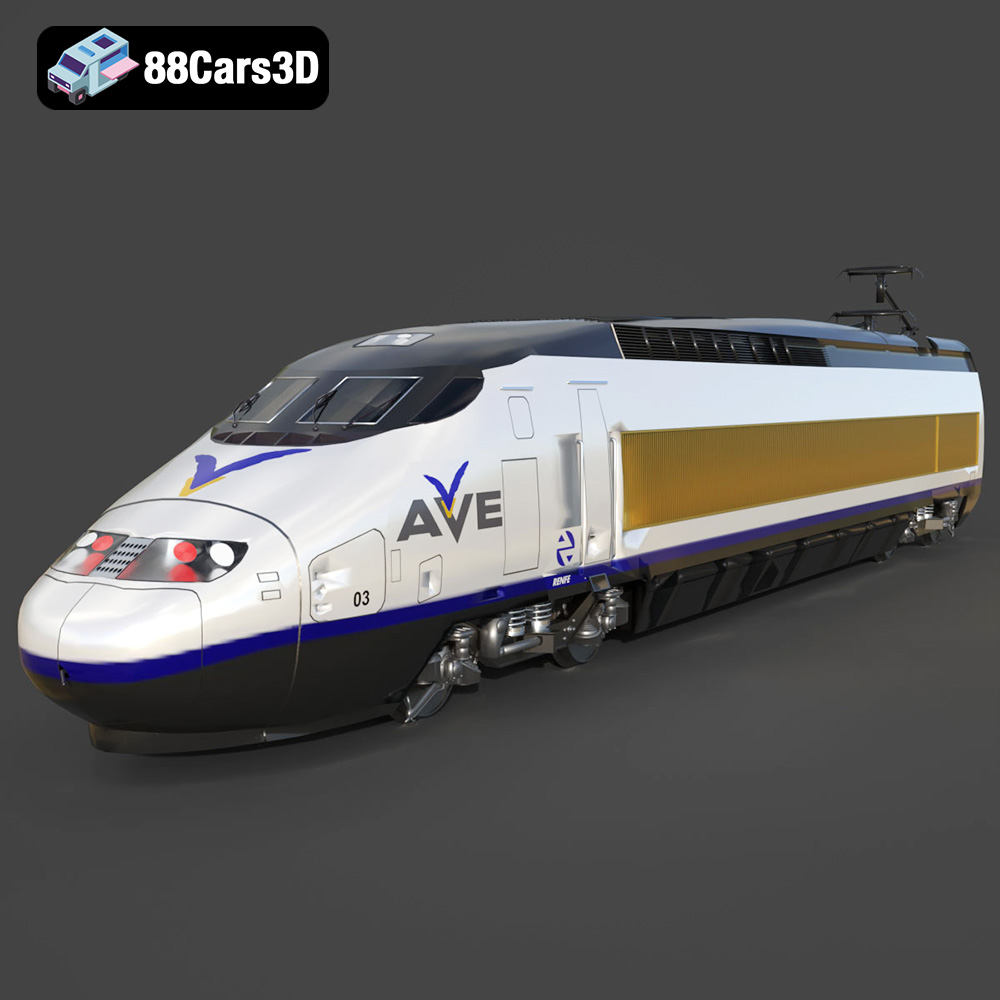
Texture: Yes
Material: Yes
Download the Poezd AVE 147-102-002 3D Model featuring a detailed high-speed train design. Includes .blend, .fbx, .obj, .glb, .stl, .ply, .unreal, and .max formats for rendering, simulation, and game development.
Price: $10.79
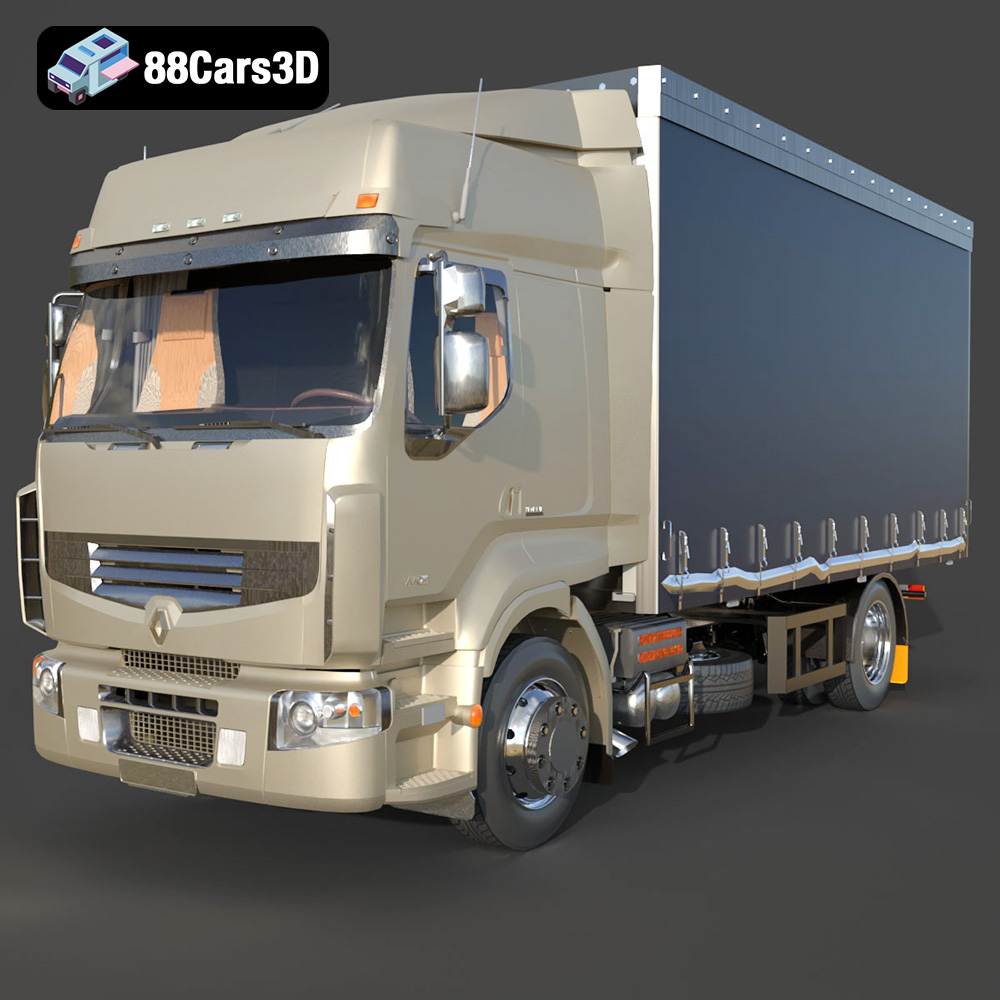
Texture: Yes
Material: Yes
Download the Renault Premium 440-002 3D Model featuring a detailed exterior, an optimized interior, and accurate real-world scale. Includes .blend, .fbx, .obj, .glb, .stl, .ply, .unreal, and .max formats for rendering, simulation, and game development.
Price: $10.79
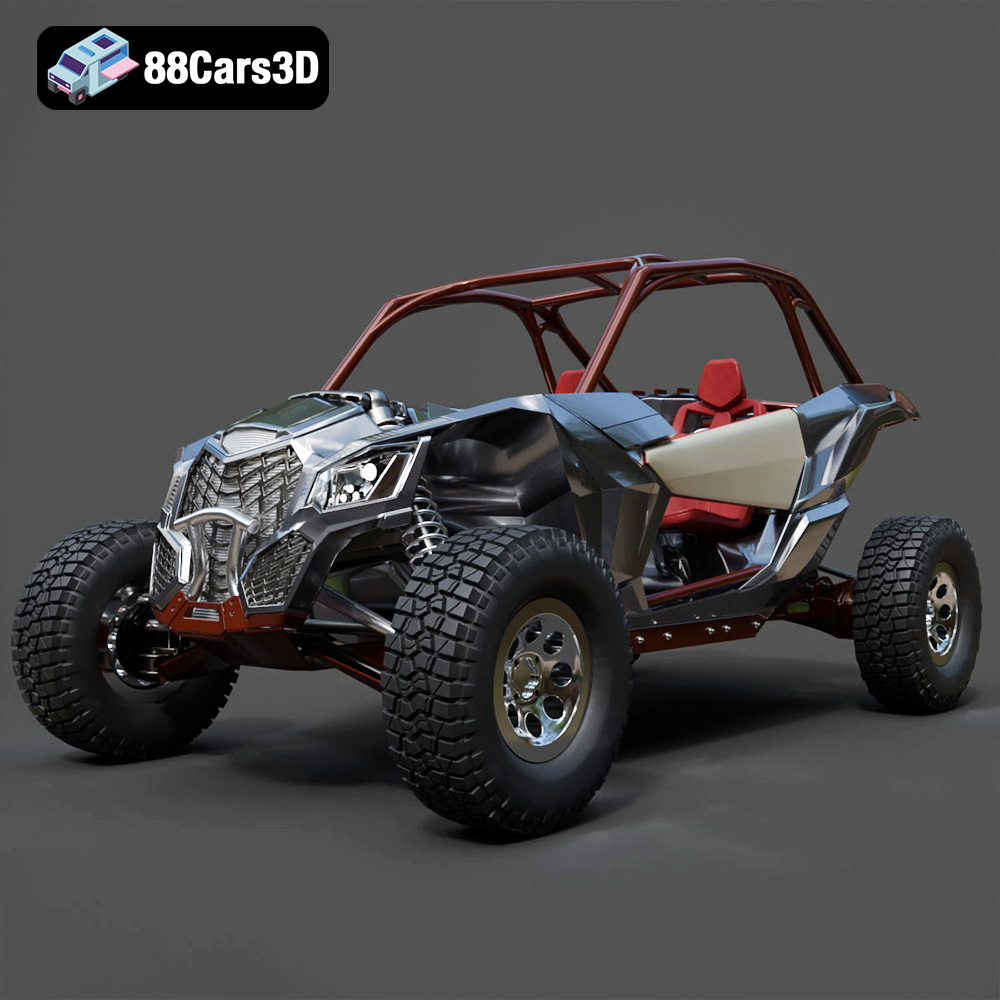
Texture: Yes
Material: Yes
Download the Can-Am Maverick 2019 3D Model featuring an aggressive off-road design, detailed chassis, and rugged tires. Includes .blend, .fbx, .obj, .glb, .stl, .ply, .unreal, and .max formats for rendering, simulation, and game development.
Price: $90.79
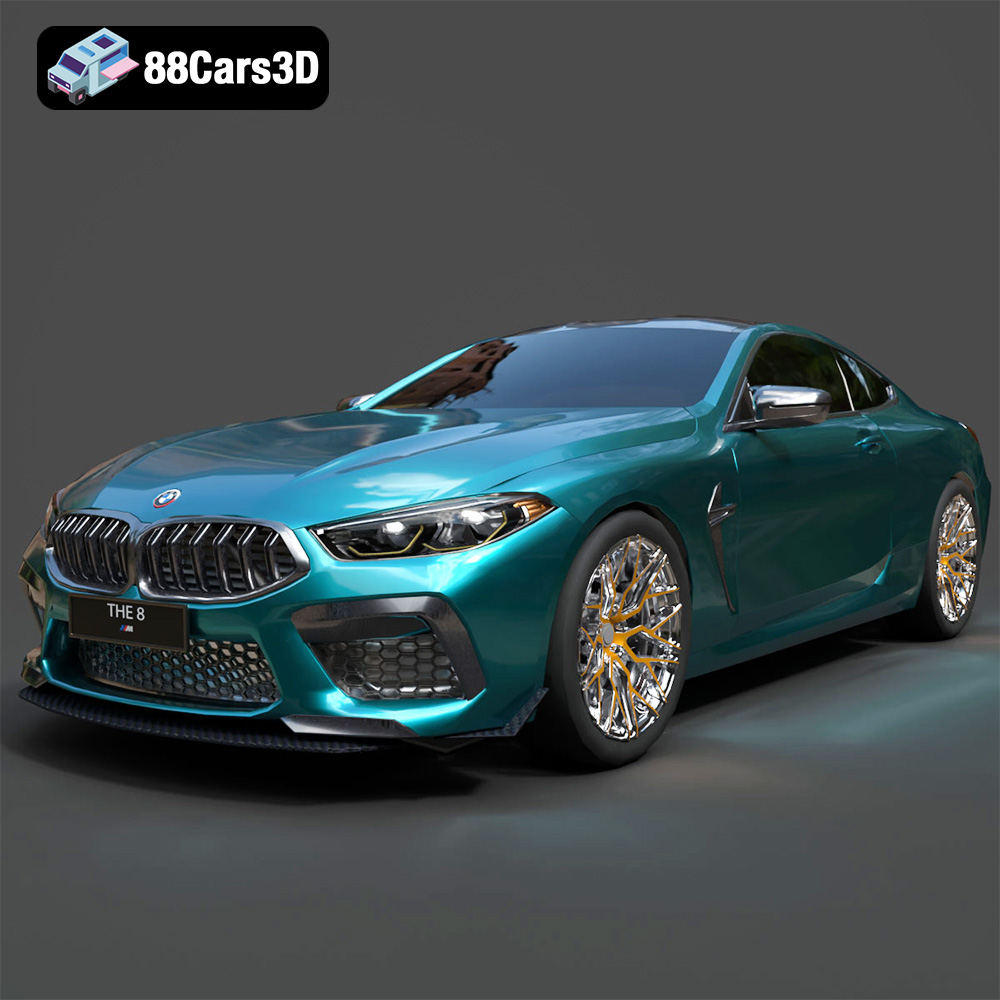
Texture: Yes
Material: Yes
Download the BMW M8 Competition 3D Model featuring aggressive styling, a luxurious interior, and high-performance detailing. Includes .blend, .fbx, .obj, .glb, .stl, .ply, .unreal, and .max formats for rendering, simulation, and game development.
Price: $110.79
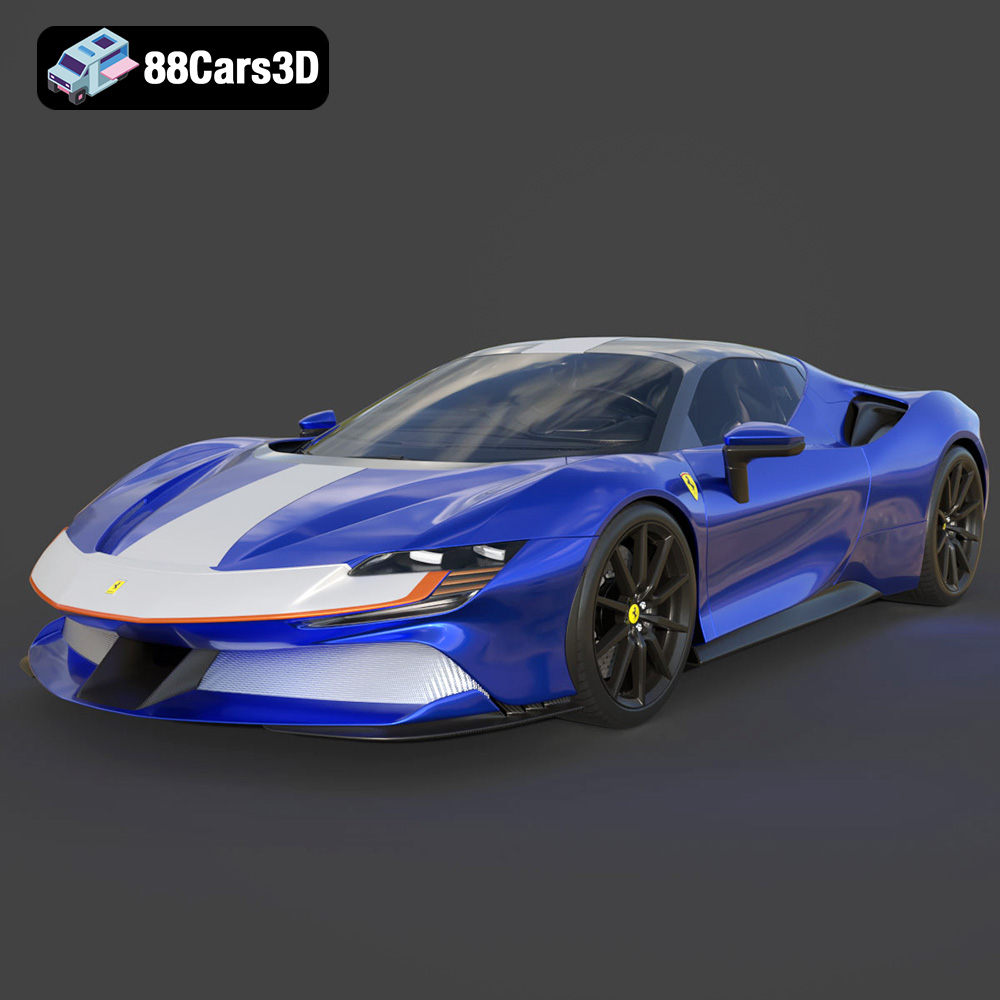
Texture: Yes
Material: Yes
Download the Ferrari SF90 Spider 3D Model featuring a meticulously detailed exterior, intricate interior, and realistic PBR materials. Includes .blend, .fbx, .obj, .glb, .stl, .ply, .unreal, and .max formats for rendering, simulation, and game development.
Price: $110.79
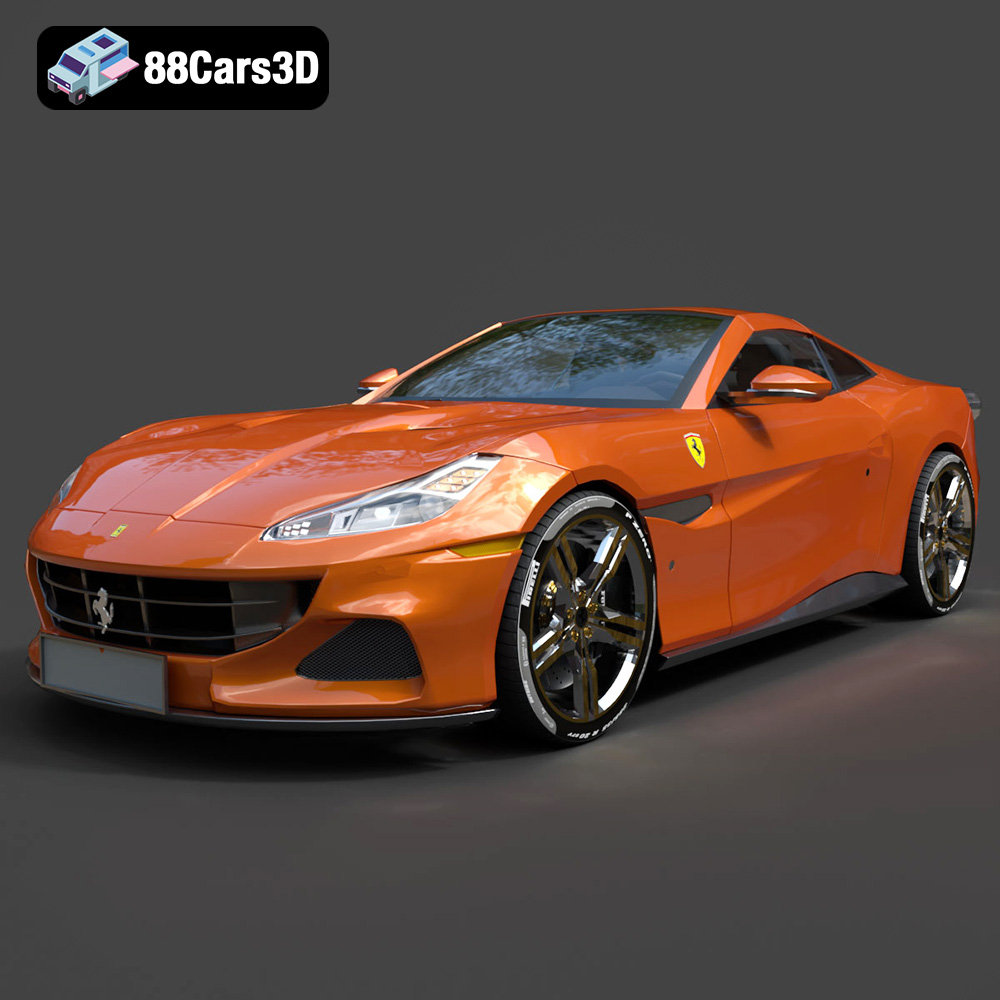
Texture: Yes
Material: Yes
Download the Ferrari Portofino 3D Model featuring accurate body contours, detailed interior, and high-resolution textures. Includes .blend, .fbx, .obj, .glb, .stl, .ply, .unreal, and .max formats for rendering, simulation, and game development.
Price: $110.79
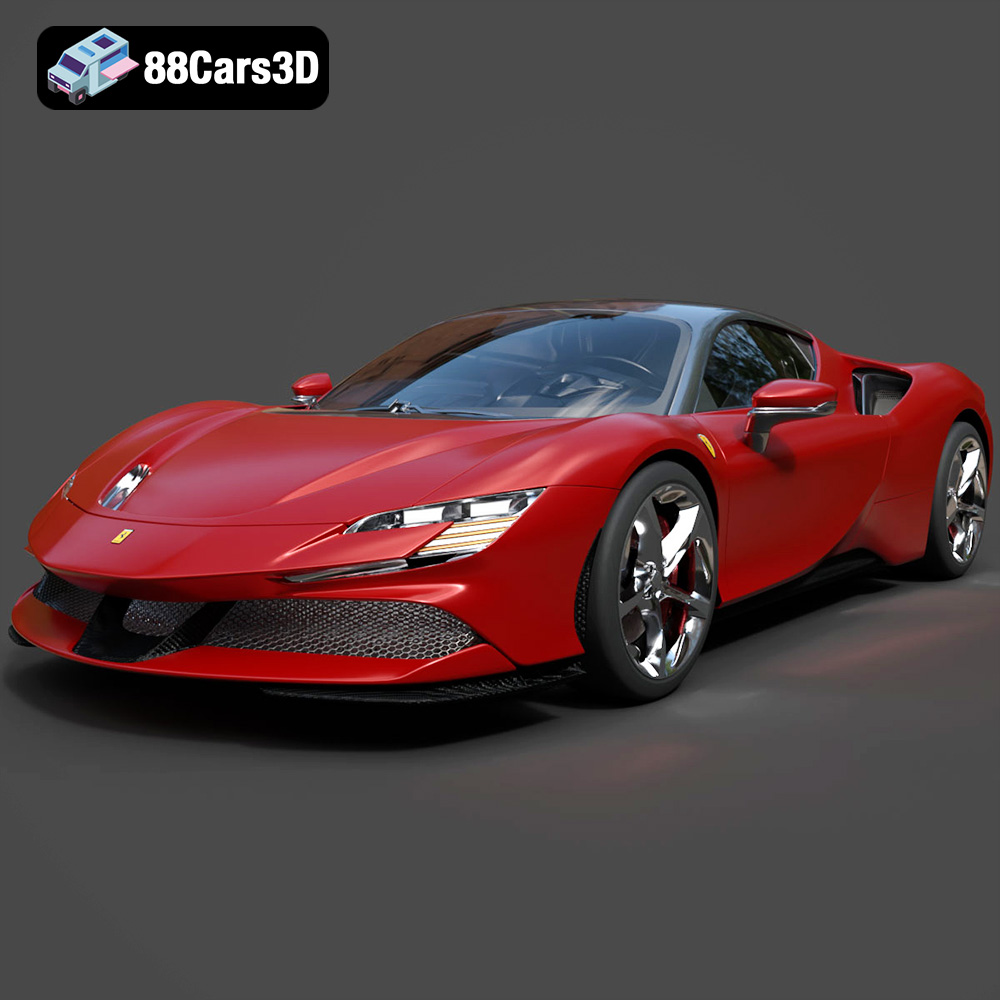
Texture: Yes
Material: Yes
Download the Ferrari SF90 Stradale 3D Model featuring aggressive lines and sophisticated aesthetics. Includes .blend, .fbx, .obj, .glb, .stl, .ply, .unreal, and .max formats for rendering, simulation, and game development.
Price: $110.79
Texture: Yes
Material: Yes
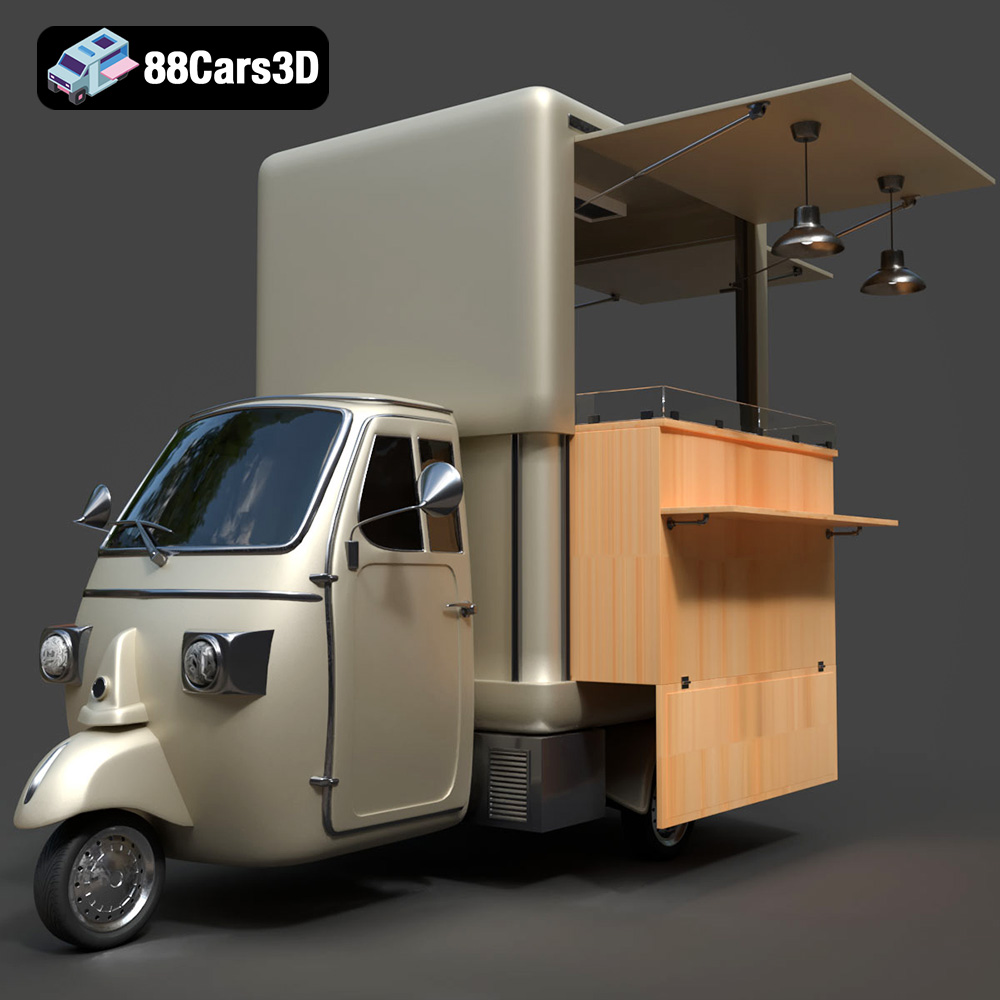
Download the Foodtruck Set 3-006 3D Model featuring a detailed exterior and interior, optimized for various uses. Includes .blend, .fbx, .obj, .glb, .stl, .ply, .unreal, and .max formats for rendering, simulation, and game development.
Price: $23.79
Texture: Yes
Material: Yes
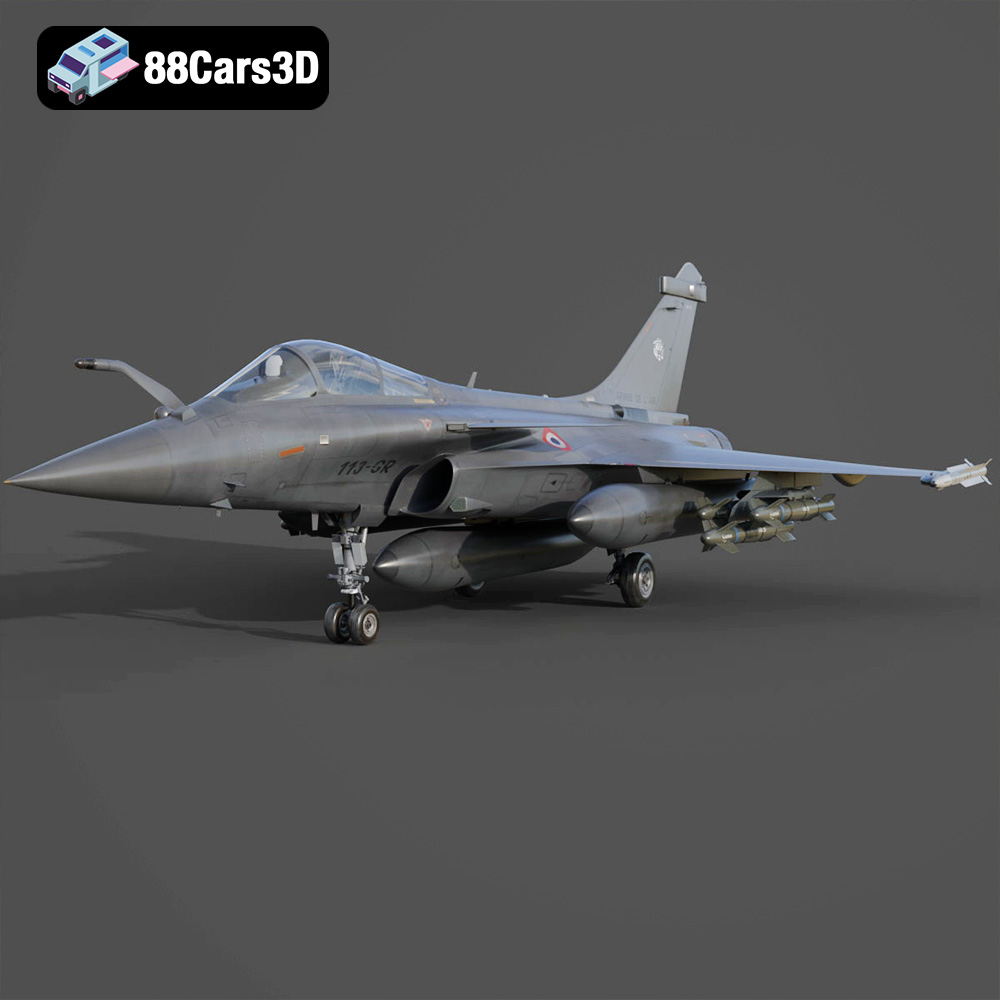
Download the Dassault Rafale Fighter Jet 3D Model featuring a detailed exterior, cockpit, and propulsion system. Includes .blend, .fbx, .obj, .glb, .stl, .ply, .unreal, and .max formats for rendering, simulation, and game development.
Price: $22.79

