⚡ FLASH SALE: Get 60% OFF All Premium 3D & STL Models! ⚡

The pursuit of photorealism in real-time rendering has always been a driving force for innovation in game development and visualization. For automotive visualization, where every reflection, every curve, and every subtle material property defines the realism of a vehicle, this pursuit is paramount. Traditional Physically Based Rendering (PBR) has served us well, providing a robust framework for creating believable materials. However, as the demands for visual fidelity escalate, especially for complex surfaces like multi-layered car paint or intricate fabrics, the limitations of standard PBR models become apparent. This is where Unreal Engine’s revolutionary Substrate Material System steps in, offering an unprecedented level of control and flexibility for material creation.
Substrate represents a fundamental shift in how materials are defined and rendered, moving beyond a single shading model to a layered, explicit approach. For creators leveraging high-quality 3D car models from platforms like 88cars3d.com, understanding and utilizing Substrate is no longer an option but a necessity to push the boundaries of realism. This comprehensive guide will explore Substrate’s core principles, demonstrate its application in crafting automotive materials, delve into its performance implications, and show how it integrates with other Unreal Engine features to deliver truly next-generation automotive visualization. Prepare to unlock a new dimension of visual fidelity for your Unreal Engine projects.
For years, Physically Based Rendering (PBR) has been the industry standard, revolutionizing how artists approach material creation by aligning digital representations with real-world physics. Its standardized approach, typically using a roughness/metallic or specular/glossiness workflow, enabled artists to produce visually consistent and plausible materials under various lighting conditions. While PBR remains incredibly powerful for a vast range of surfaces, it operates on a foundational assumption: a single, uniform shading model for each material. This works excellently for many objects, but automotive surfaces, known for their intricate layering and unique optical properties, often push PBR’s boundaries. Car paint, for instance, is not merely a single layer but a complex stack of a base coat (color, metallic flakes) and multiple clear coats, each with distinct reflective and refractive behaviors.
Attempting to simulate such complexity with traditional PBR often involves workarounds like custom shaders, complex blended materials, or faking effects, leading to increased development time, shader complexity, and sometimes, visual inconsistencies. These hacks often break the PBR rule-set, resulting in materials that don’t react correctly to varying lighting. Substrate addresses these limitations head-on by introducing an explicit, layered material system that allows artists to accurately define and combine multiple shading models, creating materials that truly mimic the real world. It moves beyond approximations, providing direct control over how light interacts with each layer of a surface, which is critical for achieving showroom-quality automotive visualization.
Traditional PBR’s strength lies in its simplicity and generality. However, this generality becomes a weakness when faced with materials that exhibit multiple optical phenomena simultaneously or require an internal structure that affects light in non-standard ways. For instance, a clear coat on a car acts as a dielectric layer over a metallic or diffuse base, significantly altering reflections and specular highlights. Simulating this accurately with a single PBR shader can be challenging. Artists might resort to blending two separate PBR materials, but this can lead to issues with energy conservation and accurate light transport between layers, especially for grazing angles or complex reflections. Other examples include anisotropic brushed metals, translucent plastics, or even volumetric materials like fog or dust that might be part of an automotive environment. Traditional PBR struggles to represent these nuances without significant hacks or custom shader development, which can quickly become unmanageable and non-performant in real-time applications.
Substrate’s core innovation lies in its explicit material models and the ability to stack them like real-world layers. Instead of trying to force complex materials into a generic PBR box, Substrate allows you to define each optical property independently. Imagine building a material from the ground up: first a base layer (like a diffuse paint or brushed metal), then adding a clear coat on top, perhaps a volumetric layer within, and then a thin film interference effect. Each of these is an “explicit material model” within Substrate, providing parameters specifically tailored to its physical behavior. This modularity means artists can achieve incredible realism for materials like multi-layered automotive paints, which are notoriously difficult to replicate. This layered approach not only enhances visual fidelity but also simplifies the artist’s workflow by providing intuitive controls for each component, ensuring physically accurate rendering without resorting to complex workarounds.
At its heart, Substrate redefines the material graph by providing a suite of new nodes and a fundamentally different way of thinking about surface properties. Instead of a single “Output Material” node, Substrate introduces a “Substrate Material Output” node that acts as a container for various material “mixers” and “shading models.” This architectural change allows artists to construct materials by chaining together different shading behaviors and material layers, providing unparalleled control. The system operates on a principle of explicit composition, where you define exactly how light interacts with each part of your surface. This means you’re no longer limited to a predefined set of inputs like Base Color, Roughness, and Metallic; instead, you’re building a network of physically-driven responses to light.
This design philosophy extends to how Substrate handles specific material types. For instance, instead of a universal PBR model that struggles with clear coats, Substrate offers dedicated clear coat shading models that accurately simulate the dielectric layer’s interaction with light, including internal reflections and refractions. This granular control is vital for automotive visualization, where the distinction between a glossy plastic, a polished metal, and a multi-layered paint finish is crucial for realism. Understanding these core concepts is the first step towards harnessing Substrate’s full power and creating materials that truly stand out in your Unreal Engine projects.
Substrate materials are built using a hierarchy of layers and expressions. A “Layer” in Substrate can represent a distinct physical component of a material, such as a base coat, a clear coat, or a fabric weave. These layers are then combined using various “Mixers” (e.g., Mix, Add, Multiply) that determine how their properties blend. Each layer itself is constructed from “Expressions,” which are the individual nodes that define attributes like color, roughness, normal, and the specific shading model to use (e.g., Standard PBR, Clear Coat, Cloth, Volumetric). This modularity allows for incredibly complex materials to be built from simpler, reusable components. For instance, you could define a generic ‘Clear Coat’ layer once and apply it over various base layers, from painted metals to plastics, ensuring consistent physical behavior. This also makes iteration much faster, as changes to a base layer don’t necessitate rebuilding the entire material from scratch.
The flexibility of this system is vast. You can blend layers based on masks, distance, or even procedural noise, enabling highly detailed and varied surface properties across a single mesh. For instance, you could create a car paint material with a subtle dirt layer that appears only in crevices, or a damaged paint effect that exposes a primer layer underneath. The official Unreal Engine documentation (available at https://dev.epicgames.com/community/unreal-engine/learning) provides extensive details on the various Substrate nodes and their functions, which are crucial for diving deep into material creation.
One of Substrate’s most significant advancements is its introduction of “Explicit Shading Models.” While traditional PBR provides a generalized model, Substrate offers specialized models designed to accurately represent specific material types. These include:
For automotive visualization, the Clear Coat model is a game-changer. It allows artists to define a base layer (e.g., a metallic paint) and then apply a physically accurate clear coat on top, controlling its roughness, tint, and IOR (Index of Refraction). This eliminates the need for complex blending or faking, resulting in truly photorealistic car finishes that accurately react to environmental reflections and direct lighting, giving assets from 88cars3d.com the premium look they deserve.
Bringing a 3D car model to life in Unreal Engine demands more than just accurate geometry; it requires materials that flawlessly mimic the real world. Substrate is uniquely positioned to address this need, particularly for the intricate surfaces found on vehicles. The ability to stack and blend explicit shading models means artists can move beyond approximations and create finishes that are indistinguishable from reality. From the multi-layered depth of automotive paint to the subtle reflections of polished chrome and the intricate weaves of interior fabrics, Substrate provides the tools to define each characteristic with precision. This section will guide you through practical applications, highlighting how Substrate unlocks new levels of realism for your automotive projects, ensuring that every detail, from the paint’s metallic flake to the interior’s texture, contributes to an immersive visual experience.
When working with high-quality models, such as those found on 88cars3d.com, the geometry already provides an excellent foundation. Substrate then elevates these models by allowing for material definitions that fully exploit the geometrical detail, translating into stunning real-time renders. The process involves identifying the distinct optical layers of a real-world material and then translating them into Substrate’s layered graph. This intuitive, physically driven approach means less guesswork and more accurate, predictable results under any lighting condition.
Automotive paint is perhaps the quintessential example of a complex material that Substrate excels at. A typical metallic car paint consists of:
With traditional PBR, achieving this multi-layered effect realistically was a significant challenge. Substrate simplifies this workflow immensely. You can start with a ‘Substrate Standard PBR’ shading model for the metallic base coat, incorporating a texture for the metallic flakes and appropriate roughness. Then, you add a ‘Substrate Clear Coat’ shading model, layering it on top. Parameters like the clear coat’s roughness (for matte or glossy finishes), tint, and IOR can be precisely controlled. For metallic flakes, advanced techniques involve using custom normal maps or even procedural noise to simulate their random orientation and light scattering, feeding this into the base coat’s normal input before it’s covered by the clear coat. This layered construction delivers a truly believable, deep, and dynamic car paint finish, reacting beautifully to environment reflections and direct light sources.
Beyond car paint, Substrate dramatically improves the realism of other critical automotive materials:
Adopting Substrate isn’t just about achieving higher visual fidelity; it also influences your overall Unreal Engine workflow and necessitates a fresh look at performance optimization. While Substrate offers unparalleled artistic freedom and realism, this power comes with increased complexity. Understanding how Substrate integrates with other rendering features like Nanite and Lumen, and how to manage its performance overhead, is crucial for successful implementation in real-time applications. The goal is always to achieve the best possible visuals without sacrificing frame rate or interactivity.
The beauty of Unreal Engine lies in its integrated ecosystem. Substrate materials, once created, seamlessly interact with the engine’s advanced rendering pipeline. However, the layered nature of Substrate means that a single material might involve multiple shading models and complex calculations, potentially leading to higher instruction counts in your shaders. Therefore, a mindful approach to material construction and diligent profiling are key to harnessing Substrate’s capabilities efficiently, especially when dealing with hero assets like highly detailed 3D car models for visualization or games.
Substrate works in harmony with Unreal Engine’s other groundbreaking features, particularly Nanite and Lumen.
While Substrate offers immense visual benefits, its layered approach can inherently increase shader complexity. Each explicit shading model and blend operation adds to the computational cost. Therefore, optimization is key:
By carefully balancing visual fidelity with performance, you can leverage Substrate to its fullest potential without compromising the real-time experience. Remember, performance metrics will depend on target hardware, so always test on your intended platforms.
The power of Substrate extends far beyond simply creating pretty pictures. Its precise control over material properties makes it an indispensable tool for advanced real-time applications in automotive visualization and virtual production. Imagine giving potential customers the ability to customize every aspect of a car’s finish in a real-time configurator, with each material change rendering instantly and accurately. Or consider the demands of virtual production, where a virtual vehicle must seamlessly integrate with physical environments on LED walls, requiring impeccable material accuracy under live lighting. Substrate empowers these scenarios, elevating interactive experiences and cinematic content to new heights of realism and flexibility.
For professionals working with high-fidelity assets from marketplaces like 88cars3d.com, Substrate unlocks the true potential of these models in a range of demanding applications. It provides the foundation for dynamic, reactive materials that can respond to user input, environmental changes, or even complex cinematic sequences, pushing the boundaries of what’s achievable in real-time. By embracing Substrate, automotive designers, marketers, and filmmakers can create experiences that are not only visually stunning but also highly interactive and immersive.
Automotive configurators are a cornerstone of modern vehicle marketing, allowing customers to customize a car’s color, trim, and features in real-time. Substrate, combined with Unreal Engine’s Blueprint visual scripting, provides an incredibly powerful pipeline for creating highly dynamic and interactive material systems.
This workflow allows for a vast array of customization options, from paint finishes and wheel materials to interior trim and stitching, all powered by Substrate’s flexible material system.
Virtual production, particularly with LED walls, demands absolute material accuracy. When a virtual car is rendered on an LED volume and lit by real-world studio lights, its materials must react identically to a physical object to achieve seamless integration. Substrate’s physically accurate material models are a perfect fit for this environment.
By leveraging Substrate, creators can push the boundaries of real-time automotive content, delivering experiences that captivate audiences and fulfill the rigorous demands of professional production workflows.
The Unreal Engine Substrate Material System marks a pivotal advancement in real-time rendering, fundamentally changing how we approach material creation. For automotive visualization, where the nuances of light interaction with complex surfaces define realism, Substrate is nothing short of revolutionary. It liberates artists from the constraints of traditional PBR, empowering them to craft multi-layered, physically accurate materials that perfectly mimic the intricate finishes of real-world vehicles, from the depth of a clear-coated metallic paint to the subtle reflections of polished chrome and the fibrous texture of interior fabrics.
By understanding Substrate’s core concepts – its explicit shading models, layered architecture, and powerful expressions – you can unlock unparalleled visual fidelity. Integrating these advanced materials with Unreal Engine’s cutting-edge features like Nanite and Lumen further elevates your projects, enabling you to render high-polygon 3D car models with dynamic global illumination and reflections, all in real-time. Whether you’re building interactive automotive configurators with Blueprint, producing cinematic marketing content with Sequencer, or pushing the boundaries of virtual production and AR/VR, Substrate provides the essential foundation for truly next-generation realism. For artists and developers sourcing high-quality, optimized 3D car models, ensuring these assets are ready to exploit Substrate’s capabilities is now a critical consideration.
The journey to photorealism is ongoing, but with Substrate, Unreal Engine has provided a powerful new compass. Embrace this system, explore its depths, and transform your automotive projects into breathtaking realities. The future of real-time automotive visualization is here, and it’s built with Substrate.
Texture: Yes
Material: Yes
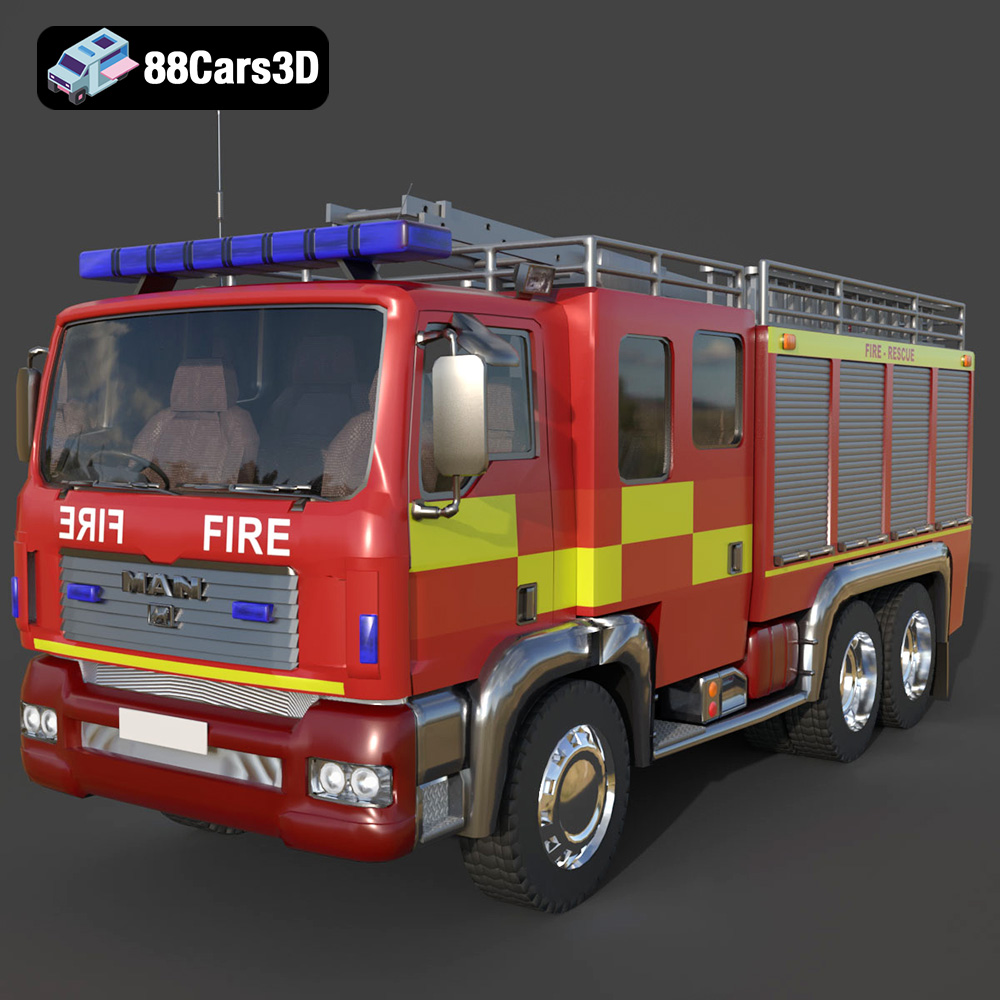
Download the POJARNIY 004 3D Model featuring a robust exterior with detailed emergency equipment and a functional interior. Includes .blend, .fbx, .obj, .glb, .stl, .ply, .unreal, and .max formats for rendering, simulation, and game development.
Price: $10.79
Texture: Yes
Material: Yes
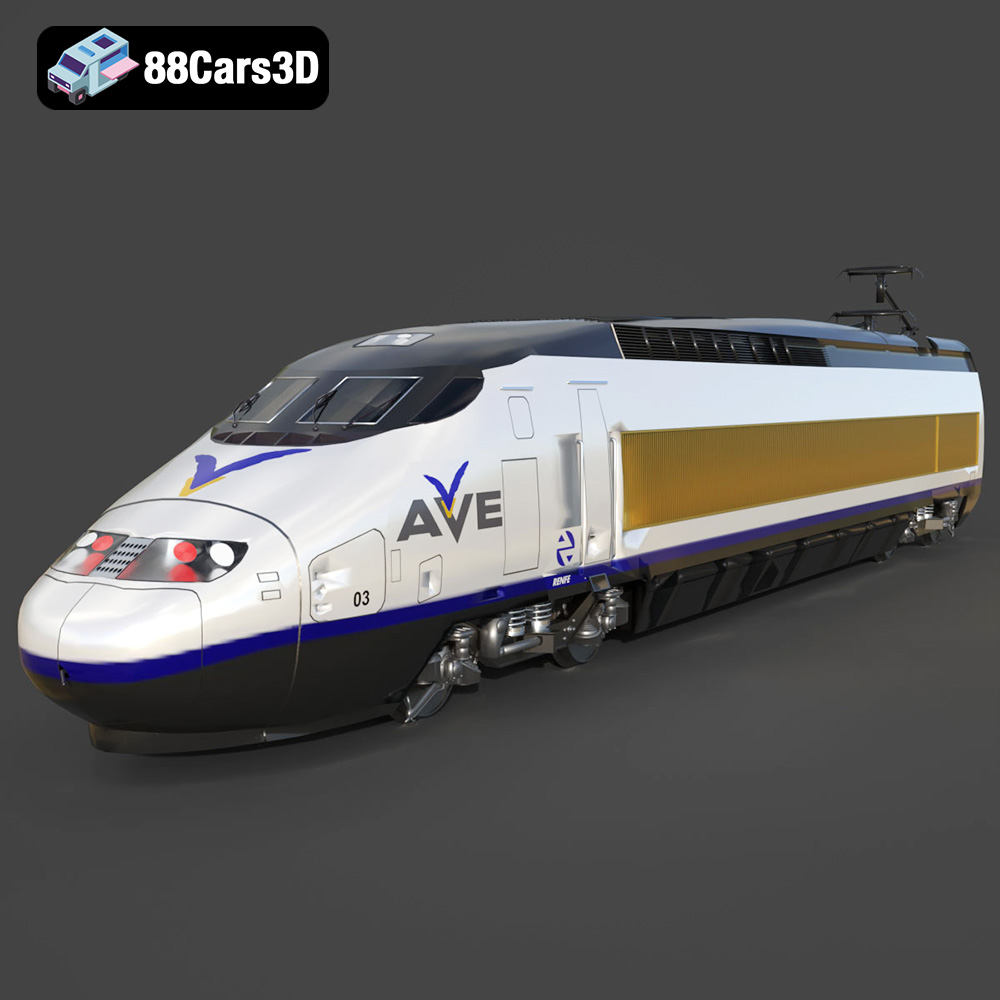
Download the Poezd AVE 147-102-002 3D Model featuring a detailed high-speed train design. Includes .blend, .fbx, .obj, .glb, .stl, .ply, .unreal, and .max formats for rendering, simulation, and game development.
Price: $10.79
Texture: Yes
Material: Yes
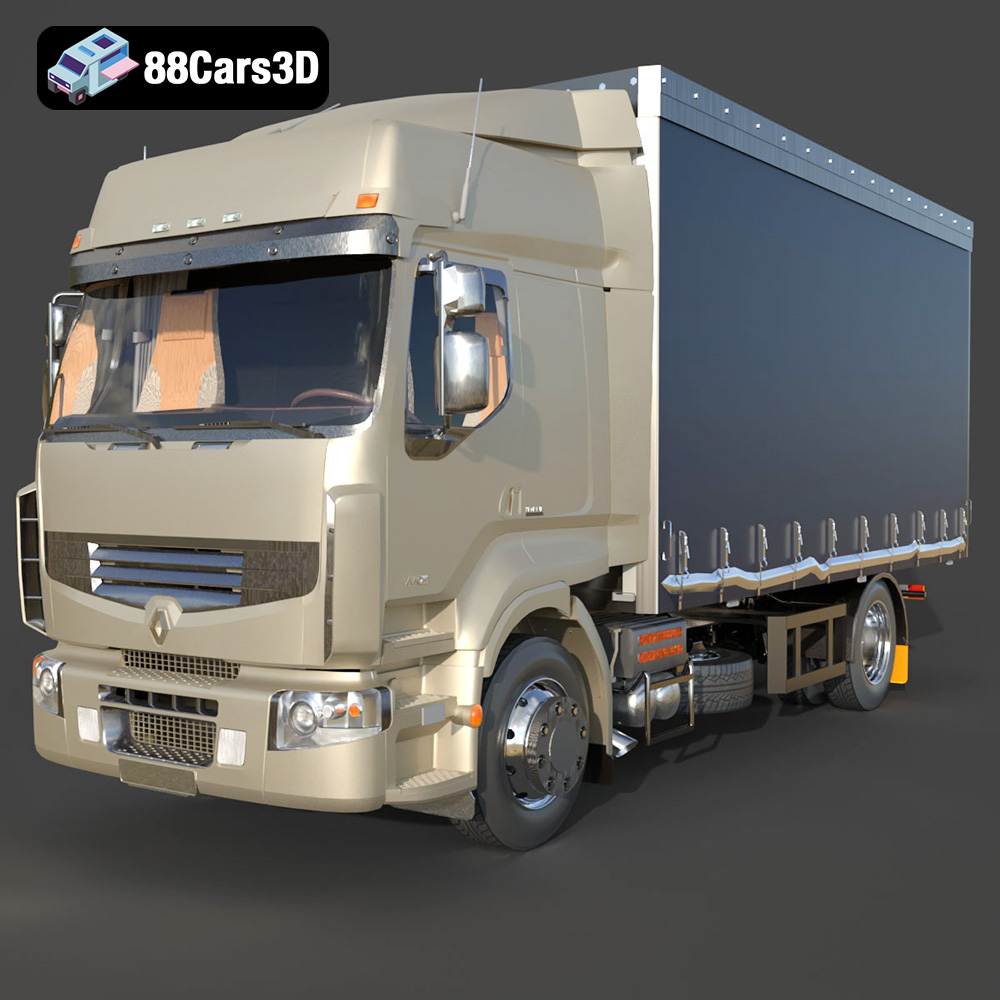
Download the Renault Premium 440-002 3D Model featuring a detailed exterior, an optimized interior, and accurate real-world scale. Includes .blend, .fbx, .obj, .glb, .stl, .ply, .unreal, and .max formats for rendering, simulation, and game development.
Price: $10.79
Texture: Yes
Material: Yes
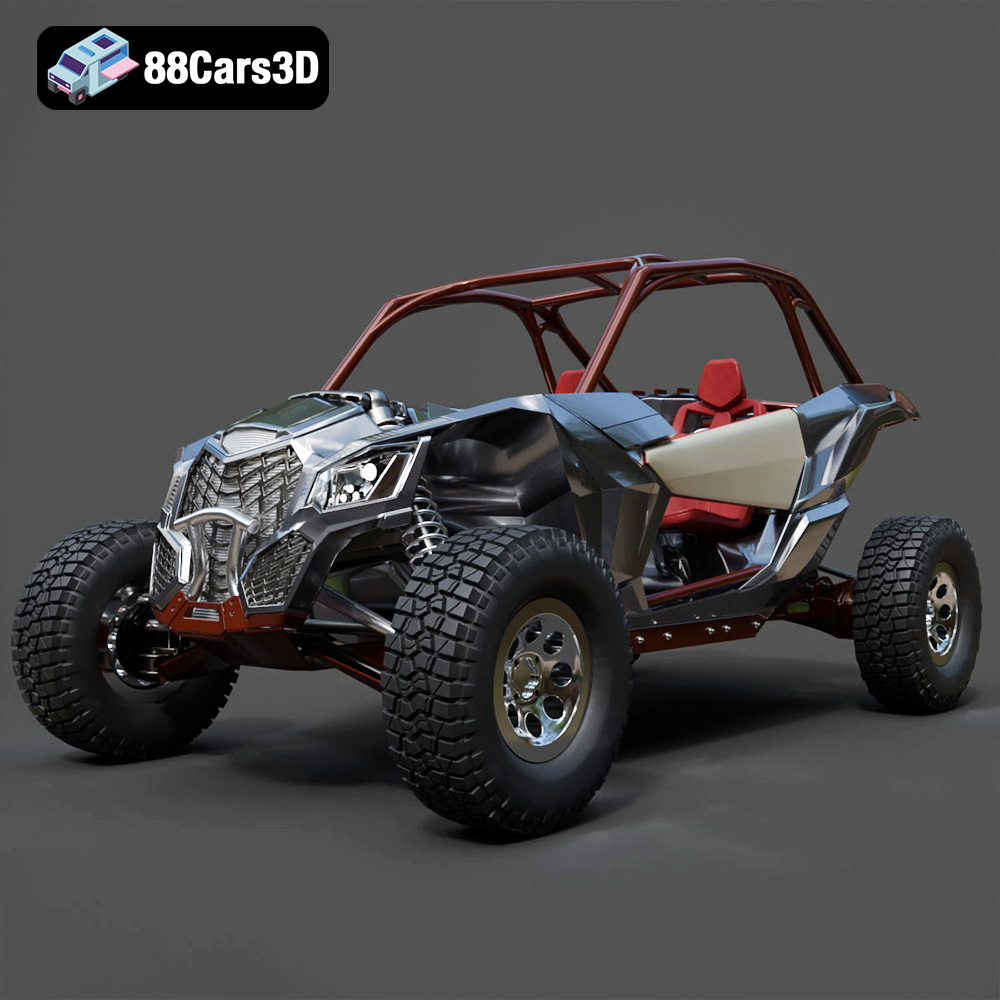
Download the Can-Am Maverick 2019 3D Model featuring an aggressive off-road design, detailed chassis, and rugged tires. Includes .blend, .fbx, .obj, .glb, .stl, .ply, .unreal, and .max formats for rendering, simulation, and game development.
Price: $90.79
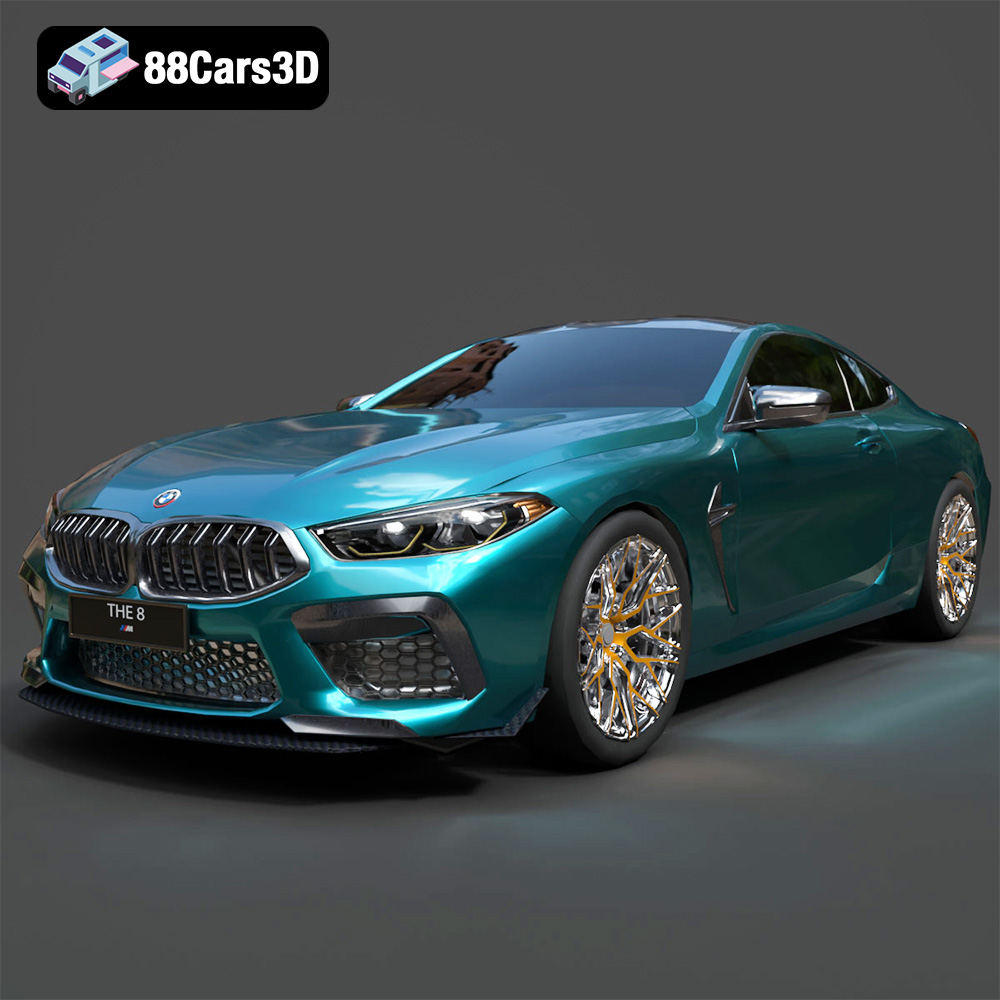
Texture: Yes
Material: Yes
Download the BMW M8 Competition 3D Model featuring aggressive styling, a luxurious interior, and high-performance detailing. Includes .blend, .fbx, .obj, .glb, .stl, .ply, .unreal, and .max formats for rendering, simulation, and game development.
Price: $110.79
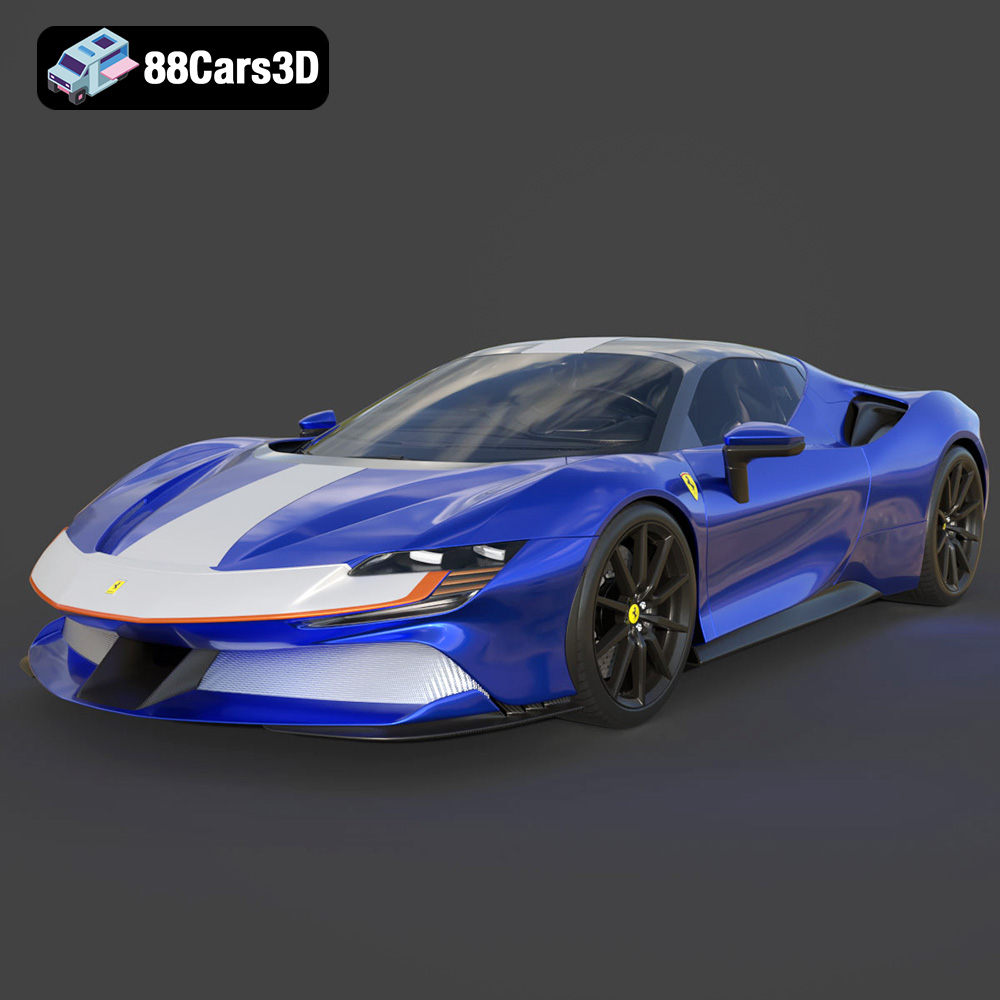
Texture: Yes
Material: Yes
Download the Ferrari SF90 Spider 3D Model featuring a meticulously detailed exterior, intricate interior, and realistic PBR materials. Includes .blend, .fbx, .obj, .glb, .stl, .ply, .unreal, and .max formats for rendering, simulation, and game development.
Price: $110.79
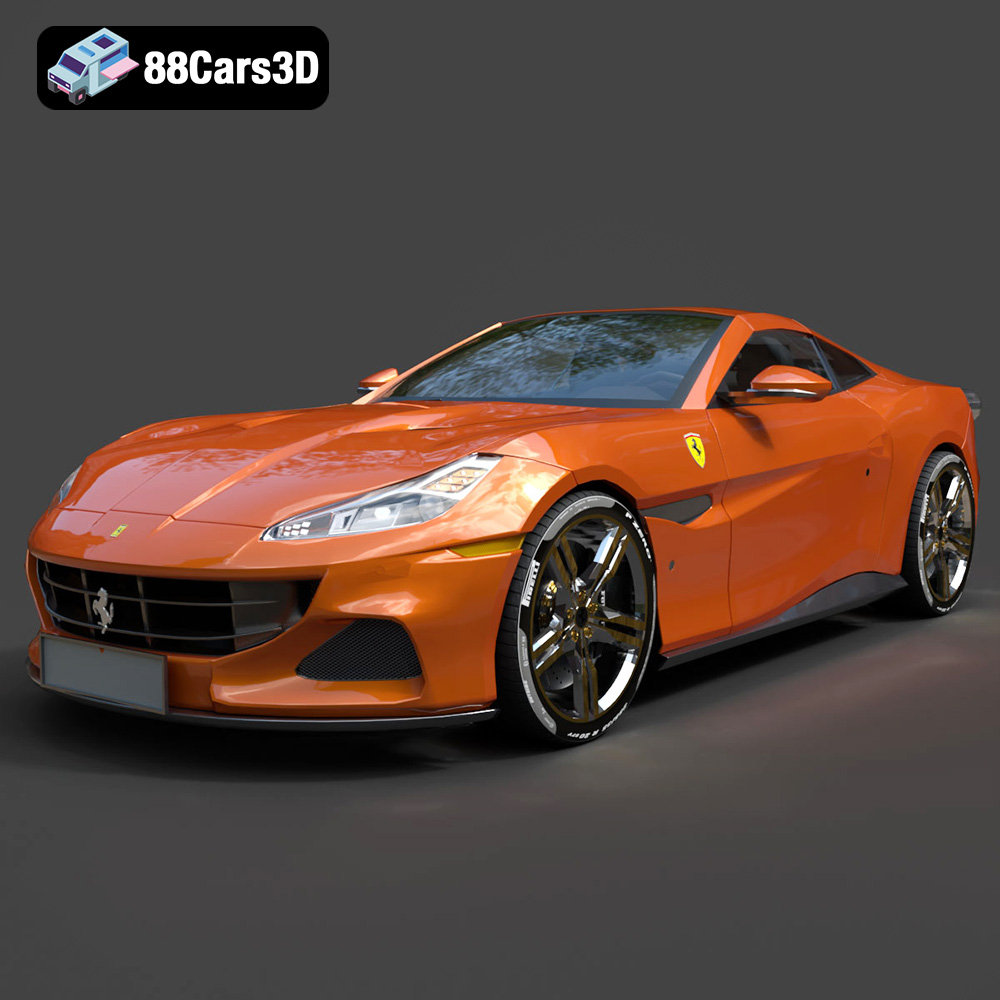
Texture: Yes
Material: Yes
Download the Ferrari Portofino 3D Model featuring accurate body contours, detailed interior, and high-resolution textures. Includes .blend, .fbx, .obj, .glb, .stl, .ply, .unreal, and .max formats for rendering, simulation, and game development.
Price: $110.79
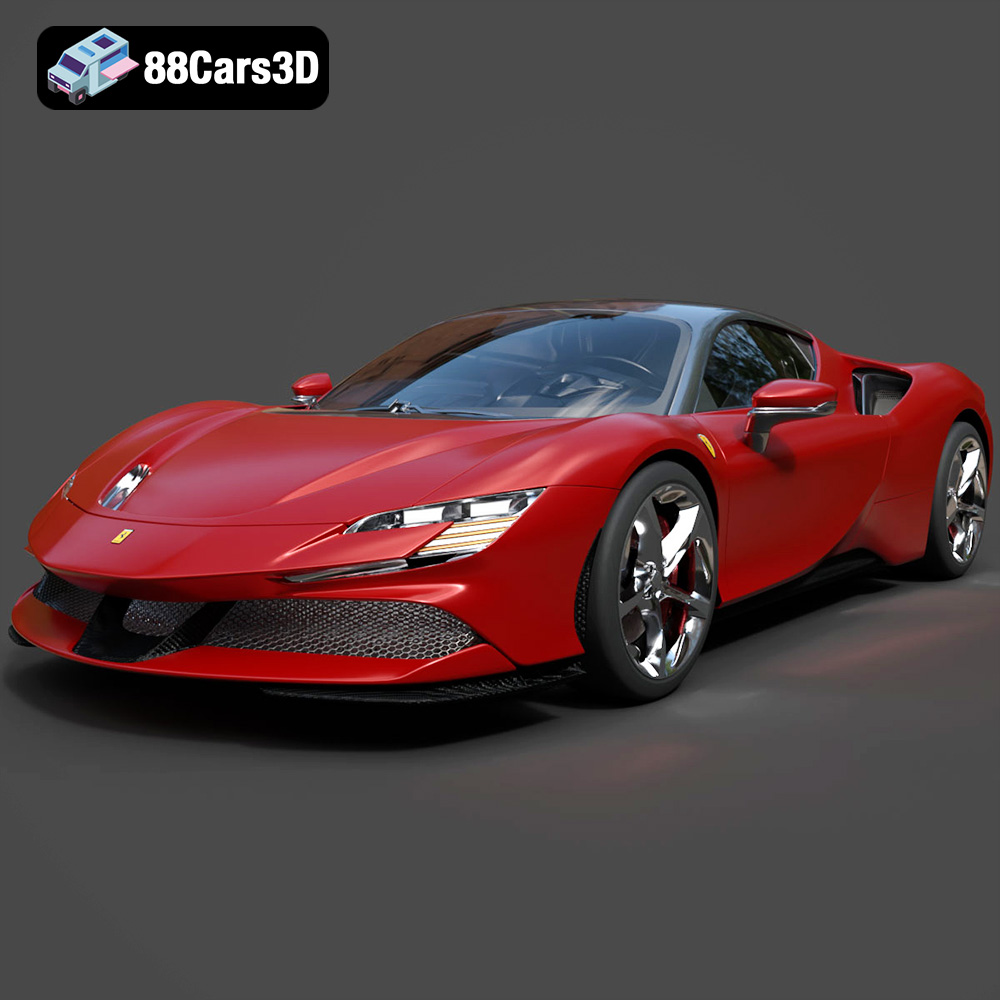
Texture: Yes
Material: Yes
Download the Ferrari SF90 Stradale 3D Model featuring aggressive lines and sophisticated aesthetics. Includes .blend, .fbx, .obj, .glb, .stl, .ply, .unreal, and .max formats for rendering, simulation, and game development.
Price: $110.79
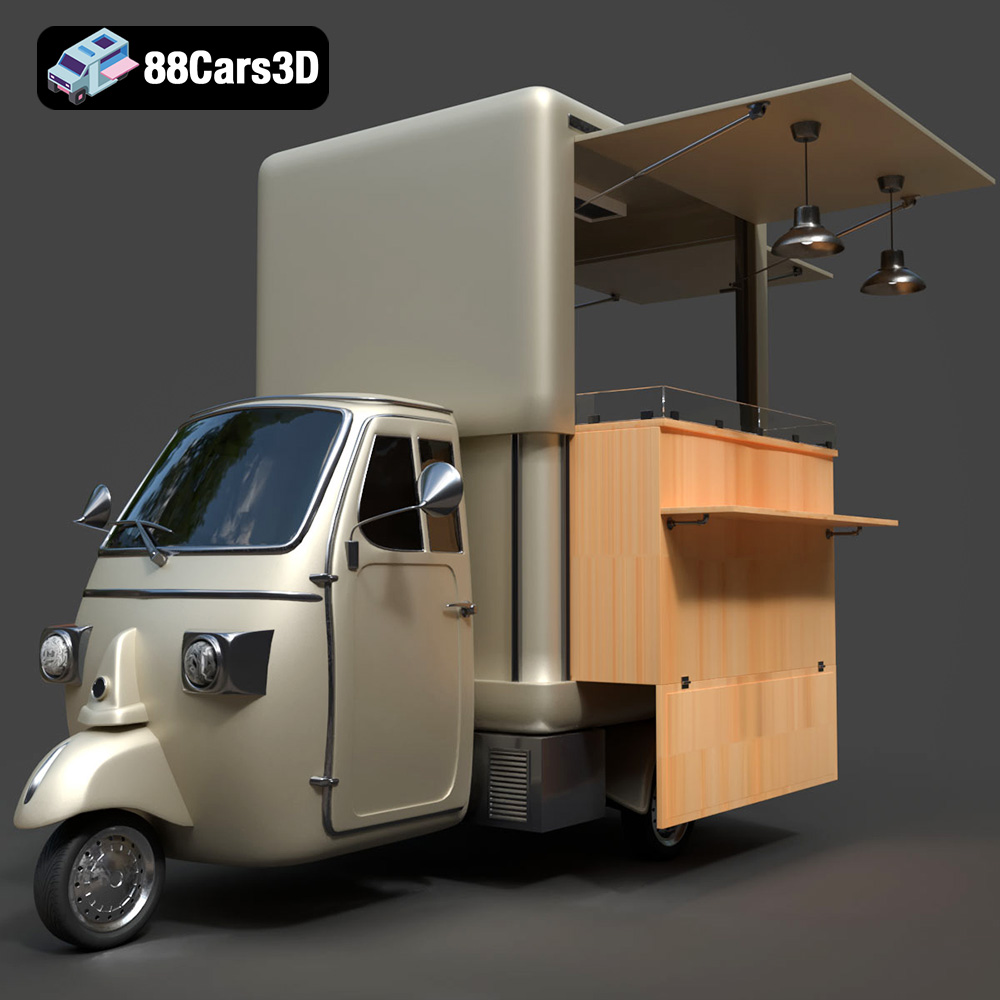
Texture: Yes
Material: Yes
Download the Foodtruck Set 3-006 3D Model featuring a detailed exterior and interior, optimized for various uses. Includes .blend, .fbx, .obj, .glb, .stl, .ply, .unreal, and .max formats for rendering, simulation, and game development.
Price: $23.79
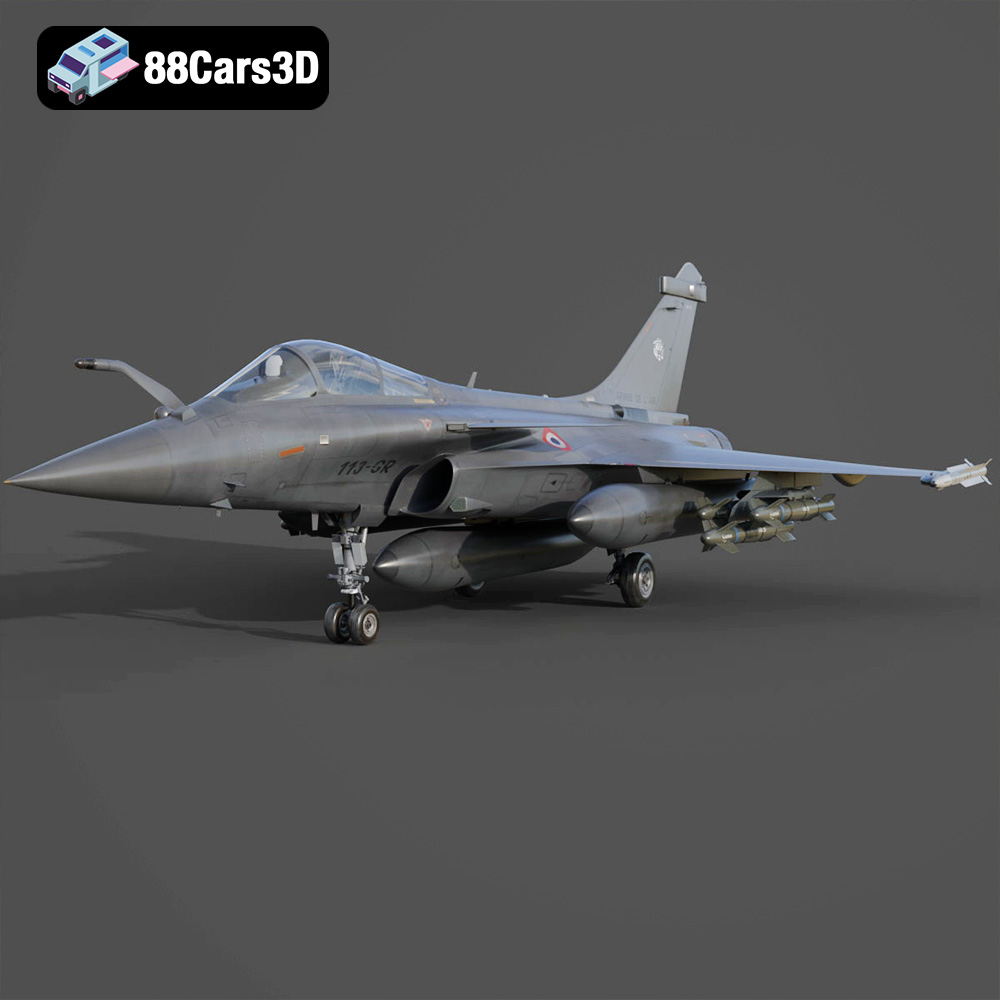
Texture: Yes
Material: Yes
Download the Dassault Rafale Fighter Jet 3D Model featuring a detailed exterior, cockpit, and propulsion system. Includes .blend, .fbx, .obj, .glb, .stl, .ply, .unreal, and .max formats for rendering, simulation, and game development.
Price: $22.79

