⚡ FLASH SALE: Get 60% OFF All Premium 3D & STL Models! ⚡

The allure of a beautifully rendered 3D car model often begins with its sleek exterior, but true immersion and realism are achieved when you step inside. The interior of a vehicle, with its intricate details, varied materials, and subtle nuances, is where a 3D artist truly brings a car to life. From the soft sheen of leather seats to the precise textures of the dashboard and the subtle glint on metallic accents, creating a realistic car interior in 3D is a demanding yet incredibly rewarding endeavor. It requires a meticulous approach to modeling, advanced texturing techniques, sophisticated lighting, and careful optimization for various applications, whether it’s for high-end automotive visualization, cutting-edge game development, or interactive AR/VR experiences.
This comprehensive guide delves deep into the technical workflows and artistic considerations essential for crafting breathtakingly realistic 3D car interiors. We’ll explore everything from foundational topology principles and advanced UV mapping strategies to the intricacies of PBR material creation, rendering techniques, and optimization for diverse platforms. By mastering these techniques, you’ll be able to create interiors that not only look stunning but also function seamlessly across different pipelines. Get ready to elevate your 3D automotive projects and create interiors that captivate and convince, adding an unparalleled layer of realism to your digital vehicles.
Creating a realistic car interior starts with a solid foundation: precise 3D modeling and clean topology. Every component, from the dashboard to the smallest button, must be modeled with care, ensuring correct proportions, smooth surfaces, and an optimized mesh structure. The choice of modeling software (3ds Max, Blender, Maya) often comes down to personal preference, but the underlying principles of good topology remain universal. Aim for an all-quad mesh where possible, especially on curved surfaces, as this facilitates smooth subdivision and deformation.
For high-detail rendering projects, polygon counts can be generous, often ranging from 1 to 5 million triangles for an entire detailed interior, allowing for intricate surface details, stitching, and fine bevels. However, for game assets or real-time applications, these numbers must be significantly reduced, often targeting 50,000 to 200,000 triangles for the entire interior at its highest Level of Detail (LOD), with further reductions for lower LODs. The key is to balance visual fidelity with performance, optimizing polygons only where necessary. Sharp edges should have supporting edge loops to hold their form during subdivision, while curved surfaces require a density of polygons that accurately defines their curvature without being excessive.
The dashboard and center console are perhaps the most complex areas of a car interior, featuring numerous cutouts, vents, screens, and intricate forms. Start by blocking out the main shapes with basic primitives, then refine them using tools like extrusion, insetting, and edge looping. Pay close attention to the transitions between different panels and materials. For precise fits around buttons and screens, use boolean operations carefully, ensuring to clean up the resulting topology by hand. This involves connecting vertices to maintain quad flow and avoid N-gons that can cause shading issues. Maintaining a consistent edge flow around these details is crucial for smooth subdivision surfaces and avoiding pinching. For instance, creating a button recess involves strategically placed edge loops to define the sharp edge of the cutout, followed by additional loops to control the curvature leading into the recess.
Consider the real-world construction of these components; often, multiple panels fit together, creating subtle seams and panel gaps. Replicating these small details adds significantly to realism. Ensure that all surfaces intended to be smooth are sufficiently tessellated or ready for subdivision modifiers, while flat areas can have sparser geometry. Remember, every curve, every cutout, every seam contributes to the overall believability of the interior.
Car seats are organic and often highly ergonomic, presenting unique modeling challenges. They involve complex curves, subtle indentations, and the appearance of soft materials. Begin by sculpting the primary forms of the seat cushions and backrests, then use retopology techniques or careful poly-modeling to create a clean, quad-based mesh. Key areas to focus on include:
Understanding how different materials drape and fold in the real world is key. A leather seat will have different crease characteristics than a fabric one. Platforms like 88cars3d.com offer highly detailed 3D car models where you can observe these subtleties and learn from professional examples.
Once your interior models are complete, the next critical step is UV mapping. This process involves unwrapping the 3D surfaces into a 2D space, allowing you to apply textures accurately. Good UVs are paramount for realistic materials, preventing stretching, distortion, and ensuring consistent texel density across the model. For complex automotive interiors, a thoughtful UV strategy is essential, as various materials (leather, plastic, metal, fabric) will interact differently with textures.
The goal is to create UV islands that are as planar as possible, minimizing distortion and making texture painting or application straightforward. Different approaches are needed for distinct components. For instance, large, relatively flat panels like parts of the dashboard might use simple planar projections, while organic shapes like seats require more intricate unwrapping techniques, often involving pelting or projection from multiple angles. When preparing models for marketplaces such as 88cars3d.com, ensure your UVs are clean and well-organized, as this greatly enhances the usability of your assets for other artists.
The placement of UV seams is a critical decision. Strategic seaming involves placing cuts in areas that are less visible or along natural breaks in the geometry. For example, on a car seat, seams might follow the contours where different panels of fabric or leather meet, mimicking real-world upholstery. Avoid placing seams in the middle of a prominent, smooth surface unless absolutely necessary, as they can sometimes lead to visible texture discontinuities. For dashboards, seams can often be hidden along the undersides or in crevices where components meet.
Maintaining a uniform texel density across all UV islands is crucial for visual consistency. Texel density refers to the number of texture pixels per unit of 3D space. If one part of the interior has a very high texel density and another a very low one, textures will appear blurry or overly pixelated on different parts of the model. Many 3D software packages offer tools to visualize and unify texel density, helping you to scale UV islands appropriately. Aim for a texture resolution that supports the intended detail; 2K or 4K textures are common for individual interior components or sections, while a full interior might use multiple 4K texture sets.
The choice between overlapping UVs and unique (non-overlapping) UVs depends heavily on the intended application and desired level of detail.
A common strategy is to use unique UVs for major, asymmetrical components (dashboard, main seat structures) and overlapping UVs for repetitive elements. When creating assets for game engines, texture atlasing (packing multiple smaller textures into one larger texture sheet) often goes hand-in-hand with overlapping UVs to further optimize performance.
Specific materials require tailored UV mapping approaches to ensure their patterns and details appear correctly.
Always check your UVs with a checkerboard pattern texture to easily identify stretching or inconsistent texel density before committing to final texture application.
Physically Based Rendering (PBR) has become the industry standard for creating realistic materials, ensuring they react accurately to light in any environment. For car interiors, this means meticulously crafting shader networks for a wide array of materials: supple leathers, textured fabrics, varying plastics, reflective metals, and transparent glass. Each material requires a specific set of PBR maps (Albedo/Base Color, Normal, Roughness, Metallic, Ambient Occlusion, Displacement/Height) to accurately define its visual properties.
The goal is to mimic how light interacts with real-world surfaces. A rougher surface will scatter light more, appearing duller, while a smoother surface will reflect light more directly, appearing glossy. Metals have inherent reflectivity (metallicness), while non-metals do not. Understanding these core principles is vital for creating believable interior materials. When working across different rendering engines or game engines, it’s crucial to maintain a consistent PBR workflow to ensure your materials translate accurately.
Leathers and fabrics are critical for conveying comfort and luxury in a car interior.
Reference real-world swatches and photographs to observe how light plays across these materials, noting variations in specular highlights and diffuse reflections.
The interior is filled with various types of plastics, metals, and glass, each with unique PBR properties.
Pay close attention to subtle variations in finishes. Even seemingly identical plastics or metals can have slightly different roughness values, contributing to a richer visual experience.
Modern car interiors feature numerous screens, illuminated buttons, and ambient lighting.
Ensure that the emission values are calibrated appropriately for your scene’s lighting. Overly bright emission can look artificial, while too dim can diminish impact.
Lighting is arguably the most crucial factor in achieving photorealistic 3D car interior renders. Without proper lighting, even the most detailed models and PBR materials will fall flat. The goal is to simulate how natural light enters the cabin, interacts with surfaces, and creates depth, shadows, and reflections. This involves a delicate balance of ambient light, direct light sources, and global illumination. Popular rendering engines like Corona, V-Ray (for 3ds Max/Maya), Cycles (Blender), and Arnold (Maya/3ds Max) offer powerful tools to achieve stunning results, each with its own workflow nuances.
A well-lit interior should tell a story. Is it a sunny day, with dappled light filtering through the windows? Is it a moody evening, with soft ambient glows? The lighting setup should complement the vehicle’s design and the overall mood you wish to convey. For high-quality automotive rendering, expect render times that can range from minutes to hours per frame, depending on resolution, complexity, and desired quality.
The choice between High Dynamic Range Image (HDRI) lighting and physical light sources, or a combination, is fundamental for interior realism.
The art lies in balancing these sources. An HDRI provides the overall mood and reflections, while physical lights provide focus, emphasize details, and create stronger directional shadows.
While the principles of lighting remain the same, each renderer has specific features and optimizations for interior scenes.
Regardless of the renderer, using realistic units for light intensity and object scale is crucial for accurate results.
Rendering an interior scene can be computationally intensive due to numerous light bounces and complex materials. Optimizing render settings is a balancing act between image quality and render time.
Utilize render farms or cloud rendering services for large projects to significantly reduce local render times.
While stunning offline renders are one aspect, preparing 3D car interiors for real-time applications like game engines (Unity, Unreal Engine) and AR/VR experiences presents a different set of challenges centered around performance. The goal is to maintain visual fidelity while adhering to strict frame rate targets. This requires a deep understanding of polygon budgets, draw calls, texture memory, and specialized optimization techniques.
Every element in the interior must be considered for its real-time impact. The high-polygon models used for cinematic renders are usually far too heavy for real-time use. Therefore, a careful process of simplification, baking, and atlasing is essential. The constraints for AR/VR are often even stricter than traditional games due to the need for stereoscopic rendering and maintaining high, consistent frame rates to prevent motion sickness.
Level of Detail (LOD) is a crucial optimization technique for real-time applications. Instead of rendering a single, high-resolution mesh at all distances, LODs involve creating multiple versions of an asset, each with a progressively lower polygon count.
The transition between LODs should be imperceptible to the user. Baking normal maps from the high-poly model to the lower-poly LODs is vital to retain surface detail without the geometric overhead. Many 3D software packages and game engines offer automated LOD generation tools, but manual tweaking is often required for optimal results.
Minimizing draw calls and optimizing texture usage are paramount for real-time performance.
Proper UV mapping (as discussed earlier) is critical for effective texture atlasing, as all UV islands need to fit neatly within the atlas’s boundaries.
AR/VR applications have unique demands beyond standard game optimization.
When developing for AR/VR, always test your interior models on target hardware early and frequently. Platforms like Unity and Unreal Engine provide specific optimization tools and profiles for AR/VR development. For a deeper understanding of Blender’s export options and optimization tools for game engines, including considerations for AR/VR, refer to the official Blender 4.4 documentation on exporting assets and real-time workflows.
The journey to a realistic 3D car interior doesn’t end with the raw render. Post-processing and compositing are vital steps that elevate a good render to an exceptional one. This stage allows for fine-tuning colors, enhancing mood, adding atmospheric effects, and correcting any minor imperfections. Furthermore, understanding various file formats and their compatibility is crucial for delivering assets that can be used across different platforms and pipelines.
A professional workflow always incorporates post-processing, whether it’s in Photoshop, After Effects, or dedicated compositing software like Nuke or DaVinci Resolve. It’s where the artistic vision truly comes together, making the difference between a technically correct image and a visually stunning masterpiece. Similarly, choosing the right output format ensures that your painstakingly created interior can be utilized effectively by others or integrated into larger projects.
Compositing involves combining various render passes (AOV’s) to create the final image. This offers immense control over the final look without needing to re-render the entire scene.
The key is subtlety. Small adjustments in compositing can have a dramatic impact on the perceived realism and emotional resonance of the interior.
Exporting your 3D car interior in the correct file format is essential for compatibility with different software, game engines, and viewing platforms. Each format has its strengths and intended use.
When exporting, always verify that materials are assigned correctly, UVs are intact, and scale is maintained. For game engines, ensure your meshes are triangulated correctly and that any LODs are correctly linked. For platforms like 88cars3d.com, offering a variety of formats increases the versatility and appeal of your 3D car models.
Even with careful planning, issues can arise. Knowing how to troubleshoot them is a mark of a professional.
Regularly test your models in your target environment and conduct visual inspections to catch issues early.
Crafting a realistic 3D car interior is a multifaceted journey that demands a blend of artistic vision and technical mastery. From the foundational principles of clean topology and efficient UV mapping to the intricate world of PBR material creation, precise lighting, and rigorous optimization, every step contributes to the final immersive experience. We’ve explored how meticulous modeling of dashboards, seats, and controls sets the stage, how strategic UV mapping prevents distortion, and how PBR materials breathe life into leathers, plastics, and metals. We’ve also delved into the art of lighting for impactful renders and the critical optimization techniques required for seamless integration into game engines and AR/VR platforms.
The pursuit of realism in 3D automotive design is a continuous learning process. By paying attention to minute details, understanding the physics of light, and leveraging the powerful tools at your disposal, you can transform your digital car interiors into compelling, believable spaces. Embrace the challenges, learn from professional examples, and continuously refine your workflow. For those seeking high-quality, pre-modeled car interiors or full vehicle models that exemplify these best practices, platforms like 88cars3d.com offer an extensive collection of meticulously crafted 3D assets, ready to be integrated into your next project. Dive in, experiment, and push the boundaries of what’s possible in 3D automotive visualization, game development, and interactive experiences.
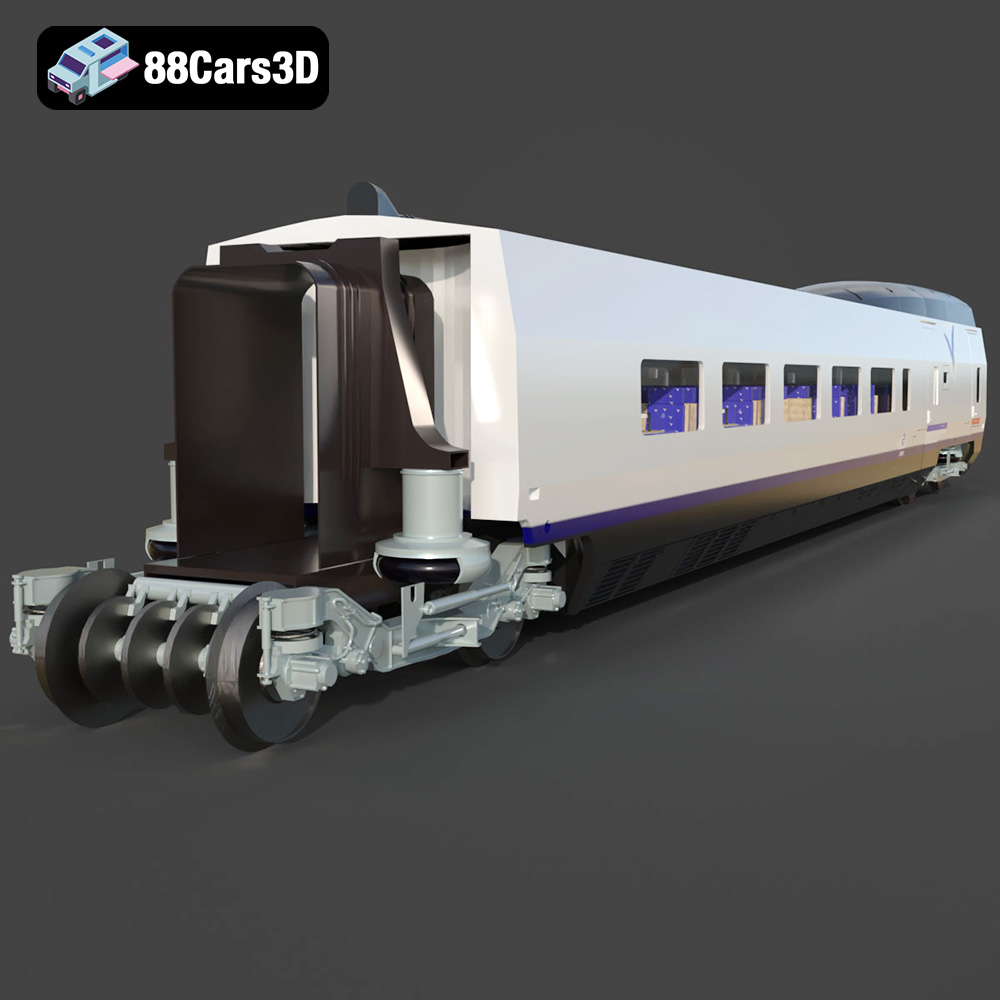
Texture: Yes
Material: Yes
Download the Vagon-Turist AVE Club 007 3D Model featuring a detailed interior, realistic exterior, and animation-ready components. Includes .blend, .fbx, .obj, .glb, .stl, .ply, .unreal, and .max formats for rendering, simulation, and game development.
Price: $10.79
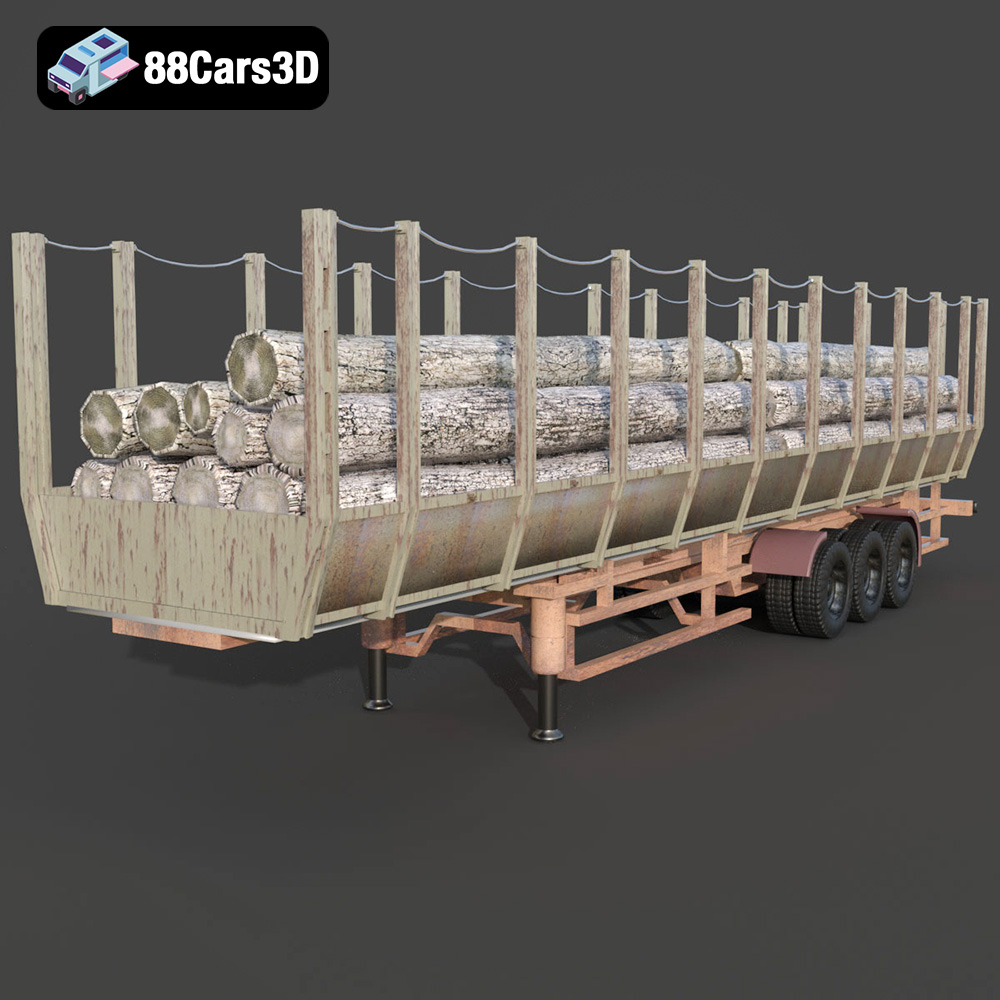
Texture: Yes
Material: Yes
Download the Forestry Trailer 006 3D Model featuring a heavy-duty frame, realistic wheels, and a functional design. Includes .blend, .fbx, .obj, .glb, .stl, .ply, .unreal, and .max formats for rendering, simulation, and game development.
Price: $10.79
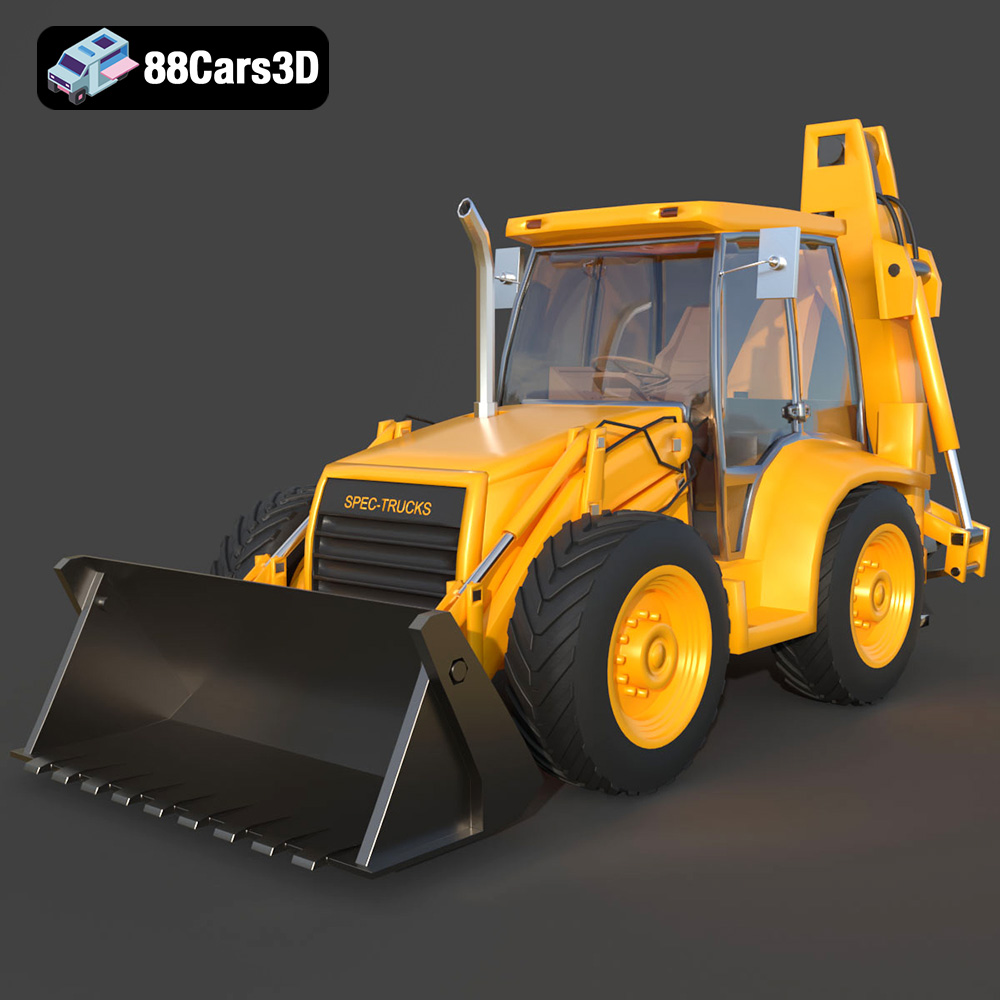
Texture: Yes
Material: Yes
Download the Spec Truck 3D Model featuring a rugged design and heavy-duty aesthetic. Includes .blend, .fbx, .obj, .glb, .stl, .ply, .unreal, and .max formats for rendering, simulation, and game development.
Price: $13.79
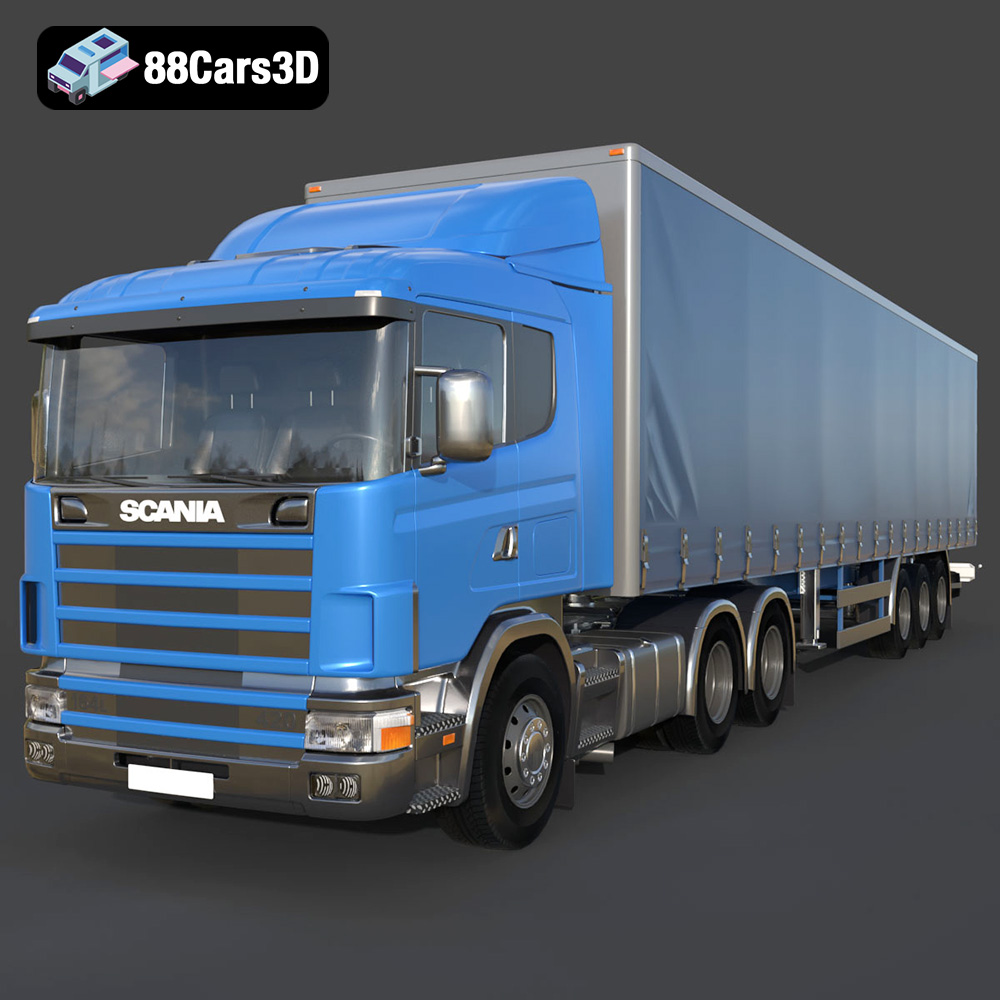
Texture: Yes
Material: Yes
Download the Scania R420 3D Model featuring a detailed exterior cabin, robust chassis, and realistic wheel assemblies. Includes .blend, .fbx, .obj, .glb, .stl, .ply, .unreal, and .max formats for rendering, simulation, and game development.
Price: $10.79
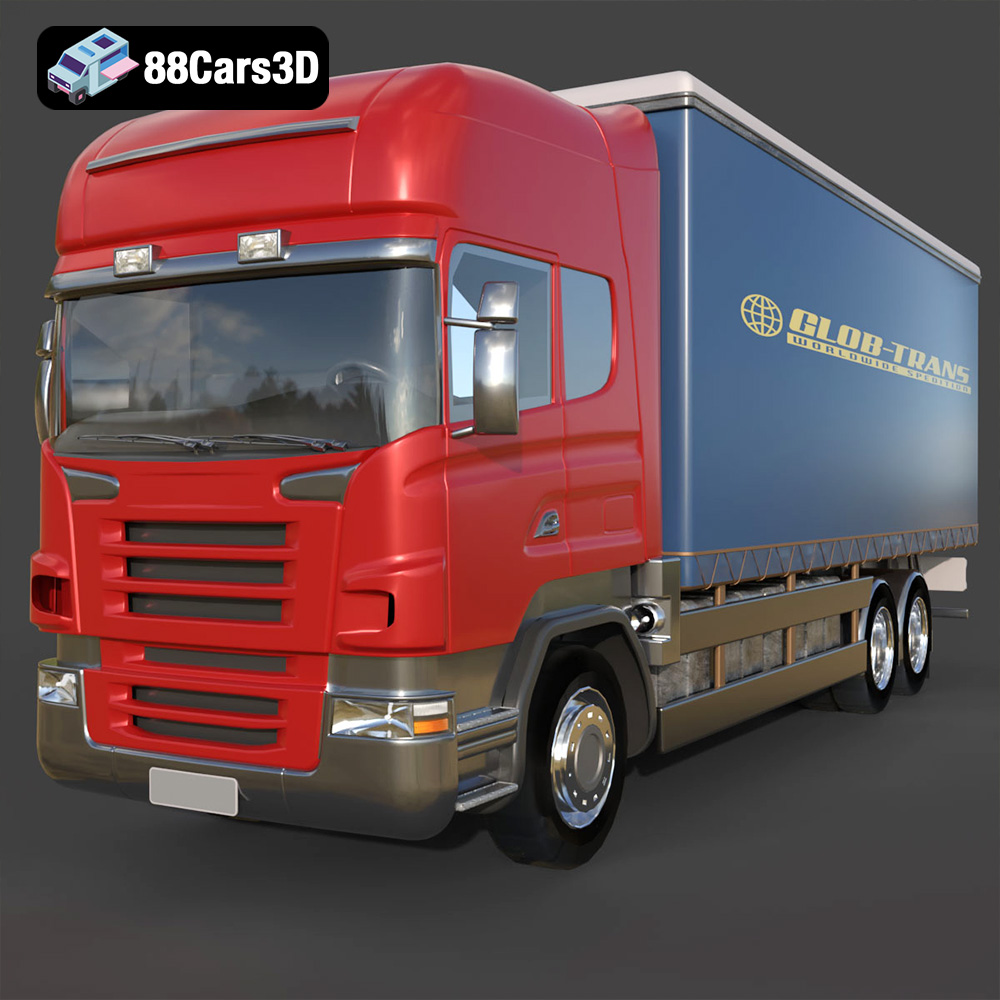
Texture: Yes
Material: Yes
Download the Scania R-Series 002 3D Model featuring a detailed exterior and interior. Includes .blend, .fbx, .obj, .glb, .stl, .ply, .unreal, and .max formats for rendering, simulation, and game development.
Price: $10.79
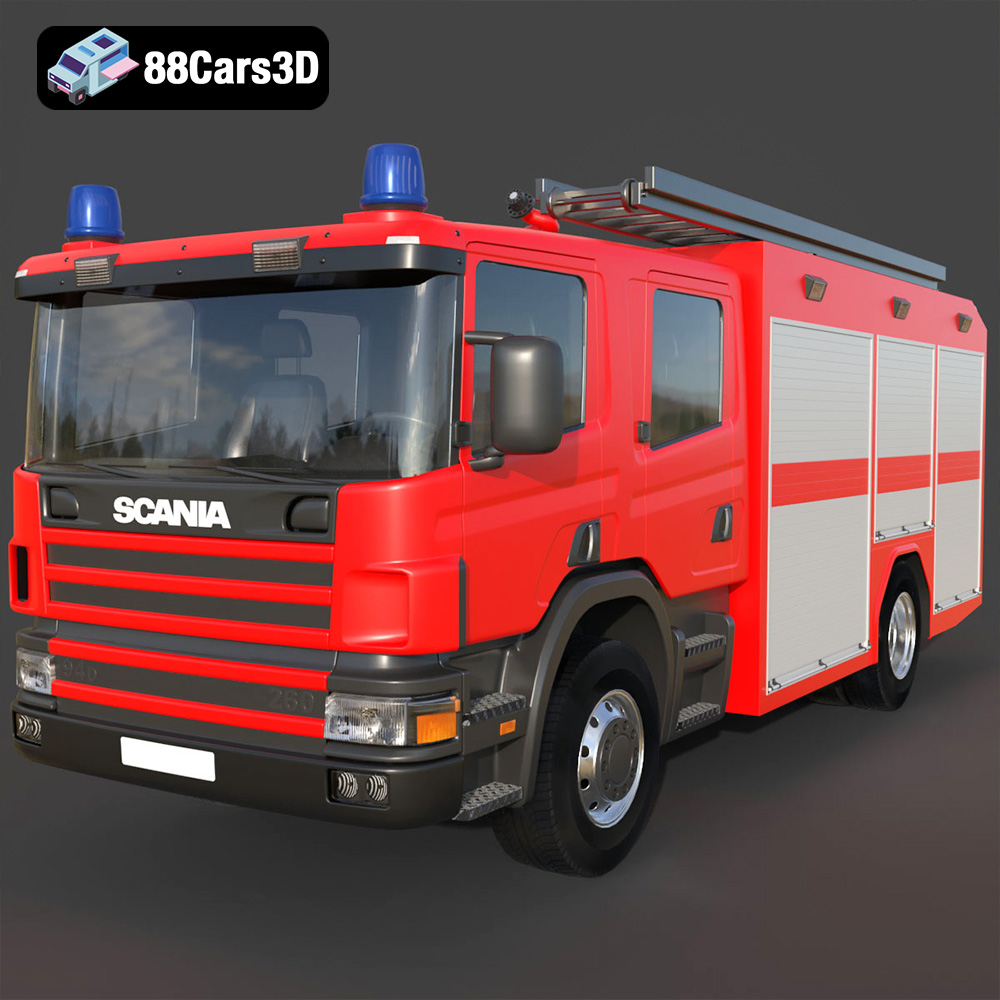
Texture: Yes
Material: Yes
Download the Scania 94D 260 Fire Engine 3D Model featuring a detailed exterior with emergency lighting, robust chassis, and a functional cabin. Includes .blend, .fbx, .obj, .glb, .stl, .ply, .unreal, and .max formats for rendering, simulation, and game development.
Price: $10.79
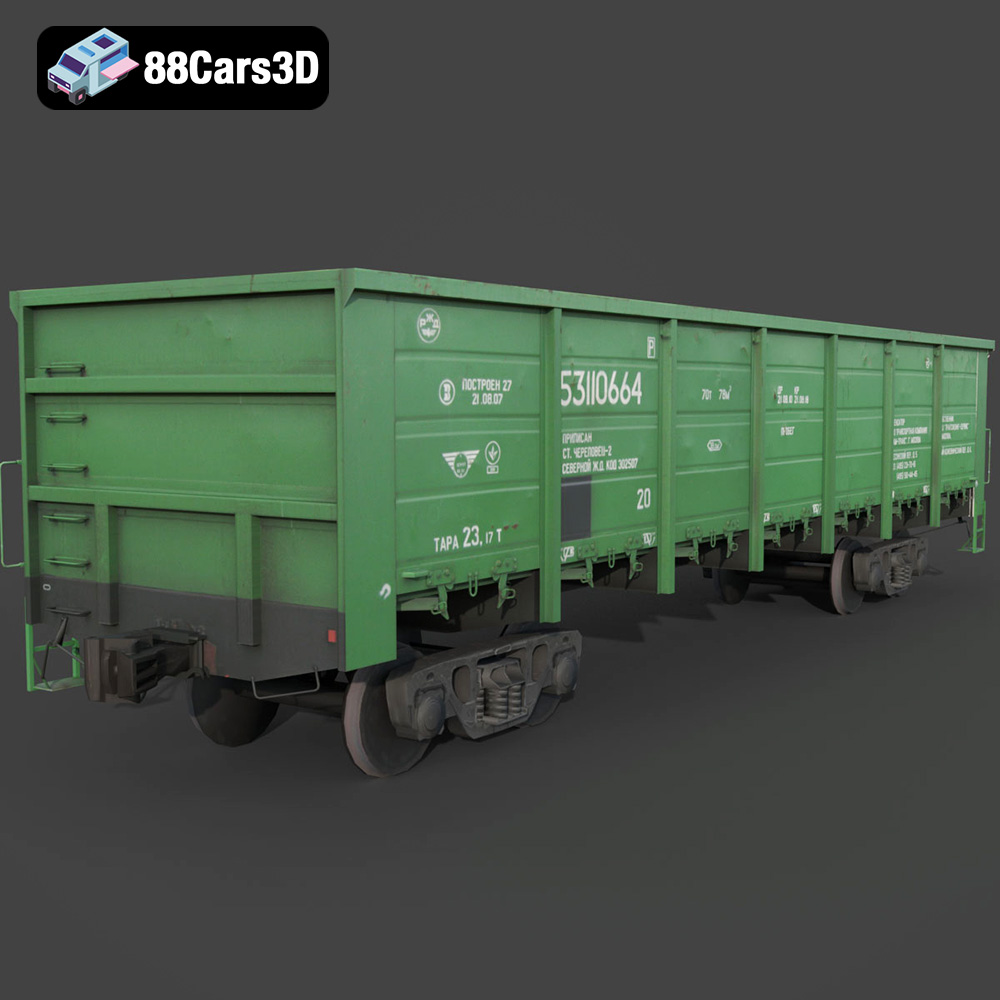
Texture: Yes
Material: Yes
Download the Polu Vagon-17940-006 3D Model featuring a detailed exterior, realistic bogies, and modular components. Includes .blend, .fbx, .obj, .glb, .stl, .ply, .unreal, and .max formats for rendering, simulation, and game development.
Price: $10.79
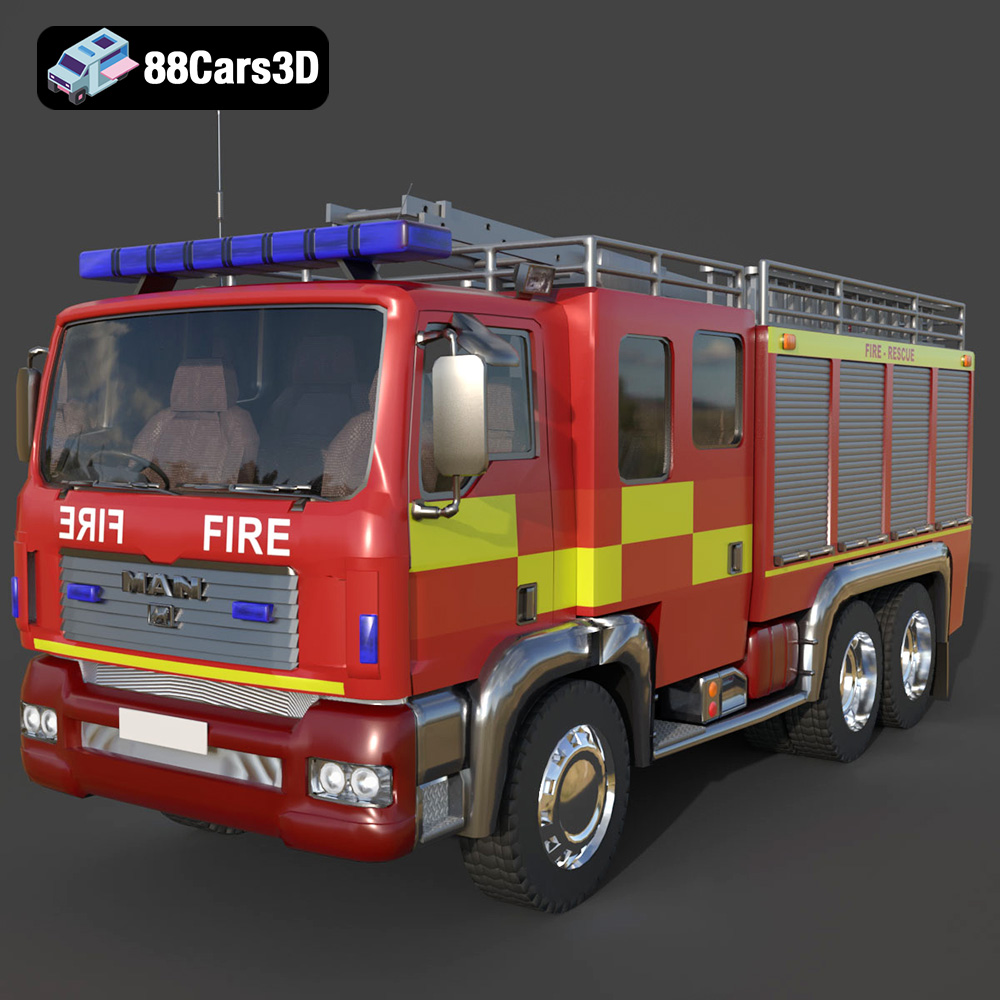
Texture: Yes
Material: Yes
Download the POJARNIY 004 3D Model featuring a robust exterior with detailed emergency equipment and a functional interior. Includes .blend, .fbx, .obj, .glb, .stl, .ply, .unreal, and .max formats for rendering, simulation, and game development.
Price: $10.79
Texture: Yes
Material: Yes
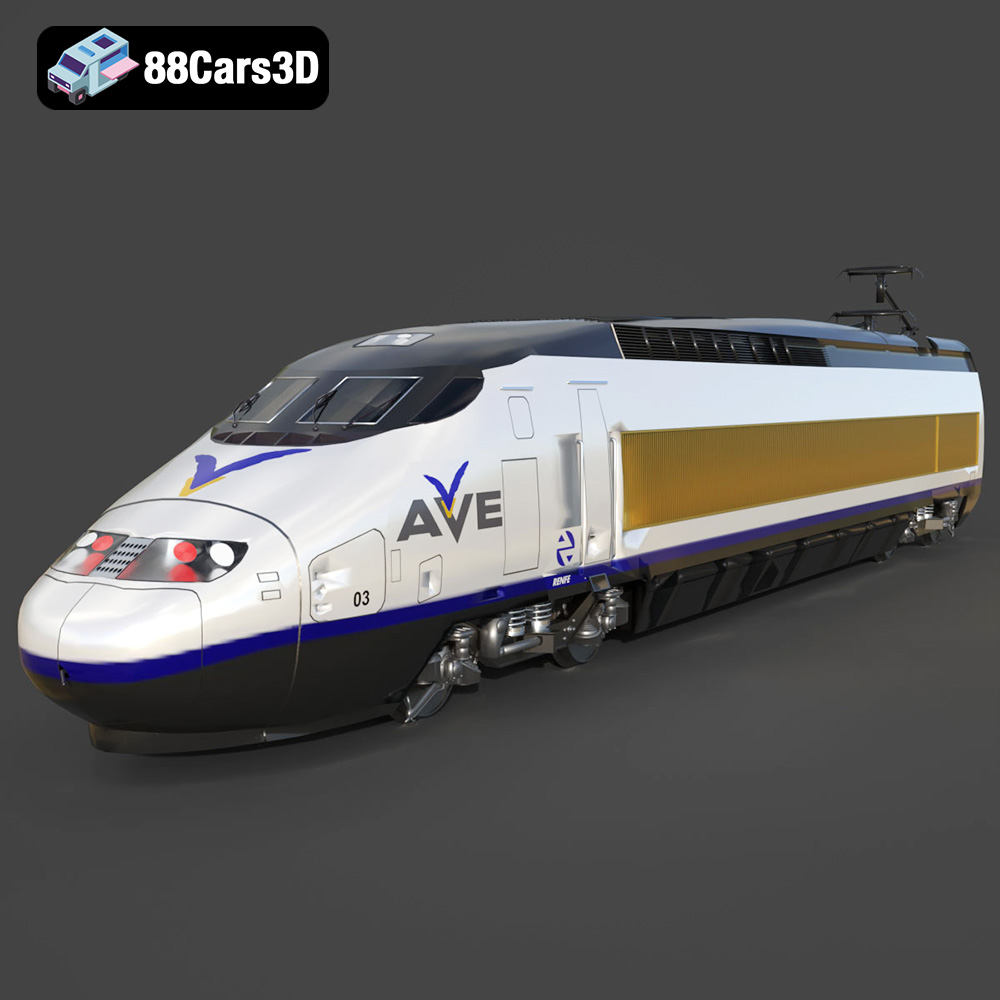
Download the Poezd AVE 147-102-002 3D Model featuring a detailed high-speed train design. Includes .blend, .fbx, .obj, .glb, .stl, .ply, .unreal, and .max formats for rendering, simulation, and game development.
Price: $10.79
Texture: Yes
Material: Yes
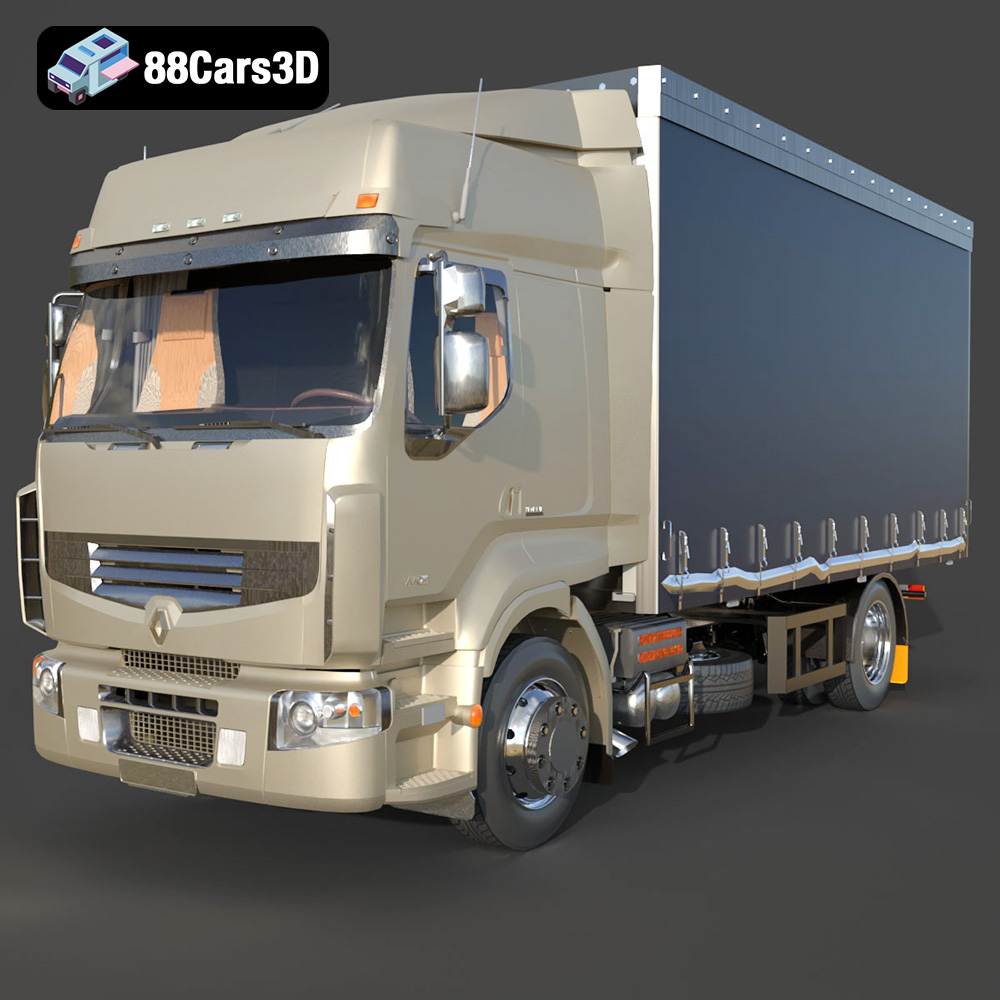
Download the Renault Premium 440-002 3D Model featuring a detailed exterior, an optimized interior, and accurate real-world scale. Includes .blend, .fbx, .obj, .glb, .stl, .ply, .unreal, and .max formats for rendering, simulation, and game development.
Price: $10.79

