⚡ FLASH SALE: Get 60% OFF All Premium 3D & STL Models! ⚡

The allure of a high-quality 3D car model extends far beyond its exterior shell. While sleek lines and reflective paintwork grab initial attention, it’s the interior that truly defines luxury, comfort, and authenticity in automotive visualization. Imagine a meticulously rendered car interior, where every stitch, every grain of leather, and every weave of fabric speaks volumes about craftsmanship. Achieving this level of realism, however, is a sophisticated technical endeavor, demanding a nuanced understanding of Physically Based Rendering (PBR), advanced UV mapping, and intricate shader creation.
This comprehensive guide will embark on a journey into the heart of creating breathtakingly realistic fabric and leather materials for 3D car interiors. We’ll peel back the layers of theory and technique, exploring everything from micro-geometry and texture acquisition to advanced PBR workflows, rendering strategies across various engines, and critical optimization for interactive experiences. Whether you’re a seasoned 3D artist, a game developer pushing visual boundaries, or an automotive designer seeking unparalleled fidelity, mastering these techniques will empower you to transform your digital automotive visions into tangible realities. Get ready to elevate your car interior renders to an art form, rivaling the finest real-world photography and simulation.
The foundation of any realistic material lies in a profound understanding of its real-world properties. Automotive fabrics and leathers are not merely flat colors; they are complex surfaces imbued with micro-details, unique light scattering behaviors, and subtle imperfections that tell a story of their composition and usage. Replicating these nuances in 3D requires a keen eye for detail and a systematic approach to PBR texture creation.
The distinct character of a material like velour, perforated leather, or a robust woven textile stems from its micro-geometry. Velour, for instance, exhibits a soft, directional pile that interacts with light differently depending on the viewing angle, creating a subtle sheen or ‘fuzz’ effect. Leather, on the other hand, possesses a natural grain, wrinkles, and subtle imperfections that develop over time. These micro-details are crucial for conveying realism. Ignoring them results in flat, lifeless materials. For fabrics, this means understanding the weave pattern, the thickness of individual threads, and how they intertwine. For leather, it’s about the natural variations in the hide, the size and distribution of pores, and the gentle undulations that give it depth. When creating these materials, consider the scale of these details – often microscopic – and how they translate into normal and displacement maps. Subtle variations in color and roughness, even at a microscopic level, contribute immensely to the final perception of realism, preventing the material from appearing unnaturally uniform or digital.
Physically Based Rendering (PBR) is the cornerstone of modern material creation, ensuring that materials react to light in a physically plausible way, regardless of the lighting environment. For automotive fabrics and leathers, the key PBR maps are Albedo (Base Color), Normal, Roughness, and sometimes Height or Displacement. The Albedo map defines the material’s inherent color without any lighting information. For fabrics, this might include subtle color variations within the weave or slight discoloration from wear. For leather, it captures the base dye color and any underlying patina. Normal maps are critical for conveying micro-geometry, such as the weave of a fabric or the grain of leather, without adding excessive polygons. Roughness maps dictate how diffuse or glossy a surface is; a low roughness value means a smooth, shiny surface (like polished leather), while a high value indicates a rough, matte surface (like suede). Metallic maps are generally set to black (0) for non-metallic materials like fabric and leather. However, some synthetic fabrics might have subtle metallic threads, in which case a very low metallic value could be considered. Understanding how these maps interact and contribute to the final shader is paramount for creating compelling and believable automotive interior materials.
The journey to realism begins with high-quality reference material. Never underestimate the power of observing real-world examples. Collect abundant reference photographs of actual car interiors, paying close attention to how light interacts with different fabrics and leathers under various conditions. Zoom in on details: the tightness of a stitch, the subtle sheen on a worn leather steering wheel, the directional fuzz of an Alcantara seat. Beyond visual references, consider physically based material scans (photogrammetry or dedicated material scanning systems). Resources like Substance Source, Poliigon, or even professional material libraries offer scanned PBR materials that capture intricate details and accurate light responses. When using such resources, remember to adapt them to your specific automotive context, perhaps by layering on dirt, wear, or specific color variations. In some cases, acquiring actual physical samples of fabric or leather can provide invaluable tactile and visual feedback, allowing you to directly observe the material’s properties under your specific studio lighting. The more accurate and detailed your reference data, the more convincing your 3D materials will be, forming a solid foundation for your digital recreation.
UV mapping is often perceived as a tedious yet necessary step, but for complex automotive interiors, it’s a critical art form. Poor UVs can lead to stretched textures, visible seams, and an overall lack of realism, particularly for materials like fabric and leather that rely heavily on consistent texture detail and directionality. Strategic UV unwrapping is essential for seamless texturing, efficient texture space utilization, and consistent texel density across various components.
Car seats, door panels, and dashboard coverings often feature large, continuous surfaces that demand seamless texture application. Visible seams or abrupt changes in texture direction can instantly break immersion. To achieve seamlessness, a combination of mapping techniques is often employed. For large, relatively flat areas, planar mapping can be a starting point, but it’s crucial to ensure the projection direction aligns with the natural flow of the material, especially for directional fabrics. Cylindrical mapping might be useful for elements with curvature, like the bolster of a seat. For more organic shapes, complex unwraps are necessary. The key is to strategically place seams in areas that would naturally occur in real-world upholstery (e.g., along stitching lines, creases, or where panels meet) or in less visible areas. Furthermore, using tiling textures with a good blend of subtle variation is essential. Tools like Substance Designer or Photoshop can help create truly seamless patterns that can be repeated without noticeable tiling artifacts, allowing for efficient use of texture memory while maintaining high detail across expansive surfaces.
Maintaining consistent texel density – the number of texture pixels per unit of 3D space – is paramount for a professional-looking interior. Imagine a pristine leather dashboard next to a blurry, low-resolution fabric seat. This inconsistency immediately detracts from realism. Before unwrapping, establish a target texel density based on the resolution of your textures and the desired level of detail for the closest camera views. This often means allocating more texture space to prominent elements like seats, steering wheels, and door panels, and less to smaller, less visible components. Many 3D software packages (e.g., 3ds Max, Blender, Maya) offer tools to visualize and unify texel density across multiple objects, ensuring that all interior elements appear equally detailed and sharp. This consistency is not just about visual quality but also about efficient texture management, preventing over-detailing where it’s not needed and ensuring crucial areas have sufficient resolution. For a truly professional outcome, every visible surface, whether a small button or a large leather panel, should maintain a relative texel density that aligns with the overall aesthetic goals of the project.
While unique UVs are often preferred for highly detailed, hero assets, overlapping UVs offer significant optimization benefits for interior elements with repeating patterns or non-unique details, particularly for game assets or AR/VR applications. For instance, if you have multiple identical buttons or small decorative trims made from the same material, you can map them all to the same UV space. This means they share the same section of a texture atlas, effectively reducing the total texture memory footprint and draw calls. Similarly, for repeating patterns on fabric, a single tileable texture can be mapped to multiple panels using overlapping UVs, provided the underlying geometry is appropriate. This technique requires careful planning to avoid obvious repetition, often mitigated by subtle variations in the material shader or additional detail maps that are unique to each instance. However, for efficient asset management and performance in real-time environments, judicious use of overlapping UVs can be a powerful tool. When sourcing models from marketplaces such as 88cars3d.com, pay attention to their UV layouts and consider how they can be further optimized for your specific project’s performance requirements.
Creating realistic PBR materials for automotive interiors is where artistic skill meets technical precision. Each material—be it a plush velour, a robust woven textile, or a finely grained leather—demands a specific approach to generate its core PBR maps: Albedo, Normal, Roughness, and potentially Height/Displacement and Anisotropy. The interplay of these maps defines the material’s unique character and how it responds to light.
Fabric materials are characterized by their intricate weave and often by a subtle “fuzz” or directional pile that interacts with light.
* **Generating Albedo:** The base color should capture the dominant hue, but crucially, incorporate subtle variations, perhaps a slightly darker shade in crevices or a lighter tone on raised threads. For used fabrics, adding subtle desaturation, dust, or faded areas can enhance realism.
* **Creating Normal/Height Maps:** This is where the weave pattern comes to life. Tools like Substance Designer excel at procedurally generating intricate weave patterns. Alternatively, high-resolution scans or sculpted details in ZBrush can be baked down. Ensure the normal map captures the directionality of the fibers and the depth of the weave. For materials like velour or Alcantara, a strong normal map that defines the ‘pile’ direction is essential.
* **Roughness Maps:** Fabrics are generally rough, but this varies. A roughness map can introduce subtle variations, making areas that are compressed or worn slightly smoother and thus more reflective. The key is controlled variation to avoid an overly uniform appearance.
* **Fuzz/Sheen (Anisotropy):** This is critical for materials like Alcantara or velvet. Anisotropy simulates how tiny fibers catch and reflect light in a specific direction. Many render engines offer dedicated anisotropic shader nodes (e.g., PBR Metallic/Roughness shader in Unity/Unreal, principled BSDF in Blender, or specialized nodes in Corona/V-Ray). The normal map’s tangents often drive this effect, creating a characteristic sheen that changes with the viewing angle.
Leather materials require a focus on texture, subtle imperfections, and how wear affects their surface properties.
* **Albedo:** The base color should represent the dyed leather, but it’s important to introduce natural variations in hue and saturation. Scans or photographic references are excellent here. For worn leather, introduce areas of discoloration, fading, or slight staining.
* **Normal/Height Maps:** The grain of the leather is paramount. This can be achieved through scanned data, procedural textures in Substance Designer, or even by carefully sculpting in ZBrush. For creases and wrinkles, sculpting or painting these directly into height maps provides a natural look. Perforated leather requires a very precise normal and opacity map to simulate the holes accurately.
* **Roughness Maps:** Leather’s roughness changes significantly with wear. Unworn, new leather might have a relatively uniform roughness. Worn areas, however, become smoother and shinier due to friction. Scratches and scuffs should appear as streaks of lower roughness. This map is vital for conveying the age and history of the leather.
* **Subsurface Scattering (SSS):** For thicker, more luxurious leathers, a subtle amount of SSS can add a remarkable sense of depth and softness, making the material feel less like a thin surface and more like a dense, pliable material. This effect is often very subtle in automotive leathers but can make a difference in close-up shots.
These industry-standard tools are indispensable for creating and refining PBR maps.
* **Substance Designer:** Ideal for procedural generation of intricate fabric weaves, leather grains, and abstract noise patterns that can be used to drive roughness or color variations. Its node-based workflow allows for immense flexibility and resolution independence.
* **Substance Painter:** Excellent for painting directly onto 3D models, allowing artists to add wear, dirt, stitches, and other details directly onto the UVs, automatically generating all PBR maps simultaneously. This is particularly powerful for adding specific localized aging to leather.
* **Quixel Mixer:** Similar to Substance Painter, offering a layer-based workflow for blending scanned materials with painted details.
* **Blender Nodes:** Blender’s shader editor (node-based) provides a powerful environment for constructing complex material shaders using the Principled BSDF. You can combine texture maps, add procedural noise, blend different material layers, and control anisotropic effects. For detailed information on specific shader nodes and their parameters, you can consult the official Blender 4.4 documentation at https://docs.blender.org/manual/en/4.4/. For example, understanding how to use the ‘Anisotropic’ input on the Principled BSDF or how to combine ‘Mix Shader’ nodes for layering effects is crucial here.
Once your PBR materials are meticulously crafted, the next crucial step is to bring them to life through high-quality rendering. The interplay of lighting, the sophistication of your shader networks, and the efficiency of your render settings collectively determine the visual fidelity of your automotive interior. This phase is where all the prior material work truly shines, or unfortunately, falls flat without proper attention.
Effective lighting is the soul of any realistic render. For car interiors, the challenge is to simulate natural light coming from windows, often complemented by artificial interior lights.
* **HDRIs for Ambient Light:** High Dynamic Range Images (HDRIs) are indispensable. An interior HDRI or one captured from within a car can provide realistic ambient light, reflections, and subtle color bounces, mimicking the environment outside the vehicle. This establishes a natural baseline for your lighting.
* **Area Lights to Simulate Natural Light:** Supplement your HDRI with strategically placed area lights or portal lights at window openings. These should mimic the sun’s direction and intensity or the soft, diffused light from an overcast sky. Soft shadows are crucial for interior scenes, especially for fabric and leather, as harsh shadows can make materials appear rigid and unnatural.
* **Accent Lights:** Consider any built-in interior lighting, such as ambient footwell lights, dashboard backlighting, or ceiling lights. These should be subtle and integrated naturally into the overall lighting scheme. The goal is to create a believable illumination that highlights the textures and forms of your fabric and leather without over-lighting.
Modern render engines offer highly flexible node-based shader editors that allow for complex material construction. While a simple PBR workflow uses direct map inputs, advanced realism often benefits from more intricate shader networks.
* **Layering Maps:** Go beyond simple PBR inputs by layering maps. For example, you might blend a clean leather material with a separate dirt or wear mask driven by an ambient occlusion or curvature map. This allows for dynamic aging and customization.
* **Procedural Effects:** Integrate procedural noise nodes to add subtle variations to roughness, color, or even slight displacement, breaking up perfect uniformity that can betray a digital origin.
* **Anisotropic Reflections for Fabrics:** As mentioned earlier, carefully setting up anisotropic reflections within your shader is critical for materials like Alcantara. This often involves feeding a tangent map or relying on the engine’s built-in anisotropic controls, ensuring the light streaks correctly across the fabric’s pile.
Different render engines offer unique strengths and workflows.
* **Corona/V-Ray (3ds Max):** These engines are renowned for their physically accurate light transport and ease of use. Utilize physical camera settings (ISO, Shutter Speed, F-stop) to control exposure and depth of field. Corona’s LightMix feature is incredibly powerful, allowing you to adjust the intensity and color of individual lights after the render, saving immense iteration time. V-Ray’s material layering and blend materials are excellent for creating complex multi-layered effects on fabrics and leathers.
* **Cycles/Arnold (Blender/Maya):** Both are powerful path-tracing renderers. In Blender’s Cycles, the node-based shader editor is central. The Principled BSDF shader is your workhorse, but you can augment it with ‘Mix Shader’ nodes, ‘Bump’ nodes for fine details, and custom ‘Group’ nodes for reusable material presets. For detailed information on specific shader settings and their parameters within Cycles, refer to the official Blender 4.4 documentation at https://docs.blender.org/manual/en/4.4/. Understanding how to leverage adaptive subdivision with displacement maps can bring unparalleled micro-detail to fabric weaves and leather grains without taxing your modeling polycount excessively during the modeling phase. Arnold offers similar flexibility with its Standard Surface shader and a robust node network for advanced material creation.
Complex car interiors with numerous materials and detailed geometry can be render-intensive.
* **Progressive Rendering:** Most modern renderers use progressive rendering, allowing you to see results quickly and let the image refine over time. Set appropriate render time limits or noise thresholds to balance quality and speed.
* **Denoisers:** AI-powered denoisers (like NVIDIA OptiX, Intel Open Image Denoise) are invaluable for cleaning up noisy renders, significantly reducing render times by allowing you to render with fewer samples.
* **Instance Geometry:** For repeating patterns or components (e.g., stitching details, multiple identical buttons), use instancing. This dramatically reduces memory usage and speeds up rendering, as the renderer only needs to store the geometry data once.
Bringing a highly detailed car interior with realistic fabric and leather into a real-time game engine or an interactive AR/VR application presents its own unique set of challenges. The goal shifts from achieving absolute photographic realism in a static image to maintaining visual fidelity at high frame rates. This requires a strategic approach to asset creation, texture management, and shader optimization.
Level of Detail (LOD) systems are fundamental for performance optimization in real-time environments. For complex car interiors, creating multiple LODs for elements like seats, dashboards, door panels, and even smaller components is crucial.
* **LOD0 (High Detail):** Used when the camera is very close, showcasing all the intricate details of the fabric weave and leather grain. This might include higher polygon counts for soft transitions and denser normal maps.
* **LOD1 (Medium Detail):** A simplified version, reducing polygon count significantly while still maintaining the overall shape and material integrity. Normal maps might be downsized.
* **LOD2+ (Low Detail):** Drastically reduced polygon count, often relying heavily on normal maps and ambient occlusion baked from higher LODs. This is for distant views where geometric detail is imperceptible.
Managing these transitions smoothly, so they are unnoticeable to the user, is key for a polished experience.
Draw calls are instructions from the CPU to the GPU to render an object, and minimizing them is critical for real-time performance. One of the most effective strategies is texture atlasing. Instead of having separate texture maps for every material in the interior, multiple maps (Albedo, Normal, Roughness) from different materials can be combined into a single, larger texture atlas.
* **Consolidate Textures:** Group textures for similar materials (e.g., all leather elements, all fabric elements) onto one atlas.
* **Optimized UVs:** Ensure the UVs for each part are packed efficiently within this shared atlas space, leaving minimal wasted area.
* **Batching:** By sharing textures, the engine can batch multiple objects using the same material, reducing the number of draw calls and significantly improving rendering speed. This is particularly effective for interiors that might have dozens of unique materials.
Game engines like Unity and Unreal Engine provide powerful PBR rendering pipelines, but specific considerations apply for interior materials.
* **Optimized PBR Shaders:** While capable, default PBR shaders can be performance-intensive. For mobile AR/VR or lower-end PCs, consider creating simplified custom shaders that prioritize performance by reducing complex calculations or texture lookups.
* **Parallax Occlusion Mapping (POM):** For materials like thick fabric weaves or deep leather grains, POM can simulate depth without requiring actual geometric displacement. This technique uses a height map to offset UVs during rendering, creating a convincing illusion of depth at a fraction of the performance cost of true displacement. This is a powerful technique for adding micro-details that look expensive but render efficiently.
* **Decals and Wear Layers:** Instead of baking every scratch and scuff into the base texture, use decals or material layering within the shader to apply localized wear, dirt, or stains. This offers flexibility and can be more performant than unique textures for every variant. When utilizing high-quality models from platforms like 88cars3d.com, ensure their PBR maps are optimized for real-time usage, allowing for direct integration or easy conversion.
Augmented Reality (AR) and Virtual Reality (VR) experiences demand even stricter performance budgets due to the need for very high, stable frame rates (typically 90 FPS or higher) to prevent motion sickness.
* **Maintain High Framerates:** Every optimization mentioned above is amplified for AR/VR. Aggressive LODs, efficient texture atlasing, and lightweight shaders are non-negotiable.
* **Simplified Shaders:** Often, custom shaders that are even more stripped down than typical game engine PBR shaders are necessary. Focus on the most impactful PBR maps (Albedo, Normal, Roughness) and minimize complex calculations like SSS, unless absolutely critical and optimized for the target hardware.
* **Effective Occlusion Culling:** Implement robust occlusion culling to ensure that only visible geometry is rendered, significantly reducing the load on the GPU. This is particularly important for confined spaces like car interiors. The immersive nature of AR/VR also means that even subtle visual glitches or performance drops are immediately noticeable and disruptive. Therefore, meticulous optimization of every material and mesh is paramount for a compelling user experience.
The journey to a truly breathtaking automotive interior render doesn’t end when the renderer finishes its calculations. Post-processing is an indispensable phase where the image is refined, enhanced, and imbued with the final artistic touches that elevate it from a raw render to a polished masterpiece. This stage allows for creative control over color, mood, and subtle photographic effects, bringing out the best in your fabric and leather materials.
Color grading is akin to a photographer’s darkroom, allowing you to manipulate the overall color palette, contrast, and mood of your render.
* **Enhancing Realism:** Adjust white balance to remove unwanted color casts. Boost saturation selectively to make specific fabric or leather colors pop without overdoing it.
* **Creating Atmosphere:** Shift color hues to create warmth or coolness, influencing the perceived temperature and emotion of the scene. For instance, a slightly desaturated, cooler tone might suggest an evening render, while warmer tones evoke a sunny day.
* **Tone Mapping:** Apply tone mapping to compress the dynamic range of your render into a displayable format, preventing blown-out highlights or crushed blacks. This makes the image look more photographic and helps the materials respond realistically to light intensity. Many rendering software packages offer built-in tone mapping operators, but external image editing software like Photoshop or DaVinci Resolve offers far greater control.
Subtle photographic effects can significantly enhance the perceived realism and depth of your render, mimicking the imperfections and characteristics of real-world photography.
* **Vignette:** A subtle darkening around the edges of the frame naturally draws the viewer’s eye towards the center, where the car interior is located. Be careful not to make it too pronounced, as it can look artificial.
* **Chromatic Aberration:** A slight chromatic aberration (color fringing at high-contrast edges) can mimic lens imperfections, adding a touch of photographic realism. This should be used very sparingly and often barely perceptibly.
* **Depth of Field (DoF):** A shallow depth of field, where parts of the image are in focus and others are blurred, can create a sense of scale and draw attention to specific details like the intricate stitching on a leather seat or the texture of a fabric dashboard. This effect can be rendered directly in your 3D software or added in post-processing using Z-depth passes. For close-up material shots, a subtle DoF can make your fabric and leather textures appear incredibly tactile.
* **Grain/Noise:** Adding a very fine layer of photographic grain or noise can help break up perfectly smooth digital gradients, making the image feel more organic and less sterile.
For ultimate control and professional-grade results, compositing render passes in dedicated software like Photoshop, GIMP, or Nuke is highly recommended.
* **Layering Render Passes:** Render out separate passes from your 3D software (e.g., reflection, diffuse, specular, ambient occlusion, Z-depth, object IDs). Each pass isolates specific lighting or material information.
* **Fine-tuned Adjustments:** In compositing, you can individually adjust the intensity, color, and blend mode of each pass. For example, you might subtly boost the reflection pass on the leather, or darken the ambient occlusion on the fabric to enhance its depth.
* **Targeted Enhancements:** Use object ID passes to create masks, allowing you to make highly specific adjustments to individual materials. Want to slightly desaturate just the fabric, or add more contrast to only the leather? ID passes make this precise control possible. This non-destructive workflow offers unparalleled flexibility to experiment with different looks and fine-tune your materials without re-rendering the entire scene.
The journey to realism is iterative. Don’t expect perfection on the first render.
* **Test and Observe:** Render multiple variations with different lighting setups, material settings, and post-processing effects. Observe how these changes impact the fabric and leather.
* **Seek Constructive Feedback:** Share your renders with peers, mentors, or even a targeted audience. Fresh eyes can spot issues or suggest improvements you might have overlooked. Feedback is invaluable for pushing your work to the next level.
* **Continuous Refinement:** Use the feedback to identify areas for improvement, whether it’s tweaking a roughness map, adjusting a light’s intensity, or refining a color grade. This continuous cycle of creation, review, and refinement is the hallmark of professional 3D artistry and is crucial for achieving truly realistic and captivating automotive interior renders.
Crafting realistic fabric and leather materials for 3D car interiors is a challenging yet profoundly rewarding endeavor that lies at the intersection of technical mastery and artistic vision. We’ve explored the intricate details, from understanding the micro-geometry of textiles and the grain of leather to meticulously building PBR materials, strategic UV mapping, and optimizing assets for both high-fidelity rendering and real-time interactive experiences. The journey demands a deep dive into PBR principles, an understanding of software-specific workflows, and a keen eye for how light interacts with surfaces.
By diligently applying advanced UV mapping strategies, carefully creating PBR textures with subtle imperfections, and thoughtfully setting up your lighting and rendering environments, you can transform flat digital models into tactile, believable experiences. Remember the importance of consistent texel density, leveraging LODs for performance, and the transformative power of post-processing to infuse your renders with photographic realism. The meticulous attention to detail in every fiber and every grain is what distinguishes truly exceptional automotive visualizations.
The pursuit of realism is an ongoing process of learning and refinement. Continue to observe the world around you, gather high-quality references, and experiment with the powerful tools at your disposal. With dedication, you can elevate your 3D car interiors to a level that not only captivates but immerses your audience. To kickstart your next project with exceptional foundation models, explore the diverse range of high-quality 3D car models available on 88cars3d.com, offering the perfect starting point for your creative endeavors.
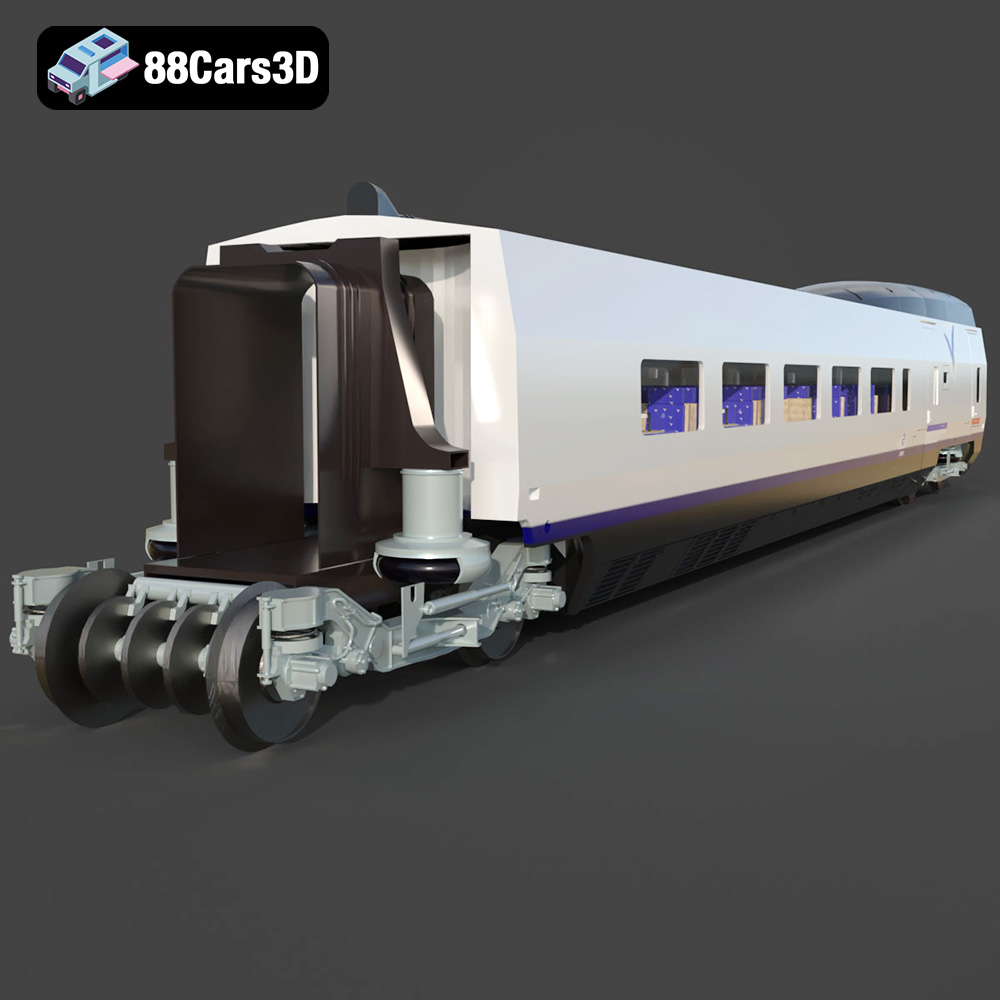
Texture: Yes
Material: Yes
Download the Vagon-Turist AVE Club 007 3D Model featuring a detailed interior, realistic exterior, and animation-ready components. Includes .blend, .fbx, .obj, .glb, .stl, .ply, .unreal, and .max formats for rendering, simulation, and game development.
Price: $10.79
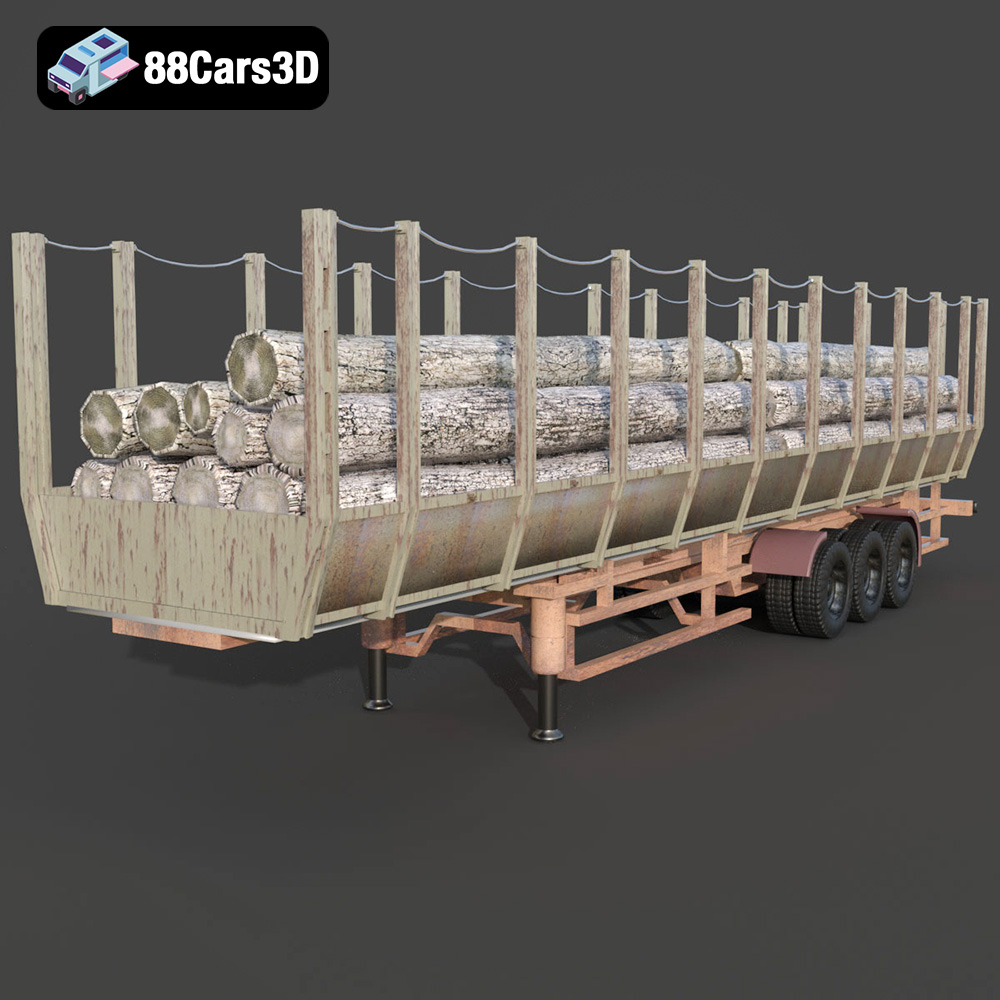
Texture: Yes
Material: Yes
Download the Forestry Trailer 006 3D Model featuring a heavy-duty frame, realistic wheels, and a functional design. Includes .blend, .fbx, .obj, .glb, .stl, .ply, .unreal, and .max formats for rendering, simulation, and game development.
Price: $10.79
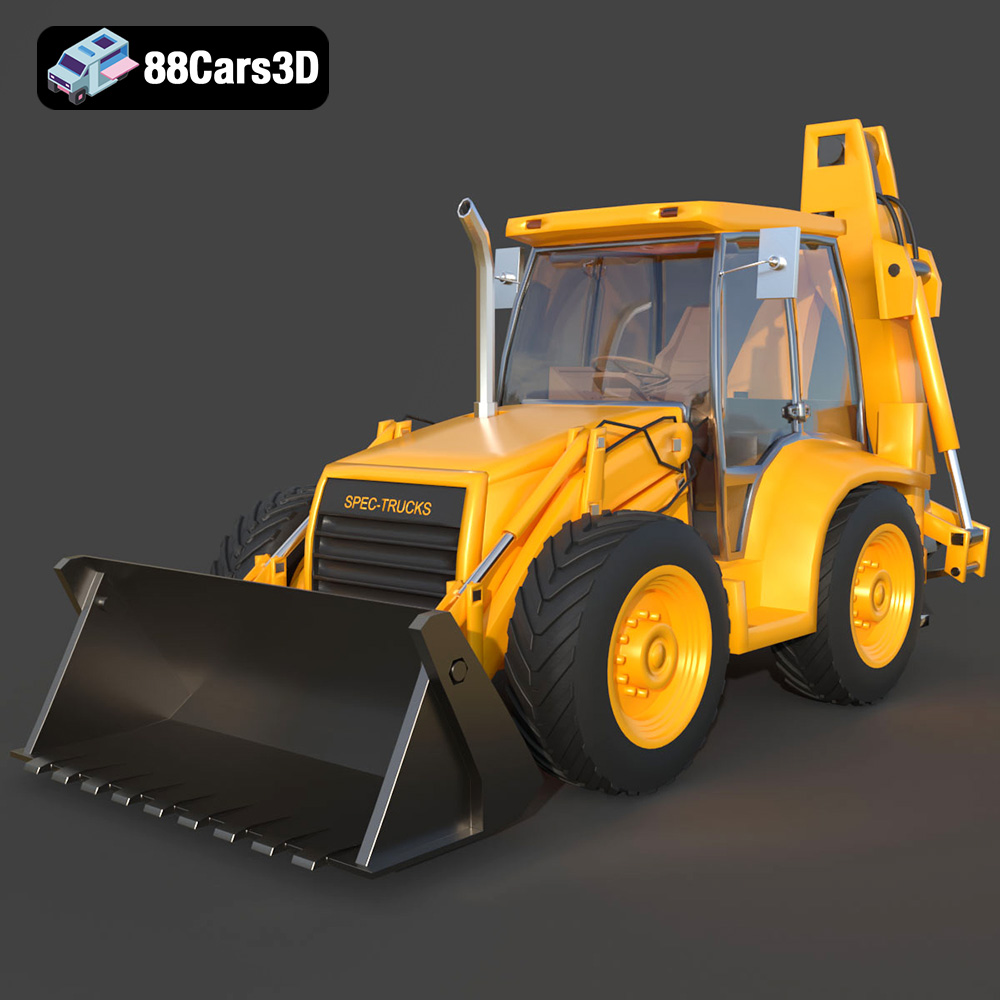
Texture: Yes
Material: Yes
Download the Spec Truck 3D Model featuring a rugged design and heavy-duty aesthetic. Includes .blend, .fbx, .obj, .glb, .stl, .ply, .unreal, and .max formats for rendering, simulation, and game development.
Price: $13.79
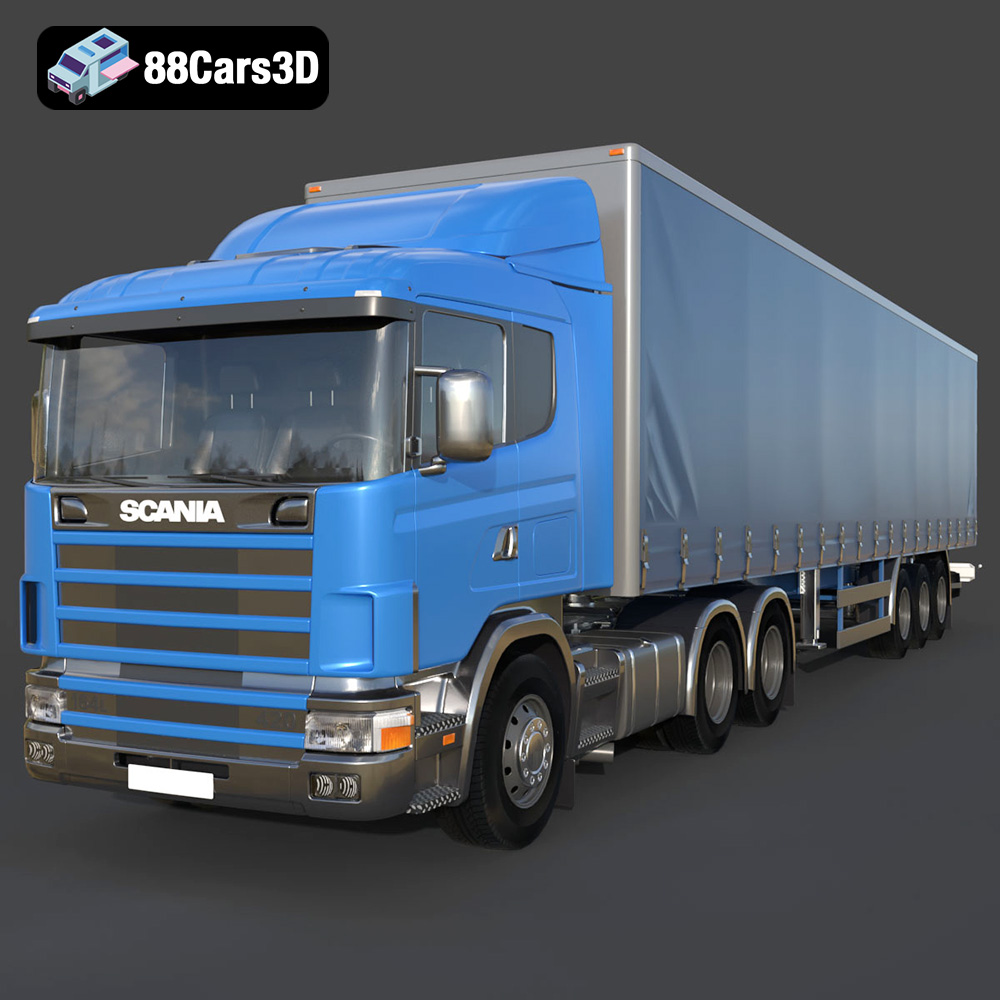
Texture: Yes
Material: Yes
Download the Scania R420 3D Model featuring a detailed exterior cabin, robust chassis, and realistic wheel assemblies. Includes .blend, .fbx, .obj, .glb, .stl, .ply, .unreal, and .max formats for rendering, simulation, and game development.
Price: $10.79
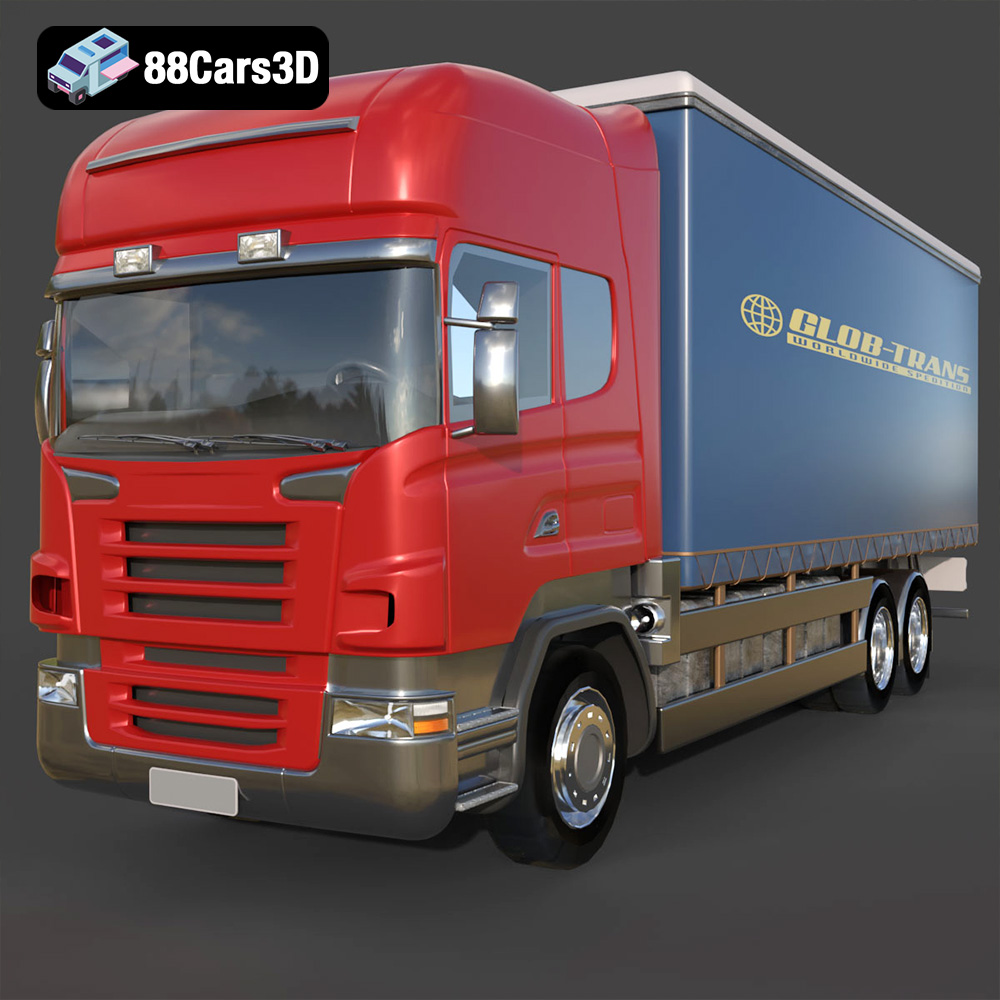
Texture: Yes
Material: Yes
Download the Scania R-Series 002 3D Model featuring a detailed exterior and interior. Includes .blend, .fbx, .obj, .glb, .stl, .ply, .unreal, and .max formats for rendering, simulation, and game development.
Price: $10.79
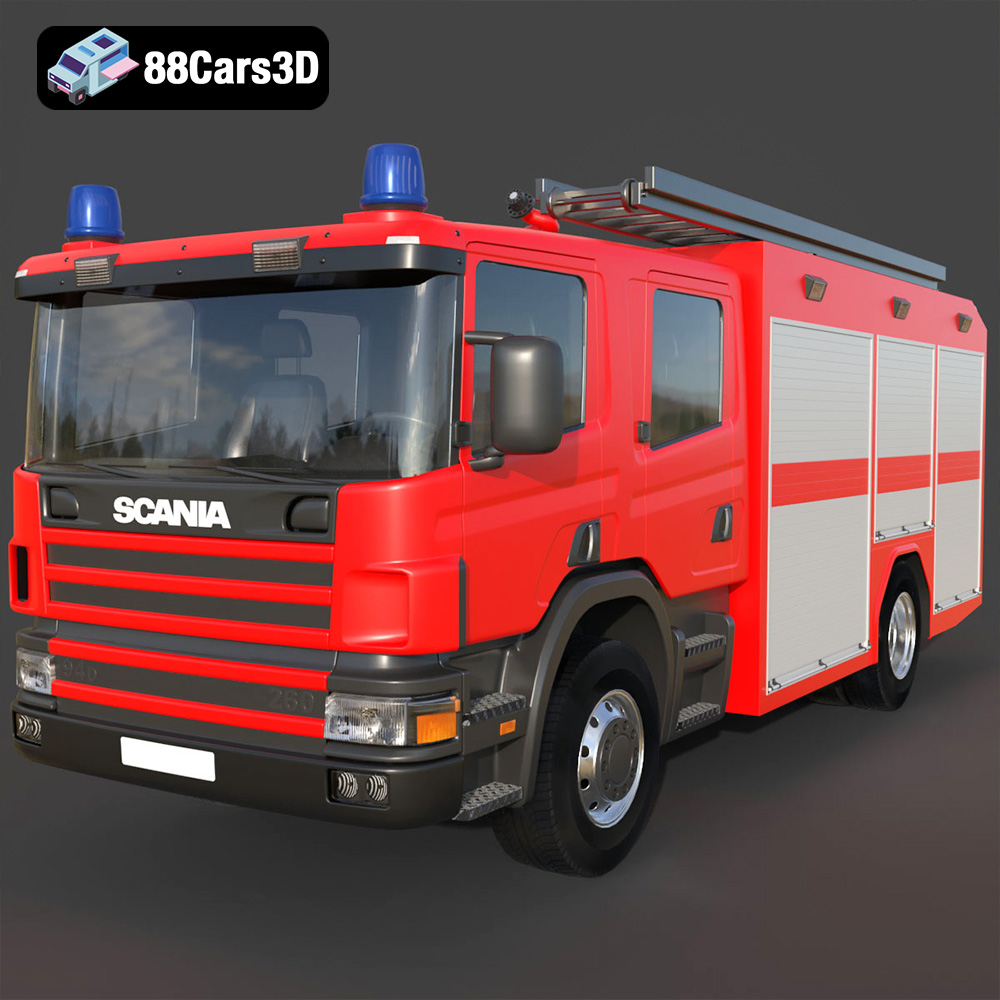
Texture: Yes
Material: Yes
Download the Scania 94D 260 Fire Engine 3D Model featuring a detailed exterior with emergency lighting, robust chassis, and a functional cabin. Includes .blend, .fbx, .obj, .glb, .stl, .ply, .unreal, and .max formats for rendering, simulation, and game development.
Price: $10.79
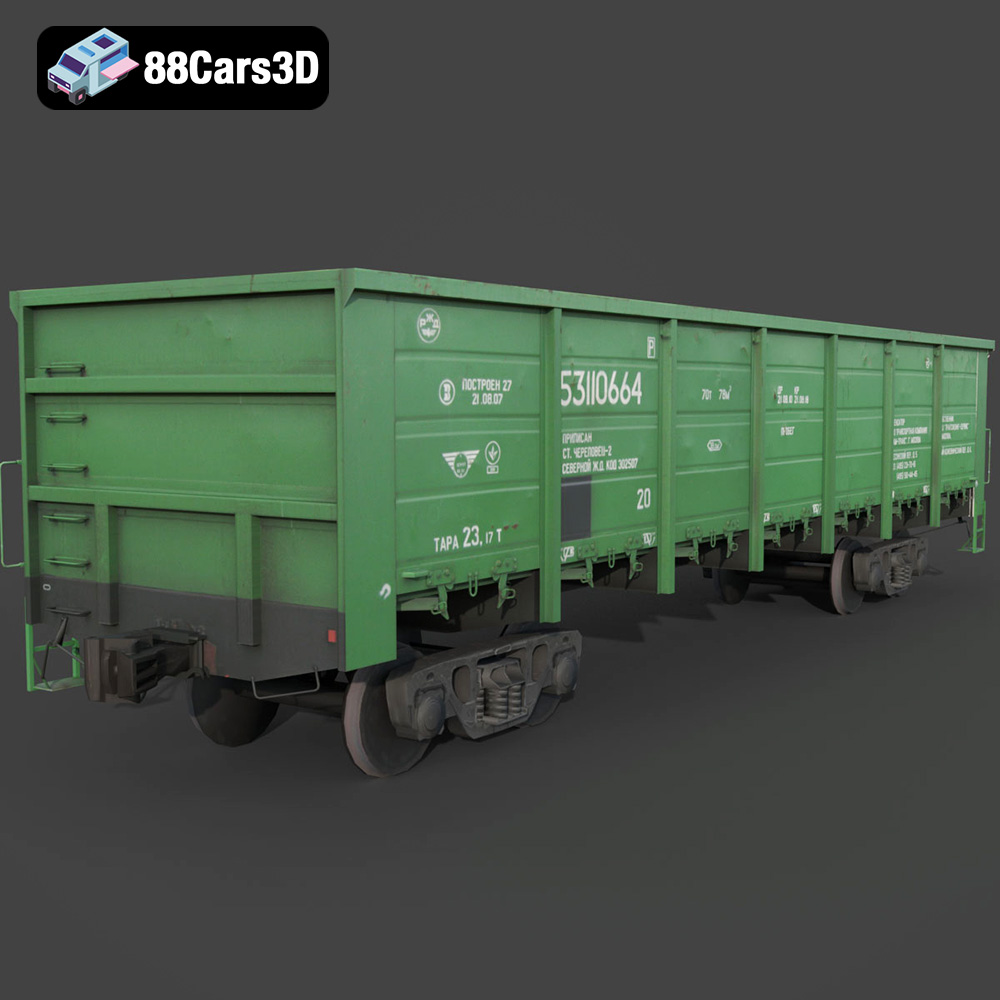
Texture: Yes
Material: Yes
Download the Polu Vagon-17940-006 3D Model featuring a detailed exterior, realistic bogies, and modular components. Includes .blend, .fbx, .obj, .glb, .stl, .ply, .unreal, and .max formats for rendering, simulation, and game development.
Price: $10.79
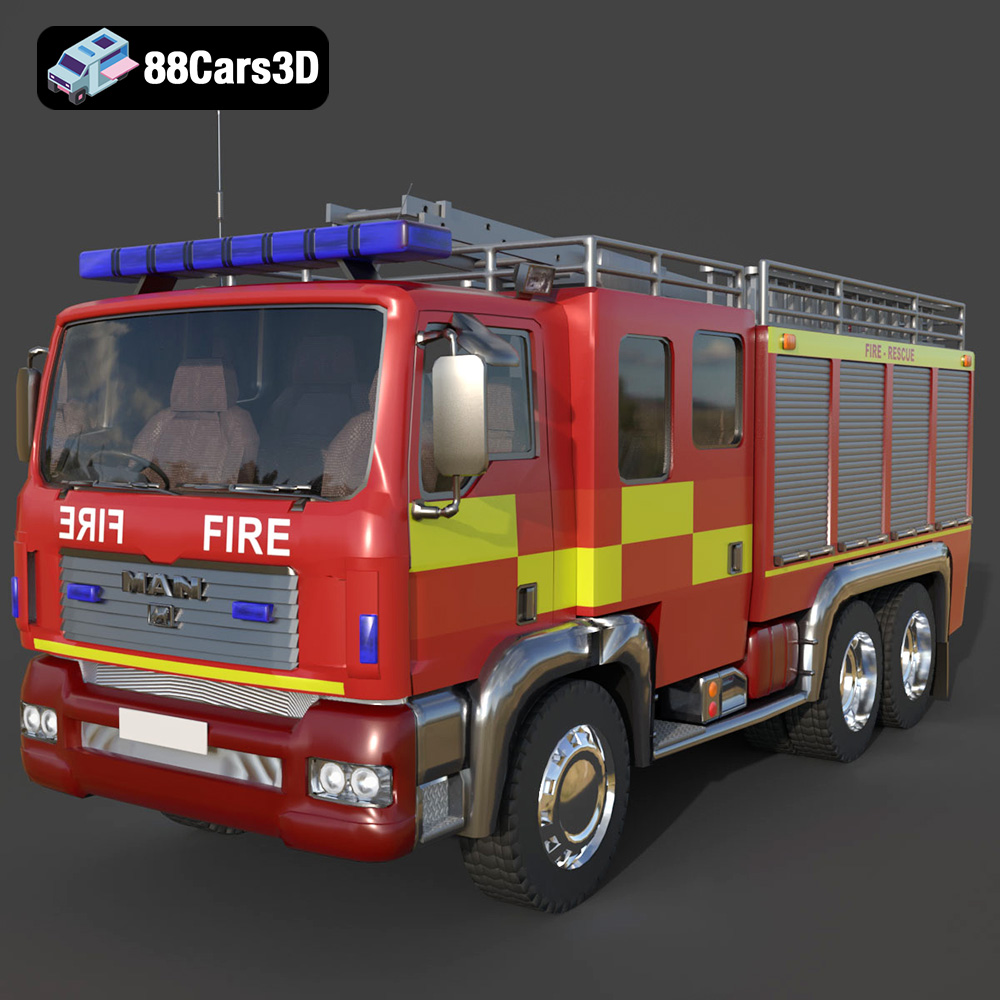
Texture: Yes
Material: Yes
Download the POJARNIY 004 3D Model featuring a robust exterior with detailed emergency equipment and a functional interior. Includes .blend, .fbx, .obj, .glb, .stl, .ply, .unreal, and .max formats for rendering, simulation, and game development.
Price: $10.79
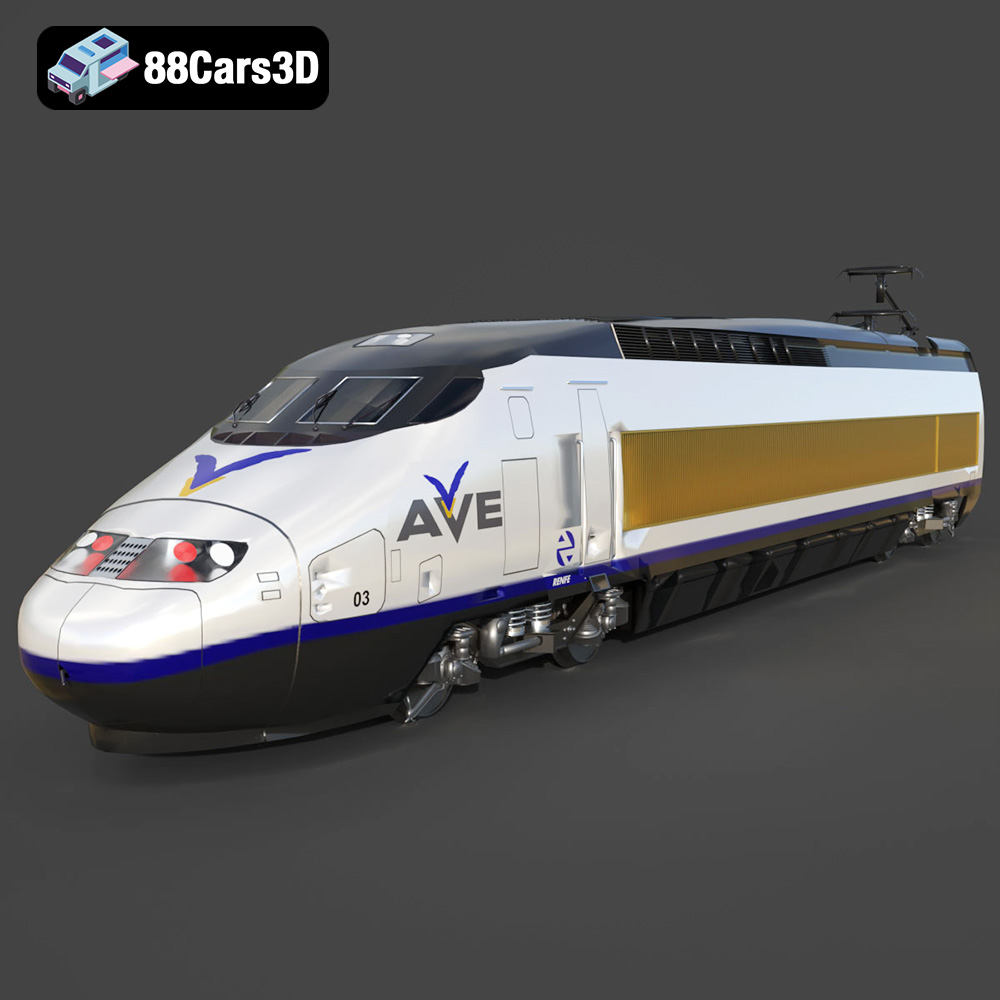
Texture: Yes
Material: Yes
Download the Poezd AVE 147-102-002 3D Model featuring a detailed high-speed train design. Includes .blend, .fbx, .obj, .glb, .stl, .ply, .unreal, and .max formats for rendering, simulation, and game development.
Price: $10.79
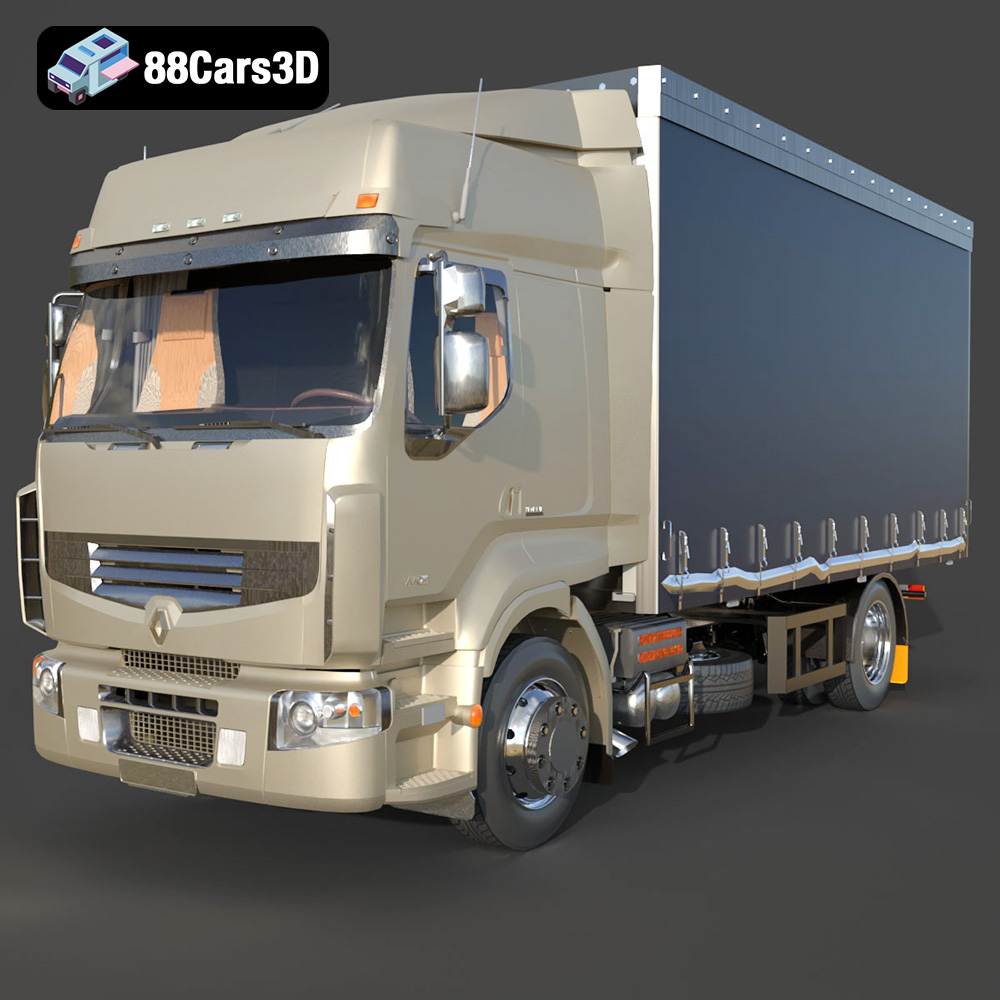
Texture: Yes
Material: Yes
Download the Renault Premium 440-002 3D Model featuring a detailed exterior, an optimized interior, and accurate real-world scale. Includes .blend, .fbx, .obj, .glb, .stl, .ply, .unreal, and .max formats for rendering, simulation, and game development.
Price: $10.79

