⚡ FLASH SALE: Get 60% OFF All Premium 3D & STL Models! ⚡

The world of automotive design and marketing demands visuals that transcend reality, capturing every curve, reflection, and material nuance with breathtaking accuracy. For 3D artists, game developers, and visualization professionals, achieving this level of hyper-realism in automotive rendering is both an art and a science. It’s not just about having a great 3D model; it’s about meticulously fine-tuning every aspect of your rendering settings to bring that model to life. This comprehensive guide will take you through the essential techniques, technical specifications, and industry best practices to elevate your automotive renders from good to extraordinary. We’ll delve into everything from foundational model quality and PBR materials to advanced lighting, renderer-specific configurations, and critical post-processing steps. Whether you’re aiming for a photorealistic still image, an immersive AR/VR experience, or a high-performance game asset, understanding these principles is paramount. Platforms like 88cars3d.com provide an excellent starting point with high-quality 3D car models, but the true magic happens when you pair those assets with optimized rendering workflows.
Before even touching a render setting, the quality of your base 3D car model is the absolute bedrock of a stunning visualization. A poorly constructed model, regardless of how powerful your renderer is, will always yield subpar results. Issues like bad topology, overlapping UVs, or missing details will inevitably surface as artifacts, shading errors, or distorted textures in the final render. Investing time in acquiring or creating a meticulously crafted model ensures a smooth workflow and superior output. When sourcing models from marketplaces such as 88cars3d.com, always prioritize those with clean, optimized geometry and professional UV layouts, as this will significantly impact your rendering success.
Automotive surfaces are characterized by their smooth, reflective qualities and precise curves. Achieving this requires impeccable topology – the arrangement of polygons (usually quads) that define your model’s surface. Clean quad-based topology is crucial for several reasons: it ensures smooth subdivision, prevents pinching, and allows for accurate reflections. Good edge flow means that the edges follow the natural contours and creases of the car, guiding light and reflections correctly. For example, sharp creases around door lines, wheel arches, or vents require “support loops” or “holding edges” – extra edge loops placed close to the hard edge – to maintain sharpness when the mesh is subdivided, preventing a soft, blobby appearance. Conversely, gently curving surfaces like body panels need a clean, uniform mesh density to avoid faceting and maintain a perfectly smooth reflection across the surface. Avoiding N-gons (polygons with more than four sides) and T-junctions (where an edge ends in the middle of another edge) is a fundamental best practice, as they can lead to unpredictable shading and render artifacts.
UV mapping is the process of flattening the 3D surface of your model into a 2D space, allowing you to apply textures accurately. For complex car surfaces, well-executed UV mapping is non-negotiable for realistic PBR materials. The key goals are non-overlapping UV islands, consistent texel density across all parts, and minimal distortion. Non-overlapping UVs are essential for baking textures like ambient occlusion, normal maps, or custom masks without errors. Consistent texel density ensures that textures appear equally sharp and detailed across the entire vehicle, preventing some areas from looking blurry while others are crisp. For a car, typical strategies involve splitting the model into logical UV islands for distinct parts: separate islands for the main body, doors, hood, trunk, wheels, interior elements, and glass. For the main body, a common approach is to use a combination of planar, cylindrical, or spherical mapping, followed by careful relaxation and arrangement in the UV editor to maximize space utilization. Manual unwrapping provides the most control, but automatic unwrapping tools can offer a good starting point for less critical parts. High-resolution textures, often 4K or 8K, demand well-organized UV layouts to shine, ensuring that every painted surface, carbon fiber weave, or rubber tread is rendered with pixel-perfect precision.
Physically Based Rendering (PBR) materials are the cornerstone of photorealistic automotive visualization. PBR shaders accurately simulate how light interacts with surfaces in the real world, based on physical properties like roughness, metallicness, and index of refraction (IOR). Understanding and correctly configuring these parameters for different car components is critical for achieving compelling results. This goes beyond just picking a color; it’s about defining the material’s response to light.
Car paint is one of the most complex and visually striking materials on a vehicle, characterized by multiple layers and intricate light interactions. A realistic car paint shader typically comprises several distinct layers:
The interplay of these layers, along with accurate roughness maps and subtle variations, is what creates a truly convincing car paint. Ensure your clear coat accurately reflects its environment, and that its reflectivity is governed by a precise Fresnel curve.
While car paint often steals the show, the realism of supporting materials is just as important for overall believability.
Lighting is the single most critical factor in making your 3D car model look realistic. It dictates how materials appear, how reflections behave, and how the overall mood of the scene is conveyed. A perfectly modeled and textured car will fall flat under poor lighting. Understanding how to utilize High Dynamic Range Images (HDRIs) and physical light sources is key to creating immersive and believable automotive visualizations.
High Dynamic Range Images (HDRIs) are an indispensable tool for automotive rendering. An HDRI is a spherical panorama that captures the full range of light information from a real-world environment, including light sources and surrounding reflections. When used as an environment map in your renderer, an HDRI provides:
When choosing an HDRI, consider the mood and time of day you want to convey. Overcast skies produce soft, diffused lighting, perfect for showcasing details without harsh shadows. Sunny environments offer strong, directional light and vibrant reflections. Experiment with the HDRI’s rotation and intensity to find the sweet spot that best complements your car model.
For outdoor scenes where more control is desired, a physical sky system (available in most renderers) can be combined with an HDRI or used independently. These systems simulate atmospheric scattering, allowing you to control parameters like sun position, turbidity, and haze, generating highly realistic sky and sun conditions that react dynamically to your scene.
While HDRIs provide excellent ambient and reflective light, accent lighting is crucial for highlighting specific features, adding drama, and shaping the car’s form.
Each rendering engine has its unique strengths and settings that need to be optimized for automotive visualization. While the core principles of PBR materials and lighting remain consistent, understanding the specific controls within your chosen renderer is paramount for achieving speed and quality.
Corona Renderer is renowned for its ease of use, physical accuracy, and robust interactive rendering capabilities, making it a favorite for architectural and automotive visualization. For automotive renders, striking a balance between render time and visual fidelity is key.
V-Ray is an industry-standard production renderer, known for its extensive features, robustness, and ability to handle extremely complex scenes. Optimizing V-Ray for automotive rendering involves careful configuration of its sampling and GI engines.
Blender’s Cycles renderer and Arnold (often used with Maya, but also available in Blender) are both physically based path tracers known for their accuracy and, especially with Cycles, powerful GPU rendering capabilities.
Cycles, Blender’s physically based path tracer, excels at creating photorealistic renders, especially leveraging GPU acceleration. For automotive visualization in Blender 4.4, several key settings require attention:
You can enable denoising in the ‘Render Properties’ panel under the ‘Denoising’ section, choosing between ‘Viewport’ and ‘Render’ options. Experiment with the denoiser’s ‘Start Sample’ to find the optimal point where it cleans noise effectively without blurring fine details.
For more detailed information on Cycles rendering settings and features in Blender 4.4, you can refer to the official documentation on Blender’s official Cycles manual.
Arnold, a Monte Carlo path tracing renderer, is known for its robustness and handling of complex production scenes.
While offline rendering produces breathtaking stills, real-time applications like game engines, AR, and VR demand a different approach to 3D car models. Performance is paramount, requiring strategic optimization to maintain smooth frame rates and responsiveness. This often involves reducing polygon counts, optimizing textures, and carefully managing draw calls.
For integrating 3D car models into game engines like Unity or Unreal Engine, optimization is a critical phase. High-quality models from 88cars3d.com often come with various levels of detail, which is an excellent starting point.
This ensures that complex geometry is only rendered when necessary, significantly improving performance.
Augmented Reality (AR) and Virtual Reality (VR) environments impose even stricter performance requirements due to the need for high frame rates (typically 90fps or higher to avoid motion sickness) and the limitations of mobile hardware for AR.
When exporting for AR/VR, ensure your PBR textures are correctly packed (e.g., Metallic, Roughness, Ambient Occlusion into separate channels of a single texture) to meet the specifications of these formats and optimize rendering on mobile GPUs.
The render straight out of your 3D software is rarely the final image. Post-processing is an indispensable stage in automotive visualization, allowing you to enhance realism, correct imperfections, and imbue your renders with a cinematic quality. This step leverages tools like Adobe Photoshop, Affinity Photo, or Nuke to refine color, add effects, and tell a visual story.
Compositing involves combining multiple render elements (also known as render passes or AOVs – Arbitrary Output Variables) exported from your 3D renderer. These passes isolate different aspects of the rendered image, giving you granular control in post-production. Essential render elements for automotive visualization include:
In image editing software, you can stack these passes, blend them using different layer modes (e.g., screen for reflections, multiply for shadows), and apply non-destructive adjustments. For example, using the Z-Depth pass to create a realistic depth of field effect (background blur) adds a photographic quality. You can selectively boost reflections, subtly desaturate colors in the background, or add a slight glow to headlights using these passes, ensuring every element is perfectly balanced.
Beyond technical corrections, color grading is where you define the mood and style of your render, transforming it from a raw image into a compelling visual narrative.
Ultimately, post-processing is about refining your artistic vision. It’s the final brushstroke that makes your automotive visualization truly shine, giving it the professional polish expected in today’s demanding visual landscape.
Creating stunning automotive visualizations is a multifaceted discipline that combines technical proficiency with artistic sensibility. From the foundational quality of your 3D car model – ensuring clean topology and precise UV mapping – to the meticulous crafting of PBR materials that accurately simulate car paint, tires, and glass, every detail matters. Mastering lighting, whether through dynamic HDRIs or carefully placed accent lights, dictates how your model is perceived, shaping reflections and defining its form. Understanding the nuances of renderer-specific settings in Corona, V-Ray, Cycles, or Arnold allows you to optimize for both speed and unparalleled visual quality. For real-time applications, strategic optimization with LODs, texture atlasing, and appropriate file formats like GLB and USDZ is critical for smooth, immersive experiences. Finally, the power of post-processing and color grading transforms raw renders into cinematic masterpieces, adding that essential layer of polish and storytelling.
The journey to photorealistic automotive rendering is one of continuous learning and experimentation. By diligently applying these principles and constantly refining your workflow, you can push the boundaries of what’s possible in 3D visualization. To kickstart your projects with professional-grade assets, explore the extensive collection of high-quality 3D car models available on 88cars3d.com, giving you the perfect foundation to apply these advanced rendering techniques and create truly breathtaking visuals. Embrace the challenge, enjoy the process, and let your automotive creations shine.
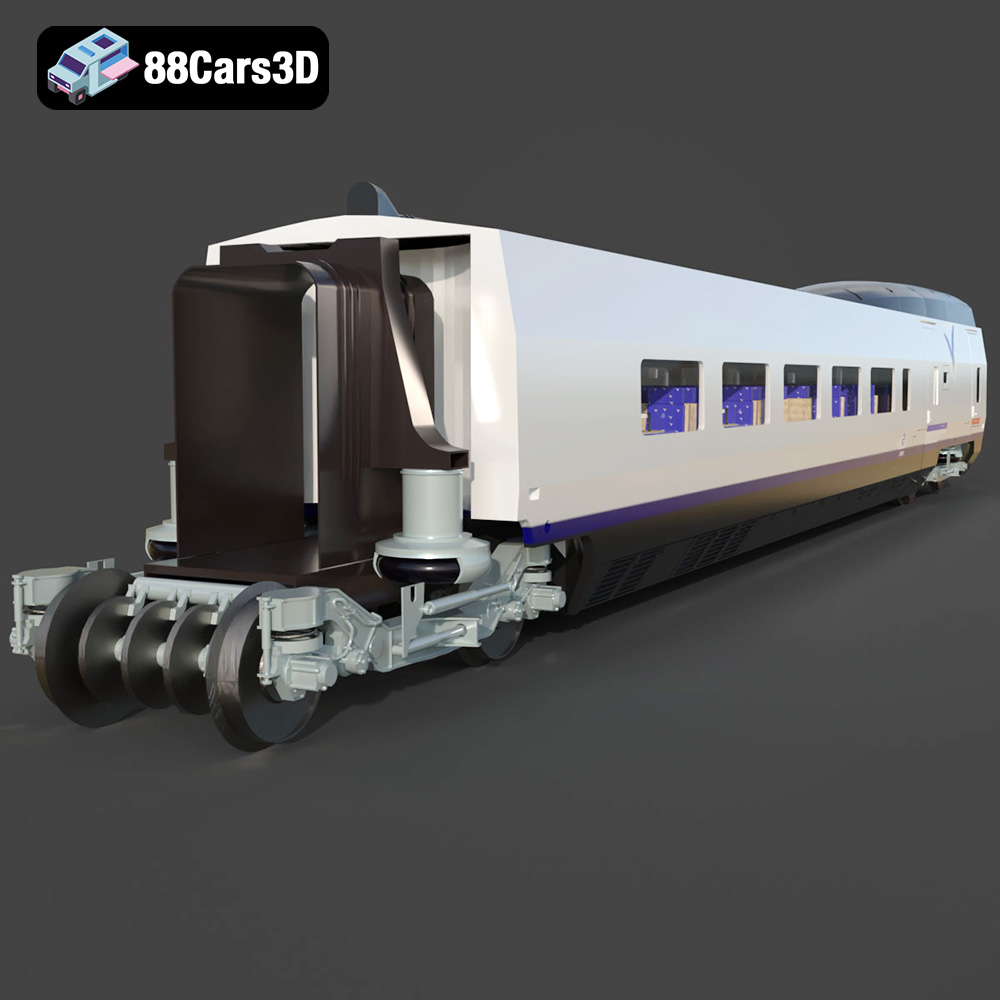
Texture: Yes
Material: Yes
Download the Vagon-Turist AVE Club 007 3D Model featuring a detailed interior, realistic exterior, and animation-ready components. Includes .blend, .fbx, .obj, .glb, .stl, .ply, .unreal, and .max formats for rendering, simulation, and game development.
Price: $10.79
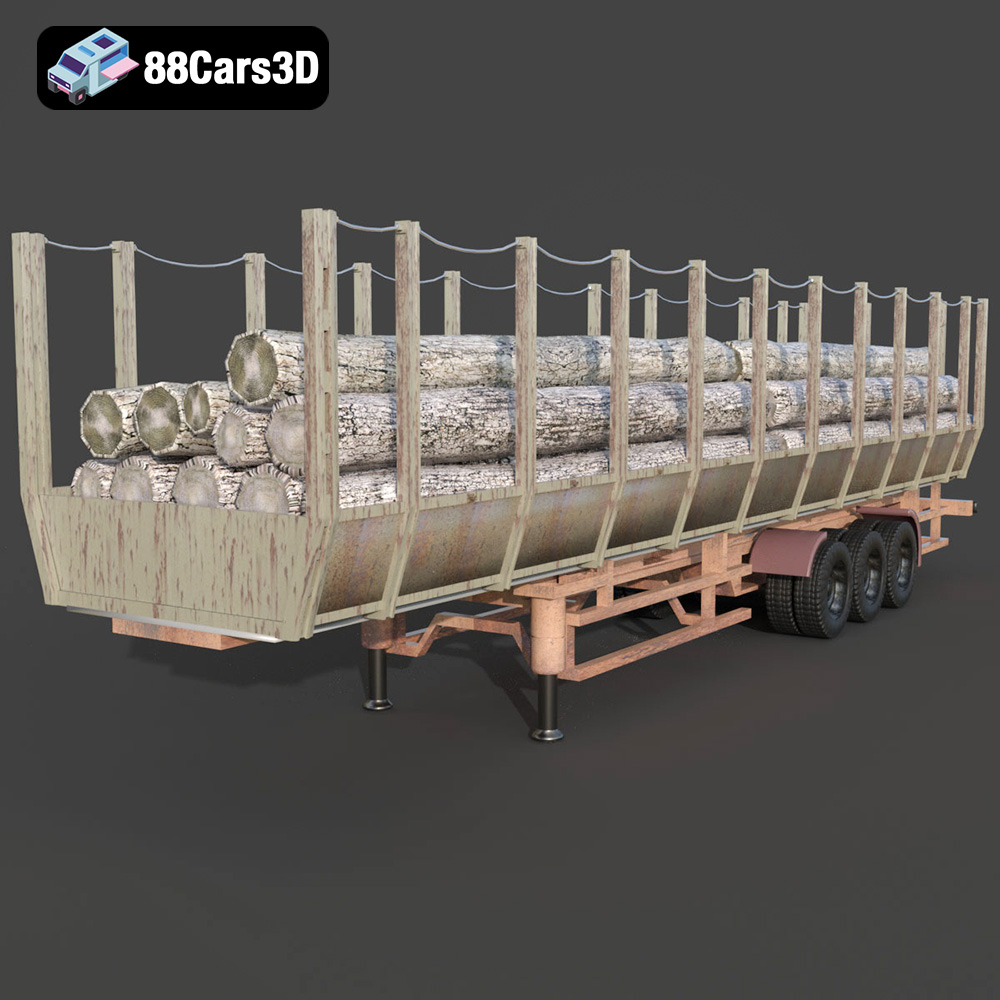
Texture: Yes
Material: Yes
Download the Forestry Trailer 006 3D Model featuring a heavy-duty frame, realistic wheels, and a functional design. Includes .blend, .fbx, .obj, .glb, .stl, .ply, .unreal, and .max formats for rendering, simulation, and game development.
Price: $10.79
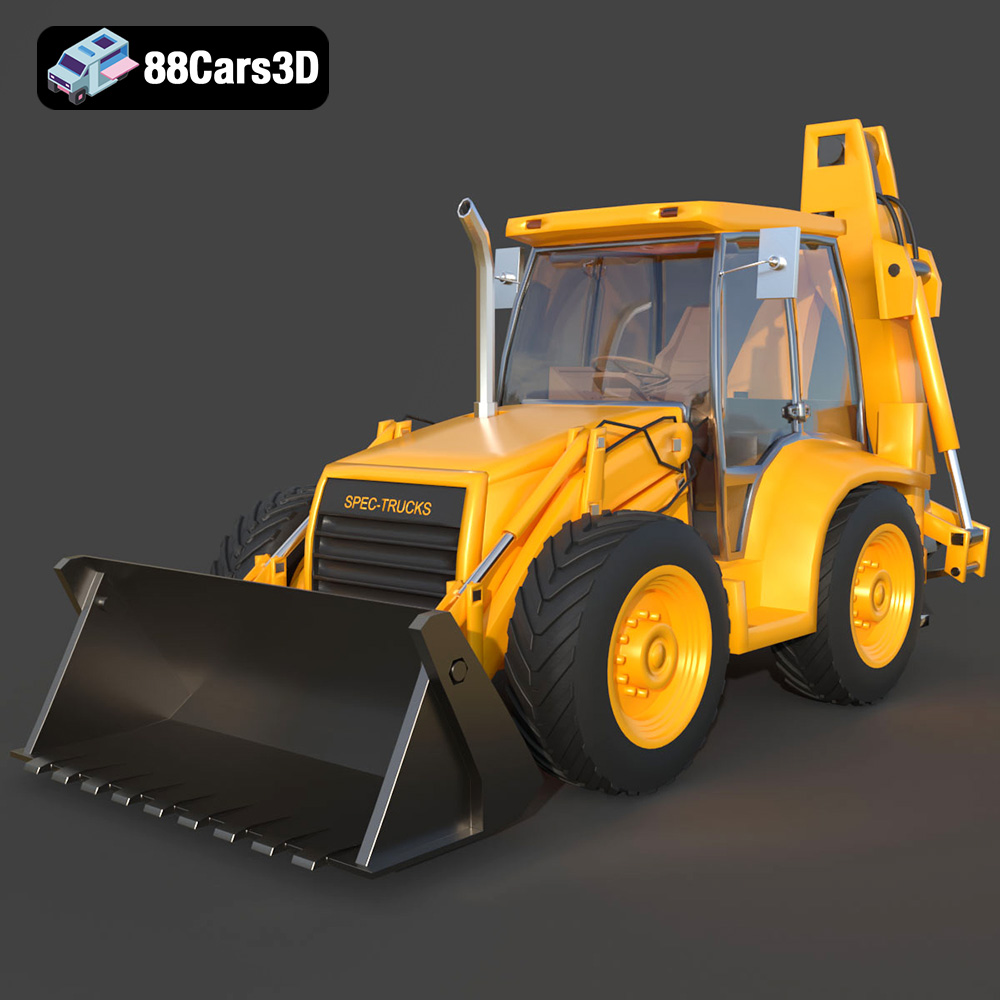
Texture: Yes
Material: Yes
Download the Spec Truck 3D Model featuring a rugged design and heavy-duty aesthetic. Includes .blend, .fbx, .obj, .glb, .stl, .ply, .unreal, and .max formats for rendering, simulation, and game development.
Price: $13.79
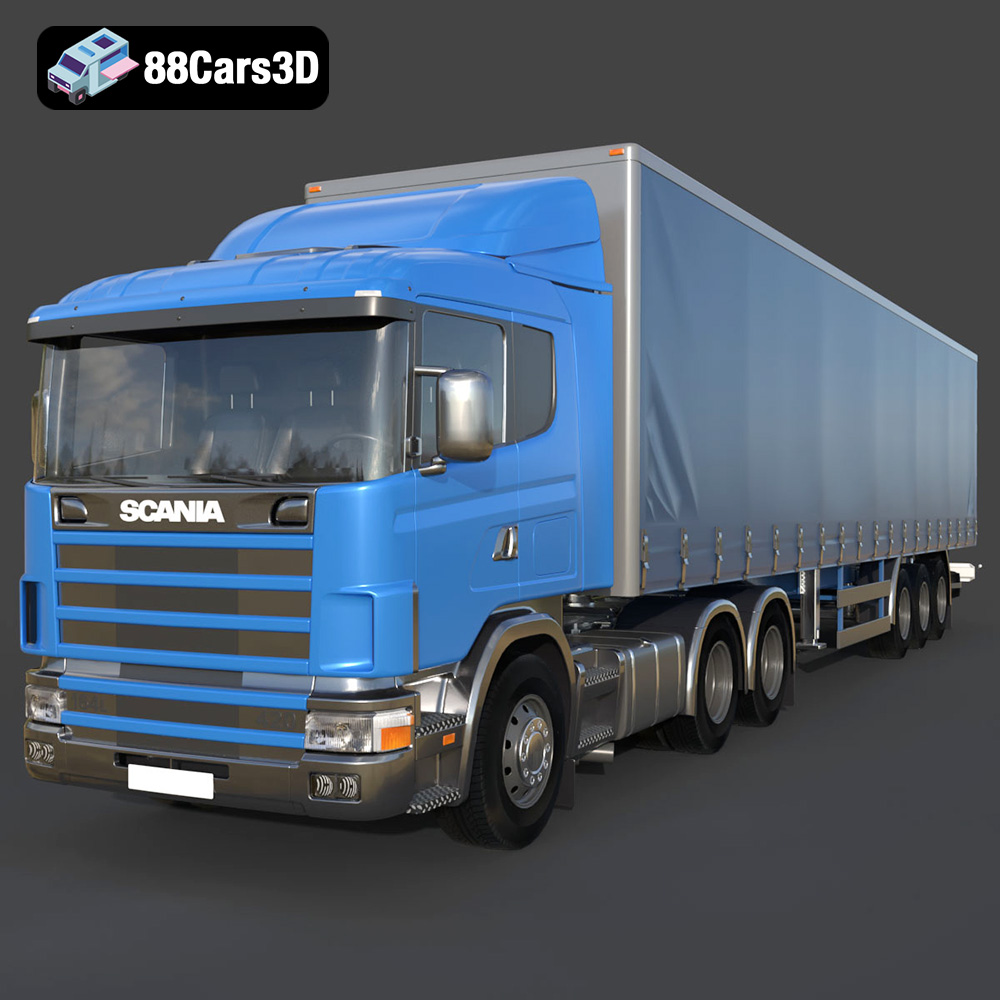
Texture: Yes
Material: Yes
Download the Scania R420 3D Model featuring a detailed exterior cabin, robust chassis, and realistic wheel assemblies. Includes .blend, .fbx, .obj, .glb, .stl, .ply, .unreal, and .max formats for rendering, simulation, and game development.
Price: $10.79
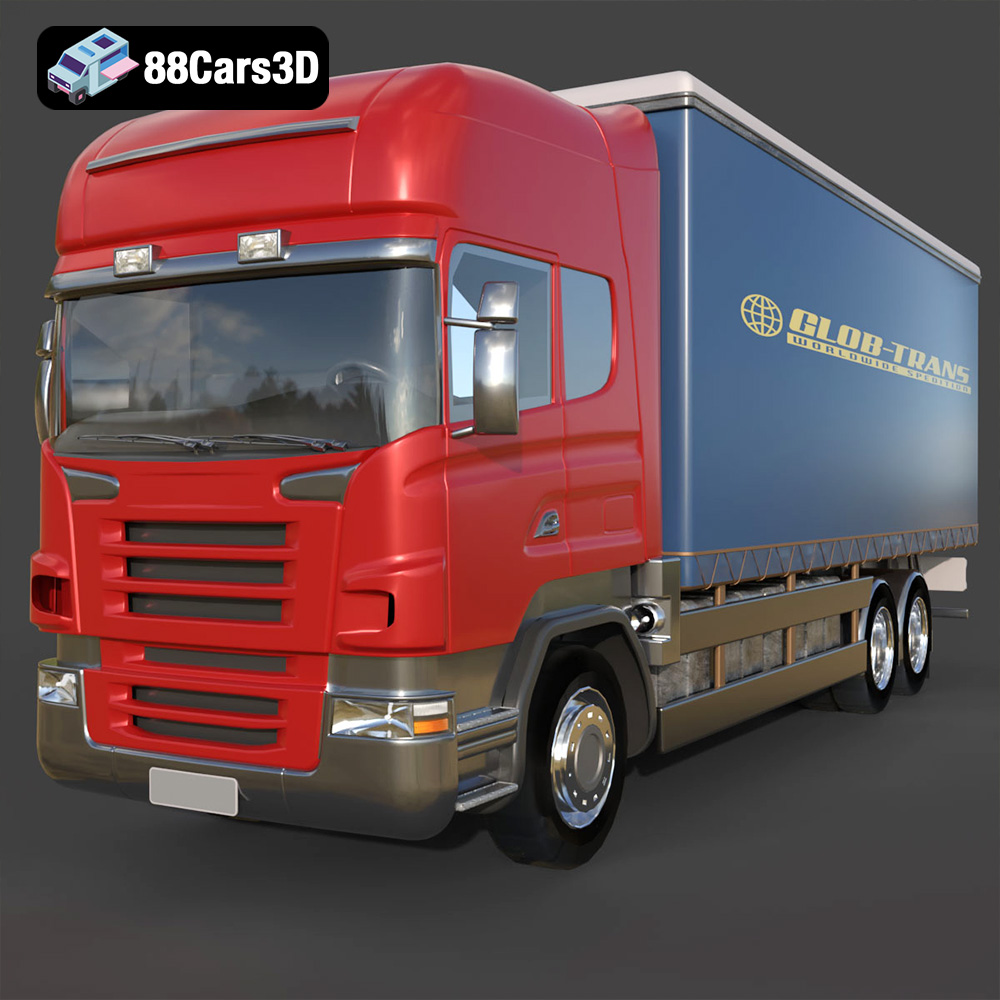
Texture: Yes
Material: Yes
Download the Scania R-Series 002 3D Model featuring a detailed exterior and interior. Includes .blend, .fbx, .obj, .glb, .stl, .ply, .unreal, and .max formats for rendering, simulation, and game development.
Price: $10.79
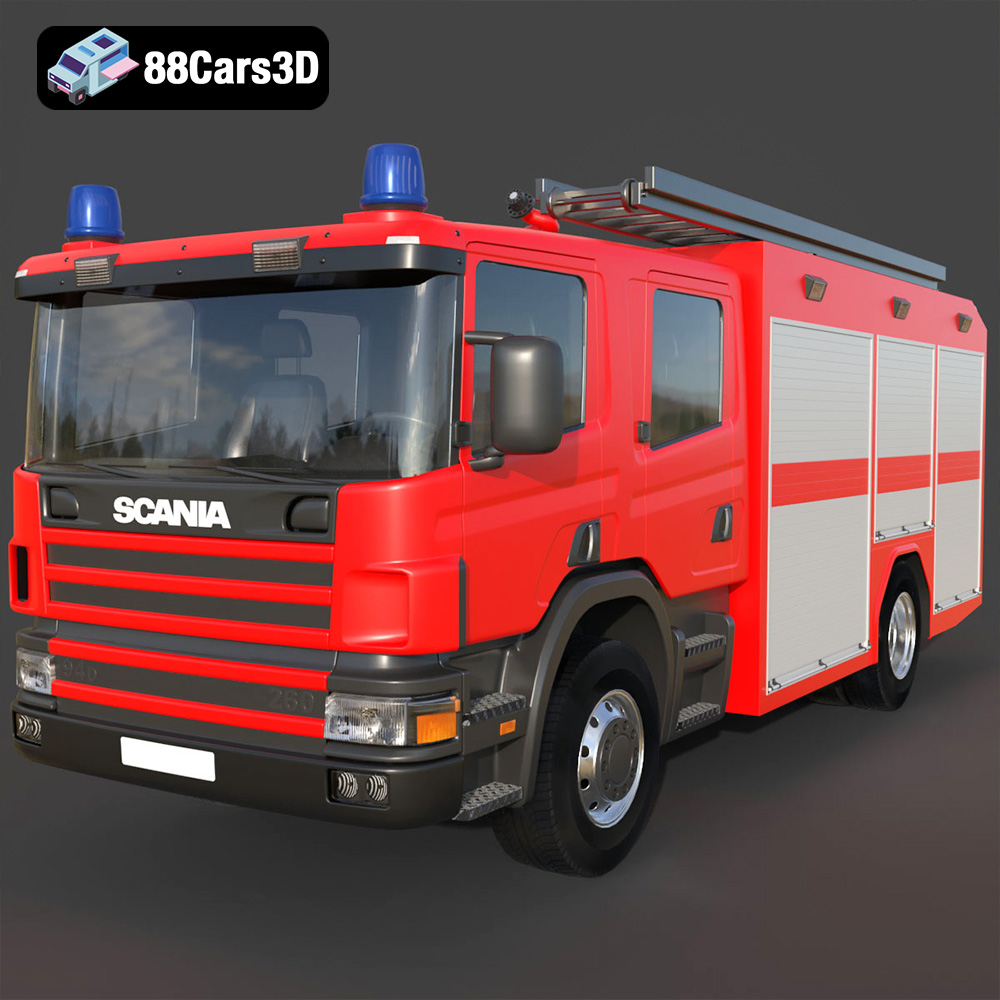
Texture: Yes
Material: Yes
Download the Scania 94D 260 Fire Engine 3D Model featuring a detailed exterior with emergency lighting, robust chassis, and a functional cabin. Includes .blend, .fbx, .obj, .glb, .stl, .ply, .unreal, and .max formats for rendering, simulation, and game development.
Price: $10.79
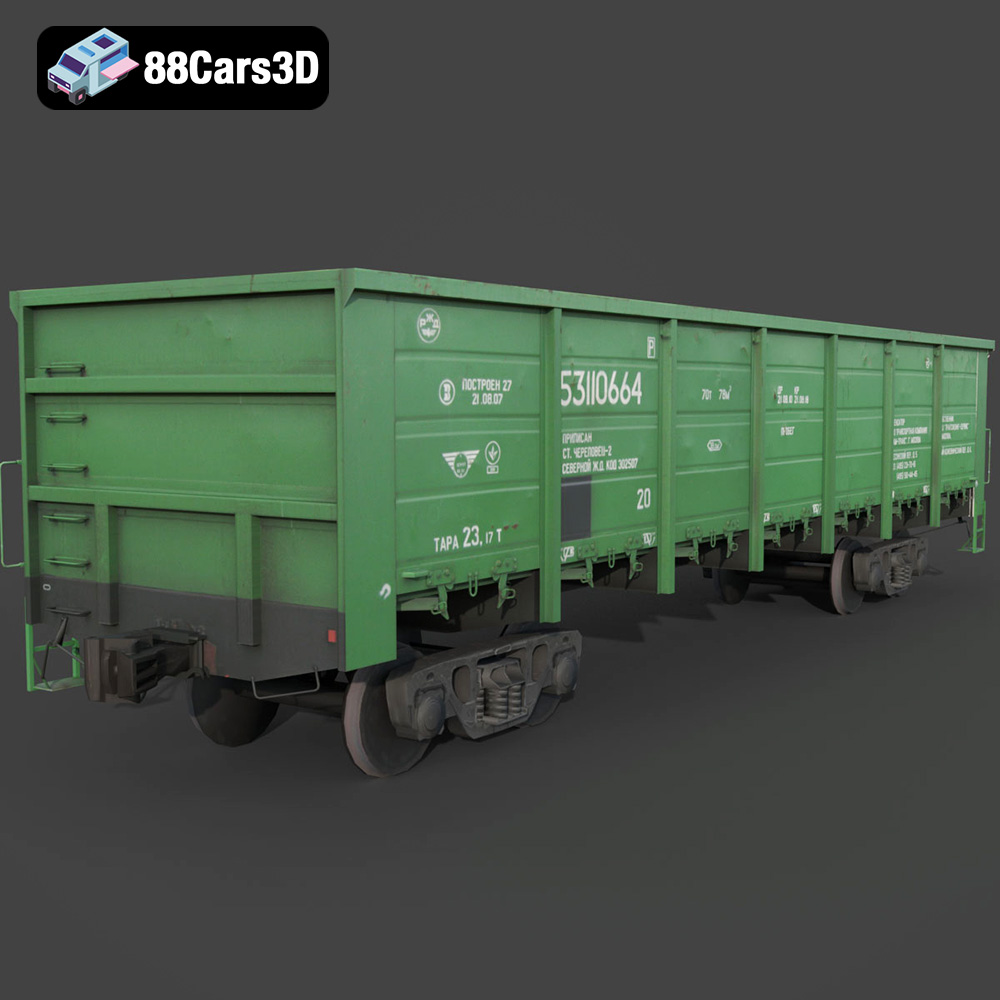
Texture: Yes
Material: Yes
Download the Polu Vagon-17940-006 3D Model featuring a detailed exterior, realistic bogies, and modular components. Includes .blend, .fbx, .obj, .glb, .stl, .ply, .unreal, and .max formats for rendering, simulation, and game development.
Price: $10.79
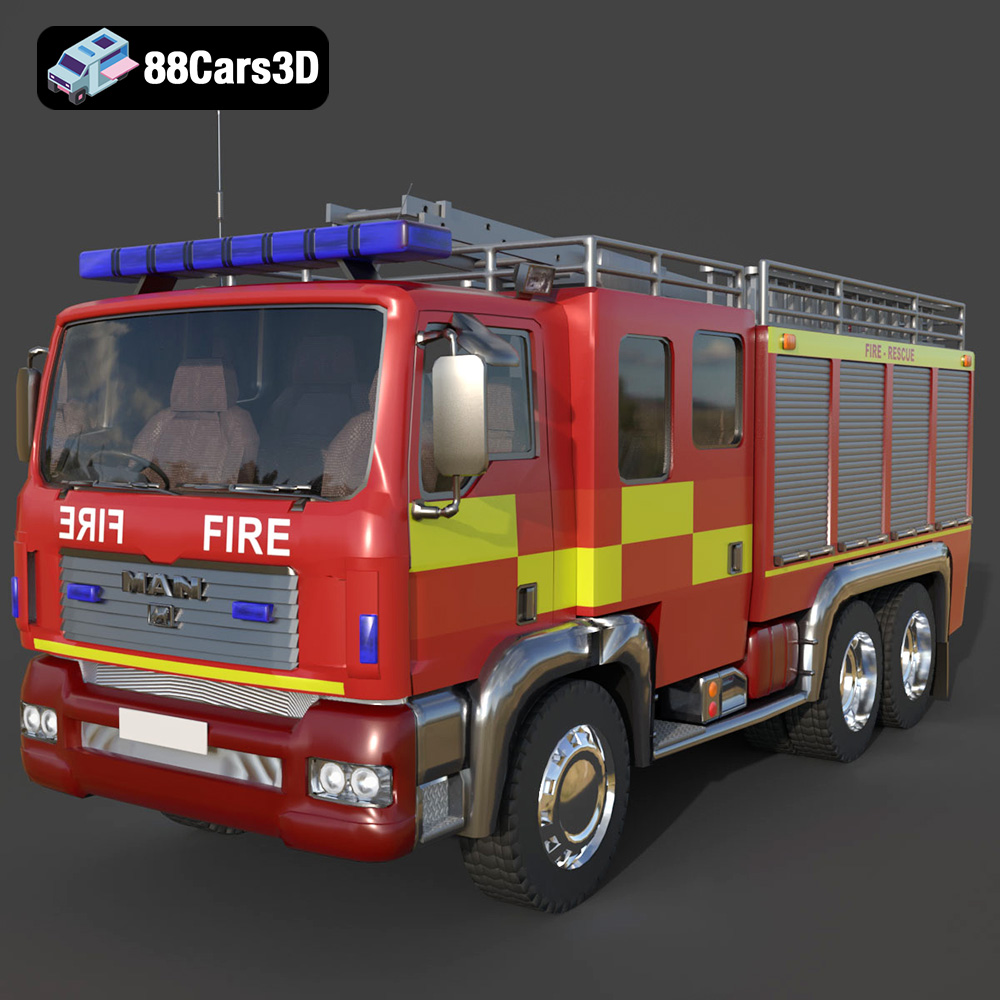
Texture: Yes
Material: Yes
Download the POJARNIY 004 3D Model featuring a robust exterior with detailed emergency equipment and a functional interior. Includes .blend, .fbx, .obj, .glb, .stl, .ply, .unreal, and .max formats for rendering, simulation, and game development.
Price: $10.79
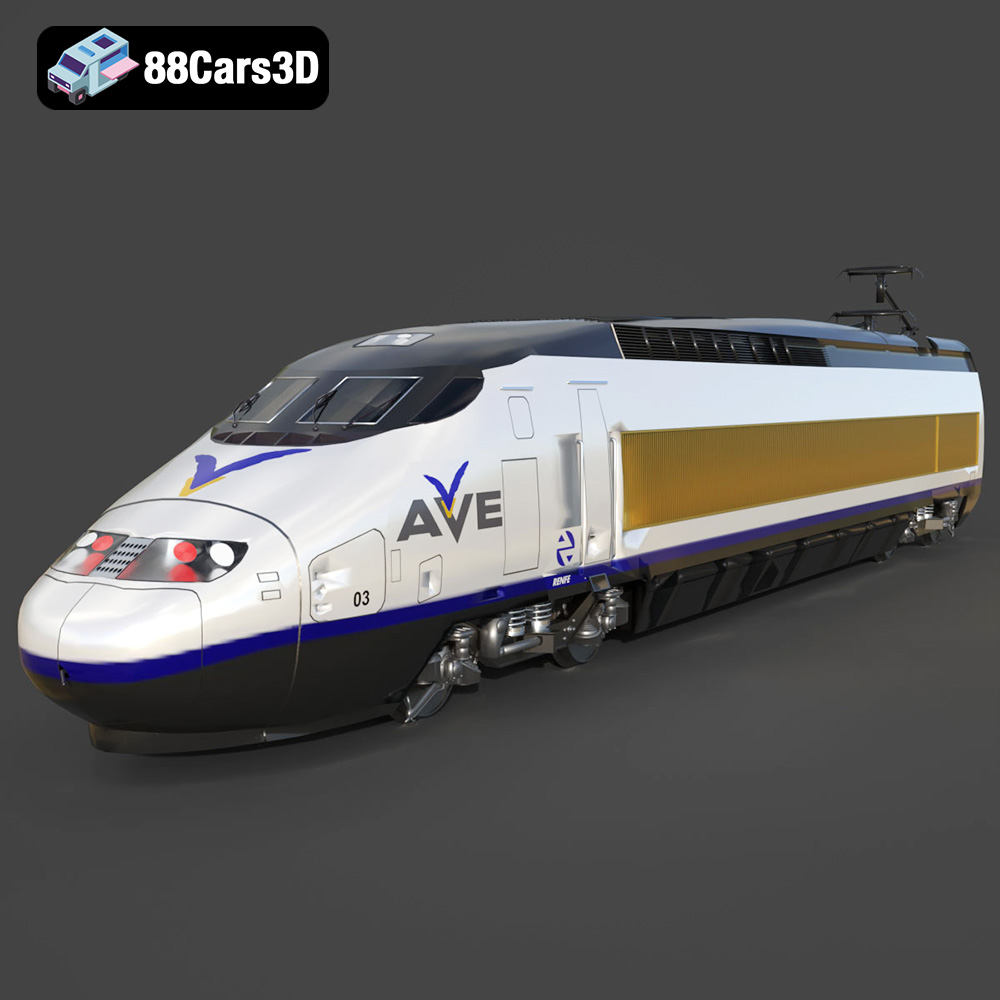
Texture: Yes
Material: Yes
Download the Poezd AVE 147-102-002 3D Model featuring a detailed high-speed train design. Includes .blend, .fbx, .obj, .glb, .stl, .ply, .unreal, and .max formats for rendering, simulation, and game development.
Price: $10.79
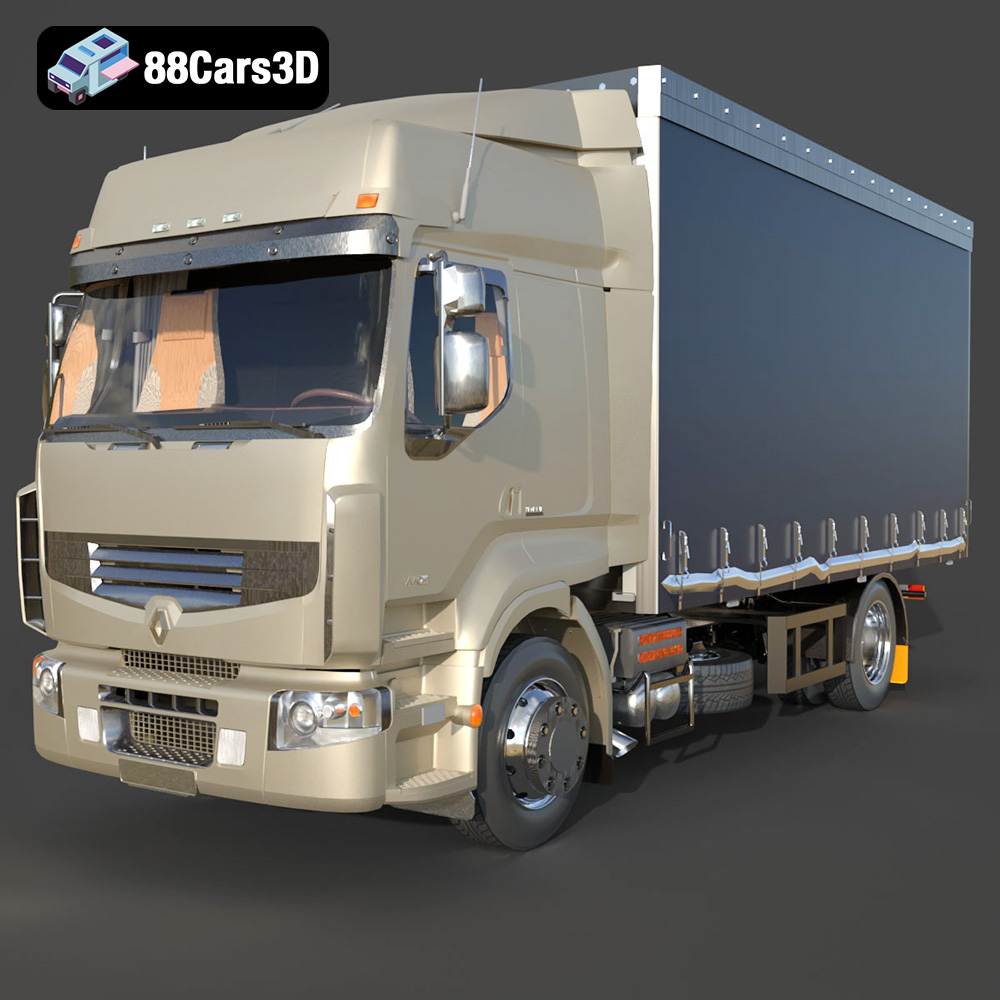
Texture: Yes
Material: Yes
Download the Renault Premium 440-002 3D Model featuring a detailed exterior, an optimized interior, and accurate real-world scale. Includes .blend, .fbx, .obj, .glb, .stl, .ply, .unreal, and .max formats for rendering, simulation, and game development.
Price: $10.79

