⚡ FLASH SALE: Get 60% OFF All Premium 3D & STL Models! ⚡

“`html
The allure of bringing iconic automotive designs to life through 3D printing is undeniable. From classic muscle cars to sleek supercars, the world of printable car models offers a gateway to automotive passion and creative expression. However, the journey from downloading a printable car model in STL format to a flawless print isn’t always smooth. One of the most common hurdles encountered by 3D printing enthusiasts is dealing with broken or non-manifold STL files. These corrupted meshes can cause significant issues during the slicing process, leading to failed prints, unwanted artifacts, or models that simply won’t slice at all. At 88cars3d.com, we are committed to providing high-quality, print-ready STL files, but understanding how to handle potential mesh imperfections is a crucial skill for any serious maker. This comprehensive guide will equip you with the knowledge and techniques to repair broken STL meshes using powerful, yet accessible, software like Autodesk Meshmixer and Netfabb. We’ll cover everything from identifying common mesh errors to implementing advanced repair strategies, ensuring your automotive creations are ready for the print bed.
Whether you’re using FDM printing to create large-scale replicas or resin printing for intricate details, a solid, watertight mesh is the foundation of success. This article will demystify the technical aspects of STL file structure, explain why meshes break, and provide step-by-step instructions for repairing them. You’ll learn about essential mesh repair tools, best practices for achieving manifold geometry, and how to optimize your STL files for various 3D printing applications. Get ready to transform problematic files into pristine models, ready for your next automotive project.
Before diving into repairs, it’s essential to understand what an STL file is and why meshes can become corrupted. The STL (STereoLithography) format, despite its age, remains the de facto standard for 3D printing. It represents a 3D object’s surface geometry as a collection of triangular facets. Each triangle is defined by its three vertices and a normal vector, which indicates the outward direction of the surface. This seemingly simple representation is incredibly effective, but it relies on strict rules to define a valid, printable object.
When a mesh is considered “broken” or “non-manifold,” it violates these fundamental rules. These errors can arise from various sources, including faulty export processes from 3D modeling software, issues during file conversion, or even imperfections in the original design. Understanding these common errors is the first step towards effective repair. At 88cars3d.com, we meticulously check our models, but issues can sometimes occur when files are further manipulated or during complex data transfers.
A manifold mesh, in simple terms, is a watertight surface that represents a solid object. Think of it like a balloon: it has no holes and no interior faces. Non-manifold geometry occurs when these conditions are not met. Common types of non-manifold errors include:
Several factors can lead to these errors in your STL files:
Autodesk Meshmixer is a free, powerful software application designed for editing, sculpting, and preparing 3D models for printing. It offers a robust set of tools specifically geared towards mesh repair, making it an indispensable tool for 3D printing enthusiasts. Its intuitive interface allows users to identify and fix common STL errors with relative ease. Meshmixer excels at automated repairs, as well as offering manual control for more complex situations.
When you encounter a problematic STL file, whether it’s a model you downloaded or one you’ve been working on, Meshmixer is often the first line of defense. Its ability to analyze meshes, highlight errors, and offer automated solutions makes it particularly well-suited for quickly getting your printable car models ready for slicing. For users who frequently download files from marketplaces like 88cars3d.com, understanding Meshmixer’s capabilities can save a significant amount of printing time and frustration.
Meshmixer’s most valuable feature for beginners and experienced users alike is its Auto Repair tool. This function attempts to automatically fix most common mesh errors, including holes, self-intersections, and non-manifold edges. The process is straightforward:
While Auto Repair is powerful, sometimes manual intervention is necessary for optimal results, especially with complex automotive models where maintaining fine details is critical. Meshmixer offers several manual tools:
Experimentation is key here. The best approach often involves a combination of automated and manual techniques to achieve a perfectly watertight and printable mesh.
Autodesk Netfabb is a more advanced, professional-grade software solution for additive manufacturing preparation. While it offers many of the same core functionalities as Meshmixer, it provides a deeper level of control, more sophisticated analysis tools, and advanced repair algorithms. For businesses or serious hobbyists dealing with high volumes of models or extremely complex geometries, Netfabb is the go-to choice. It’s particularly adept at handling complex assemblies and preparing models for industrial-scale printing.
Netfabb’s strength lies in its comprehensive suite of analysis and repair tools that go beyond basic hole filling. It can identify subtle issues that might escape simpler software and offers automated repair processes that are highly configurable. When you need the utmost confidence in your STL files, especially for critical prototypes or high-value collectible models, Netfabb provides the tools to ensure success. Its integrated workflow from mesh repair to slicing preparation makes it a powerful all-in-one solution.
Netfabb begins with a thorough analysis of your imported mesh. The Analysis tab provides detailed reports on:
These detailed analyses are crucial for understanding the exact nature of the problem, especially with intricate automotive designs where subtle errors can have a significant impact on the final print.
Netfabb offers a range of repair capabilities:
Netfabb’s repair process is often a multi-step approach: analyze thoroughly, apply global reconstruction, then use local reconstruction or manual tools to refine specific problem areas. For models downloaded from 88cars3d.com, Netfabb can be used to not only repair any minor inconsistencies but also to further optimize the mesh for specific printer requirements, such as reducing polygon count for faster slicing or ensuring wall thicknesses are suitable for resin printing.
Once your STL file has been repaired and is confirmed to be manifold and watertight, the next critical step is slicing. The slicer software translates your 3D model into layer-by-layer instructions (G-code) that your 3D printer can understand. Selecting the right slicing parameters is crucial for achieving high-quality prints, especially for detailed automotive models. This involves balancing print speed, layer height, support structures, and material properties.
For detailed printable car models, precision is paramount. A poorly sliced model, even if the STL is perfect, can result in lost details, rough surfaces, or structural weaknesses. Understanding the interplay between different slicing settings is key to unlocking the full potential of your 3D printer and the quality of your models. Whether you’re using Cura, PrusaSlicer, or another popular slicer, the principles remain the same.
Layer height is one of the most significant factors affecting print quality and time. It refers to the thickness of each individual layer deposited by the printer.
Recommendation for Car Models: For high-detail car models, aim for layer heights between 0.1mm and 0.15mm on FDM printers. For resin printers, layer heights can be much finer, often between 0.025mm and 0.05mm, to capture extreme detail.
Infill refers to the internal structure printed within the outer walls of your model. While car models might often be printed solid or with very low infill for display purposes, understanding infill is still important for strength and material efficiency.
For FDM printing of car models: Start with 15% Gyroid infill. This provides good internal support for details without excessive material usage or print time.
Optimizing print speed and temperature is crucial for filament adhesion, surface quality, and preventing print failures.
Tip: Print a temperature tower and a retraction test model for your chosen material and printer before printing your main car model to dial in the optimal settings.
Support structures are temporary structures printed to hold up overhanging parts of your model during printing. For complex automotive designs with aerodynamic curves, spoilers, and undercarriages, effective support generation and removal are critical for a successful print and a clean final product. Similarly, ensuring good bed adhesion prevents your model from detaching mid-print, which is a catastrophic failure.
Dealing with supports can be one of the more challenging aspects of 3D printing, especially when aiming for a high-quality finish on detailed models. The goal is to provide adequate support where needed without making removal difficult or damaging the model’s surface. When downloading models from marketplaces such as 88cars3d.com, understanding how supports interact with the geometry is key to achieving the best possible result.
Most slicers offer various support settings:
Workflow Tip: Always preview your sliced model layer by layer to ensure supports are correctly placed and won’t interfere with critical details. Use organic or tree supports when available for easier removal.
Poor bed adhesion is a leading cause of failed prints. It can manifest as warping, lifting, or the entire print coming loose.
For detailed car models: Use a brim if the model has a small base footprint or if you’re printing with materials prone to warping. For resin printers, ensuring the build plate is clean and properly leveled is usually sufficient, but fine-tuning exposure times for the first few layers can also enhance adhesion.
The 3D printing process doesn’t end when the printer finishes its job. Post-processing is where raw prints are transformed into polished, display-worthy models. This stage is particularly important for automotive models, where smooth finishes, clean lines, and accurate paint jobs can make all the difference. Whether you’re using FDM or resin printing, a careful post-processing workflow will elevate your creations.
The techniques involved range from simple support removal to complex sanding, filling, and painting. Mastering these skills allows you to achieve a professional look, turning your printed parts into something truly impressive. When you download a high-quality STL from a source like 88cars3d.com, a well-executed post-processing routine ensures that the intricate details designed into the model are fully realized.
This is the first step after removing the print from the build plate.
Tip: For FDM prints, sometimes a brief soak in warm water can slightly soften supports, making them easier to remove. For resin, ensure supports are fully detached but the part is still slightly flexible before final curing.
This is arguably the most time-consuming but rewarding part of post-processing, especially for achieving a smooth, paintable surface.
This is where your automotive model truly comes alive.
Pro Tip: Treat your 3D printed car model like you would a real car – clean, prime, paint in thin coats, and finish with a protective clear coat for the best durability and appearance.
Navigating the world of 3D printable car models involves more than just hitting the “print” button. Understanding and mastering the repair of STL files, alongside precise slicing and meticulous post-processing, are the cornerstones of achieving high-quality results. Broken or non-manifold meshes are a common challenge, but with powerful tools like Autodesk Meshmixer and Netfabb, even complex errors can be resolved, ensuring your models are watertight and ready for the build plate.
We’ve explored the fundamental reasons why STL files can become corrupted, detailed the automated and manual repair workflows in Meshmixer and Netfabb, and discussed the critical slicing parameters – layer height, infill, speed, and temperature – that influence print quality. Furthermore, we’ve covered essential strategies for generating effective support structures and achieving robust bed adhesion, as well as outlining the crucial post-processing steps from support removal to sanding, filling, and painting. By investing time in learning these techniques, you can overcome common printing obstacles and transform your downloaded STL files into stunning, display-worthy automotive replicas.
At 88cars3d.com, we strive to provide you with the best possible 3D printable car models. By combining our high-quality files with your newfound skills in mesh repair, slicing optimization, and post-processing, you are well-equipped to bring your automotive passion to life in stunning detail. So, the next time you encounter a slightly imperfect STL, don’t despair. Armed with the knowledge from this guide, you can confidently repair, prepare, and print your way to automotive modeling perfection. Happy printing!
“`

Texture: Yes
Material: Yes
Download the Aston Martin One-77 3D Model featuring an iconic design, detailed interior, and realistic exterior. Includes .blend, .fbx, .obj, .glb, .stl, .ply, .unreal, and .max formats for rendering, simulation, and game development.
Price: $99.79
Texture: Yes
Material: Yes
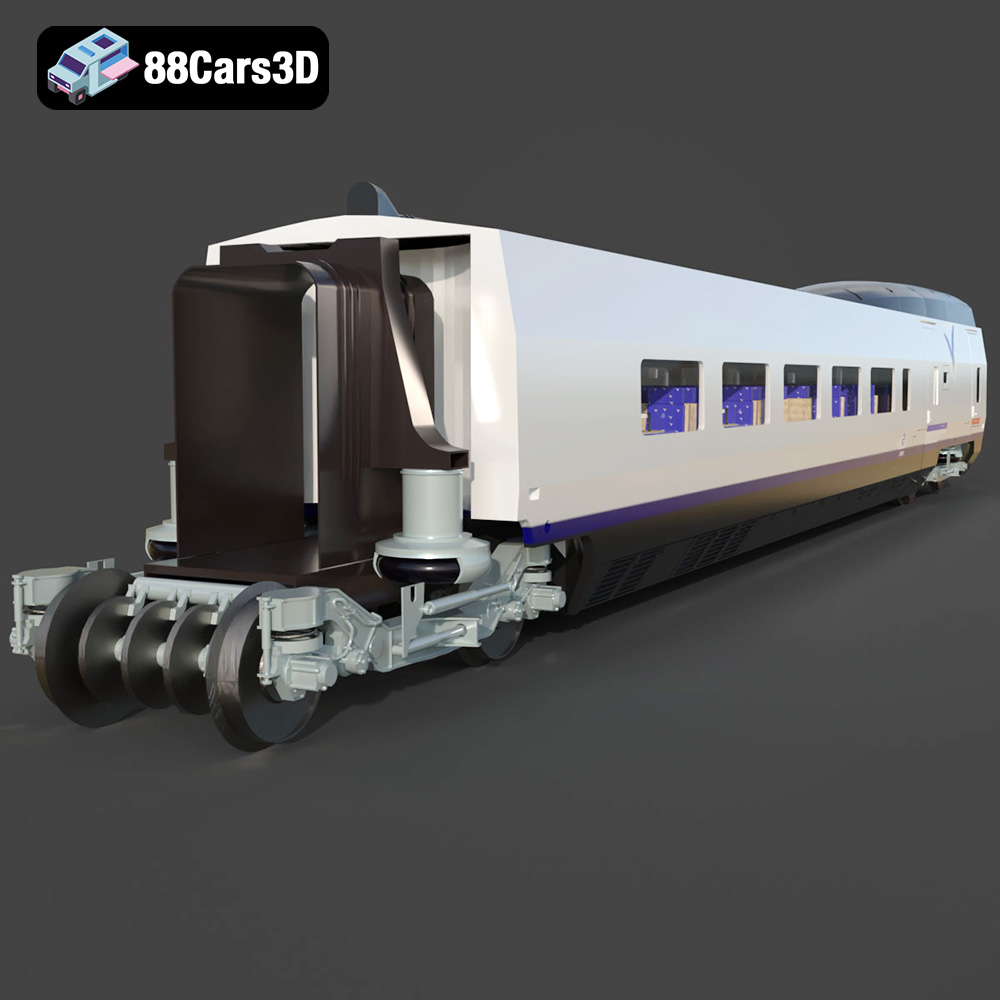
Download the Vagon-Turist AVE Club 007 3D Model featuring a detailed interior, realistic exterior, and animation-ready components. Includes .blend, .fbx, .obj, .glb, .stl, .ply, .unreal, and .max formats for rendering, simulation, and game development.
Price: $10.79
Texture: Yes
Material: Yes
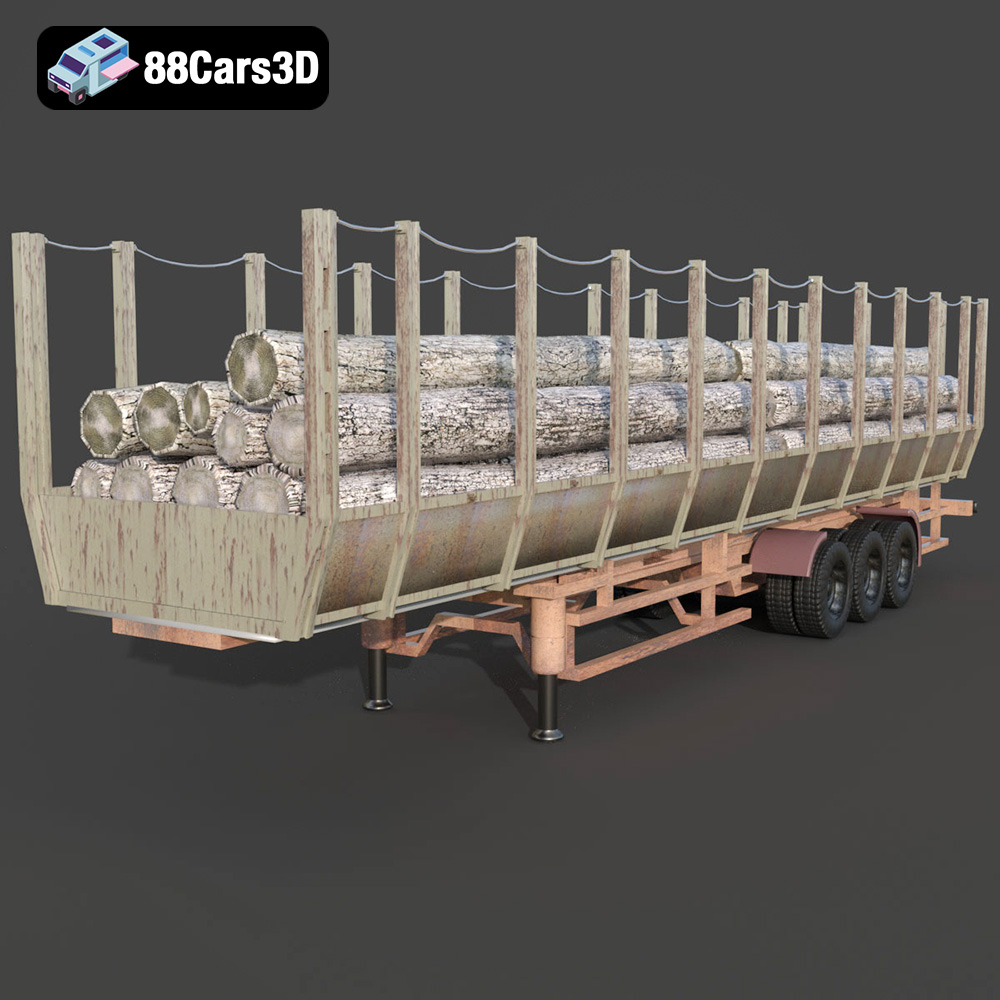
Download the Forestry Trailer 006 3D Model featuring a heavy-duty frame, realistic wheels, and a functional design. Includes .blend, .fbx, .obj, .glb, .stl, .ply, .unreal, and .max formats for rendering, simulation, and game development.
Price: $10.79
Texture: Yes
Material: Yes
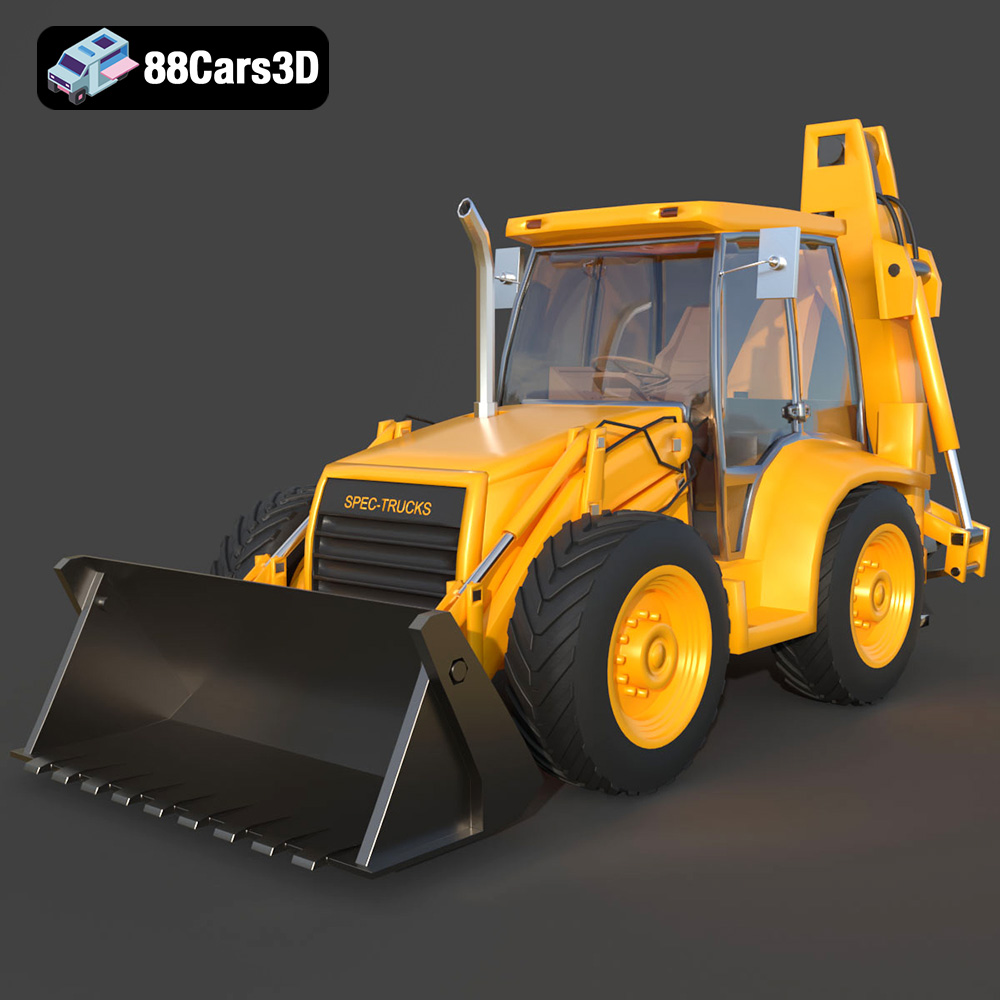
Download the Spec Truck 3D Model featuring a rugged design and heavy-duty aesthetic. Includes .blend, .fbx, .obj, .glb, .stl, .ply, .unreal, and .max formats for rendering, simulation, and game development.
Price: $13.79
Texture: Yes
Material: Yes
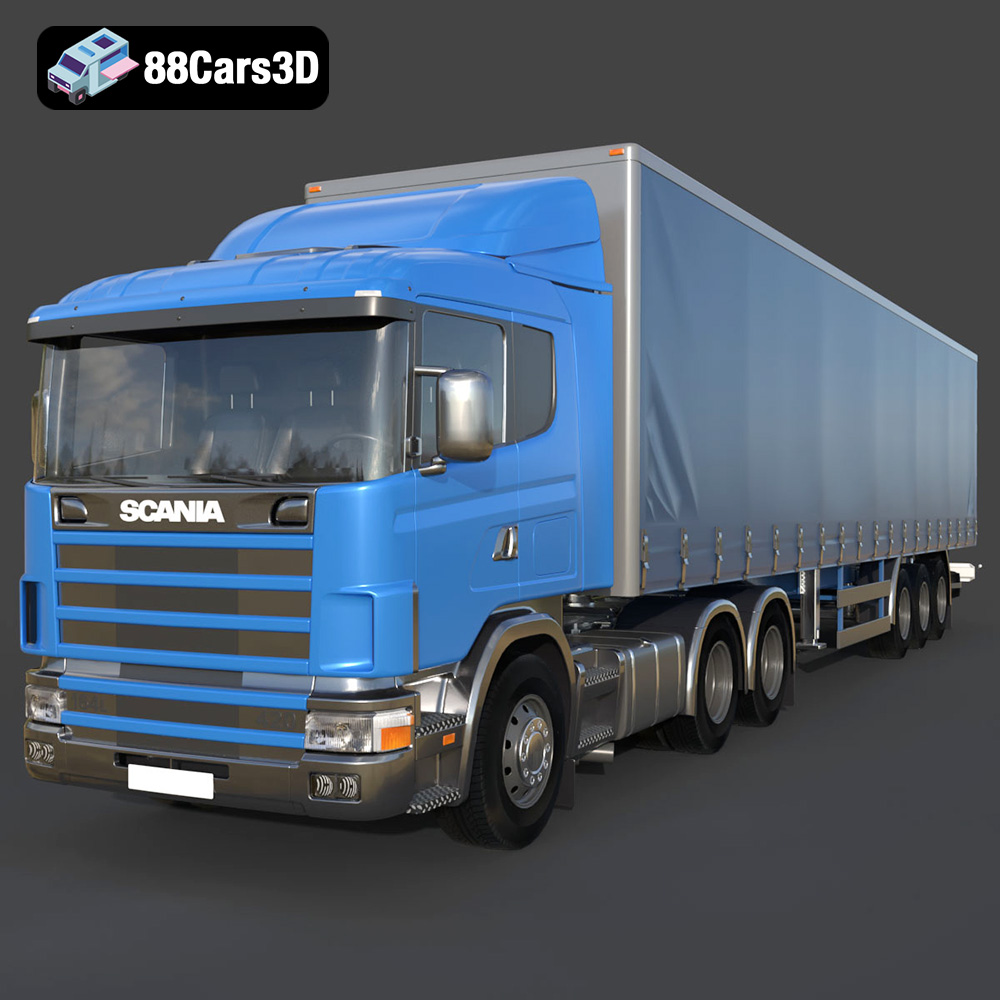
Download the Scania R420 3D Model featuring a detailed exterior cabin, robust chassis, and realistic wheel assemblies. Includes .blend, .fbx, .obj, .glb, .stl, .ply, .unreal, and .max formats for rendering, simulation, and game development.
Price: $10.79
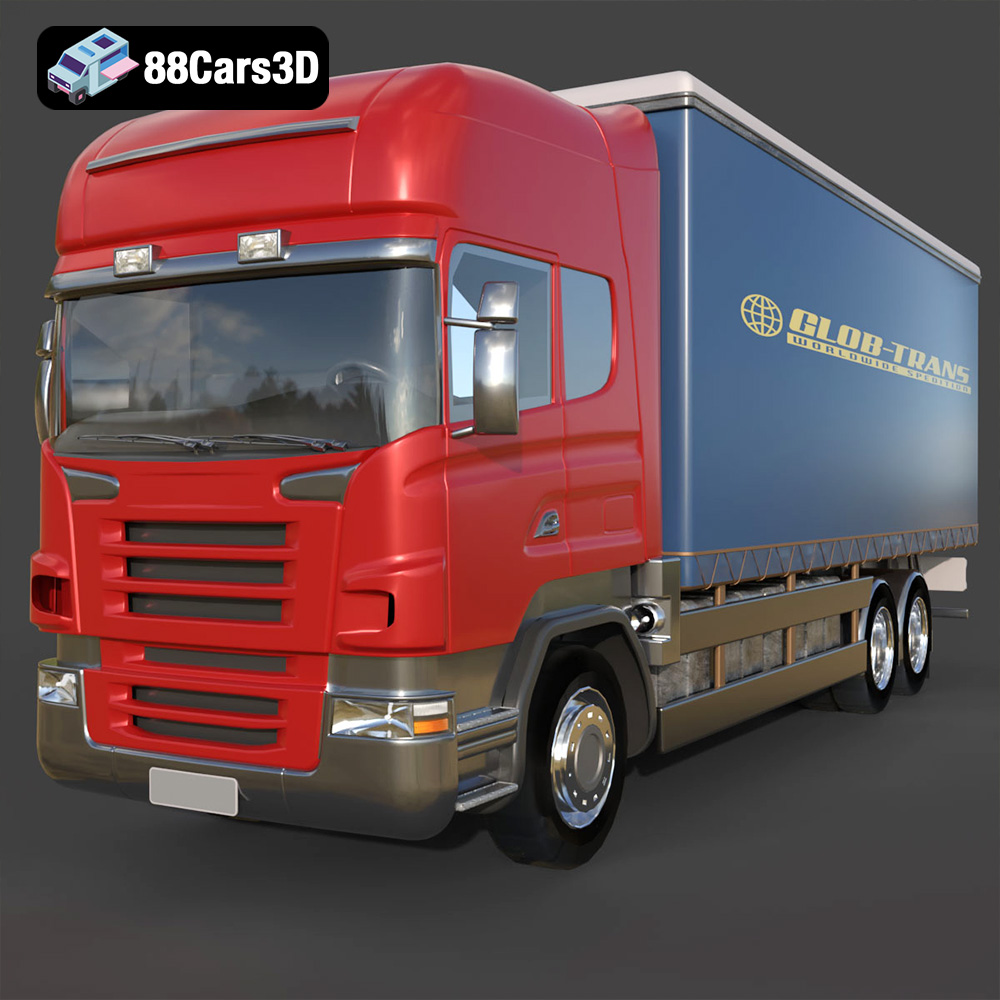
Texture: Yes
Material: Yes
Download the Scania R-Series 002 3D Model featuring a detailed exterior and interior. Includes .blend, .fbx, .obj, .glb, .stl, .ply, .unreal, and .max formats for rendering, simulation, and game development.
Price: $10.79
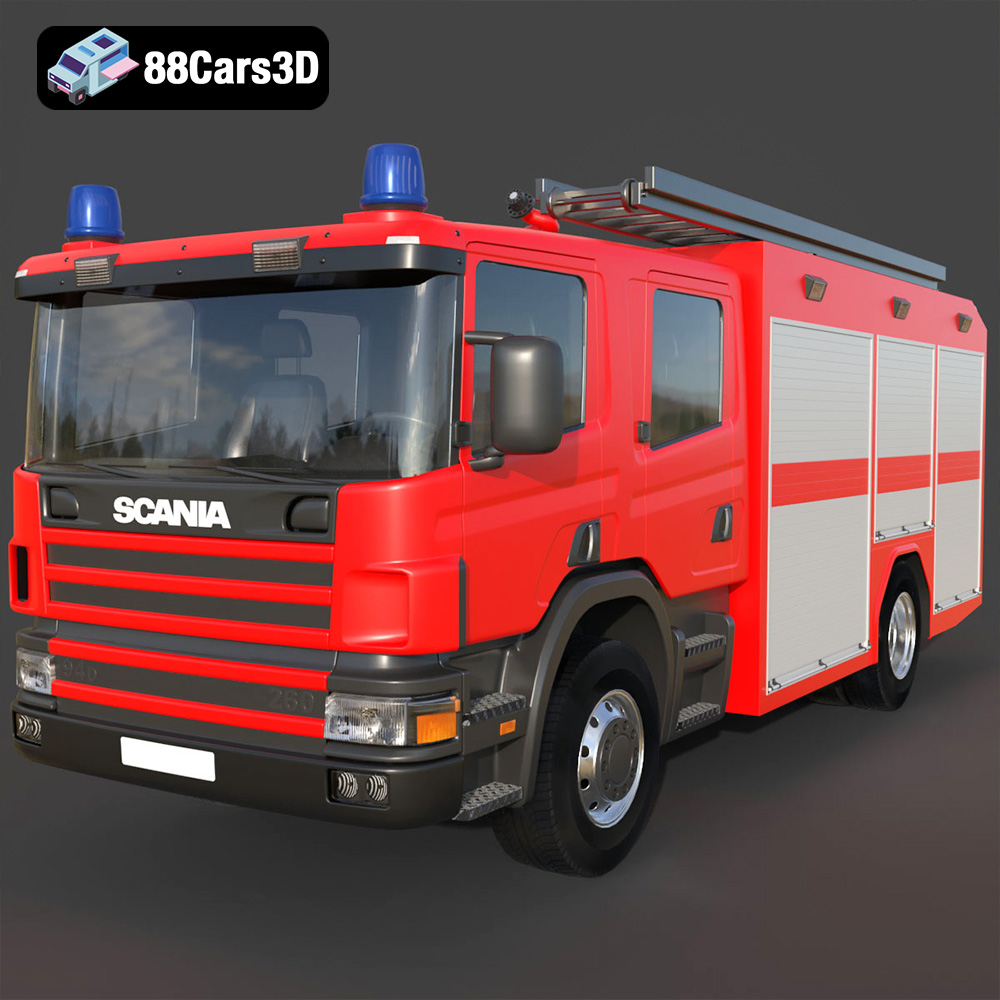
Texture: Yes
Material: Yes
Download the Scania 94D 260 Fire Engine 3D Model featuring a detailed exterior with emergency lighting, robust chassis, and a functional cabin. Includes .blend, .fbx, .obj, .glb, .stl, .ply, .unreal, and .max formats for rendering, simulation, and game development.
Price: $10.79
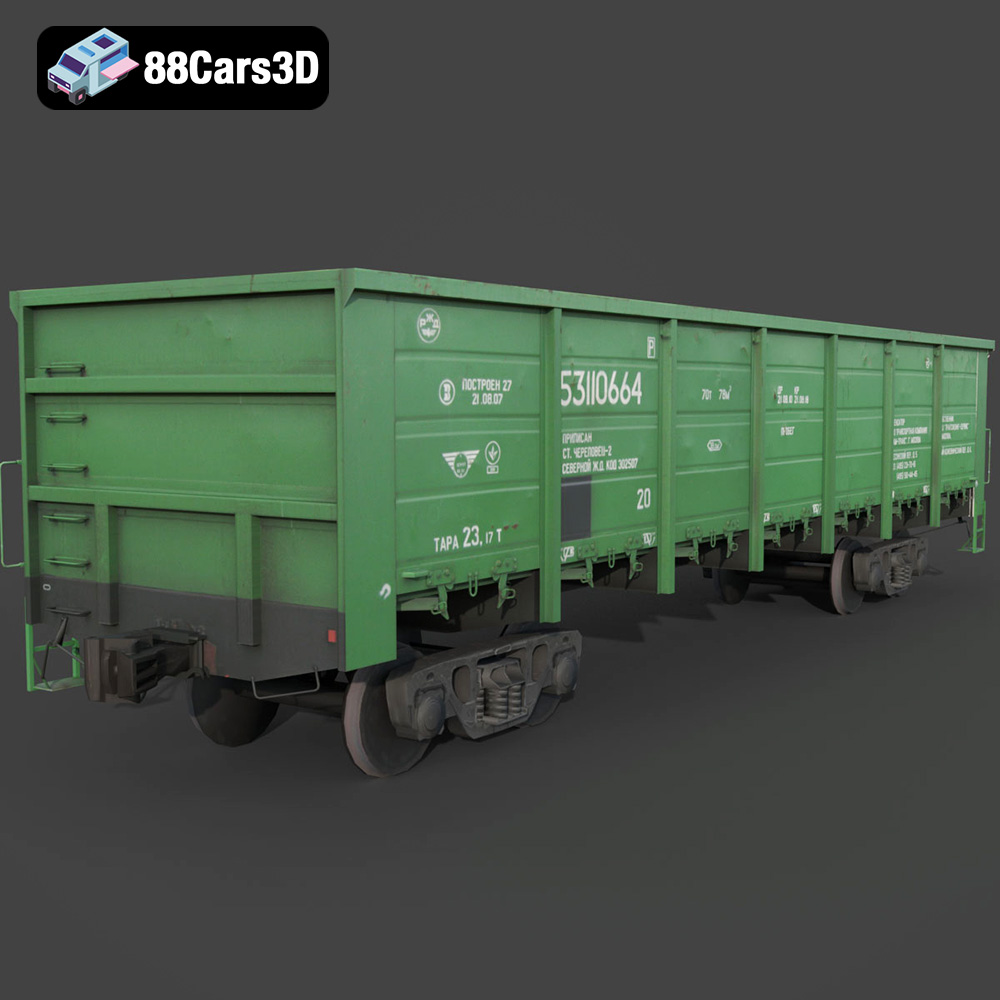
Texture: Yes
Material: Yes
Download the Polu Vagon-17940-006 3D Model featuring a detailed exterior, realistic bogies, and modular components. Includes .blend, .fbx, .obj, .glb, .stl, .ply, .unreal, and .max formats for rendering, simulation, and game development.
Price: $10.79
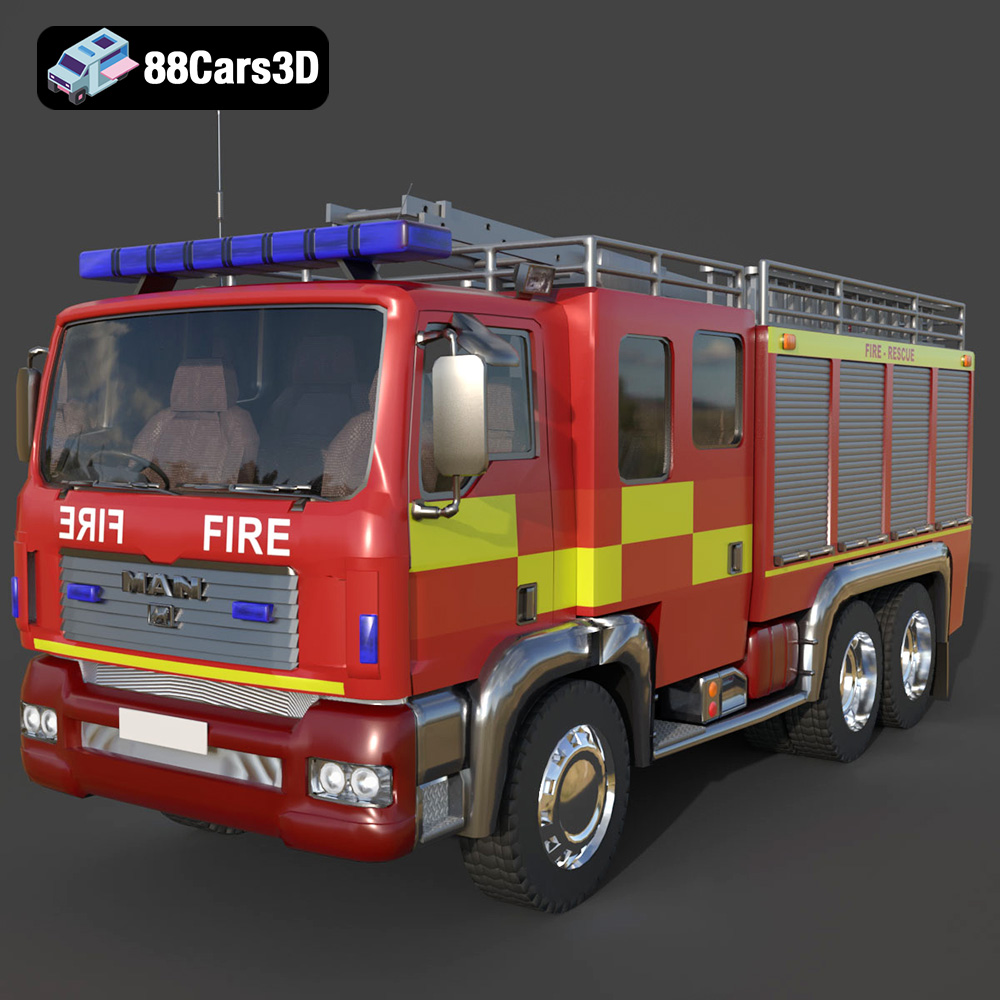
Texture: Yes
Material: Yes
Download the POJARNIY 004 3D Model featuring a robust exterior with detailed emergency equipment and a functional interior. Includes .blend, .fbx, .obj, .glb, .stl, .ply, .unreal, and .max formats for rendering, simulation, and game development.
Price: $10.79
Texture: Yes
Material: Yes
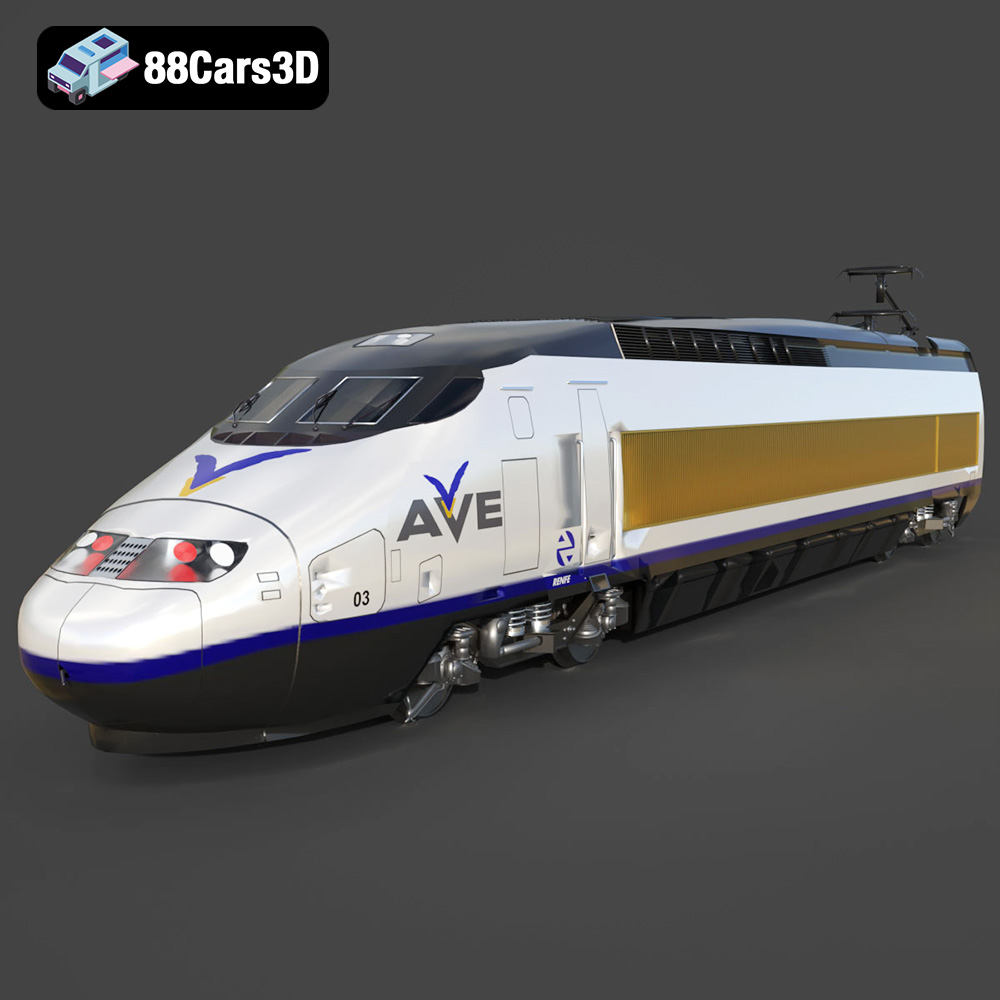
Download the Poezd AVE 147-102-002 3D Model featuring a detailed high-speed train design. Includes .blend, .fbx, .obj, .glb, .stl, .ply, .unreal, and .max formats for rendering, simulation, and game development.
Price: $10.79

