⚡ FLASH SALE: Get 60% OFF All Premium 3D & STL Models! ⚡

“`html
The world of 3D printing has opened up incredible avenues for hobbyists and professionals alike, especially for enthusiasts of automotive replicas. Platforms like 88cars3d.com offer a vast library of high-quality, printable car models in STL file format, ready to be brought to life on your desktop. However, a critical decision looms for anyone looking to print these intricate designs: choosing between Fused Deposition Modeling (FDM) and Stereolithography (SLA)/Digital Light Processing (DLP) resin printing. Each technology boasts its unique strengths and weaknesses, impacting everything from detail resolution and material properties to print speed and post-processing complexity. This guide will delve deep into the technical nuances of both FDM and resin printing, helping you make an informed decision to achieve the best possible results for your automotive 3D printing projects. We’ll explore file preparation, slicing techniques, material considerations, and crucial printer settings to ensure your miniature machines are as stunning as their real-world counterparts.
At the heart of 3D printing lies the process of building an object layer by layer. However, FDM and resin printing achieve this in fundamentally different ways, leading to distinct outcomes, particularly for detailed models like cars. FDM printers operate by extruding melted thermoplastic filament through a heated nozzle, depositing it precisely onto a build platform. Imagine a highly sophisticated, computer-controlled hot glue gun. This layer-by-layer deposition builds up the model. The resolution is determined by the nozzle diameter and the precision of the movement system. Conversely, resin printers, including SLA and DLP variants, use a liquid photopolymer resin that solidifies when exposed to a specific light source – a UV laser for SLA and a projector screen for DLP. The build platform is submerged in the resin vat, and light selectively cures the resin layer by layer, curing a full layer at once for DLP or tracing a layer with a laser for SLA. This process typically results in much finer detail than FDM.
FDM printing is the most common and accessible form of 3D printing, often found in desktop machines. It uses spools of thermoplastic filament, typically PLA, PETG, or ABS, which are fed into a hotend and melted. The molten plastic is then extruded through a nozzle, usually 0.4mm in diameter, though smaller (0.2mm) or larger (0.6mm, 0.8mm) nozzles are available for different print needs. The X, Y, and Z axes of the printer precisely control the nozzle’s movement, building the object from the bottom up. STL files, once processed by slicing software, are converted into G-code, which dictates the exact movements and extrusion rates for the FDM printer. The layer height, a critical parameter, dictates the vertical resolution. Common layer heights range from 0.1mm to 0.3mm. Lower layer heights (e.g., 0.1mm) produce smoother surfaces and finer details but significantly increase print time. Higher layer heights (e.g., 0.3mm) speed up printing but result in more visible layer lines. Bed adhesion is crucial for FDM, with materials like PEI sheets, glass, or specialized build surfaces often requiring adhesives like glue sticks or hairspray for optimal first-layer sticking, especially for materials like ABS.
Resin printing technologies, SLA and DLP, are renowned for their exceptional detail and smooth surface finish, making them highly attractive for intricate models. In both methods, a build platform is lowered into a vat of liquid photopolymer resin. For SLA, a UV laser traces the cross-section of each layer onto the resin, curing it. DLP printers use a digital projector to flash an image of the entire layer onto the resin simultaneously, which can lead to faster print times for larger or multiple objects. The layer thickness in resin printing is typically much finer than FDM, often ranging from 0.025mm to 0.1mm, resulting in incredibly smooth surfaces with virtually invisible layer lines. This high resolution is ideal for capturing the delicate curves and sharp edges of automotive models. However, resin printing requires careful handling of the liquid resin, which can be messy and often requires wearing gloves and working in a well-ventilated area. Post-processing is also more involved, typically involving washing the printed part in isopropyl alcohol (IPA) or a specialized resin cleaner to remove uncured resin, followed by a UV curing process to fully harden the part.
When it comes to replicating the intricate details of a car – from the fine lines of bodywork and the grille patterns to the delicate spokes of alloy wheels and interior features – resolution is paramount. This is where resin printers often take a significant lead over FDM. The significantly lower layer heights achievable with SLA and DLP printers (often 10-50 microns compared to FDM’s 50-300 microns) translate directly into a superior ability to capture subtle nuances and sharp edges. An FDM printer, even with a small nozzle (0.2mm) and a fine layer height (0.1mm), will still exhibit more pronounced layer lines, especially on curved surfaces. This can detract from the aesthetic appeal of a finely detailed car model. Resin printers can produce surfaces so smooth that they often require minimal post-processing sanding to achieve a paint-ready finish. Conversely, FDM prints often necessitate significant sanding and filling to smooth out layer lines before painting, a time-consuming but often necessary step for high-quality finishes.
While resin printing excels in detail, FDM printers can still produce impressive results with the right settings and preparation. Using a smaller nozzle diameter, such as 0.2mm, can help increase the achievable resolution. Pairing this with a fine layer height (e.g., 0.1mm) and a slower print speed is crucial. For example, printing at speeds of 30-40mm/s for outer walls can allow the filament to be deposited more precisely. Optimizing slicing parameters is key. Features like “Ironing” in some slicers can help smooth the top surfaces of layers. Careful orientation of the model on the build plate is also vital. Orienting the car model to minimize overhangs and position detailed sections parallel to the build plate can reduce the need for supports and improve surface quality on those critical areas. Even with these optimizations, achieving the sharpness of a resin print can be challenging, especially for very small or intricate components like emblems or thin spoilers.
The inherent nature of resin printing, where light cures liquid resin layer by layer, allows for extremely fine feature reproduction. Layer heights as low as 25 microns (0.025mm) are standard on many consumer-grade resin printers. This means that details on a car model, such as panel gaps, door handles, and even small badges, can be rendered with incredible sharpness and accuracy. The smooth, almost injection-molded surface finish produced by resin printers is a significant advantage for creating realistic automotive models. When downloading printable car models from marketplaces such as 88cars3d.com, designers often model with the expectation of high-resolution printing. These models can truly shine when printed on a resin printer, showcasing every intended detail without the noticeable stepping of FDM layers. This level of detail often means less post-processing is required to achieve a professional look, allowing hobbyists to focus more on painting and assembly.
While resin printers excel in detail, FDM printers generally offer a wider range of materials with varying mechanical properties, which can be crucial for different applications. Standard FDM filaments like PLA are relatively brittle but easy to print and widely available. PETG offers a good balance of strength, flexibility, and temperature resistance, making it suitable for parts that might experience some stress or temperature fluctuations. ABS, known for its toughness and higher temperature resistance, can be challenging to print due to warping, but it produces durable parts. For automotive models that might be handled frequently or used in educational demonstrations, the inherent strength and durability of FDM prints can be an advantage. Resin prints, while detailed, can often be more brittle, especially standard photopolymer resins. They can also be susceptible to UV degradation over time if not properly sealed or painted. However, specialized engineering resins are available for resin printers that offer improved toughness and durability, though they often come at a higher cost and may require more specific printer settings.
Selecting the appropriate FDM filament for your car models depends on the desired outcome. For general display models where ease of printing and a wide color selection are important, PLA is an excellent choice. Its low melting point and minimal warping make it forgiving for beginners. For models that need to be more robust, such as those intended for interactive use or display in a warmer environment, PETG is a strong contender. It offers better layer adhesion and impact resistance than PLA. ABS is the go-to for high-temperature applications or parts requiring significant strength and impact resistance, but it demands a printer with an enclosed build chamber and heated bed to manage warping and fumes. Advanced users might explore TPU for flexible components like tires, although printing flexible filaments requires specific extruder setups and slower print speeds. Understanding the material’s properties and adjusting your 3D printer settings accordingly is key to successful FDM printing.
While traditional photopolymer resins are often brittle, the field of resin materials is rapidly evolving. Many manufacturers now offer “tough” or “ABS-like” resins that mimic the mechanical properties of ABS plastic. These resins exhibit significantly improved impact resistance and lower brittleness compared to standard resins, making them suitable for functional parts or models that will be handled frequently. There are also flexible resins available, which can be used for printing realistic tires for your car models. These flexible resins offer a degree of elasticity and resilience that FDM materials like TPU can also provide, but with the added benefit of resin printing’s detail resolution. However, it’s important to note that these specialized resins often come at a premium price, and their print settings might differ from standard resins, requiring careful calibration and experimentation with your resin printer. Post-processing, particularly thorough UV curing, is essential to achieve the maximum mechanical properties of these advanced resins.
The economics and workflow associated with FDM and resin printing also differ significantly. FDM printers are generally faster for printing large, solid objects, especially when using larger layer heights and nozzle sizes. However, for highly detailed, small-scale models, the speed difference can narrow. Resin printers, particularly DLP machines, can print an entire layer simultaneously, which can make them faster for printing multiple small parts or even a single, complex model if the layer is efficiently projected. The cost of consumables also plays a role. Filament for FDM printers is generally less expensive per kilogram than liquid resin. However, the cost of resin per liter must be weighed against the potentially higher detail and reduced post-processing time it offers for specific applications. The workflow for FDM printing typically involves slicing the STL file, printing, and then removing supports. Resin printing involves slicing, printing, washing the parts in IPA, and then post-curing under UV light. Each has its own set of considerations regarding time, effort, and necessary equipment.
To maximize print speed with FDM, several factors can be adjusted in your slicer software, such as Cura or PrusaSlicer. Increasing the layer height to 0.2mm or 0.3mm can significantly reduce print time, though it compromises surface finish. Using a larger nozzle (e.g., 0.6mm or 0.8mm) allows for thicker extrusion lines, speeding up the deposition of material. Adjusting print speed is crucial; while faster is generally better, it must be balanced with print quality. For outer walls, maintaining a moderate speed (e.g., 40-60mm/s) is recommended for good surface finish. Enabling features like “Combing” can reduce the amount of travel moves, and optimizing travel speed can also shave off valuable minutes. For large, solid car models, adjusting the infill density and pattern can also save considerable time. Using lighter infill patterns like “Gyroid” or “Cubic” at lower densities (e.g., 10-15%) can drastically reduce print volume and time without compromising structural integrity for display models.
Resin printing workflows are characterized by a sequence of steps designed to achieve the highest detail. After slicing and printing, the first crucial step is washing. This involves removing uncured resin from the surface of the print using isopropyl alcohol (IPA) or specialized resin cleaners. This is typically done in a wash station, either manual or automated. It’s vital to ensure all uncured resin is removed, as it can compromise the final print quality and curing process. Following washing, the part undergoes post-curing. This involves exposing the print to UV light, often in a dedicated curing station, to fully harden the resin and achieve its final mechanical properties. The duration and intensity of UV curing are critical for optimal material performance. While this multi-step process might seem more involved than FDM, for highly detailed automotive models, the time saved in post-processing sanding and the superior finish can make resin printing a more efficient overall workflow for achieving professional-quality results.
The journey from a raw STL file to a finished 3D printed car model doesn’t end when the print is complete. Post-processing is a vital stage that significantly impacts the final aesthetic and durability. For FDM prints, this often involves removing support structures, which can leave small blemishes or marks on the model’s surface. Extensive sanding is usually required to smooth out layer lines and prepare the model for painting. This can range from using coarse-grit sandpaper to progressively finer grits, often followed by filler primers and more sanding. For resin prints, support removal is generally cleaner, and sanding is primarily needed to smooth support contact points and potentially any minor imperfections. The surface smoothness of resin prints often means less intensive sanding is required, making the transition to priming and painting more straightforward. Proper priming is essential for both FDM and resin prints to create a uniform surface for paint application and to help hide any remaining minor imperfections.
Successfully post-processing FDM prints for automotive models often requires patience and the right tools. After carefully removing support structures (using pliers, flush cutters, or specialized tools), the primary focus is on smoothing layer lines. Start with sandpaper around 120-220 grit to remove major imperfections and support marks, then move to finer grits like 400, 800, and even up to 2000 grit for a very smooth finish. For a truly seamless surface, consider using XTC-3D resin or automotive body filler to fill layer lines and surface imperfections, followed by more sanding. When priming, opt for a good quality spray primer that can fill minor scratches and provide an even base coat. If you plan to paint your model with acrylics or enamels, a well-primed surface is non-negotiable. For assembly of multi-part car models, super glue (cyanoacrylate) or specialized plastic cements are typically used, ensuring clean mating surfaces for strong bonds.
Resin prints offer a distinct advantage in post-processing due to their inherent smoothness. Support removal is often the most critical step. Many slicer programs, like ChiTuBox or Lychee Slicer, offer features to optimize support placement, making them easier to remove and minimizing damage to the model surface. After removal, a quick sanding with fine-grit sandpaper (400-1000 grit) is usually sufficient to clean up any support contact points. Washing thoroughly with IPA is crucial to remove all uncured resin before UV curing. Once cured, resin prints are generally ready for priming. The smooth surface readily accepts primer and paint. For assembling multi-part car models downloaded from sites like 88cars3d.com, super glue is highly effective on cured resin. Ensure mating surfaces are clean and dry before application. Some hobbyists also use UV resin as a form of glue for resin parts, as it cures quickly under UV light and forms a strong bond.
Regardless of whether you choose FDM or resin printing, the success of your printable car models hinges on meticulous file preparation and optimized printer settings. Ensuring your STL files are “watertight” (manifold and free of errors) is the first step. Software like Meshmixer, Blender, or Netfabb can be invaluable for repairing mesh errors, closing holes, and ensuring the model is suitable for slicing. Once the file is prepared, selecting the correct slicer and configuring its settings are crucial. For FDM, this involves choosing the right layer height, infill percentage, print speed, temperature, and support structures. For resin printing, it means selecting the appropriate layer height, exposure times for each layer, lift speeds, and support settings tailored to the specific resin and printer. Calibration is paramount for both technologies; a well-calibrated printer will consistently produce accurate and high-quality prints.
For FDM printing car models, paying close attention to slicing parameters is non-negotiable.
Resin printing slicers like Lychee Slicer or ChiTuBox require different but equally important settings:
Whether you’re using an FDM or a resin printer, consistent, high-quality prints depend on a well-maintained and properly calibrated machine. Neglecting calibration can lead to a host of printing issues, from poor bed adhesion and inaccurate dimensions to layer shifts and weak parts. For FDM printers, this includes calibrating the extruder E-steps to ensure accurate filament extrusion, leveling the build plate to achieve a perfect first layer, and calibrating retraction settings to prevent stringing. PID tuning for the hotend and bed can ensure stable temperatures. Resin printers require calibration of their Z-axis, ensuring the build plate is level and parallel to the screen or laser path. Crucially, exposure times need to be calibrated for each specific resin; using test prints is the most effective way to dial this in. Regular maintenance, such as cleaning the build plate, lubricating Z-axis rods, and inspecting or replacing FEP films in resin printers, is essential to keep your printer running smoothly and producing the best possible results for your cherished printable car models.
To ensure your FDM printer is always performing optimally:
Resin printers, while seemingly simpler in their mechanics, require specific maintenance routines:
In conclusion, the choice between FDM and resin printing for your automotive STL files ultimately depends on your priorities. If supreme detail, a smooth surface finish, and minimal post-processing sanding are paramount, resin printing is likely the superior choice. It excels at capturing the fine nuances that make a car model truly come alive. However, if you prioritize material variety, cost-effectiveness for larger prints, and greater part durability without the mess of liquid resins, FDM printing remains a powerful and versatile option. Many hobbyists find value in having access to both technologies, using resin for highly detailed components and FDM for larger, more robust parts, or vice versa depending on the specific model. Understanding the technical nuances of each, from slicing parameters to post-processing workflows, will empower you to make the best decision for your next 3D printed automotive masterpiece, ensuring that the incredible designs available on platforms like 88cars3d.com are brought to life exactly as intended.
“`

Texture: Yes
Material: Yes
Download the Aston Martin V12 Vantage 2010 3D Model featuring its luxurious design, powerful performance, and detailed interior and exterior. Includes .blend, .fbx, .obj, .glb, .stl, .ply, .unreal, and .max formats for rendering, simulation, and game development.
Price: $75.99

Texture: Yes
Material: Yes
Download the Aston Martin One-77 3D Model featuring an iconic design, detailed interior, and realistic exterior. Includes .blend, .fbx, .obj, .glb, .stl, .ply, .unreal, and .max formats for rendering, simulation, and game development.
Price: $99.79
Texture: Yes
Material: Yes
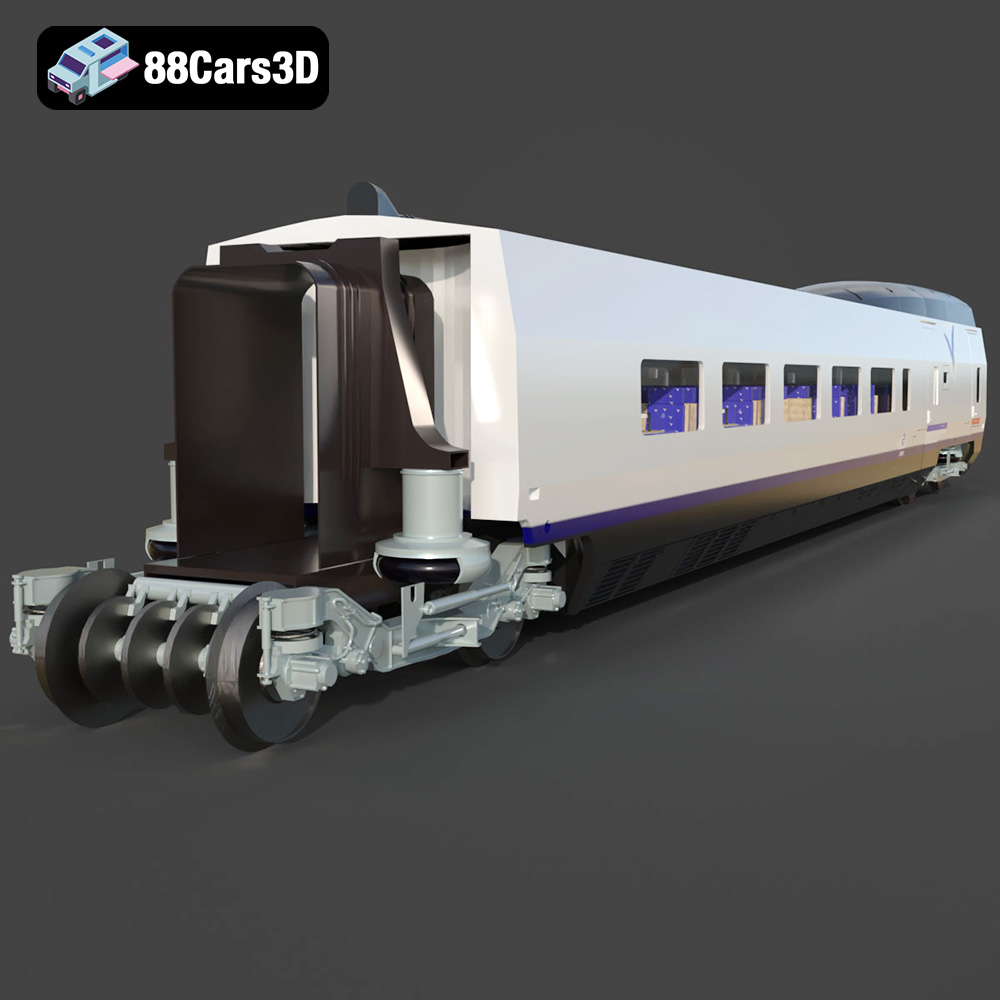
Download the Vagon-Turist AVE Club 007 3D Model featuring a detailed interior, realistic exterior, and animation-ready components. Includes .blend, .fbx, .obj, .glb, .stl, .ply, .unreal, and .max formats for rendering, simulation, and game development.
Price: $10.79
Texture: Yes
Material: Yes
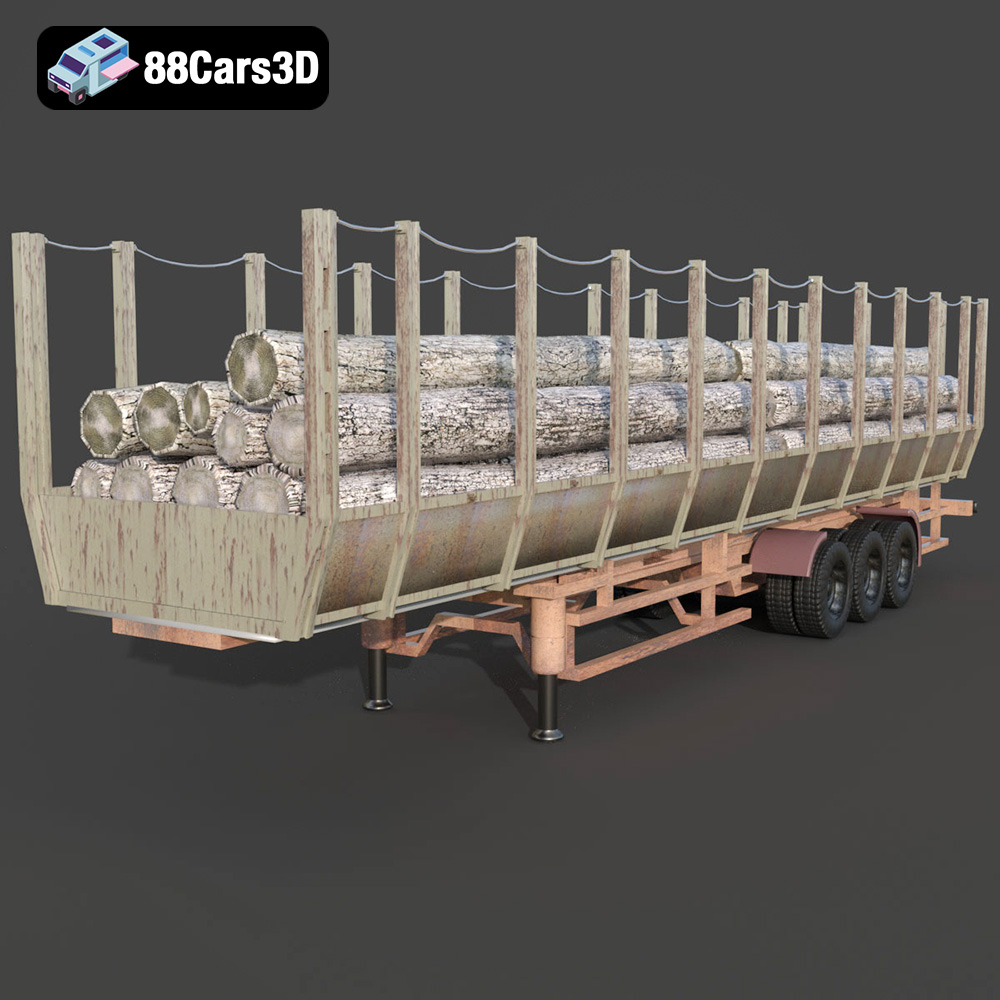
Download the Forestry Trailer 006 3D Model featuring a heavy-duty frame, realistic wheels, and a functional design. Includes .blend, .fbx, .obj, .glb, .stl, .ply, .unreal, and .max formats for rendering, simulation, and game development.
Price: $10.79
Texture: Yes
Material: Yes
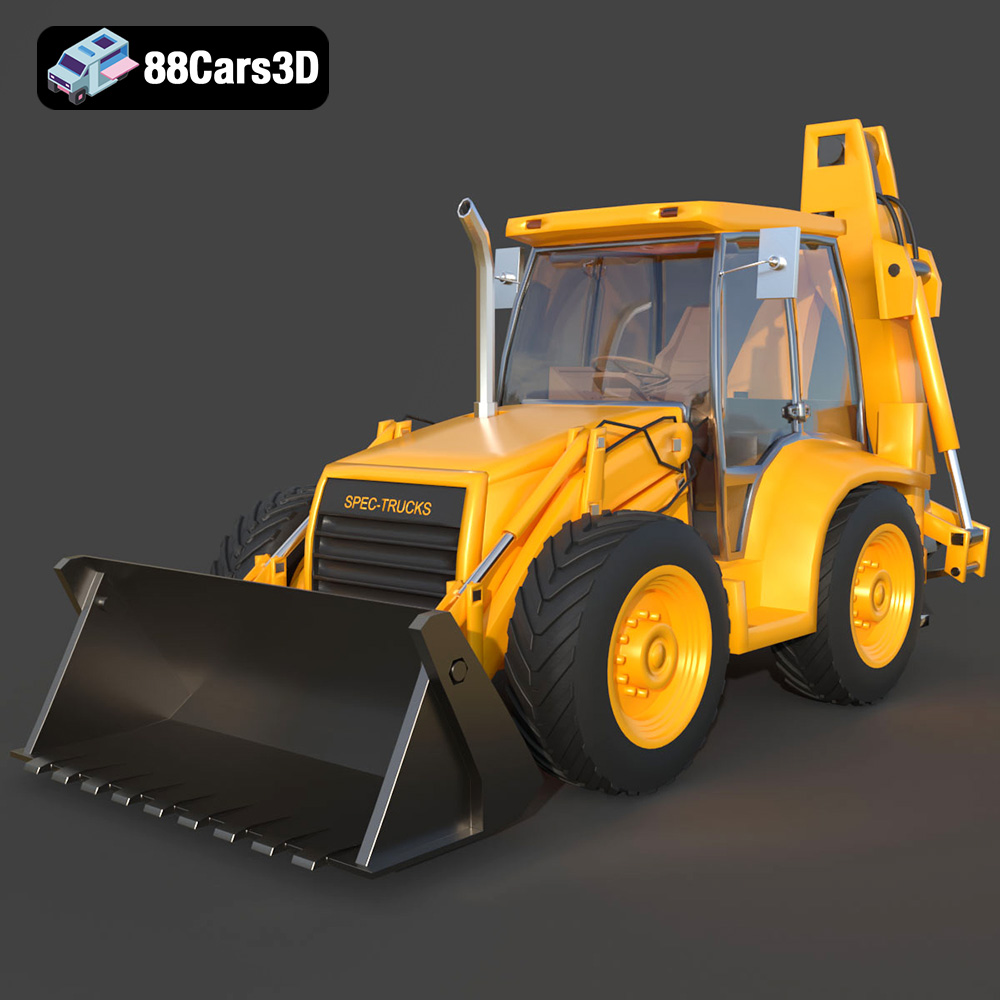
Download the Spec Truck 3D Model featuring a rugged design and heavy-duty aesthetic. Includes .blend, .fbx, .obj, .glb, .stl, .ply, .unreal, and .max formats for rendering, simulation, and game development.
Price: $13.79
Texture: Yes
Material: Yes
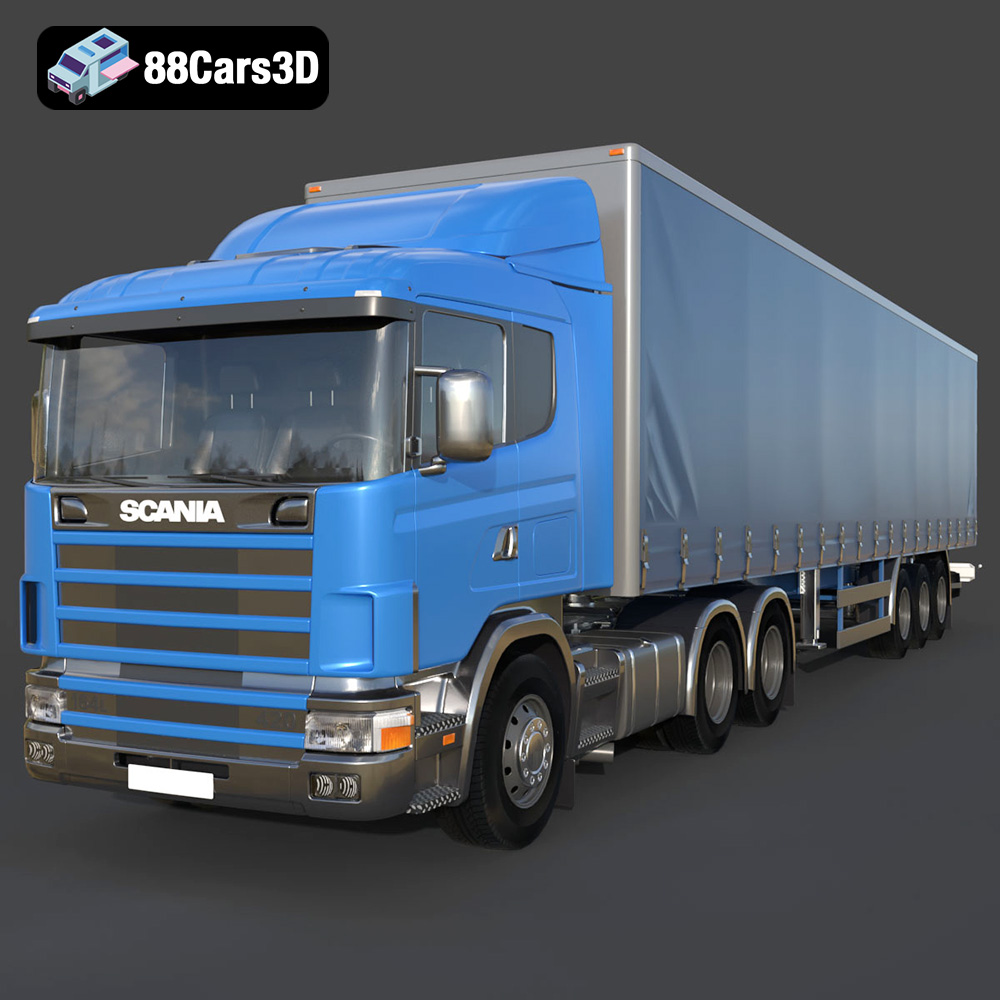
Download the Scania R420 3D Model featuring a detailed exterior cabin, robust chassis, and realistic wheel assemblies. Includes .blend, .fbx, .obj, .glb, .stl, .ply, .unreal, and .max formats for rendering, simulation, and game development.
Price: $10.79
Texture: Yes
Material: Yes
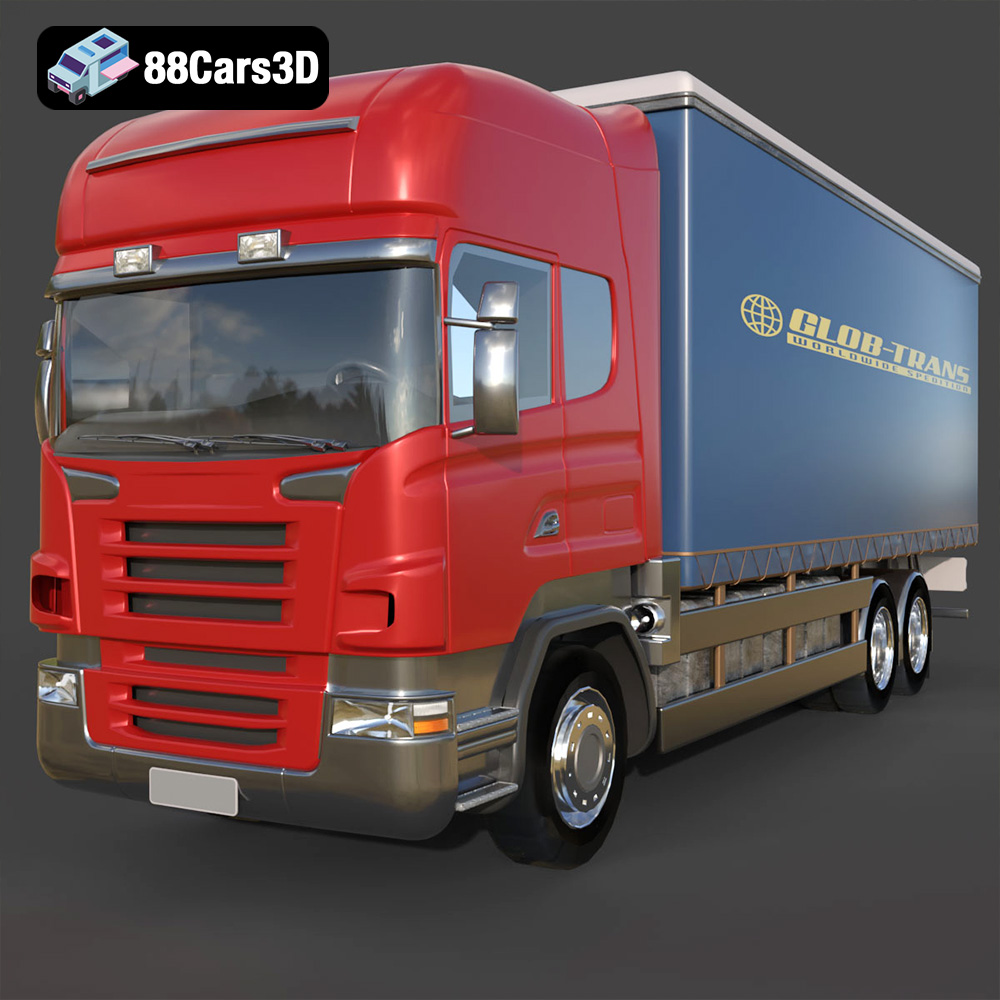
Download the Scania R-Series 002 3D Model featuring a detailed exterior and interior. Includes .blend, .fbx, .obj, .glb, .stl, .ply, .unreal, and .max formats for rendering, simulation, and game development.
Price: $10.79
Texture: Yes
Material: Yes
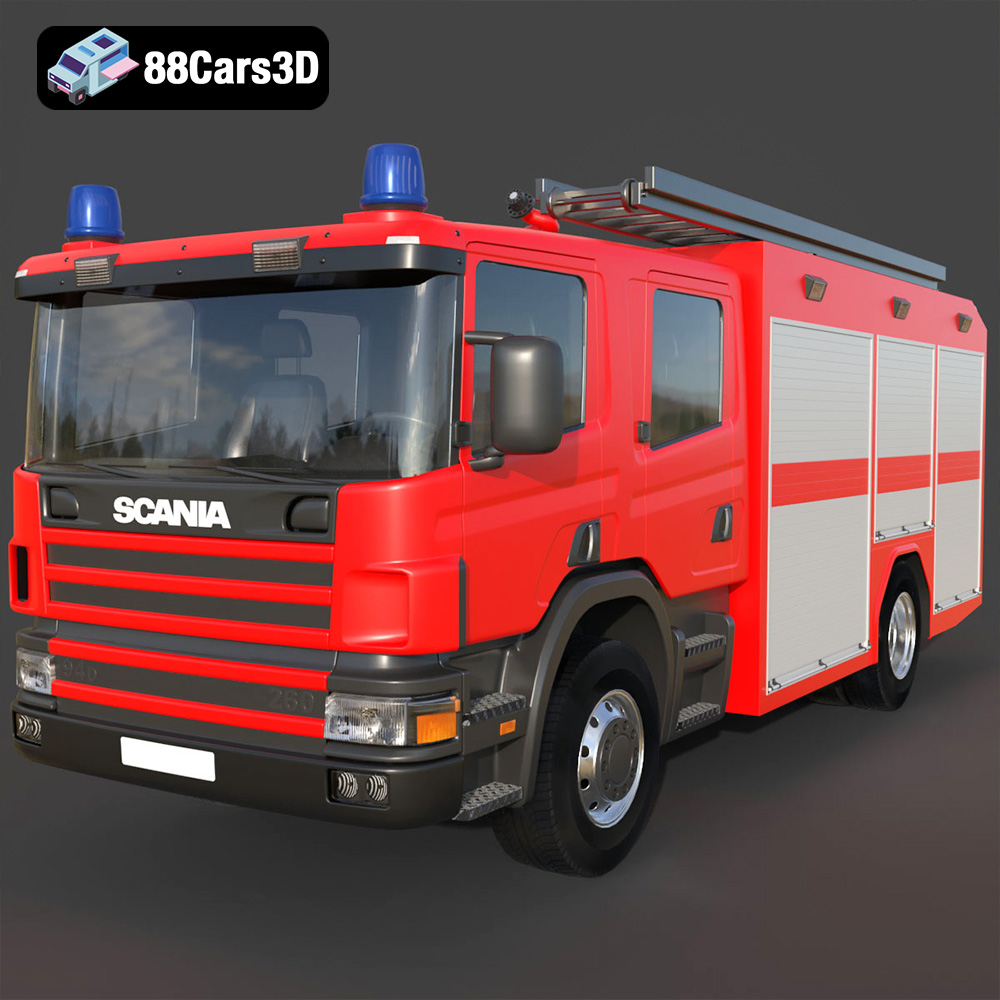
Download the Scania 94D 260 Fire Engine 3D Model featuring a detailed exterior with emergency lighting, robust chassis, and a functional cabin. Includes .blend, .fbx, .obj, .glb, .stl, .ply, .unreal, and .max formats for rendering, simulation, and game development.
Price: $10.79
Texture: Yes
Material: Yes
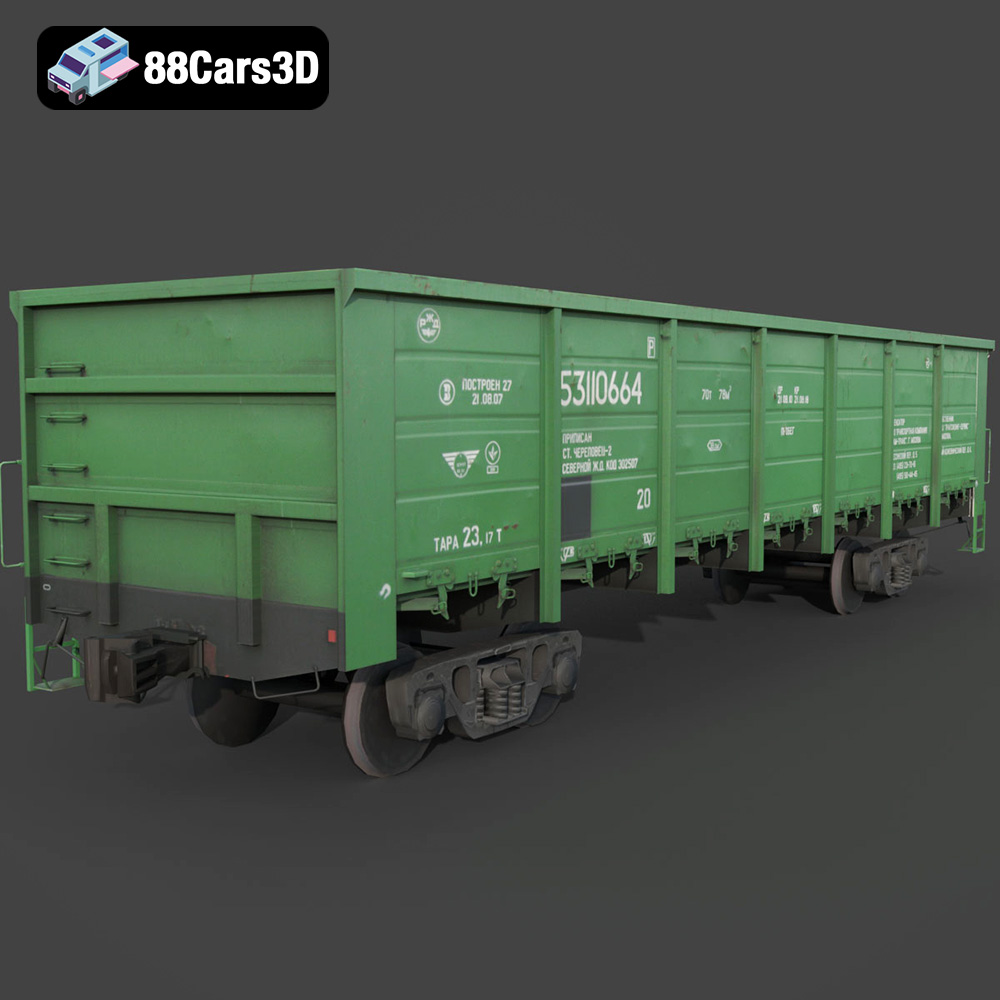
Download the Polu Vagon-17940-006 3D Model featuring a detailed exterior, realistic bogies, and modular components. Includes .blend, .fbx, .obj, .glb, .stl, .ply, .unreal, and .max formats for rendering, simulation, and game development.
Price: $10.79

Texture: Yes
Material: Yes
Download the POJARNIY 004 3D Model featuring a robust exterior with detailed emergency equipment and a functional interior. Includes .blend, .fbx, .obj, .glb, .stl, .ply, .unreal, and .max formats for rendering, simulation, and game development.
Price: $10.79

