⚡ FLASH SALE: Get 60% OFF All Premium 3D & STL Models! ⚡

The roar of an engine, the gleam of polished chrome under virtual lights – few things immerse a player in a game quite like a meticulously crafted car. From high-octane racing simulators to sprawling open-world adventures, automotive assets are often central to the experience. However, achieving breathtaking visual fidelity while maintaining smooth performance in modern game engines like Unity and Unreal is a delicate balancing act. This isn’t just about throwing high-polygon models into an engine; it’s about strategic optimization at every stage of the 3D pipeline.
For 3D artists, game developers, and visualization professionals, understanding the intricacies of optimizing 3D car models is paramount. It ensures your creations not only look stunning but also run efficiently across various platforms, from high-end PCs to mobile devices and even AR/VR headsets. This comprehensive guide will delve deep into the technical workflows, best practices, and specific techniques required to transform a high-detail automotive model into a game-ready asset. We’ll explore everything from foundational topology to advanced shader networks, equipping you with the knowledge to make your virtual vehicles shine without compromising performance. Platforms like 88cars3d.com provide an excellent starting point with high-quality base models, but the optimization journey truly begins in your hands.
At the heart of any performant 3D asset lies its topology. For automotive models, which often feature complex curves and hard surfaces, clean, efficient geometry is not just a nicety—it’s a necessity. Good topology ensures smooth deformation, accurate normal mapping, and significantly impacts render performance. A game engine doesn’t care about “perfect quads” as much as a subdivision surface renderer might, but it absolutely benefits from a mesh that is intentionally constructed with performance and visual integrity in mind.
One of the first steps in optimization is defining your polygon budget. This isn’t a one-size-fits-all number but rather a range dictated by your target platform, the car’s prominence in the scene, and its expected distance from the camera. A hero vehicle, frequently seen up close, will naturally demand a higher polygon count than a background prop. For a high-fidelity racing game on PC or console, a hero car might range from 150,000 to 300,000 triangles for the exterior and interior combined, excluding wheels. Mid-range vehicles might target 80,000 to 120,000 triangles, while distant or mobile-optimized versions could be as low as 15,000 to 50,000 triangles. It’s crucial to remember that game engines ultimately triangulate all meshes, so thinking in terms of triangles from the outset can simplify planning. Focus on preserving the car’s silhouette and key features with the fewest polygons possible, using normal maps to convey high-frequency details.
Often, high-detail models begin as CAD data or high-polygon sculpts. To make these suitable for real-time engines, a process called retopology is essential. Retopology involves creating a new, optimized mesh over the high-polygon source, focusing on clean edge flow that supports deformation and maintains crucial contours. Tools like Blender’s Shrinkwrap modifier combined with manual poly-drawing techniques (e.g., using a plane with snapping enabled) are invaluable for this. For Maya users, the Quad Draw tool offers similar robust functionality. The goal is to ensure edge loops flow around critical areas like wheel arches, door lines, and window frames, as these define the car’s shape and are areas where deformation or sharp creases occur. Avoid unnecessary dense mesh areas in flat surfaces; instead, concentrate density where curvature is high or where elements intersect. This disciplined approach to mesh construction forms the bedrock of a truly optimized automotive asset.
After perfecting your model’s topology, the next critical step is UV mapping – the process of flattening your 3D mesh into a 2D space to apply textures. For automotive models, this can be particularly challenging due to complex curves, intricate details, and the need for realistic material separation. Effective UV mapping is crucial not only for visual quality but also for efficient texture memory usage and reducing draw calls.
Unwrapping a car model requires a strategic approach to seam placement and space utilization. The goal is to minimize visible seams on large, prominent surfaces while avoiding excessive texture stretching. Start by identifying logical breaks in the geometry—areas that would naturally have a seam in real life, such as along door edges, under the car, or at the intersection of different panels. For the main body, planar mapping from multiple angles, or a combination of cylindrical and planar projections, often yields the best results. For parts like wheels, cylindrical mapping is ideal. Prioritize UV space for highly visible areas like the hood, roof, and doors, giving them larger texel density. Conversely, less visible areas (e.g., the underside of the chassis) can have lower texel density to save space. When unwrapping, overlap mirrored parts (e.g., left and right doors, headlights) on the same UV island to use a single texture set for both, effectively halving your texture memory footprint for those components. Ensure your UV islands are organized, non-overlapping, and packed efficiently within the 0-1 UV space, leaving a small gutter (padding) between islands to prevent bleeding.
To further optimize texture memory and reduce draw calls, texture atlasing is a powerful technique. This involves combining multiple smaller textures (e.g., for different car parts like mirrors, door handles, and emblems) into a single, larger texture map. By doing so, the game engine only needs to make one draw call to render all these elements, rather than multiple calls for each individual texture. Tools like Blender’s UV Editor allow for efficient packing of multiple UV islands into one atlas. While UDIMs (a system that uses multiple UV tiles for a single object) are popular in film and VFX for extreme detail, their direct implementation in game engines can be less straightforward. However, for high-end automotive models where immense detail is required, you can still leverage UDIMs during the authoring phase. The trick for game engines is to bake down these multiple UDIM textures into a smaller number of atlases or use virtual texture systems (like Unreal Engine’s Virtual Texturing) that can manage large, sparse textures efficiently. The choice depends on the specific engine’s capabilities and your performance budget, but for most game assets, well-planned texture atlases are the go-to solution.
Realistic automotive rendering hinges on a robust Physically Based Rendering (PBR) workflow. PBR materials accurately simulate how light interacts with surfaces, resulting in highly believable finishes like metallic paints, glass, and rubber. However, achieving this realism in a game engine requires careful attention to texture creation and shader optimization to balance visual fidelity with performance costs.
The foundation of PBR is a set of textures that define a material’s properties. For an automotive model, these typically include:
Texture resolutions are crucial: 4K (4096×4096) or even 8K might be used for highly visible hero car body textures on high-end platforms, while individual components like wheels or interiors might use 2K (2048×2048). For lower LODs or mobile, resolutions can drop to 1K (1024×1024) or even 512×512. Consistency in texel density across the model ensures uniform detail. Using texture compression formats (e.g., BC7 for high quality, BC1 for aggressive compression) in the engine is vital to reduce VRAM footprint.
While PBR textures define the look, shaders are the programs that interpret these textures and calculate how light interacts with the surface in real-time. Complex shaders can quickly become a performance bottleneck. Both Unity (Shader Graph) and Unreal Engine (Material Editor) provide node-based visual shader editors that allow artists to create sophisticated materials without writing code. However, it’s easy to create inefficient shaders. Here are optimization tips:
Monitoring shader complexity with engine-specific tools (e.g., Shader Complexity view mode in Unreal, Frame Debugger in Unity) is crucial to identify and address bottlenecks.
Once your model is prepped with clean topology and efficient PBR materials, the final frontier of optimization lies within the game engine itself. Unity and Unreal Engine offer a suite of tools and techniques designed to reduce draw calls, manage geometry, and ensure a smooth gameplay experience.
Level of Detail (LOD) is a crucial optimization technique that swaps out high-polygon models for lower-polygon versions as the object moves further away from the camera. This significantly reduces the rendering load on objects that don’t require full detail. For automotive assets, implementing a robust LOD system is non-negotiable:
Both Unity and Unreal Engine provide built-in LOD systems. In Unity, the LOD Group component allows you to specify different meshes and renderers for each LOD level and define the screen percentage at which they switch. Unreal Engine has similar LOD settings within Static Mesh properties, where you can automatically generate LODs (though manual creation often yields better results) and configure transition distances. When creating LODs, ensure seamless transitions to avoid jarring pop-in. Bake normal maps from higher-LOD meshes to lower-LOD meshes to retain surface detail.
Beyond LODs, game engines employ various techniques to minimize draw calls—the command sent from the CPU to the GPU to render an object. Each draw call has overhead, so reducing their number is critical for performance.
By strategically combining these techniques, developers can drastically reduce the CPU and GPU workload, ensuring that even complex scenes with many high-quality 3D car models run smoothly.
The journey of a 3D car model from creation to game engine often involves navigating various file formats and adapting the asset for diverse platforms, especially the demanding environments of Augmented Reality (AR) and Virtual Reality (VR).
When exporting your meticulously optimized car model, selecting the correct file format is paramount. Each format has its strengths and weaknesses, and compatibility with your target engine is key.
Many high-quality models found on marketplaces like 88cars3d.com are provided in multiple common formats, simplifying this step. Regardless of the format, always ensure your model is exported with proper scale, applied transformations, and embedded textures where appropriate, to avoid import issues.
AR and VR environments present some of the most stringent performance requirements for 3D assets. The need for high frame rates (e.g., 90 FPS or higher to prevent motion sickness) and often limited processing power (especially on standalone VR headsets or mobile AR devices) demands an even more aggressive approach to optimization.
Developing for AR/VR forces artists to be incredibly disciplined in their optimization efforts, demanding creativity to maintain visual quality within severe technical constraints.
Even the most perfectly optimized 3D car model won’t look its best without careful consideration of lighting, reflections, and post-processing. These elements are crucial for conveying realism and atmosphere within a game engine, transforming a mere model into a compelling visual experience. However, just like with geometry and textures, these too must be optimized for performance.
Lighting is arguably the most impactful element in rendering a car model convincingly. The interplay of light and shadow defines form and accentuates material properties.
Striking the right balance between baked and real-time lighting, and intelligent use of probes, is key to achieving photorealistic automotive rendering without bringing the frame rate to its knees.
Post-processing effects are applied to the final rendered image, adding cinematic polish and enhancing the overall visual appeal. However, each effect adds computational cost, so judicious selection and configuration are vital for performance.
Always profile your scene with and without post-processing effects to understand their individual impact on performance. Prioritize effects that provide the most visual bang for their buck and disable those that offer diminishing returns or negatively impact frame rate. A well-optimized car model, bathed in intelligent lighting and subtly enhanced with post-processing, truly transforms into a captivating game asset.
Optimizing 3D car models for game engines is a multifaceted and iterative process that demands technical expertise and an eye for detail. From the foundational principles of clean topology and efficient UV mapping to the advanced nuances of PBR materials and engine-specific optimizations, every step contributes to the final performance and visual quality of your automotive assets. By meticulously managing polygon budgets, strategically designing UV layouts, crafting performant PBR textures and shaders, and leveraging engine features like LODs and culling, you can achieve stunning realism without sacrificing frame rate.
Whether you’re sourcing high-quality base models from platforms like 88cars3d.com or building them from scratch, the principles outlined in this guide are your roadmap to success. Embrace the continuous cycle of modeling, texturing, optimizing, and profiling. The virtual automotive world is constantly evolving, and by mastering these techniques, you’ll be well-equipped to drive your creations to the forefront of immersive gaming experiences. Start applying these strategies today, and watch your 3D car models not just perform, but truly shine.
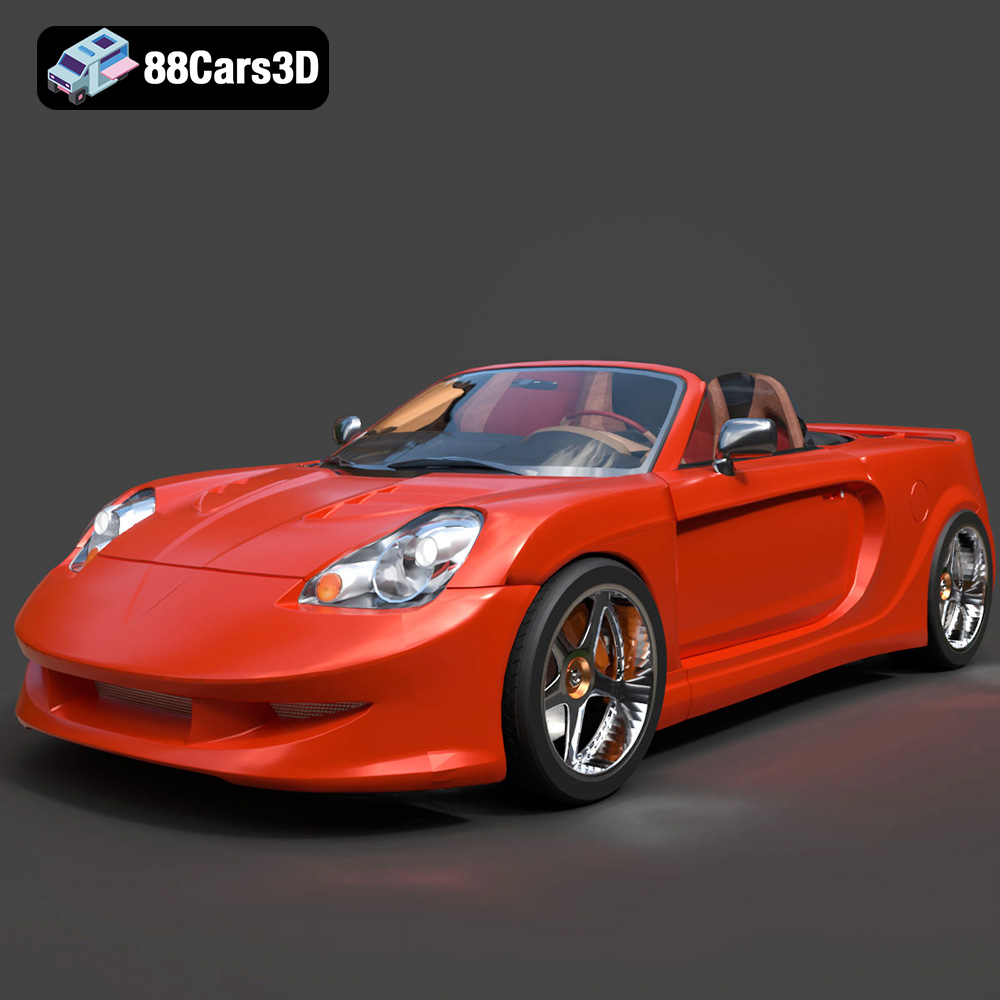
Texture: Yes
Material: Yes
Download the Toyota MRS-007 3D Model featuring clean geometry, realistic detailing, and a fully modeled interior. Includes .blend, .fbx, .obj, .glb, .stl, .ply, .unreal, and .max formats for rendering, simulation, and game development.
Price: $10

Texture: Yes
Material: Yes
Download the Porsche 911 Turbo S 2024 3D Model featuring clean geometry, realistic detailing, and a fully modeled interior. Includes .blend, .fbx, .obj, .glb, .stl, .ply, .unreal, and .max formats for rendering, simulation, and game development.
Price: $20

Texture: Yes
Material: Yes
Download the Pontiac Solstice 2009 3D Model featuring clean geometry, realistic detailing, and a fully modeled interior. Includes .blend, .fbx, .obj, .glb, .stl, .ply, .unreal, and .max formats for rendering, simulation, and game development.
Price: $10

Texture: Yes
Material: Yes
Download the Mini Cooper Countryman 2025 3D Model featuring clean geometry, realistic detailing, and a fully modeled interior. Includes .blend, .fbx, .obj, .glb, .stl, .ply, .unreal, and .max formats for rendering, simulation, and game development.
Price: $29.9
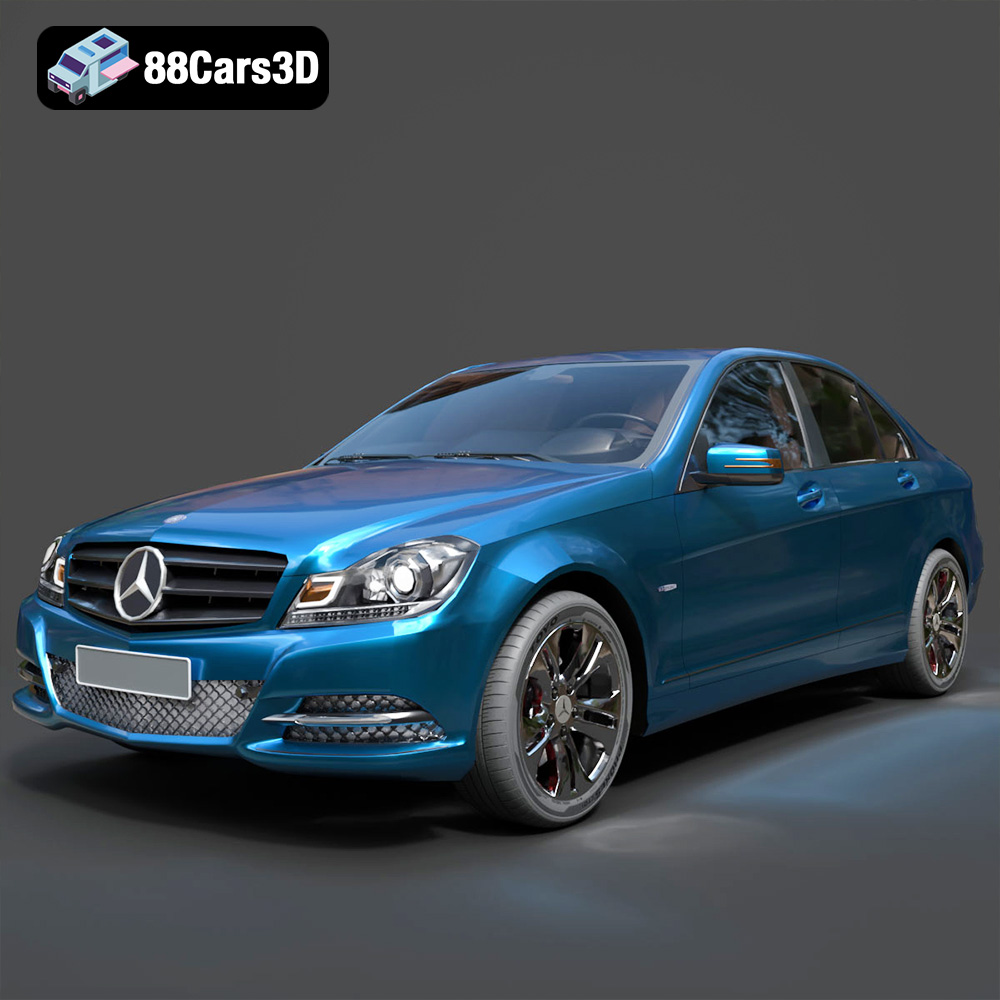
Texture: Yes
Material: Yes
Download the Mercedes C Classe 2012 3D Model featuring clean geometry, realistic detailing, and a fully modeled interior. Includes .blend, .fbx, .obj, .glb, .stl, .ply, .unreal, and .max formats for rendering, simulation, and game development.
Price: $19.9
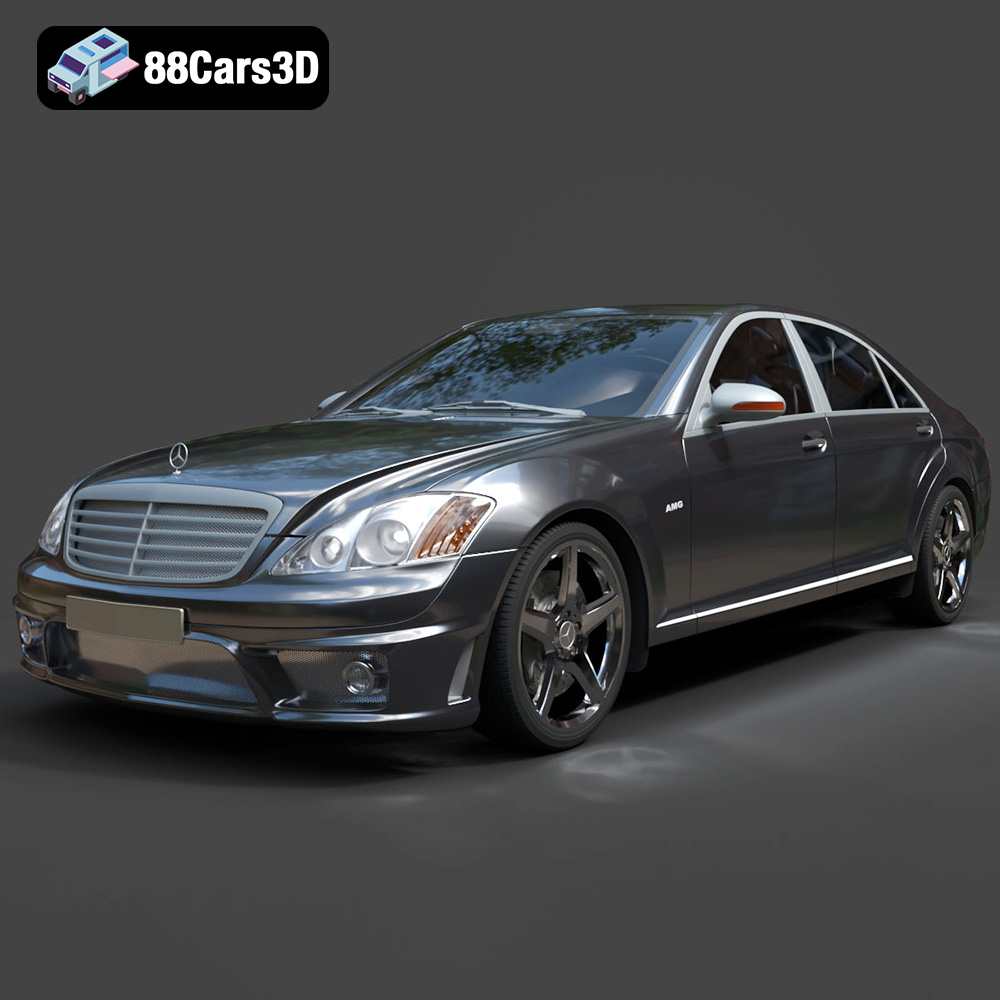
Texture: Yes
Material: Yes
Download the Mercedes-Benz S65 AMG 2018 3D Model featuring clean geometry, realistic detailing, and a fully modeled interior. Includes .blend, .fbx, .obj, .glb, .stl, .ply, .unreal, and .max formats for rendering, simulation, and game development.
Price: $19.9
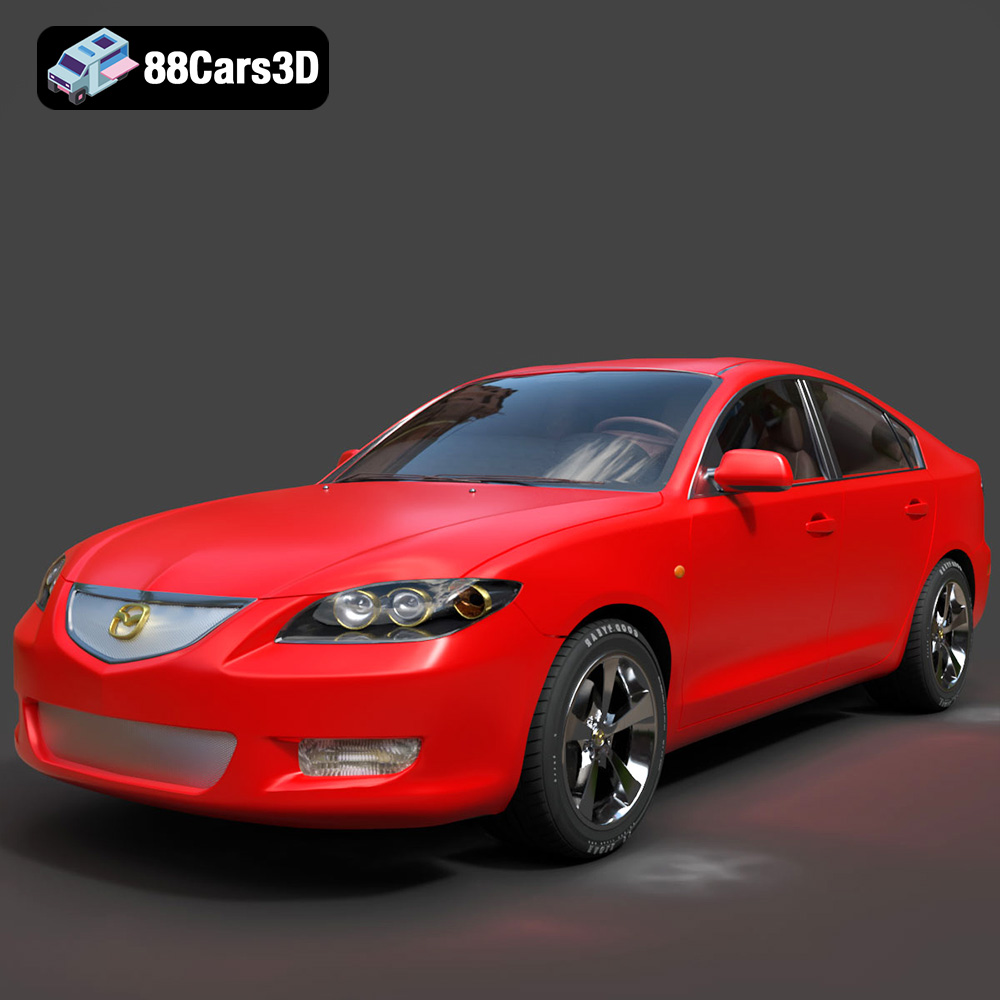
Texture: Yes
Material: Yes
Download the Mazda 3 Sedan 2004 3D Model featuring clean geometry, realistic detailing, and a fully modeled interior. Includes .blend, .fbx, .obj, .glb, .stl, .ply, .unreal, and .max formats for rendering, simulation, and game development.
Price: $10

Texture: Yes
Material: Yes
Download the Martin Rapide 2011 3D Model featuring clean geometry, realistic detailing, and a fully modeled interior. Includes .blend, .fbx, .obj, .glb, .stl, .ply, .unreal, and .max formats for rendering, simulation, and game development.
Price: $20.9
Texture: Yes
Material: Yes
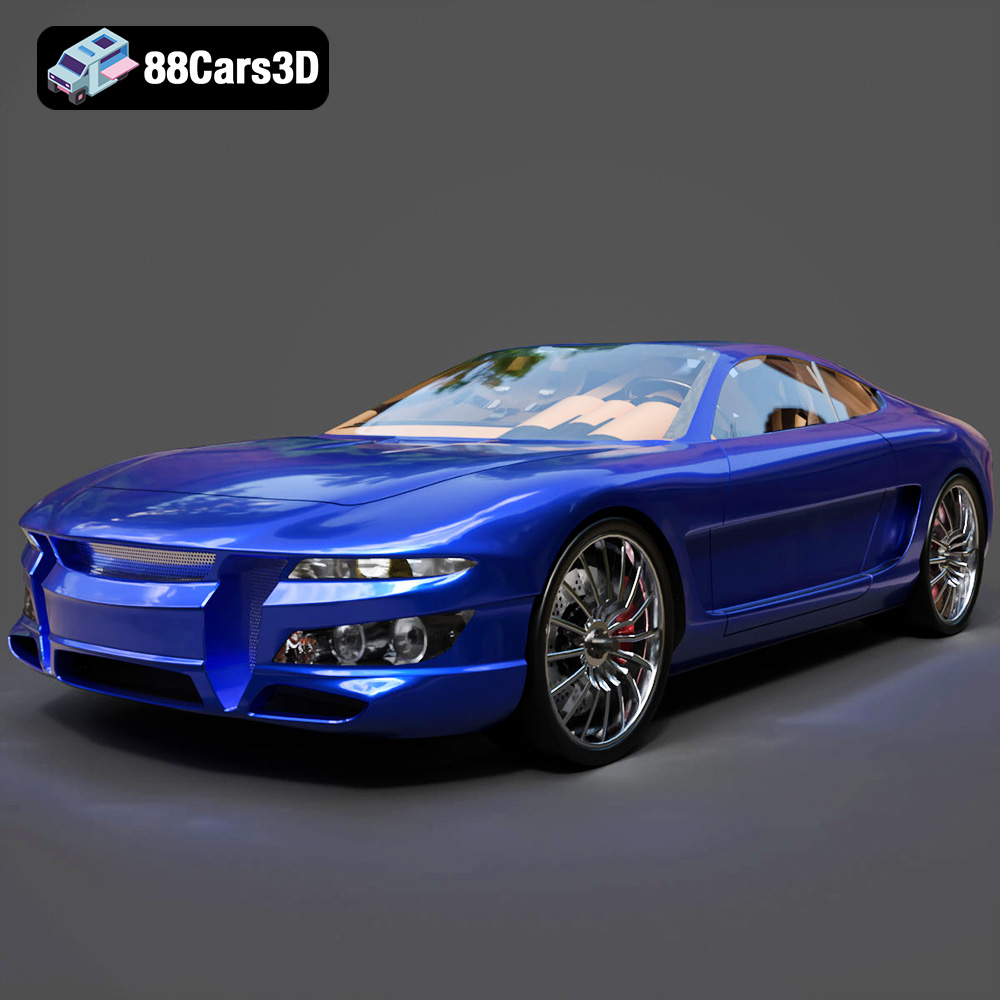
Download the Car Tasergal 005 3D Model featuring clean geometry, realistic detailing, and a fully modeled interior. Includes .blend, .fbx, .obj, .glb, .stl, .ply, .unreal, and .max formats for rendering, simulation, and game development.
Price: $10
Texture: Yes
Material: Yes
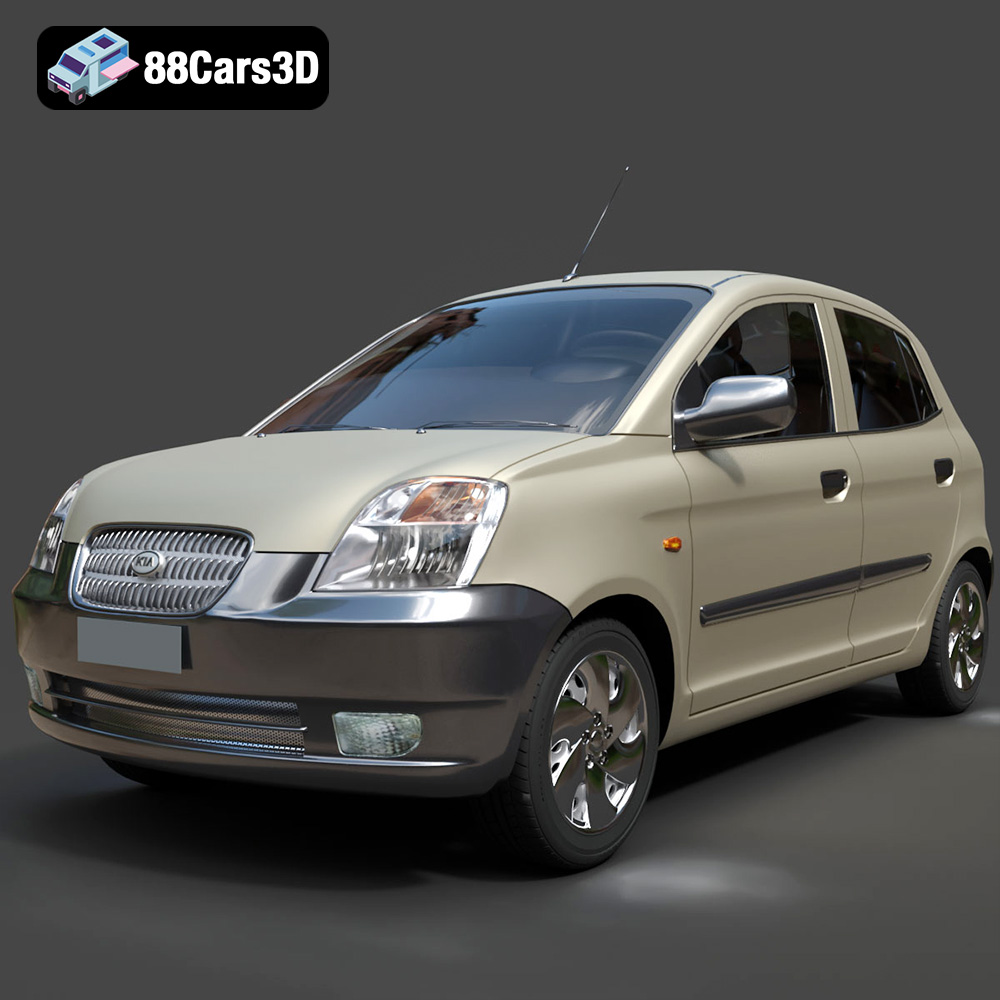
Download the Kia Picanto 2024 3D Model featuring clean geometry, realistic detailing, and a fully modeled interior. Includes .blend, .fbx, .obj, .glb, .stl, .ply, .unreal, and .max formats for rendering, simulation, and game development.
Price: $15.99

