⚡ FLASH SALE: Get 60% OFF All Premium 3D & STL Models! ⚡

“`html
The world of 3D printing has opened up incredible possibilities for creators, hobbyists, and professionals alike. From intricate architectural designs to highly detailed automotive miniatures, the ability to bring digital models into the physical realm is truly revolutionary. However, when you venture into printing complex geometries – those with overhangs, thin walls, intricate details, and delicate structures – the path to a successful print can be fraught with challenges. Warping, stringing, layer shifting, and failed supports can quickly turn excitement into frustration. At 88cars3d.com, we understand the intricacies of preparing and printing high-quality, complex STL files, especially our detailed car models. This guide will equip you with the knowledge and techniques to navigate these printing hurdles, ensuring your most ambitious projects emerge flawlessly from your 3D printer. We’ll delve into the nuances of STL file preparation, advanced slicing strategies, optimal printer settings, and essential troubleshooting tips that will elevate your printing game.
Before we can successfully print any 3D model, it’s crucial to understand the fundamental format we’re working with: the STL (StereoLithography) file. This seemingly simple file type is the de facto standard for additive manufacturing, but its underlying structure can significantly impact print success, especially with complex designs. An STL file represents a 3D object’s surface geometry using a collection of triangular facets. Each triangle is defined by its three vertices and a normal vector, which indicates the outward-facing direction of the surface. The arrangement and orientation of these triangles dictate the shape and integrity of your model.
For a 3D printer to interpret a model correctly and create a solid object, the mesh must be “watertight.” This means there should be no holes, gaps, or self-intersecting triangles. Imagine trying to fill a bucket with a hole in the bottom – the water (or filament, in this case) will escape, leading to printing errors. Software like Meshmixer, Blender, or Netfabb are invaluable tools for checking and repairing STL files. Look for issues such as:
Most slicers will flag these issues, but proactively fixing them in a dedicated mesh editing program is always recommended. For instance, in Meshmixer, you can use the “Inspector” tool to automatically detect and often repair common errors. Ensuring a clean, watertight mesh is the foundational step to printing complex geometry reliably.
While STL is ubiquitous, other formats like OBJ and FBX offer richer data, including color and texture information. However, for purely geometric printing, STL remains dominant. Understanding its limitations – it doesn’t inherently store units (inches vs. millimeters) or material properties – is key. Always verify the scale of your model in your slicer. When downloading models from platforms like 88cars3d.com, they are typically provided in STL format, meticulously checked for manifold integrity and printability, saving you a significant amount of preparation time.
The slicer is your digital workshop, translating the 3D model into layer-by-layer instructions for your printer. For complex geometries, default slicing settings are often insufficient. Fine-tuning parameters is essential to capture delicate features, prevent failures, and optimize print time. The goal is to balance speed with fidelity, ensuring that every intricate curve and sharp edge is reproduced accurately.
The most impactful setting for detail is layer height. A smaller layer height (e.g., 0.08mm or 0.1mm) results in finer vertical resolution, capturing subtle curves and details more accurately. However, this significantly increases print time. For less critical areas or larger models, a layer height of 0.15mm or 0.2mm might suffice. When printing car models from 88cars3d.com, especially those with delicate spoilers, grilles, or interior details, opting for a smaller layer height is often crucial for achieving that showroom-quality finish. Consider the trade-off: for a highly detailed 1:18 scale model, 0.1mm might be ideal, while a larger, less detailed display piece could use 0.15mm or 0.2mm.
Printing complex models too quickly can lead to artifacts like ringing (ghosting), poor layer adhesion, and failed overhangs. Slowing down your print speed, particularly for outer walls and small perimeters, is crucial. Target speeds for outer walls might be as low as 20-40 mm/s, while inner walls can be slightly faster. Acceleration and Jerk settings also play a vital role. Lower acceleration values reduce vibrations and prevent the print head from overshooting corners, preserving fine details. Experiment with values around 500-1000 mm/s² for acceleration. Start conservatively and gradually increase if your printer handles it well.
For structural integrity and capturing fine details, wall thickness (or line count) is critical. A minimum of 2-3 walls (or a thickness of 0.8mm to 1.2mm, depending on your nozzle size) is generally recommended. This ensures that thin features have enough material to be printed successfully and resist breaking. Regarding infill, complex models often don’t require high densities. An infill percentage of 10-20% is usually sufficient for structural support. Using patterns like Gyroid or Cubic can provide good strength with less material and faster printing than traditional rectilinear patterns. For extremely delicate parts, consider using 100% infill or a solid model if the geometry allows and the part needs maximum rigidity.
Overhangs and bridges are the bane of complex 3D prints. Effective support structures are essential, but poorly generated or difficult-to-remove supports can damage delicate features. Modern slicers offer sophisticated support options that allow for fine-tuning. Mastering these is key to successfully printing models with challenging geometries, such as the undercarriage or interior of a detailed car model.
Most slicers offer both standard (grid or line) supports and “tree” or “organic” supports. Tree supports, in particular, are highly effective for complex models. They branch out from a single point, touching the model only where necessary, and often use less material. They are also typically easier to remove cleanly, minimizing surface scarring. In Cura, enabling “Support Painting” allows you to manually paint areas where supports are needed or not needed, giving you precise control. For models with intricate overhangs, like suspension components or exhaust systems on car models, tree supports are often the superior choice.
The “Support Interface” feature is a game-changer for smooth surfaces where supports touch the model. Enabling a support roof and floor, with a slightly denser interface pattern and a smaller Z-distance (e.g., 0.1mm or 0.15mm, close to your layer height), creates a more solid surface for the overhang to print on. This results in a much cleaner finish that requires less post-processing. Support density itself can also be adjusted; while a standard density might be 10-15%, a denser interface for the roof and floor layers can improve print quality. Experiment with the “Support Z Distance” and “Support XY Distance” settings to find the sweet spot between ease of removal and surface quality.
Don’t rely solely on automatic support generation. Manually adding support enforcers or disabling supports in certain areas (using support blockers) can prevent unnecessary marks on visible surfaces. Consider the orientation of your model on the build plate – can you minimize the need for supports by tilting the part? When it comes time for removal, use appropriate tools. Flush cutters, hobby knives, and pliers are essential. For FDM prints, gently wiggling the support structure before pulling can help break the contact points cleanly. For resin prints, supports are often thinner and more brittle, requiring delicate prying with a blade or tweezers. Patience is key; rushing support removal is a common cause of damage.
How you orient your model on the print bed and ensure it sticks firmly are critical factors, especially for tall or irregularly shaped objects like many automotive models. The correct orientation can drastically reduce the need for supports, improve surface finish on key areas, and prevent detachment during the print.
Analyze your model and identify surfaces that will benefit most from a clean finish. Often, the top surfaces or specific visible sides should face upwards or outwards, minimizing the need for supports on those areas. For example, when printing a car body, orienting it upright (wheels down) might require extensive supports for the undercarriage. However, tilting it slightly (e.g., 10-15 degrees) might reduce the overall support needs and place critical overhangs in areas that are easier to support or less visible. Some complex models might even benefit from being printed in multiple parts and assembled later, allowing each piece to be oriented optimally.
Poor bed adhesion is a primary cause of print failure, leading to warping or the entire print detaching mid-print. For FDM printers, ensuring your build surface is clean (using isopropyl alcohol) and level is paramount. Consider using adhesion aids like a glue stick, hairspray, or specialized build surface tapes (like Kapton or blue painter’s tape) for materials prone to warping, such as ABS. For resin printers, ensuring the build plate is clean and lightly scuffed (if using PEI or similar surfaces) can improve adhesion. Adjusting the initial layer settings – making it slightly thicker (e.g., 0.24mm or 0.3mm for a 0.12mm layer height) and slower (e.g., 15-20 mm/s) – can also create a stronger bond.
Slicers have specific settings to improve the printing of bridges (horizontal spans between two points) and overhangs. Enabling “Bridge Settings” in your slicer can adjust fan speed, speed, and flow rate for better results. For overhangs, settings like “Enable Support Interface” (as mentioned earlier) are crucial. Additionally, some slicers allow you to adjust the “Overhang Speed” – slowing this down significantly (e.g., 50% or less of normal speed) allows molten plastic more time to cool and solidify before the next layer is added, preventing sagging.
The filament or resin you choose, coupled with a well-calibrated printer, forms the bedrock of reliable printing, especially for intricate and demanding models.
PLA: The easiest material to print with, offering good detail and low warping. Ideal for beginners and most general-purpose models. Its lower heat resistance can be a drawback for some applications. For detailed car models, PLA is an excellent choice due to its ease of use and ability to hold fine details.
PETG: More durable and temperature-resistant than PLA, but can be stringier and require more tuning. Good for parts needing more strength.
ABS/ASA: Strong, durable, and high-temperature resistant, but prone to warping and requires an enclosure and good ventilation due to fumes. Often used for functional automotive parts but challenging for complex aesthetic prints without advanced setups.
When printing models from marketplaces like 88cars3d.com, start with PLA to ensure success, then experiment with other materials as your confidence and printer capabilities grow.
For truly intricate details, such as tiny emblems, grille patterns, or thin spokes on wheels, resin (SLA/DLP/MSLA) printing often excels. Resin printers offer significantly higher resolutions than most FDM printers, capable of capturing details down to 25-50 microns. However, resin printing requires more post-processing (washing and curing) and careful handling due to the chemicals involved. Different resin types offer varying properties: standard resins for general use, tough resins for durability, and flexible resins for specific applications. If your focus is on hyper-realistic, small-scale automotive models, a resin printer might be your best option.
Regardless of material or printer type, calibration is non-negotiable.
For FDM:
For Resin:
A well-calibrated printer is the foundation upon which all other settings are built. Skipping this step is a sure path to failure with complex geometries.
Once your complex print is successfully off the build plate, the journey isn’t over. Post-processing is where you refine the print, remove imperfections, and achieve that professional, display-worthy look. This stage is particularly important for highly detailed models, like the collectible car models found on 88cars3d.com.
As discussed, careful support removal is the first step. After supports are detached, you might be left with small marks or blemishes. For FDM prints, gentle sanding is often the go-to method. Start with a coarser grit sandpaper (e.g., 220 or 320) to remove support nubs and layer lines, progressively moving to finer grits (e.g., 600, 1000, 2000+) for a smooth finish. Wet sanding can help prevent clogging and produce a smoother surface. For resin prints, sanding is also effective, but often requires finer grits due to the inherently smoother surface. Some hobbyists use vapor smoothing (for ABS) or specialized fillers and primers to achieve an ultra-smooth finish before painting.
For visible surfaces that still show imperfections or where support interface marks remain, filling and priming are essential. Use modeling putty, Bondo, or even specialized 3D print smoothing compounds to fill gaps and level surfaces. Apply thin coats and sand between each layer. A good quality primer not only reveals imperfections you might have missed but also provides an even base color for painting, ensuring your final colors appear vibrant and consistent.
Painting complex models requires patience and the right tools. Aerosol spray paints offer broad coverage, while airbrushes provide finer control for detailed work. Hand-brushing can be used for small details. Using masking tape is crucial for achieving clean lines between different color sections, such as window trim, body panels, and accents. If your model was printed in multiple parts (e.g., body, chassis, wheels), careful assembly using super glue (cyanoacrylate) or epoxy is required. Clamps or masking tape can help hold parts together while the adhesive cures. For resin prints, ensure all uncured resin is washed away and the part is fully cured before painting to avoid adhesion issues.
Printing complex geometries, especially detailed models like those found on 88cars3d.com, is a rewarding endeavor that requires a blend of technical understanding and practical skill. By focusing on watertight STL preparation, mastering advanced slicing techniques, optimizing support structures, ensuring robust bed adhesion, selecting the right materials, and diligently calibrating your printer, you can overcome the challenges inherent in intricate designs. Embrace the learning process, experiment with settings, and don’t be afraid to troubleshoot. With practice and the right approach, you’ll be consistently producing stunning, flawless 3D prints that showcase the true potential of additive manufacturing.
“`

Texture: Yes
Material: Yes
Download the Buick LeSabre 1998 3D Model featuring a classic American full-size sedan design. Includes .blend, .fbx, .obj, .glb, .stl, .ply, .unreal, and .max formats for rendering, simulation, and game development.
Price: $10.79
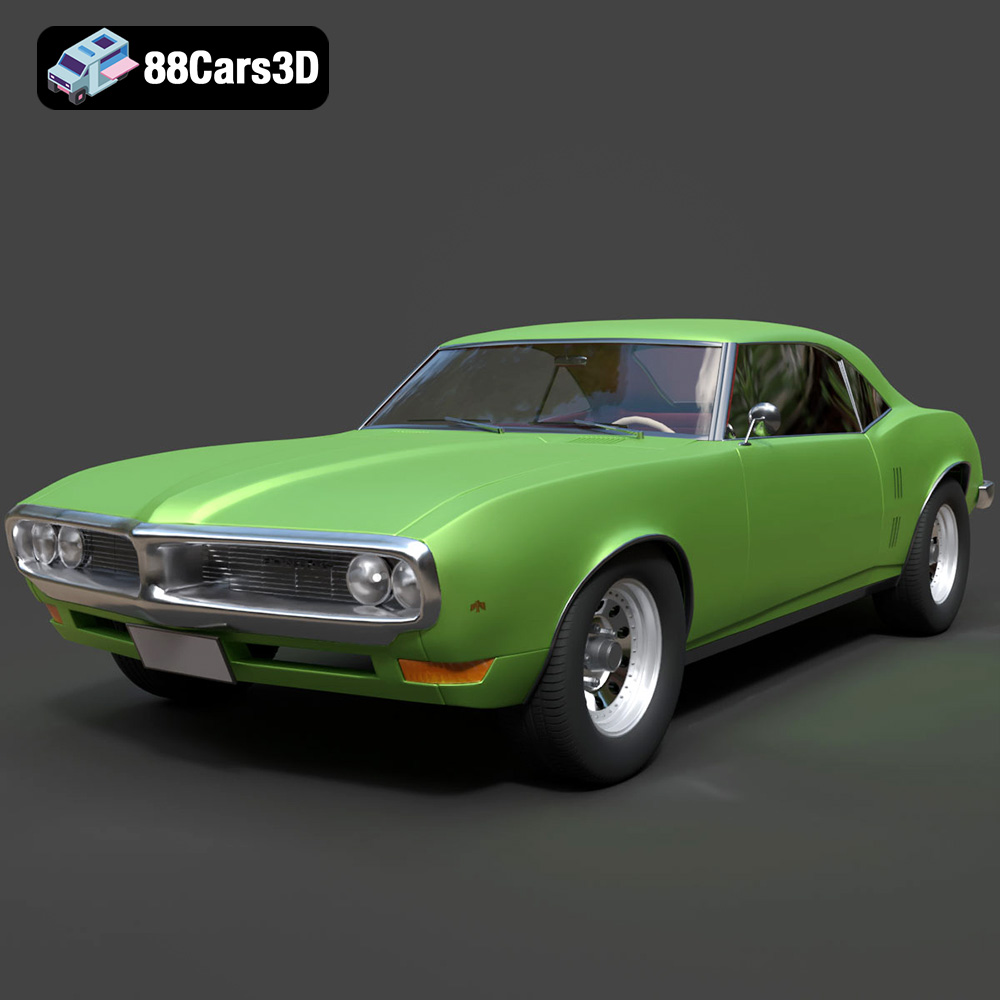
Texture: Yes
Material: Yes
Download the Pontiac Firebird 1998 3D Model featuring clean geometry, realistic detailing, and a fully modeled interior. Includes .blend, .fbx, .obj, .glb, .stl, .ply, .unreal, and .max formats for rendering, simulation, and game development.
Price: $10

Texture: Yes
Material: Yes
Download the Opel Astra 2008 3D Model featuring clean geometry, realistic detailing, and a fully modeled interior. Includes .blend, .fbx, .obj, .glb, .stl, .ply, .unreal, and .max formats for rendering, simulation, and game development.
Price: $10

Texture: Yes
Material: Yes
Download the Mercedes Benz Joaquin-007 3D Model featuring clean geometry, realistic detailing, and a fully modeled interior. Includes .blend, .fbx, .obj, .glb, .stl, .ply, .unreal, and .max formats for rendering, simulation, and game development.
Price: $19.99
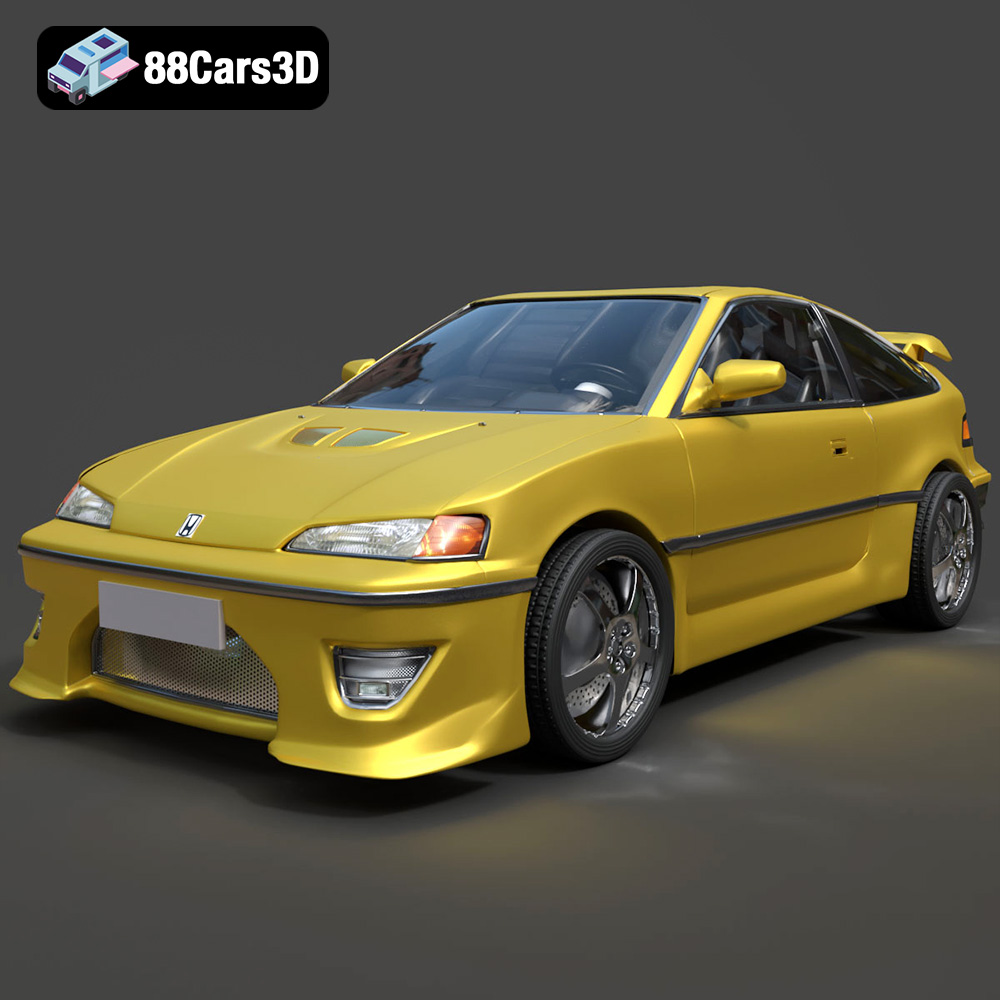
Texture: Yes
Material: Yes
Download the Honda CRX 1980 3D Model featuring clean geometry, realistic detailing, and a fully modeled interior. Includes .blend, .fbx, .obj, .glb, .stl, .ply, .unreal, and .max formats for rendering, simulation, and game development.
Price: $11.99
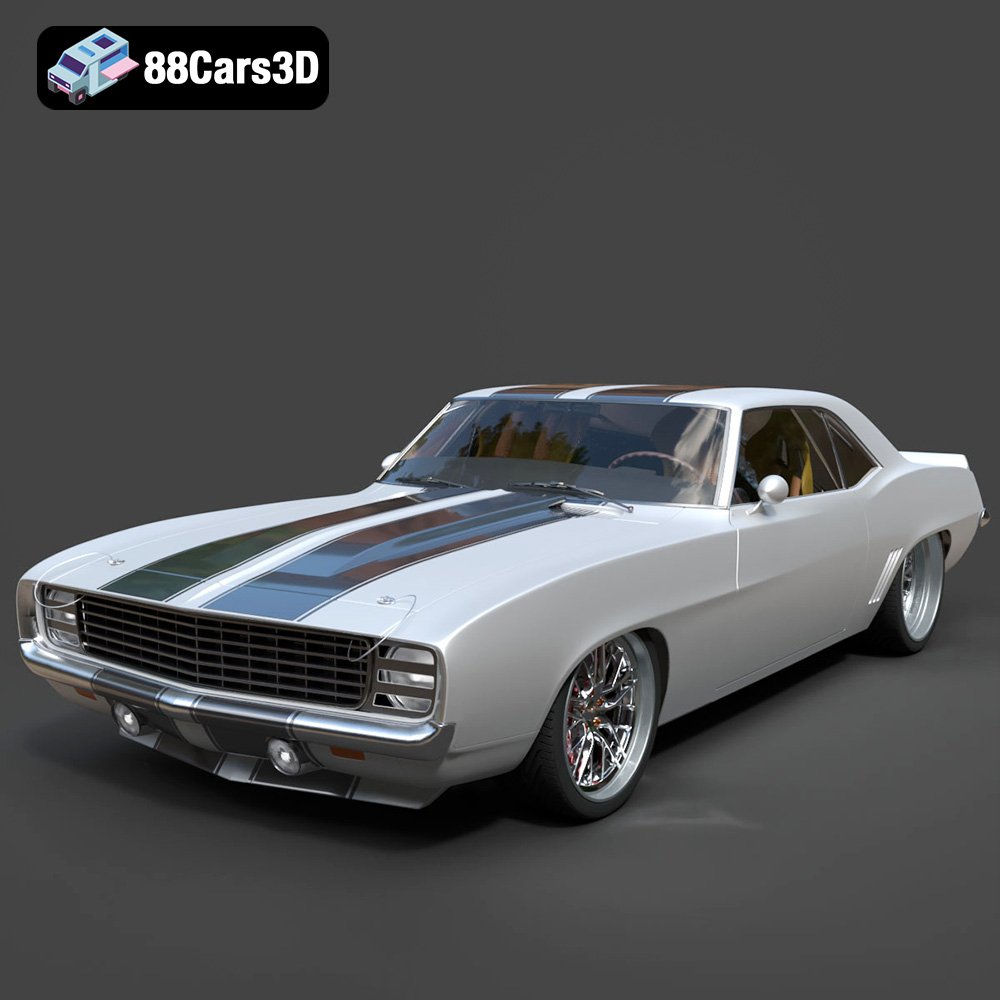
Texture: Yes
Material: Yes
Download the Chevrolet Camaro 69 Pro-007 3D Model featuring classic muscle car design and custom performance aesthetics. Includes .blend, .fbx, .obj, .glb, .stl, .ply, .unreal, and .max formats for rendering, simulation, and game development.
Price: $20.79

Texture: Yes
Material: Yes
Download the Honda Fit 2008 3D Model featuring a compact, versatile design with detailed exterior and interior components. Includes .blend, .fbx, .obj, .glb, .stl, .ply, .unreal, and .max formats for rendering, simulation, and game development.
Price: $10.79
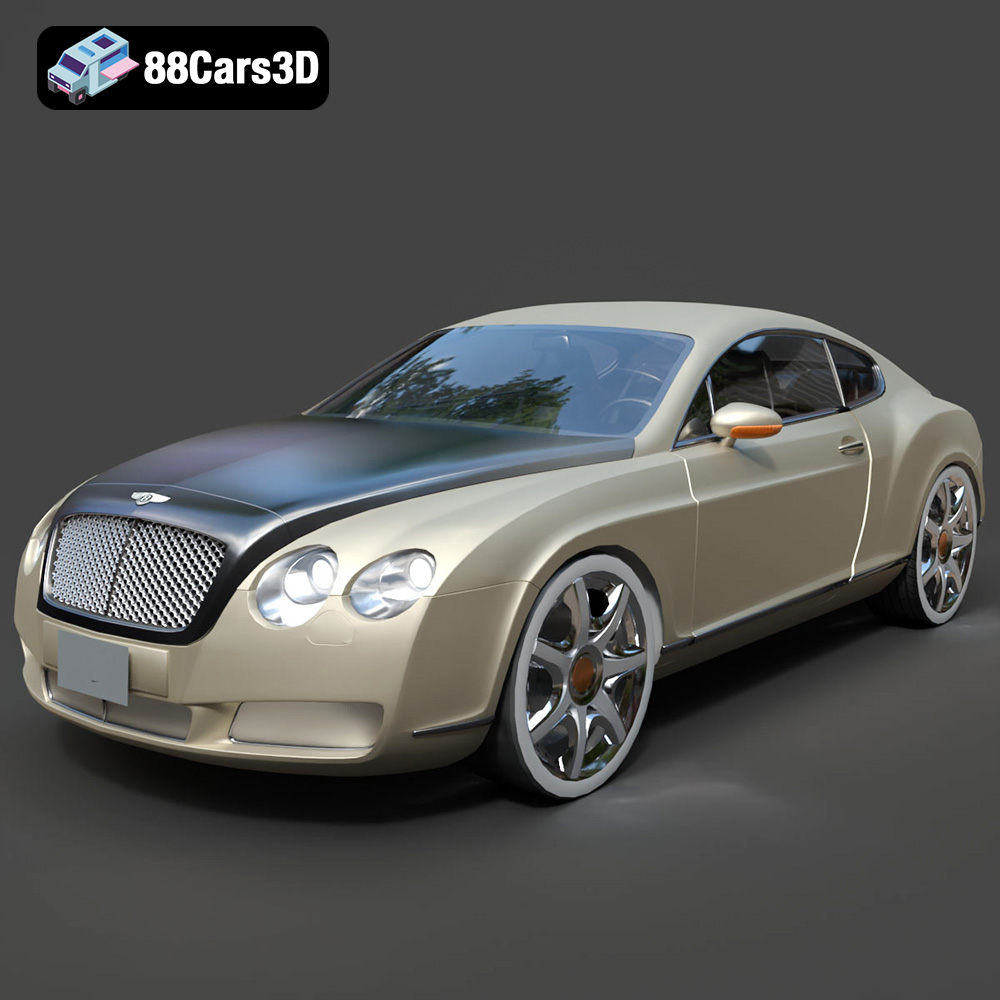
Texture: Yes
Material: Yes
Download the Bentley Continental GT-002 3D Model featuring a luxurious grand touring design and high-quality details. Includes .blend, .fbx, .obj, .glb, .stl, .ply, .unreal, and .max formats for rendering, simulation, and game development.
Price: $20.79

Texture: Yes
Material: Yes
Download the Audi R8 2006 3D Model featuring a sleek sports car design with detailed exterior and interior. Includes .blend, .fbx, .obj, .glb, .stl, .ply, .unreal, and .max formats for rendering, simulation, and game development.
Price: $20.79

Texture: Yes
Material: Yes
Download the Audi Q7 3D Model featuring a detailed exterior and a refined interior. Includes .blend, .fbx, .obj, .glb, .stl, .ply, .unreal, and .max formats for rendering, simulation, and game development.
Price: $20.79

