⚡ FLASH SALE: Get 60% OFF All Premium 3D & STL Models! ⚡

“`html
The journey from a digital 3D car model to a tangible, high-fidelity replica is an exciting one, deeply rooted in the art and science of 3D printing. At the heart of this process lies the slicer – the crucial software that translates your STL files into a series of precise instructions for your 3D printer. While many makers understand the basic function of a slicer, truly mastering its settings is what separates a good print from a truly exceptional one. This guide is designed to unlock the full potential of your 3D printing workflow, focusing on how to slice printable car models with unparalleled quality. We’ll delve into the intricate details of slicer settings, explore advanced techniques for mesh preparation, and discuss strategies for achieving those perfect automotive replicas that collectors and enthusiasts dream of. Whether you’re using FDM or resin technology, prepare to elevate your prints by understanding the nuances of layer height, support structures, print orientation, and much more.
Before diving into slicing, it’s essential to understand what an STL file truly is and why its structure matters. STL (STereoLithography) is the de facto standard file format for 3D printing, representing a 3D object’s surface geometry using a collection of interconnected triangles. Each triangle is defined by its three vertices and a normal vector, which indicates the outward-facing direction of the surface. This seemingly simple representation is incredibly powerful, allowing almost any complex shape to be approximated. However, the quality of this approximation directly impacts printability. A poorly constructed STL file, often characterized by non-manifold geometry, holes, or inverted normals, can lead to significant issues during the slicing process, resulting in failed prints or models with visible defects.
A “manifold” mesh is crucial for 3D printing. Think of it as a watertight surface – there are no holes, no internal faces, and no edges shared by more than two triangles. Non-manifold geometry, often called “errors,” can arise from various sources, including faulty model creation or conversion issues. For instance, an edge shared by three or more triangles creates ambiguity about which face is “inside” or “outside” the model. Similarly, a hole in the surface means the model isn’t a closed volume, which a slicer cannot interpret as a printable object. Software like Meshmixer, Blender, or Netfabb are indispensable tools for identifying and repairing these issues. Running a “Make Solid” or “Repair” command in these programs can often automatically fix minor imperfections, ensuring your printable car models present a clean, watertight surface to the slicer.
Beyond just being manifold, the topology of your STL can affect print quality. For intricate details found in car models – like panel gaps, grilles, or emblems – the size and orientation of the triangles matter. Extremely small triangles might be computationally intensive for the slicer and could lead to aliasing artifacts on the final print. Conversely, overly large triangles might not capture fine details accurately. Many 3D car models available on platforms like 88cars3d.com are pre-optimized by the creators, ensuring clean, efficient geometry ready for slicing. However, if you’re working with your own models or those from less curated sources, consider decimation (reducing triangle count while preserving detail) or re-meshing in specialized software to improve performance and print fidelity. Ensuring proper wall thickness is also paramount; thin walls, often just one or two triangles thick, are prone to breaking or not printing at all, especially with FDM printers.
The slicer is where the magic truly happens, transforming your 3D geometry into printable layers. Modern slicers like Cura, PrusaSlicer, and Simplify3D offer a vast array of settings, each impacting the final print in different ways. Understanding these parameters is key to achieving the high-quality results expected from detailed printable car models. The primary goal is to balance print speed, material usage, structural integrity, and surface finish. For complex automotive models, this often means fine-tuning settings that might be overkill for simpler objects, such as prioritizing detail over speed and ensuring every curve and edge is reproduced faithfully.
Let’s break down some of the most critical settings:
Beyond the basics, advanced settings can make a significant difference. Consider implementing features like:
Car models are inherently complex, featuring overhangs, bridges, and intricate details that often defy gravity. This is where support structures become indispensable. They are temporary scaffolding printed alongside your model, providing a base for sections that would otherwise fail mid-print. The correct generation, placement, and removal of supports are critical for achieving clean, undamaged printable car models. Poorly implemented supports can leave behind unsightly marks, damage delicate features, or be incredibly difficult to remove.
Slicers offer various support types, each suited for different situations:
The key to successful supports lies in making them effective yet easy to remove. This involves adjusting several parameters:
Patience is key. Allow the print to cool completely before attempting support removal, as this can make parts more brittle. Use appropriate tools: needle-nose pliers, flush cutters, hobby knives, and dental picks can be invaluable. For resin prints, supports are typically removed *before* the final curing process, making them easier to cut cleanly. Always work slowly and deliberately to avoid snapping off delicate model parts. If marks remain, they can often be addressed during post-processing.
The way your printable car model is positioned on the print bed (orientation) and how well its first layer adheres are foundational to a successful print. Incorrect orientation can drastically increase the need for supports, compromise surface quality, and even lead to print failures. Likewise, poor bed adhesion is one of the most common reasons for failed prints, especially with larger or more complex objects like car bodies.
For car models, consider these strategies:
First layer adhesion is paramount. Key factors include:
The choice of material and the calibration of your 3D printer are fundamental to achieving the desired finish and durability for your 3D printed car models. Different materials offer unique properties, and a well-calibrated printer ensures that the slicer settings translate accurately into physical output.
For FDM printing:
For Resin (SLA/DLP/MSLA) printing:
For intricate printable car models, resin printing often yields superior surface detail and smoothness compared to FDM, especially for smaller scales. However, FDM printers are generally more accessible and can print larger objects more economically.
A calibrated printer is a prerequisite for successful slicing and printing:
The slicing and printing are only part of the process. Post-processing is where a raw 3D print is transformed into a display-worthy piece. This stage involves cleaning, refining, and finishing your 3D printed car models to achieve a professional look. The techniques used will vary depending on the printing technology (FDM vs. resin) and the desired final aesthetic.
As discussed, careful support removal is the first step. After removing supports, inspect the model for any remaining nubs or marks. For FDM prints, a hobby knife, small files, or sandpaper can be used to smooth these areas. Resin prints often require less cleanup here, but careful sanding might still be necessary.
Achieving a smooth, paintable surface is crucial for car models. This typically involves a multi-stage sanding process:
A good primer acts as a bonding agent for paint and highlights any remaining imperfections. Use a quality spray primer suitable for plastics. Apply in thin, even coats. Once primed, your model is ready for painting. Acrylic model paints, airbrushing, or spray cans can be used to achieve realistic finishes. Apply multiple thin coats rather than one thick coat to avoid obscuring details. For multi-part models, assemble them carefully using appropriate adhesives (e.g., super glue, epoxy, or plastic cement depending on the material). Attention to detail during painting, such as adding weathering effects or highlighting specific features, can truly bring your 3D printed car to life.
Mastering the slicing process is an iterative journey that combines technical understanding with practical experience. By diligently exploring your slicer’s capabilities, preparing your STL files meticulously, and paying close attention to details like support structures and print orientation, you can unlock the potential for truly stunning 3D printed car models. Resources like 88cars3d.com provide a fantastic starting point with high-quality, print-ready models, allowing you to focus on refining your slicing and printing techniques. Remember that calibration, material choice, and thoughtful post-processing are equally important components. With practice and by applying the principles outlined in this guide, you’ll be well on your way to producing professional-grade 3D prints that showcase the incredible detail and realism achievable with modern additive manufacturing.
“`

Meta Description:
Texture: Yes
Material: Yes
Download the Cadillac CTS-V Coupe 3D Model featuring detailed exterior styling and realistic interior structure. Includes .blend, .fbx, .obj, .glb, .stl, .ply, .unreal, and .max formats for rendering, simulation, AR VR, and game development.
Price: $13.9

Texture: Yes
Material: Yes
Download the Cadillac DTS-005 3D Model featuring its iconic luxury design, detailed interior, and realistic exterior. Includes .blend, .fbx, .obj, .glb, .stl, .ply, .unreal, and .max formats for rendering, simulation, and game development.
Price: $10.79

Texture: Yes
Material: Yes
Download the Buick LeSabre 1998 3D Model featuring a classic American full-size sedan design. Includes .blend, .fbx, .obj, .glb, .stl, .ply, .unreal, and .max formats for rendering, simulation, and game development.
Price: $10.79
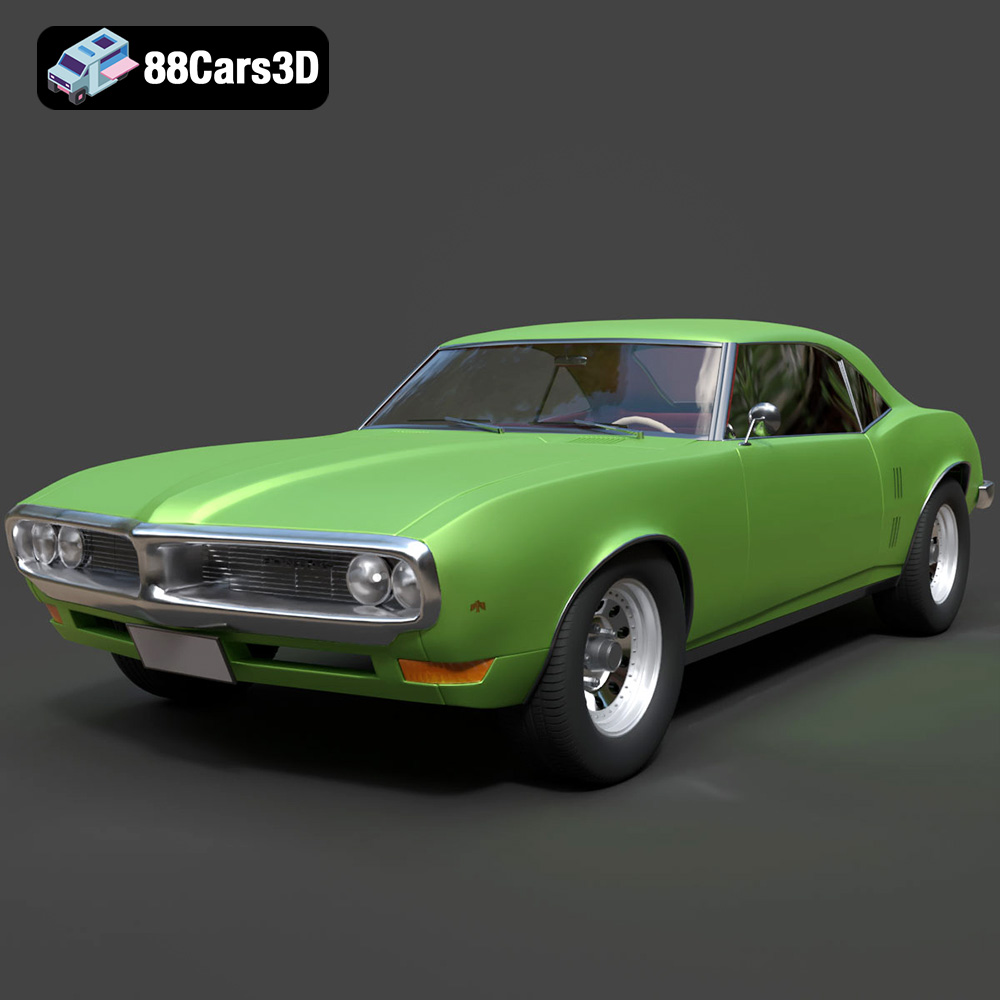
Texture: Yes
Material: Yes
Download the Pontiac Firebird 1998 3D Model featuring clean geometry, realistic detailing, and a fully modeled interior. Includes .blend, .fbx, .obj, .glb, .stl, .ply, .unreal, and .max formats for rendering, simulation, and game development.
Price: $10

Texture: Yes
Material: Yes
Download the Opel Astra 2008 3D Model featuring clean geometry, realistic detailing, and a fully modeled interior. Includes .blend, .fbx, .obj, .glb, .stl, .ply, .unreal, and .max formats for rendering, simulation, and game development.
Price: $10

Texture: Yes
Material: Yes
Download the Mercedes Benz Joaquin-007 3D Model featuring clean geometry, realistic detailing, and a fully modeled interior. Includes .blend, .fbx, .obj, .glb, .stl, .ply, .unreal, and .max formats for rendering, simulation, and game development.
Price: $19.99
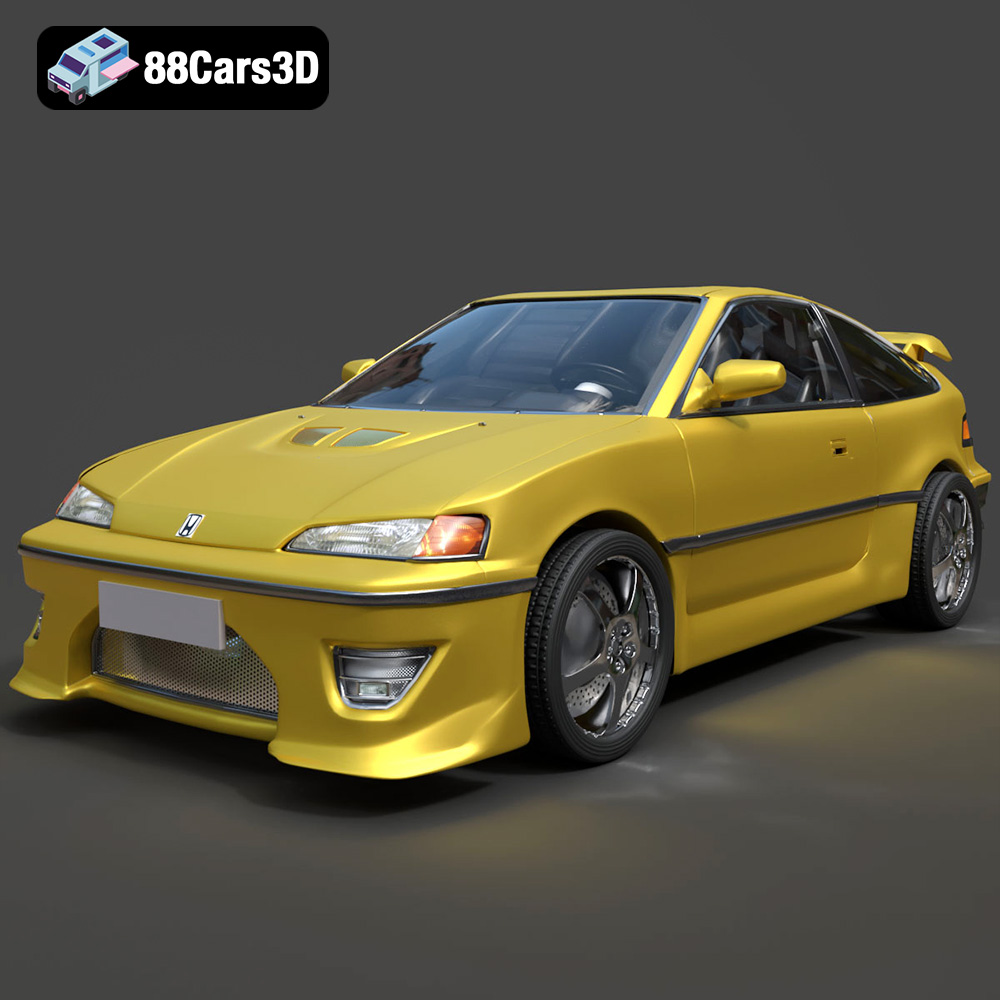
Texture: Yes
Material: Yes
Download the Honda CRX 1980 3D Model featuring clean geometry, realistic detailing, and a fully modeled interior. Includes .blend, .fbx, .obj, .glb, .stl, .ply, .unreal, and .max formats for rendering, simulation, and game development.
Price: $11.99
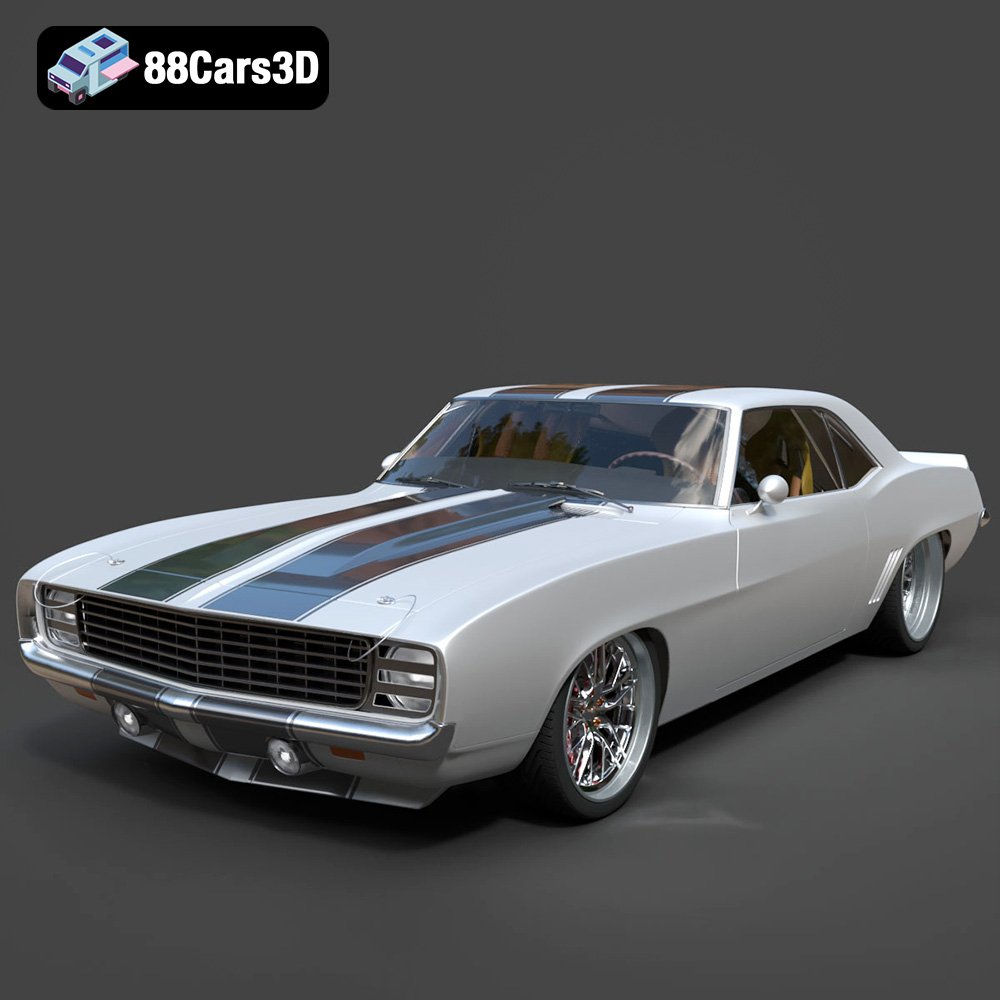
Texture: Yes
Material: Yes
Download the Chevrolet Camaro 69 Pro-007 3D Model featuring classic muscle car design and custom performance aesthetics. Includes .blend, .fbx, .obj, .glb, .stl, .ply, .unreal, and .max formats for rendering, simulation, and game development.
Price: $20.79

Texture: Yes
Material: Yes
Download the Honda Fit 2008 3D Model featuring a compact, versatile design with detailed exterior and interior components. Includes .blend, .fbx, .obj, .glb, .stl, .ply, .unreal, and .max formats for rendering, simulation, and game development.
Price: $10.79
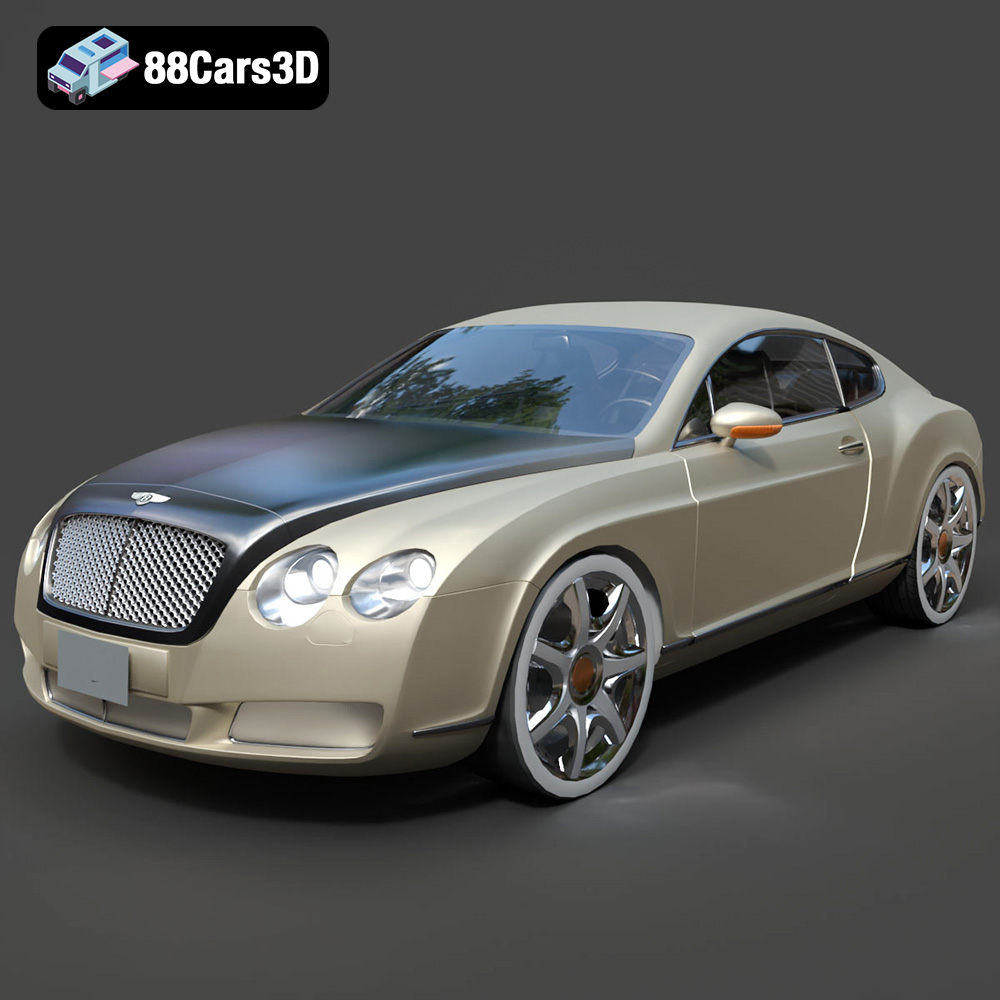
Texture: Yes
Material: Yes
Download the Bentley Continental GT-002 3D Model featuring a luxurious grand touring design and high-quality details. Includes .blend, .fbx, .obj, .glb, .stl, .ply, .unreal, and .max formats for rendering, simulation, and game development.
Price: $20.79

