⚡ FLASH SALE: Get 60% OFF All Premium 3D & STL Models! ⚡

“`html
For enthusiasts and professionals alike, transforming a digital design into a tangible, high-fidelity replica of a classic car or cutting-edge supercar is a rewarding pursuit. At 88cars3d.com, we understand the passion for automotive miniatures. This detailed guide dives deep into the critical features that truly matter when selecting a 3D printer for producing intricate, display-worthy car models. We’ll explore everything from resolution and build volume to material compatibility and essential software considerations, empowering you to make an informed decision and elevate your 3D printing projects to the next level. Get ready to unlock the full potential of your 3D printer for creating stunning automotive art.
When it comes to 3D printing detailed car models, **resolution** is arguably the most critical factor. This refers to the printer’s ability to render fine details and smooth curves, directly impacting the final quality of your prints. For automotive models, this means capturing the sharp lines of a spoiler, the subtle curvature of a fender, or the intricate details of a grille. Different 3D printing technologies offer varying levels of resolution. Fused Deposition Modeling (FDM) printers, while versatile and cost-effective, typically have lower resolutions dictated by their nozzle diameter and layer height. Resin printers, such as Stereolithography (SLA) and Digital Light Processing (DLP), excel in this area, offering much finer detail due to their use of liquid photopolymer resins cured by UV light.
The primary metrics for resolution are X, Y, and Z axis precision. X and Y resolution, often referred to as the ‘print resolution’ or ‘pixel size’ (especially in resin printing), determines how accurately the printer can draw individual lines and curves in a single layer. For FDM, this is influenced by the nozzle diameter; a smaller nozzle (e.g., 0.2mm or 0.3mm) can achieve finer details than a standard 0.4mm nozzle, albeit at the cost of increased print time. For resin printers, the XY resolution is determined by the pixel size of the LCD screen or projector, with smaller pixels (e.g., 25-50 microns) yielding significantly sharper results. The Z-axis resolution, or layer height, dictates the vertical detail. For car models, achieving smooth transitions on curved surfaces like roofs and hoods requires very low layer heights.
Layer height is a fundamental setting in slicing software that determines the thickness of each deposited layer. For FDM printing, common layer heights range from 0.1mm to 0.3mm. To achieve the smooth, paintable surfaces often desired for car models, selecting a lower layer height, such as 0.08mm or 0.1mm, is crucial. This significantly reduces the visible “stair-stepping” effect on curved surfaces but substantially increases print time. A 0.1mm layer height might take twice as long as a 0.2mm layer height for the same model. Resin printers typically offer even finer Z-axis resolution, with layer heights as low as 0.02mm to 0.05mm being common. This microscopic layer deposition is what allows resin printers to produce incredibly smooth surfaces straight off the build plate, ideal for high-detail applications like miniature car bodies. When downloading print-ready STL files from platforms like 88cars3d.com, they are often optimized for a range of resolutions, but choosing the right layer height in your slicer is paramount to realizing that detail.
The accuracy of the X and Y axes directly affects the fidelity of fine features such as badges, panel gaps, and intricate grille designs. In FDM, this is largely determined by the precision of the motion system (stepper motors and mechanics) and the chosen nozzle diameter. While a 0.25mm nozzle can theoretically print finer lines than a 0.4mm nozzle, the actual achievable detail is also limited by the printer’s mechanical backlash and the quality of the filament. For resin printing, XY accuracy is primarily governed by the resolution of the light source (laser spot size for SLA, pixel size for DLP/MSLA). Higher resolution screens (e.g., 4K or 8K) on MSLA printers translate directly into sharper details, allowing for incredibly fine features that would be impossible to resolve on most FDM printers. Choosing a printer with robust XY accuracy ensures that the delicate elements of your car models are reproduced faithfully.
The build volume of a 3D printer dictates the maximum size of a single piece that can be printed. For model makers, this can be a significant consideration. While many car models are printed at a scale that fits within standard build volumes (e.g., 200x200x200mm for FDM, or 150x150x170mm for many resin printers), larger-scale projects or printing multiple components simultaneously will require a larger build area. However, simply having a large build volume isn’t always the answer. The quality of the print across the entire build plate is crucial. Some printers may exhibit inconsistencies in temperature, adhesion, or extrusion quality at the edges of their build area, which can compromise detailed models.
Print orientation plays a vital role in achieving the best possible surface finish and structural integrity for car models. The way a model is positioned on the build plate directly influences the need for support structures, the visibility of layer lines, and the potential for print failures like warping or detachment. For car bodies, orienting the model to minimize overhangs on visible surfaces (like the hood, roof, and doors) is paramount. This often means printing the car upside down or at an angle. While this might increase the requirement for support structures, it ensures that the most critical exterior details are printed with minimal visual artifacts. Furthermore, understanding the anisotropic nature of 3D prints (where strength can vary depending on the print direction) is important for parts that might experience stress, though this is less common for display models.
The enemy of a smooth, show-quality car model finish is often the support structure. Supports are temporary structures printed to hold up overhanging parts of a model during the printing process. Their removal can leave marks, divots, or rough patches that require extensive post-processing. Therefore, the strategic orientation of your model is key to minimizing the amount of support material needed on visible surfaces. For instance, printing a car body with the wheels facing upwards might hide support marks on the underside, but it would create a rough finish on the wheel wells and possibly the lower chassis. A more common approach is to print the car upside down, allowing the roof and hood to be printed without supports. This necessitates supports for the undercarriage, which is typically less visible. Slicing software offers tools to intelligently generate supports, but manual tweaking and careful model rotation are often required for optimal results. Platforms like 88cars3d.com often provide guidance or pre-oriented files to assist with this.
For display car models, surface quality generally takes precedence over extreme structural integrity, as they are not typically subjected to high loads. However, for functional parts or larger models, ensuring structural soundness is important. The orientation choice can impact this. For example, if printing a chassis that needs to be rigid, orienting the layers perpendicular to the expected stress points can lead to weakness. However, for aesthetic models, focusing on orienting the model to present the smoothest possible exterior is usually the priority. This might mean accepting a slightly less ideal orientation for structural reasons to achieve a superior surface finish. Always consider the intended purpose of your model when deciding on orientation. Test prints of critical sections can help identify potential issues before committing to a long print.
The choice between FDM and resin printing technology has a profound impact on the outcome of your car models. FDM printers extrude thermoplastic filaments layer by layer. They are generally more affordable, have larger build volumes, and can print with a wider variety of durable materials like PLA, PETG, ABS, and even carbon fiber-reinforced filaments. PLA is a popular choice for FDM car models due to its ease of printing and low warping. PETG offers better temperature resistance and durability, while ABS can be smoothed with acetone vapor but requires more careful printing conditions.
Resin printers, on the other hand, use UV light to cure liquid photopolymer resins. They offer significantly higher resolution and smoother surface finishes, making them ideal for capturing the intricate details of car models, such as badges, grilles, and sharp body lines, with minimal post-processing. However, resin printers typically have smaller build volumes, require more careful handling of resins (which can be messy and have fumes), and post-processing steps like washing and curing are essential. The resins themselves come in various formulations: standard resins for general use, tough resins for increased durability, and flexible resins for specific applications. The specific type of resin chosen will influence the final appearance, strength, and ease of printing.
For FDM printing of car models, selecting the right filament and optimizing printer settings are crucial. PLA is the go-to for beginners and many hobbyists due to its ease of use, minimal warping, and good detail reproduction. For models that might be exposed to higher temperatures (e.g., in a car), PETG offers better thermal stability. If you aim for a truly seamless finish and are willing to invest more effort, ABS can be printed, but it requires an enclosed printer and careful temperature control to prevent warping.
Beyond the filament, the nozzle size is a key FDM parameter. While a standard 0.4mm nozzle is versatile, switching to a 0.2mm or 0.25mm nozzle can dramatically improve the reproduction of fine details. This comes at a cost: print times will increase, and potential clogs become more frequent. Layer height should be reduced accordingly (e.g., 0.05mm to 0.1mm) when using smaller nozzles. Bed adhesion is also critical for FDM; using a brim or raft can help prevent models from detaching during long prints, especially for parts with small contact areas. Printer calibration, including E-step calibration and bed leveling, is essential for consistent extrusion and accurate dimensions.
Resin printing truly shines when it comes to capturing the minute details that make a car model come alive. The near-photorealistic detail achievable with SLA, DLP, and MSLA printers is unparalleled by FDM for small-scale models. Features like emblems, panel lines, and even tiny interior details can be reproduced with astonishing clarity. The surface finish straight off the printer is typically much smoother, requiring less sanding and filling before painting.
The range of available resins also offers exciting possibilities. Standard resins provide excellent detail but can be brittle. Tough resins mimic the properties of ABS and are more durable, making them suitable if the model needs to withstand some handling. High-detail or engineering resins are specifically formulated for extreme precision. When printing with resin, proper ventilation, gloves, and eye protection are essential due to the chemical nature of the resins. Post-processing, including thorough washing in isopropyl alcohol (IPA) or specialized cleaning solutions and UV curing, is non-negotiable for achieving fully cured, durable prints. Slicing software for resin printers (e.g., ChiTuBox, Lychee Slicer) offers specific settings for exposure times, layer lift speeds, and anti-aliasing, which are critical for successful prints.
The journey from an STL file to a physical 3D print is orchestrated by slicing software. These programs take your 3D model and convert it into layer-by-layer instructions (G-code) that your 3D printer can understand and execute. For model makers, the power and flexibility of your chosen slicer are paramount. Popular slicers like Cura, PrusaSlicer, and Simplify3D (for FDM), and ChiTuBox or Lychee Slicer (for resin) offer a vast array of settings that can be fine-tuned to optimize print quality, speed, and strength. Understanding these settings is key to unlocking the full potential of your 3D printer and achieving professional-looking results for your car models.
The process begins with preparing the STL file itself. While platforms like 88cars3d.com offer high-quality, manifold STL files ready for slicing, sometimes files downloaded from other sources may have errors. Software like Meshmixer, Blender, or Netfabb can be used to repair non-manifold edges, flipped normals, or holes in the mesh. Once the file is clean, it’s imported into the slicer. Here, you’ll configure settings such as layer height, infill density and pattern, print speed, temperature, retraction, and crucially, support structures. The goal is to balance detail reproduction with print time and material usage. For intricate car models, fine-tuning these parameters can mean the difference between a flawless print and a failed one.
When slicing car models, several key settings demand careful attention:
Experimentation is key. Small test prints of critical sections (like a fender or a wheel arch) can help you dial in settings without wasting hours on a large print.
Effective support generation is a cornerstone of successful car model printing. Slicers offer various support types (normal, tree/organic) and densities. Tree/organic supports are often preferred for car models as they are less invasive, contact the model at fewer points, and are easier to remove, minimizing surface damage. However, they might not be suitable for all geometries.
Key support settings include:
For FDM, printing supports with a different material (if you have a dual extruder) or printing them at a lower temperature can make them easier to break off. For resin, supports are delicate but can leave small marks that require careful sanding or filling. Tools like hobby knives, flush cutters, and small files are essential for clean support removal.
The 3D printing process is only the first step in creating a high-quality car model. Post-processing is where you transform a raw print into a display-ready masterpiece. This typically involves cleaning, support removal, sanding, filling, priming, and painting. The level of effort required depends heavily on the printing technology and the desired finish. Resin prints generally require less intensive sanding than FDM prints due to their inherently smoother surface. However, FDM printers offer a wider range of material choices that might be easier to work with for certain finishing techniques.
For both FDM and resin prints, careful support removal is the initial and most critical step. Patience is key. Using sharp tools like flush cutters, needle-nose pliers, and precision hobby knives allows for controlled removal. For FDM prints, especially those made from ABS, acetone vapor smoothing can create an incredibly glossy, injection-molded-like finish, effectively melting away layer lines. However, this technique requires careful setup and is not suitable for all materials or geometries. Sanding is almost always necessary to achieve a perfectly smooth surface, especially for models intended for painting. Starting with coarser grit sandpaper (e.g., 150-220 grit) to remove layer lines and support marks, and progressively moving to finer grits (e.g., 400, 800, 1200, and even higher) is the standard practice.
Achieving a paintable surface often involves a multi-stage sanding process. For FDM prints, focus on removing the visible layer lines. Wet sanding (using sandpaper with water or a light lubricant) can help reduce dust and achieve a smoother finish. If significant gaps or imperfections are present, particularly in FDM prints, filler primers or modeling putties like Tamiya Putty or Milliput can be used to fill these areas. After applying filler, more sanding is required to level the surface.
Priming is a crucial step before painting. A good quality primer (e.g., automotive primer spray cans) serves several purposes: it seals the surface, provides a uniform color base, helps to reveal any remaining imperfections that need further sanding, and improves paint adhesion. Applying multiple thin coats of primer is generally better than one thick coat. Inspecting the primed model under bright light is essential for identifying any areas that need further attention before proceeding to painting. Many enthusiasts download models from marketplaces like 88cars3d.com specifically because they are designed with post-processing in mind, featuring clean meshes that simplify these finishing steps.
The painting stage is where your car model truly comes to life. Airbrushing offers the most professional finish, allowing for smooth gradients, fine control, and precise application of colors. However, spray cans can also yield excellent results with practice. Using automotive-grade paints or acrylics designed for models is recommended. Applying thin, even coats is essential to avoid obscuring fine details.
For multi-part models or those with separate components like wheels, engines, or interiors, assembly is the final stage. Carefully test-fit parts before applying adhesives. Cyanoacrylate (super glue) is common for bonding plastic parts, while two-part epoxies can provide stronger bonds for larger or stressed components. Masking techniques are vital when painting different sections of the car that require separate colors, such as trim, windows, or interior details. Decals and weathering effects can add further realism, transforming a printed model into a lifelike replica.
To consistently produce high-quality 3D prints of intricate car models, ongoing printer calibration and routine maintenance are non-negotiable. A well-calibrated printer acts as a reliable tool, ensuring that every print meets your expectations without constant troubleshooting. This applies to both FDM and resin printers, though the specific calibration procedures differ. For FDM printers, this includes calibrating the extruder (E-steps), ensuring the bed is perfectly level, and tuning the temperature settings for different filaments.
For resin printers, calibration involves ensuring the Z-axis is properly aligned, the build plate is level and clean, and importantly, fine-tuning the exposure times for the specific resin being used. Resin calibration tests, often available as downloadable STL files, are crucial for determining the optimal exposure settings. Incorrect exposure can lead to prints that are either too fragile (under-exposed) or fused to the FEP film in the resin vat (over-exposed), causing print failures and potential damage. Regular cleaning of the resin vat, replacing the FEP film when it becomes scratched or opaque, and ensuring the UV light source is functioning correctly are all vital maintenance tasks.
The foundation of good FDM prints is a perfectly level build surface. Whether using manual or automatic bed leveling, ensuring consistent first-layer adhesion across the entire build plate is critical. For extrusion calibration, E-step calibration ensures that the printer extrudes the exact amount of filament commanded by the slicer. An incorrect E-step value can lead to under-extrusion (weak, gappy prints) or over-extrusion (bloated, imprecise details).
Temperature tuning is also essential. While filament manufacturers provide recommended temperature ranges, optimal settings often vary between printers and even between different batches of the same filament. Printing temperature towers is a standard method to find the sweet spot for layer adhesion, bridging, and overhang performance. Similarly, tuning retraction settings (distance and speed) is vital to minimize stringing, which can mar the delicate details on car models. Cooling fan speed also impacts print quality, especially for overhangs and small features, so testing different fan speeds might be necessary.
Resin printers require a different, but equally important, set of maintenance routines. The resin vat is a critical component. It must be kept clean, free of cured resin debris, and the FEP (Fluorinated Ethylene Propylene) film at the bottom must be in good condition. Scratches or cloudiness on the FEP film will directly translate into print defects. Periodically, the FEP film needs to be replaced.
The LCD screen or projector (in DLP/MSLA printers) is what cures the resin. Dust or smudges on the screen can cause printing issues. A gentle cleaning with a soft cloth and IPA is usually sufficient. For SLA printers using a laser, ensuring the laser path is clear and the mirrors are clean is important. The UV light source itself can degrade over time, affecting exposure times. Some printers allow for calibration of the light source intensity. Finally, proper storage of resins (away from light and heat) and diligent cleaning of the printer components after each print session will prolong its lifespan and ensure consistent print quality.
Even with the best equipment and careful setup, 3D printing can sometimes lead to frustrating failures. For model makers, these issues can be particularly disheartening when they compromise intricate details. Understanding common failure modes and their potential causes is key to quickly diagnosing and resolving them, getting you back to producing those stunning car models. Whether you’re using FDM or resin, certain problems are more prevalent.
For FDM printers, common issues include warping (where corners lift off the build plate), layer shifting (where layers become misaligned), under-extrusion or over-extrusion, stringing, and failed overhangs. Warping is often caused by poor bed adhesion, rapid cooling, or printing with materials prone to shrinking like ABS. Layer shifting can be due to loose belts, a stalled stepper motor, or collisions with the print. Stringing is typically related to retraction settings or printing temperature. Failed overhangs are usually a sign of insufficient cooling, excessive speed, or incorrect retraction.
Resin printers face their own set of challenges. Print adhesion failures (where the print doesn’t stick to the build plate) are common and often caused by incorrect exposure times, an unlevel build plate, or insufficient supports. Hollow prints or incomplete curing point to under-exposure. Warping can occur if supports are inadequate or if the print cools unevenly. Detail loss can be due to over-exposure or issues with the LCD screen/light source. Print failures can also arise from contamination in the resin vat, such as cured resin particles or dust, which can create gaps in the cured layers.
To tackle FDM failures:
For car models, stringing and detail loss are particularly problematic, so focusing on retraction and temperature settings is key.
For resin printing:
Regularly running calibration tests (like the AmeraLabs Town or Cones of Calibration) can help you quickly identify and correct settings before they cause significant print failures.
Choosing the right 3D printer for creating detailed car models is a decision that hinges on understanding the interplay between resolution, build capabilities, material science, and software. For aspiring or established automotive model makers, prioritizing high resolution, whether through the microscopic layer heights of resin printers or the fine nozzle capabilities of FDM, is paramount for capturing the sleek lines and intricate details of vehicles. Balancing this with adequate build volume for your desired scale and considering print orientation to minimize visible imperfections are crucial workflow considerations.
Furthermore, understanding the strengths of FDM versus resin printing technology, selecting appropriate materials, and mastering the nuances of slicing software are essential. Robust post-processing workflows, from meticulous support removal and sanding to expert painting techniques, are what elevate a good print to a show-stopping model. Finally, consistent quality is only achievable through diligent printer calibration and maintenance. By focusing on these key features and investing the time to learn your equipment and software, you can confidently create stunning, high-fidelity 3D printed car models. Explore the curated selection of print-ready STL files at 88cars3d.com to embark on your next detailed automotive project, armed with the knowledge to make it a success. Your next masterpiece awaits.
“`

Meta Description:
Texture: Yes
Material: Yes
Download the Cadillac CTS-V Coupe 3D Model featuring detailed exterior styling and realistic interior structure. Includes .blend, .fbx, .obj, .glb, .stl, .ply, .unreal, and .max formats for rendering, simulation, AR VR, and game development.
Price: $13.9
Texture: Yes
Material: Yes
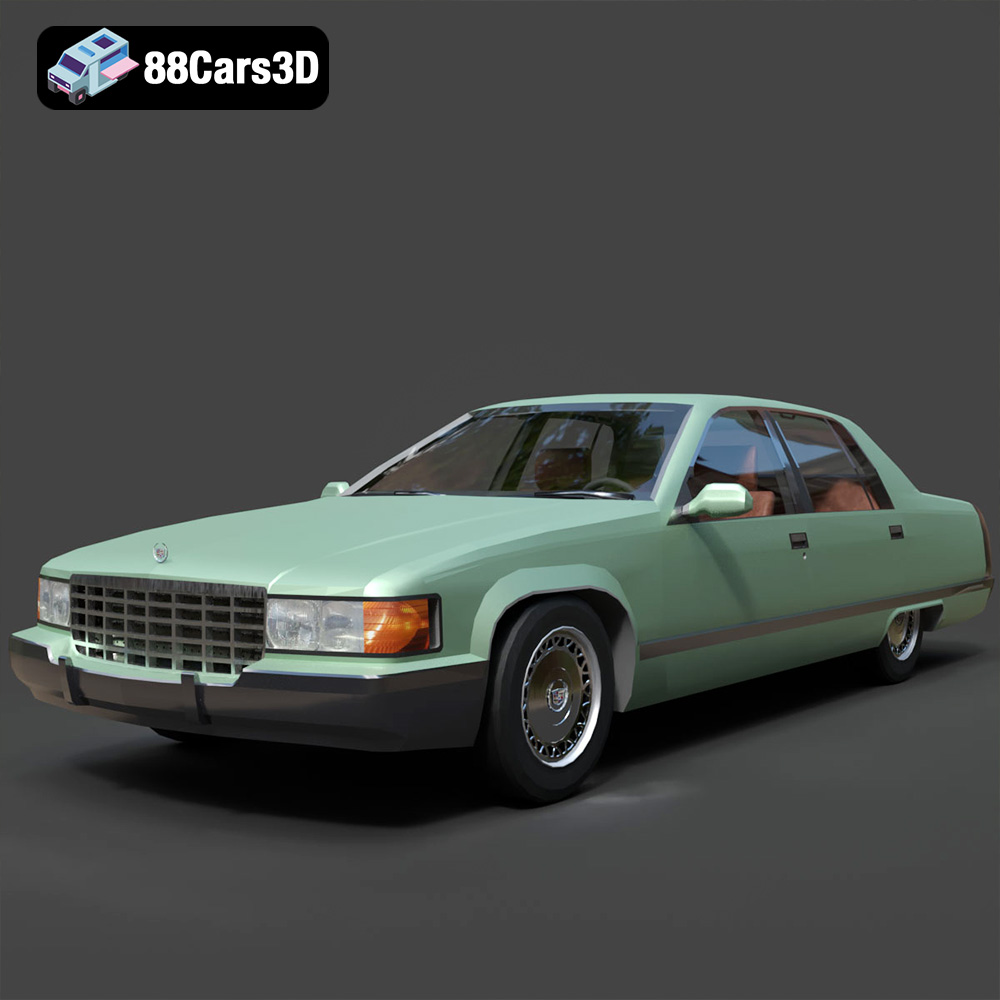
Download the Cadillac Fleetwood Brougham 3D Model featuring its iconic classic luxury design and detailed exterior and interior. Includes .blend, .fbx, .obj, .glb, .stl, .ply, .unreal, and .max formats for rendering, simulation, and game development.
Price: $10.79
Texture: Yes
Material: Yes
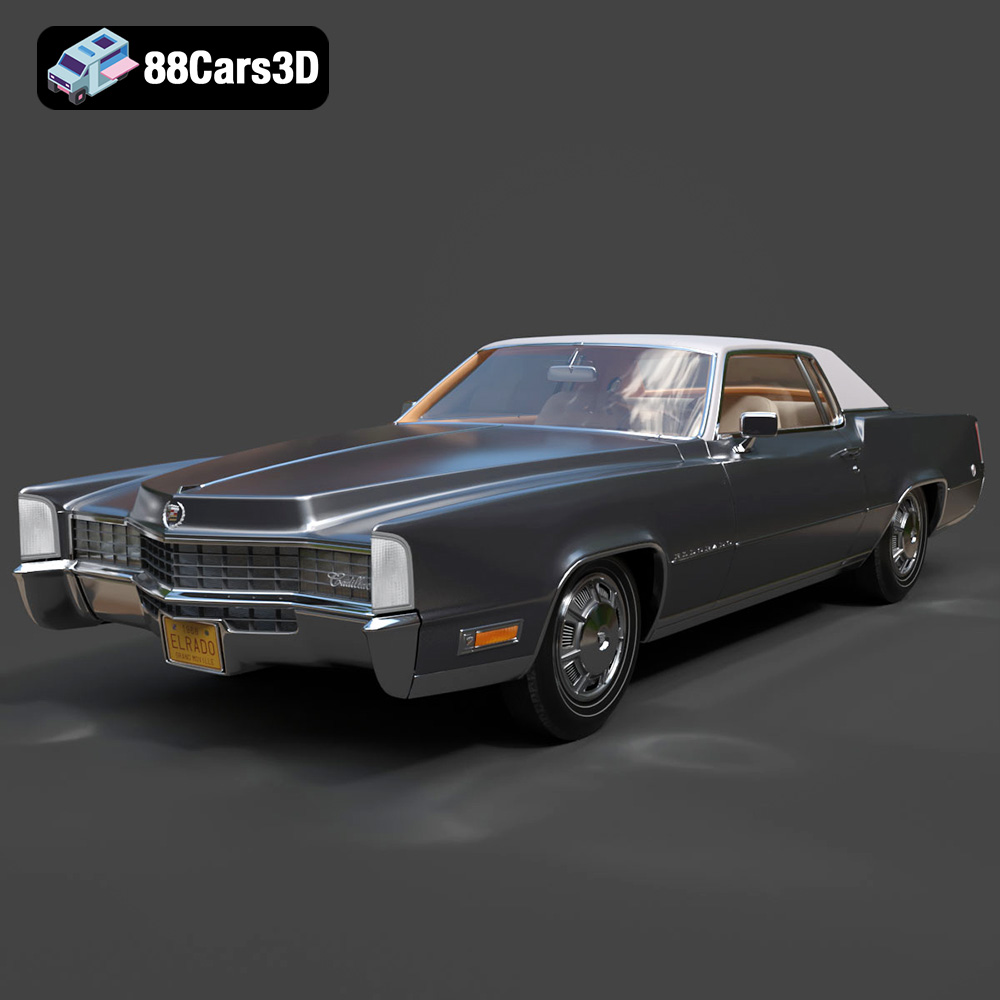
Download the Cadillac Eldorado 1968 3D Model featuring its iconic elongated body, distinctive chrome accents, and luxurious interior. Includes .blend, .fbx, .obj, .glb, .stl, .ply, .unreal, and .max formats for rendering, simulation, and game development.
Price: $20.79

Texture: Yes
Material: Yes
Download the Cadillac CTS SW 2010 3D Model featuring a detailed exterior, functional interior elements, and realistic materials. Includes .blend, .fbx, .obj, .glb, .stl, .ply, .unreal, and .max formats for rendering, simulation, and game development.
Price: $10.79
Texture: Yes
Material: Yes
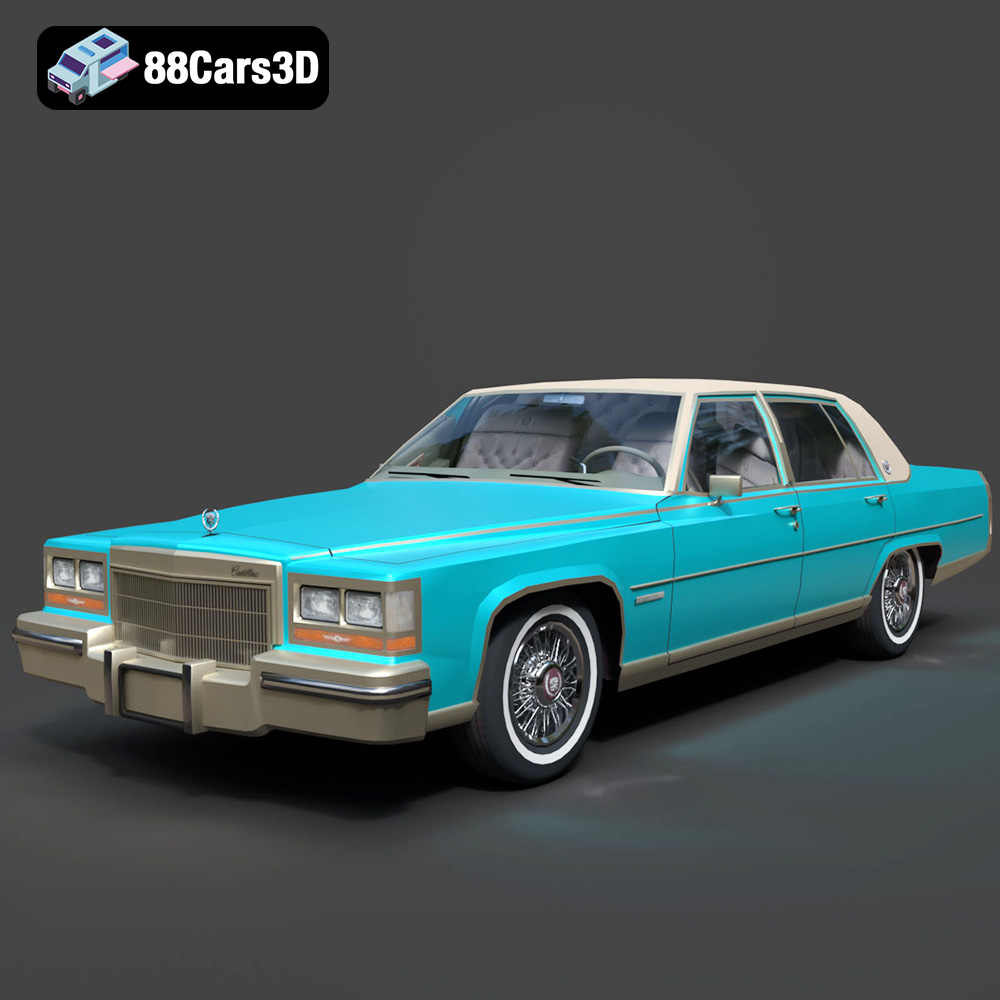
Download the Cadillac Fleetwood Brougham 1985 3D Model featuring its iconic classic luxury design and detailed craftsmanship. Includes .blend, .fbx, .obj, .glb, .stl, .ply, .unreal, and .max formats for rendering, simulation, and game development.
Price: $10.79
Texture: Yes
Material: Yes
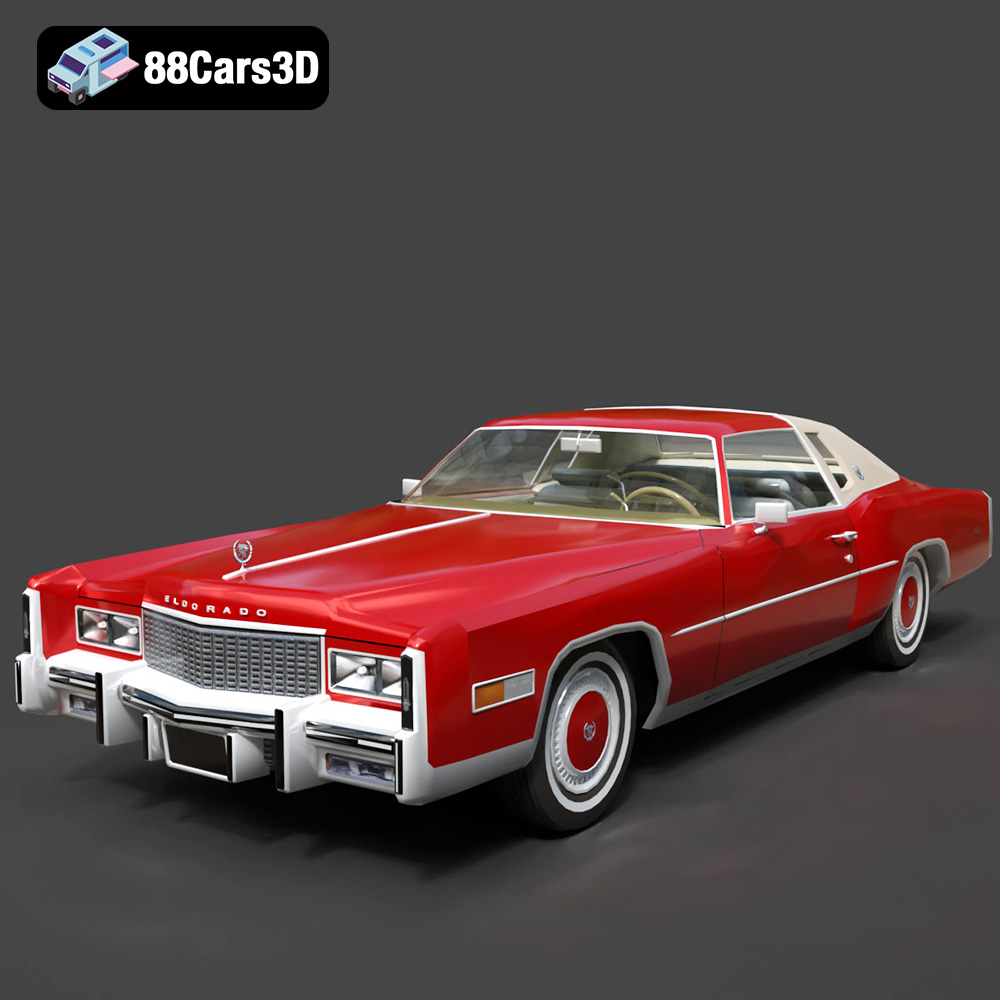
Download the Cadillac Eldorado 1978 3D Model featuring accurately modeled exterior, detailed interior, and period-correct aesthetics. Includes .blend, .fbx, .obj, .glb, .stl, .ply, .unreal, and .max formats for rendering, simulation, and game development.
Price: $10.79
Texture: Yes
Material: Yes
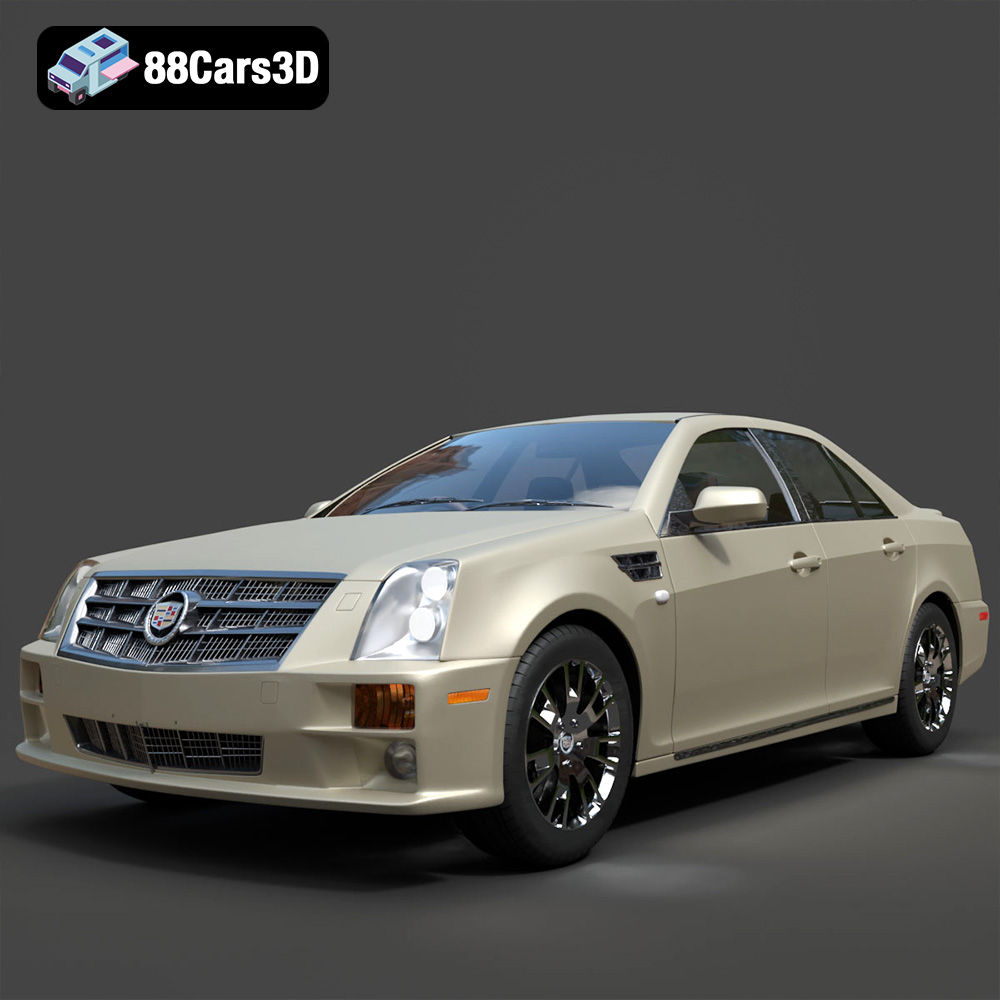
Download the Cadillac STS-005 3D Model featuring a detailed exterior and interior. Includes .blend, .fbx, .obj, .glb, .stl, .ply, .unreal, and .max formats for rendering, simulation, and game development.
Price: $22.79
Texture: Yes
Material: Yes
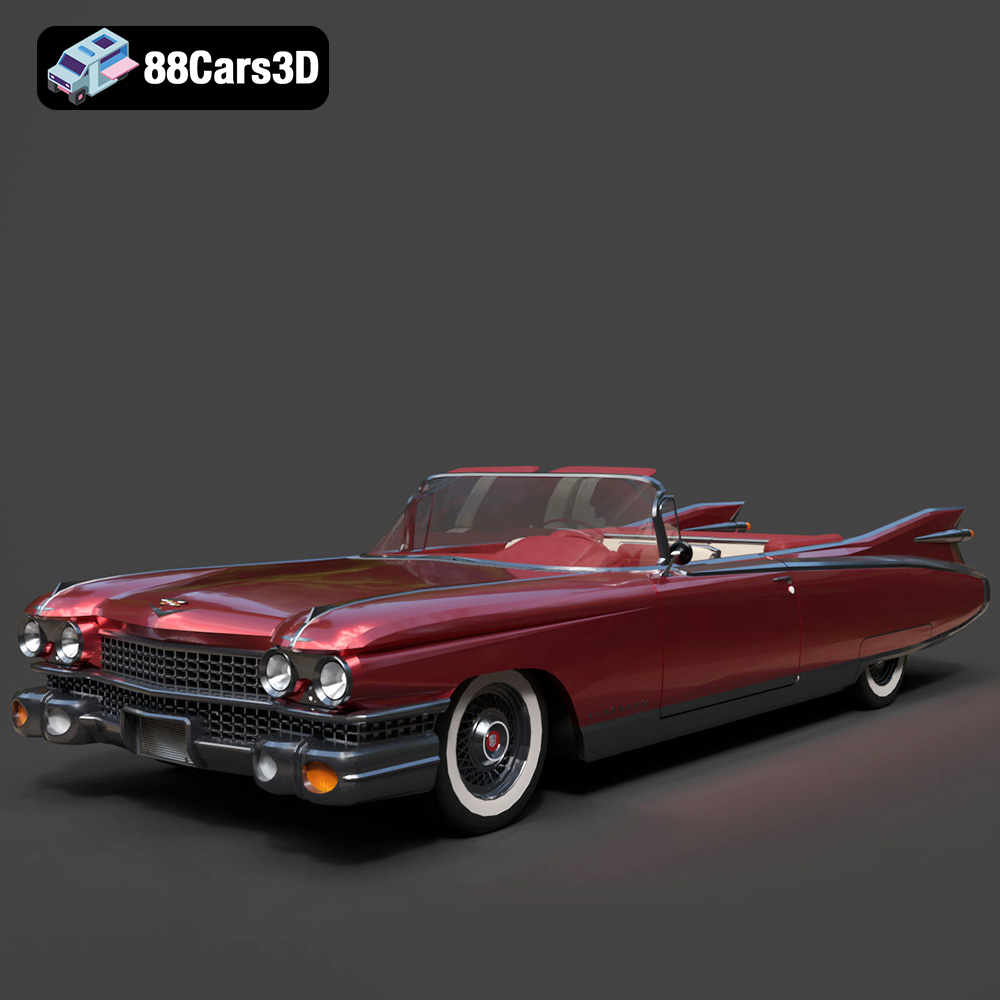
Download the Cadillac Eldorado Convertible (1959) 3D Model featuring iconic fins, luxurious chrome details, and a classic vintage design. Includes .blend, .fbx, .obj, .glb, .stl, .ply, .unreal, and .max formats for rendering, simulation, and game development.
Price: $20.79

Texture: Yes
Material: Yes
Download the Cadillac DTS-005 3D Model featuring its iconic luxury design, detailed interior, and realistic exterior. Includes .blend, .fbx, .obj, .glb, .stl, .ply, .unreal, and .max formats for rendering, simulation, and game development.
Price: $10.79

Texture: Yes
Material: Yes
Download the Buick LeSabre 1998 3D Model featuring a classic American full-size sedan design. Includes .blend, .fbx, .obj, .glb, .stl, .ply, .unreal, and .max formats for rendering, simulation, and game development.
Price: $10.79

