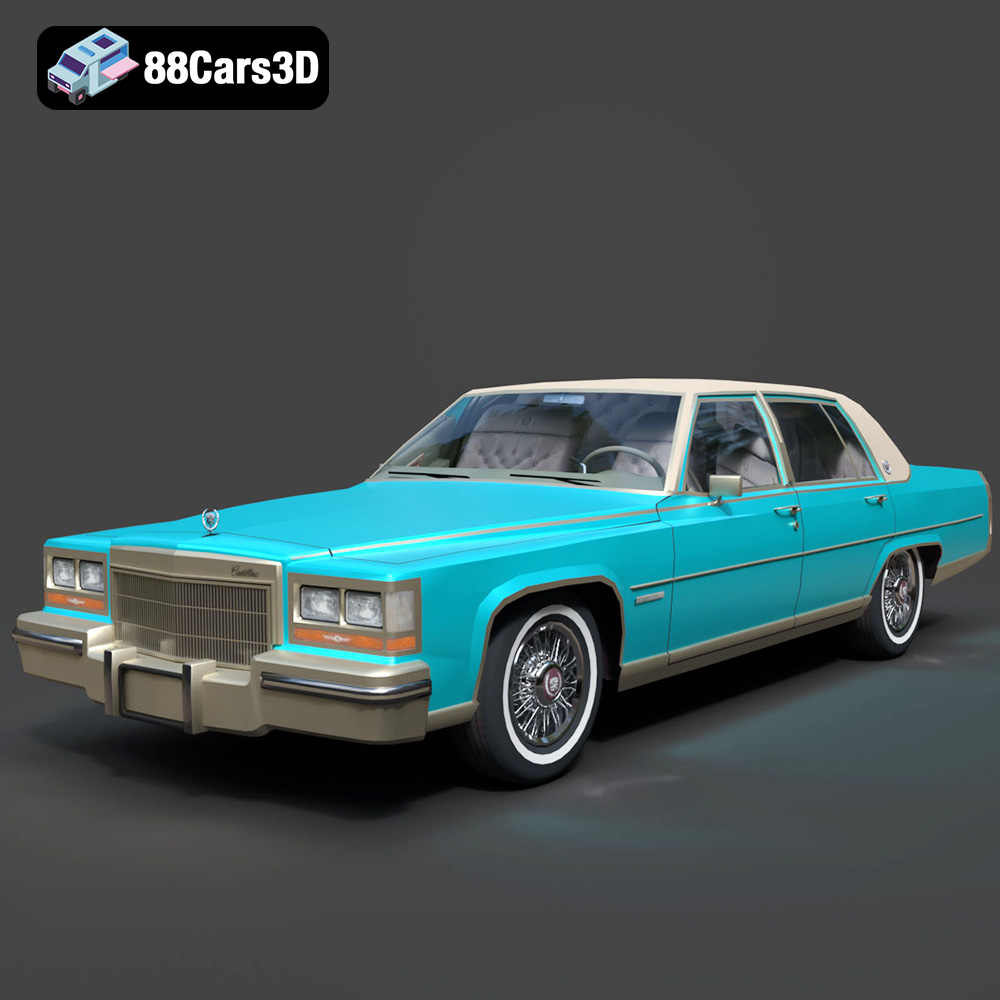
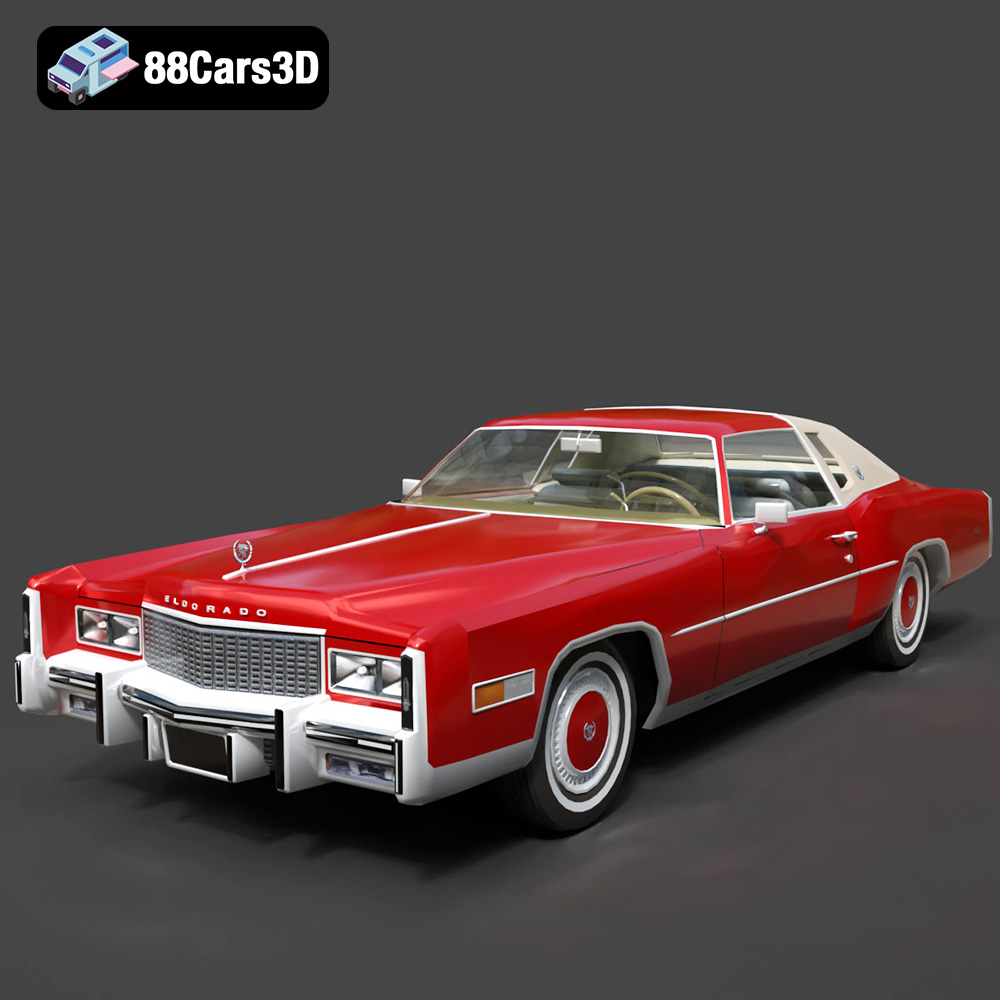
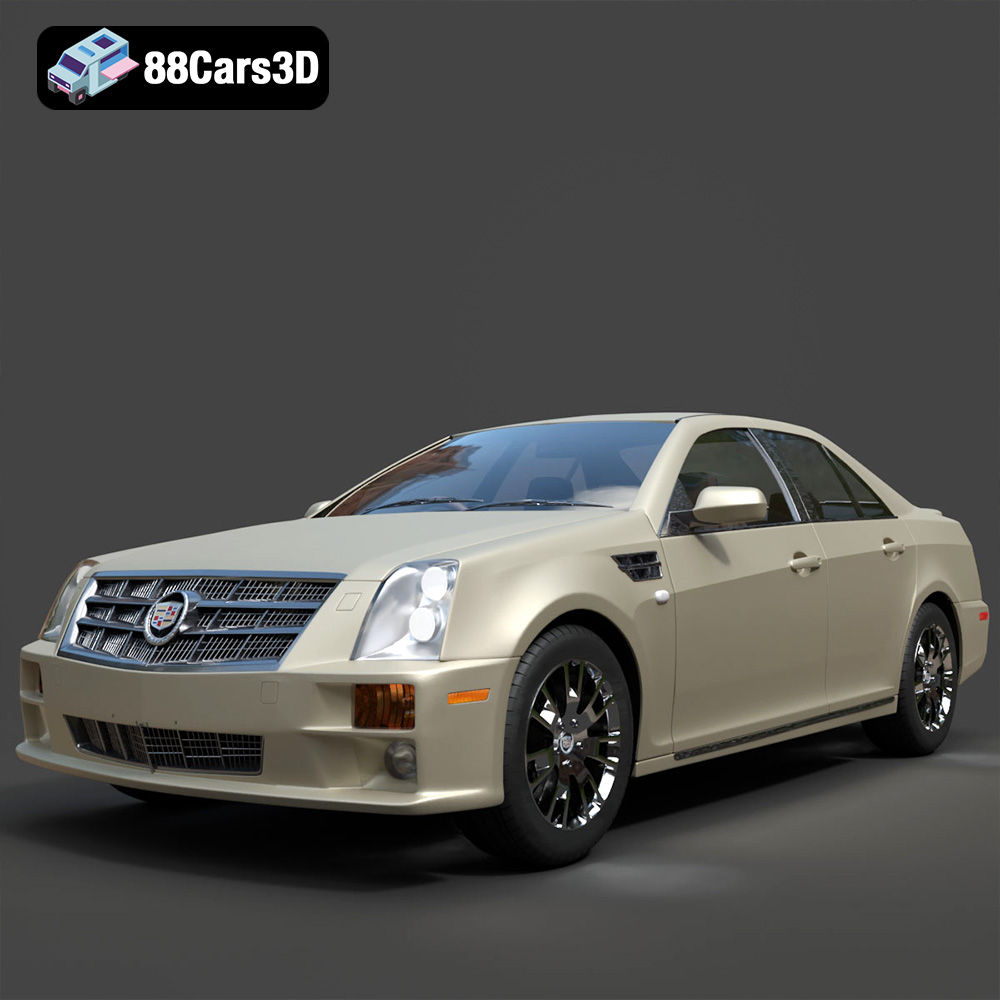
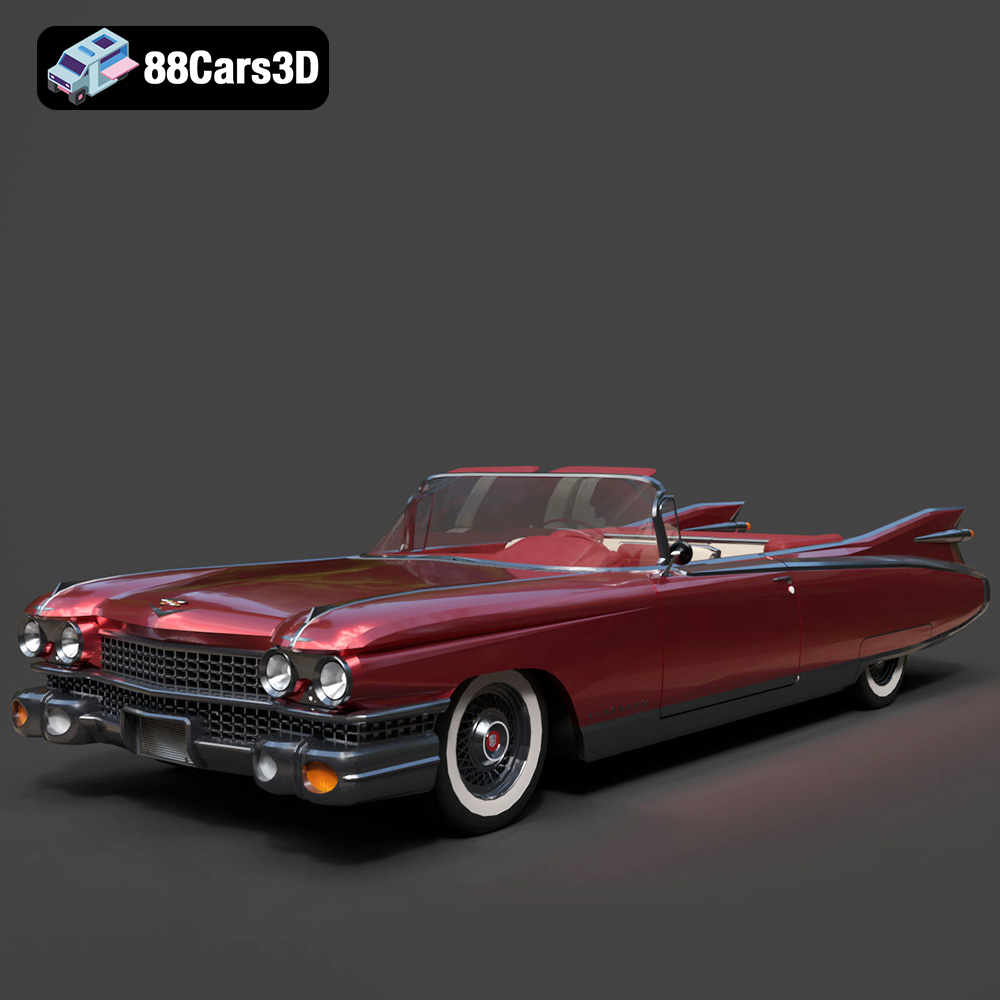
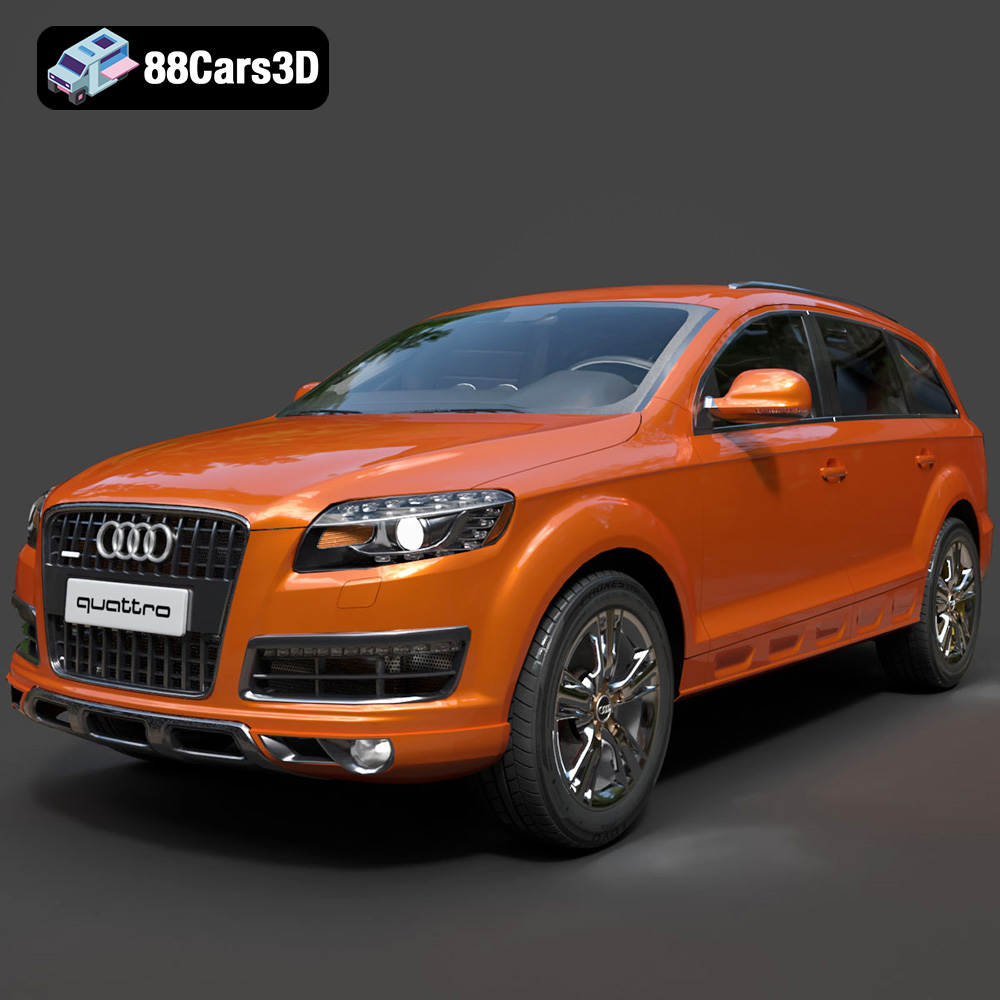
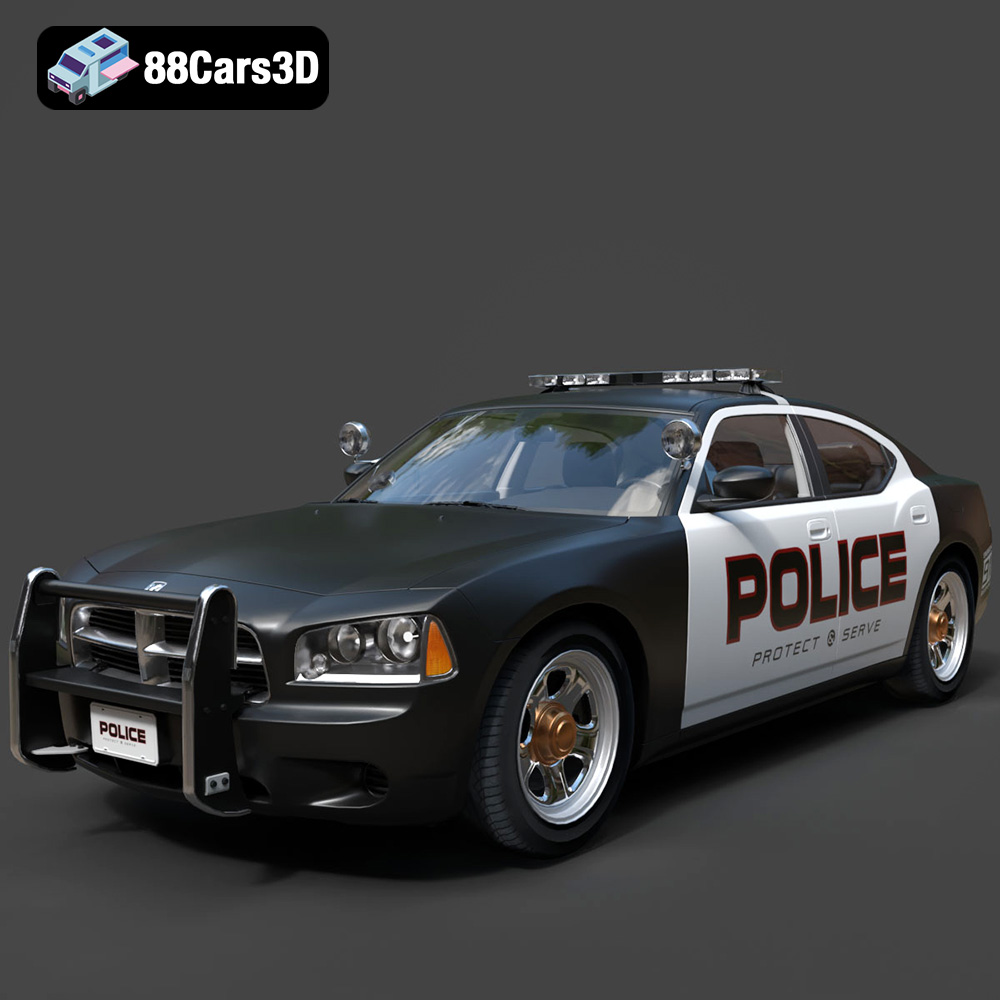
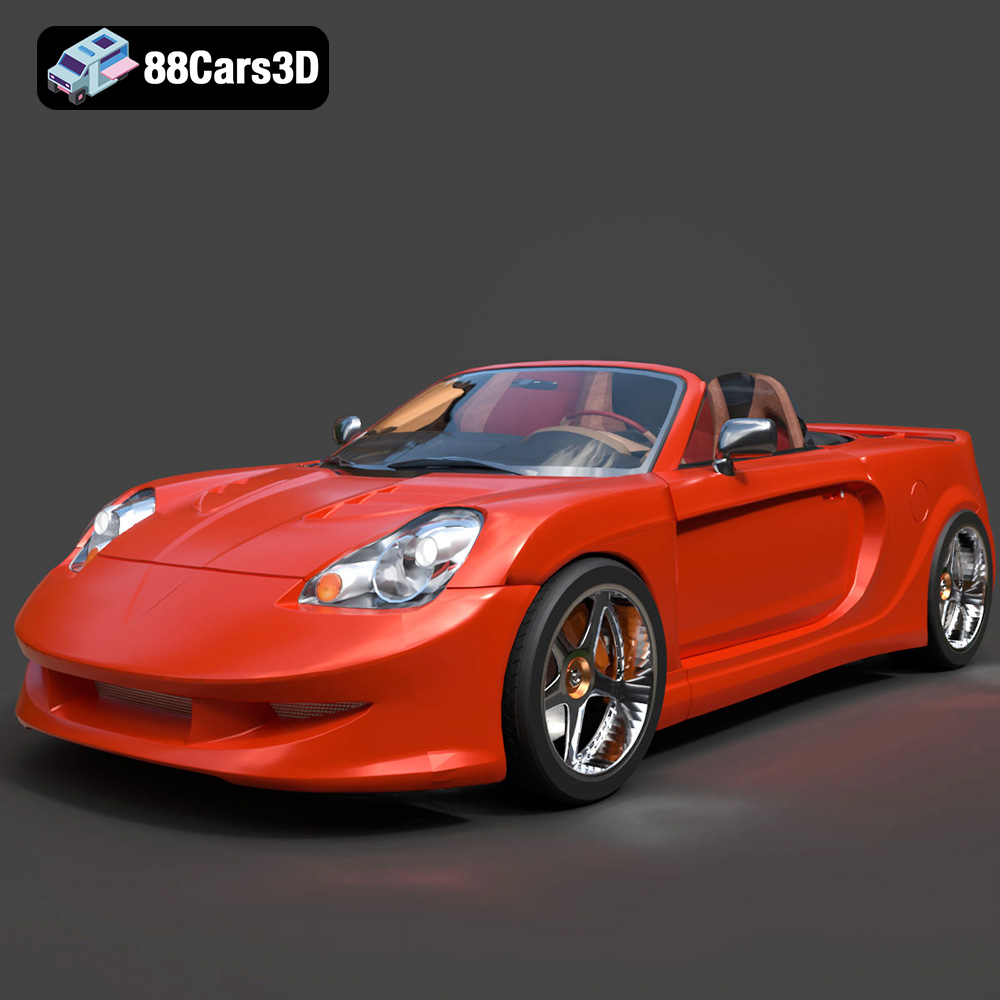
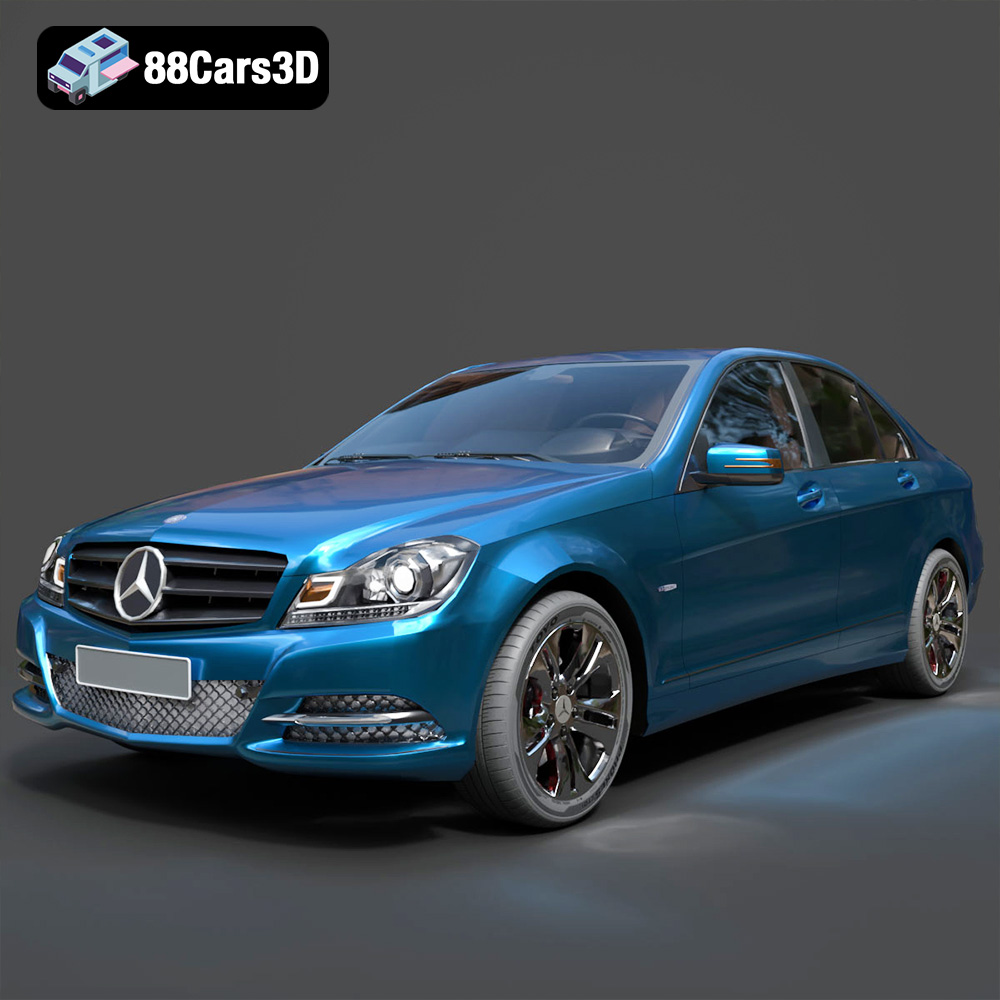
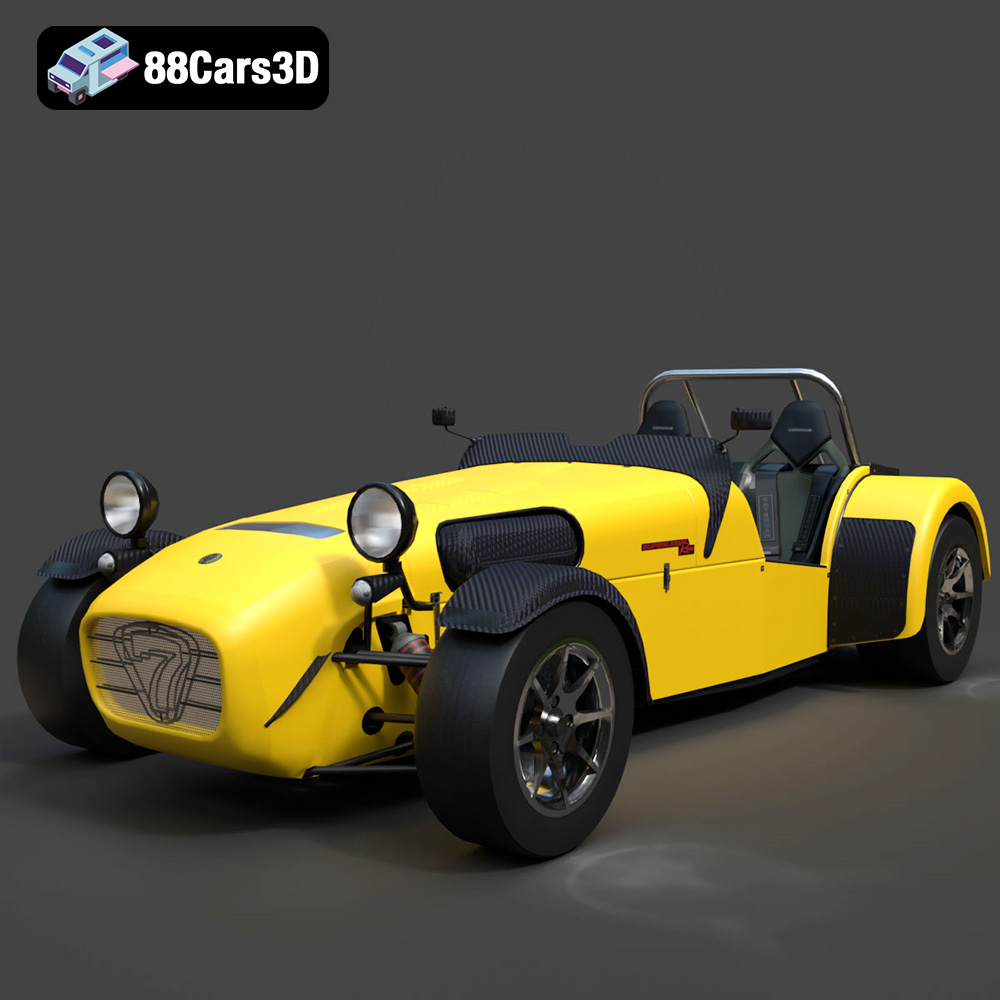
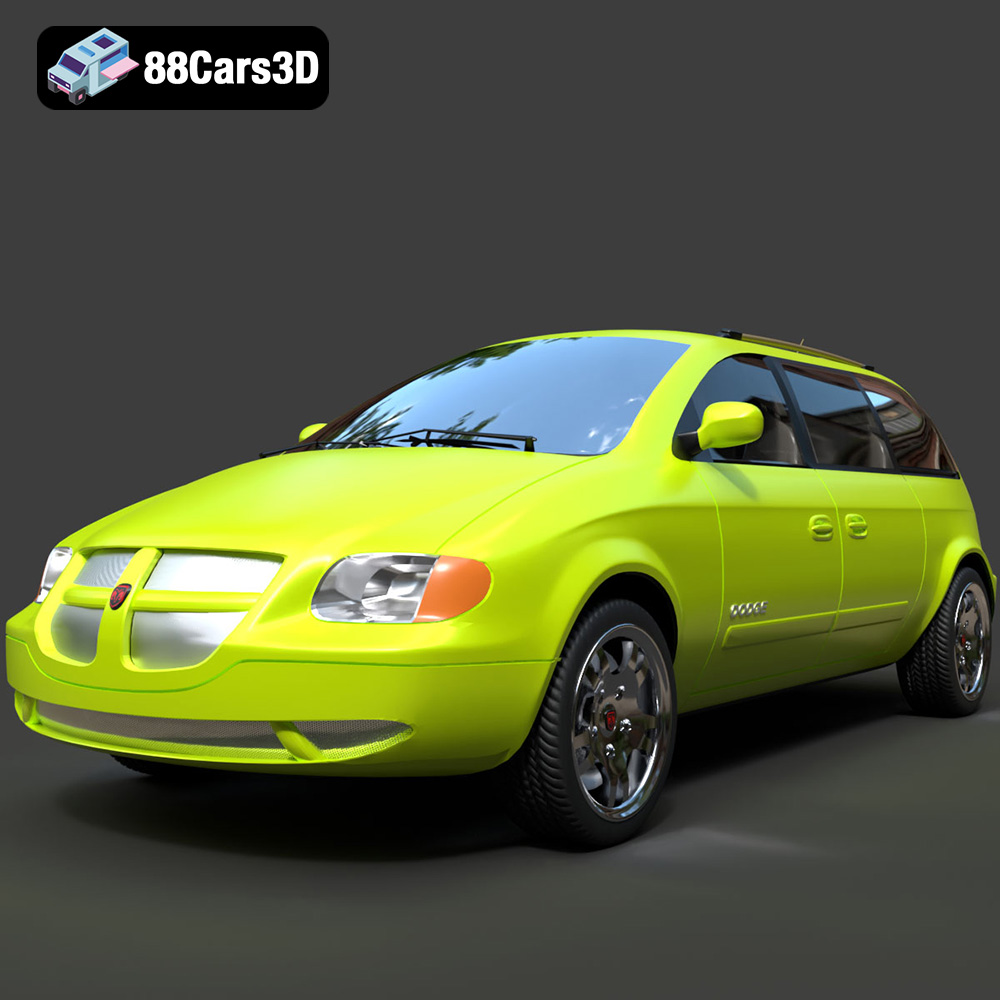
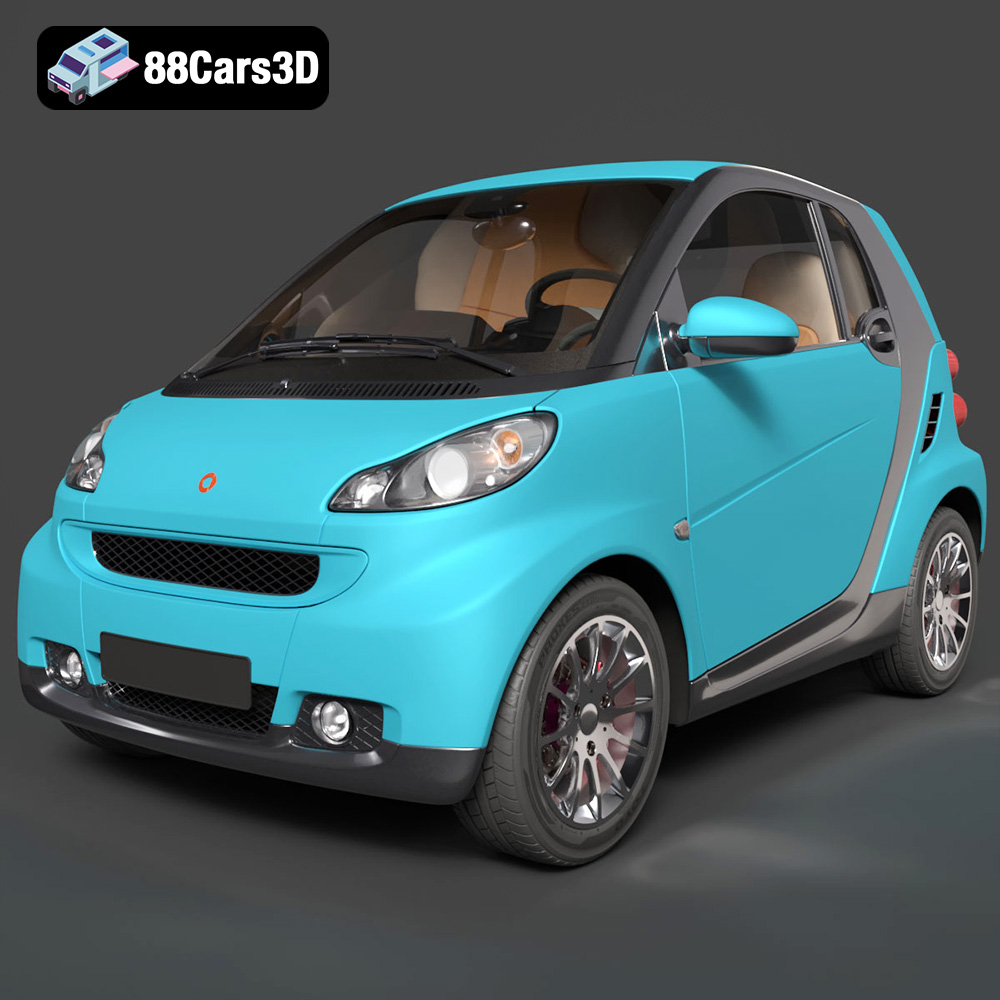
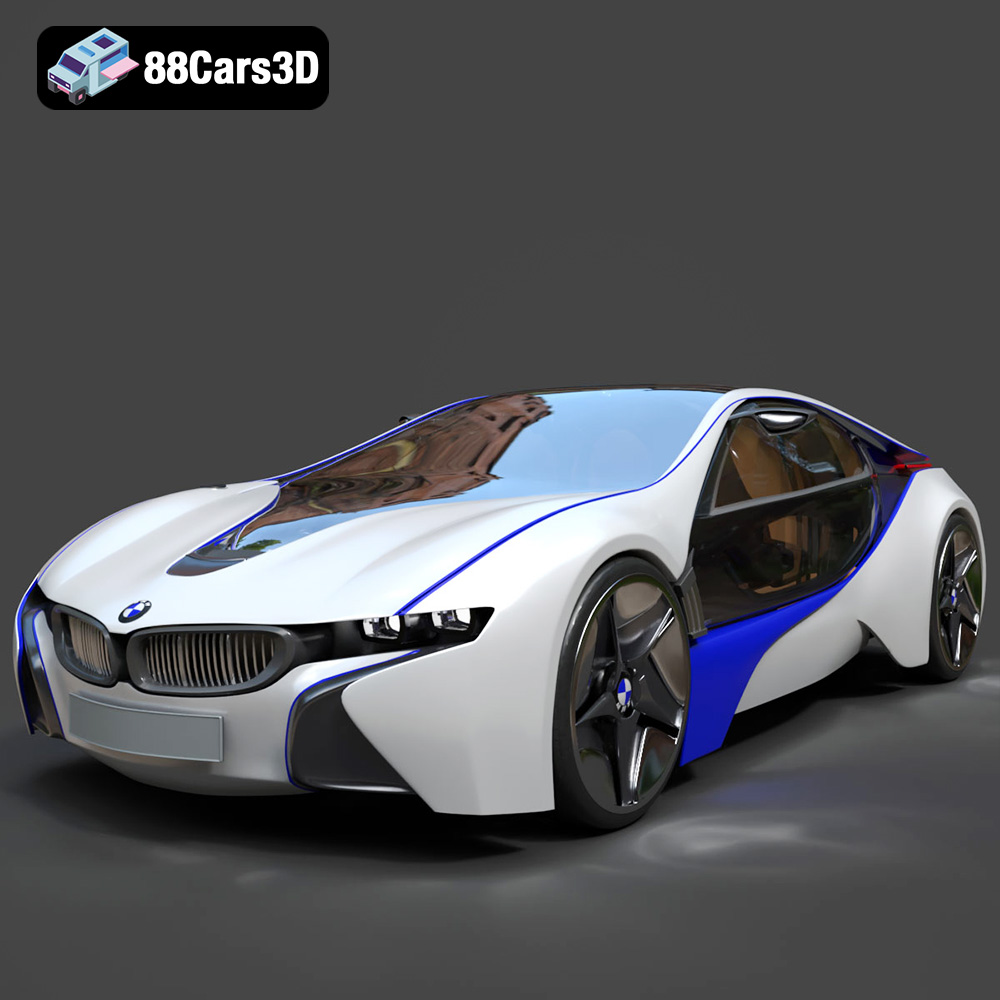
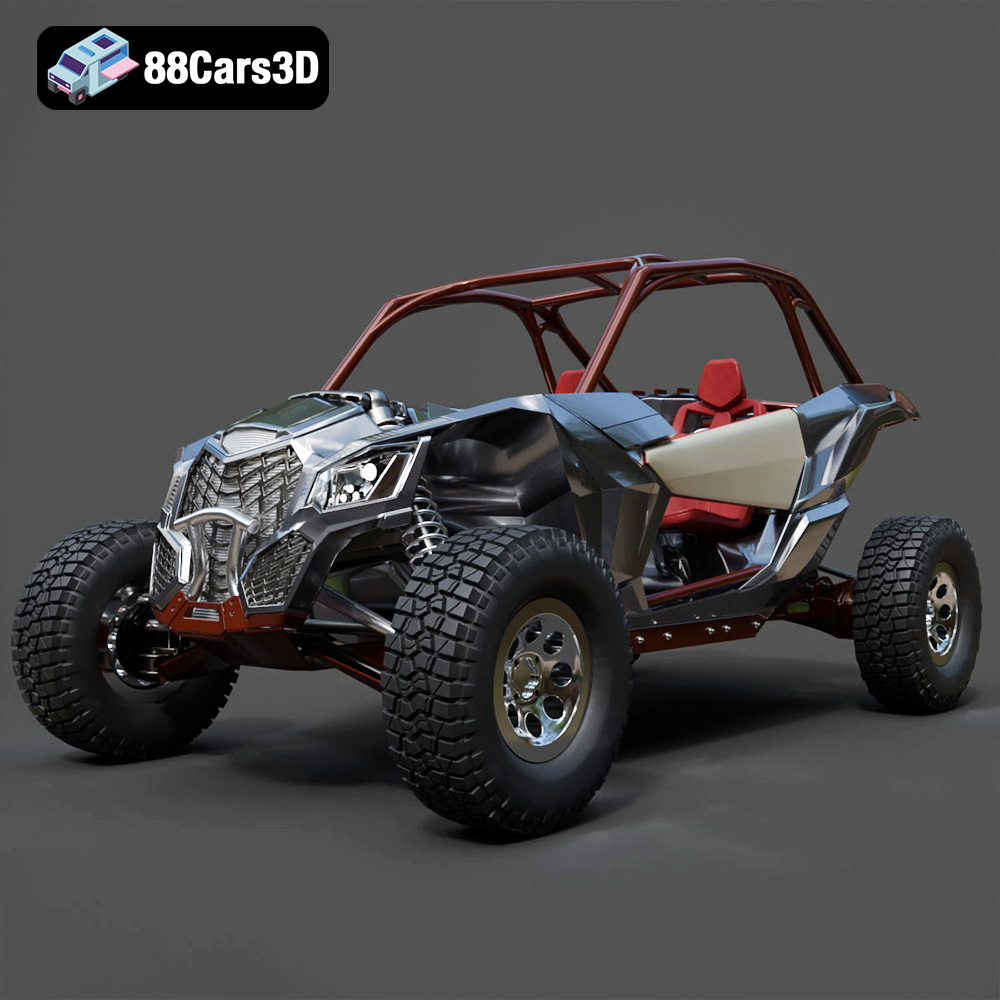
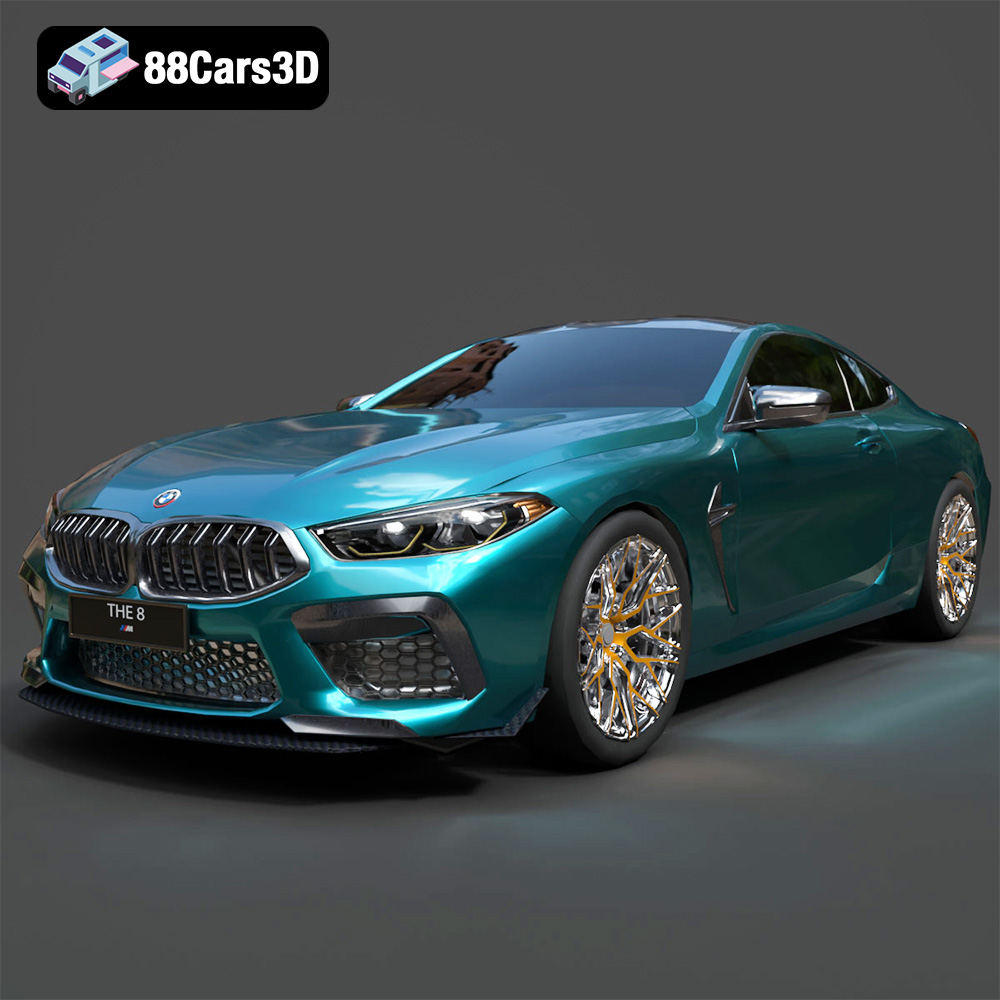
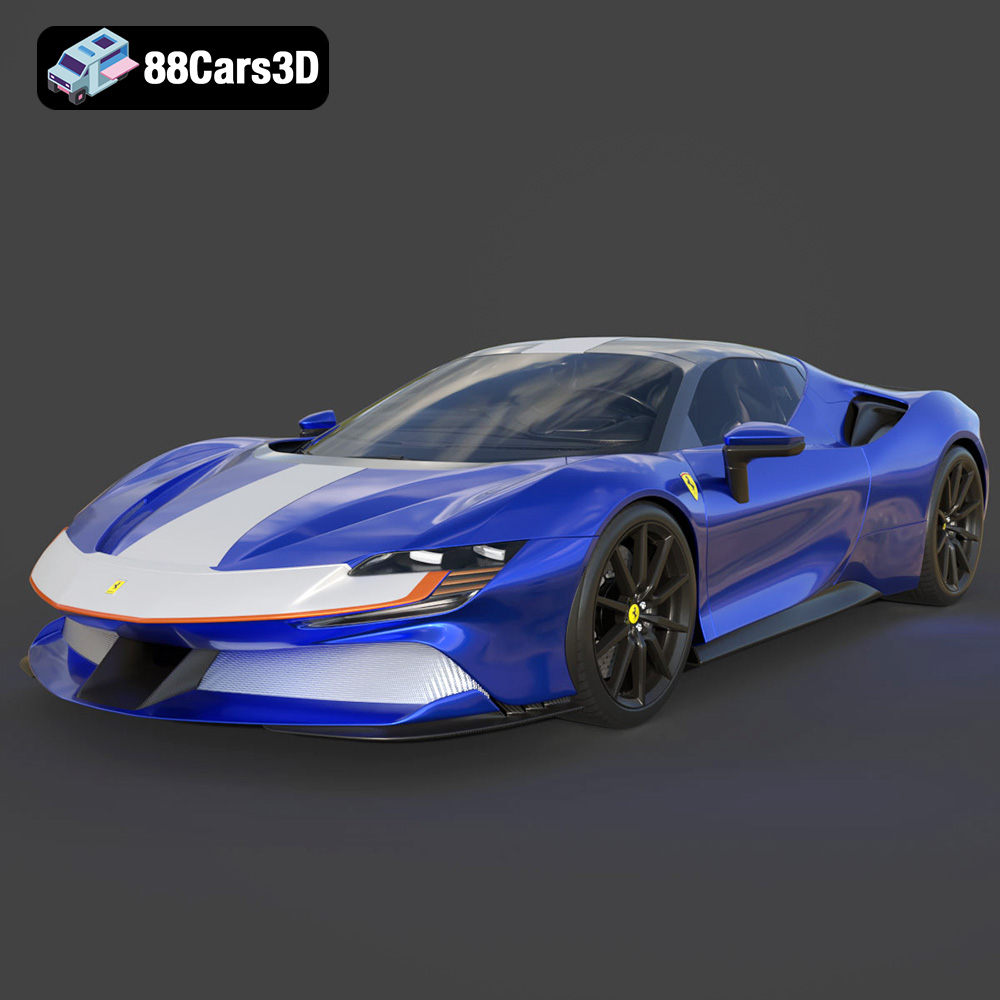
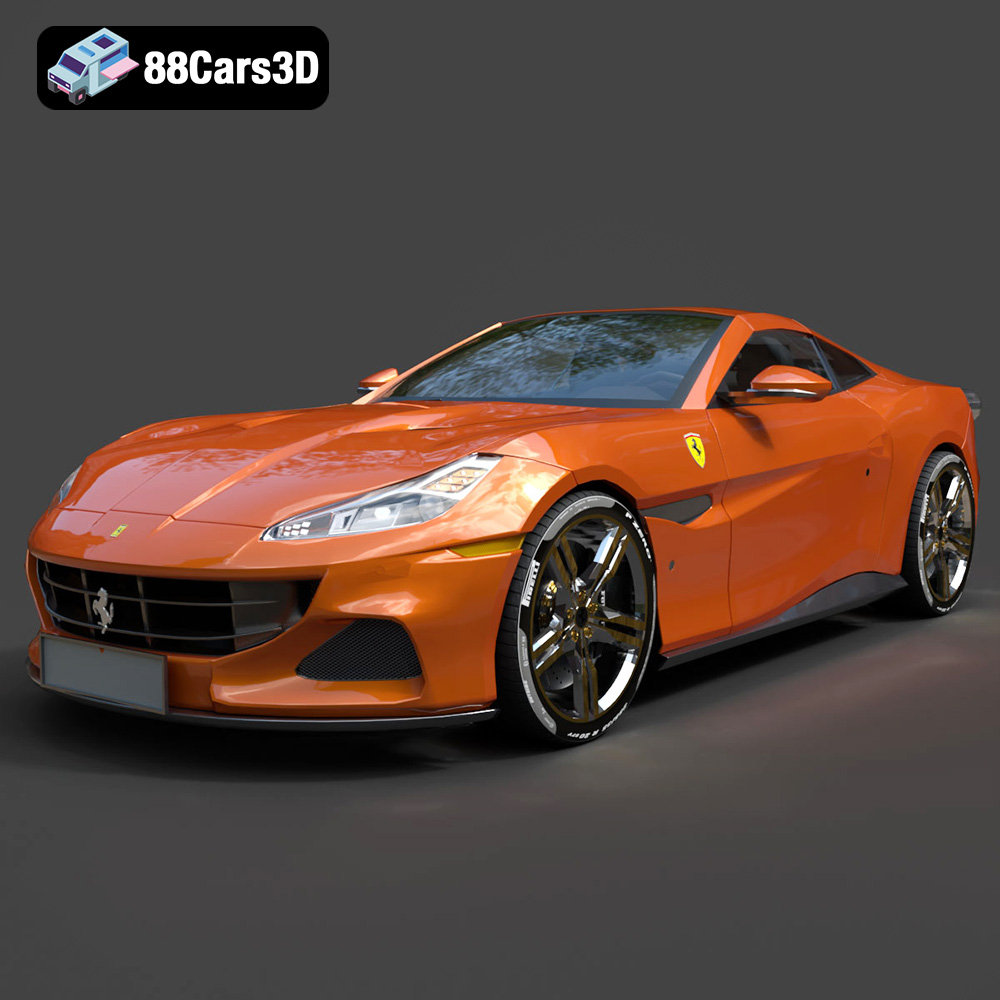
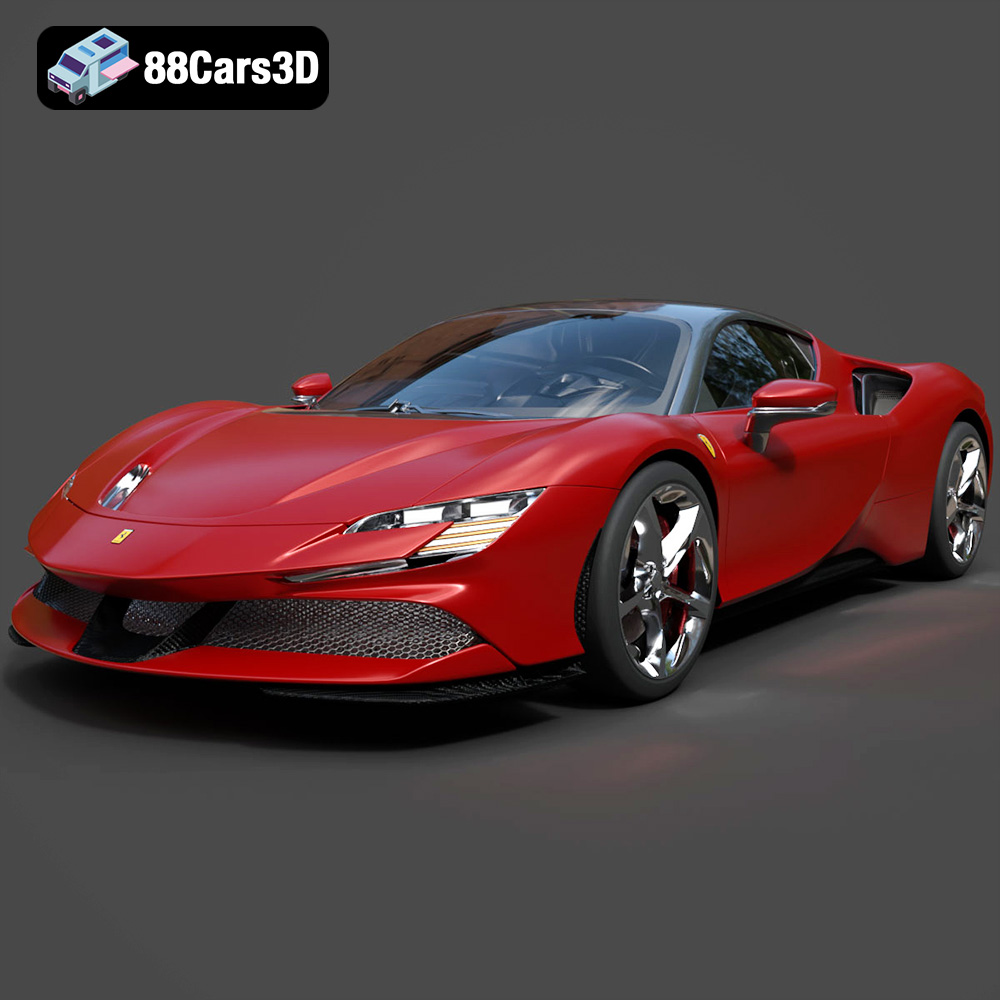
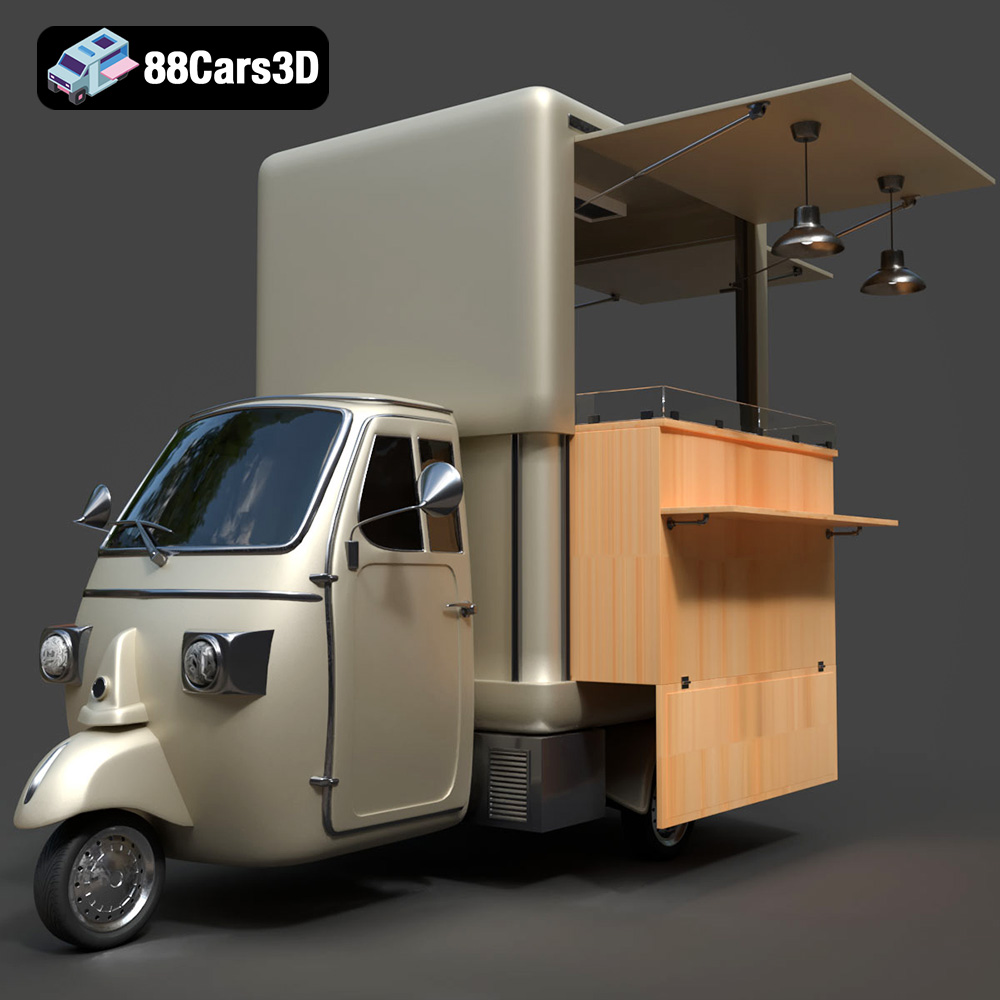
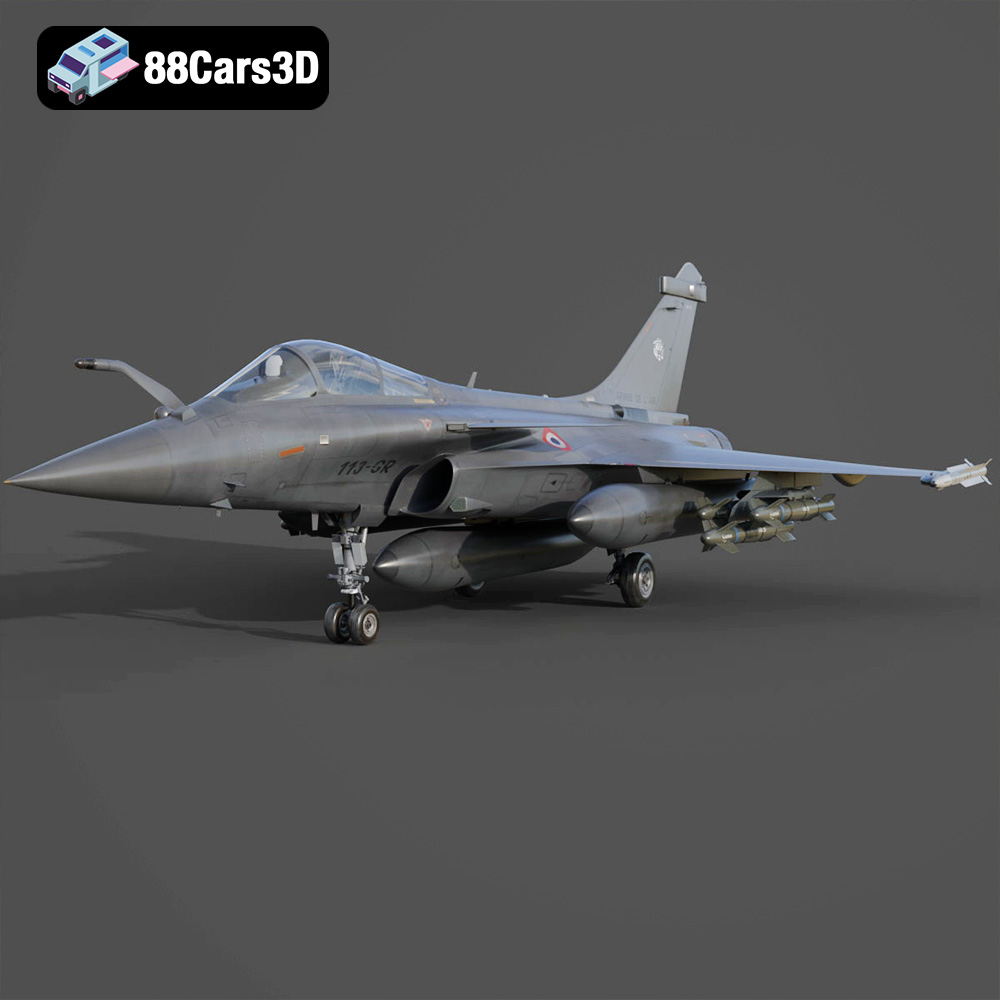
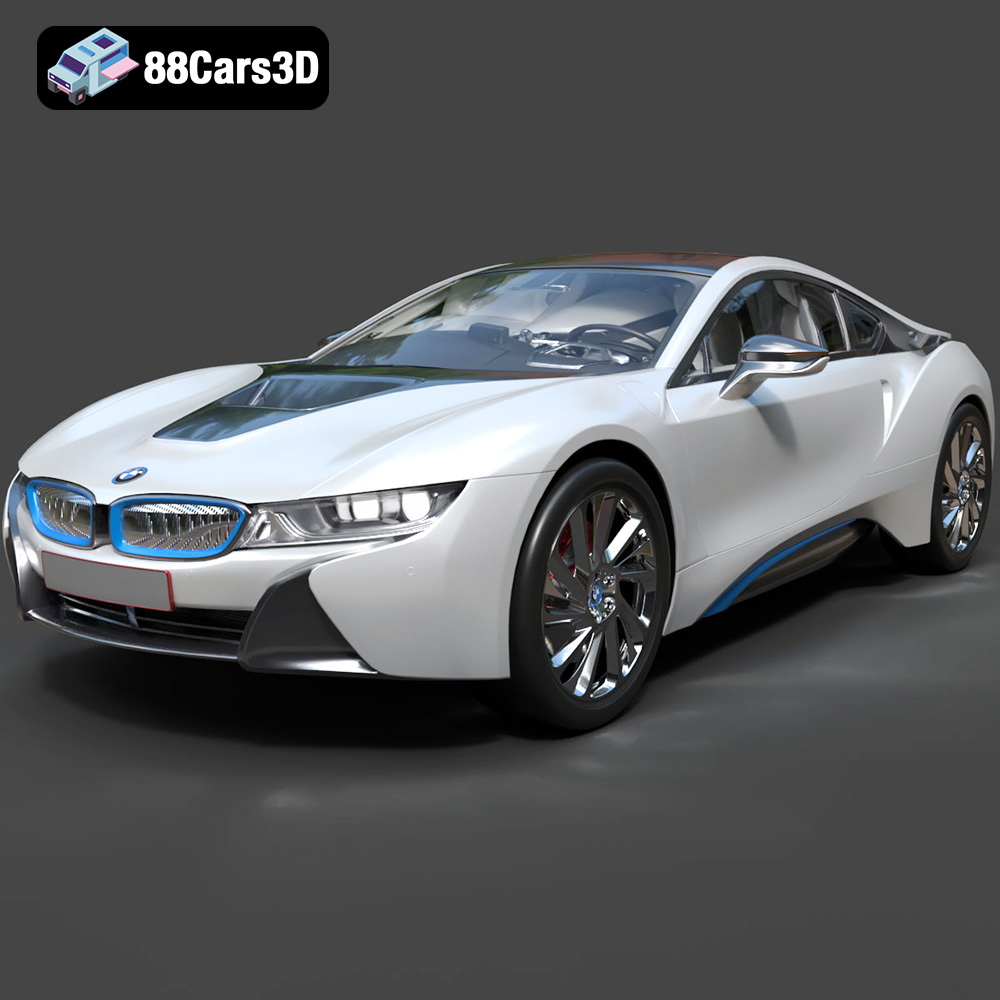
Driving Innovation: The Power and Precision of High-Quality 3D Car Models
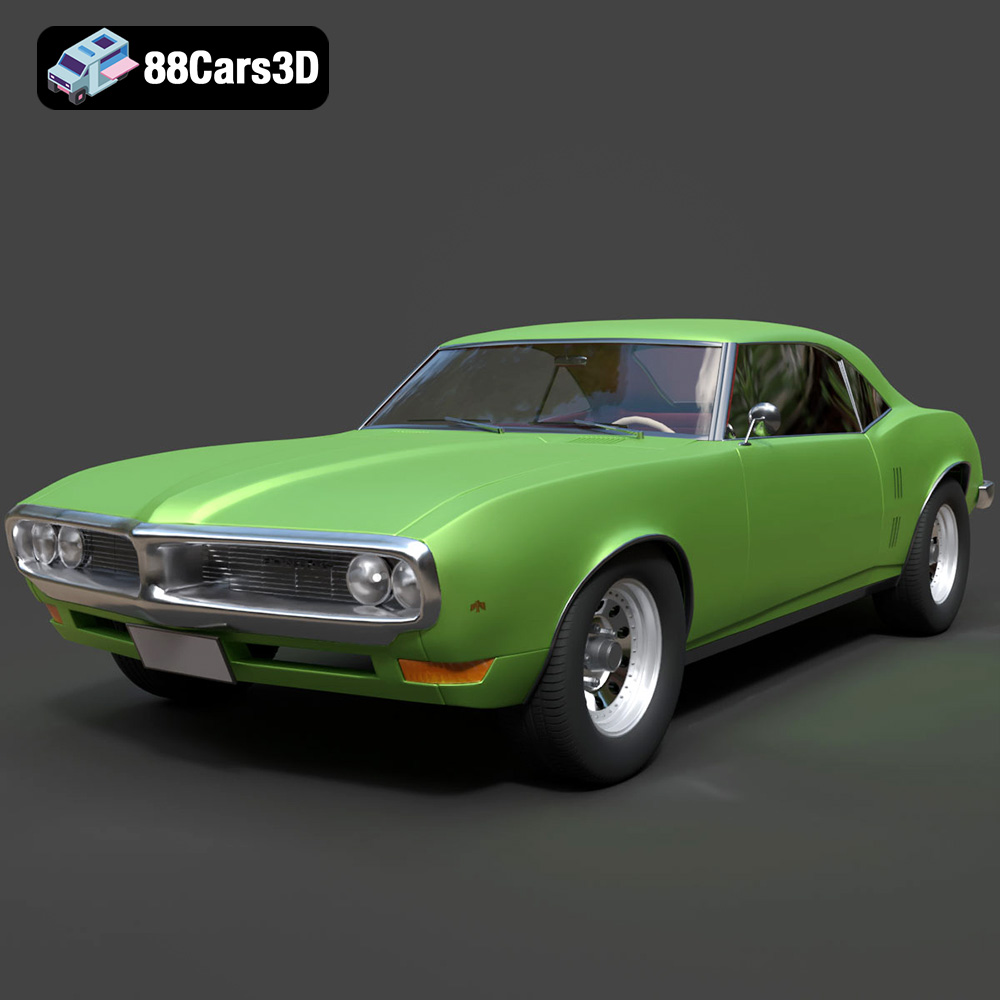
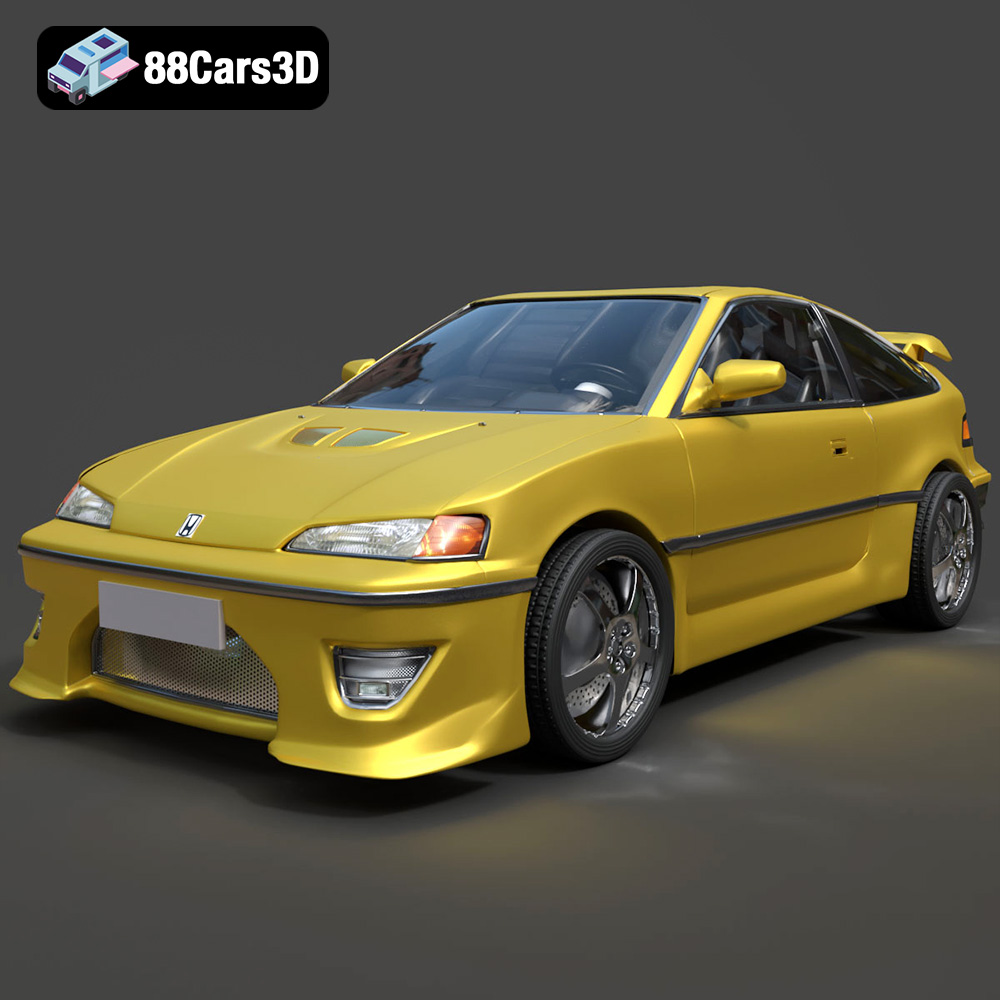
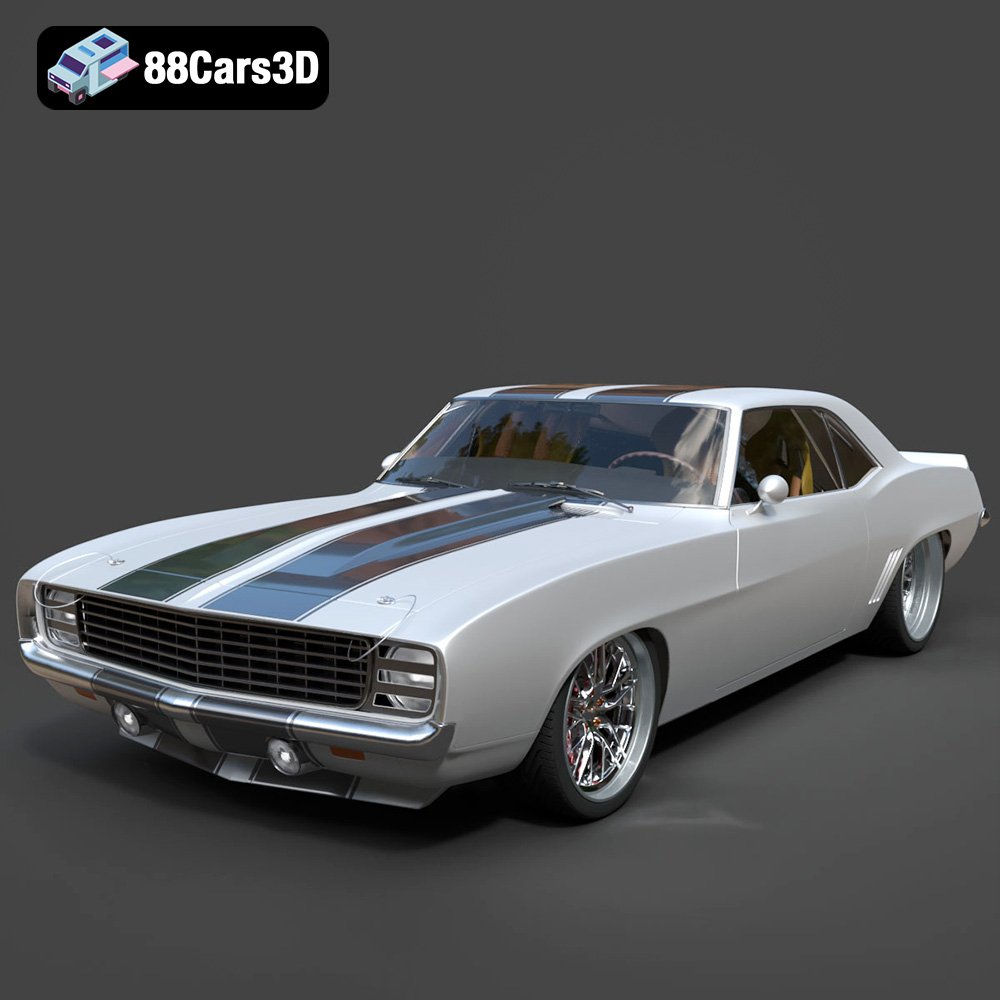
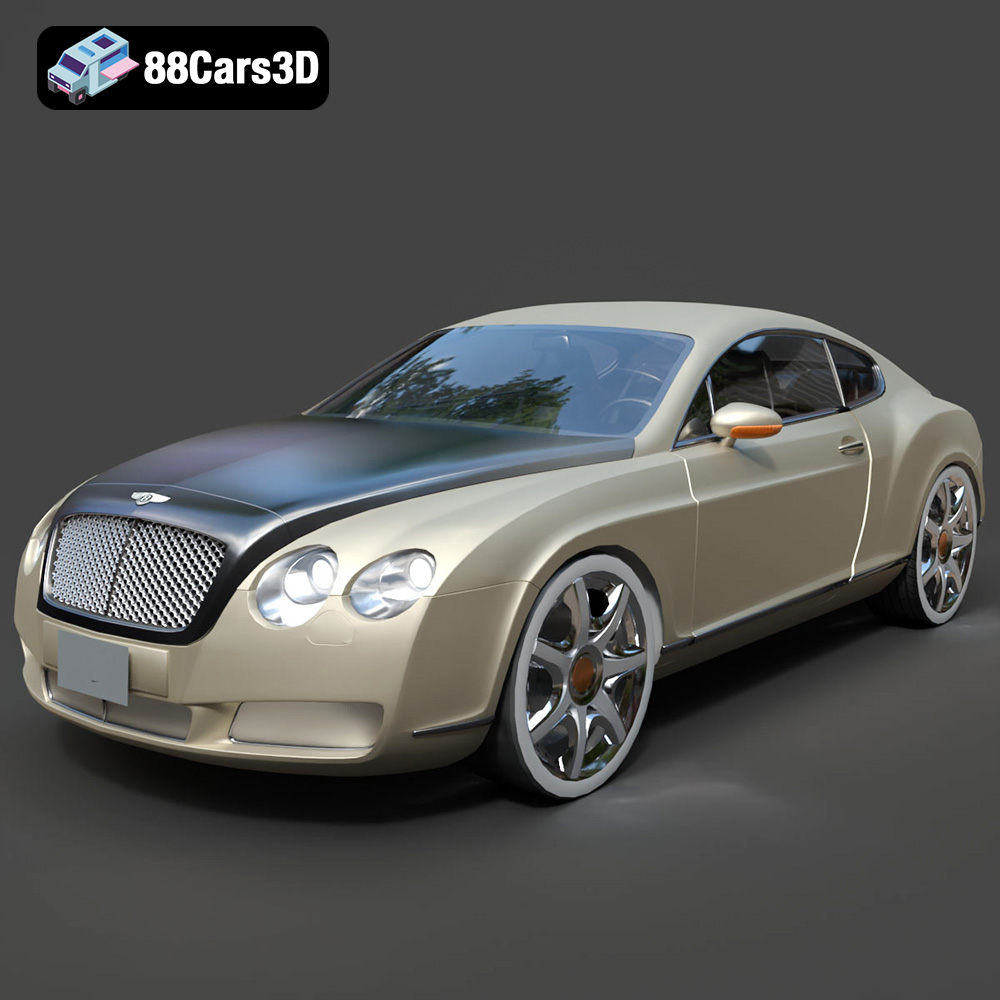
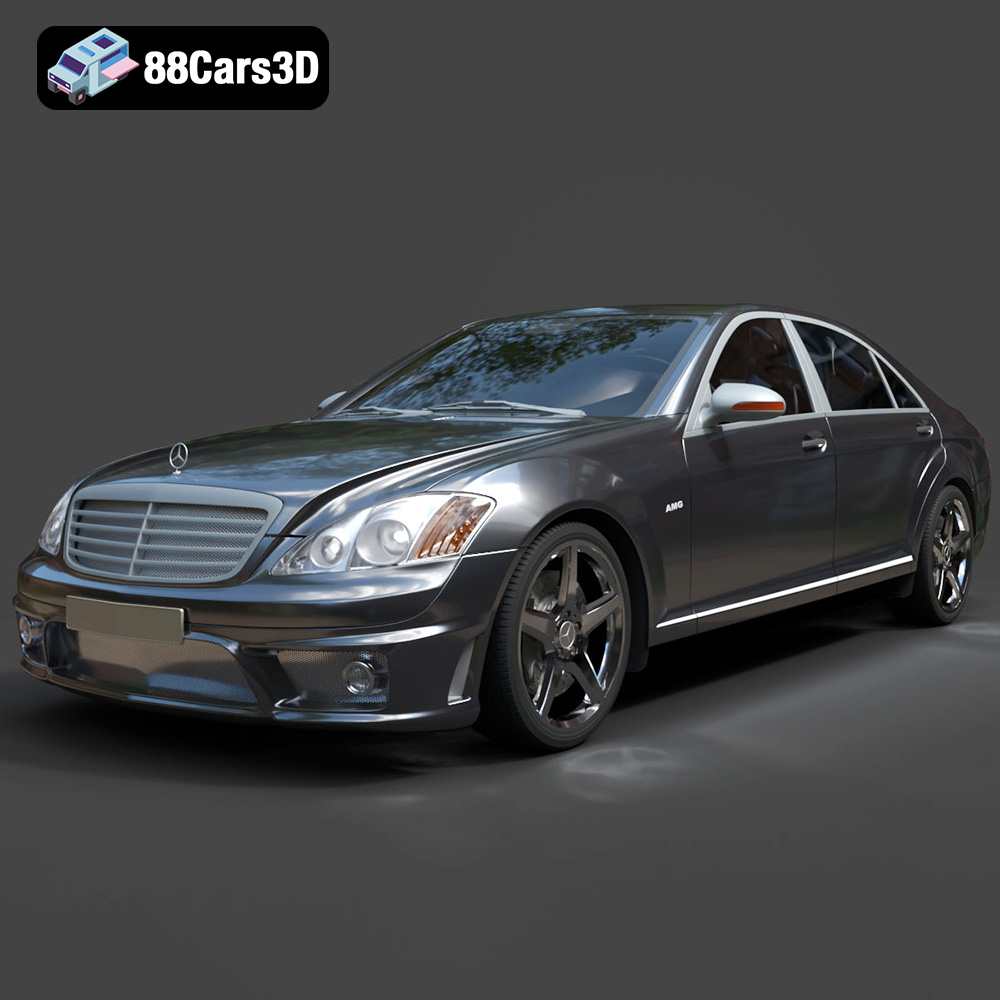
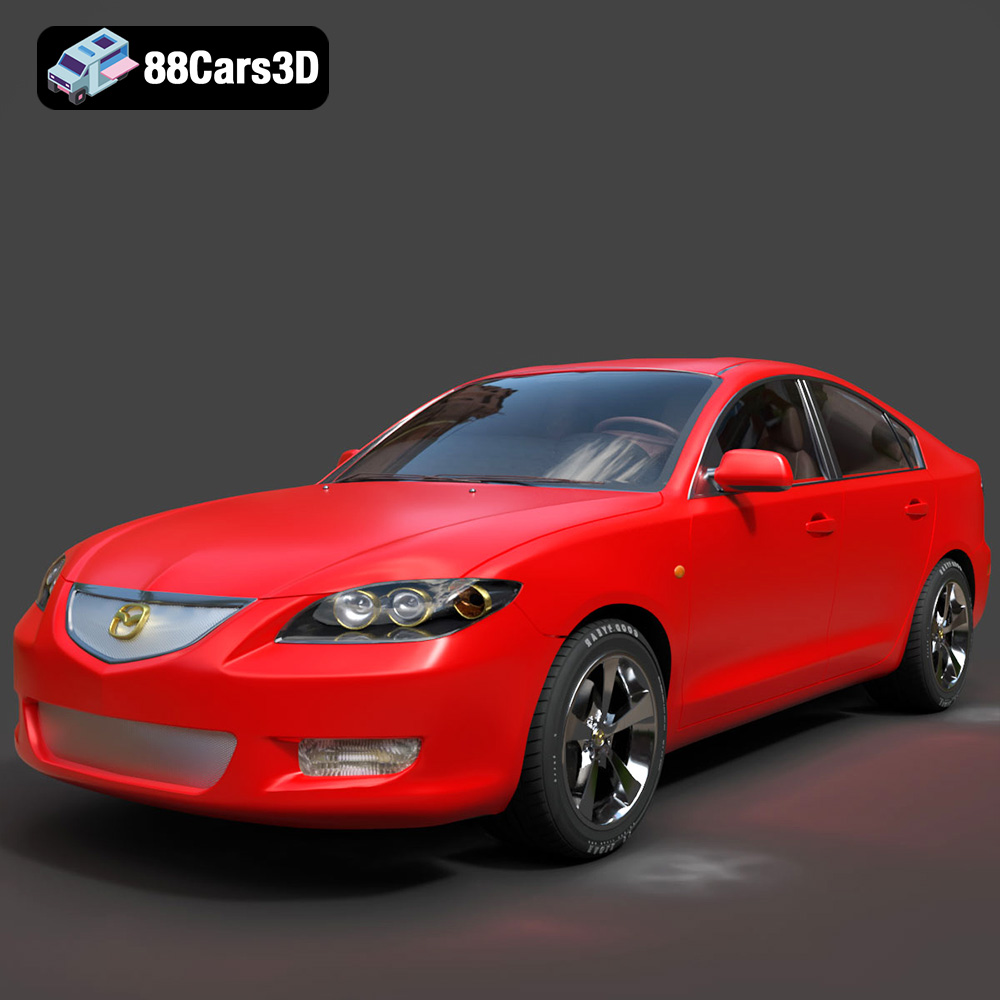
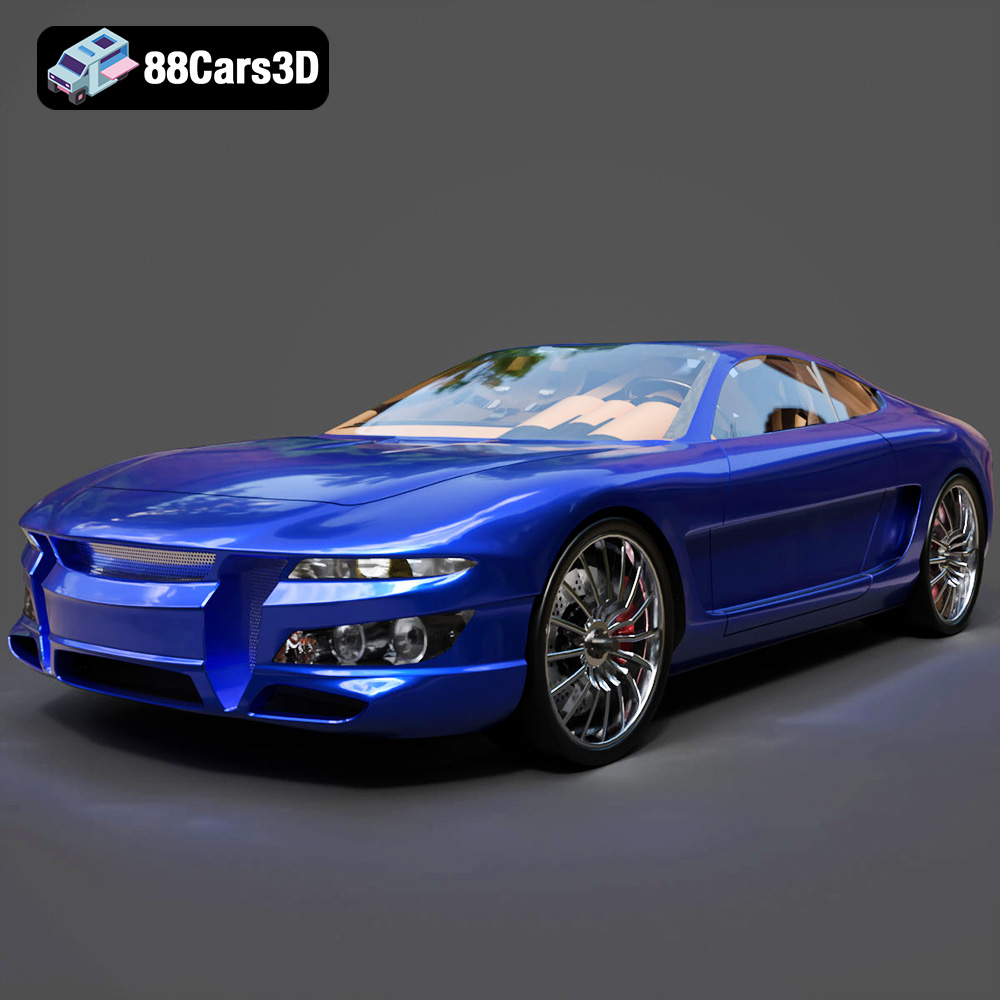
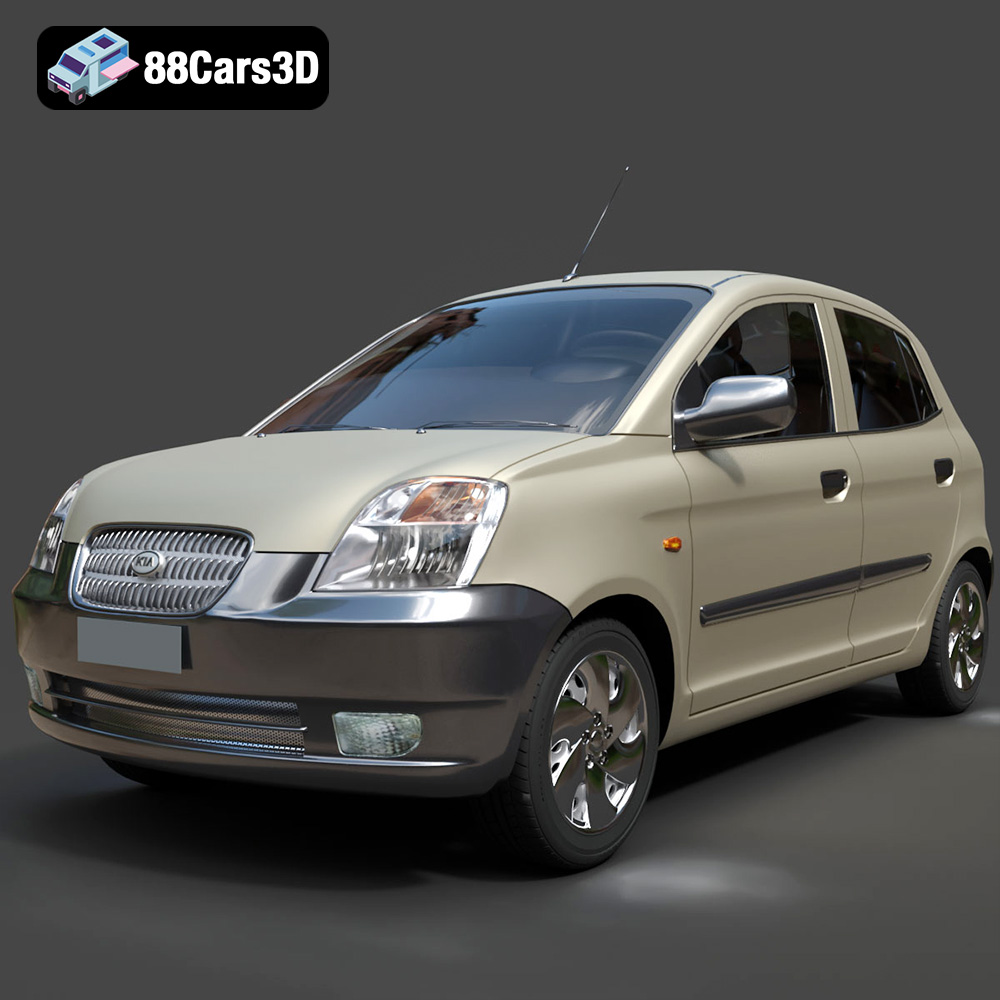
In the dynamic world of digital creation, the demand for realistic and impeccably detailed 3D assets is ever-growing. From blockbuster video games to cutting-edge automotive visualizations and immersive AR/VR experiences, high-quality 3D car models serve as the bedrock for compelling content. These aren’t just simple digital shapes; they are complex constructs of geometry, textures, and materials, meticulously crafted to replicate the intricate beauty and engineering marvel of real-world vehicles. The precision required to capture every curve, reflection, and mechanical detail is immense, making the selection of truly professional-grade assets a critical decision for any project. At 88cars3d.com, we understand this need for excellence, providing a curated selection of models designed to meet the rigorous demands of various industries, from professional studios to independent creators.
This comprehensive guide delves into the technical intricacies, workflows, and diverse applications of premium 3D car models. We’ll explore the foundational principles of their creation, dissect the critical role of various file formats, and illustrate how these digital masterpieces are brought to life through advanced automotive rendering techniques and seamlessly integrated as vital game assets. Whether you’re a seasoned 3D artist, a game developer, an architect, or a marketing professional, understanding the depth and potential of these assets is key to unlocking new levels of visual fidelity and project success.
The Foundation: Crafting High-Quality 3D Car Models
The journey from a real-world vehicle to a photorealistic digital representation is a testament to skilled artistry and technical prowess. Creating a high-quality 3D car model involves a meticulous process that balances aesthetic accuracy with technical efficiency. Every polygon, every surface, and every texture contributes to the final realism and performance of the asset.
Precision Modeling Techniques
The starting point for any exceptional 3D car model is precise modeling. This often begins with extensive reference material, including blueprints, detailed photographs from multiple angles, and even laser-scanned CAD data. Professional artists leverage a combination of techniques to sculpt the vehicle’s form:
- Subdivision Surface Modeling: This widely used technique involves starting with a low-polygon base mesh and then applying subdivision modifiers to smooth and refine the surfaces. It allows for highly organic shapes and offers excellent control over curvature and detail without creating excessively dense geometry too early in the process.
- NURBS Modeling: For absolute precision, especially in design and engineering contexts, Non-Uniform Rational B-Splines (NURBS) are sometimes employed. These mathematical surfaces offer unmatched smoothness and accuracy, making them ideal for replicating complex automotive body panels. While less common for real-time game assets due to conversion complexities, they are invaluable for initial design phases and high-end visualization.
- CAD Data Import: Many professional projects, particularly in automotive design and visualization, start with actual CAD (Computer-Aided Design) data directly from manufacturers. This provides an unparalleled level of accuracy. The challenge then lies in optimizing this highly dense, engineering-focused data into a usable, animatable, and renderable mesh for visualization or game engines.
The Importance of Clean Topology and UV Mapping
Beyond shaping the model, two technical aspects are paramount for quality and usability: topology and UV mapping.
- Clean Topology: Good topology refers to the strategic arrangement of polygons (preferably quads, or four-sided polygons) to define the model’s surface. Clean topology ensures smooth deformations during animation, predictable shading, and efficient rendering. For a complex asset like a car, this means careful edge flow around vents, headlights, panel gaps, and other intricate details. Poly count management is also crucial; models intended for real-time applications (like games or AR/VR) require optimization (e.g., 50,000-150,000 triangles for a detailed vehicle), while models for high-end rendering might easily exceed 500,000 triangles or more.
- Effective UV Mapping: UV mapping is the process of unfolding the 3D model’s surfaces into a 2D plane, allowing textures to be applied accurately. Well-executed UVs are crucial for preventing texture distortion, maximizing texture resolution, and enabling techniques like baking ambient occlusion or normal maps. Professional 3D car models feature clean, non-overlapping UV layouts, often utilizing multiple UV sets or UDIMs (a system for using multiple texture maps on a single material) to accommodate high-resolution PBR textures for different parts of the vehicle.
PBR Texturing and Material Creation
Photorealism hinges on the quality of materials and textures, driven by Physically Based Rendering (PBR) workflows. PBR materials accurately simulate how light interacts with surfaces in the real world, resulting in incredibly convincing renders.
- Key PBR Maps: A standard PBR material for a car will typically include:
- Albedo (Base Color): The pure color of the surface, free of lighting information.
- Normal Map: Adds fine surface detail (like scratches or subtle panel lines) without increasing polygon count.
- Roughness Map: Defines how rough or smooth a surface is, influencing how light scatters and reflects.
- Metallic Map: Indicates which parts of the surface are metallic or dielectric.
- Ambient Occlusion (AO) Map: Simulates soft shadows where surfaces are close together, adding depth.
- Complex Car Paint Shaders: Automotive paint is particularly complex, often requiring layered shaders to simulate the clear coat, metallic flakes, and base color accurately. These materials often involve advanced techniques like anisotropic reflections and subtle Fresnel effects to truly capture the lustrous quality of a car’s finish.
Understanding 3D Model File Formats
Choosing the right file format is as crucial as the model’s quality itself, dictating compatibility, ease of use, and overall project workflow. Different formats are optimized for different purposes, from comprehensive scene preservation to real-time engine integration or 3D printing. Understanding their strengths and limitations is vital for any 3D professional, and it’s why quality marketplaces like 88cars3d.com offer models in a range of these essential formats.
.blend – Blender’s Native Powerhouse
The .blend format is the native file type for Blender, the popular open-source 3D creation suite. When you acquire a .blend file, you’re getting a fully editable Blender scene, complete with all its components: geometry, materials, textures, lighting setups, cameras, animations, physics simulations, and even custom node setups. This format is ideal if you primarily work in Blender, as it offers the most comprehensive control and allows for deep customization of every aspect of the model. It’s excellent for artists who want to dissect, modify, or extend the original asset without losing any of its inherent properties. However, its native nature means direct compatibility with other software can be limited, often requiring export to more universal formats for cross-application use.
.fbx – The Industry Standard for Interoperability
Autodesk’s .fbx (Filmbox) format has become the de facto industry standard for exchanging 3D data between different software applications. Its strength lies in its ability to store not just geometry, but also materials (with PBR map references), textures, animations, rigging information, cameras, and lights. This makes it incredibly versatile, especially for pipelines involving multiple software packages like 3ds Max, Maya, Blender, ZBrush, and crucial for game engines like Unreal Engine and Unity. When a model is provided in .fbx, it signifies a strong focus on pipeline integration and efficiency, making it ideal for real-time applications where consistent asset transfer is paramount. While powerful, users should be mindful of version compatibility when importing between different software, as features can sometimes behave differently across versions.
.obj – Universal Compatibility and Simplicity
The .obj (Wavefront Object) format is one of the oldest and most universally supported 3D file formats. Its primary strength is its simplicity and widespread compatibility across virtually every 3D software application. An .obj file primarily stores geometric data – vertices, faces, and UV coordinates – and can reference external .mtl (material) files for basic material properties and texture paths. While it doesn’t support advanced features like rigging, animation, or complex material node setups, its robustness for pure mesh data makes it an excellent choice for straightforward asset transfer, archival purposes, or as a fallback option when more complex formats present compatibility issues. It’s a reliable workhorse for geometry exchange, particularly useful when the primary goal is to import and re-texture a mesh in a new environment.
.glb – Modern Web and AR/VR Optimization
.glb (GL Transmission Format Binary) is an increasingly important format, especially for modern web-based 3D, Augmented Reality (AR), and Virtual Reality (VR) applications. It’s the binary version of the glTF format, designed to be compact, efficient, and “transmission-ready.” A .glb file packages geometry, materials, textures (often embedded), animations, and scene hierarchy into a single, self-contained file. This makes it incredibly easy to load and display 3D content directly in web browsers, mobile AR apps, and various VR platforms without complex parsing. Its optimization for real-time rendering and small file size makes it perfect for interactive web experiences, e-commerce product visualization, and lightweight mobile applications where performance is critical.
.stl – For the Physical World: 3D Printing
The .stl (Stereolithography) format is the industry standard for 3D printing. Unlike other formats that focus on visual representation, .stl describes only the surface geometry of a 3D object using a collection of interconnected triangles. It does not contain color, texture, or material information. When you need to transform a digital car model into a physical object, an .stl file is what your 3D printer will read. Due to its tessellated nature, the resolution of the printed object is directly dependent on the density of triangles in the .stl file. For complex models, a high triangle count is necessary to ensure smooth surfaces and accurate detail translation in the physical print.
.ply – Precision Mesh Format for CAD or Analysis
The .ply (Polygon File Format, or Stanford Triangle Format) is another format primarily focused on storing 3D scanner data and meshes. It can store a wider range of properties than .obj, including color, transparency, confidence values, normal vectors, and even custom attributes per vertex or face. While not as universally used for general asset exchange as .fbx, .ply is a robust format particularly favored in academic, research, and engineering fields for storing precise scanned data or meshes derived from CAD systems for analysis, reverse engineering, or high-fidelity geometric processing. It is less common for game assets or standard rendering workflows but highly valuable for technical applications requiring detailed point cloud or mesh data.
.unreal – Engine-Ready Asset for Real-Time Environments
The .unreal designation isn’t a standalone file format in the traditional sense, but rather refers to an asset that has been specifically prepared, optimized, and often packaged within an Unreal Engine project. This means the 3D car model has gone through the full pipeline: imported into Unreal Engine, had its materials set up using Unreal’s PBR shader system, collision meshes generated, Level of Detail (LOD) assets configured, and potentially blueprints for interaction or animation integrated. Such an asset is “engine-ready,” meaning it can be dropped directly into an Unreal project with minimal additional setup. Acquiring a model in this form saves significant development time for Unreal Engine users, as much of the crucial optimization and integration work has already been completed by the asset creator.
.max – 3ds Max: Comprehensive Production Environments
The .max format is the native project file for Autodesk 3ds Max, a leading software in architectural visualization, product design, and game content creation. Similar to .blend, a .max file preserves an entire 3ds Max scene, including geometry, complex material networks (e.g., V-Ray, Corona, Arnold shaders), intricate lighting setups, camera animations, character rigs, and custom scripts. For artists and studios working within a 3ds Max pipeline, this format offers the highest level of detail and editability. It allows users to fully leverage all features of 3ds Max, including its robust modeling tools, powerful render engines, and extensive plugin ecosystem. The .max format is ideal for high-end cinematic rendering, detailed product visualization, and situations where full access to the original scene construction is required for extensive modifications or complex animations.
Each of these formats serves a distinct purpose, and a well-rounded collection of 3D car models often provides options across several of them. Understanding which format to use and when is a cornerstone of efficient 3D production, ensuring your digital assets seamlessly integrate into your chosen workflow and deliver the desired outcome. For professionals seeking diverse and high-quality options, 88cars3d.com offers models packaged in these industry-standard formats, ensuring you have the right tool for every job.
Mastering Automotive Rendering: Bringing Cars to Life
Once a 3D car model is meticulously crafted, the next crucial step is rendering: the process of generating a photorealistic image or animation from the 3D data. This is where the digital vehicle truly comes alive, transformed from polygons into stunning visuals suitable for marketing, film, or architectural visualization.
Setting Up Your Scene: Environment and Lighting
Effective lighting and a convincing environment are paramount for photorealistic automotive rendering. A great model can look mediocre without thoughtful scene setup.
- HDRI (High Dynamic Range Image) Lighting: HDRIs are spherical panoramic images that capture real-world lighting information, including color, intensity, and reflections. Using an HDRI as a primary light source is a common technique for automotive rendering because it provides highly realistic and complex reflections on the car’s reflective surfaces, making it appear grounded in its environment. Whether simulating an outdoor scene or a studio setup, a well-chosen HDRI is invaluable.
- Studio Lighting Setups: For product shots and marketing materials, virtual studio lighting setups are frequently employed. This involves strategically placing virtual area lights, spotlights, and softboxes to highlight the car’s form, emphasize design elements, and create dramatic shadows and reflections. Techniques like three-point lighting (key, fill, back light) are adapted for 3D environments, often supplemented by rim lights and accent lights to define edges.
- Physically Accurate Lighting: Modern render engines (like V-Ray, Corona, Arnold, Cycles, Octane) are built on physically based light transport algorithms. This means light behaves as it would in the real world, bouncing off surfaces, refracting through glass, and scattering through volumes. Understanding principles like inverse square law and color temperature is essential for creating believable lighting that reacts naturally with the PBR materials of the car.
Advanced Material Shaders and Textures
The materials applied to a 3D car model are what truly sell its realism. Automotive materials are notoriously challenging due to their complex optical properties.
- Car Paint: Beyond simple PBR maps, realistic car paint shaders often involve multiple layers. A base layer for the primary color and metallic flakes, topped with a clear coat layer that provides the glossy, reflective finish. This clear coat often features subtle variations in roughness, subtle orange peel effects, and a strong Fresnel effect (where reflectivity increases at glancing angles).
- Glass: Car glass isn’t just transparent. It has specific refractive indices, subtle tints, and often a degree of dirt, dust, or water droplets that break up perfect reflections. Realistic glass shaders account for accurate refraction, reflection, and absorption of light.
- Rubber and Tires: Tires require a distinct roughness and subtle micro-detail from normal maps to convey their texture. Different parts of the tire (tread, sidewall) might have varying material properties to account for wear and manufacturing differences.
- Chrome and Metallic Accents: Highly reflective metals like chrome need very high metallic values, low roughness, and often a pristine normal map to appear perfectly smooth and mirror-like. Anisotropic reflections are often used for brushed metals to simulate the directionality of surface scratches.
Post-Production Techniques for Photorealism
Even the best render needs a touch of post-processing to achieve that final polished look found in professional photography and film.
- Compositing: Renders are often output as multi-pass images (e.g., separate passes for diffuse, reflection, refractions, shadows, Z-depth). These passes are then combined in software like Photoshop or Nuke, allowing for non-destructive adjustments and greater control over the final image.
- Color Grading: Adjusting the overall color balance, contrast, and saturation of the image is critical for setting the mood and visual style. Color grading helps unify different elements and enhances the photorealistic feel.
- Depth of Field (DOF): Mimicking the optical properties of a real camera lens, DOF adds a sense of realism by blurring elements that are out of focus, drawing the viewer’s eye to the key subject (the car).
- Motion Blur: For animated sequences, accurate motion blur is essential. It simulates the effect of a camera’s shutter speed during movement, making the animation appear smoother and more cinematic.
- Lens Effects: Adding subtle lens flares, chromatic aberration, or vignetting can further enhance the photographic quality of the render.
Integrating 3D Car Models into Game Development
For game developers, 3D car models are more than just visual assets; they are interactive elements that must perform flawlessly within real-time environments. The journey from a high-poly render-ready model to an optimized game asset involves a distinct set of considerations and workflows.
Optimization for Real-Time Performance
The primary challenge in game development is balancing visual fidelity with performance. Every asset, especially complex ones like cars, needs careful optimization.
- Level of Detail (LODs): LODs are multiple versions of the same model, each with a progressively lower polygon count. The game engine dynamically swaps between these versions based on the camera’s distance from the object. A car far away might use an LOD with only a few thousand triangles, while a car up close uses the full detailed mesh. This significantly reduces the processing load.
- Draw Calls and Material Instancing: Minimizing draw calls (instructions sent to the GPU to render an object) is crucial. This often means combining meshes where possible and using material instancing. Material instances allow multiple objects to share the same base material, but with different parameters (like color or texture variations), reducing overhead compared to unique materials for every single component.
- Collision Meshes: Game engines require simplified collision meshes that accurately represent the car’s physical boundaries without being overly complex. These are often manually created or automatically generated low-poly approximations that allow for realistic physics interactions without taxing the engine with complex geometry calculations.
Workflow in Unreal Engine
Unreal Engine is a powerhouse for creating visually stunning and highly interactive games. Integrating 3D car models into Unreal involves several key steps:
- Importing Assets: Typically, .fbx is the preferred format for importing static meshes and skeletal meshes into Unreal Engine. The import process allows for options like generating collision, combining meshes, and importing materials and textures.
- Material Setup: Once imported, PBR textures (albedo, normal, roughness, metallic, ambient occlusion) are connected to Unreal Engine’s powerful material editor. Complex car paint shaders can be built using various nodes, allowing for dynamic control over color, metallic flakes, and clear coat effects. Unreal’s material instancing is invaluable here, allowing artists to create multiple color variations from a single master material.
- Blueprint Integration: For interactive vehicles, Unreal’s Blueprint visual scripting system is used to define car physics, controls, lighting (headlights, brake lights), and other interactive elements. This includes setting up wheel colliders, suspension parameters, engine properties, and input mapping for player control.
- Lighting and Reflections: Integrating the car into the game world involves setting up dynamic lighting, reflection probes, and possibly Lumen or Nanite for advanced global illumination and high-fidelity geometry, ensuring the car looks visually consistent with its environment.
Implementing Advanced Features
Beyond basic integration, modern games demand advanced features for a truly immersive driving experience.
- Vehicle Physics Systems: Implementing realistic vehicle physics involves setting up wheel colliders, suspension, engine torque curves, braking forces, and tire friction models. Unreal Engine offers a robust vehicle physics system that can be extensively customized.
- Damage Systems: A convincing damage system adds significant realism. This can range from simple material swaps (e.g., a “damaged” texture applying to a dented area) to complex vertex deformation or even interchangeable body parts when certain damage thresholds are met. Techniques like blend shapes or procedural mesh generation can simulate dents and scrapes dynamically.
- Custom Shaders: Artists often develop custom shaders for effects like dynamic dirt accumulation, rain streaks, or unique car paint finishes that go beyond standard PBR. These shaders can respond to environmental conditions or gameplay events, enhancing the visual fidelity and interactivity of the car within the game world.
Beyond Rendering: Diverse Applications of 3D Car Models
While automotive rendering and game development are major drivers for 3D car models, their versatility extends far beyond these traditional uses, impacting various industries and opening new frontiers for visualization and interaction.
Augmented Reality (AR) and Virtual Reality (VR) Experiences
AR and VR are transforming how we interact with digital content, and 3D car models are at the forefront of this revolution.
- Virtual Showrooms: Car manufacturers and dealerships use AR/VR to create immersive virtual showrooms, allowing potential buyers to explore vehicles in a highly interactive and engaging way. Customers can customize paint colors, interior trims, open doors, and even “sit inside” the car from the comfort of their home, experiencing it at a 1:1 scale. Models optimized for .glb format are particularly useful here.
- Design Prototyping: Designers can review and iterate on car designs in VR, experiencing scale and spatial relationships in a way that 2D screens cannot convey. This significantly speeds up the design process and helps identify ergonomic or aesthetic issues early on.
- Interactive Training: AR/VR can provide hands-on training for mechanics or automotive assembly workers, allowing them to practice procedures on virtual car models without the need for physical prototypes, reducing costs and risks.
Product Visualization and Marketing
High-quality 3D car models are invaluable tools for marketing and product visualization, offering unparalleled flexibility and control.
- Marketing Campaigns: Instead of costly physical photo shoots, brands can generate an infinite array of photorealistic images and animations from a single 3D model. This allows for rapid iteration of marketing content, showcasing cars in diverse environments, with various customizations, and under different lighting conditions, all without moving a physical vehicle.
- Online Configurators: Many car brands now offer online configurators where customers can customize their desired vehicle and see real-time 3D renders of their choices. This requires highly optimized 3D models with modular parts and dynamic material systems.
- Interactive Explainer Videos: 3D models allow for “x-ray” views, cutaways, and animations that explain complex engineering components or features of a car in an intuitive and engaging manner, ideal for online videos or in-dealership displays.
Training Simulators and Architectural Visualization
The utility of 3D car models extends into specialized fields demanding high fidelity and specific functional requirements.
- Driving Simulators: From professional driver training to entertainment, realistic driving simulators rely heavily on accurate 3D car models combined with sophisticated physics engines. These simulators provide safe and controlled environments to practice driving skills, test vehicle behavior, or simply enjoy a virtual drive.
- Architectural Visualization: Car models are essential for populating architectural renders and animations. They provide scale, context, and a sense of realism to urban scenes, parking lots, or driveways, helping architects and clients visualize how a building or development will look in a real-world setting. The quality of these accessory vehicles significantly impacts the overall realism of the architectural visualization.
Conclusion
The journey through the world of 3D car models reveals a sophisticated intersection of art, engineering, and technology. From their meticulous creation through advanced modeling and texturing techniques, to their versatile applications in cutting-edge automotive rendering and dynamic game environments, these digital assets are indispensable across numerous industries. The careful consideration of file formats, optimization strategies, and advanced rendering techniques underscores the technical depth required to harness their full potential. Whether crafting cinematic visuals, building immersive game worlds, or developing innovative AR/VR experiences, the quality of your 3D car models directly impacts the success and impact of your project.
As technology continues to evolve, so too will the capabilities and demands placed upon these virtual vehicles. Investing in high-quality, technically sound 3D car models is not just about aesthetics; it’s about future-proofing your projects, streamlining your workflows, and achieving unparalleled realism. For creators and professionals seeking this level of excellence, 88cars3d.com stands as a reliable source for premium assets, enabling you to drive your visions forward with confidence and precision.
Featured 3D Car Models