⚡ FLASH SALE: Get 60% OFF All Premium 3D & STL Models! ⚡

“`html
The world of 3D printing offers an unparalleled level of customization, transforming digital designs into tangible objects with breathtaking detail. For automotive enthusiasts and model makers, this means the ability to create not just accurate car replicas, but highly personalized ones. Imagine printing a classic muscle car with its iconic badge perfectly rendered, or a modern sports car sporting a custom racing stripe. Achieving this level of fidelity requires understanding how to integrate intricate details like logos, emblems, and other custom elements into your 3D printable STL files. This guide will take you deep into the technical intricacies of preparing and printing these small but significant additions, ensuring your 3D printed car models stand out from the crowd. We’ll cover everything from file preparation and software workflows to crucial slicing settings and post-processing techniques. Whether you’re using FDM or resin printers, mastering these skills will elevate your automotive 3D printing projects to a professional level.
At the heart of 3D printing lies the STL (STereoLithography) file format. While seemingly simple, its underlying structure is crucial for rendering complex geometries like car logos and emblems. An STL file represents a 3D surface as a collection of triangular facets. For small, detailed elements, the quality of this mesh is paramount. Poorly constructed meshes with overlapping triangles, non-manifold edges, or holes can lead to printing errors, failed prints, and inaccurate representations of the intended details. When working with models that include logos or emblems, especially those downloaded from marketplaces like 88cars3d.com, it’s essential to ensure these details are either intricately modeled into the base mesh or provided as separate, high-resolution components. The ‘manifold’ nature of a mesh – meaning it encloses a volume without gaps or self-intersections – is critical. A non-manifold mesh can confuse the slicer, leading to unpredictable results. Understanding basic mesh topology, such as edge, vertex, and face relationships, helps in diagnosing and fixing issues before they impact your print.
Before any detailed component can be successfully printed, its mesh integrity must be verified and, if necessary, repaired. Software like Meshmixer, Blender, or even built-in tools within professional CAD software and slicers like PrusaSlicer offer functionalities to detect and fix common mesh errors. For logos, this might involve ensuring the “cut-in” or “embossed” elements have sufficient depth and clean edges. Tools like ‘Make Solid’ in Meshmixer or ‘3D-Print Toolbox’ in Blender can convert complex or problematic geometry into a watertight, printable mesh. When dealing with finely detailed emblems, the triangle count (resolution) of the STL becomes a factor. A very low-resolution mesh will result in blocky, jagged edges, while an excessively high-resolution mesh can lead to unmanageable file sizes and increased processing times for your slicer. Striking a balance is key, often involving decimating or remeshing the STL to an appropriate level of detail for the intended print size and printer capability. On platforms like 88cars3d.com, models are typically provided with clean, manifold geometry, but custom additions may require this step.
Instead of modeling every tiny emblem directly into the main car body, a common and often more effective approach is to model them as separate STL files. This allows for greater design freedom, easier material changes (e.g., printing a metallic-look logo separately), and simpler mesh repair. These separate STL files can then be imported into your slicer and positioned precisely onto the car model during the slicing process. This workflow requires careful alignment. Using your 3D modeling software (like Blender or Fusion 360) to position the logo accurately on a virtual representation of the car body is the first step. When exporting, ensure each component (car body and logo) is saved as a separate STL. In the slicer, you’ll import both files. For FDM printing, this often means printing the logo as a separate part and then attaching it using adhesive after printing. For resin printers, more advanced techniques like strategically placing supports and aligning the parts in the slicer for a single print are possible, but this demands extreme precision.
The slicer is where your digital model is translated into instructions for the 3D printer. For small, intricate details like car logos and emblems, the default slicing settings are often insufficient. Achieving sharp edges, clean embossed or debossed surfaces, and minimal distortion requires careful adjustment of various parameters. Layer height is a primary factor; a lower layer height results in finer resolution and smoother curves, which is essential for capturing the nuances of a logo. Print speed also plays a significant role. Printing small, detailed features too quickly can lead to poor layer adhesion, ringing artifacts, and inaccurate geometry. Conversely, excessively slow speeds can sometimes lead to over-extrusion or heat creep. Understanding how these settings interact is crucial for successful reproduction of fine details.
The layer height is arguably the most impactful setting for print quality on detailed models. For FDM printing, common layer heights range from 0.1mm to 0.3mm. To capture the crisp lines of a car emblem, a layer height of 0.1mm or even 0.08mm is often recommended. However, this comes at the cost of significantly increased print time. A model that takes 5 hours at 0.2mm might take 15-20 hours at 0.1mm. For resin printing (SLA/DLP/MSLA), layer heights are typically much finer, often ranging from 0.025mm to 0.05mm, inherently providing much higher resolution for intricate details like logos without the same proportional increase in print time compared to FDM. When downloading models from 88cars3d.com, consider the intended print scale. If you’re printing a large-scale model, you might be able to get away with a slightly larger layer height. For smaller prints, finer settings are non-negotiable.
Printing small details, especially on the outer walls or top surfaces of logos, requires reducing print speed. The “Outer Wall Speed” and “Infill Speed” are key settings to adjust. For intricate logos, consider setting the outer wall speed to as low as 20-30 mm/s. This allows the printer’s nozzle more time to deposit material accurately and prevents ringing artifacts from blurring the details. Some slicers, like Cura, offer advanced options such as “Print Thin Walls,” which can be beneficial for very fine extruded or embossed lines on logos. However, this setting should be used with caution, as it can sometimes lead to under-extrusion if not tuned correctly. For resin printing, the lift speed (how fast the build plate moves up and down) is critical for fine details and can influence print time and peel forces that might dislodge delicate features.
Car emblems often feature complex geometry with slight overhangs or bridging requirements, such as the gaps within letters or the curves of a badge. Slicers have specific settings to handle these challenges. “Enable Bridging” should be turned on. Adjusting “Bridge Speed” and “Bridge Flow” can improve the quality of these transitions. Additionally, “Support Overhang Angle” determines when supports are generated. For logos, you might want to set this to a lower angle (e.g., 45-60 degrees) to provide support for even slight overhangs, ensuring the detail is captured accurately. However, excessive supports can mar the surface finish of delicate emblems, necessitating a careful balance and often manual support placement.
Support structures are indispensable for printing models with overhangs and bridges, and this is especially true for detailed car logos and emblems. The goal is to provide adequate support without damaging the fine details during removal. This requires a nuanced approach, understanding the different types of supports, their placement, and their interface settings. Poorly implemented supports can leave unsightly marks, break delicate parts, or fail to provide sufficient stability, leading to print failures. For automotive models with integrated or separately printed logos, strategically placed supports are key to achieving a clean, professional finish that reflects the quality of the original design.
Most slicers offer different support structures: standard (tree-like), zig-zag, or concentric. For delicate emblems, “Tree” supports (available in Cura and PrusaSlicer) are often preferred as they tend to use less material and are easier to remove from complex surfaces. They branch out from the build plate or the model itself to touch the overhangs. Manual support placement offers the highest degree of control. You can choose exactly where to add support points, targeting only the most critical overhangs on the logo or emblem. This is particularly useful for ensuring the sharp edges of embossed lettering or the underside of curved badges remain well-defined. For parts printed separately, consider their orientation on the build plate. Printing a logo flat on its back might require supports for the front details, while printing it vertically might require supports along the edges, potentially impacting the clean side profile.
The “Support Interface” settings in your slicer are critical for clean support removal, especially from detailed surfaces like car logos. The interface is a denser layer of material printed just below the actual model surface. Settings like “Support Interface Layers,” “Support Interface Density,” and “Support Interface Pattern” allow you to control how this interface adheres to the model. A denser interface provides better support but can be harder to remove. A common strategy is to use a slightly denser interface with a pattern like “Lines” or “Concentric” directly beneath the model, with sparser, tree-like supports beneath that. Adjusting the “Support Z Distance” (the gap between the model and the top of the support interface) is also crucial. A smaller Z distance (e.g., 0.1-0.2mm for FDM) provides better surface quality but makes removal harder. Experimentation is often needed to find the optimal balance for your specific printer and filament.
Even with perfectly tuned settings, removing supports from intricate logos can be challenging. For FDM prints, using sharp hobby knives, flush cutters, or needle-nose pliers is standard. Gently twist and break away the support material. For resin prints, supports are often thinner and more brittle. Carefully remove them using appropriate tools, often under a magnifying glass or microscope for extremely fine details. Isopropyl alcohol (IPA) baths can help soften some resin support materials, making them easier to remove. Once supports are removed, you might be left with small nubs or marks. These can often be cleaned up using files, sandpaper (progressing through grits), or a Dremel tool on a low setting. For logos that are meant to be painted, these surface imperfections are easier to correct during the priming and painting stages.
The choice of material and specific printer settings significantly impacts the final quality of 3D printed car models, especially when incorporating fine details like logos and emblems. Different materials have unique properties affecting strength, surface finish, and ease of post-processing. Coupled with precise printer calibration and tailored slicer profiles, these choices form the bedrock of successful, high-fidelity prints. Whether you’re aiming for the smooth finish of a resin print or the robust nature of an FDM print, understanding these technical aspects is essential for achieving professional results that truly showcase your automotive passion.
FDM (Fused Deposition Modeling) printing is popular for its versatility and affordability. Materials like PLA and PETG are commonly used. PLA is easy to print and offers good detail, making it suitable for many car models. PETG provides greater strength and temperature resistance. However, FDM printers have a visible layer line due to the extrusion process, which can impact the smoothness of curved surfaces and fine details on logos. Nozzle size also plays a role; a smaller nozzle (e.g., 0.25mm or 0.4mm) allows for finer features than a larger one. Resin printing (SLA/DLP/MSLA) excels in capturing extremely fine details and achieving exceptionally smooth surfaces. Layer lines are nearly invisible, making it ideal for intricate emblems, badges, and realistic automotive finishes. Common resin types include standard, tough, and flexible resins, each offering different properties. However, resin prints often require more post-processing (washing, curing) and can be more brittle than FDM prints, depending on the resin used. The cost per print volume is also generally higher.
For FDM printing, **PLA** is an excellent starting point for car models. Print settings typically involve a nozzle temperature of 190-220°C and a bed temperature of 50-60°C. Layer height should be kept low (0.1mm – 0.15mm) for details. **PETG** offers better durability but requires higher temperatures (230-250°C nozzle, 70-85°C bed) and can be stringier, requiring careful retraction settings. For resin printing, **standard photopolymer resins** are suitable for general models. Print settings are highly dependent on the specific resin and printer model, but generally involve exposure times per layer ranging from 1 to 8 seconds, depending on the layer height and resin type. Ensure your resin vat is clean and the FEP film is in good condition, as any debris can ruin fine details. Calibration is key: running a calibration print like the “Cones of Calibration” or “RERF” (Resin Exposure Finder) can help dial in the perfect exposure times for maximum detail fidelity.
A well-calibrated printer is fundamental for reproducing intricate details accurately. For FDM printers, this includes calibrating the E-steps (ensuring the extruder pushes the correct amount of filament), leveling the print bed (crucial for first-layer adhesion), and performing temperature towers and retraction tests to find optimal settings for your chosen filament. Ensuring the belts are tensioned correctly and the axes move smoothly prevents ghosting and ringing. For resin printers, calibration involves ensuring the Z-axis is level and performing exposure tests to find the ideal settings for each resin type. Regularly cleaning the resin vat, checking the FEP film for damage, and ensuring the UV light source is functioning correctly are vital maintenance steps. Even small issues like dust on the FEP film or an out-of-level build plate can drastically degrade the quality of fine details like car logos.
The journey doesn’t end when the print is complete. Post-processing is where raw 3D prints are transformed into polished, display-worthy models. For car models with intricate logos and emblems, this stage is critical for achieving a professional finish. It involves everything from cleaning and support removal to sanding, priming, painting, and assembly. Each step requires patience and the right techniques to enhance the details, hide layer lines, and bring out the intended aesthetic. Mastering these post-processing skills will significantly elevate the perceived quality and realism of your 3D printed automotive creations.
After printing and support removal, the first step is thorough cleaning. For FDM prints, this involves removing any stray filament strands or wisps. For resin prints, it requires washing in isopropyl alcohol (IPA) or a specialized resin cleaner to remove uncured resin, followed by curing under UV light. Sanding is crucial for smoothing layer lines and imperfections. Start with a coarser grit sandpaper (e.g., 220-400) to remove major blemishes and level surfaces, then progressively move to finer grits (e.g., 800, 1200, 2000+) for a smooth finish. For very fine details on logos, using sanding sticks or even emery boards can be more effective than larger sandpaper sheets. Wet sanding can help reduce dust and achieve a smoother finish, especially with finer grits. After sanding, the model should be cleaned again to remove any dust particles.
Priming is an essential step before painting, as it reveals any remaining surface imperfections that might have been missed during sanding and provides a uniform surface for paint adhesion. Use a good quality primer, applying it in thin, even coats. For automotive models, spray primers designed for plastics often yield the best results. After priming and inspection, you can begin painting. For realistic car finishes, airbrushing offers excellent control and the ability to achieve smooth gradients and metallics. Hand-brushing can be used for smaller details, but care must be taken to avoid visible brush strokes. When painting logos and emblems, consider using fine-tip brushes or even custom-made stencils for sharp, clean edges. Masking tape is invaluable for separating different color areas on the car body or for painting specific sections of a logo. Multiple thin coats of paint are always better than one thick coat to prevent drips and maintain detail.
If your car model consists of multiple parts, including separately printed logos or emblems, assembly is the next step. For FDM prints, adhesives like super glue (cyanoacrylate) or specialized plastic cement work well. Ensure parts are aligned correctly before the adhesive sets. For resin prints, super glue or UV-curable adhesives are commonly used. After assembly, a final clear coat can be applied to protect the paint job and provide a consistent sheen, whether matte, satin, or gloss, depending on the desired look. Decals can also be applied for extra realism, particularly for badges or racing stripes that are difficult to paint precisely. Applying weathering effects, such as subtle washes to highlight panel lines or dry brushing to emphasize textures, can further enhance the realism of your 3D printed car model, bringing the intricate details, including the logos, to life.
In conclusion, adding intricate details like car logos, emblems, and custom elements to your 3D printed automotive models is a rewarding endeavor that elevates your creations from simple replicas to personalized masterpieces. It requires a comprehensive understanding of the entire 3D printing workflow, from the fundamental structure of STL files and mesh repair to the nuanced settings within your slicer, the critical role of support structures, and the meticulous steps of post-processing. By mastering mesh repair tools, optimizing slicing parameters like layer height and print speed, strategically generating and removing supports, selecting appropriate materials, and executing precise post-processing techniques, you can achieve stunningly detailed results. Whether you’re downloading high-quality STL files from platforms like 88cars3d.com or creating your own custom additions, applying these technical insights will ensure your 3D printed car models not only accurately represent their real-world counterparts but also showcase a level of detail and personalization that truly sets them apart. Embrace the challenge, experiment with settings, and enjoy bringing your vision of the perfect automotive model to tangible reality.
“`

Meta Description:
Texture: Yes
Material: Yes
Download the Cadillac CTS-V Coupe 3D Model featuring detailed exterior styling and realistic interior structure. Includes .blend, .fbx, .obj, .glb, .stl, .ply, .unreal, and .max formats for rendering, simulation, AR VR, and game development.
Price: $13.9

Texture: Yes
Material: Yes
Download the Cadillac DTS-005 3D Model featuring its iconic luxury design, detailed interior, and realistic exterior. Includes .blend, .fbx, .obj, .glb, .stl, .ply, .unreal, and .max formats for rendering, simulation, and game development.
Price: $10.79

Texture: Yes
Material: Yes
Download the Buick LeSabre 1998 3D Model featuring a classic American full-size sedan design. Includes .blend, .fbx, .obj, .glb, .stl, .ply, .unreal, and .max formats for rendering, simulation, and game development.
Price: $10.79
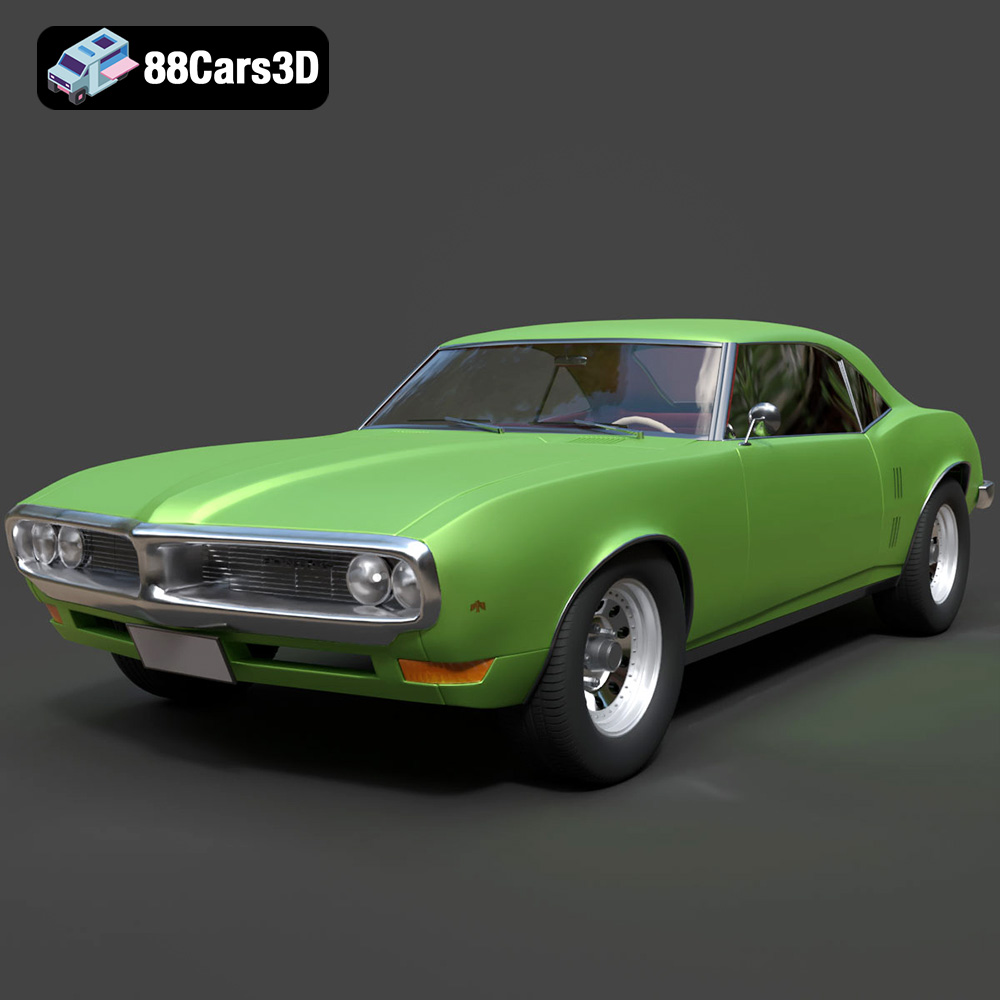
Texture: Yes
Material: Yes
Download the Pontiac Firebird 1998 3D Model featuring clean geometry, realistic detailing, and a fully modeled interior. Includes .blend, .fbx, .obj, .glb, .stl, .ply, .unreal, and .max formats for rendering, simulation, and game development.
Price: $10

Texture: Yes
Material: Yes
Download the Opel Astra 2008 3D Model featuring clean geometry, realistic detailing, and a fully modeled interior. Includes .blend, .fbx, .obj, .glb, .stl, .ply, .unreal, and .max formats for rendering, simulation, and game development.
Price: $10

Texture: Yes
Material: Yes
Download the Mercedes Benz Joaquin-007 3D Model featuring clean geometry, realistic detailing, and a fully modeled interior. Includes .blend, .fbx, .obj, .glb, .stl, .ply, .unreal, and .max formats for rendering, simulation, and game development.
Price: $19.99
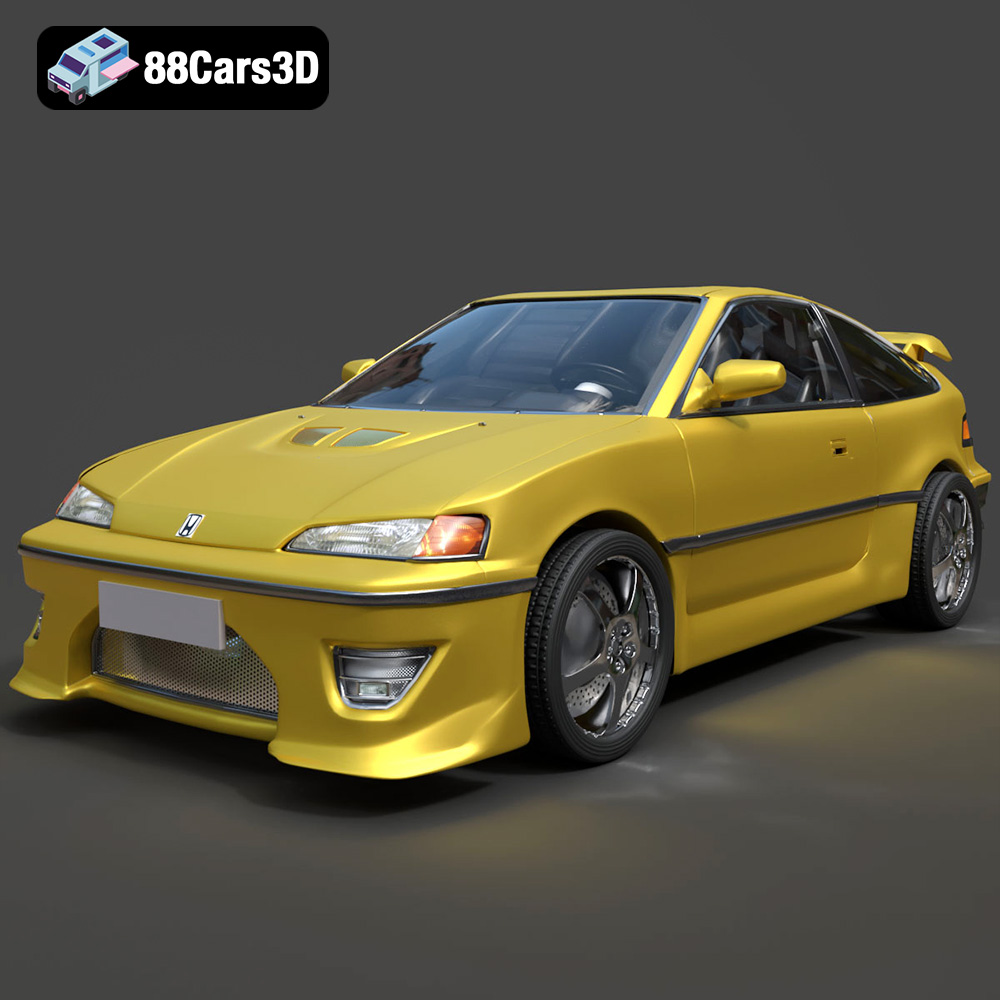
Texture: Yes
Material: Yes
Download the Honda CRX 1980 3D Model featuring clean geometry, realistic detailing, and a fully modeled interior. Includes .blend, .fbx, .obj, .glb, .stl, .ply, .unreal, and .max formats for rendering, simulation, and game development.
Price: $11.99
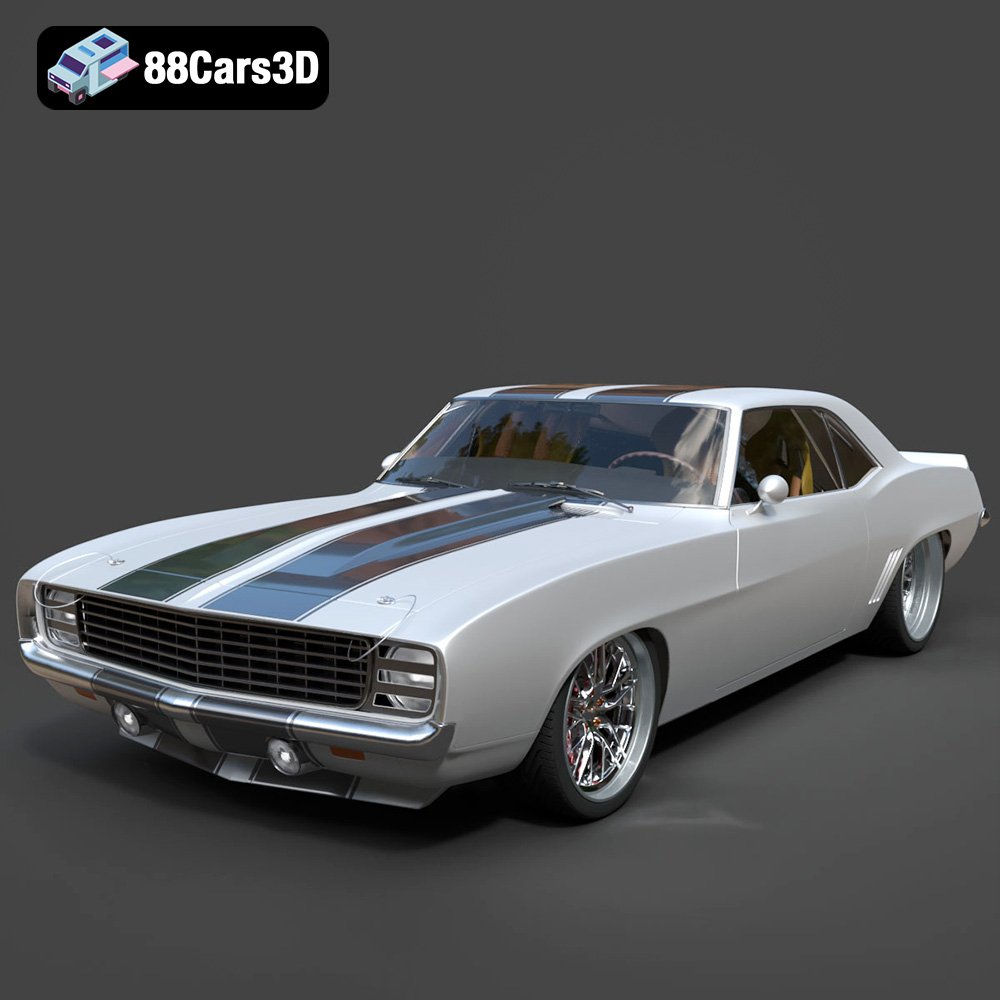
Texture: Yes
Material: Yes
Download the Chevrolet Camaro 69 Pro-007 3D Model featuring classic muscle car design and custom performance aesthetics. Includes .blend, .fbx, .obj, .glb, .stl, .ply, .unreal, and .max formats for rendering, simulation, and game development.
Price: $20.79

Texture: Yes
Material: Yes
Download the Honda Fit 2008 3D Model featuring a compact, versatile design with detailed exterior and interior components. Includes .blend, .fbx, .obj, .glb, .stl, .ply, .unreal, and .max formats for rendering, simulation, and game development.
Price: $10.79
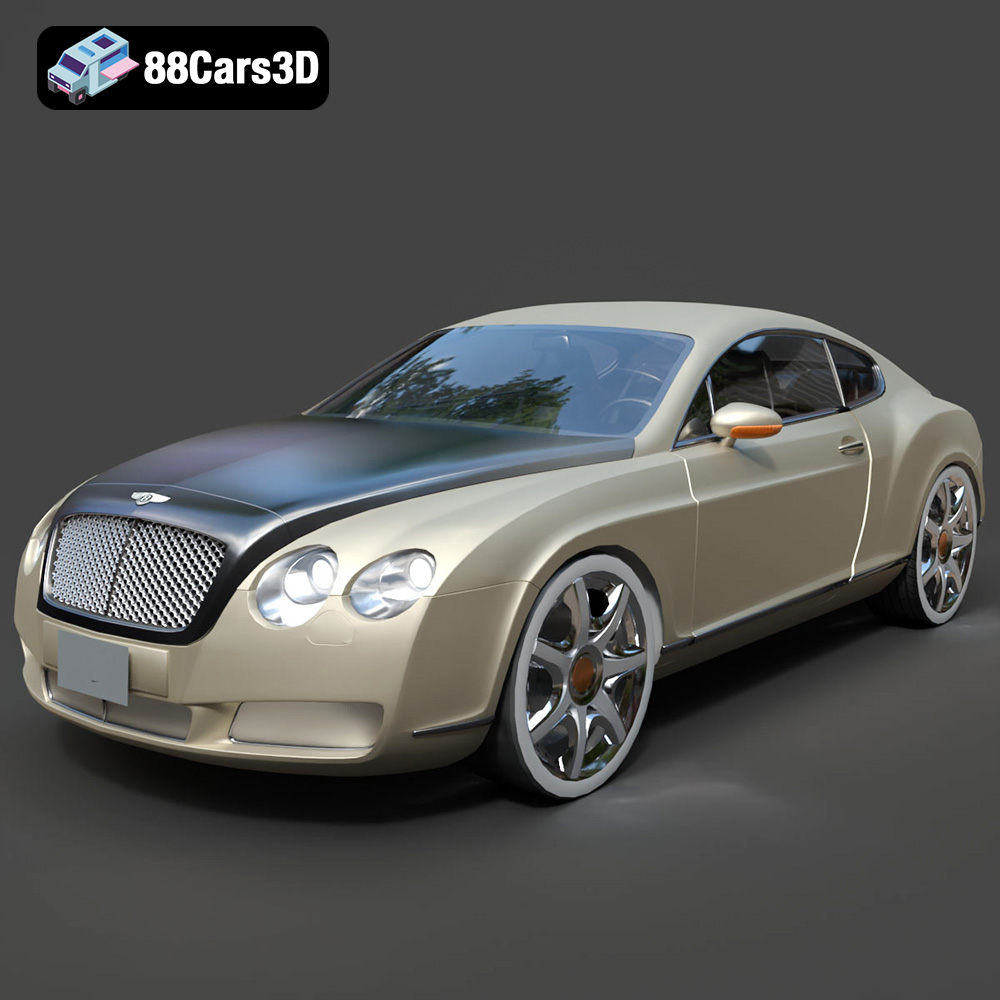
Texture: Yes
Material: Yes
Download the Bentley Continental GT-002 3D Model featuring a luxurious grand touring design and high-quality details. Includes .blend, .fbx, .obj, .glb, .stl, .ply, .unreal, and .max formats for rendering, simulation, and game development.
Price: $20.79

