Mastering Your Prints: Advanced STL Mesh Repair for Flawless 3D Car Models
The thrill of bringing a detailed 3D printable car model to life is immense, especially when you’ve sourced a high-quality STL file from a reputable marketplace like 88cars3d.com. However, the journey from digital file to physical object isn’t always smooth. Sometimes, even the best-designed models can encounter issues during the slicing process or when downloaded, often manifesting as “broken” or “non-manifold” meshes. These imperfections can lead to failed prints, distorted geometry, or frustrating errors within your slicer software. This guide dives deep into the technical aspects of repairing these problematic STL files, equipping you with the knowledge and practical steps to tackle common mesh errors using powerful, free, and professional software like Meshmixer and Autodesk Netfabb. We’ll explore the anatomy of an STL file, common failure points, and detailed workflows to ensure your next 3D car model prints perfectly.
Understanding STL Files and Common Mesh Errors
Before we can fix what’s broken, it’s crucial to understand what an STL (STereoLithography) file actually is and why meshes fail. At its core, an STL file represents a 3D object’s surface geometry as a collection of connected triangles, also known as facets. Each triangle is defined by three vertices and a normal vector, which indicates the outward-facing direction. This seemingly simple format is the lingua franca of 3D printing, but its simplicity can also be its downfall when it comes to representing complex or mathematically perfect surfaces.
The Anatomy of a Triangle Mesh
Each facet in an STL is a triangle. These triangles meet at edges and vertices. For a mesh to be considered “watertight” or “manifold,” it must adhere to several strict rules:
- No holes: Every edge must be shared by exactly two facets. If an edge is only part of one triangle, it signifies a hole in the surface.
- No internal faces: Faces should not intersect each other.
- No duplicate faces or vertices: Each geometric element should be unique.
- Consistent orientation: All normal vectors should point outwards from the solid volume. A common error is having faces with normals pointing inwards, creating ambiguity for the slicer.
These rules are essential because 3D printers and slicers interpret the STL file as a solid object. Any deviation from these rules can lead to misinterpretations and printing failures.
Common STL Mesh Errors and Their Impact
When preparing models, especially those downloaded from various sources or that have undergone complex modifications, you might encounter several common issues:
- Non-Manifold Edges: An edge shared by more than two triangles, or an edge where the normals of the adjacent faces point in opposite directions. This often happens at sharp internal corners or where multiple surfaces meet unexpectedly.
- Holes (Open Shells): Gaps or missing surfaces in the mesh, often occurring at seams, poorly connected parts, or during boolean operations.
- Interior Spikes/Flippers: Triangles that fold back into the model, creating self-intersections. These are difficult for slicers to resolve and can cause the model to be interpreted as having zero volume or incorrect solid boundaries.
- Degenerate Triangles: Triangles with zero area (e.g., where all three vertices are collinear or identical). These serve no geometric purpose and can confuse slicing algorithms.
- Inverted Normals: Triangles whose normal vector points inward instead of outward. This can lead to slicers filling the model incorrectly or ignoring parts of the surface entirely.
These errors, if not corrected, can prevent a file from being sliced altogether, result in parts of the model being missing in the print, or create internal voids that weaken the final object. For intricate car models, where precise surface continuity is key, mesh errors can be particularly detrimental.
Preparing Your STL File for Repair: Software and Workflow
The first step in repairing an STL file is to choose the right tools. Fortunately, there are excellent options available that cater to different user needs and budgets. For most hobbyists and even many professionals, Autodesk Meshmixer and Autodesk Netfabb (which has a free Standard version) offer robust functionalities for mesh analysis and repair. Understanding the basic workflow will streamline the repair process significantly.
Choosing Your Repair Software: Meshmixer vs. Netfabb
Autodesk Meshmixer is a powerful, free software that excels at mesh editing, sculpting, and analysis. It’s intuitive for many common repair tasks and offers a wide range of tools. Its strengths lie in its interactive editing capabilities and its ability to handle complex mesh manipulations. It’s an excellent choice for detailed local repairs and manual correction. Meshmixer is ideal for users who want hands-on control over the repair process.
Autodesk Netfabb is a professional-grade additive manufacturing software. Its Standard version, which is free, provides essential tools for analysis, repair, and preparation for 3D printing. Netfabb’s repair capabilities are highly automated and often more robust for complex, automated fixes. It excels at quickly identifying and resolving manifold issues, holes, and self-intersections with its powerful algorithms. Netfabb is particularly good for batch repairs or when dealing with particularly problematic files where automated solutions are preferred.
The General Mesh Repair Workflow
Regardless of the software chosen, a typical mesh repair workflow involves several key stages:
- Import and Initial Inspection: Load your STL file into the chosen software. Visually inspect the model for obvious issues like holes or disconnected parts.
- Analysis: Use the software’s built-in analysis tools to automatically detect errors such as non-manifold edges, holes, inverted normals, and self-intersections.
- Automated Repair: Many programs offer one-click automated repair functions. These can fix a significant portion of common errors quickly.
- Manual Correction: For persistent or complex errors, manual intervention is often necessary. This involves using sculpting tools, surface smoothing, or specific mesh editing functions to correct problem areas.
- Verification: After repairs, re-run the analysis tools to ensure all errors have been resolved and the mesh is now manifold and watertight.
- Export: Save the repaired model as a new STL file, ensuring binary format is selected for smaller file sizes.
This structured approach ensures that you systematically address issues and verify the integrity of the mesh before moving to slicing. For intricate downloadable models from platforms like 88cars3d.com, this preparation is key to achieving the desired level of detail and print quality.
Meshmixer: Step-by-Step Mesh Repair Techniques
Meshmixer offers a versatile set of tools for both automated and manual STL mesh repair. Its intuitive interface makes it accessible, while its powerful features allow for detailed correction of even complex mesh errors. Mastering Meshmixer can significantly improve your ability to salvage and perfect 3D printable models.
Automated Analysis and Repair in Meshmixer
The first step in Meshmixer is to leverage its built-in analysis and repair functions.
- Import: Open Meshmixer and select ‘Import’ from the File menu. Load your problematic STL file.
- Analysis: Go to ‘Analysis & Utilities’ -> ‘Inspector’. This tool automatically scans the mesh for errors. It will highlight errors in red and provide a summary of issues found (e.g., holes, non-manifold edges).
- Auto Repair: With the Inspector window open, click ‘Auto Repair All’. Meshmixer will attempt to fix detected errors. The effectiveness can vary depending on the complexity of the damage.
- Refine Mesh: After auto-repair, it’s often beneficial to use ‘Mesh’ -> ‘Reduce’ (set to ‘Major Reduction’ for speed or ‘Minor Reduction’ for detail preservation) or ‘Smooth’ to clean up any artifacts introduced by the repair process. Be cautious not to over-smooth, as this can reduce fine details crucial for car models.
This automated process can resolve many common issues, making the mesh watertight and printable.
Manual Repair Techniques for Tricky Errors
When automated tools fall short, Meshmixer’s manual editing capabilities shine.
- Hole Filling: Select ‘Edit’ -> ‘Hole/Mesh Repair’ -> ‘Fill Holes’. You can choose between ‘Contour’ (tries to create a smooth, curved surface) and ‘Plane’ (creates a flat patch). For automotive models, ‘Contour’ often yields better aesthetic results.
- Sculpting Tools: The ‘Sculpt’ tab offers brushes like ‘Flatten’, ‘Smooth’, and ‘Move’ that can be used to correct minor deformities, fill small gaps, or re-shape problematic areas. Use these with a low brush strength and opacity for precise control.
- Remeshing: For severely distorted meshes, the ‘Remesh’ tool (‘Edit’ -> ‘Remesh’) can create an entirely new, cleaner mesh based on the original geometry. This is a more drastic step but can be effective. Experiment with different ‘Target Edge Length’ settings to balance detail and mesh density.
- Deleting Unconnected Parts: Sometimes, stray geometry or small floating pieces can cause issues. Use ‘Select’ -> ‘Select Non-Manifold’ or ‘Select Open Faces’ to identify problematic elements, then ‘Delete’ them. Ensure you are not deleting parts of the main model.
Always check the ‘Inspector’ after manual edits to confirm that errors have been resolved. Careful, iterative editing is key.
Netfabb: Automated Power for Robust STL Repair
Autodesk Netfabb Standard offers a more streamlined and often more powerful approach to mesh repair, particularly for complex or large files. Its automated algorithms are designed to handle a wide range of common and uncommon STL errors efficiently.
Utilizing Netfabb’s Automated Repair Strategies
Netfabb’s core strength lies in its automated repair functionalities.
- Import and Initial Analysis: Open Netfabb and import your STL file. Netfabb automatically performs an initial analysis upon import, highlighting potential issues with color-coded indicators.
- The Repair Module: Navigate to the ‘Repair’ tab. Here you’ll find a suite of automated repair tools. For a general fix, the ‘Standard Repair’ button is an excellent starting point. This single button attempts to resolve most common issues like holes, non-manifold edges, and inverted normals.
- Specific Repair Tools: If ‘Standard Repair’ isn’t sufficient, explore the more targeted tools:
- ‘Remove Found Triangles’: Cleans up degenerate or self-intersecting triangles.
- ‘Extrude Found Holes’: Fills holes by creating new surfaces. You can specify how it should handle the fill (e.g., flat or curved).
- ‘Make Shell Solid’: Attempts to make non-solid meshes into watertight solids.
- ‘Correct Found Thickness Issues’: Addresses areas with insufficient wall thickness, which is vital for printable parts.
- Part Validation: After running repairs, use the ‘Part’ -> ‘Validate’ function. This provides a detailed report on the mesh’s integrity, highlighting any remaining issues.
Netfabb’s automated approach is often faster and more thorough for complex files than manual editing alone.
Advanced Netfabb Features for Print Preparation
Beyond basic repair, Netfabb offers features that are invaluable for preparing models for printing.
- Cutting and Boolean Operations: If you need to split a large model for printing or combine parts, Netfabb’s ‘Cut’ and ‘Boolean’ tools are very powerful. They perform these operations robustly on meshes, minimizing the risk of introducing new errors.
- Exploding and Exploding with Cross-Section: Useful for visualizing internal structures or preparing models for multi-part assembly.
- Mesh Simplification: If a repaired mesh has an excessively high triangle count, Netfabb’s ‘Simplify’ tool can reduce it while preserving overall shape and detail, leading to faster slicing times and smaller file sizes. You can control the target triangle count or deviation.
- Thickening and Thinning: For models that might have very thin walls in certain areas, Netfabb can uniformly add thickness to the entire mesh, ensuring printability. This is critical for delicate features on car models.
The combination of robust automated repair and advanced preparation tools makes Netfabb an indispensable part of a 3D printing workflow.
Advanced Slicing and Printing Considerations for Repaired Meshes
Even after successfully repairing an STL file, your slicing and printing settings play a crucial role in achieving a high-quality final print, especially for intricate models like those found on 88cars3d.com. Understanding how slicing software interprets repaired meshes and how to optimize settings can prevent new issues from arising.
Slicer Settings for Optimal Print Quality
When you import a repaired STL into your slicer (e.g., Cura, PrusaSlicer), it will usually be recognized as a solid object. However, the underlying mesh topology might still influence print quality.
- Layer Height: For detailed car models, a smaller layer height (e.g., 0.1mm to 0.15mm for FDM) will capture finer details like panel lines, grilles, and badges. This comes at the cost of increased print time.
- Print Speed: Reduce print speeds, especially for outer walls and fine details. Printing too fast can lead to artifacts, poor layer adhesion, and missed details. Aim for speeds around 40-60 mm/s for outer walls.
- Retraction Settings: Properly calibrated retraction is essential to prevent stringing, particularly on complex geometries with many small features.
- Cooling Fan Speed: Adequate cooling is vital for overhangs and bridges, common in car models with spoilers or undercarriages.
Always perform test prints of critical sections or small-scale versions of your model to dial in these settings.
Support Structures: Essential for Complex Geometry
Repaired models, especially those with overhangs or intricate parts like spoilers, mirrors, or interior components, will almost certainly require support structures.
- Support Type: Tree supports (available in Cura and other slicers) are often excellent for complex models as they use less material and are easier to remove, minimizing damage to the model surface. Standard supports are also effective but can be more challenging to clean up.
- Support Density and Overhang Angle: Adjust the support density (e.g., 10-15%) and set an appropriate overhang angle (often 45-60 degrees) to ensure supports are generated only where needed.
- Support Interface: Using a support interface layer can create a smoother surface where the support meets the model, making removal cleaner and reducing the need for extensive post-processing.
- Support Removal Strategy: Carefully plan how you will remove supports. Use flush cutters or hobby knives to gently detach them, working slowly to avoid breaking delicate parts of the car model. Sometimes, cutting supports into smaller sections before removal is easier.
Proper support generation and careful removal are as critical as the mesh repair itself for a successful print.
Material Selection and Adhesion Considerations
The material you choose and how you ensure it adheres to the build plate significantly impact print success.
- Material Choice: For detailed automotive models, PLA is often recommended due to its ease of printing, low warping, and good detail retention. PETG offers more strength and temperature resistance but can be stringier. ABS requires an enclosure and careful temperature control to prevent warping. For resin printers, standard or tough resins are excellent for capturing fine details.
- Bed Adhesion: Ensure your build plate is clean and level. Use adhesion aids like glue stick, hairspray, or specialized build surfaces (PEI, glass) as needed for your chosen material. Warping, especially on larger car bodies, can be a major issue.
- First Layer Calibration: The first layer is critical. Ensure it is well-adhered and consistent. This requires proper Z-offset calibration and a good first layer print speed (often slower, around 20-30 mm/s).
A well-calibrated printer and appropriate material settings are fundamental to translating a repaired digital model into a physical masterpiece.
Post-Processing: Bringing Your Repaired Model to its Full Potential
Once your 3D printed car model is successfully off the build plate and free from supports, the journey isn’t over. Post-processing is where you refine the print, correct minor imperfections, and prepare it for painting or display. This stage is crucial for achieving a professional-looking finish, transforming a raw print into a display-worthy collectible.
Sanding and Surface Smoothing Techniques
Most 3D prints will exhibit visible layer lines, especially on curved surfaces characteristic of car bodies.
- Initial Sanding: Start with a coarser grit sandpaper (e.g., 120-220 grit) to remove prominent layer lines and support marks. Work systematically across the model, ensuring even pressure.
- Progressive Grits: Gradually move to finer grits (e.g., 400, 600, 800, 1000, and even higher). Each finer grit removes the scratches left by the previous one, progressively smoothing the surface. Always sand in different directions (e.g., cross-hatching) between grits to ensure all previous scratches are addressed.
- Wet Sanding: For very fine finishing, consider wet sanding. Using water with sandpaper (especially grits 1000+) can help reduce dust and achieve a smoother surface.
- Filler Primers: For FDM prints, a filler primer is a game-changer. Apply several thin coats, sanding lightly between each coat (using 400-600 grit) to fill in any remaining layer lines and create a perfectly smooth surface ready for paint.
Be patient with the sanding process; rushing it will result in a less desirable finish. For resin prints, sanding is similar, though layer lines are much less apparent. Focus on removing any small blemishes or remnants of the support structure.
Painting and Finishing Your Automotive Masterpiece
With a smooth, prepared surface, you can now bring your car model to life with paint.
- Priming: A good primer is essential for paint adhesion and for revealing any imperfections missed during sanding. Use a primer specifically designed for plastics if possible.
- Base Coat: Apply your main colors in thin, even coats. Allow each coat to dry completely before applying the next. Airbrushing offers the finest control and smoothest finish for car models.
- Detailing: Use fine brushes to paint details like trim, headlights, taillights, and interior elements. Masking tape is invaluable for achieving clean lines between different paint colors.
- Clear Coat: Apply a clear coat (gloss, satin, or matte, depending on the desired finish) to protect the paintwork and give the model a uniform sheen. Multiple thin coats are better than one thick one.
- Weathering and Effects: For a realistic look, consider adding weathering effects like washes for panel lines, subtle rust effects, or dirt accumulation.
The finishing touches elevate a simple 3D print into a highly detailed display piece, showcasing the quality of both the original model and your printing skills.
Mastering STL mesh repair is a fundamental skill for any serious 3D printing enthusiast, particularly when working with detailed models like those found on 88cars3d.com. By understanding the structure of STL files, identifying common errors, and effectively utilizing powerful tools like Meshmixer and Netfabb, you can overcome printing obstacles and achieve consistently excellent results. Remember that preparation is key: analyze your files, repair them diligently, optimize your slicer settings, and be meticulous with your supports and post-processing. This comprehensive approach ensures that every car model you print is a testament to precision and dedication, ready to be admired in your collection.

Meta Description:
Texture: Yes
Material: Yes
Download the Cadillac CTS-V Coupe 3D Model featuring detailed exterior styling and realistic interior structure. Includes .blend, .fbx, .obj, .glb, .stl, .ply, .unreal, and .max formats for rendering, simulation, AR VR, and game development.
Price: $13.9
View Product
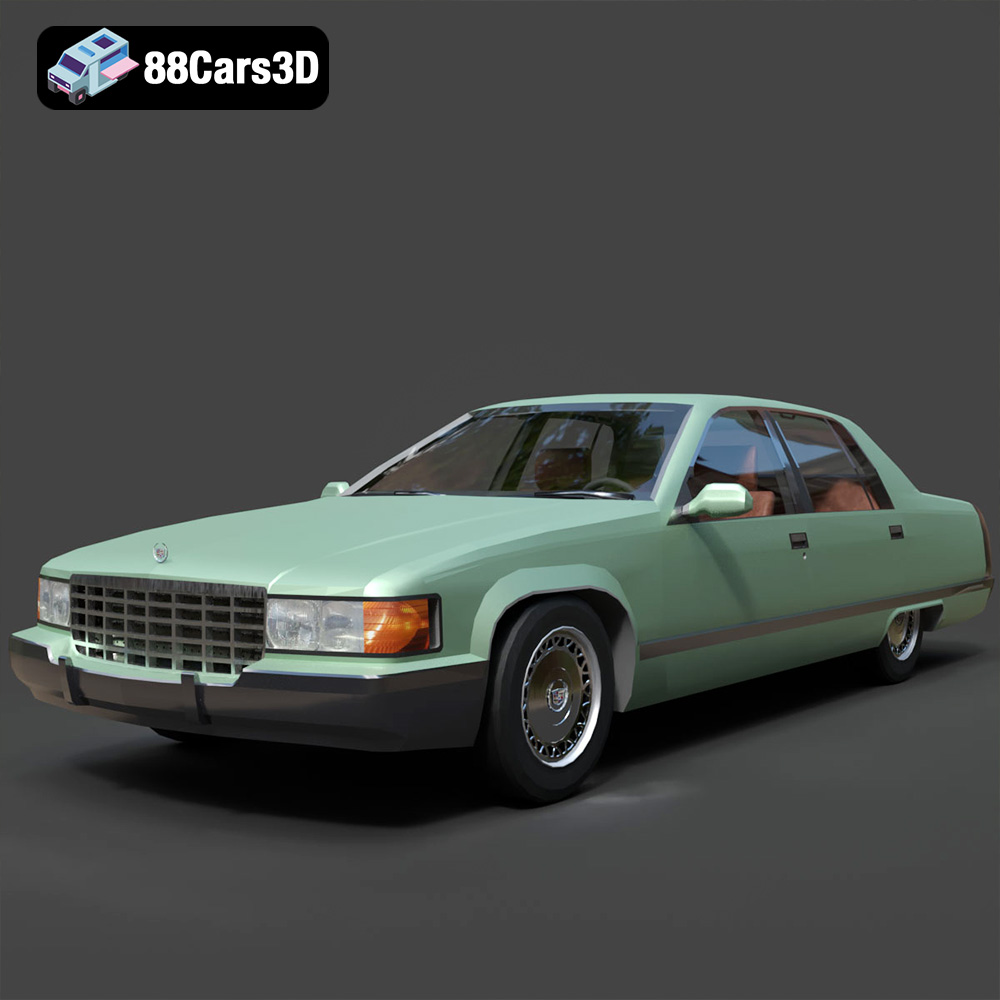
Texture: Yes
Material: Yes
Download the Cadillac Fleetwood Brougham 3D Model featuring its iconic classic luxury design and detailed exterior and interior. Includes .blend, .fbx, .obj, .glb, .stl, .ply, .unreal, and .max formats for rendering, simulation, and game development.
Price: $10.79
View Product
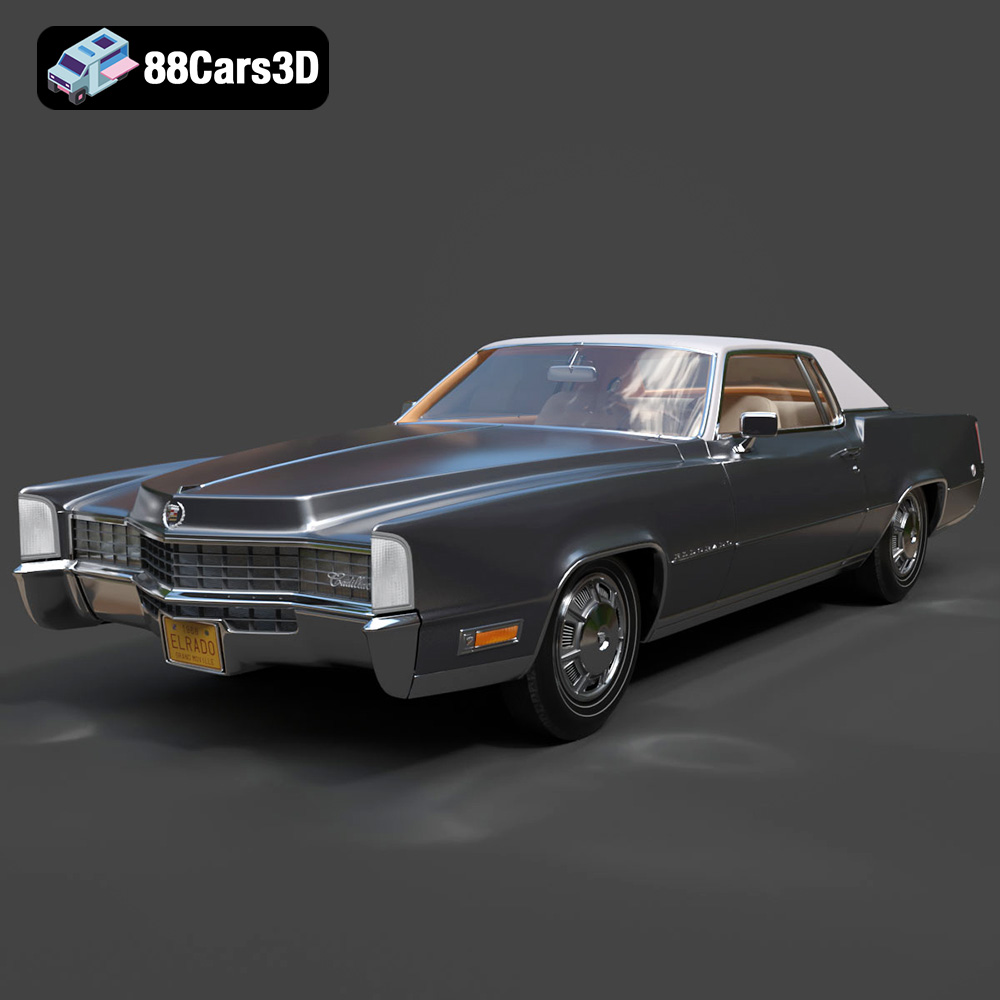
Texture: Yes
Material: Yes
Download the Cadillac Eldorado 1968 3D Model featuring its iconic elongated body, distinctive chrome accents, and luxurious interior. Includes .blend, .fbx, .obj, .glb, .stl, .ply, .unreal, and .max formats for rendering, simulation, and game development.
Price: $20.79
View Product

Texture: Yes
Material: Yes
Download the Cadillac CTS SW 2010 3D Model featuring a detailed exterior, functional interior elements, and realistic materials. Includes .blend, .fbx, .obj, .glb, .stl, .ply, .unreal, and .max formats for rendering, simulation, and game development.
Price: $10.79
View Product
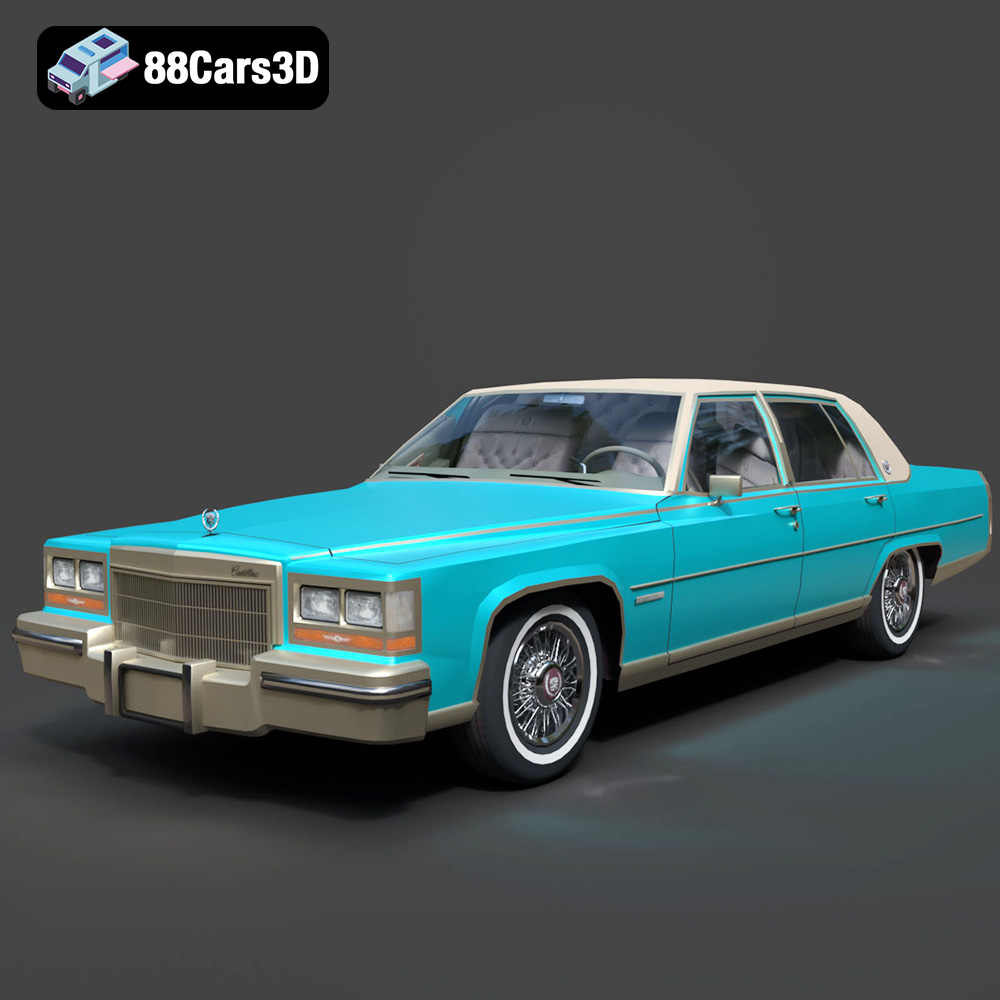
Texture: Yes
Material: Yes
Download the Cadillac Fleetwood Brougham 1985 3D Model featuring its iconic classic luxury design and detailed craftsmanship. Includes .blend, .fbx, .obj, .glb, .stl, .ply, .unreal, and .max formats for rendering, simulation, and game development.
Price: $10.79
View Product

Texture: Yes
Material: Yes
Download the Cadillac Eldorado 1978 3D Model featuring accurately modeled exterior, detailed interior, and period-correct aesthetics. Includes .blend, .fbx, .obj, .glb, .stl, .ply, .unreal, and .max formats for rendering, simulation, and game development.
Price: $10.79
View Product
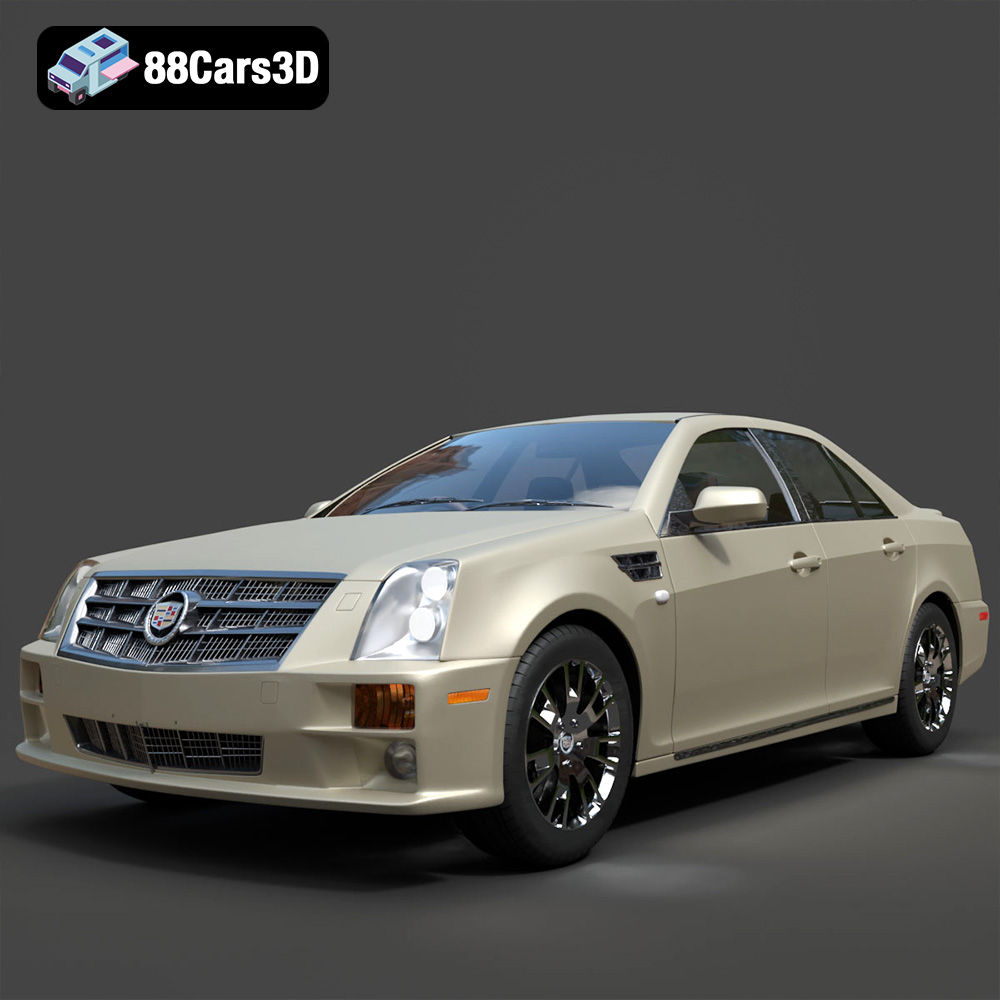
Texture: Yes
Material: Yes
Download the Cadillac STS-005 3D Model featuring a detailed exterior and interior. Includes .blend, .fbx, .obj, .glb, .stl, .ply, .unreal, and .max formats for rendering, simulation, and game development.
Price: $22.79
View Product
Texture: Yes
Material: Yes
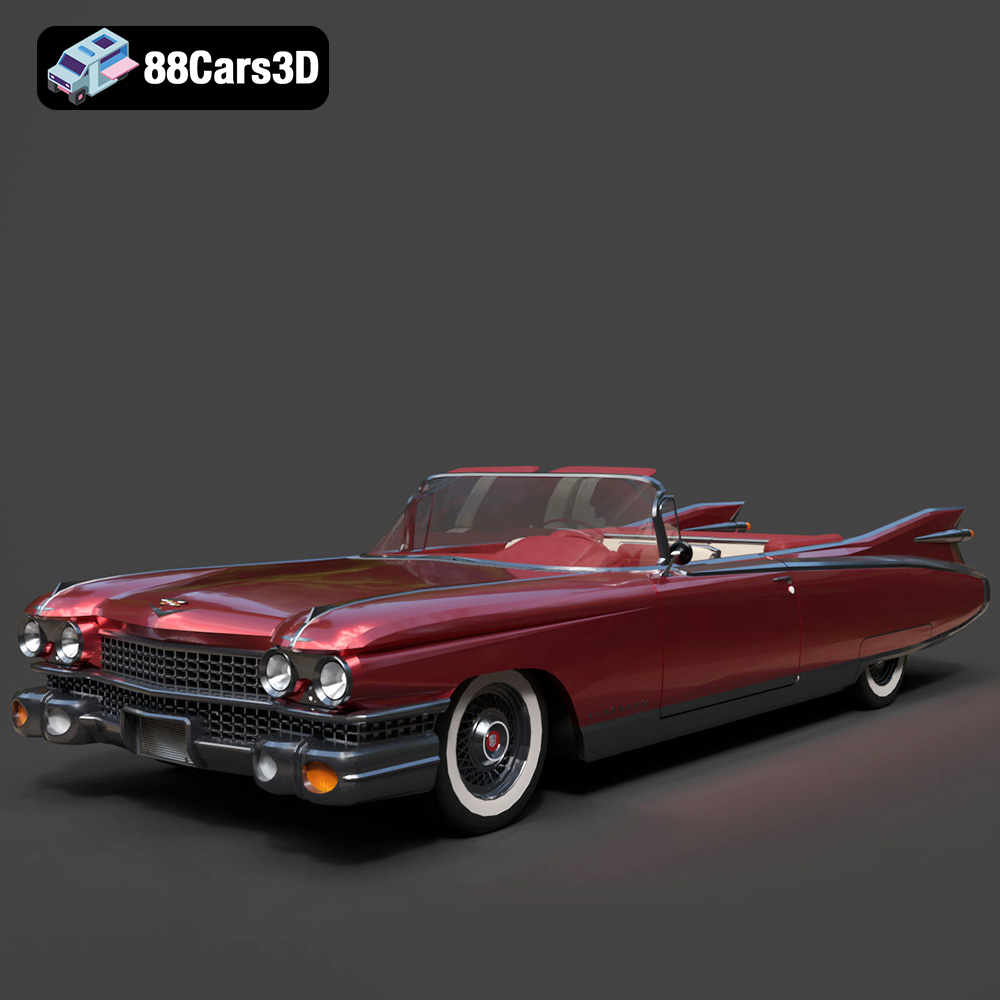
Download the Cadillac Eldorado Convertible (1959) 3D Model featuring iconic fins, luxurious chrome details, and a classic vintage design. Includes .blend, .fbx, .obj, .glb, .stl, .ply, .unreal, and .max formats for rendering, simulation, and game development.
Price: $20.79
View Product

Texture: Yes
Material: Yes
Download the Cadillac DTS-005 3D Model featuring its iconic luxury design, detailed interior, and realistic exterior. Includes .blend, .fbx, .obj, .glb, .stl, .ply, .unreal, and .max formats for rendering, simulation, and game development.
Price: $10.79
View Product

Texture: Yes
Material: Yes
Download the Buick LeSabre 1998 3D Model featuring a classic American full-size sedan design. Includes .blend, .fbx, .obj, .glb, .stl, .ply, .unreal, and .max formats for rendering, simulation, and game development.
Price: $10.79
View Product


