⚡ FLASH SALE: Get 60% OFF All Premium 3D & STL Models! ⚡

The world of 3D printing has revolutionized hobbyist endeavors, transforming how we create everything from intricate miniatures to full-scale prototypes. For model makers, particularly those passionate about detailed automotive replicas like those found on 88cars3d.com, the choice of 3D printer is paramount. Simply owning a printer isn’t enough; understanding the features that directly impact print quality, detail fidelity, and overall usability is crucial for success. This guide delves deep into the core functionalities and specifications that truly matter when selecting or optimizing a 3D printer for creating stunning, high-resolution models. We’ll explore everything from fundamental print quality metrics to advanced considerations that separate good prints from exceptional ones, empowering you to make informed decisions and elevate your 3D printing game.
The ability to reproduce fine details is the cornerstone of quality model making. For intricate car models, where sharp edges, panel lines, and small emblems are critical, the printer’s resolution capabilities are non-negotiable. This directly correlates to how finely the printer can build up layers, and consequently, how smooth and detailed the final object appears.
The most significant factor influencing detail is **layer height**. This setting determines the thickness of each successive layer of material deposited by the printer. For FDM (Fused Deposition Modeling) printers, layer heights can range from 0.05mm for highly detailed prints to 0.3mm or more for rapid prototyping. For achieving the crispness expected in automotive models, a printer capable of printing at **0.1mm layer height or lower** is highly recommended. Some advanced FDM printers can even achieve 0.02mm layer heights, rivaling resin printers for certain applications.
* **Recommended Layer Heights for Model Making:**
* **High Detail:** 0.04mm – 0.08mm
* **Standard Detail:** 0.1mm – 0.15mm
* **Faster Prints (less detail):** 0.2mm+
While lower layer heights produce superior detail, they also significantly increase print time. A balance must be struck based on the complexity of the model and the desired outcome. For example, printing a 1:18 scale model car from 88cars3d.com at 0.08mm layer height might take 20-30 hours, whereas at 0.2mm, it could be completed in 5-8 hours, albeit with visibly coarser layer lines.
Beyond layer height (Z-axis resolution), **XY resolution** dictates the printer’s ability to resolve details in the horizontal plane. For FDM printers, this is primarily influenced by the **nozzle diameter** and the precision of the stepper motors driving the X and Y axes. Smaller nozzle diameters (e.g., 0.2mm or 0.3mm) allow for finer extrusion paths, leading to sharper lines and curves. While standard 0.4mm nozzles are common, switching to a smaller nozzle can yield significant improvements in detail, especially for intricate features like grilles or emblems on car models.
For resin printers (SLA/DLP/MSLA), XY resolution is determined by the pixel size of the projector or LCD screen and the galvanometer mirrors (in SLA). Higher resolution screens (e.g., 4K or 8K) and smaller pixel sizes translate to exceptionally fine detail, often surpassing what’s achievable with FDM for delicate parts.
The size of the print bed and the overall build volume are practical considerations, but the **quality and stability of the print bed** are far more critical for model makers. A stable, level print surface is the bedrock upon which successful prints are built.
The **first layer** is arguably the most important part of any 3D print. If it doesn’t adhere properly to the build plate, the entire print can fail, wasting time and material. Features that enhance first-layer success are invaluable.
* **Automatic Bed Leveling (ABL):** Most modern printers offer some form of ABL, using a probe to measure the bed’s topography and compensate for minor unevenness. While not a substitute for manual leveling, ABL significantly simplifies setup and improves first-layer consistency.
* **Heated Bed:** Essential for most filament types (especially ABS and PETG), a heated bed ensures the plastic stays warm enough to bond effectively to the build surface and reduces warping. Target temperatures vary by material, but typically range from 50°C to 110°C.
* **Build Surface Types:** Different surfaces offer varying adhesion properties.
* **Glass:** Smooth, easy to clean, but can sometimes have adhesion issues with certain materials.
* **PEI (Polyetherimide):** A popular choice offering excellent adhesion for many filaments, often with a textured or smooth finish.
* **BuildTak/Garolite:** Specialized surfaces designed for robust adhesion.
For detailed models, a consistently flat and well-adhered first layer ensures that delicate features and sharp corners are perfectly laid down, preventing detachment during the print.
While you might not be printing a full-size car, the build volume dictates the largest single piece you can print or how many smaller components you can fit on the bed simultaneously. If you plan to print large-scale models or multiple parts of a complex assembly in one go, a larger build volume (e.g., 250x250x250mm or larger) becomes important. However, for most standard hobbyist car models available from sources like 88cars3d.com, a smaller to medium build volume (around 200x200x200mm) is often sufficient. The key is ensuring the printer can handle the **intended scale and complexity** of your projects.
The desire for faster prints is universal, but for model making, it must be balanced against the need for precision and reliability. Pushing print speeds too high on a printer not designed for it will inevitably lead to artifacts like ringing (ghosting), poor layer adhesion, and diminished detail.
Print speed is not a single value but a combination of different speeds for various movements:
* **Outer Wall Speed:** Should be kept low (e.g., 20-40 mm/s) to ensure the best surface finish for visible features.
* **Inner Wall Speed:** Can be slightly higher (e.g., 40-60 mm/s) as these layers are internal.
* **Travel Speed:** The speed at which the print head moves when not extruding. Higher travel speeds (e.g., 100-150 mm/s) reduce overall print time but can increase the risk of stringing if retraction settings aren’t tuned properly.
* **Initial Layer Speed:** Crucial for bed adhesion. Typically set much lower (e.g., 15-20 mm/s) than other speeds.
A printer’s **frame rigidity and motion system** play a vital role in its ability to maintain quality at higher speeds. Printers with robust construction, such as CoreXY kinematics or well-engineered Cartesian systems, tend to perform better and are less susceptible to vibrations and ringing, allowing for faster prints without sacrificing detail.
For extended print jobs, which are common with detailed car models, **reliability** is key. A printer that consistently produces successful prints without frequent failures is more valuable than one that is faster but prone to errors. Features contributing to reliability include:
* **Filament Runout Sensor:** Pauses the print if the filament spool runs out, preventing a failed print.
* **Power Loss Recovery:** Resumes the print from where it left off after a power outage.
* **Quality Components:** Using reliable stepper motors, drivers, and hotends reduces the likelihood of mechanical or electrical failures.
* **Active Cooling:** Efficient cooling of the printed part helps prevent drooping and improves overhangs, crucial for complex automotive shapes.
Investing in a printer known for its reliability, even if it means slightly longer print times, will save frustration and material in the long run.
The extrusion system and hotend are where the magic of FDM printing happens – melting and depositing filament accurately. Their design and performance directly impact print quality, material compatibility, and the ability to print fine details.
The choice between a direct drive and a Bowden extruder has significant implications for print quality, especially with flexible filaments and fine details:
* **Direct Drive:** The extruder motor is mounted directly on the print head, right above the hotend. This offers superior control over filament feeding, allowing for precise retraction to prevent stringing and oozing. It’s generally better for printing flexible filaments and achieving cleaner details, as there’s less “slack” in the system.
* **Bowden:** The extruder motor is mounted on the printer’s frame, pushing filament through a PTFE tube to the hotend. This reduces weight on the print head, potentially allowing for faster travel speeds. However, it can lead to less precise retraction, making it harder to achieve pristine details and more challenging with flexible filaments.
For intricate car models requiring sharp corners and minimal stringing, a **direct drive extruder** is often preferred.
The hotend is responsible for melting the filament. Key considerations include:
* **All-Metal Hotend:** Unlike hotends with a PTFE liner, all-metal versions can reach higher temperatures (e.g., 300°C+), enabling the use of advanced engineering filaments like Nylon or Polycarbonate. While not always necessary for standard PLA/PETG, they offer greater material flexibility and better heat management.
* **Nozzle Size:** As mentioned earlier, smaller nozzles (0.2mm – 0.3mm) are essential for extremely fine details. Ensure your hotend and extrusion system can reliably handle and accurately control extrusion with these smaller nozzles.
* **Clogging Resistance:** A well-designed hotend with good thermal isolation minimizes heat creep, reducing the risk of filament clogs, especially during long prints.
The precision of the extrusion system and the performance of the hotend are critical for laying down consistent, accurate lines of filament, forming the basis of every detailed feature on your 3D printed car model.
Beyond the core hardware, several advanced features and software considerations can significantly enhance the model-making experience, streamline workflows, and improve the final output.
Modern printers offer various connectivity options:
* **SD Card/USB:** Standard for transferring files.
* **Wi-Fi/Ethernet:** Allows for remote monitoring, file transfer, and even remote starting/stopping of prints via web interfaces or mobile apps. This is incredibly convenient for checking on long prints without being physically present.
* **Touchscreen Interface:** An intuitive touchscreen enhances usability, making it easier to navigate menus, adjust settings, and initiate prints compared to basic LCD displays with rotary knobs.
The slicer is the software that translates your 3D model (STL file) into machine instructions (G-code). The quality and features of the associated slicer software are critical.
* **Popular Slicers:** Cura, PrusaSlicer, Simplify3D offer robust feature sets. Compatibility is key; ensure your chosen printer has well-optimized profiles for your preferred slicer.
* **Advanced Slicing Features:** Look for slicers that provide:
* **Fine-grained control over support structures:** Options for tree supports, custom support placement, and support density are vital for easily removable supports that don’t damage delicate model details.
* **Variable layer height:** Allows for lower layer heights on detailed areas and higher layer heights on less critical sections to save time.
* **Seam placement control:** Hiding the seam (where each layer starts and stops) on less visible areas of the model.
* **Mesh analysis and repair tools:** Built-in tools to fix common STL file issues before slicing.
A strong user community and options for upgrading can extend a printer’s lifespan and capability.
* **Community:** Active forums and online groups provide valuable troubleshooting advice, custom profiles, and shared experiences, which are invaluable when tackling complex prints.
* **Upgradability:** The ability to easily upgrade components like the hotend, mainboard, or firmware allows you to adapt the printer to new materials or improve its performance over time.
These software and advanced hardware features contribute to a smoother, more efficient, and ultimately more successful 3D printing experience for producing high-quality model car replicas from sources like 88cars3d.com.
Selecting a 3D printer for creating detailed models, especially intricate automotive designs, is a decision that hinges on several key features. **Resolution (layer height and XY precision)** is paramount for capturing fine details and sharp edges. A **stable and well-calibrated print bed** with excellent adhesion capabilities ensures the foundation of every print is solid. **Reliability and controlled print speeds** are crucial for minimizing failures during long print jobs and maintaining quality. The **extrusion system and hotend** must be precise and capable of handling the chosen materials accurately. Finally, **user-friendly software, connectivity, and community support** streamline the workflow and enhance the overall experience.
By prioritizing these features, you’ll be well-equipped to tackle complex projects and achieve the stunning results that are possible with modern 3D printing technology. Whether you’re printing iconic classic cars or futuristic concept vehicles, the right printer will be your most valuable tool. Consider your specific needs, budget, and the complexity of the models you intend to print, and invest wisely to unlock a world of detailed, high-quality creations.

Meta Description:
Texture: Yes
Material: Yes
Download the Cadillac CTS-V Coupe 3D Model featuring detailed exterior styling and realistic interior structure. Includes .blend, .fbx, .obj, .glb, .stl, .ply, .unreal, and .max formats for rendering, simulation, AR VR, and game development.
Price: $13.9
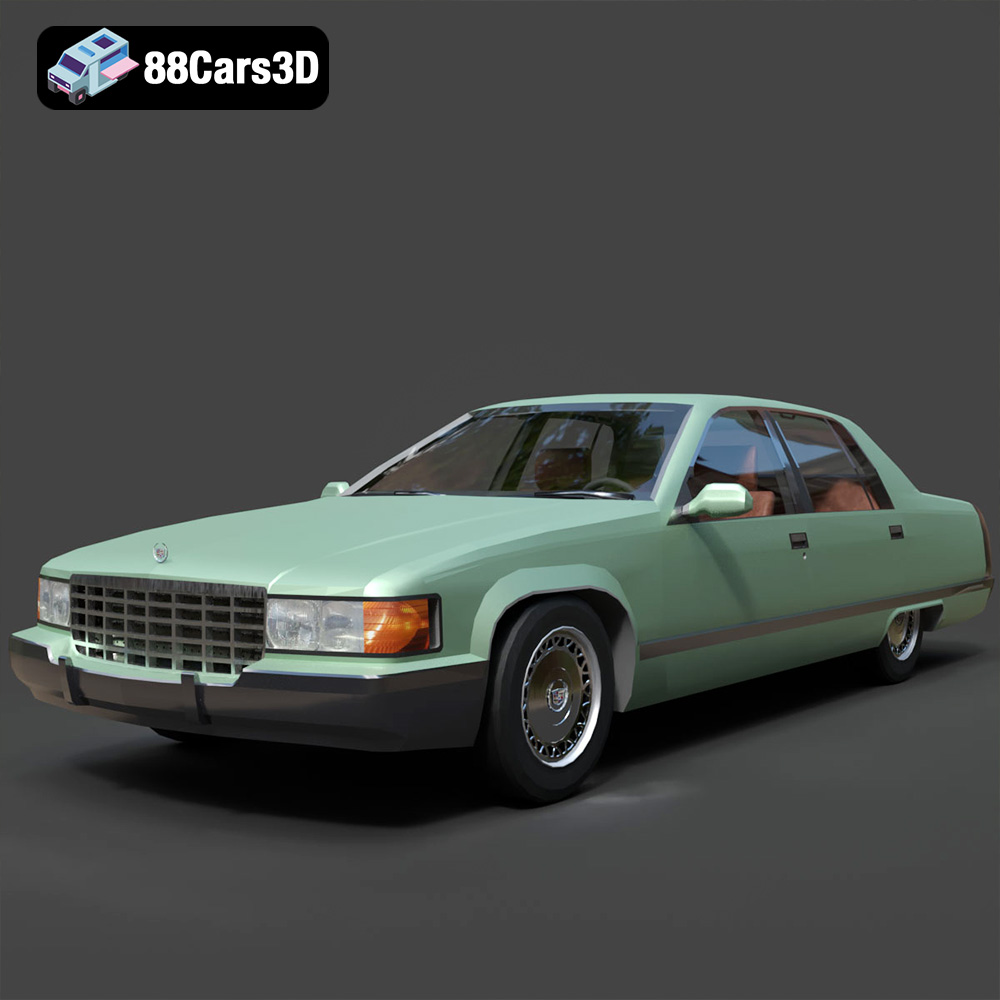
Texture: Yes
Material: Yes
Download the Cadillac Fleetwood Brougham 3D Model featuring its iconic classic luxury design and detailed exterior and interior. Includes .blend, .fbx, .obj, .glb, .stl, .ply, .unreal, and .max formats for rendering, simulation, and game development.
Price: $10.79
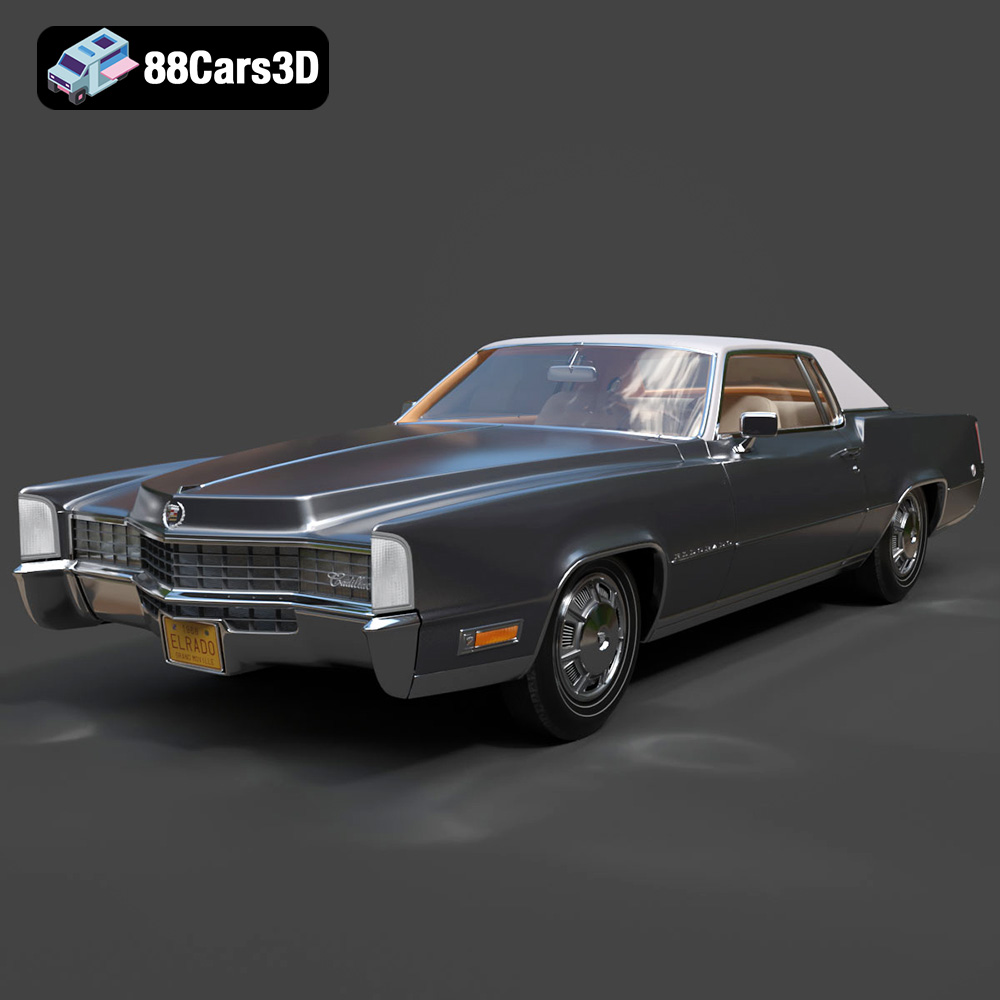
Texture: Yes
Material: Yes
Download the Cadillac Eldorado 1968 3D Model featuring its iconic elongated body, distinctive chrome accents, and luxurious interior. Includes .blend, .fbx, .obj, .glb, .stl, .ply, .unreal, and .max formats for rendering, simulation, and game development.
Price: $20.79

Texture: Yes
Material: Yes
Download the Cadillac CTS SW 2010 3D Model featuring a detailed exterior, functional interior elements, and realistic materials. Includes .blend, .fbx, .obj, .glb, .stl, .ply, .unreal, and .max formats for rendering, simulation, and game development.
Price: $10.79
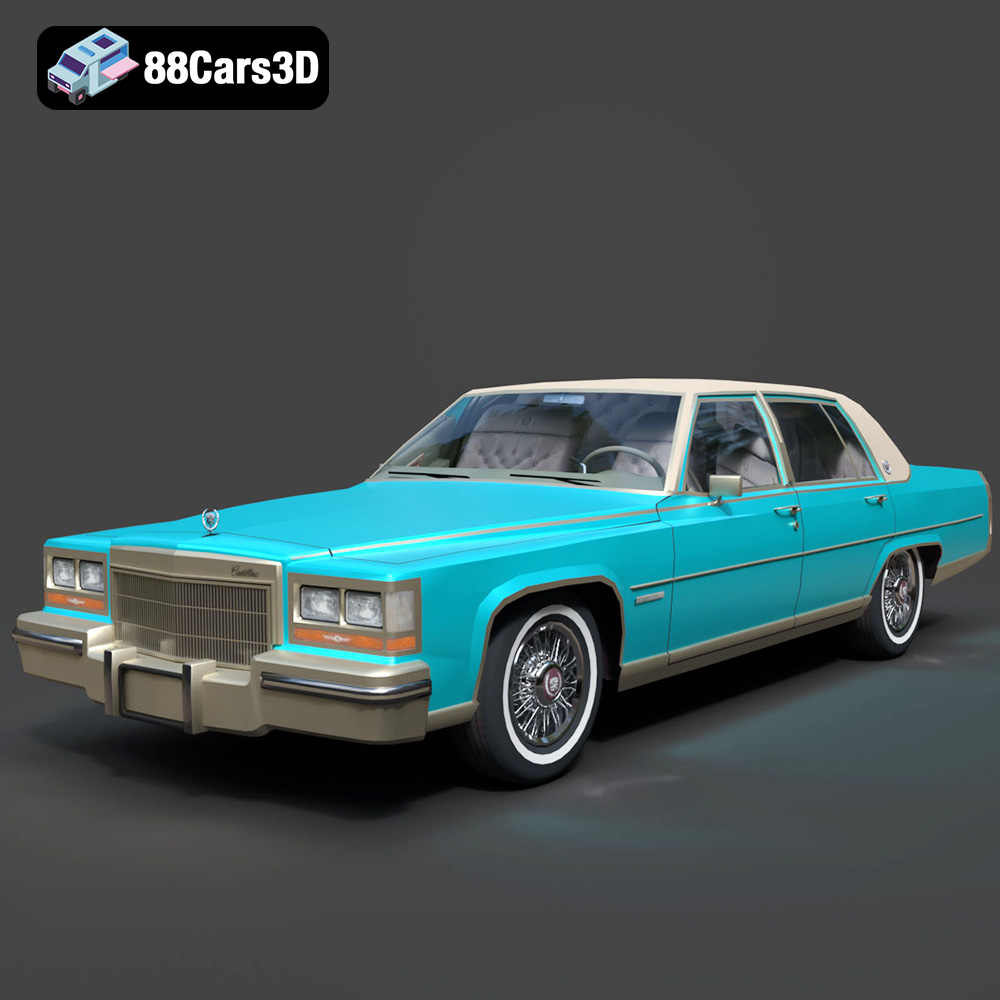
Texture: Yes
Material: Yes
Download the Cadillac Fleetwood Brougham 1985 3D Model featuring its iconic classic luxury design and detailed craftsmanship. Includes .blend, .fbx, .obj, .glb, .stl, .ply, .unreal, and .max formats for rendering, simulation, and game development.
Price: $10.79
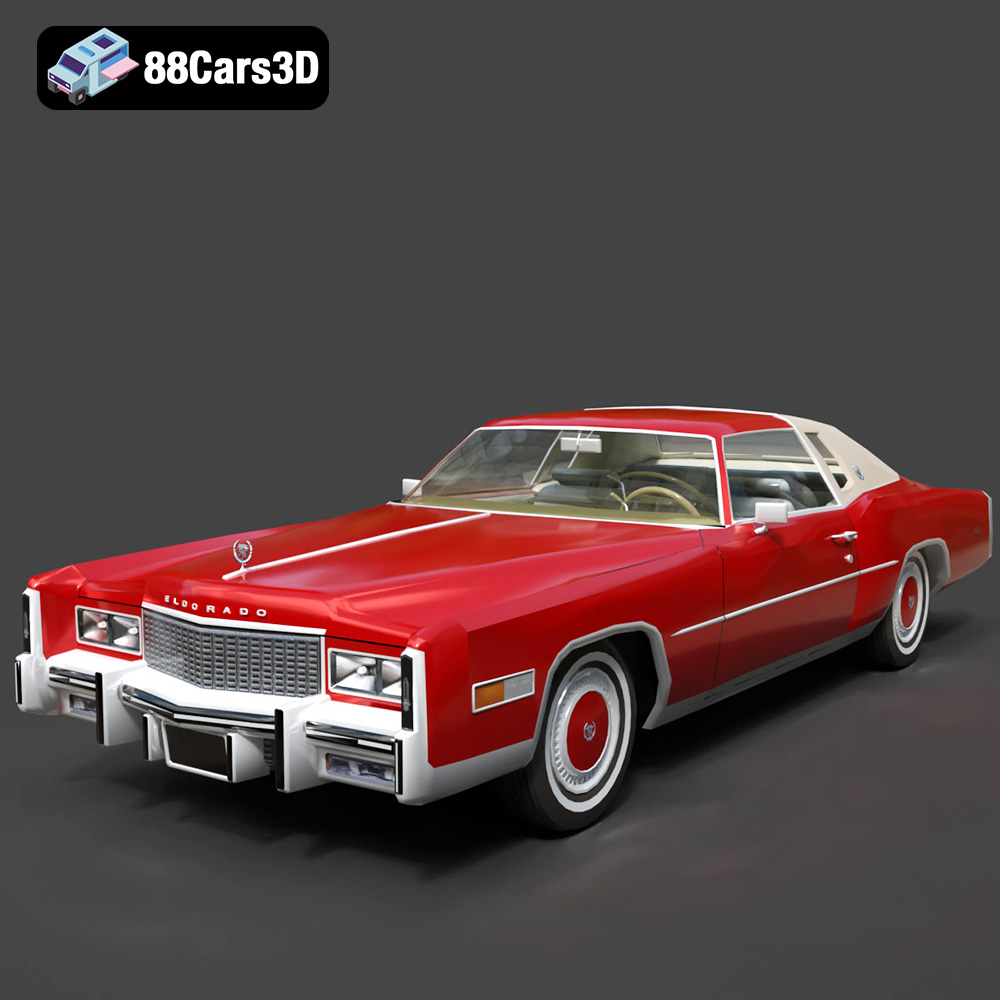
Texture: Yes
Material: Yes
Download the Cadillac Eldorado 1978 3D Model featuring accurately modeled exterior, detailed interior, and period-correct aesthetics. Includes .blend, .fbx, .obj, .glb, .stl, .ply, .unreal, and .max formats for rendering, simulation, and game development.
Price: $10.79
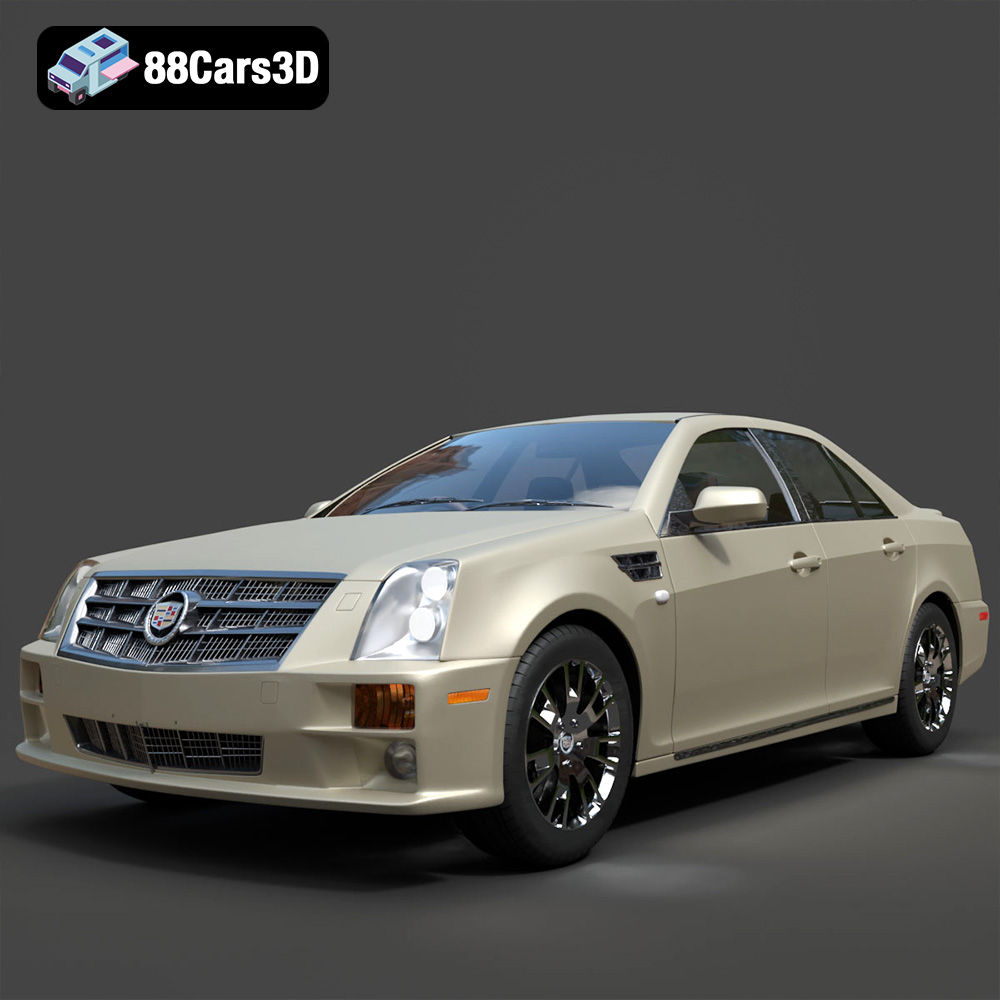
Texture: Yes
Material: Yes
Download the Cadillac STS-005 3D Model featuring a detailed exterior and interior. Includes .blend, .fbx, .obj, .glb, .stl, .ply, .unreal, and .max formats for rendering, simulation, and game development.
Price: $22.79
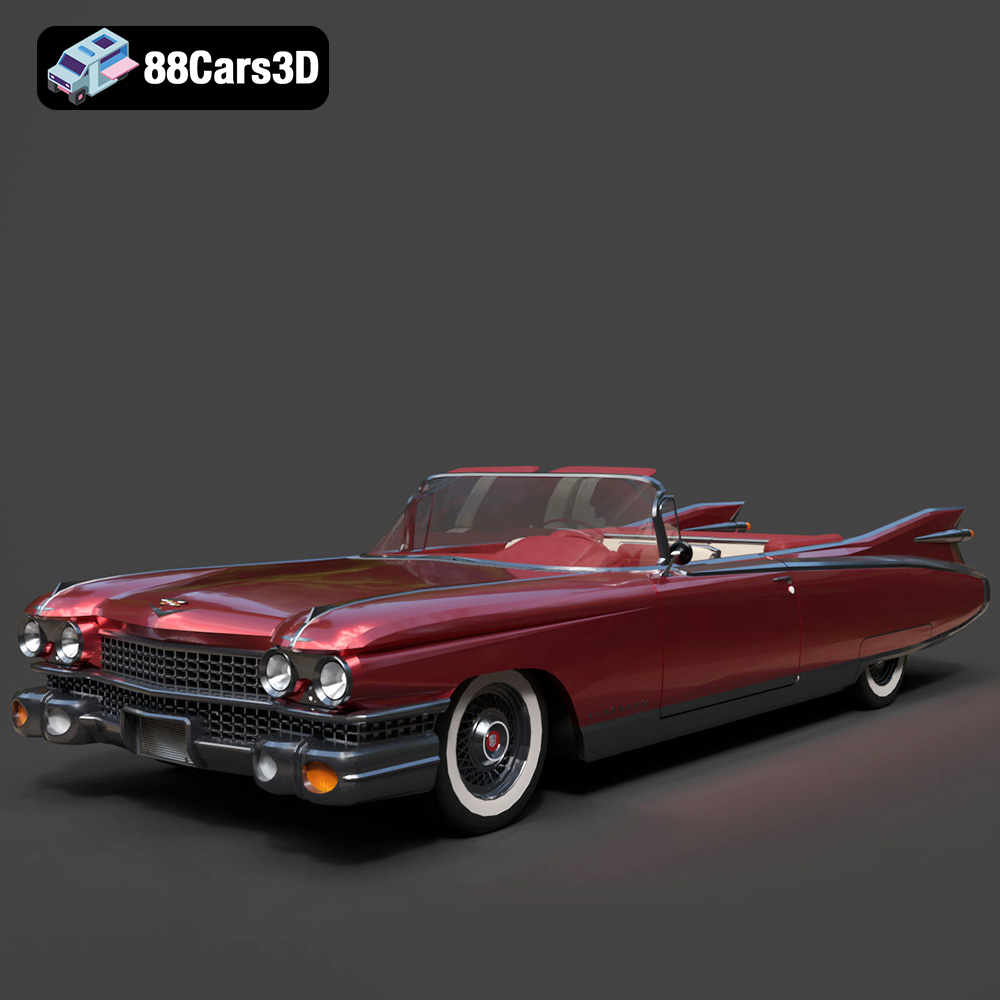
Texture: Yes
Material: Yes
Download the Cadillac Eldorado Convertible (1959) 3D Model featuring iconic fins, luxurious chrome details, and a classic vintage design. Includes .blend, .fbx, .obj, .glb, .stl, .ply, .unreal, and .max formats for rendering, simulation, and game development.
Price: $20.79

Texture: Yes
Material: Yes
Download the Cadillac DTS-005 3D Model featuring its iconic luxury design, detailed interior, and realistic exterior. Includes .blend, .fbx, .obj, .glb, .stl, .ply, .unreal, and .max formats for rendering, simulation, and game development.
Price: $10.79

Texture: Yes
Material: Yes
Download the Buick LeSabre 1998 3D Model featuring a classic American full-size sedan design. Includes .blend, .fbx, .obj, .glb, .stl, .ply, .unreal, and .max formats for rendering, simulation, and game development.
Price: $10.79

