Rev Up Your Renders: The Top 10 Most Popular Car 3D Models for Game Developers in 2025
Rev Up Your Renders: The Top 10 Most Popular Car 3D Models for Game Developers in 2025
In the fast-evolving landscape of video game development, the quality of your 3D models can make or break player immersion. This is especially true for vehicles, where realism, performance, and customization are paramount. For game developers aiming to create captivating experiences, choosing the right car 3D models is a strategic decision that impacts everything from visual fidelity to game stability.
As we steer into 2025, the demand for highly optimized, visually stunning, and versatile vehicle assets continues to accelerate. Whether you’re building a hyper-realistic racing simulator, an expansive open-world adventure, or a casual mobile game, understanding which car models stand out is crucial. This comprehensive guide will navigate you through the top 10 most popular car 3D models (or archetypes) that are set to dominate game development pipelines in the coming year, alongside essential considerations for their integration.
We’ll explore models renowned for their superior PBR textures, intricate geometry, efficient LODs (Level of Detail), and adaptability, ensuring your game not only looks fantastic but also runs smoothly on various platforms, from Unreal Engine and Unity to mobile devices.
Why Choosing the Right Car 3D Model is Crucial for Game Development
The vehicle assets you select are far more than mere visual props; they are integral components of your game’s engine and player experience. A thoughtful selection process can significantly enhance your project, while a poor one can introduce technical debt and detract from enjoyment.
Impact on Visual Fidelity and Player Immersion
High-quality car 3D models are fundamental to achieving compelling visual fidelity. Detailed meshes, realistic PBR (Physically Based Rendering) textures, and accurate materials contribute directly to player immersion. Players expect vehicles to look and feel authentic, with proper reflections, wear-and-tear, and intricate interiors. Models that fail to meet these expectations can quickly break the illusion and reduce the game’s overall appeal.
Performance Optimization and Game Stability
While visual detail is important, it must be balanced with performance optimization. Overly complex models with high poly counts or unoptimized textures can severely impact frame rates, especially in scenes with multiple vehicles or on lower-end hardware. Well-constructed models include multiple LODs to swap in lower-polygon versions at a distance, clean topology for efficient rendering, and optimized material setups, all contributing to better game stability and a smoother experience.
Customization and Moddability
Modern games often thrive on customization options. Players love personalizing their vehicles with different paint jobs, decals, body kits, and performance upgrades. Models designed with modularity in mind—featuring separate components for wheels, spoilers, doors, and interiors—allow developers to easily implement extensive customization systems. This also facilitates modding, extending the game’s lifespan and fostering a vibrant community.
Future-Proofing Your Game
Investing in adaptable and scalable car 3D models helps future-proof your game. As new consoles and rendering techniques emerge, models with clean geometry and high-resolution source textures can be more easily updated or re-textured to meet evolving graphical standards. This avoids the costly necessity of replacing entire asset libraries in future updates or remasters.
Our Selection Criteria for 2025’s Top Car Models
The following archetypes were chosen based on a rigorous set of criteria vital for modern game development:
- Realism & Detail: High-quality PBR textures, intricate geometry, and accurate proportions.
- Optimization: Balanced polygon count, clean topology, and well-implemented LODs.
- Rigging & Animation Readiness: Pre-rigged for wheels, suspension, doors, and other moving parts.
- Modularity & Customization: Separate meshes for easy modification, material ID support for paint customization.
- Asset Ecosystem & Support: Availability across major asset stores (Unreal Engine Marketplace, Unity Asset Store, TurboSquid, Sketchfab), varied file formats (FBX, OBJ, glTF).
- Trend Relevance: Reflecting current popular genres and emerging vehicle types (e.g., EVs, specific classic cars).
The Top 10 Most Popular Car 3D Models for Game Developers in 2025
Here are the archetypes of car 3D models that game developers are gravitating towards, offering a blend of visual excellence and technical practicality:
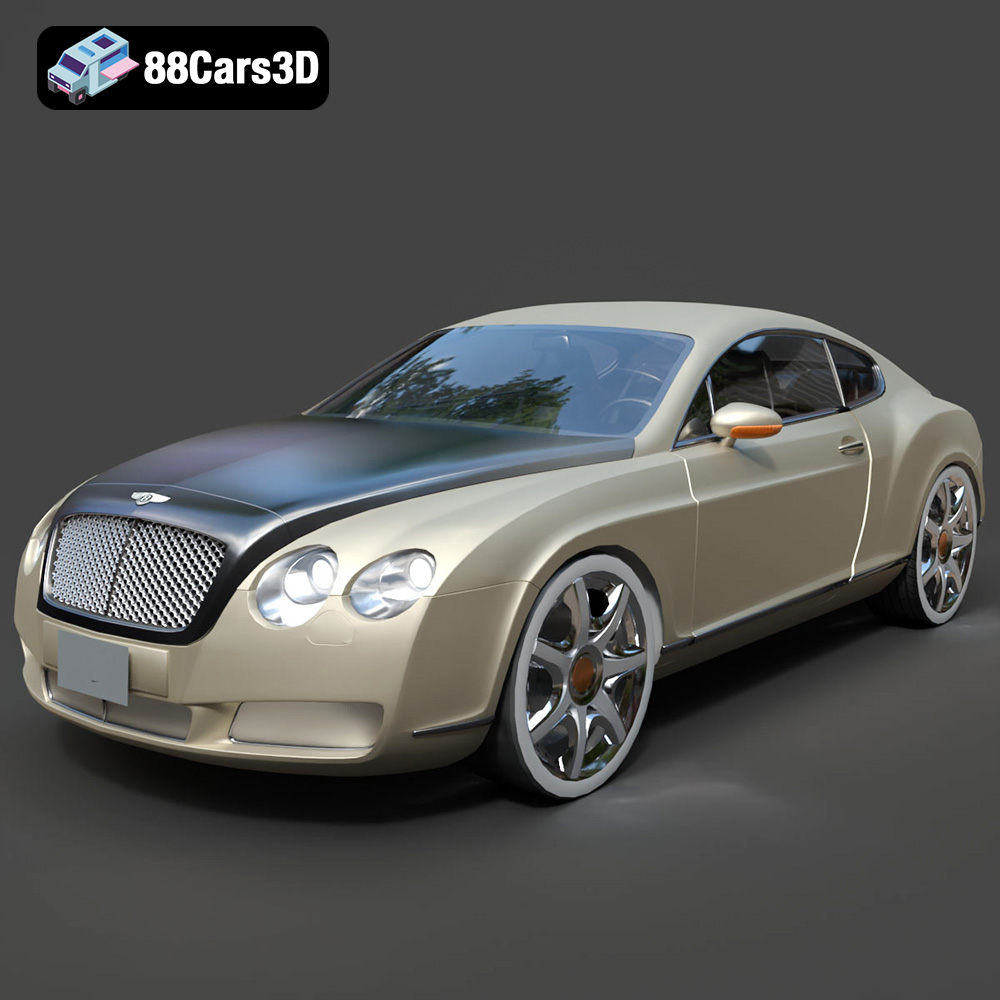
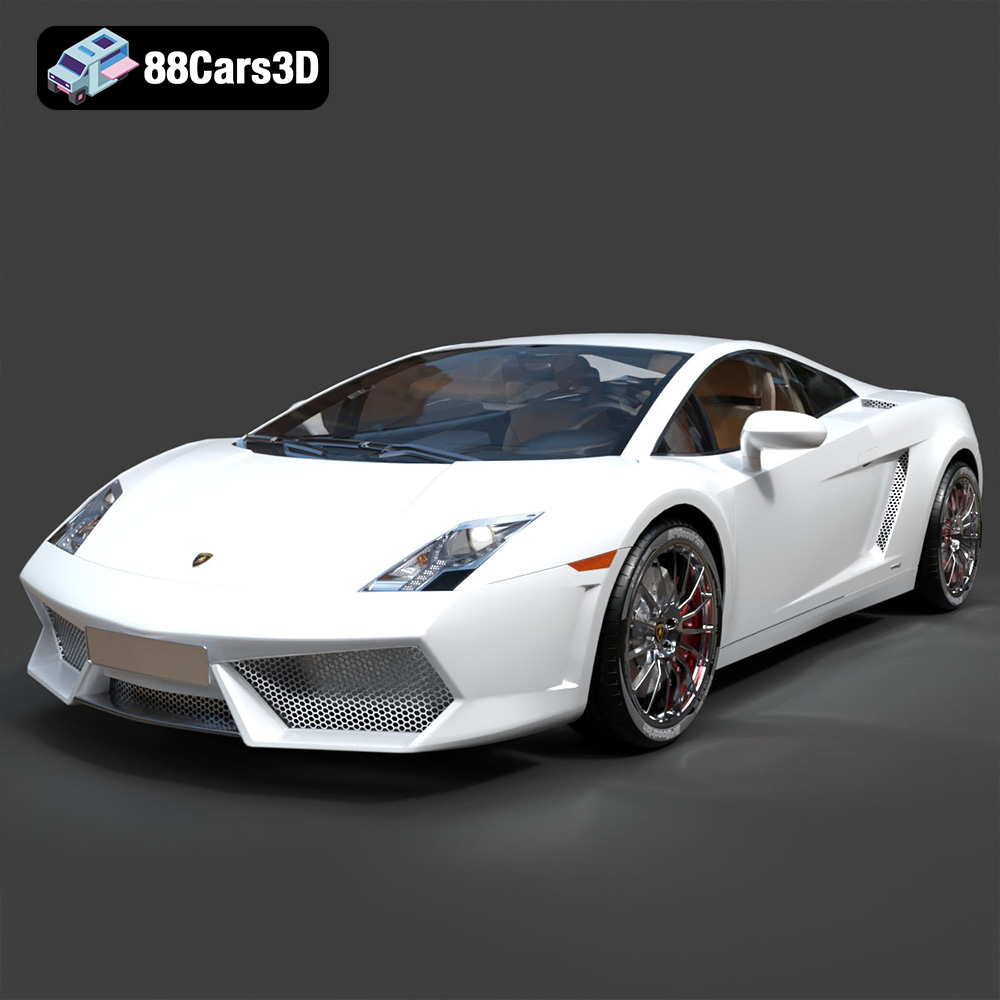
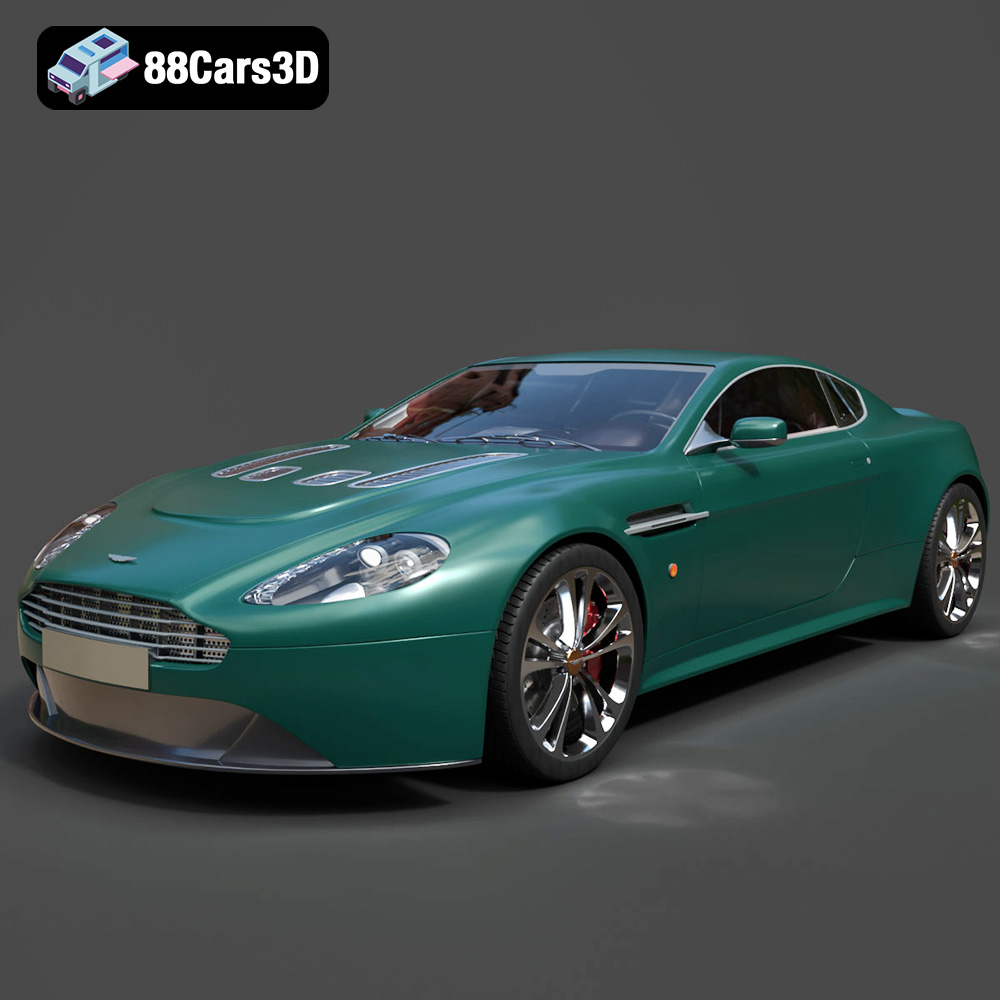
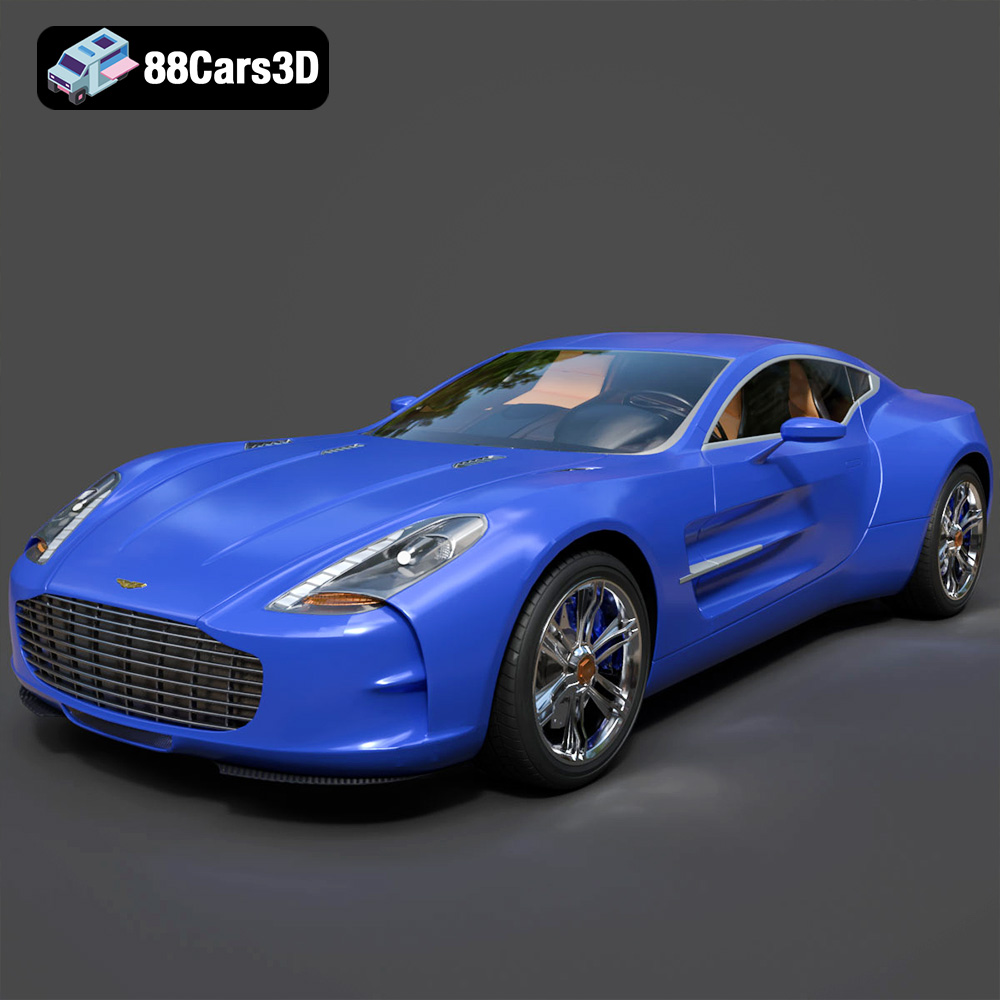
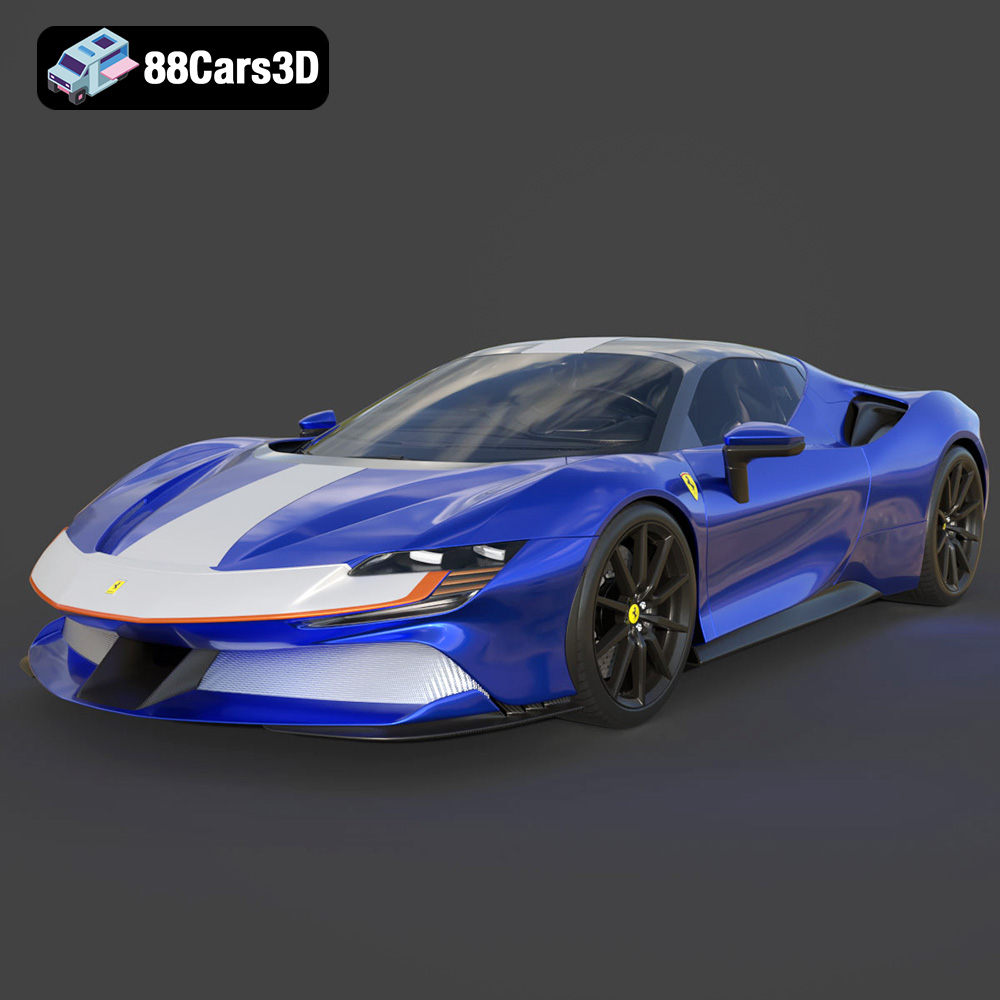
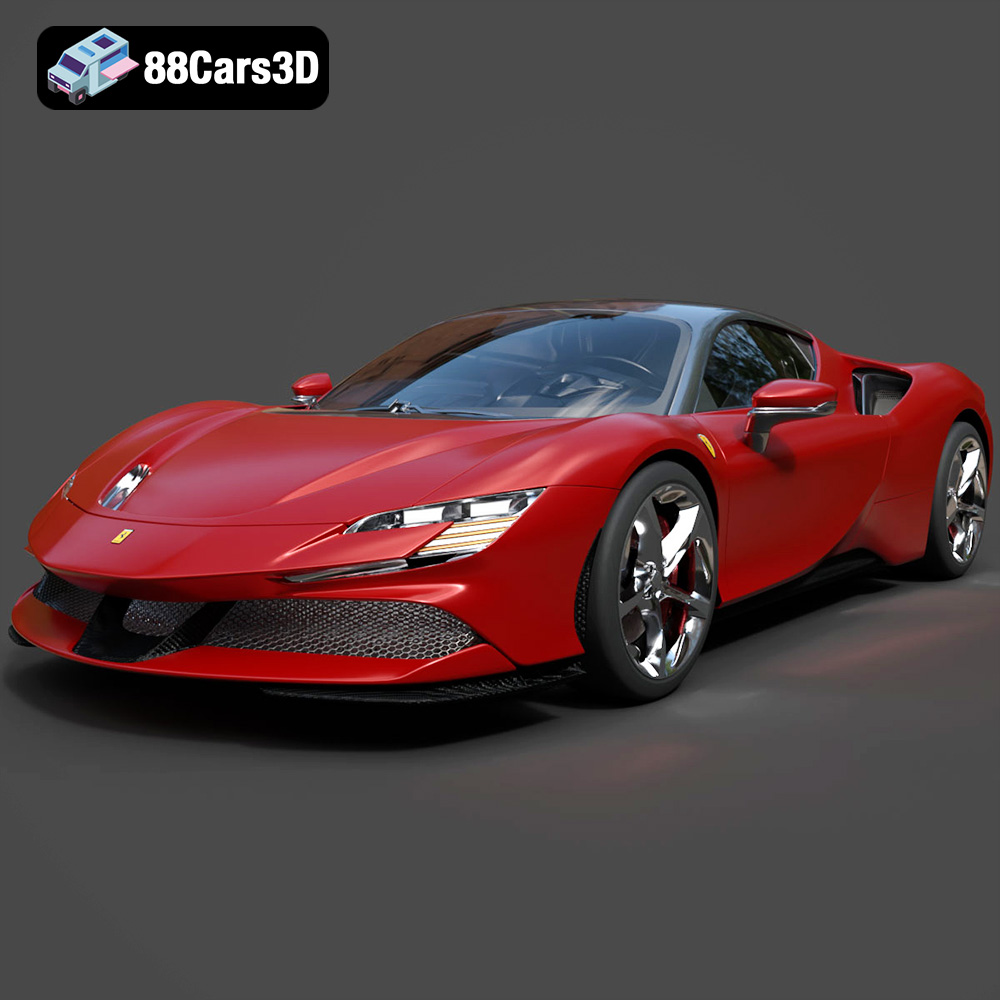
The High-Performance Hypercar Archetype
These models embody speed, luxury, and cutting-edge design, making them staples for high-octane racing games or futuristic open-world titles. They are characterized by sleek aerodynamics and intricate mechanical details.
- Key Features: Typically boasts highly detailed exteriors and interiors, 4K PBR textures (Albedo, Normal, Metallic, Roughness, AO), often includes multiple LODs for performance scalability.
- Technical Specs: Main model poly count often ranges from 80,000 to 150,000 triangles. Separate, optimized chassis, wheel, and interior meshes. Rigged for advanced physics and animation (suspension, steering, doors).
- Why it’s Popular for 2025: Continues to be a visual benchmark, pushing graphical fidelity in modern game engines. The demand for visually stunning vehicles in competitive racing or immersive exploration remains high.
- Practical Example: Essential for titles mimicking games like Forza Motorsport or Gran Turismo, where vehicle aesthetics and performance are paramount.
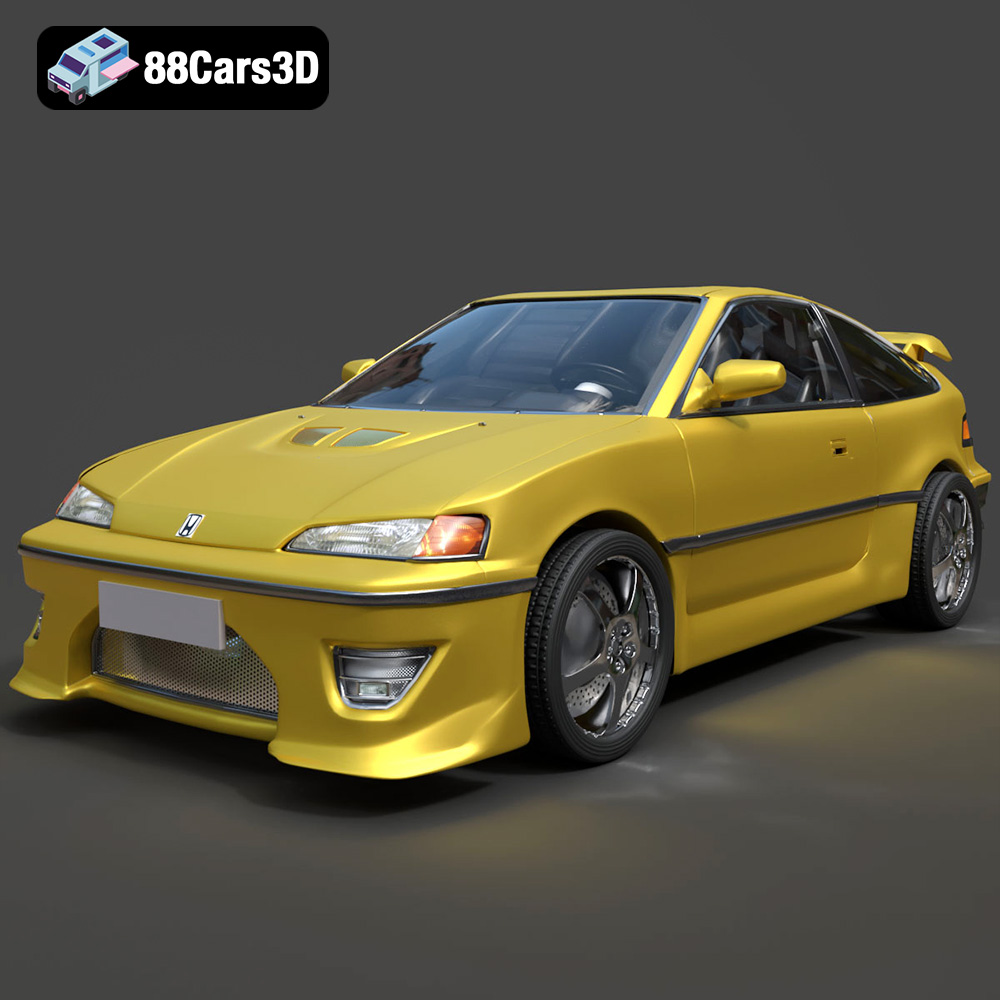
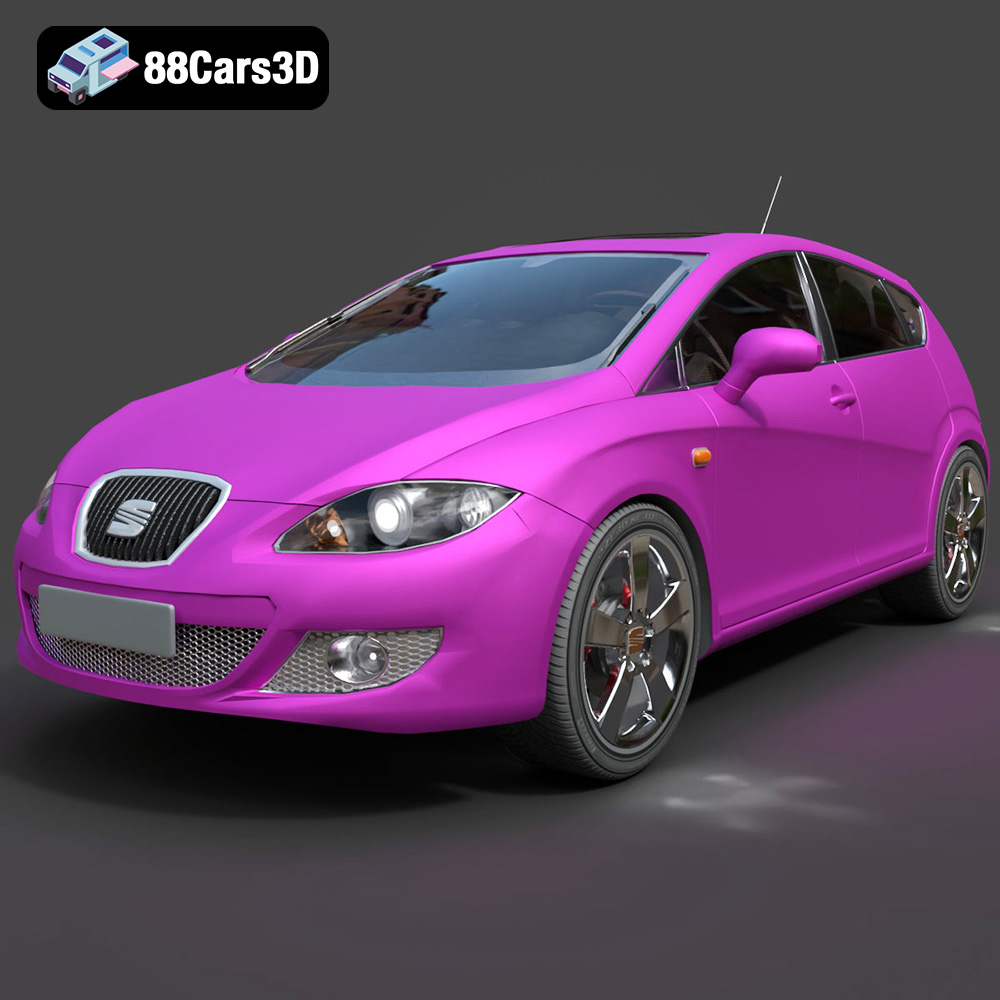
The Versatile Urban Sedan/Hatchback Pack
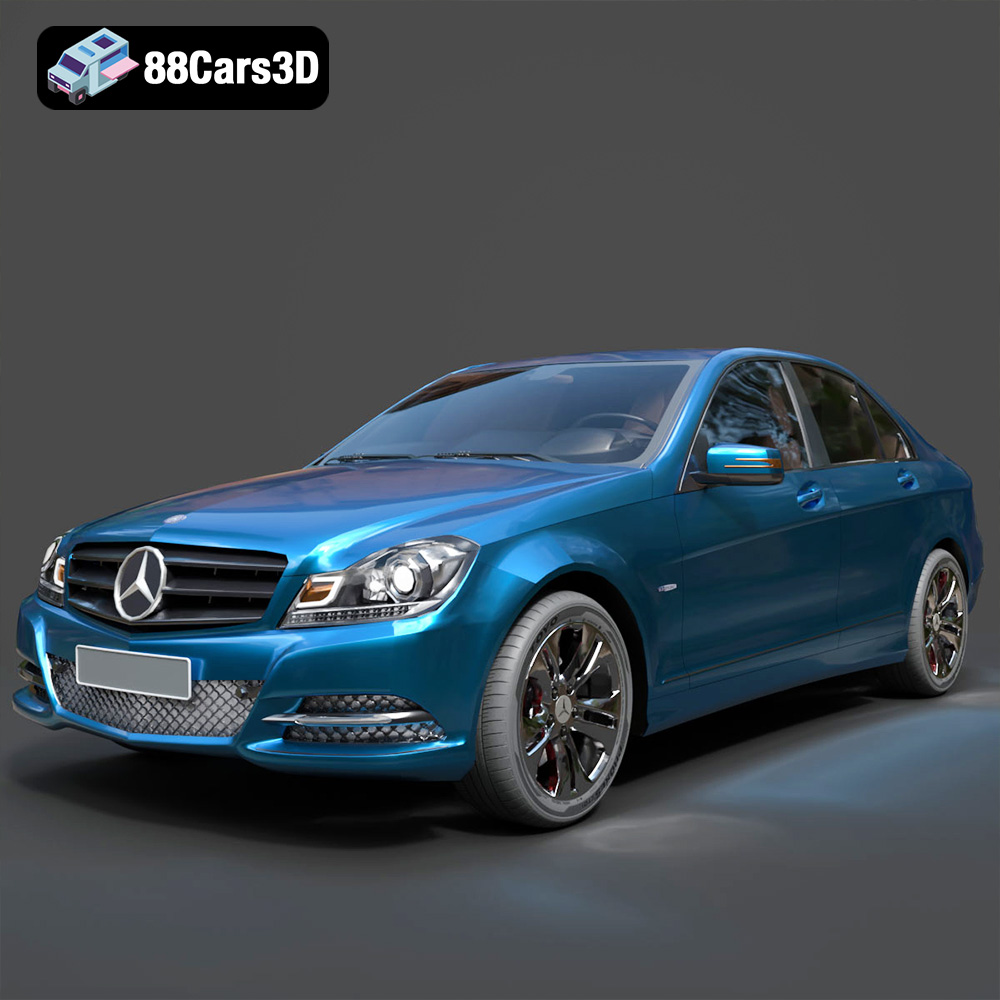
Representing everyday vehicles, these models are critical for populating city environments, traffic systems, or serving as basic player vehicles in open-world games. Their popularity lies in their widespread applicability and balance of detail and optimization.
- Key Features: Good exterior detail with a simplified interior. Often comes with several color variants and basic customization options (e.g., roof racks). Optimized for real-time rendering.
- Technical Specs: Poly count typically 30,000 to 60,000 triangles for the primary model, with 2K or 4K PBR textures. Includes 2-3 LOD levels. Basic wheel rigging.
- Why it’s Popular for 2025: Essential for any game requiring a realistic urban setting. Developers appreciate packs that offer multiple variations to create diverse traffic flows without repetitive assets.
- Practical Example: Perfect for sandbox games like Grand Theft Auto-likes, driving simulators, or background vehicles in racing titles.
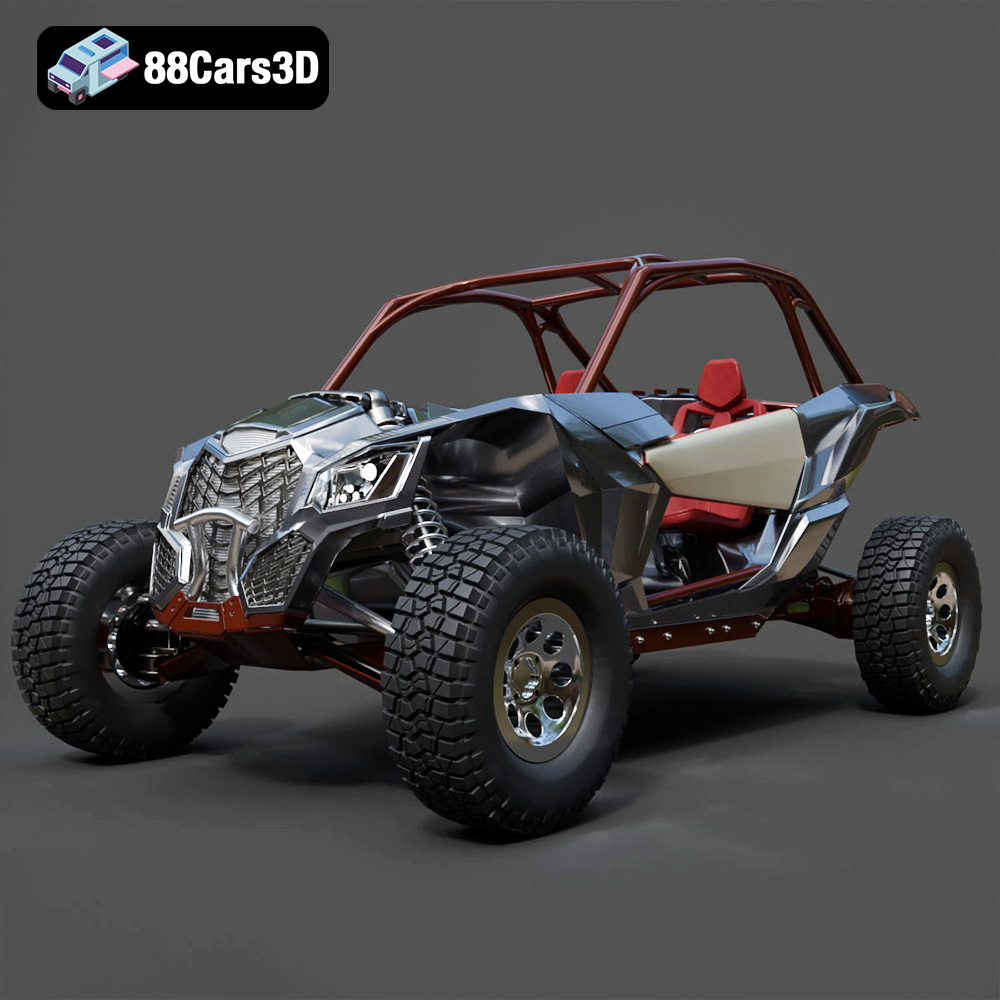
The Robust Off-Road SUV/Truck Collection
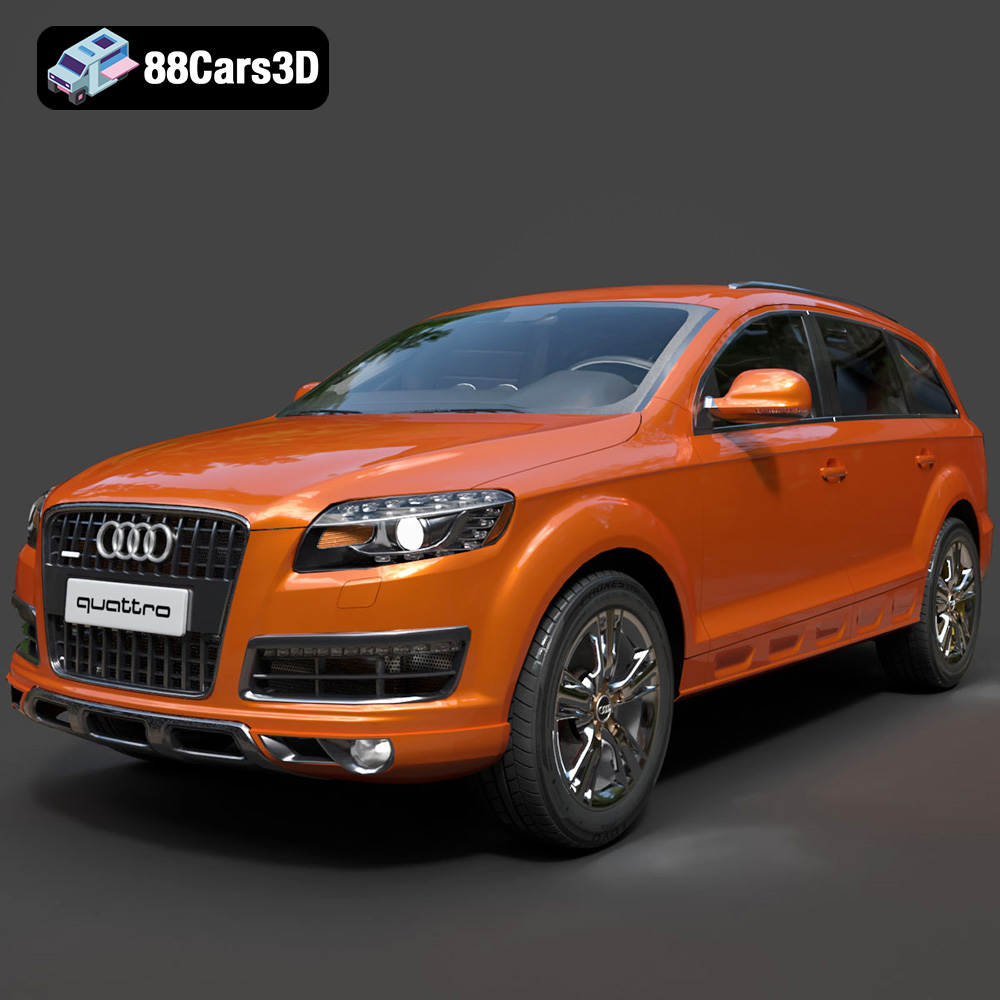
Designed for rugged environments, these models are staples for adventure games, survival titles, or off-road racing simulations. They emphasize durability, powerful aesthetics, and often feature utility attachments.
- Key Features: Highly detailed chassis and suspension systems, robust tire models, and often comes with modular attachments like roof racks, winches, or bull bars. Weathered PBR textures are common.
- Technical Specs: Main model poly count between 70,000 and 100,000 triangles, with intricate components. 4K PBR texture sets. Advanced rigging for suspension articulation and drive train.
- Why it’s Popular for 2025: The popularity of open-world exploration and survival genres continues to drive demand for capable and visually impressive off-road vehicles.
- Practical Example: Ideal for games such as SnowRunner, Spintires, or adventure RPGs where traversing challenging terrain is a core mechanic.
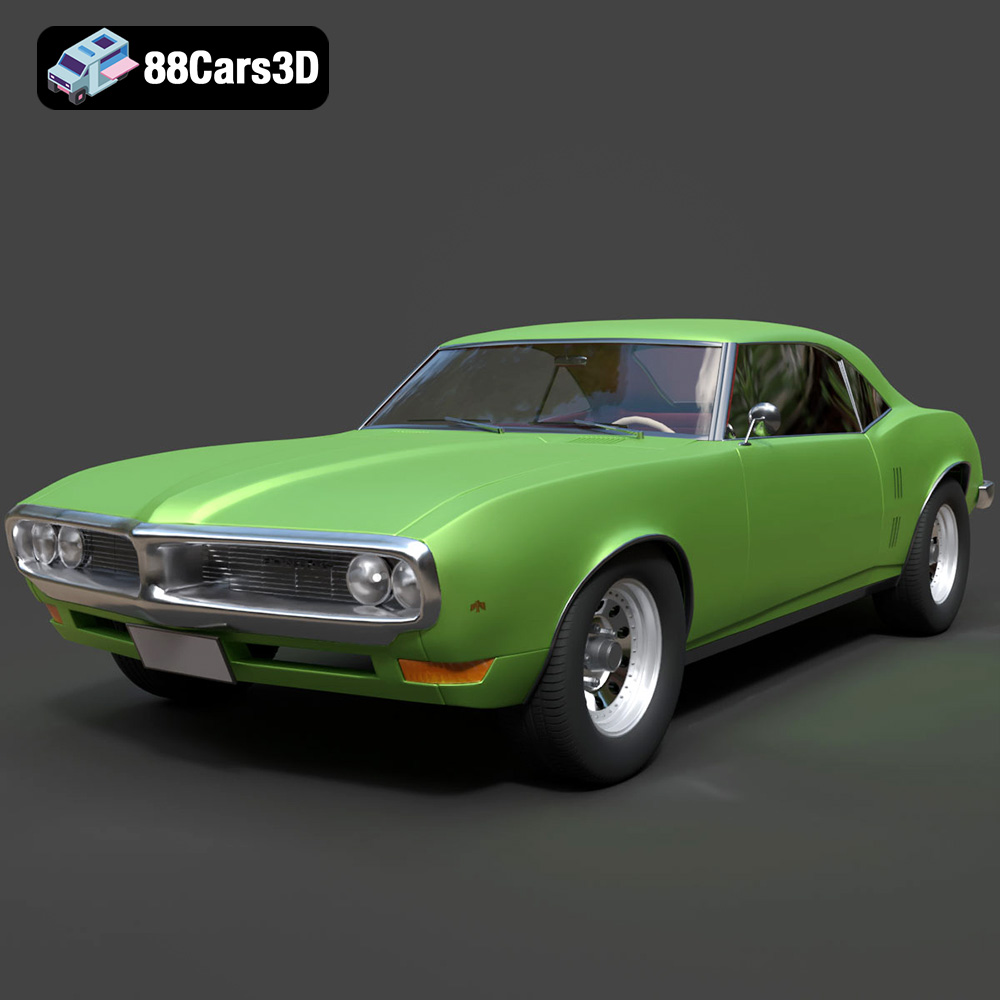
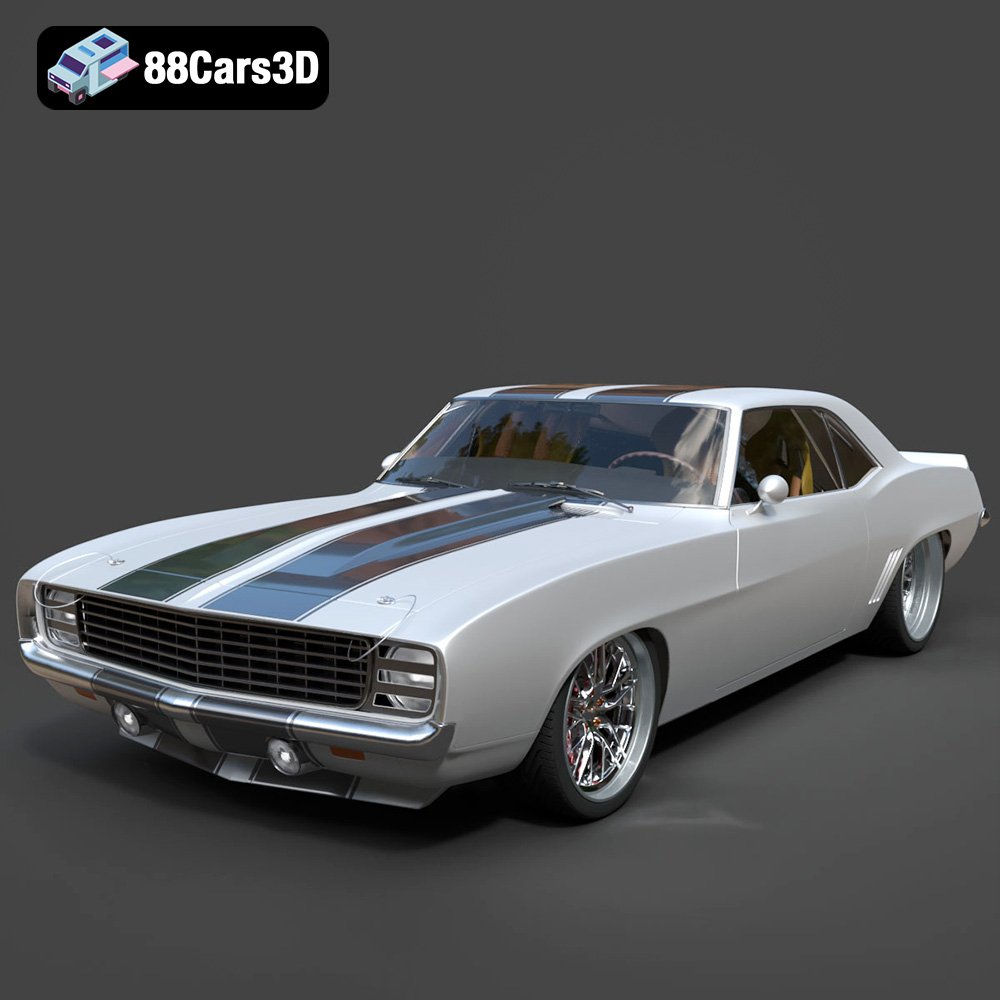
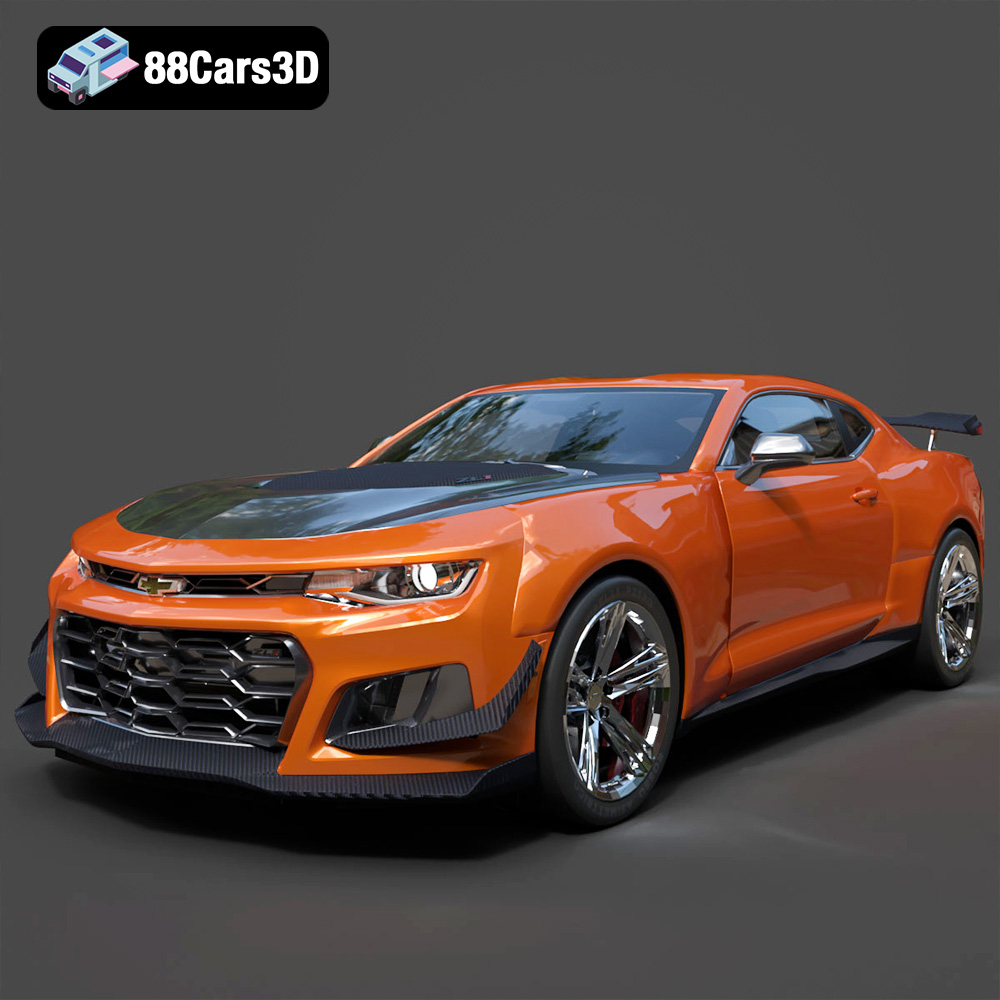
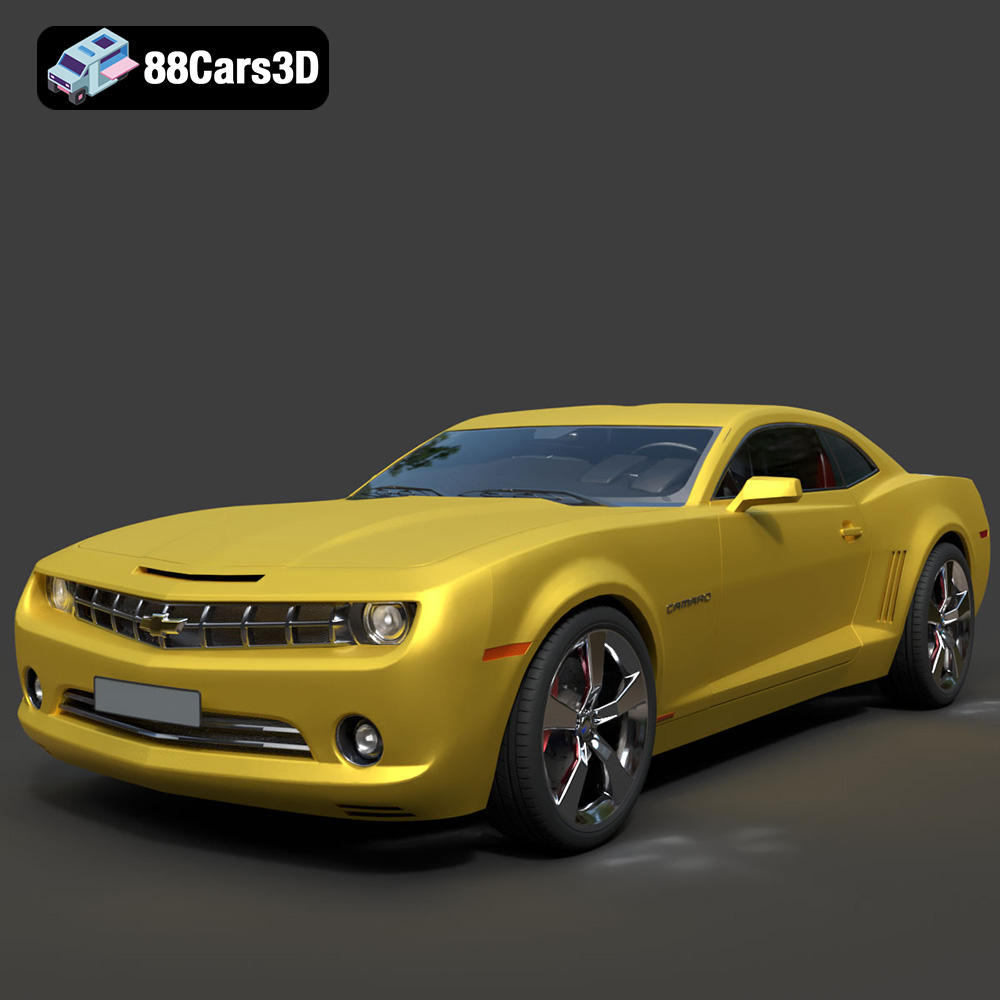
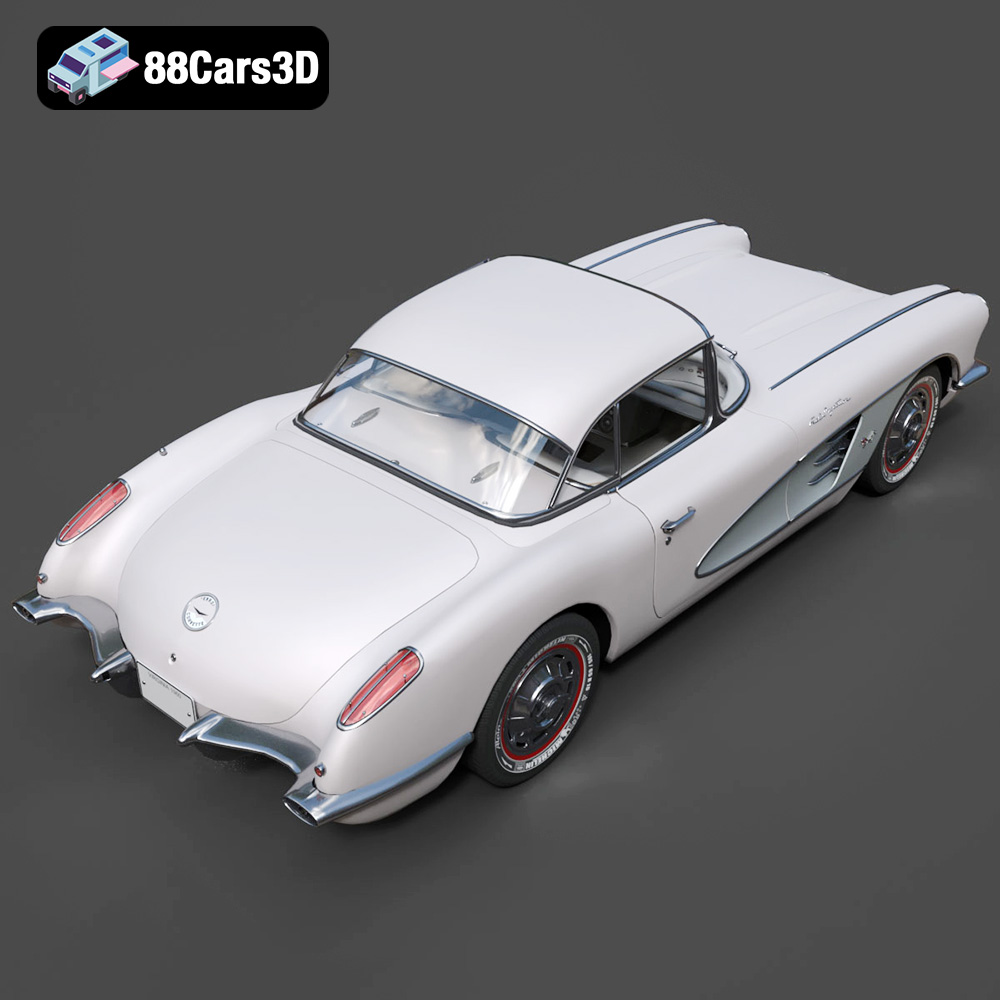
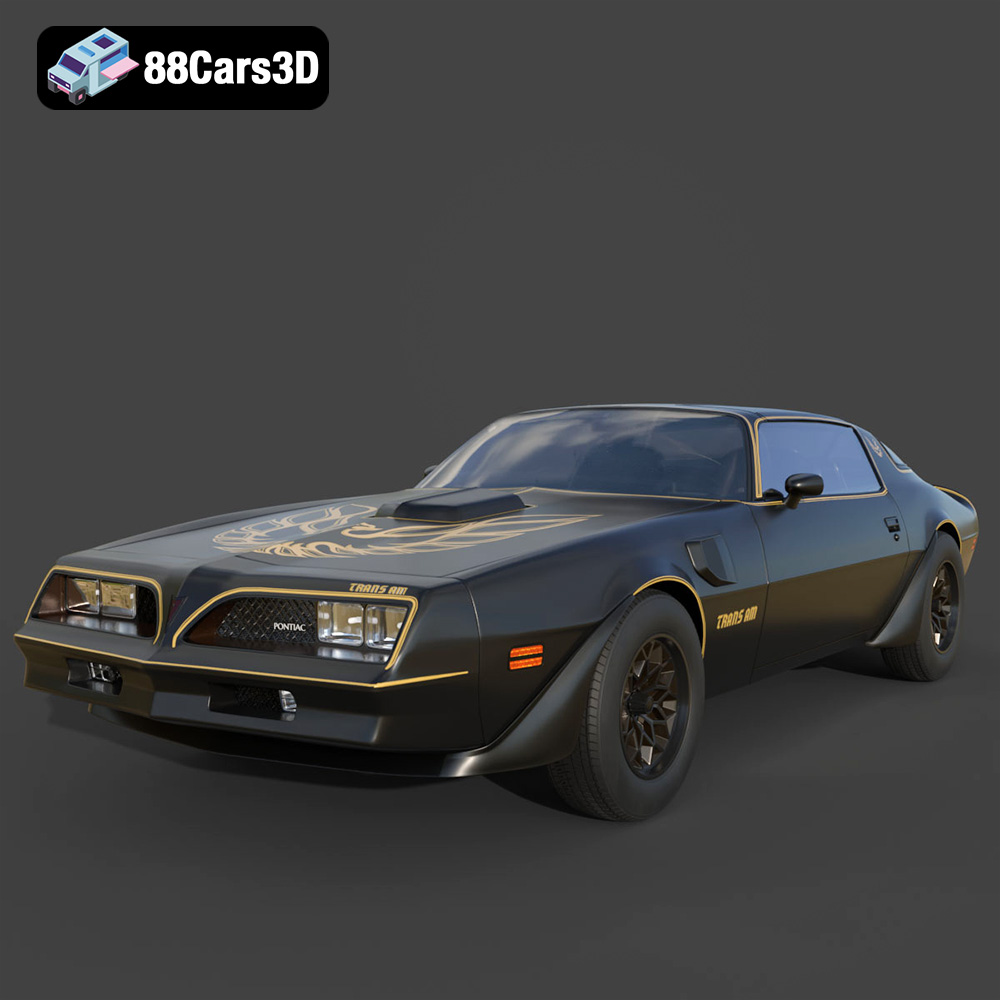
The Classic Muscle Car Icon
Evoking nostalgia and raw power, these models cater to a specific niche of racing enthusiasts and games set in specific historical periods. They are valued for their distinctive design and powerful presence.
- Key Features: Authentic period-accurate detailing, high-resolution textures capturing metallic flakes and chrome, and often includes various engine options visible under the hood.
- Technical Specs: Poly counts around 60,000 to 90,000 triangles. Rich 4K PBR material setups to achieve realistic paint and metallic effects. Optimized for classic car physics.
- Why it’s Popular for 2025: Enduring appeal in racing games that celebrate automotive history and offer a distinct driving experience. Perfect for retro-themed or period-specific games.
- Practical Example: Excellent for games like Need for Speed: Hot Pursuit remasters, or any title focused on classic American automotive culture.
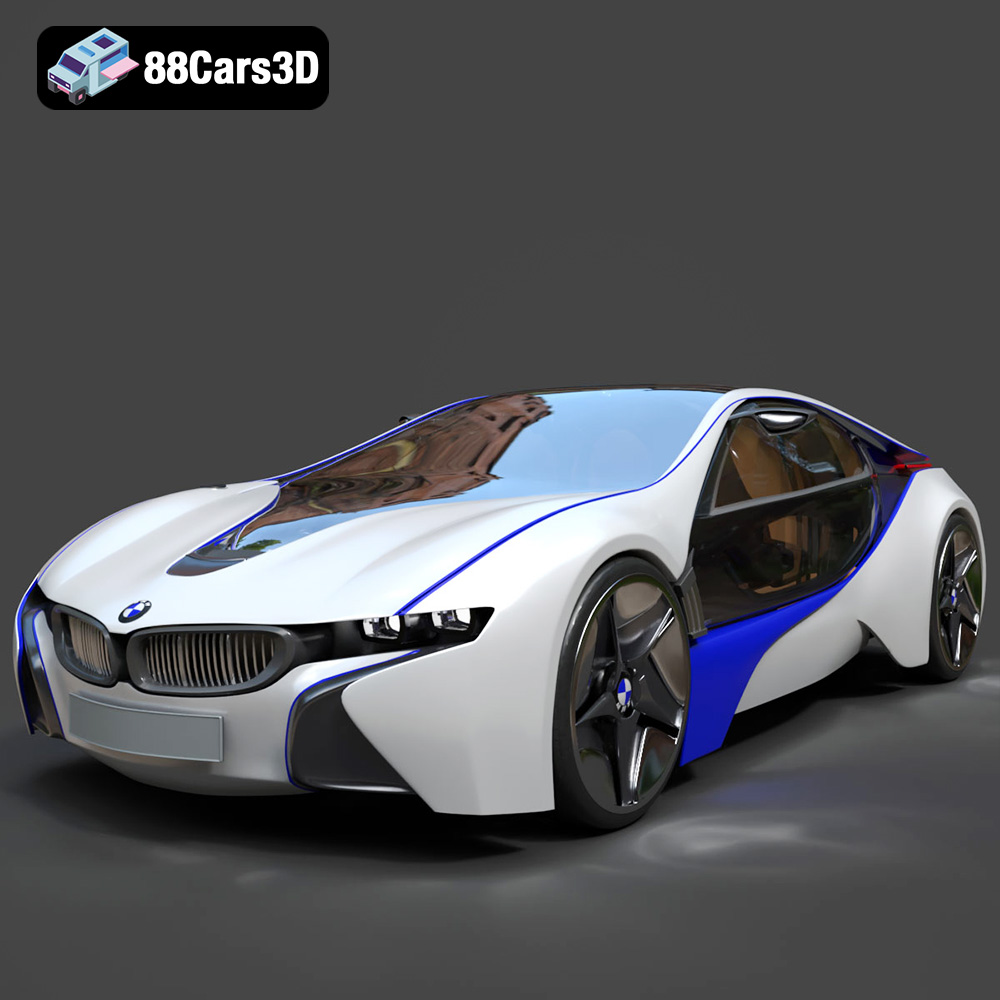
The Futuristic Concept Vehicle
For games pushing the boundaries of imagination, these models offer unique, often unconventional designs. They are essential for sci-fi, cyberpunk, or abstract racing genres.
- Key Features: Sleek, often angular or aerodynamic designs, integrated lighting systems, and materials that may include emissive maps or advanced shaders for glow effects. Detailed cockpits.
- Technical Specs: Poly count can vary widely (50,000-120,000 tris) depending on complexity. 4K PBR textures with additional emissive and custom shader maps. Optimized for sci-fi environments.
- Why it’s Popular for 2025: As game settings become more diverse and futuristic, these models provide the visual foundation for unique gameplay and world-building.
- Practical Example: Perfect for games like Cyberpunk 2077, Star Citizen, or any title requiring custom-designed vehicles from an imagined future.
The Electric Vehicle (EV) Pack
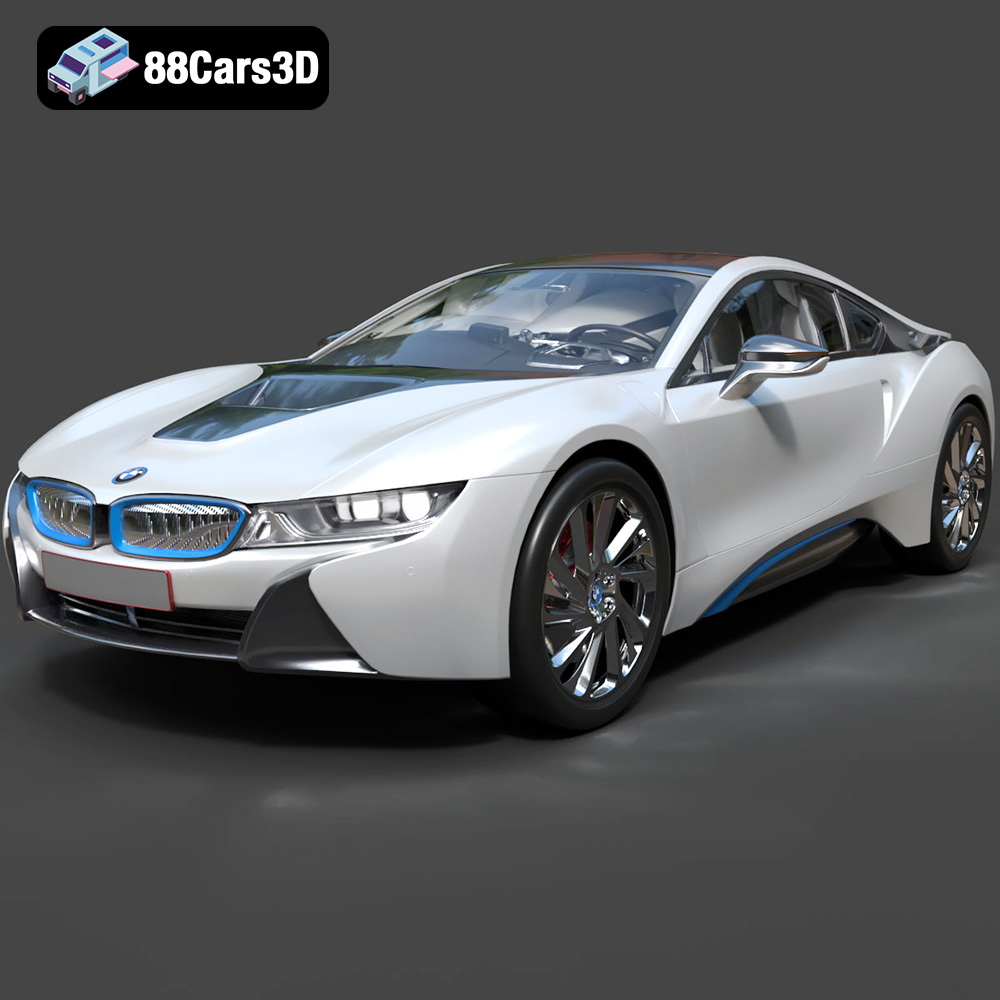
Reflecting real-world automotive trends, EV models are gaining traction in games aiming for contemporary or near-future settings. They often feature minimalist designs and unique charging animations.
- Key Features: Modern, often minimalist exteriors, detailed interiors with digital dashboards, and clean PBR materials. Some include charging port animations or subtle ambient lighting.
- Technical Specs: Around 50,000-80,000 triangles per vehicle, with 4K PBR textures. Optimized for sleek, non-combustion engine aesthetics. May include specific VFX for electric propulsion.
- Why it’s Popular for 2025: Growing relevance of EVs in real life translates to their inclusion in realistic simulators and modern urban games, offering a contemporary feel.
- Practical Example: Ideal for city-building games, modern driving simulators, or titles that want to portray a sustainable, futuristic urban environment.
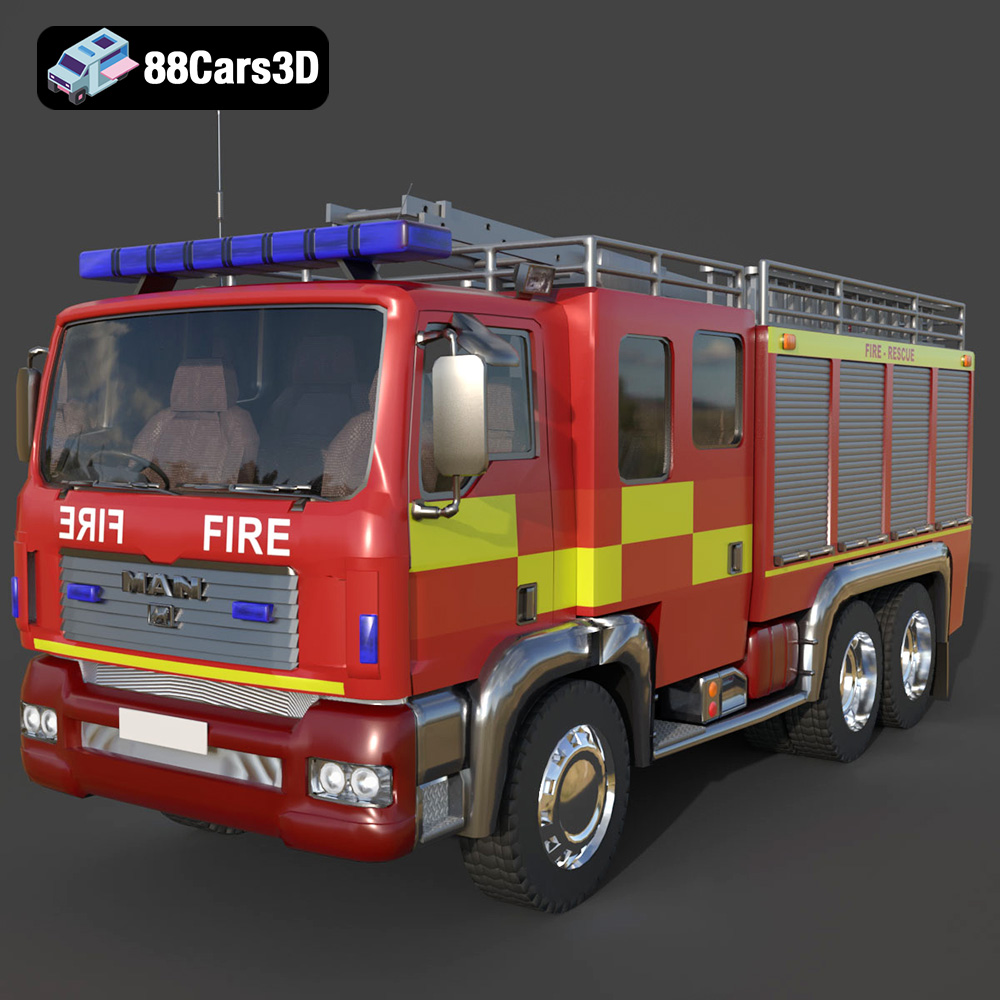
The Emergency Services Vehicle Pack
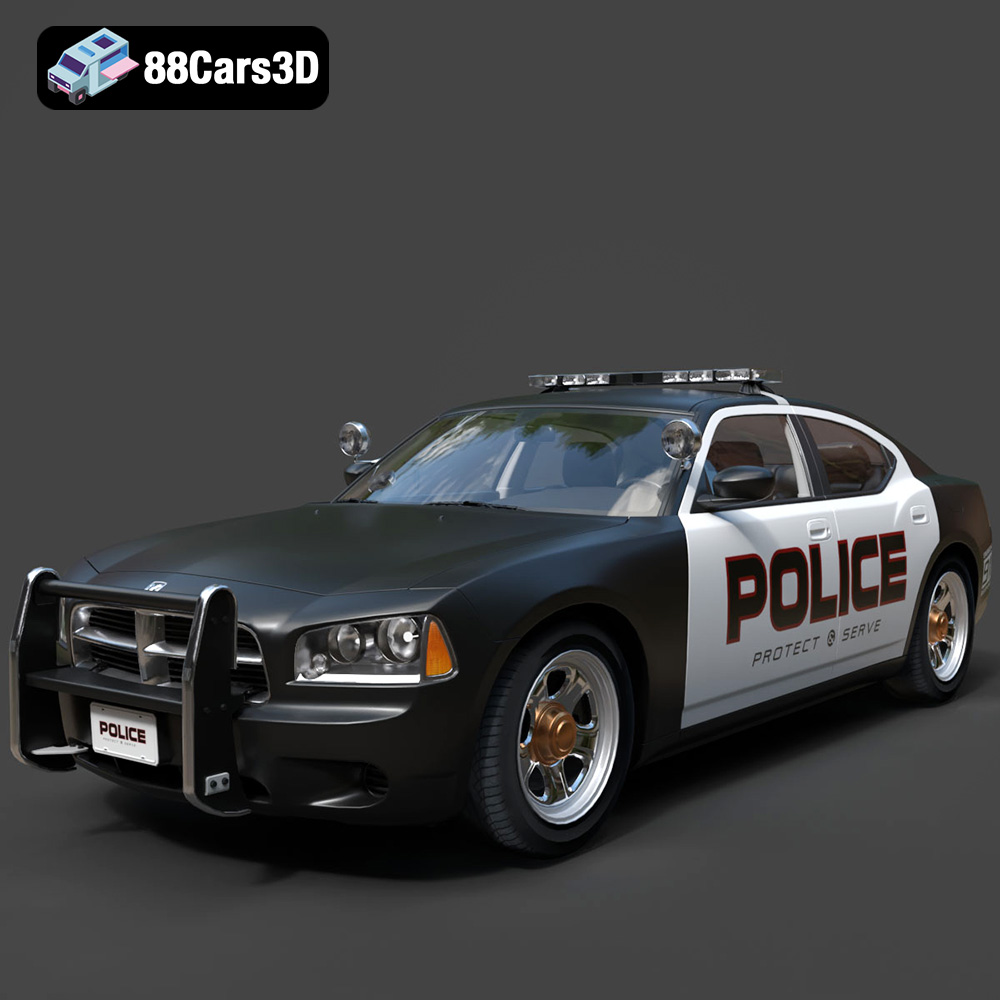
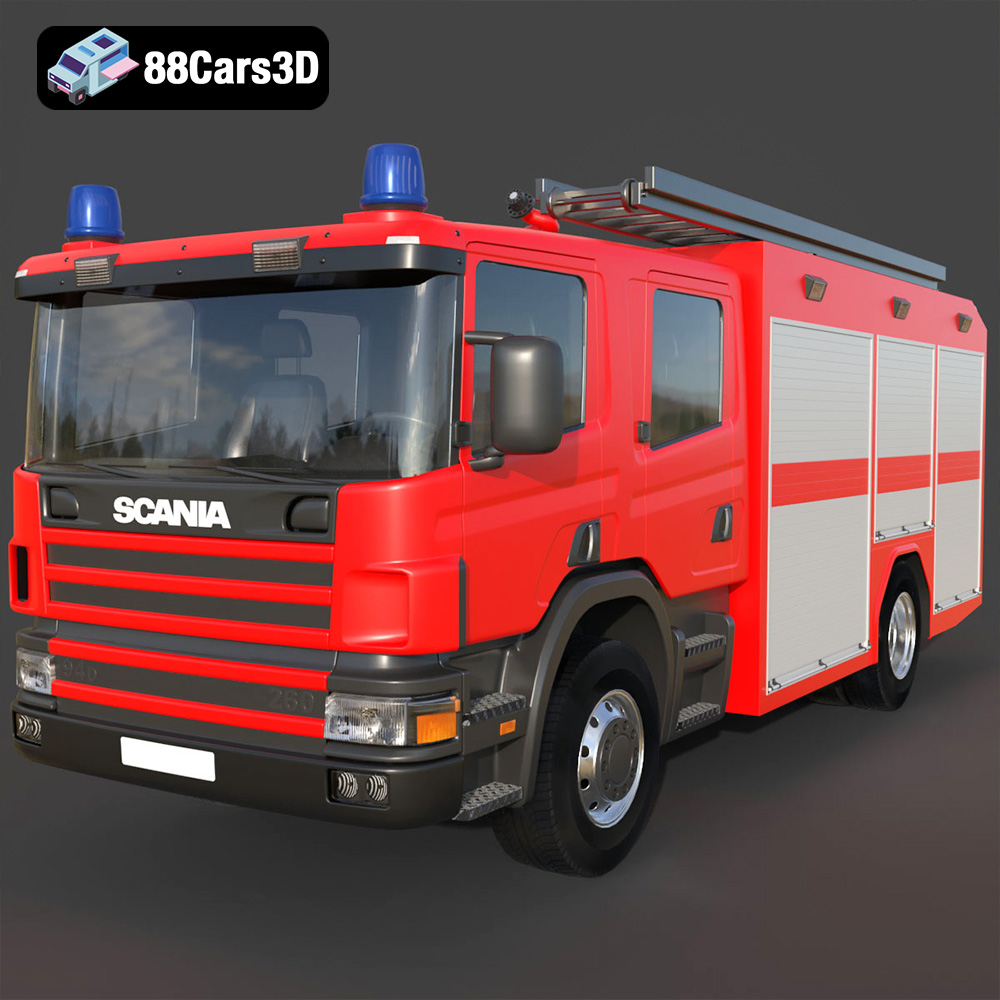
Essential for urban simulations, open-world games, and role-playing scenarios, these packs provide crucial vehicles like police cars, ambulances, and fire trucks. Variety and accurate detailing are key.
- Key Features: Accurate decals, flashing light setups (with emissive maps and light sources), detailed interiors for first-person views. Often includes custom siren audio cues.
- Technical Specs: Poly count per vehicle typically 40,000-70,000 triangles. 2K-4K PBR textures with multiple material zones for customization. Pre-rigged for emergency lights and doors.
- Why it’s Popular for 2025: Critical for adding dynamic elements and realism to any game involving a city setting or requiring interaction with law enforcement/emergency services.
- Practical Example: A must-have for games like Grand Theft Auto, City Car Driving, or dedicated emergency services simulators.
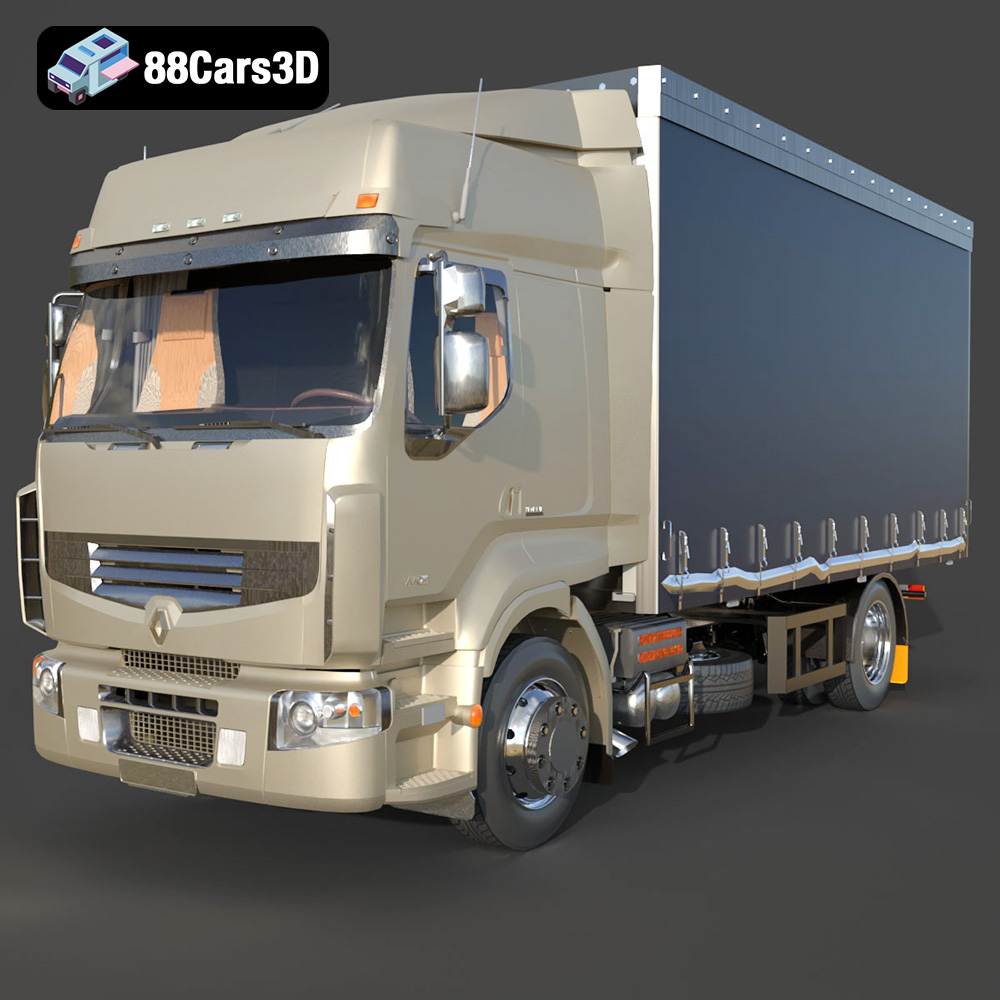
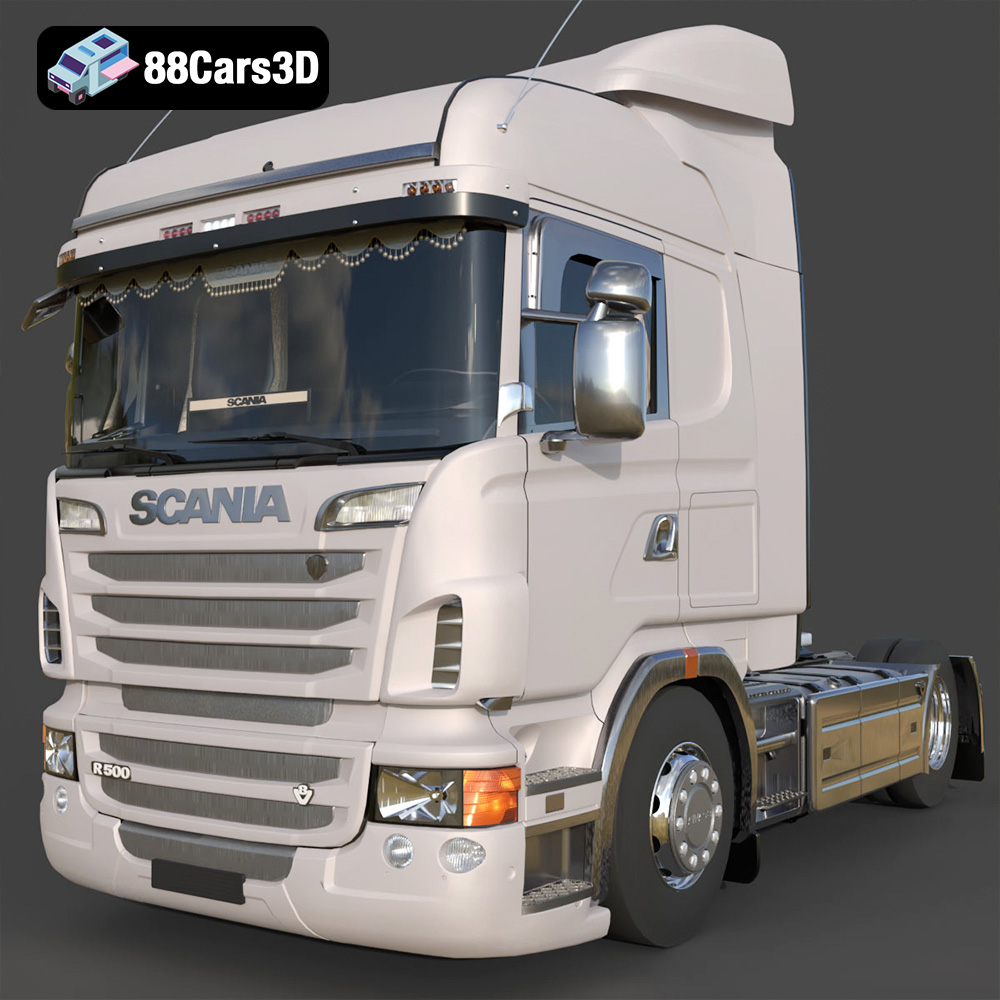
The Industrial/Utility Vehicle Collection
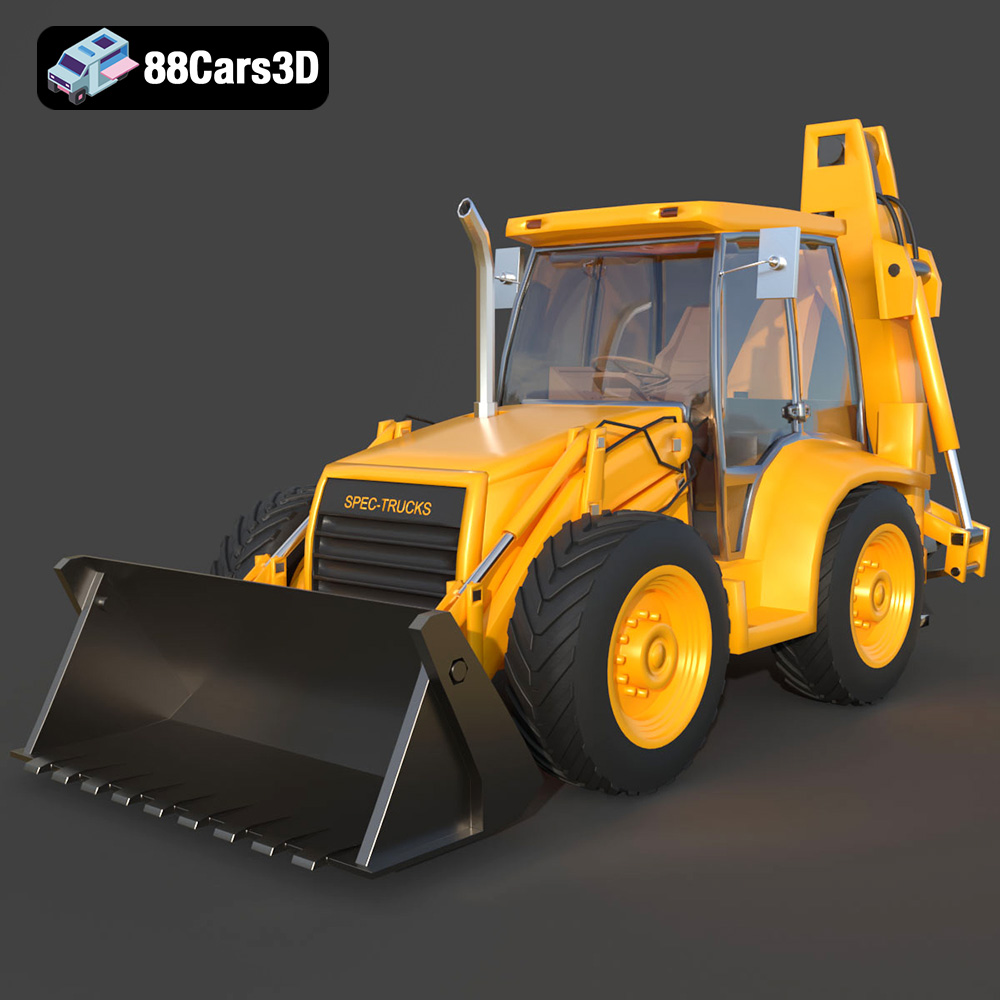
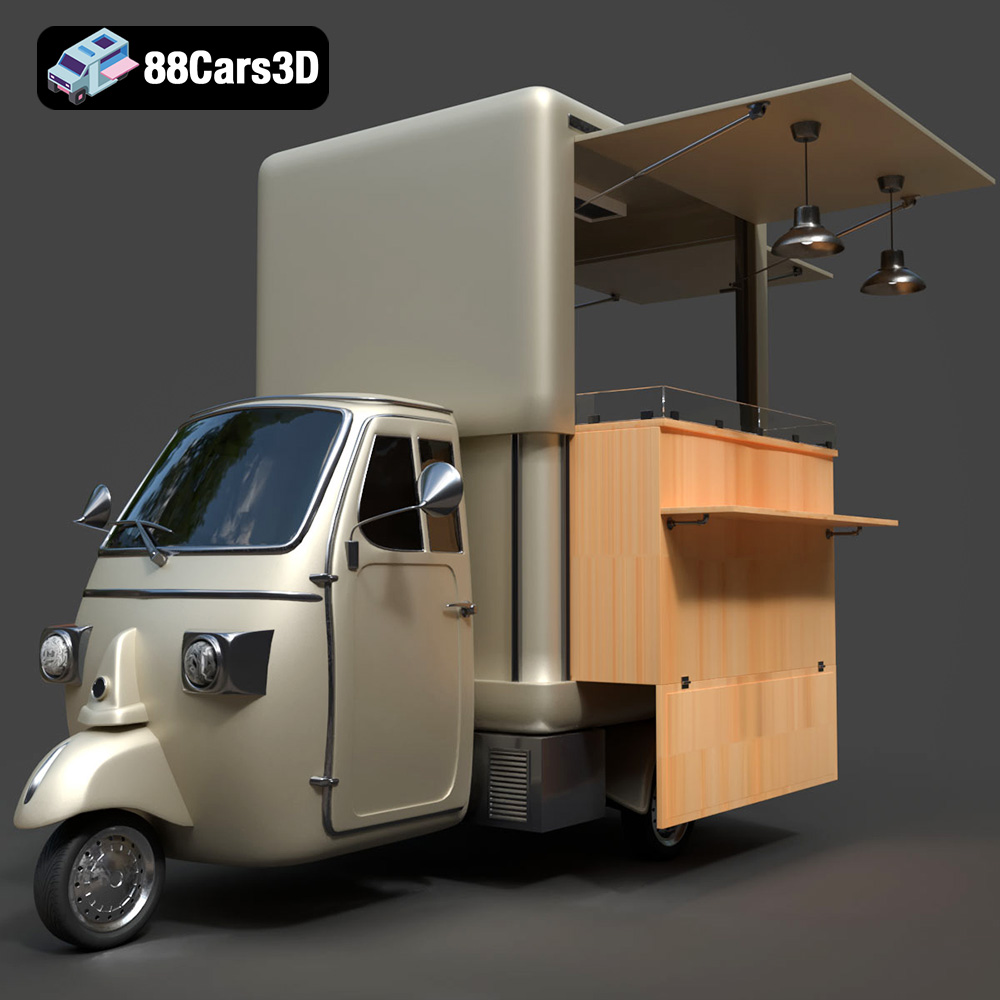
From delivery vans to forklifts and heavy machinery, these models fill the utilitarian roles in game worlds. They are vital for simulations, construction games, or adding background authenticity to urban/industrial zones.
- Key Features: Rugged, functional designs. Often includes moving parts (e.g., forklift arms, crane components) with appropriate rigging. Weathered textures are common.
- Technical Specs: Poly counts vary widely (20,000-100,000 tris) based on complexity. 2K-4K PBR textures focused on wear and tear. Functional rigging for articulated parts.
- Why it’s Popular for 2025: Essential for realism in simulation games and for adding depth to non-player elements in open-world environments. Often used as static background props too.
- Practical Example: Perfect for titles like Farming Simulator, Construction Simulator, or to populate industrial areas in games like Half-Life 2.
The Stylized/Low-Poly Car Pack
Not every game strives for photorealism. Low-poly or stylized car models are popular for mobile games, indie titles, or games with distinct art styles, prioritizing performance and aesthetic consistency.
- Key Features: Simplified geometry, often vibrant color palettes, clean untextured or single-color materials. Focus on silhouette and overall form rather than minute details.
- Technical Specs: Very low poly counts, typically 1,000-5,000 triangles per vehicle. May use vertex colors or simple texture atlases instead of complex PBR maps. Excellent for batching and instancing.
- Why it’s Popular for 2025: Crucial for mobile game development due to performance constraints, and favored by indie developers aiming for unique, coherent art directions without sacrificing frame rates.
- Practical Example: Ideal for games like Crossy Road, or any arcade-style racer where performance on a wide range of devices is paramount.
The Modular Car Builder Kit
Offering ultimate flexibility, these kits provide individual car components (chassis, body panels, engines, wheels, interiors) that can be assembled to create unique vehicle combinations. This allows for unparalleled customization.
- Key Features: Dozens of interchangeable parts, consistent PBR material system across all components, well-documented assembly instructions. Enables thousands of unique permutations.
- Technical Specs: Individual parts are optimized; a full assembled car might reach 50,000-100,000 tris depending on complexity. Shared texture maps and materials for efficiency. Rigging for modularity.
- Why it’s Popular for 2025: Empowers developers to create highly personalized vehicle fleets, ideal for games with deep crafting, progression, or player-driven content. Saves significant modeling time.
- Practical Example: Perfect for building games like BeamNG.drive (for destructive physics) or RPGs where players can extensively modify their vehicles, fostering creativity and replayability.
Comparison Table: Popular Car 3D Model Archetypes
Archetype |
Typical Poly Count Range (Tris) |
Ideal Game Genre |
Customization Level |
Performance Impact |
Key Feature Focus |
|---|
High-Performance Hypercar |
80,000 – 150,000+ |
Racing, High-End Open-World |
High (Paint, Decals, Interiors) |
Moderate to High |
Visual Fidelity, Aerodynamics |
Versatile Urban Sedan |
30,000 – 60,000 |
Open-World, Simulation, Traffic |
Medium (Paint, Basic Mods) |
Low to Moderate |
Optimization, Variety |
Robust Off-Road SUV/Truck |
70,000 – 100,000 |
Adventure, Survival, Off-Road Racing |
High (Attachments, Lifts) |
Moderate |
Durability, Functionality |
Classic Muscle Car |
60,000 – 90,000 |
Retro Racing, Period Games |
Medium (Paint, Engine Mods) |
Moderate |
Authenticity, Aesthetics |
Stylized/Low-Poly Car |
1,000 – 5,000 |
Mobile, Indie, Arcade |
Low (Color, Simple Decals) |
Very Low |
Performance, Unique Art Style |
Essential Considerations When Acquiring Car 3D Models
Beyond the model’s visual appeal, several practical aspects must be evaluated before integration into your game project:
Licensing and Usage Rights
Always scrutinize the licensing agreement. Ensure the model’s usage rights permit commercial use, modifications, and distribution within your game. Different licenses (e.g., Royalty-Free, Editorial Use) have specific restrictions. Misinterpreting these can lead to legal issues down the line.
File Formats and Engine Compatibility
Confirm the model is provided in widely supported file formats such as FBX, OBJ, or glTF, which are highly compatible with game engines like Unreal Engine and Unity. Also, check for specific engine project files if available, as these often come pre-configured with materials and physics assets.
Scalability and Level of Detail (LODs)
For optimal performance, especially in open-world games, models should ideally include multiple LODs. This allows the engine to dynamically switch to lower-polygon versions when the vehicle is far from the camera, significantly reducing rendering overhead without noticeable visual degradation.
Animation and Rigging
Check if the model comes with proper rigging for wheels, suspension, doors, and steering. Pre-rigged models save immense development time, allowing for easier integration with vehicle physics systems and interactive elements. Good rigging includes correct pivot points and hierarchies.
Interior Detail and First-Person Perspective
If your game features a first-person perspective or allows players to enter vehicles, a detailed interior is non-negotiable. For background traffic, a simple or non-existent interior might be acceptable for optimization. Balance the level of interior detail with its gameplay necessity.
Decision Framework: Choosing the Right Car for Your Game
To make the best choice, consider these questions:
- What is your Game Genre & Art Style? (e.g., photorealistic racing, stylized arcade, sci-fi simulation) This dictates the level of detail and aesthetic required.
- What are your Target Platforms & Performance Budget? (e.g., high-end PC, console, mobile) This directly influences acceptable poly counts and texture resolutions.
- What are the Core Gameplay Mechanics? Will players drive the car, use it as cover, destroy it, or is it just background scenery? This affects rigging, destructibility, and interior detail needs.
- What are your Budget & Time Constraints? Premium models often cost more but save time. Free models might require more clean-up or lack features.
- How will the Model Evolve with Future Updates & Expansions? Choose models that can be easily customized or expanded upon to support future content.
Conclusion
The journey to selecting the perfect car 3D models for your game is a critical one, balancing visual ambition with technical pragmatism. The top 10 archetypes discussed for 2025 reflect the diverse needs of game developers across genres and platforms, emphasizing realism, optimization, and customization.
By carefully considering licensing, file formats, LODs, and the specific demands of your game’s design, you can make informed decisions that will elevate your project’s visual appeal and ensure a smooth, immersive experience for your players. Invest wisely in your game assets, and watch your virtual worlds come to life.
Ready to Drive Your Game Development Forward?
Explore leading asset stores like Sketchfab, TurboSquid, the Unity Asset Store, or the Unreal Engine Marketplace to find the perfect car 3D models for your next masterpiece. Start building the game of your dreams today!
Recommended undefined Models