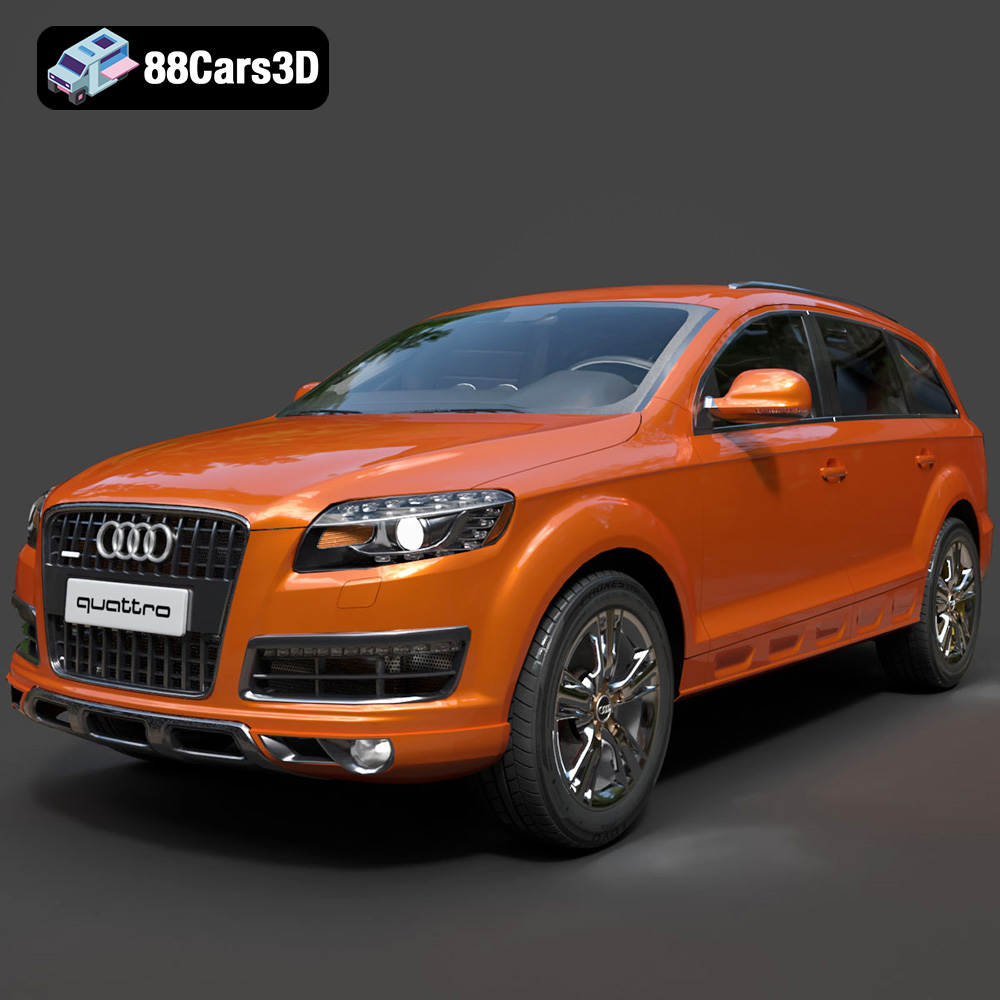
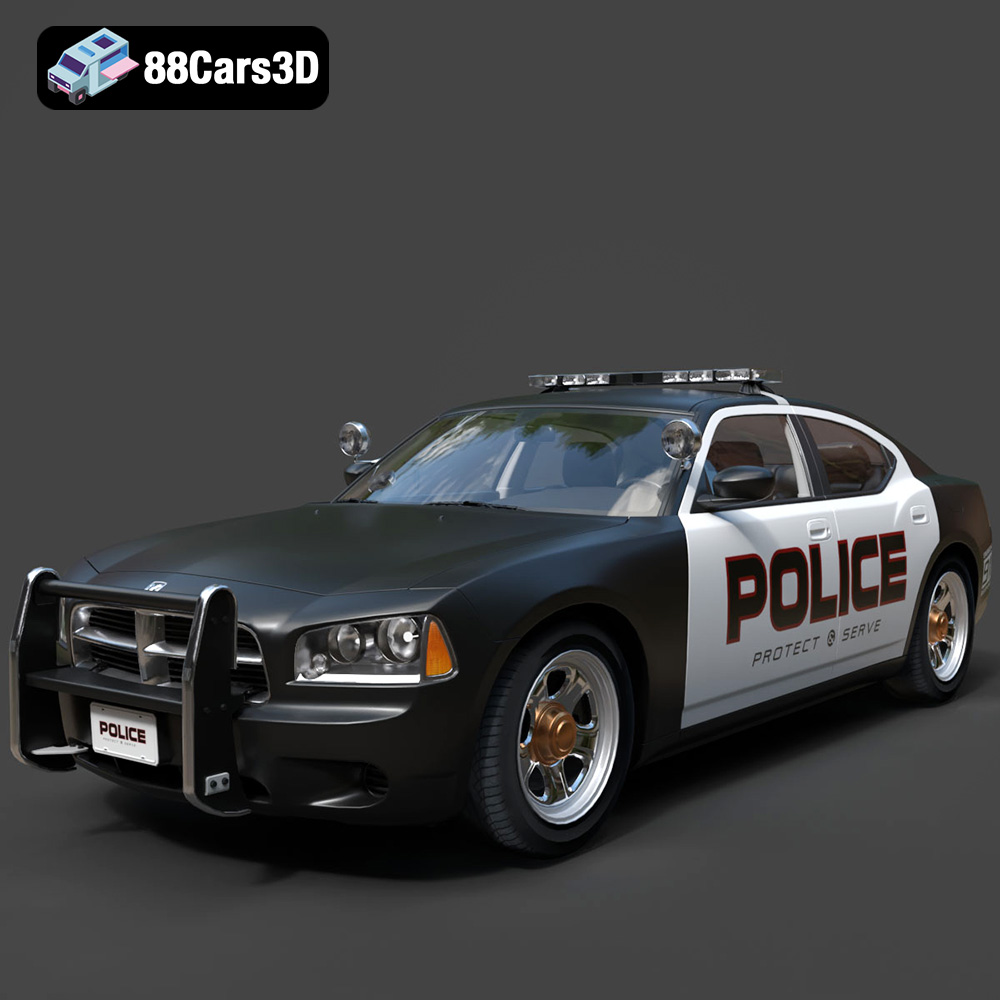
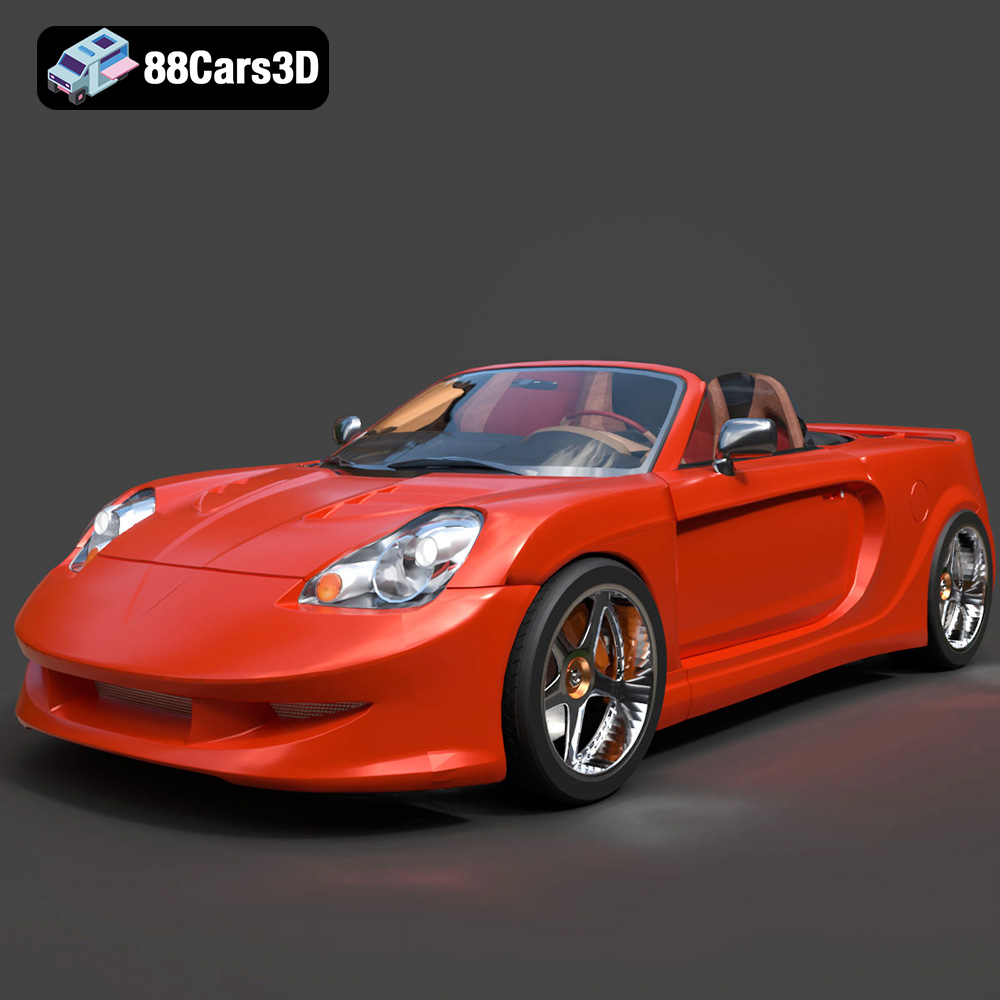
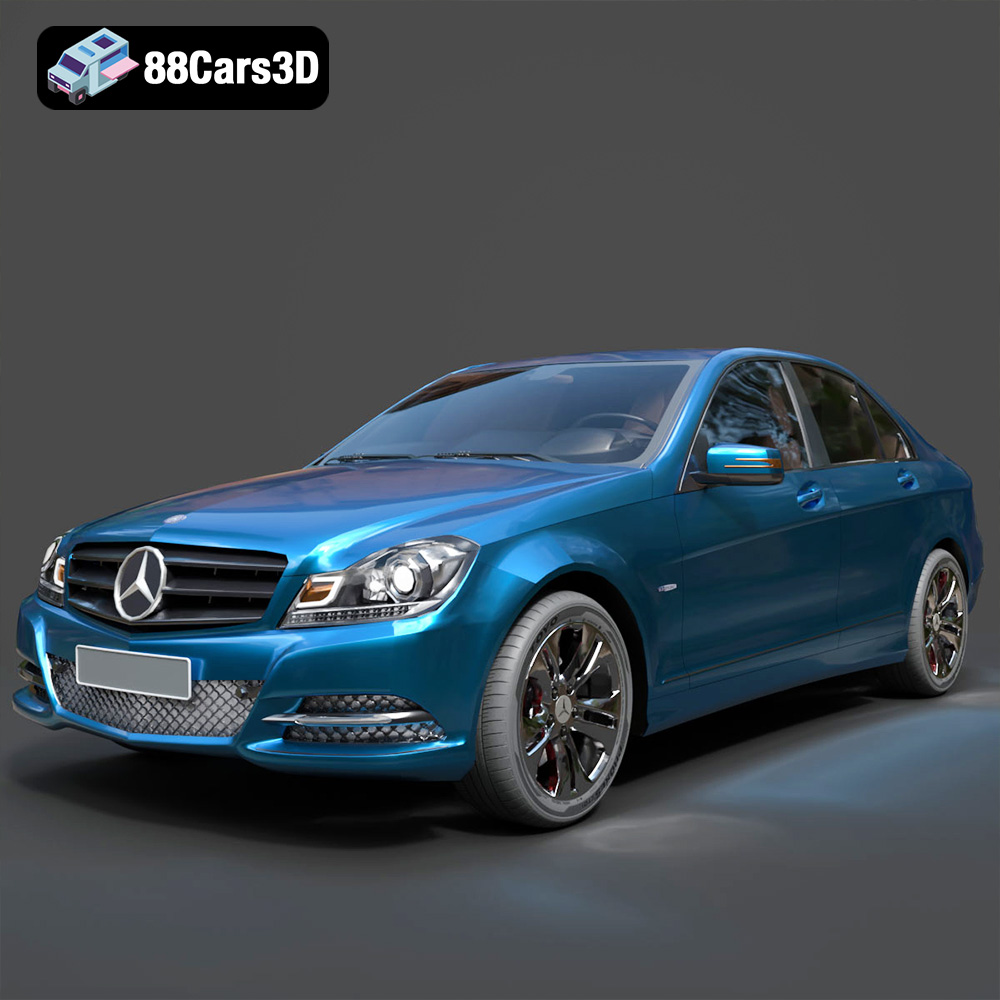
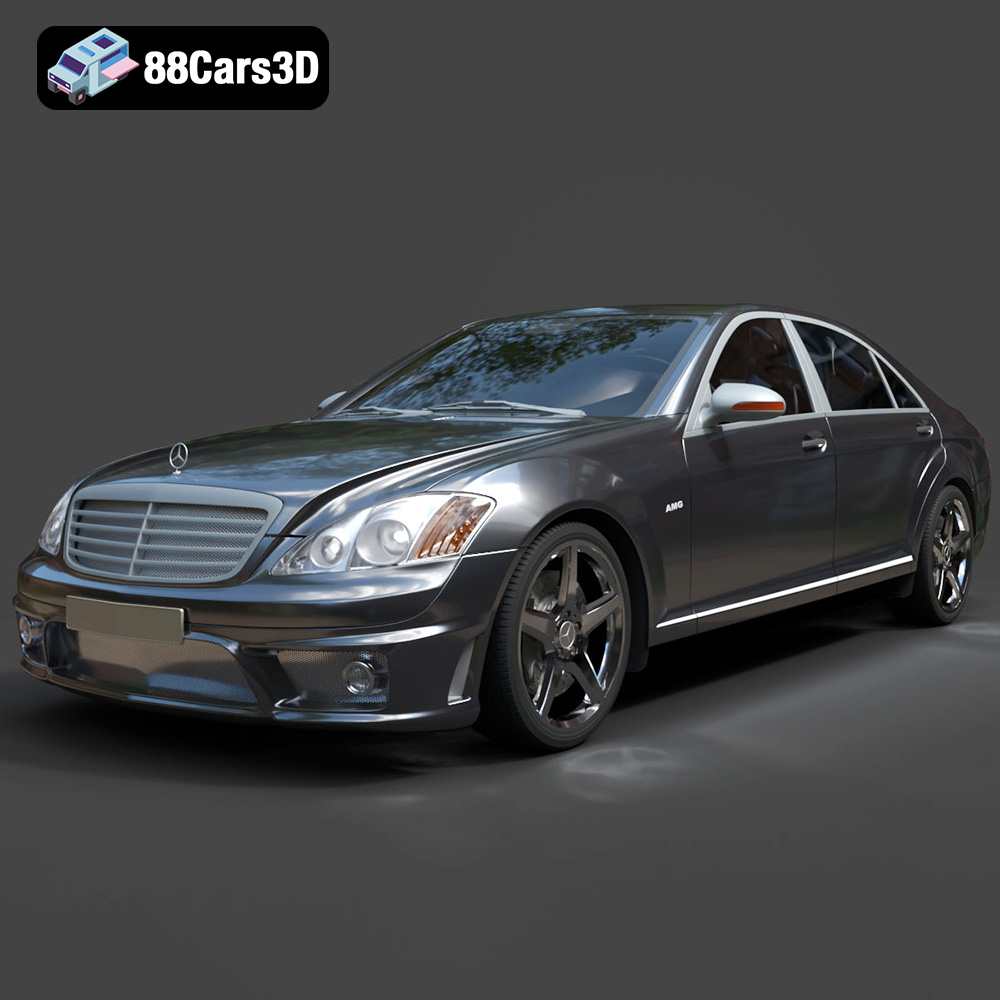
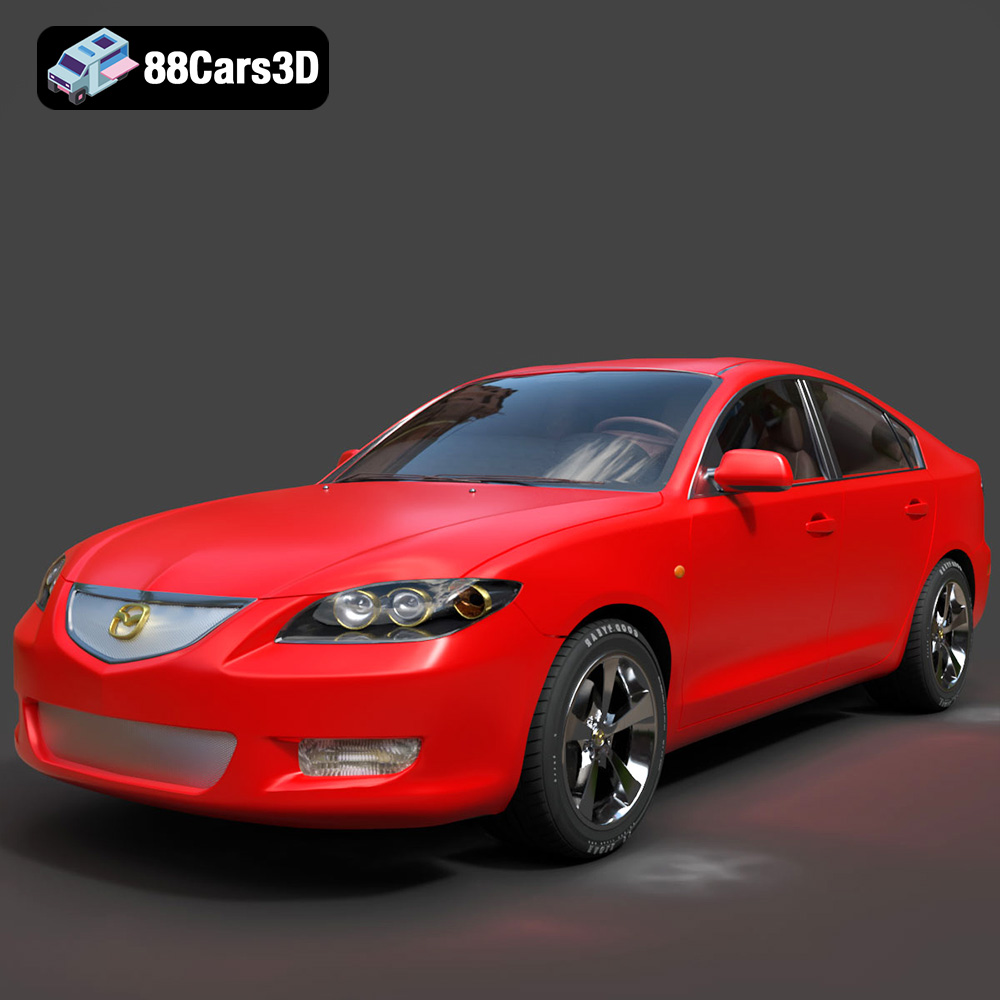
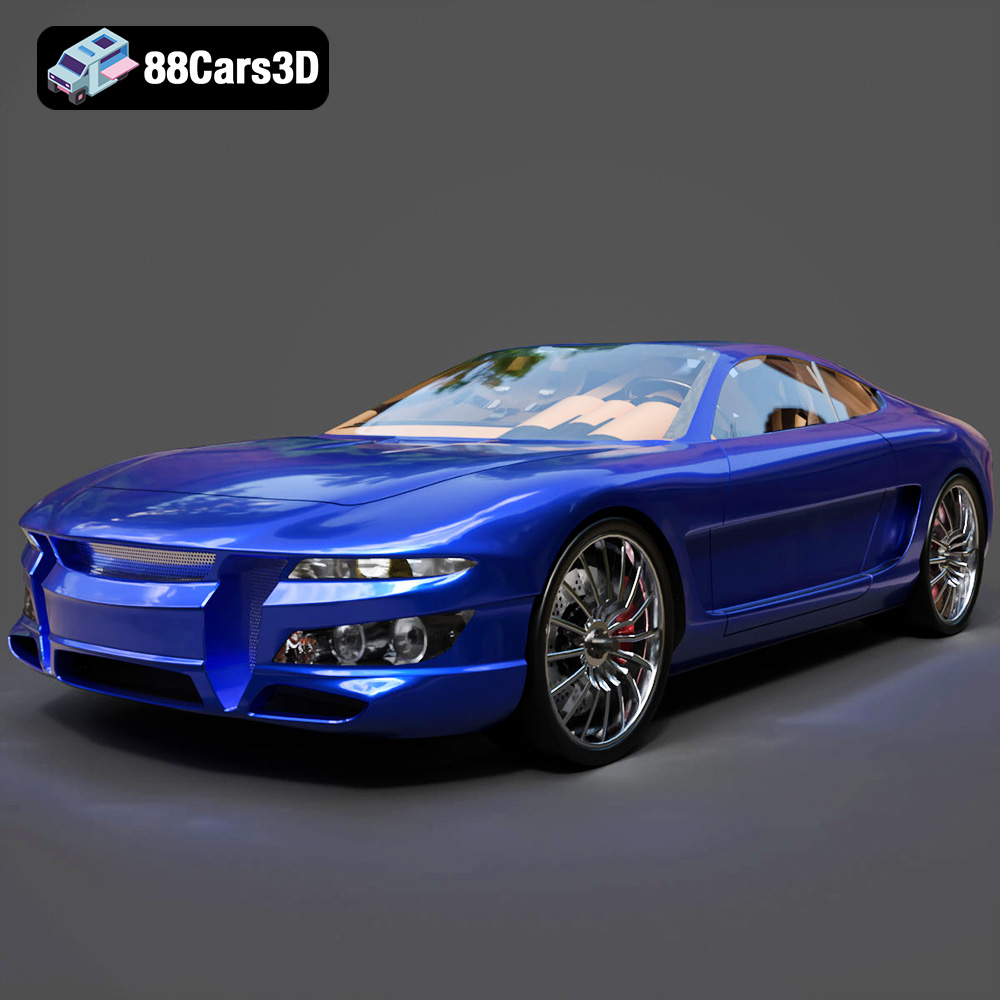
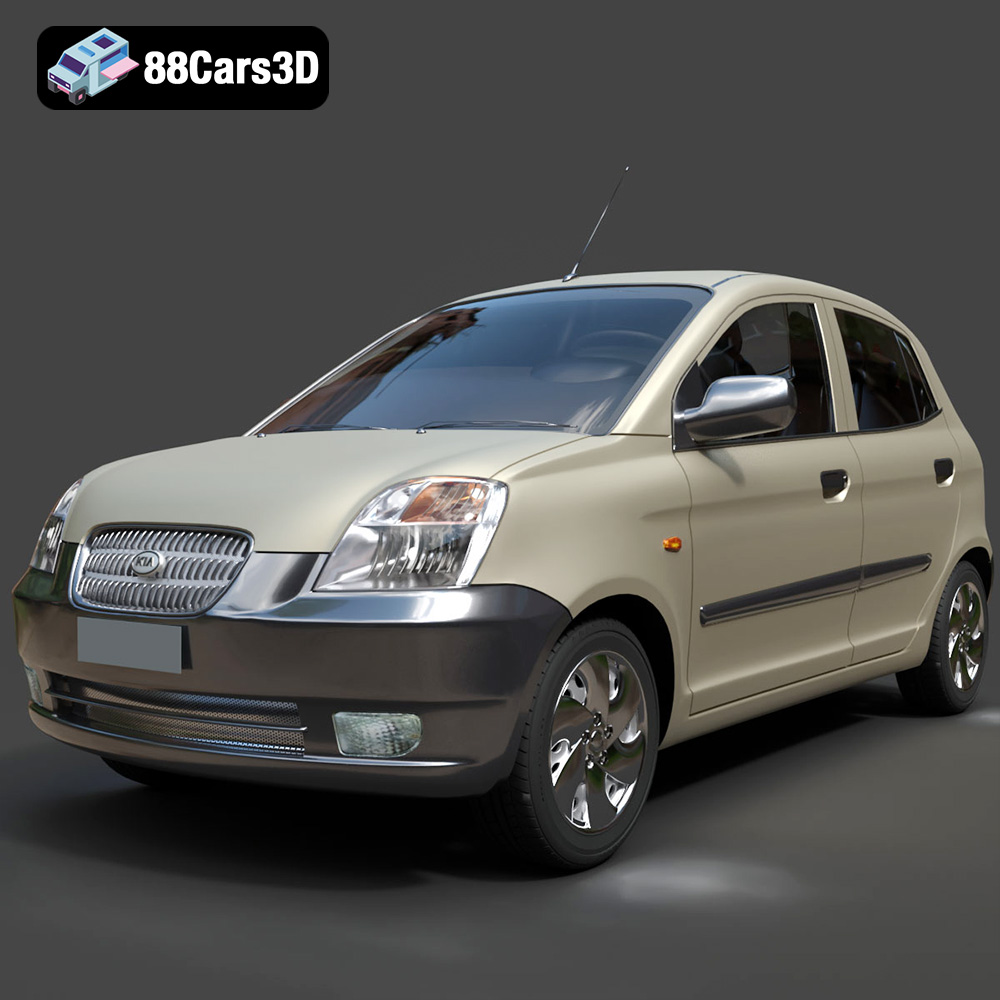
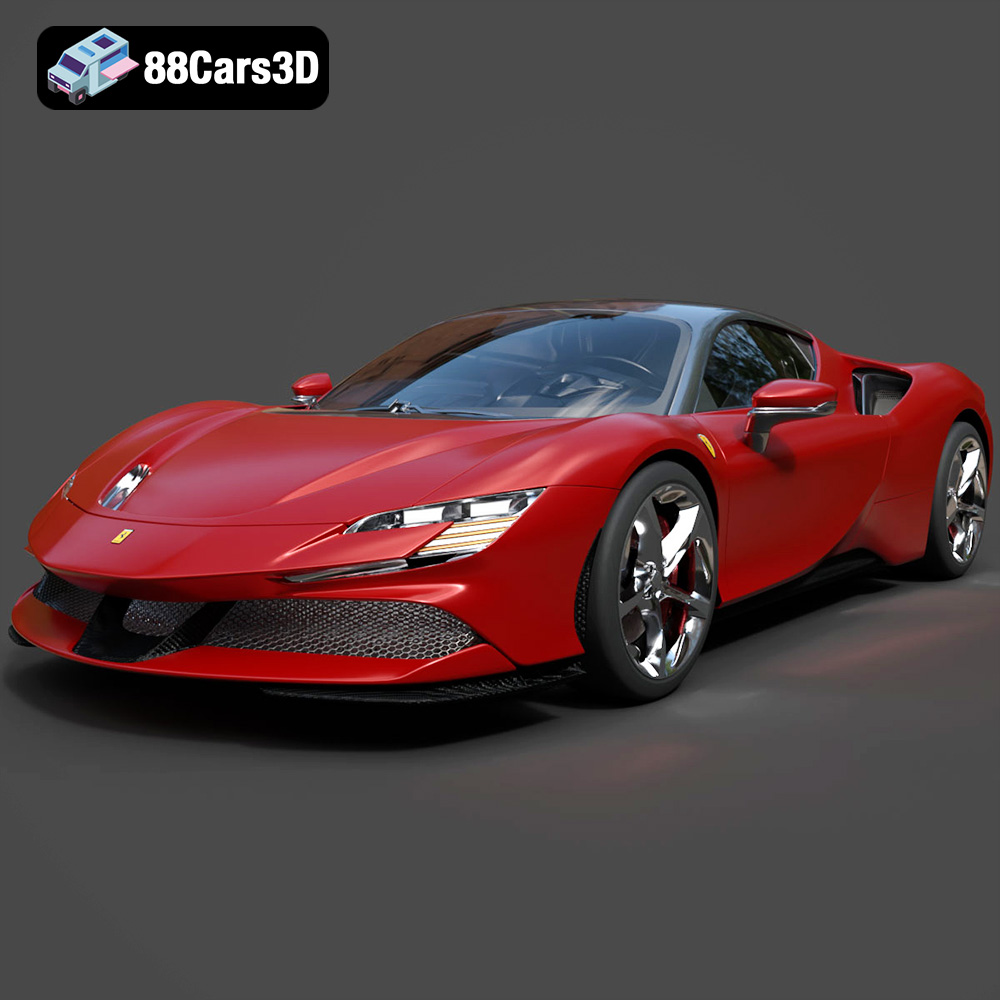
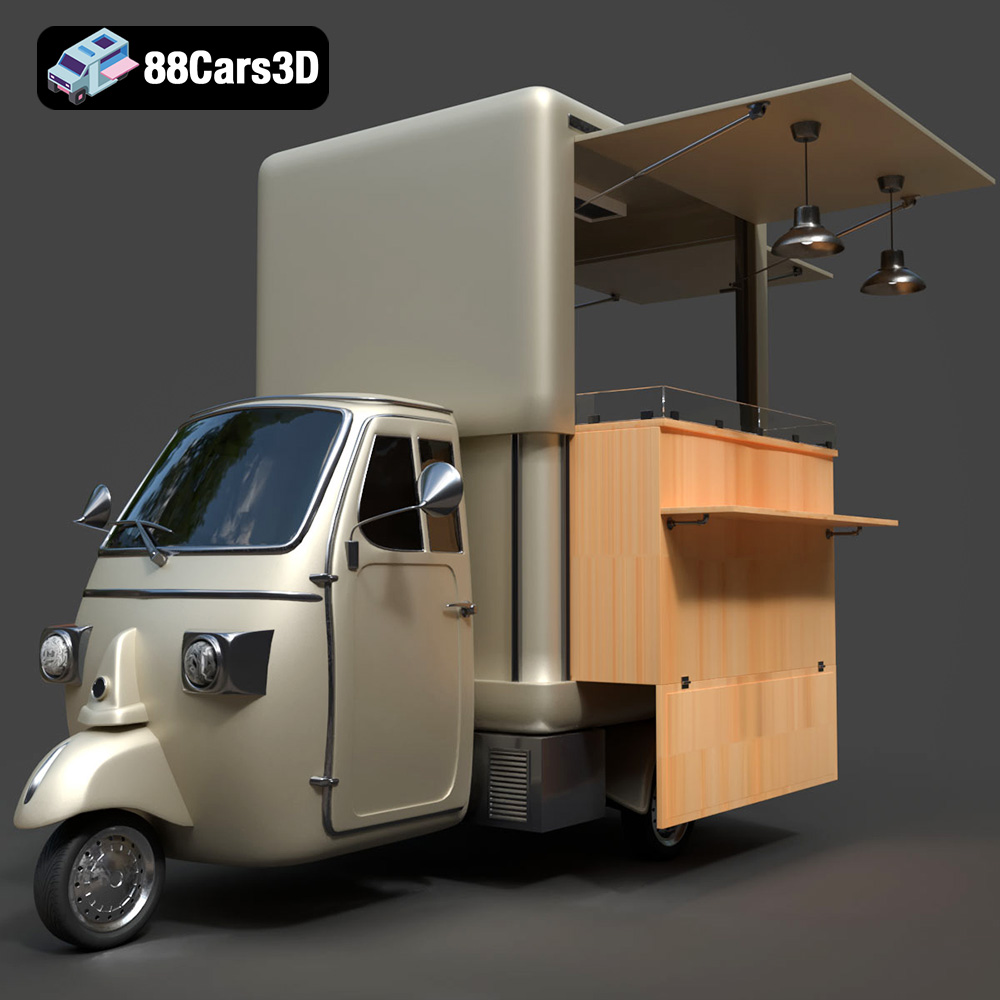
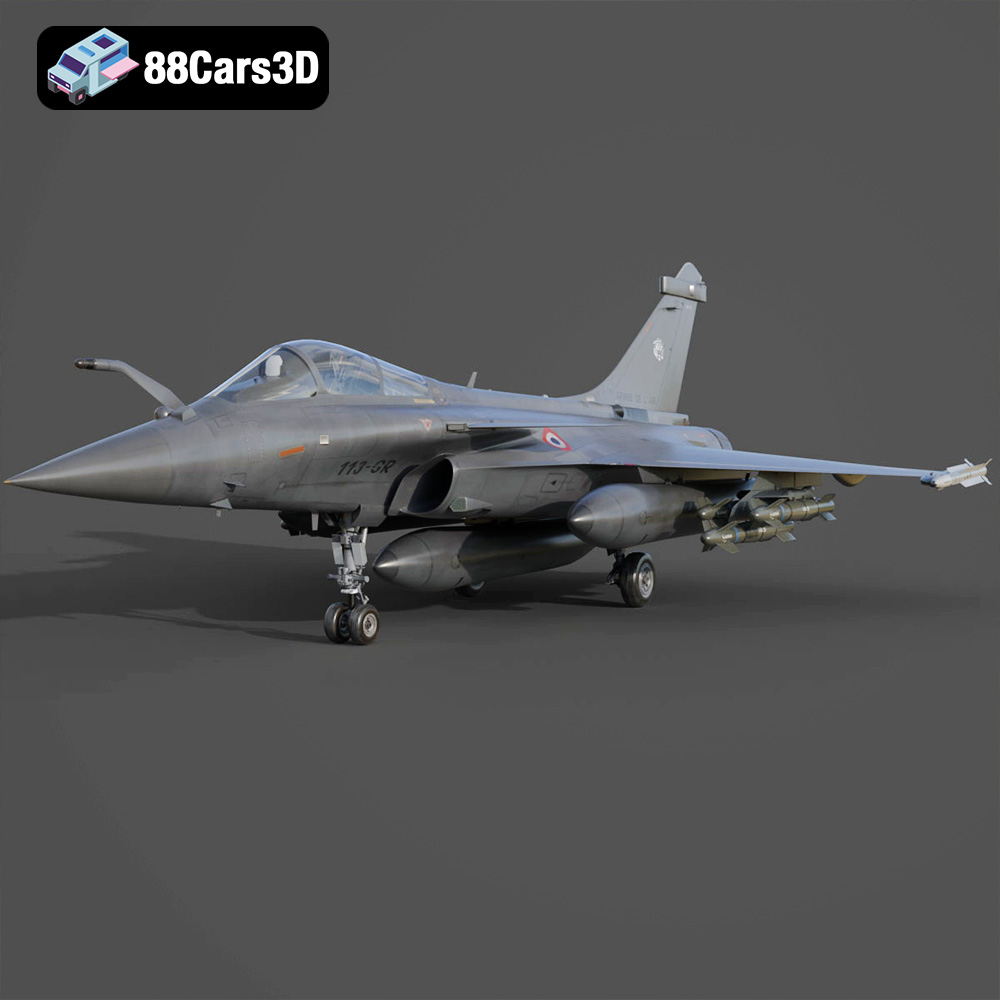
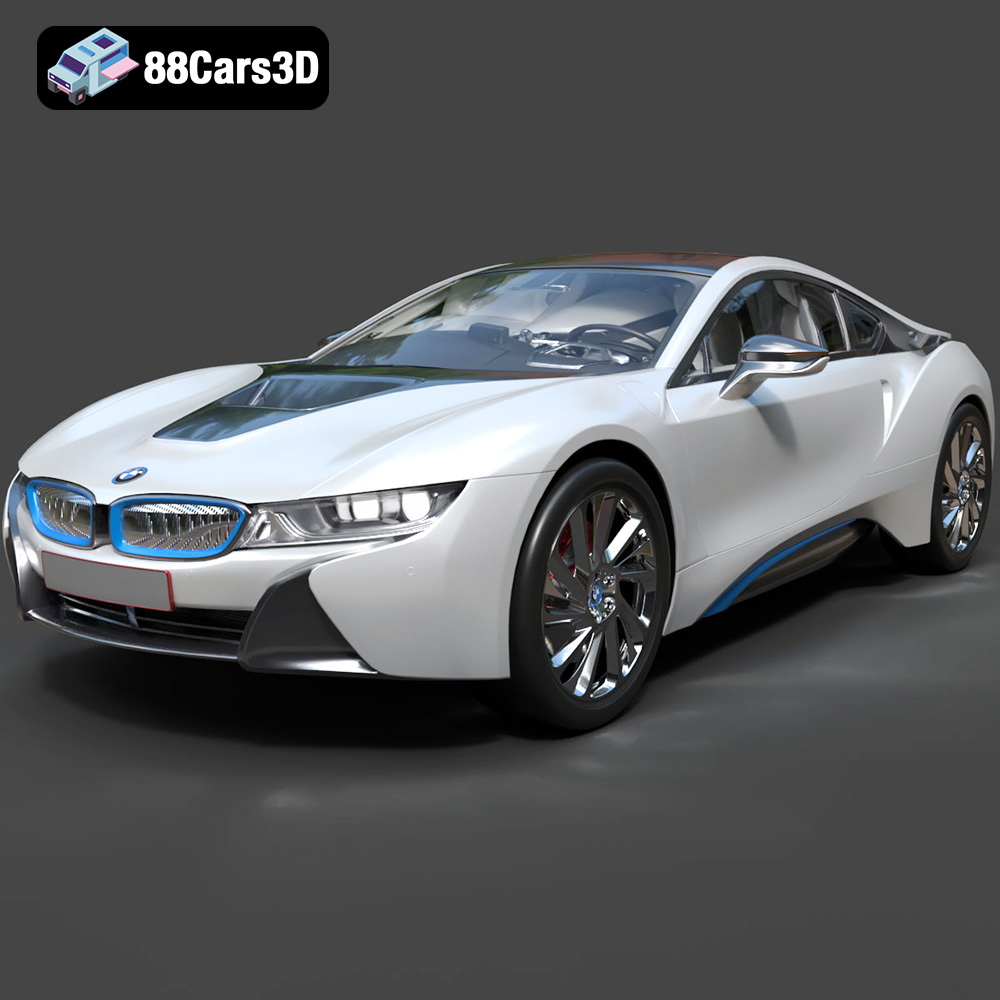
The Art and Engineering of High-Quality 3D Car Models
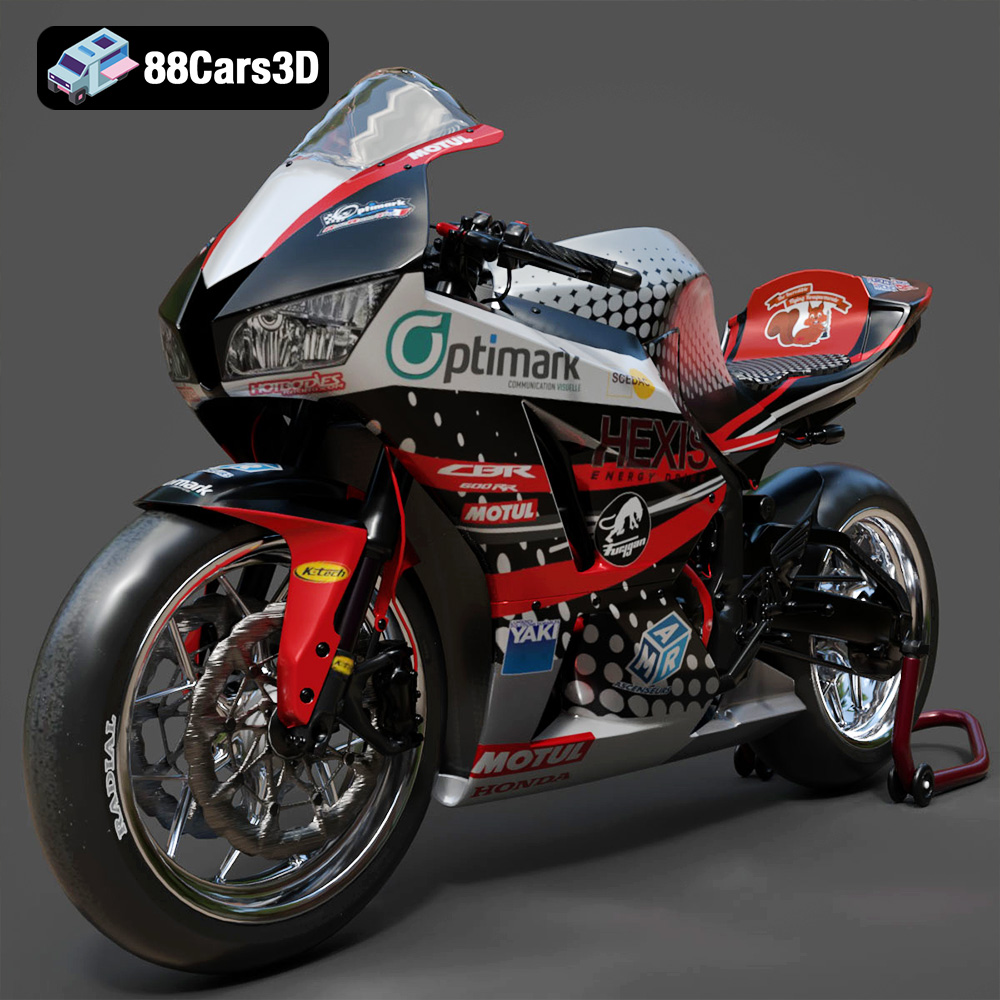
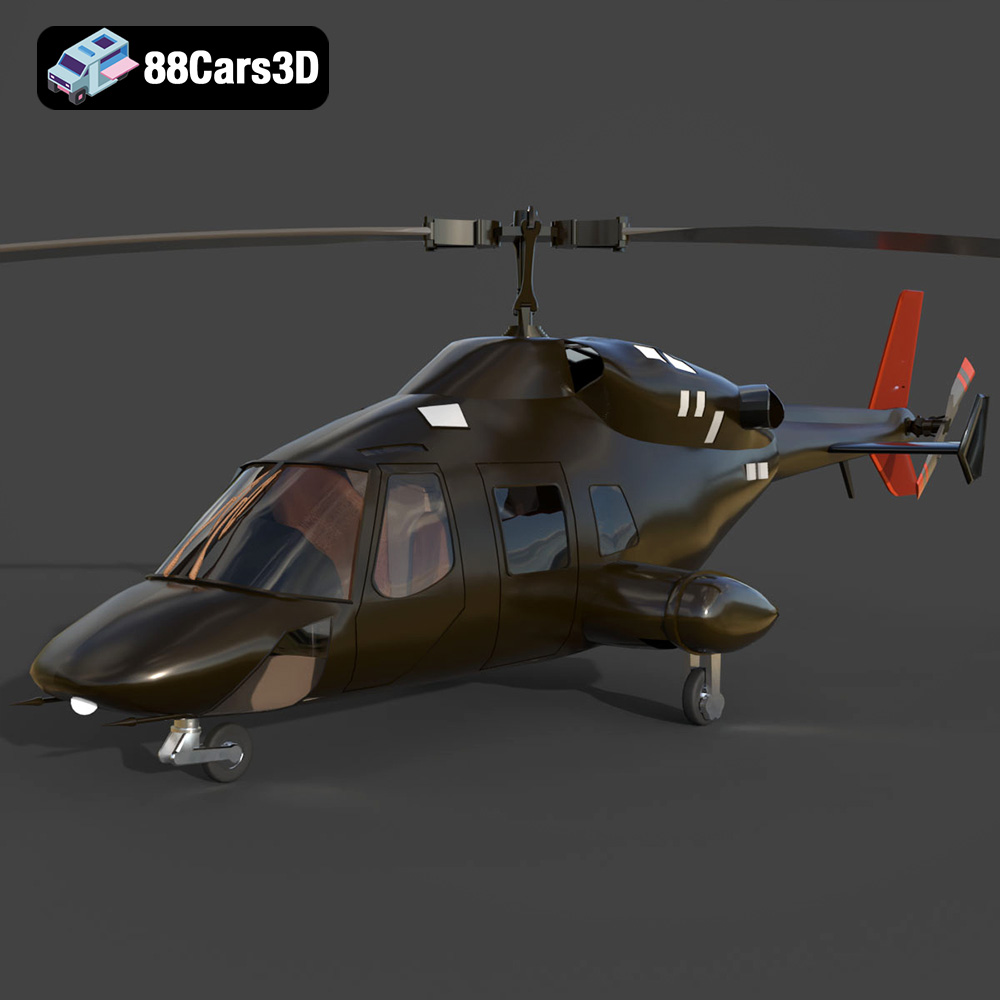
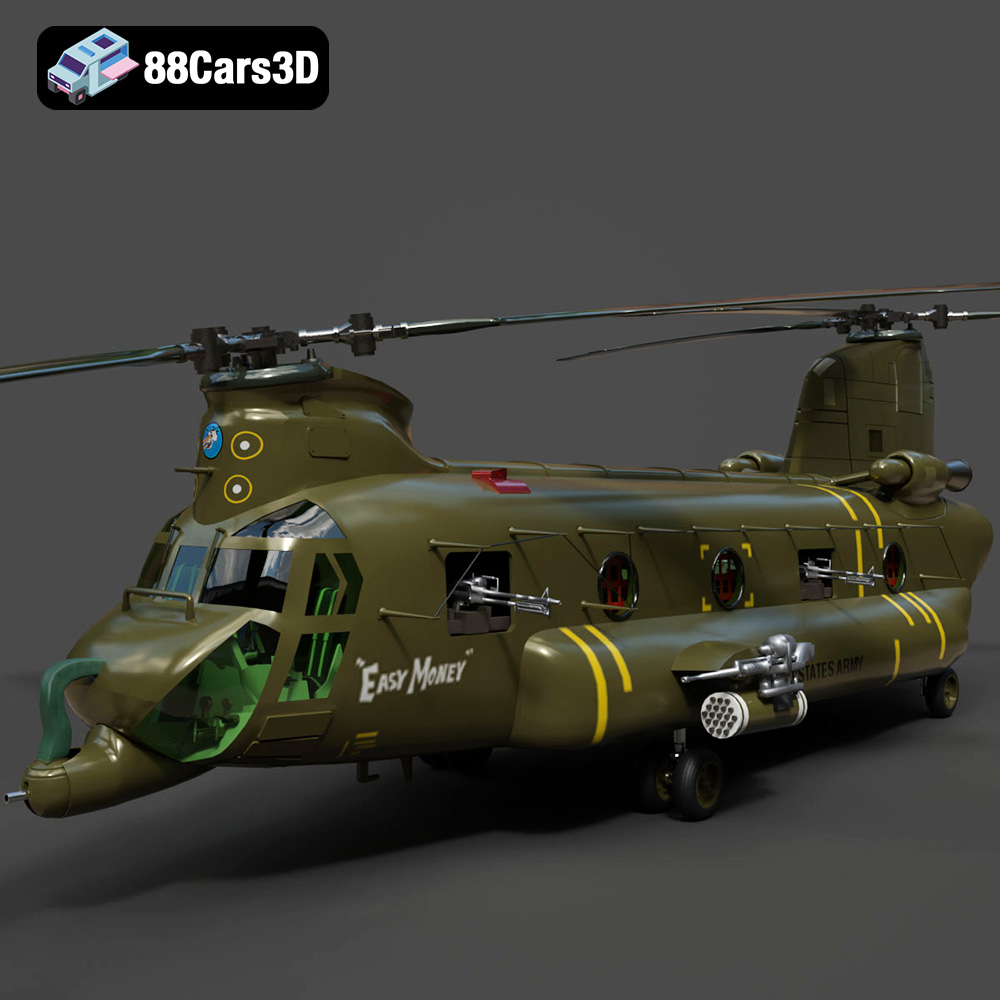
In the dynamic world of digital content creation, the demand for realistic and technically precise 3D car models has never been higher. From breathtaking automotive renders that blur the line between virtual and reality, to immersive interactive experiences in cutting-edge video games and compelling visualizations for product design, high-quality 3D vehicles are the cornerstone. These aren’t just pretty pictures; they are complex digital assets that require meticulous craftsmanship, deep technical understanding, and a keen eye for detail. The journey from a conceptual sketch to a fully realized, render-ready or game-optimized 3D car model is an intricate one, involving specialized software, advanced rendering techniques, and a profound appreciation for automotive design.
The creators behind these digital marvels are often specialists, combining artistic flair with engineering precision to replicate every curve, panel gap, and material finish. Whether it’s the sleek lines of a supercar, the rugged utility of an off-road vehicle, or the timeless elegance of a classic, each model tells a story. The fidelity required for modern applications means that simply having a 3D shape is not enough. The underlying mesh topology must be clean, UV layouts meticulously planned, materials calibrated for physically based rendering (PBR), and the overall asset optimized for its intended purpose – be it a static hero shot or a real-time interactive experience. This foundational quality is what empowers designers, animators, and developers to push the boundaries of visual storytelling and interactive engagement, making platforms like 88cars3d.com invaluable resources for acquiring these essential building blocks.
Beyond Aesthetics: The Functional Demands of Modern 3D Cars
While visual appeal is paramount, the utility of a 3D car model extends far beyond its looks. For game developers, a model must be optimized for performance, featuring appropriate poly counts, efficient UVs, and well-structured material IDs to prevent frame rate drops. In architectural visualization (arch-viz), car models serve to contextualize environments, requiring accurate scale and believable reflections. For AR/VR experiences, models need to be lightweight yet detailed enough to maintain immersion across various devices. Even for 3D printing, specific mesh requirements and manifold geometry are crucial for a successful physical output. The “functional demand” dictates many of the technical decisions made during the modeling and texturing process, ensuring that the asset not only looks good but also performs optimally in its target environment. This multi-faceted requirement underscores why sourcing professionally crafted 3D car models is a critical step in many production pipelines.
The Spectrum of Detail: From Concept to Production
The level of detail (LOD) in a 3D car model can vary drastically depending on its stage of development and final application. Early concept models might prioritize form and silhouette, with simpler geometry and basic materials to quickly convey an idea. As a design progresses, “production-ready” models emerge, featuring high-fidelity meshes, accurate paneling, detailed interiors, and calibrated PBR textures that mimic real-world materials like car paint, glass, rubber, and chrome. For game development, this typically involves creating multiple LODs – simplified versions of the model that are swapped in as the object moves further from the camera, conserving computational resources. In rendering and animation, the highest LOD is often used throughout, with emphasis placed on detailed reflections, refractions, and intricate lighting setups to achieve photorealism. Understanding this spectrum of detail is key to selecting or creating the appropriate asset for any given project.
Understanding 3D Model File Formats
Navigating the landscape of 3D content creation requires a fundamental understanding of the various file formats used to store and exchange 3D models. Each format has its strengths, limitations, and specific use cases, making the choice of format a critical decision for seamless workflow integration and project success. Selecting the correct format ensures compatibility across different software packages, preserves essential data, and optimizes the model for its intended application, whether it’s rendering, game development, AR/VR, or 3D printing. At 88cars3d.com, for instance, you’ll find a wide array of formats designed to cater to diverse professional needs, providing flexibility for any project.
Choosing the Right Format for Your Workflow
Let’s delve into the specifics of popular 3D model file formats and their optimal applications:
-
.blend (Blender): This is the native file format for Blender, the powerful open-source 3D creation suite. A `.blend` file is a comprehensive package, containing the entire scene data, including meshes, materials (with node setups), textures, lights, cameras, animations, rigging, simulations, and even custom scripts. It’s ideal for Blender users who need a fully editable and reconstructible scene. When you receive a `.blend` file, you have access to every aspect of the model’s creation, making it perfect for further modification, animation, or integration into a Blender-centric pipeline. It offers maximum flexibility for artists working within the Blender ecosystem.
-
.fbx (Filmbox): Developed by Autodesk, FBX is arguably the most widely adopted 3D exchange format, particularly dominant in the game development and animation industries. It supports geometry (meshes), skeletal animation, skinning, blend shapes, cameras, lights, and basic material properties. FBX is an excellent choice for transferring animated characters and complex scenes between different 3D software packages like 3ds Max, Maya, and Blender, and is the industry standard for importing assets into game engines like Unreal Engine and Unity. While it can store some material data, PBR workflows typically involve separate texture files (e.g., JPG, PNG, TGA) alongside the FBX, which references them. Its robustness in handling animation and scene hierarchies makes it indispensable for real-time pipelines.
-
.obj (Wavefront Object): The OBJ format is a universal standard, renowned for its simplicity and broad compatibility across virtually all 3D software. It primarily stores geometric data, including vertex positions, UV coordinates, vertex normals, and polygonal faces. Material definitions are typically stored in a companion `.mtl` (Material Template Library) file, which specifies basic material properties like color, diffuse, specular, and texture map references. While `.obj` does not support animation, rigging, or scene hierarchy, its universality makes it excellent for static mesh transfers, especially when you need a clean mesh for sculpting, texturing, or re-topologizing in a different application. It’s a reliable workhorse for basic model exchange.
-
.glb (GL Transmission Format Binary): GLB is the binary version of glTF (Graphics Language Transmission Format), designed specifically for efficient transmission and loading of 3D scenes and models in web and AR/VR applications. It’s a single-file asset, embedding all necessary data – geometry, PBR materials, textures, animations, and scene graph – directly within it, making it extremely compact and self-contained. GLB is optimized for quick display on browsers, mobile devices, and AR/VR platforms like Meta Quest or Apple Vision Pro, offering a streamlined experience for interactive 3D content on the web. Its PBR material support ensures consistent rendering across different viewers.
-
.stl (Stereolithography): STL is a foundational format primarily used for 3D printing and rapid prototyping. It represents a 3D model as a collection of unconnected triangular facets, defining only the surface geometry of an object without any color, texture, or material information. The data describes the outer surface of a physical object, making it ideal for manufacturing processes. While simple, it’s crucial for ensuring a model is “manifold” (watertight, no holes) and printable. When preparing models for 3D printing, converting to or verifying in STL is often a final step to ensure geometric integrity for the printer.
-
.ply (Polygon File Format): The PLY format, also known as the Stanford Triangle Format, is used to store 3D data from 3D scanners or CAD software. It supports a wider range of properties than OBJ or STL, including color, transparency, texture coordinates, normals, and confidence values for each vertex or face. This makes PLY valuable for precision meshes, scientific data visualization, and applications where highly accurate geometric data with additional per-vertex information is crucial, often without the need for animation or complex hierarchies.
-
.unreal (Unreal Engine Asset): Unlike the other formats which are primarily for data exchange, “.unreal” typically refers to an asset that has been fully processed and integrated into Unreal Engine, often packaged as a `.uasset` file. This isn’t a direct export format from 3D software but rather the result of importing, optimizing, and configuring an FBX or similar model within the engine itself. An engine-ready asset in Unreal will have its meshes, materials, textures, physics assets, LODs, and possibly animations meticulously set up to perform optimally within the Unreal Engine environment. These assets are curated for real-time environments, benefiting from Unreal’s advanced rendering capabilities and material editor. When acquiring such an asset, it means a significant portion of the engine-specific setup work has already been done.
-
.max (3ds Max): This is the native file format for Autodesk 3ds Max, a leading 3D modeling, animation, and rendering software. Similar to `.blend` for Blender, a `.max` file encapsulates the entire project, including all geometry, modifiers, materials (with complex shader networks), textures, lights, cameras, animations, particle systems, and rendering settings. It offers complete editability and maximum fidelity for artists working within the 3ds Max ecosystem. For complex automotive rendering projects, having the native `.max` file allows for full control over every aspect of the scene, from intricate material adjustments to advanced animation sequences.
Technical Nuances of Data Exchange
The technical details within each format are crucial. For example, when using FBX, understanding versions (e.g., 2018, 2020) and export settings (e.g., embedding media, axis conversion, tangent/binormal calculation) can prevent compatibility issues. With OBJ, ensuring accompanying `.mtl` files are correctly referenced is key for initial material display. For GLB, the embedded PBR material definitions conform to a specific standard, ensuring consistent look across different viewers. Each format’s ability to handle different data types – mesh, UVs, normals, tangents, vertex colors, bone weights, animation keys – impacts the integrity and functionality of the model once imported into a new environment. A deep understanding of these nuances helps artists and developers troubleshoot issues and maintain asset quality across disparate software environments.
Mastering Automotive Rendering: Bringing 3D Cars to Life
Automotive rendering is an art form in itself, demanding not only a solid understanding of 3D software but also a keen photographic eye and an appreciation for the subtleties of light, reflection, and material science. The goal is always photorealism – to create images so convincing that they are indistinguishable from real-world photographs. This involves a meticulous process of material creation, sophisticated lighting setups, and often extensive post-production, transforming a static 3D model into a captivating visual narrative.
Physically Based Rendering (PBR) for Unmatched Realism
The advent of Physically Based Rendering (PBR) has revolutionized automotive visualization. PBR workflows simulate how light interacts with surfaces in the real world, providing a more consistent and predictable outcome regardless of lighting conditions. Key PBR textures include:
-
Albedo/Base Color: Defines the base color of the surface without any lighting information.
-
Metallic: Indicates whether a surface is metallic (1) or dielectric (0), influencing how light reflects.
-
Roughness/Glossiness: Controls the microscopic surface irregularities, determining how sharp or blurry reflections are. Rougher surfaces scatter light more diffusely, while smoother surfaces produce sharper reflections.
-
Normal/Bump Map: Adds surface detail without increasing poly count, faking bumps and grooves using light angle.
-
Ambient Occlusion (AO): Simulates soft shadows where surfaces are close together, adding depth.
-
Opacity/Transparency: Controls the transparency of a surface (e.g., car windows).
For automotive materials like car paint, this means carefully crafting layers of clear coat over a metallic base, factoring in metallic flakes, subsurface scattering for specific plastics, and accurate glass refractions. The precision of PBR ensures that a car model purchased from 88cars3d.com, with properly set up PBR textures, will behave predictably and realistically under any lighting.
Lighting Techniques for Studio and Environment Shots
Lighting is the soul of a render. For automotive subjects, two primary approaches dominate:
-
Studio Lighting: Mimics controlled studio environments, often using softboxes, strip lights, and reflectors. This setup provides clean, dramatic, and often commercial-style imagery. Key techniques involve 3-point lighting (key, fill, back light), strategically placed area lights to highlight specific body lines, and HDRI (High Dynamic Range Image) backgrounds to provide accurate global illumination and reflections without being visible themselves. The aim is to sculpt the car’s form with light, emphasizing its design language.
-
Environment Lighting: Places the car within a real-world or virtual environment, leveraging HDRI panoramas captured from actual locations. These HDRIs provide realistic lighting, reflections, and ambient color information, making the car appear seamlessly integrated into its surroundings. Further refinement often involves adding targeted area lights or volumetric effects (e.g., fog, dust) to enhance realism and mood. Matching the perspective and focal length of the virtual camera to that of the HDRI is crucial for a believable composite.
Both techniques require a keen understanding of light physics and composition to effectively showcase the vehicle’s design and materials.
Post-Production and Compositing for Cinematic Results
Even the most perfect render can benefit immensely from post-production. This final stage involves refining colors, adjusting contrast, adding atmospheric effects, and integrating the rendered car into a background plate or enhancing a pure CG render. Common techniques include:
-
Color Grading: Adjusting hue, saturation, and luminance to establish mood and visual consistency.
-
Exposure and Contrast Adjustment: Fine-tuning the dynamic range to make the image pop.
-
Lens Effects: Adding subtle depth of field (bokeh), chromatic aberration, lens flares, and vignetting to mimic real camera optics.
-
Atmospheric Effects: Introducing digital fog, smoke, or dust to add depth and realism.
-
Compositing: Seamlessly integrating the rendered car into a photographic backplate, ensuring consistent lighting, shadows, and reflections. This often involves render passes like diffuse, reflection, refraction, and shadow masks, which are then layered and manipulated in software like Adobe Photoshop or Foundry Nuke.
These steps elevate a good render to an exceptional one, providing the polished, cinematic look expected in professional automotive marketing and visualization.
Optimizing 3D Car Models for Game Development and Real-Time Applications
Game development and real-time interactive experiences demand a distinct approach to 3D car models compared to offline rendering. The primary constraint is performance: models must be lightweight enough to render multiple instances at high frame rates while still maintaining visual fidelity. This balance is achieved through careful optimization of geometry, textures, and materials, ensuring that the digital vehicles perform flawlessly within game engines like Unreal Engine and Unity.
Polycount, LODs, and Performance Budgets
One of the most critical aspects of game asset optimization is managing polycount. A high-poly model, perfect for a hero render, can cripple a game’s performance if not optimized. Game developers work within strict “performance budgets” for polygon counts, draw calls, and texture memory.
-
Polycount Reduction: This involves intelligently reducing the number of polygons while preserving the essential silhouette and detail of the car. Techniques include manual reduction, using decimation tools, and removing internal geometry that will never be seen.
-
Level of Detail (LODs): To further optimize, multiple versions of the same car model are created, each with progressively fewer polygons. These LODs are swapped dynamically based on the distance from the camera. For example, LOD0 (highest polycount) is used when the car is close, while LOD3 or LOD4 (lowest polycount) is used when it’s far away. A typical car might have 3-5 LODs, drastically reducing the rendering load for distant vehicles. This is a fundamental technique for ensuring a smooth player experience without sacrificing visual quality up close.
UV Mapping, Texturing, and Material Pipelines
Efficient UV mapping and texture management are equally vital for game assets:
-
Efficient UV Mapping: UVs dictate how a 2D texture wraps around a 3D model. For games, UV maps need to be clean, non-overlapping, and utilize texture space efficiently to minimize wasted pixels. Often, different parts of a car (body, interior, wheels, glass) will have separate UV maps and texture sets to allow for modular material assignments and resolution scaling.
-
Texture Atlases: Combining multiple smaller textures into a single, larger texture map (an atlas) can reduce the number of draw calls, which is a significant performance boost in real-time engines.
-
PBR Textures for Real-Time: Game engines widely adopt PBR workflows, using Albedo, Metallic, Roughness, Normal, and AO maps. These textures are often compressed into specific formats (e.g., BC7, DXT) within the engine to save memory while maintaining visual quality.
-
Material Instancing: Game engines allow for material instancing, where a single base material can have multiple instances with different parameter values (e.g., color, roughness). This is highly efficient for creating many variations of a car (different paint colors, tire types) without creating entirely new materials, reducing memory footprint and improving performance.
Integration into Game Engines (Unreal Engine & Unity)
Integrating 3D car models into game engines requires specific steps to ensure they are engine-ready:
-
Importing Assets: Typically, `.fbx` files are imported into Unreal Engine or Unity. During import, settings for LODs, collision meshes, and material assignments are configured.
-
Collision Meshes: In addition to visual meshes, simplified collision meshes are created. These are invisible meshes that the game engine uses for physics calculations (e.g., car hitting a wall, character standing on a car), preventing the need for complex, high-poly physics calculations.
-
Rigging and Physics Assets: For drivable cars, a proper rig is essential, allowing for wheel rotation, suspension movement, and steering. Physics assets are then configured in the engine to define how the car interacts with the game world’s physics system, including mass, friction, and suspension characteristics.
-
Materials and Shaders: PBR textures are assigned to engine-specific materials. Advanced shader networks can be created within the engine (e.g., Unreal’s Material Editor, Unity’s Shader Graph) to replicate complex automotive finishes like layered car paint with metallic flakes, dynamic dirt effects, or realistic glass.
This meticulous process ensures that a 3D car model, whether from a custom build or sourced from a reputable marketplace like 88cars3d.com, becomes a fully functional and visually stunning component of a real-time application.
Leveraging 3D Car Models for Visualization, AR/VR, and 3D Printing
The utility of high-quality 3D car models extends far beyond traditional rendering and game development. They are increasingly vital tools across diverse industries, transforming how products are designed, visualized, and experienced. From persuasive architectural renders to immersive augmented reality applications and precise physical prototypes, 3D cars serve as versatile assets, bridging the gap between digital concepts and tangible realities.
Architectural Visualization and Product Showcases
In architectural visualization (Arch-Viz), 3D car models are not just decorative elements; they are essential for contextualizing spaces, adding scale, and infusing realism into rendered environments. A modern car parked in front of a new building instantly communicates a sense of scale, lifestyle, and functionality. The quality of the car model directly impacts the overall believability of the scene, reinforcing the aspirational quality of the architecture. For product showcases, particularly in the automotive industry itself, 3D car models are used to:
-
Marketing and Advertising: Creating stunning visuals for brochures, websites, and commercials even before a physical prototype exists.
-
Configurators: Allowing potential buyers to customize colors, wheels, and interior options in real-time, providing an engaging pre-purchase experience.
-
Design Review: Facilitating internal reviews of new designs, iterating quickly without the expense of physical models.
These applications demand models with accurate dimensions, photorealistic materials, and the ability to be easily integrated into various rendering environments.
Immersive Experiences in Augmented and Virtual Reality
Augmented Reality (AR) and Virtual Reality (VR) are revolutionizing how we interact with 3D content, and car models are at the forefront of this transformation:
-
AR for Product Showcasing: Imagine placing a full-scale 3D car in your driveway using your smartphone or tablet. AR allows users to interact with vehicles in their real-world environment, exploring features, changing colors, and even “walking around” the car as if it were truly there. This is invaluable for automotive sales and marketing.
-
VR for Training and Design: In VR, users can step inside a virtual car, explore its interior, or even “drive” it in a simulated environment. This is used for driver training, design ergonomics studies, and highly immersive virtual showrooms. Car manufacturers leverage VR to allow designers and engineers to collaborate on new models in a virtual space, making real-time adjustments and reviews.
-
Optimization for AR/VR: Models for AR/VR require a delicate balance of detail and performance. They must be optimized for mobile chipsets (for AR) or high frame rates (for VR) to prevent motion sickness and ensure a smooth experience. Formats like `.glb` are particularly favored for their efficiency and PBR material support in web-based AR/VR viewers.
Preparing Models for High-Precision 3D Printing
While 3D printing car models might not require intricate textures or complex materials, it demands absolute geometric precision and “watertight” meshes:
-
Manifold Geometry: For 3D printing, a model must be “manifold” – meaning it has no holes, non-manifold edges, or inverted normals. Every edge must be shared by exactly two faces, forming a completely enclosed volume.
-
Scale and Wall Thickness: Models must be scaled correctly for the desired print size, and thin walls or details might need to be thickened to meet the minimum requirements of the 3D printer and material.
-
File Formats: The `.stl` format is the industry standard for 3D printing, as it purely defines the surface geometry as a series of triangles. Other formats like `.obj` and `.ply` can also be used, but they must still represent a clean, manifold mesh suitable for slicing software.
-
Prototyping and Customization: 3D printing allows designers to quickly prototype physical models of car parts or entire vehicles, accelerating the design iteration process. Enthusiasts can also print custom car models, scaled replicas, or unique components.
From conceptual design to final product, 3D car models are proving to be indispensable, driving innovation across a multitude of industries and applications.
The Workflow: From Concept to Final Render/Asset
The creation of a high-quality 3D car model is a multi-stage process, demanding a blend of artistic skill and technical proficiency. This workflow ensures that the final asset is not only visually stunning but also technically sound and optimized for its intended purpose. Whether starting from scratch or refining an existing base mesh, each step is critical to achieving a professional-grade result.
Modeling Techniques: Subdivision vs. CAD Conversion
The initial modeling phase typically follows one of two primary paths:
-
Subdivision Surface Modeling: This is a common technique in animation and game development. Artists create a low-polygon “cage” mesh that defines the overall shape and topology. Applying a subdivision surface modifier (like Turbosmooth in 3ds Max or Subdivision Surface in Blender) then smoothly interpolates between these control points, creating a high-resolution, smooth surface. This method offers excellent control over mesh topology, crucial for animation deformation and clean UV unwrapping. It’s an iterative process, allowing artists to refine the shape and ensure perfect curvature and panel gaps.
-
CAD Conversion (NURBS to Poly): For many automotive projects, especially those focused on extreme accuracy, models often originate from CAD (Computer-Aided Design) software used by engineers. These models are typically composed of NURBS (Non-Uniform Rational B-Splines) surfaces, which are mathematically precise. Converting these NURBS data into polygonal meshes (often called “tessellation”) requires careful handling to maintain detail and avoid artifacts. Tools like Moi3D or specialized plugins can perform this conversion, generating a dense, but often less optimized, polygonal mesh. Further retopology might be necessary to create cleaner, more animation-friendly geometry, especially for game assets. High-quality models from platforms like 88cars3d.com often start from CAD data to ensure unparalleled accuracy.
Both methods have their merits, with the choice often depending on the project’s source data and ultimate destination.
Texturing and Shading Best Practices
Once the model’s geometry is finalized, the focus shifts to bringing its surfaces to life through texturing and shading:
-
UV Unwrapping: This involves flattening the 3D mesh into a 2D space (the UV map) so that 2D textures can be painted onto it. Clean, non-overlapping UVs are essential for avoiding texture distortions and maximizing texture resolution.
-
PBR Texture Creation: Using software like Substance Painter, designers paint or generate the various PBR texture maps (Albedo, Metallic, Roughness, Normal, AO). This process involves simulating realistic materials like metallic car paint with clear coat, rubber tires, various plastics, glass, and chrome, often referencing real-world material samples.
-
Shader Development: In the 3D software or game engine, these textures are then plugged into a material shader. Advanced shaders can simulate complex effects like multi-layered car paint, subtle dirt and dust accumulation, and dynamic wear and tear. This is where the artistic vision truly comes to fruition, making the digital car feel tangible and authentic.
Rigging and Animation Considerations
For animated sequences or interactive game models, rigging is a crucial step:
-
Skeletal Rigging: For a car, this typically involves creating a hierarchical system of bones or helper objects to control components like wheels, suspension, steering, and doors. These “bones” act as controls that animators can manipulate.
-
Weight Painting (Skinning): Although less common for rigid car body parts, weight painting is used for flexible components or deformations, ensuring parts move realistically when the rig is manipulated.
-
Animation: Once rigged, the car can be animated to perform actions like driving, drifting, opening doors, or showcasing suspension dynamics. For game assets, simpler rigs are often used, with engine-specific physics systems handling much of the dynamic movement.
-
Bake Animations: For game engines, complex animations are often “baked” into individual keyframes or vertex animations to ensure compatibility and performance.
This comprehensive workflow ensures that a 3D car model is not just an accurate representation but also a versatile and functional asset ready for any demanding digital production.
Conclusion: Driving Innovation with Premium 3D Car Assets
The journey through the world of high-quality 3D car models reveals a landscape of intricate detail, technical precision, and boundless creative potential. From the nuanced demands of automotive rendering that strive for photorealism, to the stringent optimization required for seamless integration into cutting-edge game assets, each application pushes the boundaries of digital artistry and engineering. We’ve explored the critical importance of understanding various file formats, which act as the conduits for transferring complex digital information across disparate platforms, and delved into the specialized techniques that bring these virtual vehicles to life – whether through the sophisticated light interactions of PBR or the efficient polycount management for real-time engines.
The versatility of 3D car models further extends into vital sectors like architectural visualization, immersive AR/VR experiences, and precision 3D printing, demonstrating their indispensable role in innovation across industries. The rigorous workflow from initial concept, through meticulous modeling and texturing, to final rigging and animation, underscores the expertise and dedication required to produce truly premium assets.
For professionals and enthusiasts alike, the availability of pre-made, high-quality 3D car models significantly accelerates production pipelines, allowing creators to focus on narrative, design integration, and ultimate output rather than starting from scratch. Marketplaces like 88cars3d.com serve as crucial hubs, connecting skilled artists with those who demand excellence, ensuring that the foundational building blocks for ambitious projects are always readily available and of the highest standard. By embracing these meticulously crafted 3D car models, creators are empowered to drive innovation, craft captivating visuals, and build immersive experiences that continue to redefine the digital frontier.
Featured 3D Car Models