⚡ FLASH SALE: Get 60% OFF All Premium 3D & STL Models! ⚡

“`html
Welcome, fellow makers and automotive enthusiasts! The thrill of holding a meticulously crafted 3D printed car model in your hands is unparalleled. Whether you’re a seasoned 3D printing veteran or just dipping your toes into additive manufacturing, the journey from a digital design to a physical object involves crucial preparation steps. This guide is designed to equip you with the knowledge to transform any 3D model, especially intricate automotive designs from sources like 88cars3d.com, into a successful and high-quality print. We’ll delve into the intricacies of STL file preparation, slicing strategies, support generation, and post-processing, ensuring your projects are not just printed, but perfected. Get ready to unlock the full potential of your 3D printer and bring your favorite vehicles to life with stunning detail.
Before we even think about hitting “print,” it’s essential to understand the digital blueprint we’re working with: the STL (STereoLithography) file. This ubiquitous file format describes the surface geometry of a 3D object using a collection of triangular facets. Each triangle is defined by the XYZ coordinates of its three vertices and a normal vector indicating which side of the triangle faces outward. For 3D printing, this means the STL file essentially creates a watertight “skin” around your model. A manifold, or watertight, mesh is critical because it defines a clear interior and exterior, allowing the slicing software to accurately determine where to place material.
Issues within an STL file can lead to significant printing problems. Common culprits include non-manifold geometry (where edges are shared by more than two triangles, creating holes), inverted normals (where the outward-facing normal points inward), and intersecting triangles. These errors can confuse slicing software, leading to gaps in the print, incorrect part geometry, or complete print failures. Fortunately, tools like Meshmixer, Blender, and Netfabb offer robust capabilities for analyzing and repairing these mesh imperfections.
When downloading models, especially from marketplaces like 88cars3d.com which specializes in high-quality car models, you’ll find that the designers have often taken great care to ensure clean, manifold geometry. However, it’s always a good practice to give your chosen model a quick check, especially if you plan on significant scaling or modification. Understanding this fundamental aspect of 3D data is the first step towards achieving flawless prints.
The arrangement and connection of triangles in your STL file, known as mesh topology, directly impact printability. A well-structured mesh will have consistent triangle orientation and minimal errors. For complex models like cars, this means the designers need to carefully consider how surfaces are represented, especially around delicate details like mirrors, spoilers, and grilles. Good topology ensures that these features have sufficient wall thickness and are not represented by overly thin or disconnected surfaces. The ideal mesh for 3D printing is:
Several types of errors can plague an STL file:
Software like Meshmixer excels at automatic repair functions (‘Make Manifold’) and manual editing tools to fix these issues. For more complex repairs, Blender’s ‘3D-Print Toolbox’ add-on or Autodesk Netfabb are powerful options. A typical workflow involves importing the STL, running an automatic check and repair, and then manually inspecting problem areas, using tools like edge bridging or face creation to correct them before exporting a clean, manifold STL.
The slicer is your digital craftsman, translating your 3D model (STL) into a series of precise instructions (G-code) that your 3D printer can understand and execute. Choosing the right slicing parameters is crucial for achieving the desired quality, strength, and print time. For detailed automotive models, fine-tuning these settings can mean the difference between a collection piece and a failed print.
Layer Height is arguably the most impactful setting. A smaller layer height (e.g., 0.08mm to 0.12mm for resin, or 0.1mm to 0.16mm for FDM) results in finer detail resolution and smoother curves, minimizing the visible “stair-stepping” effect on curved surfaces. However, this comes at the cost of significantly longer print times. Larger layer heights (e.g., 0.2mm to 0.3mm) print much faster but sacrifice detail. For display models, prioritize low layer heights. For functional prototypes or parts where speed is key, you might opt for a larger height.
Infill affects the internal structure of your print. For solid models or those requiring high strength, a higher infill density (e.g., 20-50%) with a robust pattern like gyroid or cubic is recommended. For purely aesthetic models where internal structure is irrelevant, you can often get away with low infill (5-15%) or even a hollow print with a few sparse walls. This dramatically reduces material usage and print time.
The relationship between layer height and print time is directly proportional. Doubling the layer height from 0.1mm to 0.2mm can theoretically halve the print time, as fewer layers are needed to build the object. However, other factors like print speed, travel moves, and the complexity of the model itself also contribute significantly. For intricate car models with many fine details, a lower layer height is almost always preferred to capture sharp edges, subtle curves, and small features like grilles or emblems. Consider your priorities: for a detailed display piece, investing the extra print time for a 0.1mm layer height is often well worth it.
Different infill patterns offer varying strengths and print times:
For car models, a gyroid or cubic pattern at 10-20% density is often sufficient for structural integrity while keeping print times reasonable. If the model is very large or needs to withstand some handling, increasing density to 25-40% might be necessary. Always check if your slicer allows for “hollow” or “insufficient wall thickness” settings, which can optimize infill by essentially creating a shell and only adding infill where necessary.
Supporting overhangs and bridges is critical for a successful 3D print. Without adequate support, gravity will cause molten plastic to sag or droop, resulting in failed layers, poor surface quality, or complete print collapse. For complex automotive models with numerous overhangs (like spoilers, rooflines, or undercarriage details), strategic support generation and removal are paramount.
Print Orientation: The way you orient your model on the print bed significantly impacts the need for supports, print quality, and part strength. For car models, consider these principles:
Support Generation: Most slicers offer various support types (normal, tree, custom). Tree supports, for instance, are often excellent for intricate models as they branch out and touch the model only where necessary, minimizing contact points and making removal easier. Key settings include:
Standard supports are typically straight or grid-like structures. They are robust but can leave significant marks on the model surface and be difficult to remove from complex geometries. Tree supports, on the other hand, are designed to be more organic and branch-like. They are particularly effective for detailed models because they:
Experimenting with tree supports in slicers like Cura or PrusaSlicer can significantly improve the post-processing workflow for intricate car models.
Careful removal is as important as generation. Use flush cutters, pliers, and hobby knives to gently break away supports. For resin prints, a thorough wash and cure cycle is essential before support removal. Often, supports will break away cleanly. If marks remain, fine-grit sandpaper (starting around 220 grit and moving up to 1000+ grit) and files can smooth the surface. For very delicate parts, consider using dissolvable supports (like PVA or HIPS on multi-extruder printers), which can be dissolved in water or a specific solvent, leaving the main part untouched.
The material you choose dictates not only the final look and feel of your model but also the optimal printer settings. For car models, especially those intended for display, materials that offer high detail and good surface finish are preferred.
For FDM Printing:
For Resin (SLA/DLP/MSLA) Printing:
Regardless of material, **printer calibration** is key. Ensure your printer is level, belts are tensioned correctly, and the extruder is calibrated for accurate filament extrusion. For FDM, printing calibration cubes and temperature/retraction towers can help dial in settings. For resin, test prints with varying exposure times are essential.
The nozzle diameter on your FDM printer directly influences the smallest detail it can reproduce and the achievable layer height. A standard 0.4mm nozzle is a good balance for most prints. However, for extremely fine details found on automotive models (e.g., badges, tiny vents), switching to a smaller nozzle (0.2mm or 0.25mm) can make a significant difference. This allows for finer layer heights (e.g., 0.1mm or even 0.08mm) and sharper edges. Be aware that printing with smaller nozzles requires slower print speeds to ensure proper extrusion and can be more prone to clogging. If you don’t have a smaller nozzle, you can still achieve good detail by using the smallest practical layer height with your standard nozzle, though fine details might be slightly rounded.
Car models, especially bodies, can be large and have significant surface area in contact with the build plate. Ensuring strong bed adhesion is vital to prevent prints from detaching mid-print or warping. Common techniques include:
Once your print is complete and supports are removed, the real artistry begins. Post-processing transforms a raw 3D print into a professional-looking model. This stage is crucial for automotive models where aesthetics are paramount.
Sanding: This is the primary method for smoothing layer lines and removing support marks. Start with a coarser grit sandpaper (e.g., 220-400 grit) to remove significant imperfections and then progressively move to finer grits (600, 800, 1000, and even higher for a mirror finish). Wet sanding (using water or soapy water) can help lubricate the surface, reduce dust, and achieve a smoother finish.
Filling: For FDM prints with visible layer lines, filler primers or modeling putties can be used to fill gaps. Multiple thin coats of filler primer, followed by sanding between coats, can create an exceptionally smooth surface ready for paint. For resin prints, minimal filling is usually required if printed with a low layer height and appropriate settings.
Priming and Painting: A good primer coat seals the surface, reveals any remaining imperfections, and provides a uniform base for paint. Use acrylic or enamel model paints. Airbrushing offers the smoothest finish for automotive paints, but spray cans can also yield excellent results if applied in thin, even coats. Masking tape is essential for achieving clean lines between different colors (e.g., body color, trim, windows).
Assembly: Many car models are designed to be printed in multiple parts (body, chassis, wheels, interior). Careful assembly using CA glue (super glue) or epoxy is required. Sanding mating surfaces ensures a tight fit.
Achieving a smooth, paint-ready surface on FDM prints requires patience. Work through sandpaper grits systematically. For curved surfaces, wrapping sandpaper around a flexible block or using sanding sponges can be helpful. Always clean off dust between grits to avoid scratching the surface with larger particles. For very fine finishing on PLA, some users even employ heat guns on a low setting or light flame polishing (with extreme caution!) to further smooth surfaces, though this carries a risk of deforming details.
This is where your printed car model truly comes alive. For automotive finishes, metallic paints, clear coats, and decals are common. Consider:
Even with meticulous preparation, things can go wrong. Understanding common failures and their causes is crucial for efficient problem-solving.
Warping: The print corners lifting off the build plate. Causes include poor bed adhesion, insufficient bed temperature, or printing drafts. Solutions: Improve bed adhesion, use a brim/raft, enclose the printer, ensure stable ambient temperature.
Stringing/Oozing: Fine strands of plastic between separate parts of the print. Causes: Incorrect retraction settings, wet filament, high print temperature. Solutions: Optimize retraction distance and speed, dry your filament, lower print temperature.
Layer Shifting: Layers are misaligned, creating “steps” in the print. Causes: Loose belts, nozzle hitting an obstruction, stepper motor overheating or skipping steps. Solutions: Tighten belts, ensure smooth axis movement, check for obstructions, ensure adequate cooling for stepper motors.
Under-extrusion: Gaps in layers, weak prints, or missing features. Causes: Clogged nozzle, incorrect extruder calibration, low print temperature, filament diameter inconsistencies. Solutions: Clean or replace nozzle, recalibrate extruder (E-steps), increase temperature, use consistent filament.
Adhesion Failures: The print detaching from the build plate entirely or partially. Causes: Dirty build plate, incorrect Z-offset, insufficient bed temperature, drafts. Solutions: Clean build plate thoroughly, adjust Z-offset, ensure correct bed temperature, use adhesion aids, consider a brim/raft.
Adhesion problems are among the most common. A visual inspection of the first layer is critical. If it’s too high, the filament won’t stick. If it’s too low, it can scrape the bed or cause nozzle clogs. Look for:
Consistent troubleshooting, often starting with recalibrating your Z-offset and cleaning your build surface, can resolve most adhesion woes.
Small details on automotive models are particularly susceptible to issues. If small parts like mirrors or spoilers are failing:
By systematically addressing these preparation, slicing, printing, and post-processing stages, you can elevate your 3D printed car models from mere replicas to masterpieces. The dedication to detail in preparing your STL files and fine-tuning your slicer settings will pay dividends, ensuring that every curve, spoiler, and grille is rendered with the precision your passion deserves. Happy printing!
“`

Meta Description:
Texture: Yes
Material: Yes
Download the Cadillac CTS-V Coupe 3D Model featuring detailed exterior styling and realistic interior structure. Includes .blend, .fbx, .obj, .glb, .stl, .ply, .unreal, and .max formats for rendering, simulation, AR VR, and game development.
Price: $13.9

Texture: Yes
Material: Yes
Download the Cadillac DTS-005 3D Model featuring its iconic luxury design, detailed interior, and realistic exterior. Includes .blend, .fbx, .obj, .glb, .stl, .ply, .unreal, and .max formats for rendering, simulation, and game development.
Price: $10.79

Texture: Yes
Material: Yes
Download the Buick LeSabre 1998 3D Model featuring a classic American full-size sedan design. Includes .blend, .fbx, .obj, .glb, .stl, .ply, .unreal, and .max formats for rendering, simulation, and game development.
Price: $10.79
Texture: Yes
Material: Yes
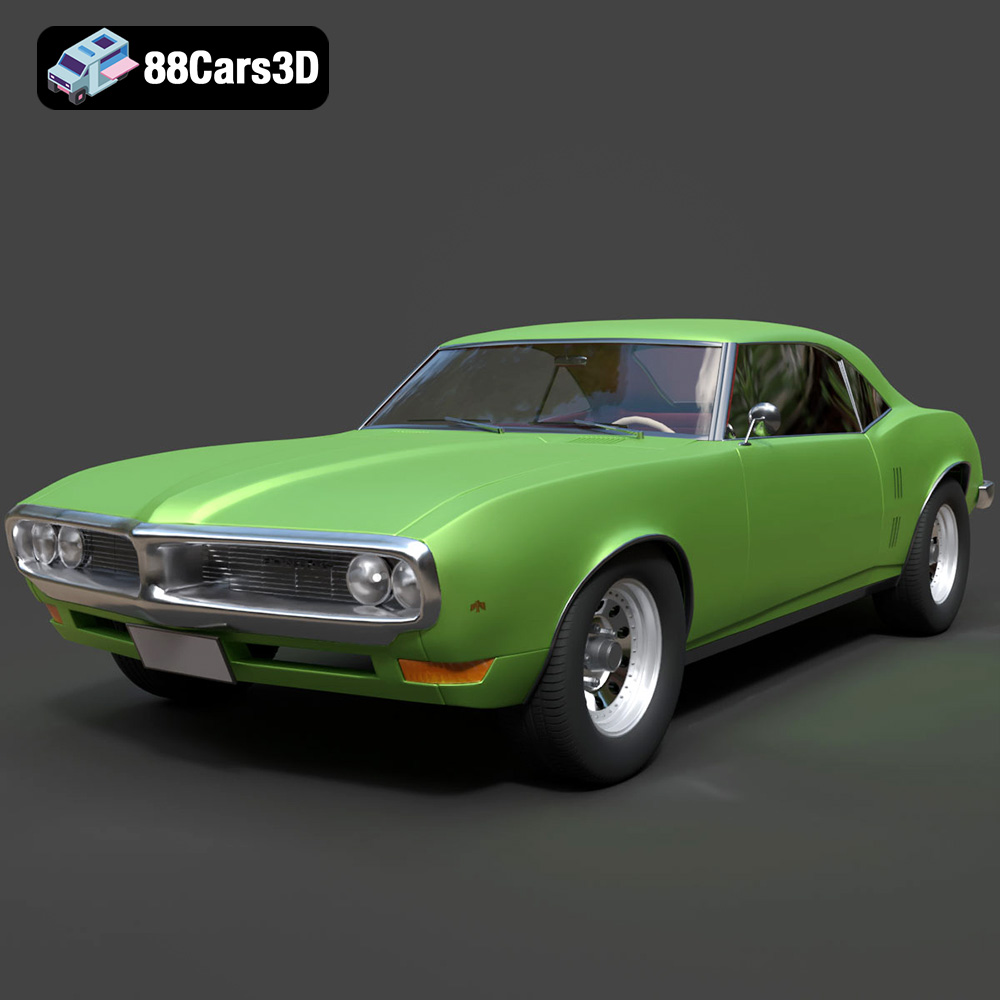
Download the Pontiac Firebird 1998 3D Model featuring clean geometry, realistic detailing, and a fully modeled interior. Includes .blend, .fbx, .obj, .glb, .stl, .ply, .unreal, and .max formats for rendering, simulation, and game development.
Price: $10

Texture: Yes
Material: Yes
Download the Opel Astra 2008 3D Model featuring clean geometry, realistic detailing, and a fully modeled interior. Includes .blend, .fbx, .obj, .glb, .stl, .ply, .unreal, and .max formats for rendering, simulation, and game development.
Price: $10

Texture: Yes
Material: Yes
Download the Mercedes Benz Joaquin-007 3D Model featuring clean geometry, realistic detailing, and a fully modeled interior. Includes .blend, .fbx, .obj, .glb, .stl, .ply, .unreal, and .max formats for rendering, simulation, and game development.
Price: $19.99
Texture: Yes
Material: Yes
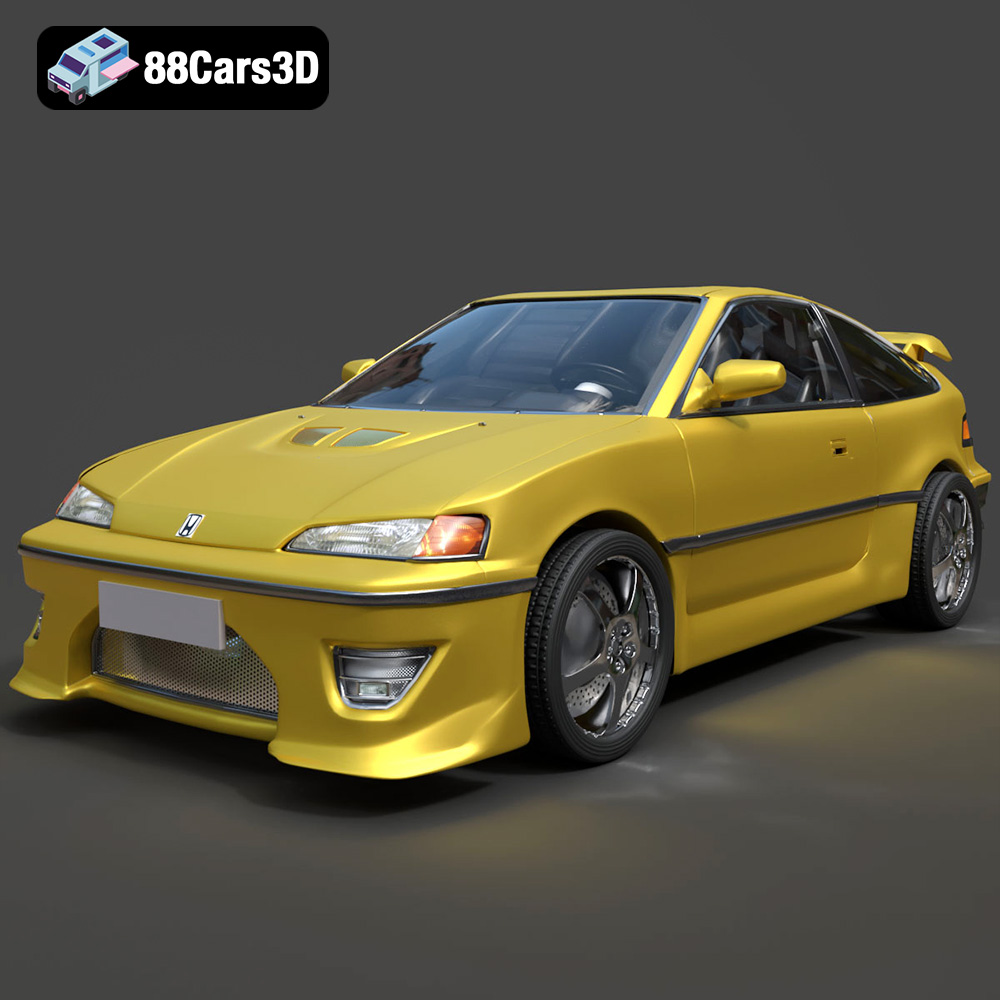
Download the Honda CRX 1980 3D Model featuring clean geometry, realistic detailing, and a fully modeled interior. Includes .blend, .fbx, .obj, .glb, .stl, .ply, .unreal, and .max formats for rendering, simulation, and game development.
Price: $11.99
Texture: Yes
Material: Yes
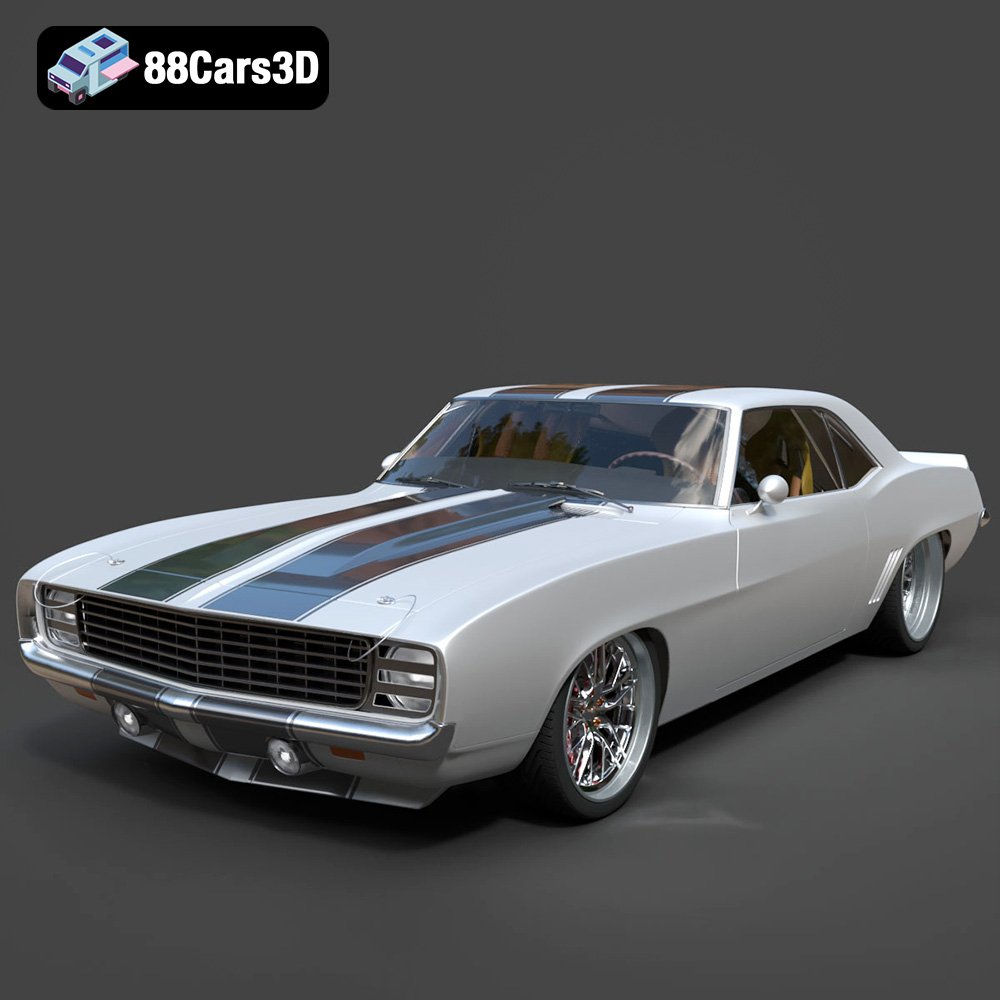
Download the Chevrolet Camaro 69 Pro-007 3D Model featuring classic muscle car design and custom performance aesthetics. Includes .blend, .fbx, .obj, .glb, .stl, .ply, .unreal, and .max formats for rendering, simulation, and game development.
Price: $20.79

Texture: Yes
Material: Yes
Download the Honda Fit 2008 3D Model featuring a compact, versatile design with detailed exterior and interior components. Includes .blend, .fbx, .obj, .glb, .stl, .ply, .unreal, and .max formats for rendering, simulation, and game development.
Price: $10.79
Texture: Yes
Material: Yes
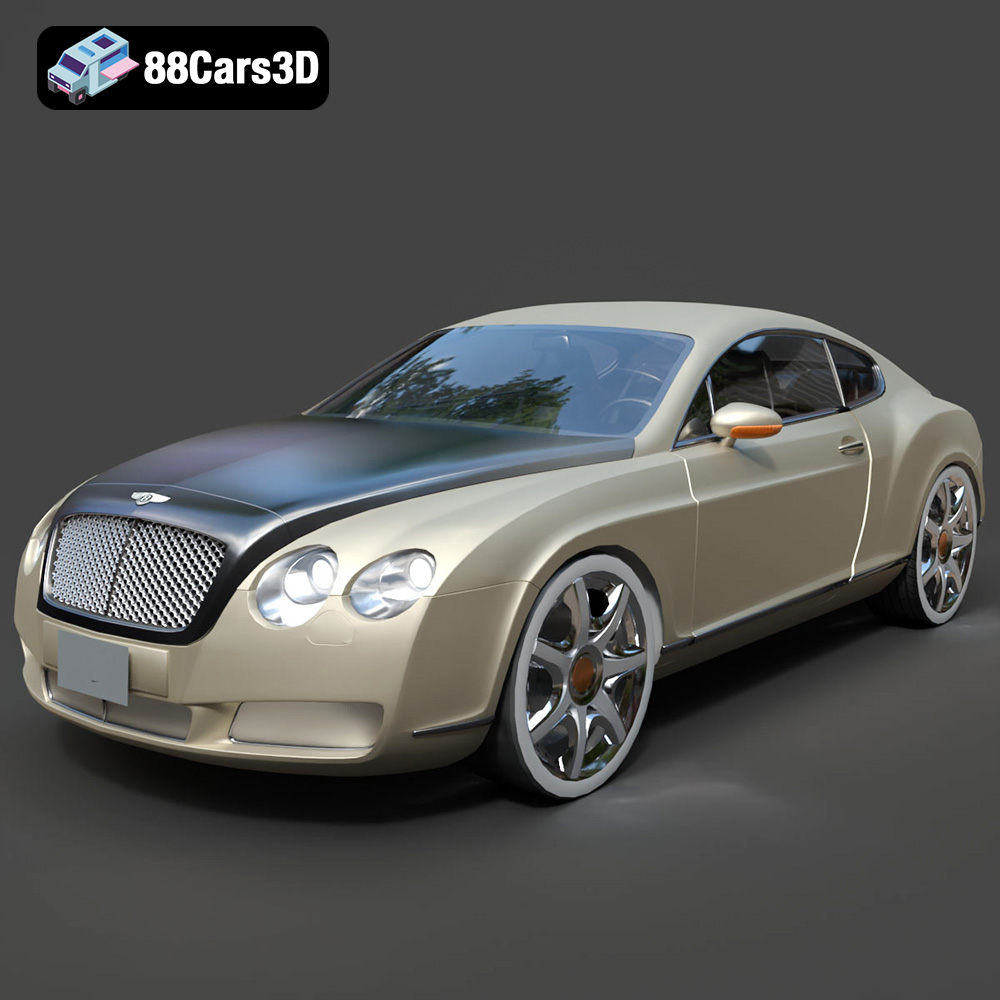
Download the Bentley Continental GT-002 3D Model featuring a luxurious grand touring design and high-quality details. Includes .blend, .fbx, .obj, .glb, .stl, .ply, .unreal, and .max formats for rendering, simulation, and game development.
Price: $20.79

