
Understanding Common STL File Issues for 3D Printing

The world of 3D printing, especially for intricate models like those found on 88cars3d.com, hinges on the quality of your STL files. These files are the digital blueprints that your 3D printer interprets to create physical objects. While many models are designed with printability in mind, issues can arise from the modeling process, file conversion, or even simple corruption. This often leads to problems during slicing and printing, such as failed layers, artifacts, or outright print failures. Fortunately, tools exist to help you repair and optimize these files. In this guide, we’ll dive deep into using the powerful, free, and open-source software Blender to clean up and prepare your STL files for flawless 3D printing. We’ll cover everything from understanding common mesh errors to advanced repair techniques, ensuring your next printable car model turns out perfectly.
Understanding Common STL File Issues for 3D Printing
Before we start tinkering with Blender, it’s crucial to understand the common pitfalls that can plague an STL file intended for 3D printing. These issues stem from the fundamental nature of STL files: they represent a 3D surface as a collection of connected triangles (a mesh). When this mesh is not “watertight” or contains geometric inconsistencies, 3D printers and slicers struggle to interpret the data correctly. Identifying these problems is the first step towards a successful print.
Non-Manifold Geometry
Perhaps the most significant issue is non-manifold geometry. In simple terms, a manifold mesh is one that can be conceptually filled with water without any leaks. Non-manifold geometry breaks this rule. Common examples include:
- Holes and Gaps: Missing faces or edges that create openings in the mesh, preventing it from being watertight.
- Internal Faces: Faces that exist entirely within the volume of the model, which have no purpose in a 3D print and can confuse slicers.
- Loose Edges/Vertices: Edges or points that are not connected to any other geometry, or are only connected at a single point (like a “T” junction instead of an “X” junction where four faces should meet).
- Zero-Thickness Walls: While not strictly non-manifold, surfaces with no thickness are impossible to print and must be addressed.
- Duplicate Faces: Overlapping faces that occupy the same space.
These issues are often difficult to spot visually but are easily detected by slicing software, leading to errors like “The model has holes” or “Non-manifold edges detected.”
Inverted Normals
Every face in a 3D mesh has a normal, which is a vector perpendicular to the face, indicating which side is considered “outside” and which is “inside.” In a properly formed manifold mesh, all normals should point outwards consistently. Inverted normals occur when one or more faces have their normals pointing inwards. This can cause slicers to interpret the inside of the model as the outside, leading to hollow prints, missing surfaces, or incorrectly rendered geometry. It’s like the shell of your car model is inside-out!
Self-Intersecting Geometry
This occurs when parts of the mesh intersect with themselves, creating a tangled or folded surface. Imagine a thin piece of paper being folded and then trying to flatten it again – it will crease and overlap. In 3D models, self-intersections create areas where the surface is not clearly defined as being inside or outside, leading to unpredictable slicing behavior and printing artifacts. This is particularly problematic for complex shapes and can arise from boolean operations or careless modeling.
Low-Resolution Meshes and Jagged Edges
While not strictly an error, a mesh with too few polygons (triangles) can result in a blocky or faceted appearance, especially on curved surfaces. This is often a concern when exporting from CAD software or when models are heavily decimated to reduce file size. For printable car models, smooth curves on body panels and wheels are essential, and a low-resolution mesh will detract from the visual appeal.
Blender: A Powerful Free Tool for STL Repair
Blender is a professional, free, and open-source 3D creation suite that offers a comprehensive set of tools for modeling, sculpting, animation, and importantly, mesh editing. Its powerful modeling toolkit makes it an excellent choice for diagnosing and repairing problematic STL files, even if you’re new to 3D modeling. While it has a learning curve, understanding its core editing modes and specific tools can significantly improve your 3D printing workflow.
Getting Started: Importing and Basic Navigation
The first step is to import your STL file into Blender. Go to File > Import > Stl (.stl) and select your file. Once imported, the model will appear in the 3D viewport. Blender has several modes for editing. The primary ones you’ll use are:
- Object Mode: For transforming entire objects (moving, rotating, scaling).
- Edit Mode: For manipulating the mesh’s vertices, edges, and faces.
To switch between these modes, press the Tab key. When you first import an STL, it’s often a good idea to scale it appropriately if it seems too small or too large for your intended print. Use the S key for scaling in Object Mode. Familiarize yourself with basic navigation: middle-mouse button to rotate, Shift + middle-mouse button to pan, and the mouse wheel to zoom.
Essential Tools for Mesh Analysis
Before diving into repairs, use Blender’s built-in tools to identify issues:
- Face Orientation Overlay: In Edit Mode, enable this feature via the Overlays dropdown (top-right of the 3D viewport, looks like two overlapping circles). Select faces and change the overlay color to red. If you see large areas of red, it indicates inverted normals. This is a quick way to spot widespread normal issues.
- Mesh > Clean Up Menu: Blender has a handy “Clean Up” menu in Edit Mode that can automatically fix several common problems. Look for options like:
- “Delete Loose”: Removes vertices, edges, and faces that are not connected to anything.
- “Fill Holes”: Attempts to fill any gaps in the mesh.
- “Make Manifold”: Tries to convert non-manifold geometry into a manifold state. This is often the most powerful, but can sometimes make unwanted changes, so use with caution.
- “Limited Dissolve”: Simplifies the mesh by removing edges and vertices that have very small angles between adjacent faces. This can clean up noisy geometry but be careful not to reduce detail too much.
- Developer Extras Add-on: Enable the “Add Mesh: Extra Objects” add-on in Edit > Preferences > Add-ons. This adds a “3D-Print Toolbox” to the Sidebar (press N in the 3D Viewport to open). This toolbox offers specialized tools for 3D printing, including checks for non-manifold edges, overhangs, and wall thickness.
By using these tools, you can get a clear picture of the errors present in your STL file before attempting manual fixes.
Step-by-Step STL File Repair Workflow in Blender
Now, let’s walk through a practical workflow for repairing a problematic STL file, such as a detailed car model downloaded from 88cars3d.com, using Blender. This process combines automated tools with manual intervention for precise control.
1. Importing and Initial Assessment
Import your STL file as described above. Immediately switch to Edit Mode (Tab). Enable the Face Orientation overlay. If you see significant red areas, you have inverted normals. Also, open the 3D-Print Toolbox (N panel) and run the “Check All” function to get a report of potential issues like non-manifold edges and holes.
2. Fixing Inverted Normals
If Face Orientation shows many red faces, you can often fix this automatically. In Edit Mode, select all geometry (press A). Then, go to the Mesh > Normals > Recalculate Outside option. This attempts to set all normals to point outwards. If this doesn’t work perfectly, you might need to manually flip normals on specific faces (select the face(s), then Mesh > Normals > Flip).
3. Addressing Non-Manifold Geometry and Holes
This is where the real work often lies. Use the 3D-Print Toolbox‘s “Non-Manifold Edges” detector. It highlights problematic edges. For holes, Blender’s “Fill Holes” function in the Clean Up menu is a good start. If it doesn’t fill them adequately, you might need to manually create faces:
- Select three or four boundary vertices of a hole.
- Press F to create a face.
- Repeat for all holes.
For more complex non-manifold issues, the “Make Manifold” option can be useful, but always inspect the results carefully. Sometimes, you might need to delete problematic internal faces or edges using the X key (and choosing “Faces” or “Edges”) and then manually bridge gaps or reconnect vertices using the J key (join vertices) or by creating new faces.
4. Repairing Self-Intersections
Self-intersections are tricky. Blender doesn’t have a one-click “fix self-intersection” tool. You often need to visually identify the areas where the mesh looks folded or tangled. You might need to:
- Enter Edit Mode and use vertex manipulation tools (select vertices, use G to move) to untangle the mesh.
- Use the Sculpt Mode with tools like the “Grab” brush to gently pull intersecting parts apart.
- If an area is too complex, you might consider deleting the problematic section and remodeling it if possible, or using Blender’s boolean operations carefully to join separate, non-intersecting parts.
5. Optimizing and Finalizing
Once the mesh appears watertight and manifold, run the “Check All” function in the 3D-Print Toolbox again to ensure no errors remain. You might also want to use “Limited Dissolve” (Mesh > Clean Up > Limited Dissolve) with a very small angle to smooth out any overly dense areas without losing significant detail. Finally, export the cleaned model:
- In Object Mode, select your model.
- Go to File > Export > Stl (.stl).
- In the export options, ensure “Selection Only” is checked (if you have other objects in the scene) and choose ASCII or Binary format (Binary is generally smaller and preferred).
Always inspect the exported STL in your slicer software to confirm it looks correct and is error-free before starting a print.
Advanced Techniques and Software Considerations
While Blender offers robust tools, some complex repairs or specific workflows might benefit from additional techniques or complementary software. Understanding these can elevate your model preparation game, ensuring even the most challenging printable car models can be brought to life.
Boolean Operations for Model Integrity
Boolean operations (Union, Difference, Intersect) are powerful for combining or subtracting shapes. They can be useful for fixing issues or creating complex assemblies. For instance, if a car model has separate parts like spoilers or mirrors that are not properly joined, you can use a Union operation to merge them into a single manifold mesh. However, booleans can sometimes create non-manifold geometry themselves, so always check the results.
- In Blender, you can add modifier objects (like cubes or spheres) and use the Boolean Modifier on your car model.
- Select the car model, add a Boolean modifier, choose the operation type (e.g., Union), and select the other object.
- Apply the modifier and then check the resulting mesh for errors.
This technique is invaluable when assembling pre-designed components or when needing to ensure a clean merge of parts.
Sculpting for Smooth Surfaces and Detail Refinement
For achieving perfectly smooth surfaces or adding subtle details that might be lost during mesh repair, Blender’s Sculpt Mode is indispensable. Tools like the Smooth brush can be used to gently even out rough areas or remove minor artifacts. The Grab brush is excellent for nudging vertices to correct subtle shape distortions without affecting the overall topology too much. When working with resin prints or models requiring high detail, using sculpting tools to refine edges or add subtle curves can make a significant difference in the final output.
Example: If a wheel arch on a car model has slight faceting or waviness after repair, you can enter Sculpt Mode, select the Smooth brush (set to a low strength), and lightly brush over the affected area to achieve a more organic, flowing curve.
Complementary Software: Meshmixer and Netfabb
While Blender is incredibly capable, dedicated mesh repair software can sometimes offer more specialized or automated solutions for specific problems.
- Autodesk Meshmixer: Another free and powerful tool, Meshmixer excels at automated hole filling, smoothing, and mesh simplification. Its “Inspector” tool is particularly good at identifying and often automatically repairing manifold errors. It also has excellent tools for hollowing models and generating supports internally, which can be useful for complex prints.
- Autodesk Netfabb: A professional-grade software (with a basic free version available) that is industry-standard for mesh repair and preparation. Netfabb offers highly sophisticated automated repair algorithms, detailed analysis reports, and simulation capabilities for predicting print outcomes. It’s ideal for very complex or critical parts where guaranteed watertightness is essential.
Often, a workflow involving Blender for detailed manual work and Meshmixer or Netfabb for automated checks and repairs can be the most efficient. For example, you might export a problematic STL from Blender, run it through Meshmixer’s Inspector, import the repaired file back into Blender for finer manual adjustments, and then export the final print-ready STL.
Print Orientation, Supports, and Slicing Best Practices
A perfectly repaired STL file is only half the battle. How you orient the model on the print bed and how you generate support structures significantly impact the success and quality of your 3D print. These decisions are made within your slicing software, but the quality of your STL, as prepared in Blender, makes them much easier.
Strategic Print Orientation
The orientation of your printable car model on the build plate affects several factors:
- Support Requirements: Placing overhangs strategically can minimize the need for supports or ensure they are placed on less visible surfaces. For car models, orienting them upright typically requires supports under spoilers, wheel wells, and underside components. Rotating them slightly might reduce the overall support volume.
- Layer Line Appearance: Layer lines are inherent to FDM printing. Orienting a model so that curves face upwards rather than vertically can make layer lines less noticeable. For example, the hood and roof of a car might print better with minimal stepping if the layer lines run along the curve rather than cutting across it.
- Print Strength: Layer adhesion is typically weakest between layers. Orienting a part so that the primary stresses during use (if any) are aligned with the print layers can lead to a weaker part. For display models, this is less critical.
- Print Time: A larger cross-sectional area per layer generally means longer print times. Orienting the model to minimize the height of the bounding box can sometimes speed up printing.
Use your slicer’s tools to rotate and orient the model. Previewing the sliced layers is crucial to catch potential issues related to orientation.
Effective Support Generation and Removal
Supports are temporary structures printed to hold up overhanging parts of a model that would otherwise droop or fail. For detailed STL files of cars, supports are often necessary.
- Types of Supports: Most slicers offer ‘Normal’ (tree-like) and ‘Tree’ supports. Tree supports are often preferred for complex models as they typically use less material, are easier to remove, and leave fewer marks on the model’s surface.
- Support Settings: Key parameters include:
- Support Density/Pattern: Affects how solid the support structure is. Lower density is easier to remove.
- Support Interface Layers: A solid layer at the top and bottom of the support interface can improve surface quality where the support touches the model but can be harder to remove.
- Support Z Distance: The gap between the model and the support. A larger gap makes removal easier but can lead to poorer surface quality. A smaller gap improves quality but makes removal harder. Experimentation is key.
- Support Placement: Ensure supports are placed on build plate only, or everywhere.
- Removal: Patience is crucial. Use appropriate tools like pliers, flush cutters, or hobby knives. For resin prints, supports are often removed after curing, and careful breaking or cutting is needed. For FDM, supports can sometimes be brittle after cooling. If supports are too difficult to remove, consider adjusting the Z distance or density in your slicer settings for the next print.
Slicer Settings for Quality and Detail
Beyond supports, several 3D printer settings in your slicer directly impact the quality of your final print:
- Layer Height: A lower layer height (e.g., 0.1mm or 0.12mm for FDM) results in finer detail and smoother curves but significantly increases print time. Higher layer heights (e.g., 0.2mm or 0.28mm) print much faster but show more visible layer lines. For detailed car models, a balance is often found around 0.15mm. Resin printers typically offer much lower layer heights (e.g., 0.025mm – 0.05mm) for exceptional detail.
- Print Speed: Printing too fast can lead to poor layer adhesion, ringing artifacts, and reduced detail. For detailed models, printing at speeds of 40-60 mm/s for outer walls and 50-80 mm/s for inner walls is often recommended for FDM.
- Wall Thickness (Perimeters): For models like those from 88cars3d.com, ensuring sufficient wall thickness (e.g., 3-4 perimeters, which translates to ~1.2-1.6mm with a 0.4mm nozzle) is crucial for structural integrity and preventing infill showing through.
- Infill Density and Pattern: For display models, infill density can be kept low (10-15%) to save material and time. Patterns like Gyroid or Cubic offer good strength distribution. For functional parts, higher infill is needed.
- Temperature and Cooling: Correct nozzle and bed temperatures for your filament are vital for adhesion. Cooling fan speed influences bridging and overhang performance.
Always perform test prints of critical sections or small calibration models to dial in your slicer settings before committing to a large, multi-hour print of your prized car model.
Post-Processing for a Professional Finish
Once your 3D print is complete and supports have been carefully removed, the journey to a show-quality model isn’t over. Post-processing is where you transform a raw print into a polished piece worthy of display or collection. The techniques employed will vary depending on whether you used FDM or resin printing, and the desired final aesthetic.
Sanding and Surface Smoothing
Layer lines are a hallmark of FDM printing, and sanding is the primary method to reduce their visibility. For resin prints, sanding might be needed to remove support marks.
- Sanding Workflow: Start with a coarser grit sandpaper (e.g., 150-220 grit) to remove major imperfections and layer lines. Progress gradually through finer grits (e.g., 320, 400, 600, 800, 1000, and even higher for a mirror finish).
- Wet Sanding: Using water (or soapy water) while sanding can help lubricate the surface, prevent the sandpaper from clogging, and produce a smoother finish. It also reduces airborne dust.
- Filling Gaps: For larger gaps or significant layer lines that sanding alone won’t fix, you can use fillers. Automotive body filler (like Bondo), wood filler, or even specialized 3D print smoothing compounds can be applied, allowed to dry, and then sanded smooth.
- Chemical Smoothing (FDM): For materials like ABS, vapor smoothing using acetone can create an incredibly smooth, almost injection-molded finish. This requires careful ventilation and safety precautions. PLA and PETG generally do not respond well to vapor smoothing.
For resin prints, a gentle sanding after removing support marks is usually sufficient, often followed by a clear coat or primer.
Priming and Painting
Priming is a crucial step before painting, especially for FDM prints, as it helps to create a uniform surface and ensures better paint adhesion. It also reveals any remaining imperfections that you might have missed during sanding.
- Primer Application: Use a spray primer designed for plastics. Apply thin, even coats from about 10-12 inches away, allowing each coat to dry before applying the next. Multiple thin coats are better than one thick coat.
- Paint Types: Acrylic paints are popular for their ease of use, low odor, and quick drying times. Enamel paints offer durability but require more careful handling and ventilation. For automotive models, model-specific paints (e.g., Tamiya, Vallejo) offer a wide range of authentic colors and finishes.
- Application Techniques: Brushing can be used for smaller details, but spray painting often yields the best results for large body panels. Airbrushing provides the highest level of control and finish quality.
- Detailing: Use fine brushes for details like trim, lights, and emblems. Weathering techniques (washes, dry brushing) can add realism to older or more rugged vehicles.
Assembly and Finishing Touches
Many complex models, especially highly detailed car kits, might come in multiple parts that need to be assembled after printing. This is where your careful preparation and repair work in Blender pays off.
- Adhesives: Cyanoacrylate (super glue) is excellent for quick bonding of most plastics. For FDM prints, specialized plastic adhesives or even solvent welding (using a solvent compatible with your filament, like MEK for ABS) can create very strong bonds. For resin prints, UV-curing resin or super glue works well.
- Fitting Parts: If parts don’t fit perfectly, a hobby knife, small file, or sandpaper can be used to carefully trim or sand down mating surfaces. Aim for a snug fit that requires minimal force.
- Clear Coats: Applying a clear coat (gloss, satin, or matte, depending on the desired finish) at the end seals the paint, protects the model, and provides a uniform sheen.
With patience and these post-processing steps, your 3D printed car models, whether from your own designs or sourced from high-quality marketplaces like 88cars3d.com, can achieve a level of finish that rivals traditional model kits.
Mastering the art of preparing and printing 3D models, particularly intricate ones like collectible car replicas, involves a blend of digital finesse and mechanical understanding. By leveraging the powerful, free tools within Blender, you can systematically tackle common STL file issues such as non-manifold geometry, inverted normals, and self-intersections. The workflow outlined—from initial import and analysis using Blender’s built-in tools and the 3D-Print Toolbox, through manual mesh repair and optimization, to exploring advanced techniques like booleans and sculpting—empowers you to transform flawed digital files into print-ready assets. Remember that a clean STL is the foundation for successful slicing and printing; strategic orientation, well-designed supports, and carefully tuned slicer settings will then ensure that your physical print accurately reflects the digital model. Finally, investing time in post-processing techniques like sanding, priming, painting, and assembly will elevate your prints from mere prototypes to professional-looking models. With these skills in hand, you are well-equipped to tackle any printable car model, ensuring high-quality results every time.
Featured 3D Car Models

Cadillac CTS-V Coupe 3D Model
Meta Description:
Texture: Yes
Material: Yes
Download the Cadillac CTS-V Coupe 3D Model featuring detailed exterior styling and realistic interior structure. Includes .blend, .fbx, .obj, .glb, .stl, .ply, .unreal, and .max formats for rendering, simulation, AR VR, and game development.
Price: $13.9

Cadillac DTS-005 3D Model
Texture: Yes
Material: Yes
Download the Cadillac DTS-005 3D Model featuring its iconic luxury design, detailed interior, and realistic exterior. Includes .blend, .fbx, .obj, .glb, .stl, .ply, .unreal, and .max formats for rendering, simulation, and game development.
Price: $10.79

Buick LeSabre 1998 3D Model
Texture: Yes
Material: Yes
Download the Buick LeSabre 1998 3D Model featuring a classic American full-size sedan design. Includes .blend, .fbx, .obj, .glb, .stl, .ply, .unreal, and .max formats for rendering, simulation, and game development.
Price: $10.79
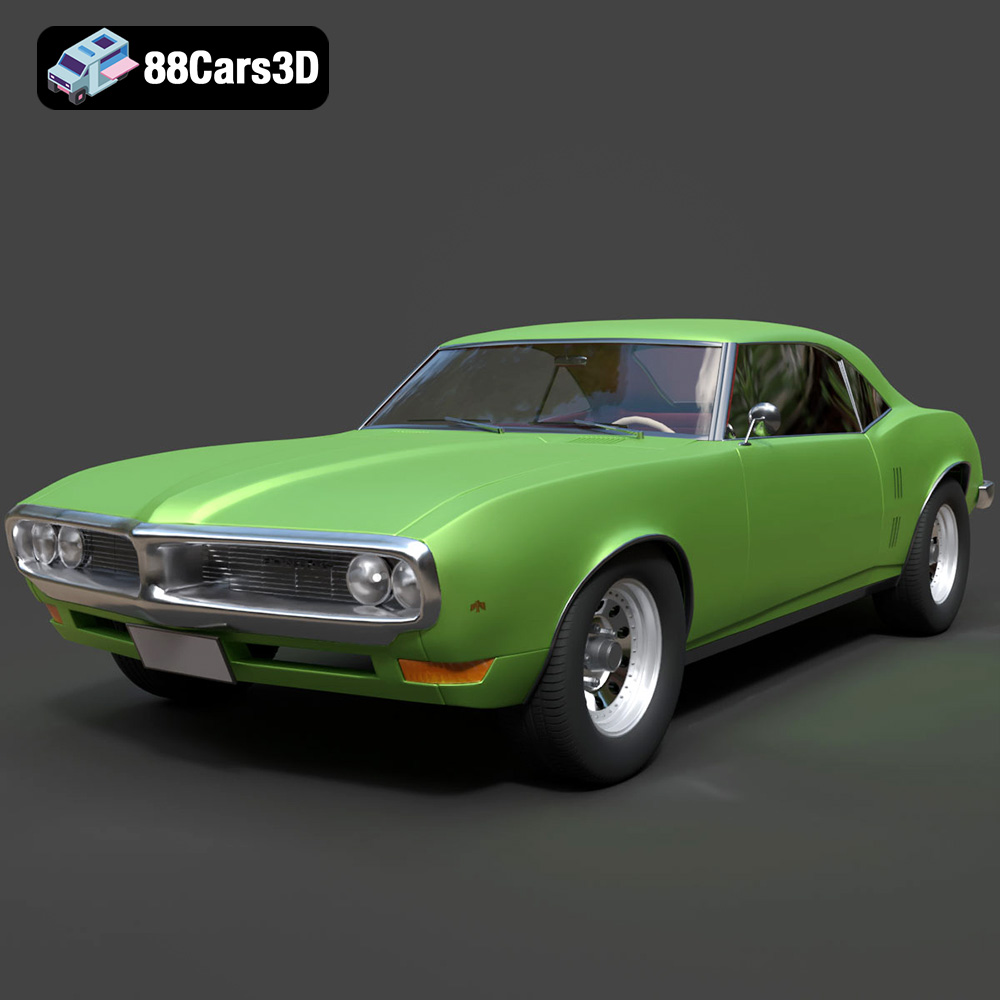
Pontiac Firebird 1998 3D Model
Texture: Yes
Material: Yes
Download the Pontiac Firebird 1998 3D Model featuring clean geometry, realistic detailing, and a fully modeled interior. Includes .blend, .fbx, .obj, .glb, .stl, .ply, .unreal, and .max formats for rendering, simulation, and game development.
Price: $10

Opel Astra 2008 3D Model
Texture: Yes
Material: Yes
Download the Opel Astra 2008 3D Model featuring clean geometry, realistic detailing, and a fully modeled interior. Includes .blend, .fbx, .obj, .glb, .stl, .ply, .unreal, and .max formats for rendering, simulation, and game development.
Price: $10

Mercedes Benz Joaquin-007 3D Model
Texture: Yes
Material: Yes
Download the Mercedes Benz Joaquin-007 3D Model featuring clean geometry, realistic detailing, and a fully modeled interior. Includes .blend, .fbx, .obj, .glb, .stl, .ply, .unreal, and .max formats for rendering, simulation, and game development.
Price: $19.99
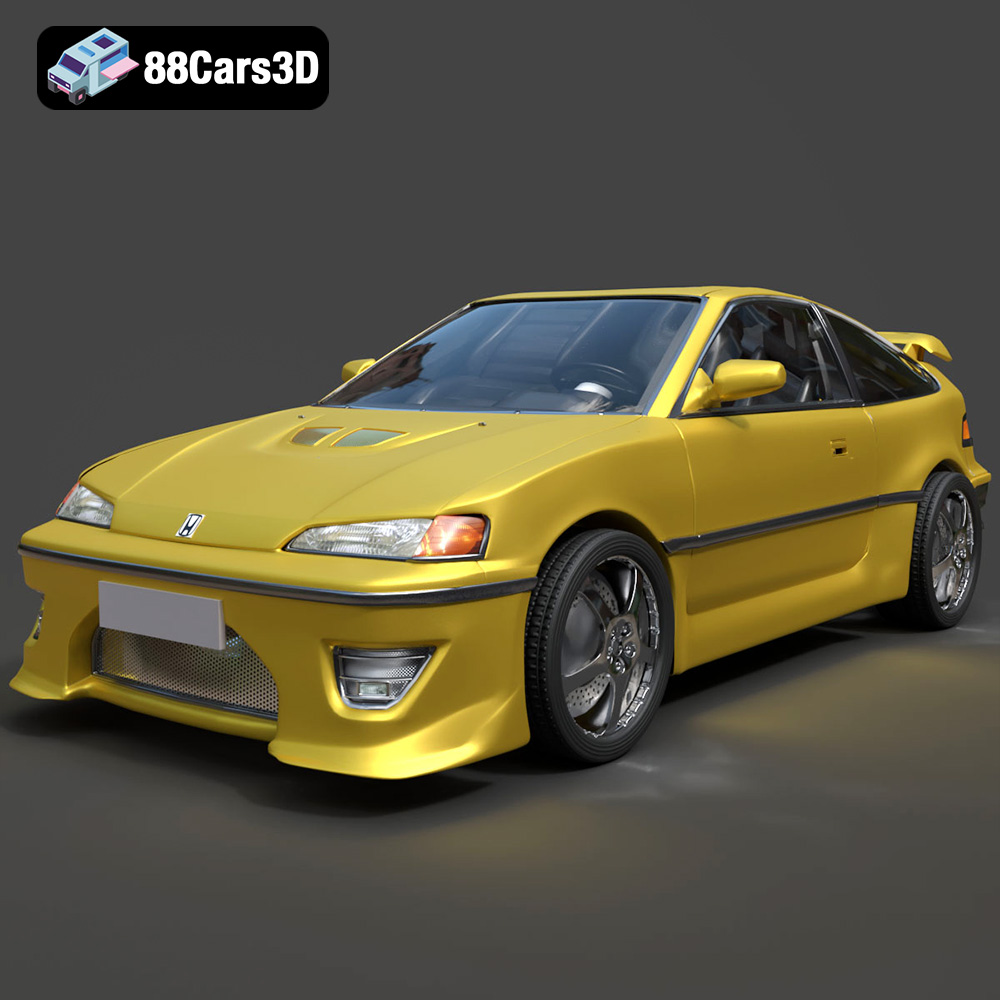
Honda CRX 1980 3D Model
Texture: Yes
Material: Yes
Download the Honda CRX 1980 3D Model featuring clean geometry, realistic detailing, and a fully modeled interior. Includes .blend, .fbx, .obj, .glb, .stl, .ply, .unreal, and .max formats for rendering, simulation, and game development.
Price: $11.99
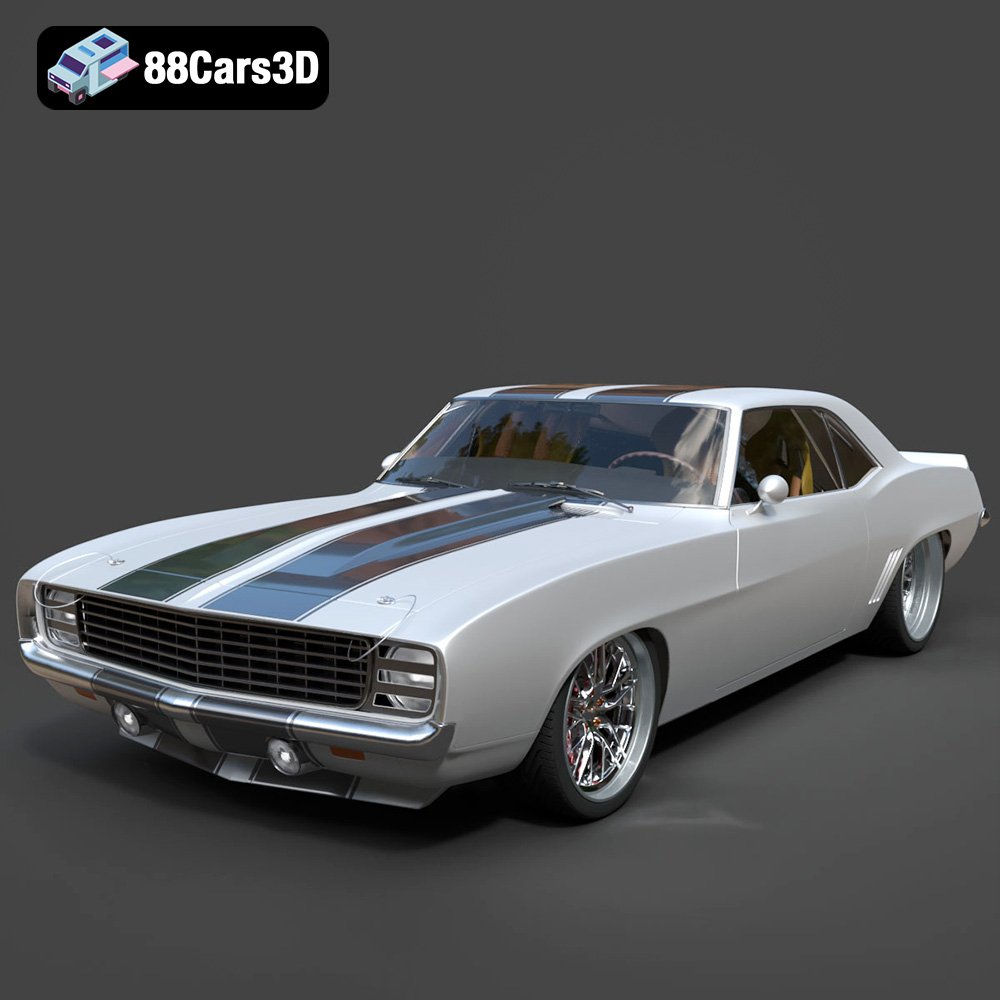
Chevrolet Camaro 69 Pro-007 3D Model
Texture: Yes
Material: Yes
Download the Chevrolet Camaro 69 Pro-007 3D Model featuring classic muscle car design and custom performance aesthetics. Includes .blend, .fbx, .obj, .glb, .stl, .ply, .unreal, and .max formats for rendering, simulation, and game development.
Price: $20.79

Honda Fit 2008 3D Model
Texture: Yes
Material: Yes
Download the Honda Fit 2008 3D Model featuring a compact, versatile design with detailed exterior and interior components. Includes .blend, .fbx, .obj, .glb, .stl, .ply, .unreal, and .max formats for rendering, simulation, and game development.
Price: $10.79
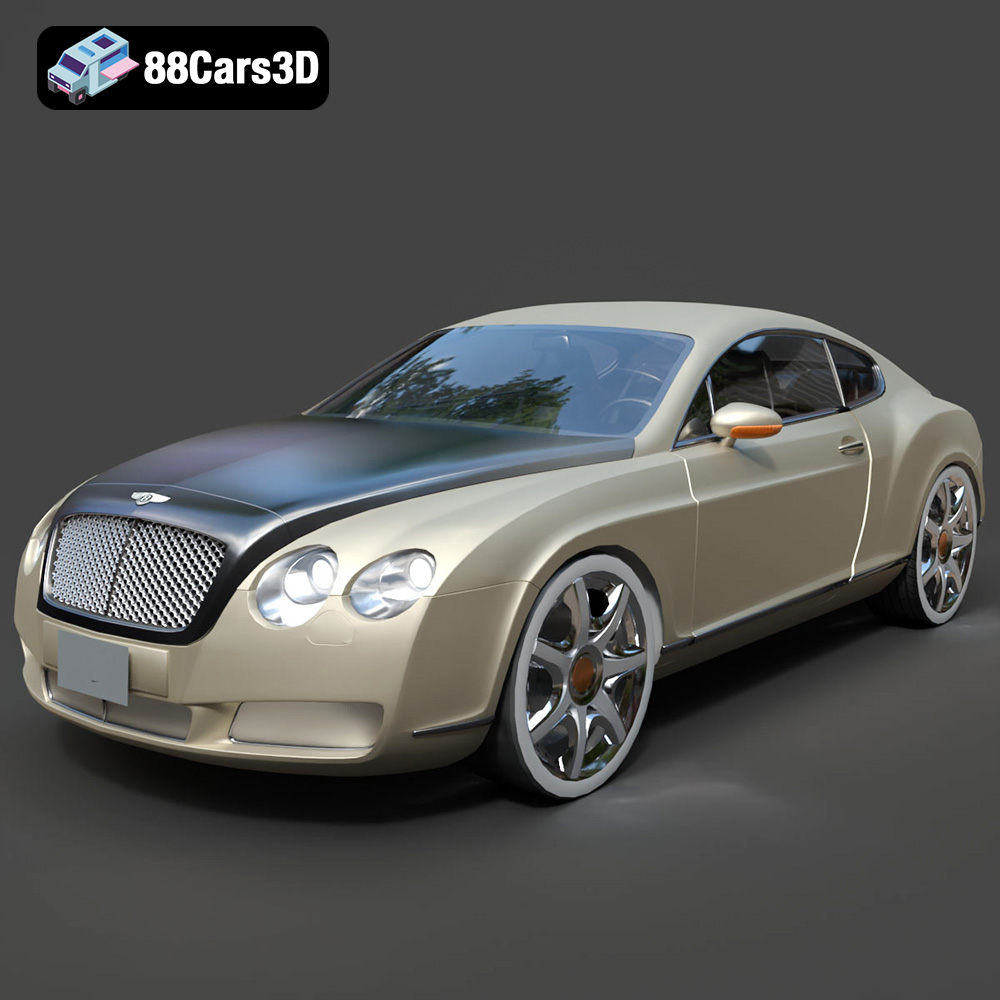
Bentley Continental GT-002 3D Model
Texture: Yes
Material: Yes
Download the Bentley Continental GT-002 3D Model featuring a luxurious grand touring design and high-quality details. Includes .blend, .fbx, .obj, .glb, .stl, .ply, .unreal, and .max formats for rendering, simulation, and game development.
Price: $20.79