⚡ FLASH SALE: Get 60% OFF All Premium 3D & STL Models! ⚡

In the exhilarating world of 3D game development, where visual fidelity constantly pushes the boundaries of hardware capabilities, Levels of Detail (LODs) stand as an indispensable optimization technique. For intricate and highly detailed assets like 3D car models, a meticulous approach to LODs isn’t just an advantage; it’s a necessity. Imagine a high-octane racing game where every vehicle boasts millions of polygons and 8K textures, even those barely visible on the horizon. The result? A grinding halt to performance, shattered immersion, and a frustrated player base. This is where LODs come into play, dynamically swapping out complex models for simpler versions as they move further from the camera, ensuring a smooth, visually consistent experience without sacrificing precious frames per second. For automotive designers, game developers, and visualization professionals seeking to integrate realistic 3D car models into their real-time projects, understanding and implementing effective LOD strategies is paramount. This comprehensive guide will delve deep into the technical intricacies of LODs, providing actionable insights for optimizing your 3D car models for maximum performance across various applications, from cutting-edge game engines to immersive AR/VR experiences.
Levels of Detail, or LODs, refer to a collection of models that represent the same object at varying levels of complexity, typically measured in polygon count. The core idea is simple yet profoundly impactful: objects that are far away from the viewer or occupy a small portion of the screen don’t require the same geometric detail as those up close. By reducing the complexity of these distant objects, game engines can significantly cut down on the processing load, allowing for richer environments, more interactive elements, and a higher overall frame rate.
At its heart, the LOD system operates on a distance-based switching mechanism. A game engine typically defines several distance thresholds. When an object crosses one of these thresholds, it automatically switches to the appropriate LOD. For instance, a beautifully crafted 3D car model from platforms like 88cars3d.com might start with a high-polygon mesh (LOD0) when it’s directly in front of the camera. As it drives away, it transitions to a medium-polygon version (LOD1), then a low-polygon version (LOD2), and perhaps even a simplified billboard or impostor (LOD3) when it’s very far or completely obscured by other objects. Each LOD represents a carefully balanced compromise between visual quality and performance. The goal is to make these transitions imperceptible to the player, maintaining the illusion of a consistently detailed world.
The art of implementing LODs lies in striking the perfect balance between performance gains and visual fidelity. Aggressive LOD reduction can lead to noticeable “popping” artifacts where models suddenly change their appearance, breaking immersion. Conversely, insufficient LOD reduction can negate the performance benefits. For detailed 3D car models, this balance is particularly delicate. The curves, intricate details of grilles, headlights, and interiors all contribute to their realism. When reducing polygon counts, artists must prioritize retaining essential silhouette and key visual cues. For example, a car’s iconic shape must remain recognizable even at lower LODs, while less critical details like lug nuts or interior dashboard elements can be simplified or removed entirely. Effective LOD implementation ensures that the player’s perception of quality remains high, even as the underlying geometry is being intelligently optimized.
Creating effective LODs for 3D car models involves both artistic judgment and technical precision. The process typically begins with the highest detail model and then systematically reduces its complexity through a series of steps. Modern 3D software and game engines provide a suite of tools to aid in this process, ensuring that the visual integrity of the automotive rendering is preserved.
Manual LOD creation offers the most control over the optimization process. Artists begin with the high-polygon base mesh (LOD0), which might range from 150,000 to 500,000 polygons or even more for hero assets, especially for close-up automotive rendering or cinematics. From this, subsequent LODs are generated by carefully reducing polygon count. In software like 3ds Max, Blender, or Maya, this involves techniques such as:
For example, to create LOD1 from LOD0 for a car body in Blender, you might select the high-poly mesh, apply a Decimate modifier with a ratio of 0.5-0.7, and then manually clean up any undesirable triangulation or distortion, especially around areas like wheel arches or window frames. The target polygon count for LOD1 might be 50,000-100,000, while LOD2 could drop to 10,000-20,000. These are general guidelines, as specific polygon budgets vary significantly based on the platform, game genre, and artistic style.
Many 3D software packages and game engines offer automated LOD generation tools. While these tools can quickly generate multiple LOD levels, they often require manual cleanup and refinement. For instance, Simplygon and InstaLOD are popular third-party solutions that use advanced algorithms to optimize meshes, generate proxy geometry, and bake textures across different LODs. These tools can be particularly useful for generating a large number of LODs for an entire fleet of 3D car models. However, even with automated solutions, it’s crucial to review the output, especially for complex car surfaces, to ensure that critical features haven’t been lost or distorted. Manual tweaking is almost always necessary to achieve the desired balance and prevent noticeable visual degradation.
A strong foundation in 3D modeling topology and edge flow for automotive models is crucial for effective LOD creation. When creating lower LODs, it’s essential to simplify the mesh in a way that preserves the original contours and forms. Good edge flow ensures that curves remain smooth even with fewer polygons, and that deformation (if the car is rigged for damage) looks natural. For example, maintaining consistent edge loops around critical areas like wheel wells, door seams, and window frames in LOD0 allows for more predictable and cleaner decimation in subsequent LODs. Without good base topology, automated decimation can result in jagged edges and undesirable artifacts, making the lower LODs appear broken or unconvincing.
Once 3D car models are prepared with their respective LODs, game engines take over to manage their runtime switching and rendering. Both Unity and Unreal Engine provide robust systems for integrating and managing LOD groups, enabling developers to easily implement this crucial optimization technique.
Unity’s LOD Group component is a straightforward yet powerful tool. You create an empty GameObject, add the “LOD Group” component, and then assign your different LOD meshes (LOD0, LOD1, LOD2, etc.) to the respective slots. Each slot corresponds to a percentage of the screen height that the object occupies. For example, if LOD0 is active when the car takes up 50-100% of the screen, LOD1 might take over at 25-50%, and LOD2 at 10-25%. You can customize these percentages and the fade mode (e.g., Cross Fade for smooth transitions, or simply Off for instant switching). Additionally, Unity allows for per-LOD material overrides, which is incredibly useful for PBR material creation and shader networks. For a distant car, you might swap a complex shader with multiple texture maps for a simpler one with fewer passes, or even a single color material, further optimizing render performance. Unity also supports GPU instancing, which, when combined with LODs, can render many identical objects (like parked cars in a city scene) with significant efficiency.
Unreal Engine offers similar functionality with its Static Mesh Editor and LOD settings. For each static mesh, you can define multiple LODs. Unreal’s system can automatically generate LODs for you or allow for manual import of pre-made LOD meshes. Developers can specify screen size thresholds, transition types, and even custom reduction settings per LOD. A notable feature in Unreal is the ability to control how textures are handled across LODs, often reducing texture resolution or even replacing detailed texture sets with simpler, atlased versions for lower LODs. This helps in managing texture resolutions and memory usage. Furthermore, Unreal Engine’s advanced rendering pipeline benefits greatly from optimized LODs, especially in open-world environments with numerous game assets like cars, buildings, and environmental props.
Beyond polygon count, a critical performance metric that LODs help address is the number of draw calls. Each time the CPU tells the GPU to draw an object, it’s a draw call. High draw call counts can quickly bottleneck performance. By merging multiple small components of a car (e.g., individual nuts, bolts, and small interior pieces) into fewer, larger meshes for lower LODs, the number of draw calls can be drastically reduced. Additionally, texture atlasing—combining multiple smaller textures into one large texture—can further minimize draw calls associated with material changes. When sourcing high-quality 3D car models from marketplaces such as 88cars3d.com, it’s beneficial to look for models that are already optimized with multiple LODs and efficient texture atlases to save significant development time.
Automotive models present unique challenges for LOD implementation due to their complex geometries, reflective surfaces, and often extensive component structures. Going beyond basic mesh reduction requires more sophisticated strategies to maintain visual quality and performance.
Instead of treating the entire car as a single object for LODs, a more granular approach can be taken. A 3D car model is often composed of many separate parts: body, wheels, interior, engine, headlights, etc. Implementing LODs on a component-by-component basis allows for finer control. For example, the car body might have a more gradual LOD transition due to its prominent silhouette, while the intricate engine components might aggressively reduce to a simple block or be removed entirely at even moderate distances, as they are rarely seen unless the hood is open. This strategy is particularly effective for highly detailed visualization projects or games that feature vehicle customization, where individual parts can be swapped and each needs its own optimized LOD chain.
Workflow:
LODs aren’t just about geometry; materials and textures play an equally vital role. For a high-resolution automotive rendering, you might use multiple 4K or even 8K texture maps (Albedo, Normal, Roughness, Metallic, Ambient Occlusion) for the most detailed LOD. However, for distant LODs, these resolutions are overkill. Implementing material LODs involves:
When working with Blender, you can use the Texture Atlas add-on or manually combine textures. For scaling, tools like Photoshop or GIMP can batch process images. Game engines like Unity and Unreal Engine provide options within their material systems to handle these different texture sets for each LOD, ensuring that even with reduced complexity, the PBR materials still look convincing at their respective distances.
LODs work hand-in-hand with occlusion culling, another crucial optimization technique. Occlusion culling prevents objects that are completely hidden behind other geometry from being rendered at all. While LODs reduce the complexity of visible objects, occlusion culling ensures that invisible objects don’t consume any rendering resources. In complex scenes with many cars and buildings, properly configured occlusion culling can provide significant performance gains. Game engines calculate occlusion at runtime or pre-bake it for static environments. For dynamic objects like cars, run-time occlusion culling is typically employed. The interaction is subtle: an object might be far enough to trigger a lower LOD, but then fully occluded, leading to no rendering at all, a combined efficiency that is vital for modern game development.
While often associated with game development, the principles of Levels of Detail extend far beyond interactive entertainment, proving equally vital for performance in AR/VR, architectural visualization, and even 3D printing preparation.
Augmented Reality (AR) and Virtual Reality (VR) environments demand extremely high frame rates (typically 90 FPS or more) to prevent motion sickness and ensure a comfortable, immersive experience. This makes LOD optimization even more critical than in traditional games. A high-quality 3D car model displayed in an AR app on a mobile device needs to be significantly optimized compared to a cinematic render. Mobile chipsets have limited processing power, so aggressively streamlined LODs are essential. For AR/VR:
In architectural and product visualization, real-time walkthroughs and configurators are becoming increasingly common. While pre-rendered static images can afford extremely high polygon counts, interactive experiences require efficient visualization. For a scene featuring a stunning 3D car model in a showroom, LODs allow the viewer to interactively explore the vehicle up close in high detail, while distant elements of the showroom or other vehicles are simplified. This ensures smooth navigation and responsiveness, crucial for client presentations or interactive displays.
While LODs are primarily a real-time optimization, understanding mesh simplification and data reduction is also beneficial for 3D printing preparation. High-polygon models might be too complex for certain 3D printers or slicing software. Decimating a model to a suitable polygon count without losing critical features is a form of LOD application for a different medium. Additionally, when exporting models in file formats like STL for 3D printing, a mesh with an optimized polygon count will result in smaller file sizes and faster processing. For visualization purposes in non-realtime rendering, while performance isn’t the same concern, optimized meshes can still lead to faster render times and easier scene management.
Effective LOD implementation is a nuanced skill that improves with experience. Adhering to best practices can prevent common issues, ensuring that your 3D car models perform optimally without visual compromises.
Establishing clear polygon budgets for each LOD level is a foundational best practice. These budgets depend heavily on the target platform (PC, console, mobile), game genre, and the role of the asset. For a hero game asset like a player’s car, LOD0 might be 150,000-300,000 triangles. Distant background cars, however, might only need 500-2,000 triangles for their lowest LOD.
Tips for Budgeting:
One of the most critical aspects of successful LOD implementation is creating seamless transitions between levels to avoid noticeable “popping” or abrupt visual changes.
Strategies for Smooth Transitions:
Visual popping occurs when the transition between LODs is too sudden, causing a jarring change in the object’s appearance. This can be caused by:
Regular visual testing in the target environment at various distances and angles is the best way to identify and rectify these issues. A smooth player experience is directly tied to how seamlessly your 3D car models transition through their different levels of detail.
Levels of Detail are far more than just a technical checkbox; they are a fundamental pillar of performance optimization in real-time 3D applications, particularly for complex assets like 3D car models. From the initial stages of 3D modeling topology and edge flow to the final implementation in game engines like Unity or Unreal, a strategic approach to LODs ensures that your projects run smoothly without sacrificing the stunning visual fidelity that today’s audiences expect. Whether you’re crafting high-octane racing experiences, developing immersive AR/VR applications, or creating interactive architectural visualizations, mastering LOD techniques is a skill that will empower you to deliver compelling and efficient results.
Remember that the key lies in a thoughtful balance: aggressive optimization where visual impact is minimal, and meticulous attention to detail where it matters most. By carefully planning your LODs, utilizing both manual and automated reduction techniques, and understanding how game engines process these assets, you can unlock superior performance and a more polished final product. The ongoing evolution of 3D rendering and automotive rendering means that efficient asset management, championed by intelligent LOD implementation, will only grow in importance. Invest in developing these skills, and your 3D car models will not only look incredible but also perform flawlessly across a wide spectrum of platforms and experiences.

Meta Description:
Texture: Yes
Material: Yes
Download the Cadillac CTS-V Coupe 3D Model featuring detailed exterior styling and realistic interior structure. Includes .blend, .fbx, .obj, .glb, .stl, .ply, .unreal, and .max formats for rendering, simulation, AR VR, and game development.
Price: $13.9

Texture: Yes
Material: Yes
Download the Cadillac DTS-005 3D Model featuring its iconic luxury design, detailed interior, and realistic exterior. Includes .blend, .fbx, .obj, .glb, .stl, .ply, .unreal, and .max formats for rendering, simulation, and game development.
Price: $10.79

Texture: Yes
Material: Yes
Download the Buick LeSabre 1998 3D Model featuring a classic American full-size sedan design. Includes .blend, .fbx, .obj, .glb, .stl, .ply, .unreal, and .max formats for rendering, simulation, and game development.
Price: $10.79
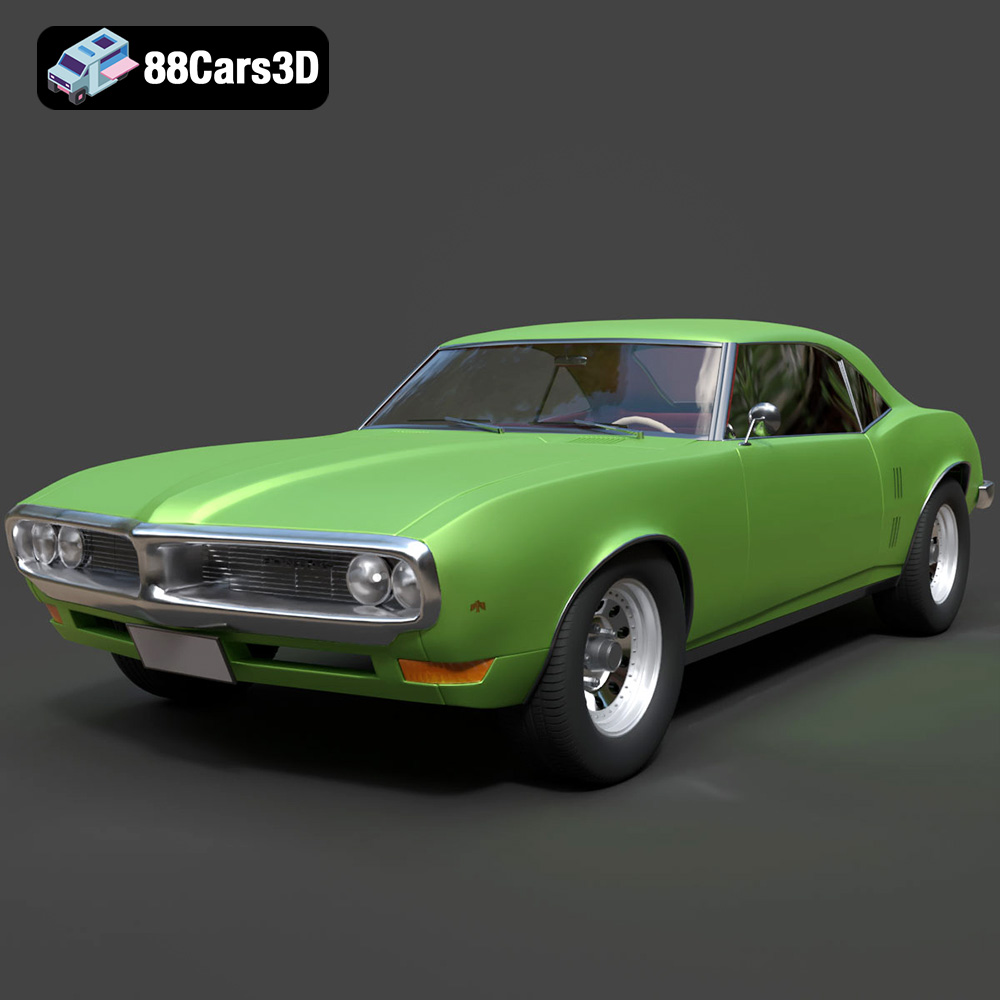
Texture: Yes
Material: Yes
Download the Pontiac Firebird 1998 3D Model featuring clean geometry, realistic detailing, and a fully modeled interior. Includes .blend, .fbx, .obj, .glb, .stl, .ply, .unreal, and .max formats for rendering, simulation, and game development.
Price: $10

Texture: Yes
Material: Yes
Download the Opel Astra 2008 3D Model featuring clean geometry, realistic detailing, and a fully modeled interior. Includes .blend, .fbx, .obj, .glb, .stl, .ply, .unreal, and .max formats for rendering, simulation, and game development.
Price: $10

Texture: Yes
Material: Yes
Download the Mercedes Benz Joaquin-007 3D Model featuring clean geometry, realistic detailing, and a fully modeled interior. Includes .blend, .fbx, .obj, .glb, .stl, .ply, .unreal, and .max formats for rendering, simulation, and game development.
Price: $19.99
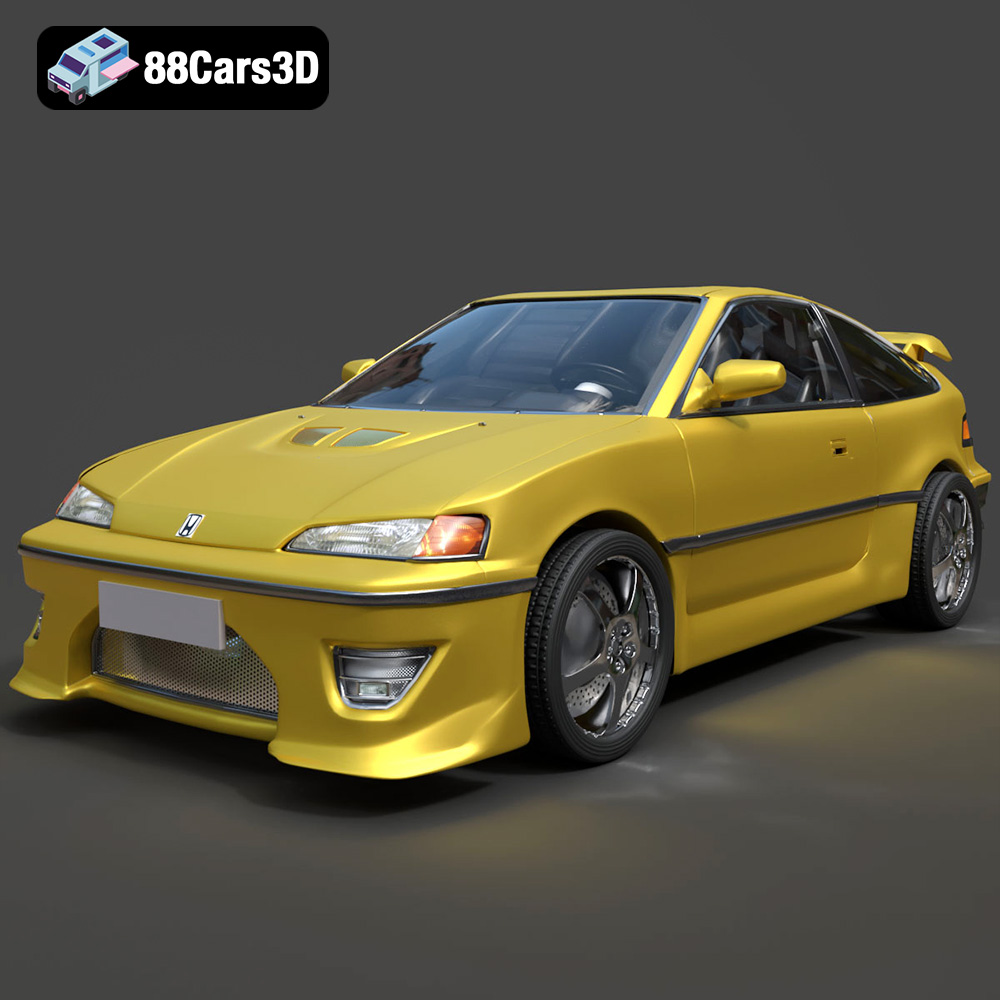
Texture: Yes
Material: Yes
Download the Honda CRX 1980 3D Model featuring clean geometry, realistic detailing, and a fully modeled interior. Includes .blend, .fbx, .obj, .glb, .stl, .ply, .unreal, and .max formats for rendering, simulation, and game development.
Price: $11.99
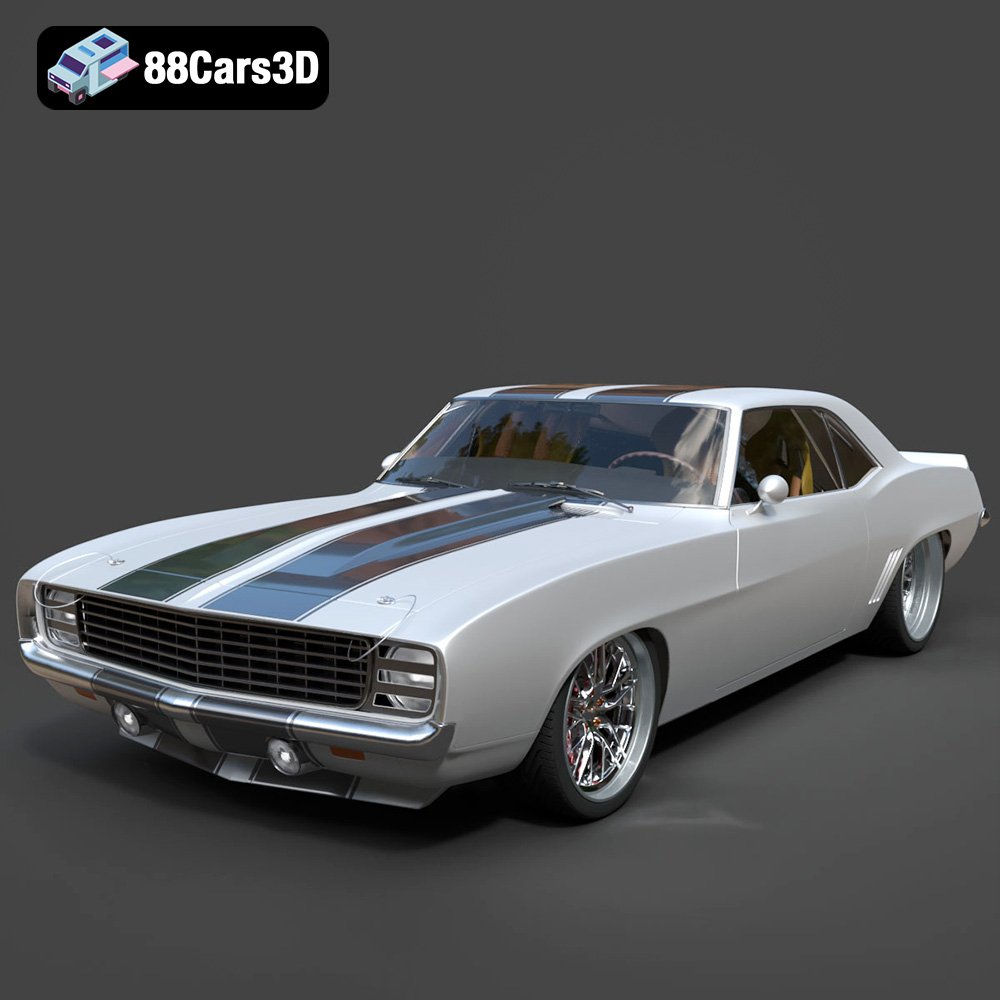
Texture: Yes
Material: Yes
Download the Chevrolet Camaro 69 Pro-007 3D Model featuring classic muscle car design and custom performance aesthetics. Includes .blend, .fbx, .obj, .glb, .stl, .ply, .unreal, and .max formats for rendering, simulation, and game development.
Price: $20.79

Texture: Yes
Material: Yes
Download the Honda Fit 2008 3D Model featuring a compact, versatile design with detailed exterior and interior components. Includes .blend, .fbx, .obj, .glb, .stl, .ply, .unreal, and .max formats for rendering, simulation, and game development.
Price: $10.79
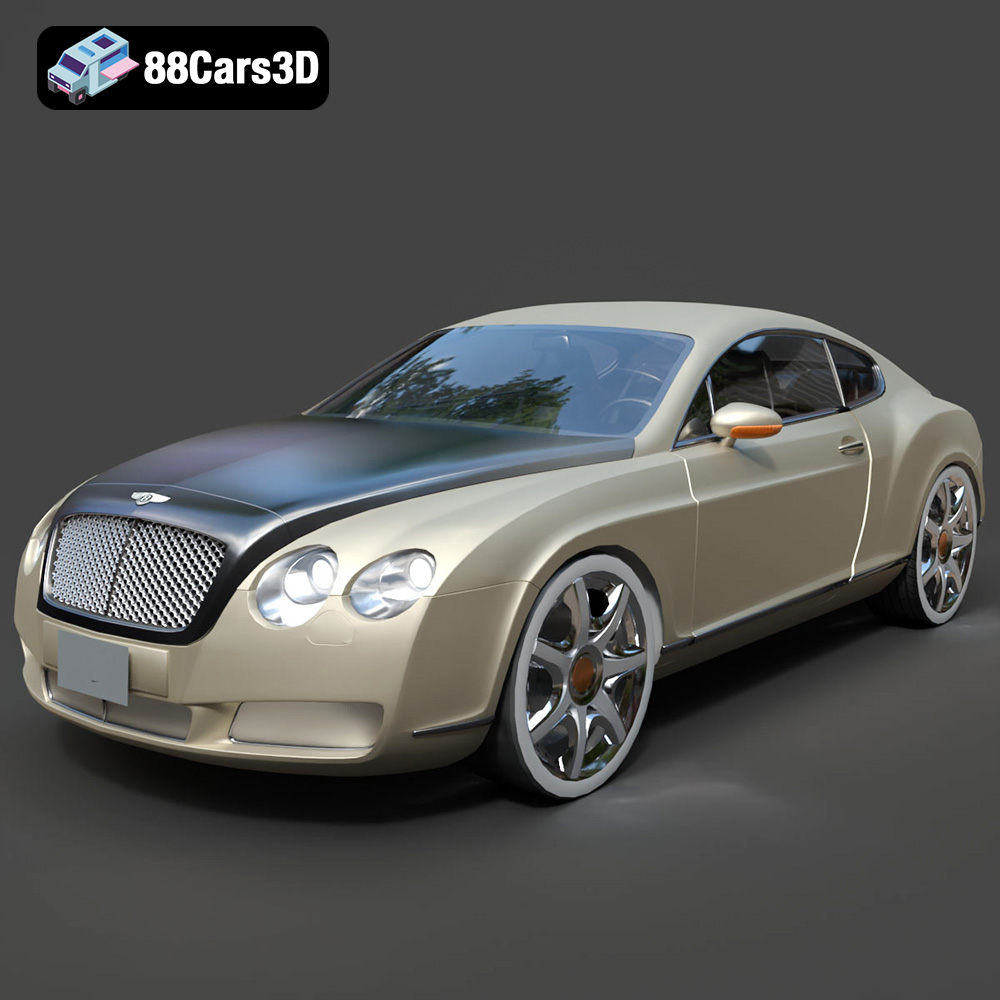
Texture: Yes
Material: Yes
Download the Bentley Continental GT-002 3D Model featuring a luxurious grand touring design and high-quality details. Includes .blend, .fbx, .obj, .glb, .stl, .ply, .unreal, and .max formats for rendering, simulation, and game development.
Price: $20.79

