⚡ FLASH SALE: Get 60% OFF All Premium 3D & STL Models! ⚡

The allure of bringing intricate designs to life, from iconic vehicles to fantastical creatures, has never been more accessible thanks to the 3D printing revolution. For hobbyists, collectors, and aspiring engineers, the ability to hold a tangible representation of a digital creation is immensely rewarding. At the heart of this process lies the 3D printer, and choosing the right one can be the difference between a frustrating failure and a breathtaking success. Whether you’re aiming to print highly detailed car models from platforms like 88cars3d.com for your display shelf, or prototyping functional parts, understanding the critical features that impact model-making quality is paramount. This comprehensive guide will delve into the essential aspects of 3D printers that matter most for model makers. We’ll explore everything from resolution and build volume to material compatibility and crucial software considerations, empowering you to make an informed decision and elevate your 3D printing endeavors. Prepare to embark on a journey into the technical nuances that will transform your digital models into stunning physical realities.
The bedrock of any high-quality 3D print, especially for intricate models, is its ability to reproduce fine details accurately. This is primarily governed by the printer’s resolution and, more importantly for the end-user, the **layer height** setting. Understanding these parameters is crucial for achieving the sharp edges, smooth curves, and minuscule features that define a compelling model.
A 3D printer operates on three axes: X, Y, and Z. The XY resolution refers to the printer’s ability to move precisely on the horizontal plane, essentially defining the smallest feature it can draw with its nozzle or laser. For FDM (Fused Deposition Modeling) printers, this is largely determined by the **nozzle diameter** and the precision of the stepper motors and mechanical components. Smaller nozzle diameters (e.g., 0.2mm or 0.1mm) allow for finer lines and sharper details compared to standard 0.4mm nozzles. Resin printers, using SLA (Stereolithography) or DLP (Digital Light Processing) technologies, achieve their high XY resolution through the laser spot size or pixel size of the projector, often reaching incredibly small figures measured in microns.
The Z-axis resolution, directly controlled by the **layer height** setting in your slicer software, determines the vertical precision of the print. This is the thickness of each individual layer of material deposited. For model making, **lower layer heights are almost always preferred**.
This is where the most significant impact on perceived print quality is made. **Lower layer heights mean more layers are required to build the same object**, resulting in longer print times. However, they also produce prints with a smoother surface finish and significantly reduced “stair-stepping” artifacts on curved or angled surfaces.
* **For highly detailed models:** Aim for layer heights between **0.05mm and 0.1mm**. This will capture even the most subtle details, making parts like delicate trim on a car model incredibly crisp. For FDM printers, using a smaller nozzle (0.2mm or 0.25mm) in conjunction with these low layer heights can further enhance detail.
* **For general hobbyist prints where extreme detail isn’t paramount:** Layer heights of **0.1mm to 0.15mm** can offer a good balance between quality and print time.
* **For functional prototypes or larger, less detailed models:** Layer heights of **0.2mm or even 0.3mm** are acceptable, significantly reducing print duration.
The choice of layer height is a direct compromise. Printing a complex 1:18 scale car model with 0.05mm layers might take upwards of 48-72 hours, whereas a 0.2mm layer height could reduce that to 12-24 hours. It’s essential to weigh the desired level of detail against your patience and printer’s capabilities. Furthermore, consider the resin v FDM aspect: resin printers inherently excel at very fine layer heights and can achieve stunning detail even at standard resolutions (e.g., 0.05mm), often without the same time penalty as FDM at those resolutions.
The **build volume** of a 3D printer refers to the maximum size of an object that can be printed in a single piece. While it might seem straightforward, its implications for model makers, especially those dealing with larger vehicles or multiple components, are significant.
For model car enthusiasts, a larger build volume offers greater flexibility. You might be able to print an entire 1:8 scale model car in one go, or at least larger sections of it, reducing the need for complex assembly and seam filling. Conversely, a smaller build volume necessitates printing models in sections, which then requires careful alignment, gluing, and potentially sanding to hide the seams.
* **Small Build Volume (e.g., 100x100x100 mm):** Suitable for small-scale models, individual components, or printing many small parts simultaneously. You’ll likely need to split larger models like cars into many pieces.
* **Medium Build Volume (e.g., 200x200x200 mm):** A common and versatile size. Many popular car models can be printed in 2-4 large sections. This is often a sweet spot for hobbyists.
* **Large Build Volume (e.g., 300x300x300 mm and above):** Allows for printing even very large models, or multiple models at once. This can be beneficial for printing entire car chassis or large display pieces without assembly.
When considering build volume, also think about the **proportions** of the build area. A printer with a large XY area but limited Z height might be less useful for tall objects, and vice versa. For most automotive models, a balanced build volume is ideal. Remember that platforms like 88cars3d.com often provide models that can be scaled. A larger build volume allows you to print these models at larger scales without needing to split them as much, preserving the integrity of the design.
A larger build volume isn’t just about printing bigger objects; it’s also about **efficiency**. You can potentially print multiple smaller models or components simultaneously, saving time and resources. This requires careful arrangement within the slicer software to ensure parts don’t collide and benefit from consistent printing conditions across the build plate. However, it’s important to note that printing larger objects or multiple objects at once can increase the risk of print failures due to longer print times and potential issues with bed adhesion or warping, especially with materials like ABS.
The material you choose directly dictates the physical properties, aesthetics, and durability of your 3D printed models. Different materials have unique characteristics that make them suitable for specific applications and printing technologies.
For FDM printing, several popular filament types are readily available:
* **PLA (Polylactic Acid):** The most common and beginner-friendly filament. It’s easy to print, comes in a vast array of colors, and has low warping. Its main drawback is its relatively low heat resistance and brittleness, making it ideal for display models but less so for functional parts that might experience stress or heat. It’s a fantastic choice for detailed car models destined for a shelf. Typical print settings: Nozzle 190-220°C, Bed 50-60°C.
* **PETG (Polyethylene Terephthalate Glycol):** Offers a good balance of strength, flexibility, and temperature resistance compared to PLA. It’s slightly more challenging to print, with potential for stringing, but its durability makes it suitable for parts that might need a bit more resilience. Print settings: Nozzle 230-250°C, Bed 70-80°C.
* **ABS (Acrylonitrile Butadiene Styrene):** Known for its high strength, impact resistance, and temperature resistance. However, ABS is notoriously difficult to print due to significant warping and requires an enclosed printer with a heated bed (typically 90-110°C) and nozzle temperatures around 240-260°C. It often requires a ventilation system due to fumes. Best for durable functional parts or models requiring significant post-processing like acetone smoothing.
* **Specialty Filaments:** Including wood-filled, metal-filled, carbon fiber reinforced, and flexible filaments (TPU/TPE) offer unique visual and mechanical properties. These often require specific printer capabilities (e.g., hardened steel nozzles for abrasive filaments) and more advanced print settings.
Resin printers (SLA, DLP, MSLA) use photopolymer resins that are cured by UV light. They excel at producing incredibly smooth surfaces and capturing the finest details, making them the gold standard for miniature and high-detail model making.
* **Standard Resins:** Offer good detail and a smooth finish, suitable for most display models. Available in various colors.
* **Tough/ABS-like Resins:** Mimic the mechanical properties of ABS, offering increased strength and durability.
* **Flexible Resins:** Provide a rubber-like feel for parts requiring elasticity.
* **Castable Resins:** Designed to burn out cleanly, used for jewelry casting or precision investment casting.
Resin printing requires a different set of considerations: print speed is often related to layer exposure time (seconds per layer), and post-processing involves washing prints in isopropyl alcohol (IPA) and a final UV curing step. Safety precautions, including gloves and good ventilation, are essential due to the chemical nature of the resins.
When selecting models from sources like 88cars3d.com, consider the intended printing technology. Many of their STL files are optimized for both FDM and resin printing, but the material choice will dictate the final outcome.
The **slicer software** is your bridge between a digital 3D model and the physical object. It translates the STL file into a series of instructions (G-code) that your 3D printer understands, layer by layer. Mastering your slicer is crucial for achieving optimal print quality, minimizing failures, and reducing print times. Popular slicers include Cura, PrusaSlicer, Simplify3D, and Lychee Slicer (for resin).
Understanding key slicing parameters is vital for model makers:
* **Layer Height:** As discussed, this is paramount for detail. Aim for 0.1mm or lower for most models.
* **Infill Density and Pattern:** Infill provides internal support for the outer walls. For display models, low infill (5-15%) is often sufficient to save material and time. For parts requiring strength, densities of 20-50% or more might be necessary. Patterns like Gyroid, Cubic, or Honeycomb offer good strength-to-weight ratios. For aesthetic models, ensure your infill pattern doesn’t show through thin walls.
* **Wall Thickness/Perimeters:** Increasing the number of perimeters (e.g., 3-4 walls) adds significant strength and can prevent infill patterns from showing through, especially with lighter colored filaments. This is critical for achieving crisp details on the outer shell of a model.
* **Print Speed:** While faster is tempting, it often compromises quality. For detailed models, printing outer walls and small features at **slower speeds (e.g., 30-50 mm/s)** is recommended. Inner walls and infill can often be printed faster.
* **Temperature:** Nozzle and bed temperatures are material-dependent and crucial for proper adhesion and layer bonding. Always refer to filament manufacturer recommendations. Start with a temperature tower calibration print to find the optimal setting for your specific filament and printer.
* **Retraction Settings:** Essential for FDM printers to prevent stringing between separate parts of a model or travel moves. Fine-tuning retraction distance and speed can significantly clean up prints.
Nearly every complex 3D model will require **support structures**. These are temporary structures printed alongside the model to hold up overhanging sections that would otherwise collapse due to gravity.
* **Types of Supports:** Slicers offer various support types, including standard (tree-like), tree supports (often more efficient and easier to remove), and custom supports. For intricate models, **tree supports** are often preferred as they use less material and create fewer contact points with the model surface, leading to cleaner removal.
* **Support Placement and Density:** Pay close attention to where supports are generated. They should only be placed where necessary (e.g., overhangs steeper than 45-60 degrees). Support density (how closely spaced the support lines are) impacts strength and ease of removal. A lower density is easier to remove but might be less stable.
* **Support Interface Layers:** Many slicers allow for “support interface” layers – denser, more solid layers at the top and bottom of the support structure that directly contact the model. This creates a smoother surface finish on the underside of overhangs, drastically improving the quality of detailed areas.
* **Support Removal:** This is a critical post-processing step. Patience is key. Use flush cutters, hobby knives, and pliers to carefully break away supports. For resin prints, supports are often more delicate and require careful removal before washing and curing.
Choosing models from reputable sources like 88cars3d.com means you often receive models with pre-optimized supports or clear guidance on their placement, saving you significant trial and error.
How you position your model on the print bed, known as **print orientation**, and ensuring it sticks down properly, **bed adhesion**, are fundamental for a successful print, especially for objects with delicate features or large surface areas.
The orientation of your model affects:
* **Support Requirements:** Printing a model on its side might require more complex supports than printing it upright or on its back. The goal is to minimize overhangs that need support.
* **Surface Finish:** Layers are always visible on 3D prints. Orienting a model so that critical visible surfaces (like the hood of a car) are parallel to the build plate will result in the smoothest finish in those areas. However, this might introduce support scarring.
* **Strength:** The layer lines represent a weak point in FDM prints. The direction of these lines, determined by orientation, can affect the model’s strength under stress. For display models, this is less critical.
* **Print Time:** Sometimes, a different orientation can slightly reduce overall print height, thus reducing print time.
For automotive models, consider printing the main body upright, or perhaps upside down if the undercarriage detail is less critical and you want a pristine top surface. Wheels and smaller components are often best printed standing upright.
A print failing because it detached from the build plate mid-print is one of the most frustrating experiences. Good bed adhesion is crucial.
* **First Layer Settings:** The first layer is critical. Ensure your slicer settings for the first layer are optimized:
* **Slightly slower speed:** Printing the first layer at 15-25 mm/s allows the material to properly bond.
* **Slightly higher temperature:** A few degrees hotter for the nozzle and bed can improve adhesion.
* **Line Width:** A wider first layer line width (e.g., 120-150% of nozzle diameter) can create a stronger “squish” onto the build plate.
* **Build Surface:** The type of build surface on your printer matters. Common options include:
* **Glass:** Offers a very flat surface but may require adhesives like glue stick or hairspray for some materials.
* **PEI (Polyetherimide):** Excellent adhesion for many materials, especially PLA and PETG, often without adhesives.
* **Textured Build Plates:** Can create interesting surface finishes on the bottom of prints and improve adhesion.
* **Bed Leveling:** **Crucial for FDM printers.** An uneven build plate means the nozzle will be too close in some areas (causing scraping) and too far in others (leading to poor adhesion). Auto bed leveling systems help, but manual checks and calibration are still vital.
* **Adhesives:** For materials prone to warping (like ABS) or on glass beds, using a thin layer of glue stick, hairspray, or specialized adhesion promoters can be very effective.
* **Brim and Raft:**
* **Brim:** Adds a single layer of material extending outwards from the base of your model. This increases the surface area contacting the bed, providing more stability. Excellent for models with small footprints or those prone to warping.
* **Raft:** Prints a thicker, multi-layer base directly to the build plate, and then prints your model on top of the raft. This is useful for very uneven build surfaces or extremely difficult-to-adhere materials, but it consumes more material and can leave marks on the bottom of the model.
For resin printers, bed adhesion is about ensuring the build plate is clean and that the initial layers (often printed slower with longer exposure times) cure sufficiently to stick to the plate before the rest of the print builds up.
Once your 3D print is complete and carefully removed from the build plate, the journey isn’t over. **Post-processing** is where you transform a raw print into a finished, professional-looking model.
This is the first and often most labor-intensive step. As detailed earlier, careful removal of support structures is key. For FDM prints, use tools like flush cutters, needle-nose pliers, deburring tools, and hobby knives. For resin prints, this happens before the final cure.
Most 3D prints will have visible layer lines or support marks. Sanding is essential to achieve a smooth surface.
* **FDM Sanding:** Start with coarser grit sandpaper (e.g., 120-220 grit) to remove major imperfections and layer lines. Progress gradually to finer grits (400, 800, 1200, and even higher). Wet sanding (using water as a lubricant) can help prevent dust buildup and achieve a smoother finish.
* **Resin Sanding:** Resin prints are already quite smooth, but sanding is still used to refine surfaces or prepare for painting. Use very fine grit sandpaper (800+ grit).
* **Chemical Smoothing:** For ABS prints, acetone vapor smoothing can create an incredibly glossy, injection-molded finish. This requires safety precautions and an enclosed setup. For resin prints, some clear coats can also help achieve a similar effect.
* **Fillers and Primers:** For achieving a truly flawless surface, especially on detailed car models where panel gaps need to be perfect, using model putty or filler to fill any remaining gaps or imperfections is recommended. Follow this with a good quality primer before painting.
The final stage of post-processing is painting. This is where your model truly comes alive.
* **Primer:** Always start with a primer. This helps paint adhere better and reveals any remaining surface flaws you might have missed.
* **Paints:** Acrylic model paints are common for both FDM and resin prints. Airbrushing can provide a very smooth, even finish, while brush painting is suitable for smaller details.
* **Detailing:** Use fine brushes for intricate details like lights, trim, and emblems.
* **Clear Coats:** A final clear coat (gloss, satin, or matte) protects the paint job and unifies the finish. Gloss coats are excellent for automotive finishes.
Post-processing requires patience and practice, but the results are incredibly rewarding, turning a good print into a museum-quality model.
Choosing the right 3D printer for model making involves understanding a delicate interplay of technical specifications and your specific needs. Resolution and layer height are paramount for capturing intricate details, while build volume dictates the scale and assembly complexity of your projects. Material selection, whether robust FDM filaments like PLA for display or high-detail resins, directly impacts the final aesthetic and durability. Mastering your slicer software, from setting layer heights and infill densities to generating effective support structures, is crucial for translating digital designs into physical reality. Furthermore, proper print orientation and ensuring unwavering bed adhesion lay the foundation for successful prints. Finally, the art of post-processing—support removal, sanding, filling, and painting—elevates a raw print into a finished masterpiece.
By focusing on these key features and understanding the underlying principles, you are well-equipped to select a 3D printer that will empower your hobby, whether you’re printing meticulous automotive replicas from marketplaces like 88cars3d.com or bringing any other intricate vision to life. Invest in understanding these technical aspects, practice diligently, and prepare to be amazed by the quality and detail you can achieve. Your next incredible 3D printed model is just a print away!

Meta Description:
Texture: Yes
Material: Yes
Download the Cadillac CTS-V Coupe 3D Model featuring detailed exterior styling and realistic interior structure. Includes .blend, .fbx, .obj, .glb, .stl, .ply, .unreal, and .max formats for rendering, simulation, AR VR, and game development.
Price: $13.9

Texture: Yes
Material: Yes
Download the Cadillac DTS-005 3D Model featuring its iconic luxury design, detailed interior, and realistic exterior. Includes .blend, .fbx, .obj, .glb, .stl, .ply, .unreal, and .max formats for rendering, simulation, and game development.
Price: $10.79

Texture: Yes
Material: Yes
Download the Buick LeSabre 1998 3D Model featuring a classic American full-size sedan design. Includes .blend, .fbx, .obj, .glb, .stl, .ply, .unreal, and .max formats for rendering, simulation, and game development.
Price: $10.79
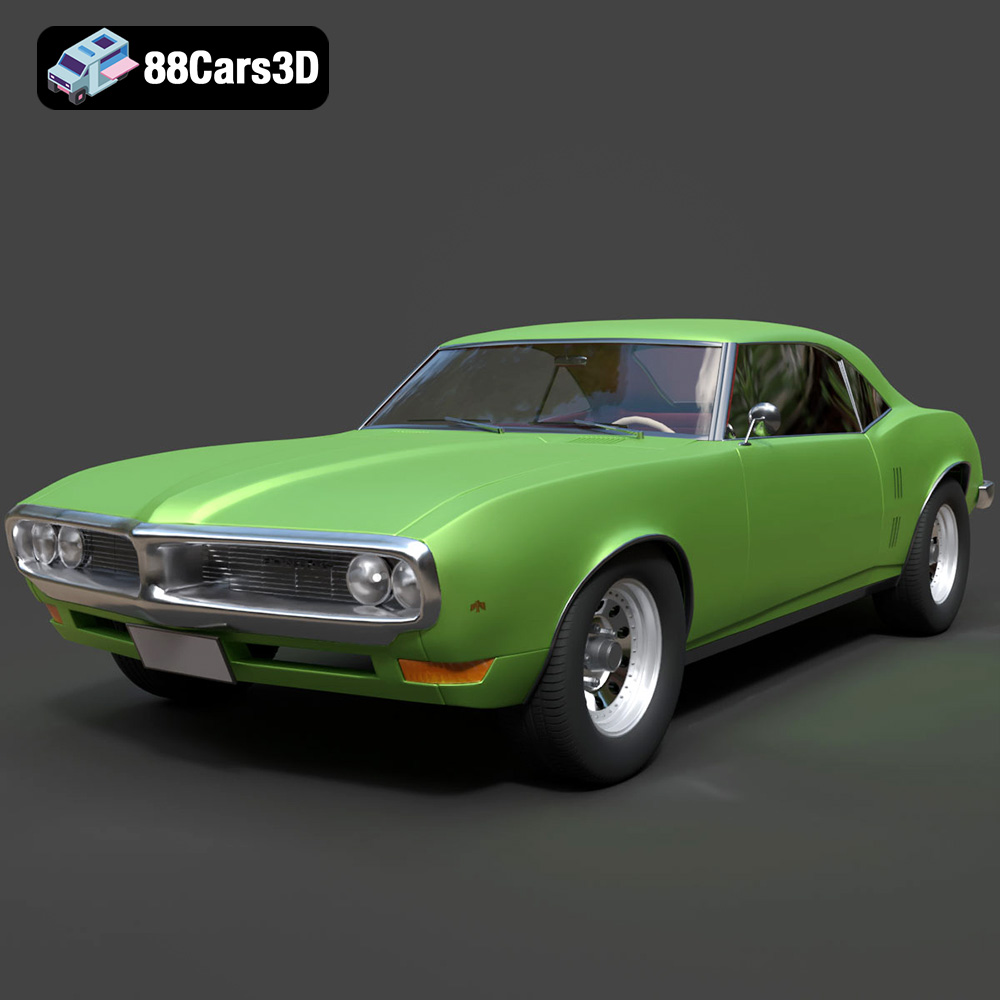
Texture: Yes
Material: Yes
Download the Pontiac Firebird 1998 3D Model featuring clean geometry, realistic detailing, and a fully modeled interior. Includes .blend, .fbx, .obj, .glb, .stl, .ply, .unreal, and .max formats for rendering, simulation, and game development.
Price: $10

Texture: Yes
Material: Yes
Download the Opel Astra 2008 3D Model featuring clean geometry, realistic detailing, and a fully modeled interior. Includes .blend, .fbx, .obj, .glb, .stl, .ply, .unreal, and .max formats for rendering, simulation, and game development.
Price: $10

Texture: Yes
Material: Yes
Download the Mercedes Benz Joaquin-007 3D Model featuring clean geometry, realistic detailing, and a fully modeled interior. Includes .blend, .fbx, .obj, .glb, .stl, .ply, .unreal, and .max formats for rendering, simulation, and game development.
Price: $19.99
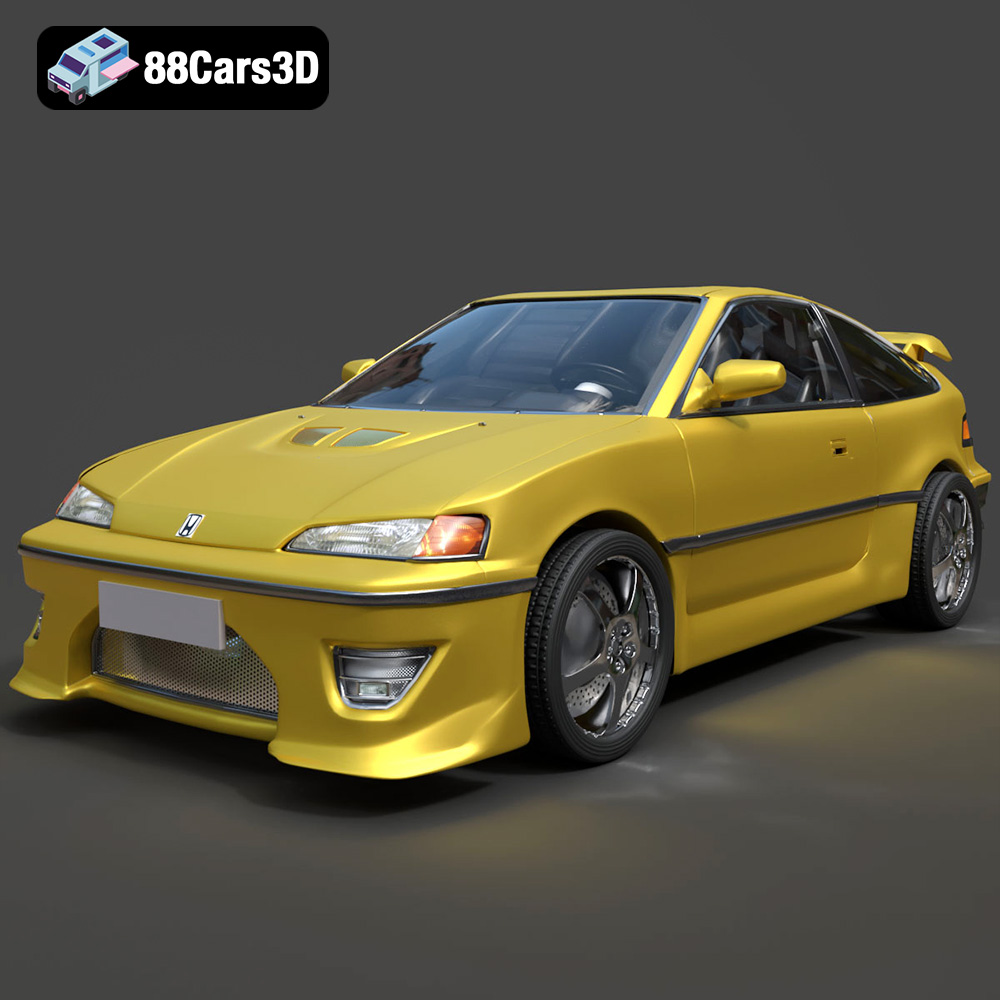
Texture: Yes
Material: Yes
Download the Honda CRX 1980 3D Model featuring clean geometry, realistic detailing, and a fully modeled interior. Includes .blend, .fbx, .obj, .glb, .stl, .ply, .unreal, and .max formats for rendering, simulation, and game development.
Price: $11.99
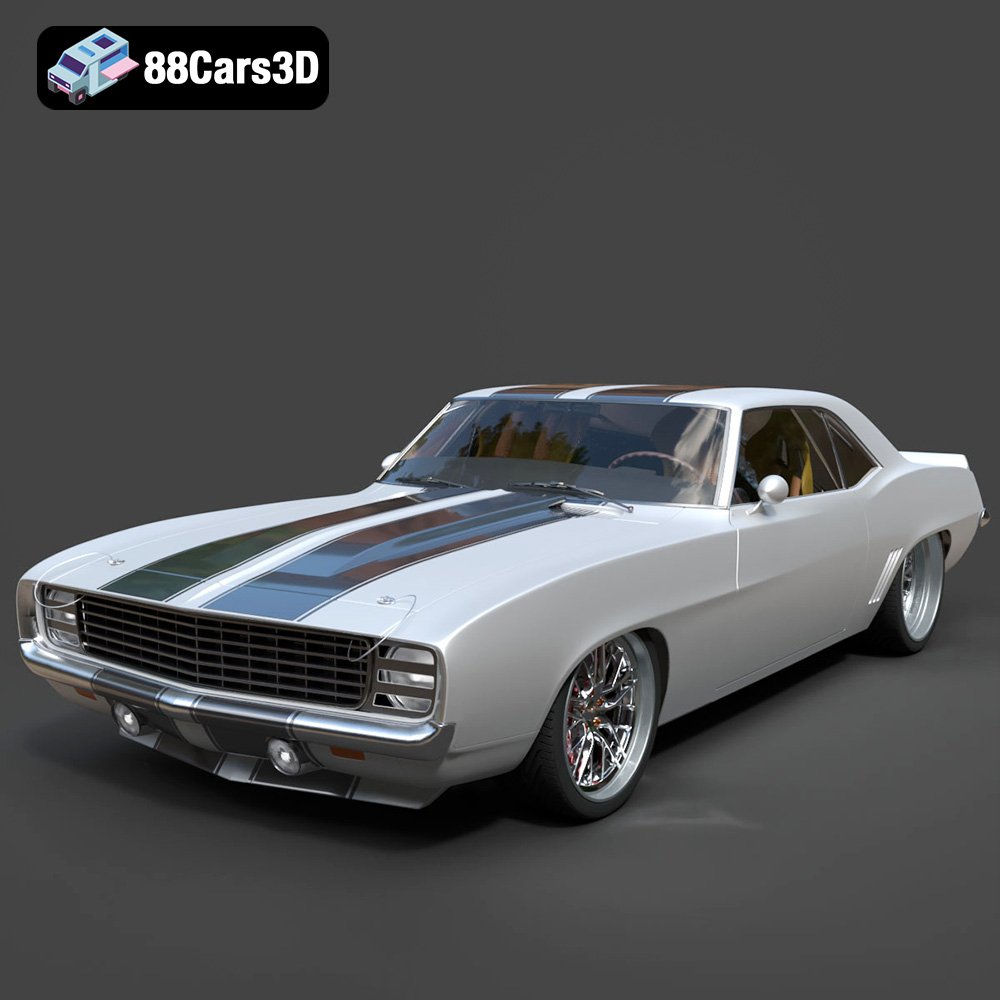
Texture: Yes
Material: Yes
Download the Chevrolet Camaro 69 Pro-007 3D Model featuring classic muscle car design and custom performance aesthetics. Includes .blend, .fbx, .obj, .glb, .stl, .ply, .unreal, and .max formats for rendering, simulation, and game development.
Price: $20.79

Texture: Yes
Material: Yes
Download the Honda Fit 2008 3D Model featuring a compact, versatile design with detailed exterior and interior components. Includes .blend, .fbx, .obj, .glb, .stl, .ply, .unreal, and .max formats for rendering, simulation, and game development.
Price: $10.79
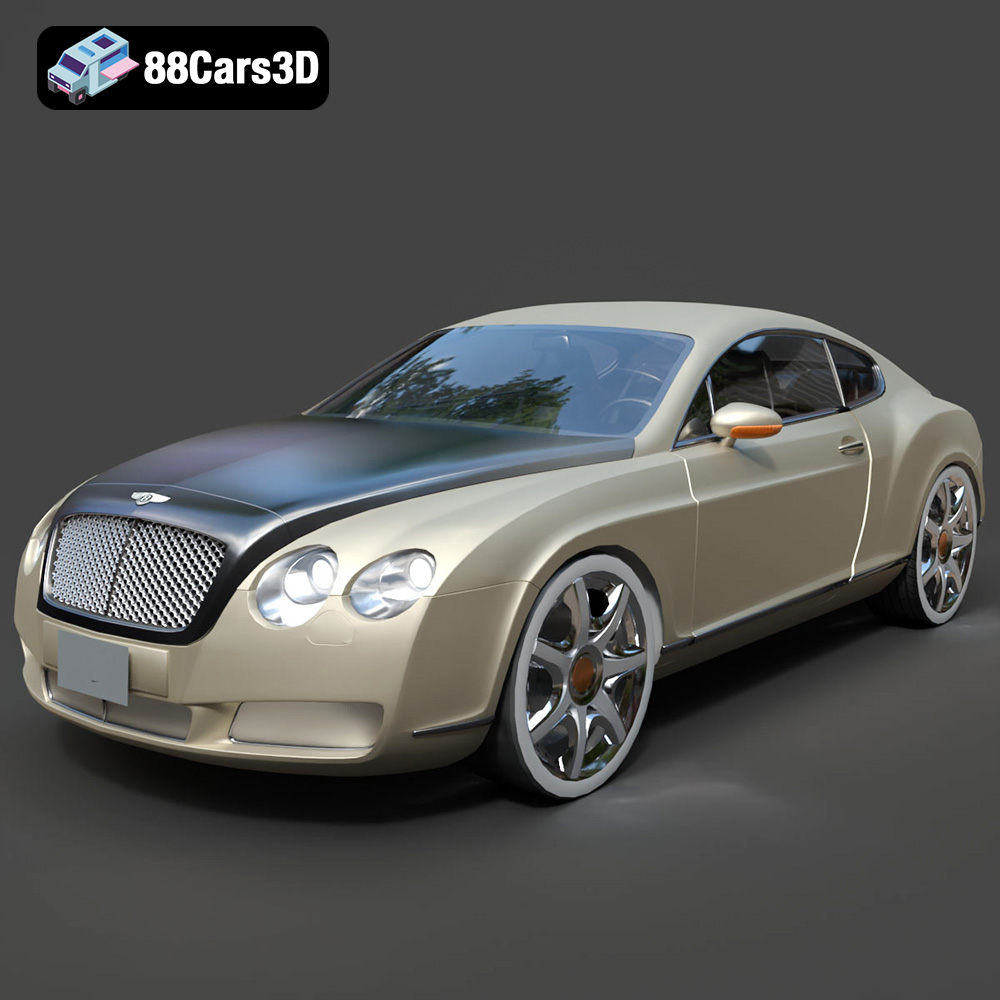
Texture: Yes
Material: Yes
Download the Bentley Continental GT-002 3D Model featuring a luxurious grand touring design and high-quality details. Includes .blend, .fbx, .obj, .glb, .stl, .ply, .unreal, and .max formats for rendering, simulation, and game development.
Price: $20.79

