⚡ FLASH SALE: Get 60% OFF All Premium 3D & STL Models! ⚡

“`html
In the dynamic world of 3D modeling, automotive design, and game development, the choice of file format for your 3D car models is far more critical than many might initially realize. It’s not just about saving your work; it’s about preserving intricate details, ensuring compatibility across diverse software ecosystems, optimizing for performance, and future-proofing your assets for various applications—from photorealistic renders to real-time interactive experiences in AR/VR. At 88cars3d.com, we understand that professionals and enthusiasts alike demand perfection, and a significant part of that perfection lies in selecting the ideal format for every project. This comprehensive guide will navigate the strengths and weaknesses of the leading 3D car model file formats: FBX, OBJ, glTF/GLB, and USDZ, equipping you with the knowledge to make informed decisions for your next masterpiece.
FBX, developed by Autodesk, has long been the gold standard for transferring 3D data between digital content creation (DCC) applications and game engines. Its robustness stems from its ability to encapsulate a wide array of data beyond just geometry, making it exceptionally versatile for complex 3D car models that often involve intricate hierarchies and animations.
For automotive models, FBX shines because it can store not only mesh data (vertices, faces, UVs) but also critical elements like skeletal animations, blend shapes (shape keys in Blender), cameras, lights, and even embedded texture files. This comprehensive data integration is crucial when working with detailed car models that might feature opening doors, rotating wheels, or deformable parts. When you export an FBX from software like 3ds Max or Maya, it aims to preserve as much of the scene’s fidelity as possible, translating complex setups into a format readily understood by other professional tools like Unity or Unreal Engine.
The ubiquity of FBX means it enjoys broad support across major software. For example, exporting an automotive model with a complex rig from Maya and importing it into Unity for a driving simulator is a streamlined process with FBX. However, its proprietary nature can sometimes lead to version compatibility issues, where a model saved in a newer FBX version might not open correctly in older software. Developers often encounter this when integrating assets from various sources, necessitating careful version management. Embedding media directly into the FBX file can simplify asset management, ensuring all textures travel with the model, though this can also lead to larger file sizes.
The Wavefront OBJ format is one of the oldest and most widely supported 3D file formats. Its simplicity is both its greatest strength and its primary limitation. When you need to transfer pure geometric data with minimal fuss, OBJ remains an excellent choice, especially for static 3D car models.
An OBJ file (.obj) fundamentally stores vertex positions, UV coordinates, normals, and the faces that connect them. Material properties are typically stored in a separate, plain-text Material Template Library (MTL) file (.mtl), referenced by the OBJ. This clear separation and human-readable text-based structure make OBJ files highly accessible and easy to parse, even manually. Every 3D software, from Blender to ZBrush, supports OBJ import and export, ensuring maximum interoperability for your 3D car models across different pipelines. For instance, if you’re sculpting intricate details on a car body in ZBrush and then need to bring that high-poly mesh into Blender for retopology, OBJ is a reliable bridge.
While robust for geometry, OBJ falls short for dynamic content. It does not support animation, rigging, or advanced material properties beyond basic color, shininess, and transparency defined in the MTL. Furthermore, complex scenes with multiple objects and extensive material definitions can become cumbersome to manage with separate OBJ and MTL files. For optimal use, it’s best to clean up unnecessary data before export. Ensure your UVs are correctly laid out in your DCC application (referencing Blender’s UV editing documentation at Blender 4.4 Manual – UVs for detailed workflows) and that your material names are consistent. If your car model features multiple material zones, keep the number of MTL files manageable or consider baking complex PBR textures for simpler integration in OBJ workflows.
glTF (Graphics Library Transmission Format) and its binary counterpart GLB have rapidly emerged as the preferred formats for web-based 3D, augmented reality (AR), virtual reality (VR), and efficient real-time applications. Often referred to as the “JPEG of 3D,” glTF prioritizes speed, efficiency, and extensibility.
glTF models are designed for fast loading and minimal runtime processing. They support a wide range of features crucial for modern 3D car models, including mesh data, PBR (Physically Based Rendering) materials, animations, skinning, cameras, and scene hierarchies. PBR materials are inherently supported, allowing for realistic car paint, glass, and metal finishes to be accurately represented across different rendering engines. The format can handle both external asset references (for .glTF files with separate textures and binary data) and self-contained binary blobs (.glb files), which are incredibly convenient for sharing and deployment.
For applications where performance is paramount, such as interactive configurators on a website, mobile AR experiences, or light VR simulations, glTF/GLB excels. Their small file sizes and optimized structure mean faster downloads and smoother interactions. When preparing 3D car models for glTF, best practices include optimizing polygon counts using techniques like Levels of Detail (LODs), performing efficient texture atlasing to reduce draw calls, and baking complex lighting information. Many DCC tools, including Blender, offer robust glTF export options. For Blender users, the official documentation on exporting various file formats, including glTF 2.0, can be found in the Blender 4.4 Manual – Importing & Exporting Files section. This allows artists to fine-tune their exports for specific use cases, such as including custom properties or limiting data to only essentials.
USDZ is Apple’s proprietary file format for displaying 3D models in augmented reality and other immersive experiences across its ecosystem. Built on Pixar’s Universal Scene Description (USD) framework, USDZ combines the descriptive power of USD with the convenience of a single, package-agnostic file.
The core strength of USDZ lies in its foundation: USD. This powerful framework allows for complex scene graphs, advanced material descriptions (including PBR workflows), animations, and variant sets (e.g., different car colors or wheel designs) to be stored efficiently. USDZ bundles all these assets—textures, geometry, animations—into a single, uncompressed ZIP file (hence the ‘Z’), making it incredibly easy to share and deploy for AR Quick Look on iOS devices. For automotive visualization, this means clients can view and interact with a high-fidelity 3D car model directly on their iPhone or iPad, superimposed onto their real-world environment.
USDZ is inherently optimized for mobile AR/VR, emphasizing efficient rendering and minimal performance overhead. Apple’s tools, such as Xcode and Reality Composer, provide native support for creating and manipulating USDZ assets. When preparing 3D car models for USDZ, particular attention must be paid to polygon count (often targeting under 100k triangles for optimal mobile performance), texture resolutions (typically 1K or 2K for mobile), and the implementation of PBR materials using the USDZ schema. Ensuring proper scaling and orientation is also vital for a convincing AR experience. Developers on platforms like 88cars3d.com often provide USDZ variants specifically tailored for AR/VR applications, allowing designers and marketing professionals to leverage these immersive technologies without extensive conversion work.
Regardless of the chosen format, effective optimization is crucial for high-quality 3D car models. Striking a balance between visual fidelity and performance is key, especially when targeting diverse platforms from cinematic rendering to mobile game assets.
Clean topology with efficient edge flow is paramount. For high-end automotive rendering, polygon counts can be in the millions, allowing for incredibly smooth surfaces and intricate details. However, for real-time game engines or AR/VR, this needs to be significantly reduced. Implementing Levels of Detail (LODs) is a best practice, where multiple versions of the model exist with varying polygon counts. For example, a high-detail car model might be 500,000 polygons, while an LOD1 might be 50,000, and an LOD2 for distant views could be just 5,000. This ensures that only the necessary detail is rendered, boosting performance.
Efficient UV mapping is critical for realistic texturing. For complex car surfaces, a well-planned UV layout minimizes seams and maximizes texture resolution. Modern workflows often utilize UDIMs for high-resolution cinematic assets, allowing multiple texture tiles across a single model. For game assets, texture atlasing is vital, combining multiple smaller textures into a single larger one to reduce draw calls and improve rendering speed in engines like Unity or Unreal Engine. This technique is particularly beneficial for car models with many small, distinct parts.
Physically Based Rendering (PBR) has revolutionized material realism. Regardless of the export format, creating PBR materials using maps like Albedo (Base Color), Metallic, Roughness, Normal, and Ambient Occlusion ensures consistent visual quality across different renderers (Corona, V-Ray, Cycles, Arnold) and game engines. Complex shader networks might need to be baked into simpler PBR textures for real-time applications to maintain performance. Tools within 3ds Max, Blender, or Maya allow artists to manage these sophisticated material definitions and prepare them for export.
The “best” file format is entirely dependent on your project’s specific needs. Understanding these nuances is key to a smooth workflow and optimal results.
For high-fidelity automotive rendering in software like 3ds Max with Corona or V-Ray, or Blender with Cycles, FBX is often preferred due to its ability to retain complex scene data, including advanced material setups and animation. OBJ is also suitable if the focus is purely on geometric detail and textures are managed externally or applied directly within the rendering software. USD (Universal Scene Description), the parent technology to USDZ, is increasingly becoming a powerful format for complex scene assembly, collaborative workflows, and cinematic rendering due to its ability to handle immense datasets and intricate hierarchies.
For game engines such as Unity or Unreal Engine, FBX is a de facto standard, providing a robust pipeline for animated 3D car models with PBR materials. glTF/GLB is rapidly gaining traction here, especially for web-based games or experiences that prioritize small file sizes and efficient loading. When working with game assets, focus heavily on optimization: meticulous polygon budget adherence, efficient UV packing, and appropriate LODs are crucial. Performance optimization strategies, including careful management of draw calls and instancing where possible, are critical for smooth gameplay.
For AR/VR applications, glTF/GLB and USDZ are the front-runners. USDZ, in particular, is invaluable for the Apple ecosystem due to its native support and performance advantages. For 3D printing, the requirements shift dramatically. Formats like STL (Stereolithography) or 3MF are dominant, focusing solely on manifold geometry without textures or animations. When preparing 3D car models for 3D printing, mesh repair, ensuring watertight geometry, and checking for appropriate wall thickness are essential steps often performed in specialized software or within your DCC tool using tools like Blender’s 3D Print Toolbox add-on.
It’s rare that a project will stick to a single file format from start to finish. Understanding how to effectively convert between formats while preserving data integrity is a valuable skill. Many DCC applications offer built-in converters. For instance, Blender allows you to import and export various formats, and the process often involves checking settings for scale, unit conversion, and embedded data. Always perform thorough checks after conversion to ensure that geometry, UVs, and PBR materials translate correctly. Sometimes, intermediary formats like ABC (Alembic) are used for caching complex animation data between software.
The world of 3D car models is a vibrant landscape of innovation, requiring not just artistic skill but also a deep technical understanding of asset management. The choice of file format—be it the all-encompassing FBX, the foundational OBJ, the web-optimized glTF/GLB, or the AR-ready USDZ—is a strategic decision that impacts every stage of your project. Each format serves distinct purposes, with its own set of advantages and challenges regarding data richness, compatibility, and performance. By mastering these formats and adhering to industry best practices in modeling, UV mapping, PBR material creation, and optimization, you can ensure your 3D car models are not only visually stunning but also technically robust and ready for any application.
Whether you’re an automotive designer seeking flawless visualization, a game developer crafting immersive experiences, or a student exploring the vast possibilities of 3D, understanding these file formats is a vital tool in your arsenal. Remember to consider your target platform, desired level of detail, and workflow requirements when making your selection. Explore the diverse range of high-quality 3D car models available on platforms like 88cars3d.com, knowing that each one is crafted with precision and often provided in multiple formats to suit your professional needs.
“`
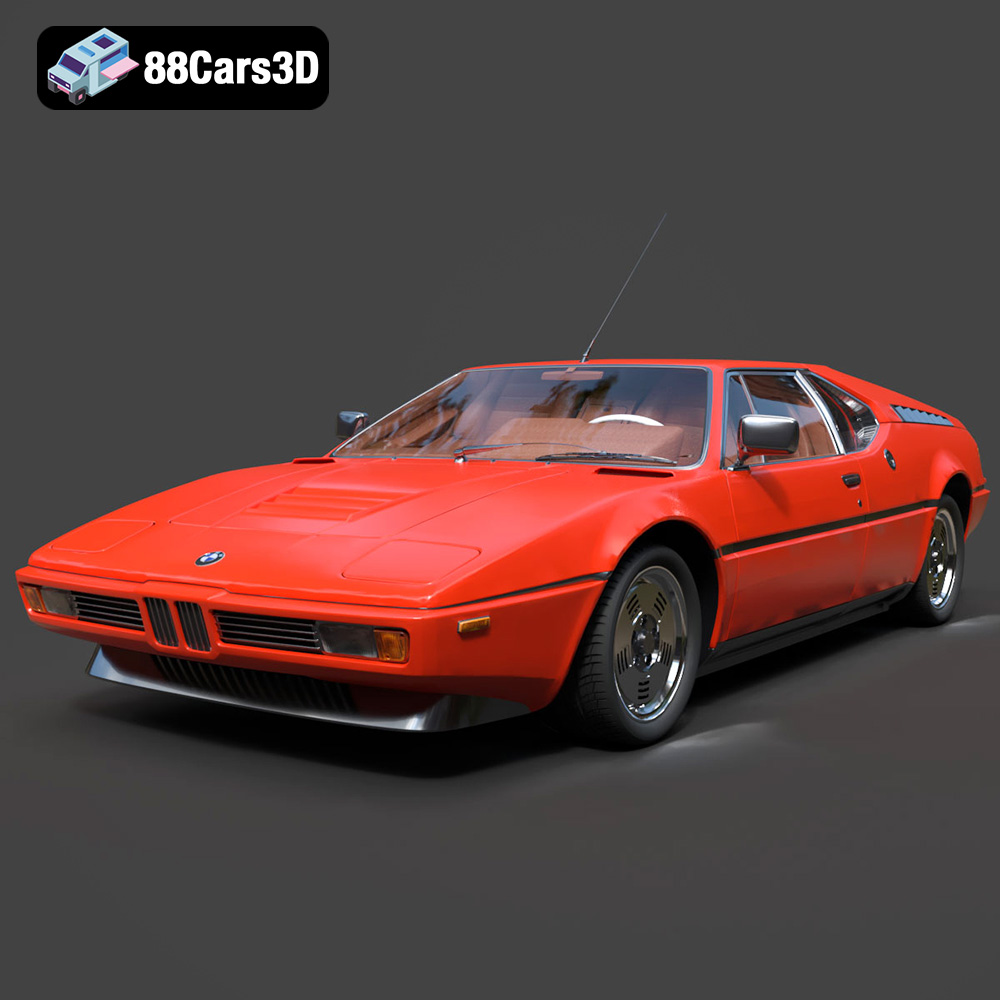
Texture: Yes
Material: Yes
Download the BMW Motorsport M1 E26 1981 3D Model featuring its iconic design, race-bred aerodynamics, and meticulously crafted details. Includes .blend, .fbx, .obj, .glb, .stl, .ply, .unreal, and .max formats for rendering, simulation, and game development.
Price: $20.79

Meta Description:
Texture: Yes
Material: Yes
Download the Cadillac CTS-V Coupe 3D Model featuring detailed exterior styling and realistic interior structure. Includes .blend, .fbx, .obj, .glb, .stl, .ply, .unreal, and .max formats for rendering, simulation, AR VR, and game development.
Price: $13.9
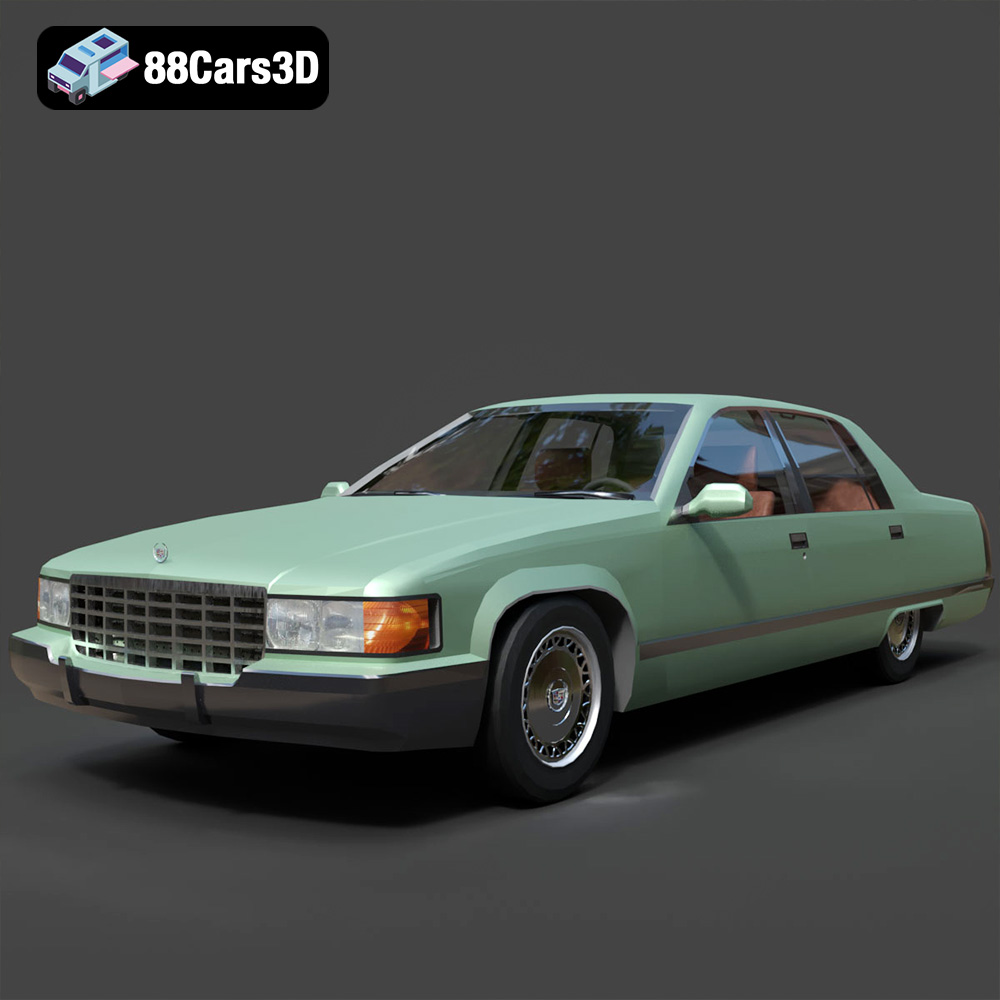
Texture: Yes
Material: Yes
Download the Cadillac Fleetwood Brougham 3D Model featuring its iconic classic luxury design and detailed exterior and interior. Includes .blend, .fbx, .obj, .glb, .stl, .ply, .unreal, and .max formats for rendering, simulation, and game development.
Price: $10.79
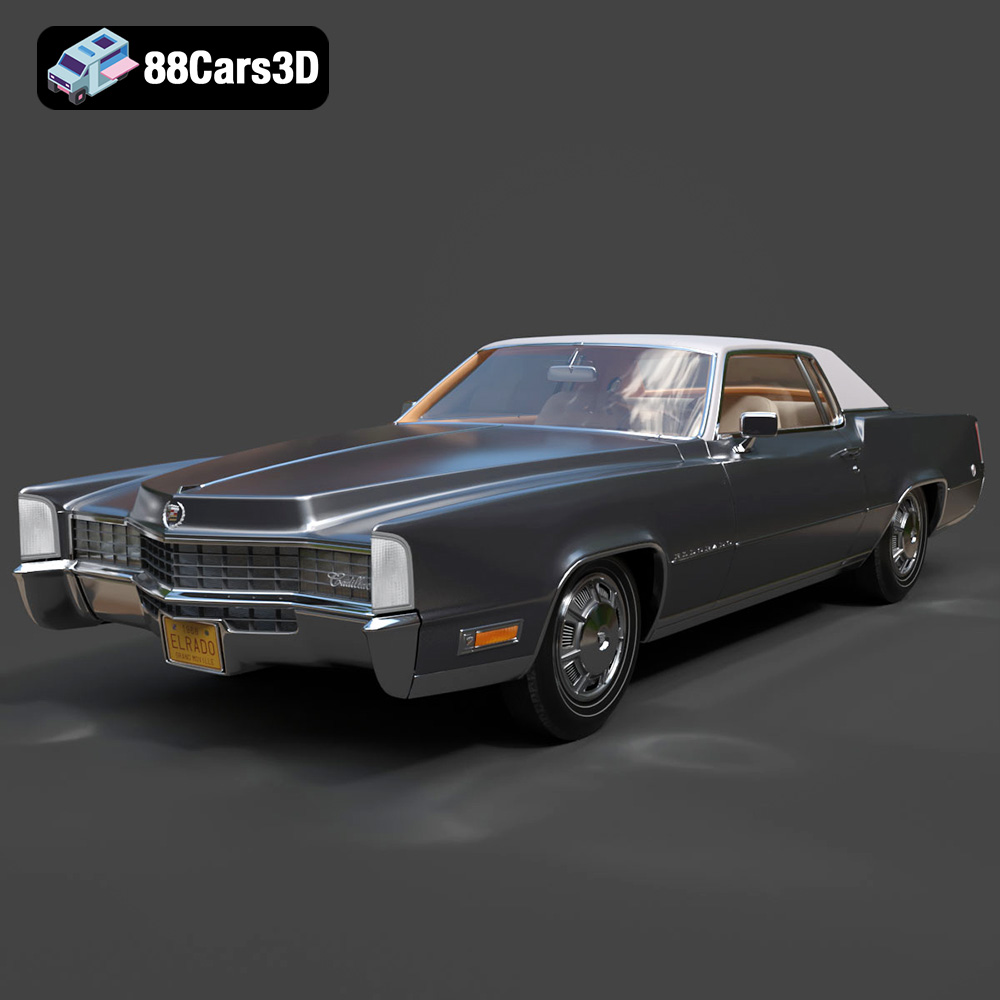
Texture: Yes
Material: Yes
Download the Cadillac Eldorado 1968 3D Model featuring its iconic elongated body, distinctive chrome accents, and luxurious interior. Includes .blend, .fbx, .obj, .glb, .stl, .ply, .unreal, and .max formats for rendering, simulation, and game development.
Price: $20.79

Texture: Yes
Material: Yes
Download the Cadillac CTS SW 2010 3D Model featuring a detailed exterior, functional interior elements, and realistic materials. Includes .blend, .fbx, .obj, .glb, .stl, .ply, .unreal, and .max formats for rendering, simulation, and game development.
Price: $10.79
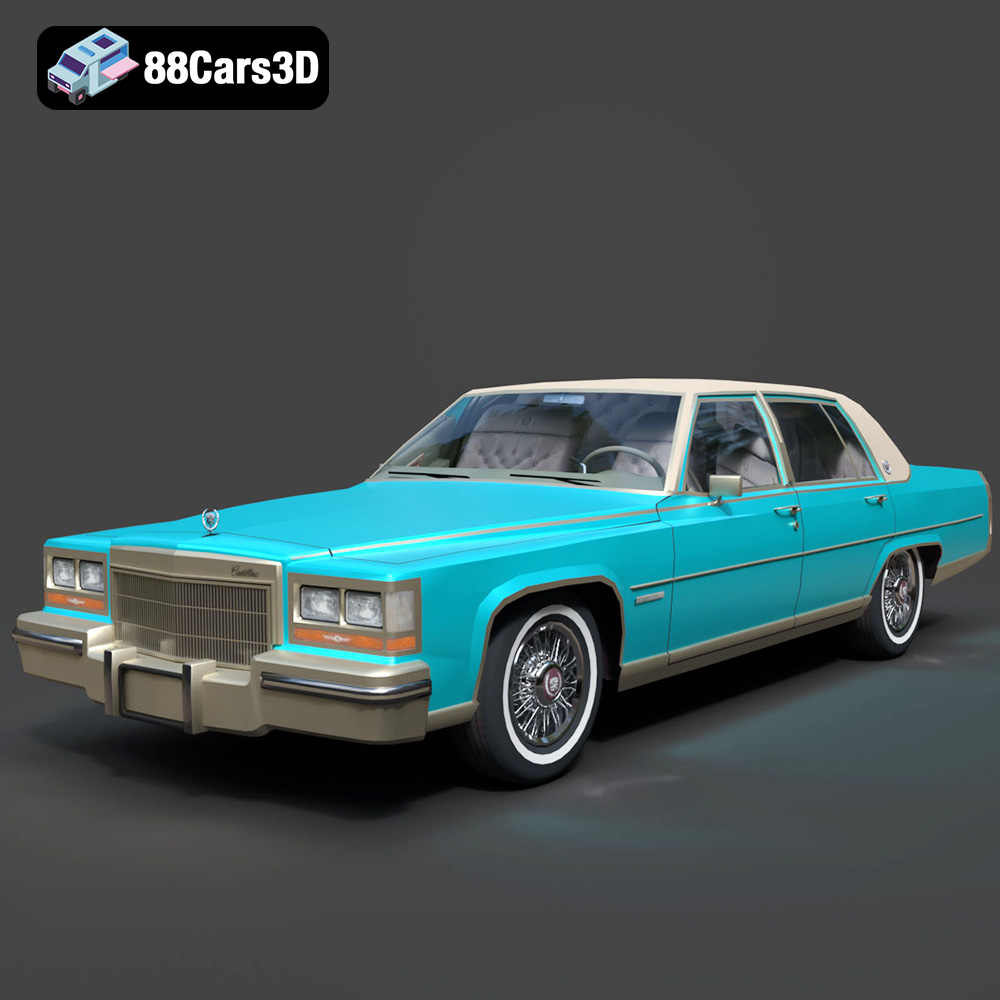
Texture: Yes
Material: Yes
Download the Cadillac Fleetwood Brougham 1985 3D Model featuring its iconic classic luxury design and detailed craftsmanship. Includes .blend, .fbx, .obj, .glb, .stl, .ply, .unreal, and .max formats for rendering, simulation, and game development.
Price: $10.79
Texture: Yes
Material: Yes
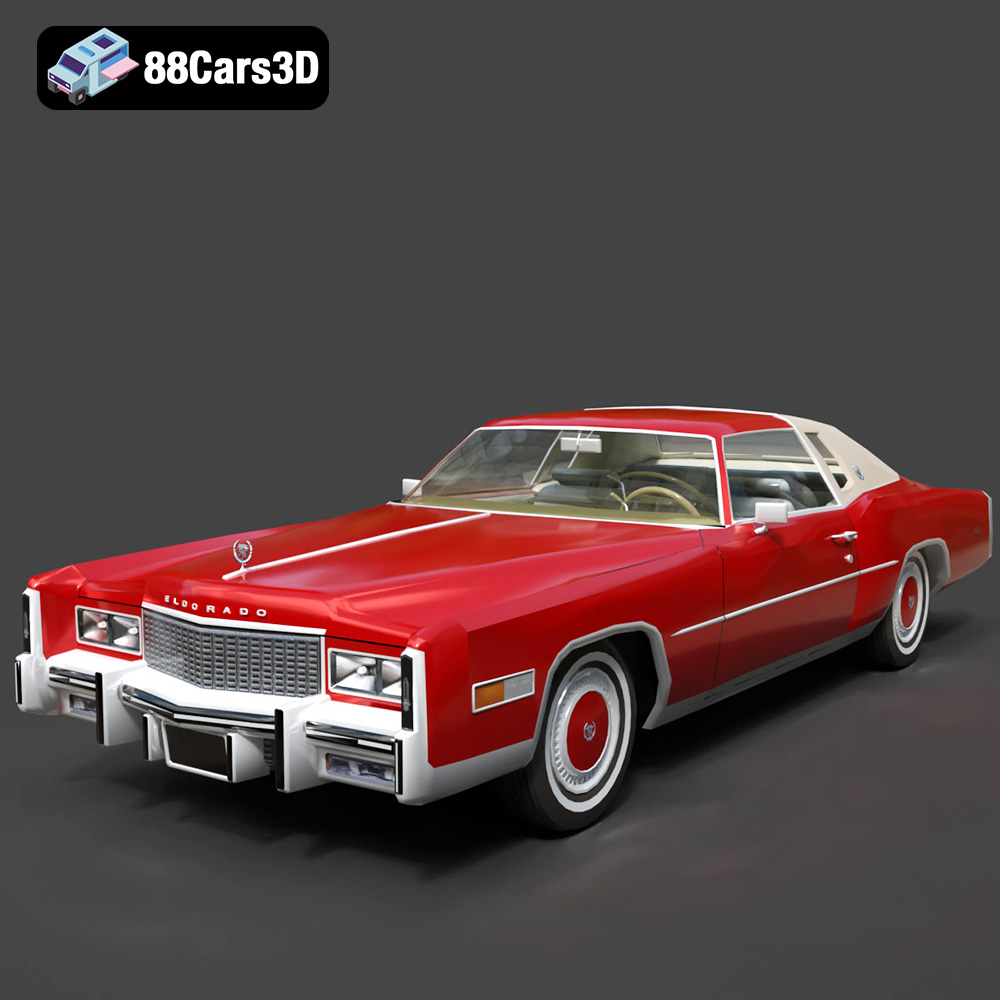
Download the Cadillac Eldorado 1978 3D Model featuring accurately modeled exterior, detailed interior, and period-correct aesthetics. Includes .blend, .fbx, .obj, .glb, .stl, .ply, .unreal, and .max formats for rendering, simulation, and game development.
Price: $10.79
Texture: Yes
Material: Yes
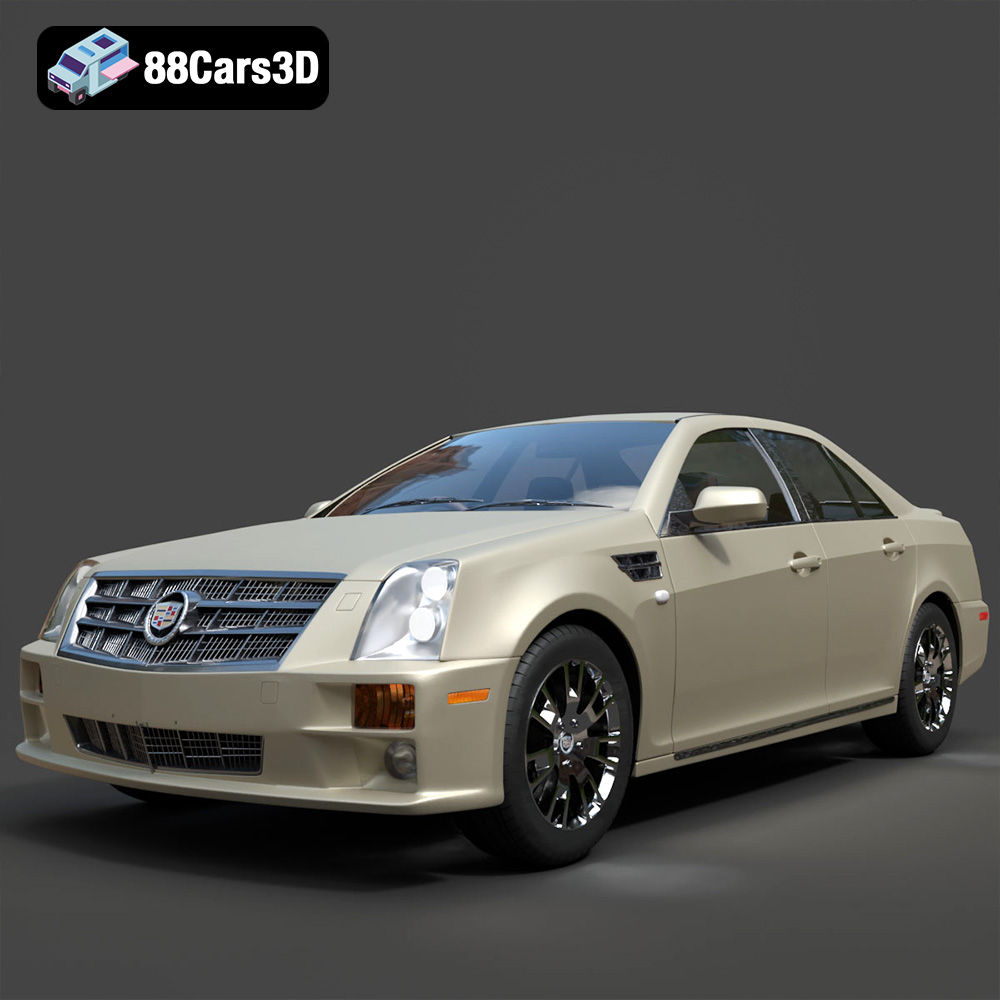
Download the Cadillac STS-005 3D Model featuring a detailed exterior and interior. Includes .blend, .fbx, .obj, .glb, .stl, .ply, .unreal, and .max formats for rendering, simulation, and game development.
Price: $22.79
Texture: Yes
Material: Yes
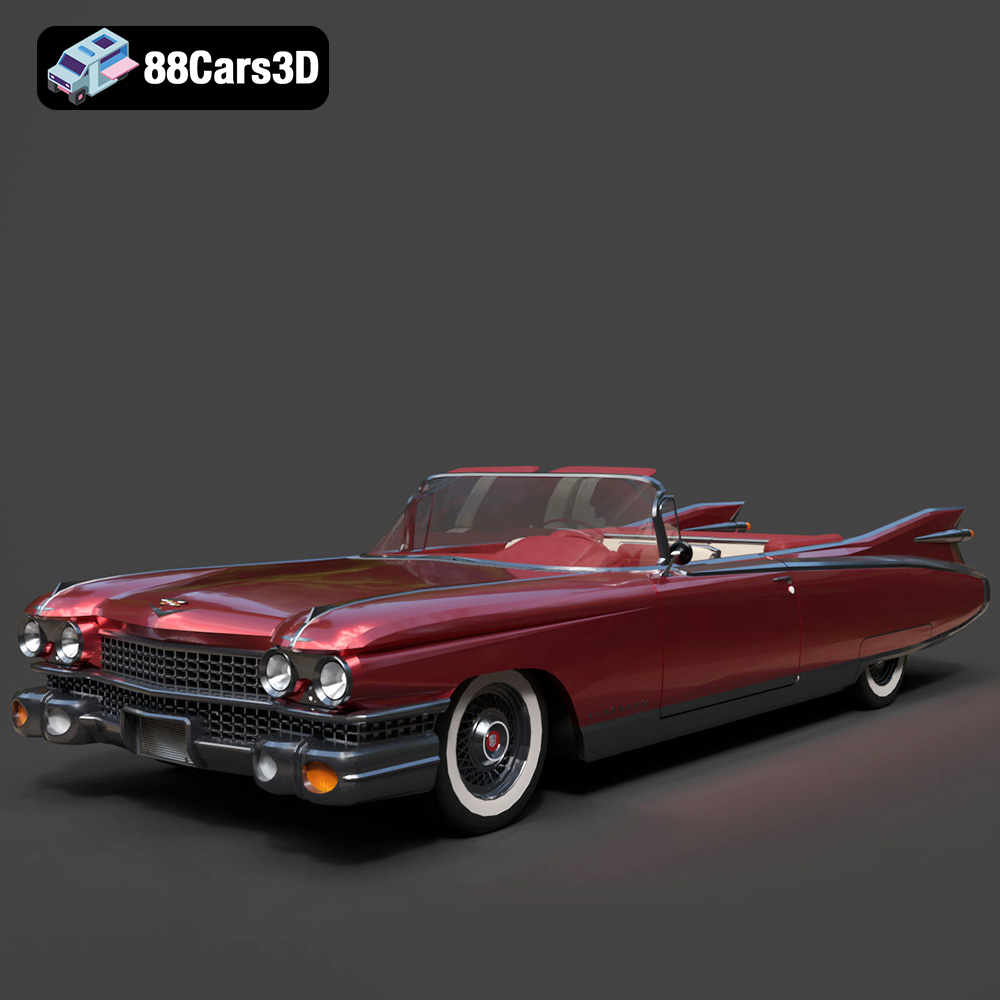
Download the Cadillac Eldorado Convertible (1959) 3D Model featuring iconic fins, luxurious chrome details, and a classic vintage design. Includes .blend, .fbx, .obj, .glb, .stl, .ply, .unreal, and .max formats for rendering, simulation, and game development.
Price: $20.79

Texture: Yes
Material: Yes
Download the Cadillac DTS-005 3D Model featuring its iconic luxury design, detailed interior, and realistic exterior. Includes .blend, .fbx, .obj, .glb, .stl, .ply, .unreal, and .max formats for rendering, simulation, and game development.
Price: $10.79

