⚡ FLASH SALE: Get 60% OFF All Premium 3D & STL Models! ⚡

The allure of a beautifully rendered 3D car model often begins with its exterior, a gleaming showcase of design and engineering. However, for a truly convincing and immersive experience, the often-overlooked details beneath the chassis are paramount. The suspension and undercarriage components – from the intricate coil springs and robust control arms to the exhaust system and brake calipers – are the unsung heroes of realism. Neglecting these areas can break the illusion, especially in close-up shots, interactive visualizations, or high-fidelity game environments.
This comprehensive guide delves into the meticulous process of creating realistic 3D suspension and undercarriage models. We’ll cover everything from the foundational principles of precision modeling and advanced UV mapping to the nuances of PBR material creation, game engine optimization, and specialized applications like AR/VR and 3D printing. Whether you’re a seasoned 3D artist, a game developer striving for authenticity, or an automotive designer pushing the boundaries of visualization, mastering these techniques will elevate your 3D car models to new heights of realism. By the end of this article, you’ll have a clear roadmap to infuse your automotive creations with the gritty, functional beauty that defines true mechanical fidelity.
Creating a realistic undercarriage begins with an unwavering commitment to precision modeling and clean topology. These intricate mechanical assemblies require careful attention to detail, as they are often exposed in animations, close-up renders, and interactive experiences. Every bolt, weld seam, and component connection contributes to the overall believability. A solid foundation here ensures smoother UV mapping, superior subdivision results, and optimal performance downstream in various pipelines.
The first, and arguably most critical, step in modeling any realistic component is comprehensive reference gathering. For undercarriage parts, this means an extensive collection of high-resolution photographs from various angles, detailed technical drawings, exploded diagrams, and, if possible, real-world measurements. Search for images of new, clean components as well as those with realistic wear and tear to inform your texturing later. CAD data, if available, provides the ultimate blueprint for accuracy, but even detailed schematics or repair manuals can be invaluable. Pay close attention to the scale, proportions, and interconnections of parts like shock absorbers, wishbones, anti-roll bars, brake lines, and exhaust pipes. Discrepancies in scale, even subtle ones, will immediately detract from realism. Tools like PureRef can help organize your image references efficiently.
Clean, quad-based topology is non-negotiable for high-quality undercarriage models. While some hard-surface elements might tolerate triangulated surfaces, particularly on flat, non-deforming areas, an all-quad approach is best for models intended for subdivision surfacing or animation. Focus on maintaining even edge distribution, avoiding Ngons, and minimizing poles (vertices with 5 or more connecting edges) in critical areas. For components like control arms or chassis frames, use proper edge loops to define sharp corners and smooth curves. Techniques like creasing edges or using support loops (control loops) are essential for achieving crisp results with subdivision surfaces. When modeling complex shapes like exhaust manifolds or intricate brake calipers, start with simpler primitives and refine them using techniques like extrusion, insetting, and bridging. For seamless integration into Blender, artists can find detailed guides on modeling tools and techniques in the official Blender 4.4 documentation at https://docs.blender.org/manual/en/4.4/, covering topics from basic mesh manipulation to advanced sculpting workflows. Remember to keep polygon counts in mind; while a high-end visualization might allow a single brake caliper to have 50,000 polygons, a game asset version might need to be optimized to under 5,000 for a detailed LOD0.
Once your undercarriage models are geometrically sound, the next phase involves breathing life into them through meticulous UV mapping and the creation of physically based rendering (PBR) materials. This is where the grim, oily, and weathered character of a well-used vehicle truly comes to life. The goal is to achieve visual fidelity that stands up to close inspection, whether in a static render or a dynamic game environment.
Effective UV unwrapping is crucial for maximizing texture detail and minimizing distortion. For the diverse shapes found in an undercarriage – from cylindrical exhaust pipes and driveshafts to intricate brake assemblies and flat chassis panels – a strategic approach is essential. Use a combination of projection methods: cylindrical mapping for exhaust and suspension springs, planar mapping for flatter underbody sections, and often manual seam placement for complex, organic shapes like exhaust manifolds or custom brackets. Minimize UV seams where possible, especially on visible surfaces, and ensure that your UV islands are packed efficiently within the 0-1 UV space to maximize texel density. Overlapping UVs can be used sparingly for identical, non-unique parts (e.g., multiple identical bolts) to save texture space, but generally, unique UVs are preferred for undercarriage components to allow for specific wear and tear. Consider using multiple UV sets for different purposes; for instance, a primary UV set for PBR materials and a secondary set for decals, grime masks, or specific ambient occlusion baking.
PBR materials are the backbone of modern realism, accurately simulating how light interacts with different surfaces. For an undercarriage, this means a diverse range of materials: bare steel, rusted metal, painted chassis components, rubber bushings, plastic covers, hydraulic lines, and various grades of aluminum. Each material requires careful attention to its Albedo (Base Color), Metallic, Roughness, Normal, and often Height/Displacement maps. For example, worn steel will have a low Metallic value but varying Roughness depending on its condition (shiny where polished, rough where corroded). Rust is typically represented by a reddish-brown Albedo, low Metallic (as rust is non-metallic), and high Roughness. Grime and oil stains are critical; these can be painted directly onto the Albedo and Roughness maps, or more dynamically generated using curvature maps, ambient occlusion maps, and dirt masks in software like Substance Painter or Quixel Mixer. Layering these effects – starting with a base material, then adding paint chips, scratches, surface rust, road grime, and oil splatters – creates a convincing narrative of use. Professional artists often use smart materials or procedural textures that react to edge wear, cavity, and world space direction to apply these details intelligently. Textures should be high-resolution; 4K or even 8K maps for key components like brake discs or the main chassis can ensure crisp detail even in extreme close-ups, while less visible parts might use 2K or 1K textures to balance performance and fidelity. When sourcing high-quality models from marketplaces such as 88cars3d.com, pay attention to the texture resolutions provided, as this directly impacts the visual realism of the model.
Bringing a highly detailed undercarriage model into a real-time game engine requires a strategic approach to optimization. The goal is to maintain visual fidelity while ensuring smooth performance, preventing frame rate drops, and managing memory usage efficiently. This involves careful polygon budgeting, intelligent texture management, and effective use of game engine-specific features.
Levels of Detail (LODs) are essential for managing the complexity of undercarriage models in game engines. As a player moves further away from the vehicle, less detailed versions of the model can be swapped in, significantly reducing the polygon count and draw calls without a noticeable drop in visual quality. For a complex undercarriage assembly, you might create 3-4 LOD levels. For example, LOD0 (closest view) could be 100,000-150,000 polygons for the entire undercarriage, LOD1 at a medium distance might be 30,000-50,000 polygons, LOD2 at a further distance could be 5,000-10,000 polygons, and LOD3 (farthest view) might be a simple silhouette or completely culled. This reduction often involves simplifying meshes, removing small details like tiny bolts or washers, and baking normal maps from the high-poly version onto the lower-poly geometry. Most game engines like Unity and Unreal Engine provide built-in LOD systems that automate the switching based on screen space percentage, but manual creation of LOD meshes often yields better, more controlled results. Tools like Maya’s Mesh Reduce or Blender’s Decimate modifier can assist in this process, but always check the resulting topology and bake new normal maps to preserve detail.
Minimizing draw calls is another critical optimization for real-time performance. Each time the game engine needs to draw an object with a different material, it issues a new draw call, which can be computationally expensive. For the numerous small components of an undercarriage, consolidating materials and textures is paramount. Texture atlasing involves combining multiple smaller textures into one larger texture sheet (an atlas) and then adjusting the UVs of the respective models to point to their specific regions on the atlas. This allows many different parts to share a single material, drastically reducing draw calls. Similarly, combining multiple static meshes into a single mesh where appropriate can also help. For physics interactions, using high-polygon visual meshes for collision detection is highly inefficient. Instead, create simplified collision meshes (often primitive shapes like boxes, spheres, or simplified convex hulls) that approximate the shape of the undercarriage components. These ‘collision-only’ meshes are invisible to the player but accurately handle physics calculations, ensuring realistic vehicle behavior without performance penalties. Ensure that your asset pipeline supports these optimizations, allowing you to export models with combined meshes, atlased textures, and separate collision geometry for seamless integration into engines like Unity or Unreal Engine.
Beyond meticulous modeling and texturing, the final frontier of realism for undercarriage models lies in their rendering. This involves a sophisticated interplay of lighting, camera work, and post-processing to highlight the intricate details and weathered surfaces, transforming mere geometry into a compelling visual narrative. Achieving photorealism in a render often hinges on these subtle yet powerful techniques.
Lighting is arguably the most crucial element in showcasing the depth and complexity of an undercarriage. A flat, uninspired lighting setup will conceal all your hard work. High Dynamic Range Images (HDRIs) are indispensable here, providing realistic global illumination and reflections that accurately simulate a physical environment. For undercarriage renders, consider HDRIs that represent environments where a car would typically be viewed: a garage interior with fluorescent lights, an outdoor parking lot under varying weather conditions, or a studio setup with softboxes. These environments will naturally cast subtle reflections on metallic surfaces and create realistic ambient occlusion in the crevices, revealing form and depth. Augment HDRIs with targeted area lights or spotlights to emphasize specific components, such as a brake caliper or a particularly intricate suspension arm. Rim lights can help separate the undercarriage from the background, adding definition. Pay close attention to how light interacts with different materials – the diffuse scattering on rubber, the sharp reflections on chrome, and the rough, muted response of rusty metal. Realistic lighting enhances the illusion of weight and solidity, making your 3D car models feel grounded and authentic. Renderers like Corona, V-Ray, Cycles (Blender), and Arnold all offer robust HDRI and physical light support, allowing for precise control over your scene’s illumination.
Effective camera work is paramount for directing the viewer’s eye and conveying the story of the undercarriage. Low-angle shots, looking up into the chassis, are often best for revealing the intricate network of pipes, wires, and suspension components. Experiment with different focal lengths to control perspective and visual compression. Depth of field (DoF) is a powerful tool to draw attention to specific areas while softly blurring the foreground and background, mimicking a real camera lens. For example, you might focus sharply on a beautifully textured shock absorber, letting the foreground exhaust pipes and background chassis elements gently fall out of focus. This cinematic technique adds significant visual appeal and guides the viewer’s gaze. Post-processing, whether done within your 3D software’s render buffer or in dedicated applications like Photoshop or Affinity Photo, is the final polish. Techniques include color grading to establish mood and harmony, subtle sharpening to enhance texture detail, adding lens flares or chromatic aberration for photographic realism, and applying subtle vignettes to frame the subject. Adjusting contrast and brightness levels can also bring out the grittiness of the undercarriage. By carefully orchestrating these elements, you transform a raw render into a captivating image, ready for a portfolio or a product page on platforms like 88cars3d.com.
The detailed 3D undercarriage models created using the techniques discussed are versatile assets, extending their utility far beyond traditional rendering. They serve critical roles in emerging technologies like Augmented Reality (AR) and Virtual Reality (VR), provide tangible prototypes through 3D printing, and enhance various professional visualization efforts. Each application presents unique requirements and optimization strategies.
Deploying highly detailed undercarriage models in AR/VR environments demands stringent optimization due to the real-time, interactive nature and the high frame rate requirements (typically 90 FPS or higher) to prevent motion sickness. While visual fidelity is still important, performance takes precedence. This often means aggressive polygon reduction beyond typical game asset LODs. Consider a dedicated ‘VR LOD’ that significantly simplifies geometry, perhaps down to 5,000-10,000 triangles for the entire visible undercarriage, without compromising its overall silhouette. Batching meshes and combining materials as much as possible is critical to minimize draw calls, even more so than for standard game development. Textures should be optimized for memory; aim for smaller resolutions (e.g., 1K or 512px) where possible, and ensure they are efficiently packed. Utilize specialized AR/VR shaders that are lightweight and performant. For interactive elements, ensure collision meshes are extremely simplified, or use raycasting for interaction rather than full physics. The goal is to deliver a smooth, immersive experience where users can inspect the undercarriage in 360 degrees without performance hiccups, whether they are using a tethered VR headset like an Oculus Rift or a mobile AR experience on an iPhone. Platforms offering 3D car models for AR/VR, such as 88cars3d.com, often provide optimized GLB or USDZ formats specifically tailored for these applications.
Transforming a digital undercarriage model into a physical object via 3D printing introduces an entirely new set of technical considerations. The primary concern is mesh integrity: the model must be a ‘watertight’ manifold mesh, meaning it has no holes, non-manifold edges, or inverted normals. Every surface must form a continuous, closed volume. Common issues include intersecting geometry, open edges from modeling errors, and meshes with zero thickness, which are problematic for physical fabrication. Furthermore, adhere to minimum wall thickness requirements dictated by the chosen 3D printing technology (SLA, FDM, SLS) and material. Thin wires, small bolts, or delicate springs in your high-detail render model might be too fragile or simply not printable at a smaller scale without reinforcement. You may need to thicken these elements or simplify intricate details. Software like Meshmixer, Netfabb, or even Blender’s 3D Print Toolbox (check the official Blender 4.4 documentation for its usage) can be used to analyze, repair, and prepare meshes for printing. Tools for checking manifold errors, identifying thin walls, and automatically closing gaps are invaluable. For intricate assemblies, consider splitting the undercarriage into several printable parts that can be assembled later, making the printing process more manageable and reducing the risk of structural failure during printing.
Visualization applications, such as product configurators, interactive training modules, or forensic analysis, also benefit immensely from high-quality undercarriage models. In these contexts, accuracy and clarity are paramount. Exploded views, cross-sections, and animated sequences can be created to illustrate mechanical principles, maintenance procedures, or design innovations. The foundational techniques of clean modeling, accurate texturing, and intelligent optimization discussed throughout this guide provide the robust assets necessary for all these advanced applications.
Creating realistic suspension and undercarriage models is a challenging yet deeply rewarding endeavor that significantly elevates the overall quality and believability of any 3D car model. It’s a journey that demands precision in modeling, artistry in texturing, and strategic thinking in optimization. We’ve explored the critical importance of meticulous reference gathering and the foundational role of clean, quad-based topology in building robust mechanical components. We then delved into the nuanced world of PBR materials, emphasizing the power of textures to tell a story of wear, grime, and authentic mechanical life.
Understanding game engine optimization, particularly through LODs, texture atlasing, and efficient collision meshes, is vital for bringing these complex assets into real-time environments without sacrificing performance. Furthermore, mastering lighting, camera angles, and post-processing techniques transforms raw renders into captivating visuals that highlight every intricate detail. Finally, we touched upon the specialized requirements for AR/VR experiences and the unique considerations for preparing models for tangible 3D prints, showcasing the versatility of high-quality assets.
By integrating these advanced techniques into your workflow, you’re not just modeling car parts; you’re crafting a compelling narrative of engineering and function. The commitment to realism beneath the surface is what truly distinguishes a good 3D car model from an exceptional one. We encourage you to apply these principles, experiment with different workflows, and continue to push the boundaries of detail and authenticity in your projects. Remember, high-quality, meticulously crafted 3D car models, including those with stunning undercarriage detail, are readily available on platforms like 88cars3d.com, serving as excellent resources for learning, inspiration, and accelerating your projects. Dive deep, pay attention to the unseen, and let your creativity drive the realism.
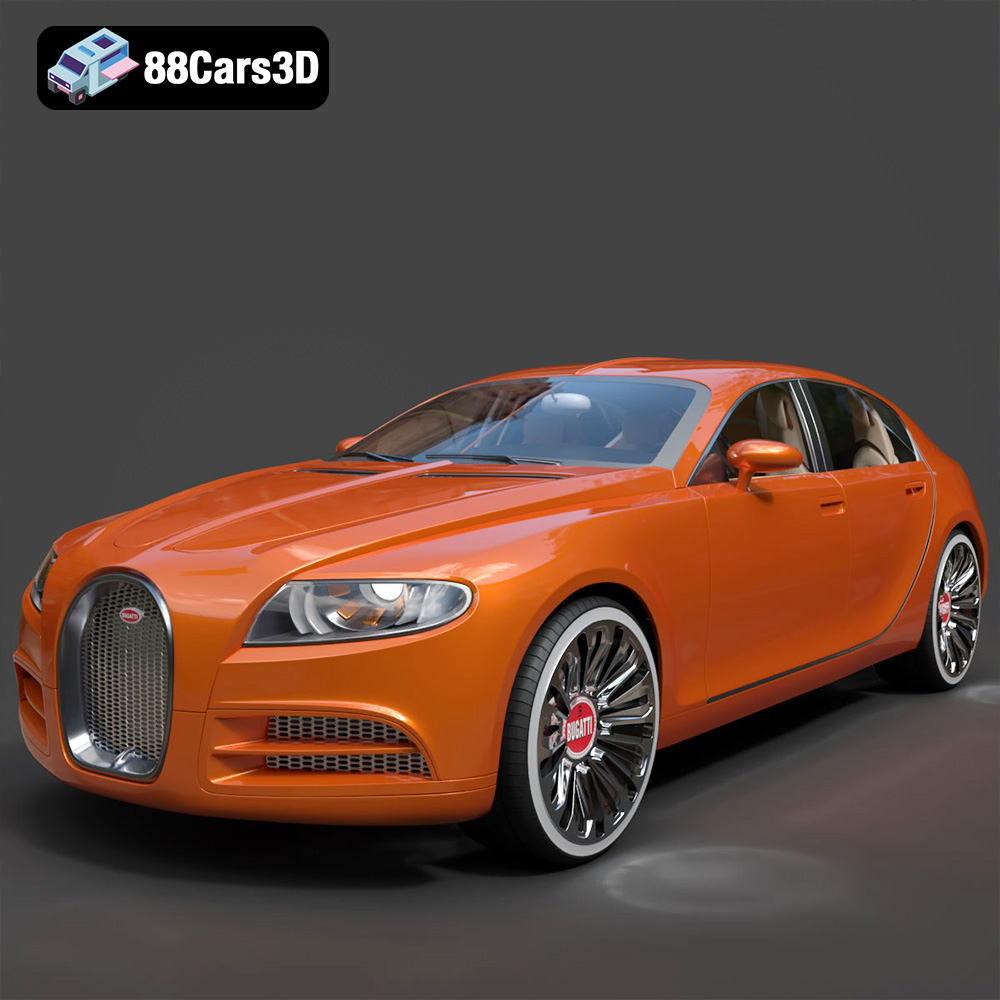
Texture: Yes
Material: Yes
Download the Bugatti 16C Galibier-006 3D Model featuring its luxurious sedan design, detailed interior, and sophisticated exterior. Includes .blend, .fbx, .obj, .glb, .stl, .ply, .unreal, and .max formats for rendering, simulation, and game development.
Price: $10.79
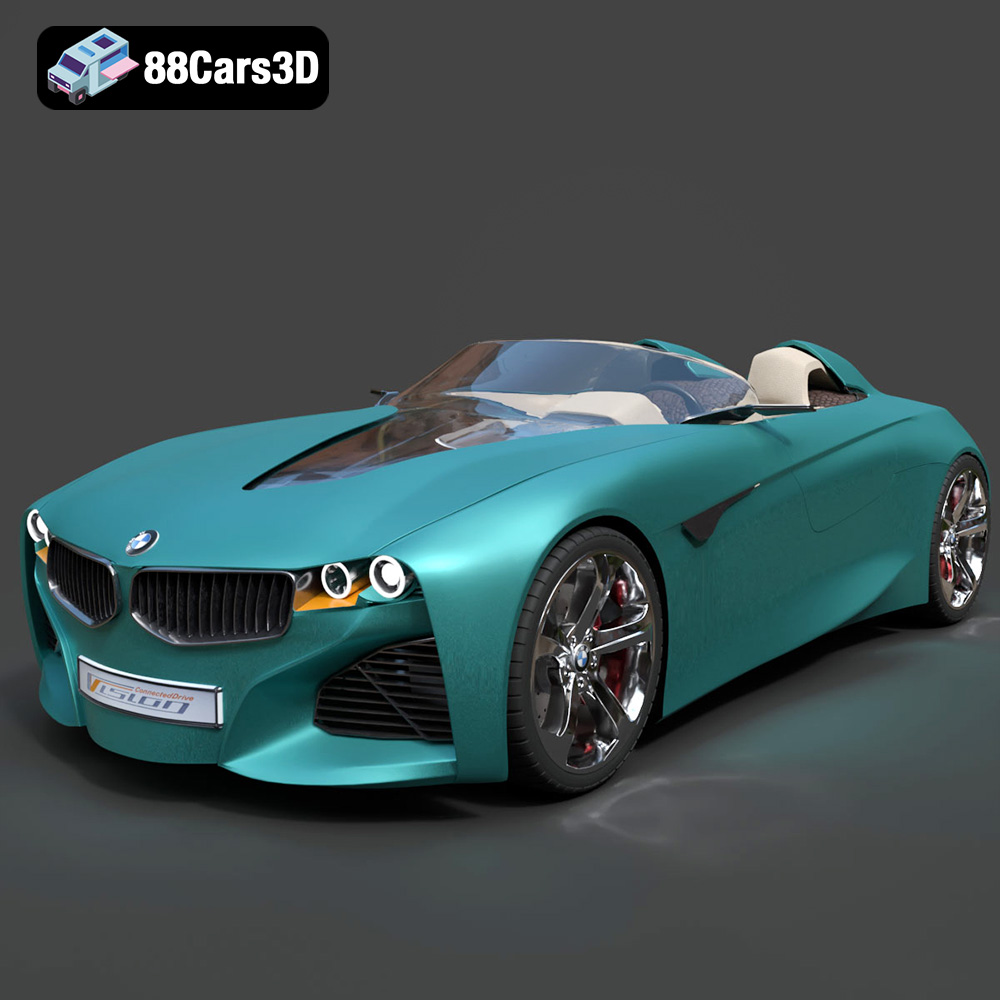
Texture: Yes
Material: Yes
Download the BMW Vision Connected Drive Concept 3D Model featuring its innovative design, advanced connectivity, and sleek aesthetics. Includes .blend, .fbx, .obj, .glb, .stl, .ply, .unreal, and .max formats for rendering, simulation, and game development.
Price: $19.79
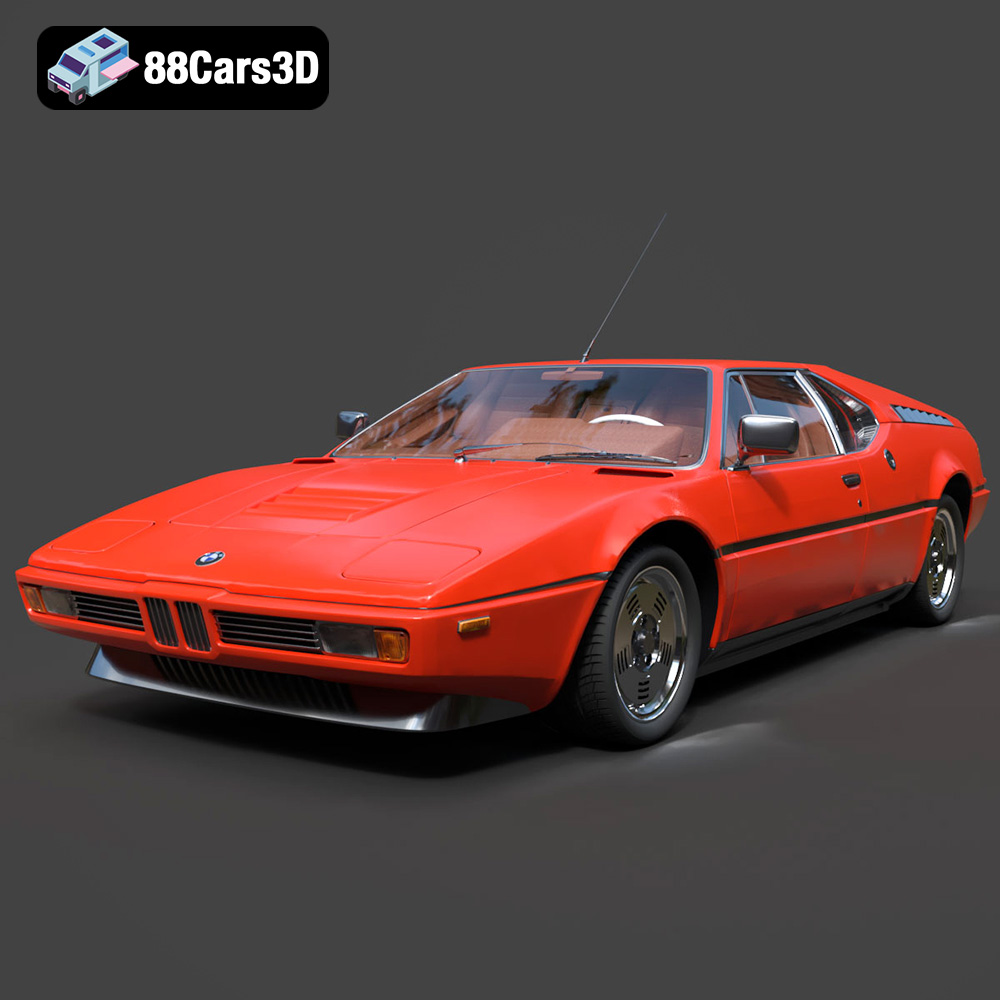
Texture: Yes
Material: Yes
Download the BMW Motorsport M1 E26 1981 3D Model featuring its iconic design, race-bred aerodynamics, and meticulously crafted details. Includes .blend, .fbx, .obj, .glb, .stl, .ply, .unreal, and .max formats for rendering, simulation, and game development.
Price: $20.79

Meta Description:
Texture: Yes
Material: Yes
Download the Cadillac CTS-V Coupe 3D Model featuring detailed exterior styling and realistic interior structure. Includes .blend, .fbx, .obj, .glb, .stl, .ply, .unreal, and .max formats for rendering, simulation, AR VR, and game development.
Price: $13.9
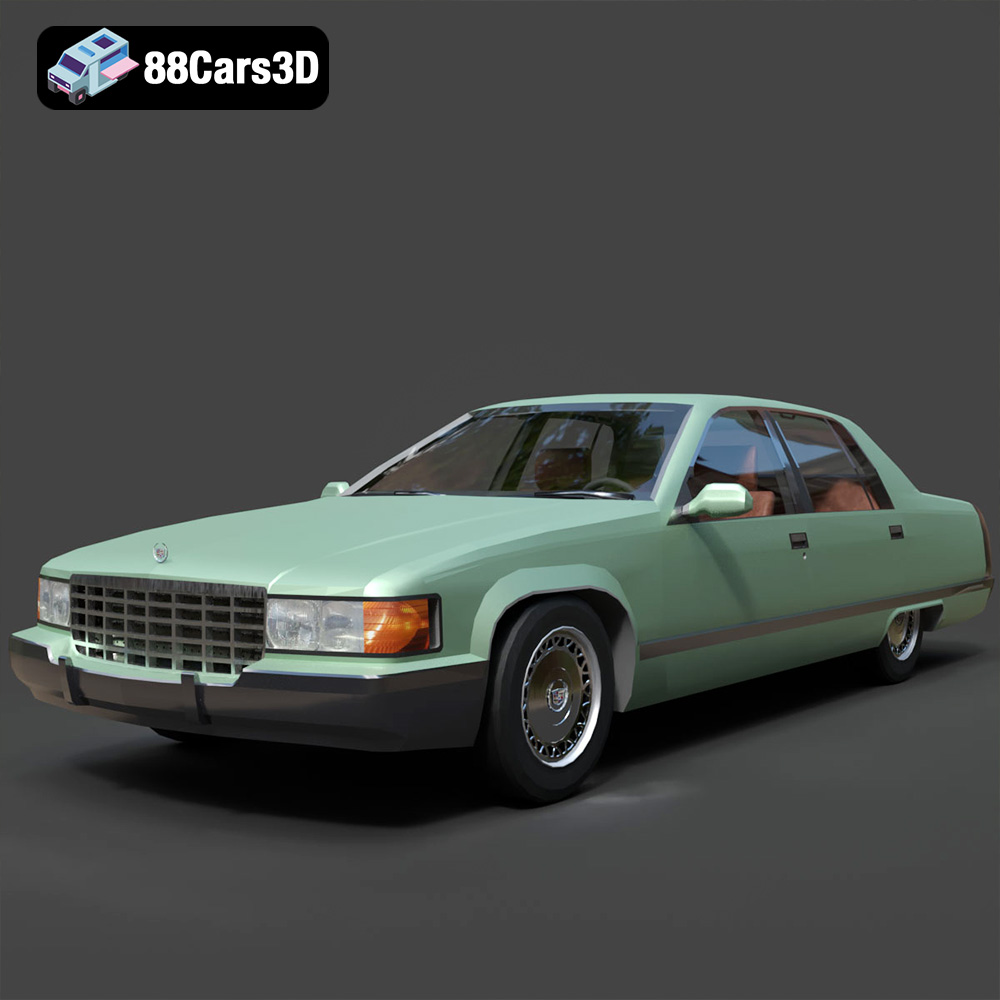
Texture: Yes
Material: Yes
Download the Cadillac Fleetwood Brougham 3D Model featuring its iconic classic luxury design and detailed exterior and interior. Includes .blend, .fbx, .obj, .glb, .stl, .ply, .unreal, and .max formats for rendering, simulation, and game development.
Price: $10.79
Texture: Yes
Material: Yes
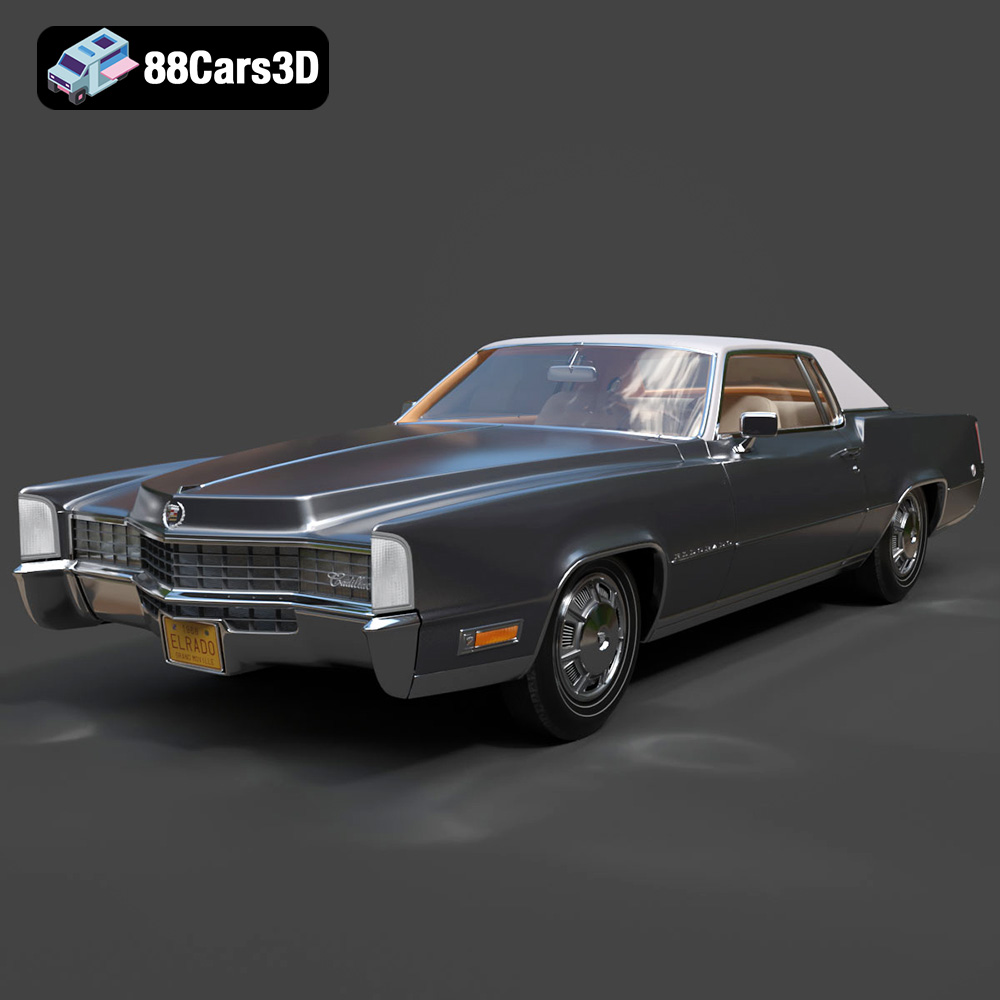
Download the Cadillac Eldorado 1968 3D Model featuring its iconic elongated body, distinctive chrome accents, and luxurious interior. Includes .blend, .fbx, .obj, .glb, .stl, .ply, .unreal, and .max formats for rendering, simulation, and game development.
Price: $20.79

Texture: Yes
Material: Yes
Download the Cadillac CTS SW 2010 3D Model featuring a detailed exterior, functional interior elements, and realistic materials. Includes .blend, .fbx, .obj, .glb, .stl, .ply, .unreal, and .max formats for rendering, simulation, and game development.
Price: $10.79
Texture: Yes
Material: Yes
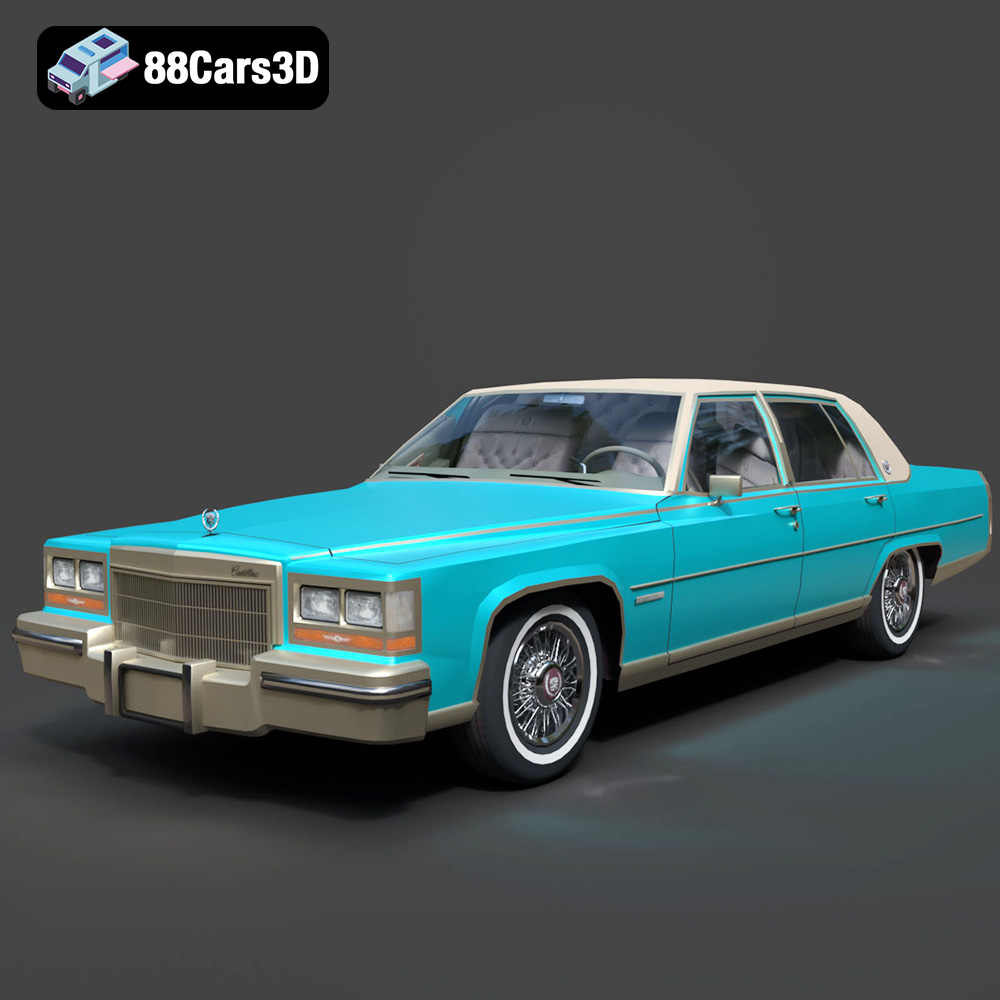
Download the Cadillac Fleetwood Brougham 1985 3D Model featuring its iconic classic luxury design and detailed craftsmanship. Includes .blend, .fbx, .obj, .glb, .stl, .ply, .unreal, and .max formats for rendering, simulation, and game development.
Price: $10.79
Texture: Yes
Material: Yes
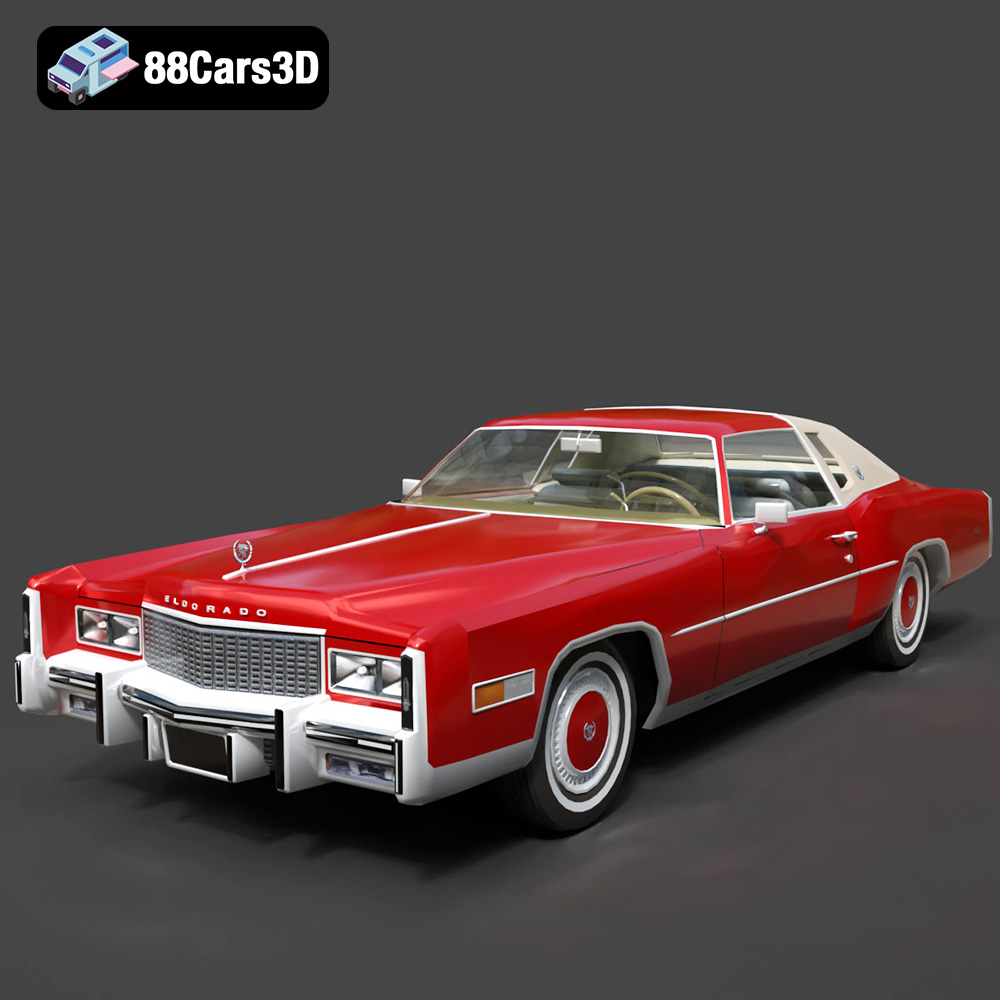
Download the Cadillac Eldorado 1978 3D Model featuring accurately modeled exterior, detailed interior, and period-correct aesthetics. Includes .blend, .fbx, .obj, .glb, .stl, .ply, .unreal, and .max formats for rendering, simulation, and game development.
Price: $10.79
Texture: Yes
Material: Yes
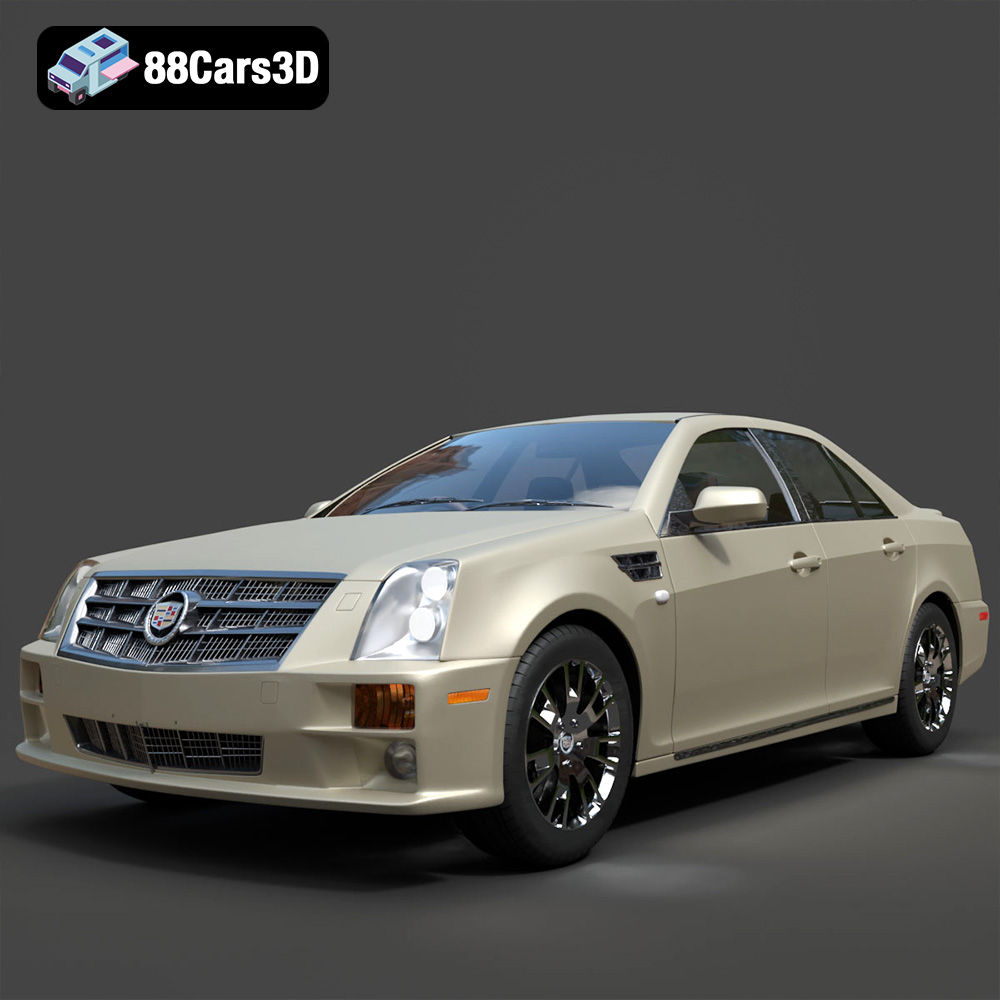
Download the Cadillac STS-005 3D Model featuring a detailed exterior and interior. Includes .blend, .fbx, .obj, .glb, .stl, .ply, .unreal, and .max formats for rendering, simulation, and game development.
Price: $22.79

