⚡ FLASH SALE: Get 60% OFF All Premium 3D & STL Models! ⚡

In the dynamic world of automotive visualization, real-time rendering, and interactive experiences, stunning 3D car models are only half the story. The other, equally crucial half, is the user interface (UI) and user experience (UX) that enables interaction, customization, and immersion. Imagine showcasing a meticulously crafted vehicle from 88cars3d.com – with every bolt and rivet in perfect detail – but users struggle with clunky menus or unresponsive controls. The magic immediately dissipates.
Unreal Engine’s Widget Blueprint system, commonly known as UMG (Unreal Motion Graphics), is the powerhouse behind creating intuitive, visually rich, and highly interactive user interfaces. For automotive projects, UMG allows developers and artists to build everything from intricate car configurators and diagnostic dashboards to in-vehicle infotainment systems and heads-up displays for AR/VR applications. This comprehensive guide will deep dive into leveraging UMG for unparalleled UI/UX design in Unreal Engine, specifically tailored for automotive visualization and game development. We’ll explore core concepts, advanced techniques, performance optimization, and how to seamlessly integrate UMG with your high-fidelity automotive assets to craft truly memorable experiences.
Understanding the bedrock of Unreal Engine’s UI system is paramount before diving into complex designs. UMG provides a powerful, visual, and highly flexible framework for creating user interfaces directly within the engine. Unlike traditional UI systems that often require extensive coding, UMG heavily relies on Widget Blueprints and a drag-and-drop interface, making it accessible to artists and designers while offering deep customization for programmers.
At its core, UMG revolves around Widget Blueprints. These are specialized Blueprint assets that serve as containers for your UI elements. Each Widget Blueprint typically represents a distinct part of your UI, such as a main menu, an options panel, or a single button. When you create a Widget Blueprint, you’re presented with a design canvas where you can arrange various pre-built widgets, define their layout, and establish their visual properties. The true power emerges when you switch to the Graph tab, allowing you to use Unreal Engine’s visual scripting system, Blueprint, to define the widget’s behavior, handle events, and interact with the game world. This separation of design and logic streamlines development and fosters collaboration between designers and programmers.
UMG Widgets operate hierarchically, meaning widgets can contain other widgets. For instance, a “Main Menu” Widget Blueprint might contain a “Vertical Box” widget, which in turn contains several “Button” widgets. This nested structure promotes modularity and makes managing complex UIs significantly easier. For instance, an automotive configurator might have a main “Configurator Widget” that contains a “Paint Selection Panel,” a “Wheel Selection Panel,” and an “Interior Options Panel,” each of which is its own independent Widget Blueprint.
UMG offers a rich library of pre-built widgets, each serving a specific purpose. Mastering these fundamental building blocks is crucial for efficient UI design:
By combining these widgets creatively and understanding their properties, you can construct virtually any UI layout required for your automotive project.
Creating your inaugural UMG widget is a straightforward process. In the Content Browser, right-click, navigate to “User Interface,” and select “Widget Blueprint.” Name it appropriately, for example, WB_MainMenu. Double-clicking opens the Widget Editor, which consists of three main panels: the Palette (listing all available widgets), the Designer (your visual canvas), and the Details panel (for modifying widget properties). To begin, drag a Canvas Panel from the Palette onto the Designer as the root. Then, drag a Button onto the Canvas Panel. In the Details panel for the Button, change its text to “Start Configuration” or “View Car.” You can adjust its size, position, and anchor settings. For interactivity, select the Button and scroll down in the Details panel to the “Events” section. Click the “+” next to “On Clicked” to automatically generate an event node in the Graph tab. From this event node, you can then add Blueprint logic, such as opening another widget or loading a new level. For deeper dives into UMG fundamentals, consult the official Unreal Engine UMG documentation.
Automotive configurators are prime examples of complex UMG applications. They allow users to customize a virtual vehicle in real-time, changing colors, rims, interior trims, and accessories. A well-designed configurator is not just functional; it’s an extension of the brand experience, making the user feel empowered and engaged with the product.
Building a robust automotive configurator requires careful planning and a modular UI structure. Instead of cramming all options into a single widget, break down the customization process into logical categories and sub-panels. Consider a primary navigation bar that allows users to switch between “Exterior,” “Interior,” “Wheels & Tires,” and “Performance” sections. Each section can then load a dedicated child Widget Blueprint. For example, selecting “Exterior” might reveal a sub-panel for “Paint Color,” “Body Kits,” and “Lights.”
The hierarchy could look like this:
WB_CarConfigurator_Master (Main UI)
WB_NavBar (Contains buttons for main categories)WB_MainContentPanel (Dynamically loads child widgets based on selection)
WB_ExteriorOptions (Contains paint swatches, body kit selectors)WB_InteriorOptions (Seat materials, dashboard trims)WB_WheelOptions (Rim designs, tire types)WB_SummaryPanel (Displays current configuration cost/details)This modular approach simplifies development, debugging, and iteration. Each panel can be developed and tested independently. When sourcing high-quality automotive assets, platforms like 88cars3d.com provide models that are often broken down into modular components (body, wheels, interior elements), which perfectly aligns with this UI structure. Each component can then be individually targeted by UI interactions.
A crucial aspect of configurators is dynamically loading and swapping assets. When a user selects a new paint color, the UI needs to tell the 3D car model to update its material. When a new wheel type is chosen, the existing wheel meshes must be swapped out for new ones. This involves:
SM_Wheel_Sport, SM_Wheel_Luxury) and using functions like Set Static Mesh on the relevant component.Efficient asset management is key. Avoid loading all possible assets into memory at once if not needed. Use soft references or data assets to load specific meshes or textures only when they are required by the UI interaction. For instance, only load the high-resolution texture for a specific leather trim when the user has selected it, not when the application first starts. This minimizes memory footprint and speeds up initial load times.
Good UI/UX provides immediate feedback. When a user clicks a paint swatch, the car should instantly update to that color. This requires a robust communication system between your UMG widgets and the 3D world. Using Blueprint Interfaces or Direct Event Dispatchers are excellent ways to achieve this. For example:
WB_PaintSelector widget, when a color button is clicked, trigger an Event Dispatcher, passing the selected color’s material instance as a parameter.BP_ConfigurableCar) can “Listen” to this Event Dispatcher.For more complex changes, such as modifying the car’s ride height with a slider, the Blueprint would directly set a float variable on the car’s suspension system, which would in turn update the relevant skeletal mesh bones or static mesh components in real-time. This immediate visual response enhances the feeling of direct manipulation and significantly improves user satisfaction. For dynamic effects like changing headlight colors or engine start sequences, you can integrate UMG with Niagara particle systems or Sequencer cinematics.
While the visual design of UMG widgets is crucial, their functionality truly comes alive through Blueprint visual scripting. Blueprint allows you to define how users interact with your UI, how the UI communicates with your 3D world, and how it responds to various game states.
Every interactive UMG widget, such as a Button, Slider, or Check Box, exposes a set of events that fire when specific user actions occur. These events are the entry points for your Blueprint logic:
To use these events, simply select the widget in the Designer tab and navigate to the “Events” section in the Details panel, then click the ‘+’ icon next to the desired event. This generates a corresponding event node in the Graph tab, ready for you to connect your custom logic. For instance, an OnClicked event for a “Next Color” button could call a function that increments an index in an array of PBR materials, then applies the new material to the car model.
One of the most frequent challenges in UMG development is effectively passing information between your UI and the game’s actors (like your 3D car model). Several robust methods exist:
BP_ConfigurableCar instance), you can obtain a direct reference. This often involves casting GetPlayerPawn or GetAllActorsOfClass at the appropriate time (e.g., Event Construct of the widget) and storing the reference in a variable. Then, you can directly call functions or set variables on that actor from your widget’s Blueprint graph.I_CarConfigurable interface could have a function ApplyMaterial(FMaterialInstance material). Your paint selector widget just calls this, and any car implementing it will respond.For example, to change a car’s color using an 88cars3d.com model: your WB_PaintSwatch widget’s OnClicked event could call a function ApplyNewPaintMaterial on a direct reference to your BP_ConfigurableCar. This function inside the car Blueprint would then identify the car’s body mesh and use a Set Material node to apply the new PBR material instance. This seamless integration of UI controls with 3D model properties is where the magic of real-time automotive visualization truly shines.
Beyond basic event handling, several advanced Blueprint techniques elevate your UMG workflow:
FCarOption Struct could hold a thumbnail image, option name, associated mesh, and material. You can then create a DA_CarOptions Data Asset to populate these options, making it easy to add or modify configurations without touching Blueprint logic.UpdateSelectionVisuals could handle highlighting the currently selected item in a list, reducing redundant Blueprint nodes.GetCurrentConfigurationPrice() function.While UMG offers incredible flexibility, poor optimization can lead to performance bottlenecks, especially in demanding real-time applications like automotive configurators or VR experiences. Ensuring your UI runs smoothly is as critical as optimizing your 3D models.
Every widget on screen contributes to draw calls, which can quickly accumulate and impact performance. Minimizing draw calls is a primary optimization goal:
SetVisibility). Hidden widgets still exist in memory but don’t incur draw calls. However, for large, complex panels that are rarely used, destroying and recreating might be more memory efficient.Monitoring UI performance can be done using Unreal Engine’s built-in profilers. The stat unitgraph and stat Slate console commands provide valuable insights into UI rendering times.
UI assets – images, icons, and fonts – also play a significant role in performance and memory usage.
Minimize the number of different font assets used in your project.
Automotive applications often need to run on diverse display setups – from desktop monitors to large showroom screens and even mobile AR devices. UMG provides powerful tools for responsive design:
Size Box can enforce minimum/maximum sizes for its content, ensuring text or images don’t become illegible or oversized. A Scale Box scales its content to fit, maintaining aspect ratio, which is useful for consistent branding logos or images.Thoroughly test your UI on multiple resolutions and aspect ratios to identify and fix scaling issues early in development. This is critical for delivering a professional product, especially when using highly detailed models from a platform like 88cars3d.com that demand a pristine presentation.
Pushing the boundaries of UI/UX in automotive visualization means integrating UMG with Unreal Engine’s most powerful rendering features and adapting it for cutting-edge platforms like AR/VR and virtual production.
Modern automotive visualizations in Unreal Engine leverage technologies like Lumen for global illumination and reflections, and Nanite for virtualized geometry. While UMG elements are typically 2D overlays, their presentation can be enhanced by these features, and they can also be used to control them:
For example, a UI panel could contain a series of “Environment” buttons. Clicking “Sunny Day” might load a specific HDRI texture, adjust sky light settings, and enable a post-process volume for a bright, outdoor look. Clicking “Night Showroom” would apply different lighting and post-process settings, all orchestrated via Blueprint from your UMG widget. The goal is to provide intuitive controls for users to fully appreciate the highly detailed automotive assets within a beautiful real-time environment.
AR/VR presents unique challenges and opportunities for UI design. Traditional 2D screen-space UMG can break immersion. This is where 3D Widgets and World Space UI come into play:
Widget Component on a 3D actor in your scene. This makes your UI appear as if it’s floating in the 3D world, allowing users to interact with it using gaze, hand tracking, or VR controllers. Imagine a car configurator where the options panels hover next to the virtual car, or an in-car diagnostic display that appears on the dashboard as a holographic projection. This is particularly effective for AR applications, where UI elements can be placed directly onto a physical vehicle.Building an AR configurator for a car model from 88cars3d.com where users can literally walk around the virtual vehicle and interact with a UI floating beside it is a powerful application of UMG’s 3D widget capabilities.
UMG isn’t just for interactive applications; it’s also a powerful tool for virtual production and cinematic content:
The ability to integrate UMG with Sequencer allows you to create polished, professional-grade marketing content and product showcases that blend interactive elements with high-fidelity cinematic visuals, making your 88cars3d.com automotive models truly shine.
The journey through Unreal Engine’s UMG Widget system reveals it as an indispensable tool for crafting compelling UI/UX, especially in the demanding field of automotive visualization and interactive experiences. From establishing foundational widget hierarchies to implementing dynamic configurators, optimizing for peak performance, and extending functionality into AR/VR and virtual production, UMG empowers developers and artists to build intuitive, visually stunning interfaces that elevate the entire user experience.
By understanding core widget types, harnessing the power of Blueprint visual scripting for interactivity, and diligently applying optimization strategies, you can ensure your automotive projects are not just visually spectacular but also incredibly user-friendly and performant. Whether you’re designing a detailed car configurator that showcases every nuance of a model sourced from 88cars3d.com, developing an immersive AR/VR showroom, or creating cinematic vehicle presentations, UMG provides the robust framework you need.
Embrace the modularity, leverage the visual scripting, and continuously refine your UMG designs to create truly exceptional real-time automotive content. The seamless blend of high-fidelity 3D assets with intuitive UI is the hallmark of professional-grade experiences, and with Unreal Engine and UMG, that power is firmly in your hands. Dive into the Unreal Engine learning resources to continue expanding your UMG expertise and bring your most ambitious automotive visions to life.
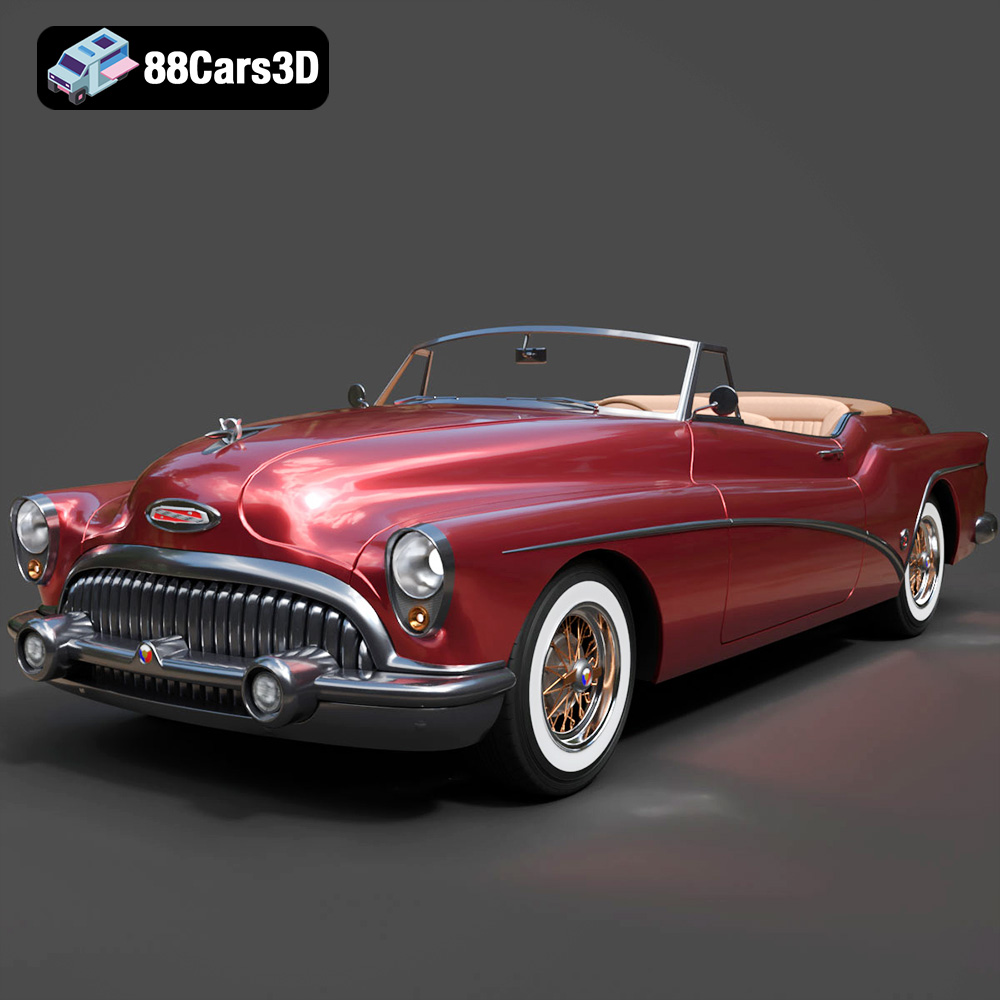
Texture: Yes
Material: Yes
Download the Buick Skylark Convertible 1953 3D Model featuring iconic 1950s styling, a detailed exterior with chrome accents, and an accurately modeled interior. Includes .blend, .fbx, .obj, .glb, .stl, .ply, .unreal, and .max formats for rendering, simulation, and game development.
Price: $10.79

Texture: Yes
Material: Yes
Download the Buick Roadmaster Hardtop Coupe 1957 3D Model featuring a classic American design with detailed exterior and interior. Includes .blend, .fbx, .obj, .glb, .stl, .ply, .unreal, and .max formats for rendering, simulation, and game development.
Price: $10.79
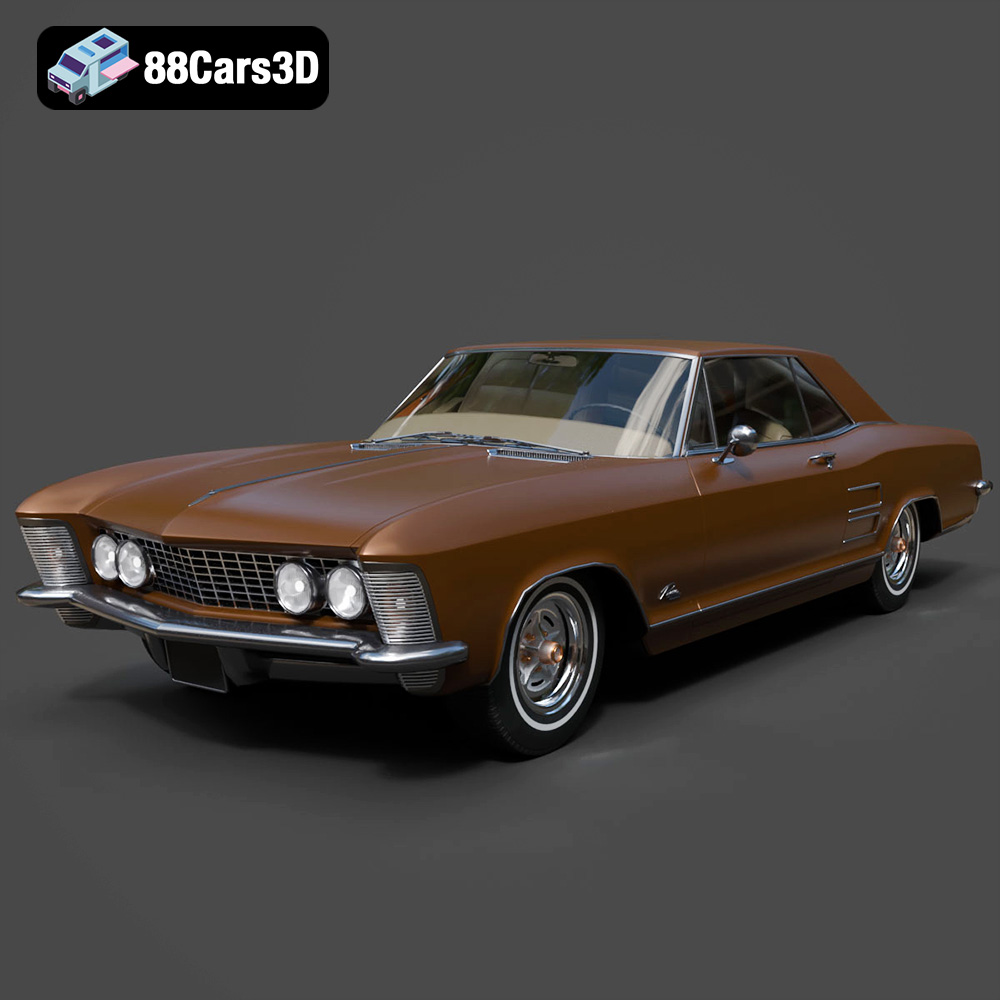
Texture: Yes
Material: Yes
Download the Buick Riviera 1963 3D Model featuring classic American muscle car design and iconic styling. Includes .blend, .fbx, .obj, .glb, .stl, .ply, .unreal, and .max formats for rendering, simulation, and game development.
Price: $10.79
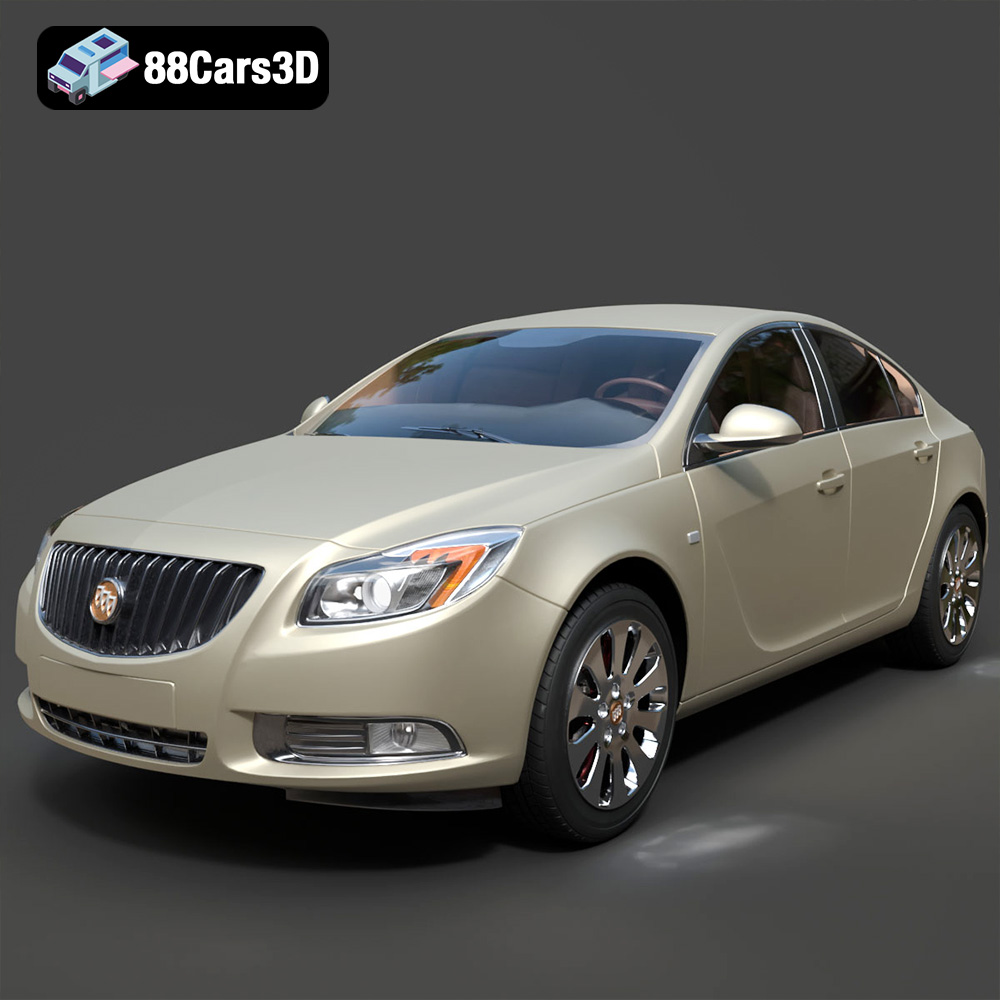
Texture: Yes
Material: Yes
Download the Buick Regal 3D Model featuring a classic American sedan design, detailed exterior, and optimized interior. Includes .blend, .fbx, .obj, .glb, .stl, .ply, .unreal, and .max formats for rendering, simulation, and game development.
Price: $10.79
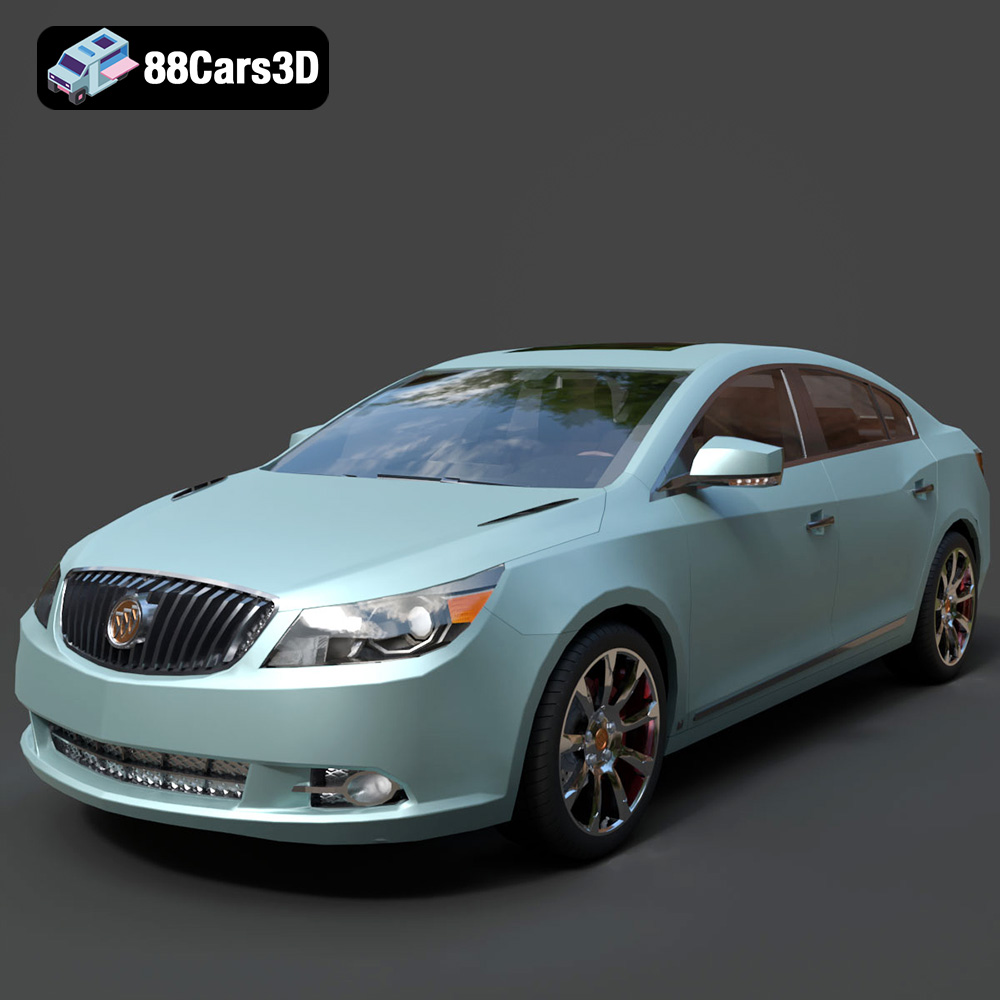
Texture: Yes
Material: Yes
Download the Buick LaCrosse 3D Model featuring professional modeling and texture work. Includes .blend, .fbx, .obj, .glb, .stl, .ply, .unreal, and .max formats for rendering, simulation, and game development.
Price: $10.79
Texture: Yes
Material: Yes
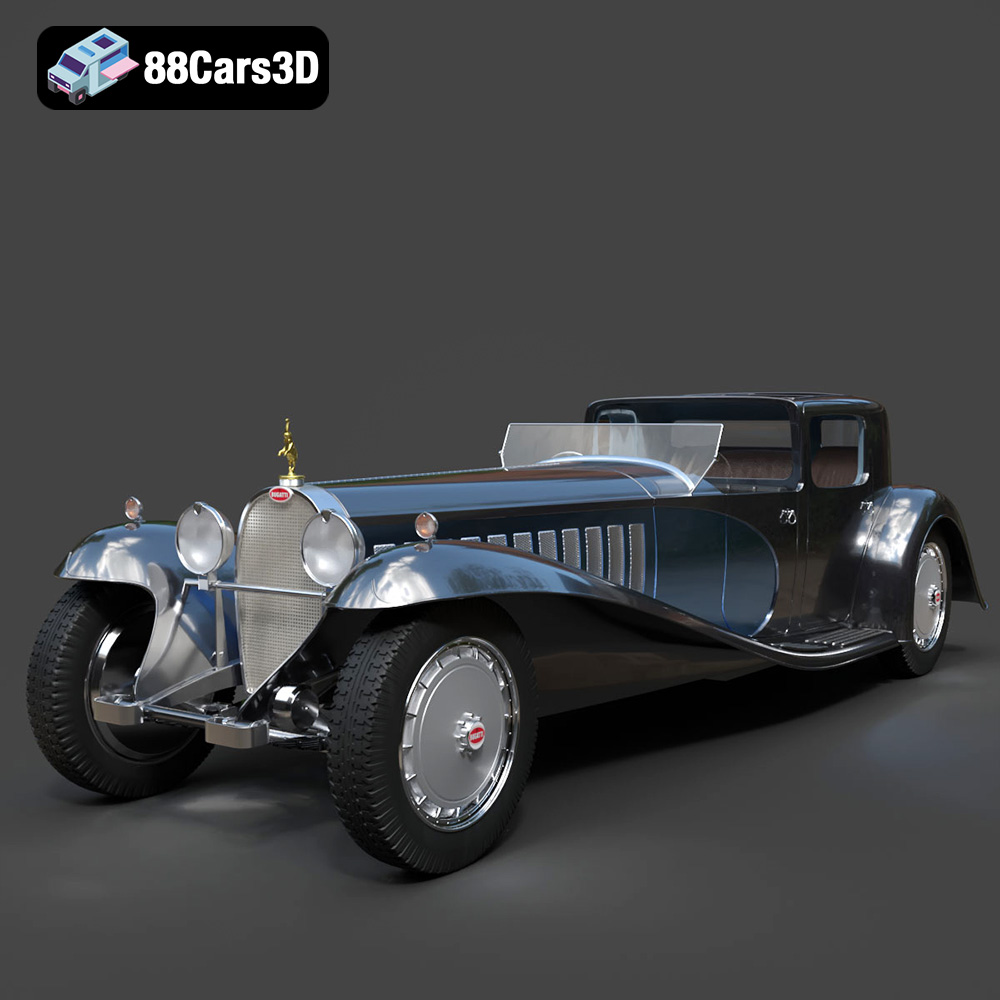
Download the Bugatti Type 41 Napoleon 3D Model featuring its iconic luxury design, detailed exterior, and opulent interior. Includes .blend, .fbx, .obj, .glb, .stl, .ply, .unreal, and .max formats for rendering, simulation, and game development.
Price: $10.79
Texture: Yes
Material: Yes
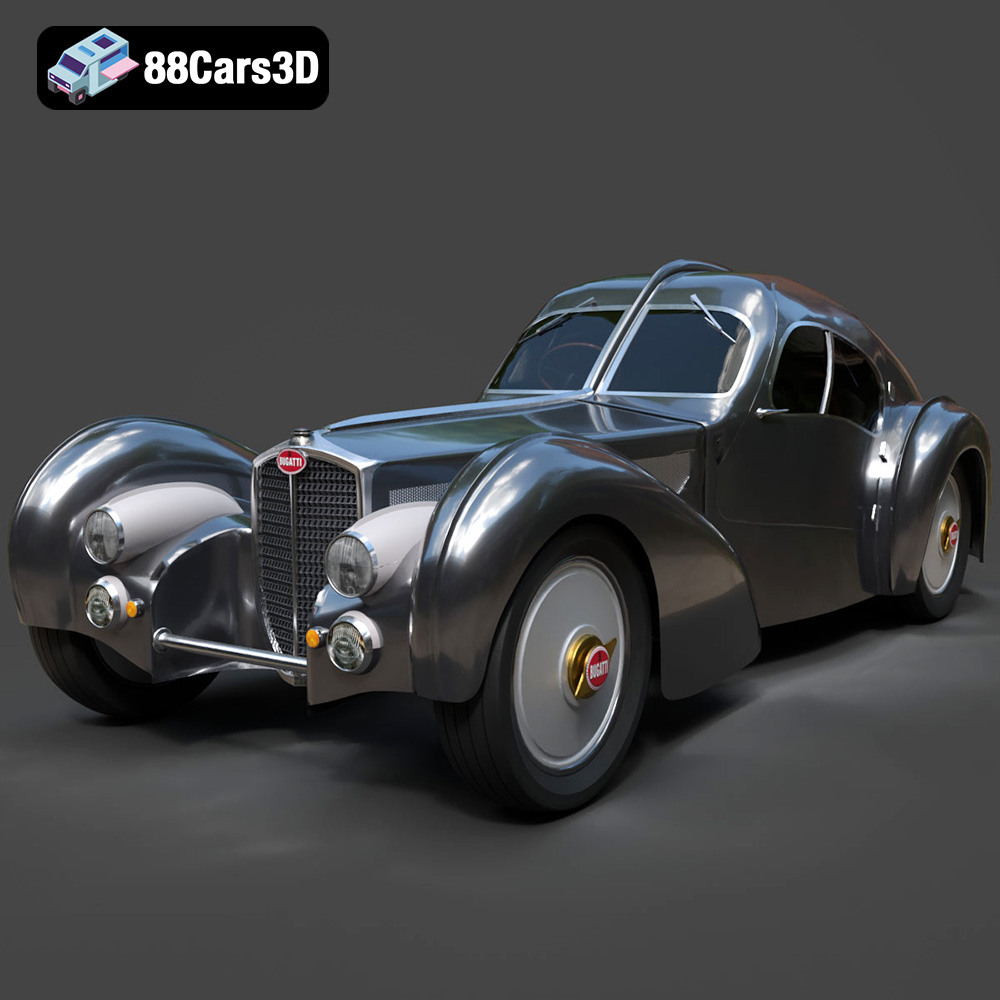
Download the Bugatti Type 57SC Atlantic Coupe 3D Model featuring its iconic streamlined body and classic design. Includes .blend, .fbx, .obj, .glb, .stl, .ply, .unreal, and .max formats for rendering, simulation, and game development.
Price: $10.79
Texture: Yes
Material: Yes
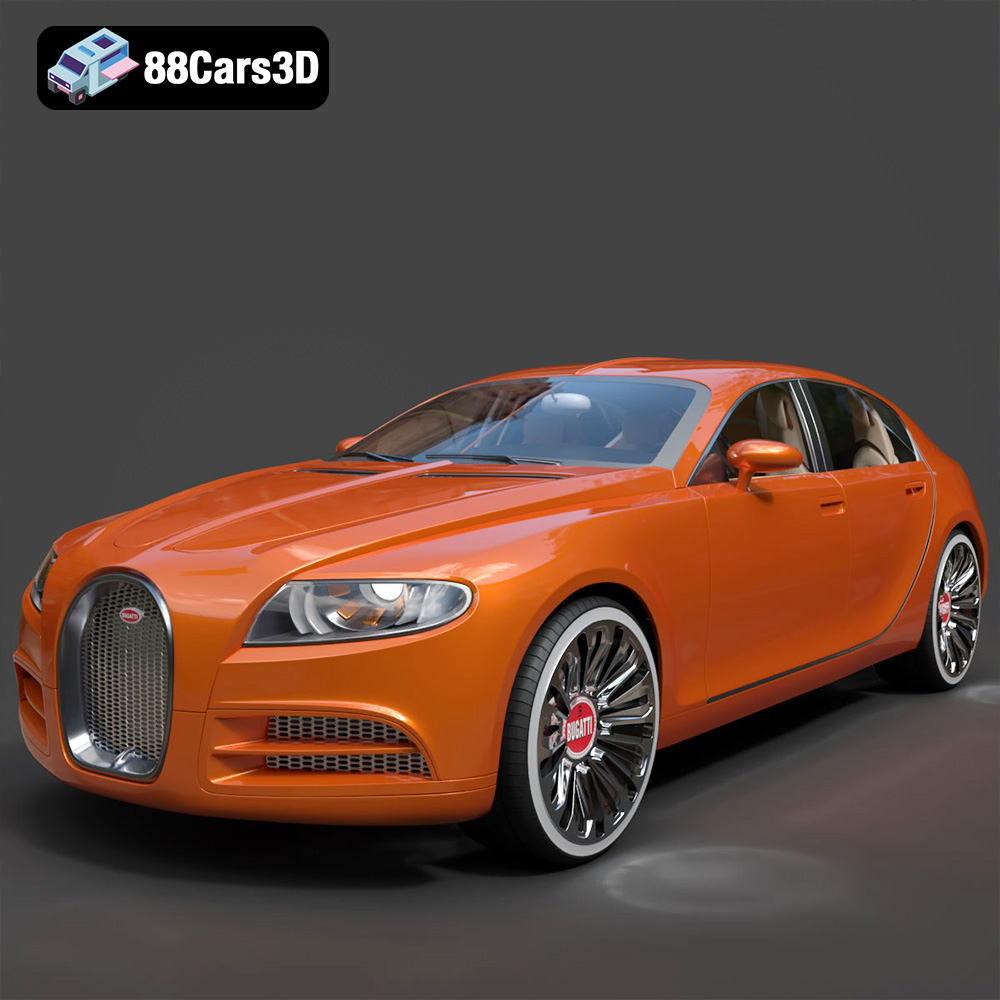
Download the Bugatti 16C Galibier-006 3D Model featuring its luxurious sedan design, detailed interior, and sophisticated exterior. Includes .blend, .fbx, .obj, .glb, .stl, .ply, .unreal, and .max formats for rendering, simulation, and game development.
Price: $10.79
Texture: Yes
Material: Yes
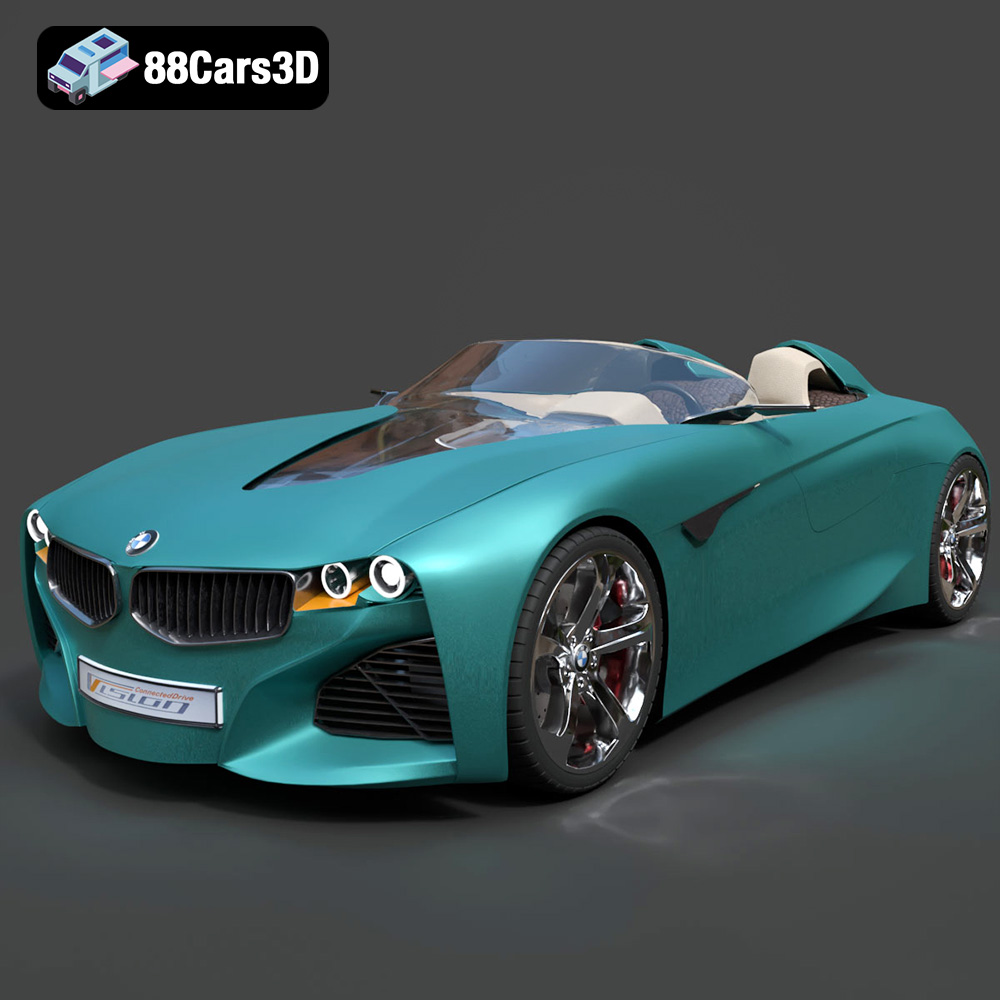
Download the BMW Vision Connected Drive Concept 3D Model featuring its innovative design, advanced connectivity, and sleek aesthetics. Includes .blend, .fbx, .obj, .glb, .stl, .ply, .unreal, and .max formats for rendering, simulation, and game development.
Price: $19.79
Texture: Yes
Material: Yes
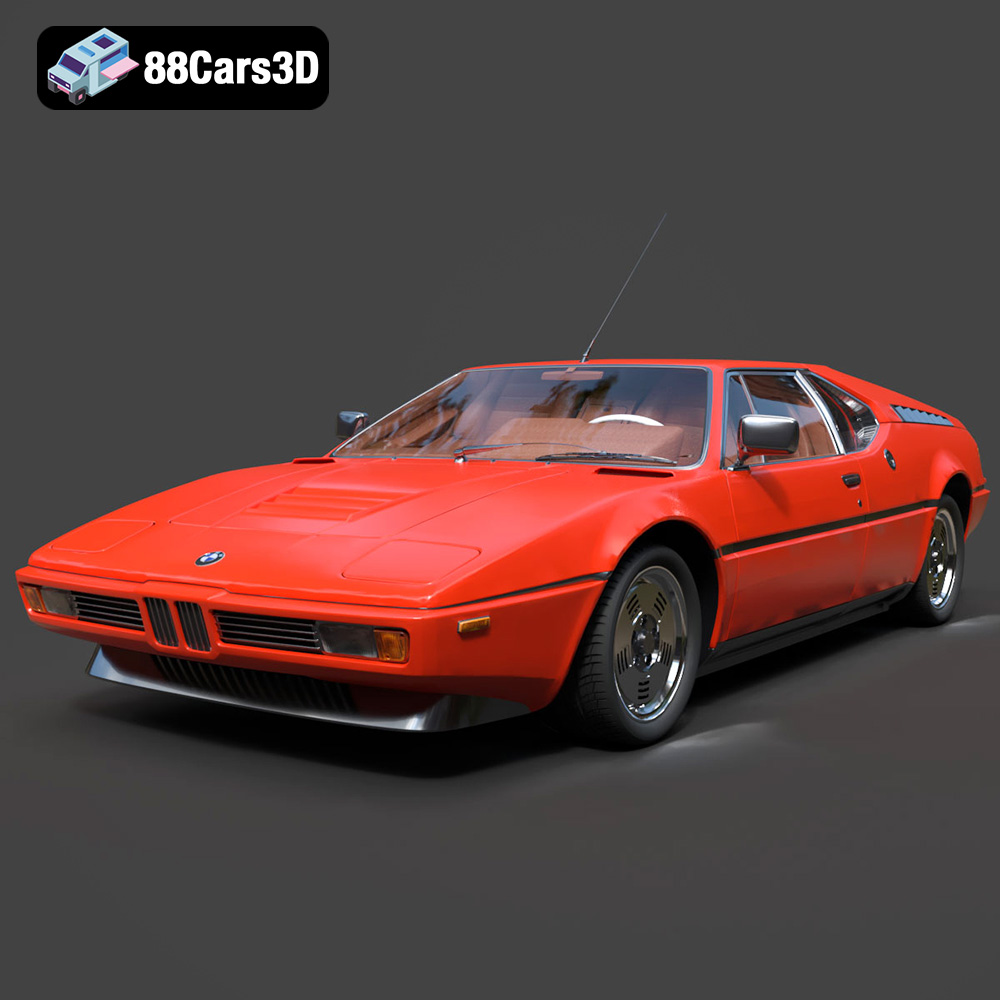
Download the BMW Motorsport M1 E26 1981 3D Model featuring its iconic design, race-bred aerodynamics, and meticulously crafted details. Includes .blend, .fbx, .obj, .glb, .stl, .ply, .unreal, and .max formats for rendering, simulation, and game development.
Price: $20.79

