⚡ FLASH SALE: Get 60% OFF All Premium 3D & STL Models! ⚡

The roar of an engine, the screech of tires, the visceral feel of a vehicle responding to every input – achieving truly realistic vehicle physics is often considered one of the most challenging yet rewarding feats in real-time rendering and game development. For Unreal Engine developers, 3D artists, and automotive visualization professionals, the quest for authentic driving experiences is paramount. Whether you’re crafting an immersive automotive configurator, a high-fidelity racing simulator, or an interactive training application, the underlying physics system dictates the believability and engagement of your project.
Unreal Engine offers powerful tools to bring automotive visions to life, and at its core for vehicle dynamics is the Chaos Physics Engine. Moving beyond older systems like PhysX, Chaos provides a robust, scalable, and modern framework for simulating complex physical interactions. However, merely dropping a 3D car model into a scene isn’t enough; it requires meticulous setup, fine-tuning, and a deep understanding of its parameters to achieve professional-grade realism. This comprehensive guide will walk you through the essential steps, advanced techniques, and best practices for creating stunningly realistic vehicle physics in Unreal Engine, ensuring your automotive projects not only look exceptional but feel authentic. We’ll cover everything from model preparation to advanced optimization, empowering you to build compelling interactive experiences.
Before diving into the intricate details of configuring vehicle dynamics, it’s crucial to understand the fundamental components and methodologies Unreal Engine employs for vehicle physics. The choice of physics system and the preparation of your 3D car model are the bedrock upon which all subsequent realism will be built. Unreal Engine 5 and later versions primarily leverage the Chaos Physics Engine, a complete rewrite designed for modern hardware, offering significant advantages over its predecessor, PhysX. Chaos provides superior stability, scalability, and the ability to handle complex scenarios like destruction and large numbers of interacting objects, making it the ideal choice for automotive applications.
Integrating a vehicle into Unreal Engine starts with more than just importing a mesh. It involves preparing the model for skeletal animation, defining its physical properties, and understanding how the engine interprets these elements to simulate motion. When sourcing high-quality 3D car models from platforms like 88cars3d.com, you’re already starting with a significant advantage, as these models often feature clean topology, proper UV mapping, and sometimes even pre-rigged components. However, additional steps are necessary to make them physics-ready.
For modern Unreal Engine projects, the choice is clear: Chaos Vehicles. The legacy PhysX Vehicle system has been deprecated, and Chaos offers a more performant and feature-rich solution. Chaos is deeply integrated into Unreal Engine, providing a multi-threaded physics solver that scales efficiently. Its advantages include:
Understanding Chaos is key to unlocking realistic vehicle behavior. It operates by simulating the forces on a vehicle’s chassis and wheels, taking into account engine torque, transmission gearing, tire friction, suspension, and external forces like gravity and aerodynamics. The realism you achieve directly correlates with how accurately these parameters are configured and how well your 3D model is prepared to interact with the system.
The journey to realistic vehicle physics begins in your 3D modeling software. A well-prepared 3D car model is critical for optimal performance and accurate simulation within Unreal Engine. When you obtain high-quality automotive assets, such as those found on 88cars3d.com, you’re typically receiving models with clean, optimized geometry and proper UVs. However, for physics integration, specific considerations apply:
By investing time in proper model preparation, you lay a solid foundation, minimizing headaches down the line and enabling a smoother, more accurate physics simulation within Unreal Engine.
With your 3D car model prepared as a Skeletal Mesh, the next step is to integrate it with Unreal Engine’s Chaos Vehicle system. This involves creating a dedicated Blueprint class and carefully configuring the various components and their parameters. This stage is where you start breathing life into your static model, making it an interactive, drivable entity within your scene. The beauty of Unreal Engine’s Blueprint system is that it allows for extensive customization and iteration without needing to write a single line of C++ code, making it accessible for artists and designers alike.
The core of a drivable vehicle in Unreal Engine is the ChaosVehiclePawn or a custom Pawn class that includes a ChaosVehicleMovementComponent. This component is the brain of the vehicle’s physics, handling all calculations for engine, transmission, suspension, and tire dynamics. Getting the initial setup right is crucial, as subsequent fine-tuning relies on a correctly configured base.
To begin, create a new Blueprint Class. For a vehicle, you’ll typically start with a Pawn or a specialized ChaosVehiclePawn. The ChaosVehiclePawn is often a good starting point as it comes with a pre-configured SkeletalMeshComponent and a ChaosVehicleMovementComponent.
ChaosVehiclePawn as the parent class. Name it appropriately (e.g., BP_MyCar).SkeletalMeshComponent. In the Details panel, under the “Mesh” category, assign your prepared car skeletal mesh (e.g., SM_MyCar_Skel).Pawn, you would add a ChaosVehicleMovementComponent to your Blueprint. If you used ChaosVehiclePawn, it’s already present. Select this component to access its extensive parameters in the Details panel.The ChaosVehicleMovementComponent is where the magic happens. It will automatically detect the wheel bones from your Skeletal Mesh’s Physics Asset and allow you to associate them with the vehicle’s wheels. This component processes all the physical forces and applies them to the skeletal mesh, driving its movement and animation.
Once the components are in place, the real work of defining your vehicle’s character begins. The ChaosVehicleMovementComponent offers a plethora of parameters to fine-tune the engine, transmission, and most importantly, the wheels. Let’s delve into some critical settings:
Wheel Setup array.
Differential Ratio and Front/Rear Drive Ratio (for AWD) will dictate power distribution.This initial setup forms the backbone of your vehicle’s physical behavior. It’s a process of careful input and iterative testing. Referencing real-world vehicle specifications is highly recommended to achieve a solid starting point for these parameters. For more in-depth technical details on Chaos Vehicles, consult the official Unreal Engine documentation at dev.epicgames.com/community/unreal-engine/learning.
Once your vehicle Blueprint is set up with initial engine, transmission, and wheel parameters, the true art of achieving realism comes with fine-tuning. This stage involves meticulous adjustments to tire friction, suspension, and aerodynamic properties, transforming a basic physical simulation into a truly authentic driving experience. Small changes in these parameters can dramatically alter how a vehicle feels and handles, ranging from a floaty, unresponsive car to a sharp, high-performance machine. This iterative process requires patience, an understanding of real-world vehicle dynamics, and constant testing within the Unreal Engine environment.
The goal is not just to make the car move, but to make it respond realistically to driver input and environmental forces, mimicking the complex interplay of physics that occurs in an actual vehicle. This includes how tires grip different surfaces, how the suspension absorbs bumps, and how air resistance affects speed and stability. High-quality 3D car models from marketplaces like 88cars3d.com provide the visual fidelity, and now we add the physics fidelity to match.
The interaction between the tires and the ground is arguably the most critical factor in realistic vehicle physics. It dictates grip, drift, and how the car handles turns and braking. The Wheel Data section for each wheel in the ChaosVehicleMovementComponent is where you define these crucial parameters.
Tips for Friction Curves: Start with a curve that ramps up quickly to a peak value (e.g., 1.5 – 2.5) at a low slip value (e.g., 0.1 – 0.2), then gently drops off as slip increases. Experiment with these values: higher peaks mean more grip, a sharper drop-off means a more sudden loss of grip (less forgiving handling).
Suspension Parameters Revisited: Beyond the basic stiffness and damping, consider:
Testing these parameters in real-time is essential. Drive the car, observe its behavior, and make small, incremental adjustments. What feels good for one type of car (e.g., a heavy truck) will feel terrible for another (e.g., a lightweight sports car).
Aerodynamic forces play a significant role, especially at higher speeds, influencing a vehicle’s top speed, stability, and handling characteristics. While Unreal Engine provides basic drag properties, implementing more nuanced aerodynamic effects can greatly enhance realism.
CenterOfMassOffset property in the ChaosVehicleMovementComponent allows you to shift the vehicle’s center of mass.
DragCoefficient can be set in the vehicle component. This globally applies air resistance proportional to the square of the vehicle’s speed.AddForceAtLocation or AddRadialForce components. This will increase vertical load on the tires, enhancing grip at high speeds.These fine-tuning steps transform a generic vehicle simulation into a specific, characterful driving machine. It’s a continuous loop of adjusting values, testing, and refining until the vehicle’s behavior aligns with your vision for realism, whether that’s a precise race car or a lumbering utility vehicle.
A realistic vehicle experience extends beyond just accurate physics; it encompasses how the user interacts with the vehicle and how the vehicle provides sensory feedback. Seamless input handling, combined with compelling visual and audio cues, completes the immersive illusion of driving. Unreal Engine provides robust systems, notably Blueprint visual scripting, Niagara for particle effects, and its comprehensive audio engine, to craft these dynamic interactions.
The goal is to create a symbiotic relationship between the player, the vehicle, and the environment. Every turn of the wheel, press of the throttle, or engagement of the brake should be met with immediate and believable responses, not just in terms of motion but also through rich sensory feedback that conveys speed, traction, and the physical state of the vehicle.
Bringing your vehicle to life requires robust input handling. Unreal Engine’s Enhanced Input System (introduced in UE5) offers a flexible and powerful way to manage player inputs from various devices.
SetSteeringInput function of the ChaosVehicleMovementComponent.SetThrottleInput and SetBrakeInput. Normalize throttle/brake values (0.0 to 1.0).SetHandbrakeInput (true/false).SetTargetGear or SetDriveGear and manage gear changes based on input.Blueprint allows for sophisticated input logic, such as dead zones for joysticks, input smoothing, and adaptive controls based on vehicle speed or mode. This granular control ensures that the user’s interaction feels natural and responsive.
Realistic physics is only part of the equation; how the vehicle looks and sounds as it interacts with the world sells the illusion. Dynamic visual and audio feedback are crucial for immersion.
Audio Components in your Blueprint. Create a Sound Cue that crossfades and modulates the pitch of engine sound WAVs based on the vehicle’s RPM (obtained from the ChaosVehicleMovementComponent). You’ll typically have separate loops for idle, low RPM, mid RPM, and high RPM, smoothly transitioning between them.ChaosVehicleMovementComponent provides wheel slip values. Vary pitch and volume based on slip magnitude.Physical Materials on your ground textures. When a wheel detects a specific Physical Material (e.g., gravel, dirt), swap the tire sound cue to play appropriate noises.Decal Component or use Render Target-based skid marks. On detecting significant wheel slip, spawn a skid mark decal or draw to a render target at the tire’s contact point. Fade these out over time.By intricately linking these visual and audio cues to the underlying physics, you provide the player with a complete, sensory-rich experience that makes the vehicle feel truly alive and responsive to every nuanced interaction within the simulation.
Creating highly realistic vehicle physics and visuals can be resource-intensive. For real-time applications like games, interactive configurators, or AR/VR experiences, maintaining a smooth frame rate is paramount. Optimization is not an afterthought but an integral part of the development process. This involves strategies across various aspects, from managing geometric complexity to streamlining physics calculations and ensuring efficient networking for multiplayer scenarios. Leveraging Unreal Engine’s advanced features intelligently is key to striking the balance between fidelity and performance.
High-quality 3D car models, such as those available on 88cars3d.com, are often designed with optimization in mind, featuring clean geometry and efficient material setups. However, when these models are paired with complex physics systems, additional steps are necessary to ensure they run smoothly across target platforms. A well-optimized vehicle not only performs better but also allows for more vehicles in a scene, richer environments, and a more responsive user experience.
Geometric complexity, especially for detailed car models, can quickly bog down performance. Level of Detail (LOD) systems are crucial for managing this.
For multiplayer games or collaborative visualization experiences, replicating vehicle physics accurately and efficiently over a network is a significant challenge. Physics simulations are inherently complex and difficult to perfectly synchronize across multiple clients.
ChaosVehicleMovementComponent (or the entire ChaosVehiclePawn) is set to replicate. The component has built-in replication logic for key vehicle states.Optimizing vehicle physics in Unreal Engine is a balancing act. It requires understanding the performance implications of each setting and feature, and then meticulously profiling your scene to identify bottlenecks. Tools like the Stat Game, Stat Physics, and Stat Unit console commands are invaluable for monitoring performance in real-time. Continuous testing and iteration are crucial to deliver both stunning realism and fluid performance.
Achieving realistic vehicle physics in Unreal Engine goes beyond the foundational setup and fine-tuning; it extends into sophisticated interactions with varying terrains and complex drivetrain configurations. For automotive visualization and game development, the ability of a vehicle to behave distinctly on different surfaces—be it asphalt, gravel, snow, or mud—and to accurately represent different drive types (FWD, RWD, AWD) significantly elevates the simulation’s authenticity and user immersion. This level of detail ensures that the driving experience feels dynamic and challenging, reflecting real-world conditions.
Leveraging Unreal Engine’s comprehensive material and physics systems, combined with Blueprint scripting, allows developers to create these intricate behaviors. High-quality 3D car models are the visual foundation, and these advanced interactions provide the rich behavioral layer that truly brings them to life within a virtual environment. The flexibility of Chaos Vehicles allows for deep customization, enabling virtually any drivetrain layout or surface response you can imagine.
The type of differential and the power distribution to the wheels fundamentally alter a vehicle’s handling characteristics. Chaos Vehicles allows you to precisely define these configurations:
ChaosVehicleMovementComponent, navigate to the Transmission section and locate the Differential Type setting.
Differential Type to RearWheelDrive. Power is sent only to the rear wheels. This configuration is known for oversteer characteristics and powerful acceleration.Differential Type to FrontWheelDrive. Power is sent only to the front wheels. FWD vehicles tend to understeer but offer good traction in slippery conditions.Differential Type to AllWheelDrive. This is where it gets more granular:
Testing different drivetrain configurations with your 3D car models helps understand their unique handling quirks and allows you to faithfully reproduce the feel of various real-world vehicles.
A car’s performance is heavily influenced by the surface it’s driving on. Creating dynamic surface responses adds a layer of depth to the simulation.
Physical Material assets (e.g., PM_Asphalt, PM_Gravel, PM_Ice).Friction value, which the Chaos Vehicle component will use by default.Wheel Friction Curve based on the detected Physical Material.
Event Tick or a less frequent timer, perform a line trace or sphere trace downwards from each wheel’s contact point.Physical Material of the hit surface.ChaosVehicleMovementComponent‘s wheel properties. For example, you can set a multiplier for the current WheelFrictionCurve values:
PM_Ice: Multiply friction by 0.2 (very low grip).PM_Gravel: Multiply friction by 0.6 (moderate grip, more slip).PM_Asphalt: Multiply friction by 1.0 (full grip).By implementing these advanced features, your vehicle physics simulation in Unreal Engine transcends mere movement, offering a rich, responsive, and truly immersive driving experience that reacts authentically to both mechanical configuration and environmental conditions.
While realistic vehicle physics provides the core interactive experience, its true impact is realized when seamlessly integrated with Unreal Engine’s unparalleled visualization and cinematic tools. For automotive visualization professionals, game developers, and virtual production studios, combining high-fidelity physics with stunning graphics and sophisticated storytelling capabilities is essential. This synergy allows for the creation of breathtaking promotional content, immersive virtual showrooms, and dynamic gameplay sequences that showcase the beauty and engineering of vehicles, especially those sourced from quality providers like 88cars3d.com.
Unreal Engine’s rendering features like Lumen and Nanite, coupled with its powerful cinematic sequencer, provide the framework to transform a mere physics simulation into a captivating visual narrative. The goal is to not only make the vehicle feel real but also to make it look incredible, leveraging every available tool to achieve photorealism and narrative depth.
Unreal Engine 5 introduced revolutionary rendering technologies that significantly elevate visual quality, and they work harmoniously with your physics-driven vehicles:
Combining the photorealistic lighting of Lumen with the geometric detail of Nanite ensures that your physics-driven vehicles are visually stunning, reinforcing the authenticity of their movement with unparalleled graphical quality.
Unreal Engine’s Sequencer is a powerful, non-linear editor for creating cinematic sequences, gameplay cutscenes, and high-quality renders. Integrating your physics-driven vehicle with Sequencer unlocks immense creative potential:
ChaosVehicleMovementComponent to your Sequencer tracks.ThrottleInput, SteeringInput, and BrakeInput over time. This allows you to choreograph precise drifts, turns, or accelerations for a cinematic shot.By leveraging Sequencer, you can transform your realistic vehicle physics into compelling automotive stories, whether for a marketing campaign, a game’s cutscene, or a virtual production shoot, demonstrating the full potential of your high-quality 3D car models within Unreal Engine.
Creating realistic vehicle physics in Unreal Engine is a journey that intertwines meticulous 3D model preparation, astute configuration of the Chaos Vehicle system, and a keen eye for fine-tuning dynamics. It demands patience, an understanding of real-world automotive engineering, and the willingness to iterate extensively. From setting up the skeletal mesh and initial component parameters to delicately adjusting tire friction and suspension, every step contributes to the authenticity of the driving experience. We’ve explored how advanced drivetrains and environmental interactions add layers of depth, making vehicles react genuinely to varied conditions, while optimization techniques ensure these complex simulations run smoothly in real-time.
Ultimately, the power of Unreal Engine lies in its comprehensive suite of tools, allowing developers and artists to not only simulate physics but also to visually enhance it with cutting-edge rendering technologies like Lumen and Nanite, and to craft compelling narratives through Sequencer. By integrating high-quality 3D car models, such as those readily available on platforms like 88cars3d.com, with these powerful Unreal Engine features, you unlock the potential to create automotive visualizations, games, and interactive experiences that are not only visually stunning but also incredibly immersive and believable from a physics standpoint.
The path to mastery is through continuous experimentation. Dive into the parameters, adjust values, and observe the nuanced changes in handling. The more you experiment, the deeper your understanding will become, empowering you to craft bespoke vehicle behaviors that perfectly match your creative vision. The road to realistic vehicle physics in Unreal Engine is challenging, but with the right approach and high-quality assets, the results are truly rewarding.
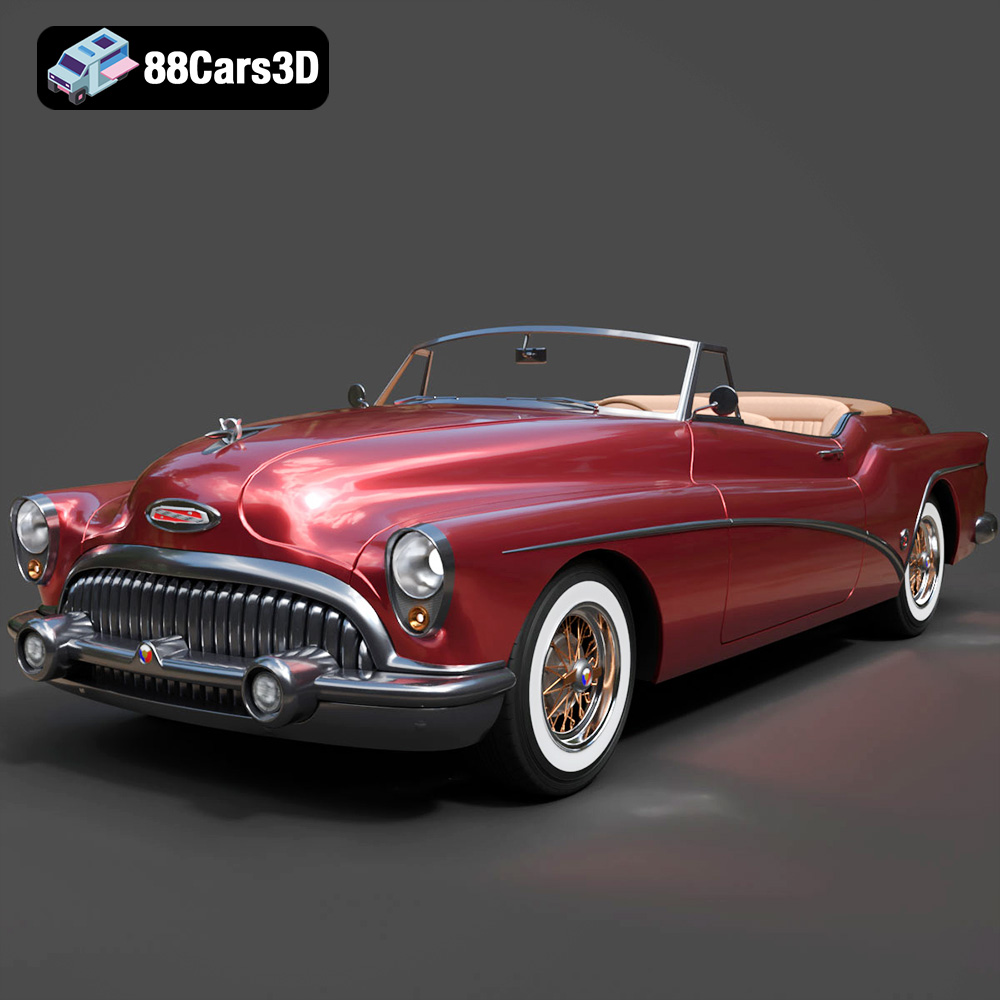
Texture: Yes
Material: Yes
Download the Buick Skylark Convertible 1953 3D Model featuring iconic 1950s styling, a detailed exterior with chrome accents, and an accurately modeled interior. Includes .blend, .fbx, .obj, .glb, .stl, .ply, .unreal, and .max formats for rendering, simulation, and game development.
Price: $10.79

Texture: Yes
Material: Yes
Download the Buick Roadmaster Hardtop Coupe 1957 3D Model featuring a classic American design with detailed exterior and interior. Includes .blend, .fbx, .obj, .glb, .stl, .ply, .unreal, and .max formats for rendering, simulation, and game development.
Price: $10.79
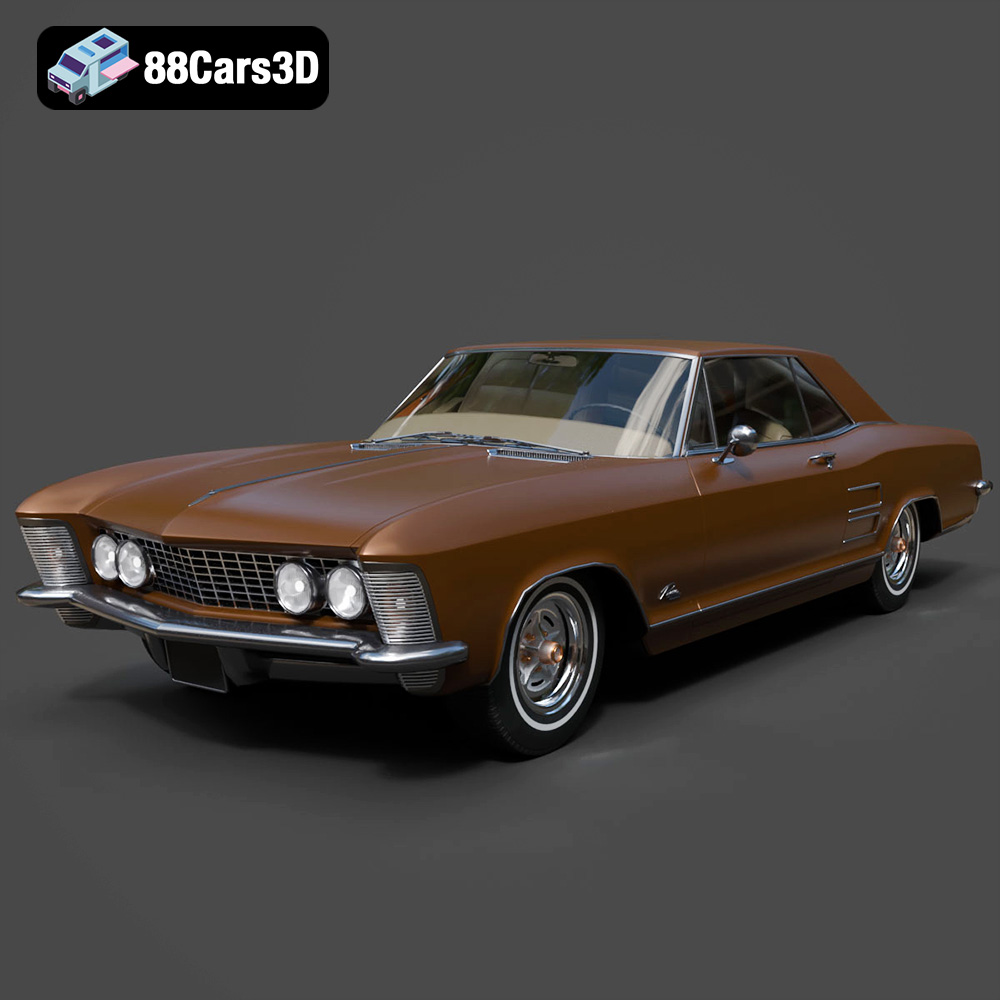
Texture: Yes
Material: Yes
Download the Buick Riviera 1963 3D Model featuring classic American muscle car design and iconic styling. Includes .blend, .fbx, .obj, .glb, .stl, .ply, .unreal, and .max formats for rendering, simulation, and game development.
Price: $10.79
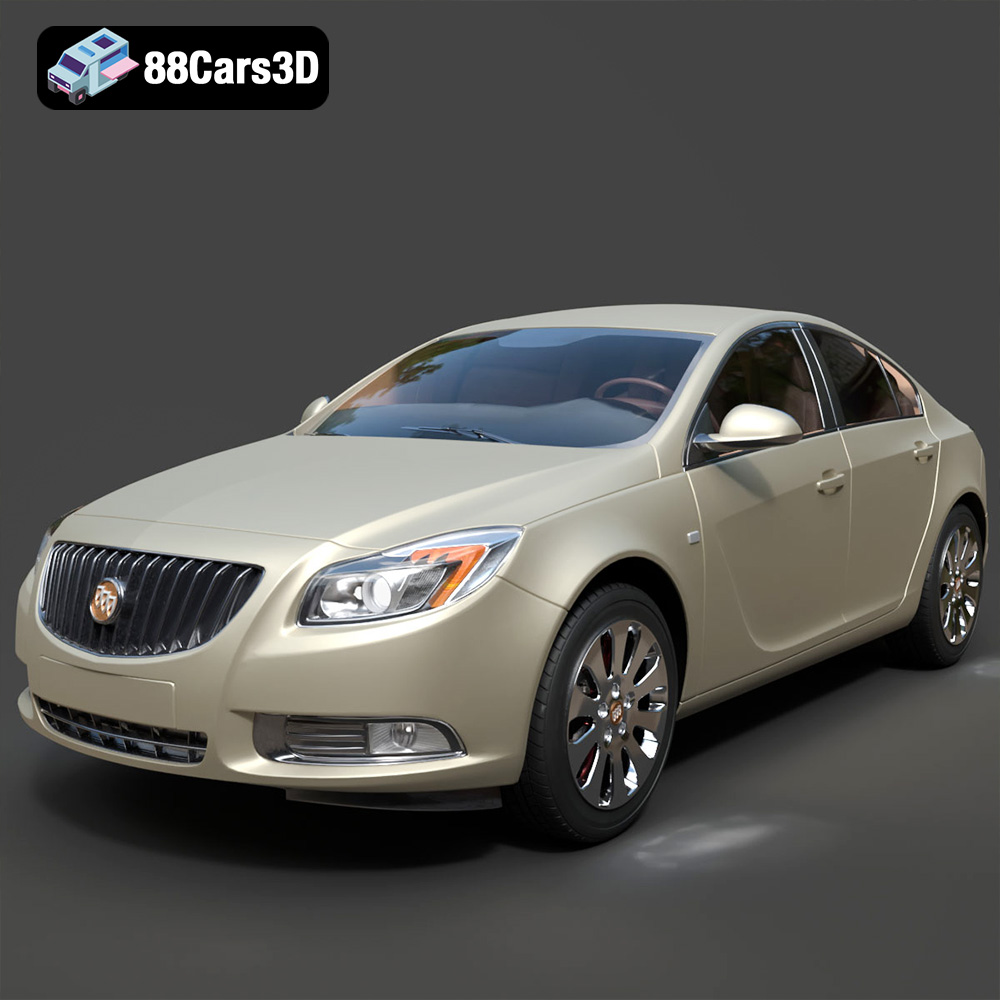
Texture: Yes
Material: Yes
Download the Buick Regal 3D Model featuring a classic American sedan design, detailed exterior, and optimized interior. Includes .blend, .fbx, .obj, .glb, .stl, .ply, .unreal, and .max formats for rendering, simulation, and game development.
Price: $10.79
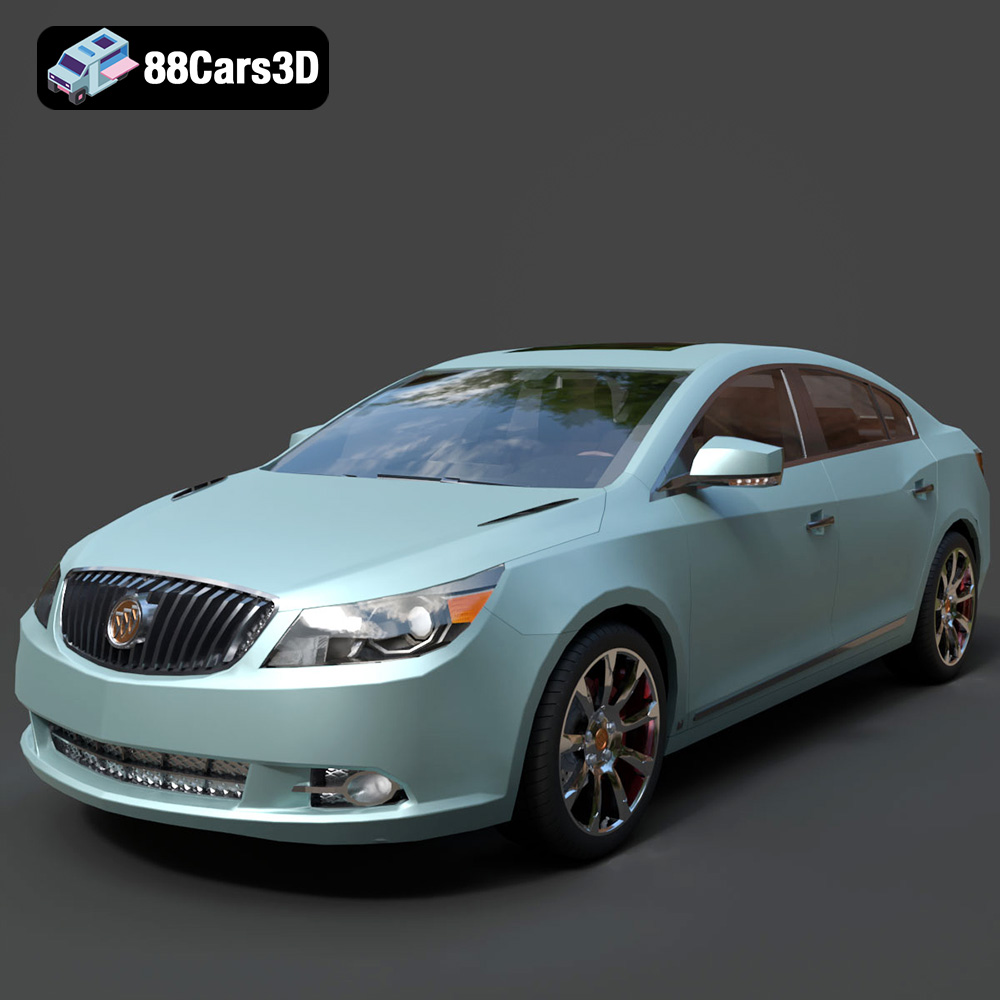
Texture: Yes
Material: Yes
Download the Buick LaCrosse 3D Model featuring professional modeling and texture work. Includes .blend, .fbx, .obj, .glb, .stl, .ply, .unreal, and .max formats for rendering, simulation, and game development.
Price: $10.79
Texture: Yes
Material: Yes
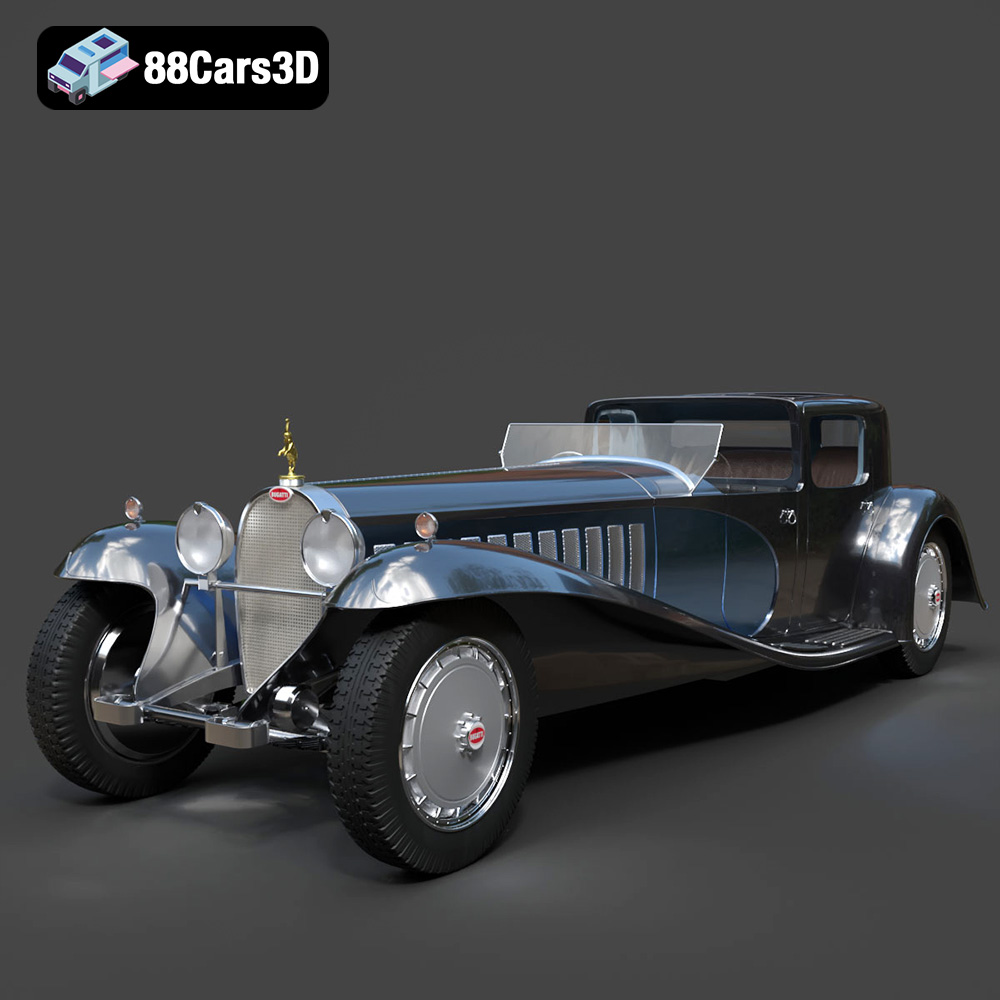
Download the Bugatti Type 41 Napoleon 3D Model featuring its iconic luxury design, detailed exterior, and opulent interior. Includes .blend, .fbx, .obj, .glb, .stl, .ply, .unreal, and .max formats for rendering, simulation, and game development.
Price: $10.79
Texture: Yes
Material: Yes
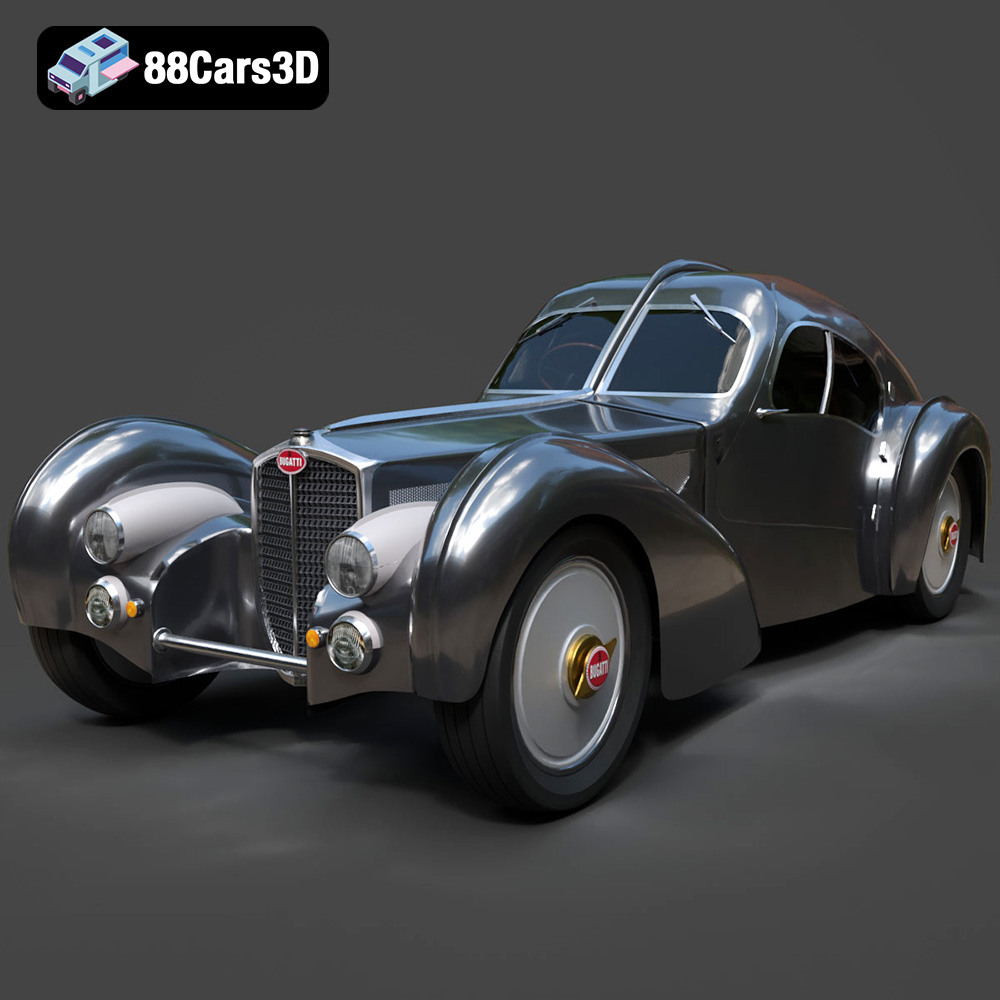
Download the Bugatti Type 57SC Atlantic Coupe 3D Model featuring its iconic streamlined body and classic design. Includes .blend, .fbx, .obj, .glb, .stl, .ply, .unreal, and .max formats for rendering, simulation, and game development.
Price: $10.79
Texture: Yes
Material: Yes
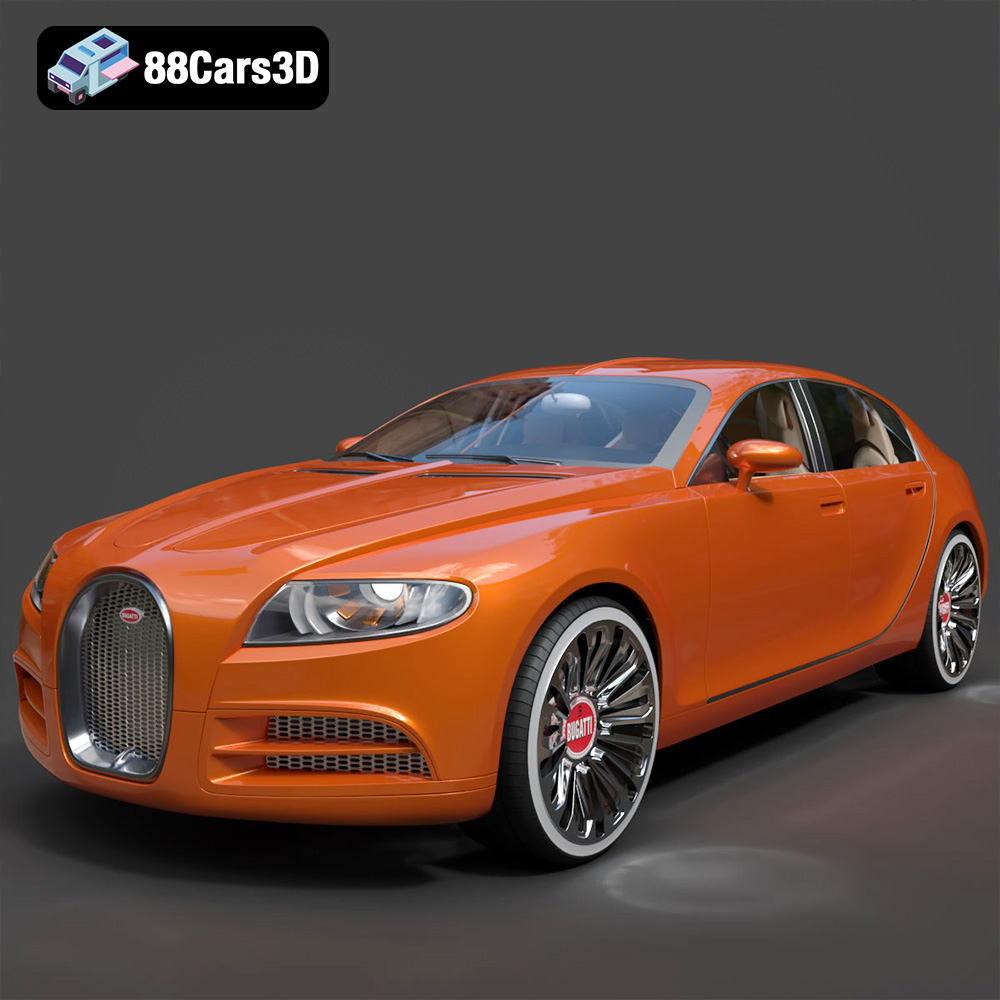
Download the Bugatti 16C Galibier-006 3D Model featuring its luxurious sedan design, detailed interior, and sophisticated exterior. Includes .blend, .fbx, .obj, .glb, .stl, .ply, .unreal, and .max formats for rendering, simulation, and game development.
Price: $10.79
Texture: Yes
Material: Yes
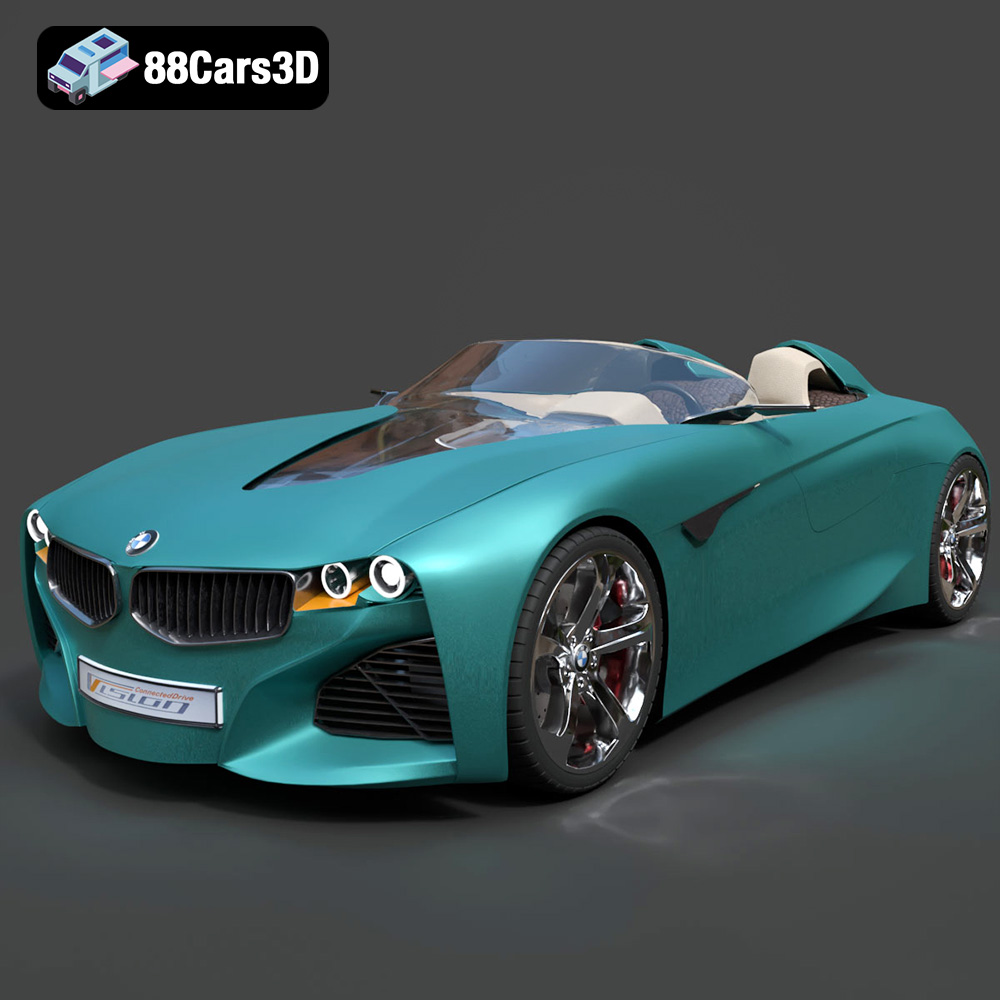
Download the BMW Vision Connected Drive Concept 3D Model featuring its innovative design, advanced connectivity, and sleek aesthetics. Includes .blend, .fbx, .obj, .glb, .stl, .ply, .unreal, and .max formats for rendering, simulation, and game development.
Price: $19.79
Texture: Yes
Material: Yes
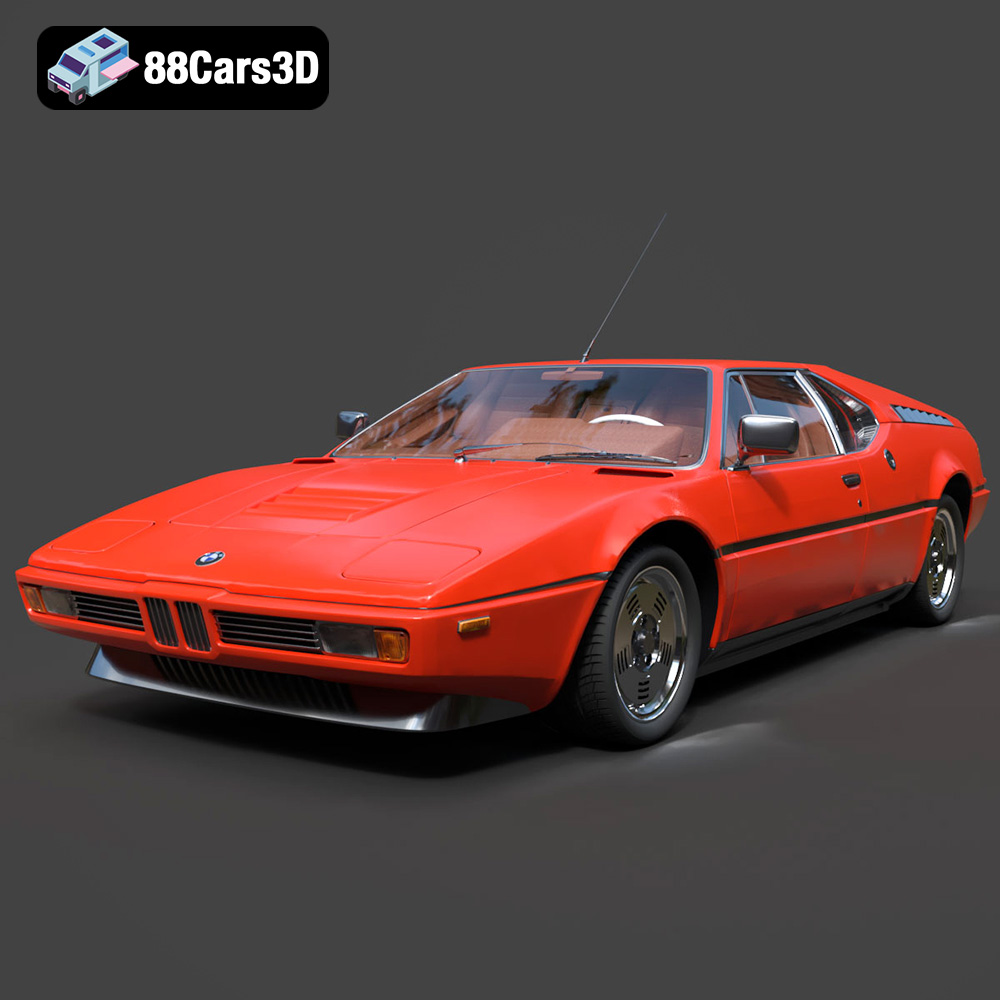
Download the BMW Motorsport M1 E26 1981 3D Model featuring its iconic design, race-bred aerodynamics, and meticulously crafted details. Includes .blend, .fbx, .obj, .glb, .stl, .ply, .unreal, and .max formats for rendering, simulation, and game development.
Price: $20.79

