⚡ FLASH SALE: Get 60% OFF All Premium 3D & STL Models! ⚡

The automotive industry thrives on innovation, not just in engineering and design, but also in how vehicles are presented to the world. Gone are the days when static renders and pre-recorded videos were the only options. Today, the demand for immersive, interactive experiences is paramount, allowing customers and stakeholders to explore vehicles with unprecedented freedom and realism. Enter Unreal Engine – a powerful real-time rendering platform that has revolutionized automotive visualization, enabling creators to build stunning, interactive product demos that were once unimaginable.
For 3D artists, game developers, automotive designers, and visualization professionals, mastering Unreal Engine for interactive car demos unlocks a new dimension of creativity and engagement. Imagine a prospective buyer customizing a car’s paint, wheels, and interior in real-time, opening doors, or even taking a virtual test drive through a beautifully rendered environment. This article will guide you through the comprehensive process of leveraging Unreal Engine to create such dynamic experiences. We’ll delve into everything from setting up your project and integrating high-quality 3D car models (like those found on 88cars3d.com) to crafting photorealistic materials, implementing advanced lighting with Lumen and Ray Tracing, scripting interactive elements with Blueprint, and optimizing your project with Nanite for peak performance. Prepare to transform your automotive visualization workflow and deliver cutting-edge, real-time interactive product demos.
The journey to creating an outstanding interactive automotive demo in Unreal Engine begins with a solid foundation: project setup and the seamless integration of high-quality 3D assets. Choosing the right project template and configuring essential settings can significantly streamline your workflow and ensure optimal performance from the outset. For automotive visualization, it’s often beneficial to start with the “Automotive, Product Design & Manufacturing” template, which comes pre-configured with industry-specific settings and plugins, including support for Ray Tracing and Virtual Textures. Once your project is created, key settings such as enabling Lumen Global Illumination and Reflections, along with hardware Ray Tracing (if your target hardware supports it), are crucial for achieving photorealistic results.
Importing your 3D car models is a critical step. While Unreal Engine supports various formats, FBX and USD are widely used for their robust support of mesh data, UVs, and material assignments. When importing, pay close attention to settings like “Combine Meshes” (often unchecked for modular vehicles), “Generate Missing Collision” (for basic interaction), and ensuring correct import normals and tangents. High-quality 3D car models, such as those available on marketplaces like 88cars3d.com, are typically pre-optimized with clean topology and proper UV mapping, which greatly simplifies this initial setup. These models are designed to meet industry standards, ensuring that your vehicle looks as intended and performs efficiently within the engine.
The quality of your final demo is directly tied to the quality of your source 3D car models. When selecting assets, prioritize models with clean, quad-based topology, well-defined UV layouts (for both unique and tiling textures), and logically separated mesh parts (e.g., body, doors, wheels, interior elements). This modularity is essential for interactivity, allowing you to animate individual components or swap parts. For projects targeting high fidelity, polygon counts in the millions for a single vehicle are acceptable, especially when leveraging features like Nanite. However, for broader compatibility or mobile AR/VR applications, models with optimized polygon counts and multiple Levels of Detail (LODs) are preferred. Platforms like 88cars3d.com specifically offer models optimized for Unreal Engine, featuring clean topology and PBR-ready materials, which significantly reduces the preparation time required before import. Always verify the model’s scale and units; Unreal Engine uses centimeters (1 UU = 1cm), so ensure your imported model adheres to this for realistic physics and interaction.
After importing your model, verifying its scale within the Unreal Engine editor is paramount. A car that is too large or too small will disrupt physics simulations, lighting calculations, and user interaction. Use a human character mesh (available in the starter content) or a simple cube of known dimensions (e.g., 180cm height for a person) as a reference. If adjustments are needed, scale the Static Mesh asset directly or wrap it in a Blueprint Actor for easier manipulation. Next, establish a foundational environment. A simple ground plane and an HDRI (High Dynamic Range Image) backdrop applied to a Sky Light are excellent starting points. The HDRI provides realistic ambient lighting and reflections, immediately making your car model look more grounded in the scene. Consider using the “Sky Atmosphere” and “Volumetric Clouds” systems for dynamic outdoor lighting, adding depth and realism to your virtual showroom or environment. Properly configuring these elements sets the stage for accurate lighting and material representation, which we’ll explore next.
Achieving photorealistic quality in automotive visualization hinges on meticulously crafted materials. Unreal Engine’s Physically Based Rendering (PBR) pipeline is designed for this very purpose, allowing artists to create surfaces that react to light in a physically accurate manner. The core PBR parameters—Base Color (Albedo), Metallic, Roughness, Normal, and Ambient Occlusion—are the building blocks. For automotive surfaces, however, we often need to go beyond these basics, especially for complex materials like car paint, intricate carbon fiber, and reflective glass.
The Unreal Engine Material Editor is a node-based interface where you construct your shaders. Understanding how light interacts with different surfaces is key. Metallic surfaces (like chrome trim or bare metal) have a high Metallic value and low Roughness, producing sharp reflections. Non-metallic surfaces (like plastic, leather, or matte paint) have a Metallic value close to zero, with their color primarily defined by Base Color and their shininess by Roughness. Car paint, in particular, is a layered material, often consisting of a base color, metallic flakes, and a clear coat, all of which need to be accurately represented in the material graph to achieve a convincing look. Utilizing Material Functions can help organize complex material networks and promote reusability across different parts of your car model.
Automotive paint is notoriously complex to simulate due to its multi-layered structure. A truly realistic car paint shader in Unreal Engine typically involves a combination of techniques. The base layer provides the primary color (Base Color). On top of this, you’ll often have a metallic flake layer, achieved by sampling a noise texture or a dedicated flake normal map, and blending it with the base normal. The ‘Clear Coat’ workflow in Unreal Engine is essential here. You can enable a Clear Coat layer within the material, providing additional parameters like Clear Coat, Clear Coat Roughness, and Clear Coat Normal. This simulates the glossy protective layer, creating distinctive specular reflections and adding depth. Using the Fresnel effect can enhance reflections at grazing angles, accurately mimicking how light bounces off curved surfaces. Parameterizing your car paint material with Scalar and Vector Parameters allows you to create Material Instances, giving artists and users the ability to easily change colors, metallic flake intensity, and clear coat roughness without recompiling the shader, which is vital for interactive configurators.
While visual fidelity is crucial, texture optimization is equally important for real-time performance. High-resolution textures (4K, 8K) are often necessary for hero assets like car bodies to capture fine details, but they must be managed efficiently. Unreal Engine’s texture streaming system helps by loading textures at appropriate resolutions based on camera distance, but excessive texture memory can still be a bottleneck. Use appropriate texture compression settings (e.g., BC7 for high-quality color maps, BC5 for normal maps). Ensure your UVs are clean, non-overlapping, and efficiently packed to maximize texture utilization. For large, continuous surfaces, consider using Tiling Textures combined with unique detail normal maps to break up repetition. For highly detailed parts of the vehicle, such as dashboards or engine components, Virtual Textures can be an excellent solution. Virtual Textures allow for extremely large texture maps without consuming excessive memory at runtime, as only the visible portions are streamed, making them ideal for high-fidelity automotive assets. Refer to the official Unreal Engine documentation at https://dev.epicgames.com/community/unreal-engine/learning for detailed guides on texture optimization and Virtual Textures.
Lighting is arguably the most impactful element in conveying realism within any real-time scene, and automotive visualization is no exception. Unreal Engine offers a powerful suite of lighting technologies, with Lumen and Hardware Ray Tracing leading the charge for achieving stunning, physically accurate illumination. Understanding how to leverage these systems is fundamental to making your 3D car models truly pop.
Lumen is Unreal Engine 5’s default global illumination and reflections system, providing dynamic, real-time GI and reflections without the need for lightmaps or pre-baking. This means that as you move lights, open doors, or change environments in your interactive demo, the lighting updates instantly and accurately. Lumen handles indirect lighting bounces, emissive material lighting, and diffuse inter-reflection, creating incredibly lifelike scenes. For reflections, Lumen provides high-quality software ray tracing reflections for opaque objects and screen-space reflections for transparent ones, complementing hardware ray tracing where available. Pairing Lumen with a Sky Light, which captures light from an HDRI (High Dynamic Range Image) environment map, is a common and effective approach to establish realistic ambient lighting and reflections, grounding your vehicle within a believable space.
For even higher fidelity in reflections, shadows, and ambient occlusion, especially in controlled studio environments or cinematic sequences, Hardware Ray Tracing can be enabled. Ray Tracing provides pristine, pixel-perfect reflections and accurate global illumination that often surpasses Lumen’s software-based approximation, particularly for metallic and highly reflective surfaces like car paint and chrome. However, it comes with a higher performance cost and requires compatible graphics hardware. Combining Lumen for robust global illumination with specific Ray Traced reflections for critical surfaces can offer a balanced approach, delivering stunning visuals while maintaining playable frame rates for interactive demos.
While Lumen offers unparalleled real-time global illumination, optimizing its settings is crucial for maintaining performance, especially when dealing with complex automotive scenes. In the Project Settings, under Rendering, you can adjust Lumen’s quality presets (e.g., “High,” “Epic”) and fine-tune parameters such as “Global Illumination Quality,” “Reflection Quality,” and “Final Gather Quality.” Reducing the “Max Trace Distance” for reflections can save performance in vast outdoor environments, as reflections further away become less critical. For indoor studio setups, increasing the “Num Traces Per Pixel” might be desirable for cleaner results. Enabling “Software Ray Tracing” is vital for Lumen to function correctly on opaque surfaces. Additionally, ensuring your scene’s complexity doesn’t overwhelm Lumen is key; avoid excessively small or thin meshes that can cause flickering or artifacts in the GI solution. For dynamic environments or time-of-day changes, Lumen’s flexibility shines, offering instant updates to indirect lighting, which is a game-changer for interactive automotive showcases. Refer to the official Unreal Engine documentation for the latest best practices on Lumen optimization: https://dev.epicgames.com/community/unreal-engine/learning.
Beyond natural environmental lighting, cinematic techniques are essential for highlighting design details and creating visually compelling showcases. Employing a traditional three-point lighting setup—key light, fill light, and back light—can effectively sculpt the vehicle’s form. Directional Lights simulate sunlight, Spot Lights can act as strong accent lights to emphasize curves or badges, and Rect Lights are excellent for soft, studio-style illumination, often used to create appealing reflections on glossy surfaces. For even greater control, Light Functions can be applied to lights to project custom patterns, like softboxes or intricate gobos, onto surfaces. Using IES (Illuminating Engineering Society) profiles with your Spot and Rect Lights can simulate the precise light distribution patterns of real-world light fixtures, adding another layer of realism. Finally, the Post-Process Volume is indispensable for overall scene grading. Here, you can adjust exposure, color grading (using LUTs or manual adjustments), add bloom for glowing elements, implement depth of field for cinematic focus, and fine-tune effects like chromatic aberration and film grain to achieve a desired aesthetic, ensuring your automotive presentation has a polished, professional look.
The true power of an interactive product demo in Unreal Engine lies in its ability to respond to user input and showcase dynamic features. This is where Blueprint Visual Scripting becomes your most valuable tool. Blueprint allows artists and designers to create complex gameplay and interactive functionalities without writing a single line of code. It’s an event-driven system where you define actions based on triggers, making it perfect for developing automotive configurators and interactive showcases.
Common interactive elements for a car demo include opening and closing doors, changing paint colors, swapping wheel designs, animating components, and controlling camera perspectives. For instance, to change a car’s paint color, you would create a Blueprint Actor for the car, expose a color parameter in its Material Instance, and then create a User Widget (UMG) with buttons for different color options. When a button is clicked, a Blueprint node would set the new color parameter on the car’s material. Similarly, door animations can be driven by a simple timeline in Blueprint, triggered by an “OnClicked” event on the door mesh. This visual approach democratizes the development process, enabling artists to take ownership of the interactive experience.
An interactive car configurator is one of the most powerful applications of Blueprint. It allows users to personalize a vehicle in real-time, switching out components and applying different material finishes. The User Interface (UI) is typically built using Unreal Motion Graphics (UMG). You’ll create widgets for buttons, sliders, dropdowns, and text blocks to present customization options. The logic for these UI elements interacts directly with your car’s Blueprint. For example, a “Paint Color” button might call a custom event in your car Blueprint that retrieves a specific material instance (or creates a Dynamic Material Instance), and then sets a Vector Parameter (representing color) on that material. Managing multiple options for wheels, interiors, and accessories involves creating arrays of Static Mesh assets or Material Instances and dynamically swapping them based on user selection. Blueprint Interfaces and Event Dispatchers are excellent tools for robust communication between your UI widgets and the car Blueprint, ensuring a clean and scalable architecture. This modular approach allows for easy expansion with new customization options as designs evolve. For detailed guidance on UMG and Blueprint interactions, consult the official Unreal Engine documentation at https://dev.epicgames.com/community/unreal-engine/learning.
While a full-fledged racing simulation might be overkill for an interactive product demo, incorporating simplified physics and vehicle dynamics can significantly enhance realism. Unreal Engine’s Chaos Vehicles plugin provides a robust framework for simulating car physics, including wheel collisions, suspension, and basic drivability. You can set up a simplified vehicle rig in Blueprint, assigning wheel meshes, suspension parameters, and engine curves. This allows for basic interactions like starting the engine, opening the trunk with a realistic bounce, or even a controlled virtual test drive within a limited environment. For purely visual interactions like door opening or hood lifting, simpler physics constraints or custom Blueprint timelines with carefully crafted animation curves will suffice. The key is to strike a balance: use realistic physics where it enhances immersion (e.g., how a car settles on its suspension), but simplify where complex simulation isn’t necessary for the demo’s purpose, thus maintaining optimal performance. Properly configured physics can add a subtle but impactful layer of realism, making the interactive experience feel more tangible.
Creating visually stunning automotive demos in Unreal Engine is only half the battle; ensuring they run smoothly in real-time is equally critical. Performance optimization is an ongoing process that involves leveraging Unreal Engine’s advanced features and implementing best practices. High-fidelity 3D car models, while rich in detail, can be incredibly demanding on system resources. Understanding how to manage these demands is key to delivering a fluid and engaging interactive experience across various platforms.
Unreal Engine 5 introduced Nanite, a virtualized geometry system that dramatically changes how we handle high-polygon assets. Nanite allows artists to import film-quality assets with millions or even billions of polygons directly into Unreal Engine without performance degradation. It intelligently streams and processes only the necessary triangle data in real-time, effectively eliminating the need for manual LOD generation for Nanite-enabled meshes. This is a game-changer for automotive visualization, as it means incredibly detailed car bodies, intricate interiors, and complex engine components can be rendered with unprecedented fidelity without crippling frame rates. However, Nanite is best suited for static meshes and has certain limitations, such as not supporting deformations, translucent materials, or certain custom vertex shaders, which means not every part of a car model can or should be Nanite-enabled.
For meshes that cannot utilize Nanite, or for platforms with less powerful hardware, traditional Level of Detail (LOD) management remains crucial. LODs are simplified versions of a mesh that are swapped in as the camera moves further away from the object. Unreal Engine can automatically generate LODs, but manual creation often yields better, more controlled results, ensuring important details are retained at critical distances. Properly configured LODs can significantly reduce polygon count and draw calls, which are major performance bottlenecks. Beyond geometry, optimizing draw calls, shader complexity, and texture memory are ongoing considerations. Utilizing profiling tools like the Stat commands (Stat GPU, Stat RHI, Stat Engine, Stat Unit) and the Session Frontend is essential for identifying performance bottlenecks and making informed optimization decisions.
Nanite transforms the workflow for high-fidelity automotive assets. When importing a detailed 3D car model, ensure that the individual static meshes (e.g., body panels, interior trim, intricate engine parts) are enabled for Nanite. This can be done in the Static Mesh Editor by checking the “Enable Nanite” box. For assets sourced from platforms like 88cars3d.com, which provide highly detailed models, Nanite allows you to retain all the geometric richness without worrying about polygon budgets. While the main car body is an obvious candidate for Nanite, extend its use to other complex areas like tire treads, detailed brake calipers, exhaust manifolds, and dashboard elements. For meshes requiring specific material effects not compatible with Nanite (e.g., car glass with translucency, animated parts), keep them as regular static meshes and manage their LODs conventionally. For optimal results, ensure the imported mesh has clean geometry without excessively thin or overlapping triangles, as these can sometimes cause artifacts with Nanite’s virtualization. Utilizing Nanite effectively means your interactive demos can boast film-quality detail, truly pushing the boundaries of real-time realism.
The target platform significantly dictates your optimization strategy. For high-end desktop experiences, you can push the visual fidelity with Ray Tracing and higher Lumen settings. However, for AR/VR, the demands are far more stringent. VR requires maintaining a very high, stable framerate (e.g., 90 FPS per eye) to prevent motion sickness, meaning every millisecond of rendering time is critical. Here, heavy reliance on Nanite might need careful evaluation, and traditional LODs, aggressive texture streaming, and simplified shaders become paramount. Stereo rendering inherently doubles the rendering workload, so reducing polygon counts, optimizing draw calls, and simplifying lighting solutions are essential. Techniques like Foveated Rendering (if supported by hardware) can help by rendering the center of the user’s gaze at higher quality than the periphery. For web-based experiences (e.g., Pixel Streaming or future WebGL exports), bandwidth and client-side processing power are limiting factors, necessitating even more aggressive optimization and streamlined content. Always profile your application on the target hardware to identify and address bottlenecks specific to that platform. A comprehensive content audit to remove unused assets, consolidate materials, and optimize texture sizes (e.g., 512×512 or 1024×1024 for less critical textures) is a universal best practice for scaling your automotive demo efficiently.
Beyond interactive configuration, Unreal Engine excels at creating breathtaking cinematic sequences and empowering virtual production workflows. These advanced applications allow you to tell compelling stories about your automotive designs, whether through a polished promotional video or by integrating physical and digital elements on a virtual stage.
Sequencer, Unreal Engine’s non-linear cinematic editor, is the tool of choice for crafting professional-grade automotive cinematics. It allows you to animate cameras, lights, materials, and even Blueprint-driven events over a timeline. Imagine a camera smoothly tracking a vehicle as it drives through a stunning environment, highlighting design features with dramatic close-ups, or showcasing a paint color change synchronized with a musical beat. Sequencer enables precise keyframing of virtually any property within your scene, from the position and rotation of your car to the color and intensity of a light, or even material parameters like paint flake visibility. Integrating virtual cameras, controllable via an iPad or a physical camera tracking system, further blurs the lines between real and virtual, allowing cinematographers to intuitively scout and frame shots within the Unreal Engine environment.
To create a compelling automotive cinematic, start by adding a “Cine Camera Actor” to your scene. These cameras offer real-world camera properties like focal length, aperture (for depth of field), and filmback settings, providing an authentic cinematic feel. In Sequencer, add your Cine Camera, car Blueprint, and any relevant lights or environmental elements as tracks. Animate the camera path using spline curves for smooth motion, or attach it to a “Camera Rig Rail” for dolly-like movements. Keyframe your car’s position, rotation, or even custom Blueprint variables (e.g., to open doors or change parts at specific moments). You can also animate material parameters directly within Sequencer, allowing for dynamic paint changes, gloss adjustments, or even revealing interior lighting. For dramatic flair, integrate Post-Process Volume settings into Sequencer to animate effects like color grading, lens flares, and motion blur, ensuring a polished final look. Once your sequence is complete, you can render it out to high-quality image sequences (EXR, PNG) or video files (AVI, MP4) directly from Sequencer, leveraging Unreal Engine’s Movie Render Queue for advanced anti-aliasing and temporal upsampling for pristine output.
Unreal Engine has revolutionized virtual production, particularly with LED wall workflows. This cutting-edge technique, often referred to as In-Camera VFX (ICVFX), involves displaying a real-time Unreal Engine environment on a large LED volume that surrounds a physical set and actors (or a physical car). The camera’s position is tracked, and the perspective of the virtual environment on the LED wall is dynamically updated to match the camera’s viewpoint, creating perfect parallax. This allows filmmakers to capture final pixel backgrounds in-camera, eliminating the need for green screen compositing and providing real-time lighting interaction between the virtual environment and the physical subject. For automotive applications, this means you can place a physical car on a stage, and instantly transport it to any virtual location – a bustling city street, a serene mountain pass, or a futuristic showroom – with perfectly matched lighting and reflections. Unreal Engine’s nDisplay framework is central to configuring and synchronizing content across multiple displays, making it possible to drive massive LED volumes. This approach empowers automotive advertisers and designers to create incredibly immersive, hyper-realistic content efficiently, merging the physical and digital worlds seamlessly in real-time.
The journey of creating interactive product demos with Unreal Engine for automotive visualization is a testament to the platform’s incredible power and flexibility. We’ve explored the essential steps, from laying down a robust project foundation and integrating high-quality 3D car models (like those readily available on 88cars3d.com) to sculpting photorealistic materials, illuminating scenes with Lumen and advanced Ray Tracing, and infusing life with Blueprint interactivity. We also delved into critical optimization strategies, leveraging Nanite for unparalleled geometric detail and understanding LODs for broad platform compatibility, finally touching upon the exciting realms of cinematic storytelling with Sequencer and the transformative potential of virtual production with LED walls.
Unreal Engine empowers you to transcend traditional visualization limits, offering an environment where your creative visions for automotive experiences can thrive. The ability to engage users with real-time configurators, immerse them in dynamic environments, and render breathtaking cinematics places you at the forefront of the industry. The continuous advancements in Unreal Engine, coupled with a wealth of high-quality assets from marketplaces like 88cars3d.com, ensure that the possibilities for automotive visualization are constantly expanding. Embrace the challenge, experiment with the tools, and start building your next-generation interactive automotive demo today. The future of product visualization is real-time, interactive, and within your grasp with Unreal Engine.
Texture: Yes
Material: Yes
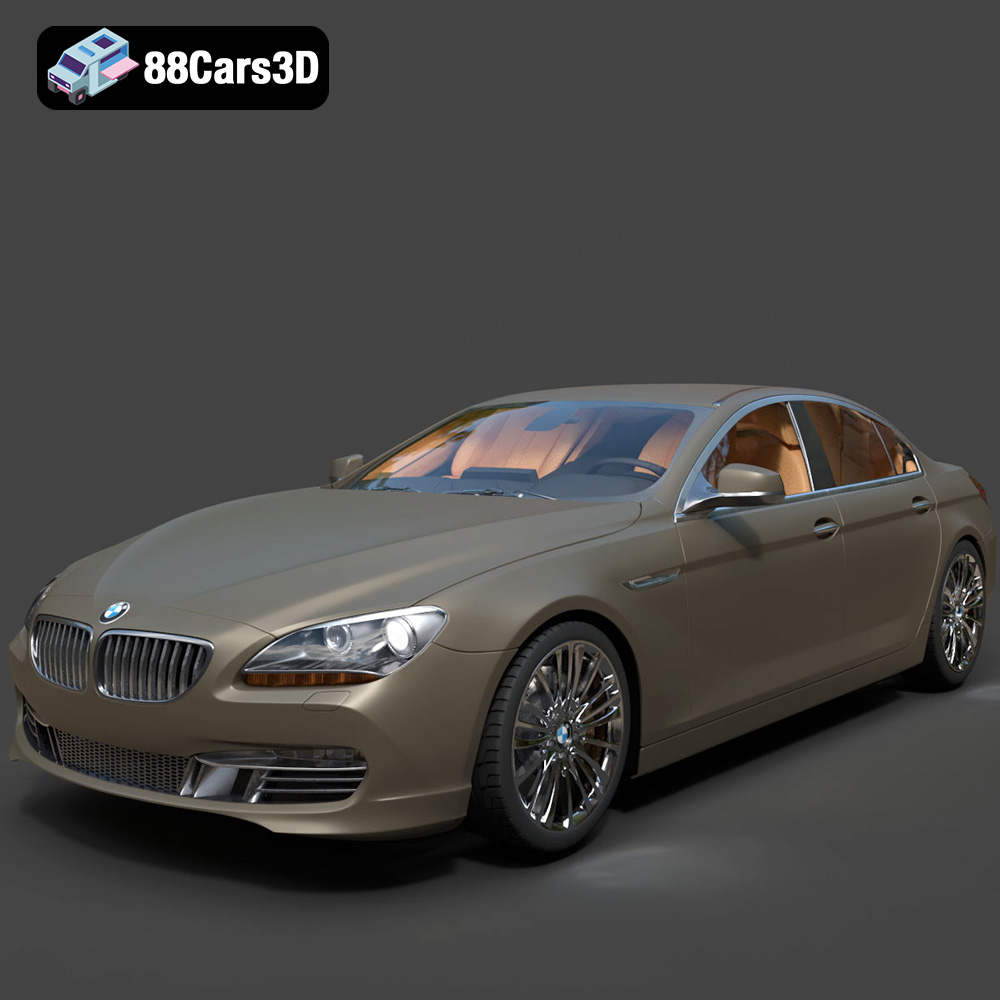
Download the BMW 6 Series Gran Coupe 2013 3D Model featuring a sophisticated design, detailed exterior, and well-appointed interior. Includes .blend, .fbx, .obj, .glb, .stl, .ply, .unreal, and .max formats for rendering, simulation, and game development.
Price: $20.79
Texture: Yes
Material: Yes
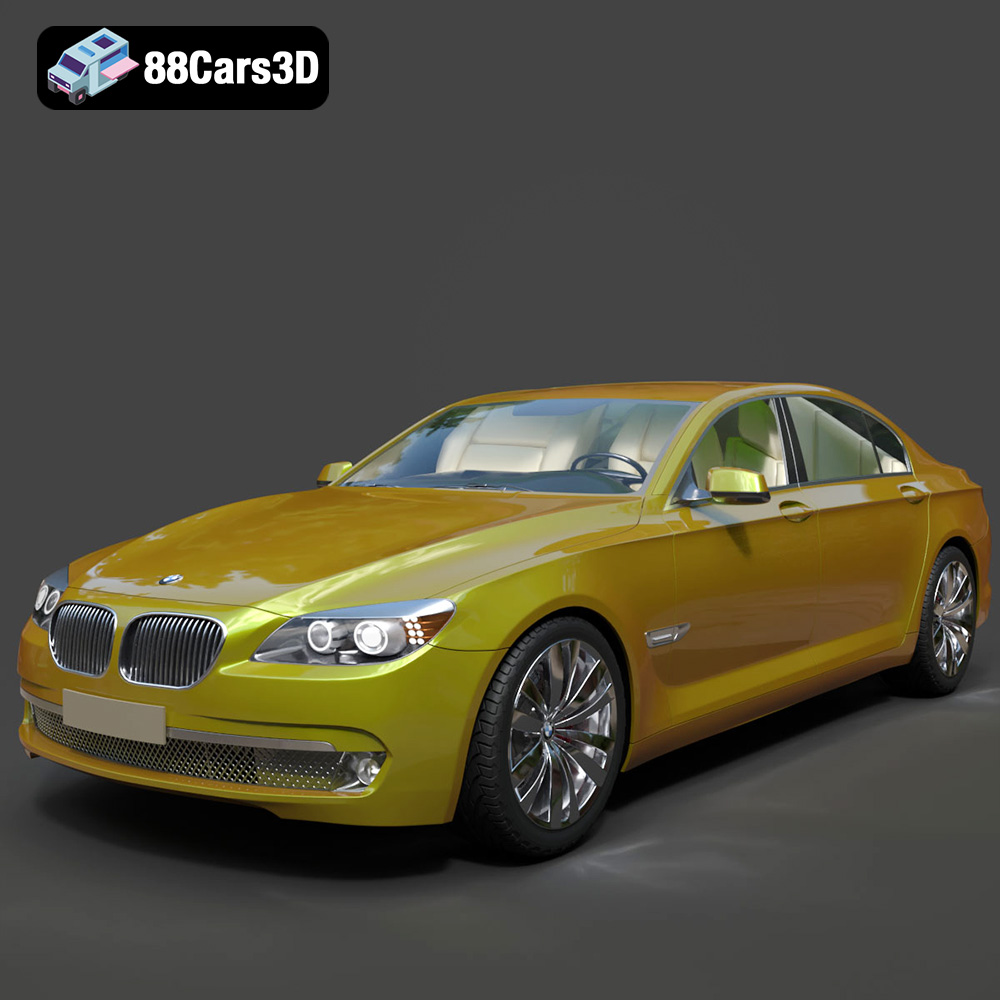
Download the BMW 7 Series 750 F01 3D Model featuring a detailed exterior and a luxurious interior. Includes .blend, .fbx, .obj, .glb, .stl, .ply, .unreal, and .max formats for rendering, simulation, and game development.
Price: $10.79
Texture: Yes
Material: Yes
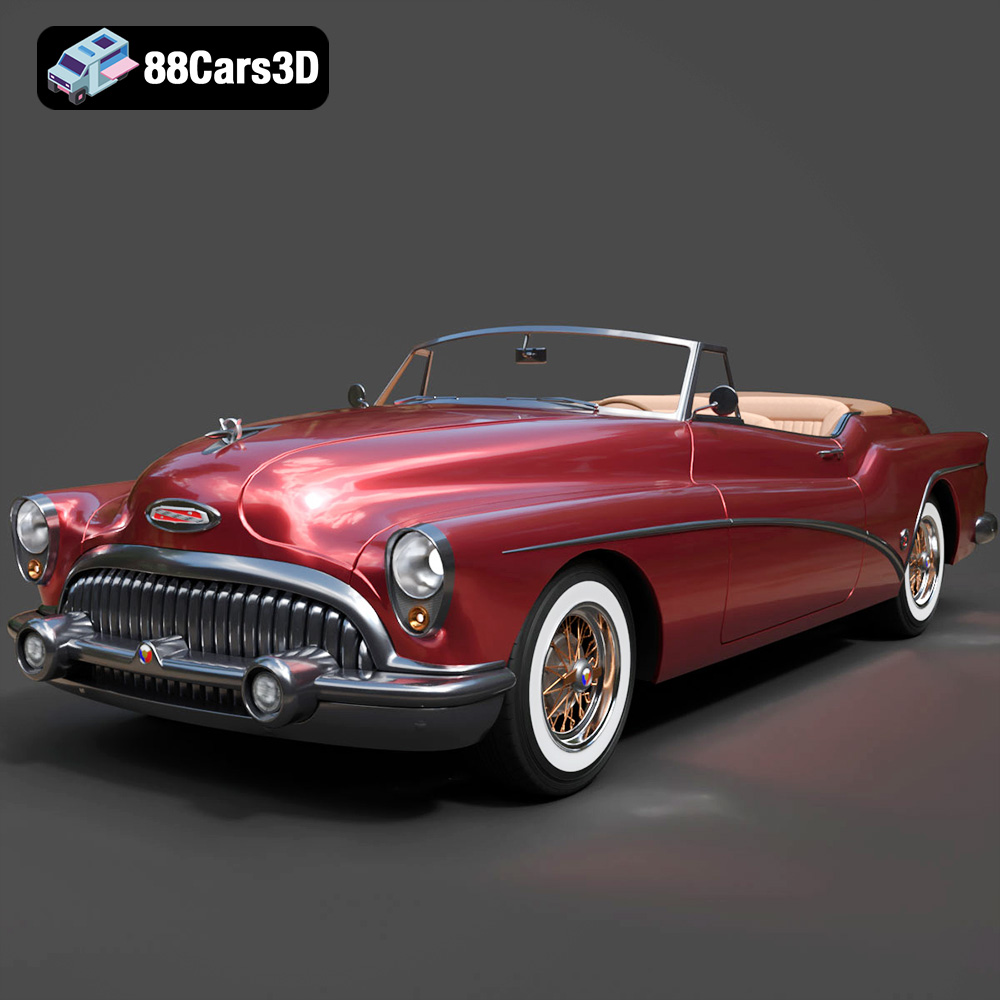
Download the Buick Skylark Convertible 1953 3D Model featuring iconic 1950s styling, a detailed exterior with chrome accents, and an accurately modeled interior. Includes .blend, .fbx, .obj, .glb, .stl, .ply, .unreal, and .max formats for rendering, simulation, and game development.
Price: $10.79

Texture: Yes
Material: Yes
Download the Buick Roadmaster Hardtop Coupe 1957 3D Model featuring a classic American design with detailed exterior and interior. Includes .blend, .fbx, .obj, .glb, .stl, .ply, .unreal, and .max formats for rendering, simulation, and game development.
Price: $10.79
Texture: Yes
Material: Yes
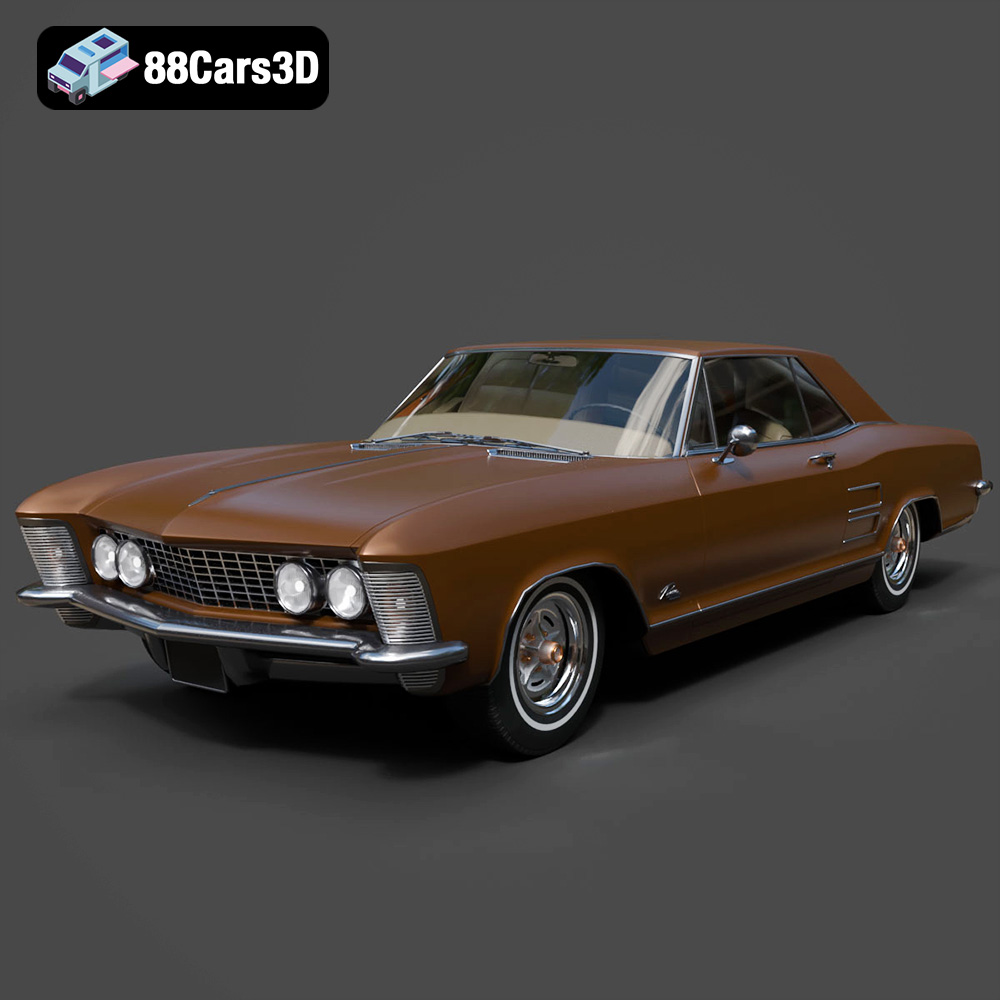
Download the Buick Riviera 1963 3D Model featuring classic American muscle car design and iconic styling. Includes .blend, .fbx, .obj, .glb, .stl, .ply, .unreal, and .max formats for rendering, simulation, and game development.
Price: $10.79
Texture: Yes
Material: Yes
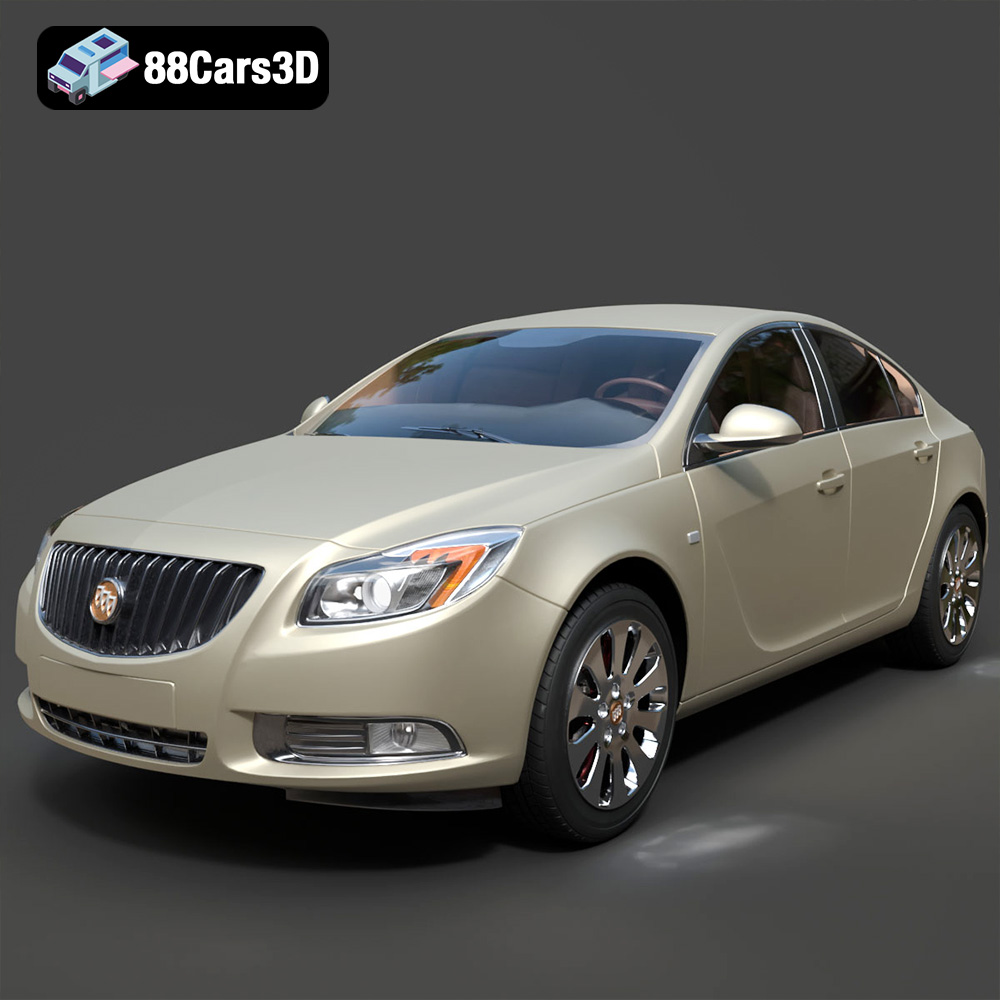
Download the Buick Regal 3D Model featuring a classic American sedan design, detailed exterior, and optimized interior. Includes .blend, .fbx, .obj, .glb, .stl, .ply, .unreal, and .max formats for rendering, simulation, and game development.
Price: $10.79
Texture: Yes
Material: Yes
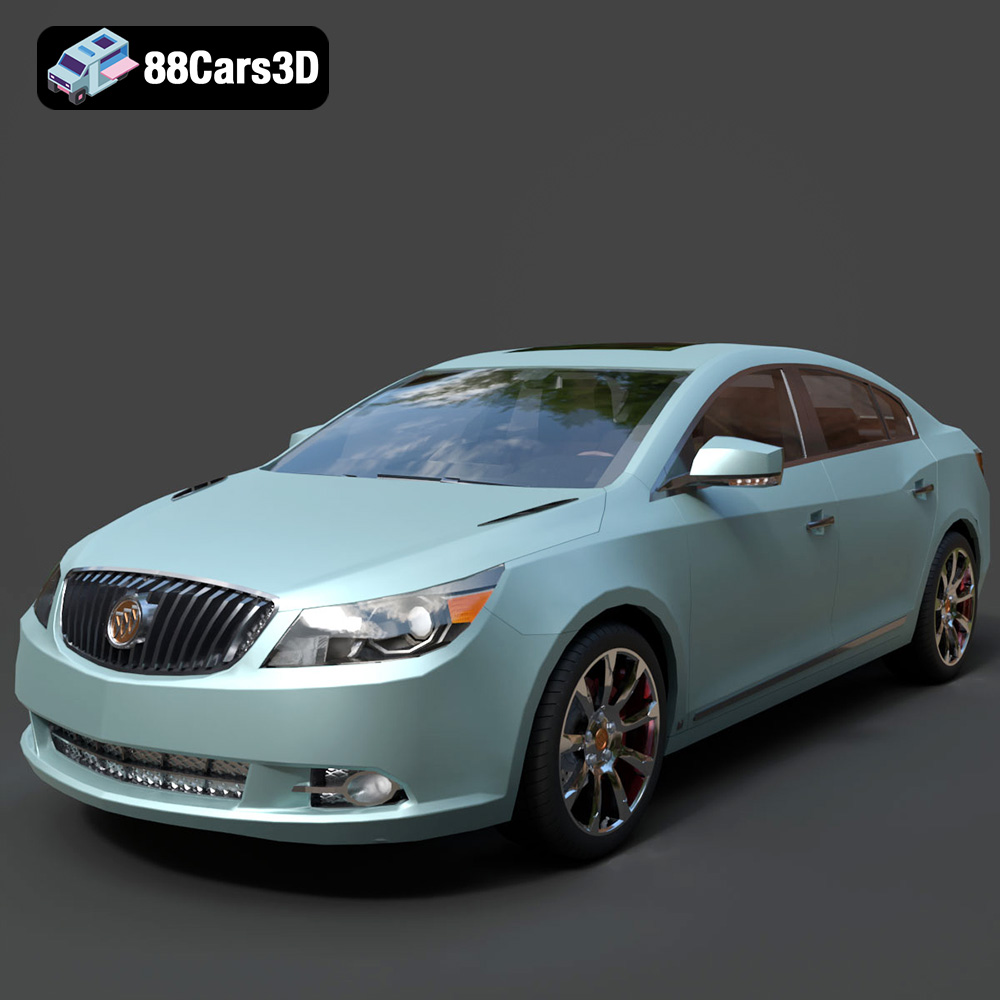
Download the Buick LaCrosse 3D Model featuring professional modeling and texture work. Includes .blend, .fbx, .obj, .glb, .stl, .ply, .unreal, and .max formats for rendering, simulation, and game development.
Price: $10.79
Texture: Yes
Material: Yes
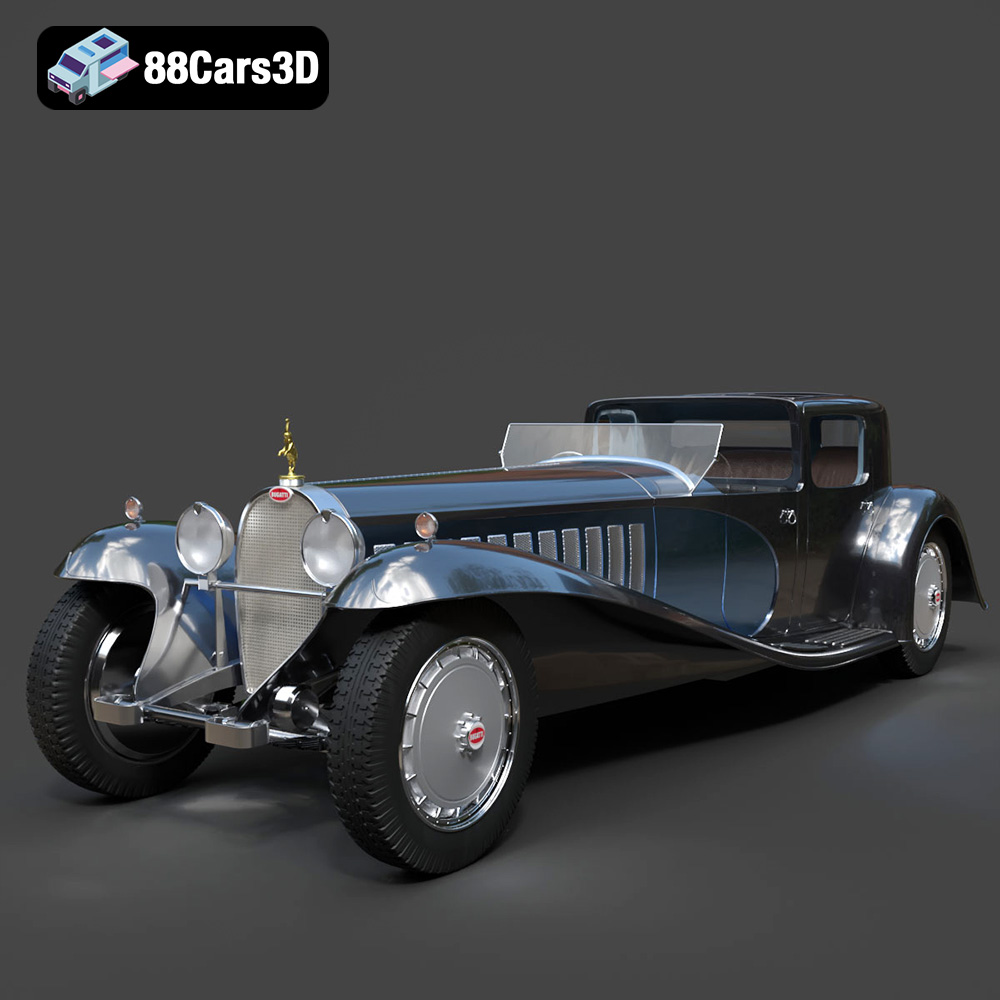
Download the Bugatti Type 41 Napoleon 3D Model featuring its iconic luxury design, detailed exterior, and opulent interior. Includes .blend, .fbx, .obj, .glb, .stl, .ply, .unreal, and .max formats for rendering, simulation, and game development.
Price: $10.79
Texture: Yes
Material: Yes
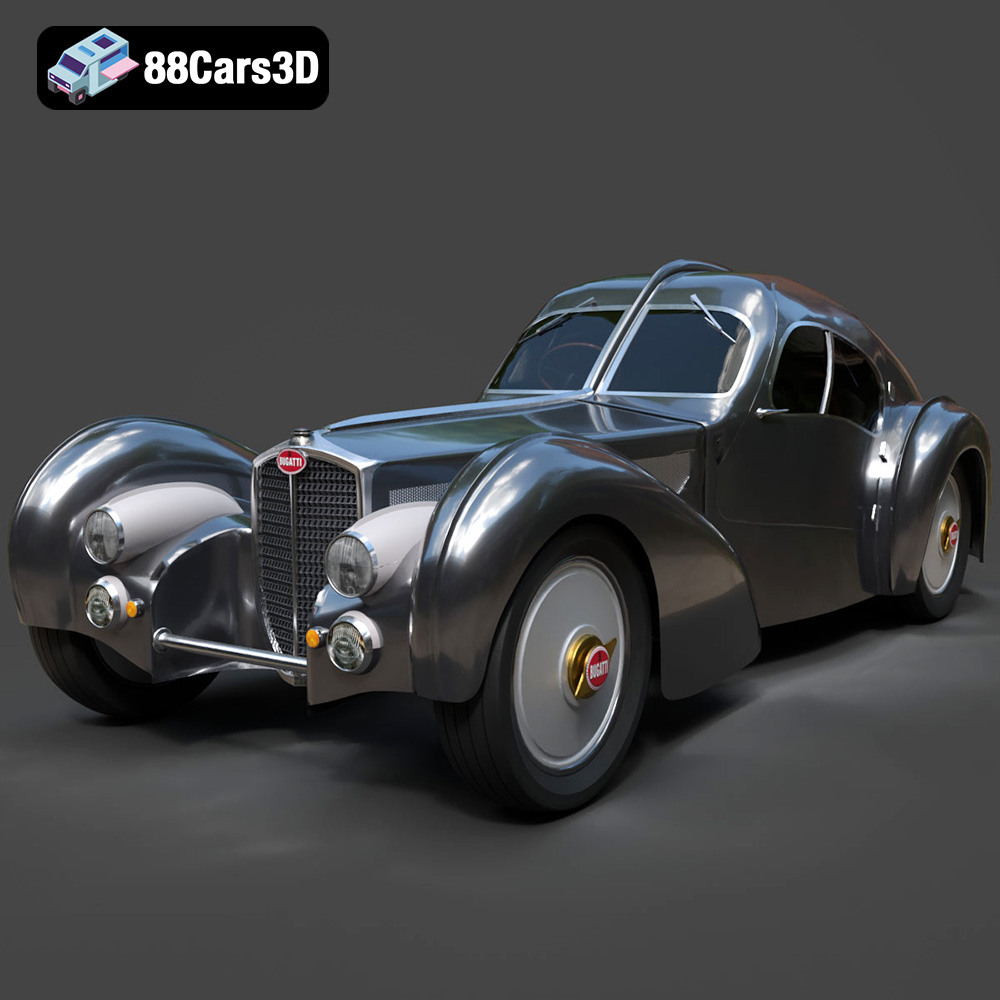
Download the Bugatti Type 57SC Atlantic Coupe 3D Model featuring its iconic streamlined body and classic design. Includes .blend, .fbx, .obj, .glb, .stl, .ply, .unreal, and .max formats for rendering, simulation, and game development.
Price: $10.79
Texture: Yes
Material: Yes
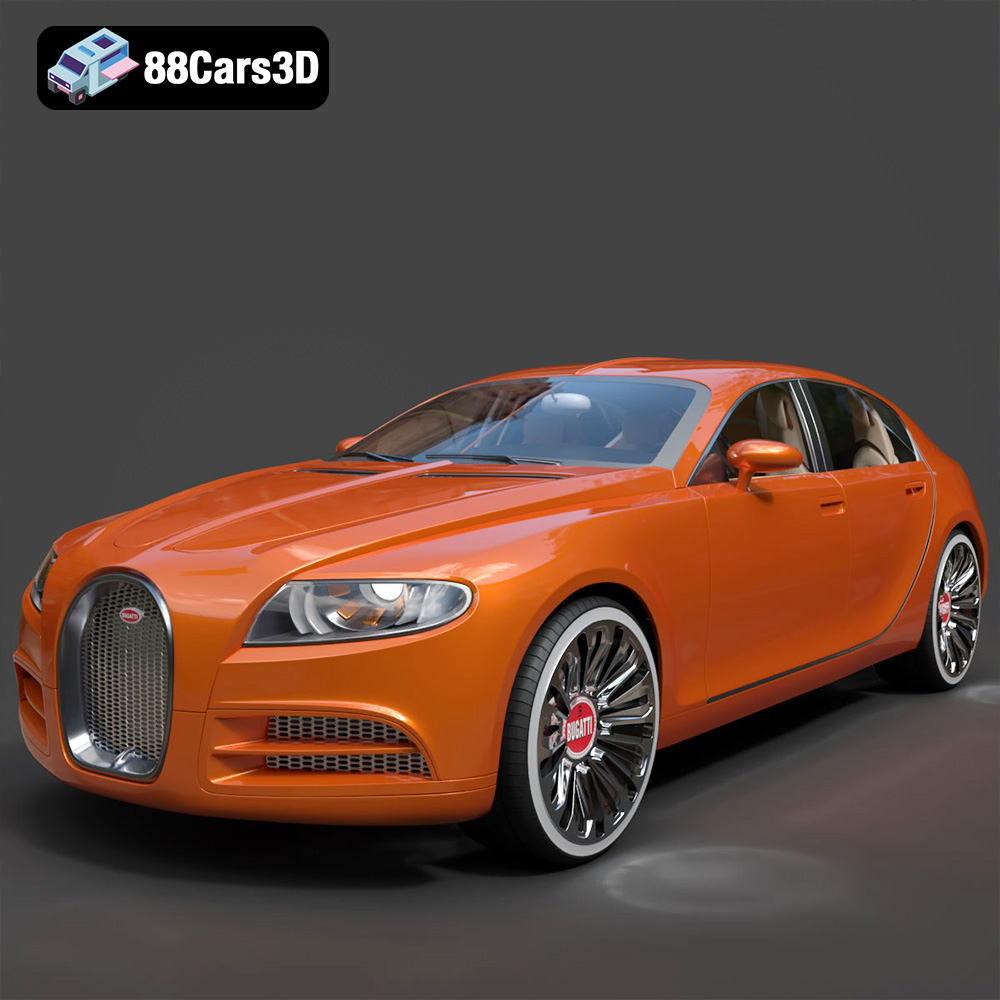
Download the Bugatti 16C Galibier-006 3D Model featuring its luxurious sedan design, detailed interior, and sophisticated exterior. Includes .blend, .fbx, .obj, .glb, .stl, .ply, .unreal, and .max formats for rendering, simulation, and game development.
Price: $10.79

