⚡ FLASH SALE: Get 60% OFF All Premium 3D & STL Models! ⚡

In the dynamic world of 3D visualization, rendering is the critical stage where raw digital assets transform into captivating photorealistic images or real-time game environments. For automotive design, game development, and high-fidelity visualization, the choice of rendering engine can significantly impact the final quality, workflow efficiency, and even the creative possibilities. This comprehensive guide delves deep into three industry-leading rendering powerhouses: V-Ray, Corona Renderer, and Cycles. We’ll explore their unique architectures, material systems, lighting capabilities, and optimization strategies, specifically tailored for bringing 3D car models to life. Whether you’re a seasoned 3D artist aiming for a new level of realism or a game developer optimizing your game assets, understanding these tools is paramount. Join us as we dissect the technical nuances, helping you make an informed decision and elevate your automotive rendering projects to a professional standard.
Before any render engine can weave its magic, the underlying 3D car models must be meticulously crafted. The quality of your mesh topology and the accuracy of your physically based rendering (PBR) materials are the bedrock upon which stunning renders are built. Without a solid foundation, even the most advanced renderers will struggle to produce convincing results. This section will explore the fundamental principles that ensure your automotive assets are render-ready and perform optimally across various applications, from high-fidelity stills to interactive AR/VR experiences.
Clean topology is non-negotiable for high-quality automotive rendering. Car surfaces are characterized by sweeping curves, intricate panel gaps, and sharp creases, all of which demand precise edge flow. The goal is primarily quad-based geometry, as it deforms predictably and allows for smooth subdivision surfacing, essential for achieving the seamless reflections and highlights that define a realistic car. Avoid N-gons (polygons with more than four sides) and triangles in areas that need to be subdivided, as they can lead to pinching, artifacts, and undesirable shading discrepancies. A well-constructed mesh will have edge loops that follow the natural contours of the vehicle, defining key features like wheel arches, door lines, and body panels. This meticulous approach ensures that when light interacts with the surface, reflections are clean, distortion-free, and accurately convey the car’s design. Furthermore, for interactive applications, maintaining a manageable polygon count while preserving detail is crucial. Techniques like retopology and creating different Levels of Detail (LODs) are vital for balancing visual fidelity with real-time performance, ensuring that your game assets run smoothly without sacrificing quality.
PBR materials are the cornerstone of photorealistic rendering today, providing a standardized and physically accurate way to define how light interacts with surfaces. For 3D car models, this means painstakingly crafting textures for everything from the metallic flakes in car paint to the subtle imperfections on glass and the intricate details of tire rubber. A typical PBR workflow involves several key texture maps: Albedo (or Base Color), Metallic, Roughness, Normal, and sometimes Displacement or Ambient Occlusion. The Albedo map defines the base color without any lighting information. The Metallic map determines whether a surface is metallic (white) or dielectric (black). Roughness controls the microsurface detail, influencing how sharp or blurry reflections appear – a critical factor for distinguishing polished chrome from brushed aluminum. Normal maps add fine surface detail without increasing polygon count, simulating bumps and grooves. Understanding how these maps work in concert, along with parameters like IOR (Index of Refraction) for transparent materials, is essential for achieving true-to-life materials that react correctly under diverse lighting conditions. Platforms like 88cars3d.com ensure their models come with robust PBR material setups, ready for immediate integration into your chosen renderer.
V-Ray, developed by Chaos, has long been a dominant force in architectural visualization, product design, and automotive rendering. Known for its powerful feature set, stability, and versatility across multiple 3D applications (3ds Max, Maya, SketchUp, Rhino, Cinema 4D, Houdini), V-Ray offers a robust solution for demanding projects. It provides a comprehensive suite of tools for lighting, shading, and rendering, capable of producing exquisitely detailed and photorealistic imagery. V-Ray’s hybrid rendering capabilities allow artists to leverage both CPU and GPU resources, optimizing render times for complex scenes.
V-Ray’s core strength lies in its advanced global illumination (GI) algorithms. It supports both unbiased (Brute Force) and biased (Irradiance Map, Light Cache) methods, offering flexibility to prioritize either absolute accuracy or render speed. For automotive rendering, a common workflow might involve Brute Force for primary bounces and Light Cache for secondary, striking an excellent balance between quality and performance. V-Ray’s adaptive sampling further refines image quality by intelligently focusing render samples on noisy areas, significantly reducing render times without compromising detail in critical regions. The inclusion of powerful denoising options, like the built-in V-Ray Denoiser or NVIDIA AI Denoiser, can dramatically clean up noise, particularly in complex scenes with many light bounces, shortening iteration cycles and speeding up final renders. Additionally, V-Ray comes packed with specific tools like the V-Ray Physical Camera, which mimics real-world camera properties, and comprehensive render elements (passes) crucial for post-production and compositing.
Achieving realistic car paint in V-Ray is an art form itself, often involving layered materials to simulate the complex clear coat over a metallic base. The VRayMtl is highly versatile. For car paint, artists typically use a blend material or a multi-layered approach: a base layer for the metallic flake and color (with a high Fresnel IOR for metallic appearance), and a top clear coat layer (a dielectric material with specific IOR and roughness) that provides the glossy, reflective finish. Fine-tuning the glossiness and subtle roughness variations in the clear coat, alongside the metallic map in the base layer, is essential for a convincing look. For glass, the VRayMtl is configured with transparency, refraction (with an IOR of around 1.5-1.8 for standard glass), and often a subtle ‘fog color’ in the refraction properties to simulate tint or thickness, especially for windshields and windows. Ensuring accurate geometry for glass elements (e.g., thickness for headlights) helps in achieving correct light refraction and internal reflections, further enhancing the realism of your 3D car models.
Corona Renderer, also developed by Chaos, has gained immense popularity for its user-friendliness, intuitive workflow, and ability to produce stunningly photorealistic results with minimal setup. Available primarily for 3ds Max and Cinema 4D, Corona operates on a physically based, unbiased rendering approach, making it particularly forgiving and predictable. Its strength lies in its ability to deliver high-quality renders without an extensive learning curve, making it a favorite among artists who prioritize speed of iteration and ease of use without sacrificing visual fidelity in their automotive rendering projects.
Corona Renderer is celebrated for its progressive, unbiased rendering approach. This means it continuously refines the image over time, allowing artists to see an increasingly clear render as it progresses. The ‘unbiased’ nature implies that it simulates light transport in a physically accurate manner, resulting in highly realistic lighting and reflections without needing complex tweakings of GI settings. This “set it and forget it” philosophy greatly simplifies the rendering process. One of Corona’s standout features is its Interactive Render Window (IRW), which provides real-time feedback on material changes, lighting adjustments, and camera movements. For automotive design visualization, this instant feedback loop is invaluable for quickly iterating on various design elements, material finishes, or lighting setups without committing to long render times, accelerating the creative process significantly. Its strong emphasis on ease of use extends to its robust denoising capabilities, which efficiently clean up noise, allowing for quicker final renders.
Material creation in Corona is remarkably straightforward yet powerful. The CoronaMtl is a versatile, all-purpose shader that handles most material requirements, from intricate car paint to realistic glass and rubber. For car paint, you typically start with a base color, then adjust the Reflection and Refraction parameters. The Fresnel IOR and metalness values play a crucial role in defining the reflectivity and metallic sheen. Corona’s layered material capabilities allow for building complex surfaces, such as clear coat over a metallic base, very similarly to V-Ray but often with fewer parameters to manage. For glass, simply setting the Diffuse level to black, adjusting the Refraction color to white (or a subtle tint), and inputting an accurate IOR (e.g., 1.52 for standard glass) will yield excellent results. Corona’s volume absorption and scattering can also be used effectively for thicker glass or specialized materials, accurately simulating light passing through the medium. The intuitive nature of Corona’s material editor allows artists to focus more on the aesthetic rather than wrestling with technical settings, facilitating quicker material development for detailed 3D car models.
Cycles is Blender’s physically based path tracing renderer, renowned for its accuracy, versatility, and integration within the open-source Blender ecosystem. Since its introduction, Cycles has steadily evolved, offering robust CPU and GPU rendering capabilities (CUDA, OptiX, Metal), making it a formidable contender for photorealistic rendering across various disciplines, including automotive rendering and game asset creation. Its node-based shading system provides unparalleled creative control, allowing artists to construct highly complex and customized materials.
Cycles employs ray tracing to simulate light transport, tracing millions of light paths to calculate how light interacts with surfaces, resulting in highly realistic lighting, reflections, and refractions. Its native integration into Blender provides a seamless workflow from modeling to rendering. The heart of Cycles’ material system is its powerful node editor, allowing artists to connect various shader components, textures, and utilities to create virtually any material imaginable. This modular approach provides granular control over every aspect of a material’s appearance. For instance, creating a sophisticated car paint shader might involve blending a metallic BSDF with a clear coat Principled BSDF, using Fresnel nodes to control falloff, and layering various texture maps for micro-scratches or metallic flakes. Blender 4.4 has continued to refine Cycles, enhancing performance and adding new features. For detailed information on Cycles’ architecture and its vast array of nodes, artists can refer to the official documentation: Blender 4.4 Documentation – Cycles Render Engine. This resource is invaluable for understanding the intricacies of path tracing, sample settings, and optimizing render passes.
While Cycles can produce stunning realism, optimizing it for efficient automotive rendering requires careful attention to settings. In Blender 4.4, artists can leverage several key parameters. The number of ‘Samples’ directly influences render quality and time; adaptive sampling helps focus compute power where it’s most needed, reducing noise efficiently. ‘Light Paths’ settings determine how many times light can bounce, influencing global illumination and reflections. For realistic car paint, increasing the ‘Glossy’ and ‘Transmission’ bounces is often necessary. Denoising is crucial for speeding up Cycles renders. Blender 4.4 offers powerful denoisers like OpenImageDenoise (OIDN) for CPU and OptiX Denoiser for NVIDIA GPUs, which can dramatically clean up noise, allowing artists to use fewer samples for quicker results. Utilizing a good HDRI (High Dynamic Range Image) for environment lighting is fundamental for realistic reflections on car surfaces. Additionally, optimizing scene geometry (e.g., using instances for repetitive parts like wheels), efficient UV layouts, and properly scaled PBR textures contribute significantly to render performance. For specific details on optimizing render settings and leveraging the latest denoising features, the Blender 4.4 documentation is an indispensable guide for professional users.
A flawless 3D car model with impeccable PBR materials is only half the battle. The true magic of automotive rendering comes alive with expert lighting, a convincing environment, and a touch of post-processing finesse. These elements collectively transform a good render into an exceptional one, drawing the viewer’s eye and conveying emotion. This section focuses on these crucial stages, applicable across V-Ray, Corona, and Cycles, highlighting techniques that elevate the visual narrative of your vehicle renders.
Effective lighting is paramount for showcasing the sculpted forms and reflective surfaces of 3D car models. The gold standard for realistic environment lighting is using High Dynamic Range Images (HDRIs). An HDRI provides both ambient illumination and complex reflections, accurately simulating real-world lighting conditions – from a sunny outdoor scene to a moody studio setup. By wrapping an HDRI around your scene, you instantly get nuanced lighting and incredibly realistic reflections on metallic paint and glass. However, HDRIs alone are often not enough. Supplementary area lights or plane lights are essential for emphasizing specific design lines, creating dramatic highlights, or adding fill light to dark areas. These targeted lights can mimic studio softboxes or real-world light sources like the sun’s direct rays or streetlights. For V-Ray and Corona, V-Ray Light Plane or Corona Light Plane are commonly used. In Cycles, emission planes or mesh lights serve a similar purpose. Positioning these lights strategically to sculpt the car’s form and highlight its key features is a skill that comes with practice, ensuring your visualization is both aesthetically pleasing and technically accurate.
The rendering process doesn’t end when the image finishes calculating. Post-processing and compositing are vital stages for refining the raw render, adding artistic flair, and correcting any minor imperfections. Modern renderers like V-Ray, Corona, and Cycles offer extensive render elements or passes (e.g., diffuse, reflection, refraction, Z-depth, ambient occlusion, raw light, raw GI). These passes provide granular control in compositing software (like Photoshop, Affinity Photo, or Nuke), allowing artists to adjust specific aspects of the image independently without re-rendering the entire scene. Common post-processing techniques include color grading to set the mood, adjusting contrast and exposure, adding lens effects like bloom, glare, and chromatic aberration for photographic realism, and introducing subtle depth of field to draw attention to the car. Ambient Occlusion (AO) passes can enhance contact shadows, giving the car more weight in the scene. Z-depth passes are invaluable for creating realistic depth of field in post-production. Mastering these techniques transforms a technically correct render into a compelling piece of art, making your automotive renders truly stand out.
In the professional realm of 3D car models, efficiency and technical precision are just as important as artistic flair. Optimizing your scenes and renders ensures faster iteration times, smoother workflows, and deliverables that meet specific technical requirements, whether for high-resolution marketing imagery, interactive applications, or even 3D printing. This section covers strategies for maximizing performance and adhering to industry best practices, applicable across all rendering engines and platforms, including sourcing models from marketplaces such as 88cars3d.com.
Each renderer offers unique settings for balancing quality and speed. In V-Ray, understanding the relationship between the Irradiance Map, Light Cache, and Brute Force GI solvers is key. For animations, using an animation-friendly GI solution or pre-calculating GI maps can save significant time. Adjusting noise thresholds and max subdivs for materials can fine-tune quality. Corona’s progressive nature simplifies this; artists often focus on hitting a noise level or time limit. For complex scenes, enabling adaptivity and using efficient volume sampling can help. Cycles requires careful management of samples, light paths (especially glossy and transmission bounces for cars), and leveraging efficient denoising methods (OIDN/OptiX). Across all engines, using optimized PBR materials, ensuring clean geometry, and keeping texture resolutions appropriate for the output (e.g., 4K or 8K for hero assets, lower for background elements) are universal performance boosters. Always test render small regions or lower-resolution images to quickly assess changes before committing to a final, full-resolution render.
For artists creating game assets, the journey of a 3D car model often extends beyond rendering beautiful stills to integration into real-time environments like Unity or Unreal Engine. This demands meticulous optimization. LODs (Levels of Detail) are crucial, where simplified versions of the model are swapped in as the camera moves further away, drastically reducing polygon count and draw calls. Texture atlasing combines multiple smaller textures into one large sheet, minimizing texture swaps and improving performance. Models must have clean, non-overlapping UVs, and PBR texture sets (Albedo, Normal, Metallic, Roughness, AO) are standard. Common export file formats include FBX, OBJ, GLB, and USDZ. FBX is widely supported for its ability to carry mesh data, animations, and material assignments. GLB and USDZ are gaining traction for web-based 3D, AR, and VR applications due to their efficiency and single-file packaging. When sourcing models from marketplaces such as 88cars3d.com, look for assets that are explicitly designed with game engine compatibility in mind, often featuring optimized topology and pre-made LODs. For AR/VR optimization techniques, further steps like aggressive polygon reduction, baking detail to normal maps, and ensuring minimal overdraw are vital for maintaining high frame rates.
While often distinct from rendering, 3D printing is another powerful application for 3D car models. Preparing a model for printing requires a different set of considerations, primarily focusing on watertight meshes, manifold geometry, and ensuring sufficient wall thickness. Unlike rendering, where minor mesh imperfections might be overlooked, 3D printing requires a solid, enclosed volume. Common issues include non-manifold edges, open boundaries, flipped normals, and self-intersecting geometry. Specialized software (or built-in tools in Blender/Maya) can be used for mesh repair and analysis. Export formats typically include STL, OBJ, or 3MF. Models intended for printing, especially scale models of cars, need to be carefully checked for scale accuracy and structural integrity. For intricate details, ensuring that features are large enough to be resolved by the printer’s resolution is also critical. A clean base mesh, as advocated for rendering, provides an excellent starting point for 3D printing preparation, minimizing the amount of repair work needed.
The journey through V-Ray, Corona, and Cycles reveals that each rendering engine is a powerful tool with its own philosophy and strengths. V-Ray stands as the industry veteran, offering unparalleled control and features for the most demanding automotive rendering projects, favored by large studios for its robust production pipeline integration. Corona shines with its intuitive, progressive workflow, making it a top choice for artists seeking photorealism with exceptional ease of use and rapid iteration, perfect for quickly visualizing design changes. Cycles, integrated within Blender, offers an open-source, flexible, and powerful alternative, continually evolving and benefiting from a vibrant community, making it ideal for independent artists and studios leveraging the Blender ecosystem for game assets and high-quality renders.
Ultimately, the best rendering engine is the one that best suits your specific workflow, project requirements, and personal preferences. Regardless of your choice, remember that the foundation of any stunning render lies in a well-crafted 3D car model with pristine topology and meticulously prepared PBR materials. Mastering these fundamentals, combined with skilled lighting, environmental setup, and post-processing, will unlock the full potential of your chosen renderer. Experiment, iterate, and continuously refine your skills. The world of 3D visualization is constantly evolving, and by understanding these core tools, you’re well-equipped to create breathtaking automotive renders and compelling digital experiences. Keep pushing the boundaries of realism, and let your creativity drive your digital creations forward.
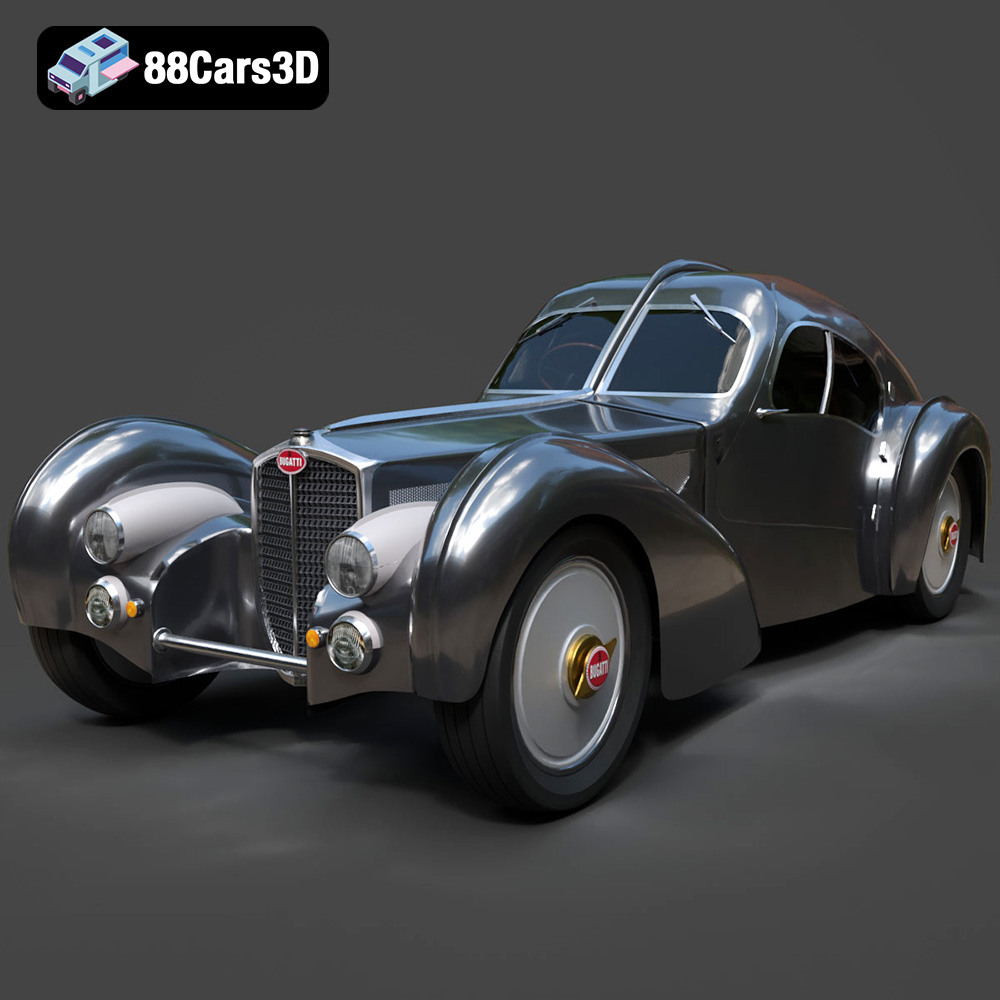
Texture: Yes
Material: Yes
Download the Bugatti Type 57SC Atlantic Coupe 3D Model featuring its iconic streamlined body and classic design. Includes .blend, .fbx, .obj, .glb, .stl, .ply, .unreal, and .max formats for rendering, simulation, and game development.
Price: $10.79
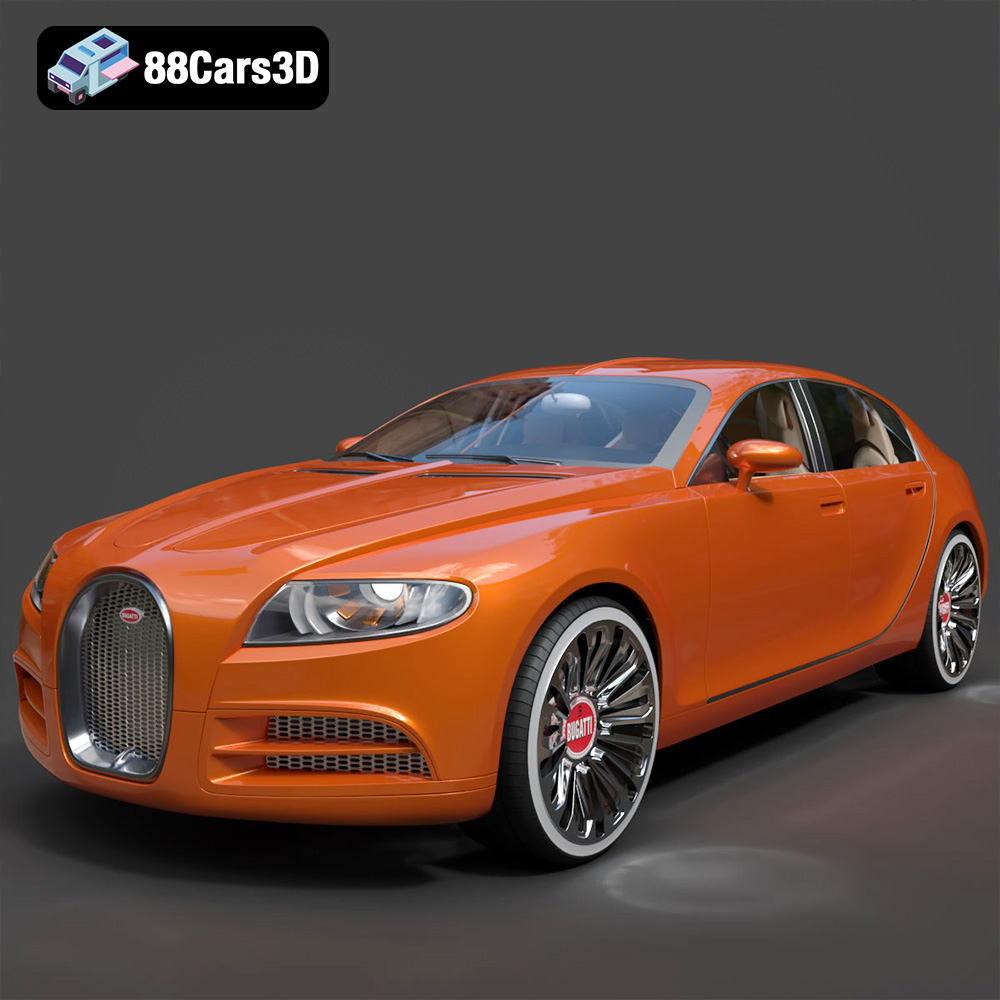
Texture: Yes
Material: Yes
Download the Bugatti 16C Galibier-006 3D Model featuring its luxurious sedan design, detailed interior, and sophisticated exterior. Includes .blend, .fbx, .obj, .glb, .stl, .ply, .unreal, and .max formats for rendering, simulation, and game development.
Price: $10.79
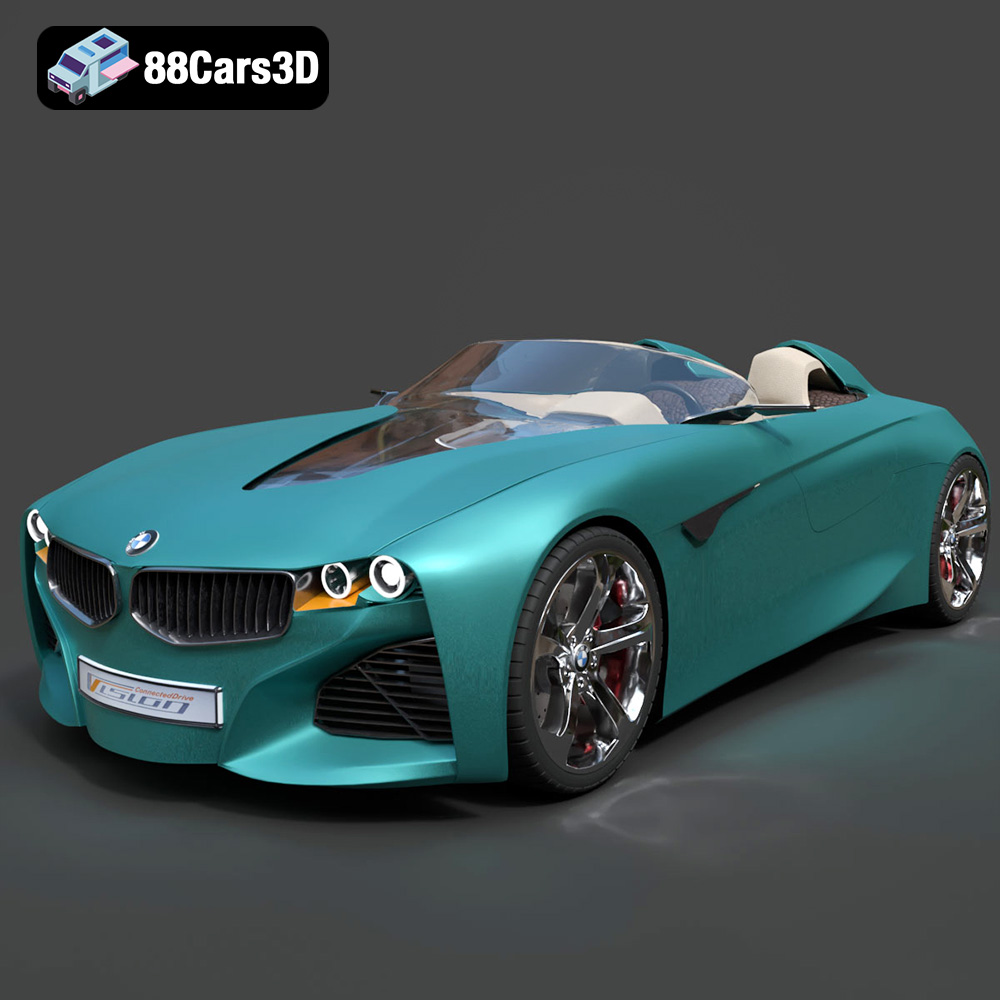
Texture: Yes
Material: Yes
Download the BMW Vision Connected Drive Concept 3D Model featuring its innovative design, advanced connectivity, and sleek aesthetics. Includes .blend, .fbx, .obj, .glb, .stl, .ply, .unreal, and .max formats for rendering, simulation, and game development.
Price: $19.79
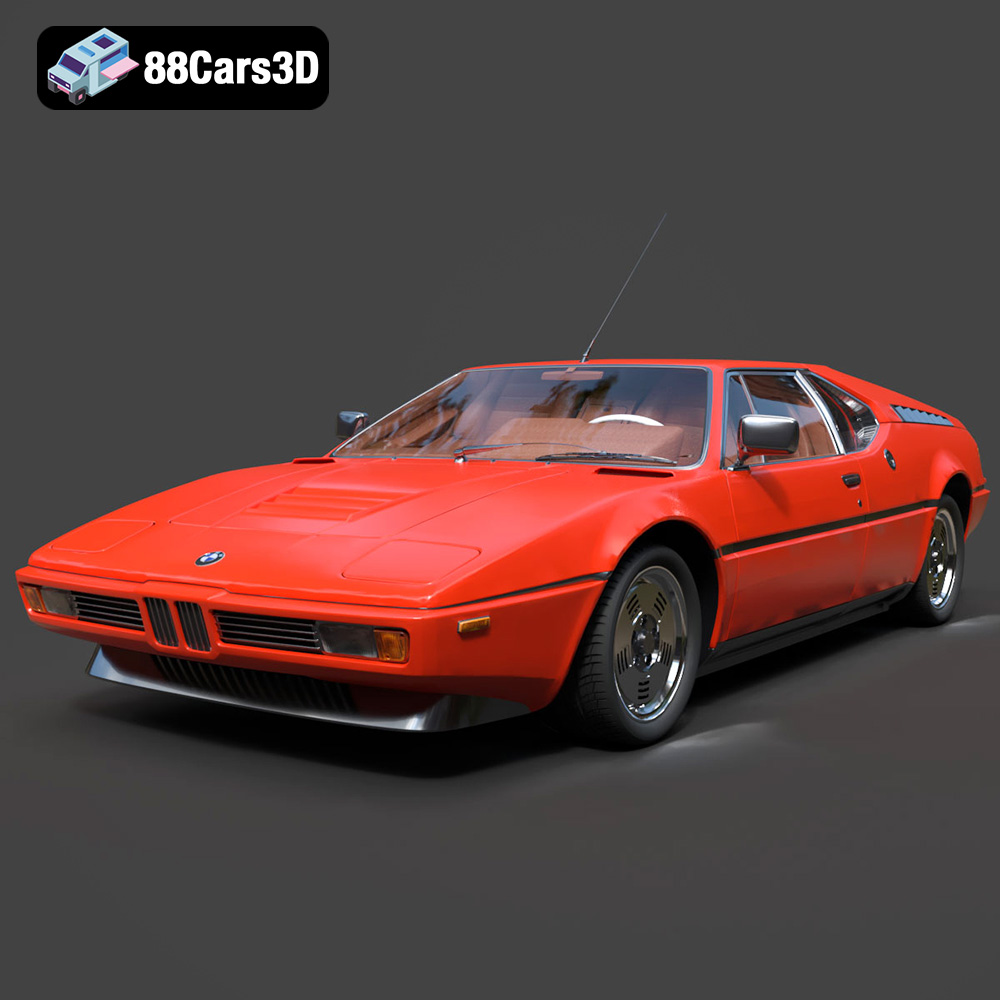
Texture: Yes
Material: Yes
Download the BMW Motorsport M1 E26 1981 3D Model featuring its iconic design, race-bred aerodynamics, and meticulously crafted details. Includes .blend, .fbx, .obj, .glb, .stl, .ply, .unreal, and .max formats for rendering, simulation, and game development.
Price: $20.79

Meta Description:
Texture: Yes
Material: Yes
Download the Cadillac CTS-V Coupe 3D Model featuring detailed exterior styling and realistic interior structure. Includes .blend, .fbx, .obj, .glb, .stl, .ply, .unreal, and .max formats for rendering, simulation, AR VR, and game development.
Price: $13.9
Texture: Yes
Material: Yes
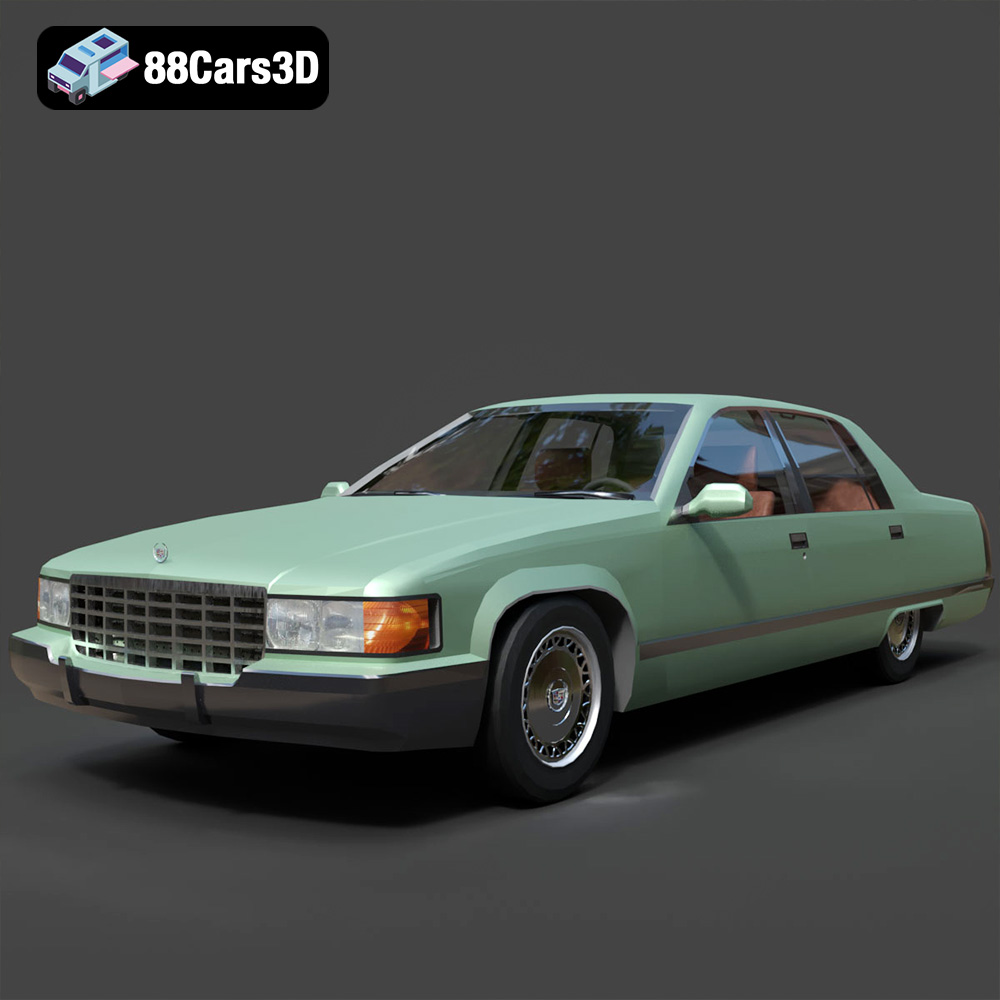
Download the Cadillac Fleetwood Brougham 3D Model featuring its iconic classic luxury design and detailed exterior and interior. Includes .blend, .fbx, .obj, .glb, .stl, .ply, .unreal, and .max formats for rendering, simulation, and game development.
Price: $10.79
Texture: Yes
Material: Yes
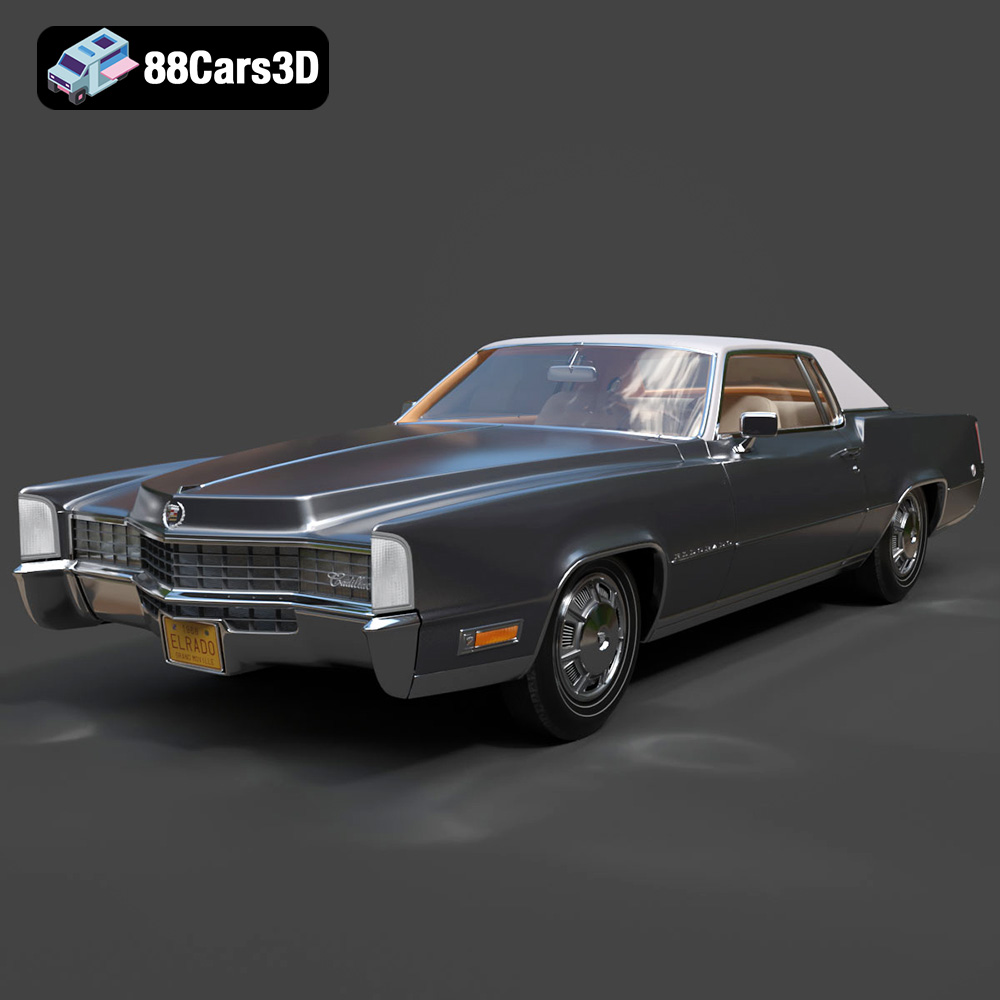
Download the Cadillac Eldorado 1968 3D Model featuring its iconic elongated body, distinctive chrome accents, and luxurious interior. Includes .blend, .fbx, .obj, .glb, .stl, .ply, .unreal, and .max formats for rendering, simulation, and game development.
Price: $20.79

Texture: Yes
Material: Yes
Download the Cadillac CTS SW 2010 3D Model featuring a detailed exterior, functional interior elements, and realistic materials. Includes .blend, .fbx, .obj, .glb, .stl, .ply, .unreal, and .max formats for rendering, simulation, and game development.
Price: $10.79
Texture: Yes
Material: Yes
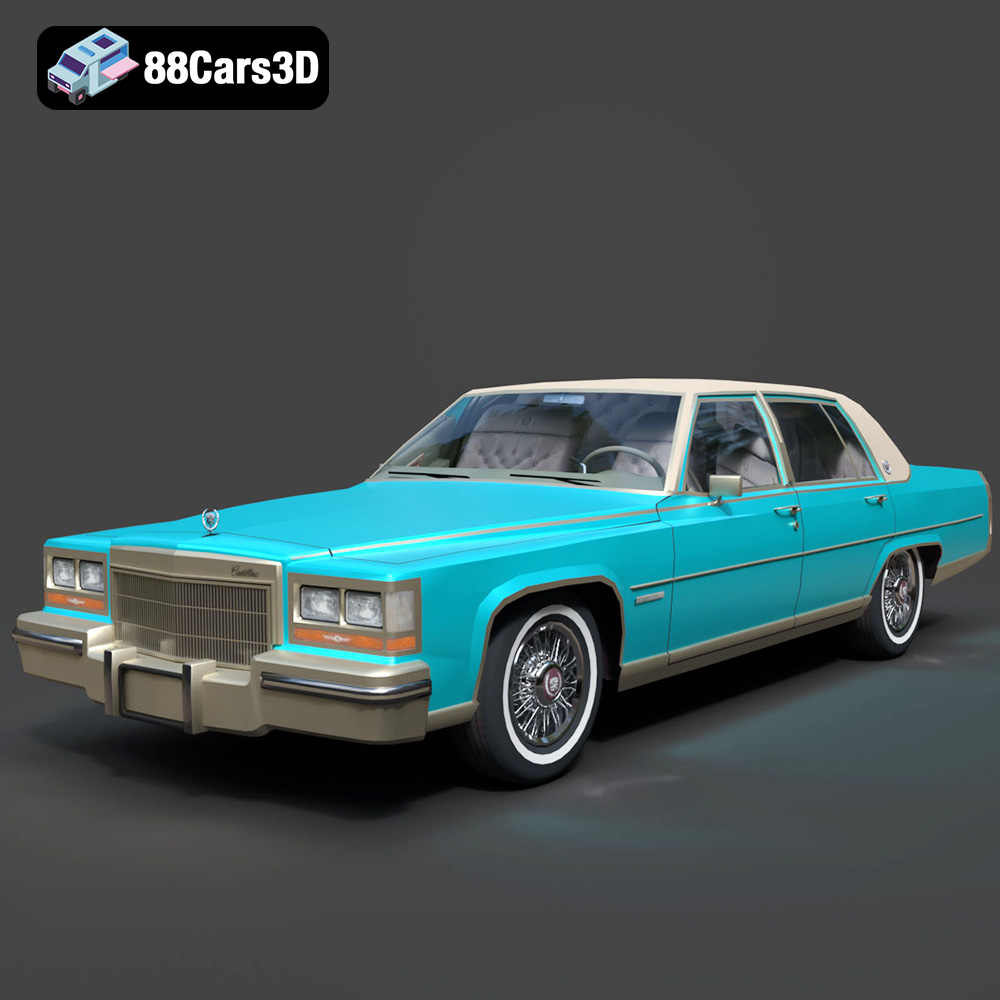
Download the Cadillac Fleetwood Brougham 1985 3D Model featuring its iconic classic luxury design and detailed craftsmanship. Includes .blend, .fbx, .obj, .glb, .stl, .ply, .unreal, and .max formats for rendering, simulation, and game development.
Price: $10.79
Texture: Yes
Material: Yes
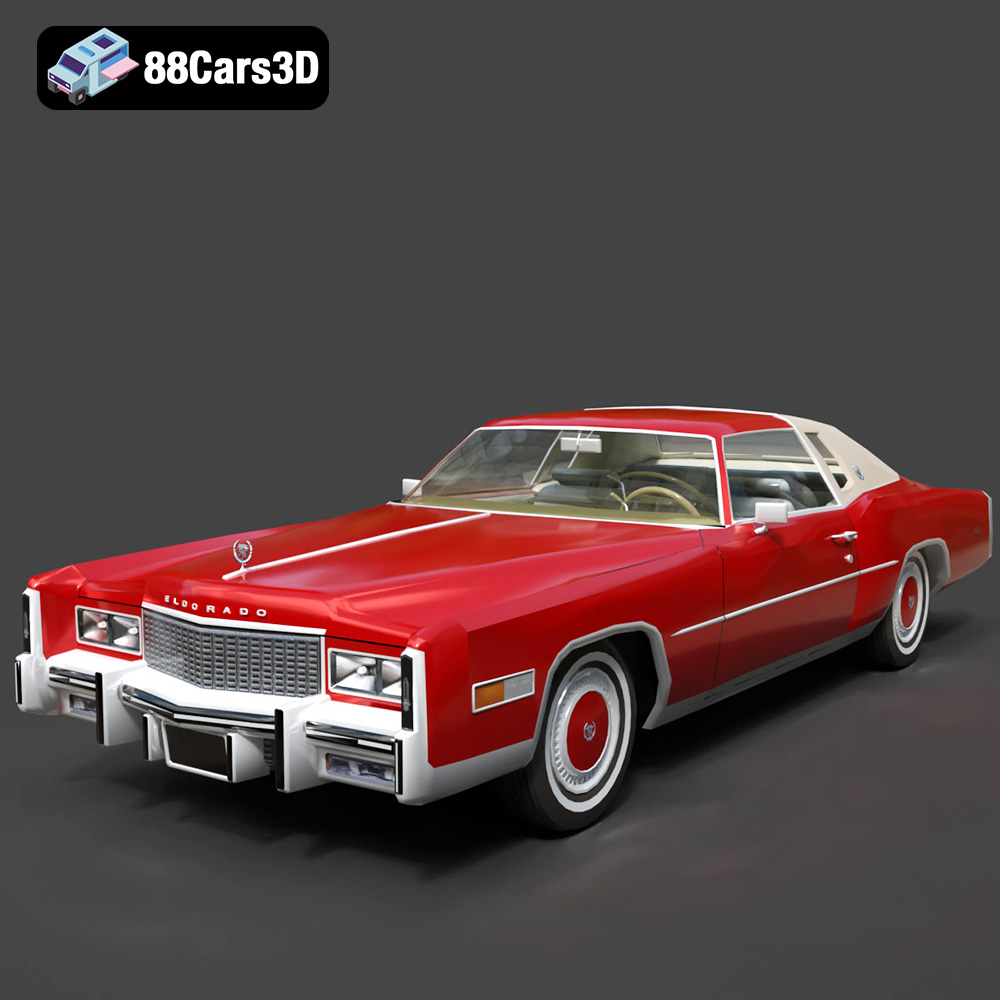
Download the Cadillac Eldorado 1978 3D Model featuring accurately modeled exterior, detailed interior, and period-correct aesthetics. Includes .blend, .fbx, .obj, .glb, .stl, .ply, .unreal, and .max formats for rendering, simulation, and game development.
Price: $10.79

