⚡ FLASH SALE: Get 60% OFF All Premium 3D & STL Models! ⚡

“`html
The world of 3D printing and collectible scale models thrives on the precision and adaptability of STL files. Whether you’re downloading a highly detailed vintage car model from 88cars3d.com, preparing a prototype for a new automotive part, or simply looking to customize an existing design, the ability to edit and optimize your STL files is paramount. An STL file, at its core, is a tessellated representation of a 3D surface using triangles. While it’s the universal language for 3D printing, these files often require adjustments – from fixing non-manifold geometry to adding custom features or simplifying complex meshes. This guide dives deep into the essential software, both free and paid, that empowers you to manipulate, repair, and perfect your STL files for flawless 3D printing. We’ll explore powerful tools that can transform a raw download into a print-ready masterpiece, covering everything from basic mesh repair to advanced model modification.
Before we explore the software, it’s crucial to grasp the fundamental nature of the STL (STereoLithography) file format. Developed by 3D Systems in the late 1980s, STL has become the de facto standard for transferring 3D models to 3D printers. Unlike complex CAD formats that store precise mathematical descriptions of surfaces (like NURBS), STL files represent a 3D object as a collection of interconnected triangles, defining its surface geometry. Each triangle is described by the coordinates of its three vertices and a normal vector, which indicates the outward-facing direction of the surface. This simplicity makes STL files easy for slicing software to process, but it also means they can sometimes be prone to errors that hinder printing. Common issues include holes in the mesh (non-manifold edges), inverted normals, overlapping triangles, and self-intersecting surfaces. Successfully editing STL files starts with understanding these potential pitfalls and how different software tools can address them.
The entire surface of an object in an STL file is approximated by a mesh of planar triangles. The quality and integrity of this mesh directly impact the printability of the model. Understanding the role of vertices (the points defining the corners of each triangle) and normal vectors (which determine the orientation of each triangle’s face) is key. A ‘manifold’ or ‘watertight’ mesh is essential for 3D printing, meaning it has no holes, no internal faces, and every edge is shared by exactly two triangles. Inverted normals can confuse the slicer, leading to hollow areas or print failures. The density of the triangles also plays a role; a very high-resolution mesh might be unnecessarily complex and slow down slicing, while a low-resolution mesh might result in visible facets or a loss of fine detail, especially critical for intricate models like those found on 88cars3d.com.
When working with STL files, you’ll inevitably encounter errors. Understanding these errors is the first step to fixing them. Non-manifold geometry is a broad term that includes edges shared by more than two faces, holes (where the surface isn’t closed), and isolated vertices or edges. Self-intersecting geometry occurs when triangles within the mesh pass through each other, creating impossible volumes. Inverted normals mean the surface is facing inwards instead of outwards, confusing the slicer about which side is solid. These issues can manifest in various ways during slicing and printing: slicers may fail to generate supports, produce hollow sections where solid ones are expected, create distorted layers, or simply refuse to process the file altogether. Tools dedicated to mesh repair are invaluable for diagnosing and correcting these problems before you commit to a lengthy print.
The 3D printing community is incredibly fortunate to have robust, free, and open-source software options that provide extensive capabilities for STL file manipulation. These tools are often the first point of call for hobbyists and makers due to their zero cost and powerful feature sets. They can handle everything from basic mesh repair to more complex sculpting and modification. While they may sometimes have a steeper learning curve than their paid counterparts, the investment in learning them pays dividends in flexibility and capability. Mastering these tools can significantly enhance your 3D printing workflow, allowing you to customize downloadable models, fix common print errors, and prepare files with confidence.
Autodesk Meshmixer, although no longer actively developed by Autodesk, remains an exceptionally powerful and widely used free tool for preparing 3D models for printing. It excels at handling and repairing meshes. Its intuitive interface allows users to import STL files, perform automatic or manual mesh analysis, and fix common errors like holes, non-manifold edges, and sliver triangles. Meshmixer also offers robust tools for sculpting, smoothing, hollowing objects (to save material), generating excellent support structures, and even performing boolean operations (combining or subtracting shapes). For users downloading intricate printable car models, Meshmixer is indispensable for ensuring they are watertight and optimized for their specific 3D printer. The ‘Make Solid’ feature, for instance, can convert complex, non-solid models into printable solids, and its drag-and-drop support generation is a lifesaver.
Blender is a professional, free, and open-source 3D creation suite that offers an almost limitless range of capabilities, far beyond simple STL editing. While its primary focus is on animation, VFX, and artistic modeling, it possesses powerful tools for mesh manipulation that are highly relevant to 3D printing. With its extensive modeling toolkit, you can perform detailed modifications, sculpt intricate details, retopologize meshes for better performance, and even create entirely new models. For users wanting to add custom spoilers to a printable car model, integrate separate components, or drastically alter a downloaded design, Blender is the ultimate free solution. While the learning curve can be significant, its versatility makes it a worthwhile investment of time for any serious maker. Specific add-ons can further enhance its STL editing capabilities.
FreeCAD is a powerful, parametric 3D modeler that is also free and open-source. While primarily a CAD software designed for engineering and product design, it can import and export STL files. Its strength lies in its parametric nature, meaning you can go back and change dimensions or features of your model at any point in the design process. This is incredibly useful for making precise modifications to existing STL files, such as scaling specific parts of a car model, adding mounting holes with exact dimensions, or ensuring clearances for assembly. For technical users who need to integrate 3D printed parts with other components or perform accurate measurements and adjustments, FreeCAD offers a robust and precise environment.
While free tools offer incredible value, professional paid software often provides more streamlined workflows, advanced features, specialized tools, and dedicated support that can be critical for businesses, engineers, and serious hobbyists who demand the highest levels of precision and efficiency. These software packages are typically developed with specific workflows in mind, integrating seamlessly with other professional tools and offering features that can save significant time and effort in preparing complex models for additive manufacturing. For projects requiring meticulous detail, robust repair capabilities, or integration into a larger design pipeline, investing in paid software can yield substantial returns.
Autodesk Netfabb is a high-end software solution specifically designed for additive manufacturing preparation. It offers an extensive suite of tools for advanced mesh repair, preparation, and simulation. Netfabb excels at handling extremely large and complex assemblies, performing automated repairs on challenging meshes, and optimizing designs for specific print processes and materials. Features like advanced support generation, lattice infill, cross-section analysis, and build simulation allow engineers to predict and prevent print failures before they happen. For companies printing automotive prototypes or complex production parts, Netfabb is an indispensable tool that ensures print success and material efficiency. Its ability to manage large, multi-part assemblies is particularly useful for detailed models.
SolidWorks is a leading professional CAD software renowned for its robust design capabilities. While not exclusively an STL editor, it can import STL files for modification, analysis, and integration into larger CAD assemblies. Its strength lies in its precise solid modeling environment. Users can import an STL, convert it into a solid body (often with some manual cleanup), and then use SolidWorks’ powerful feature-based modeling tools to make precise edits, add details, or perform complex design changes. For engineers or designers already working within the SolidWorks ecosystem, this provides a seamless workflow for modifying downloaded STL models, such as preparing a 3D printable car engine component or customizing a vehicle’s body kit for a specific application.
While often associated with digital sculpting for character models and artistic creations, Maxon’s ZBrush is also a powerful tool for manipulating and preparing STL files, especially for highly detailed or organically shaped models. Its brush-based sculpting system allows for incredibly intricate modifications, adding fine details like panel lines, custom vents, or textured surfaces to printable car models. ZBrush can also perform mesh cleanup, decimation (reducing polygon count while preserving detail), and boolean operations. For users who need to add artistic flair or hyper-realistic details to their 3D printed automotive collectibles, ZBrush offers unparalleled control over surface detail and form.
Regardless of whether you choose free or paid software, establishing a consistent workflow for preparing STL files is key to achieving successful 3D prints. This workflow typically involves importing the model, diagnosing potential issues, performing necessary repairs, making any desired modifications, and finally exporting a clean, watertight STL file suitable for slicing. Understanding the nuances of each step can prevent common printing headaches and ensure that your final printed object matches your expectations. For complex models, such as those featuring intricate engine bays or detailed interiors found on platforms like 88cars3d.com, a meticulous preparation process is non-negotiable.
The first step is to import your STL file into your chosen software. During import, most software will highlight potential issues. Look for warnings about non-manifold geometry, inverted normals, or holes. In Meshmixer, the ‘Analysis & Feedback’ tools are invaluable here. In Blender, the ‘3D-Print Toolbox’ add-on (which you’ll need to enable) provides checks for overhangs, non-manifold edges, and intersections. A visual inspection is also critical. Zoom in on edges and corners to check for gaps or disconnected parts. Understanding the scale of the model and its intended print size is also important at this stage, as it influences the level of detail and the types of repairs needed.
Repairing a mesh can range from simple one-click fixes to complex manual adjustments. Automatic repair tools in software like Meshmixer or Netfabb can often resolve common issues quickly. However, for more stubborn problems, manual intervention may be necessary. This could involve manually closing holes using tools like ‘Fill Hole’ in Meshmixer or ‘Grid Fill’ in Blender, or correcting inverted normals by recalculating them. Tools like Netfabb’s advanced repair algorithms or Meshmixer’s ‘Inspector’ are designed to identify and often fix complex issues automatically. The goal is always to achieve a ‘manifold’ or ‘watertight’ mesh that the slicer can interpret as a solid object.
Once the mesh is repaired, you can optimize it and make desired modifications. This might include:
For printable car models, ensuring certain components like wheels or separate body panels are correctly oriented or have appropriate tolerances for assembly is also a modification step.
Once your STL file is cleaned, repaired, and optimized, the next critical step is to use slicing software. This software takes your 3D model and ‘slices’ it into hundreds or thousands of thin horizontal layers, generating the G-code commands that your 3D printer understands. The settings within your slicer directly impact print quality, speed, strength, and material usage. Choosing the right slicer and configuring its settings appropriately for your specific printer and the STL file is as important as the file preparation itself. The quality of the STL file directly influences how well the slicer can perform its task.
Ultimaker Cura is one of the most popular and feature-rich free slicing programs available. It supports a vast array of FDM printers and offers an intuitive interface with both basic and advanced settings. Cura allows for fine-tuning of layer height, print speed, temperature, infill patterns and density, retraction settings, and crucially, support structures. Its custom support features, tree supports, and ironing options can significantly improve the quality of prints, especially for complex geometries like those found in automotive models. Learning to leverage Cura’s detailed settings is essential for maximizing print success.
PrusaSlicer, developed by Prusa Research, is another excellent free and open-source slicer known for its sophisticated features, user-friendly interface, and excellent default profiles for various materials and printers. It offers advanced features like automatic support painting, variable layer height, adaptive layer height, infill settings like ‘fuzzy skin’, and seamless integration with Prusa printers. Its support generation is particularly robust, often producing cleaner results with easier removal. PrusaSlicer is a strong contender for users seeking high-quality prints and advanced control over their slicing process.
When slicing models, especially detailed ones, certain parameters are crucial:
Experimentation is key to finding the optimal settings for your specific printer and filament.
The journey doesn’t end when the print is complete. Post-processing is a vital stage that transforms a raw 3D print into a polished, professional-looking model. This can involve anything from simple cleanup to intricate painting and assembly. The techniques you employ will depend on the printing technology used (FDM vs. resin) and the desired aesthetic for your final piece. For collectible car models, a well-executed post-processing stage can elevate the print from a hobbyist project to a display-worthy piece.
Careful removal of support structures is the first post-processing step. Using appropriate tools like pliers, flush cutters, hobby knives, and sometimes even heat guns (with caution) can help remove supports cleanly. For FDM prints, sanding is often necessary to smooth out layer lines and remove support marks. Start with coarser grit sandpaper (e.g., 120-220 grit) and progressively move to finer grits (e.g., 400-1000+ grit). For resin prints, washing in isopropyl alcohol (IPA) to remove uncured resin, followed by a thorough UV cure, is standard. Support removal on resin prints often requires a sharp hobby knife or flush cutters. Achieving a perfectly smooth surface can sometimes involve using fillers or primers.
Achieving a realistic finish, especially for automotive models, requires attention to detail in painting. After sanding and cleaning, applying a primer is essential. Primer not only reveals imperfections that need further filling or sanding but also provides a uniform base for paint adhesion. Multiple thin coats of primer are better than one thick coat. Once primed, you can apply your chosen paints. Acrylics are popular for hobbyists due to their ease of use and cleanup. Airbrushing can provide very smooth, even coverage, while hand-brushing is suitable for smaller details. Techniques like weathering, applying decals, and clear coats can add significant realism to your printed car models.
Many intricate models, particularly detailed vehicles, are often designed to be printed in multiple parts for ease of printing and to capture finer details. Post-processing then involves the careful assembly of these parts. Cyanoacrylate (super glue) is commonly used for FDM parts, while specific epoxies or UV-curable resins might be used for certain materials or demanding joins. Ensuring proper alignment and using clamps or jigs can aid in achieving strong, clean bonds. Adding small details like clear plastic for windows, metal parts for exhaust pipes, or custom decals can further enhance the realism and complexity of your finished model.
Mastering STL file editing is a cornerstone of successful 3D printing, especially when working with complex and detailed models like those offered by 88cars3d.com. From understanding the fundamental structure of STL files to leveraging powerful free and paid software for repair and modification, each step is crucial. Whether you choose the accessible power of Meshmixer and Blender or the professional capabilities of Netfabb and SolidWorks, the key is to develop a robust workflow. This workflow should encompass careful import analysis, thorough mesh repair, precise modifications, and thoughtful slicing. Combined with meticulous post-processing techniques, these skills will enable you to consistently produce high-quality, print-ready models. By investing time in learning these tools and processes, you unlock the full potential of your 3D printer and transform digital designs into tangible, impressive creations.
“`
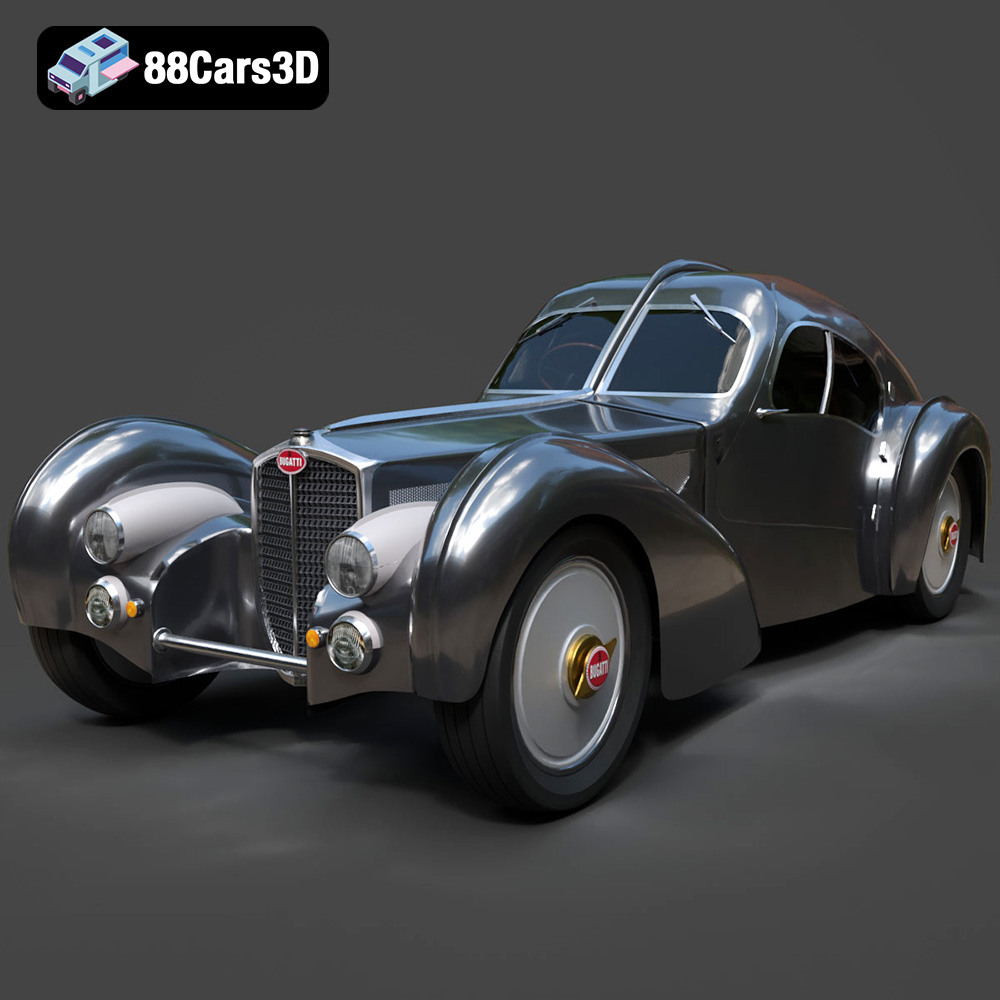
Texture: Yes
Material: Yes
Download the Bugatti Type 57SC Atlantic Coupe 3D Model featuring its iconic streamlined body and classic design. Includes .blend, .fbx, .obj, .glb, .stl, .ply, .unreal, and .max formats for rendering, simulation, and game development.
Price: $10.79

Texture: Yes
Material: Yes
Download the Bugatti 16C Galibier-006 3D Model featuring its luxurious sedan design, detailed interior, and sophisticated exterior. Includes .blend, .fbx, .obj, .glb, .stl, .ply, .unreal, and .max formats for rendering, simulation, and game development.
Price: $10.79
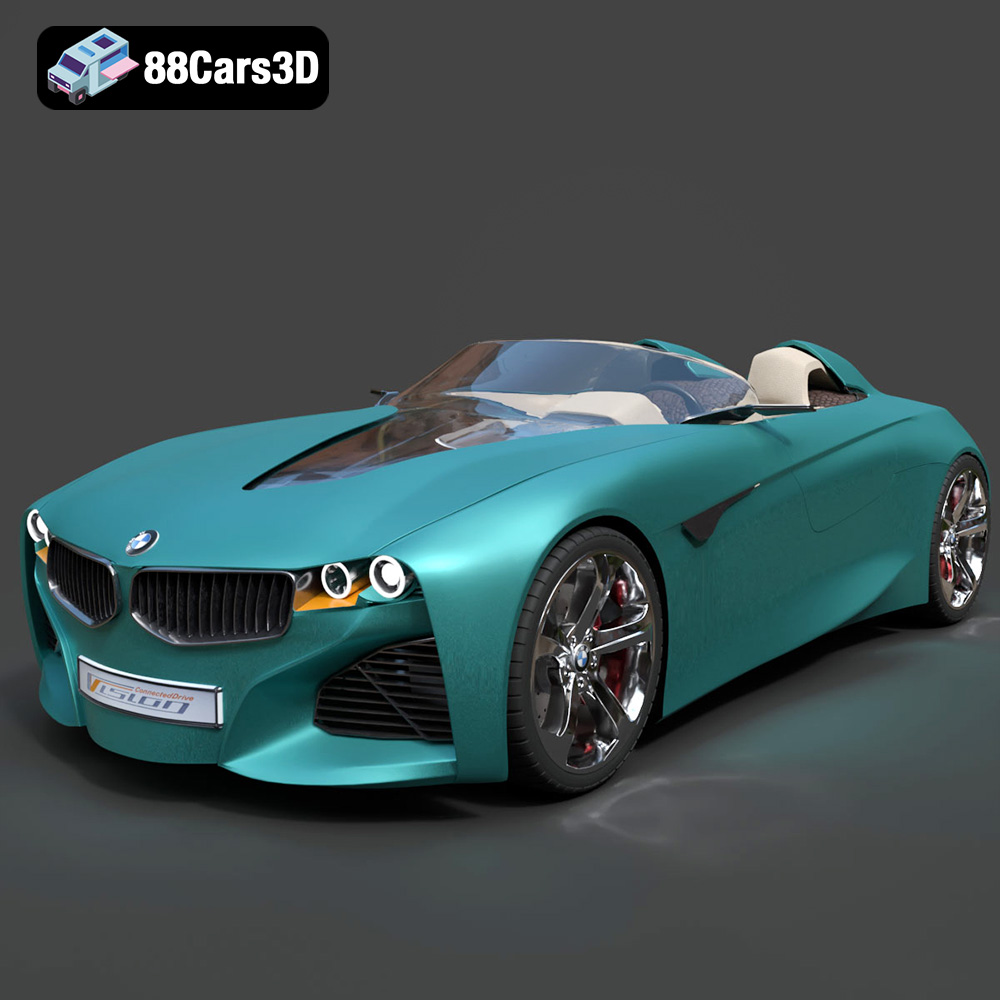
Texture: Yes
Material: Yes
Download the BMW Vision Connected Drive Concept 3D Model featuring its innovative design, advanced connectivity, and sleek aesthetics. Includes .blend, .fbx, .obj, .glb, .stl, .ply, .unreal, and .max formats for rendering, simulation, and game development.
Price: $19.79
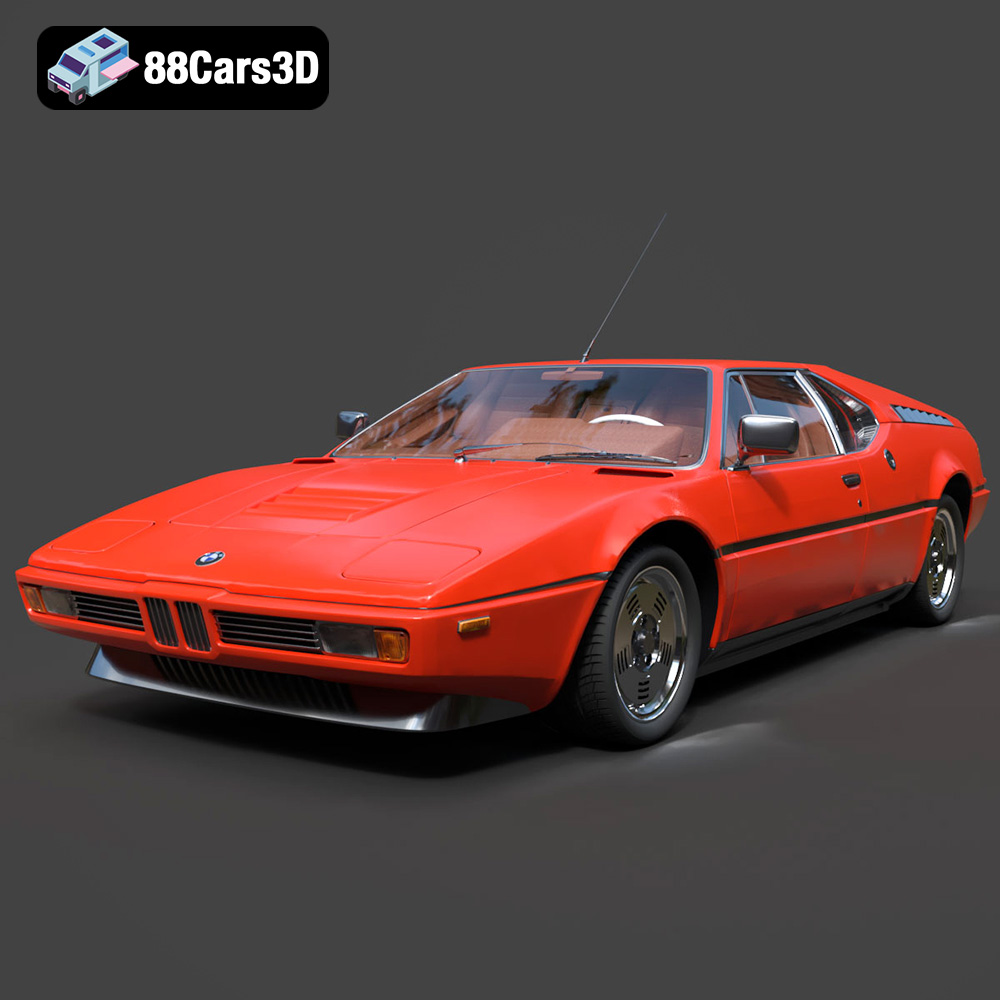
Texture: Yes
Material: Yes
Download the BMW Motorsport M1 E26 1981 3D Model featuring its iconic design, race-bred aerodynamics, and meticulously crafted details. Includes .blend, .fbx, .obj, .glb, .stl, .ply, .unreal, and .max formats for rendering, simulation, and game development.
Price: $20.79

Meta Description:
Texture: Yes
Material: Yes
Download the Cadillac CTS-V Coupe 3D Model featuring detailed exterior styling and realistic interior structure. Includes .blend, .fbx, .obj, .glb, .stl, .ply, .unreal, and .max formats for rendering, simulation, AR VR, and game development.
Price: $13.9
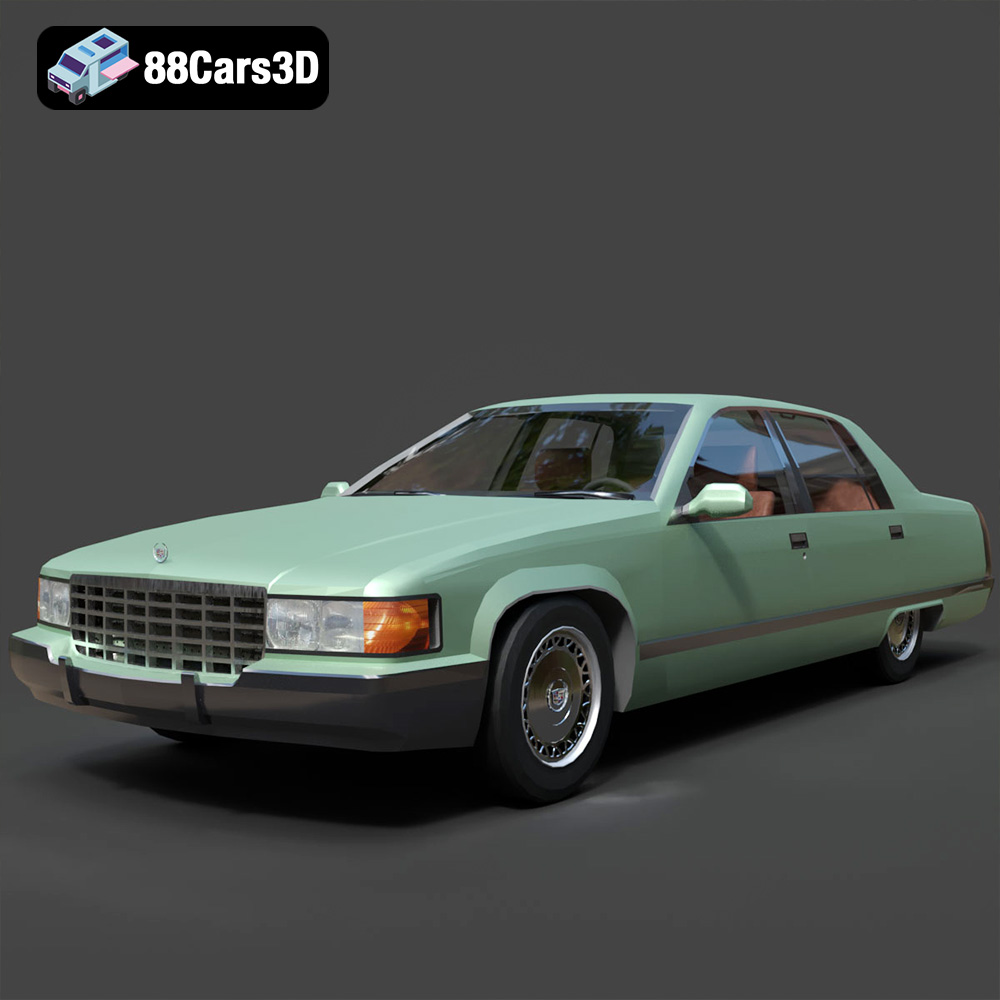
Texture: Yes
Material: Yes
Download the Cadillac Fleetwood Brougham 3D Model featuring its iconic classic luxury design and detailed exterior and interior. Includes .blend, .fbx, .obj, .glb, .stl, .ply, .unreal, and .max formats for rendering, simulation, and game development.
Price: $10.79
Texture: Yes
Material: Yes
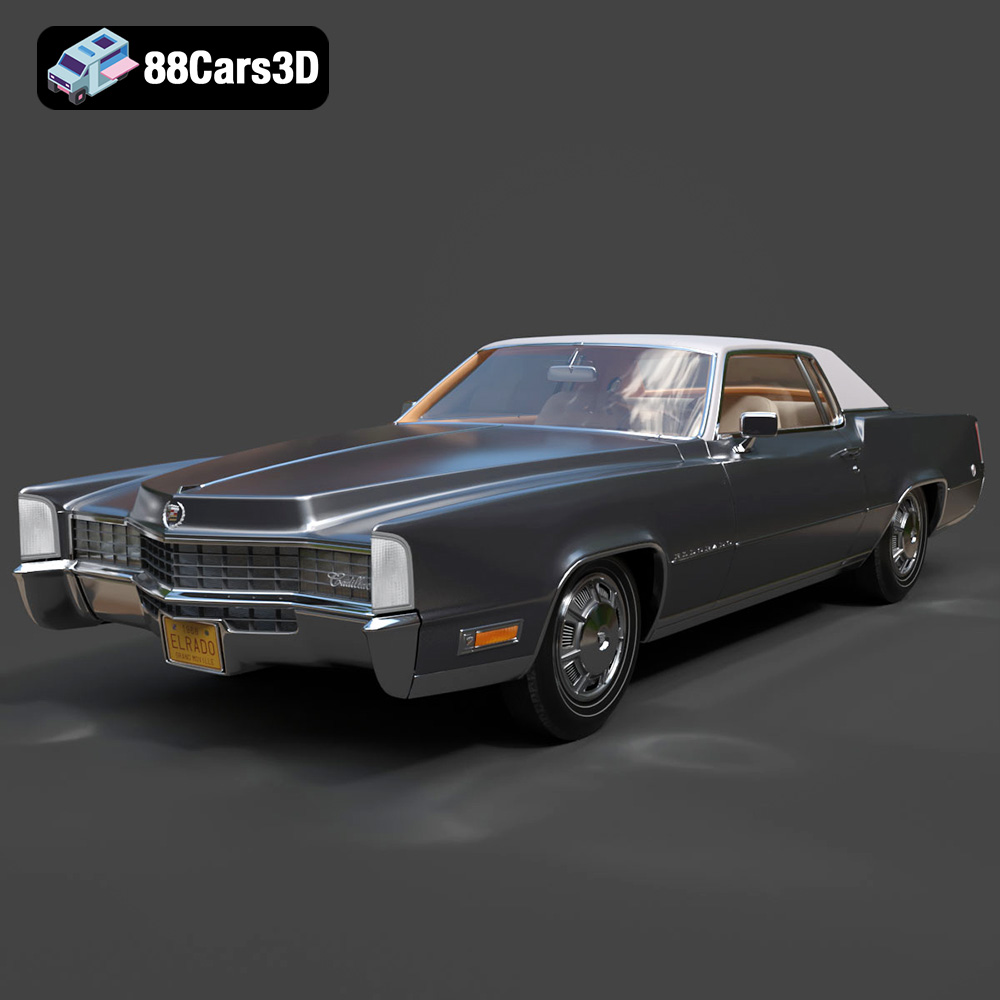
Download the Cadillac Eldorado 1968 3D Model featuring its iconic elongated body, distinctive chrome accents, and luxurious interior. Includes .blend, .fbx, .obj, .glb, .stl, .ply, .unreal, and .max formats for rendering, simulation, and game development.
Price: $20.79

Texture: Yes
Material: Yes
Download the Cadillac CTS SW 2010 3D Model featuring a detailed exterior, functional interior elements, and realistic materials. Includes .blend, .fbx, .obj, .glb, .stl, .ply, .unreal, and .max formats for rendering, simulation, and game development.
Price: $10.79
Texture: Yes
Material: Yes
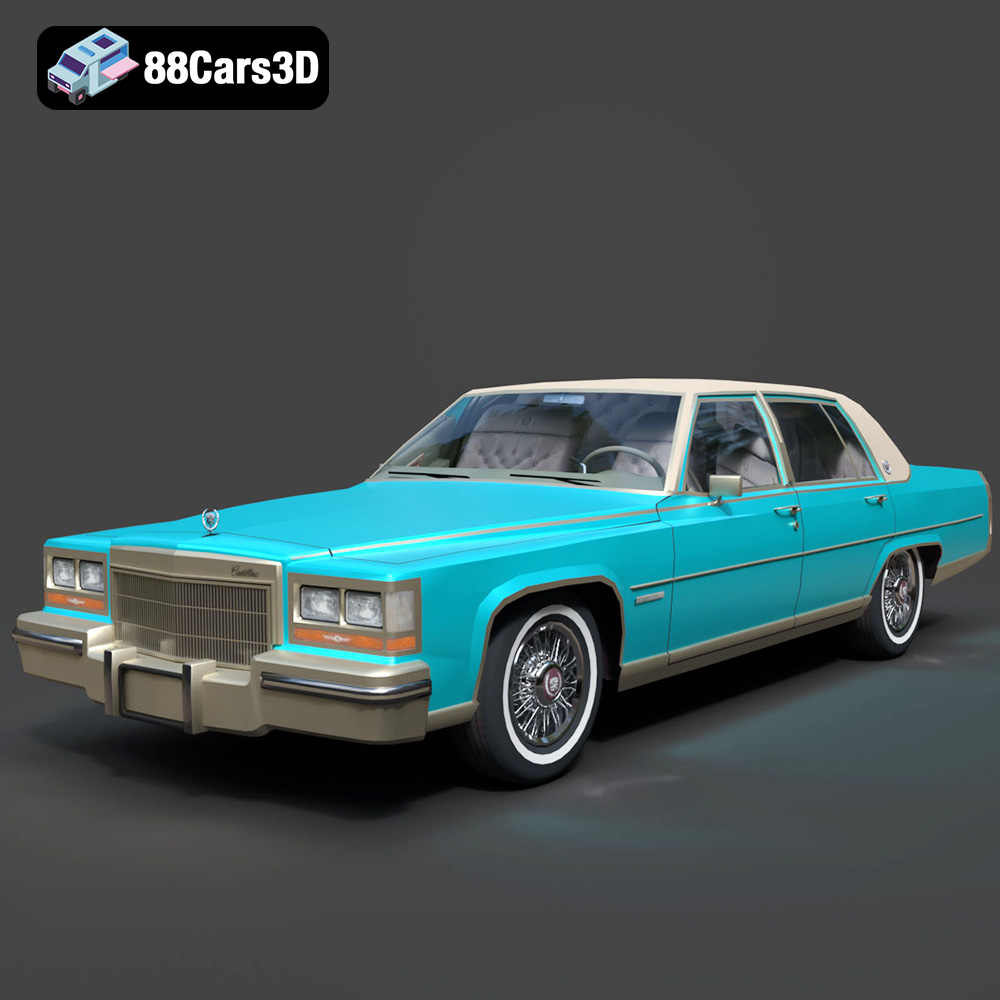
Download the Cadillac Fleetwood Brougham 1985 3D Model featuring its iconic classic luxury design and detailed craftsmanship. Includes .blend, .fbx, .obj, .glb, .stl, .ply, .unreal, and .max formats for rendering, simulation, and game development.
Price: $10.79

Texture: Yes
Material: Yes
Download the Cadillac Eldorado 1978 3D Model featuring accurately modeled exterior, detailed interior, and period-correct aesthetics. Includes .blend, .fbx, .obj, .glb, .stl, .ply, .unreal, and .max formats for rendering, simulation, and game development.
Price: $10.79

