⚡ FLASH SALE: Get 60% OFF All Premium 3D & STL Models! ⚡

In the vibrant and ever-expanding world of mobile gaming, performance is paramount. Players expect smooth frame rates, quick load times, and engaging visuals, even on less powerful devices. For 3D artists and game developers, this presents a unique challenge: how to create stunning 3D car models that look fantastic but are also incredibly efficient. The answer lies in mastering the art and science of low-poly modeling specifically tailored for mobile platforms.
This comprehensive guide from 88cars3d.com will delve deep into the technical intricacies of crafting low-poly car models that excel in mobile game environments. We’ll explore everything from efficient topology and strategic UV mapping to PBR material optimization, game engine integration, and the best file formats for seamless performance. Whether you’re a seasoned 3D artist looking to refine your mobile asset pipeline or a game developer aiming to enhance your in-game vehicles, you’ll gain actionable insights and best practices to elevate your mobile car models to the next level. Prepare to learn how to strike the perfect balance between visual fidelity and critical performance metrics, ensuring your creations captivate players without compromising the mobile gaming experience.
Creating compelling 3D car models for mobile games begins with a profound understanding of low-poly modeling. Unlike high-fidelity models destined for cinematic renders or desktop games, mobile assets demand a stringent polygon budget. The goal isn’t just to reduce polygon count, but to do so intelligently, ensuring that the car remains instantly recognizable and visually appealing, even with significant simplification. This involves a thoughtful approach to topology, edge flow, and strategic detail placement, where every single polygon must contribute meaningfully to the overall form.
A typical polygon budget for a hero car in a modern mobile racing game might range from 5,000 to 15,000 triangles, though this can vary wildly based on the game’s art style, target devices, and the number of other assets present on screen. For background vehicles or less prominent cars, this budget could drop significantly to under 3,000 triangles. The key is to achieve maximum visual impact with the absolute minimum number of polygons, making every edge and face count. This means simplifying complex curves, merging small details into larger forms, and leveraging normal maps to convey high-poly information.
Clean topology is the bedrock of any good 3D model, but for low-poly mobile assets, it’s critical. Your mesh should be composed predominantly of quadrilaterals (quads) during the modeling phase, even if game engines convert them to triangles for rendering. This provides a clean base for sculpting, UV mapping, and potential future iterations. However, when exporting for game engines, ensure your mesh is properly triangulated. Blender 4.4’s documentation provides excellent resources on mesh modeling tools that help maintain clean topology, such as the Retopology tools and various modeling modifiers.
Prioritize edge loops that define the silhouette and major contours of the car. These are the edges that truly communicate the vehicle’s shape. Avoid unnecessary edge loops that don’t contribute to the form or deformation, as these only add to the poly count without providing visual benefit. For example, instead of modeling every vent or panel gap with geometry, consider if these details can be baked into a normal map. Focus on the main body panels, wheel arches, and window frames. The chassis and interior often require even further simplification, sometimes reducing to basic geometric shapes that are only visible from specific angles.
When modeling, constantly check your mesh for n-gons (faces with more than four edges) and non-manifold geometry, as these can cause rendering issues and hinder proper UV unwrapping. Use tools like Blender’s ‘Clean Up’ functions or similar features in 3ds Max or Maya to identify and fix these problems. Good edge flow also facilitates proper deformation if the car needs to crumple or parts need to animate, ensuring smooth transitions and realistic movement with a minimal vertex count.
The magic of low-poly modeling for mobile often lies in how details are implied rather than explicitly modeled. This is where strategic detail placement and the powerful technique of normal map baking come into play. Instead of adding geometry for small details like door handles, badges, or intricate headlight elements, these can be represented by textures. A normal map stores directional information about surface normals, tricking the renderer into perceiving intricate bumps and grooves on a flat surface.
The workflow typically involves creating a high-polygon version of the detail (or the entire car, if you have the resources) that contains all the minute intricacies. This high-poly model acts as the source for baking. Then, you project the surface details from this high-poly mesh onto your optimized low-poly mesh, generating a normal map texture. This texture is then applied to the low-poly model in the game engine. Other useful maps to bake include Ambient Occlusion (AO) for subtle self-shadowing, Curvature maps for edge wear, and sometimes even Height or Displacement maps, though these are less common for mobile low-poly due to their performance cost.
For crucial details like headlight lenses, radiator grilles, or complex rims, a balance must be struck. Some elements might warrant a slightly higher polygon count if they are prominent and significantly contribute to the car’s identity. However, always ask: “Can this detail be achieved with a normal map, or is direct geometry absolutely necessary?” Prioritize details that impact the silhouette or are viewed up close. This disciplined approach ensures that every added polygon serves a clear visual or functional purpose, keeping your mobile car models lean and performant.
Efficient UV mapping is just as crucial as clean topology for mobile game assets. Poor UV layouts lead to wasted texture space, resolution issues, and can increase draw calls. For 3D car models, which often feature complex curves and multiple distinct material zones (body, glass, tires, interior), thoughtful UV unwrapping is essential to maximize texture quality and optimize rendering performance on mobile devices.
The goal of UV mapping for mobile is threefold: minimize seams, avoid distortion, and maximize texel density consistency across the model. Texel density refers to the number of pixels per unit of surface area on your model. Maintaining a consistent texel density ensures that all parts of your car model appear equally sharp, preventing some areas from looking blurry while others are crisp. For instance, the main body panels should have a high texel density as they are often viewed prominently, while less critical areas like the underside of the chassis might have a lower density.
When unwrapping your car model, consider breaking it down into logical UV islands. For a car, common islands include the main body panels, doors, hood, trunk, roof, tires, rims, glass, and interior elements. The trick is to find natural seams where textures would naturally break, such as along panel lines or hidden edges, to make these seams less noticeable in the final render. Tools in Blender, 3ds Max, and Maya offer various projection methods (e.g., planar, cylindrical, spherical, cubic) and advanced unwrapping tools to facilitate this process. Blender 4.4’s documentation on UV unwrapping is an excellent resource for understanding these techniques and tools in detail.
After unwrapping, arrange your UV islands efficiently within the 0-1 UV space. Minimize empty space between islands to make the most of your texture resolution. Packing algorithms found in most 3D software can help automate this, but manual adjustment is often necessary for optimal results. Overlapping UV islands should generally be avoided unless you are intentionally mirroring textures (e.g., identical left and right sides of a symmetrical car) or using unique texture sets for different parts. For mobile, unique UVs for all visible parts are often preferred to give artists more control over texture detail and reduce potential lighting issues.
Regarding texel density, many tools now have features to display and normalize it. Aim for a consistent average, increasing it for areas of high visual importance and decreasing it for less prominent areas. For example, if a car model occupies a 1024×1024 texture, and a critical detail like a headlight is very small in UV space, it will appear blurry. Conversely, if a large, flat panel takes up too much UV space, you might be wasting resolution that could be better allocated elsewhere. A good rule of thumb for mobile might be 128-256 texels per meter for hero assets, adjustable based on the game’s requirements.
Proper UV mapping is paramount for PBR (Physically Based Rendering) texturing. PBR relies on accurate texture maps (Albedo/Base Color, Metallic, Roughness, Normal, Ambient Occlusion) to simulate how light interacts with surfaces. If your UVs are distorted, these maps will also appear distorted, leading to incorrect lighting and an unrealistic look. Ensure your UVs have minimal stretching; a checkerboard pattern applied temporarily to your model can help visualize and correct any distortion.
When preparing for baking, especially normal maps from a high-poly model, it’s crucial to have sufficient padding around your UV islands. Padding (also known as a bleed or margin) ensures that when mipmaps are generated (lower resolution versions of your texture for objects further away), the edges of your UV islands don’t “bleed” into adjacent areas, preventing artifacts and seams. A padding of 4-8 pixels is often sufficient for mobile game textures. Most baking tools offer settings to control this padding. Additionally, ensure your low-poly model’s UVs are laid out logically for easier texture painting and material assignment in tools like Substance Painter or Quixel Mixer. Consistency in your UV workflow will directly translate to higher quality PBR materials and a more optimized look for your mobile car models.
Physically Based Rendering (PBR) has become the industry standard for achieving realistic materials, even in mobile games. While the core principles of PBR remain the same, its implementation for mobile requires significant optimization to ensure performance. The goal is to convey realistic surface properties without overloading the GPU with complex shader calculations or excessive texture fetches. This involves careful consideration of texture maps, material workflows, and the smart use of texture atlases.
Mobile devices have limited memory bandwidth and fill rate, which means every texture sample and shader instruction matters. Instead of using a dedicated texture for every single PBR channel (Albedo, Metallic, Roughness, Normal, Ambient Occlusion, Height, Emissive), mobile workflows often consolidate these. For instance, multiple grayscale maps can be packed into the RGB and Alpha channels of a single texture, significantly reducing the number of texture lookups and memory footprint. This practice, known as texture packing, is a cornerstone of mobile PBR optimization.
There are two primary PBR workflows: Metallic-Roughness and Specular-Glossiness. For mobile, Metallic-Roughness is generally preferred due to its simpler shader calculations and intuitive material authoring. It typically uses an Albedo (Base Color) map, a Metallic map (grayscale, 0=dielectric, 1=metallic), and a Roughness map (grayscale, 0=smooth, 1=rough).
To optimize for mobile, consider these strategies:
Texture resolution directly impacts memory usage and visual fidelity. For mobile car models, common resolutions are 512×512 pixels or 1024×1024 pixels for primary textures like the body, and smaller resolutions like 256×256 or 128×128 for less critical parts like the interior or underside. Rarely would a mobile game asset utilize 2K or 4K textures, as these are very memory-intensive.
Texture Atlasing is a critical optimization technique for mobile games. Instead of having separate texture sets for each part of the car (body, wheels, interior), you consolidate all the UV islands from different parts of the car onto a single, larger texture sheet. This single texture then contains the Albedo, Normal, and Packed PBR maps for the entire vehicle. The primary benefit of atlasing is reducing draw calls. Each time the GPU has to switch textures, it incurs a draw call. By using one atlas, the entire car can be rendered with a single draw call (or very few, if you separate transparencies like glass), dramatically improving performance. This is especially vital for mobile where draw call budgets are very strict.
Finally, Texture Compression is non-negotiable for mobile. Modern mobile GPUs support hardware-accelerated texture compression formats that significantly reduce texture file size and memory footprint without a drastic loss in visual quality. The most common formats include:
Always ensure your textures are compressed correctly for your target platform. Incorrect compression or using uncompressed textures can lead to massive memory spikes and stuttering performance. When sourcing models from marketplaces like 88cars3d.com, always check the provided texture resolutions and consider if they align with your mobile game’s performance targets, and whether you’ll need to re-atlas or re-compress them.
Once your low-poly car model and its PBR textures are ready, the next crucial step is integrating them into your chosen game engine (Unity, Unreal Engine, Godot, etc.) and implementing further optimizations. Even a perfectly crafted asset can perform poorly if not set up correctly within the engine. This stage focuses on reducing render overhead, managing visual quality across distances, and minimizing the resources required to display your vehicle on screen.
The goal of engine integration for mobile is to make your car model an active participant in the game world without causing performance bottlenecks. This means understanding how the engine handles geometry, materials, and lighting, and leveraging its built-in optimization tools. Attention to detail here can mean the difference between a smooth, engaging player experience and a frustrating, laggy one.
Level of Detail (LOD) is an indispensable technique for optimizing 3D assets in game engines, especially for mobile. The concept is simple: objects that are further away from the camera require less detail than objects viewed up close. LODs allow you to swap out your high-detail model for progressively simpler versions as the camera distance increases, dramatically reducing the polygon count rendered at any given time.
For a hero car model in a mobile game, you typically want at least 3-4 LOD levels:
Most modern game engines, including Unity and Unreal Engine, have robust LOD systems. You import your different LOD meshes (often prepared in your 3D software by duplicating and optimizing the base mesh, or by using automated decimation tools) and assign them to the LOD component. You then define transition distances, specifying at what camera distance each LOD should swap in. Properly configured LODs ensure that players experience high detail when it matters, while the engine efficiently renders simpler versions when objects are far away, saving valuable rendering resources.
Draw calls are instructions from the CPU to the GPU to render an object. Each draw call carries an overhead, and excessive draw calls are a primary cause of performance bottlenecks on mobile devices. Reducing draw calls is paramount for achieving smooth frame rates. Several strategies can be employed:
For mobile rendering, using the engine’s optimized rendering pipelines (e.g., Unity’s Universal Render Pipeline (URP) or Unreal Engine’s Mobile Renderer) is highly recommended. These pipelines are specifically designed for performance on lower-end hardware and provide tools and settings to fine-tune render quality versus speed. By meticulously applying these optimization techniques, your low-poly car models will not only look great but also contribute positively to the overall performance of your mobile game.
The journey of a 3D car model from creation in your DCC (Digital Content Creation) software to implementation in a game engine involves careful selection of file formats and precise export settings. For mobile game development, choosing the right format ensures compatibility, preserves your asset’s integrity, and prevents unnecessary overhead or conversion issues. The industry generally leans towards formats that are efficient, widely supported, and capable of embedding all necessary data.
Understanding the nuances of each format and how they interact with game engines is crucial. Incorrect export settings can lead to scaling problems, material discrepancies, missing textures, or even corrupted meshes. The goal is a seamless pipeline where your perfectly optimized low-poly car model translates directly into a performant in-game asset.
For game development, two file formats stand out for their robust feature sets and widespread adoption:
FBX Export Best Practices:
GLB/glTF Export Best Practices:
Each game engine has its own import pipeline and recommended practices:
Regardless of the engine, always perform a thorough check post-import. Verify the scale, rotation, material assignments, and ensure all textures are correctly applied and appear as expected. Test the asset on target mobile devices early in development to catch any performance issues or visual discrepancies that might not be apparent on a powerful development machine. This iterative process of exporting, importing, and testing is crucial for delivering high-quality, optimized 3D car models for mobile games.
Crafting high-quality low-poly car models for mobile games is a nuanced discipline that demands a careful balance between artistic vision and technical constraints. From the initial stages of intelligent low-polygon modeling and precise UV mapping to the intricacies of PBR material optimization and seamless game engine integration, every step is critical for delivering visually compelling yet performant assets.
We’ve explored the importance of clean topology within stringent polygon budgets, leveraging normal maps to imply detail, and the strategic use of UV space for efficient texture atlasing. We delved into mobile-friendly PBR workflows, emphasizing texture packing and proper compression to minimize memory footprint. Furthermore, we covered essential game engine optimizations like Level of Detail (LODs) and draw call reduction techniques crucial for maintaining smooth frame rates on mobile devices. Finally, understanding the best practices for file formats like FBX and GLB/glTF ensures your meticulously crafted models translate perfectly into your game environment.
The journey from concept to a polished, in-game car model requires dedication, technical acumen, and a constant focus on performance. By internalizing these best practices, you can create stunning 3D car models that not only look fantastic but also run flawlessly on a wide range of mobile devices, enhancing the player experience. Remember, platforms like 88cars3d.com offer a wealth of high-quality 3D car models that can serve as excellent starting points or valuable references for your mobile game development projects, providing a foundation of clean topology and well-optimized meshes. Continue to experiment, optimize, and push the boundaries of what’s possible in mobile automotive design!
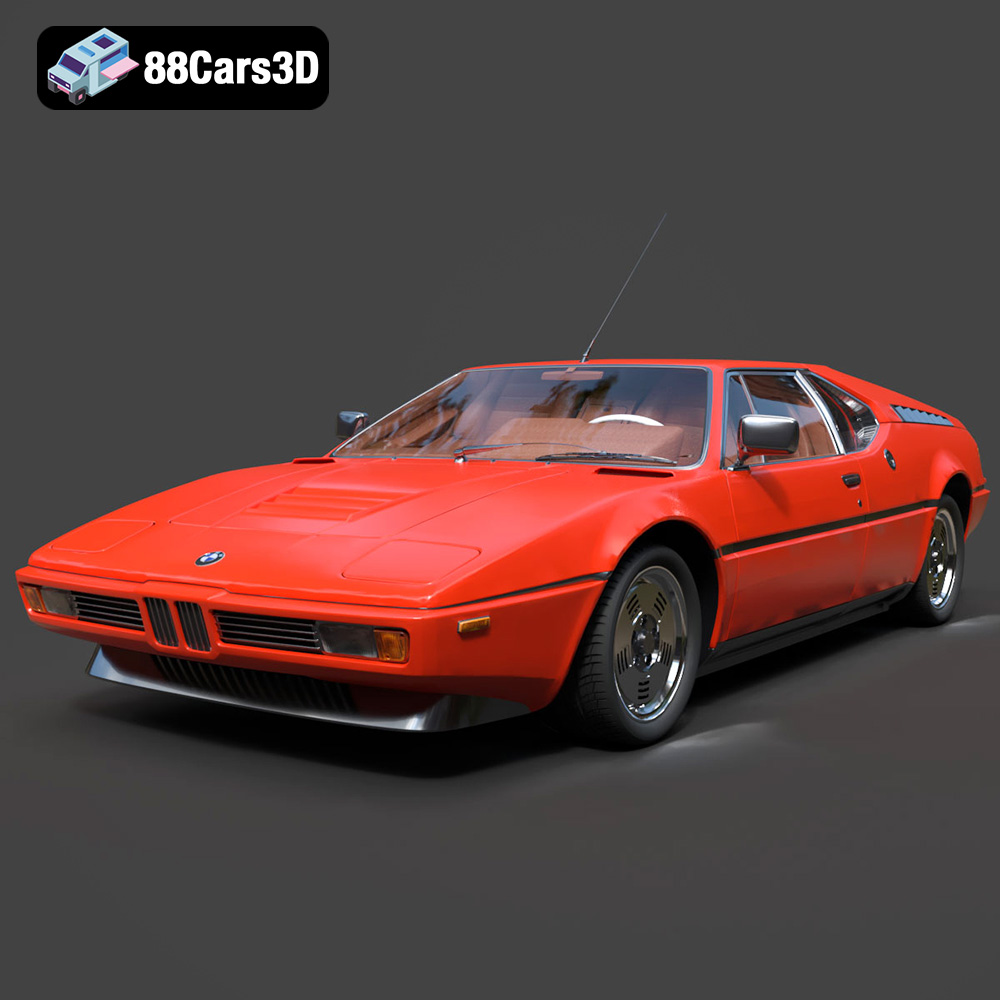
Texture: Yes
Material: Yes
Download the BMW Motorsport M1 E26 1981 3D Model featuring its iconic design, race-bred aerodynamics, and meticulously crafted details. Includes .blend, .fbx, .obj, .glb, .stl, .ply, .unreal, and .max formats for rendering, simulation, and game development.
Price: $20.79

Meta Description:
Texture: Yes
Material: Yes
Download the Cadillac CTS-V Coupe 3D Model featuring detailed exterior styling and realistic interior structure. Includes .blend, .fbx, .obj, .glb, .stl, .ply, .unreal, and .max formats for rendering, simulation, AR VR, and game development.
Price: $13.9
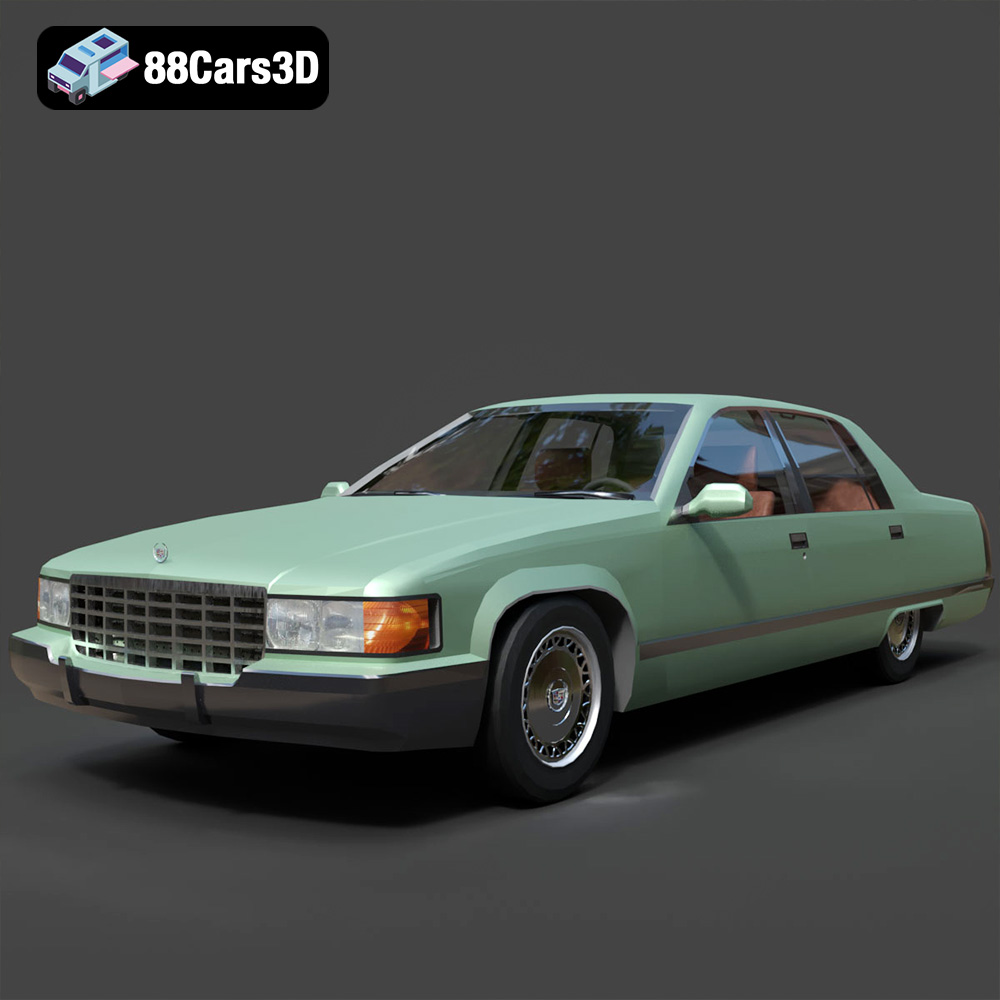
Texture: Yes
Material: Yes
Download the Cadillac Fleetwood Brougham 3D Model featuring its iconic classic luxury design and detailed exterior and interior. Includes .blend, .fbx, .obj, .glb, .stl, .ply, .unreal, and .max formats for rendering, simulation, and game development.
Price: $10.79
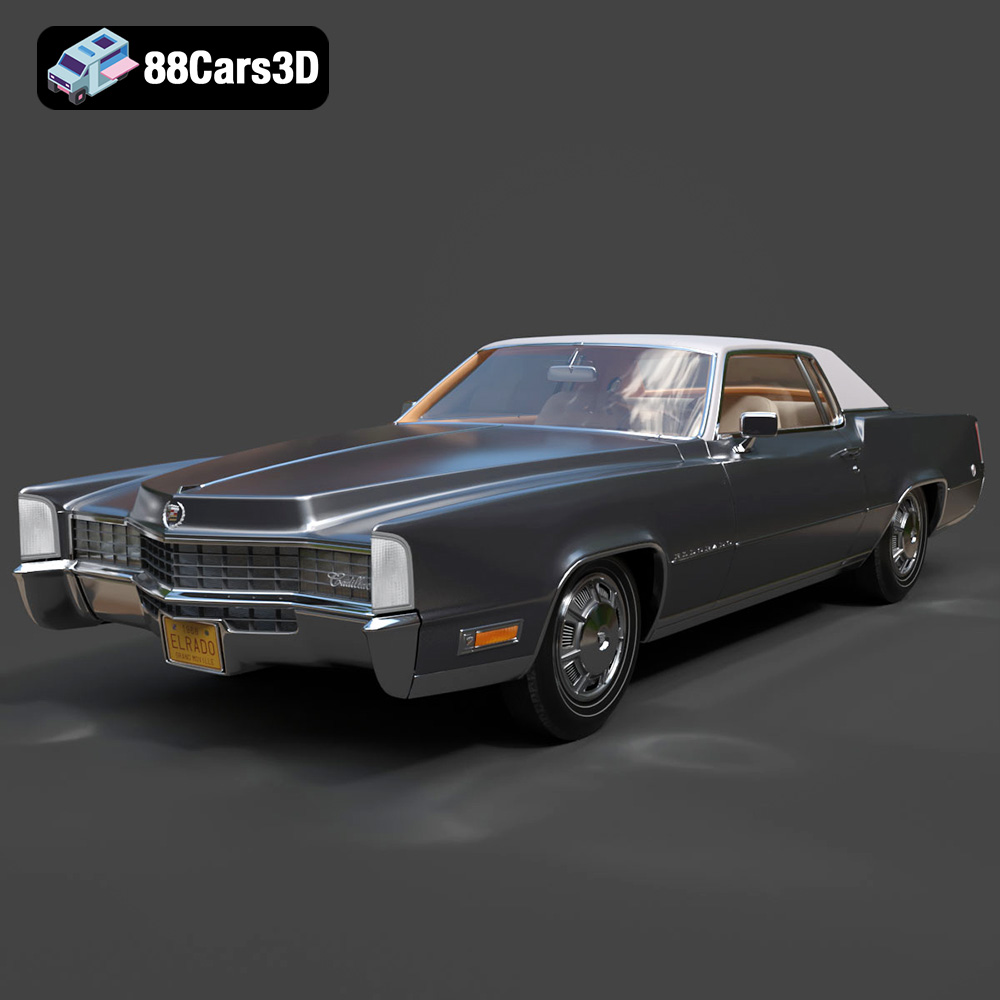
Texture: Yes
Material: Yes
Download the Cadillac Eldorado 1968 3D Model featuring its iconic elongated body, distinctive chrome accents, and luxurious interior. Includes .blend, .fbx, .obj, .glb, .stl, .ply, .unreal, and .max formats for rendering, simulation, and game development.
Price: $20.79

Texture: Yes
Material: Yes
Download the Cadillac CTS SW 2010 3D Model featuring a detailed exterior, functional interior elements, and realistic materials. Includes .blend, .fbx, .obj, .glb, .stl, .ply, .unreal, and .max formats for rendering, simulation, and game development.
Price: $10.79
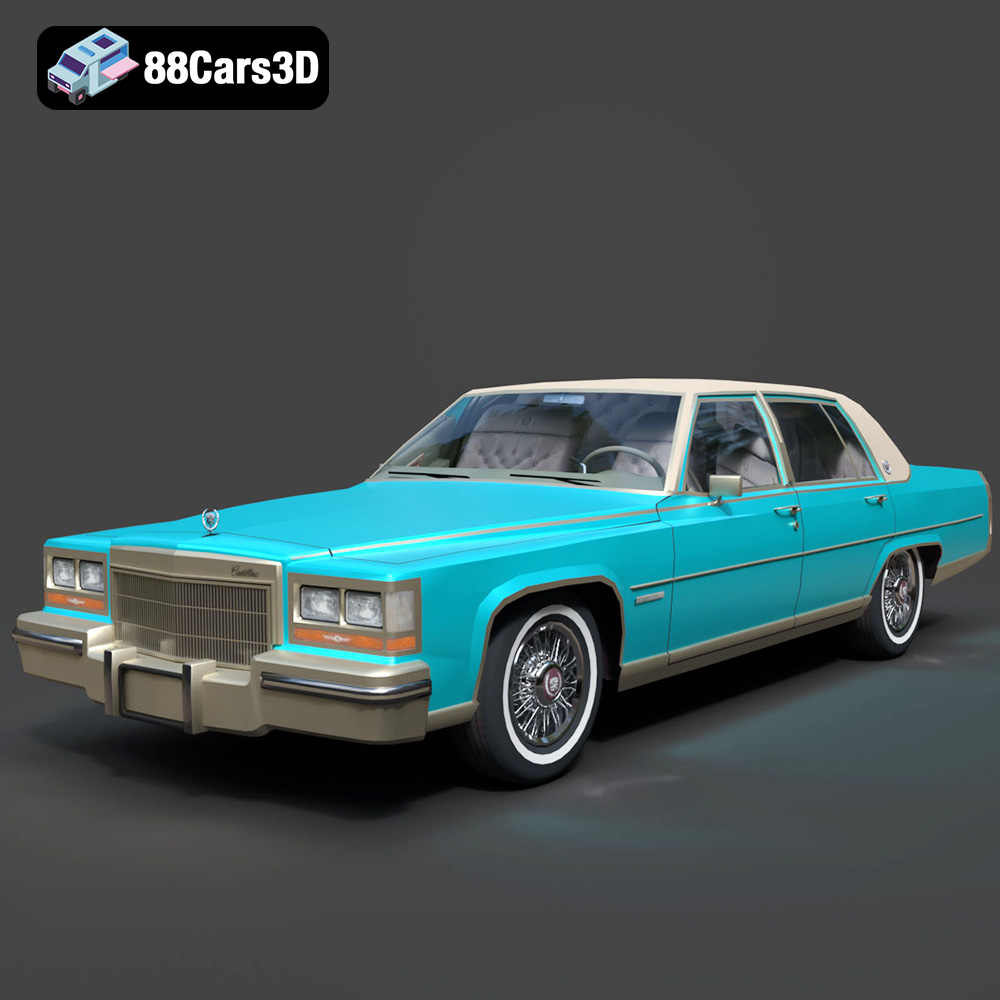
Texture: Yes
Material: Yes
Download the Cadillac Fleetwood Brougham 1985 3D Model featuring its iconic classic luxury design and detailed craftsmanship. Includes .blend, .fbx, .obj, .glb, .stl, .ply, .unreal, and .max formats for rendering, simulation, and game development.
Price: $10.79
Texture: Yes
Material: Yes
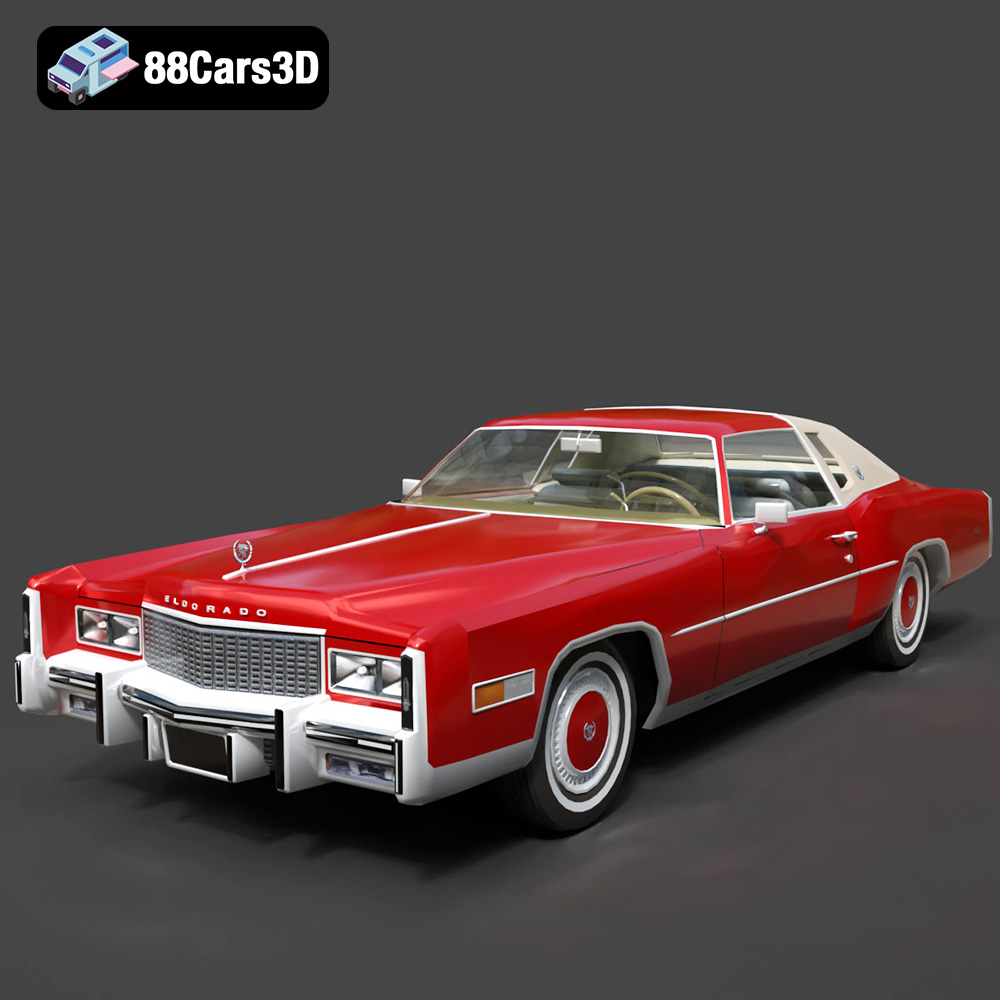
Download the Cadillac Eldorado 1978 3D Model featuring accurately modeled exterior, detailed interior, and period-correct aesthetics. Includes .blend, .fbx, .obj, .glb, .stl, .ply, .unreal, and .max formats for rendering, simulation, and game development.
Price: $10.79
Texture: Yes
Material: Yes
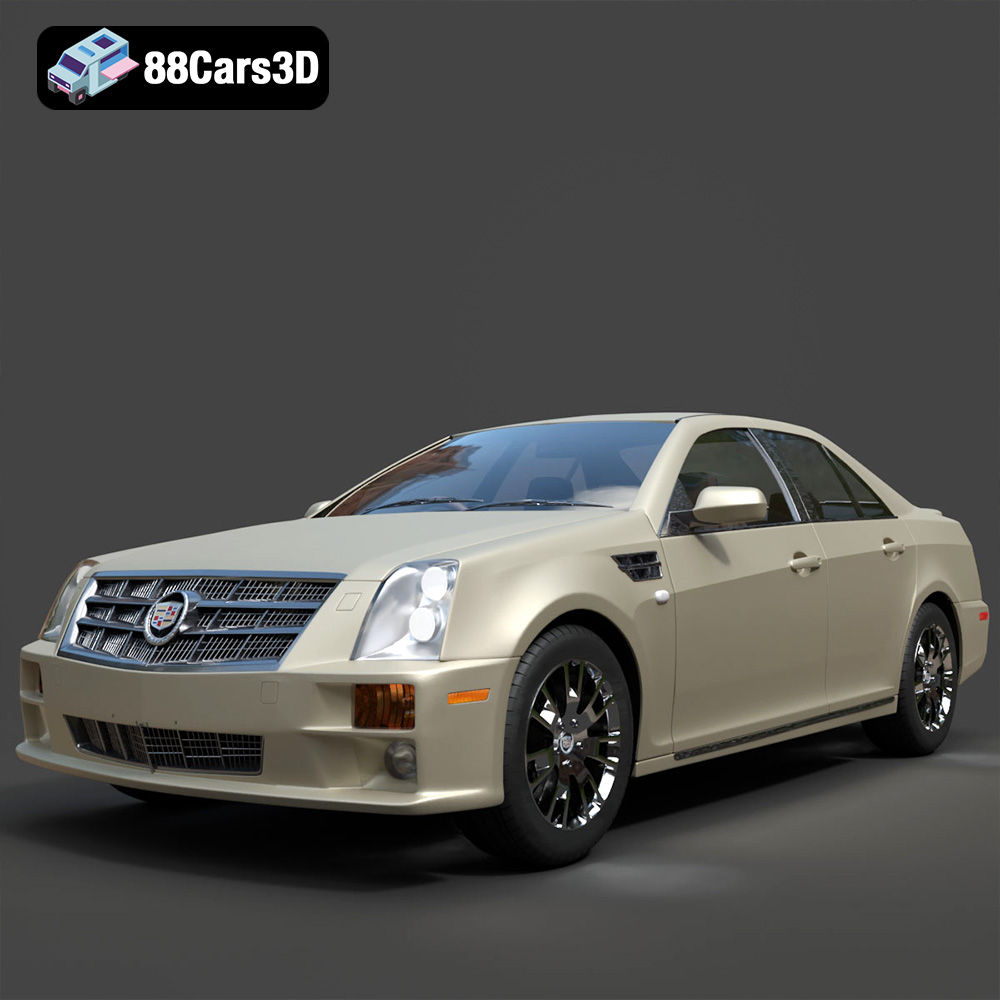
Download the Cadillac STS-005 3D Model featuring a detailed exterior and interior. Includes .blend, .fbx, .obj, .glb, .stl, .ply, .unreal, and .max formats for rendering, simulation, and game development.
Price: $22.79
Texture: Yes
Material: Yes
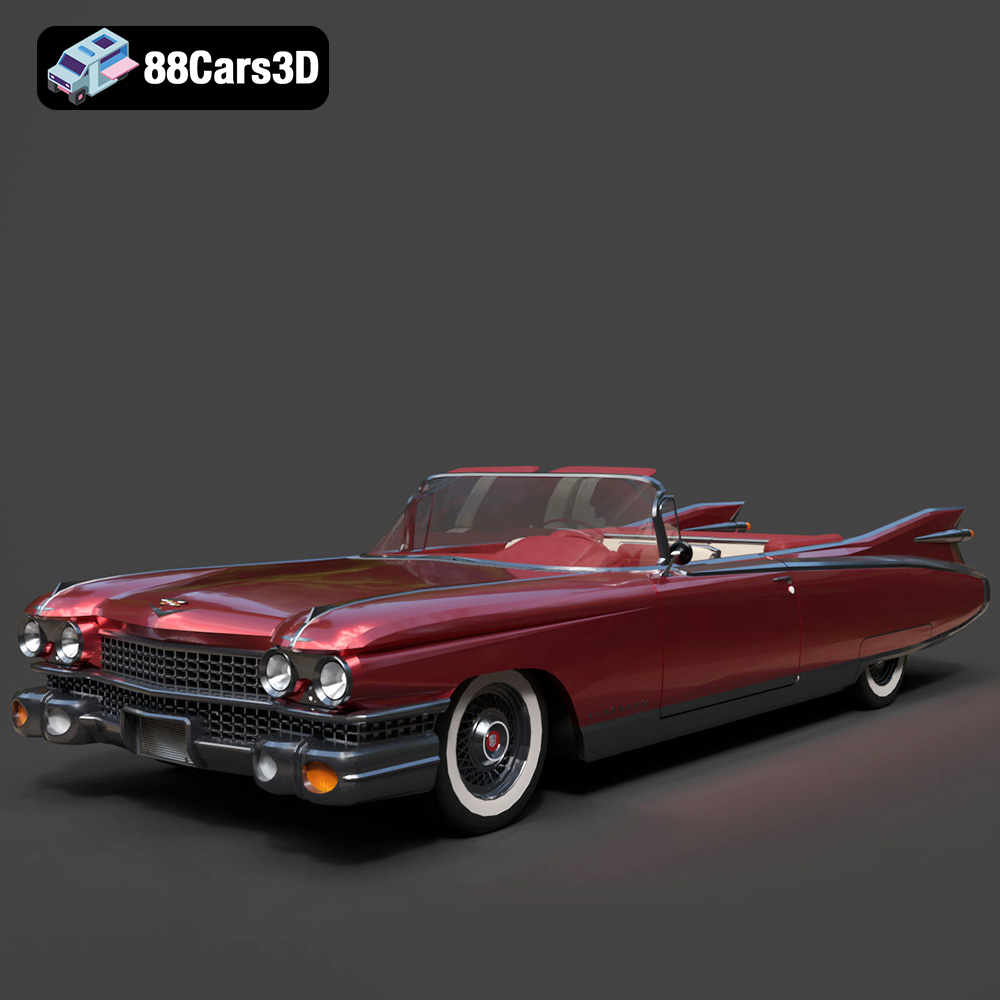
Download the Cadillac Eldorado Convertible (1959) 3D Model featuring iconic fins, luxurious chrome details, and a classic vintage design. Includes .blend, .fbx, .obj, .glb, .stl, .ply, .unreal, and .max formats for rendering, simulation, and game development.
Price: $20.79

Texture: Yes
Material: Yes
Download the Cadillac DTS-005 3D Model featuring its iconic luxury design, detailed interior, and realistic exterior. Includes .blend, .fbx, .obj, .glb, .stl, .ply, .unreal, and .max formats for rendering, simulation, and game development.
Price: $10.79

