⚡ FLASH SALE: Get 60% OFF All Premium 3D & STL Models! ⚡

The quest for photorealism in real-time rendering has never been more intense, especially within the demanding world of automotive visualization. From showcasing concept cars to creating immersive configurators and high-fidelity cinematics, the visual accuracy of a vehicle asset is paramount. At the heart of achieving this stunning realism in Unreal Engine lies a deep understanding and masterful application of Physically Based Rendering (PBR) materials. PBR is not just a buzzword; it’s a standard that ensures your 3D models react to light in a physically plausible way, mirroring how surfaces behave in the real world.
For professionals leveraging high-quality 3D car models from marketplaces like 88cars3d.com, harnessing the full power of Unreal Engine’s Material Editor for PBR workflows is a game-changer. These meticulously crafted assets, often featuring clean topology and production-ready UVs, serve as the perfect foundation. This comprehensive guide will delve into advanced PBR techniques within Unreal Engine, equipping you with the knowledge to transform exceptional raw models into breathtaking, lifelike automotive experiences. We’ll explore everything from setting up intricate car paint shaders to optimizing materials for performance, ensuring your projects stand out whether for games, AR/VR, or virtual production.
Physically Based Rendering (PBR) represents a paradigm shift from traditional artistic-driven shading to a more scientifically accurate approach. Instead of hand-painting how light might react to a surface, PBR defines material properties based on real-world physics, allowing the rendering engine to calculate how light interacts with those surfaces under any lighting condition. For automotive visualization, this means consistently realistic reflections, refractions, and diffuse lighting, whether your car is under a bright studio light or a moody twilight scene. The core principle of PBR is energy conservation – a surface cannot reflect more light than it receives.
The standard PBR workflow in Unreal Engine typically utilizes a Metallic-Roughness model, relying on a set of texture maps to define a material’s physical properties. These maps usually include: Albedo (or Base Color), which defines the intrinsic color of the surface without any lighting information; Metallic, a grayscale map indicating whether a surface is metallic (white) or dielectric (black), affecting how reflections occur; Roughness, another grayscale map controlling the smoothness or diffuseness of reflections, from perfectly smooth (black) to very rough (white); Normal Map, which provides per-pixel surface details, giving the illusion of depth without adding complex geometry; and often Ambient Occlusion (AO), a grayscale map simulating soft shadows in crevices and corners, enhancing perceived depth.
High-quality 3D car models, such as those sourced from 88cars3d.com, are typically prepped with clean, non-overlapping UVs and clearly defined material IDs. This meticulous preparation is absolutely crucial for successful PBR implementation. Accurate UV mapping ensures that your PBR texture maps align perfectly with the geometry, preventing stretching or distortion that would break the illusion of realism. Material IDs, on the other hand, allow for easy assignment of different PBR materials to distinct parts of the vehicle – separating the paint from the tires, windows, interior trim, and brake calipers, each requiring unique physical properties to look convincing.
While Unreal Engine supports various shading models, the default and recommended approach for modern photorealistic assets is the ‘Default Lit’ shading model, which implements the Metallic-Roughness PBR workflow. Legacy shading models, though still available, often rely on more artistic interpretation of diffuse and specular values, making them less consistent across different lighting environments. The ‘Default Lit’ model ensures that your materials behave predictably and realistically, greatly reducing the iteration time required to achieve desired visual fidelity. For specific effects like subsurface scattering (for materials like leather seats) or clear coat (for car paint), Unreal Engine offers specialized shading models that extend the PBR pipeline, providing additional parameters while adhering to PBR principles.
The success of any PBR material hinges on the quality of its UV mapping. Clean UVs are well-organized, non-overlapping, and efficiently packed, ensuring optimal texture resolution distribution across the mesh. When acquiring 3D car models, especially from reputable sources like 88cars3d.com, pay close attention to the UV layout. A good model will often utilize texture atlases – combining multiple smaller textures into a single, larger texture map – to reduce draw calls and optimize performance. For example, a single atlas could contain the PBR maps for interior plastics, dashboard details, and seat stitching, allowing a single material to cover a significant portion of the interior efficiently while maintaining PBR accuracy.
The Unreal Engine Material Editor is a node-based visual scripting environment where you construct the PBR properties of your surfaces. It’s a powerful tool that, once mastered, allows for limitless creative control over how light interacts with your automotive models. To begin, navigate to your Content Browser, right-click, and select Material to create a new material. Double-clicking it opens the editor. The central graph canvas is where you’ll connect nodes, which are essentially small programs that perform calculations on your PBR inputs. The output node, ‘Result’, has pins for Base Color, Metallic, Specular, Roughness, Normal, and Ambient Occlusion – your primary PBR inputs.
Creating a basic car paint material starts with the core PBR textures. You’ll typically drag and drop your Albedo, Metallic, Roughness, and Normal maps directly from the Content Browser into the Material Editor, which will create Texture Sample nodes. Connect the RGB output of the Albedo to the Base Color pin, the red channel (or grayscale output) of Metallic to Metallic, the red channel of Roughness to Roughness, and the RGB output of the Normal map to Normal. For Ambient Occlusion, connect its red channel to the Ambient Occlusion pin. This fundamental setup forms the basis of almost any realistic PBR material. For numerical values like a uniform metallicness, use Scalar Parameter nodes (right-click and type ‘Scalar Parameter’), which allow you to define a single float value (0-1) and make it easily adjustable via Material Instances later.
For automotive materials, subtle details make all the difference. Consider adding Multiply nodes to increase or decrease the intensity of specific maps, or a Lerp (Linear Interpolate) node to blend between different textures or values based on a mask. For example, blending a clean paint texture with a dirt or scratch texture using a grayscale mask. Understanding the hierarchy and flow of data through these nodes is key to building complex, yet optimized, material graphs.
Achieving truly convincing car paint in Unreal Engine goes beyond a simple PBR texture set; it requires simulating the unique properties of automotive finishes. Modern car paint often features a metallic flake layer beneath a protective clear coat. Unreal Engine offers a dedicated ‘Clear Coat’ shading model that is perfect for this. When setting up your material, change its ‘Shading Model’ property in the Details panel to ‘Clear Coat’. This will expose additional input pins: ‘Clear Coat’ (a scalar for intensity) and ‘Clear Coat Roughness’.
To simulate metallic flakes, you can create a custom normal map specifically for the flakes or, more commonly, use a procedural noise texture that is distorted and scaled to represent the flakes. This texture is then connected to the Normal input of your base material, or even a custom node where you combine it with the main normal map. The ‘Clear Coat’ and ‘Clear Coat Roughness’ pins are crucial. A low ‘Clear Coat Roughness’ (e.g., 0.04) gives that highly reflective, mirror-like finish, while ‘Clear Coat’ set to 1.0 ensures a strong protective layer. Experimenting with Fresnel effects (using a Fresnel node) can further enhance the edge reflectivity, mimicking how light scatters differently at glancing angles. This intricate layering is what elevates an ordinary car paint material to a photorealistic finish.
Each component of an automotive model demands a tailored PBR approach. For tire rubber, the material should typically be dielectric (Metallic = 0) with a relatively high Roughness (0.7-0.9) to simulate the matte, slightly grippy surface. A detailed Normal Map for tread patterns and subtle wear and tear is essential. Glass, on the other hand, requires a ‘Translucent’ or ‘Two Sided Foliage’ (for thinner glass with faster performance) shading model, along with parameters for Opacity, Refraction (using a Refraction node connected to an index of refraction value like 1.5 for glass), and potentially a very low Roughness to simulate clean surfaces. For interior materials like leather, fabric, or plastics, you’ll utilize the ‘Default Lit’ shading model. Leather might benefit from a subtle Subsurface Color input for added realism (a darker, desaturated version of the Base Color), while plastics will rely heavily on varying Roughness maps to differentiate between glossy and matte sections, often complemented by Normal maps for grain details. Always consider the real-world properties of the material you’re trying to replicate and translate those into the appropriate PBR maps and shader settings. For detailed guides on specific material types, refer to the official Unreal Engine documentation at https://dev.epicgames.com/community/unreal-engine/learning.
While a single static material can look great, real-world automotive visualization often demands flexibility. Imagine an interactive car configurator where users can instantly change paint colors, wheel finishes, or interior trims. This is where dynamic materials and Material Functions become indispensable. Instead of creating a dozen different materials for each paint color, you can create one highly parameterized parent material that can be modified on the fly. This not only dramatically reduces asset count but also streamlines iteration and improves performance.
The core concept is the Material Instance. When you create a new material, it acts as a ‘parent’. By converting constants (like float values or vector colors) into Scalar Parameter or Vector Parameter nodes within your parent material, you make those properties accessible externally. Then, right-click on your parent material in the Content Browser and select Create Material Instance. This instance inherits all the graph logic from the parent but allows you to override its parameters without recompiling the shader, leading to instant visual feedback. For a car paint, parameters might include ‘Paint Color’ (Vector Parameter), ‘Metallic Flake Density’ (Scalar Parameter), ‘Roughness Multiplier’ (Scalar Parameter), or even ‘Wear Mask Intensity’ (Scalar Parameter).
Material Functions are another powerful tool for creating reusable chunks of material logic. Think of them as mini-materials that can be dropped into any other material graph. This promotes modularity, reduces graph complexity, and ensures consistency across multiple materials. For example, a complex metallic flake shader or a detailed dirt accumulation layer could be encapsulated within a Material Function. This means you write the logic once, and then simply drag and drop the Material Function node into any car paint material that needs it.
To create a Material Function, right-click in the Content Browser and choose Materials & Textures > Material Function. Inside, you’ll use Function Input and Function Output nodes to define what goes in and out. For instance, a ‘ClearCoatFlakes’ Material Function could take ‘BaseColor’, ‘Normal’, and ‘Roughness’ as inputs and output a modified ‘Normal’ and ‘Roughness’ that includes flake effects. This function could then be used across all your vehicle materials, ensuring a consistent flake appearance. This approach is invaluable for managing large projects with many similar materials, significantly reducing shader instruction count repetition and improving overall development efficiency. For complex setups like physically accurate headlight lenses or specific chrome effects, Material Functions ensure consistent application and easy updates.
The true power of parameterized materials shines in interactive experiences like automotive configurators. Using Unreal Engine’s visual scripting system, Blueprint, you can dynamically control the parameters of Material Instances at runtime. This allows users to change paint colors, wheel types, or interior finishes with a click of a button. The workflow involves getting a reference to the mesh component (e.g., the car body mesh), calling the Create Dynamic Material Instance node on that component (if you haven’t already), and then using nodes like Set Vector Parameter Value or Set Scalar Parameter Value to update the specific parameters you defined in your parent material. For example, linking a UI button to a Blueprint event that sets the ‘PaintColor’ vector parameter of your car paint Material Instance to a new value (e.g., R=1, G=0, B=0 for red) allows for real-time color changes. This level of interactivity is crucial for showcasing the versatility of your 3D car models, making them ideal for marketing and sales applications.
While photorealism is the goal, real-time rendering demands careful optimization. Complex PBR materials, especially those with many texture samples, intricate calculations, or multiple blending layers, can significantly impact performance, particularly in performance-critical applications like AR/VR or high-frame-rate games. Balancing visual fidelity with optimization is a constant challenge, but one that can be managed effectively with strategic approaches within the Material Editor and through broader Unreal Engine practices.
One of the primary concerns is texture resolution. While 4K or even 8K textures might look stunning up close, they consume significant memory and bandwidth. For hero assets like the car body and critical interior elements (dashboard, seats), 4K textures are often acceptable. However, for less prominent parts (engine bay, undercarriage) or distant objects, 2K or even 1K textures are more appropriate. Leveraging texture atlases, where multiple smaller textures are packed into a single larger one, can also reduce draw calls and memory overhead by allowing the GPU to sample from one texture instead of many. Ensure your textures are properly compressed (e.g., DXT1/5 for color, BC5 for normal maps) and that Unreal Engine’s streaming settings are configured to load textures efficiently only when needed.
Material complexity, measured by shader instruction count, is another key performance metric. Each node in your material graph contributes to this count. While Unreal Engine’s shader compiler is highly optimized, overly complex graphs can still lead to performance bottlenecks. Look for opportunities to simplify logic, reuse calculations, and avoid redundant texture samples. Material Functions, as discussed earlier, help organize and reuse code, but the underlying complexity still exists. Profile your materials using the ‘Shader Complexity’ view mode (Alt+8 in the viewport) to identify expensive shaders. A common pitfall is using too many texture samples for blend masks or detail maps, each requiring a separate fetch from memory.
Level of Detail (LOD) systems are critical for maintaining performance across varying distances from the camera. As a mesh moves further away, its geometry is simplified. Correspondingly, its materials should also be simplified. Unreal Engine allows you to assign different static mesh LODs to different materials, or even to control material complexity based on LOD level. For instance, a very detailed car paint material might have metallic flakes and clear coat effects at LOD0 (closest), but at LOD1 or LOD2, these complex calculations can be simplified or entirely removed, replaced with a basic PBR material that is significantly cheaper to render. This can be achieved by using a Quality Switch node within the material, allowing different parts of the graph to be executed based on rendering quality settings or even custom LOD thresholds.
Unreal Engine 5’s Nanite virtualized geometry system radically changes how we approach high-poly models, allowing for incredibly detailed meshes (millions of polygons) without the traditional performance overhead. While Nanite primarily handles geometry, it has significant implications for PBR materials. Nanite allows you to use extremely dense meshes for automotive models (like those found on 88cars3d.com with their intricate details) and efficiently streams only the necessary polygon data. This means you can rely less on normal maps to simulate fine geometric details and instead model them directly, enhancing realism.
However, Nanite doesn’t directly optimize material complexity. Even with Nanite, a PBR material with too many texture samples or complex shader instructions will still be expensive. The synergy comes from the ability to push geometric detail further, allowing your PBR materials to accurately represent truly intricate surface features without being bottlenecked by geometry. It also affects texture streaming: while Nanite handles geometry streaming, efficient PBR texture management remains crucial. Using texture atlases and careful mipmap generation ensures that your high-resolution PBR textures are streamed effectively, complementing Nanite’s geometric prowess. For in-depth information on Nanite and its interactions with materials, consult the official Unreal Engine documentation at https://dev.epicgames.com/community/unreal-engine/learning.
The true benefit of a robust PBR material workflow is its ability to integrate seamlessly with Unreal Engine’s advanced rendering features, unlocking unparalleled visual fidelity for a range of applications, from cinematic productions to immersive AR/VR experiences. PBR materials act as the raw data that these rendering systems interpret to produce stunning, physically accurate results. Without correctly calibrated PBR values, even the most advanced lighting solutions will fall short of realism.
Lumen Global Illumination and Reflections: Unreal Engine 5’s Lumen is a fully dynamic global illumination and reflection system that fundamentally changes how light interacts with your scene. PBR materials provide the crucial surface information (Albedo, Metallic, Roughness) that Lumen needs to accurately calculate bounced light and reflections. A metallic surface with low roughness will produce sharp, clear reflections, while a dielectric material with high roughness will scatter light more broadly, resulting in softer, more diffuse reflections and global illumination. The accuracy of your PBR material properties directly dictates the realism of Lumen’s output. For automotive visualization, this means incredibly lifelike indirect lighting within the car’s interior, realistic color bleeding from the paint onto the ground, and accurate reflections of the environment on the vehicle’s body.
Ray Tracing for Automotive Visualization: For the ultimate in physically accurate reflections, refractions, and shadows, Unreal Engine’s hardware ray tracing capabilities are indispensable. PBR materials are inherently designed to work with ray tracing algorithms. The Metallic, Roughness, and Normal maps provide the necessary data for rays to correctly bounce, scatter, and reflect off surfaces. Ray-traced reflections on car paint achieve a level of clarity and fidelity that traditional screen-space reflections cannot match, capturing details outside the camera’s view. Similarly, ray-traced refractions through car glass are incredibly accurate, bending light correctly and providing realistic distortion and caustics. For cinematic quality renders and high-end marketing materials, combining precise PBR materials with ray tracing delivers a truly photorealistic result.
Virtual Production and LED Wall Considerations: In virtual production, where 3D content is displayed on massive LED walls to create immersive environments, PBR accuracy is paramount. The digital assets, including your 3D car models, must look convincingly real on a physical screen in real-time. Inaccurate PBR materials can lead to discrepancies between the virtual and physical worlds. Ensuring that your Base Color is accurately calibrated to real-world color spaces, and that Metallic and Roughness values are physically plausible, helps guarantee that the virtual car appears consistent with any practical elements on set. Color consistency across screens and cameras requires strict adherence to PBR principles.
Beyond pristine surfaces, advanced automotive visualization often requires representing vehicles in various conditions. PBR material blending is key to achieving realistic effects like rain, puddles, or accumulated dirt. This typically involves layering multiple PBR material sets using alpha masks. For a rain effect, you might blend a ‘wet’ material (lower roughness, higher metallic for raindrops) with your base car paint material using a dynamically generated rain mask. For dirt, you could blend a distinct ‘dirt’ PBR material (earthy colors, high roughness) with the clean car paint using a textured mask that simulates dirt accumulation in crevices and along edges. Unreal Engine’s Material Editor provides nodes like Lerp (Linear Interpolate) and complex texture masking to achieve these effects, often driven by world-space coordinates or custom data for procedural generation. This allows for highly convincing and dynamic wear and weather effects that enhance the narrative and realism of your automotive scenes.
Bringing PBR materials to AR/VR experiences, especially on mobile or standalone headsets, presents unique optimization challenges. While the principles of PBR remain the same, the performance budget is significantly tighter. This necessitates aggressive optimization strategies: reducing texture resolutions (e.g., 1K or even 512px for many maps), minimizing shader instruction count by simplifying material graphs, and utilizing a greater number of texture atlases to reduce draw calls. Baking complex material effects (like ambient occlusion or specific reflections) directly into lower-resolution texture maps can also save performance at runtime. Furthermore, consider using simplified lighting models where appropriate for distant objects, or culling unnecessary material features for objects outside the user’s direct line of sight. It’s a careful balance of visual fidelity and ensuring a smooth, high-frame-rate experience, which is critical for comfortable AR/VR usage.
Mastering advanced PBR workflows within Unreal Engine’s Material Editor is an essential skill for anyone looking to achieve breathtaking photorealism in automotive visualization. From understanding the core principles of PBR to crafting intricate car paint shaders, optimizing for performance, and leveraging advanced rendering features, every step contributes to bringing your 3D car models to life. The attention to detail in your PBR materials ensures that vehicles, whether sourced from platforms like 88cars3d.com or custom-built, will react to light with stunning accuracy, creating immersive and believable experiences across all applications.
By embracing parameterized materials, material functions, and smart optimization techniques, you gain not only artistic control but also the efficiency needed for professional production pipelines. As Unreal Engine continues to evolve with features like Lumen and Nanite, a solid foundation in PBR empowers you to push the boundaries of real-time rendering further than ever before. Now, armed with these advanced insights, take your high-quality 3D car models and begin experimenting within the Material Editor. The road to unparalleled automotive realism is open, and it starts with your mastery of PBR.
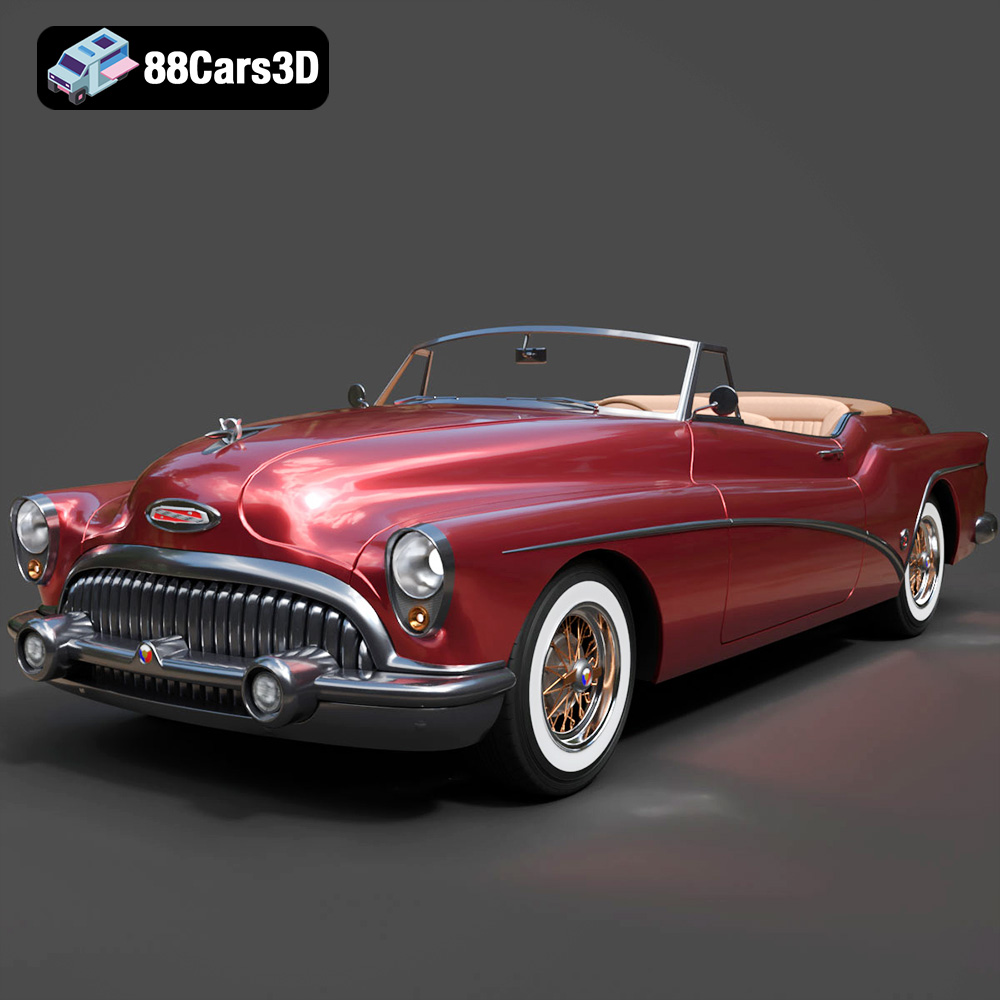
Texture: Yes
Material: Yes
Download the Buick Skylark Convertible 1953 3D Model featuring iconic 1950s styling, a detailed exterior with chrome accents, and an accurately modeled interior. Includes .blend, .fbx, .obj, .glb, .stl, .ply, .unreal, and .max formats for rendering, simulation, and game development.
Price: $10.79

Texture: Yes
Material: Yes
Download the Buick Roadmaster Hardtop Coupe 1957 3D Model featuring a classic American design with detailed exterior and interior. Includes .blend, .fbx, .obj, .glb, .stl, .ply, .unreal, and .max formats for rendering, simulation, and game development.
Price: $10.79
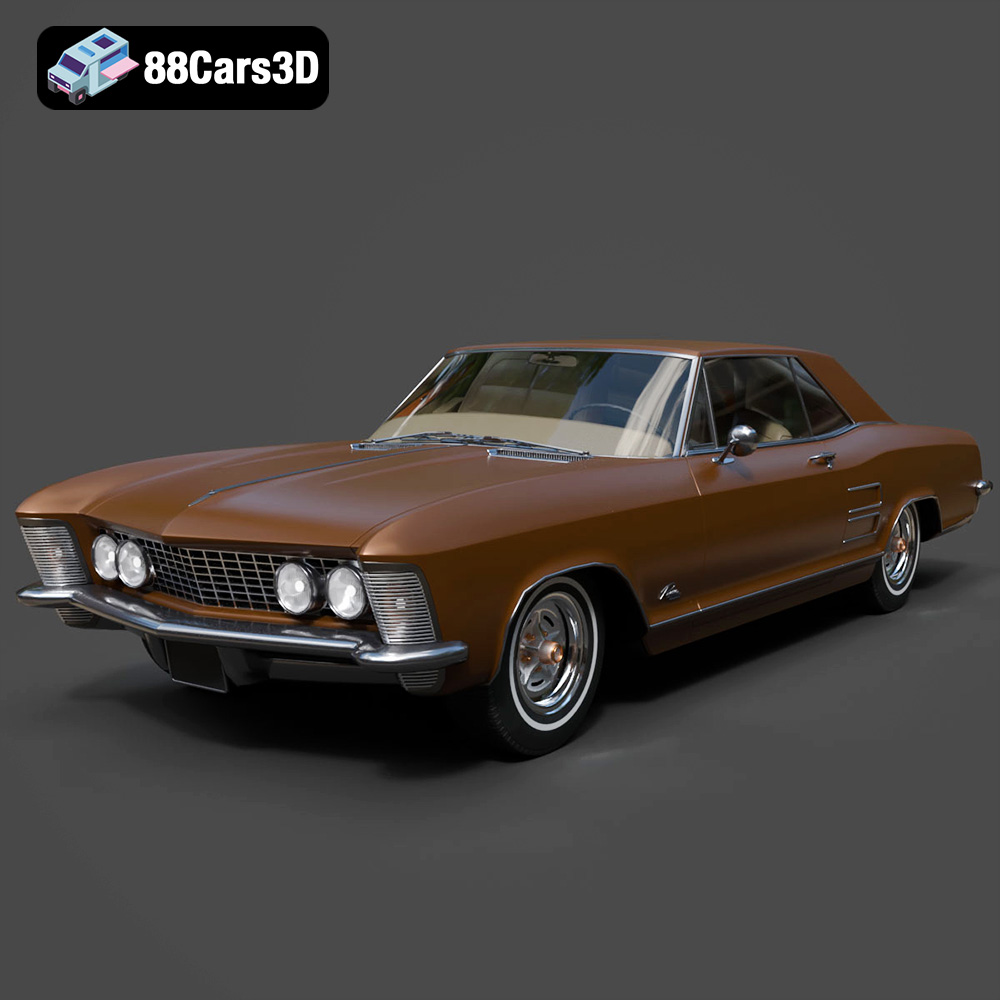
Texture: Yes
Material: Yes
Download the Buick Riviera 1963 3D Model featuring classic American muscle car design and iconic styling. Includes .blend, .fbx, .obj, .glb, .stl, .ply, .unreal, and .max formats for rendering, simulation, and game development.
Price: $10.79
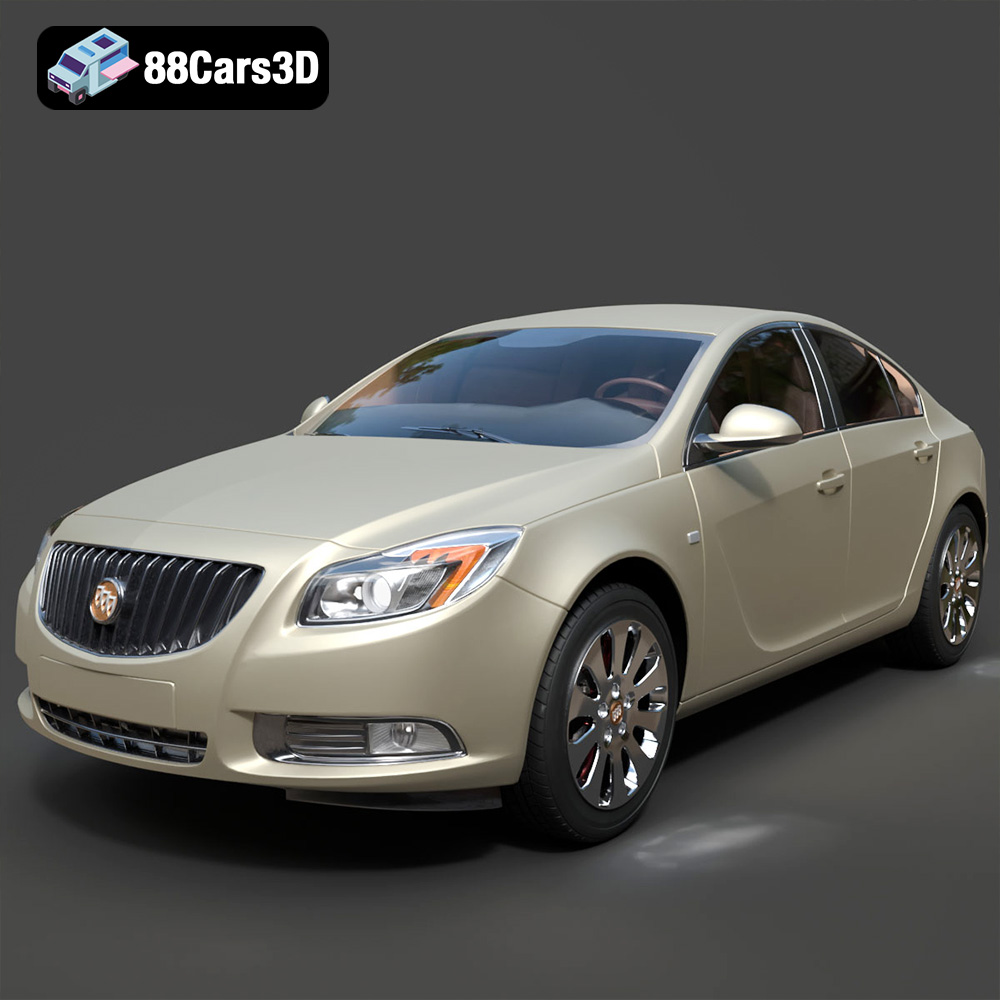
Texture: Yes
Material: Yes
Download the Buick Regal 3D Model featuring a classic American sedan design, detailed exterior, and optimized interior. Includes .blend, .fbx, .obj, .glb, .stl, .ply, .unreal, and .max formats for rendering, simulation, and game development.
Price: $10.79
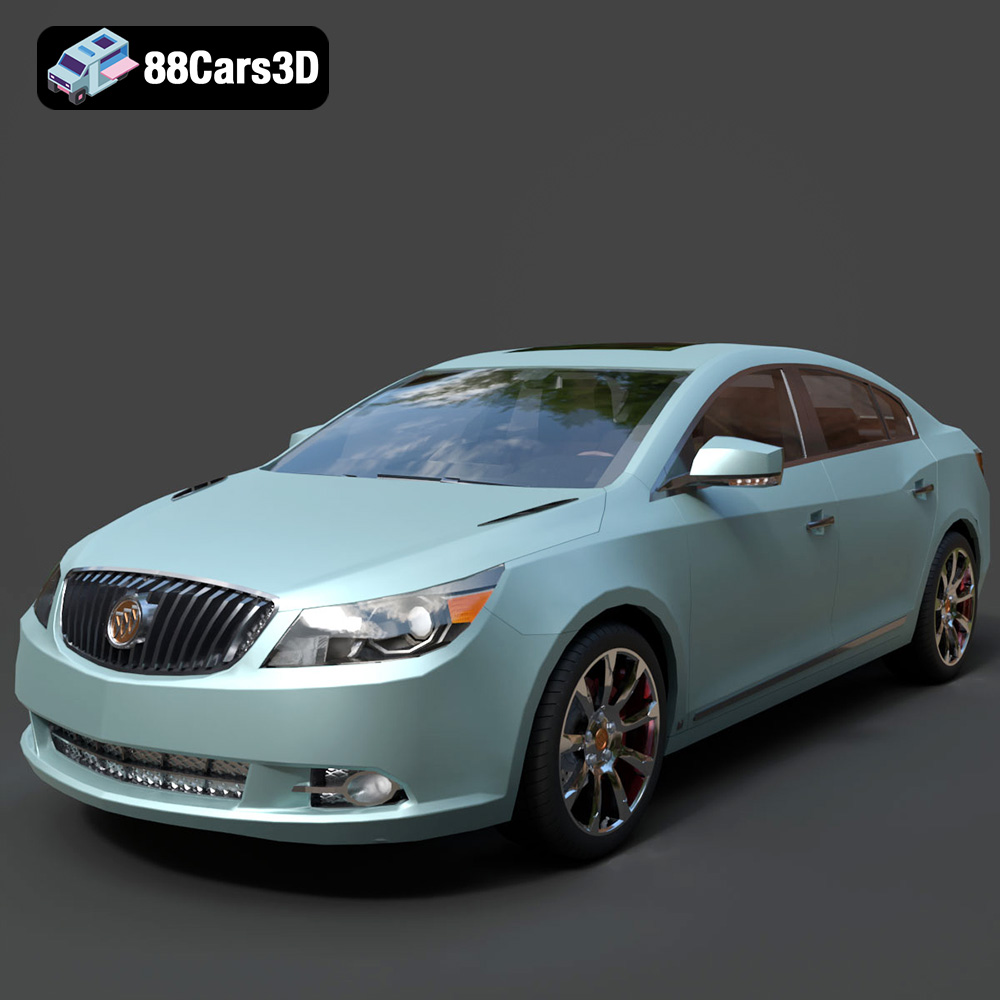
Texture: Yes
Material: Yes
Download the Buick LaCrosse 3D Model featuring professional modeling and texture work. Includes .blend, .fbx, .obj, .glb, .stl, .ply, .unreal, and .max formats for rendering, simulation, and game development.
Price: $10.79
Texture: Yes
Material: Yes
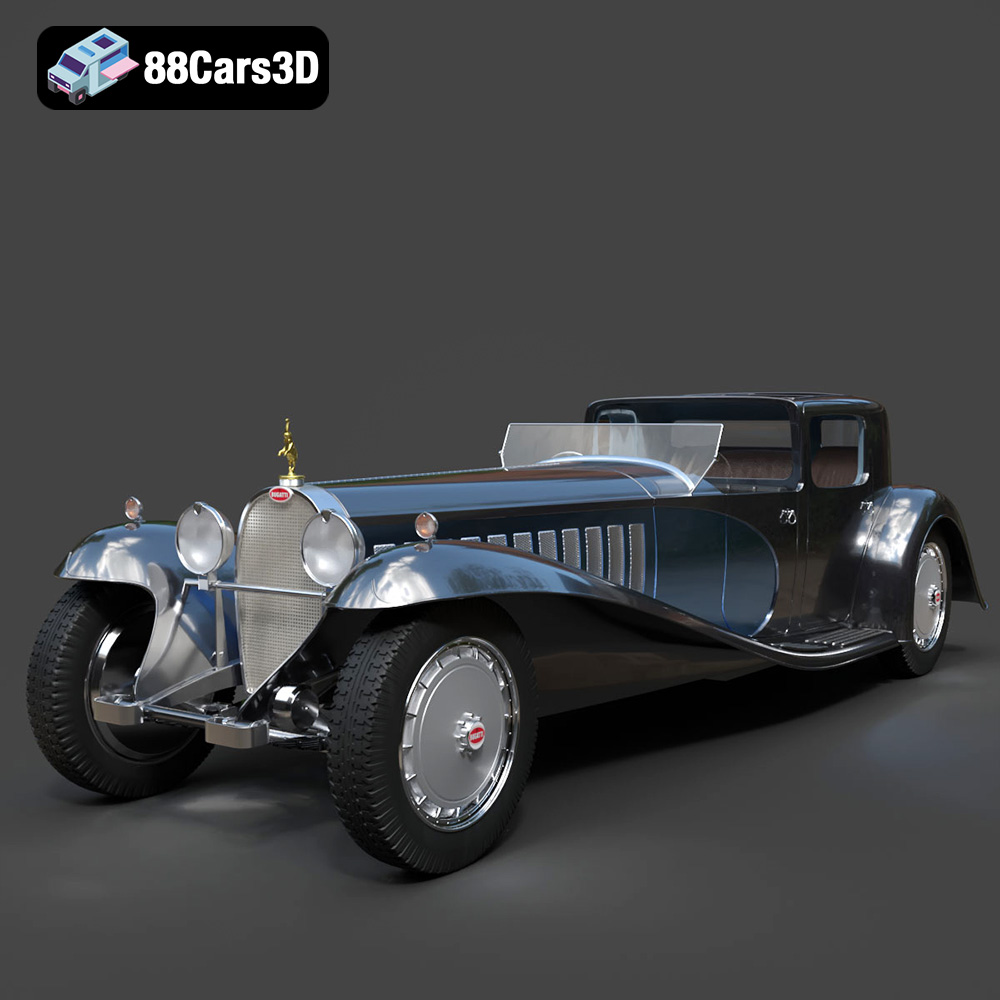
Download the Bugatti Type 41 Napoleon 3D Model featuring its iconic luxury design, detailed exterior, and opulent interior. Includes .blend, .fbx, .obj, .glb, .stl, .ply, .unreal, and .max formats for rendering, simulation, and game development.
Price: $10.79
Texture: Yes
Material: Yes
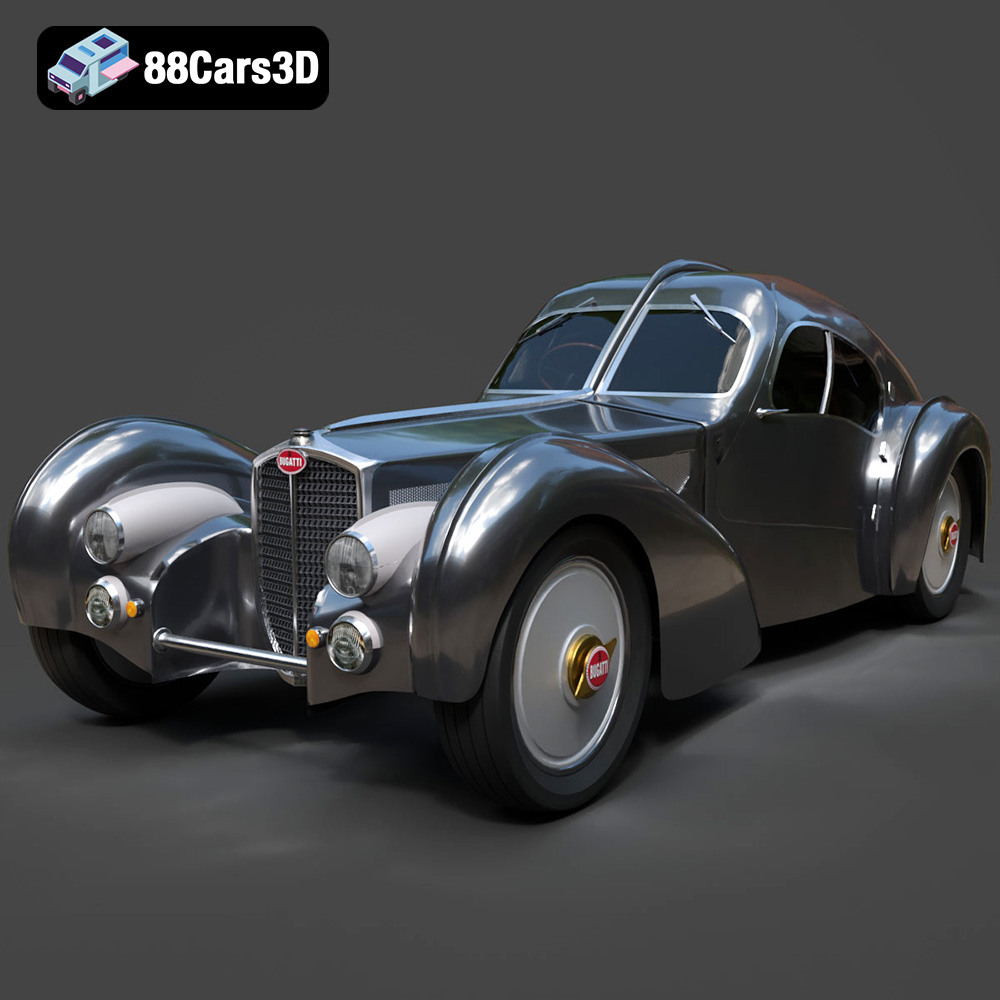
Download the Bugatti Type 57SC Atlantic Coupe 3D Model featuring its iconic streamlined body and classic design. Includes .blend, .fbx, .obj, .glb, .stl, .ply, .unreal, and .max formats for rendering, simulation, and game development.
Price: $10.79
Texture: Yes
Material: Yes
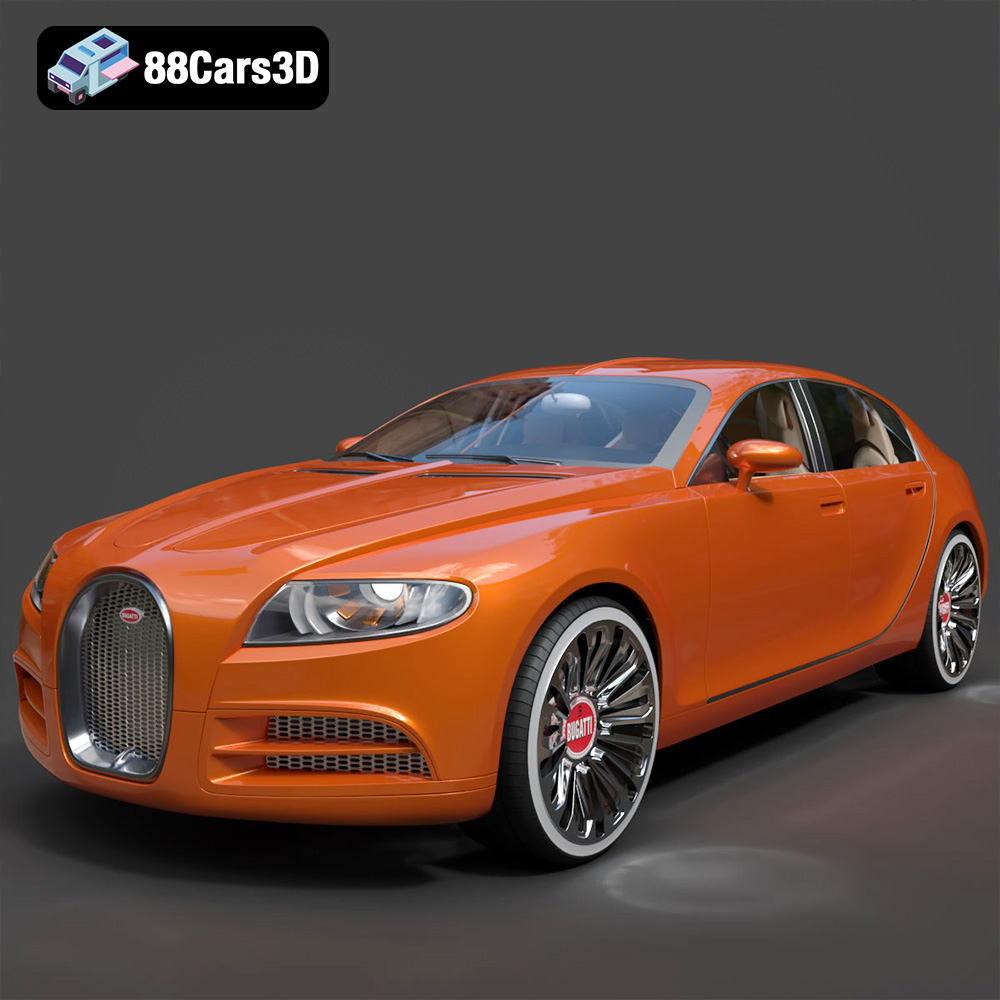
Download the Bugatti 16C Galibier-006 3D Model featuring its luxurious sedan design, detailed interior, and sophisticated exterior. Includes .blend, .fbx, .obj, .glb, .stl, .ply, .unreal, and .max formats for rendering, simulation, and game development.
Price: $10.79
Texture: Yes
Material: Yes
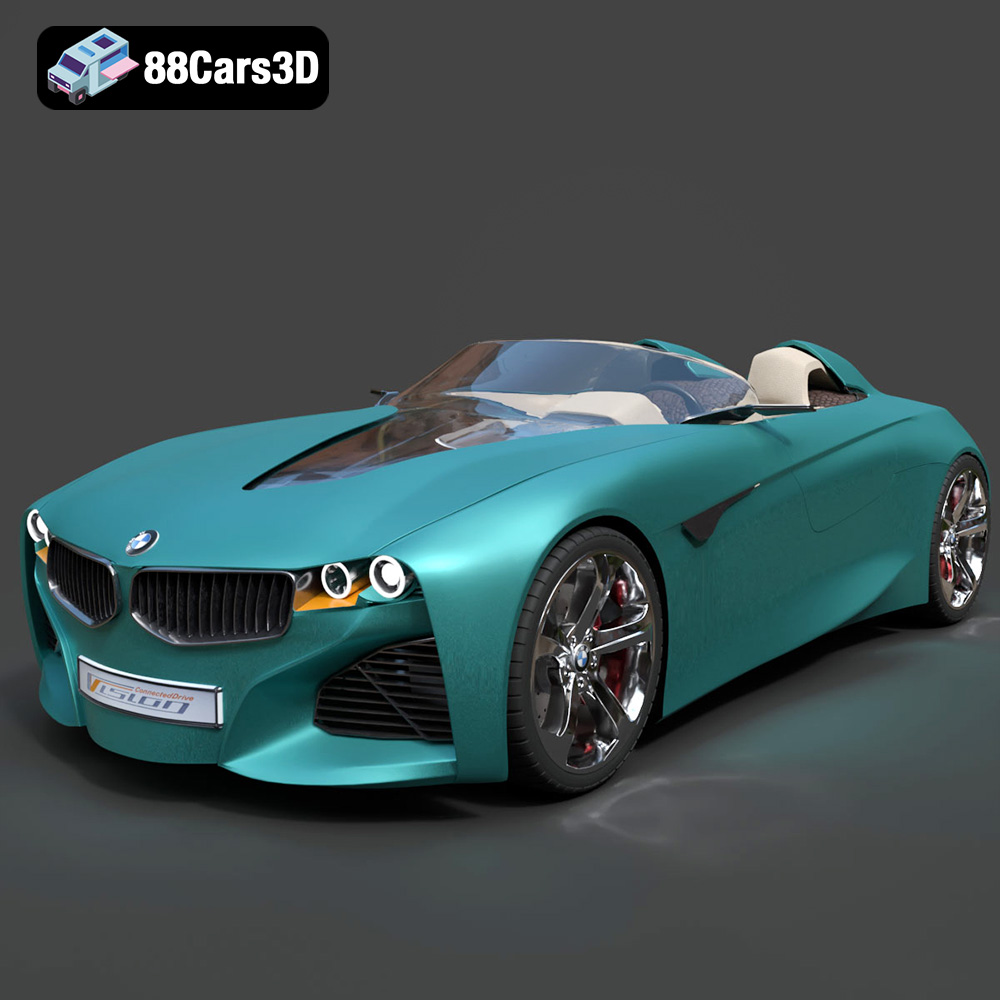
Download the BMW Vision Connected Drive Concept 3D Model featuring its innovative design, advanced connectivity, and sleek aesthetics. Includes .blend, .fbx, .obj, .glb, .stl, .ply, .unreal, and .max formats for rendering, simulation, and game development.
Price: $19.79
Texture: Yes
Material: Yes
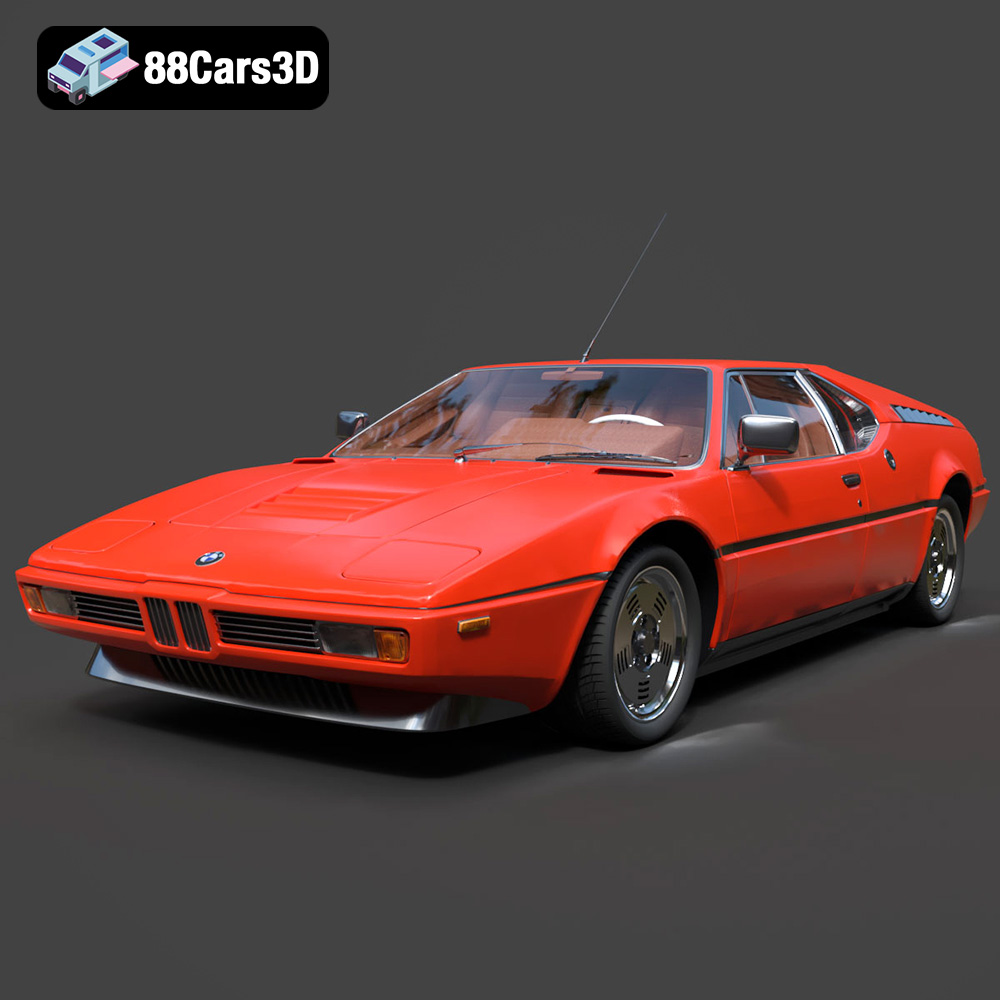
Download the BMW Motorsport M1 E26 1981 3D Model featuring its iconic design, race-bred aerodynamics, and meticulously crafted details. Includes .blend, .fbx, .obj, .glb, .stl, .ply, .unreal, and .max formats for rendering, simulation, and game development.
Price: $20.79

