⚡ FLASH SALE: Get 60% OFF All Premium 3D & STL Models! ⚡

In the dynamic realm of real-time rendering, virtual production, and interactive experiences, Unreal Engine stands as an undisputed powerhouse. For professionals tackling complex projects, especially in automotive visualization and game development, efficiency and flexibility are paramount. This is where the strategic implementation of modular environments becomes not just a best practice, but a transformative necessity. By breaking down expansive virtual worlds into reusable, interchangeable components, developers can achieve unparalleled speed, consistency, and scalability in their creative workflows.
Imagine constructing an entire showroom, an urban street, or a sprawling test track for cutting-edge vehicles, not from a single monolithic mesh, but from a library of meticulously crafted walls, floors, props, and architectural elements. This modular approach not only accelerates development but also simplifies iteration, allowing for rapid changes and endless variations. For those leveraging high-fidelity 3D car models, such as those found on 88cars3d.com, integrating them into a modular environment ensures they shine in a perfectly tailored, optimized setting.
This comprehensive guide will delve deep into the art and science of building modular environments within Unreal Engine. We’ll explore the core principles of modular design, master the integration of high-fidelity assets like automotive models, craft stunning PBR materials and dynamic lighting, and unlock interactive possibilities with Blueprint scripting. Furthermore, we’ll examine crucial performance optimization strategies and touch upon advanced applications in virtual production and AR/VR, empowering you to create breathtaking, efficient, and future-proof real-time experiences.
Modular environment design is a methodology rooted in efficiency and reusability, particularly vital for large-scale projects in Unreal Engine. Instead of modeling a unique, massive environment mesh, you construct your scene from a collection of smaller, standardized pieces that can be seamlessly snapped together, rotated, and duplicated. This approach dramatically reduces the workload, speeds up iteration, and ensures visual consistency across vast and complex scenes, from bustling cityscapes for open-world games to sophisticated automotive showrooms.
The core concept is to think of environment pieces as LEGO bricks. Each brick is designed to fit perfectly with others, allowing for an infinite array of combinations. This paradigm shift from monolithic to atomic asset creation is crucial for maintaining performance, managing complexity, and facilitating collaborative workflows. It’s especially beneficial when showcasing detailed assets like high-polygon 3D car models, where the surrounding environment needs to be both visually rich and resource-efficient.
Implementing modularity requires careful planning from the outset, focusing on design consistency and technical specifications for each asset. Adhering to these principles ensures that your modular components function as a cohesive system within Unreal Engine, enabling rapid scene construction without compromising visual fidelity or runtime performance.
A modular asset is a discrete 3D model designed with specific dimensions and connection points that allow it to be combined with other modular assets. Key characteristics include clean geometry, consistent scale, and predefined pivot points. For instance, a modular wall piece might be exactly 400x300x50 units, with its pivot centrally located at its base, making it easy to snap into place. These assets often represent common architectural elements like walls, floors, ceilings, pillars, doors, and windows, but can also extend to props, railings, and even terrain sections. The idea is that each piece serves a specific function and is inherently designed to complement its peers, minimizing unique asset creation and maximizing reuse.
Successful modular design hinges on meticulous planning, primarily around a unified grid system. Unreal Engine’s snap settings (accessible via the toolbar or Shift+Ctrl hotkeys) are invaluable here. All modular assets should be designed to align perfectly with a chosen grid unit, commonly 100, 200, or 400 units, depending on the scale of your environment. For example, if your grid is 100 units, all wall lengths, floor tiles, and pillar dimensions should be multiples of 100. This ensures seamless connections without gaps or overlaps. Consistent scale across all assets, both environmental and standalone (like a 3D car model from 88cars3d.com), is also critical. Ensure your 3D modeling software units match Unreal Engine’s default scale (1 unit = 1 cm) to avoid scale discrepancies upon import.
The primary benefit of modular environments is the dramatic increase in efficiency and iteration speed. Once a library of modular assets is created, designers can rapidly prototype and build diverse scenes. Need to change a building’s layout? Simply swap out wall modules, expand a section, or duplicate a floor. This non-destructive workflow allows for quick experimentation and adaptation, which is crucial in agile development cycles. Furthermore, any updates to a single modular asset, such as a texture tweak or a mesh optimization, propagate across all instances of that asset in the scene, saving countless hours compared to modifying unique, monolithic models. This efficiency allows artists to focus on higher-level design and artistic refinement rather than repetitive modeling tasks.
Integrating high-fidelity assets, especially detailed models like those found on 88cars3d.com, into a modular Unreal Engine environment requires careful consideration to maintain visual quality while ensuring optimal performance. Modular environments provide the perfect backdrop for showcasing these premium assets, but their integration must be handled strategically to leverage Unreal Engine’s advanced rendering features. This process involves not just importing the raw geometry but also optimizing it for real-time applications and ensuring it harmonizes with the modular context.
When sourcing specialized assets, such as the photorealistic 3D car models from 88cars3d.com, you are often starting with a foundation of clean topology, well-defined UVs, and PBR-ready materials. The challenge then becomes integrating these complex models seamlessly into your modular scene, managing their poly counts, and setting up their materials and lighting to match the environment’s aesthetic. Unreal Engine offers a robust set of tools, including Nanite and effective import pipelines, to tackle these challenges head-on, ensuring your hero assets look their best without sacrificing performance within your dynamic, modular world.
High-fidelity 3D car models, like those available on 88cars3d.com, are often highly detailed, making them ideal for hero shots but potentially demanding on performance within a larger modular environment. While these models are generally optimized, further considerations are needed. For specific close-up shots or interactive experiences, the full detail is warranted. However, if a car is part of a background scene or viewed from a distance, consider generating Levels of Detail (LODs) for the vehicle. This involves creating simplified versions of the mesh that swap in automatically based on distance, significantly reducing polygon count without visible degradation. Ensure the material setup for these car models utilizes instanced materials based on a master material, allowing for efficient color and texture variations without increasing draw calls unnecessarily. This approach is critical for maintaining high frame rates in your real-time applications.
Unreal Engine supports various industry-standard file formats for importing 3D assets. For modular environment pieces, FBX (Filmbox) is a widely used and reliable format, capturing geometry, UVs, materials, and animations. When exporting from your 3D modeling software, ensure that each modular piece is exported individually with its pivot point correctly set (e.g., at the center of its base for walls/pillars, or origin for props). USD (Universal Scene Description) and USDZ (its compressed variant) are gaining traction, especially for complex scenes and collaborative workflows, offering excellent interchangeability and layer-based scene composition capabilities. To import, simply drag and drop your FBX/USD files into the Content Browser, or use the “Import” button. During import, configure options such as “Combine Meshes” (usually unchecked for modular pieces), “Generate Missing Collision,” and “Import Materials” according to your needs. For detailed guidance on import settings, refer to the official Unreal Engine documentation.
Nanite, Unreal Engine’s virtualized geometry system, is a game-changer for high-fidelity modular environments. It allows you to import and render incredibly dense meshes (millions or even billions of triangles) without explicit LODs or performance concerns. For highly detailed modular assets—such as ornate architectural elements, intricate props, or even complex ground textures—enabling Nanite is highly recommended. To do this, simply right-click your static mesh in the Content Browser, select “Asset Actions” > “Bulk Edit via Property Matrix,” and then enable “Supports Nanite.” Alternatively, in the Static Mesh Editor, under “Details,” locate the “Nanite Settings” and check “Enable Nanite.” This allows you to create modular pieces with exceptional geometric fidelity, ensuring crisp details even in close-up shots, all while maintaining excellent runtime performance within your expansive scenes. This is particularly beneficial for showcasing the intricate details of a car model against a rich, geometrically complex backdrop.
Achieving photorealistic visuals in Unreal Engine, especially within modular environments, relies heavily on a sophisticated understanding and application of Physically Based Rendering (PBR) materials and advanced lighting techniques. The modular nature of your scene demands consistency in material properties and lighting setup across all components to ensure a seamless and believable visual experience. A unified approach to materials prevents jarring discrepancies between individual modules, while dynamic global illumination systems like Lumen elevate the scene’s realism by accurately simulating light bouncing and reflections.
Crafting master materials and instancing them is fundamental for maintaining consistency and efficiency in a modular workflow. This approach allows for rapid adjustments and variations without redundant material creation. Complementing this, an expertly designed lighting setup, leveraging both traditional and cutting-edge techniques, brings your modular world to life, enhancing the visual appeal of any integrated high-fidelity assets, such as the stunning car models from 88cars3d.com.
PBR materials are essential for achieving realistic visuals in Unreal Engine. For modular environments, the key is to create robust “master materials” and then generate “material instances” from them. A master material contains the core logic for a specific type of surface (e.g., metal, concrete, wood), including parameters for base color, roughness, metallic, normal, and ambient occlusion. Material instances then allow you to tweak these parameters (e.g., change the base color tint, adjust roughness values, swap texture maps) without recompiling shaders, making them extremely efficient. This ensures visual consistency across all modular pieces using the same material type, while offering artistic flexibility. Utilize texture packing (e.g., combining Roughness, Metallic, and Ambient Occlusion into the R, G, B channels of a single texture) to reduce texture memory footprint and draw calls, optimizing performance in your modular scenes.
Lumen, Unreal Engine 5’s default global illumination and reflections system, is a game-changer for modular environments. It provides real-time, dynamic indirect lighting and reflections, meaning light bounces realistically off surfaces and affects the entire scene, including your modular walls, floors, and props. This eliminates the need for complex lightmap baking, allowing for rapid iteration of lighting setups within your modular designs. To enable Lumen, navigate to Project Settings > Engine > Rendering > Global Illumination and set “Dynamic Global Illumination Method” to “Lumen.” For reflections, ensure “Reflection Method” is also set to “Lumen.” Lumen automatically adapts to changes in your modular layout and light sources, creating incredibly immersive and photorealistic results that truly make your high-fidelity car models pop within their virtual setting.
To further enhance the realism of your modular environments, consider incorporating High Dynamic Range Images (HDRI) and IES (Illuminating Engineering Society) light profiles. An HDRI used with a Sky Light provides comprehensive, realistic ambient lighting and reflections derived from real-world environments, grounding your modular scene in believability. Simply import an HDRI into your Content Browser, assign it to your Sky Light’s “Cubemap” slot, and adjust its intensity. IES profiles, on the other hand, define the photometric distribution of a light source, mimicking the exact light patterns of real-world fixtures (e.g., spotlights, downlights). By importing IES files into Unreal Engine and assigning them to Point Lights or Spot Lights, you can achieve highly accurate and nuanced illumination, adding significant depth and realism to your modular architectural elements and showcasing the intricate details of vehicles within the environment.
Unreal Engine’s Blueprint Visual Scripting system is a powerful tool for bringing modular environments to life with interactivity and dynamic behavior without writing a single line of C++ code. For automotive visualization, game development, or architectural walkthroughs, adding interactive elements transforms a static scene into an engaging experience. Blueprint allows you to define complex logic, from simple door animations to sophisticated car configurators, all within the intuitive visual interface.
In a modular environment, Blueprint’s ability to create reusable, self-contained logic actors is particularly valuable. You can encapsulate functionality within a specific modular component, making your environment not just geometrically modular but functionally modular as well. This fosters consistency, reduces redundancy, and allows multiple designers to work on different interactive elements concurrently, further boosting development efficiency. Mastering Blueprint for modular scenes empowers you to create highly dynamic, responsive, and user-driven virtual worlds that highlight your carefully constructed assets.
Blueprint shines when creating interactive modular elements. For instance, a modular door can be turned into an interactive component by adding a Blueprint Actor. This Actor could contain logic to open and close the door when the player approaches (using an overlap event with a collision volume) or presses a key. You can animate the door’s movement using a timeline node, controlling its rotation or translation. Similarly, modular elevator shafts can be paired with elevator car Blueprints that move between floors, perhaps triggered by pressure plates or UI buttons. For automotive configurators, Blueprint can dynamically swap out car parts (e.g., wheels, paint colors for a car from 88cars3d.com) or even modify the modular environment itself, like changing wall textures or lighting presets, based on user selections. These interactive elements significantly enhance user engagement and provide practical utility in architectural visualization and product showcases.
A core principle of Blueprinting for modular environments is creating modular logic. Instead of writing unique scripts for every interactive object, strive to create generic Blueprint classes that can be reused. For example, a “BP_InteractableDoor” Blueprint could have parameters for its opening animation, sound effects, and interaction distance. You then simply place instances of this Blueprint throughout your modular scene, adjusting its unique properties via the Details panel. This approach dramatically reduces the amount of unique code, makes updates easier, and ensures consistent behavior. You can also utilize Blueprint Interfaces to establish communication protocols between different modular components or a central game manager, allowing them to interact cleanly without direct dependencies. This scalability is paramount for large, complex modular environments, ensuring that interactivity remains manageable and efficient as your project grows.
For truly massive modular environments, level streaming is an indispensable optimization technique. Instead of loading the entire environment into memory at once, level streaming allows you to load and unload portions of your scene as the player moves through them. This significantly reduces memory usage and improves loading times and frame rates. In Unreal Engine, you can create sub-levels (File > New Level) for different sections of your modular environment (e.g., “Modular_City_Block_A,” “Modular_Interior_Showroom_B”). These sub-levels are then added to a “Persistent Level.” Using Blueprint, you can create triggers (e.g., collision volumes) that, when overlapped, stream in nearby levels and unload distant ones. This dynamic loading creates a seamless experience for the user while keeping the engine’s resource demands in check, making expansive, detailed modular worlds feasible for real-time rendering, especially for detailed automotive showcases and open-world experiences.
While modular environments inherently offer performance advantages through asset reuse, achieving optimal performance in Unreal Engine requires a dedicated optimization strategy, especially when dealing with high-fidelity assets and demanding applications like virtual production or AR/VR. Every decision, from how assets are imported to how lights are configured, impacts the final frame rate and user experience. Understanding and implementing these optimization techniques is crucial to delivering smooth, immersive experiences that truly leverage the power of Unreal Engine.
Beyond core performance, modular environments are also increasingly foundational for advanced applications. Their flexibility and efficiency make them ideal for cutting-edge workflows such as virtual production stages with LED walls, interactive AR/VR experiences, and cinematic storytelling. By optimizing your modular assets and scenes, you unlock the full potential of these transformative technologies, ensuring your projects, including showcases for 3D car models from 88cars3d.com, are not only visually stunning but also technically robust and adaptable to future innovations.
Even with Nanite handling high-poly static meshes, other asset types and scenarios still benefit significantly from traditional optimization. For non-Nanite modular assets (e.g., foliage, smaller props, or assets requiring unique shaders), manually generated Levels of Detail (LODs) are critical. Unreal Engine can auto-generate LODs, but manual fine-tuning offers better control. Set appropriate “Cull Distances” for meshes in their Static Mesh Editor properties or directly on placed actors to ensure objects beyond a certain range are no longer rendered. Minimize “Draw Calls” by combining meshes where feasible without sacrificing modularity, especially for static, unchanging elements. Utilize instanced static meshes for identical objects (like many modular pillars or railings) to render hundreds of instances with a single draw call. Grouping modular assets into Blueprint Actors can also aid in managing visibility and batching, further enhancing performance for complex scenes.
Modular environments are invaluable in virtual production, particularly for LED wall stages. By building virtual sets from interchangeable modules, filmmakers can rapidly reconfigure environments to match shot requirements. These modular virtual sets can be driven by Unreal Engine, compositing real-time footage of actors against a dynamic digital backdrop. For AR/VR automotive applications, modularity is key for performance. AR/VR demands extremely high frame rates, so environments must be lightweight and optimized. Using modular pieces allows developers to load only necessary components, reducing memory footprint and polygon count. Careful LOD management, aggressive culling, and efficient PBR materials are paramount. When integrating detailed 3D car models from 88cars3d.com into these AR/VR modular scenes, ensure their LODs are robust and their materials are streamlined to avoid performance bottlenecks on mobile or standalone VR hardware.
Unreal Engine’s Sequencer is a powerful non-linear cinematic editor perfect for crafting stunning visual narratives within your modular environments. Whether you’re creating a captivating reveal for a new car model or a detailed architectural walkthrough, Sequencer allows you to choreograph camera movements, animate modular elements (e.g., opening a modular garage door to reveal a vehicle), control lighting changes, and even trigger Blueprint events. You can place cameras, add tracks for actors (including your modular pieces and vehicles), animate their transforms, and keyframe material parameters to create dynamic visual effects. The modular nature of your environment means you can reuse components across different cinematic shots, quickly re-staging scenes or creating variations without rebuilding from scratch. This flexibility makes Sequencer an indispensable tool for marketing, storytelling, and presenting your high-fidelity assets in their best light.
The journey through building modular environments in Unreal Engine reveals a powerful methodology that redefines efficiency, flexibility, and creative potential. From the foundational principles of grid-based design and asset reusability to the advanced integration of high-fidelity models, dynamic lighting with Lumen, and interactive experiences powered by Blueprint, modularity stands as a cornerstone for modern real-time content creation. We’ve explored how a meticulous approach to asset preparation, leveraging features like Nanite for geometric detail, and robust material workflows are crucial for achieving photorealistic results while maintaining optimal performance.
The ability to construct intricate virtual worlds from a library of interchangeable components not only accelerates development but also fosters a level of consistency and scalability unmatched by monolithic approaches. For professionals in automotive visualization, game development, virtual production, and AR/VR, embracing modular environment design is a strategic investment that pays dividends in both workflow efficiency and the quality of the final output. When sourcing high-quality assets, platforms like 88cars3d.com provide a strong foundation with their optimized 3D car models, ready to be seamlessly integrated into your meticulously crafted modular scenes.
As you embark on your next Unreal Engine project, consider the transformative power of modularity. Plan your assets, embrace the engine’s powerful tools, and unlock new possibilities for creating dynamic, interactive, and visually stunning real-time experiences. The future of virtual world-building is modular, and with Unreal Engine, you have all the tools at your fingertips to build it.
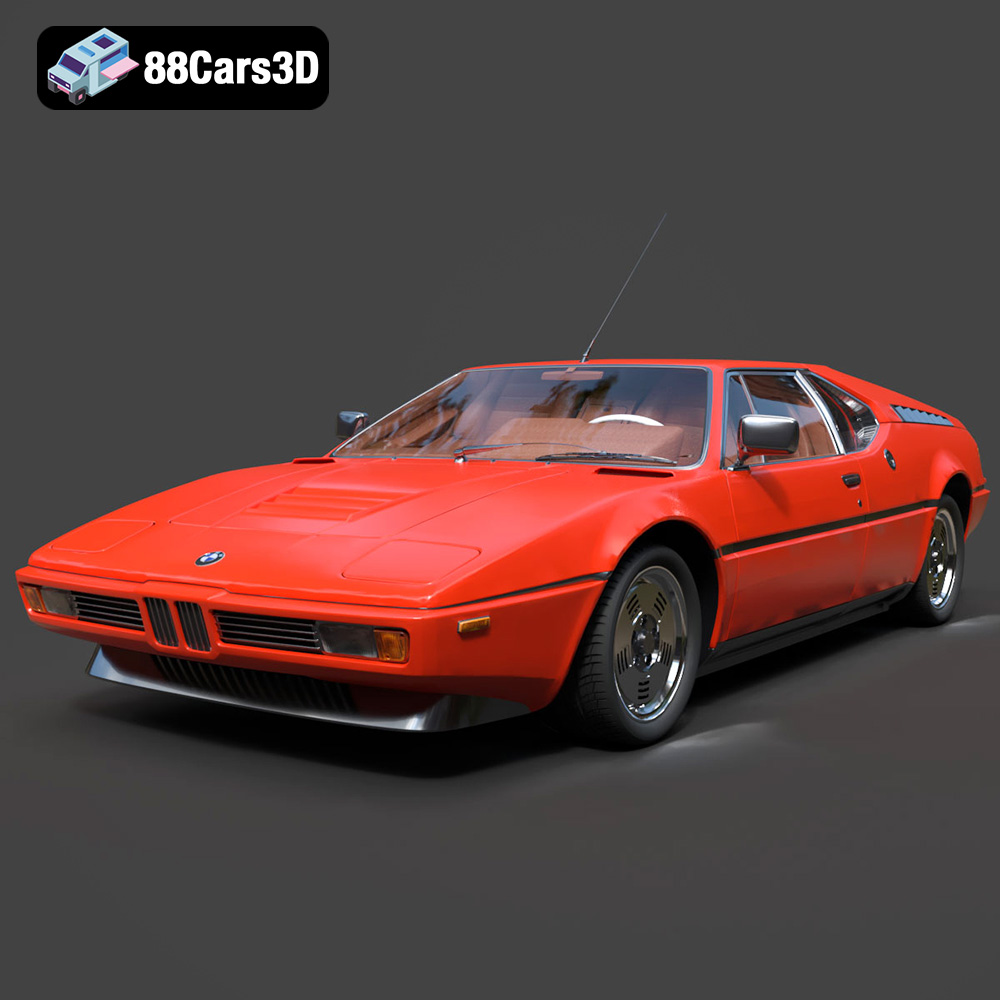
Texture: Yes
Material: Yes
Download the BMW Motorsport M1 E26 1981 3D Model featuring its iconic design, race-bred aerodynamics, and meticulously crafted details. Includes .blend, .fbx, .obj, .glb, .stl, .ply, .unreal, and .max formats for rendering, simulation, and game development.
Price: $20.79

Meta Description:
Texture: Yes
Material: Yes
Download the Cadillac CTS-V Coupe 3D Model featuring detailed exterior styling and realistic interior structure. Includes .blend, .fbx, .obj, .glb, .stl, .ply, .unreal, and .max formats for rendering, simulation, AR VR, and game development.
Price: $13.9
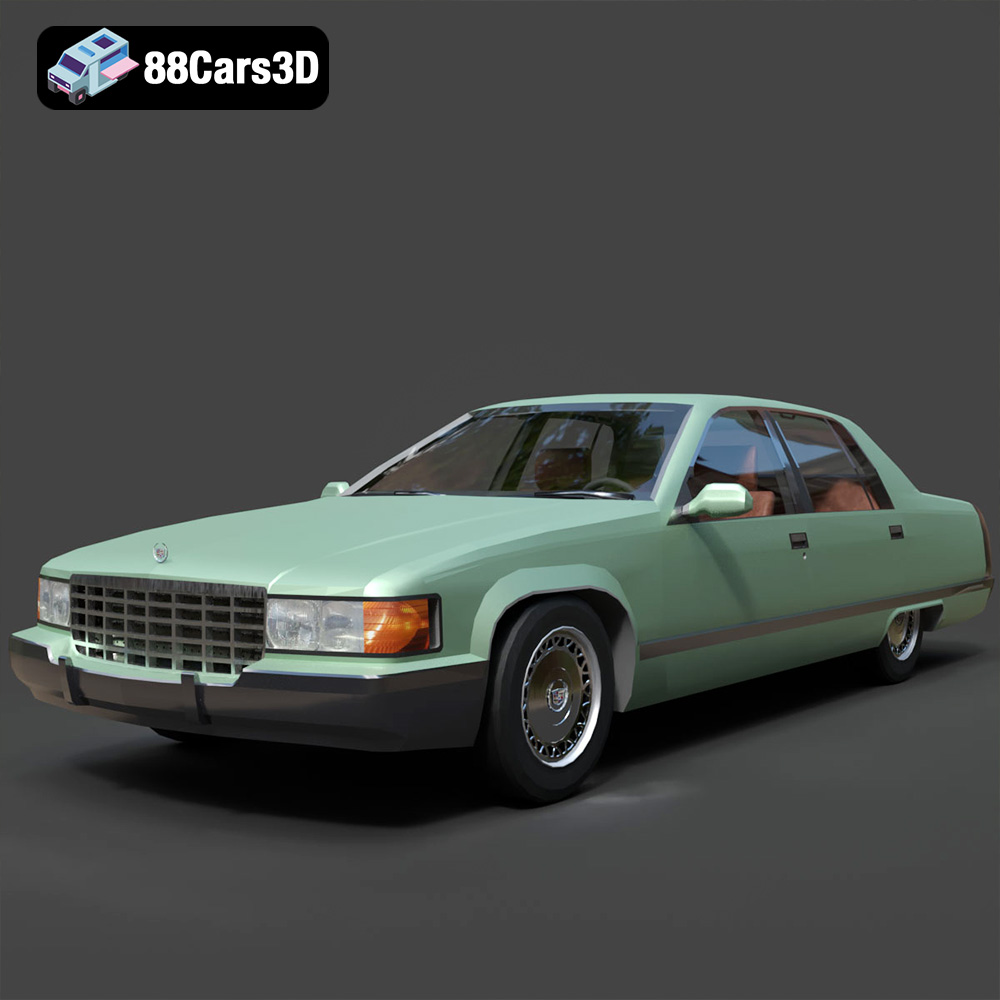
Texture: Yes
Material: Yes
Download the Cadillac Fleetwood Brougham 3D Model featuring its iconic classic luxury design and detailed exterior and interior. Includes .blend, .fbx, .obj, .glb, .stl, .ply, .unreal, and .max formats for rendering, simulation, and game development.
Price: $10.79
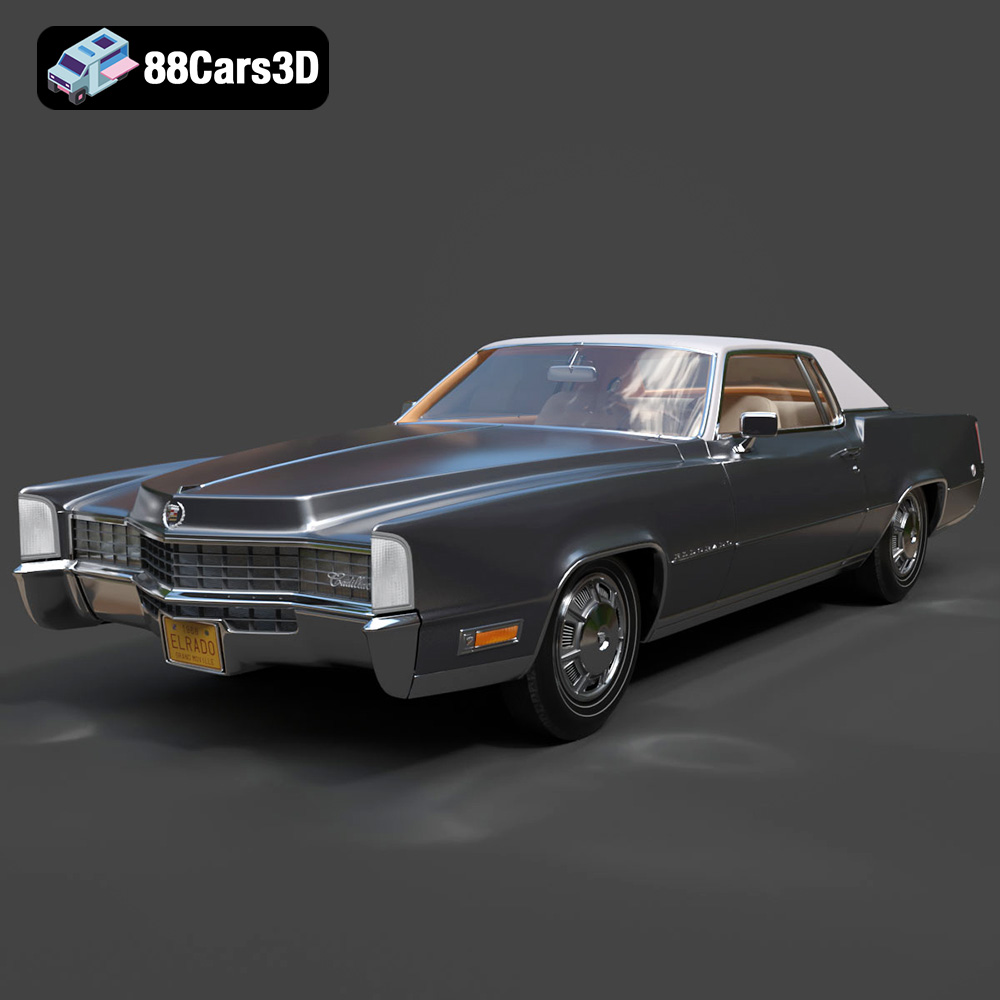
Texture: Yes
Material: Yes
Download the Cadillac Eldorado 1968 3D Model featuring its iconic elongated body, distinctive chrome accents, and luxurious interior. Includes .blend, .fbx, .obj, .glb, .stl, .ply, .unreal, and .max formats for rendering, simulation, and game development.
Price: $20.79

Texture: Yes
Material: Yes
Download the Cadillac CTS SW 2010 3D Model featuring a detailed exterior, functional interior elements, and realistic materials. Includes .blend, .fbx, .obj, .glb, .stl, .ply, .unreal, and .max formats for rendering, simulation, and game development.
Price: $10.79
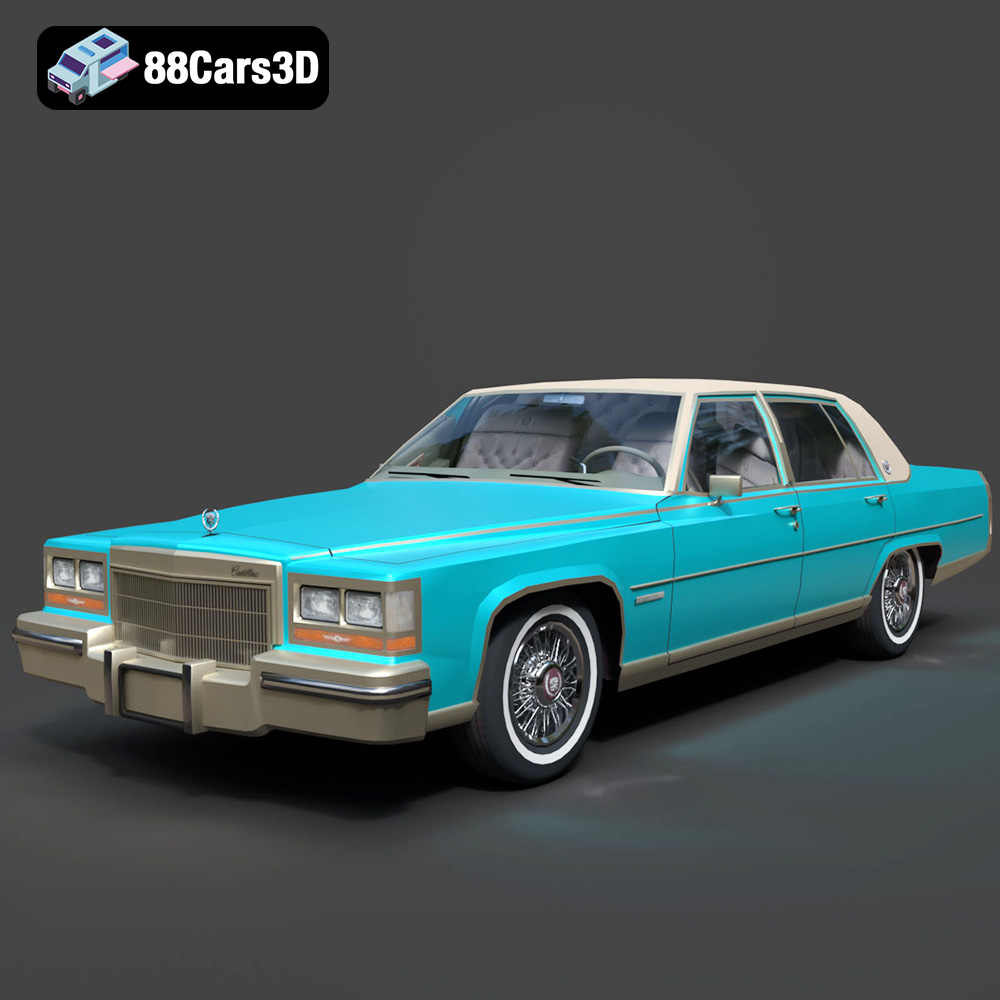
Texture: Yes
Material: Yes
Download the Cadillac Fleetwood Brougham 1985 3D Model featuring its iconic classic luxury design and detailed craftsmanship. Includes .blend, .fbx, .obj, .glb, .stl, .ply, .unreal, and .max formats for rendering, simulation, and game development.
Price: $10.79
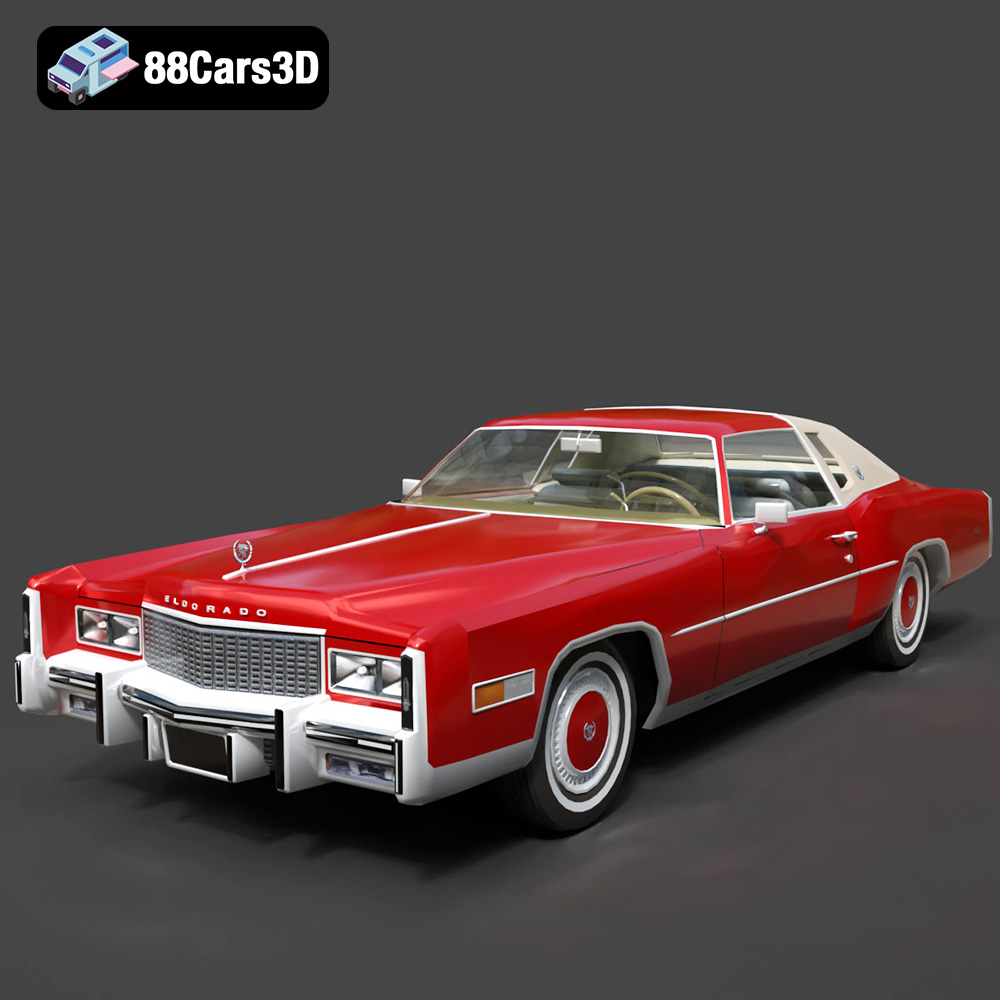
Texture: Yes
Material: Yes
Download the Cadillac Eldorado 1978 3D Model featuring accurately modeled exterior, detailed interior, and period-correct aesthetics. Includes .blend, .fbx, .obj, .glb, .stl, .ply, .unreal, and .max formats for rendering, simulation, and game development.
Price: $10.79
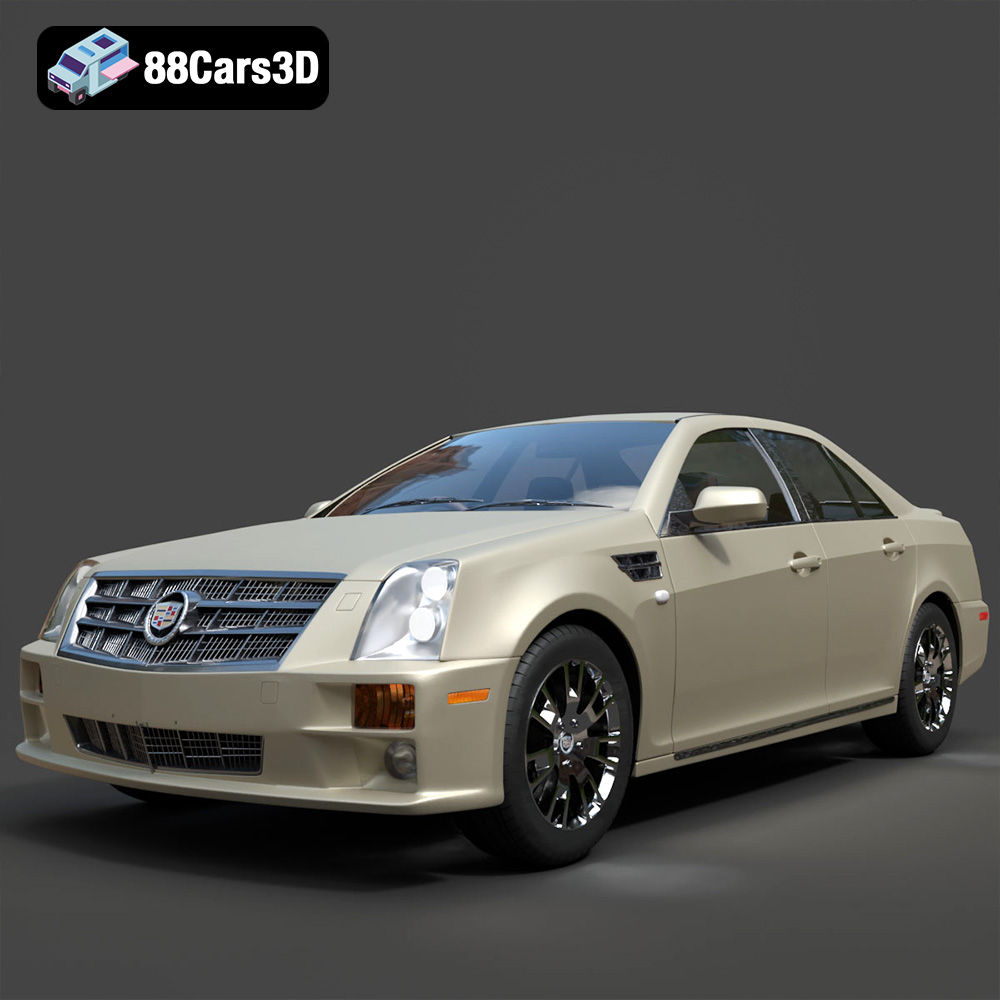
Texture: Yes
Material: Yes
Download the Cadillac STS-005 3D Model featuring a detailed exterior and interior. Includes .blend, .fbx, .obj, .glb, .stl, .ply, .unreal, and .max formats for rendering, simulation, and game development.
Price: $22.79
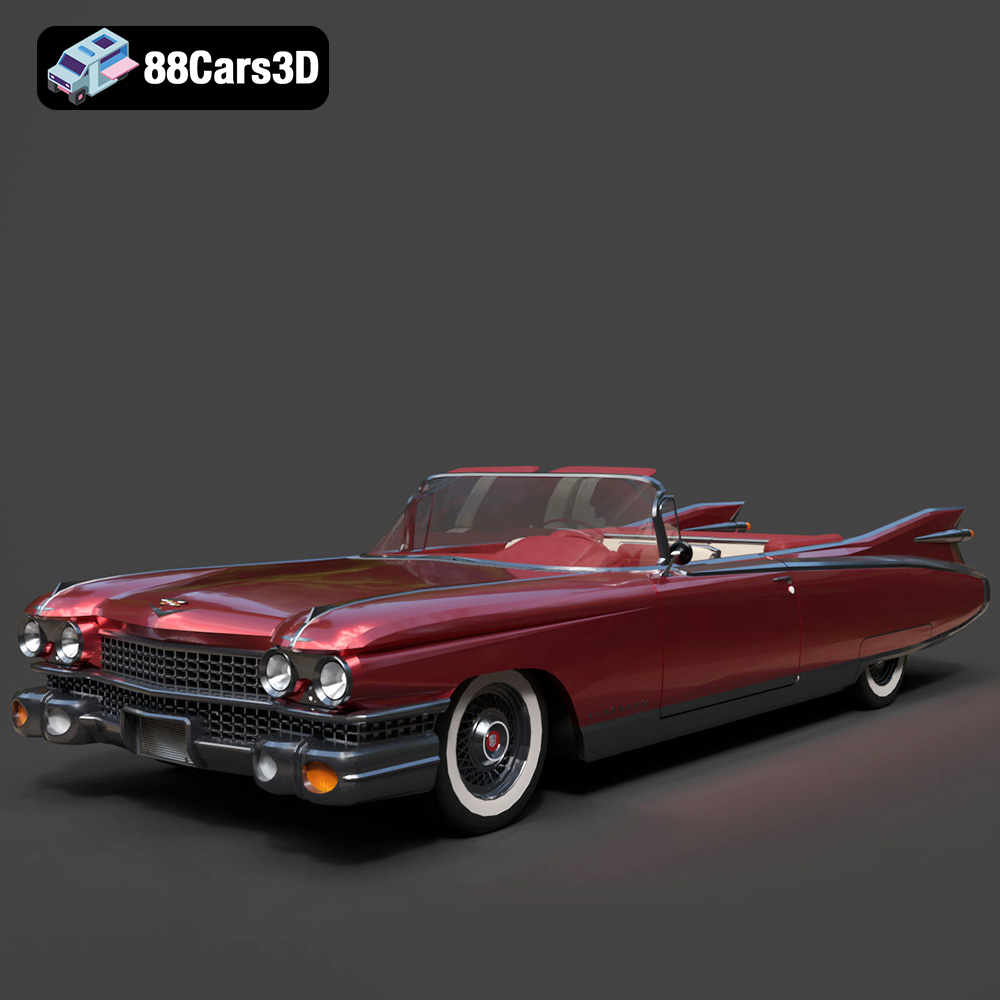
Texture: Yes
Material: Yes
Download the Cadillac Eldorado Convertible (1959) 3D Model featuring iconic fins, luxurious chrome details, and a classic vintage design. Includes .blend, .fbx, .obj, .glb, .stl, .ply, .unreal, and .max formats for rendering, simulation, and game development.
Price: $20.79

Texture: Yes
Material: Yes
Download the Cadillac DTS-005 3D Model featuring its iconic luxury design, detailed interior, and realistic exterior. Includes .blend, .fbx, .obj, .glb, .stl, .ply, .unreal, and .max formats for rendering, simulation, and game development.
Price: $10.79

