⚡ FLASH SALE: Get 60% OFF All Premium 3D & STL Models! ⚡

The sleek lines and polished paint of a 3D car model often capture immediate attention. Yet, for true automotive enthusiasts and discerning professionals, the realism isn’t complete without a meticulously detailed and accurately represented undercarriage. From the intricate dance of suspension components to the rugged texture of exhaust pipes and the precise engineering of the drivetrain, the underbelly of a vehicle is a universe of mechanical wonder. Neglecting these details means sacrificing authenticity, especially in close-up renders, interactive simulations, or virtual reality experiences.
At 88cars3d.com, we understand that every bolt, every weld, and every functional element contributes to a truly professional 3D asset. This comprehensive guide delves into the advanced techniques required to model, texture, render, and optimize realistic suspension and undercarriage components. Whether you’re a 3D artist aiming for photo-realism, a game developer building immersive environments, or an automotive designer pushing the boundaries of visualization, you’ll learn the industry best practices, specific workflows, and crucial technical considerations to elevate your 3D car models to an unparalleled level of detail and fidelity. Prepare to master the art of bringing the hidden mechanical beauty of a vehicle to life.
Before a single polygon is laid, the most critical step in creating realistic undercarriage models is comprehensive reference gathering and in-depth blueprint analysis. Unlike exterior body panels, undercarriage components are often hidden from plain sight, making accurate visual and technical documentation indispensable. Without a thorough understanding of how these systems function and appear, even the most skilled modeler will struggle to achieve authenticity.
Understanding the fundamental types of suspension systems is crucial, as each has distinct visual characteristics and mechanical layouts. For instance, a MacPherson strut setup, common in many front-wheel-drive vehicles, features a simpler, more compact design with a combined spring and shock absorber unit. Visually, you’ll observe the prominent strut tower and a single lower control arm. In contrast, a double wishbone (or A-arm) suspension, often found in performance cars, utilizes two control arms (upper and lower) that provide greater control over wheel alignment, presenting a more complex and robust visual structure with distinct pivot points. Multi-link systems take this complexity further, using three or more lateral arms, offering highly tunable geometry but requiring careful attention to their numerous connection points and varying lengths.
Leaf spring suspensions, typically seen in trucks and heavy-duty vehicles, have a distinct layered spring pack, often mounted above or below the axle. The aged, rusted, and heavily textured appearance of leaf springs, along with the U-bolts and hangers, is a critical visual aspect. When modeling, recognizing these different configurations allows you to anticipate the geometry, the number of components, and the overall mechanical narrative of the undercarriage. This foundational knowledge ensures that your model isn’t just a collection of parts, but a faithful digital twin of real-world engineering.
The pursuit of realism demands a comprehensive library of reference materials. High-resolution photographs are paramount: capture shots from every conceivable angle – directly underneath, from the sides, wheel wells, and crucial close-ups of individual components like brake calipers, shock absorbers, exhaust welds, and transmission casings. Don’t rely solely on static images; search for videos of suspension systems in motion to understand how components articulate and interact. This is vital for later rigging and animation.
Beyond visuals, delve into technical documentation. Service manuals, exploded diagrams, and even patent drawings can provide invaluable insights into the internal mechanisms and assembly order of parts. These resources often include precise measurements and material specifications. Blueprints and CAD drawings, if available, are the ultimate source for accurate scaling and proportions, ensuring your digital model adheres to real-world dimensions. When working with vintage or custom vehicles, gathering measurements directly from the physical car, if accessible, offers unparalleled accuracy. Organize your references meticulously, perhaps using PureRef or a similar tool, to quickly access the information you need throughout the modeling process. Remember, the quality of your output is directly proportional to the quality and breadth of your reference material.
Creating convincing undercarriage models requires a delicate balance between capturing intricate details and maintaining efficient polygon counts. Unlike visible body panels, undercarriage parts often feature complex mechanical forms, tight tolerances, and a mix of materials, each demanding careful attention to topology and edge flow.
The choice between low-poly and high-poly modeling strategies depends entirely on the intended use case for your 3D car model. For high-fidelity renders, cinematic sequences, or detailed product visualization, a high-poly approach is often preferred. This allows for the direct modeling of subtle fillets, intricate bolt threads, and fine mechanical details that contribute significantly to photo-realism. For example, a single detailed brake caliper assembly might range from 20,000 to 50,000 triangles, while a complex shock absorber could be another 25,000 to 70,000. These high-detail meshes serve as excellent sources for baking normal, ambient occlusion, curvature, and other texture maps onto more optimized low-poly meshes for game engines or AR/VR applications.
Conversely, for game development, real-time rendering, or AR/VR experiences, low-poly meshes are paramount for performance. Here, the goal is to represent the form with the absolute minimum number of polygons while relying heavily on baked texture maps to convey surface detail. An entire undercarriage for a game asset might target a total polygon count of 50,000 to 150,000 triangles, depending on the game’s fidelity and target platform. Components like exhaust pipes and drivetrain elements can be simplified, while crucial suspension arms or brake components receive slightly more geometric detail where visible. Employing efficient edge loops and avoiding unnecessary geometry in hidden areas is key to striking this balance.
Clean topology is not merely an aesthetic concern; it’s a functional requirement, especially for components that will be rigged and animated, such as suspension arms, steering linkages, and shock absorbers. The golden rule is to prioritize quadrilateral (quad) polygons. While modern renderers and game engines can handle triangles, modeling predominantly with quads ensures predictable subdivision behavior and smoother deformation during animation. Avoid N-gons (polygons with more than four sides) as they can lead to unpredictable shading artifacts and issues during unwrapping or subdivision.
Proper edge flow dictates how light reflects off surfaces and how geometry deforms. For curved components like wishbones, frame rails, or exhaust bends, ensure that edge loops follow the natural curvature of the object. This allows for smooth subdivision and reduces the likelihood of “pinching” or undesirable creasing. For parts that articulate, such as control arm pivots, ensure there are sufficient edge loops around the joint to allow for clean bending without collapsing the mesh. This meticulous approach to topology ensures that your undercarriage not only looks great in static renders but also performs flawlessly in dynamic simulations and interactive environments.
Hard surface modeling techniques are fundamental to creating the precise, mechanical forms found in an undercarriage. Tools like Boolean operations can accelerate the creation of complex cutouts and interlocking shapes, but always remember to clean up the resulting geometry to maintain quad-based topology and prevent shading issues. Applying small bevels or chamfers to all hard edges is crucial; perfectly sharp edges don’t exist in the real world and will look unnaturally crisp in renders. These subtle edge breaks catch light, adding realism and definition to your models. Many 3D software packages offer dedicated hard surface modeling toolsets. For example, in Blender, tools like Extrude Manifold for complex extrusions, Inset Faces for creating supporting edge loops, and the powerful Bevel modifier (with multiple segments) are indispensable. When working with subdivision surfaces, using crease sets or adding tight supporting edge loops near hard edges helps maintain sharpness while still allowing for smooth overall forms.
For detailed guidance on these techniques in Blender, you can refer to the official Blender 4.4 documentation on modeling, specifically sections related to mesh editing and modifiers, which offer in-depth explanations of tools like the Bevel modifier and its various parameters for achieving clean hard surface details. Experimentation with these tools and understanding how they impact polygon flow and shading is key to mastering intricate mechanical components.
UV mapping is often perceived as a tedious task, but for undercarriage components, it’s a critical stage that directly impacts the realism and visual fidelity of your PBR materials. The complex, often intertwined nature of undercarriage parts demands a strategic and efficient approach to unwrapping.
The undercarriage is a maze of interconnected parts, each requiring its own unique UV space or a shared texture atlas. A strategic UV layout aims to minimize distortion, maximize texel density consistency, and reduce the number of texture sets without compromising detail. For large, relatively flat surfaces like frame rails or large sections of the transmission casing, projecting planar UVs can be efficient. However, for more complex cylindrical forms like exhaust pipes, driveshafts, or coil springs, cylindrical or automatic unwrapping methods followed by manual refinement are necessary. The goal is to create UV islands that are as rectangular as possible, making efficient use of the 0-1 UV space. Overlapping UVs can be acceptable for mirrored or identical parts (e.g., identical bolts) to save texture space, but always ensure unique areas that will receive distinct weathering or decals have their own non-overlapping UVs.
Consider the visibility of components: parts rarely seen or obscured by others can have less texel density or be packed more aggressively, whereas highly visible areas (e.g., brake rotors, specific suspension arms in a hero shot) should receive generous UV space to hold high-resolution texture details. Effective UV mapping is a balancing act between optimizing texture memory and preserving visual quality, ensuring that every rust spot, grime streak, or metallic sheen renders perfectly.
Minimizing visible seams is paramount for realistic textures. Strategically place UV seams in areas that are naturally hidden or along sharp edges where they are less noticeable. For instance, on a cylindrical exhaust pipe, placing the seam along the bottom or inside face will render it almost invisible. On more organic shapes like rubber bushings or hydraulic lines, carefully paint blend seams using texture painting software. One common pitfall is inconsistent texel density. This occurs when some UV islands are disproportionately scaled in relation to others, leading to blurry textures on large islands and overly sharp textures on small ones. To maintain visual consistency, aim for a uniform texel density across all relevant UV islands.
Many 3D applications, including Blender, provide tools to display and equalize texel density, allowing you to visually inspect and adjust the scaling of your UV islands. For example, Blender 4.4’s UV Editor offers robust tools for selecting, unwrapping, and packing UVs. The ‘Live Unwrap’ feature can be incredibly useful for instant feedback during the unwrapping process. You can find detailed explanations on these UV editing features in the Blender 4.4 manual’s UV section, covering everything from marking seams to various unwrapping methods and UV packing algorithms. Utilizing these tools effectively ensures that your textures will appear consistent and high-quality across all undercarriage components.
Small, repetitive details like bolts, nuts, washers, and rivets often benefit from dedicated strategies. Instead of unique UVs for every single bolt, consider using a small texture atlas specifically for common fasteners. You can then instance these bolts and assign them UVs that point to a shared section of this atlas. This saves significant texture memory and draw calls in game engines. For coil springs, cylindrical unwrapping is a good starting point, but manual adjustments might be needed to ensure the texture seamlessly wraps around the helix. Pay attention to the ends of the springs, as these are often compressed or ground flat, requiring specific texture treatment.
Hydraulic lines, brake lines, and electrical cables, with their often irregular bends and sometimes braided surfaces, require careful unwrapping. Using a spline-based modeling approach for these elements can sometimes simplify unwrapping, allowing for easy strip-based UVs that follow the curve. For braided textures, ensure the UVs are perfectly straight along the length of the cable to avoid distortion. Sometimes, a tiling texture combined with a detail normal map can be more efficient than a unique texture for every small pipe or cable, especially for game assets. The goal is always to achieve maximum visual impact with minimum resource expenditure.
Once your undercarriage models are precisely built and UV mapped, the next crucial step is to imbue them with realism through Physically Based Rendering (PBR) materials. PBR workflows ensure that your materials react accurately to light, making them look convincing in any lighting condition, from diffused studio setups to harsh sunlight.
The undercarriage is a symphony of various materials: steel, aluminum, cast iron, rubber, plastic, and often, layers of grime, rust, and oil. PBR requires you to define properties like Base Color (Albedo), Metallic, Roughness, and Normal maps. For metals, the Metallic value will be close to 1, with the Base Color defining the tint of the metal (e.g., a warm grey for steel, a cooler grey for aluminum). Roughness maps are critical here; a shiny new chrome exhaust will have a very low roughness, while a weathered cast iron component will have a high and varied roughness, reflecting light in a much more diffused manner. Normal maps, often baked from high-poly models, add crucial surface detail like casting marks, subtle dents, and weld seams without increasing polygon count.
Rubber components, such as bushings, boots, and tires, will have a Metallic value of 0. Their Base Color will be a dark grey, and their Roughness will typically be high, but varied with subtle gloss variations in areas of wear. The introduction of grime, dust, and rust is what truly sells the realism of an undercarriage. These elements are not simply layered on; they interact with the base material. A layer of dust might increase roughness, while oil stains might decrease it in certain areas. These effects are often achieved through texture painting, procedural masks, or intelligent shader networks combining multiple material layers.
Manual texture painting in software like Substance Painter or Mari allows for incredible artistic control. You can precisely paint in wear patterns, rust spots forming around bolts, oil leaks, and accumulated road grime that adheres to specific areas due to airflow and gravity. Use generators and smart masks to quickly lay down base layers of rust, dirt, and dust, then manually refine them to match your reference photos. Layering different types of dirt (dry, wet, muddy) adds depth. Remember that undercarriage components are rarely pristine; they show their age and use.
Procedural shading networks in renderers like Corona, V-Ray, Cycles, or Arnold can complement or even replace some texture maps, especially for subtle variations. Using noise textures, ambient occlusion maps, and curvature maps as masks within your shader can automatically apply edge wear, dirt in crevices, or subtle color variations without manual painting. For instance, a curvature map can be used to drive a grunge texture along convex edges (wear) and another dirt texture in concave areas (accumulation). Combining texture painting with procedural nodes offers the best of both worlds: artistic control where needed, and efficient, flexible generation for subtle details.
When dealing with numerous similar undercarriage components (e.g., multiple bolts, washers, small brackets), material instancing becomes a powerful optimization technique, especially for game engines like Unity and Unreal Engine. Instead of creating a unique material for every single instance, you create a base material (master material) and then create instances that inherit its properties. These instances can then have their own unique parameters (e.g., color tint, roughness multiplier) adjusted without creating a whole new draw call. This significantly reduces memory footprint and improves rendering performance.
For rendering workflows, consolidating similar materials into a few master shaders with texture atlases (combining multiple smaller textures into one larger texture sheet) can also help manage assets and improve render times by reducing texture calls. Always consider the visual impact versus the performance cost. Sometimes, a slightly less detailed material on a component that’s rarely seen up close is a worthwhile trade-off for overall scene fluidity. Thoughtful material optimization ensures your beautifully textured undercarriage runs smoothly in any application.
With precise models and realistic PBR materials, the final step in bringing your undercarriage to life is the art of rendering. This involves carefully crafted lighting, strategic camera placement, and a touch of post-processing to evoke the desired mood and emphasize the intricate details.
Lighting an undercarriage presents unique challenges compared to a car’s exterior. Much of the detail is recessed, shadowed, and often metallic, requiring light to reveal its form and texture. A typical studio lighting setup with a dominant key light, fill lights, and rim lights is a good starting point. However, to highlight mechanical complexity, consider introducing subtle accent lights or “kickers” aimed specifically at crucial components like brake lines, exhaust welds, or suspension coils. These often low-intensity lights, sometimes with a slight color tint (e.g., a warm orange for rust accents, a cool blue for metallic glints), can dramatically enhance depth and separation between parts.
High Dynamic Range Image (HDRI) maps are invaluable for realistic global illumination, providing natural reflections and diffuse light. Complement an HDRI with targeted area lights or spotlights to sculpt the forms and create dramatic shadows. When aiming for a “garage” or “workshop” aesthetic, use practical lights like fluorescent tubes or work lights within your scene. The interaction of light with the various metallic and grimy surfaces is what truly sells the realism, so experiment with different light temperatures, intensities, and positions to find the sweet spot that emphasizes the grit and mechanical beauty.
The camera is your storyteller. For undercarriage renders, unique camera angles can transform a technical display into an artistic statement. Low-angle shots, peering up into the chassis, immediately convey a sense of scale and complexity. Shots from within the wheel well, focusing on the brake assembly or the intricate suspension geometry, can be incredibly engaging. Don’t shy away from extreme close-ups that highlight specific material details like the texture of a rubber boot, the corrosion on a bolt, or the fine grain of a cast iron differential casing.
Depth of Field (DOF) is a powerful tool to guide the viewer’s eye and add cinematic quality. A shallow DOF can isolate a key component (e.g., a shock absorber) by blurring the foreground and background, drawing immediate attention to your focal point. Conversely, a deeper DOF might be used for wider shots of the entire undercarriage to keep all the major mechanical elements in focus. Experiment with different focal lengths; a longer focal length (e.g., 85mm-135mm equivalent) can compress perspective, making components appear more tightly packed and robust, while a wider lens can emphasize the vastness and complexity of the mechanical forest beneath the car.
Post-processing is the final polish that can elevate a good render to an exceptional one. While renderers like Corona, V-Ray, Cycles, and Arnold produce physically accurate results, a subtle touch of post-processing in software like Photoshop, Lightroom, or even directly in your 3D application’s render buffer can enhance realism. Key techniques include:
The key to effective post-processing is subtlety. Overdoing any effect can quickly make the image look artificial. Use these tools judiciously to enhance the inherent realism of your undercarriage renders, ensuring every piece of mechanical detail is presented in its best light.
Creating highly detailed undercarriage models for static renders is one challenge, but adapting them for real-time interactive applications like games, AR, and VR introduces a whole new set of optimization considerations. Performance is paramount, and every polygon, texture, and draw call must be carefully managed.
Level of Detail (LOD) is a fundamental optimization technique for game assets. It involves creating multiple versions of a single mesh, each with a progressively lower polygon count. For an undercarriage, you might have LOD0 (full detail, 50k-150k triangles) for close-up views, LOD1 (medium detail, 15k-40k triangles) for mid-range views, and LOD2 (low detail, 5k-15k triangles) for distant views. Modern game engines automatically switch between these LODs based on the camera’s distance, ensuring high detail only when necessary, thus dramatically saving GPU resources. The critical part is ensuring that the transition between LODs is seamless and that normal maps baked from the highest resolution model are applied to all lower LODs to retain visual fidelity.
Draw calls are another major performance bottleneck. Each time the GPU has to draw a separate object, it incurs a draw call. An undercarriage with hundreds of individual bolts, washers, and small components can generate an exorbitant number of draw calls. To mitigate this, combine meshes where possible (e.g., merge all bolts on a single suspension arm into one mesh). More importantly, use texture atlasing, combining multiple smaller textures into one larger texture sheet, and then sharing that single material across many components. This allows the engine to batch render multiple objects with fewer draw calls, significantly boosting performance without sacrificing visual quality. Platforms like 88cars3d.com often provide models with optimized LODs and atlased textures for immediate game engine integration.
For vehicles in interactive environments, the undercarriage needs to interact physically with the world. This requires dedicated collision meshes. These are simplified, low-polygon versions of your detailed meshes, used solely for physics calculations. They don’t need to be visually perfect; they just need to accurately represent the physical bounds of the object. For instance, a complex coil spring can be represented by a simple cylinder or capsule for collision purposes. A detailed engine block might be a simplified bounding box. Overly complex collision meshes can be a major performance drain on the physics engine.
In engines like Unity and Unreal Engine, you’ll create physics assets that define how different parts of the vehicle behave physically. This includes setting up rigid bodies for each component (e.g., chassis, wheels, suspension arms) and defining constraints (e.g., hinge joints for suspension pivots, limits on wheel rotation). Accurate collision meshes combined with a well-configured physics asset ensure that your vehicle’s undercarriage interacts realistically with terrains, obstacles, and other vehicles, providing a truly immersive driving or simulation experience.
Augmented Reality (AR) and Virtual Reality (VR) applications demand even stricter optimization than traditional games due to the high frame rates (90fps+ per eye for VR) required to prevent motion sickness. For AR/VR undercarriage models, polygon budgets are often significantly lower, and texture resolutions need careful management. Prioritize detail on components that users are most likely to inspect closely in VR, while aggressively optimizing elements that remain in the periphery.
The goal is to provide a smooth, high-fidelity experience that prevents nausea and enhances immersion, making users truly feel like they are interacting with a realistic 3D car model, even when peering underneath.
The utility of a highly detailed undercarriage model extends beyond a single software or application. Ensuring cross-platform compatibility through proper file format selection and preparation is crucial for distribution, collaboration, and repurposing your assets.
Choosing the correct file format is key to preserving your model’s integrity across different 3D applications and engines.
When exporting, always ensure that your transforms are frozen, scale is correct (often 1 unit = 1 meter for game engines), and all necessary elements (meshes, UVs, material assignments) are included, while extraneous data is excluded. This ensures a smooth import into any target platform.
For those looking to bring their digital undercarriage models into the physical world, 3D printing requires specific preparation. The primary concern is ensuring your mesh is “watertight” or “manifold.” This means every edge connects exactly two faces, and there are no holes, internal faces, or non-manifold geometry. 3D printers need a perfectly enclosed volume to interpret the model correctly. Tools in your 3D software (like Blender’s 3D Print Toolbox addon or MeshMixer) can help identify and repair these issues.
Undercarriage components, with their intricate, often fragile details like thin rods, small pipes, and overhanging elements, will almost certainly require support structures during printing. Consider the orientation of your model on the print bed to minimize the need for supports and to place them in less visible areas. Wall thickness is another critical factor; extremely thin parts in your digital model might be too fragile or simply not print at all. Ensure that all components have a minimum wall thickness (e.g., 1-2mm, depending on the printer and material) to be physically viable. Often, a slightly thicker, simplified version of the digital asset is necessary for successful 3D printing, especially for small-scale models. By paying attention to mesh integrity and printability, you can transform your detailed 3D undercarriage into a tangible, physical representation.
The journey from concept to a fully realized, realistic 3D undercarriage model is an intricate blend of artistic vision and technical precision. We’ve explored the fundamental importance of exhaustive reference gathering, the nuances of creating clean, animation-ready topology, and the strategic art of UV mapping for complex mechanical forms. We delved into the science of PBR materials, crafting everything from weathered metals to grimy rubber, and understood how lighting, camera angles, and subtle post-processing can dramatically enhance the visual impact of your renders.
Furthermore, we tackled the critical considerations for optimizing these detailed assets for real-time applications like games, AR, and VR, emphasizing LODs, draw call reduction, and physics asset creation. Finally, we covered the essential aspects of cross-platform compatibility through various file formats and the specific requirements for successful 3D printing. Mastering these techniques ensures that every part of your 3D car model, even those typically hidden from view, contributes to a truly immersive and believable experience.
Whether you’re developing high-end automotive visualizations, crafting game assets for the next generation of simulators, or preparing models for AR/VR experiences, the principles outlined here will equip you to achieve unparalleled realism. The commitment to detail, from a meticulously modeled suspension arm to a perfectly rusted exhaust pipe, is what sets professional 3D artists apart. Begin applying these advanced workflows today, and consider exploring the vast array of high-quality 3D car models available at 88cars3d.com to inspire your next masterpiece or jumpstart your projects with expertly crafted base assets.
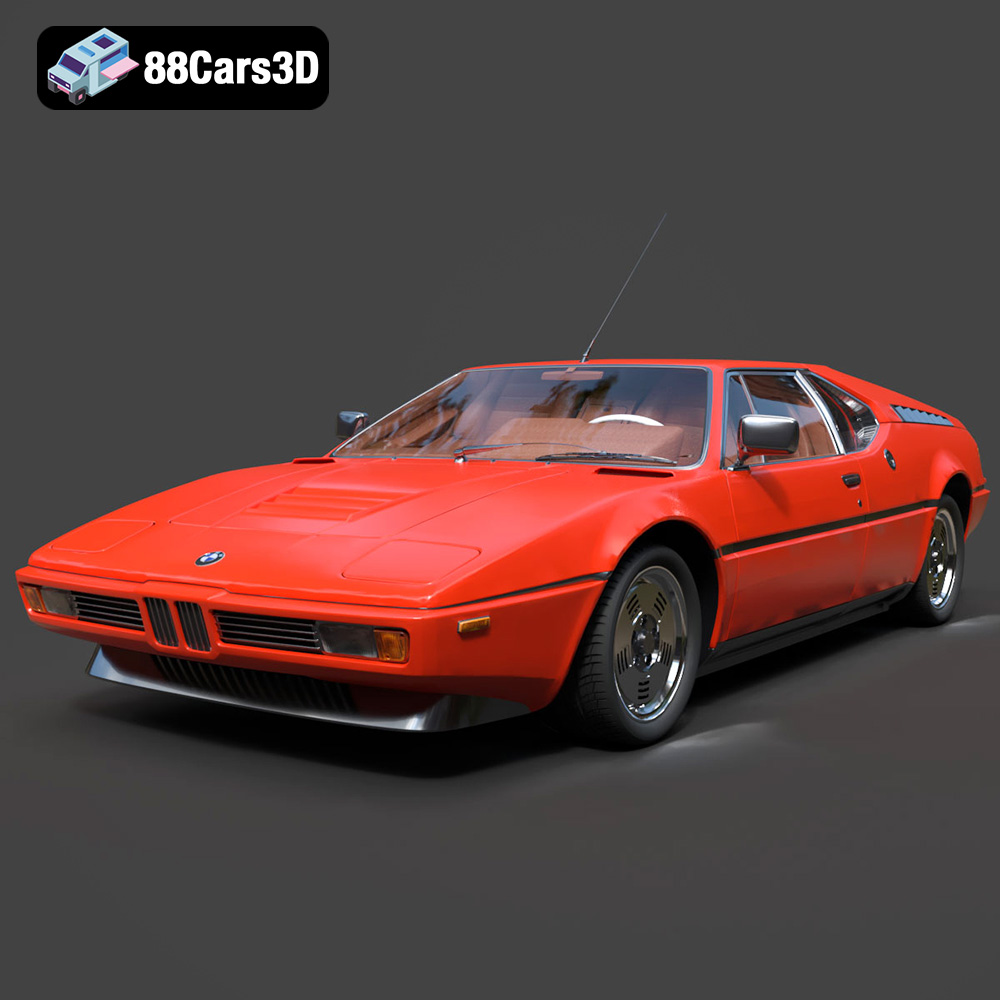
Texture: Yes
Material: Yes
Download the BMW Motorsport M1 E26 1981 3D Model featuring its iconic design, race-bred aerodynamics, and meticulously crafted details. Includes .blend, .fbx, .obj, .glb, .stl, .ply, .unreal, and .max formats for rendering, simulation, and game development.
Price: $20.79

Meta Description:
Texture: Yes
Material: Yes
Download the Cadillac CTS-V Coupe 3D Model featuring detailed exterior styling and realistic interior structure. Includes .blend, .fbx, .obj, .glb, .stl, .ply, .unreal, and .max formats for rendering, simulation, AR VR, and game development.
Price: $13.9
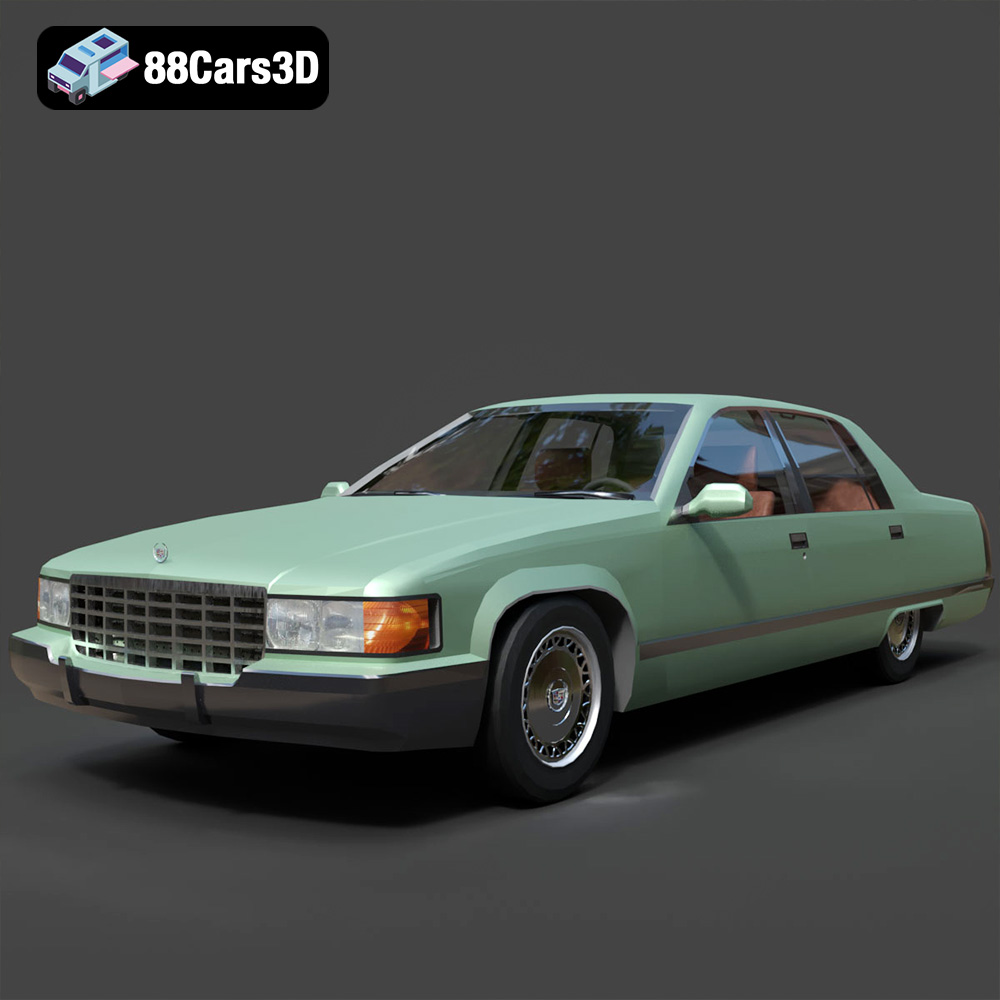
Texture: Yes
Material: Yes
Download the Cadillac Fleetwood Brougham 3D Model featuring its iconic classic luxury design and detailed exterior and interior. Includes .blend, .fbx, .obj, .glb, .stl, .ply, .unreal, and .max formats for rendering, simulation, and game development.
Price: $10.79
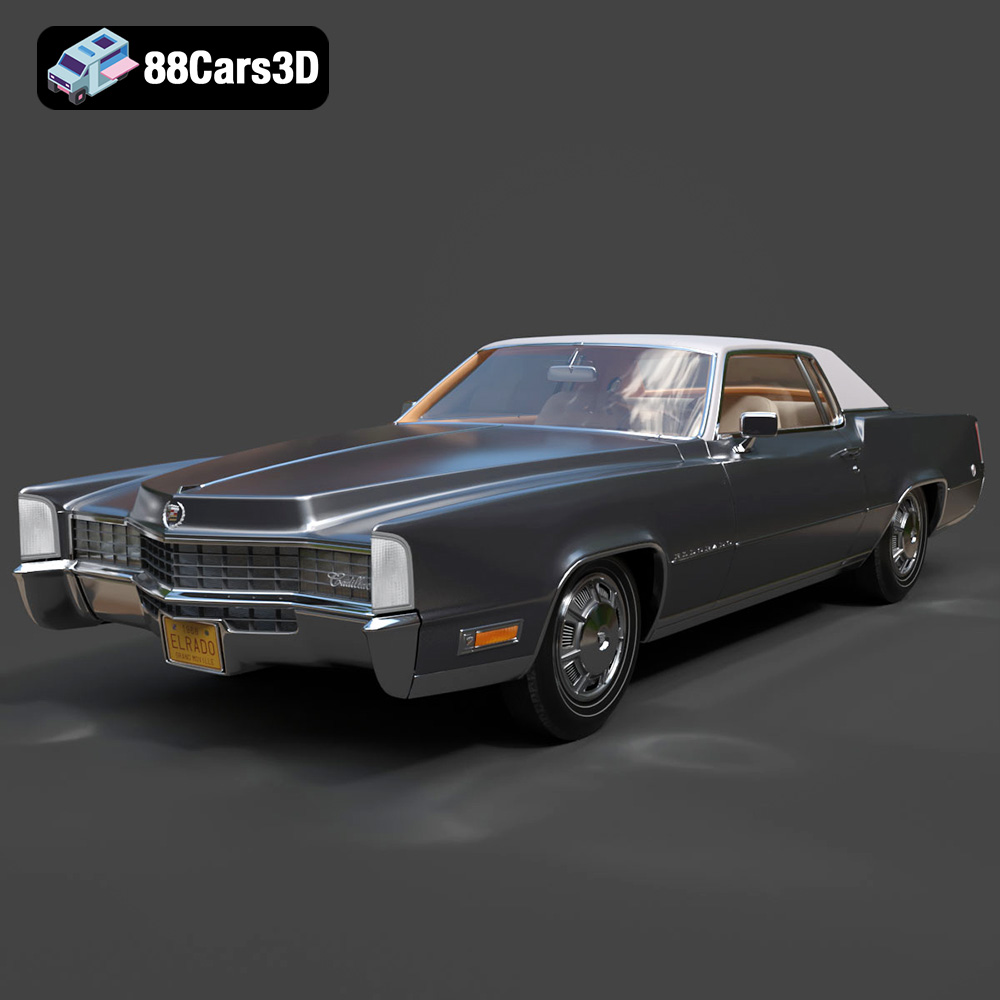
Texture: Yes
Material: Yes
Download the Cadillac Eldorado 1968 3D Model featuring its iconic elongated body, distinctive chrome accents, and luxurious interior. Includes .blend, .fbx, .obj, .glb, .stl, .ply, .unreal, and .max formats for rendering, simulation, and game development.
Price: $20.79

Texture: Yes
Material: Yes
Download the Cadillac CTS SW 2010 3D Model featuring a detailed exterior, functional interior elements, and realistic materials. Includes .blend, .fbx, .obj, .glb, .stl, .ply, .unreal, and .max formats for rendering, simulation, and game development.
Price: $10.79
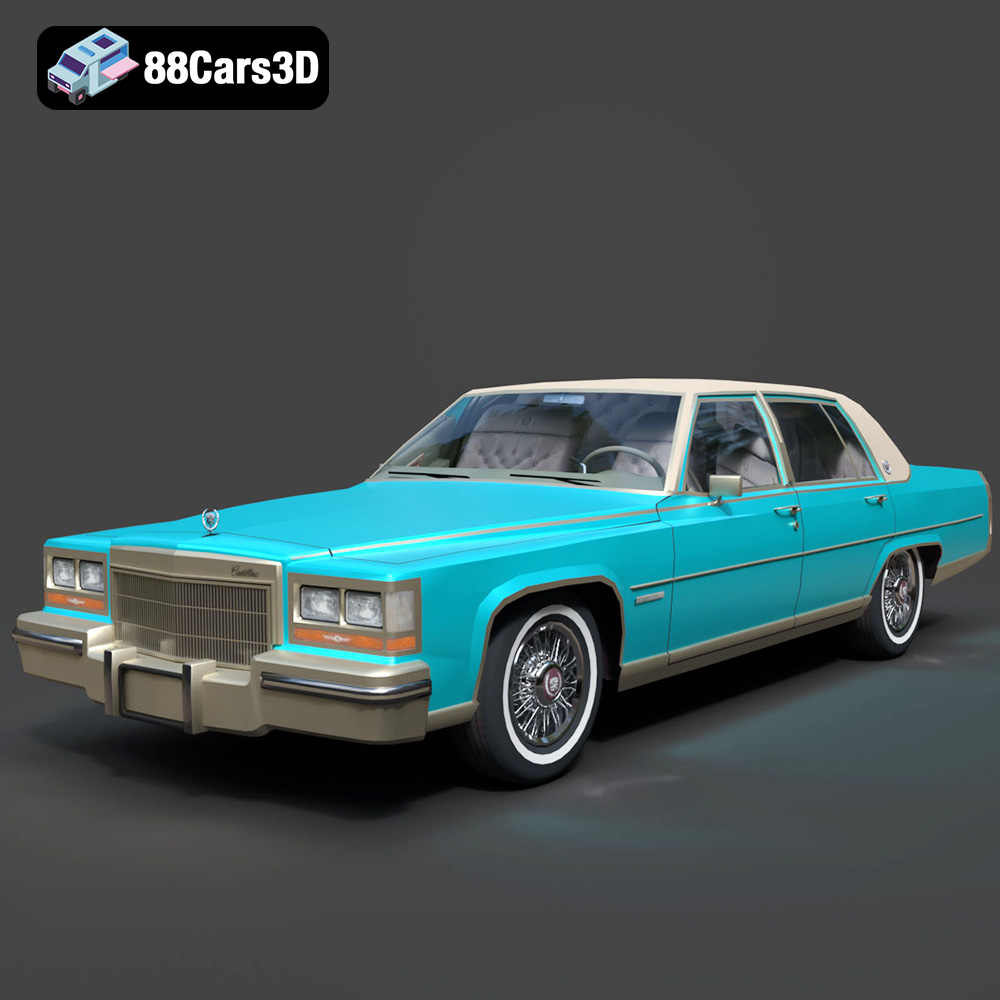
Texture: Yes
Material: Yes
Download the Cadillac Fleetwood Brougham 1985 3D Model featuring its iconic classic luxury design and detailed craftsmanship. Includes .blend, .fbx, .obj, .glb, .stl, .ply, .unreal, and .max formats for rendering, simulation, and game development.
Price: $10.79
Texture: Yes
Material: Yes
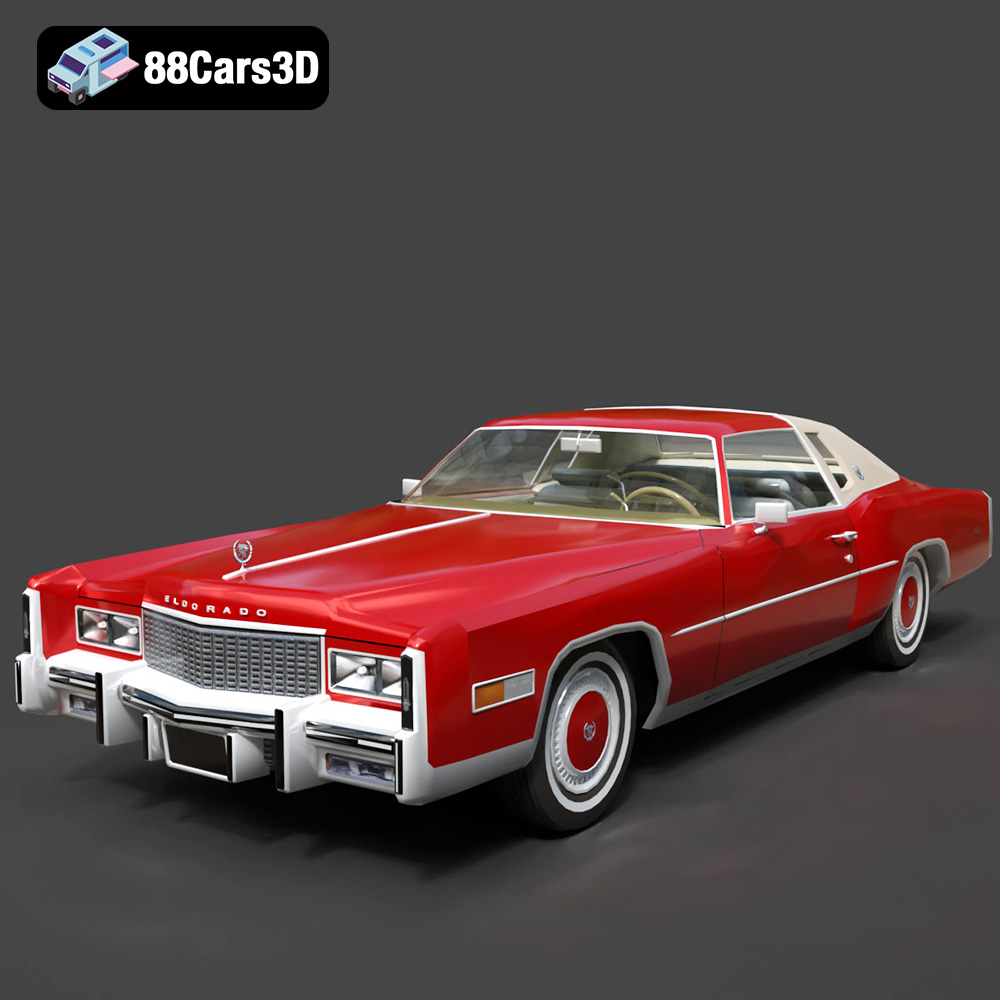
Download the Cadillac Eldorado 1978 3D Model featuring accurately modeled exterior, detailed interior, and period-correct aesthetics. Includes .blend, .fbx, .obj, .glb, .stl, .ply, .unreal, and .max formats for rendering, simulation, and game development.
Price: $10.79
Texture: Yes
Material: Yes
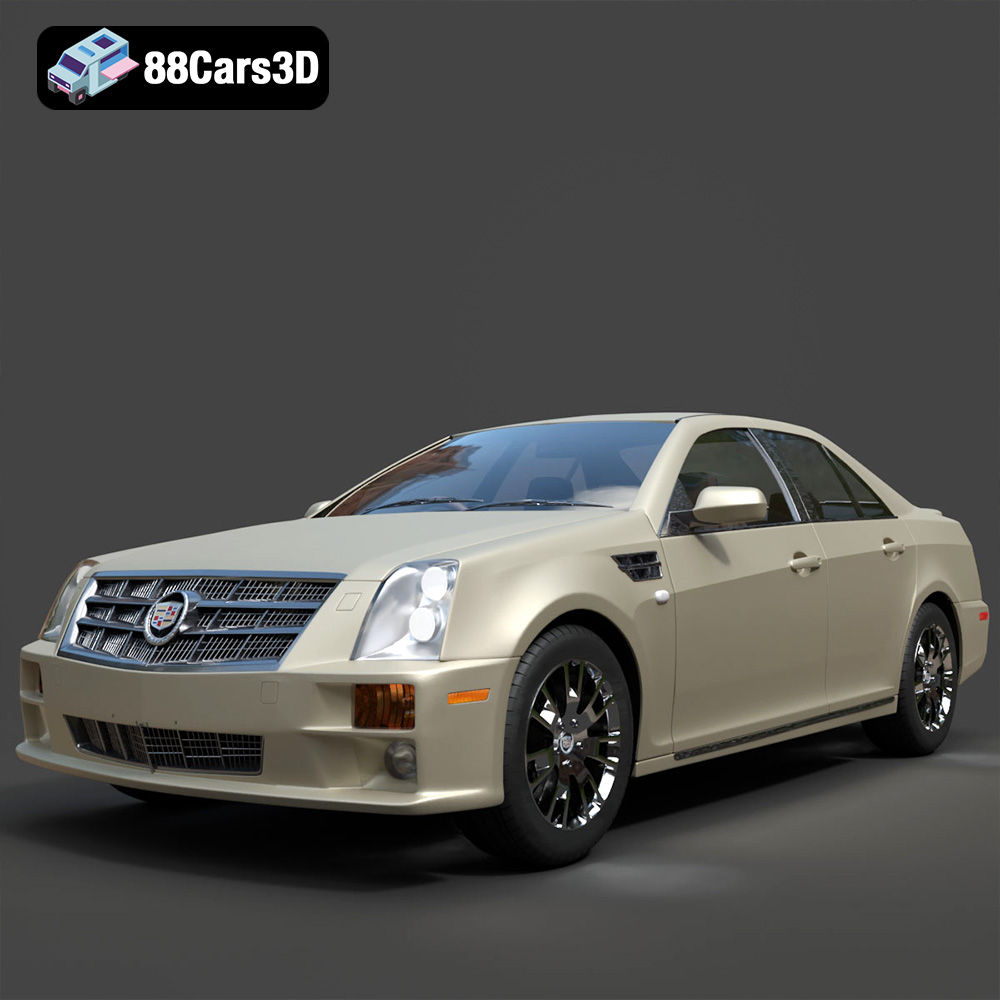
Download the Cadillac STS-005 3D Model featuring a detailed exterior and interior. Includes .blend, .fbx, .obj, .glb, .stl, .ply, .unreal, and .max formats for rendering, simulation, and game development.
Price: $22.79
Texture: Yes
Material: Yes
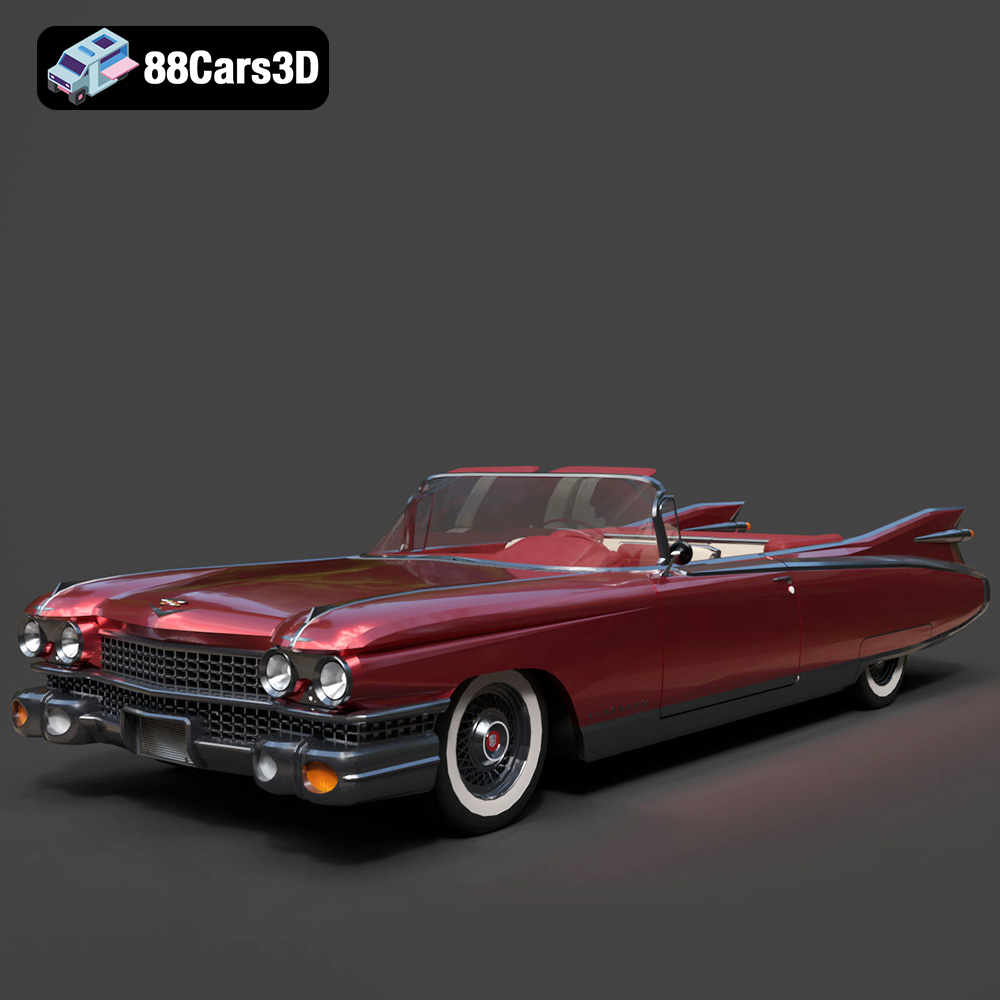
Download the Cadillac Eldorado Convertible (1959) 3D Model featuring iconic fins, luxurious chrome details, and a classic vintage design. Includes .blend, .fbx, .obj, .glb, .stl, .ply, .unreal, and .max formats for rendering, simulation, and game development.
Price: $20.79

Texture: Yes
Material: Yes
Download the Cadillac DTS-005 3D Model featuring its iconic luxury design, detailed interior, and realistic exterior. Includes .blend, .fbx, .obj, .glb, .stl, .ply, .unreal, and .max formats for rendering, simulation, and game development.
Price: $10.79

