⚡ FLASH SALE: Get 60% OFF All Premium 3D & STL Models! ⚡

In the expansive realm of real-time rendering and immersive experiences, the environment plays an indispensable role in setting the scene, conveying mood, and grounding the user in a believable world. For professionals working with high-quality 3D car models—whether for automotive visualization, game development, or interactive configurators—a stunning vehicle demands an equally compelling backdrop. While platforms like 88cars3d.com provide meticulously crafted automotive assets, it’s Unreal Engine’s robust Landscape Tools that empower artists and developers to sculpt vast, realistic, and performant terrains to showcase these vehicles in their full glory.
Creating believable open-world environments, intricate driving tracks, or photorealistic studio backdrops requires a deep understanding of Unreal Engine’s terrain generation and sculpting capabilities. This comprehensive guide will take you on a journey through the powerful features of Unreal Engine’s Landscape Tools, from initial setup and advanced sculpting techniques to intricate material blending, rigorous optimization strategies, and real-world applications. We’ll delve into the technical specifics, workflow best practices, and how to harness cutting-edge features like Nanite and Lumen to build environments that not only look breathtaking but also perform flawlessly in real-time, elevating the presentation of any 3D car model.
Every expansive world or detailed automotive showcase begins with a solid foundation, and in Unreal Engine, that foundation is often a landscape. Properly initiating your landscape in Unreal Engine is critical for both visual fidelity and performance, especially when planning to integrate high-quality 3D car models and intricate environments. Understanding the initial parameters and project configurations sets the stage for a smooth development process.
When you create a new landscape in Unreal Engine, you’re presented with a series of parameters that define its resolution and structure. These choices directly impact the terrain’s detail, memory footprint, and rendering performance. The key parameters include: Overall Resolution, Section Size, and Number of Components.
It’s often recommended to use specific resolutions that align with Unreal Engine’s landscape internal structure, usually `(X * Y) + 1` where X and Y are `(N * SectionSize) + 1`. This ensures optimal performance and prevents edge artifacts. For instance, a 127×127 section size can be multiplied by various component counts (e.g., 16×16 components give 2033×2033 resolution). For even higher detail, you can import external heightmaps generated from software like World Machine or Gaea. These tools allow for complex geological erosion and natural formations that would be time-consuming to sculpt manually. The process involves exporting a 16-bit grayscale PNG or RAW file, which is then imported directly into Unreal Engine during landscape creation.
When dealing with vast landscapes, especially those designed to feature multiple automotive scenarios or driving segments, Unreal Engine offers powerful systems to manage the scale without overwhelming your system. In Unreal Engine 5 (UE5) and newer, World Partition is the cornerstone for managing large worlds. This system automatically divides your world into a grid and streams in only the necessary cells based on the player’s proximity, significantly reducing memory footprint and improving editor performance. For projects started in UE4, World Composition served a similar purpose, allowing you to tile multiple levels to create a seamless large world.
Proper level organization is crucial. Grouping related assets (e.g., specific terrain features, foliage, lighting for a particular section) into sub-levels or Data Layers (with World Partition) helps maintain project clarity and allows multiple team members to work concurrently. Additionally, for truly massive environments where default floating point precision might become an issue, Unreal Engine offers a Large World Coordinates (LWC) system. While enabled by default in UE5, understanding its implications for asset placement and calculations is beneficial. When integrating a high-quality 3D car model from 88cars3d.com, ensuring it’s placed within the optimal coordinate range of your landscape avoids potential precision issues that can manifest as jittering or incorrect physics interactions, especially in vast terrains. For more detailed information on Unreal Engine’s world building tools, consult the official documentation at dev.epicgames.com/community/unreal-engine/learning.
Once your landscape is created, the true artistry begins: shaping the raw terrain into a believable environment and applying rich, layered textures. Unreal Engine’s Landscape mode provides a comprehensive suite of tools for sculpting natural features and painting intricate material blends, transforming a flat plane into a dynamic world for your automotive showcases or driving experiences.
Unreal Engine’s sculpting tools are intuitive yet powerful, allowing for a wide range of terrain manipulations. Access these tools via the “Modes” dropdown and selecting “Landscape.” Within the “Sculpt” tab, you’ll find various brush types and modes:
When sculpting, a common professional tip is to work from large shapes to small details. Start with broad strokes to define major landforms like mountain ranges and large valleys. Then, refine these shapes with smaller brushes and specific tools like Erosion. For precise paths or roads for your 3D car models, utilizing Splines in the Landscape mode is incredibly effective. You can draw a spline on the landscape, then use it to flatten, raise, or lower the terrain along its path, creating perfectly smooth and controlled surfaces for vehicle movement or cinematic camera tracks.
After sculpting, the next critical step is applying realistic textures to your terrain using Unreal Engine’s layer-based painting system. This requires a specialized Landscape Material, which acts as a master shader for the entire terrain. Within this material, you’ll define multiple texture layers (e.g., grass, rock, dirt, sand, mud, paved road) that can be painted onto the landscape.
The core of a Landscape Material is the LandscapeLayerBlend node. Each input to this node represents a distinct layer, composed of Albedo (Base Color), Normal, Roughness, and potentially other PBR (Physically Based Rendering) texture maps. You typically use Weight-Blended layers, where the sum of all layer weights at any given point on the landscape equals one, ensuring smooth transitions. Setting up these layers in the Material Editor involves:
MakeMaterialAttributes node.MakeMaterialAttributes, connect your PBR textures (e.g., Texture Sample nodes for Base Color, Normal, Roughness).Once the material is set up, you return to the Landscape mode and select the “Paint” tab. Here, you’ll see your defined layers. To paint, select a layer, choose a brush, and apply the texture. Use varying brush sizes, falloffs, and opacities to create naturalistic transitions. For instance, blend grass into dirt along a vehicle track, or transition rock textures smoothly from a cliff face to a rubble-strewn base. Avoid sharp, unnatural edges. Professional artists often use custom alpha brushes for painting to break up repetitive patterns and mimic natural variations, ensuring that a parked 3D car model from 88cars3d.com sits convincingly within its environment.
Beyond basic sculpting and painting, achieving truly photorealistic landscapes in Unreal Engine demands a deep dive into advanced material techniques and dynamic features. The goal is to imbue the terrain with intricate detail, respond to environmental factors, and integrate seamlessly with high-fidelity assets like those found on 88cars3d.com.
The foundation of visual fidelity in Unreal Engine is the Physically Based Rendering (PBR) material system. For landscapes, this means each texture layer needs to consist of at least Albedo (Base Color), Normal, and Roughness maps. Additional maps like Ambient Occlusion (AO), Height/Displacement, and detail masks can further enhance realism.
Incorporating micro-detail through techniques like blending macro and micro normal maps, or using a height-blended approach (where layers blend based on their height values, creating more natural transitions than simple alpha blending) will make your terrain surfaces far more convincing. Consider using a ‘weight-to-height’ blend system where a lower frequency texture drives a broader blend, and a higher frequency texture handles finer detail in the transition zone, mimicking how dirt gradually gives way to rock.
Static landscapes are good, but dynamic, interactive ones are exceptional. Unreal Engine provides tools to breathe life into your environments, making them responsive and engaging, especially crucial for showcasing a vehicle’s capabilities or aesthetics.
By combining these advanced techniques, you can create a living, breathing environment where a high-quality 3D car model sourced from a marketplace like 88cars3d.com can truly shine. The detailed textures, realistic micro-geometry, and dynamic environmental elements will elevate your automotive visualizations from static renders to engaging, interactive experiences, allowing potential customers or players to appreciate the vehicle in a truly immersive setting.
Creating vast and highly detailed landscapes in Unreal Engine is only half the battle; the other half is ensuring they perform smoothly in real-time. Performance optimization is paramount, especially when aiming for high frame rates in automotive visualization, games, or AR/VR experiences. Unreal Engine offers a suite of tools and modern features to manage the complexity of large terrains.
Levels of Detail (LODs) are fundamental to optimizing any large environment. Landscapes, static meshes, and foliage all benefit from smart LOD management.
The goal is to render only the necessary detail for what the player can currently see, at their current distance. This involves a careful balance between visual quality and performance targets. Regularly profiling your scene with tools like the Unreal Engine Profiler or Stat GPU/Stat RHI commands will help identify bottlenecks and guide your optimization efforts.
Unreal Engine 5 introduced groundbreaking features that profoundly impact how large landscapes are created and optimized.
By strategically implementing LODs, leveraging Nanite for scene density, utilizing Lumen for stunning real-time lighting, and organizing your world with World Partition, you can construct expansive, visually rich landscapes that run efficiently, providing the perfect stage for high-fidelity 3D car models to shine in any real-time application.
The power of Unreal Engine’s Landscape Tools extends far beyond simple terrain generation; it’s about crafting immersive environments that serve specific professional purposes. For the automotive industry and game developers, these tools are indispensable for creating compelling visualizations, interactive experiences, and virtual production assets.
For studios and designers using high-quality 3D car models from resources like 88cars3d.com, landscapes are not just backdrops—they are integral to the narrative and aesthetic presentation of a vehicle. A carefully crafted terrain can highlight a car’s off-road prowess, urban elegance, or even racing heritage.
The integration of physics simulation, particularly Unreal Engine’s Chaos Vehicle Physics, is critical for realistic automotive applications on varied terrain. Properly configured vehicle blueprints can interact with the landscape’s collision mesh, simulating tire deformation, suspension travel, and traction changes based on the material properties of your painted landscape layers (e.g., less traction on sand, more on pavement). This adds a layer of authenticity crucial for driving simulators and automotive configurators that aim for realism.
Beyond traditional visualization, landscapes in Unreal Engine are finding innovative uses in virtual production and augmented/virtual reality. These fields often push the boundaries of real-time performance and visual fidelity.
The ability to create vast, detailed, and highly optimized environments makes Unreal Engine’s Landscape Tools an essential asset for automotive designers, game developers, and virtual production specialists. Whether you’re building a next-gen racing game, an interactive car configurator, or a stunning cinematic showcase, a well-crafted landscape provides the perfect stage for your high-fidelity 3D car models to captivate and immerse your audience. For further exploration of Unreal Engine’s capabilities, remember to consult the extensive learning resources at dev.epicgames.com/community/unreal-engine/learning.
From the foundational parameters of creation to the intricate layers of material painting and the cutting-edge optimizations of Nanite and Lumen, Unreal Engine’s Landscape Tools offer an unparalleled toolkit for crafting breathtaking and performant real-time environments. We’ve explored how to sculpt diverse terrains, blend realistic PBR materials, and leverage advanced features to bring your digital worlds to life, all while keeping performance in check for demanding applications like automotive visualization and interactive experiences.
A high-quality 3D car model, such as those meticulously prepared for Unreal Engine and found on marketplaces like 88cars3d.com, truly comes alive when placed within a compelling, believable environment. Whether you’re designing an open-world racing game, an immersive automotive configurator, or a stunning virtual production backdrop, the mastery of landscape creation in Unreal Engine is an invaluable skill. By applying the techniques discussed—from initial setup and detailed sculpting to material layering, optimization, and harnessing the power of UE5’s core features—you can elevate your projects to new levels of visual fidelity and interactive engagement. Now, armed with this knowledge, dare to sculpt your next masterpiece and place it within a world worthy of its design.
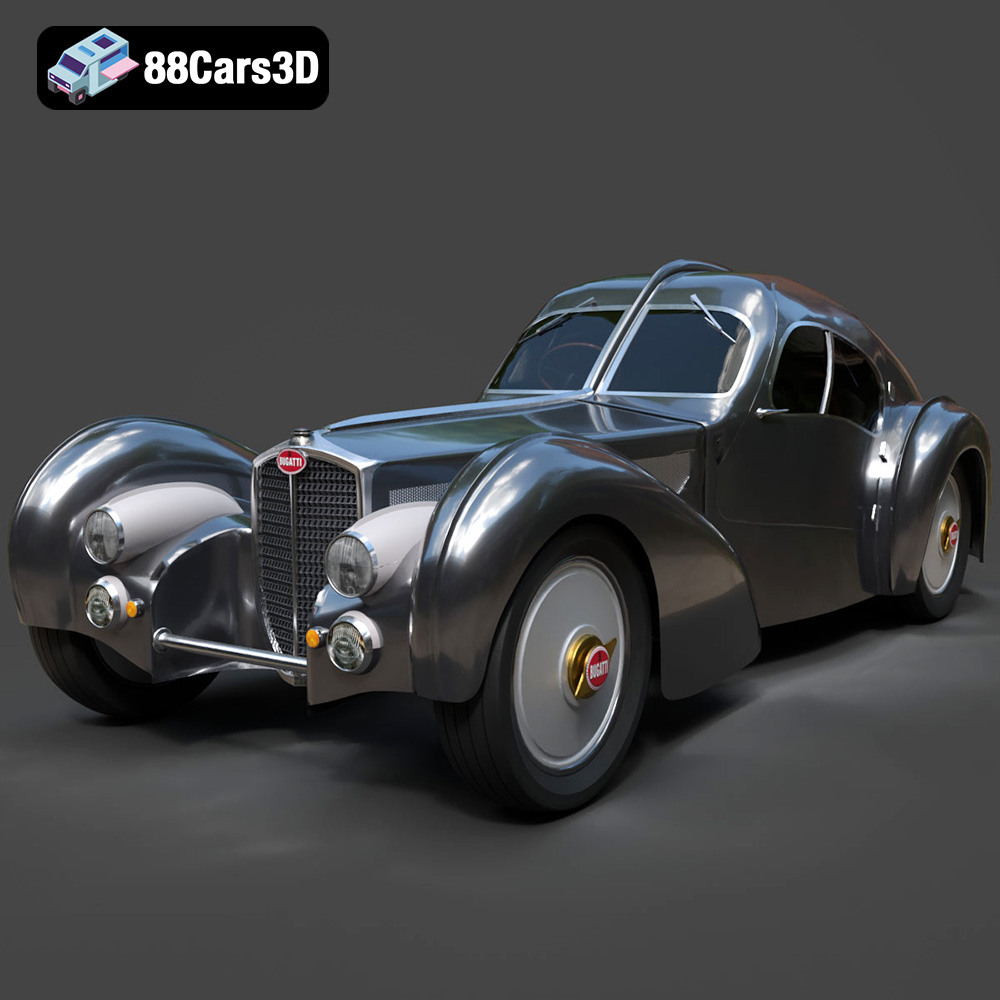
Texture: Yes
Material: Yes
Download the Bugatti Type 57SC Atlantic Coupe 3D Model featuring its iconic streamlined body and classic design. Includes .blend, .fbx, .obj, .glb, .stl, .ply, .unreal, and .max formats for rendering, simulation, and game development.
Price: $10.79

Texture: Yes
Material: Yes
Download the Bugatti 16C Galibier-006 3D Model featuring its luxurious sedan design, detailed interior, and sophisticated exterior. Includes .blend, .fbx, .obj, .glb, .stl, .ply, .unreal, and .max formats for rendering, simulation, and game development.
Price: $10.79
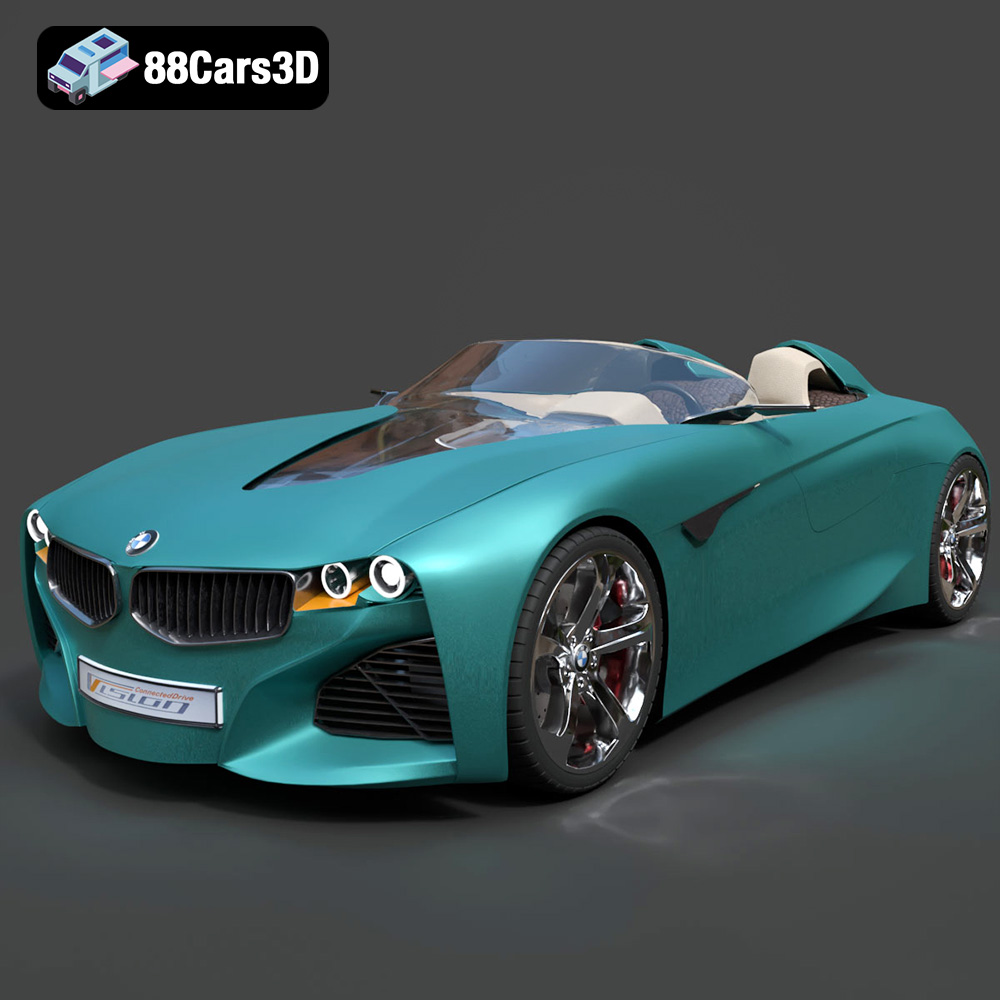
Texture: Yes
Material: Yes
Download the BMW Vision Connected Drive Concept 3D Model featuring its innovative design, advanced connectivity, and sleek aesthetics. Includes .blend, .fbx, .obj, .glb, .stl, .ply, .unreal, and .max formats for rendering, simulation, and game development.
Price: $19.79
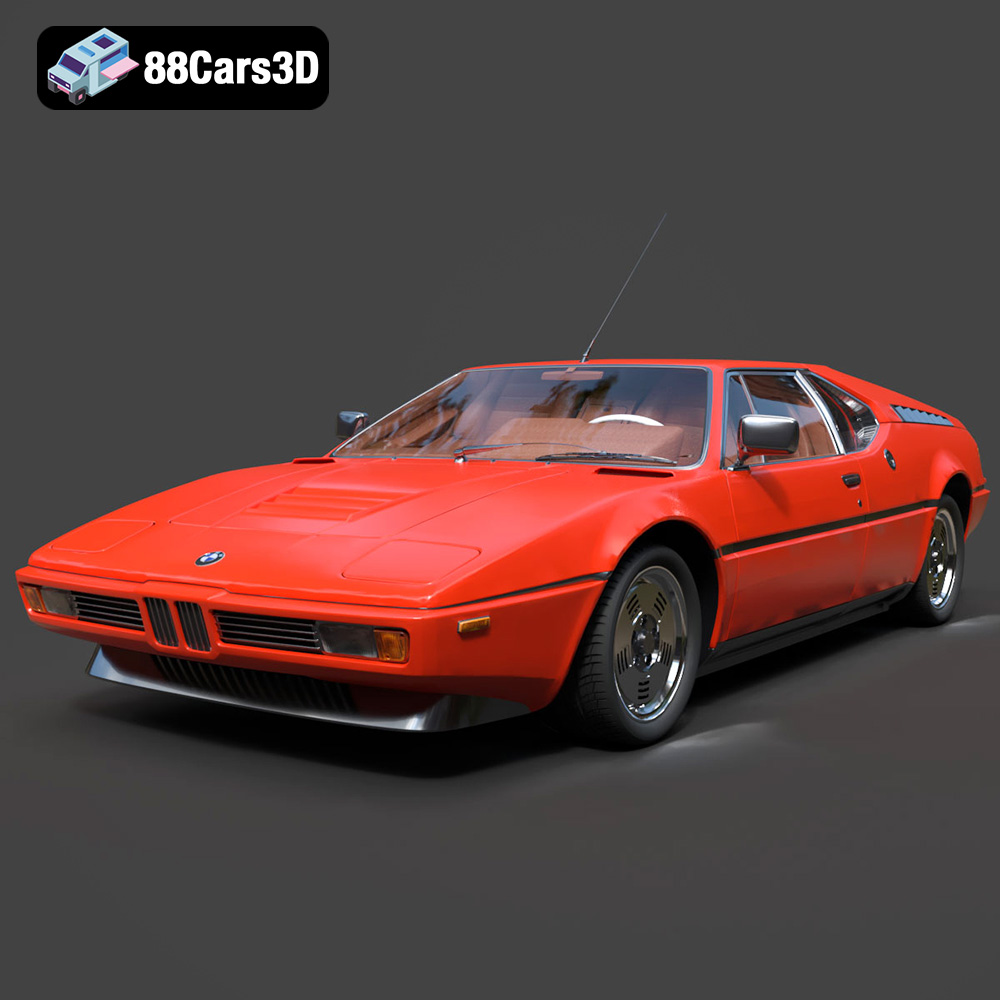
Texture: Yes
Material: Yes
Download the BMW Motorsport M1 E26 1981 3D Model featuring its iconic design, race-bred aerodynamics, and meticulously crafted details. Includes .blend, .fbx, .obj, .glb, .stl, .ply, .unreal, and .max formats for rendering, simulation, and game development.
Price: $20.79

Meta Description:
Texture: Yes
Material: Yes
Download the Cadillac CTS-V Coupe 3D Model featuring detailed exterior styling and realistic interior structure. Includes .blend, .fbx, .obj, .glb, .stl, .ply, .unreal, and .max formats for rendering, simulation, AR VR, and game development.
Price: $13.9
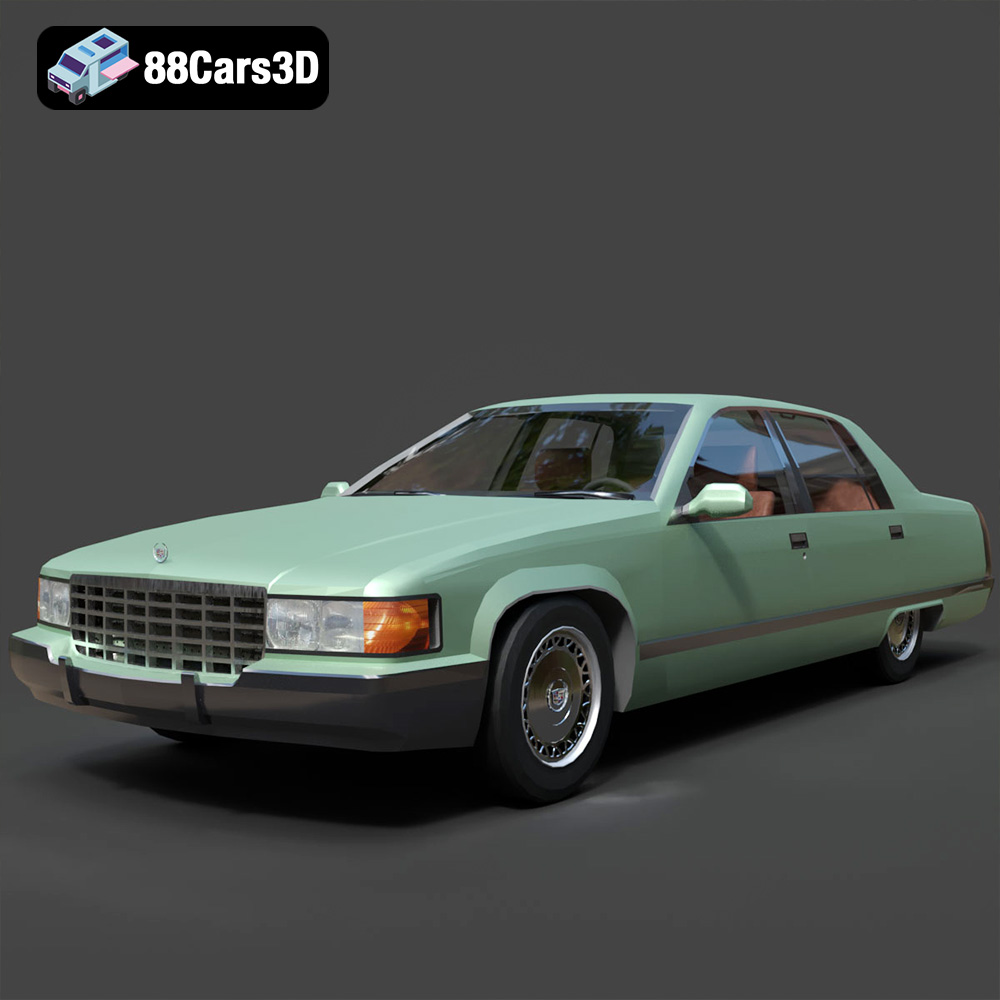
Texture: Yes
Material: Yes
Download the Cadillac Fleetwood Brougham 3D Model featuring its iconic classic luxury design and detailed exterior and interior. Includes .blend, .fbx, .obj, .glb, .stl, .ply, .unreal, and .max formats for rendering, simulation, and game development.
Price: $10.79
Texture: Yes
Material: Yes
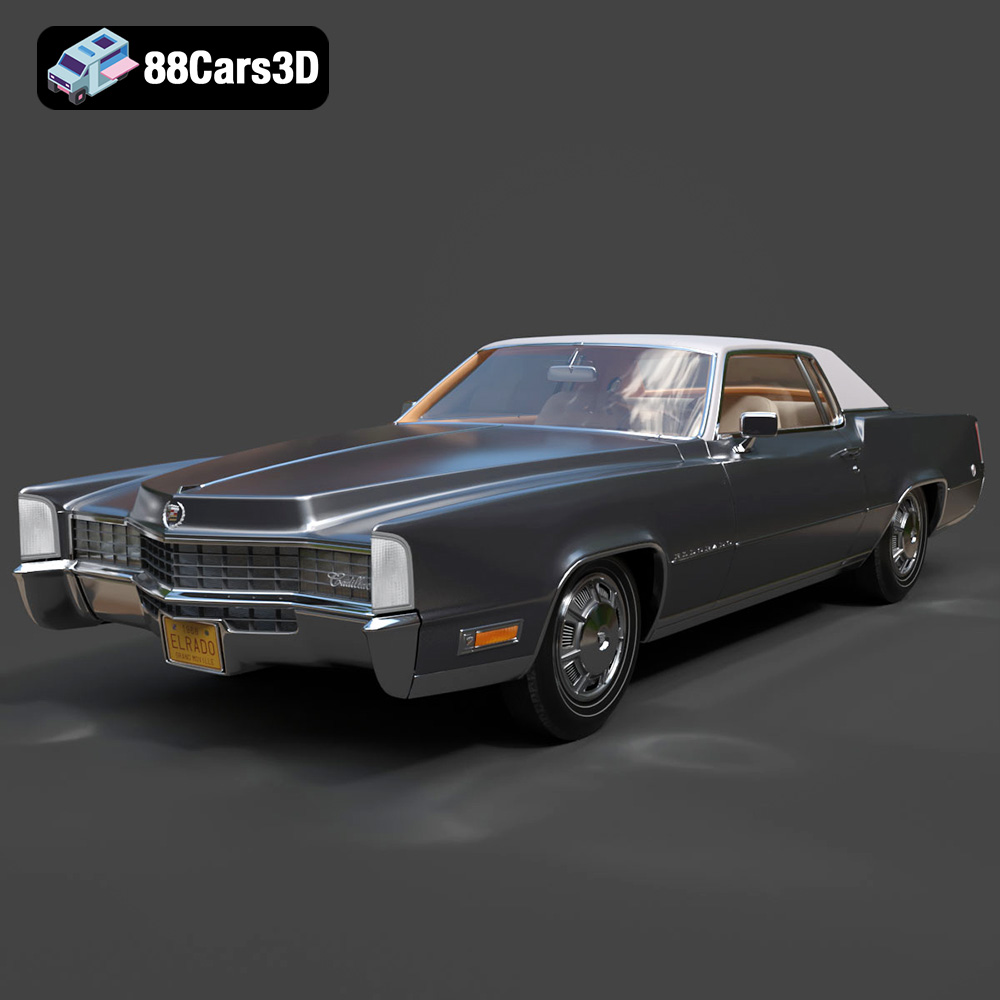
Download the Cadillac Eldorado 1968 3D Model featuring its iconic elongated body, distinctive chrome accents, and luxurious interior. Includes .blend, .fbx, .obj, .glb, .stl, .ply, .unreal, and .max formats for rendering, simulation, and game development.
Price: $20.79

Texture: Yes
Material: Yes
Download the Cadillac CTS SW 2010 3D Model featuring a detailed exterior, functional interior elements, and realistic materials. Includes .blend, .fbx, .obj, .glb, .stl, .ply, .unreal, and .max formats for rendering, simulation, and game development.
Price: $10.79
Texture: Yes
Material: Yes
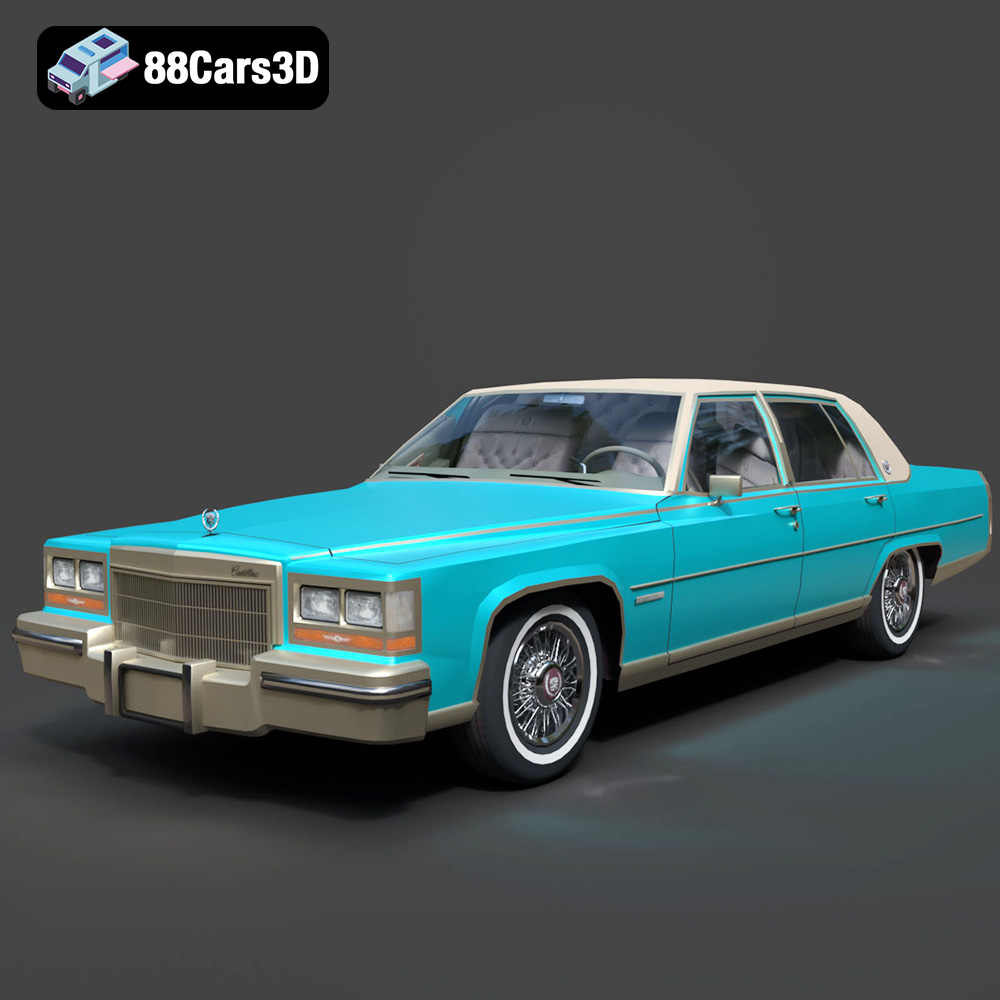
Download the Cadillac Fleetwood Brougham 1985 3D Model featuring its iconic classic luxury design and detailed craftsmanship. Includes .blend, .fbx, .obj, .glb, .stl, .ply, .unreal, and .max formats for rendering, simulation, and game development.
Price: $10.79

Texture: Yes
Material: Yes
Download the Cadillac Eldorado 1978 3D Model featuring accurately modeled exterior, detailed interior, and period-correct aesthetics. Includes .blend, .fbx, .obj, .glb, .stl, .ply, .unreal, and .max formats for rendering, simulation, and game development.
Price: $10.79

