⚡ FLASH SALE: Get 60% OFF All Premium 3D & STL Models! ⚡

“`html
The world of 3D printing has opened up a universe of possibilities for automotive enthusiasts and hobbyists. From intricate scale models to functional prototypes, the ability to bring digital designs into the physical realm is truly revolutionary. At the heart of this process lies the STL file format, a ubiquitous standard for representing 3D models, especially for additive manufacturing. For those looking to recreate iconic car parts, from detailed wheel and tire assemblies to larger body components, mastering the nuances of STL files and the 3D printing workflow is paramount. This guide will delve deep into the technicalities of preparing, slicing, and printing these automotive models, ensuring you achieve professional-quality results. We’ll cover everything from understanding STL mesh topology and optimizing slicer settings to tackling complex support structures and post-processing techniques. Whether you’re a seasoned maker or just starting your 3D printing journey, this comprehensive resource will equip you with the knowledge to successfully bring your favorite car parts to life.
The STL (STereoLithography or Standard Tessellation Language) file format is the de facto standard for 3D printing. It describes the surface geometry of a three-dimensional object using a collection of triangular facets. Each triangle is defined by the coordinates of its three vertices and a vector representing the outward-pointing normal, indicating which side of the triangle is considered “outside” the object. This simple, yet powerful, representation is ideal for 3D printers because it breaks down complex surfaces into manageable, planar elements. When dealing with automotive models, especially detailed components like wheels and tires, the sheer number of triangles can become substantial, impacting file size and processing time. Understanding this fundamental structure is the first step towards successful printing.
The quality of an STL file hinges on its mesh topology. A “clean” mesh is manifold, meaning it represents a single, enclosed volume without holes, self-intersections, or inverted normals. For car parts, this is crucial. A wheel with holes in its rim, or a tire with an internal void that isn’t properly sealed, will confuse the slicer software, leading to printing errors. Tools like Meshmixer, Blender, or Netfabb are invaluable for analyzing and repairing STL files. They can identify non-manifold edges, flipped triangles, and other topological defects. For instance, a common issue is “watertightness”—ensuring there are no gaps in the model’s surface. When downloading models from marketplaces such as 88cars3d.com, you’ll find that they prioritize providing clean, manifold STL files optimized for printing, significantly reducing the need for extensive repairs.
The level of detail in an STL file is determined by its tessellation density – how finely the surface is broken down into triangles. A model with a very high triangle count (dense tessellation) can capture intricate details like tire tread patterns or intricate spoke designs on wheels, but it results in a larger file size and can slow down slicer performance. Conversely, a low triangle count results in a smaller file and faster slicing but may sacrifice fine details, leading to a blocky appearance. Finding the right balance is key. For small, detailed components like individual lug nuts, high density is beneficial. For larger, smoother surfaces like a car door panel, a slightly lower density might suffice. Many modeling software packages allow you to adjust the tessellation level when exporting to STL, offering a degree of control over this trade-off.
While STL is dominant for printing, it’s worth noting other common 3D file formats encountered in the design and hobbyist space. OBJ (Object) files are another popular format that can store more information than STL, including color and texture data, which is useful for rendering but less directly used by slicers. FBX (Filmbox) is often used in animation and game development and can also contain rich scene data. However, when preparing a model for slicing, most software will either directly import these formats and convert them internally, or you’ll need to export them to STL. For printability, focusing on a clean, manifold STL export is always the most reliable approach. Ensure your chosen software exports STL files with consistent units (e.g., millimeters) to avoid scaling issues when importing into your slicer.
The slicer is your bridge between the digital STL model and the physical 3D printer. It translates the 3D geometry into layer-by-layer instructions (G-code) that the printer follows. Choosing the right slicing parameters is critical for achieving the desired quality, strength, and detail in your printed car parts. For automotive components, which often feature both fine details and structural requirements, careful consideration of settings like layer height, infill, and print speed is essential. Platforms like Cura, PrusaSlicer, and Simplify3D offer extensive customization options to fine-tune these parameters. Understanding how each setting affects the final print will empower you to overcome common challenges and produce exceptional results, whether you’re printing delicate wheel spokes or a robust chassis component.
Layer height is arguably one of the most significant settings impacting print quality and time. It determines the vertical resolution of your print. A smaller layer height (e.g., 0.1mm or 0.12mm) results in finer detail, smoother curves, and less visible layer lines, which is ideal for intricate car parts like intricate grilles or detailed interior components. However, printing with smaller layer heights dramatically increases print time as the printer has more layers to deposit. For less critical surfaces or structural parts where fine detail isn’t paramount, a larger layer height (e.g., 0.2mm or 0.28mm) can significantly reduce print duration without a substantial loss in overall quality. A common strategy for car models is to use a finer layer height for visible exterior parts and a coarser height for internal components or prototypes.
Infill provides the internal support structure for your print, influencing its strength, weight, and material consumption. For functional car parts that might experience stress, such as suspension components or chassis elements, higher infill density (e.g., 50-80%) and robust infill patterns like grid, gyroid, or cubic are recommended. These patterns create a dense, strong internal lattice. For purely aesthetic display models or parts that won’t bear significant loads, lower infill densities (10-20%) are sufficient, saving material and reducing print time. The gyroid pattern is particularly popular as it offers good strength in all directions and minimizes stress points. Experimenting with different patterns can also yield varying levels of flexibility and impact resistance, which might be relevant for certain automotive applications.
Print speed dictates how quickly the print head moves while extruding material. While faster speeds reduce print time, they can compromise print quality, leading to issues like ringing (ghosting), poor layer adhesion, or under-extrusion, especially on complex geometries like detailed wheel rims. For high-quality prints, especially on delicate or detailed parts, reducing print speed is often necessary. Typical speeds for detailed prints might range from 40-60 mm/s for outer walls and 50-80 mm/s for inner walls. Acceleration settings also play a role; lower acceleration values allow the print head to change direction more smoothly, reducing vibrations and ringing. Calibrating your printer’s speed and acceleration settings through test prints is crucial for finding the optimal balance for your specific machine and filament.
Automotive models, with their sweeping curves, overhangs, and intricate details like spoilers, wheel wells, and intricate engine components, frequently require support structures. Supports are temporary material added during printing to hold up overhanging sections that would otherwise collapse. The effective generation and subsequent removal of these supports are critical for a clean, successful print. Poorly placed or difficult-to-remove supports can damage delicate features, leave unsightly marks, and mar the overall aesthetic of your printed car part. Understanding different support types, generation strategies, and best practices for removal will significantly improve your printing outcomes.
Slicers typically offer several support types: standard (or grid) supports, tree supports (often called organic or adaptive supports), and custom supports. Standard supports are a dense lattice structure, while tree supports branch out from the model, touching only where necessary. Tree supports are often preferred for intricate models as they use less material and are generally easier to remove, minimizing surface scarring. When placing supports, aim to support overhangs that exceed a certain angle threshold (commonly 45-60 degrees). Avoid placing supports directly on highly detailed surfaces if possible. For wheel models, supports might be needed inside the rim or under aggressive aerodynamic elements. Printers that support dual extrusion can sometimes use a soluble support material, which dissolves away, leaving a perfectly clean surface.
In your slicer, you’ll find options to enable supports, choose their type, and configure their density, pattern, and contact Z-distance (the small gap between the support and the model). A slightly larger contact Z-distance can make supports easier to remove but may lead to a slightly rougher surface finish where they attach. Conversely, a smaller gap results in a smoother surface but can make removal more difficult. For models like those found on 88cars3d.com, which are often designed with printability in mind, the recommended support settings provided by the creator can be a great starting point. Experimenting with support density and pattern (e.g., lines vs. grid) can also affect ease of removal. Enabling “Support Interface” can create a denser, smoother surface directly below the overhang, improving the quality of that surface at the cost of slightly harder removal.
Removing supports requires patience and the right tools. Start by gently wiggling the support structures to loosen them. Small pliers, hobby knives, or flush cutters are useful for carefully breaking away larger sections. For stubborn supports, particularly those attached to fine details, a heated tool (like a soldering iron on a low setting, used with extreme caution) or a gentle sanding process can help. After support removal, the areas where supports touched the model may require further post-processing. This often involves sanding with progressively finer grits of sandpaper (e.g., starting at 220 grit and moving up to 1000+ grit) to smooth out any remaining marks or roughness. For the absolute best finish, a filler primer and light sanding can further hide imperfections before painting.
The way you orient your 3D model on the print bed and how well it adheres are fundamental to preventing print failures. Incorrect orientation can lead to weak parts, excessive support material, and warping. Proper bed adhesion ensures that the first layer sticks firmly to the build surface, providing a stable foundation for the entire print. For automotive models, especially larger ones or those with delicate features, optimizing these aspects is crucial for consistent, high-quality results. Getting this right saves time, material, and frustration, allowing you to focus on the creative aspect of bringing these vehicles to life.
The orientation of a part on the build plate affects its strength because FDM prints are strongest along the Z-axis (between layers) and weakest between layers. For car parts, consider the primary forces they will experience. If a suspension arm needs to be strong, orienting it so that the layers run perpendicular to the main stress direction will increase its resistance to breaking. For aesthetic parts like body panels or detailed wheels, orientation should prioritize minimizing visible layer lines on critical surfaces and reducing the amount of support material needed. For example, printing a wheel upright often requires supports inside the rim and possibly under the spokes. Rotating it slightly or printing it at an angle might reduce support needs and improve the finish on the outer face.
A solid first layer is the bedrock of a successful print. Poor bed adhesion is a leading cause of print failure, leading to prints detaching mid-print, warping, or elephants foot (the squashed first layer). Factors influencing adhesion include bed leveling, nozzle temperature, bed temperature, print speed for the first layer, and the build surface itself. Ensure your build plate is clean; oils and dust can prevent adhesion. Using adhesion aids like glue stick, hairspray, or specialized bed adhesives can be beneficial, especially for materials like ABS. For materials prone to warping, like ABS, an enclosed printer or a brim (extra skirt layers around the base of the print) can help maintain consistent temperatures and prevent corners from lifting.
Slicers offer several tools to improve bed adhesion. A skirt is a few lines printed around the part, outside its footprint, primarily to prime the nozzle and check filament flow before the actual print begins. A brim adds a flat area, typically 1-3mm wide, around the base of the print, directly attached to the first layer. This significantly increases the contact area with the build plate, improving adhesion and helping to prevent warping on parts with small footprints or sharp corners. A raft prints a solid platform underneath the entire model, separating it from the build plate. Rafts are useful for very difficult-to-adhere materials or uneven build surfaces, but they consume more material, increase print time, and can leave a rougher surface on the bottom of the print. For most car parts, a brim is often the most effective and efficient choice for enhancing bed adhesion.
The choice of filament or resin significantly impacts the properties of your final 3D printed car parts, including their strength, durability, temperature resistance, and surface finish. Different materials are suited for different applications, from detailed display models to more functional components. Understanding the characteristics of common printing materials will help you select the best option for your specific project, whether you’re printing a classic car’s intricate dashboard details or a robust off-road vehicle’s chassis. 88cars3d.com provides STL files that are compatible with a wide range of materials, giving you the flexibility to choose based on your printing technology and desired outcome.
Polylactic Acid (PLA) is the most popular 3D printing filament due to its ease of use, low warping tendency, and wide range of available colors. It’s biodegradable and has a pleasant smell when printing. PLA is excellent for creating detailed, aesthetically pleasing car models, display pieces, and non-stressed components. However, it has a relatively low glass transition temperature (around 60°C), meaning it can soften and deform in direct sunlight or hot environments. It’s also brittle and can crack under significant impact or stress. For typical indoor display models or parts that won’t be exposed to high temperatures, PLA is an excellent and cost-effective choice.
Polyethylene Terephthalate Glycol (PETG) offers a compelling balance between the ease of printing PLA and the strength of more demanding materials like ABS. PETG is significantly stronger and more durable than PLA, with better temperature resistance (up to around 80°C) and good chemical resistance. It exhibits less warping than ABS, making it suitable for slightly larger prints or components that might experience moderate stress. Its layer adhesion is also generally superior to PLA. PETG is a great choice for functional car parts, chassis components, or even exterior elements where increased durability is desired. It can sometimes be stringier than PLA, requiring careful tuning of retraction settings.
Acrylonitrile Butadiene Styrene (ABS) and its UV-resistant cousin, Acrylonitrile Styrene Acrylate (ASA), are known for their excellent toughness, impact resistance, and higher temperature resistance (up to 100°C). These properties make them ideal for functional automotive parts that might be exposed to harsher conditions. However, ABS and ASA are more challenging to print than PLA or PETG. They are prone to significant warping, requiring a heated bed (ideally above 90°C) and often an enclosed printer to maintain stable ambient temperatures. Good ventilation is also necessary due to fumes released during printing. ASA offers superior UV resistance compared to ABS, making it a better choice for parts intended for outdoor use or prolonged sun exposure.
For automotive models where intricate detail is paramount – think perfectly scaled badges, tiny interior switches, or incredibly fine tire treads – resin printing (using SLA or DLP technologies) often surpasses FDM. Resin printers use UV light to cure liquid photopolymer resin layer by layer. This process can achieve incredibly high resolutions, resulting in smooth surfaces and sharp, detailed features that are difficult or impossible to replicate with FDM. Various types of resins are available, including standard, tough, flexible, and high-temperature variants, allowing for customization based on application. However, resin prints require more post-processing, including washing in isopropyl alcohol and post-curing under UV light, and the materials can be more brittle than some FDM plastics.
Once your 3D printed car part is off the build plate, the journey isn’t over. Post-processing is where you transform a raw print into a polished, professional-looking model. This can involve anything from cleaning up support marks and sanding to filling, priming, painting, and assembly. The level of post-processing required depends on the intended use of the part – a display model will likely receive more attention than a functional prototype. Mastering these techniques can elevate your 3D printed automotive creations from hobbyist projects to museum-quality replicas. For those downloading intricate models from marketplaces like 88cars3d.com, understanding these steps ensures you can achieve the finish the model deserves.
As mentioned, sanding is essential after support removal. Start with a coarser grit sandpaper (e.g., 220-400) to remove support nubs and level surfaces, then progressively move to finer grits (600, 1000, 2000+) to achieve a smooth finish. For FDM prints, layer lines can be a persistent challenge. Applying a filler primer (available in spray cans) can help fill these lines and minor imperfections. After applying the primer, lightly sand again with a fine-grit sandpaper. Repeating this process can yield incredibly smooth surfaces, especially on curved automotive body panels. For resin prints, sanding is typically less intensive, often only needed to smooth layer lines if they exist or to refine areas after removing supports.
Painting is where your printed car parts truly come to life. Ensure the surface is clean and free of dust before applying any paint. Acrylic model paints (brush-on or airbrush) are popular choices. For automotive finishes, consider using automotive spray paints designed for plastic models, offering authentic colors and finishes like metallic, gloss, or matte. Applying multiple thin coats is better than one thick coat to avoid drips and ensure even coverage. Masking tape is crucial for achieving clean lines between different colors, such as on two-tone paint jobs or separating trim details. Weathering techniques, such as adding subtle washes to panel lines or dry brushing to highlight details, can add a layer of realism.
Many complex car models, especially those with separate wheels, tires, chassis, and body components, are designed to be printed in multiple parts for better printability and detail. Assembly requires appropriate adhesives. Cyanoacrylate (super glue) is excellent for fast bonding of most plastics. For stronger bonds or larger gaps, two-part epoxy adhesives can be used. Ensure parts fit together correctly before applying glue – dry-fitting is essential. For parts that need to be disassembled, consider using small screws (if the design incorporates mounting points) or designing snap-fit connectors. Careful alignment and clamping during the gluing process will ensure a professional and durable assembly.
Bringing 3D printable car models to life is a rewarding endeavor that combines digital design, precise manufacturing, and artistic finishing. From understanding the fundamental structure of STL files to mastering the intricacies of slicer settings, material properties, and post-processing techniques, each step plays a vital role in achieving high-quality results. Whether you’re printing a detailed scale replica of a classic sports car or a functional component for a custom build, the principles outlined in this guide provide a solid foundation. Remember that practice and experimentation are key; don’t be afraid to tweak settings, try different materials, and refine your techniques. By leveraging the power of 3D printing and well-prepared STL files, the possibilities for automotive enthusiasts are virtually limitless. Happy printing!
“`

Texture: Yes
Material: Yes
Download the Buick Skylark Convertible 1953 3D Model featuring iconic 1950s styling, a detailed exterior with chrome accents, and an accurately modeled interior. Includes .blend, .fbx, .obj, .glb, .stl, .ply, .unreal, and .max formats for rendering, simulation, and game development.
Price: $10.79

Texture: Yes
Material: Yes
Download the Buick Roadmaster Hardtop Coupe 1957 3D Model featuring a classic American design with detailed exterior and interior. Includes .blend, .fbx, .obj, .glb, .stl, .ply, .unreal, and .max formats for rendering, simulation, and game development.
Price: $10.79
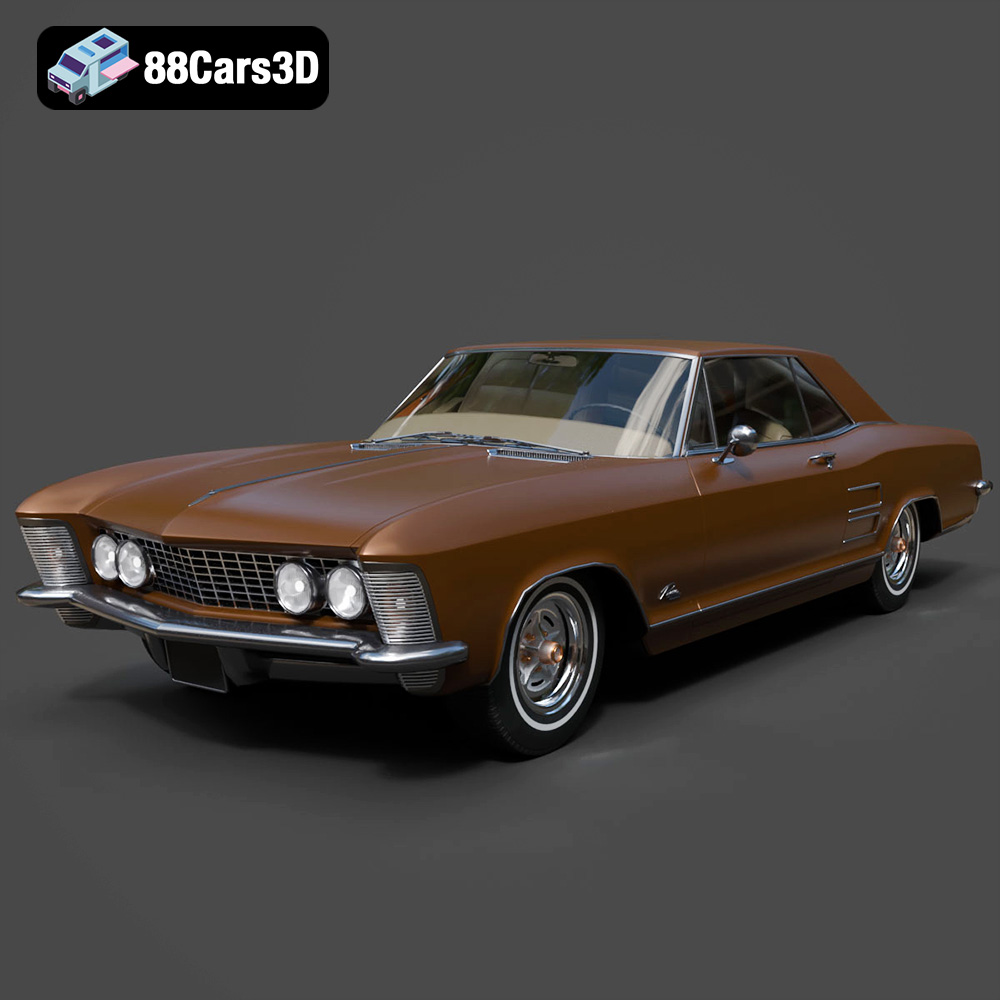
Texture: Yes
Material: Yes
Download the Buick Riviera 1963 3D Model featuring classic American muscle car design and iconic styling. Includes .blend, .fbx, .obj, .glb, .stl, .ply, .unreal, and .max formats for rendering, simulation, and game development.
Price: $10.79

Texture: Yes
Material: Yes
Download the Buick Regal 3D Model featuring a classic American sedan design, detailed exterior, and optimized interior. Includes .blend, .fbx, .obj, .glb, .stl, .ply, .unreal, and .max formats for rendering, simulation, and game development.
Price: $10.79

Texture: Yes
Material: Yes
Download the Buick LaCrosse 3D Model featuring professional modeling and texture work. Includes .blend, .fbx, .obj, .glb, .stl, .ply, .unreal, and .max formats for rendering, simulation, and game development.
Price: $10.79

Texture: Yes
Material: Yes
Download the Bugatti Type 41 Napoleon 3D Model featuring its iconic luxury design, detailed exterior, and opulent interior. Includes .blend, .fbx, .obj, .glb, .stl, .ply, .unreal, and .max formats for rendering, simulation, and game development.
Price: $10.79

Texture: Yes
Material: Yes
Download the Bugatti Type 57SC Atlantic Coupe 3D Model featuring its iconic streamlined body and classic design. Includes .blend, .fbx, .obj, .glb, .stl, .ply, .unreal, and .max formats for rendering, simulation, and game development.
Price: $10.79
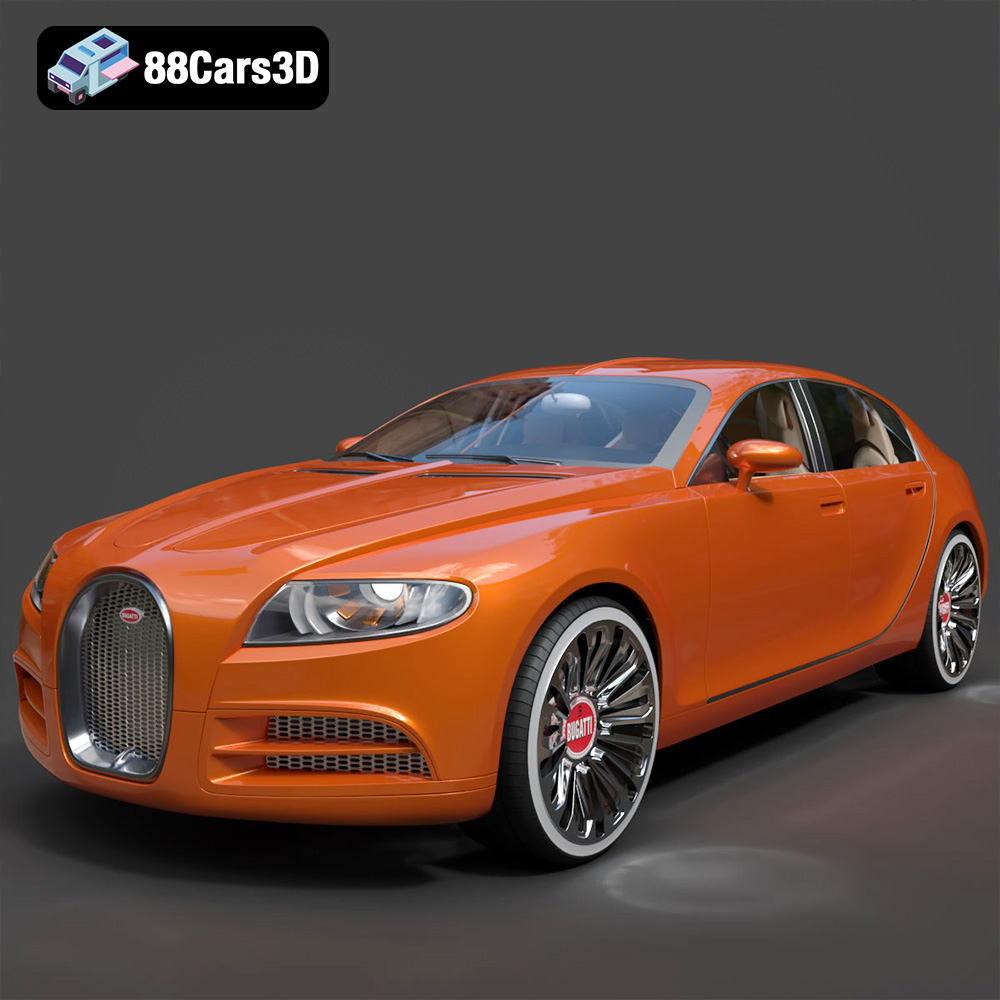
Texture: Yes
Material: Yes
Download the Bugatti 16C Galibier-006 3D Model featuring its luxurious sedan design, detailed interior, and sophisticated exterior. Includes .blend, .fbx, .obj, .glb, .stl, .ply, .unreal, and .max formats for rendering, simulation, and game development.
Price: $10.79
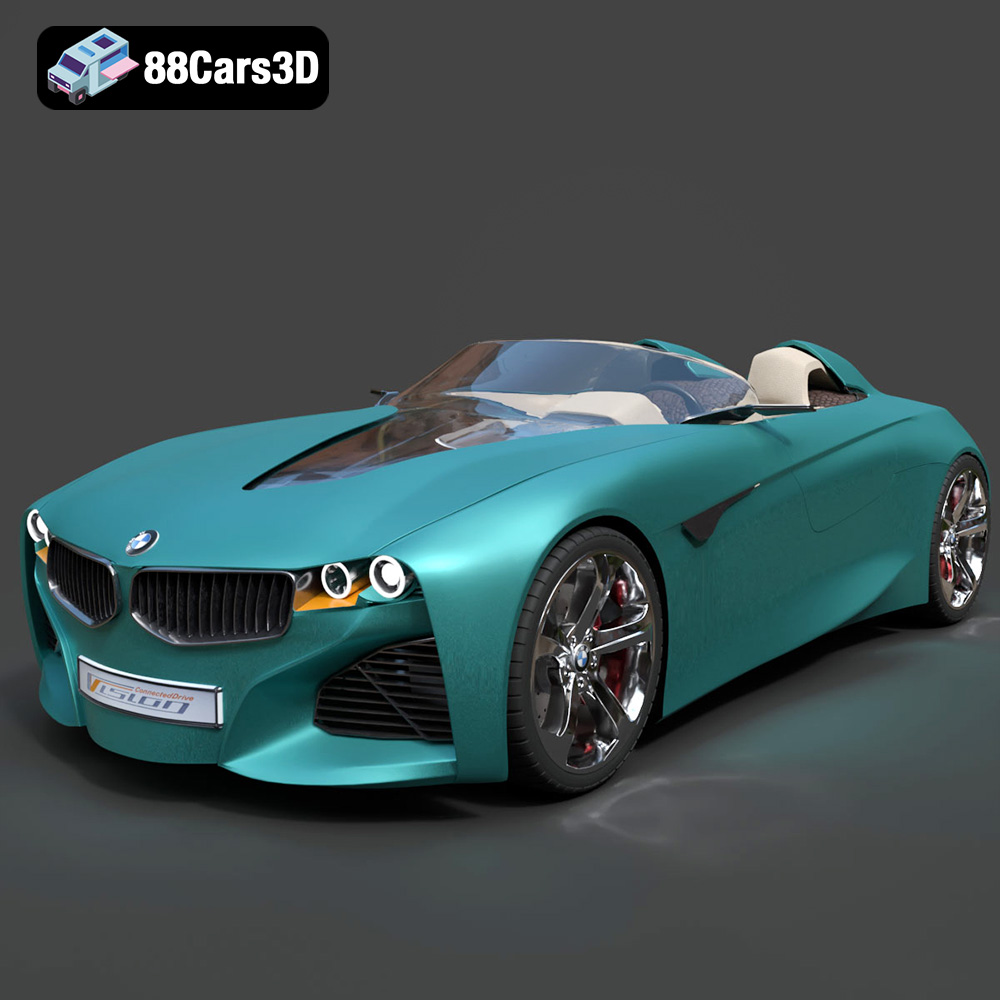
Texture: Yes
Material: Yes
Download the BMW Vision Connected Drive Concept 3D Model featuring its innovative design, advanced connectivity, and sleek aesthetics. Includes .blend, .fbx, .obj, .glb, .stl, .ply, .unreal, and .max formats for rendering, simulation, and game development.
Price: $19.79
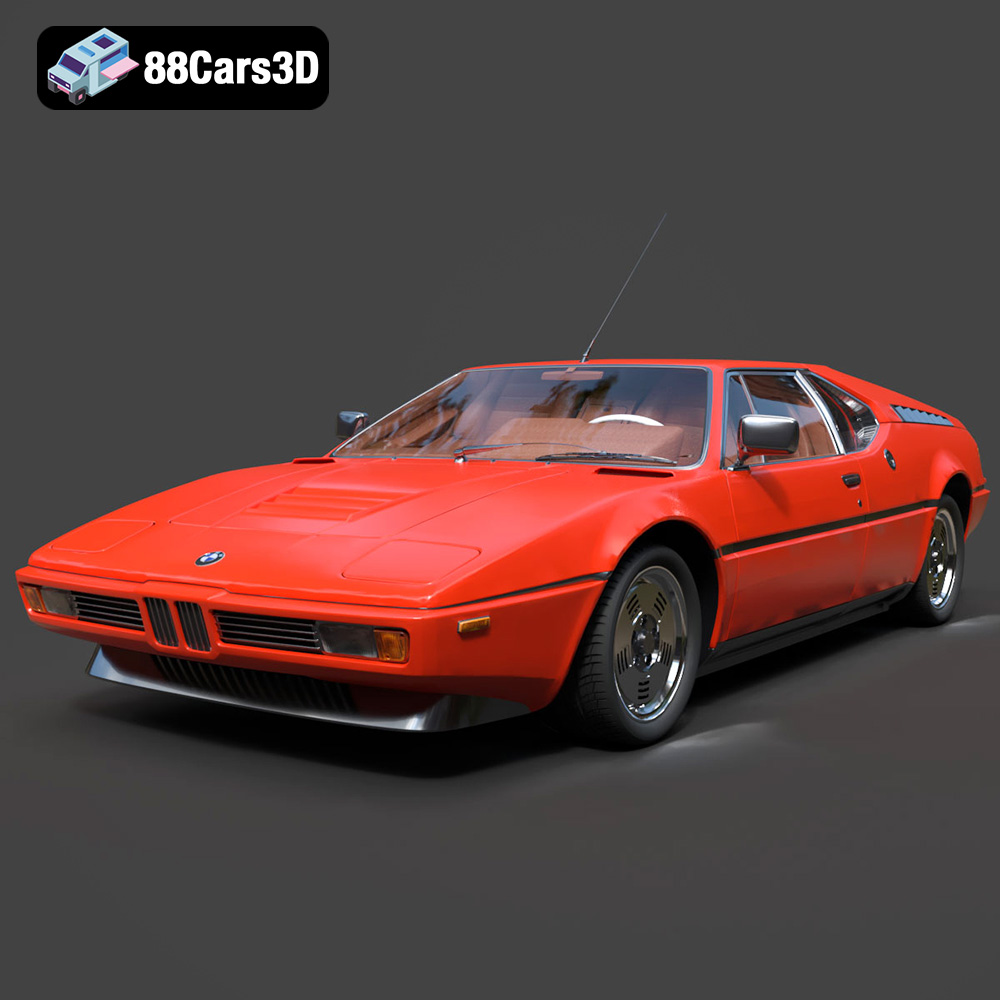
Texture: Yes
Material: Yes
Download the BMW Motorsport M1 E26 1981 3D Model featuring its iconic design, race-bred aerodynamics, and meticulously crafted details. Includes .blend, .fbx, .obj, .glb, .stl, .ply, .unreal, and .max formats for rendering, simulation, and game development.
Price: $20.79

